AquaLibs presents AquaRank Discover the world’s leading aquascapers

Explore transparent rankings built from published results across the world’s leading aquascaping contests.

Curves - IIAC 2023 #02 Ant Long Tran Hoang / Vietnam

"Curves" created by natural large size rock have a pebble shape with layers of colors. Its arranged by most simple way without any tips or special technique as well as glues, without any activities to breaking or trimming it by any tools too.

Position of any rock not follow any golden ratio or any special special rules, just follow a simple purpose: show the beauty of nature time process of rock with plant shapes and colors in the nature stream.

Respect the nature material means that layout may not got the best scores of structure shape of layout, cannot control shadow ratio and sure, cannot impressed everyone by new nature aquarium typical tips, but I hope its can show my new point of view about natrure by the way I respect it, the way I acceptant the imperfect beauty of real nature to bring to viewers a nature feeling by the most natural way, Its also showed my true feeling in front of grandeur nature, mother of all of us.

IIAC 2023 World Ranking Announcement - World Ranking 002 - Gold Prize

Curves

Author: Ant Long Tran Hoang / Vietnam

Aquarium Size/W155 x D90 x H55 (cm)

Comments from Andrew M. Senske

Bold use of stone, beautiful arangement, excellent choice of plants, this is a very refreshing design. I like this one so much!

Comments from Byrne Miao

The construction of pebble stone layout is well-proportioned. The location of each Microsorum pteropus is very natural.

Comments from Stu Worrall

My favourite aquascape of the 2023 entries with a refreshing rolling river boulder design. I love how the designer has kept the strata lines flowing left to right across the tank. The use of the small ferns poking from gaps in the rocks really gives a nice bright highlight to the deep shadows next to them. The cardinals work really well although I think a larger shoal would have looked more dramatic. An excellent scape!

Comments from Grygoriy Polishchuk

Only a very experienced master can install a hard scape so skillfully. The incredible display of shadows, shapes and colors further emphasizes the depth.

Comments from Fabian Kussakawa

I liked the boldness and different proposal. This aquarium is very unique and original. I also liked the aspect of the rocks appearing to be old in the aquarium. There was a lack of layers with smaller elements and the focal point being better worked. Kudos for being bold. Good work and Congratulations!

Comments from Noboru Nishimura

The use of round stones, which are difficult to layout, and the large sizes, increases the impact and creates an impressive work. The selection of aquatic plants and fish was also well thought out, resulting in a well-balanced work overall.

Comments from Gary Wu

This is one of memorized layout of the year. It is difficult to use such rock type to arrange an attractive layout, the rust tone and alge surface on the stone enchance this rich color tone layout. Well done.

Comments from Frederic Fuss

A real fountain of youth! A very refreshing depiction of a riverbed with round stones. A very natural and relaxed atmosphere meets life-affirming colors. The focus here seems to be on the fish, which move with their own color to the area of all four focal points and, despite the unfamiliar surroundings, fit perfectly into the overall picture. Overall, the design is extraordinarily balanced, the small selection of materials and plants gives the impression of a single large whole and does not appear monotonous at all. Tiny details like a delicate, red lotus make for a pleasant change and don't look pretentious at all. The overall structure is very central, the depth effect is rather mediocre. Overall, the viewer's gaze is not directed much. Instead of "Look here, look there" it says "Take a look around." The colorfulness is what impressed me here from everything else, all colors appear in several places together without it being the least bit shrill. The algae on the stones make an important contribution here and show once again that controlled algae growth can contribute to a natural and convincing presentation. I see, I am amazed, I am happy and I love this work!
Leave your comments
Latest on News & Press
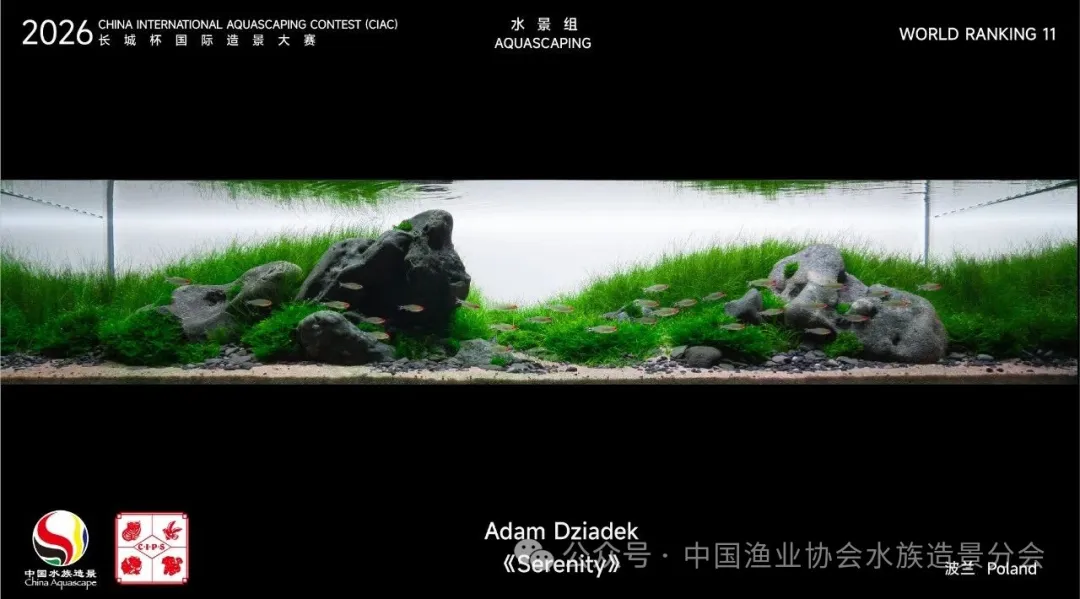
  • Serenity · Adam Dziadek · CIAC 2026

    When Minimalism Is Harder: What 2026 Iwagumi Entries Reveal About Competition-Ready Design

    Iwagumi looks simple because it removes visual clutter. In practice, that restraint makes every stone angle, substrate line, plant mass and patch of empty water easier to judge. This visual case study examines stone-led and Iwagumi-inspired layouts from the supplied 2026 CIAC and AGA catalogue. No IAPLC image was supplied, so the IAPLC comparison is limited to general design principles rather than named works or results.
  • Why CIAC 2026 Puts Plant Condition Ahead of Aquascape Drama

    Why CIAC 2026 Puts Plant Condition Ahead of Aquascape Drama

    The published scoring structure for the CIPS International Aquascaping Contest makes one priority clear: a dramatic layout is not enough if the plants are weak, faded, or poorly maintained. Aquatic plant condition is worth 60 points, compared with 30 for maintenance skills and 10 for photography. That balance gives contestants a practical preparation plan—grow a healthy aquarium first, then present it clearly.
  • The Art of Thai Aquascape 2026: What a Public Aquascaping Festival Can Teach Tank Builders

    The Art of Thai Aquascape 2026: What a Public Aquascaping Festival Can Teach Tank Builders

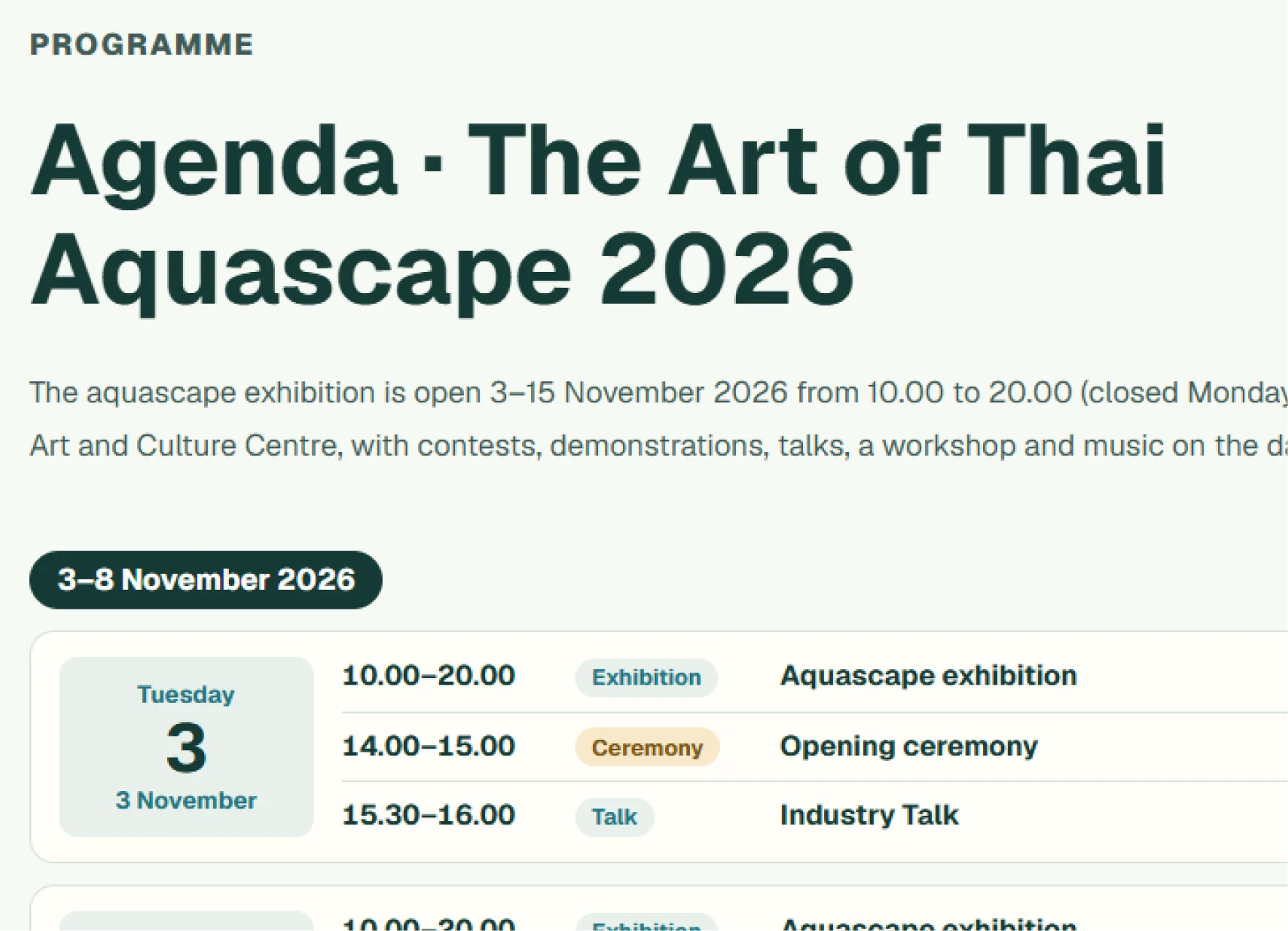
    The Art of Thai Aquascape 2026 will turn the Bangkok Art and Culture Centre into a public showcase from November 3 to 15, 2026. Its programme combines an exhibition with professional and newcomer contests, demonstrations, talks, a photography workshop and performances. For hobbyists, that mix offers more than a reason to visit: it provides a useful framework for building, refining and presenting a planted aquarium.
  • EAPLC 2026 Aquascape Lessons by Tank Size: From Nano Focal Points to Large-Scale Perspective

    EAPLC 2026 Aquascape Lessons by Tank Size: From Nano Focal Points to Large-Scale Perspective

    The official EAPLC 2026 results offer more than a list of category winners. They provide useful case studies in how composition, planting, hardscape, and livestock work together at different scales. These observations are not fixed rules or mandatory formulas, but practical ideas aquascapers can adapt to their own tanks.
  • AGA 2026 Results: Chuanwei Yu Wins Best of Show

    AGA 2026 Results: Chuanwei Yu Wins Best of Show

    Chuanwei Yu (余传威) of China has won Best of Show at the 2026 AGA International Aquascaping Contest with All Begins to Nature (万物自然). The Aquatic Garden 220L+ winner also took first place in the combined Aquatic Garden standings. Announced on November 7, the official AGA 2026 results cover 422 entries from 343 contestants across 54 countries.
  • Analyse Spain aquascapes at IAPLC 2026, then explore the country’s results, contributing creators and competition history on AquaRank Nations.

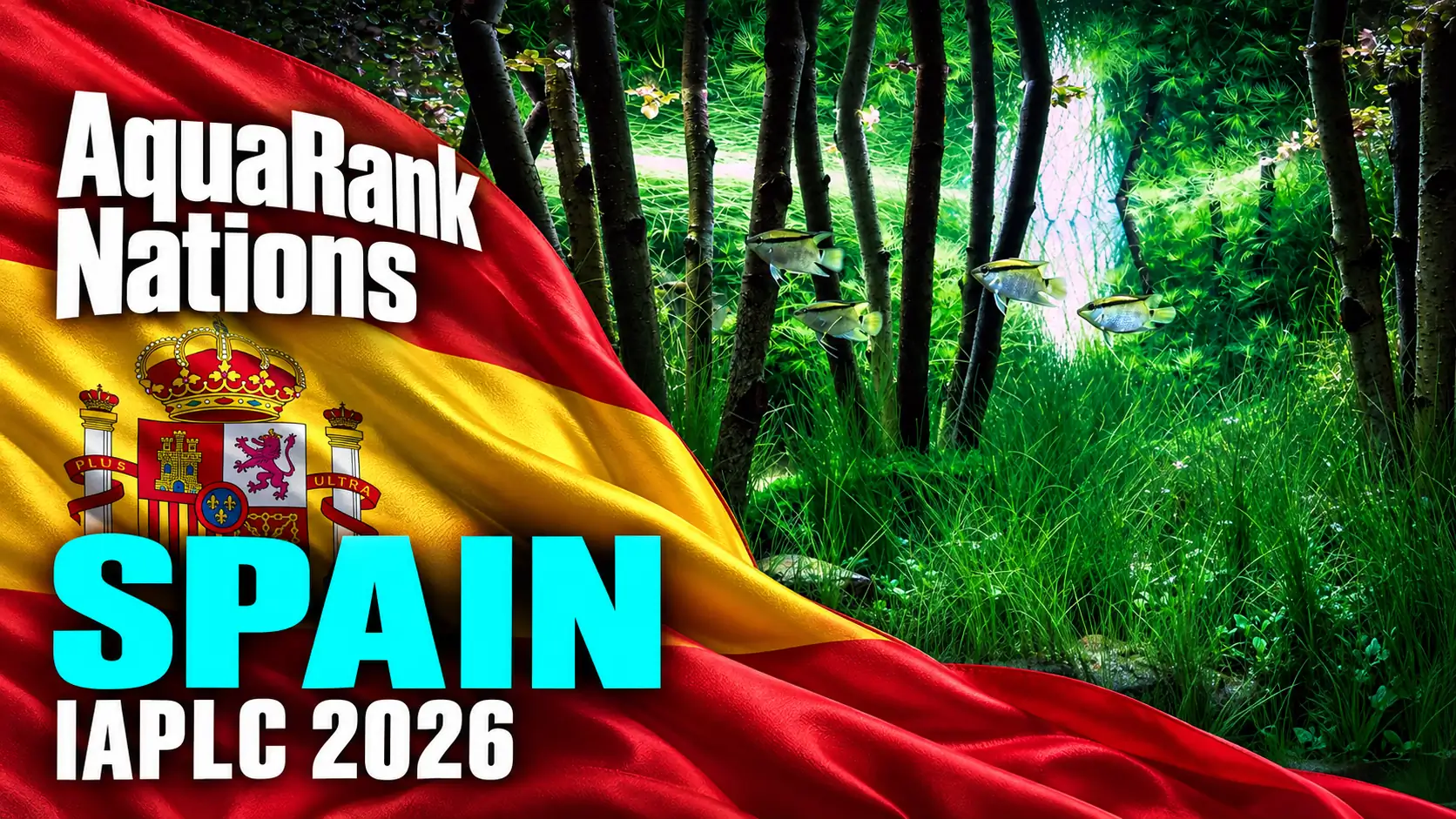
    Spain at IAPLC 2026: Roberto Buenadicha’s Forest and the Space Between Trunks

    Roberto Buenadicha’s aquarium is the only Spanish work in the published ranks 1–300. Its slender dark trunks, fine green planting and conspicuous pale fish make it a rewarding individual study. This instalment returns to the older Spain introduction through one photograph, keeping the scope small enough for the evidence available.
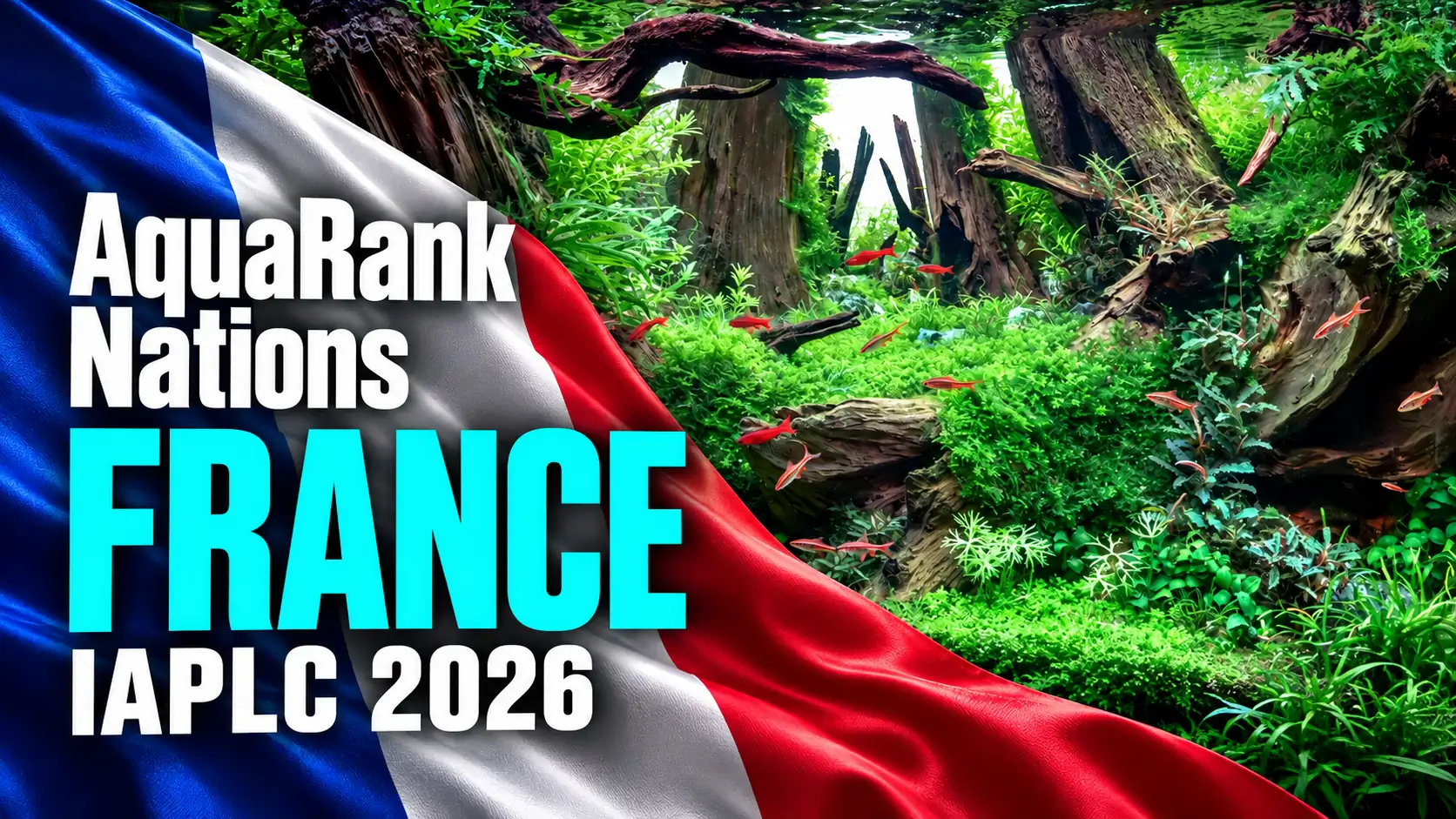
  • Analyse France aquascapes at IAPLC 2026, then explore the country’s results, contributing creators and competition history on AquaRank Nations.

    France at IAPLC 2026: A Close Reading of Jean Christophe Grosset’s Woodland

    Only one French work appears in the published ranks 1–300. That gives this instalment a different task: a close reading of Jean Christophe Grosset’s aquarium, with the older country introduction as context. The photograph deserves attention for its own wood, planting and fish relationships, rather than being made to represent every French aquascaper.
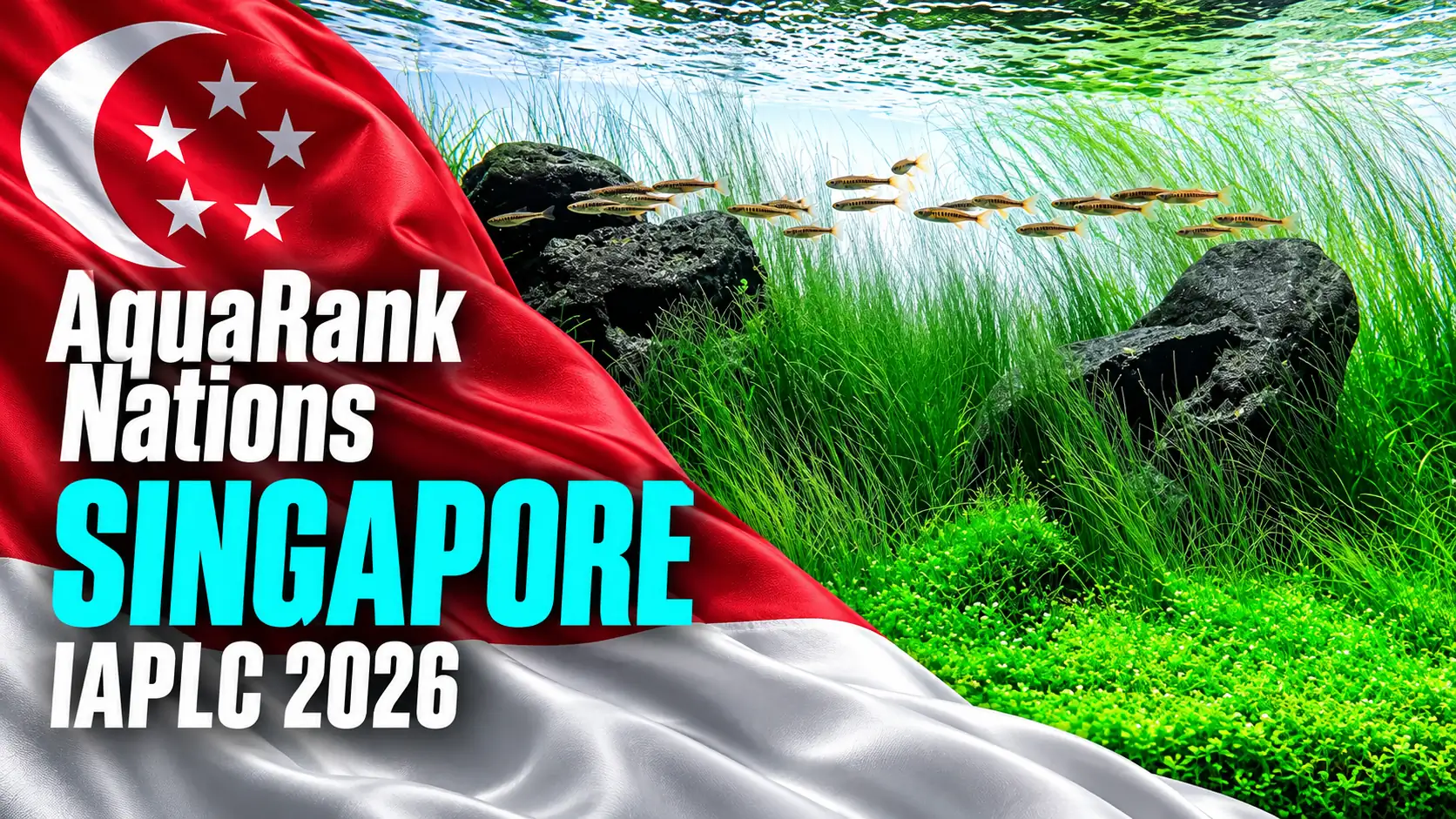
  • Analyse Singapore aquascapes at IAPLC 2026, then explore the country’s results, contributing creators and competition history on AquaRank Nations.

    Singapore at IAPLC 2026: Open Stone and an Enclosed Planted Passage

    Two Singaporean works appear in the published ranks 1–300, and they offer an unusually clear contrast. One makes open water and two main stones central; the other encloses a small rear opening within dense planting and roots. The pair is useful precisely because it does not support one simple visual label.
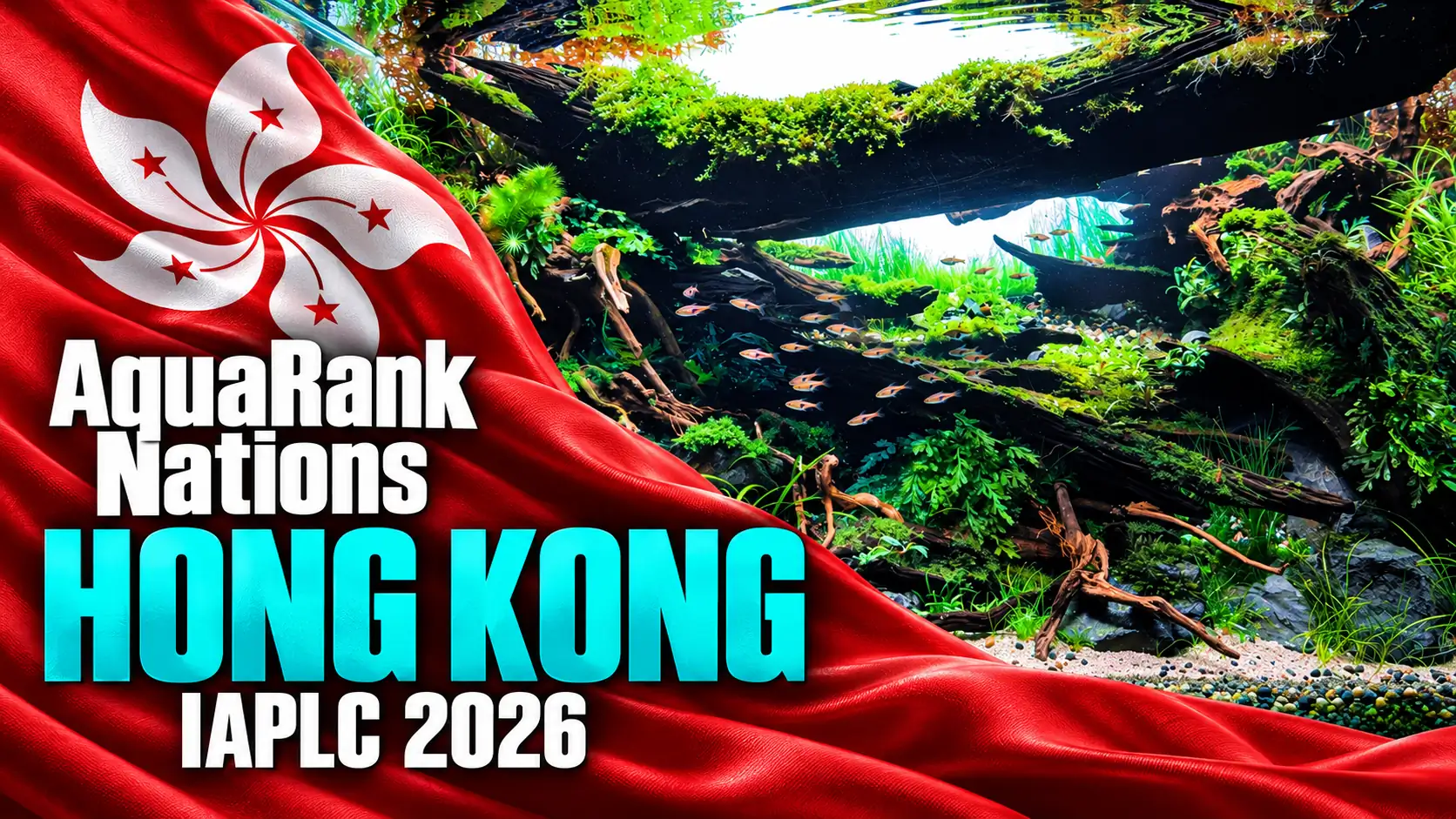
  • Analyse Hong Kong aquascapes at IAPLC 2026, then explore the country’s results, contributing creators and competition history on AquaRank Nations.

    Hong Kong at IAPLC 2026: Three Studies in Light, Layers and Visual Impact

    A low timber ceiling, blue-toned terraces and converging planted diagonals create three visibly different aquariums. Hong Kong’s represented works at ranks 1–300 offer a compact study of visual impact beyond the season’s leading awards. Looking at them closely is more informative than treating the cutoff count as a verdict on an entire aquascaping community.
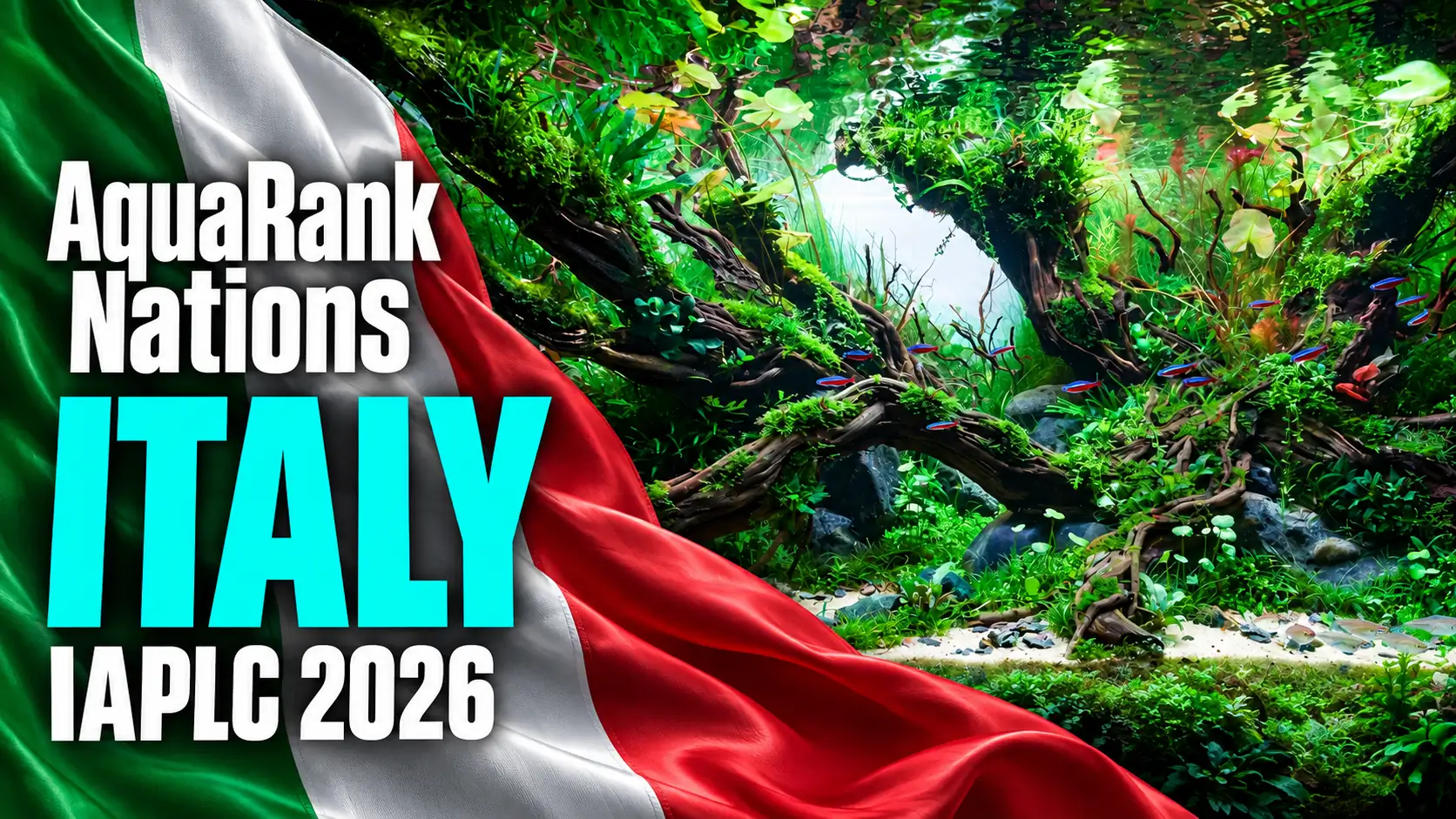
  • Analyse Italy aquascapes at IAPLC 2026, then explore the country’s results, contributing creators and competition history on AquaRank Nations.

    Italy at IAPLC 2026: Calm Routes and More Dramatic Planted Frames

    A clear route through planted banks can feel quiet; a coloured ridge beneath a dark frame can feel theatrical. The four Italian photographs selected for this study offer both experiences. Together, they make a useful contemporary comparison with an archive that once placed particular emphasis on calm, enduring-looking compositions.
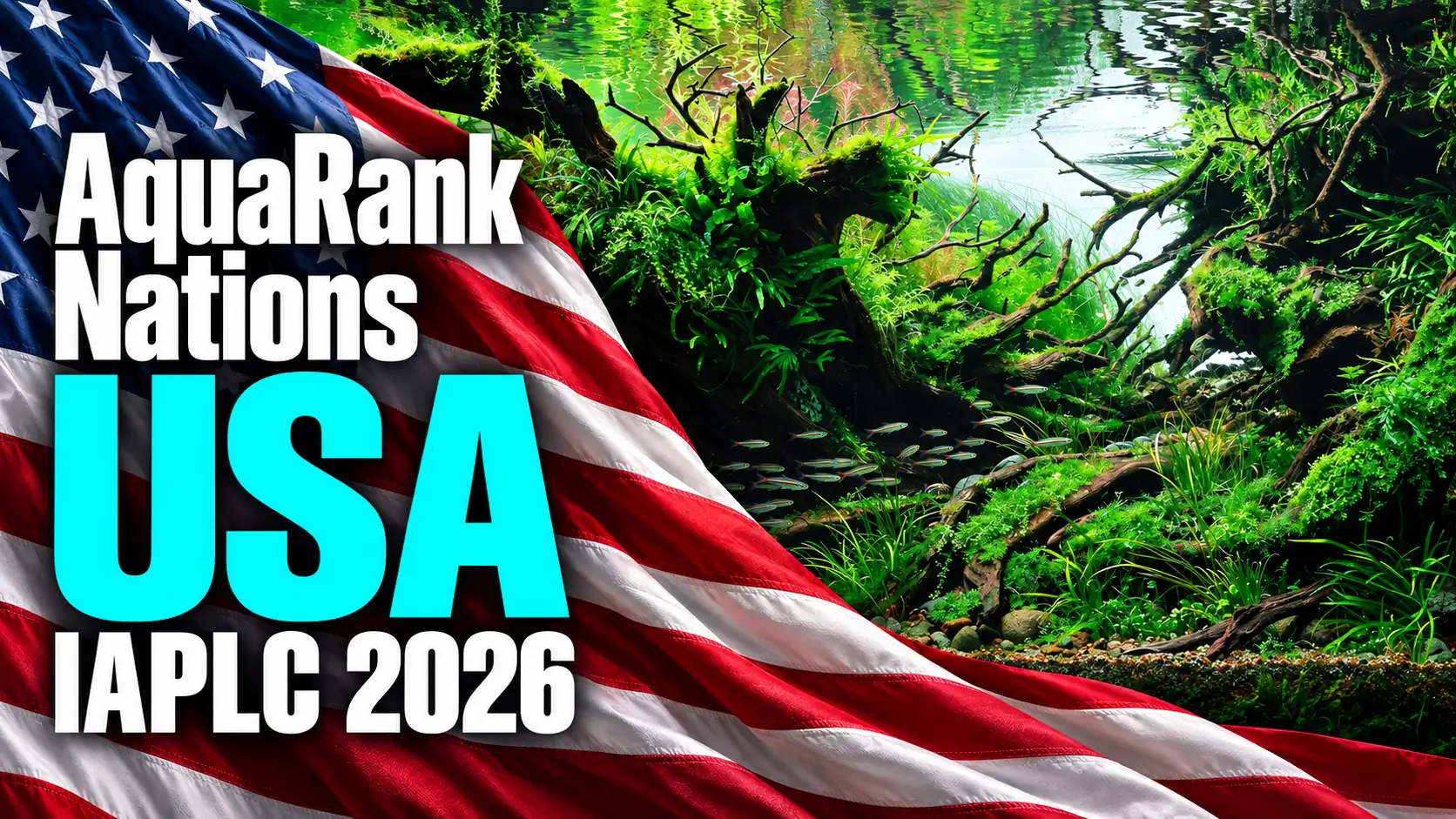
  •  Analyse United States aquascapes at IAPLC 2026, then explore the country’s results, contributing creators and competition history on AquaRank Nations.

    United States at IAPLC 2026: Four Distinct Readings of a Wooded Aquarium

    The four American photographs selected here all contain important wood structures, yet they do not produce one uniform wooded scene. A broad canopy, a low diagonal, a fine-leaved light window and an exposed timber subject organise attention differently. That variation lets us discuss design diversity through specific decisions rather than a broad national label.
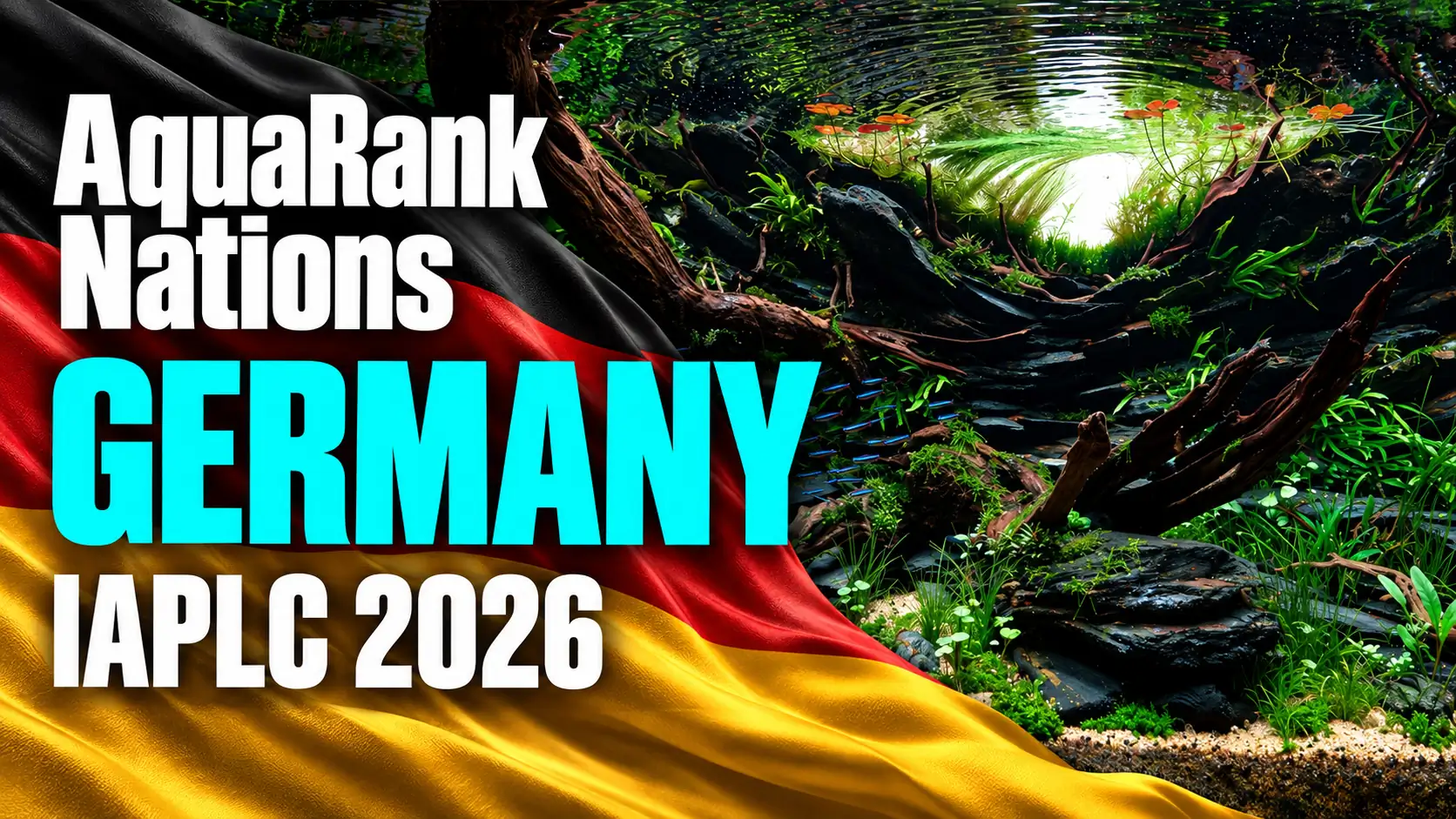
  • Analyse Germany aquascapes at IAPLC 2026, then explore the country’s results, contributing creators and competition history on AquaRank Nations.

    Germany at IAPLC 2026: Four Ways to Balance Hardscape and Open Water

    A dark wooded frame, a rocky valley, a brighter mixed scene and green-covered root contours make this German selection particularly useful for comparison. The photographs share an interest in separating materials from the water around them, but achieve it through different outlines and lighting relationships.
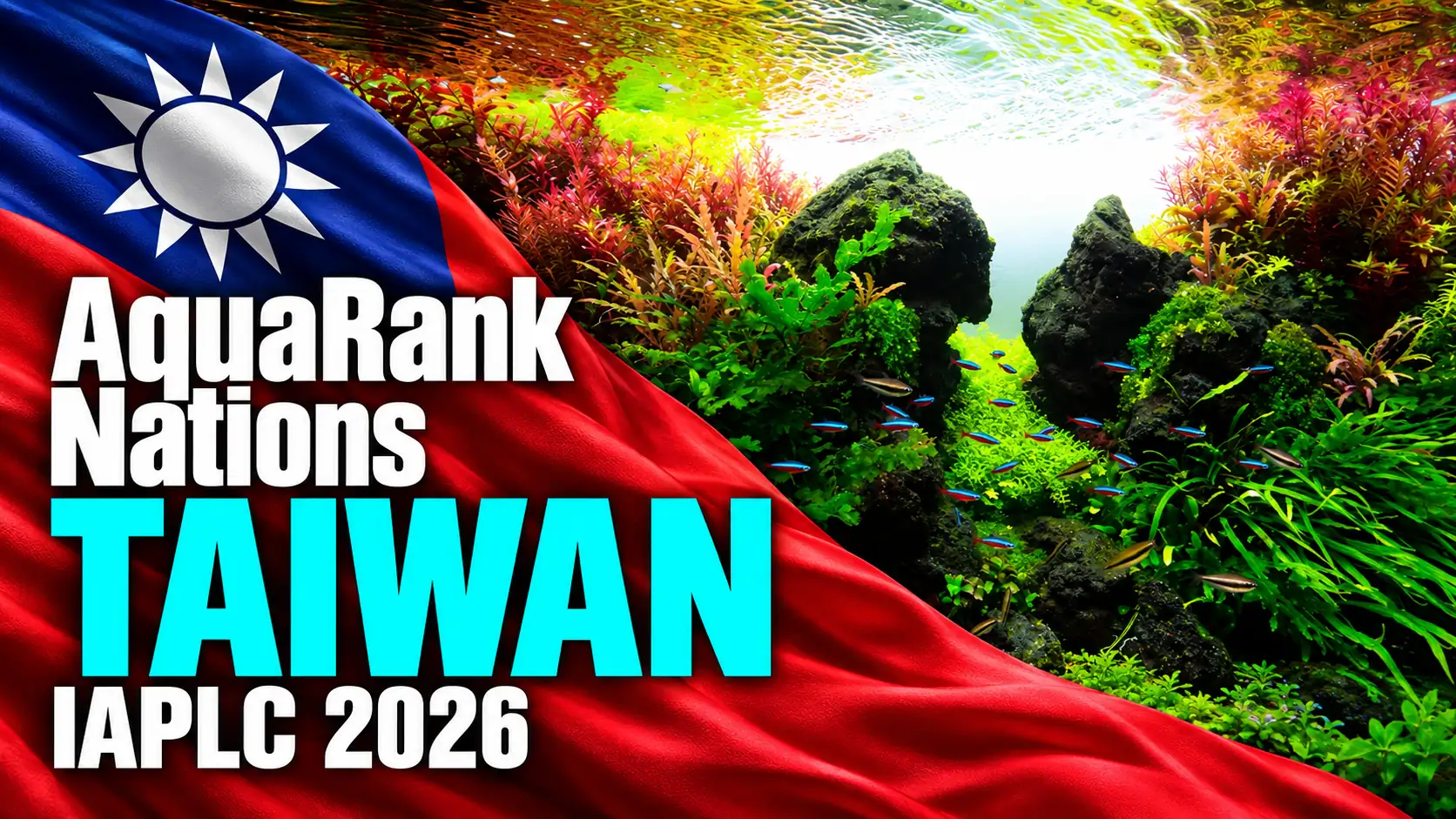
  • Analyse Taiwan aquascapes at IAPLC 2026, then explore the country’s results, contributing creators and competition history on AquaRank Nations.

    Taiwan at IAPLC 2026: Planted Contours and Changing Routes into Depth

    Dense foliage, planted wood ridges and a low central route create different senses of distance in this four-work selection. The photographs are particularly rewarding when viewed through changes in leaf shape and planting height. They offer a present-season comparison with an archive that once described both graceful composition and more contemporary experimentation.
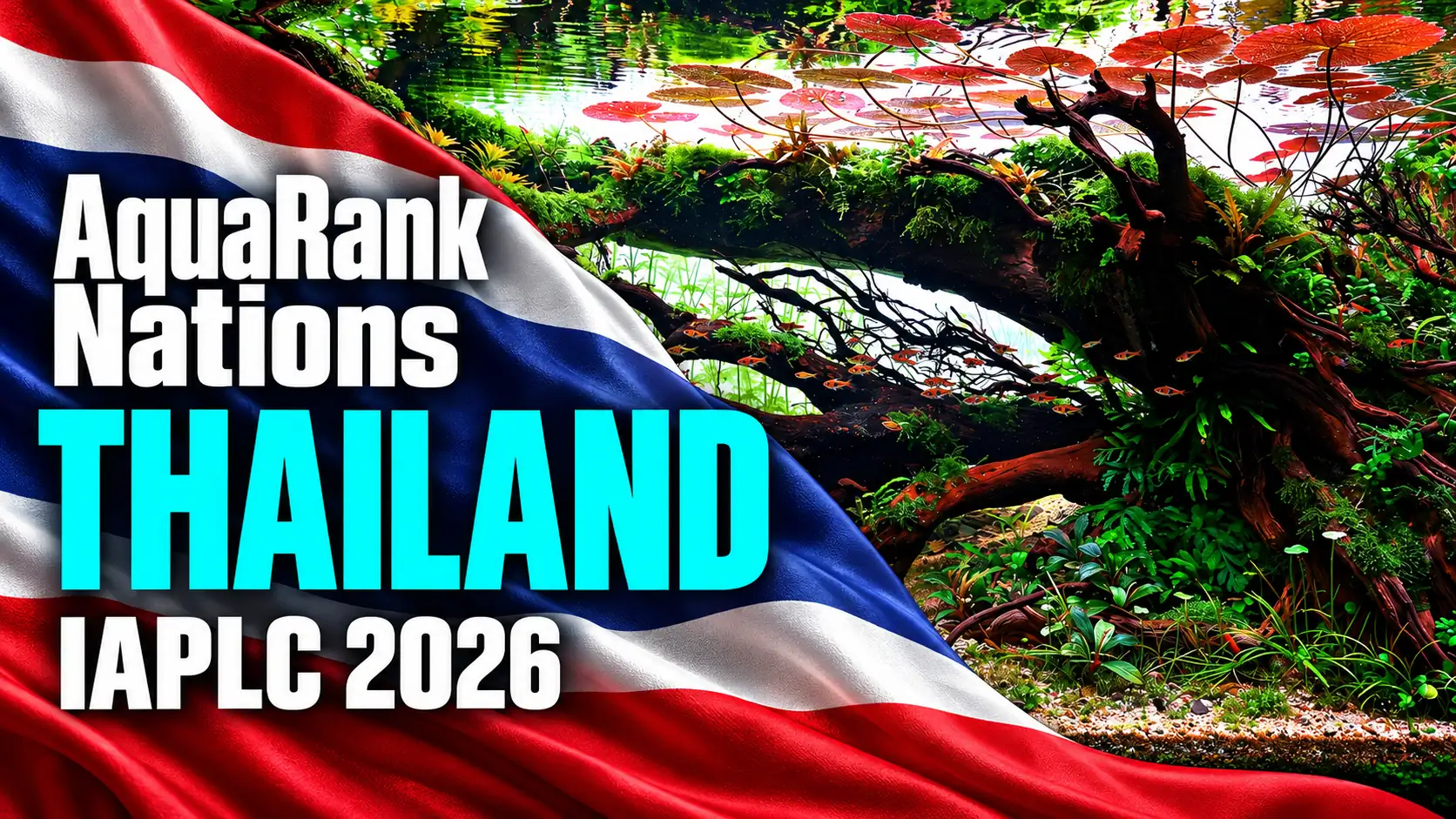
  •  Analyse Thailand aquascapes at IAPLC 2026, then explore the country’s results, contributing creators and competition history on AquaRank Nations.

    Thailand at IAPLC 2026: Surface Colour, Green Arches and Open Rockwork

    Three Thai aquariums in the published Top 300 present contrasting visual priorities. MAGIC LEAVES makes the water surface a signature; another work carries a route beneath planted arches; a third exposes rock peaks against rounded greenery. This small group gives a useful reason to look beyond the first shared award photograph.
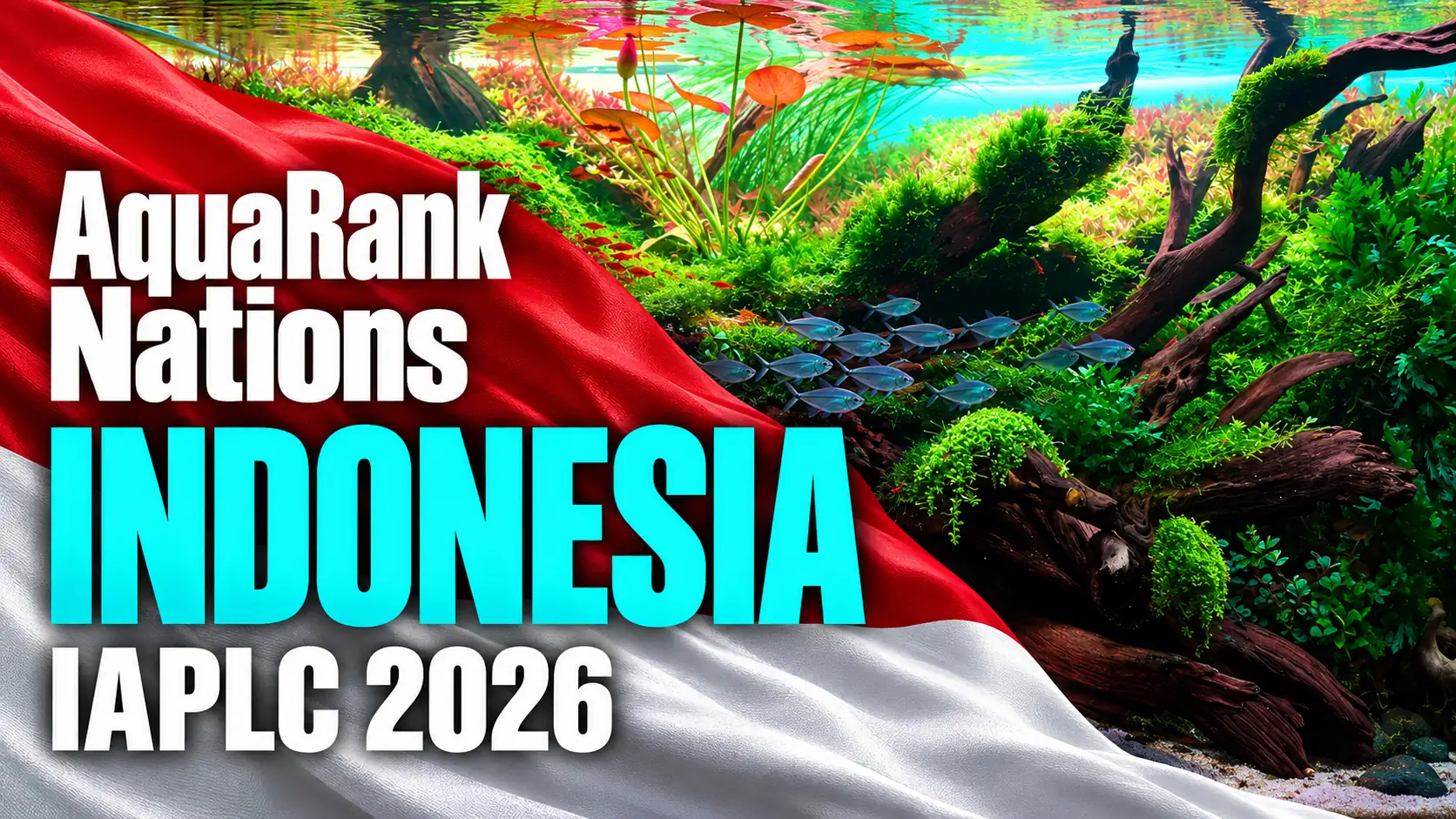
  • Analyse Indonesia aquascapes at IAPLC 2026, then explore the country’s results, contributing creators and competition history on AquaRank Nations.

    Indonesia at IAPLC 2026: Forest Craft Through Four Different Frames

    The four Indonesian works published at ranks 1–300 offer a compact comparison. A coloured surface canopy, a dominant trunk, a dense grove and a wood-and-rock opening all reward close attention. The small group makes it possible to examine every represented work in this range, while keeping the conclusions specific to this season and cutoff.
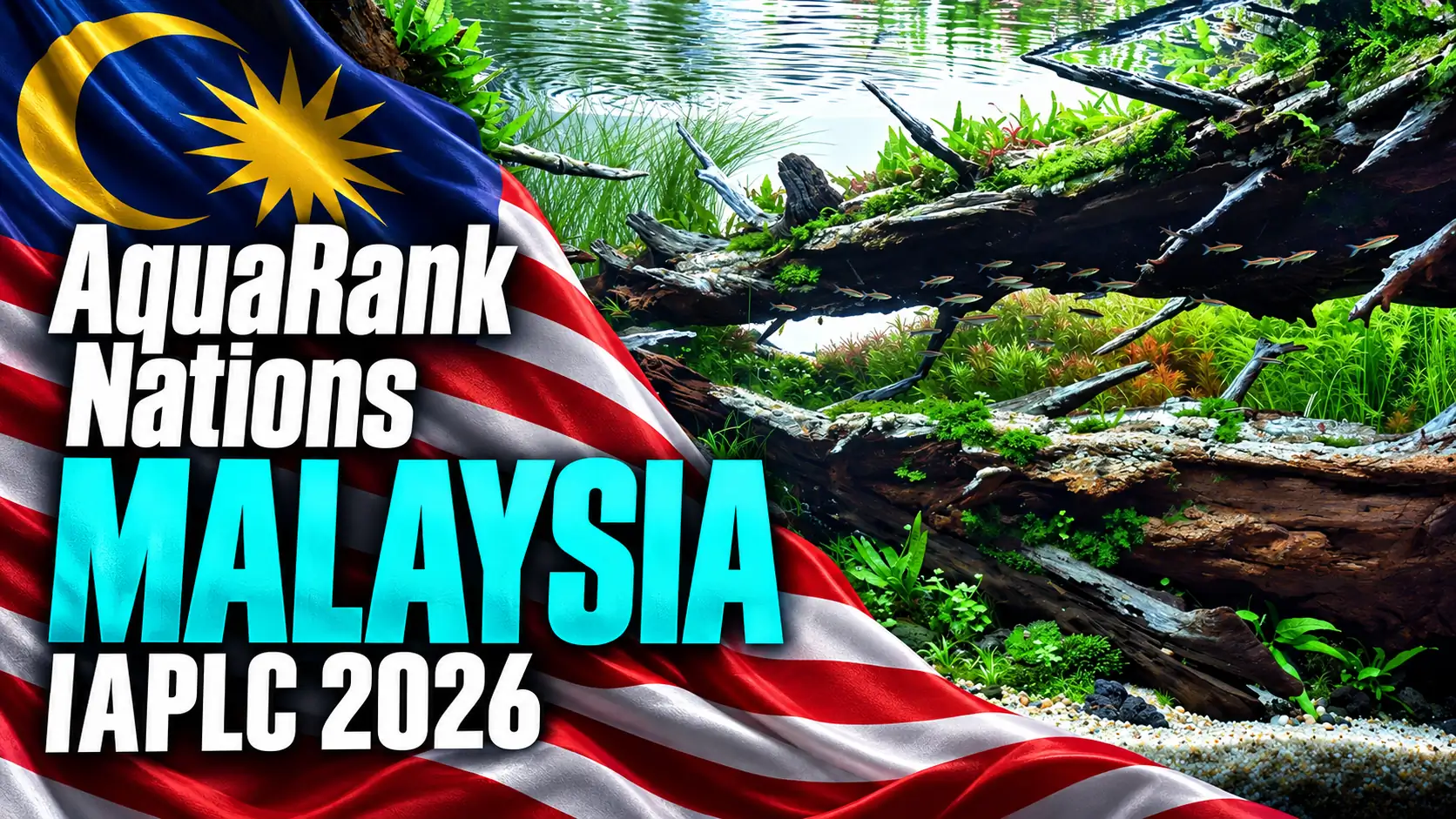
  • Analyse Malaysia aquascapes at IAPLC 2026, then explore the country’s results, contributing creators and competition history on AquaRank Nations.

    Malaysia at IAPLC 2026: Wood, Plant Texture and the Visual Role of Fish

    A bright gap between broad wood layers, a fine-leaved canopy and a conspicuous individual fish offer three different entrances to this Malaysian selection. The photographs invite attention to the space inhabited by fish as well as the hardscape around it. They also show why a creator’s reputation and a new aquarium’s visual decisions should be discussed separately.