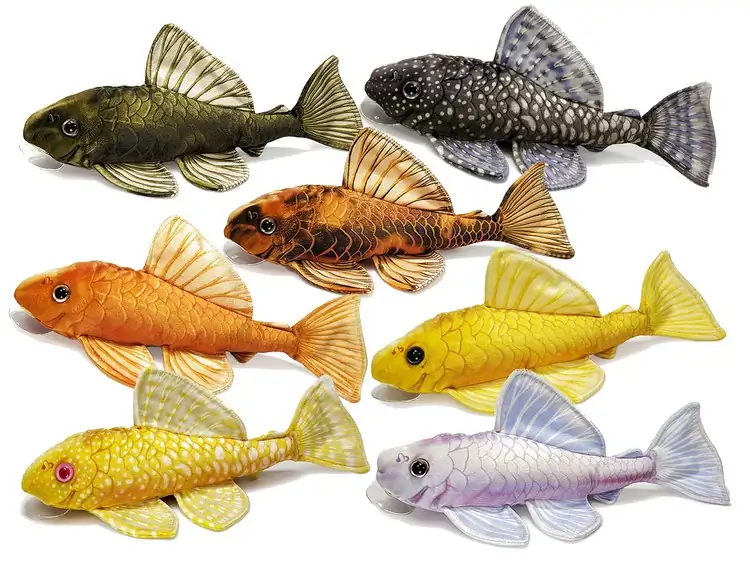
Here are some of the main benefits and roles of plecos:
-
Algae control: Plecos are renowned for their ability to eat algae, making them excellent natural cleaners for aquariums. They use their specialized mouthparts to scrape algae off surfaces, helping to keep the tank clean and reducing the need for manual algae removal.
-
Waste management: Plecos are omnivorous and will consume leftover food and organic debris in the tank. This helps prevent the accumulation of excess waste, which can lead to poor water quality and harmful conditions for fish and other aquarium inhabitants.
-
Tank maintenance: Plecos actively graze on plant matter, including decaying leaves and detritus. By consuming these materials, they assist in maintaining overall tank cleanliness and preventing the buildup of debris.
-
Natural behavior and aesthetics: Plecos exhibit fascinating behaviors and add visual appeal to aquariums with their unique appearances. Many pleco species have distinct patterns, colors, or unusual body shapes, making them attractive additions to tanks.
-
Bottom-dwelling and surface-cleaning: Plecos are primarily bottom-dwelling fish, spending much of their time near the substrate or on tank surfaces. This behavior allows them to reach areas that other fish might not access, ensuring a more thorough cleaning of the tank.
-
Nutrient recycling: As plecos consume algae, decaying plant matter, and organic waste, they help recycle nutrients within the aquarium ecosystem. By breaking down and digesting these materials, they release essential nutrients back into the water, benefiting plant growth and overall ecosystem balance.
-
Peaceful tank inhabitants: Many plecos are known for their peaceful nature, making them compatible with a wide range of fish species. They generally coexist peacefully and rarely exhibit aggressive behavior towards tankmates.
It's important to note that plecos have specific care requirements, such as appropriate tank size, water parameters, and diet. Some species may grow quite large and require spacious tanks, while others have more specific dietary needs. It's crucial to research and provide suitable conditions to ensure the well-being of plecos in an aquarium.
This list will help you learn about each type and species, so you can decide which ones you might want for your own tank!
1. Bristlenose Pleco
The Bristlenose Pleco is certainly a standout species when it comes to appearance. These fish have heads that are covered in spindly bristles. They are more pronounced with male specimens, covering a good portion of the head.

Beyond those defining bristles, these plecos have a distinct look. They have a wider head than most other pleco species. There are several variations of the Birstlenose Pleco out there, but most are going to have a dark base color covered in a series of lighter dots. Common base colors include brown, gray, black, or olive green.
Bristlenose Plecos are quite hardy and can adapt to a wide range of water parameters. They require temperatures between 60 and 80 degrees. Though, somewhere in the middle of that range is ideal. As for pH balance, it should be between 6.5 and 7.5.
These bottom-dwelling fish are known for their healthy appetite for algae. They will scour the tank to eat as much as they can. That said, you’ll need to supplement their diet with algae wafers, sinking food pellets, and the occasional protein-packed live food.
Size: 3-5 inches
Difficulty: Beginner
Minimum Tank Size: 25 gallons
2. Zebra Pleco
This is an eye-catching type of pleco that’s highly sought-after in the fish community. It’s not hard to see why. As their name would suggest, these fish have a color pattern that matches that of a zebra. Alternative stripes of staunch black and vibrant white cover their entire bodies.

That vibrant coloration is accompanied by a prominent dorsal fin and an equally-beautiful tail. On their heads, these fish have a sizable sucker mouth surrounded by four whiskers.
Despite their attention-grabbing looks, the Zebra Pleco is surprisingly shy. They are nocturnal by nature, so don’t expect to see much of them during the day. The fish may come out to eat during feeding time, but even that can be too much to handle.
Oftentimes, owners have to feed these fish in areas of the tank they don’t feel threatened. This could mean dropping sinking foods near hiding spots.
These plecos are omnivores. They do very well with algae wafers and blanched vegetables. Though, they prefer live foods like brine shrimp and bloodworms.
Size: 3.5 inches
Difficulty: Intermediate
Minimum Tank Size: 30 gallons
3. Clown Pleco
Clown Plecos are a relatively low-maintenance species that can thrive for over a decade in captivity. Considered to be a good beginner-friendly fish, these plecos don’t require any special water parameters to stay healthy. They like temperatures between 73 and 82 degrees as well as a pH balance in the neighborhood of 6.8 to 7.6.

Like most types of plecos, this species is a big fan of algae. They do best in tanks that have driftwood for decor. Driftwood acts as their hiding space, play space, and even food source. Not only will they eat the algae off the wood, but they may even chow down on the wood itself! Don’t worry, this is perfectly healthy.
Clown Plecos are named for the distinct stripes they’re covered with. The base color of most Clown Plecos is going to be black. But, thin yellow or orange stripes break up that black color nicely. The stripes are even found on their large dorsal and caudal fins.
Size: 3.5 inches
Difficulty: Intermediate
Minimum Tank Size: 20 gallons
4. Gold Nugget Pleco
Originally found in Brazil, the Gold Nugget Pleco has quickly become one of the most popular pleco species out there. These fish are covered in bright yellow spots. Those spots stand out against their black base color, creating an undeniably beautiful appearance.

In terms of shape, the Gold Nugget Pleco fits the standard pleco profile. They have that same familiar shape, expansive dorsal fin, and iconic suckermouth.
For the most part, these plecos are calm and solitary. They are much more active at night. During the day, they’ll keep to themselves at the bottom of the tank. All that said, they are prone to some light aggression whenever another fish encroaches on their territory.
Gold Nugget Plecos are unfussy when it comes to both water conditions and food. They do fine in standard tropical freshwater habitats. This means warm water and a relatively neutral pH balance.
As for food, these algae-eating plecos are omnivores. In addition to algae, they will need some protein-rich snacks to stay healthy.
Size: 7-10 inches
Difficulty: Intermediate
Minimum Tank Size: 50 gallons
5. Sailfin Pleco
Named after their enormous dorsal fins, Sailfin Plecos are stunning to look at. When erect, the dorsal fin is very tall and covers a lot of surface area. Even when the fin is down, it reaches back almost to the caudal peduncle.

That’s not the only unique thing about this fish. The body coloration is beautiful, too. They are sporting a series of condensed dots. The dots are placed against a lighter base color, resulting in a cool leopard-like effect.
Natural habitats are a must for the Sailfin Pleco. The fish enjoys spending its time hiding underneath driftwood any cave-like structures. They are not very active during the day, so those natural hideouts are important.
Sailfin Plecos have a healthy appetite. They require twice-daily feedings. Their diet should consist of a lot of variety. This includes plant-based snacks, sinking dry foods, and live foods. Luckily, these fish aren’t very picky at all and will eat anything you provide.
Size: 13-19 inches
Difficulty: Beginner-Intermediate
Minimum Tank Size: 100 gallons
6. Royal Pleco
Typically found throughout the Amazon Basin, Royal Plecos are an interesting addition to your home tank. There’s a lot of variety with this species, so you never really know what you’re going to get. Many times, the differences between the fish come down to the specific area they come from in the wild.

These are colorful plecos that look very intimidating. They usually have a light grey base color that’s accompanied by dark striped lines. Those lines run laterally. You might also notice some spots on their pectoral fins.
The dorsal fin is usually gold in color. It may also be dark brown or black depending on the variant. As for the head, the most identifying feature is their large, bulbous red eyes! Their bodies tend to be a bit larger compared to other types of plecos, which can limit their movement a bit.
As a result of those limitations, Royal Plecos can be a bit territorial by nature. They will find a spot they like and stick to that area. Some slight aggression is possible, but the fish are generally shyer than anything else.
Size: 17 inches
Difficulty: Beginner
Minimum Tank Size: 125 gallons
7. Snowball Pleco
These fish look similar to Gold Nugget Plecos, but they are an entirely different species with some notable distinctions. The Snowball Pleco is covered in white or yellow spots. The base color is usually black, gray, or reddish-brown. Those spots are placed a bit more sporadically and have uneven shaping, making them easy to differentiate from other species.

The Snowball Pleco helms from the Rio Negro in Venezuela. This tributary is the largest blackwater river in the world. To keep these fish healthy, it’s best to replicate those conditions as closely as possible.
The water is soft but on the acidic side. In captivity, waters should have a pH balance between 5.8 and 7.6. Warmer temperatures between 72 and 86 degrees are preferred as well. They also enjoy a stronger current where possible.
Because they come from a darker environment, Snowball Plecos will spend a lot of time in hiding. They like dark caves and the cover provided by driftwood or plants.
Size: 6 inches
Difficulty: Beginner
Minimum Tank Size: 40-50 gallons
8. Rubber Lip Pleco
The Rubber Lip Pleco is a great choice for aquarists of all experience levels. This type of pleco is very low-maintenance and a lot of fun to care for.

These fish eat a lot of aquarium algae and will spend most of their time at the bottom of the tank (no surprise there). They can live for quite a long time too, which makes them great for any aquarist looking to really build a bond with the species they keep.
We love the appearance of this fish. There are a few different variations of colors and patterns you can find, and all of them look great!
Size: 7 inches
Difficulty: Intermediate
Minimum Tank Size: 30 gallons
9. Leopard Frog Pleco
Also known as the Imperial Tiger Pleco, the Leopard Frog Pleco is an undemanding fish that can adapt to a wide range of environments. As long as no sudden water changes occur, they can do just fine in standard conditions.

The fish is quite beautiful. It’s sporting alternating stripes of black and yellow. Their profile is similar to other plecos species. This includes the large head and pronounced pectoral and anal fins.
Largely nocturnal, the Leopard Frog Pleco tends to be relaxed throughout the day. It’s when the lights go out that they truly become active.
That said, these fish are known to jump into action and get aggressive when their claimed territory is crossed. Males are known to fight with other males of the same. As a result, they will need ample space and plenty of hiding spots to avoid aggression.
These fish are omnivores. In addition to algae, you can find them snacking on leftover fish food at the bottom of the tank. Of course, supplemental live and dry food is a must.
Size: 4 inches
Difficulty: Beginner-Intermediate
Minimum Tank Size: 30 gallons
10. Peppermint Pleco
Naturally found in Rio Xingu in Brazil, the Peppermint Pleco has some unique care requirements. It’s not particularly difficult to keep these fish healthy, but their natural habitat calls for a very specific tank setup.

The Rio Xingu is a fast-moving river. Peppermint Plecos spend their time latching onto rocks at the bottom of the river. So, you’ll need to create a relatively strong stream and provide plenty of rocks for the fish to hide in.
Peppermint Plecos have a black or dark gray base color. It helps them blend in with rocks in the wild. The base color is broken up with several tiny white dots.
Like most plecos, these fish are covered in protective bony plates. The only place you won’t find the plates is on the abdomen. They have that iconic sucker mouth like other species. However, their buccal teeth are much more visible.
Size: 7 inches
Difficulty: Intermediate
Minimum Tank Size: 50 gallons
11. Candy Striped Pleco
Candy Striped Plecos can be found living in the lower parts of the Amazon River Basin. They are natural bottom-dwellers that need plenty of decorations to stay healthy. The fish do best in a tank that’s heavily decorated with rocks and driftwood.

Plants, while not necessary, are good with this species. Unlike other types of plecos, Candy Striped Plecos usually won’t uproot plants. They can feed on them, but this behavior usually only occurs when they’re not being fed correctly.
These plecos are omnivores. They do like to eat algae, but don’t make the mistake of thinking that’s all they need. In fact, they largely prefer protein-based snacks. A good diet consisting of live and frozen food is always preferred.
Candy Striped Plecos are known to be a bit territorial when kept with other bottom dwellers. They are best-suited for community tanks where all of the other fish stay towards the middle and upper parts of the water column.
Size: 4 inches
Difficulty: Beginner-Intermediate
Minimum Tank Size: 15-20 gallons
12. Vampire Pleco
Here is another pleco species with a lot of variation when it comes to color. Most have a dark body that’s colored black, brown, or gray. The base color is adorned with small light spots, mimicking the night sky. However, some specimens will have the opposite, such as a lighter base color and dark black spots.

The Vampire Pleco has a long slender body with some prominent fins. The dorsal, pectoral, and anal fins are all expansive. Not only that, but they have delicate rays. These rays can easily get caught in nets, so exercise caution when moving these fish.
One of the coolest physical features of the Vampire Pleco is its eyes. The eyes dilate according to light levels, which can be an interesting thing to watch.
Overall, Vampire Plecos are peaceful. They make great additions to community tanks. That said, they have been known to get a bit territorial. These fish are big thrashers, so they can do some damage to any fish that picks on them.
Size: 9 inches
Difficulty: Beginner-Intermediate
Minimum Tank Size: 30 gallons
13. Sunshine Pleco
These beautiful scavengers are quickly becoming a popular choice for aquarists. A big reason for that is their coloration. Unlike other fish species, Sunshine Plecos hold on to their color throughout their life. However, vibrancy can change in poor water conditions.

The main body of the fish is spotted. A dark-gray or brownish base color is broken up by thick white dots. The tips of the fins and belly of the fish take on an orange hue, giving the fish its unique name. On the head, you’ll notice that these fish also have small stubby whisker-like appendages.
These types of plecos are great algae eaters that need plenty of driftwood to stay healthy. They also need hiding places, which you can create with rocks and plants. The Sunshine Pleco is not known to uproot or eat live plants. But, they can ruin ornamental plants as they swim.
Sunshine Plecos are shy and docile. However, they can get territorial with other bottom-dwelling species. They have also been known to eat invertebrates in the tank, so it’s best to keep them away from small snails and shrimp.
Size: 12 inches
Difficulty: Intermediate
Minimum Tank Size: 125 gallons
14. Blue-Eyed Pleco
Native to Colombia, the Blue-Eyed Pleco is not for the faint of heart. These are some of the rarest plecos in the aquarist community. This is thanks, in large part, to their difficult habitat requirements.

These are some of the largest plecos around. Not only that, but they need fast-moving waters to stay healthy. That strong current is meant to replicate the strong flow of their native waters. Without it, the fish could become stressed and ill.
Hiding places are essential for the Blue-Eyed Pleco as well. They need a lot of driftwood. The fish uses it to graze for algae and to hide during their inactive hours.
As you can guess, these fish have stunning blue eyes. They’re quite vibrant and can reflect a lot of light depending on the conditions. The rest of their body is relatively muted. They’re covered in large thick armor plates that are colored gray.
Size: 2 feet
Difficulty: Intermediate-Expert
Minimum Tank Size: 180 gallons
15. Butterfly Pleco
Butterfly Plecos are a fun fish species to watch. It’s not because they are particularly active. In fact, these fish are nocturnal and will hide out during the day. The thing that makes them unique is their ability to camouflage.

Normally, Butterfly Plecos have a splotchy appearance. Their base color is dark brown or black. This is accompanied by irregular patches of yellow. The cool thing is that those colors can change based on the lighting conditions!
They will instantly camouflage themselves whenever the sun is too bright. The same behavior occurs when they’re kept in tanks with a dark substrate, too. To get the most out of their color, it’s recommended to keep the tank relatively dark and somber.
These fish have very healthy appetites. They feed on algae constantly. Yet, they’ll still require some supplemental food like vegetables, wafers, and live food. The fish will also feed on driftwood regularly.
Because they eat so much, these fish produce a lot of waste. To keep Butterfly Plecos healthy, a strong filtration system is essential.
Size: 6 inches
Difficulty: Beginner
Minimum Tank Size: 80 gallons
Which Do You Like?
Now that you know a bit more about the common types of plecos to keep in an aquarium, it’s time to think about which ones you like the most.
We know that with so many great options out there it can be hard to make a decision.
But honestly, it’s really hard to go wrong with any of the species on our list. We recommend thinking about the condition and tank size you can provide, and go from there,
If you’re having trouble deciding and want to throw some questions our way, feel free! Simply reach out to us on Facebook or through our website and we’ll get back to you as soon as we can.

Leave your comments