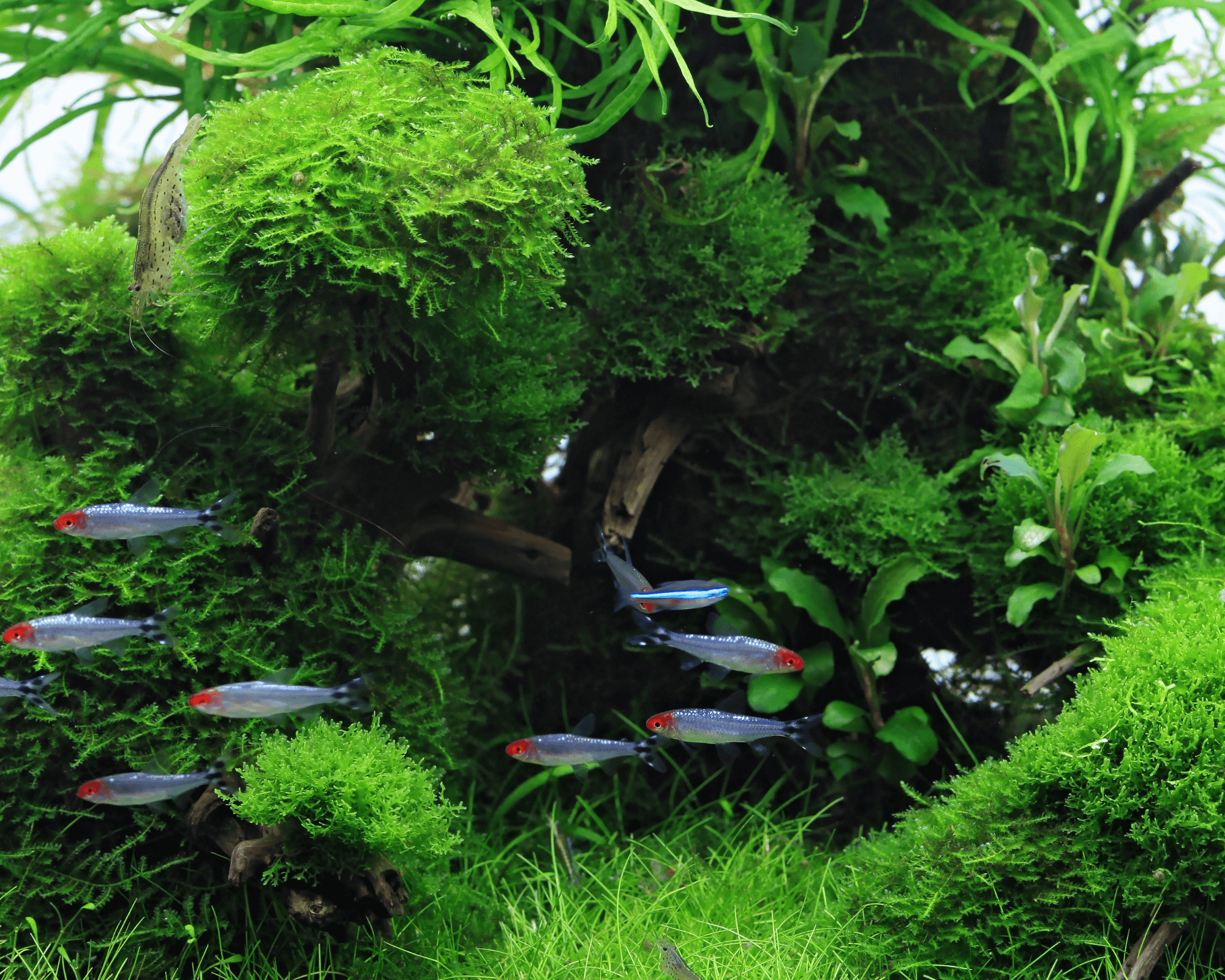
Start by Matching the Shrimp to Your Water
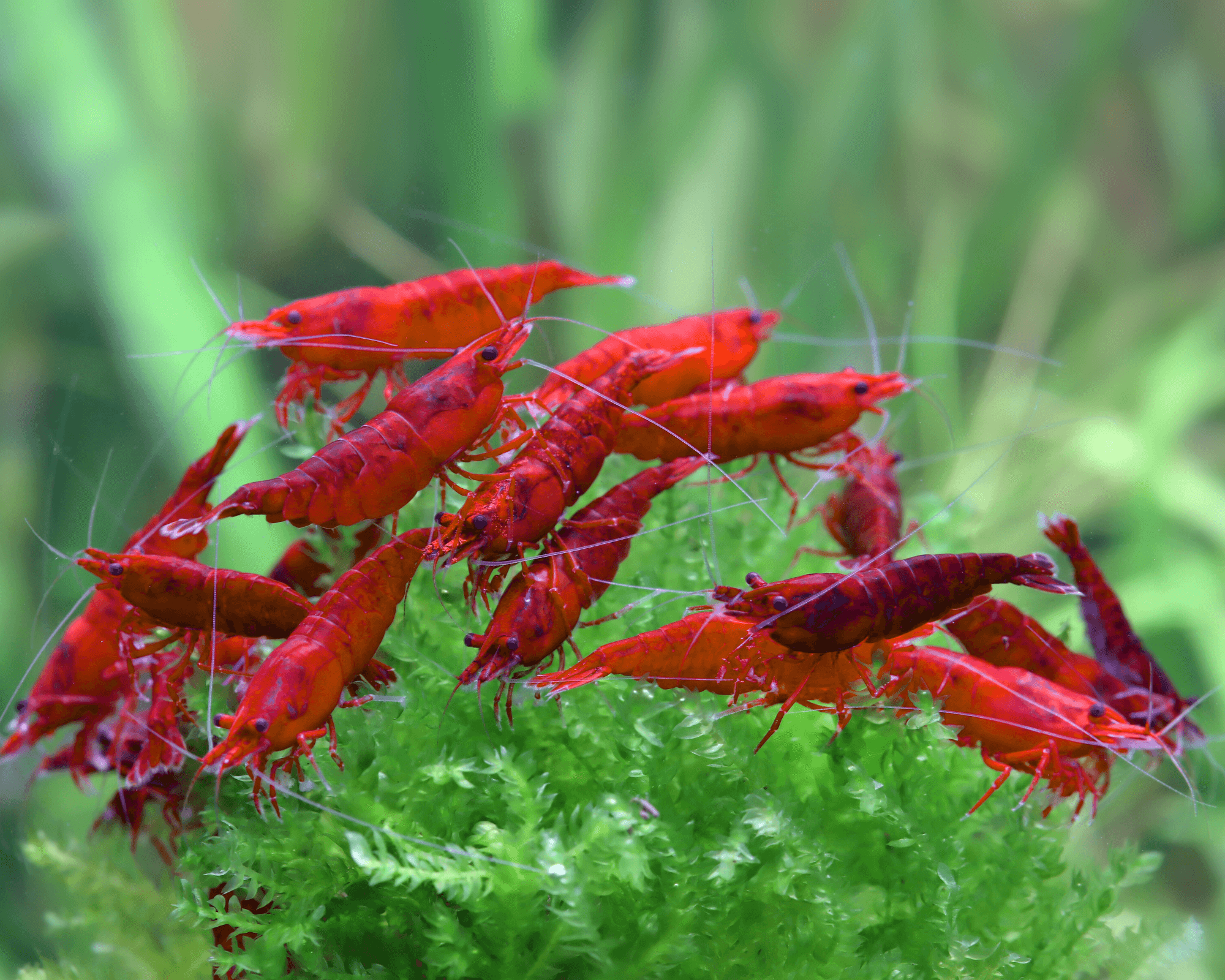
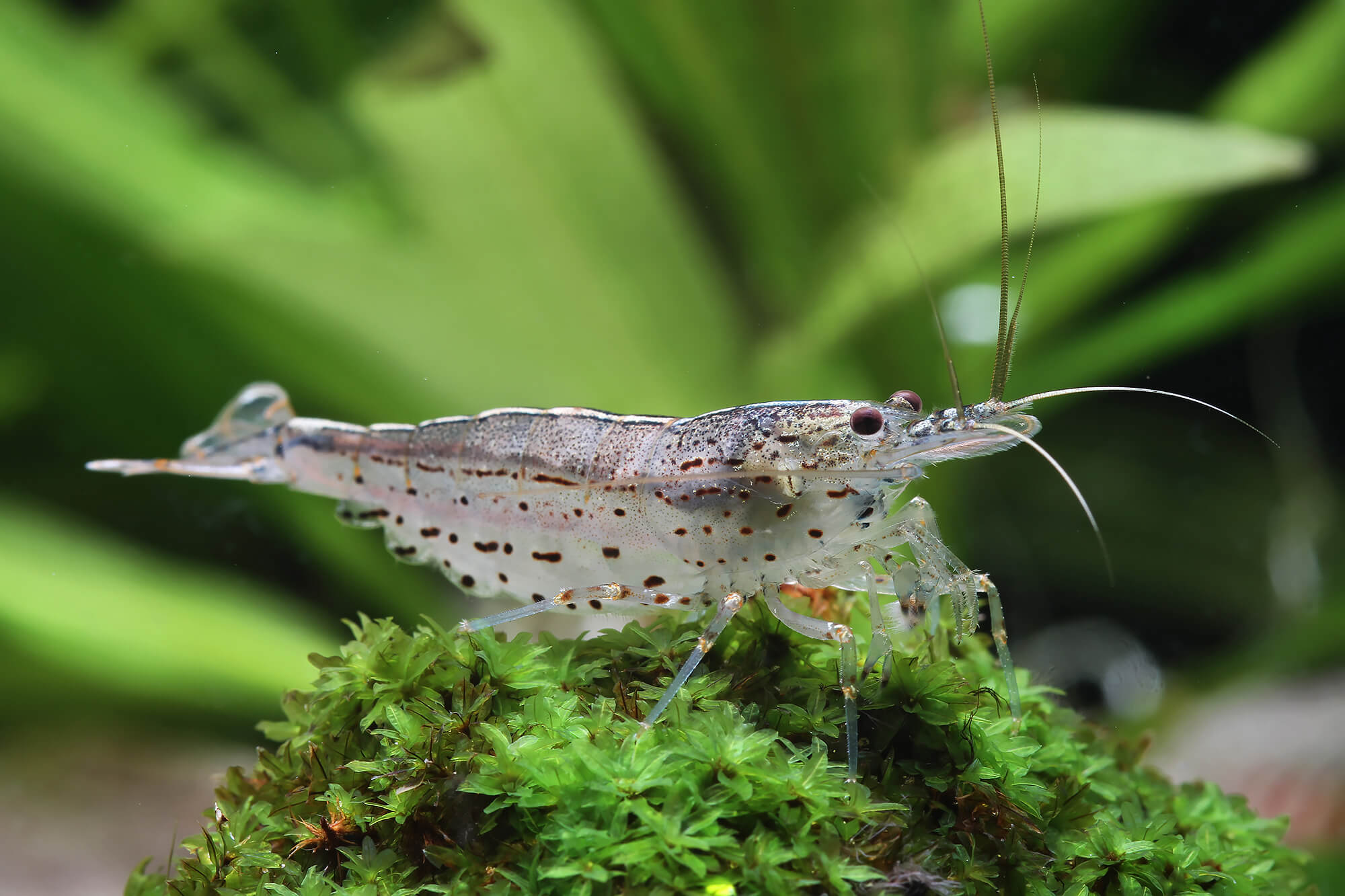
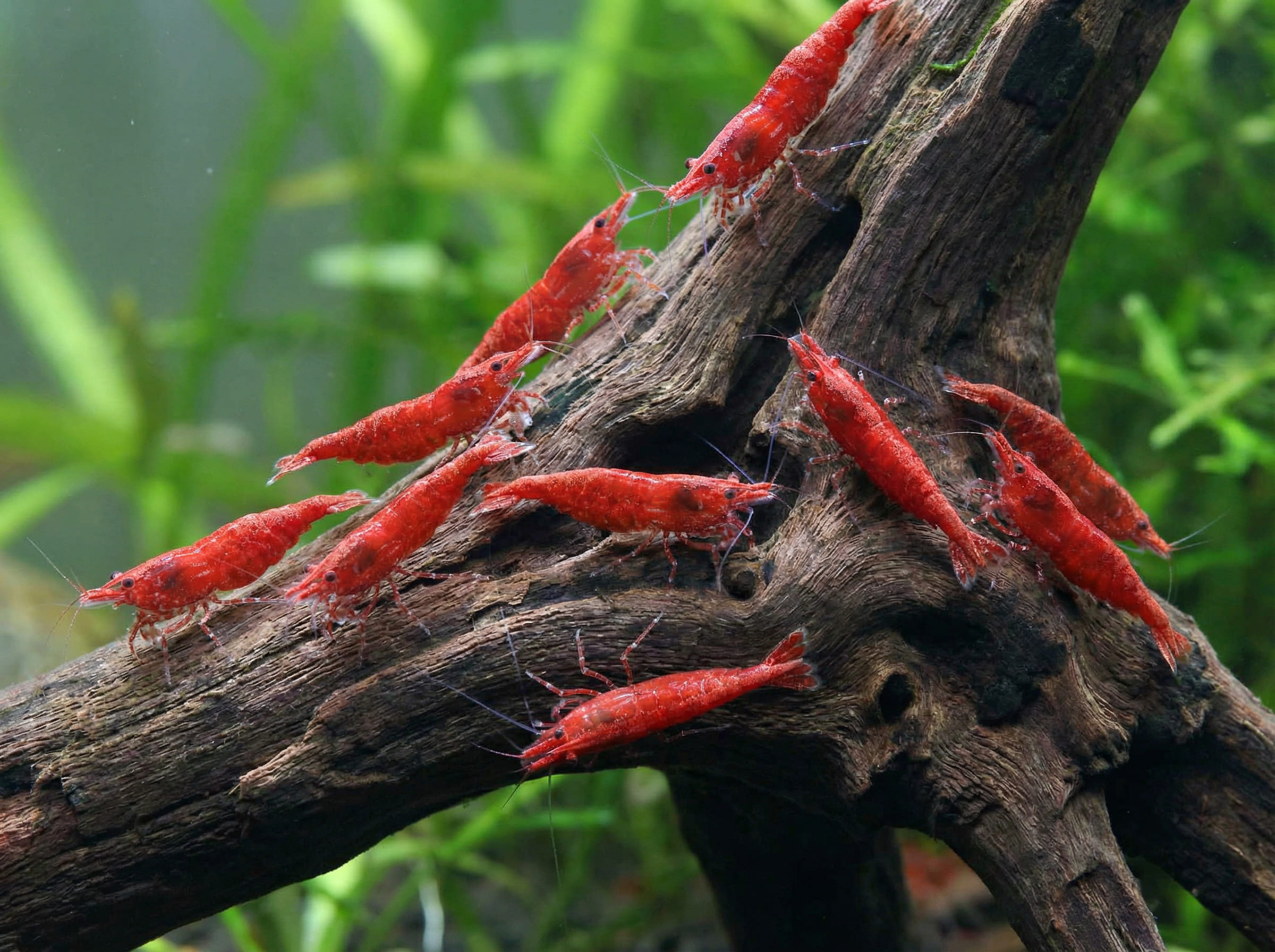
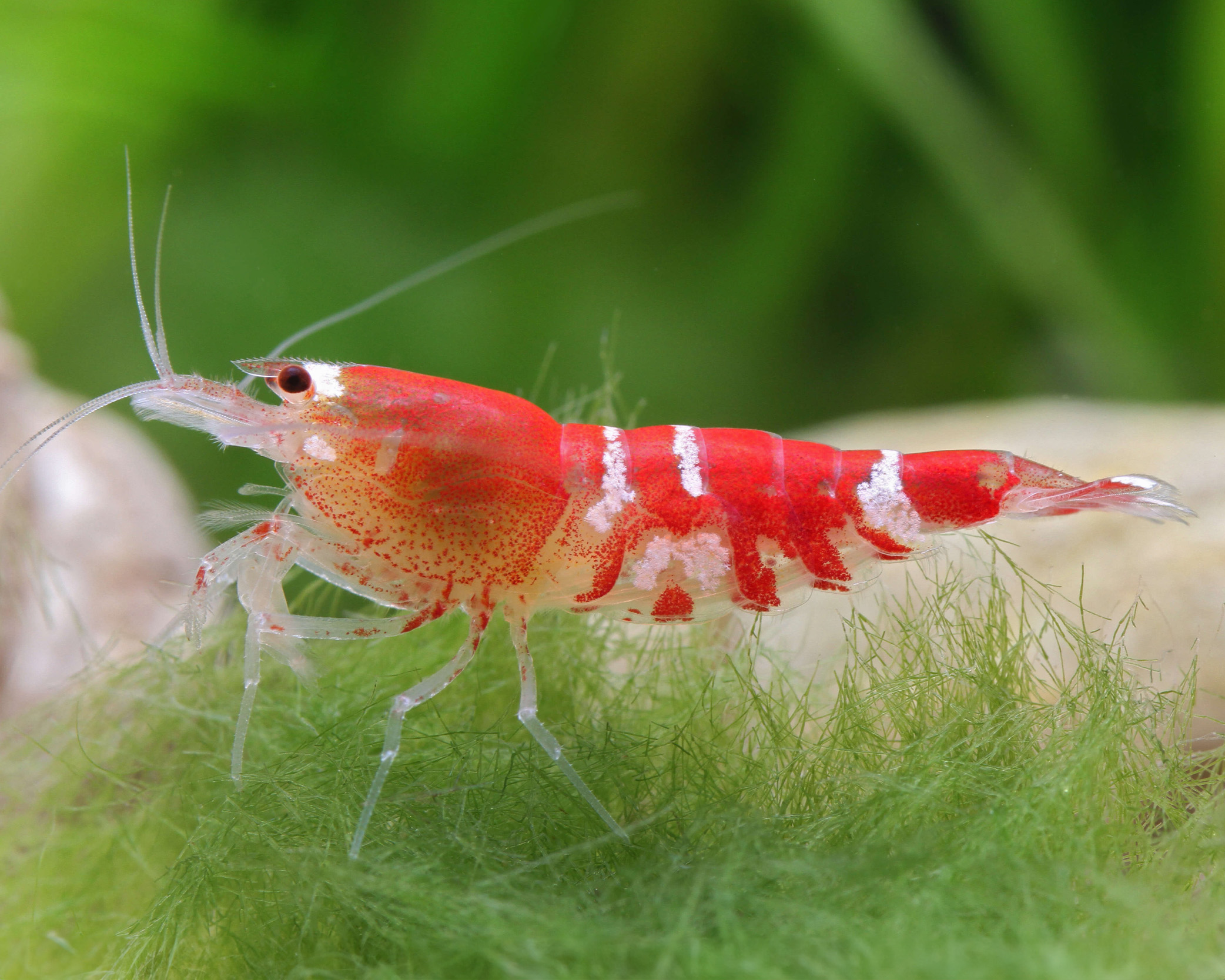
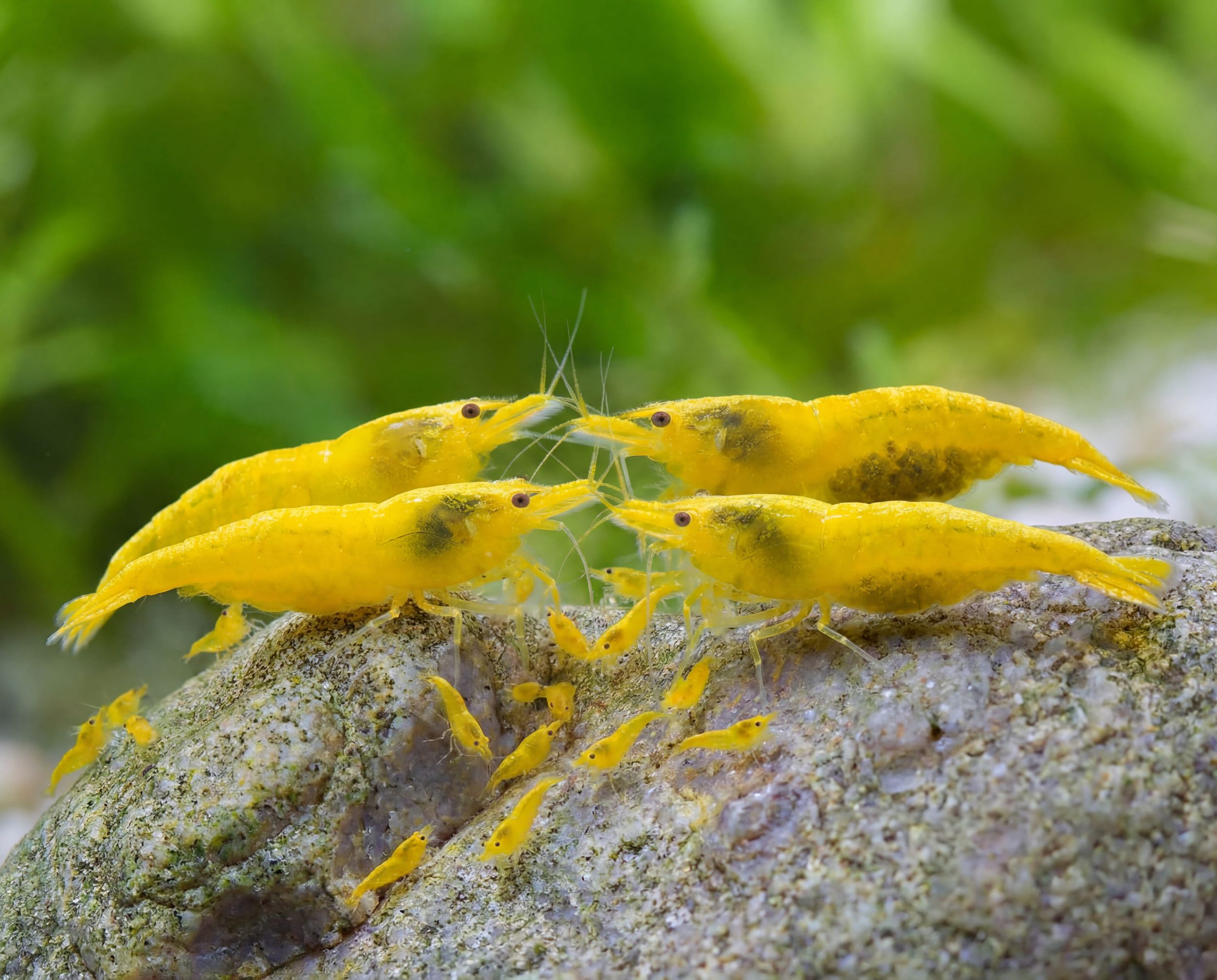
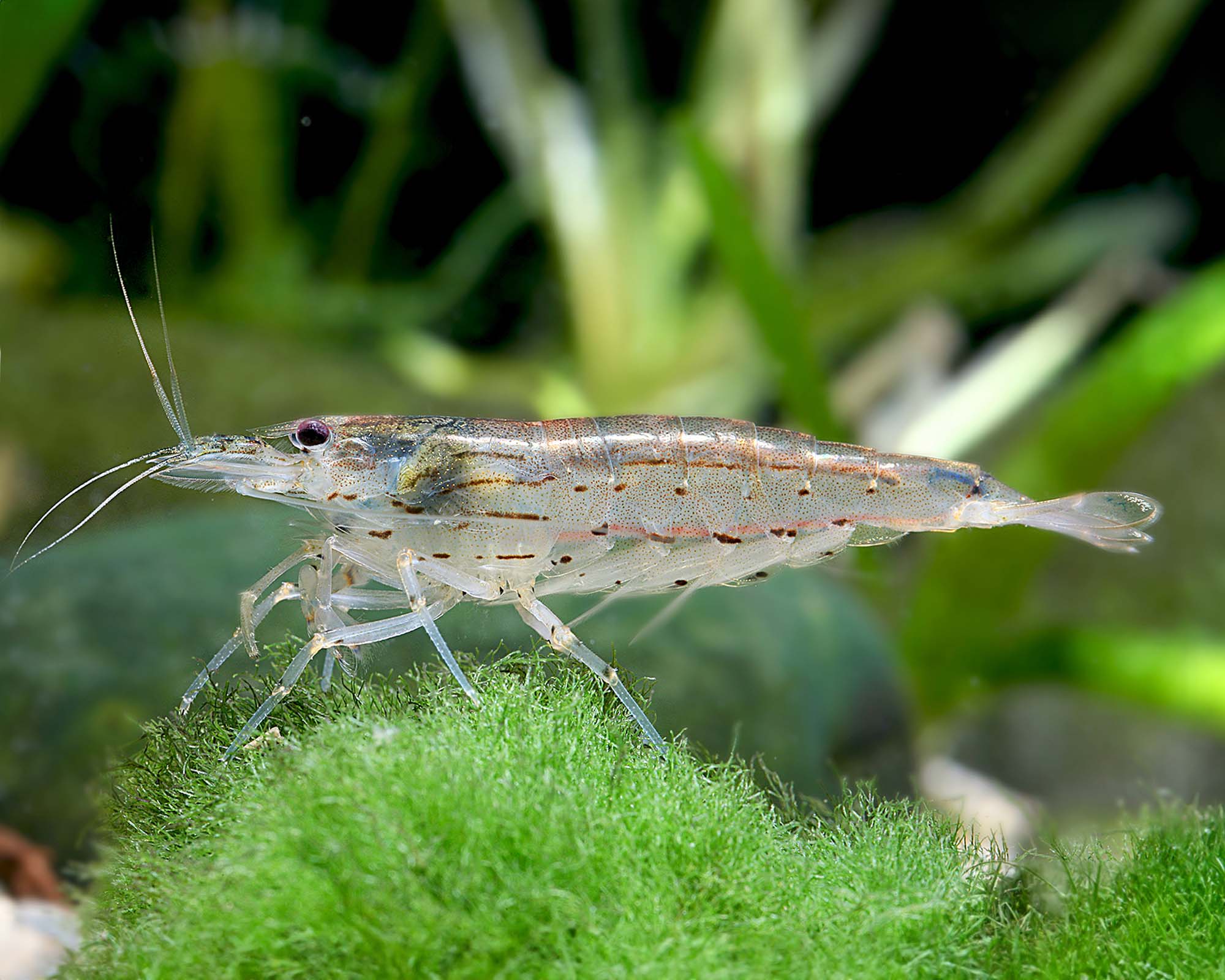
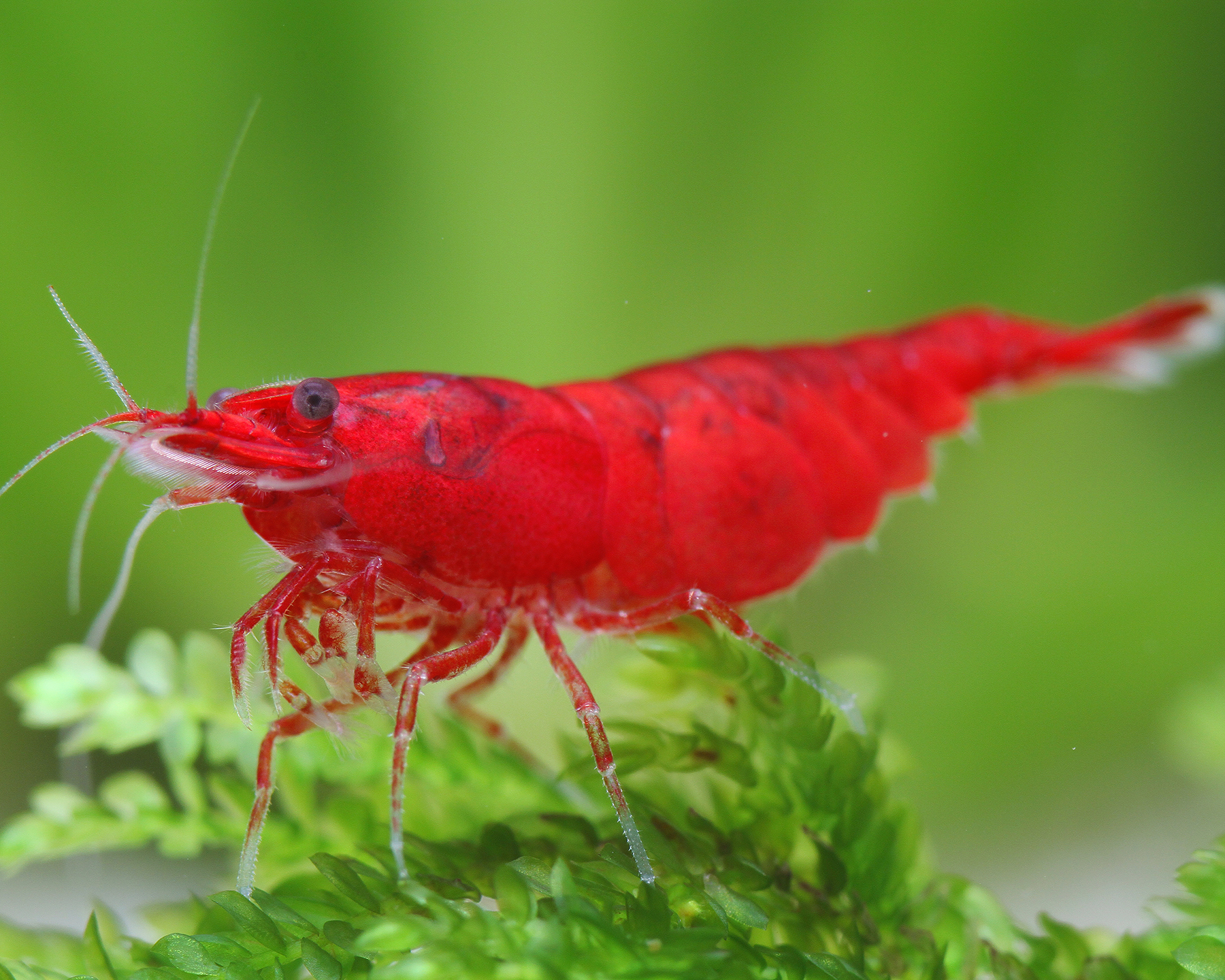
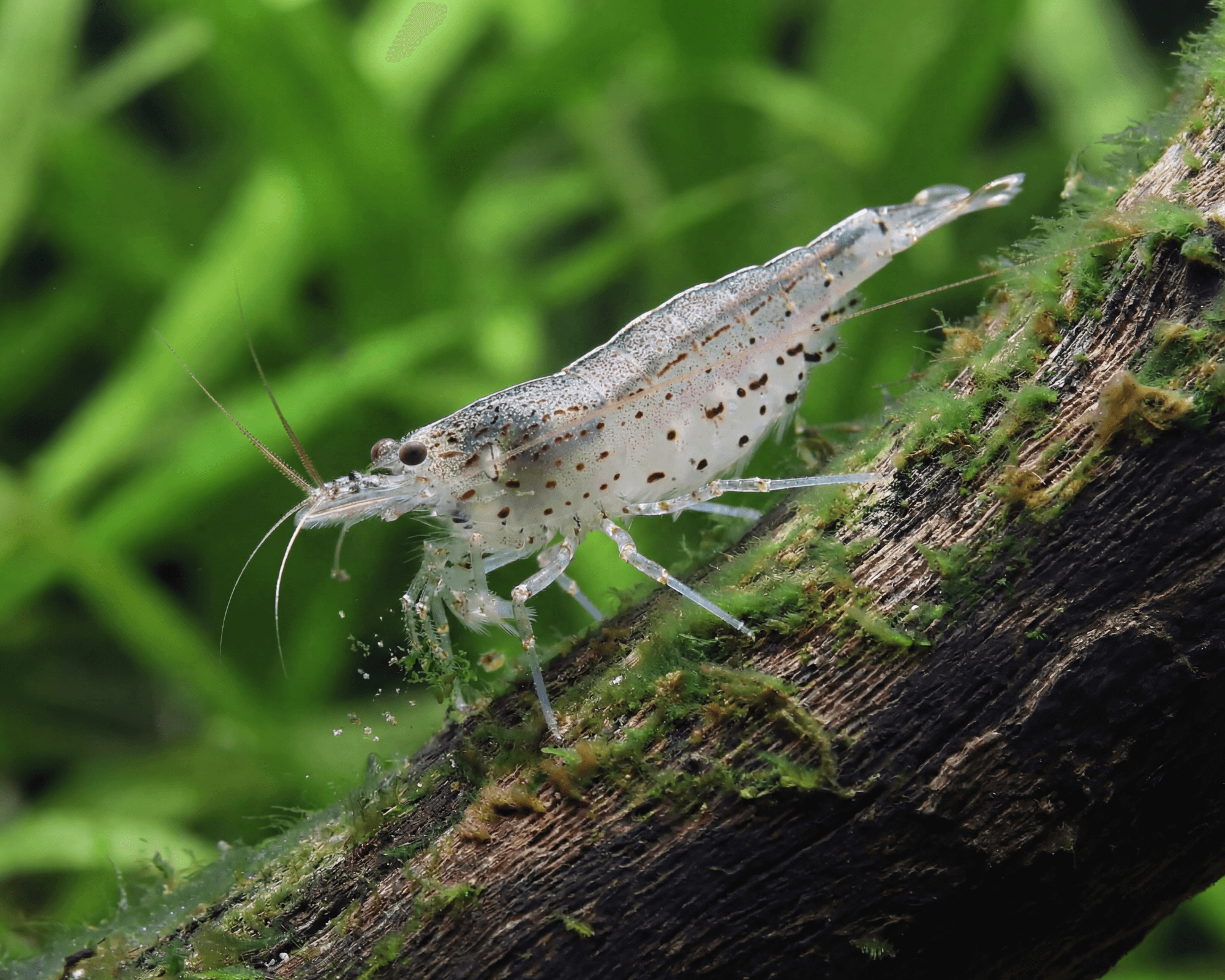
Choose the shrimp line after testing your source water, not before. Neocaridina varieties such as Bloody Mary shrimp are usually the more forgiving option for a beginner planted aquarium, especially when your tap water is moderately mineralized and reasonably stable. Caridina types, including bee and crystal shrimp, often require a more carefully controlled mineral balance and may be a poor match for untreated hard or alkaline tap water. Amano shrimp follow a different care pattern again because they grow larger and their young need brackish conditions to develop. The first setup decision is therefore compatibility with your water, not color alone.
Measure the Water Before You Buy Livestock
Test the water you will actually use for regular changes. Record temperature, pH, GH, KH, ammonia, nitrite, and nitrate, then repeat the tests on a second day to see whether the readings are consistent. GH matters because shrimp use minerals during molting, while KH influences pH stability. Avoid chasing a favorite number with repeated chemical adjustments; predictable water is usually safer than a perfect reading that changes every week. If your tap water does not suit the shrimp you want, decide early whether to blend it with purified water or select a different shrimp group. Make that choice before the aquarium is stocked.

Cycle the Aquarium Without Using Shrimp as a Test
A new aquarium should complete a fishless cycle before shrimp arrive. During cycling, beneficial microorganisms establish on the filter, substrate, hardscape, and plant surfaces, processing ammonia into nitrite and then nitrate. Test regularly and wait until ammonia and nitrite remain at zero after an appropriate ammonia source has been processed. Do not rely on clear water, a bottled-bacteria claim, or a fixed number of days as proof that the tank is ready. A planted aquarium can still be biologically immature beneath the surface. Once the cycle is complete, allow time for the system to settle and observe whether temperature and chemistry remain steady.
Give Plants Time to Grow a Natural Food Layer
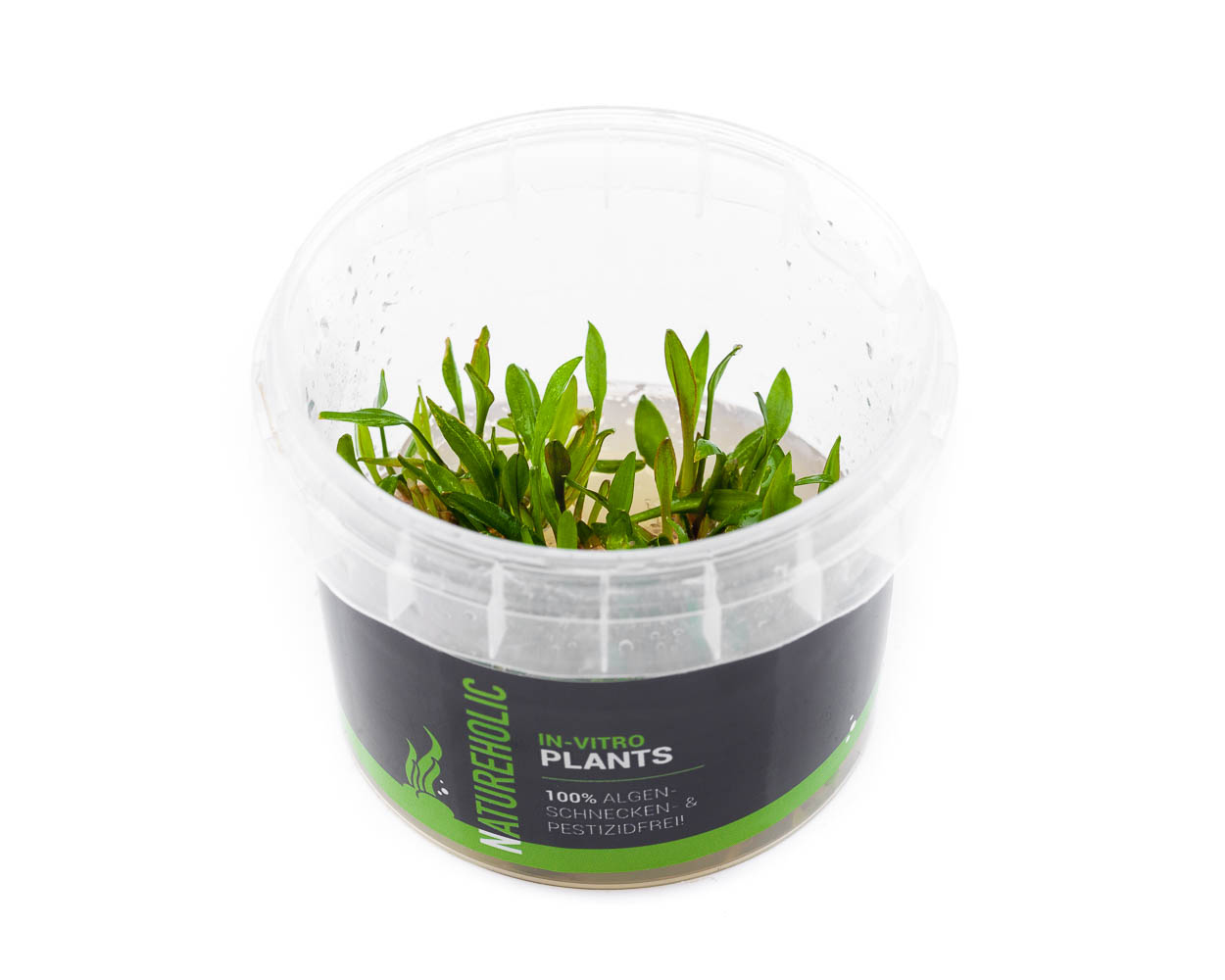
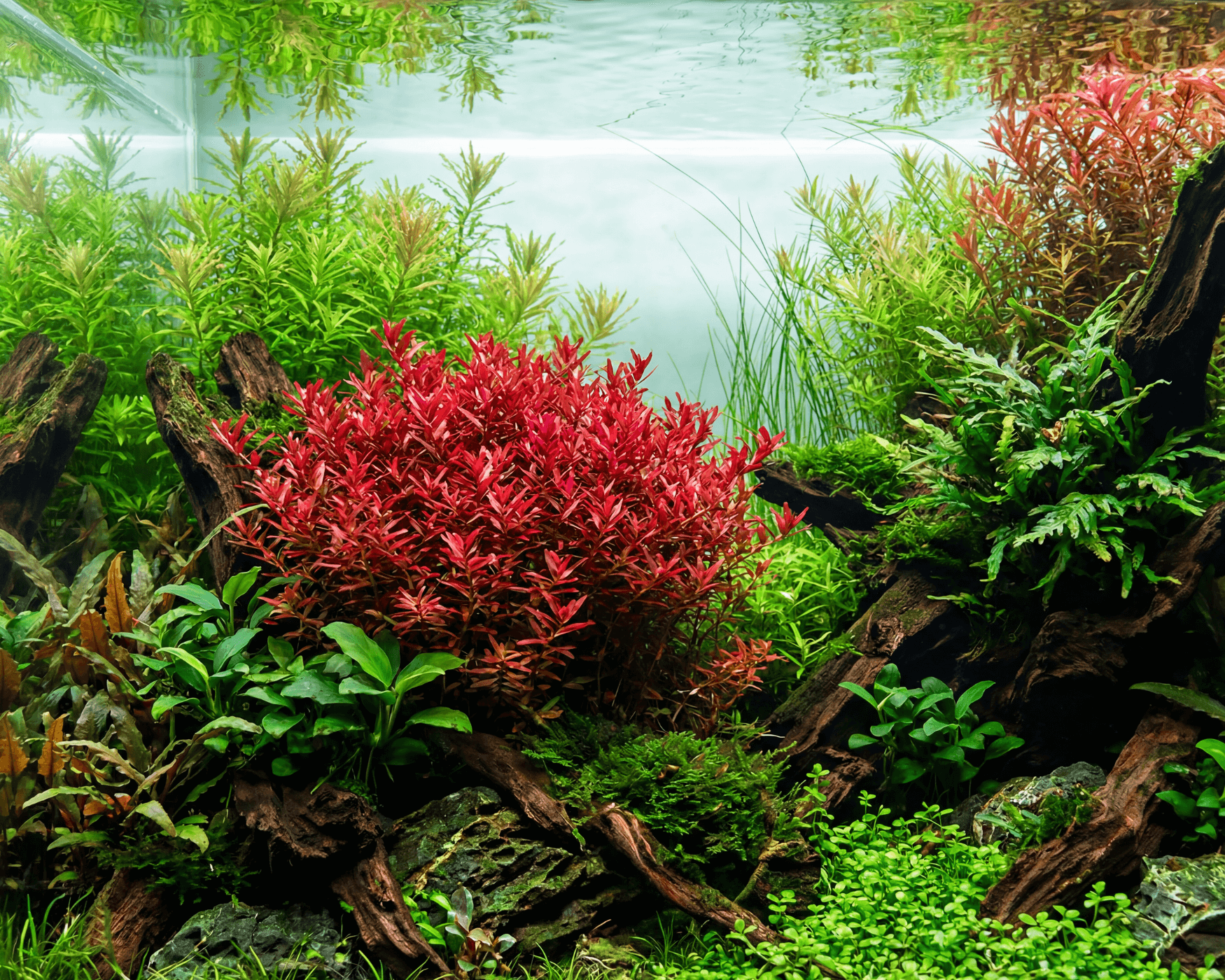
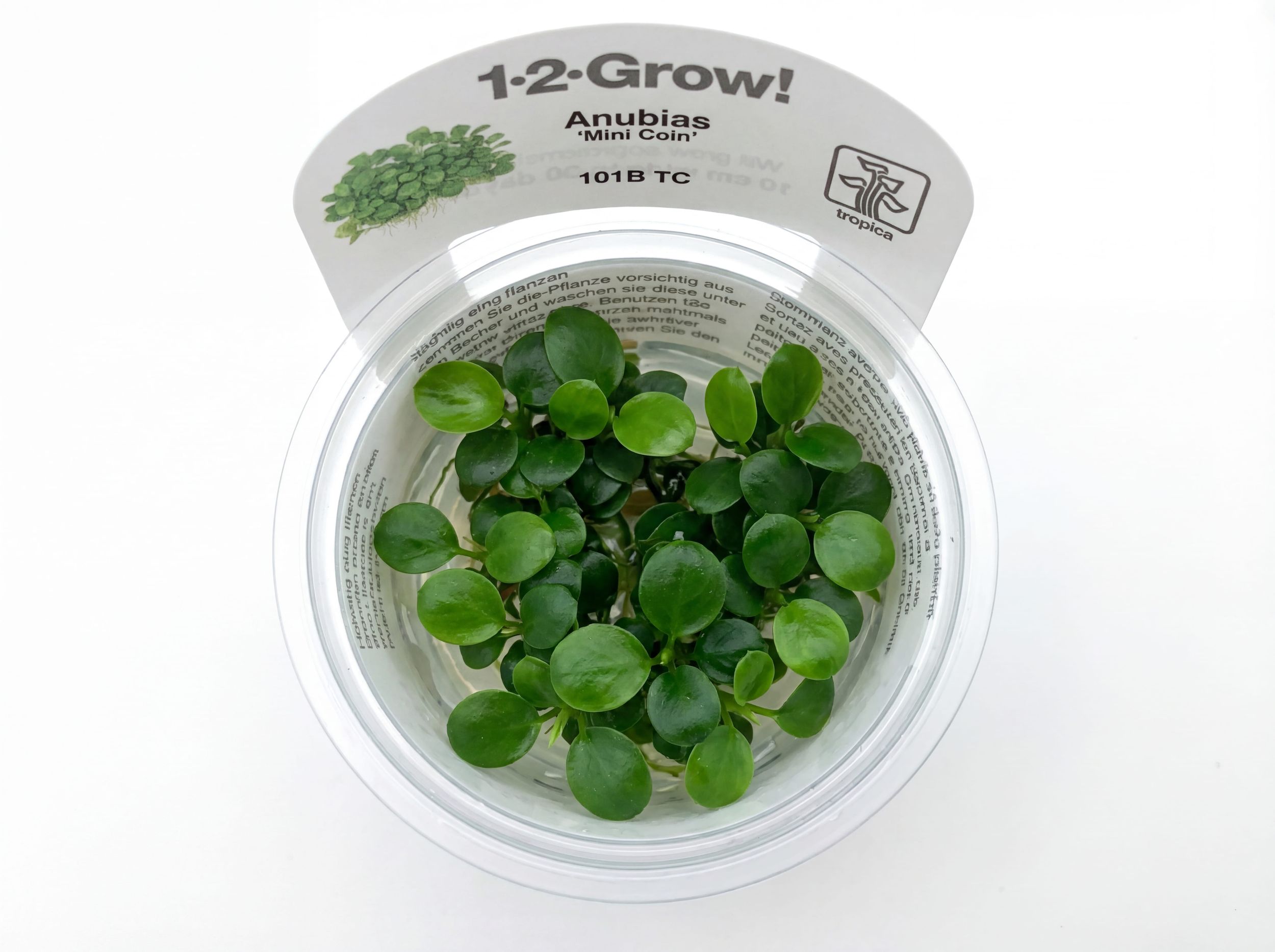
Shrimp do more than eat prepared food. They graze across leaves, wood, stones, glass, and filter surfaces for biofilm, microscopic organisms, and soft algae. A newly planted aquarium may look finished while offering very little natural grazing area. Mosses, fine-leaved stems, floating plants, and textured wood create additional surfaces, but they work best after the tank has had time to mature. Avoid trying to produce instant algae with excessive light or overfeeding because that can destabilize water quality. The goal is a lightly seasoned aquarium with healthy plant growth, visible grazing surfaces, and no dependence on heavy daily feeding.
Make the Filter Safe for Adults and Shrimplets
Filtration should provide oxygenation and biological surface area without creating a hazardous intake. A sponge filter is a straightforward choice for many shrimp-only or shrimp-first aquariums, while a hang-on-back filter can work when its intake is protected with a fine pre-filter sponge. Check that the current does not constantly push shrimp across the tank or prevent them from reaching food. Also inspect gaps around tubing, decorations, and filter chambers where young shrimp could disappear. Amano shrimp are stronger swimmers and larger than most Neocaridina, but their presence does not remove the need for safe filtration if smaller shrimp or future shrimplets will share the aquarium.
Design Compatibility Around the Youngest Shrimp
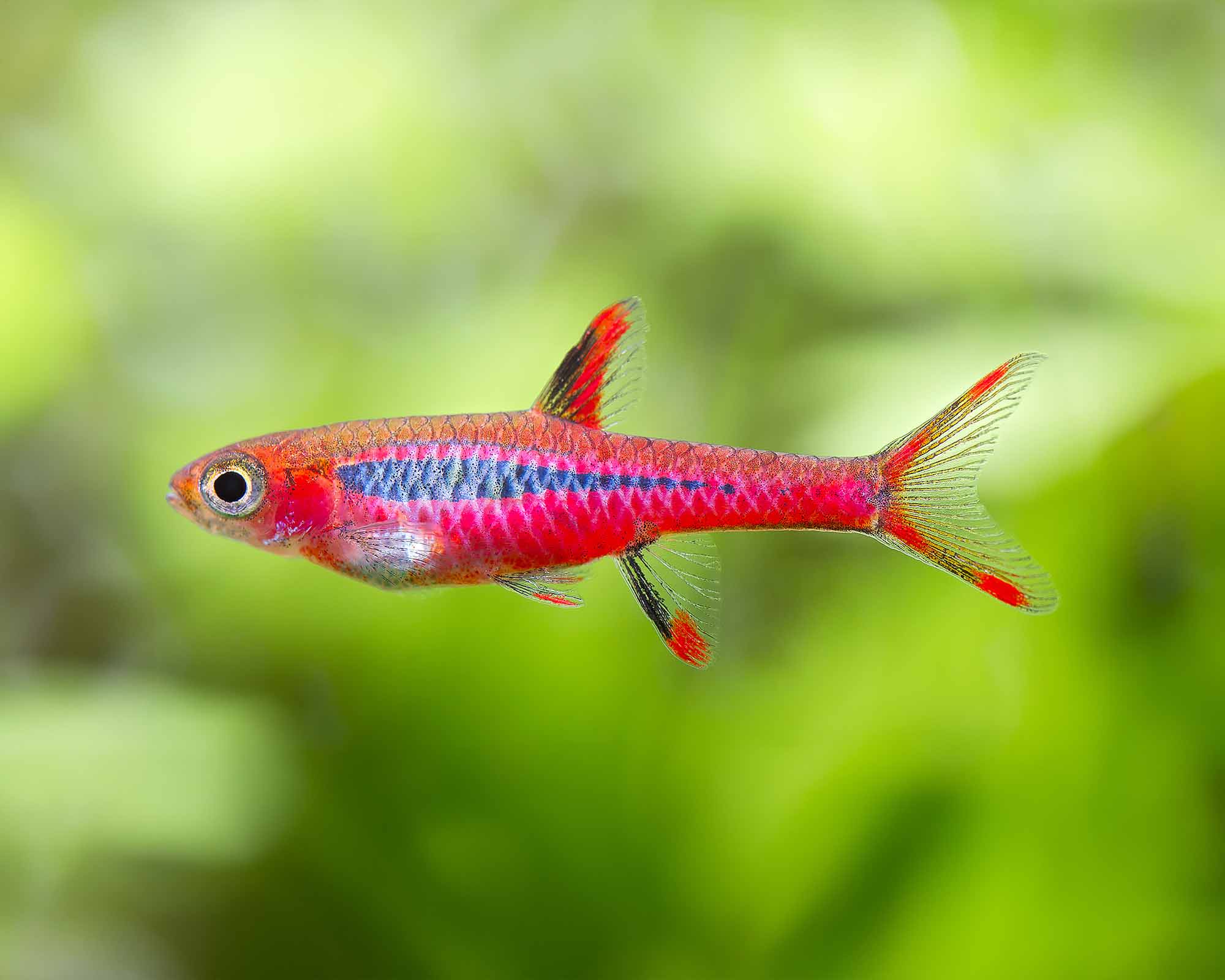
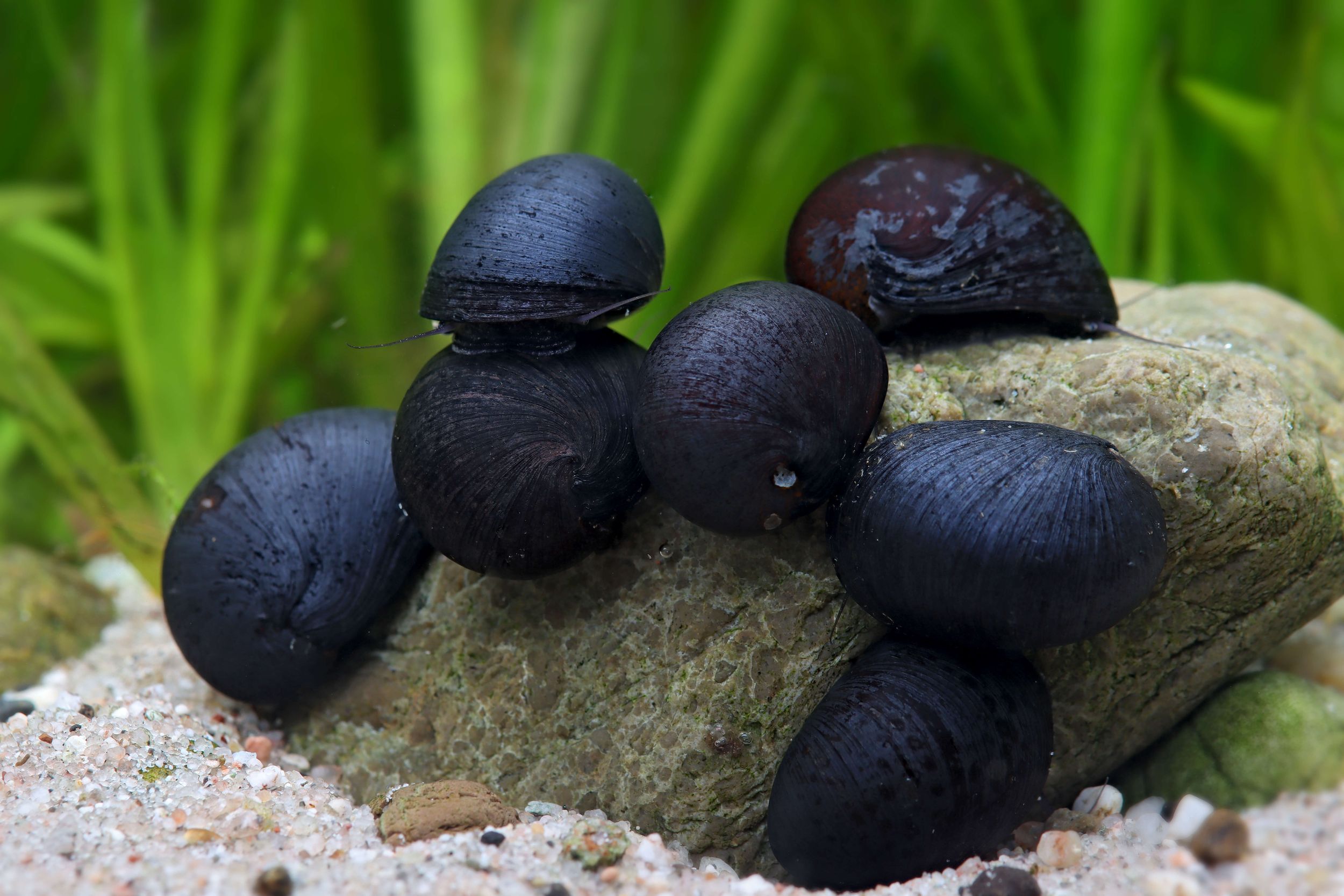
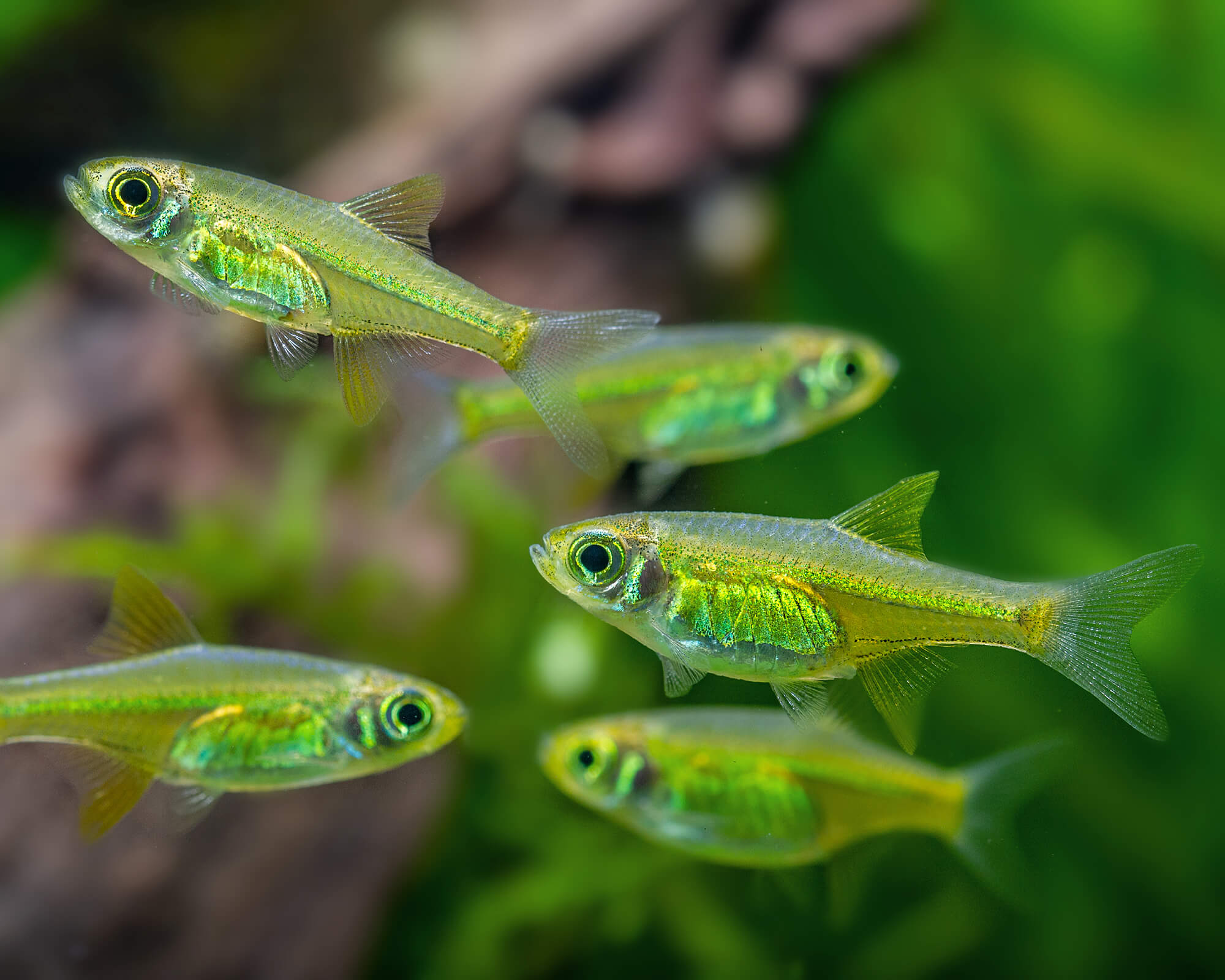
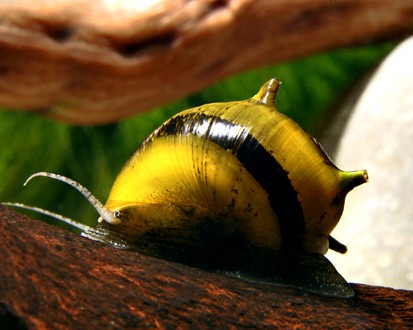
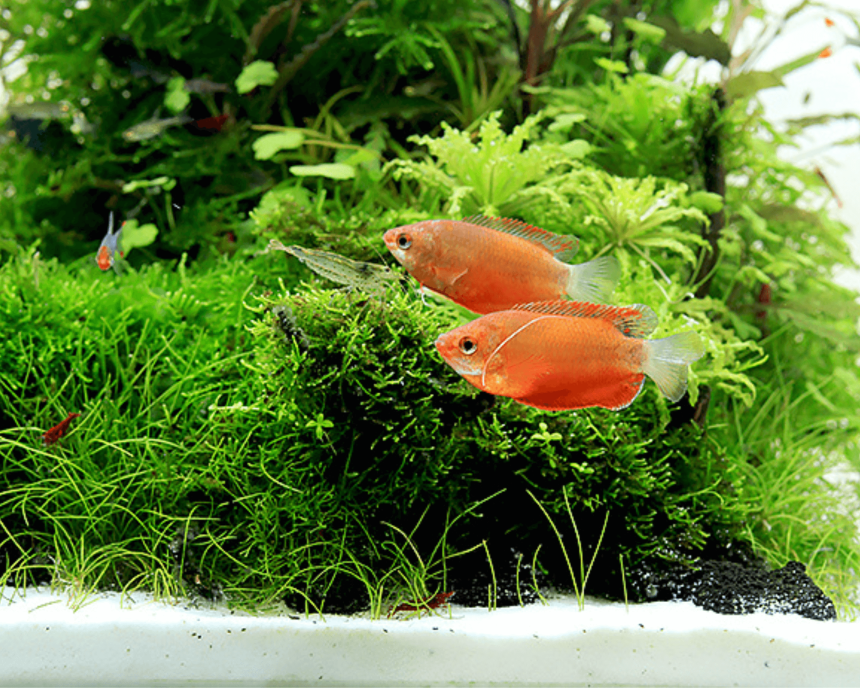
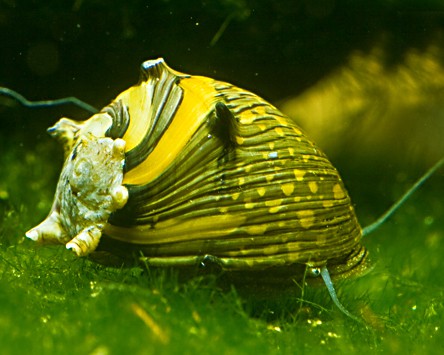
Adult shrimp may coexist with peaceful community fish, but tiny shrimplets are vulnerable to almost any fish that can fit them in its mouth. If colony growth is the priority, begin with a shrimp-only aquarium or choose tank mates only after providing dense cover and accepting that some young may be lost. Small snails are generally easier companions because they do not hunt shrimp, although they add waste and compete for some foods. Avoid adding several livestock groups on the same day. A stable shrimp colony should be established first, giving you a clearer baseline for feeding, maintenance, and population changes.
Treat Acclimation as a Water-Change Event
On arrival day, turn down bright lighting and avoid rearranging the aquascape. Compare the shipping water with the aquarium for temperature and, when possible, pH and mineral differences. Shrimp are sensitive to sudden changes, so slow acclimation is safer than floating the bag briefly and releasing its contents. A controlled drip method can gradually bring the transport water toward the aquarium’s chemistry. Keep shipping water out of the tank when practical, transfer the shrimp gently, and leave them undisturbed for the rest of the day. Do not feed heavily immediately after introduction; let them settle and begin grazing naturally.
Feed the Tank, Not Just the Shrimp
In a mature planted aquarium, shrimp should spend much of their time grazing, with prepared food used as a supplement rather than the main event. Offer a very small portion and remove it if it remains uneaten. Overfeeding can raise organic waste quickly in a nano aquarium, especially before the colony is established. During the first week, watch behavior instead of adding food every time shrimp are visible. Active grazing is normal, while lethargy, repeated climbing, or sudden losses call for testing rather than extra food. Mineral-rich foods may support a varied diet, but they cannot compensate for unstable GH, KH, or temperature.
Keep Maintenance Predictable After Stocking
Shrimp usually respond better to small, consistent maintenance than to dramatic corrections. Match new water closely to the aquarium’s temperature and mineral profile, condition it properly, and avoid large chemistry swings caused by neglected evaporation or sudden water changes. Top off evaporation with appropriately pure water because minerals remain behind as water evaporates; use mineralized water for changes when your setup requires it. Rinse filter media in removed aquarium water, not untreated tap water, and inspect the pre-filter regularly. Keep a simple log of test results, water changes, molts, feeding, and losses so gradual problems become visible before they become a crash.
Use a Final Go-or-Wait Checklist
Before adding the first shrimp, confirm five things: the selected species fits your source water, ammonia and nitrite are zero, the filter is protected and running smoothly, plants and surfaces show signs of biological maturity, and your maintenance water is prepared consistently. Then ask whether you can keep those conditions stable for the next several weeks. If the answer is no, wait rather than stocking because patience is part of the setup. Start with a modest group, observe them closely, and postpone fish or additional invertebrates until the shrimp are eating, molting, and behaving normally. A stable beginning gives every later stocking decision better odds.
Frequently Asked Questions
How long should a new planted shrimp aquarium run before adding shrimp?
Do not use a calendar alone. Wait until the aquarium has completed a fishless cycle, ammonia and nitrite remain at zero, temperature and chemistry are stable, and the tank has developed mature grazing surfaces. A newly planted tank may need additional time after cycling before it provides dependable biofilm and a predictable maintenance routine.
Are Neocaridina or Caridina shrimp easier for a first aquarium?
Neocaridina shrimp are often the simpler starting point when they match your tap water. Caridina shrimp can be excellent choices, but many setups require more deliberate control of mineral content, KH, pH, and purified water. Test your source water first, then choose the shrimp group that fits it rather than forcing the water to fit an unsuitable purchase.
Can I add fish to a freshwater shrimp tank?
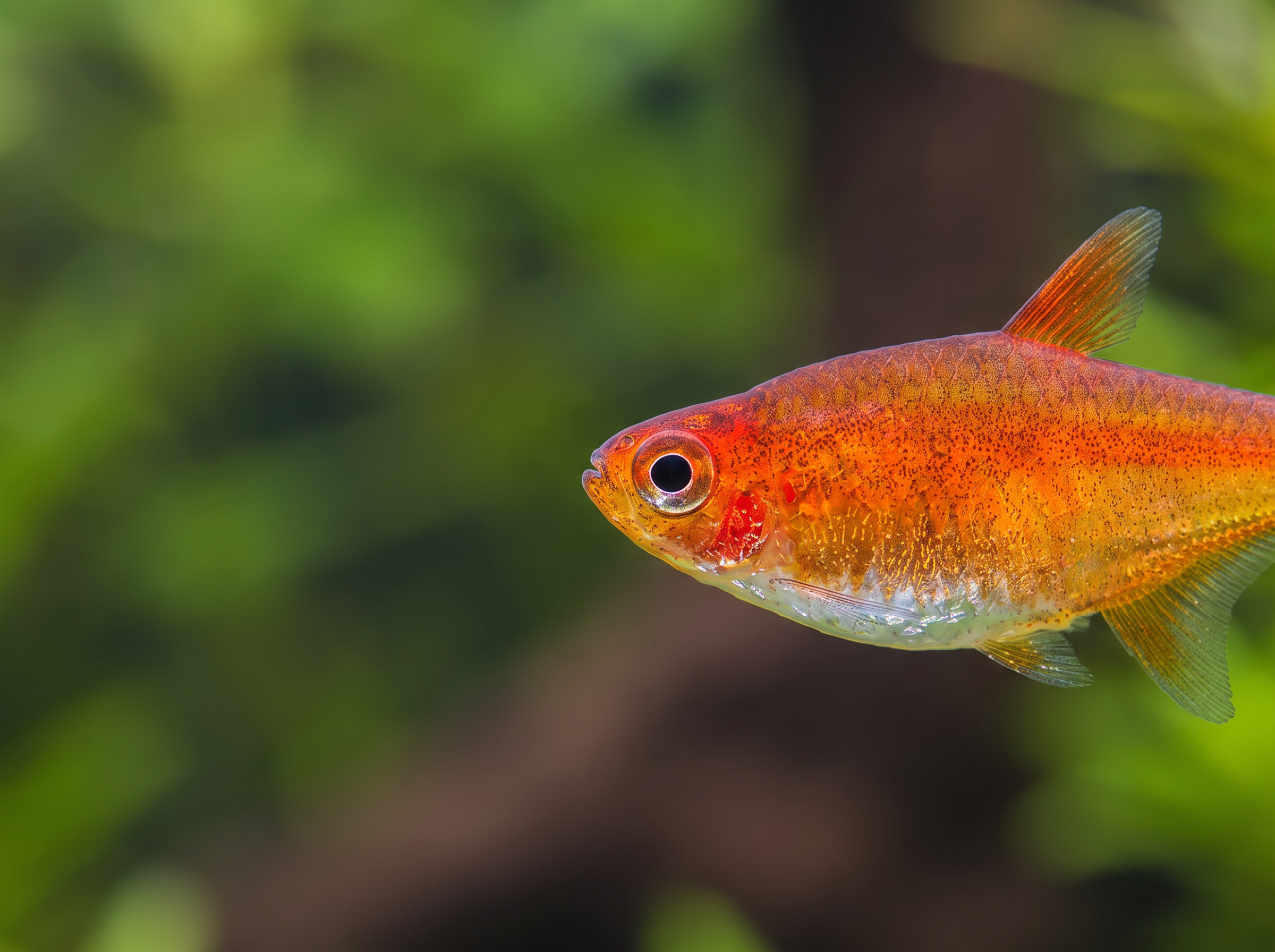
Some peaceful fish can share an aquarium with adult shrimp, but most fish may eat shrimplets when given the opportunity. If breeding and colony growth matter, use a shrimp-only setup or dense plant cover and accept lower survival. Add fish only after the shrimp environment is stable and you understand the trade-off.
Do aquarium snails help prepare a shrimp tank?
Snails can contribute to cleanup by eating leftover food and soft algae, but they do not replace cycling, water testing, or regular maintenance. They also add bioload and may compete for food. Add them only after the aquarium is stable, and choose a species suited to your tank size and water chemistry.
What is the biggest mistake when adding freshwater shrimp?
The most common avoidable mistake is adding shrimp to an aquarium that is new, uncycled, or chemically unstable. Rapid acclimation, unprotected filter intakes, overfeeding, and large corrective water changes can create additional stress. Prepare the biological system first, then introduce livestock slowly and observe before making further changes.
Leave your comments