Start by choosing one temperature lane
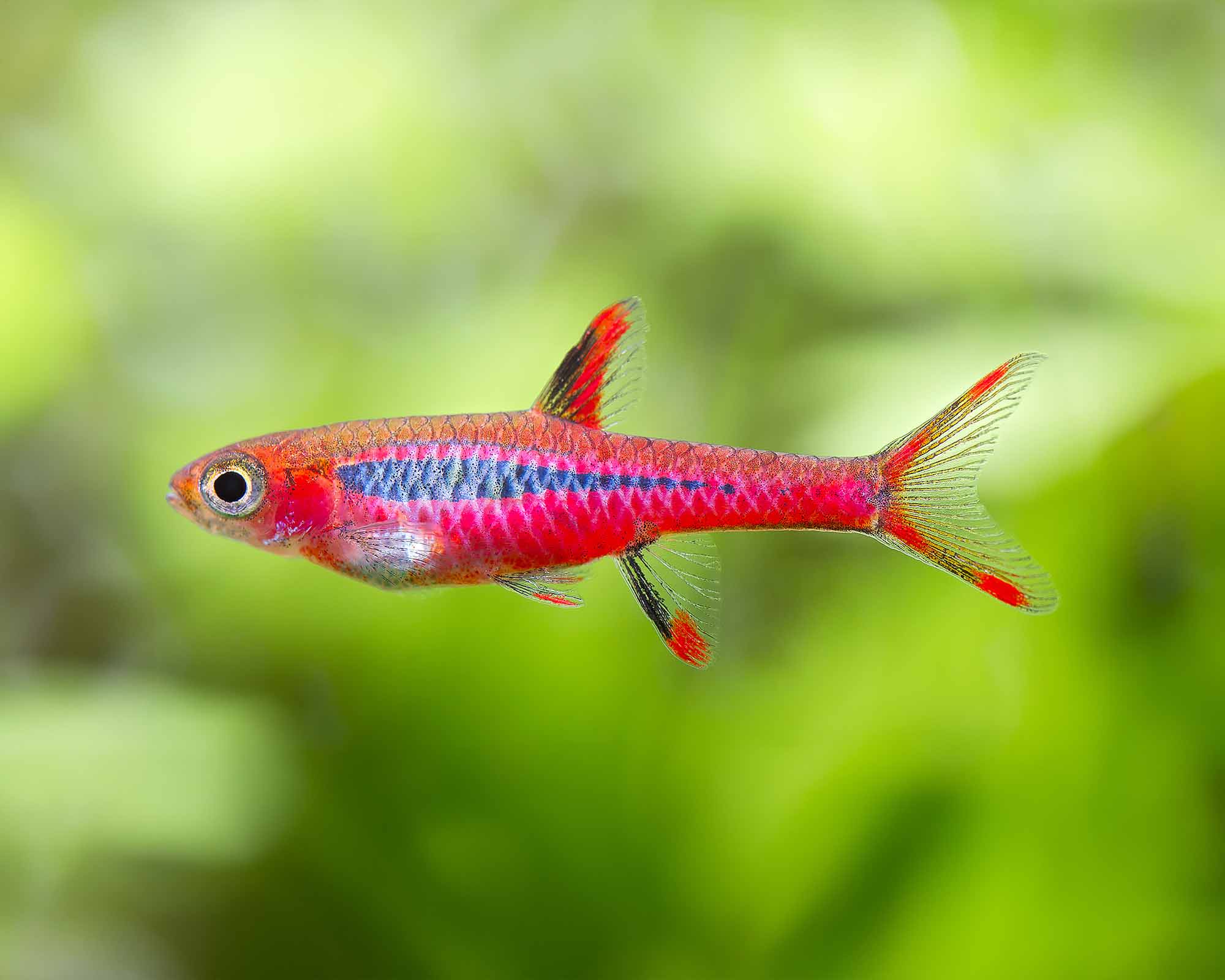
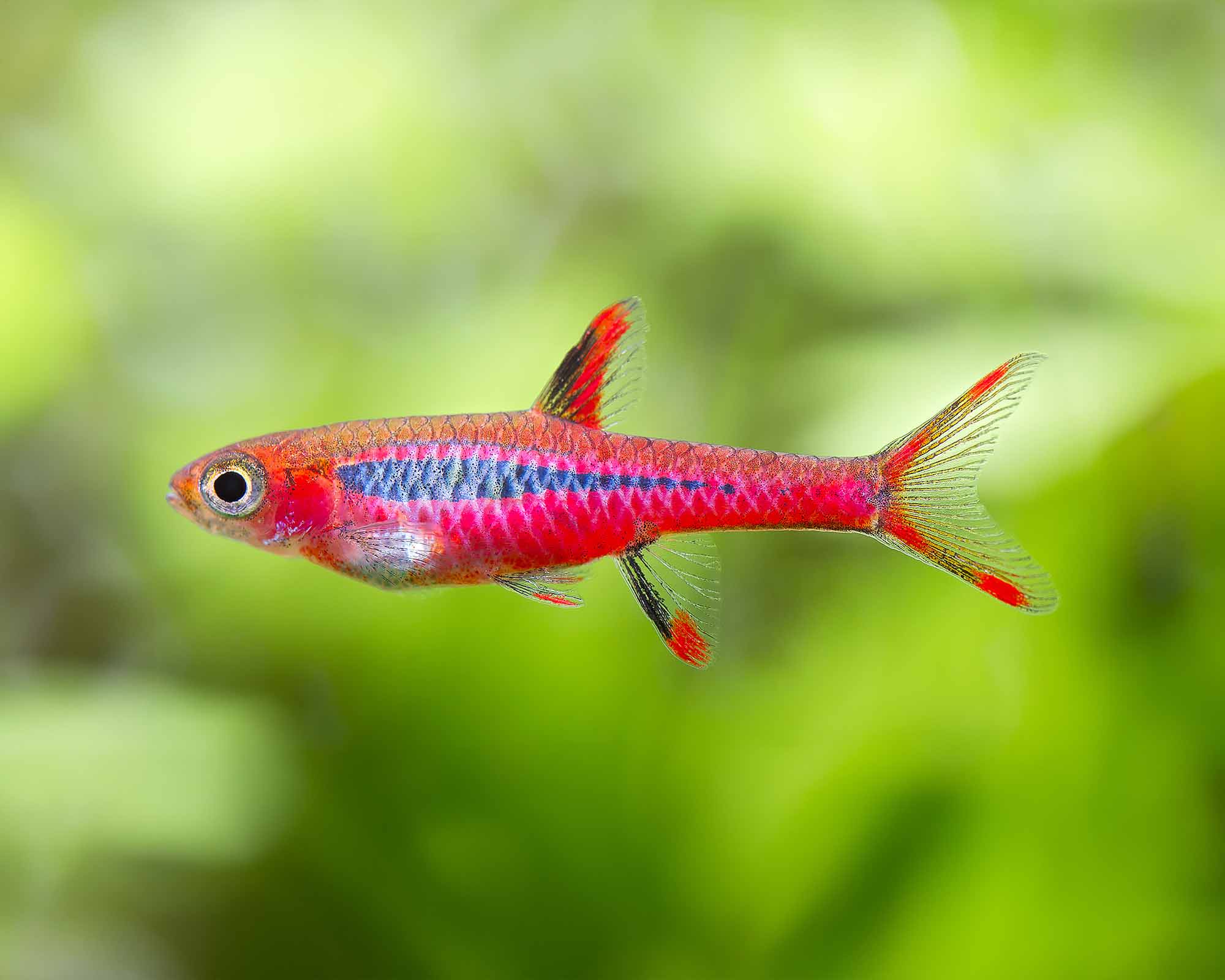
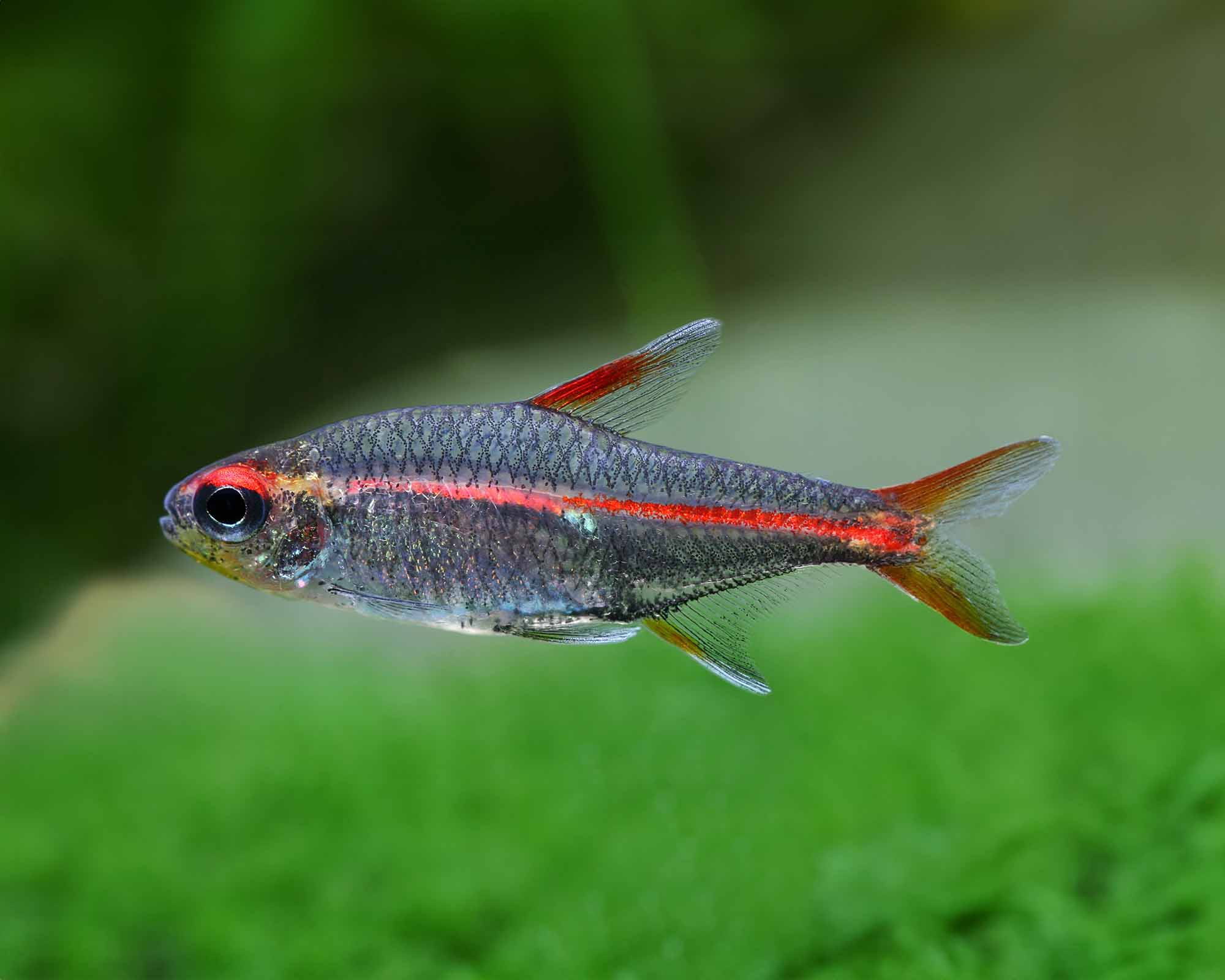
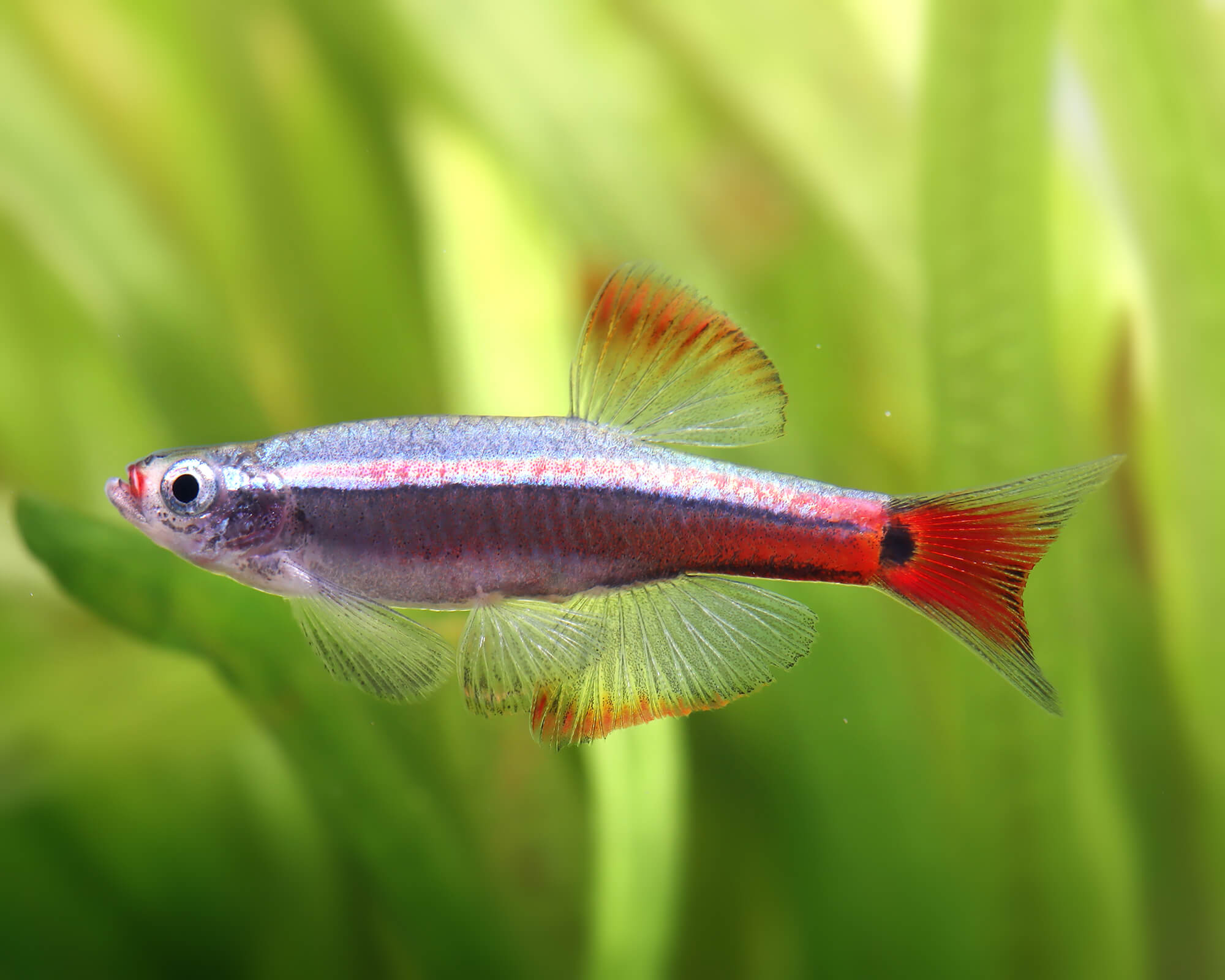
The first mistake is mixing fish because they are similar in size or color while ignoring temperature. A tropical planted aquarium commonly suits fish such as chili rasboras, neon tetras, glowlight tetras, Endler-type livebearers, and many beginner plants, but even these groups should not be treated as interchangeable. White Cloud Mountain minnows belong to a cooler-water conversation and may not be the right long-term match for a heated tropical setup. Set the heater according to the livestock plan, then use a reliable thermometer to check the actual water rather than trusting the heater dial. Keep temperature stable, avoid rapid swings during water changes, and never use temperature alone to decide compatibility.
Match the aquarium to your tap water before buying fish
A second mistake is buying fish first and trying to force the water afterward. Test your source water for pH, GH, KH, ammonia, nitrite, and nitrate, then choose animals that can live comfortably in that baseline. Stability is usually more useful than repeatedly adding pH chemicals to chase a number. Livebearers such as Endler guppies often suit harder, more alkaline water better than soft-water specialists, while some rasboras and tetras are more comfortable in softer conditions. Shrimp also need mineral availability for successful molts, and snails need adequate calcium for shell growth. If your water is very hard or very soft, choose livestock around it or prepare a consistent remineralization plan before stocking.
Do not mistake a nano tank for a smaller community tank
A nano aquarium is not simply a full community tank compressed into fewer gallons. In a 5-gallon (19-liter) aquarium, temperature and water chemistry can change quickly, and there may be room for only one carefully selected livestock plan. A 10-gallon (38-liter) tank offers more flexibility, but it still cannot comfortably hold several schooling species, bottom dwellers, shrimp, snails, and a centerpiece fish at once. Plan around adult size, swimming behavior, group needs, filtration, and maintenance access. A single species of small schooling fish, a shrimp colony, or a snail-focused planted layout is often more successful than a crowded mix of tiny animals.
%20margaritatus%20(mini%20fish)%20-%201.webp)
Choose schooling fish by group behavior, not just body length
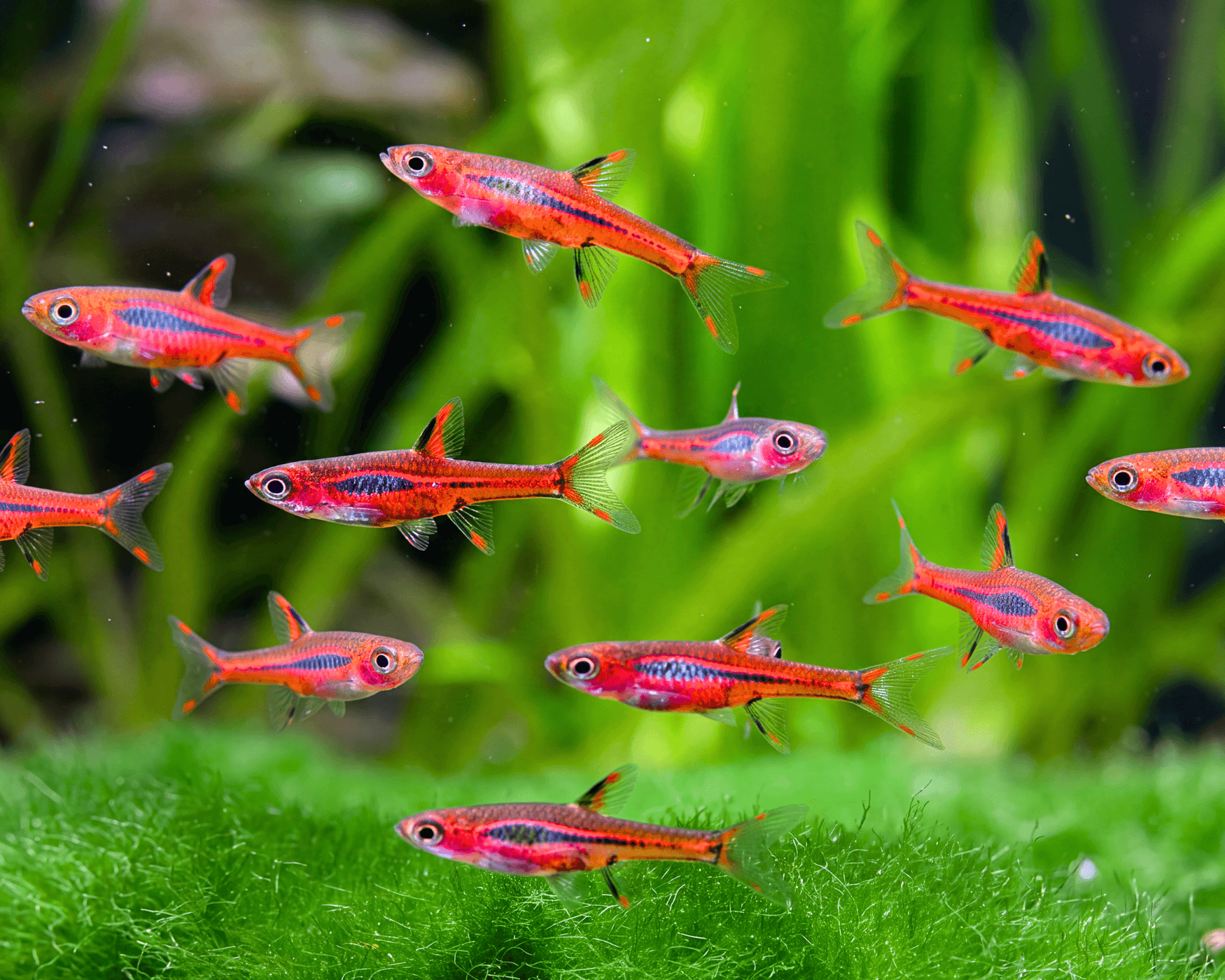
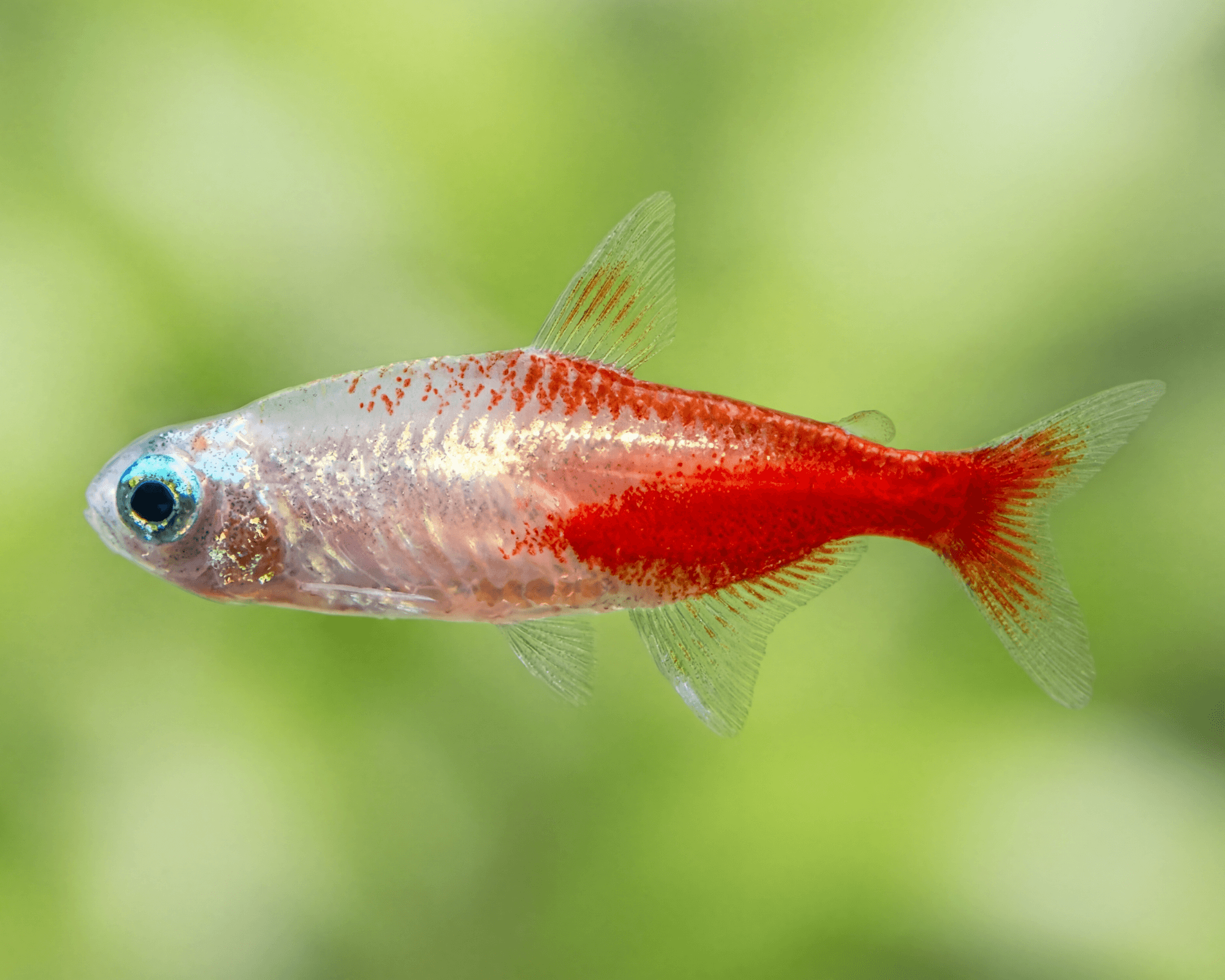
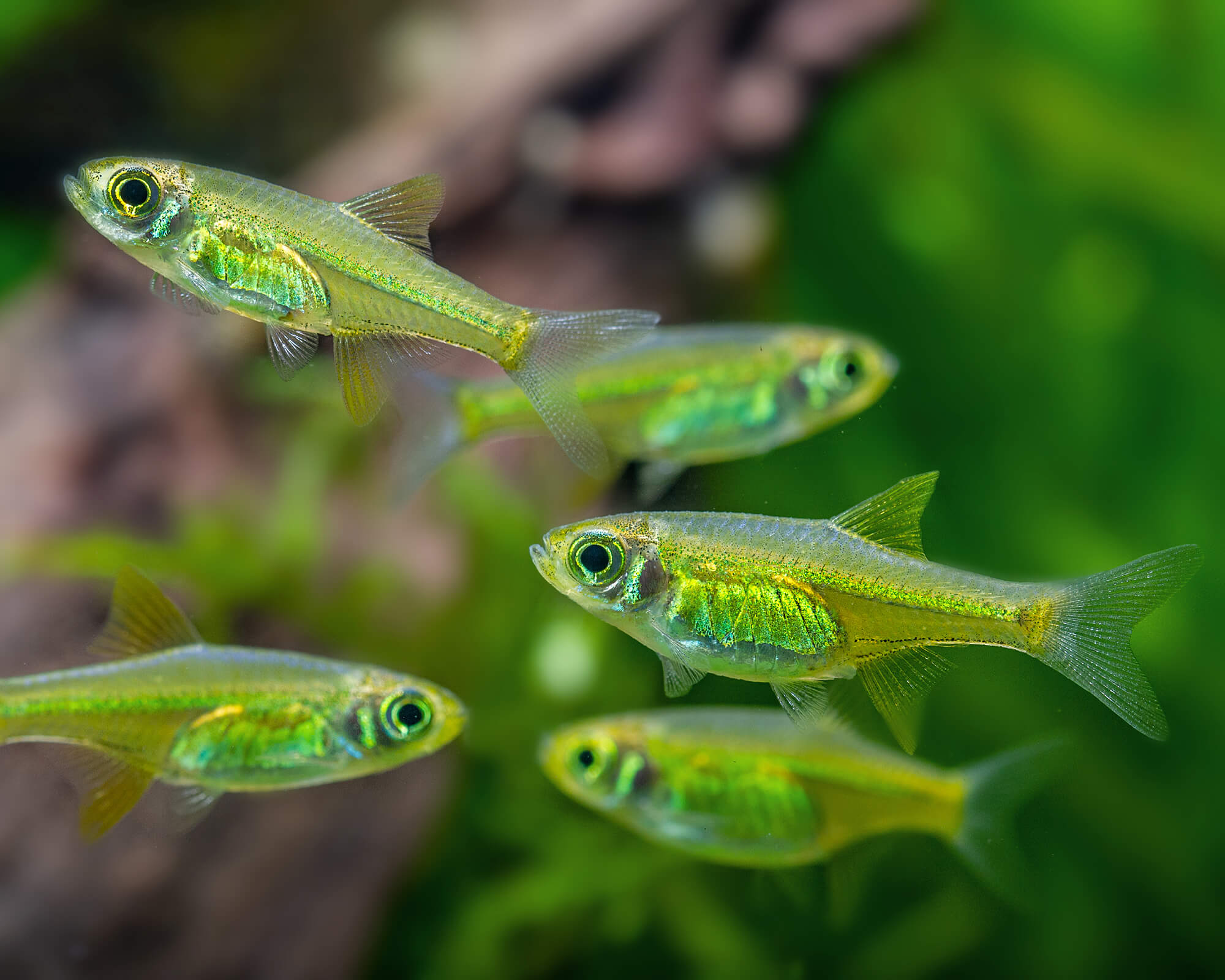
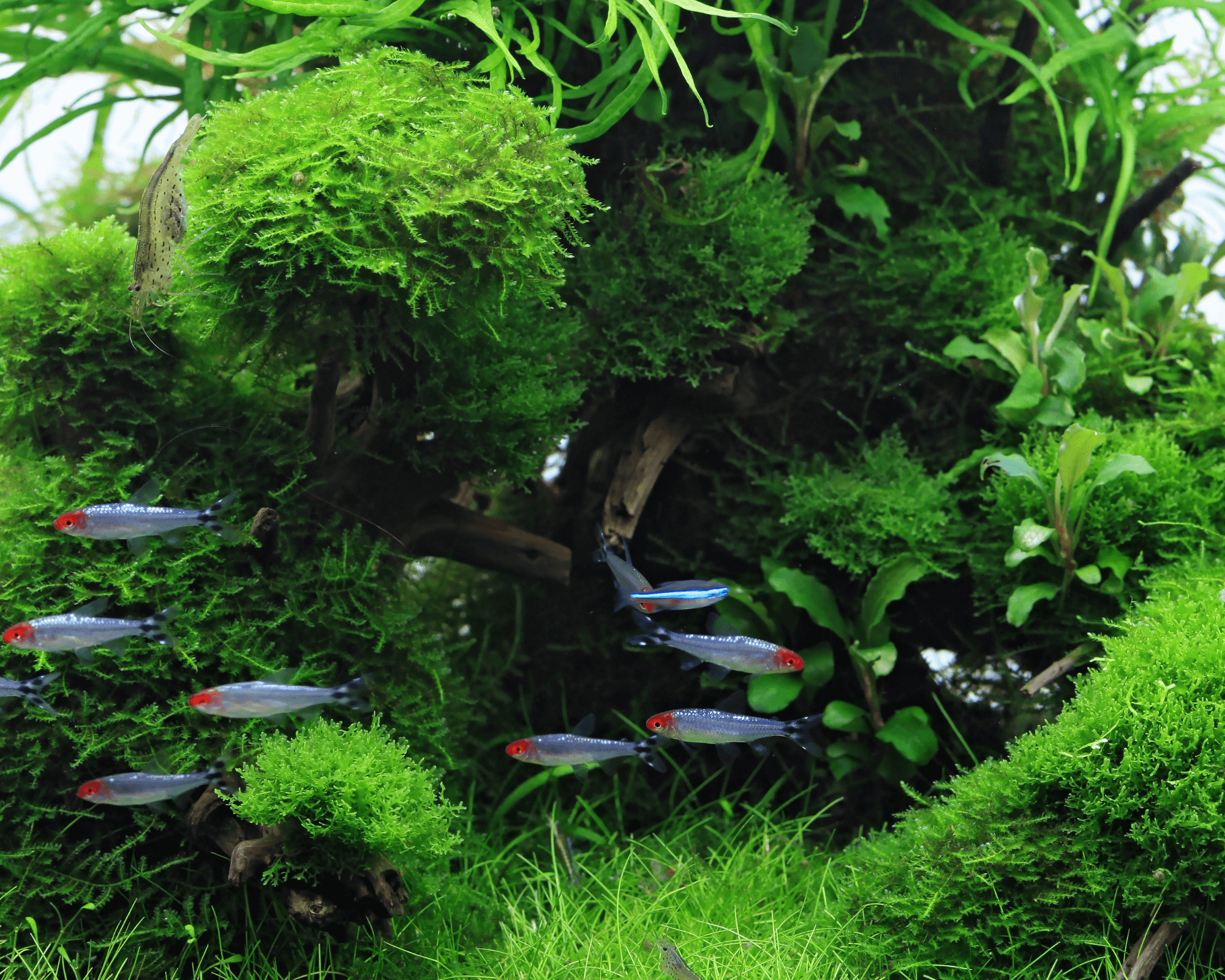
Small fish still have social and swimming-space requirements. Chili rasboras, for example, look tiny enough for almost any aquarium, but they are shoaling fish that display more naturally when kept in an appropriate group. The common mistake is adding a few individuals from several different species, leaving every group too small while increasing the total bioload. Pick one main schooling fish for a nano aquarium, provide open swimming space, and use plants to break up sight lines without filling every inch. In a larger community aquarium, a single midwater school can be combined with peaceful bottom animals only after the temperature, chemistry, and feeding plan are confirmed.
Treat shrimp survival as a tank-mate test
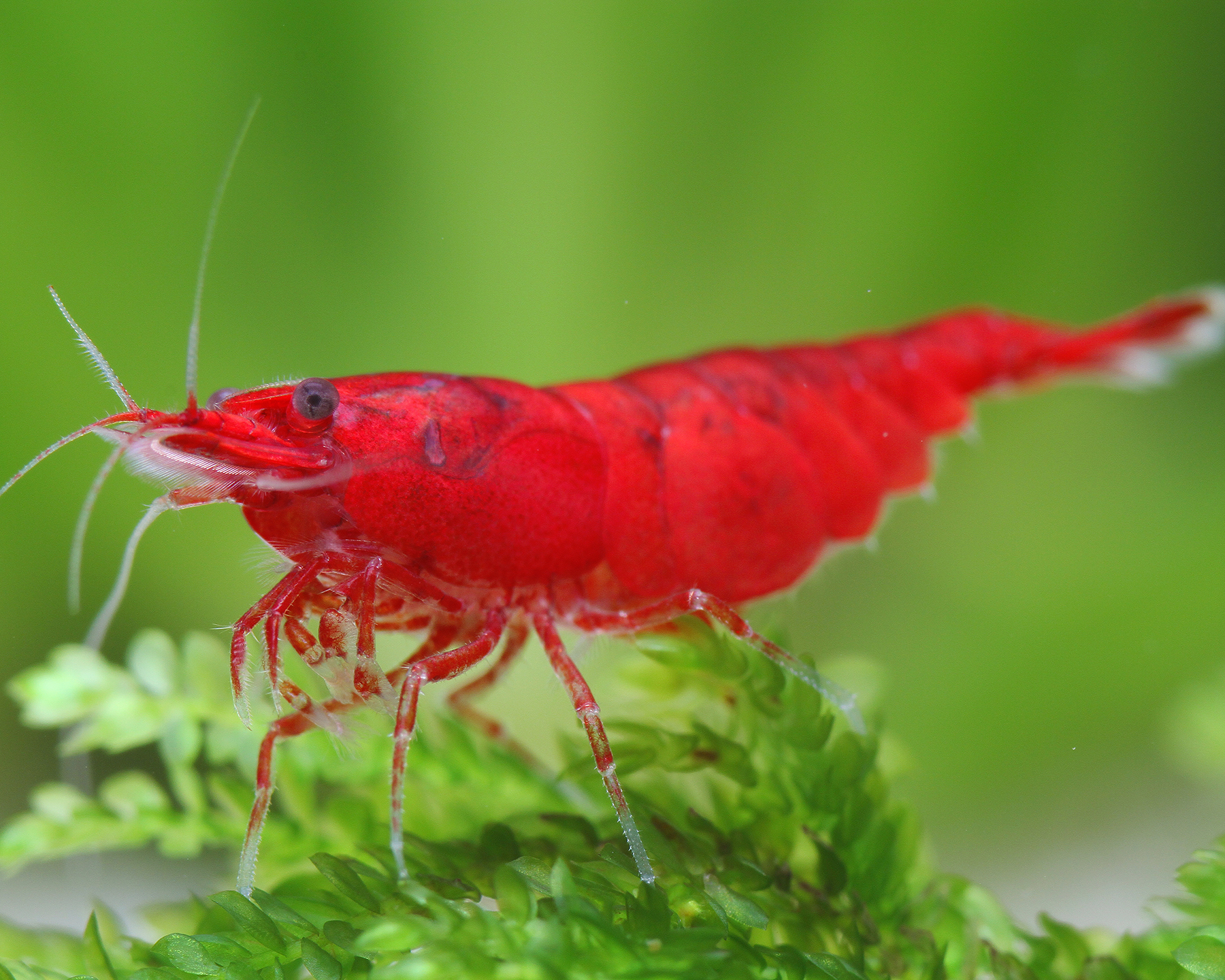
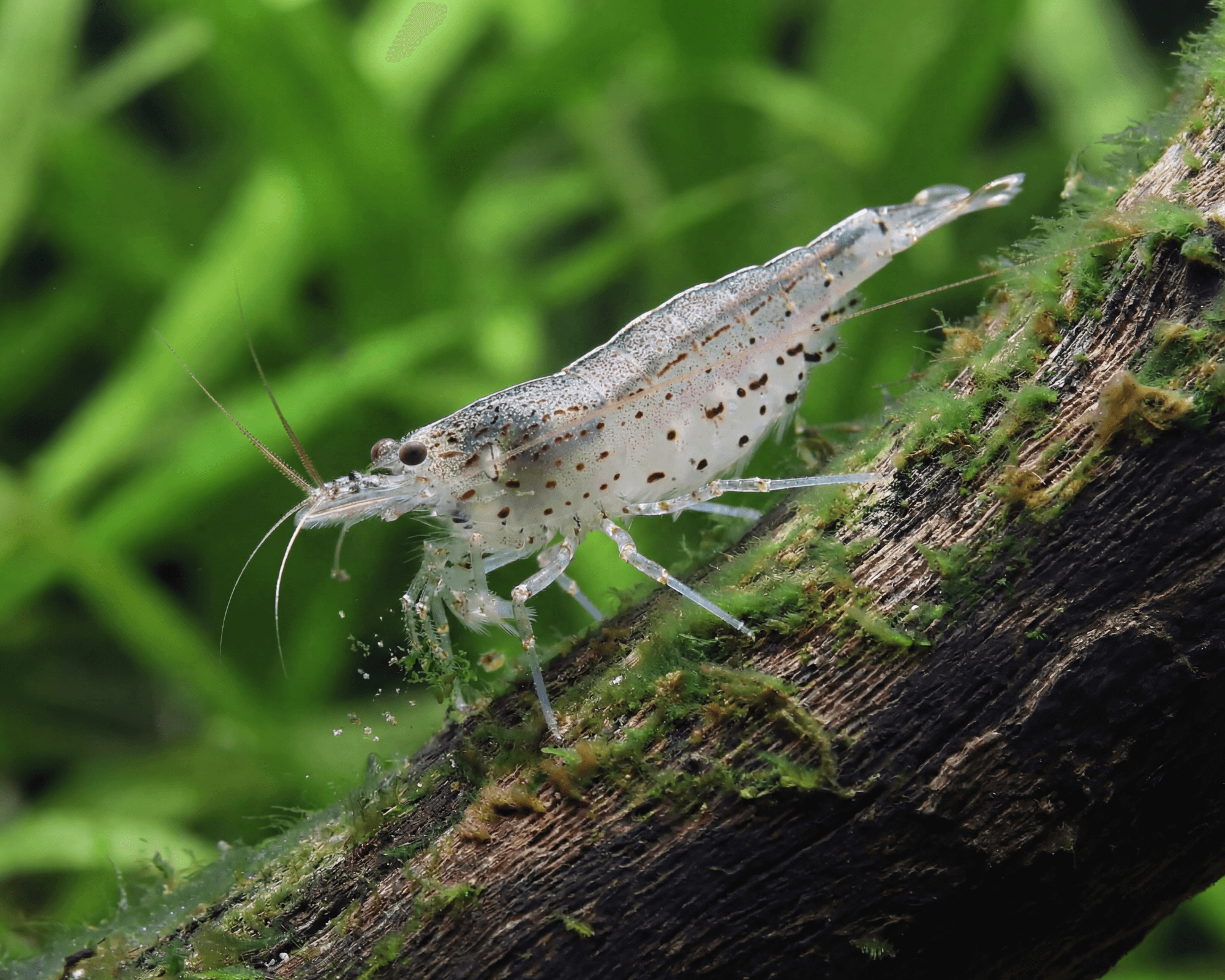
A fish can be peaceful toward adult tank mates and still be a threat to baby shrimp. Mouth size, hunting behavior, curiosity, and access to cover matter more than a label such as “community fish.” Dense moss, fine-leaved plants, wood, rock gaps, and a mature biofilm give shrimp places to graze and hide, but cover does not guarantee a breeding colony. If multiplying Neocaridina shrimp is the priority, a shrimp-only aquarium with compatible snails is the safest design. Amano shrimp are larger and do not reproduce through a normal freshwater life cycle, but they still need stable water and should not be added to an immature tank simply as an algae solution.
Use bottom dwellers only when the floor plan supports them
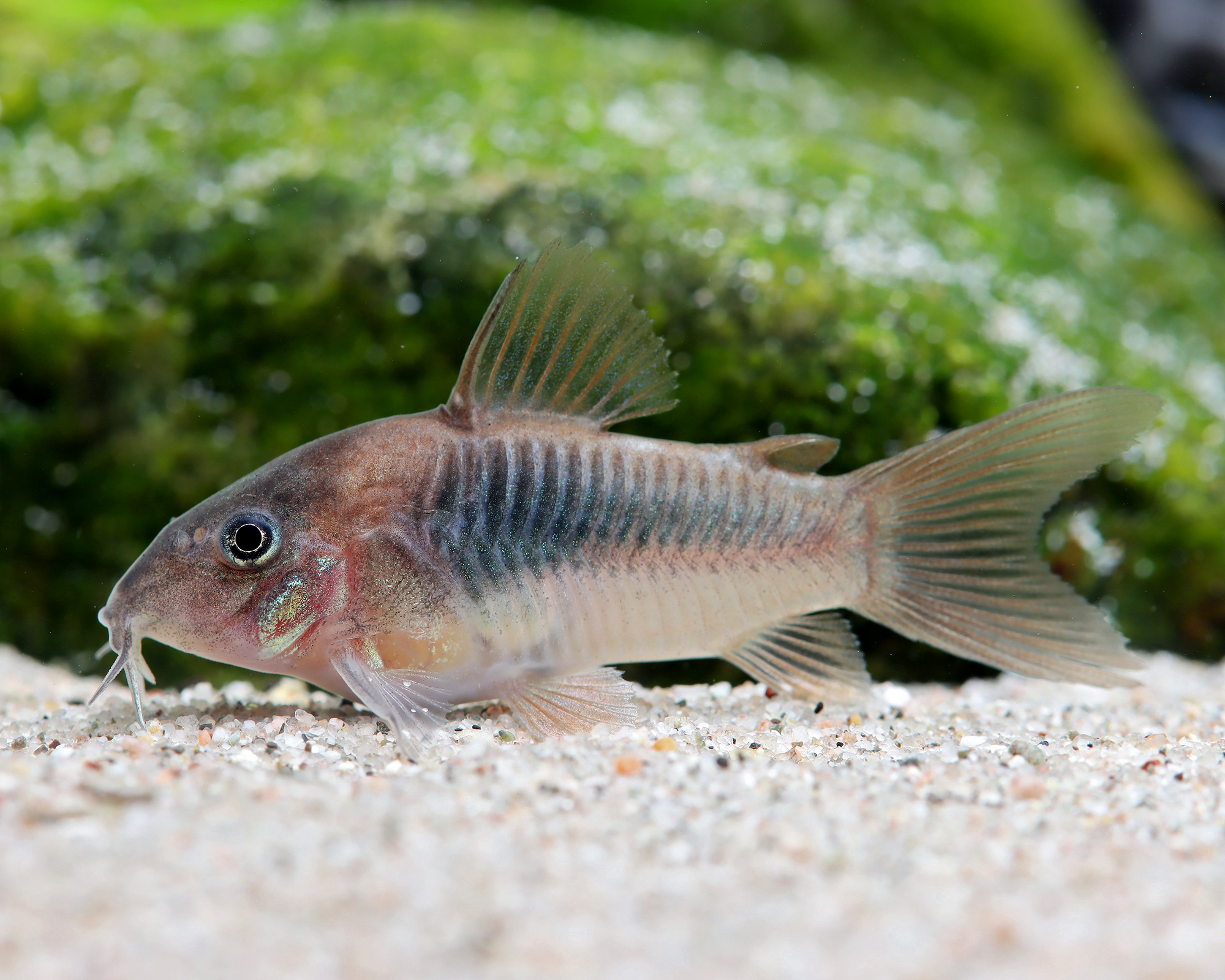
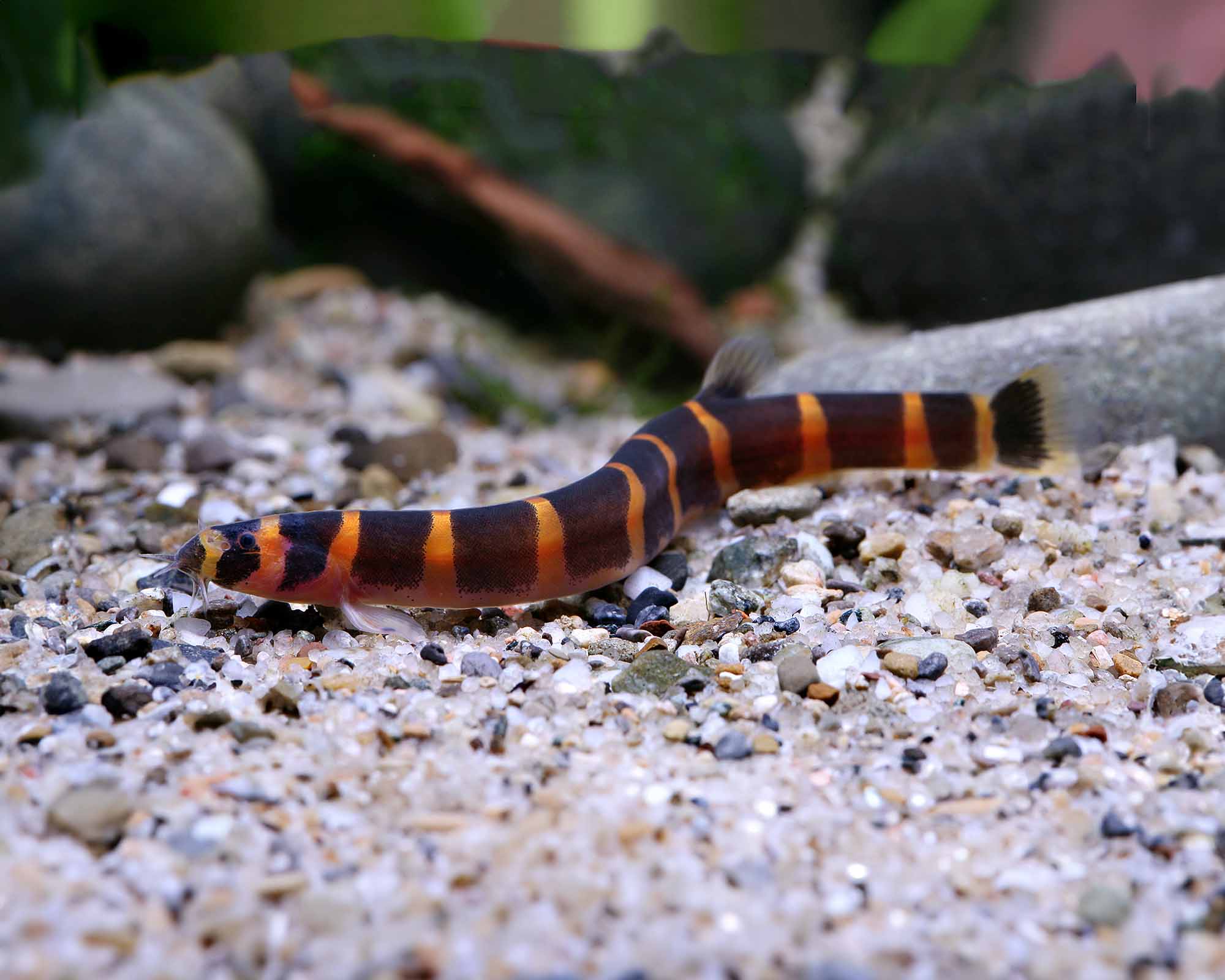
Bottom fish are often added after the midwater fish, but the aquarium floor can become overcrowded quickly. Corydoras are social catfish that should be kept in a suitable group and given smooth, safe substrate rather than sharp gravel. They also need feeding that reaches the bottom; leftover flakes are not a complete plan. Kuhli loaches bring different needs, including hiding places, gentle flow, and enough floor area for a group. In a small planted aquarium, choose one bottom-dwelling plan instead of combining several species. Leave open areas for foraging, keep hardscape stable, and do not assume that a fish’s small adult size means it needs no horizontal space.
Avoid the livebearer and soft-water mismatch
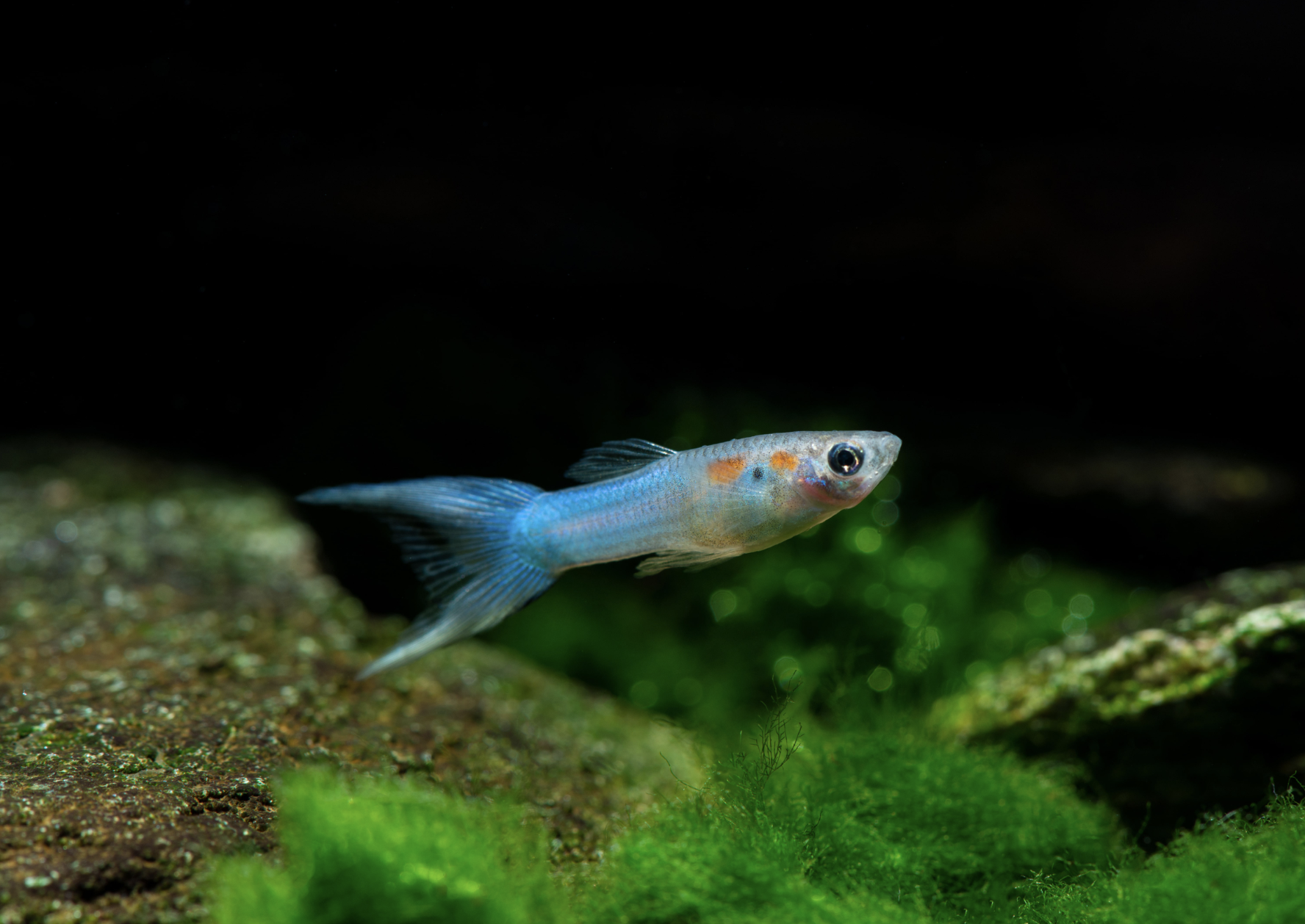
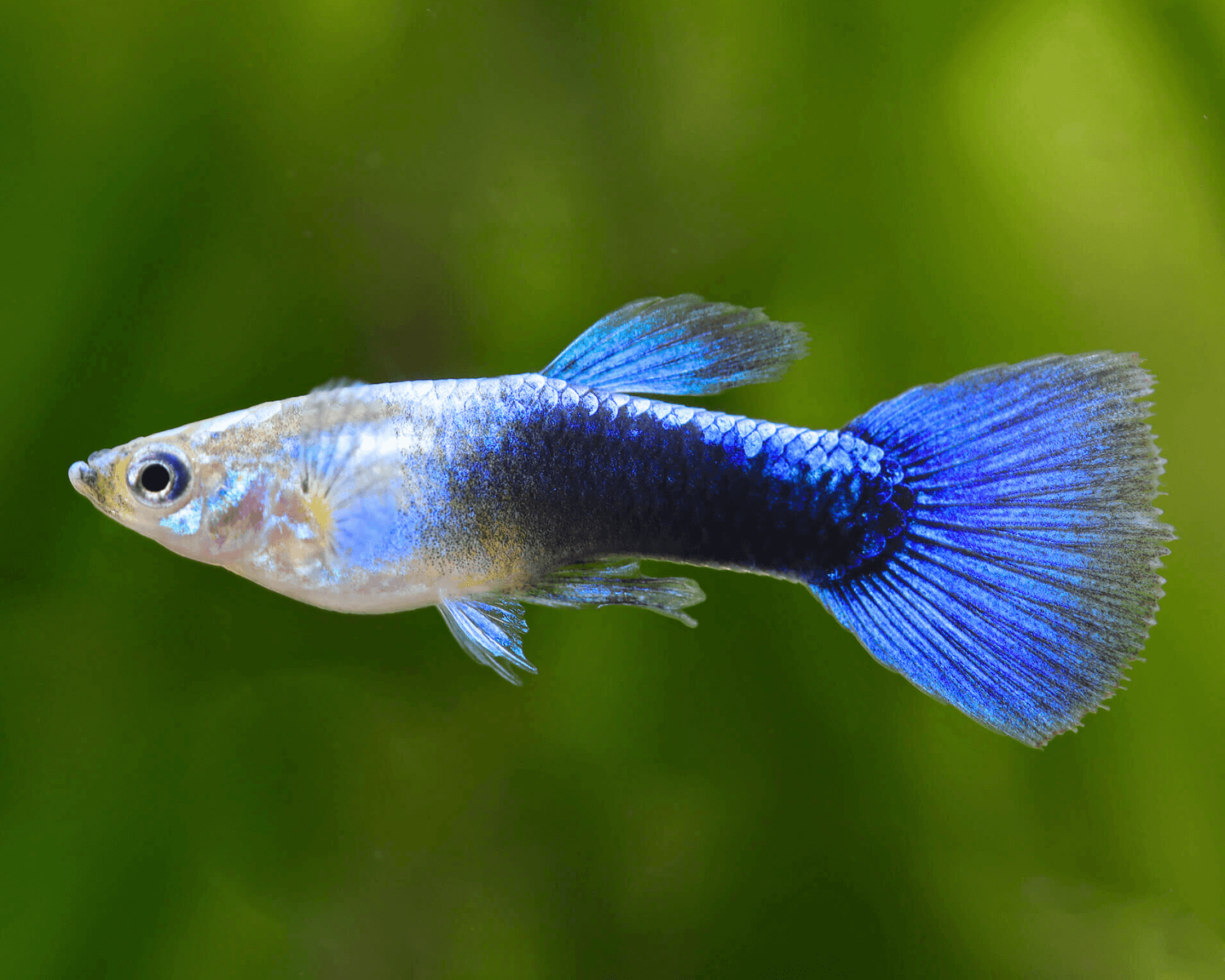
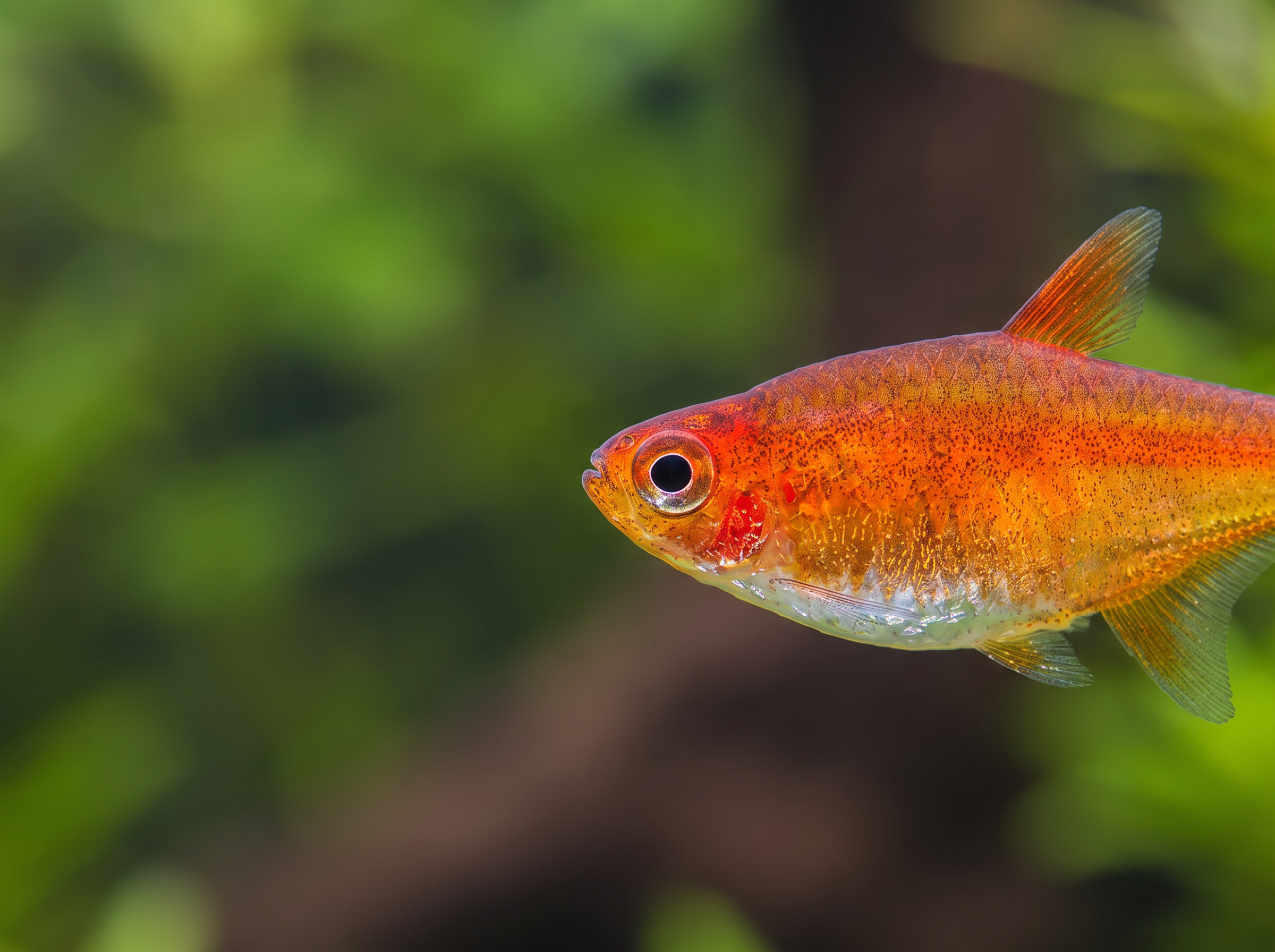
Colorful livebearers are attractive beginner fish, but their water preferences and breeding rate can create problems in a mixed planted aquarium. Endlers and guppies often do well in mineral-rich water, yet they can produce many fry, increasing bioload and making a nano tank unstable. They may also harass shrimp or consume newly hatched shrimp. Pairing livebearers with soft-water fish because both tolerate room-temperature store water is a common mistake. If you choose livebearers, plan for sex ratios, offspring, harder water, and population control. If you want a calm shrimp colony or a soft-water nano community, select a different livestock lane from the beginning.
Add easy plants before livestock, not after problems begin
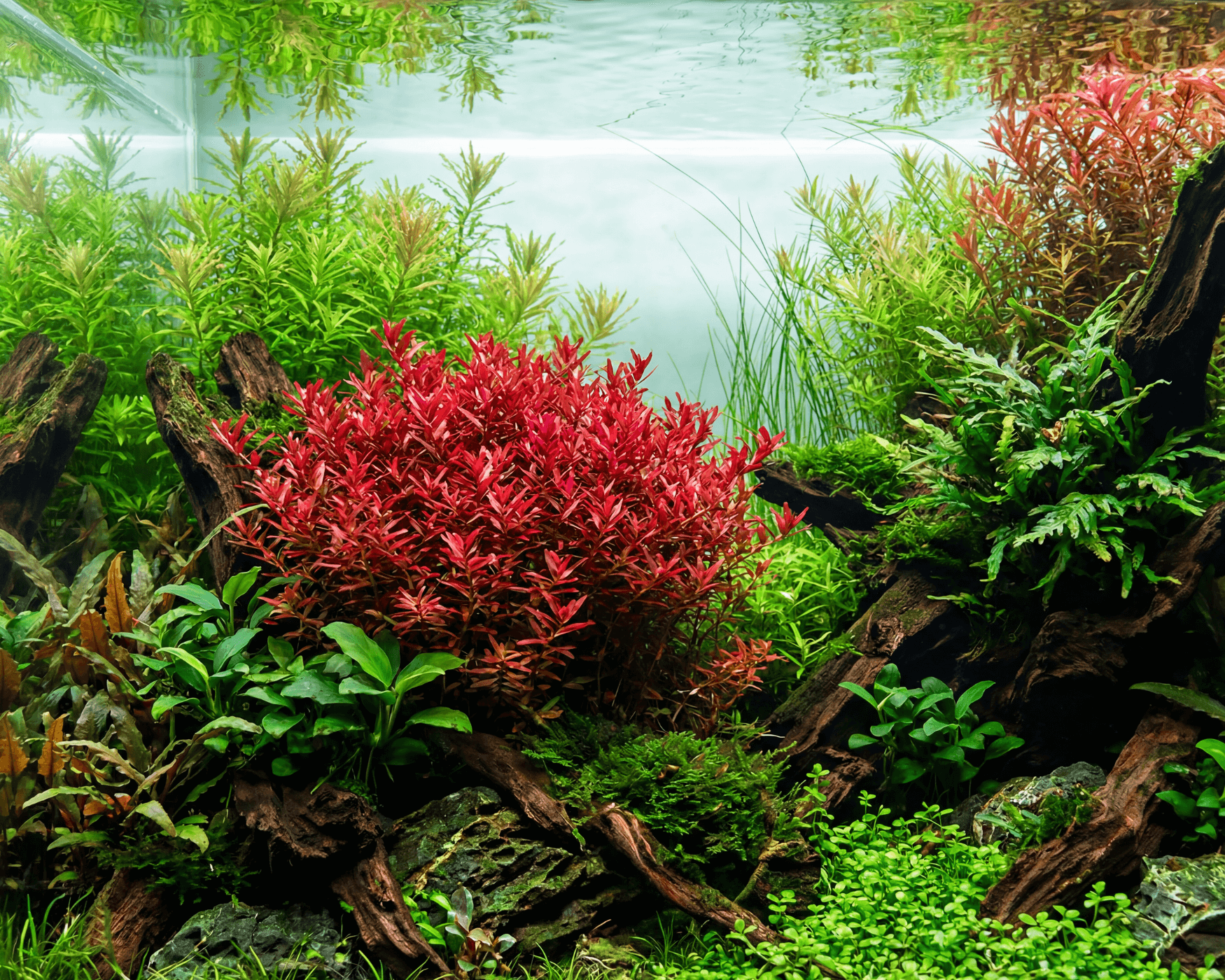
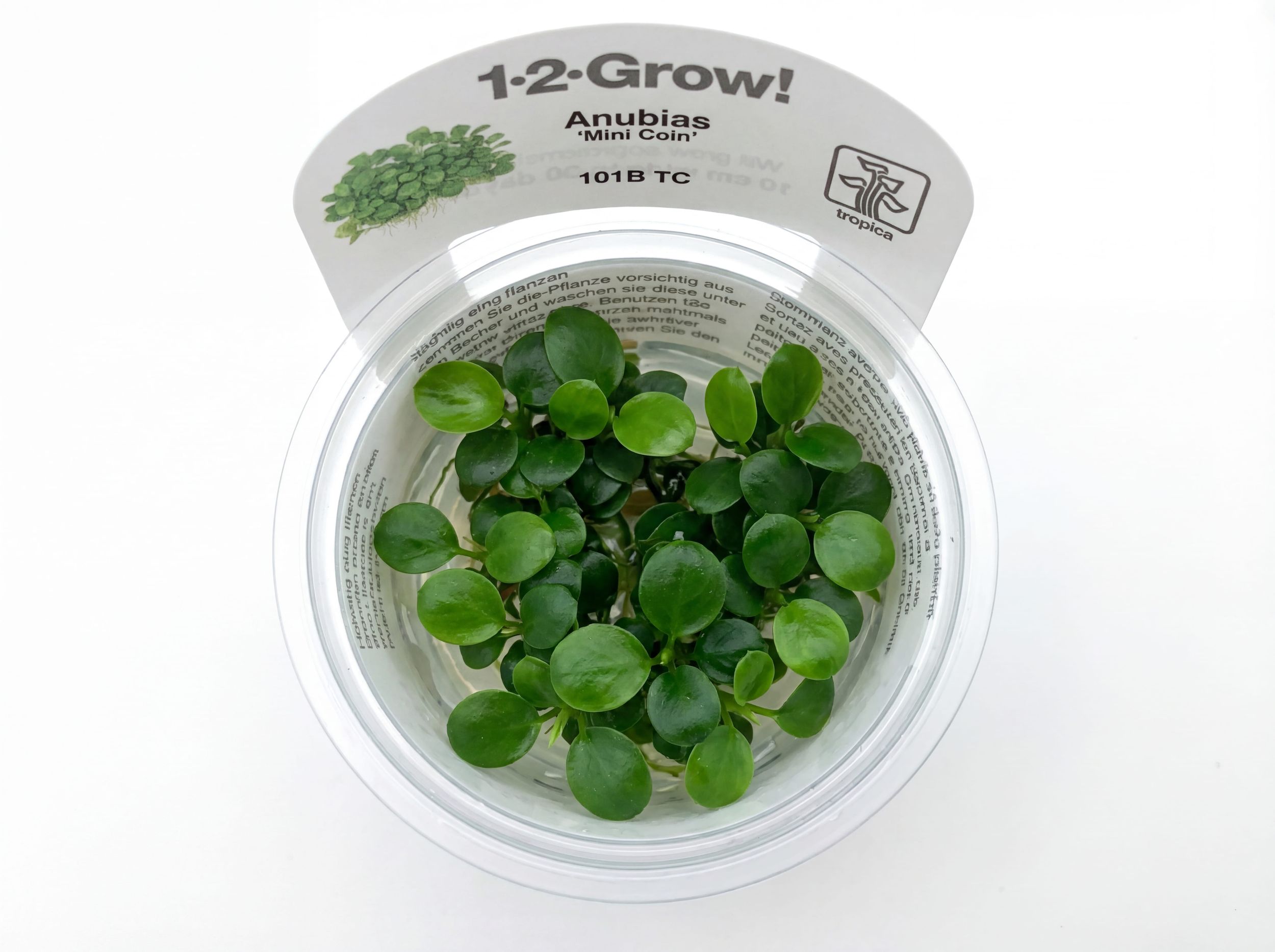
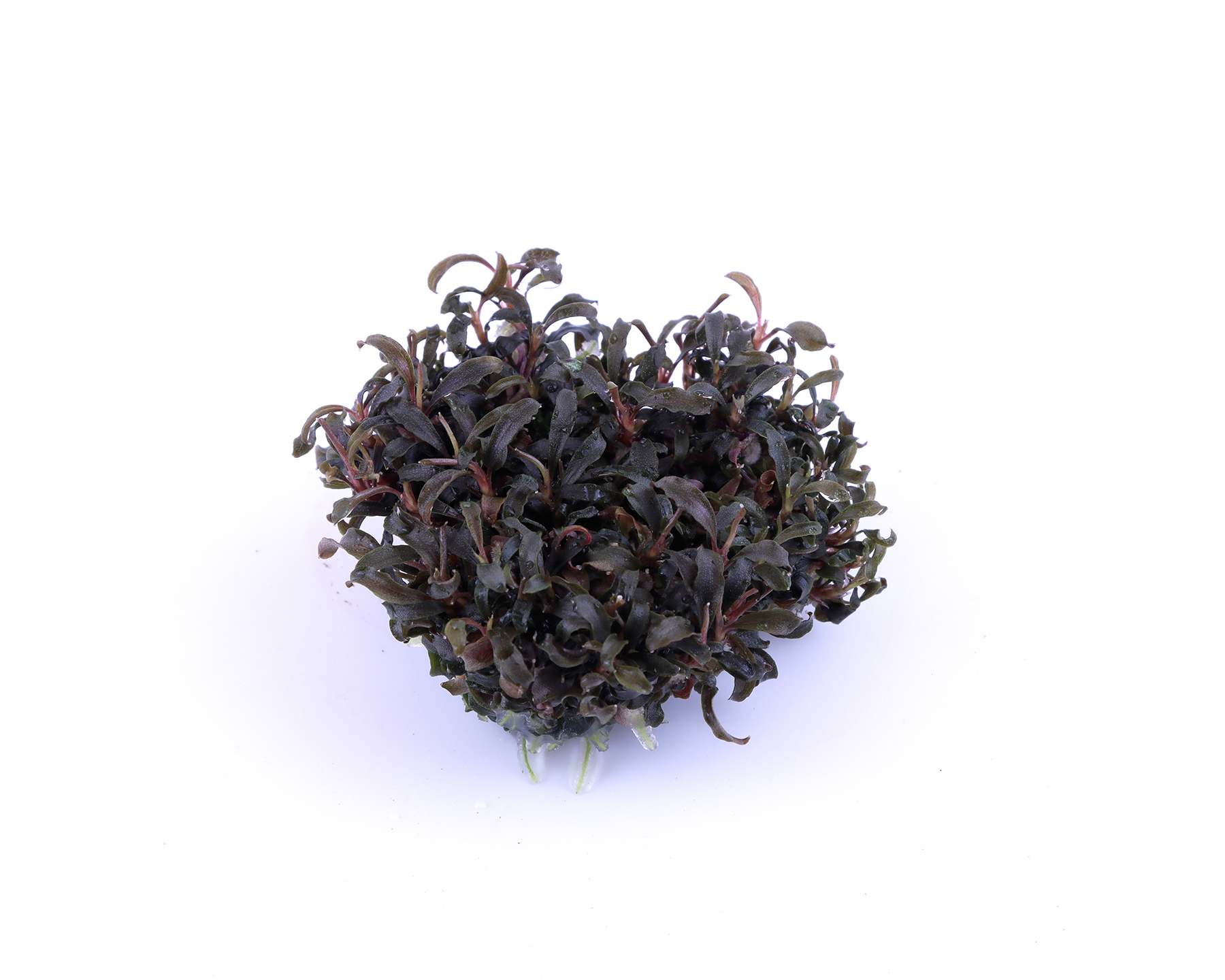
Beginner plants are not a substitute for filtration or cycling, but they create shelter, grazing surfaces, and visual boundaries. Anubias and Java fern can be attached to wood or rock, while cryptocoryne, hornwort, water sprite, and Java moss provide useful cover with modest demands. A frequent mistake is installing intense light, adding too few plants, and then trying to solve algae with more animals. Start with a manageable light period, remove melting leaves, and allow plants time to establish. Plants also influence how tank mates interact: dense growth can help shrimp avoid fish, while open foreground space supports schooling fish and bottom foragers.
Add snails for their role, not as emergency cleaners
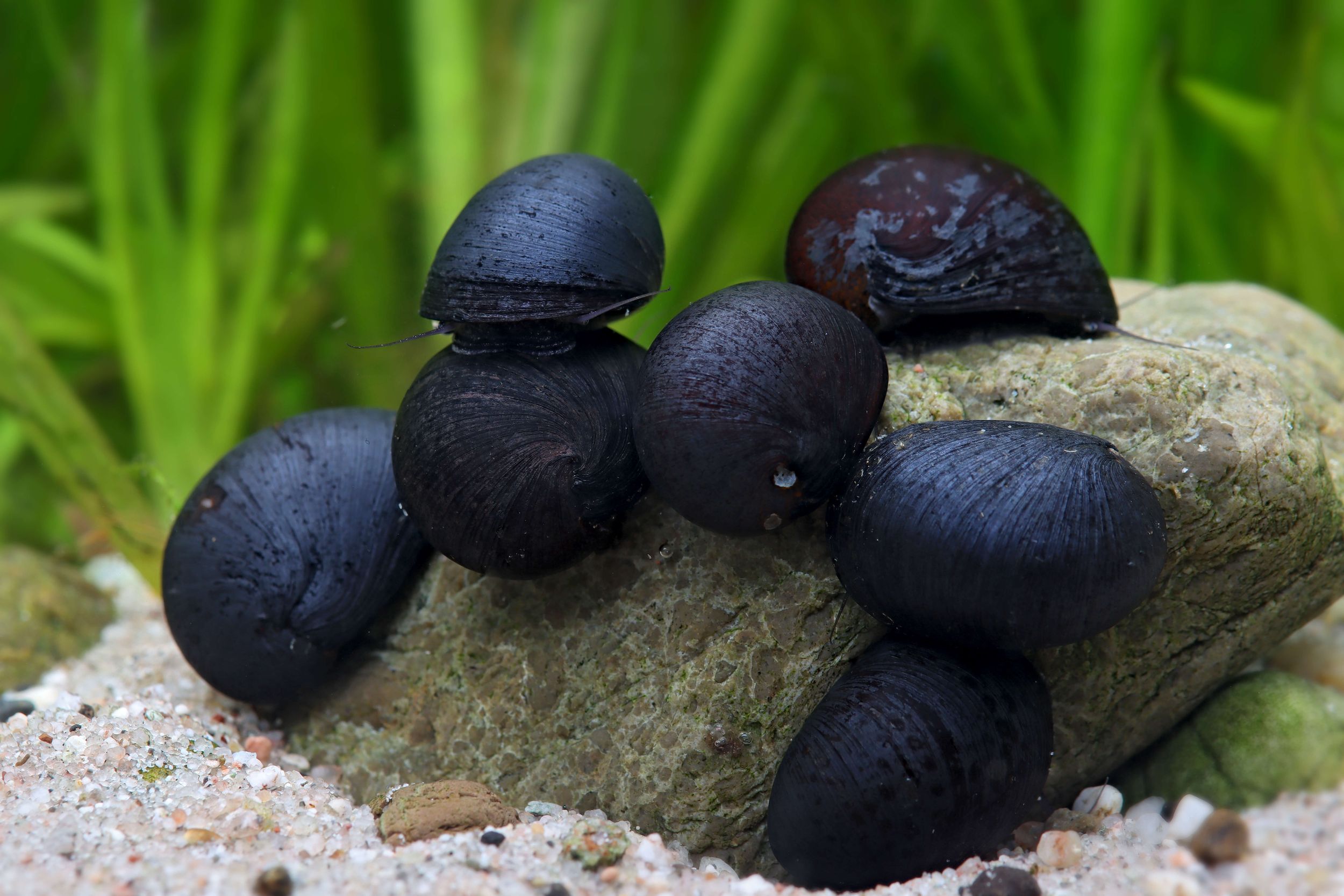
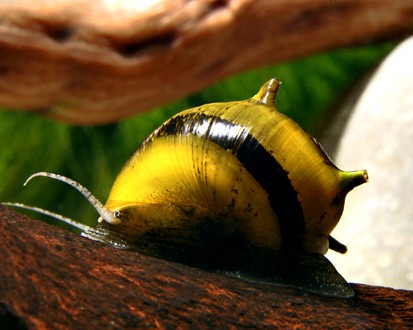
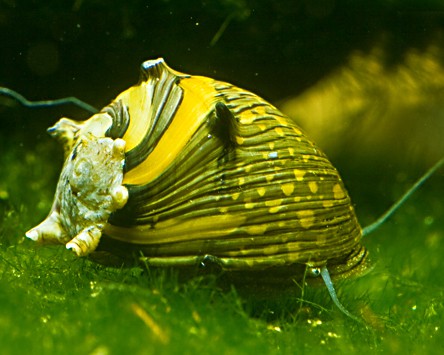
Aquarium snails can suit planted tanks, but they do not remove every maintenance problem. Nerite snails are useful grazers and generally do not create a population explosion in freshwater, while ramshorn and bladder snails can multiply when excess food is available. Mystery snails are larger and produce more waste, so they may be a poor choice for a very small nano aquarium. Before adding any snail, check whether the tank has enough mineral content for shell health and whether the food supply is appropriate. Never use a snail as a substitute for water changes, algae control, or reducing overfeeding.
Use a compatibility checklist before adding the final fish
Before purchasing the last species, compare five things: temperature range, pH and hardness preference, adult size, social behavior, and likely interaction with shrimp or snails. Then ask whether the tank has enough space for the group you are adding and whether your filter can process the increased waste. A colorful fish may be compatible on paper but unsuitable if it competes for the same zone or requires a larger group than your aquarium can support. Stock slowly, quarantine when practical, and observe behavior after each addition. If one animal becomes stressed, hiding, chased, or unable to feed, the plan needs adjustment rather than more decorations.
Make the safest choice when two livestock plans conflict
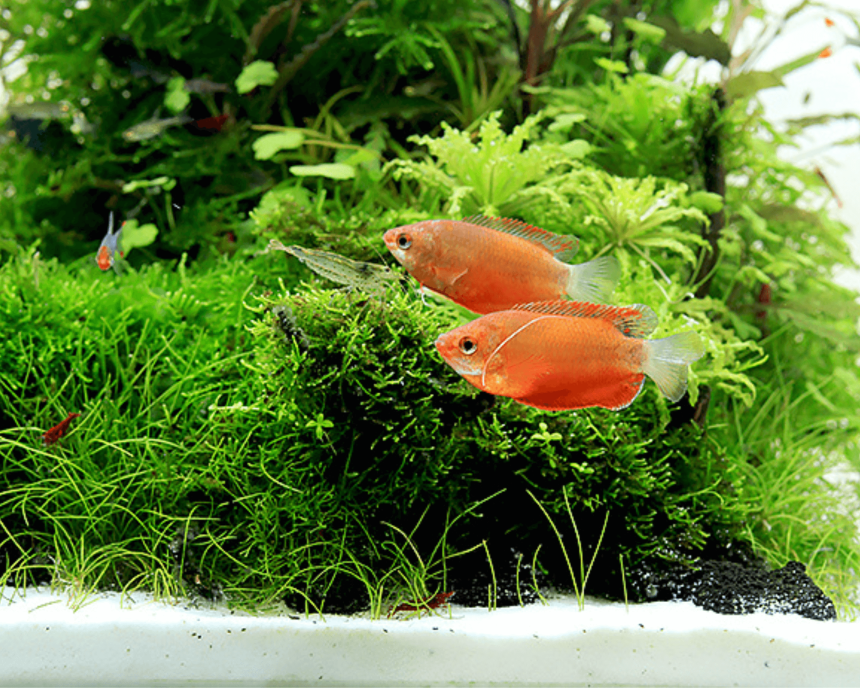
When temperature, chemistry, and behavior point in different directions, do not average the requirements and hope for the best. Choose the priority inhabitant first, then build around its needs. For a shrimp-first tank, select gentle or no fish, mature plants, stable minerals, and compatible snails. For a colorful fish-first tank, choose a species group that suits the aquarium’s temperature and source water, then accept that shrimp babies may not survive. For a small community tank, use one midwater school and one carefully selected supporting group rather than collecting every attractive animal. The best beginner setup is usually the one with fewer compromises and a clear maintenance routine.
Frequently Asked Questions
Can colorful freshwater fish, shrimp, and snails live together?
Yes, but compatibility depends on adult size, hunting behavior, temperature, water hardness, and the amount of plant cover. Adult shrimp may coexist with peaceful small fish while baby shrimp are still vulnerable. A shrimp-only setup with compatible snails gives the highest chance of colony growth.
What is the most common temperature mistake in a planted aquarium?
The common mistake is combining cool-water and tropical species because they look similar or tolerate temporary room temperatures. Choose one temperature range, use a thermometer, and keep water-change temperature close to the aquarium temperature.
Should beginners adjust pH before adding fish?
Usually, beginners should first test their tap water and choose livestock that suits it. Large or repeated pH adjustments can create instability. If your water is unsuitable for the species you want, use a consistent treatment and testing plan rather than occasional corrective products.
Are small fish automatically safe for a nano shrimp tank?
No. A small fish can still eat shrimplets, compete with shrimp for food, or stress them through constant activity. Dense plants improve survival but do not guarantee it. If breeding shrimp is the main goal, a shrimp-focused aquarium is the safer choice.
Leave your comments