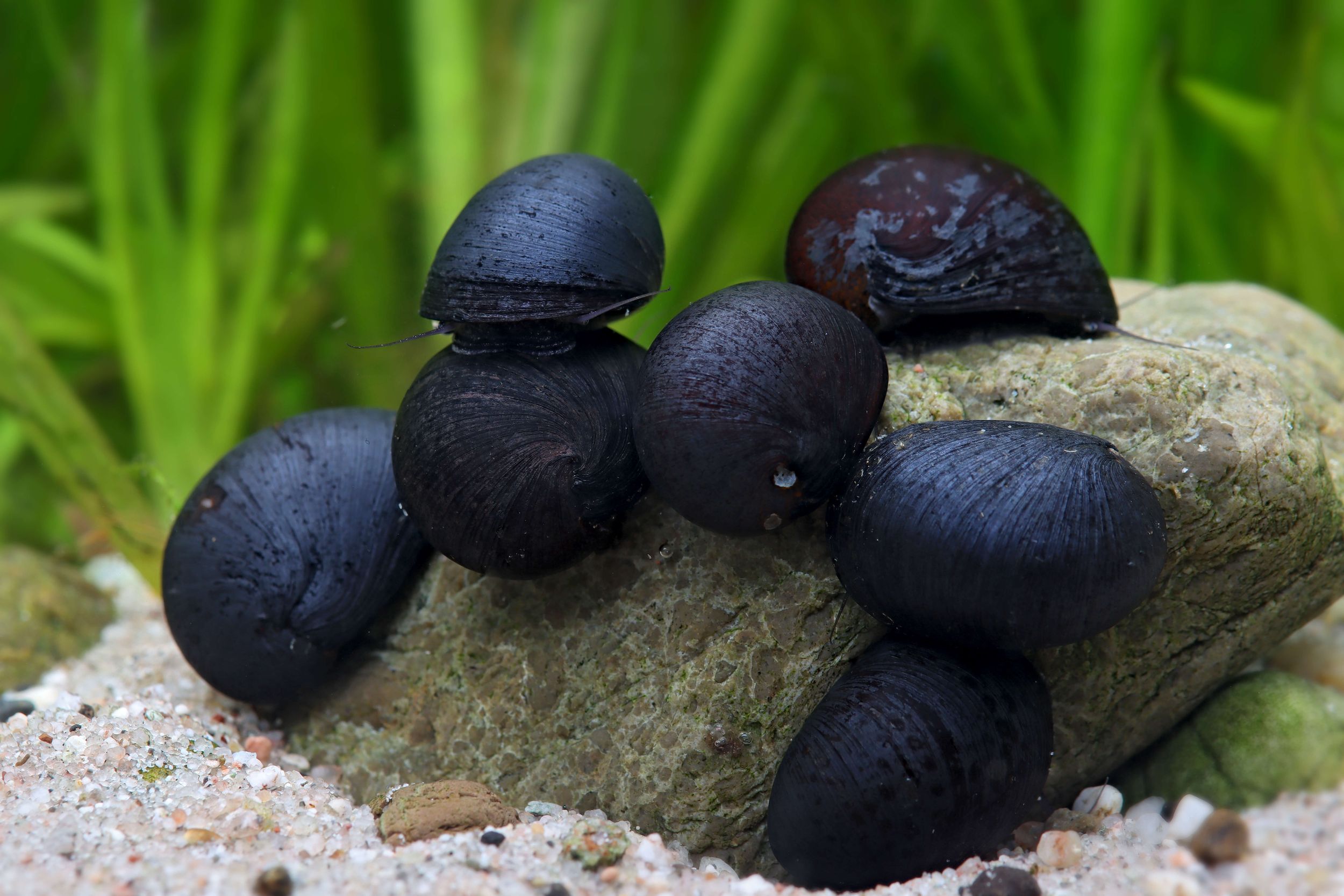
Choose the maintenance job before choosing the species
Think of aquarium snails as specialized helpers rather than a general cleanup crew. If your main problem is soft algae on glass and hardscape, choose a dedicated grazer and make sure the tank produces enough food. If leftover food collects in the substrate, a scavenging or burrowing species may be more useful. If you want a colorful invertebrate with visible personality, appearance and behavior may matter more than algae control. Tank volume still matters, but usable surface area, plant density, filtration, feeding, and maturity matter too. A large, clean, recently set-up aquarium may support fewer grazing snails than a smaller tank covered in established biofilm.
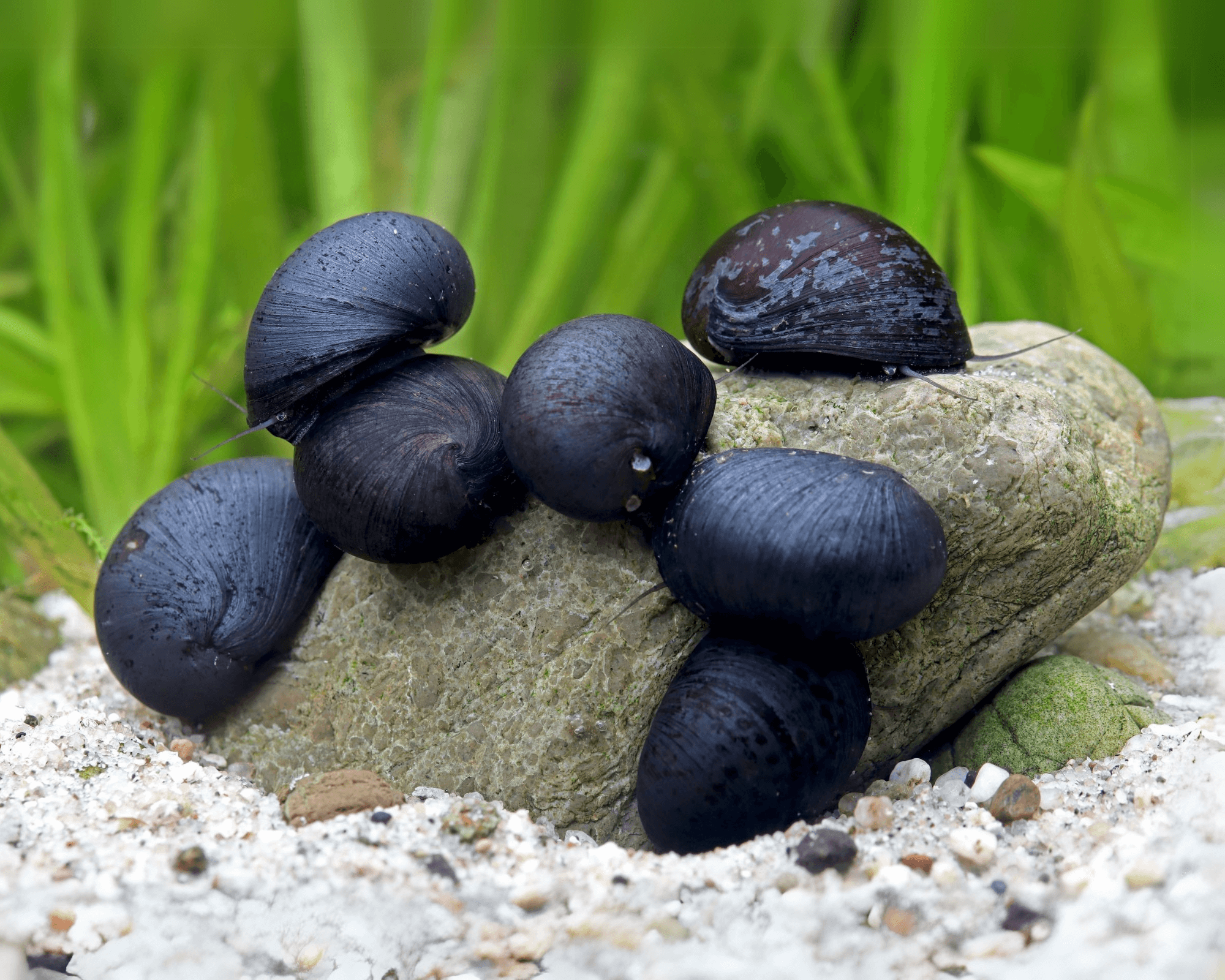
For tiny nanos, favor a small footprint and controllable appetite
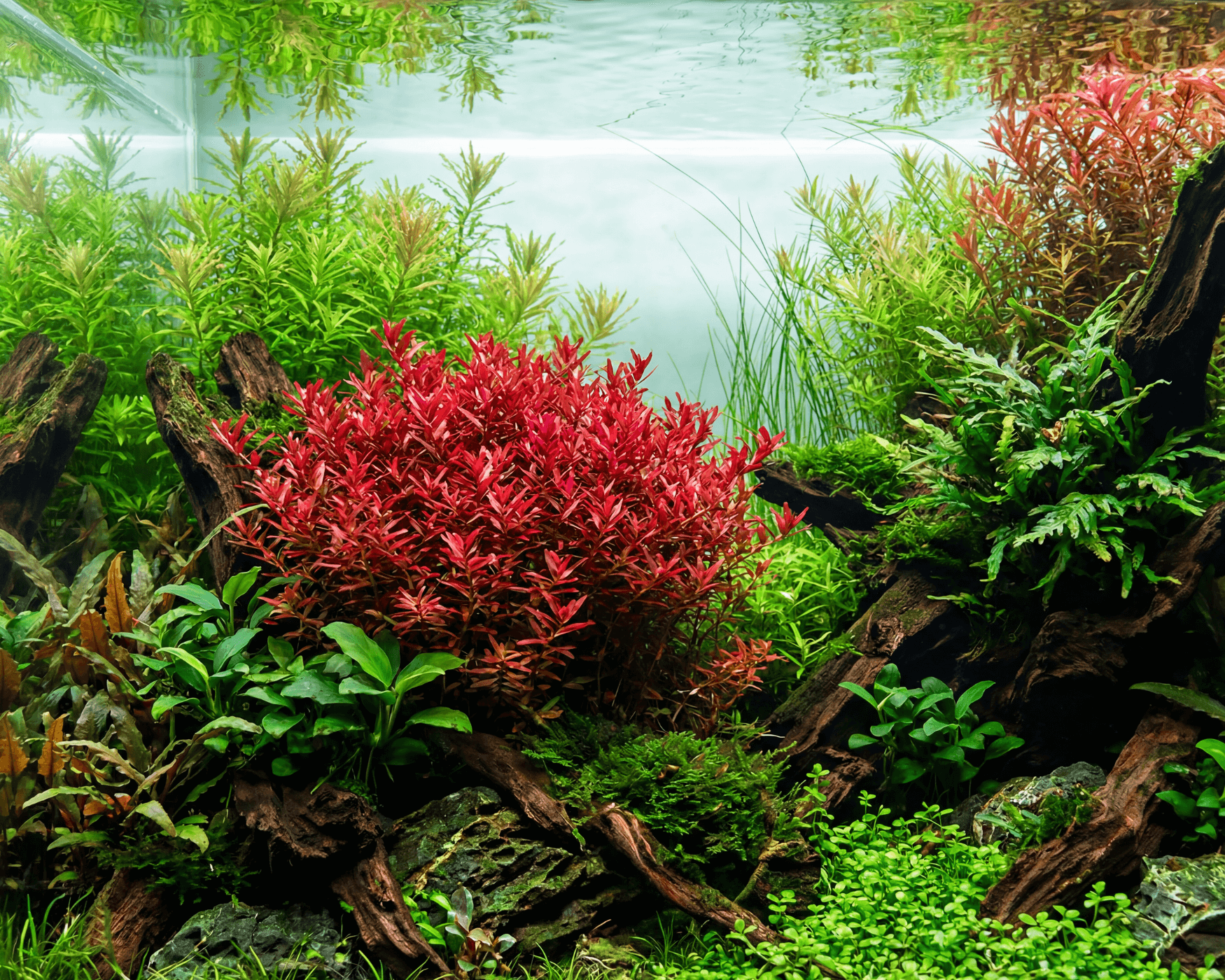
In tanks below about 5 gallons (19 liters), avoid choosing a snail solely because it is attractive or commonly recommended. Large-bodied species can create disproportionate waste, and dedicated algae grazers may run out of food quickly when the aquarium is kept spotless. Small ramshorn-type snails can work in planted nanos because they browse biofilm, soft algae, leftover food, and deteriorating plant material. The trade-off is reproduction: even a small starting group can expand when excess food is available. Use light feeding, remove dead leaves promptly, and manually thin the population when needed. A small nano usually benefits more from a modest, observable snail population than from a formal cleanup crew.
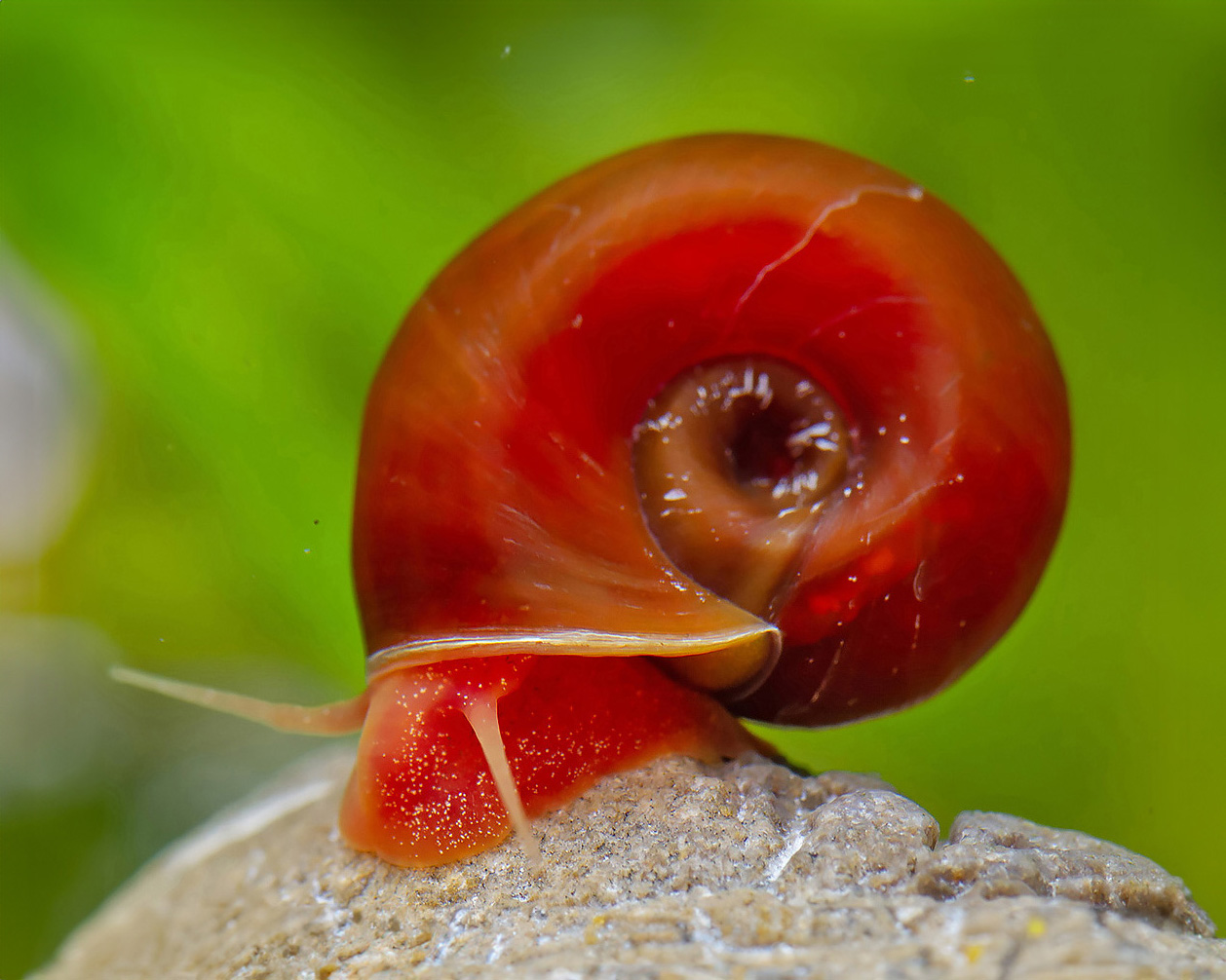
For controlled algae grazing, consider horned or patterned nerite relatives
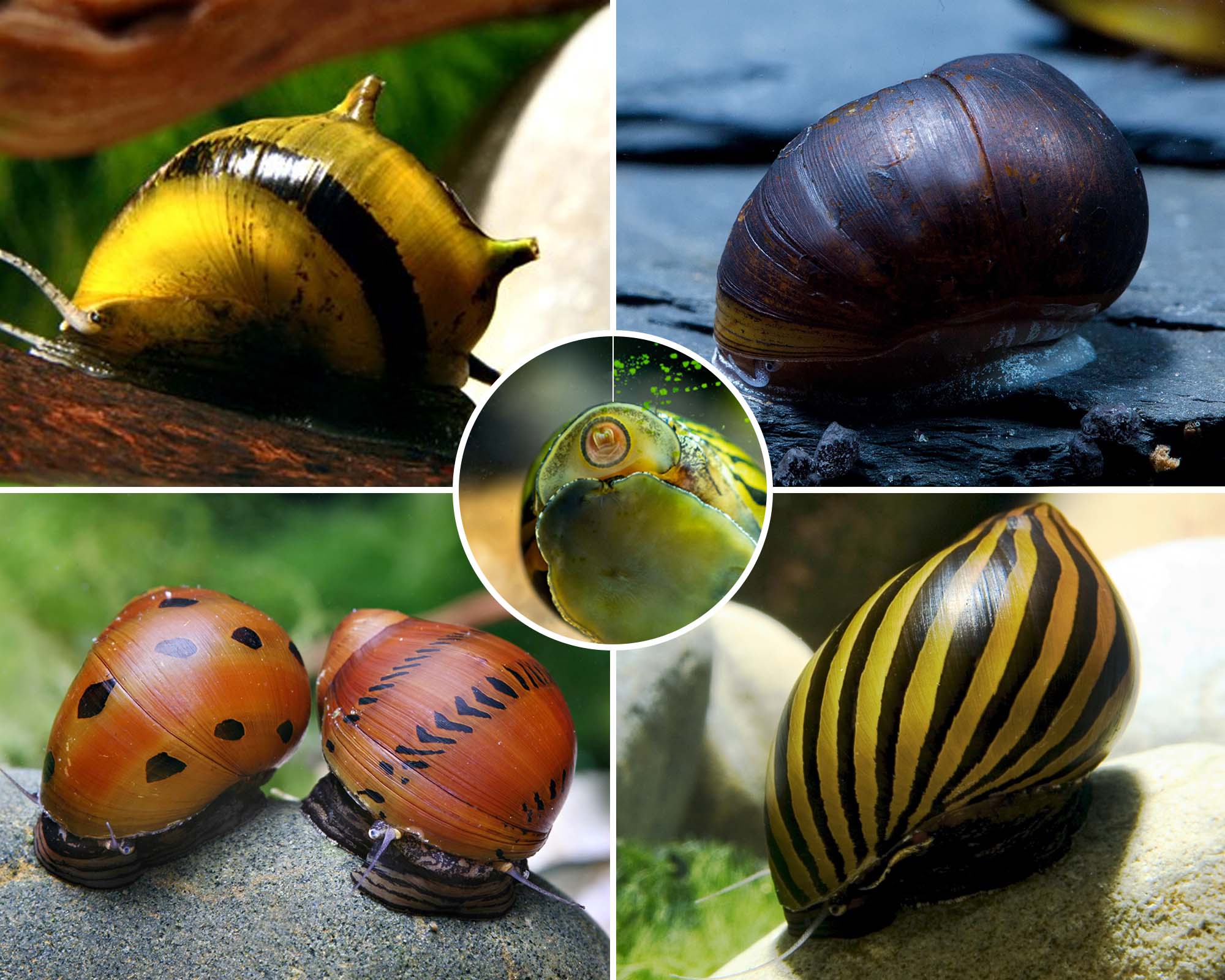
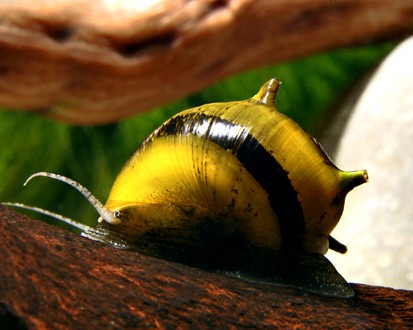
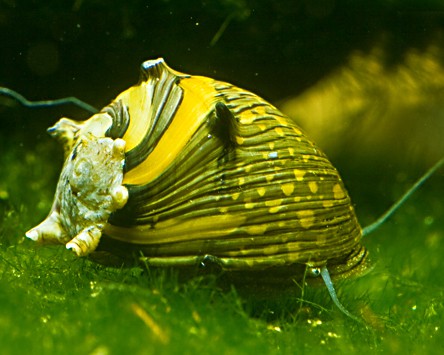
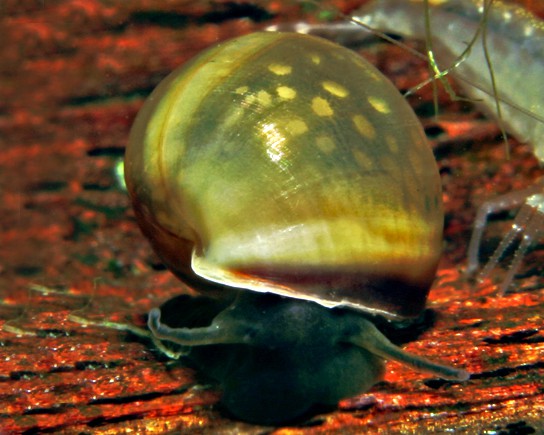
Clithon and other small nerite relatives are useful when your maintenance goal is surface grazing without establishing a freshwater breeding colony. They can add strong shell patterns while working across glass, rocks, wood, and sturdy plant leaves. Their limitation is food availability: a new, bright, or heavily cleaned aquarium may not grow enough algae and biofilm to sustain them. Supplemental foods are accepted inconsistently, so do not buy one as an automatic solution for an ultra-clean nano. They may also leave pale egg capsules on hard surfaces even though their eggs generally do not develop into a freshwater population. Choose them for established tanks with visible natural grazing material.
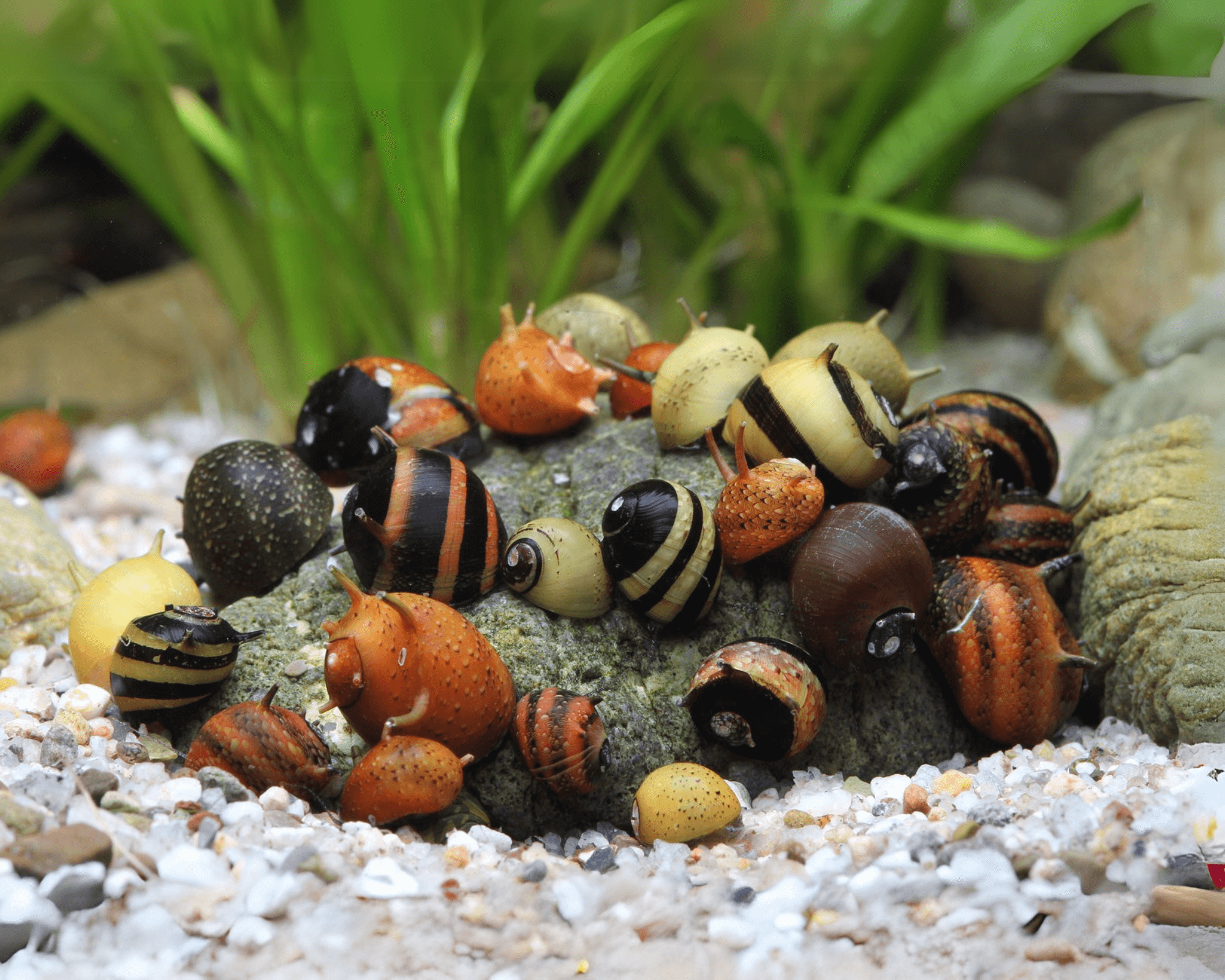
For substrate activity, choose burrowers only if you accept population swings
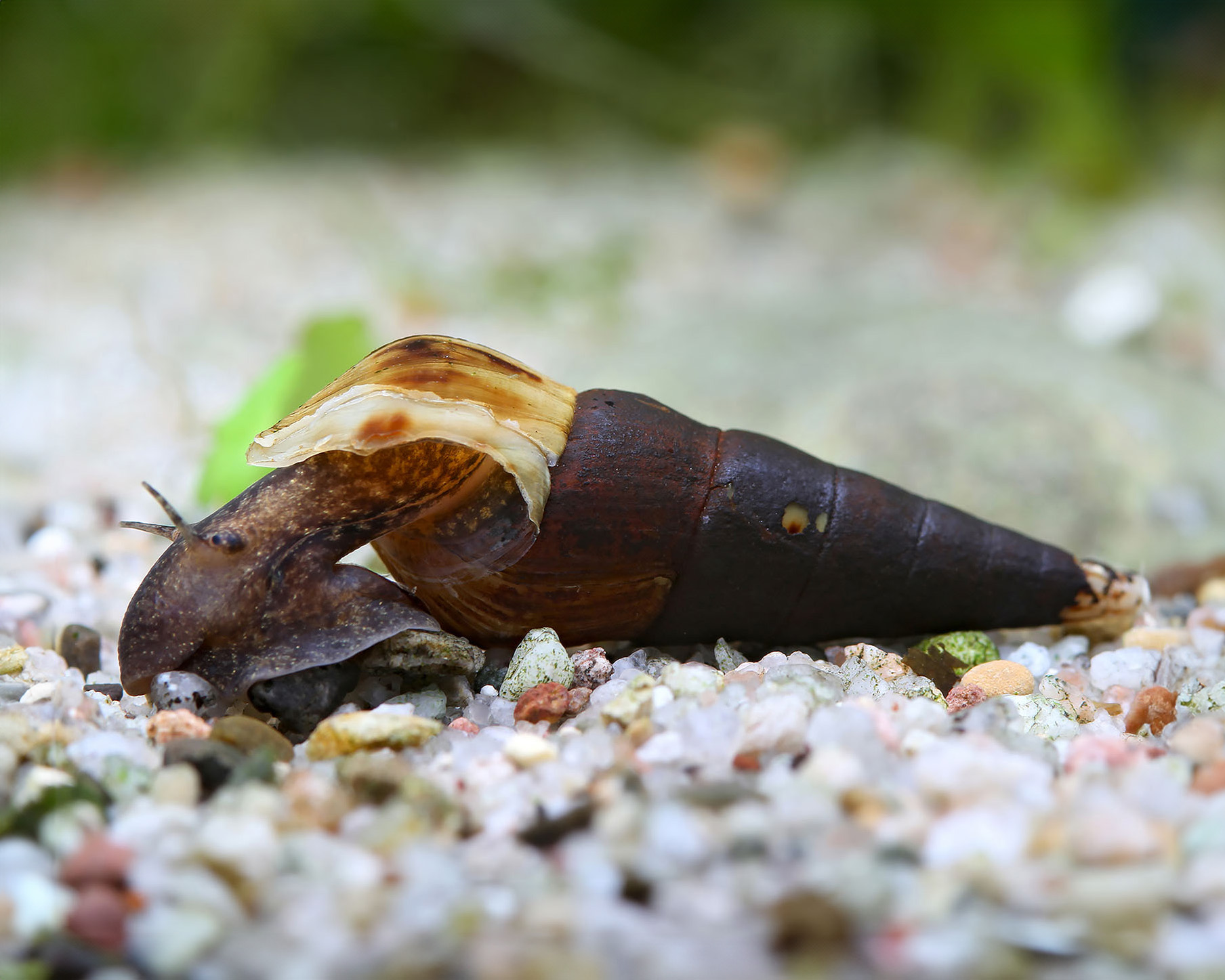
Malaysian or Indian trumpet-type snails spend much of their time under or within the substrate, especially during the day. That behavior can suit planted aquariums with sand or fine gravel because the snails process detritus and keep the upper substrate layer active. They are not a substitute for vacuuming or correcting overfeeding. Their main trade-off is reproduction: available food can produce a rapidly growing colony, often without a deliberate breeding project. They make more sense in established tanks where you value substrate activity and are willing to manage numbers. In a tiny display with strict population limits, a less reproductive option may be easier.
For shrimp tanks, select peaceful scavengers and protect food access
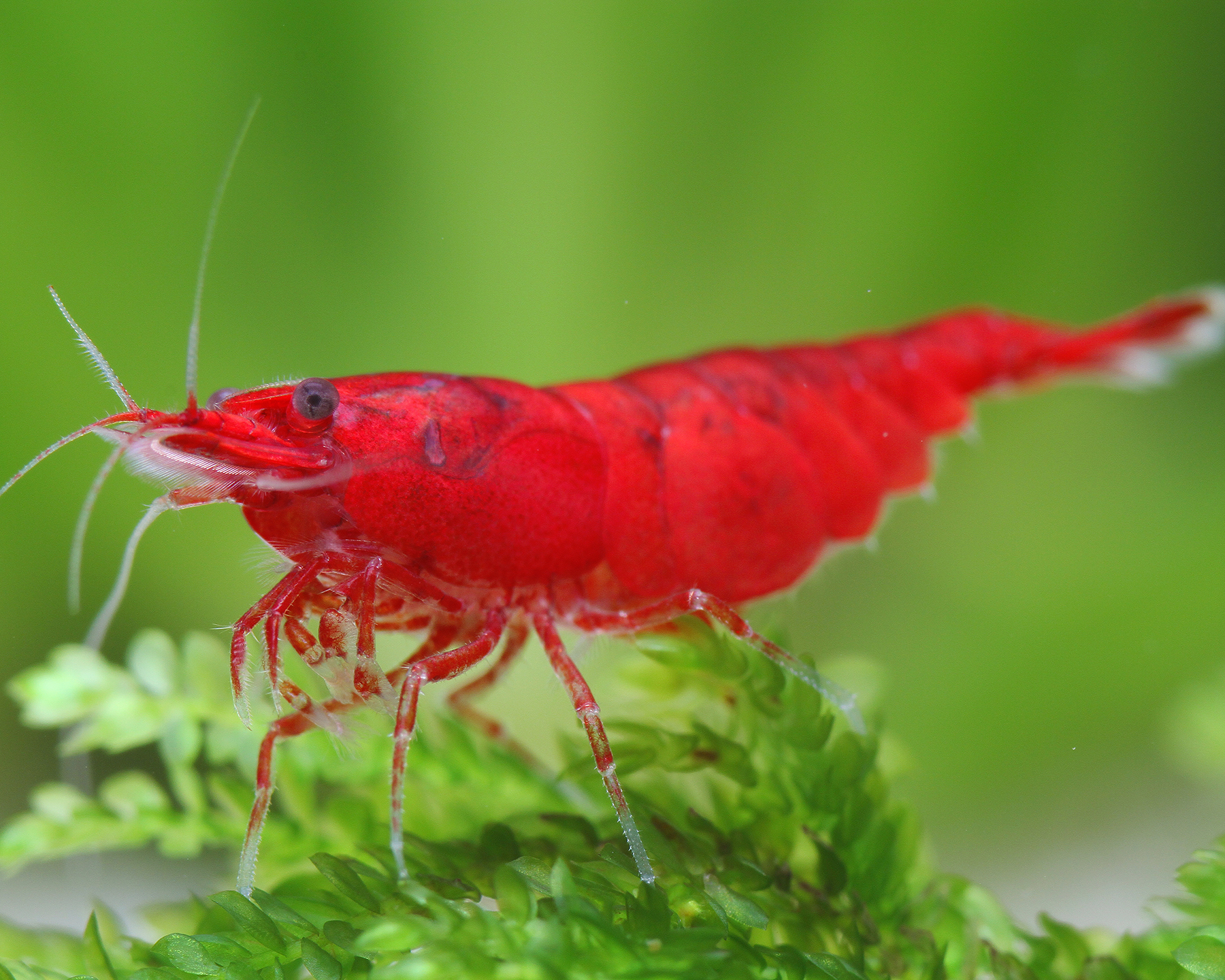
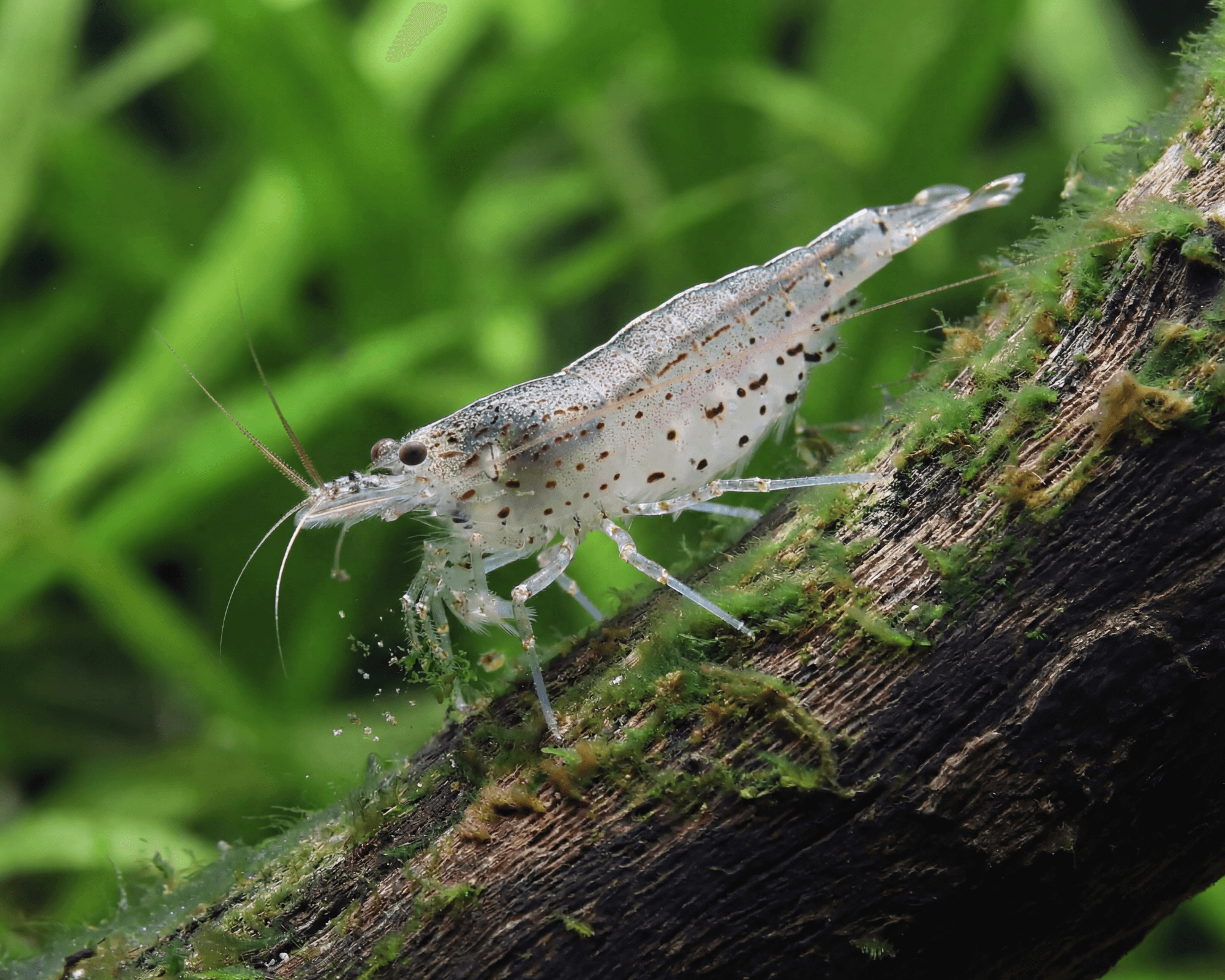
Most small freshwater snails are compatible with adult dwarf shrimp because they do not hunt healthy shrimp or compete aggressively for hiding places. The practical issue is food access. A busy snail population can reach sinking foods quickly, while shrimp may need small, distributed portions near moss, leaf litter, or sheltered hardscape. Ramshorn-type snails can add color and movement to a shrimp tank, but their numbers reflect available calories. Remove uneaten foods rather than allowing the snails to determine the feeding schedule. Avoid snail-eating fish and predatory snails when protecting shrimp colonies, especially if baby shrimp depend on dense cover and low disturbance.
%20-%201.webp)
For larger planted displays, match the snail to your waste budget
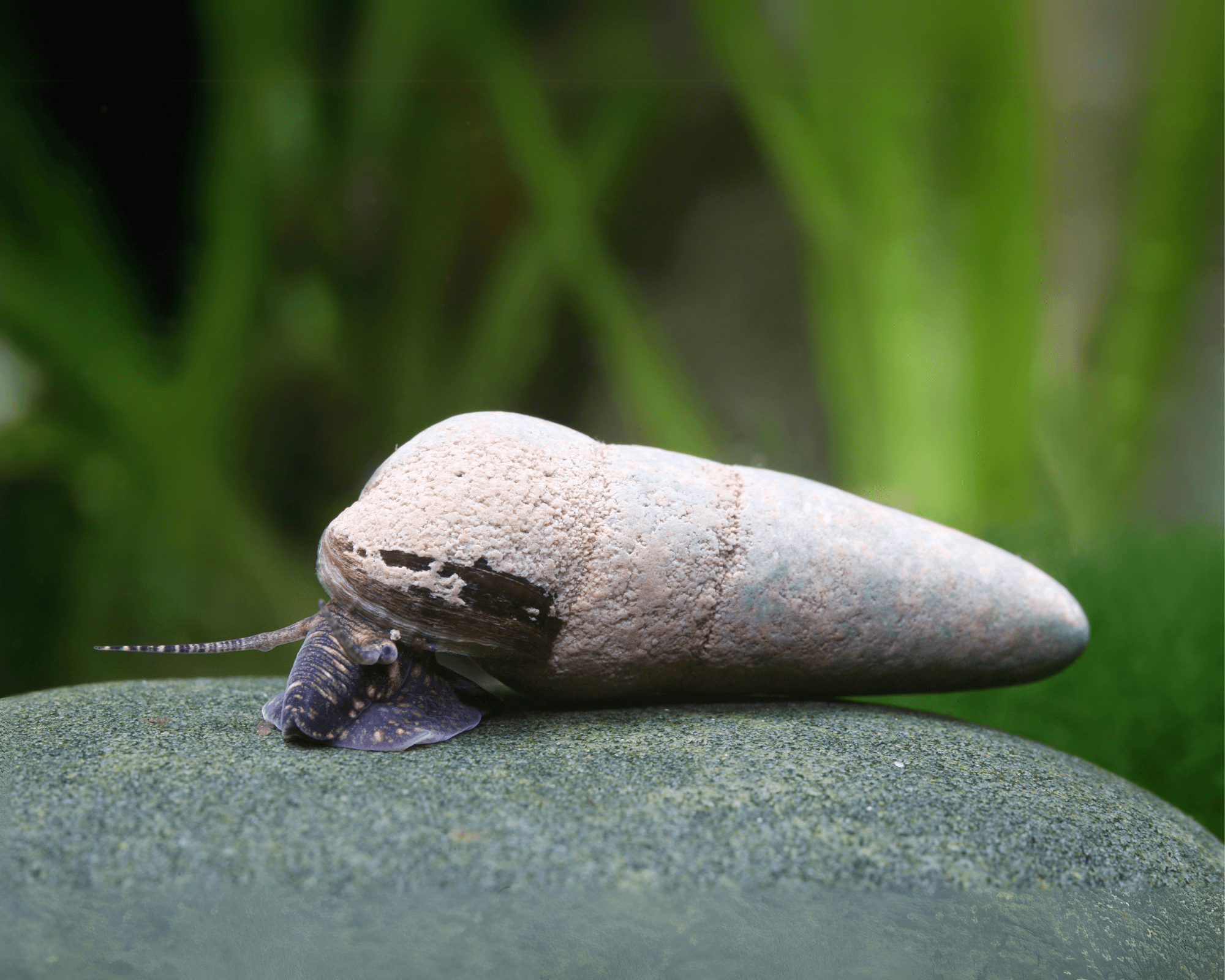
Large-bodied snails can become attractive focal animals, but their size changes the maintenance equation. Tylomelania types need more food, produce more waste, and require more floor space than tiny grazers. They are better suited to established medium or large aquariums with stable water quality, open surfaces, and a feeding plan that does not depend entirely on algae. Their slow, visible movement can complement broad-leaved plants and hardscape, but they may disturb delicate stems while climbing or foraging. Choose a large snail when you want an animal to watch and feed deliberately, not when you simply want less glass algae. A bigger tank provides more room to manage that trade-off.
When algae is the priority, measure food before adding more snails
Racing snails are often selected for their ability to graze surfaces, but their success depends on the aquarium producing suitable food. A mature tank with algae films, biofilm, and textured hardscape is a better home than a new tank that has been scrubbed clean. Add them gradually and observe their body condition, activity, and access to grazing areas. If the aquarium has little natural food, the answer is not automatically more algae-eating snails. Reduce cleaning intensity in selected areas, offer carefully chosen supplemental foods, or wait until the tank matures. Algae control works best when snail numbers match food production rather than the size of the problem.
For low-intervention tanks, accept that small scavengers reveal your feeding habits
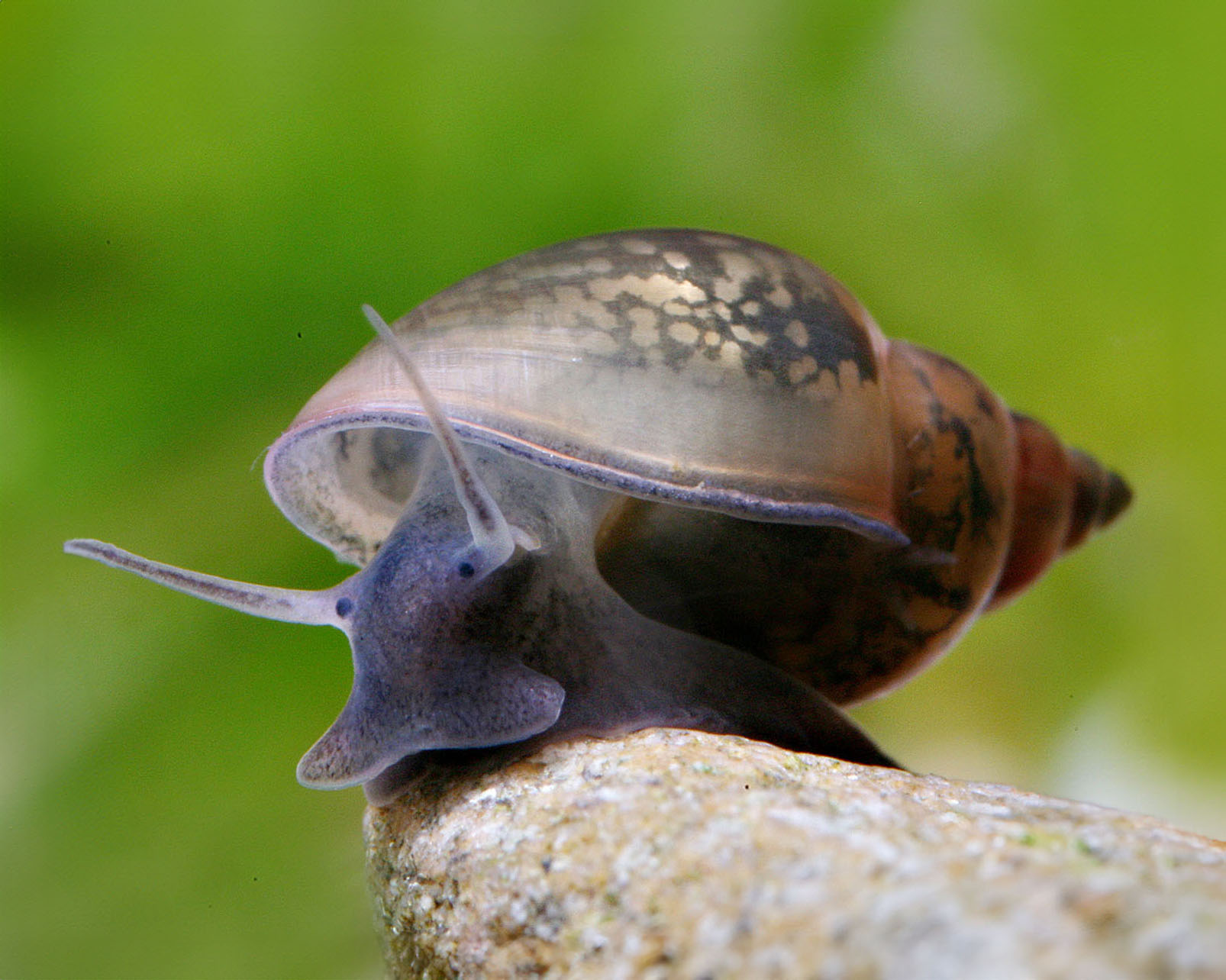
Bladder-type snails are often judged by how quickly they appear, but their population can provide useful feedback. A sudden increase usually means the aquarium has more edible material than before, such as excess food, dying leaves, or accumulated detritus. They are small, active, and suitable for many planted setups, yet they are a poor match for anyone who wants a fixed number of snails without regular observation. Control them by reducing surplus food, removing egg clusters when practical, and improving routine maintenance rather than using chemicals. They can coexist with shrimp and peaceful fish, provided tank mates do not treat them as prey.
Do not confuse a snail-control goal with a planted-tank compatibility goal
Assassin snails can help reduce unwanted ramshorn, bladder, or trumpet populations, but they are predators rather than neutral cleanup animals. Introducing one changes the community plan and may put desirable small snails at risk. They can also compete with your original maintenance strategy by removing the grazers you added for algae or detritus. Consider them only when population control is more important than preserving a mixed snail community. They are not a universal solution for overfeeding, poor filtration, or algae caused by excess light and nutrients. If you use one, monitor the remaining invertebrates and avoid assuming that predation replaces manual management.
%20-%201.webp)
Use a simple decision framework before you buy
First, classify the tank: nano, medium planted aquarium, or large display. Next, identify the main job: surface grazing, leftover-food processing, substrate activity, or visual interest. Then check whether the aquarium is mature enough to provide natural food and whether your fish are peaceful enough to leave snails alone. Finally, decide how you feel about breeding, egg capsules, extra feeding, and manual population control. A small planted shrimp tank may suit a few controlled ramshorns or a carefully fed small grazer. A mature community aquarium may support burrowers or larger snails. The best choice is the one whose appetite, behavior, and reproduction fit your maintenance habits.

Frequently Asked Questions
What is the best aquarium snail for a small planted tank?
Small ramshorn or bladder-type snails are often practical for planted nanos because they have a small footprint and eat biofilm, soft algae, and leftovers. Their populations can increase when food is abundant, so portion control and occasional manual removal are important.
Can nerite-type snails live in a 5-gallon planted aquarium?
They can, provided the aquarium is mature and has enough algae or biofilm on its surfaces. A spotless or newly established 5-gallon tank may not provide enough food. Choose a small individual, avoid over-cleaning every surface, and monitor whether it continues grazing.
Which snails help with planted-tank substrate?
Malaysian or Indian trumpet-type snails are the main burrowing option commonly used for substrate activity. They can be useful in established planted aquariums, but they reproduce readily when excess food is available. They should complement, not replace, normal substrate maintenance.
Are aquarium snails safe with freshwater shrimp?
Most small, peaceful freshwater snails are compatible with adult dwarf shrimp. The main concerns are competition for sinking food and predatory tank mates. Provide cover, distribute food carefully, and avoid assassin snails or fish known to eat snails and shrimp.
Leave your comments