AquaLibs presents AquaRank Discover the world’s leading aquascapers

Explore transparent rankings built from published results across the world’s leading aquascaping contests.

When Aquarium Snails Multiply: A Planted-Tank Population Control Plan

Start by identifying the snail before trying to control it

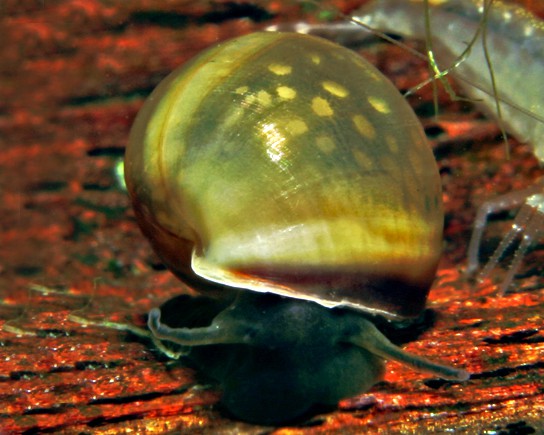
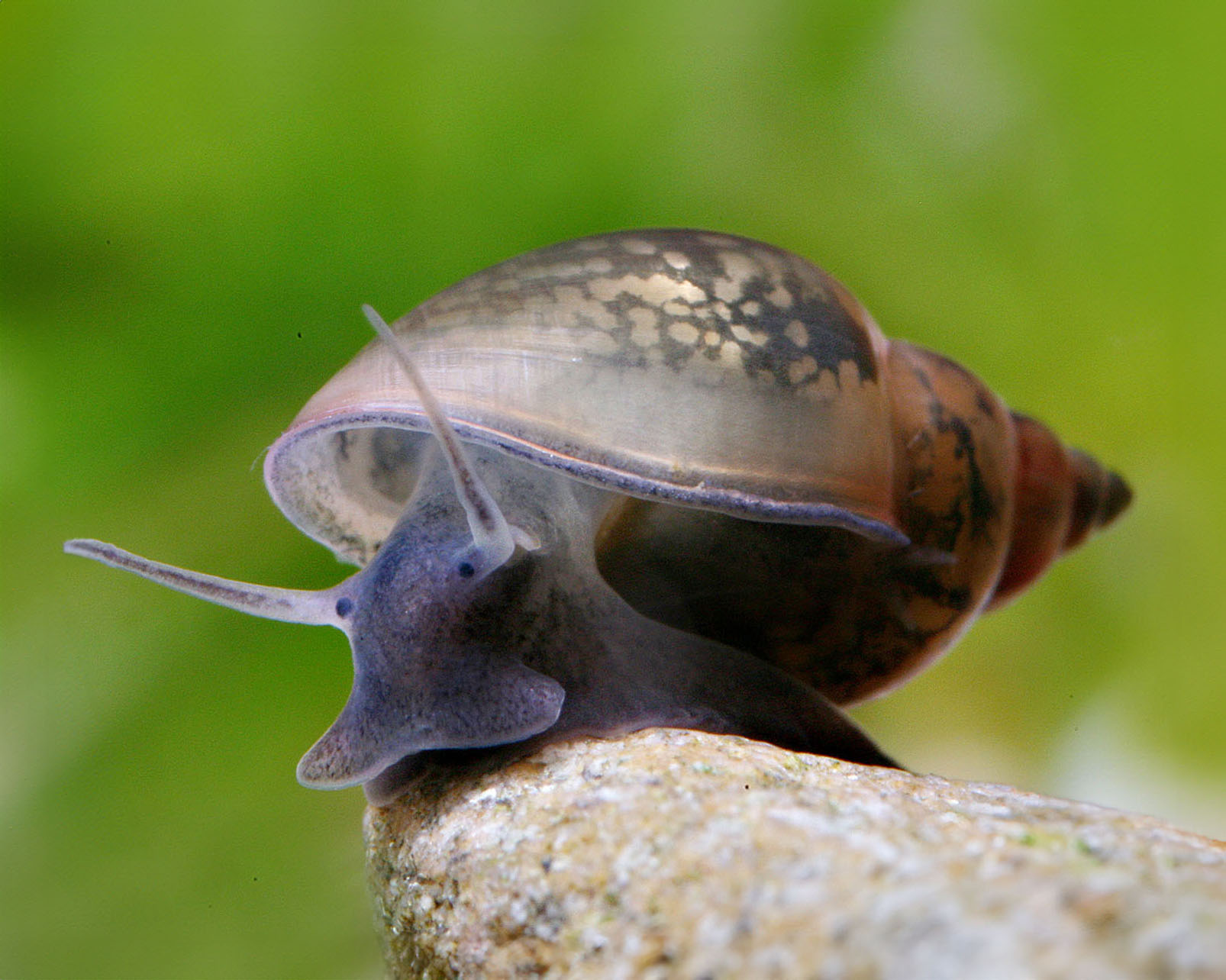
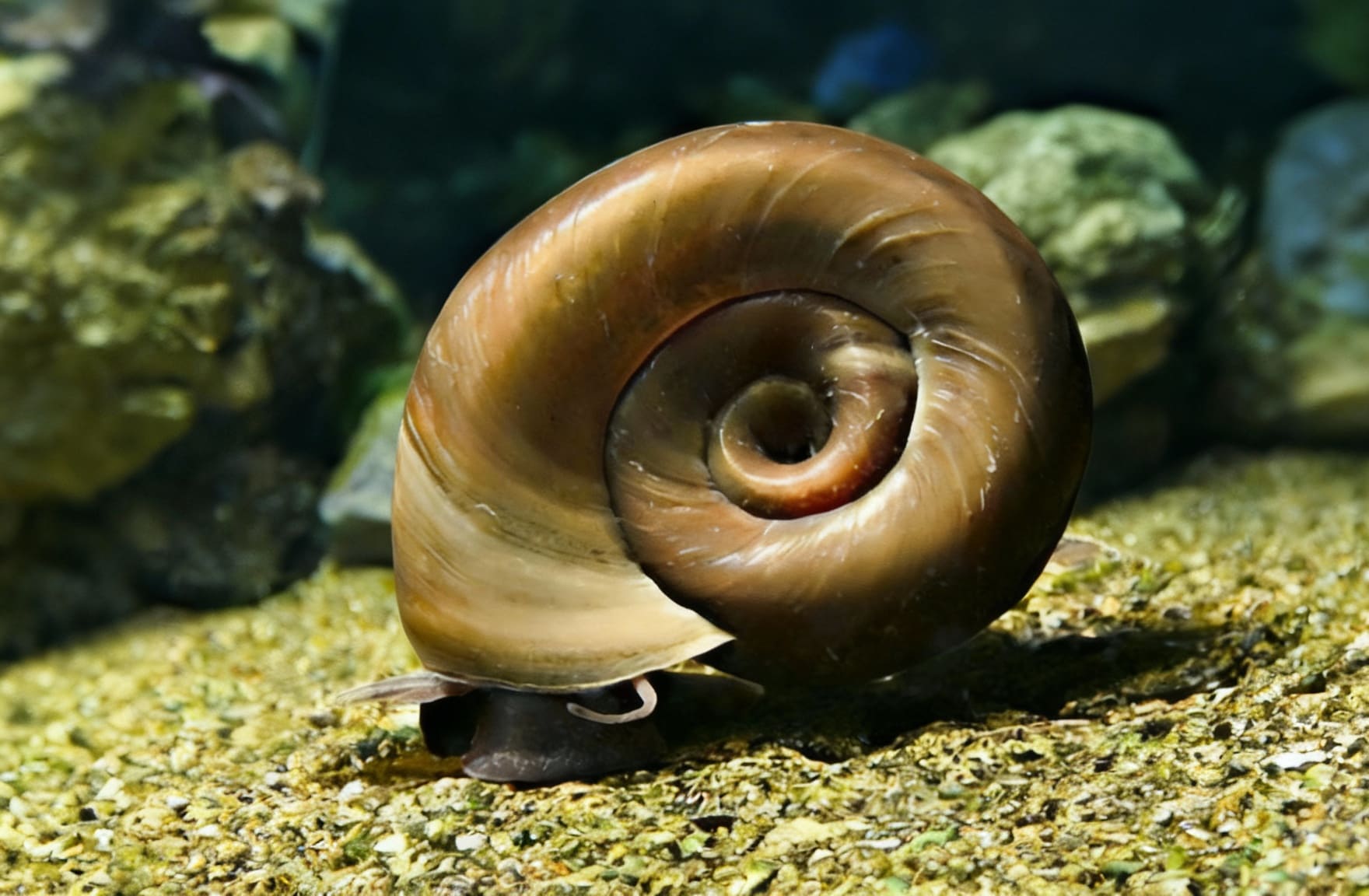
Small snails are often misidentified, and the difference matters. Bubble or bladder snails have elongated, relatively thin shells and can appear soon after plants are added. Ramshorns carry rounded, coil-shaped shells and may be brown, pink, blue, or orange. Trumpet snails have pointed shells and spend much of the day in the substrate. These hitchhikers are usually scavengers, not plant predators, but they can reproduce rapidly when food is abundant. Photograph the shell shape, antennae, and crawling behavior before choosing a treatment. Removing the wrong species, especially a useful burrowing snail, can create more work without solving the underlying food surplus.
Start by identifying the snail before trying to control it

A population boom is usually a feeding and waste signal

Snails can only maintain a large population when the aquarium supplies enough calories. Uneaten flakes, sinking pellets, dead leaves, algae films, and mulm hidden among dense plants all count as food. Begin control by feeding fish smaller portions and checking whether food disappears promptly, rather than starving the entire community. Remove decaying leaves, wipe excess algae from hardscape, and siphon accessible debris during water changes. In a shrimp tank, do not strip the aquarium completely: biofilm is important food for young shrimp. The goal is to reduce excess food while preserving a stable grazing surface for the livestock you intentionally keep.
A population boom is usually a feeding and waste signal

Understand which snails can multiply from one arrival

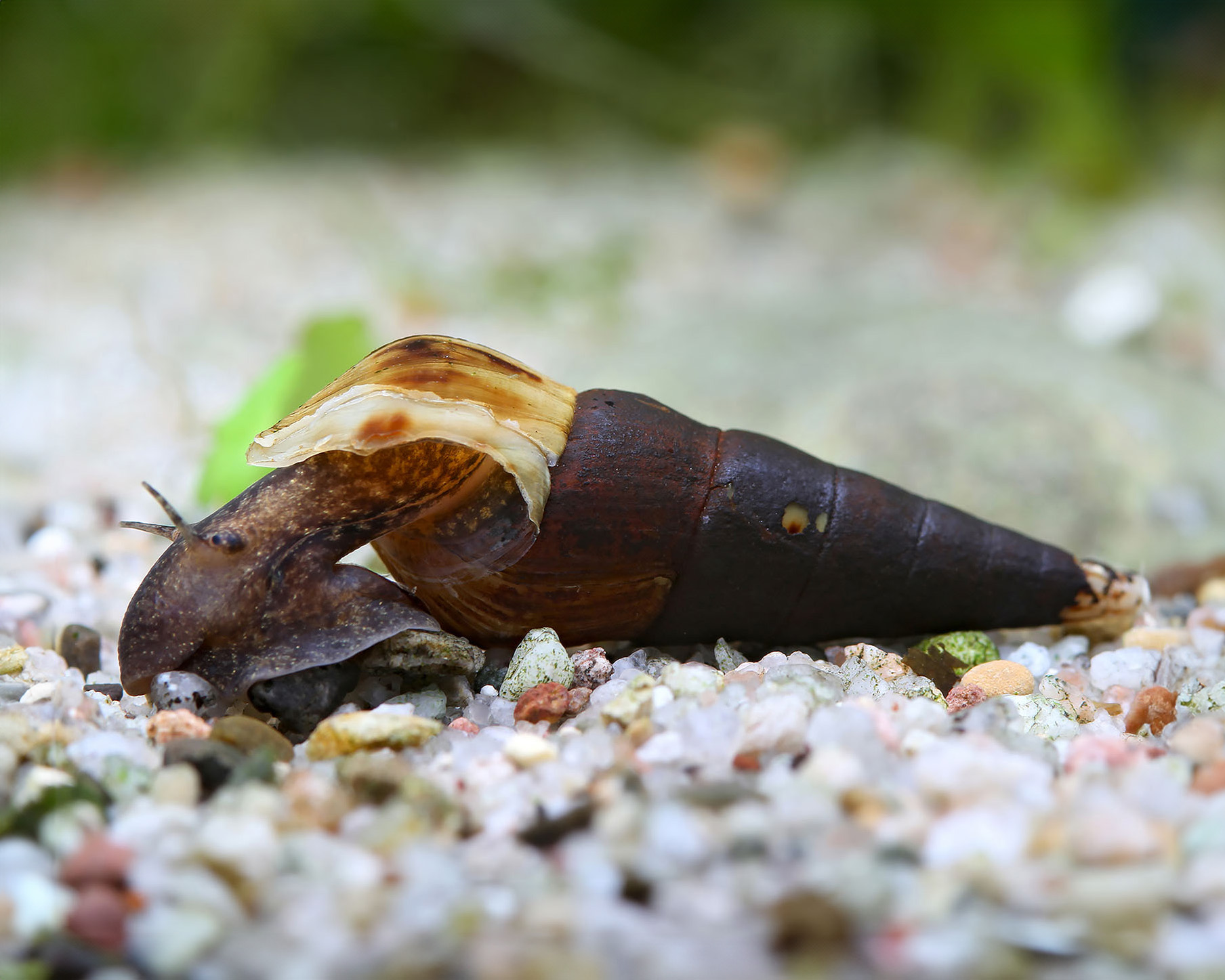
Some common hitchhikers are hermaphroditic and may arrive already carrying sperm, so one unnoticed snail can eventually produce a colony. Ramshorns and bladder snails commonly lay gelatinous egg clutches on glass, leaves, and equipment, making early removal possible if you inspect regularly. Many trumpet snails are live-bearing, which means you may see no obvious egg patch before young appear. This difference changes the best strategy: scrape visible clutches for egg-laying species, but focus on food control and trapping for burrowing live-bearers. Population growth also varies with temperature, food supply, and the number of hiding places in the aquascape.
Understand which snails can multiply from one arrival

Use plant quarantine to prevent the next outbreak

The easiest snail population to control is the one that never enters the aquarium. Inspect new plants, especially dense stems, floating plants, and root bundles, for adults and transparent egg clutches. A separate observation container makes it easier to spot hatchlings before planting. Tissue-culture plants are another option when you want to minimize hitchhikers, although they still need careful rinsing and gradual acclimation. Do not rely on a quick dip as a universal solution: some treatments can damage delicate plants, mosses, shrimp, fish, or beneficial organisms. Quarantine and physical inspection are slower, but they are the least disruptive prevention methods.

Use plant quarantine to prevent the next outbreak

Choose nerite snails when you want grazing without a freshwater colony

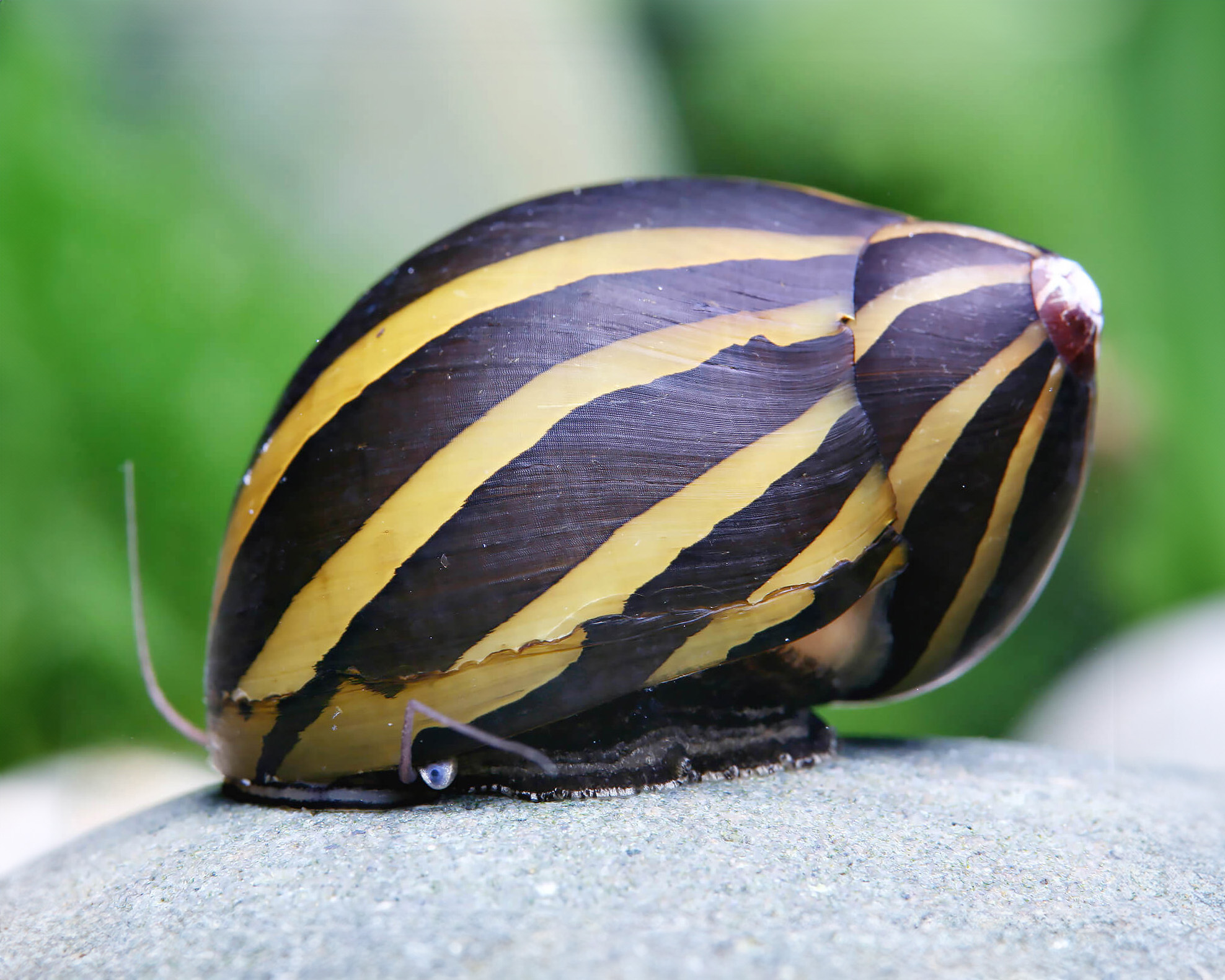
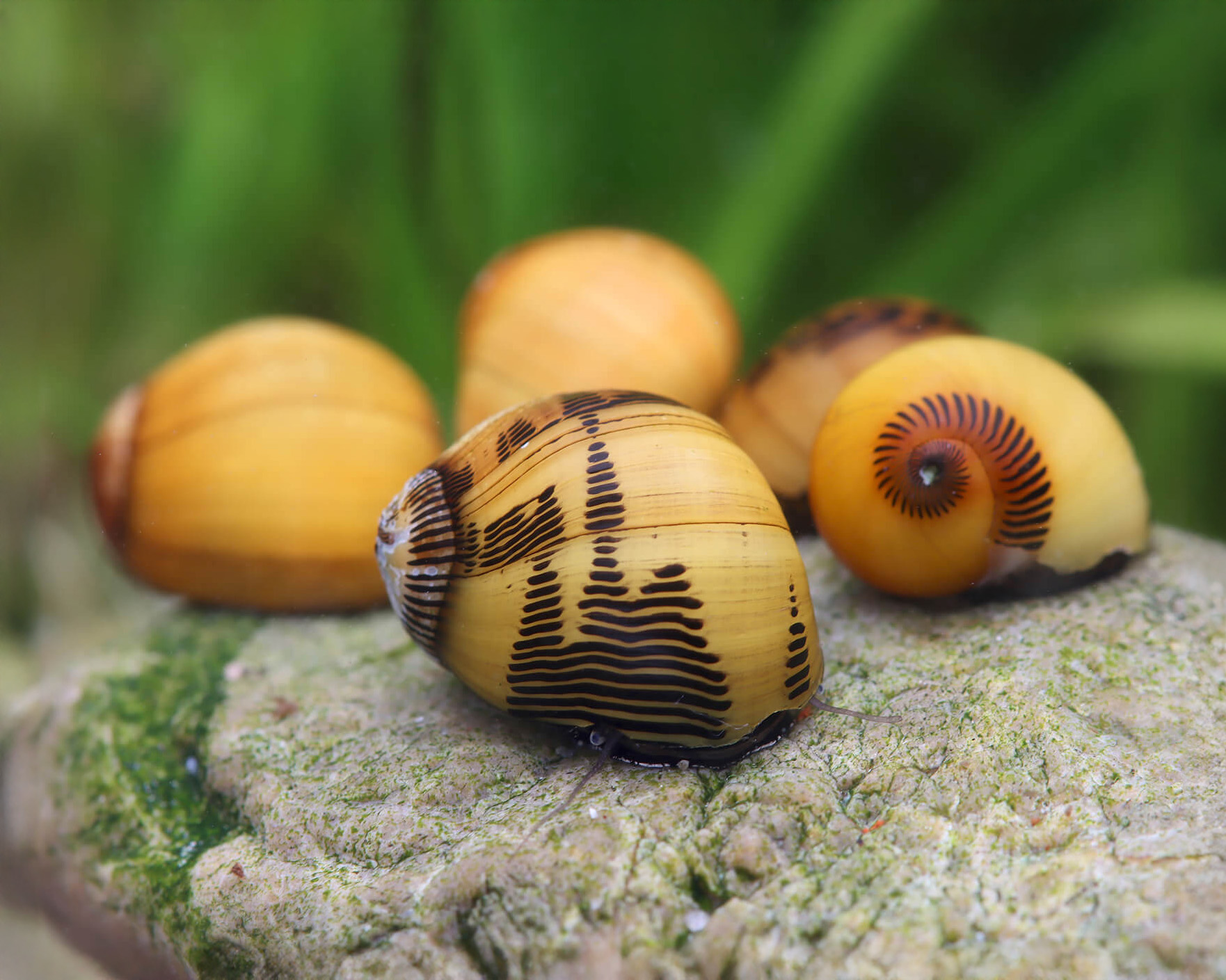
Nerite-type racing snails are useful when the goal is algae grazing with little risk of a self-sustaining freshwater population. Adults may lay small, hard white capsules on glass, wood, or rocks, but those eggs generally do not develop into a freshwater infestation. They still need an established tank with adequate algae and biofilm, and they may struggle in a spotless aquarium that offers too little natural food. Nerites can climb out through uncovered gaps, so check the lid and rim. They are usually compatible with peaceful fish and shrimp, but avoid placing them with species that harass or repeatedly overturn snails.
Choose nerite snails when you want grazing without a freshwater colony

Keep assassin snails as a targeted predator, not a default cure

Predatory snails such as Clea helena can reduce populations of smaller snails, but they change the aquarium’s food web rather than making the problem disappear. They may eat bladder snails, ramshorns, and other small species, yet control speed depends on predator numbers, prey availability, and hiding places. Once the prey colony declines, the assassins still need suitable food. Their presence can also make it difficult to maintain a peaceful cleanup crew of smaller snails. Use them when you deliberately want predation and can provide species-appropriate care. They are not the first choice for a shrimp-focused tank or an aquarium intended to preserve mixed snail varieties.

Keep assassin snails as a targeted predator, not a default cure

Treat trumpet snails as substrate workers with a population limit

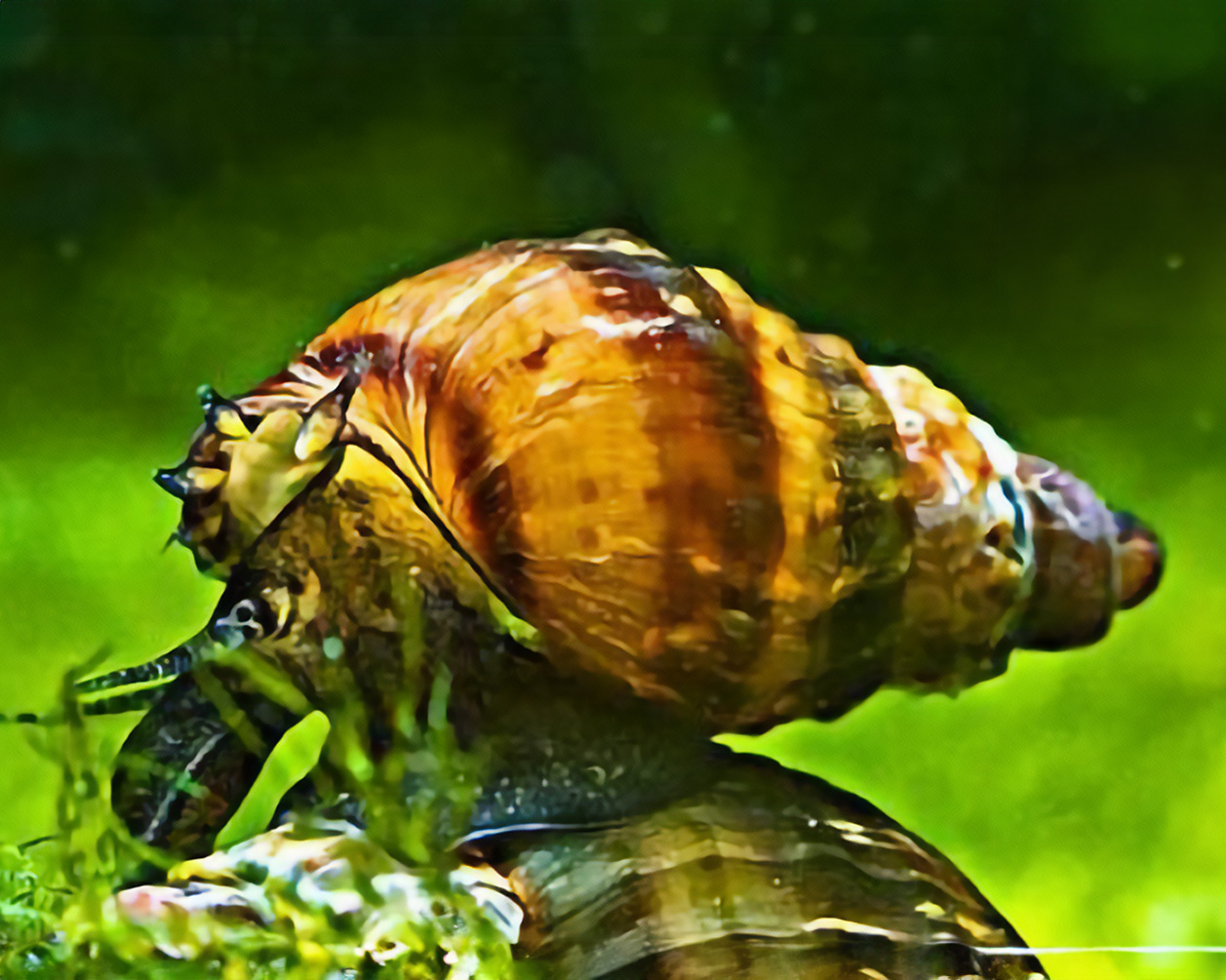
Pointed trumpet snails spend much of their time below the substrate and emerge more visibly after dark or when food enters the tank. Their burrowing can help keep compacted areas from becoming stagnant, but a large colony may signal excess organic matter in the substrate or overfeeding. Because they are difficult to count and may produce young without an obvious egg clutch, manual removal alone is rarely enough. Feed deliberately, vacuum only accessible waste, and use a baited trap overnight when numbers exceed your preference. Avoid stripping the entire substrate at once in a mature planted aquarium, where beneficial microbes and plant roots depend on stability.
Treat trumpet snails as substrate workers with a population limit

Slow live-bearing snails need a different population plan

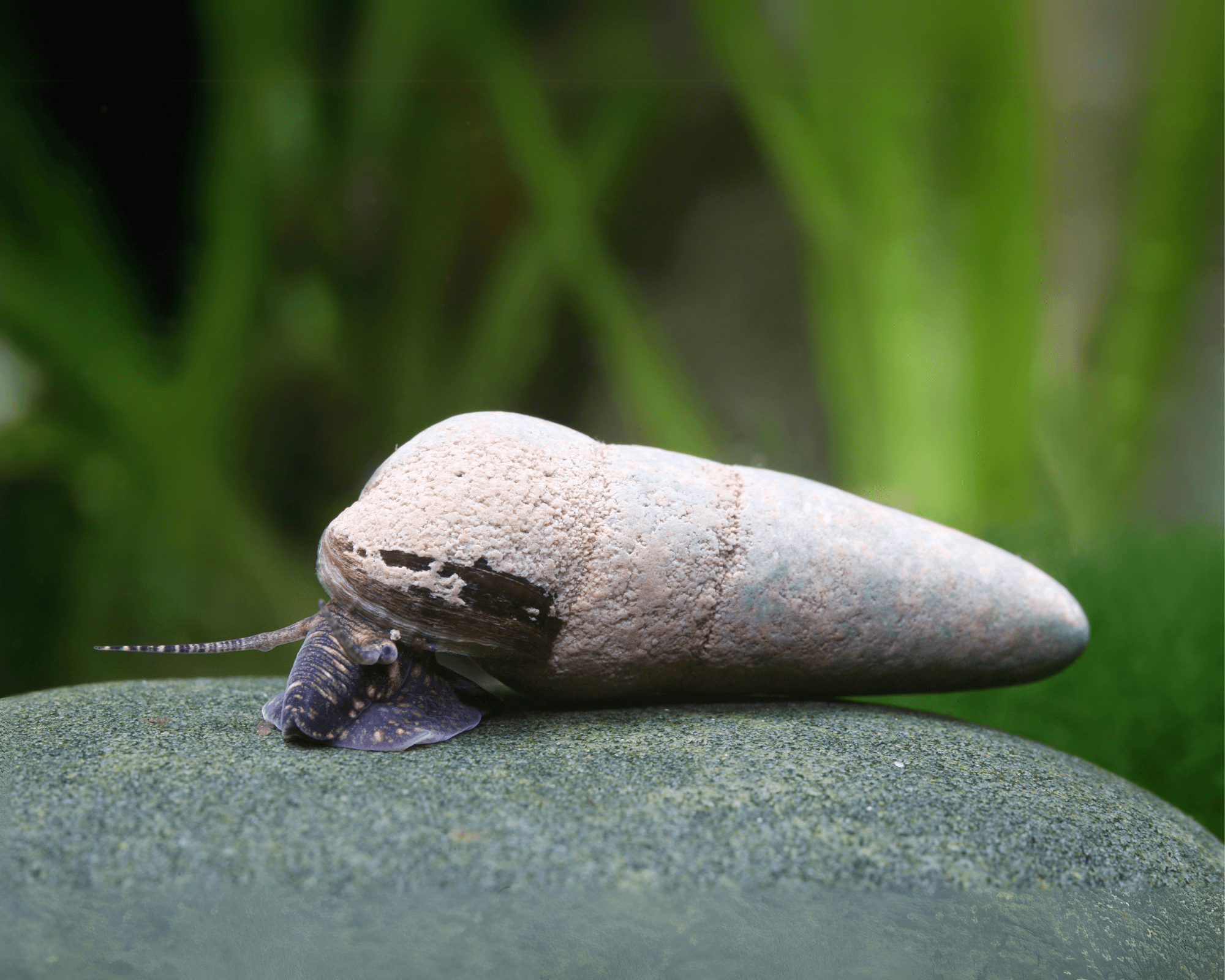
Large live-bearing snails such as Tylomelania are not managed like tiny hitchhikers. They generally reproduce more slowly, produce fewer visible young at a time, and require more food and floor space per adult. That makes them easier to keep as a planned display group, but not automatically easy for a small aquarium. Confirm the adult size, temperature range, calcium needs, and feeding requirements of the particular form before purchase. In a planted tank, offer sinking foods and natural grazing surfaces without allowing leftovers to accumulate. A small, intentional group is usually easier to manage than a mixed collection acquired without knowing adult size or reproductive behavior.
Slow live-bearing snails need a different population plan

Build a repeatable control routine instead of chasing every baby

A practical routine has four parts: inspect the glass and leaves weekly, remove visible egg clutches when appropriate, offer less food than the tank can leave behind, and trap excess snails periodically. A small vegetable bait or sinking food placed after lights-out can collect many nocturnal snails for removal the next morning. Rehome healthy extras when possible. Avoid copper medications, salt treatments, or broad chemical remedies in planted aquariums unless you have confirmed that every fish, shrimp, plant, and filter organism can tolerate them. Population control is usually safer when it is gradual. A stable, smaller colony is more realistic than total eradication.

Build a repeatable control routine instead of chasing every baby

Frequently Asked Questions

Will aquarium snails eat healthy live plants?

Most common bladder, ramshorn, and trumpet snails mainly consume algae, soft waste, leftover food, and damaged plant tissue rather than healthy leaves. If plants are disappearing, check the species identification, plant condition, and other livestock before blaming every snail.

Can one aquarium snail start an infestation?

Yes, depending on the species. Some hitchhiker snails can store sperm, self-fertilize, or reproduce without a visible mating event. Others need a mate. The safest response is early inspection, removal of egg clutches when visible, and tighter control of excess food.

What is the safest way to reduce snails in a shrimp tank?

Reduce uneaten food, remove decaying plant material, and use a baited trap or careful hand removal. Avoid adding predatory snails automatically, because they may disrupt the invertebrate community and do not address the food surplus that caused the boom.

Do nerite snails reproduce in freshwater aquariums?

Nerites may lay eggs in freshwater, but their larvae generally require different conditions to complete development. They can still add visible egg capsules to hardscape and may need supplemental food if the aquarium has little algae or biofilm.

Should I remove every snail from a planted aquarium?

Not necessarily. A small population can consume leftover food, algae, and soft detritus. Focus on whether numbers are affecting appearance, competing with chosen livestock, or indicating overfeeding. Keeping the colony modest is usually more sustainable than attempting complete eradication.
Leave your comments
Latest on Aquarium Base
  • Will Your Freshwater Shrimp Survive the Next Molt? A Water-Quality Decision Guide

    Will Your Freshwater Shrimp Survive the Next Molt? A Water-Quality Decision Guide

    Freshwater shrimp rarely fail because an aquarium is not attractive enough. They fail when the water changes faster than their bodies can adapt, especially during molting. The right shrimp for a planted nano aquarium is therefore not simply the one with the most appealing color. It is the one whose mineral needs match your source water, substrate and maintenance routine. This guide compares practical choices from Neocaridina, Caridina, Amano and Sulawesi groups, then connects each choice to the details that determine survival: GH, KH, TDS, temperature, mature biofilm, safe tank mates and controlled water changes.
  • 12 Beginner-Friendly Aquarium Plants and Invertebrates for Nano Setups

    12 Beginner-Friendly Aquarium Plants and Invertebrates for Nano Setups

    Starting a nano aquarium is an incredibly rewarding hobby, but choosing the right inhabitants and flora is crucial for long-term success. For beginners, the key is selecting hardy, low-maintenance aquatic plants that provide essential oxygen and shelter, paired with peaceful, colorful invertebrates that help keep the tank clean. This guide explores 12 easy-to-care-for aquarium plants and their perfect companions, ensuring your setup remains vibrant and healthy with minimal effort. Whether you are aiming for a lush green carpet or a dense jungle aesthetic, these selections offer the perfect foundation for a thriving community aquarium.
  • 12 Vibrant Freshwater Fish and Invertebrates for a Balanced Planted Nano Tank

    12 Vibrant Freshwater Fish and Invertebrates for a Balanced Planted Nano Tank

    Creating a thriving planted nano aquarium requires a delicate balance of livestock choices. When selecting inhabitants for a smaller system, it is vital to prioritize species that stay small, exhibit peaceful temperaments, and appreciate the lush environments that live plants provide. From shimmering schooling fish to industrious cleaners, the right combination can transform your tank into a mesmerizing underwater ecosystem. This guide explores twelve compatible, colorful, and hardy species that thrive in planted setups, ensuring your nano aquarium remains both beautiful and easy to manage for beginners.
  • 12 Beneficial Aquarium Snails for a Pristine Planted Tank

    12 Beneficial Aquarium Snails for a Pristine Planted Tank

    Adding snails to your planted aquarium is one of the most effective ways to maintain a balanced ecosystem. Beyond their unique aesthetic appeal, these invertebrates serve as nature's cleanup crew, grazing on unwanted algae, consuming decaying plant matter, and aerating the substrate to prevent anaerobic pockets. Whether you are managing a nano tank or a large aquascape, selecting the right snail species ensures your plants stay clean and your water parameters remain stable. This guide explores twelve distinct snail species that are both functional and decorative for your thriving freshwater setup.
  • 12 Vibrant Freshwater Shrimp for Your Planted Nano Tank

    12 Vibrant Freshwater Shrimp for Your Planted Nano Tank

    Adding freshwater shrimp to a planted nano tank is one of the most rewarding ways to enhance your aquascape. These small, industrious invertebrates act as natural cleaners, grazing on algae and biofilm while adding a splash of personality and color to your underwater world. Whether you are a beginner looking for hardy species or an experienced hobbyist interested in specific color morphs, there is a shrimp variety suited for your setup. This guide explores 12 of the best options for planted aquariums, focusing on their unique characteristics, compatibility with nano fish, and their role in a balanced ecosystem.
  • 12 Beginner-Friendly Aquarium Plants and Their Best Tank Mates

    12 Beginner-Friendly Aquarium Plants and Their Best Tank Mates

    Starting a planted aquarium is one of the most rewarding ways to enter the hobby. For beginners, the secret to success lies in choosing hardy, low-maintenance flora that can withstand varying water parameters while providing essential cover for your livestock. Combining these plants with compatible, colorful inhabitants creates a balanced ecosystem that is both beautiful and manageable. This guide explores 12 resilient plant species and the best aquatic companions to help you build a thriving, low-stress freshwater community tank.
  • 12 Colorful Freshwater Fish and Shrimp for a Thriving Planted Community

    12 Colorful Freshwater Fish and Shrimp for a Thriving Planted Community

    Creating a vibrant planted aquarium is a rewarding journey that combines lush greenery with active, colorful life. While many hobbyists focus solely on plants, selecting the right inhabitants is crucial for a healthy ecosystem. The best livestock for planted tanks are those that thrive in well-maintained environments, offer striking colors, and coexist peacefully with their tank mates. This guide highlights a variety of hardy, colorful fish and shrimp that will bring your aquascape to life, ensuring your community remains balanced and visually stunning.
  • 10 Must-Have Aquarium Snails for a Clean and Vibrant Planted Tank

    10 Must-Have Aquarium Snails for a Clean and Vibrant Planted Tank

    Aquarium snails are more than just tank cleaners; they are fascinating, colorful, and essential contributors to a healthy planted ecosystem. Whether you are looking to manage algae, aerate your substrate, or simply add unique movement to your aquarium, there is a snail species suited for your needs. Choosing the right inhabitants ensures your plants remain pristine while your water parameters stay stable. In this guide, we explore ten distinct snail varieties that thrive in planted tanks, balancing aesthetic appeal with practical maintenance benefits for hobbyists of all experience levels.
  • 8 Vibrant Freshwater Shrimp Varieties to Elevate Your Planted Nano Tank

    8 Vibrant Freshwater Shrimp Varieties to Elevate Your Planted Nano Tank

    Freshwater shrimp are the unsung heroes of the planted aquarium hobby. Beyond their stunning colors and patterns, these industrious invertebrates serve as excellent cleanup crews, grazing on algae and detritus while adding dynamic movement to your tank. For nano aquarium enthusiasts, shrimp offer an ideal livestock choice due to their small bioload and fascinating social behaviors. Whether you are looking for the classic appeal of cherry shrimp or the high-contrast patterns of specialized varieties, choosing the right species is key to a thriving community. This guide explores eight vibrant shrimp varieties that will turn your planted tank into a captivating, self-maintaining underwater landscape.
  • 12 Essential Aquarium Plants for Beginners and Their Ideal Tank Mates

    12 Essential Aquarium Plants for Beginners and Their Ideal Tank Mates

    Starting a planted aquarium is an incredibly rewarding hobby, but choosing the right vegetation is key to long-term success. For beginners, the best plants are those that tolerate a range of water parameters and do not require complex CO2 injection or high-intensity lighting. By selecting hardy species, you create a stable ecosystem that supports colorful freshwater fish, shrimp, and snails. This guide explores 12 low-maintenance plants and provides insights into which aquatic inhabitants are compatible with your new green space, ensuring your tank remains both beautiful and healthy for all its residents.
  • 10 Colorful Freshwater Fish and Invertebrates for Beginners

    10 Colorful Freshwater Fish and Invertebrates for Beginners

    Building a planted community aquarium is a rewarding hobby, but choosing the right livestock is essential for a peaceful environment. For beginners, the goal is to find species that are not only visually stunning but also hardy and compatible. By selecting a mix of schooling fish and bottom-dwelling cleaners, you can create a balanced ecosystem that thrives. This guide highlights 10 colorful, easy-to-care-for freshwater species that bring life and movement to your aquarium, ensuring a successful start for your aquatic journey.
  • 12 Unique Aquarium Snails to Beautify and Maintain Your Planted Tank

    12 Unique Aquarium Snails to Beautify and Maintain Your Planted Tank

    Aquarium snails are often misunderstood, yet they play a vital role in maintaining a healthy, balanced planted ecosystem. Beyond their reputation as simple cleaners, many species offer stunning colors, intricate shell patterns, and fascinating behaviors that can enhance any nano or community aquarium. Whether you are looking for efficient algae eaters to keep your glass pristine or unique inhabitants that help aerate your substrate, there is a snail species to suit your needs. This guide explores 12 distinct freshwater snails that are safe for plants and can coexist with many popular nano fish and shrimp species.
  • 10 Colorful Freshwater Shrimp for Your Planted Nano Aquarium

    10 Colorful Freshwater Shrimp for Your Planted Nano Aquarium

    Adding freshwater shrimp to your planted nano aquarium is one of the most rewarding ways to enhance your hobby. These small invertebrates are not only visually stunning, but they also serve as industrious cleaners that help maintain a balanced ecosystem. Because they occupy the lower levels of the tank and have a very low bioload, they are perfect for nano setups where space is limited. Whether you are looking for intense reds, brilliant blues, or unique patterns, there is a shrimp species to match your aquascape. In this guide, we explore some of the most colorful and popular freshwater shrimp that thrive in planted environments.
  • 12 Hardy Aquarium Plants and Compatible Inhabitants for Stunning Planted Tanks

    12 Hardy Aquarium Plants and Compatible Inhabitants for Stunning Planted Tanks

    Building a vibrant planted aquarium does not have to be a daunting task for beginners. By selecting hardy plant species that thrive in standard conditions and pairing them with compatible, colorful livestock, you can create a self-sustaining ecosystem that looks spectacular. Whether you are working with a small nano setup or a larger community tank, the right combination of greenery and inhabitants ensures a healthy environment. This guide explores essential plants that provide shelter and oxygen, alongside peaceful fish and invertebrates that bring your underwater garden to life while remaining easy to maintain for hobbyists of all experience levels.
  • 12 Vibrant Freshwater Fish and Invertebrates for a Thriving Planted Community

    12 Vibrant Freshwater Fish and Invertebrates for a Thriving Planted Community

    Creating a vibrant planted aquarium involves more than just selecting beautiful plants; it requires choosing livestock that can thrive together in a balanced ecosystem. A successful community tank relies on compatibility, water parameter harmony, and the right mix of species to utilize different levels of the aquarium. From the middle-dwelling schools of tetras to the bottom-cleaning snails and shrimp, each resident plays a role. This guide focuses on colorful, peaceful species that coexist well, ensuring a stunning and healthy display for your home.
  • Essential Freshwater Snails for Maintaining a Balanced Planted Aquarium

    Essential Freshwater Snails for Maintaining a Balanced Planted Aquarium

    Adding snails to your planted aquarium is one of the most effective ways to manage algae and maintain a healthy ecosystem. Beyond their utility as cleaners, many species offer striking patterns and fascinating behaviors that add life to your aquascape. Whether you are battling stubborn algae on your glass or looking for a way to keep your substrate aerated, there is a snail species perfectly suited for your tank. This guide explores the most beneficial, beautiful, and compatible snail species for planted freshwater environments, ensuring you choose the right inhabitants for your specific setup.