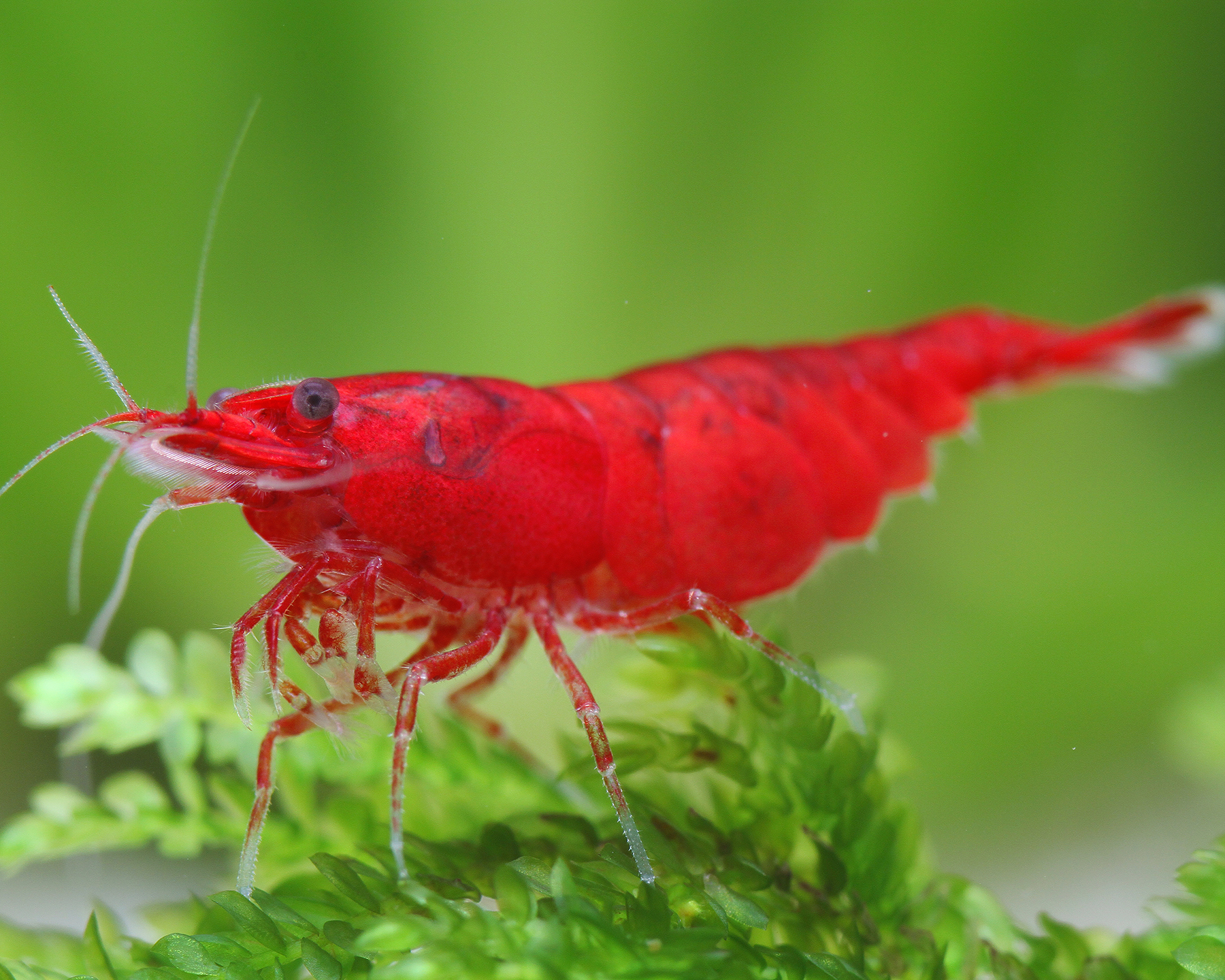
Start with your water, not the shrimp color
Before choosing a blue, red, yellow or black shrimp, test the water you can reliably provide. Measure GH, KH, pH, temperature and, if possible, TDS in both the aquarium and your untreated tap water. Neocaridina varieties such as Bloody Mary shrimp are often the more practical match for moderately hard, stable tap water, but the name on the label does not replace testing. A stable acceptable profile is safer than repeatedly forcing pH or hardness toward a fashionable target. If your source water is very soft, very hard, or affected by a household water softener, plan the mineral strategy before buying livestock. Freshwater shrimp need calcium and magnesium available during and after a molt. ([aqueon.com](https://www.aqueon.com/resources/care-guides/shrimp-freshwater?utm_source=openai))
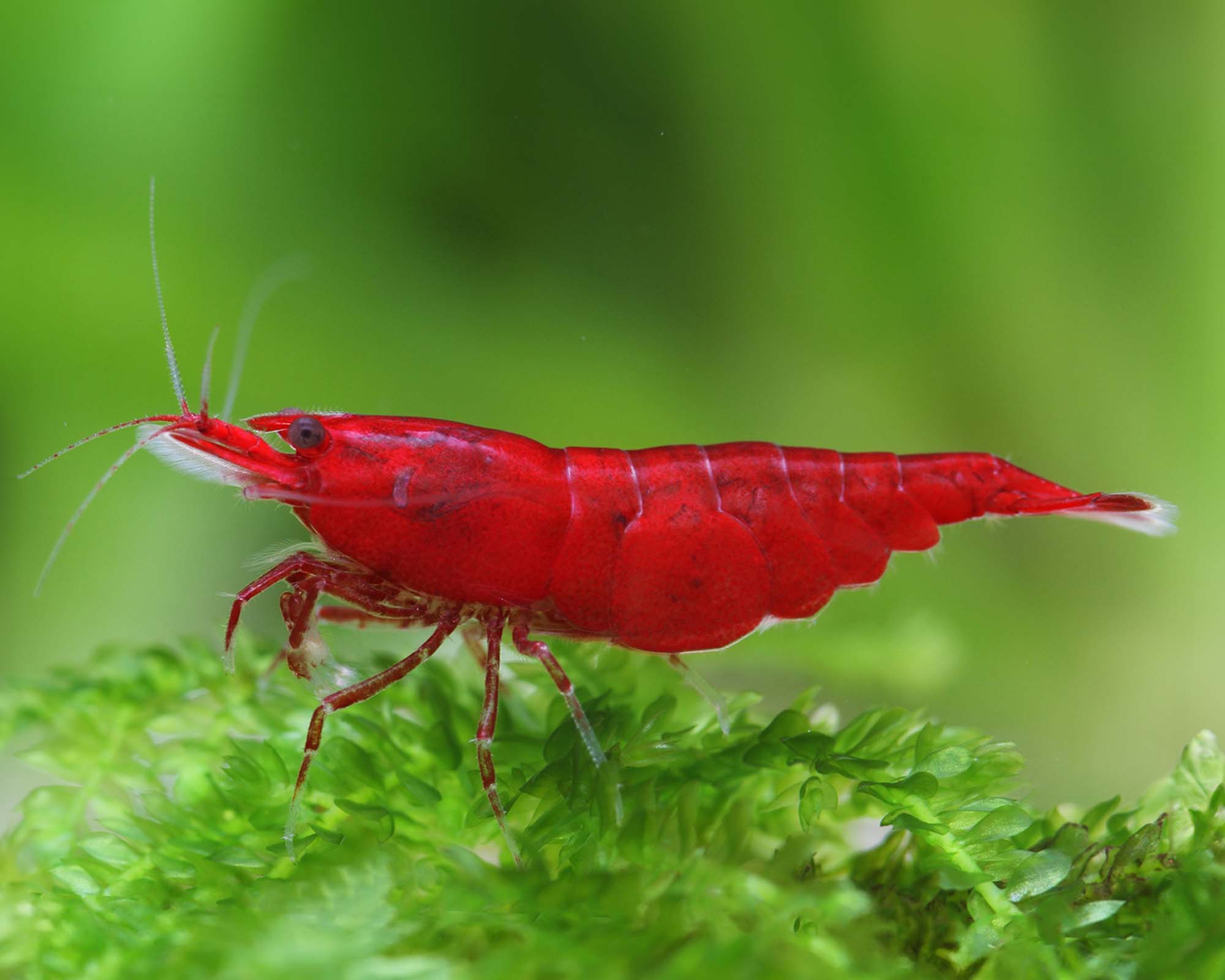
Neocaridina: the simpler route for many planted nano tanks
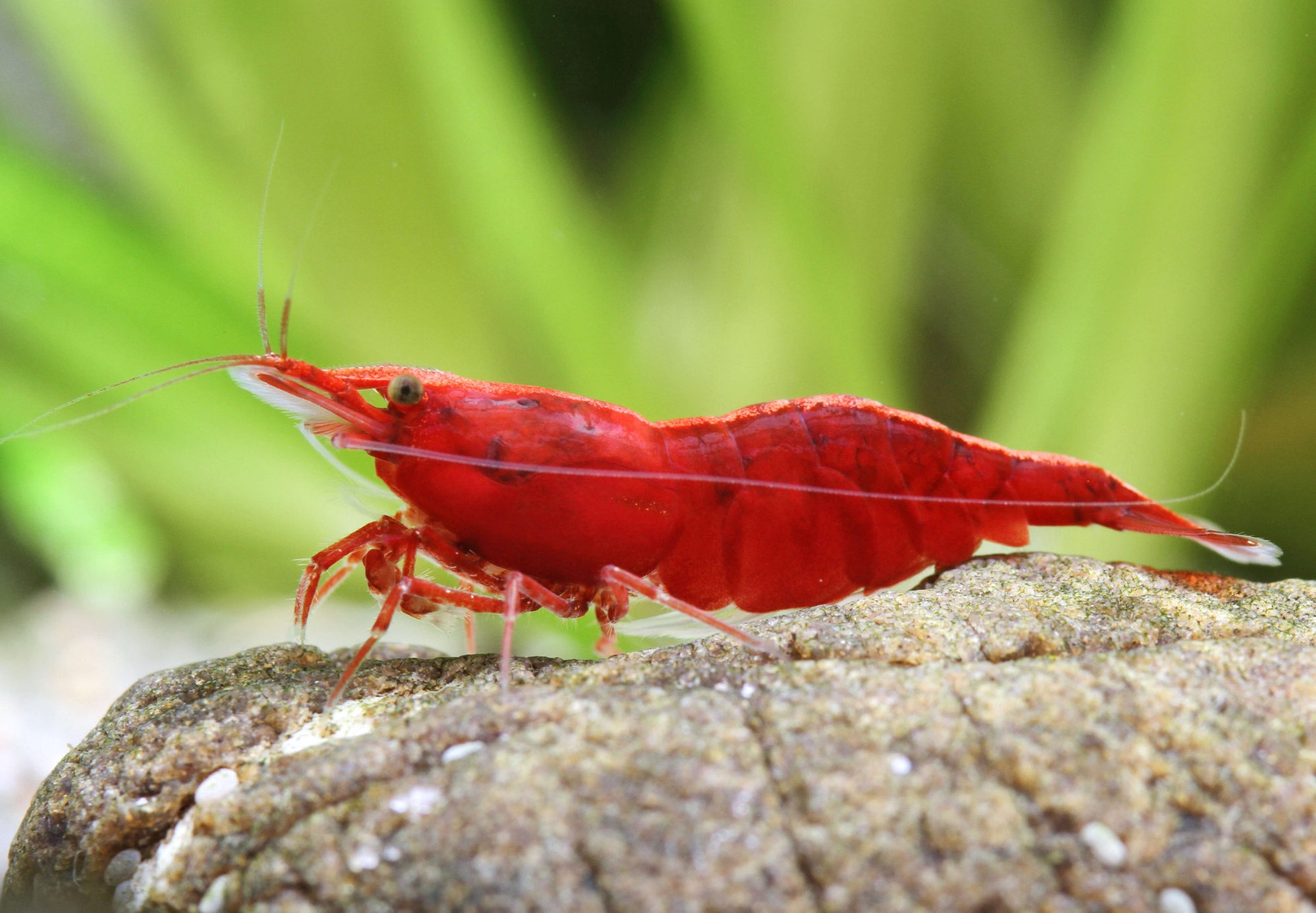
Blue Dream Neocaridina can suit a mature planted aquarium when the source water already contains moderate hardness and remains consistent. A commonly used starting range is about 6–12 dGH for GH and 2–8 dKH for KH, but the best target depends on the colony, local water and long-term stability. GH represents the calcium and magnesium that support shell formation; KH helps resist sudden pH movement. Do not add a mineral product simply because a shrimp is molting. Test first, then make gradual corrections. Keep ammonia and nitrite at zero, avoid copper-containing medications, and provide sponge-filtered water with plenty of grazing surfaces. ([aqueon.com](https://www.aqueon.com/resources/care-guides/shrimp-freshwater?utm_source=openai))
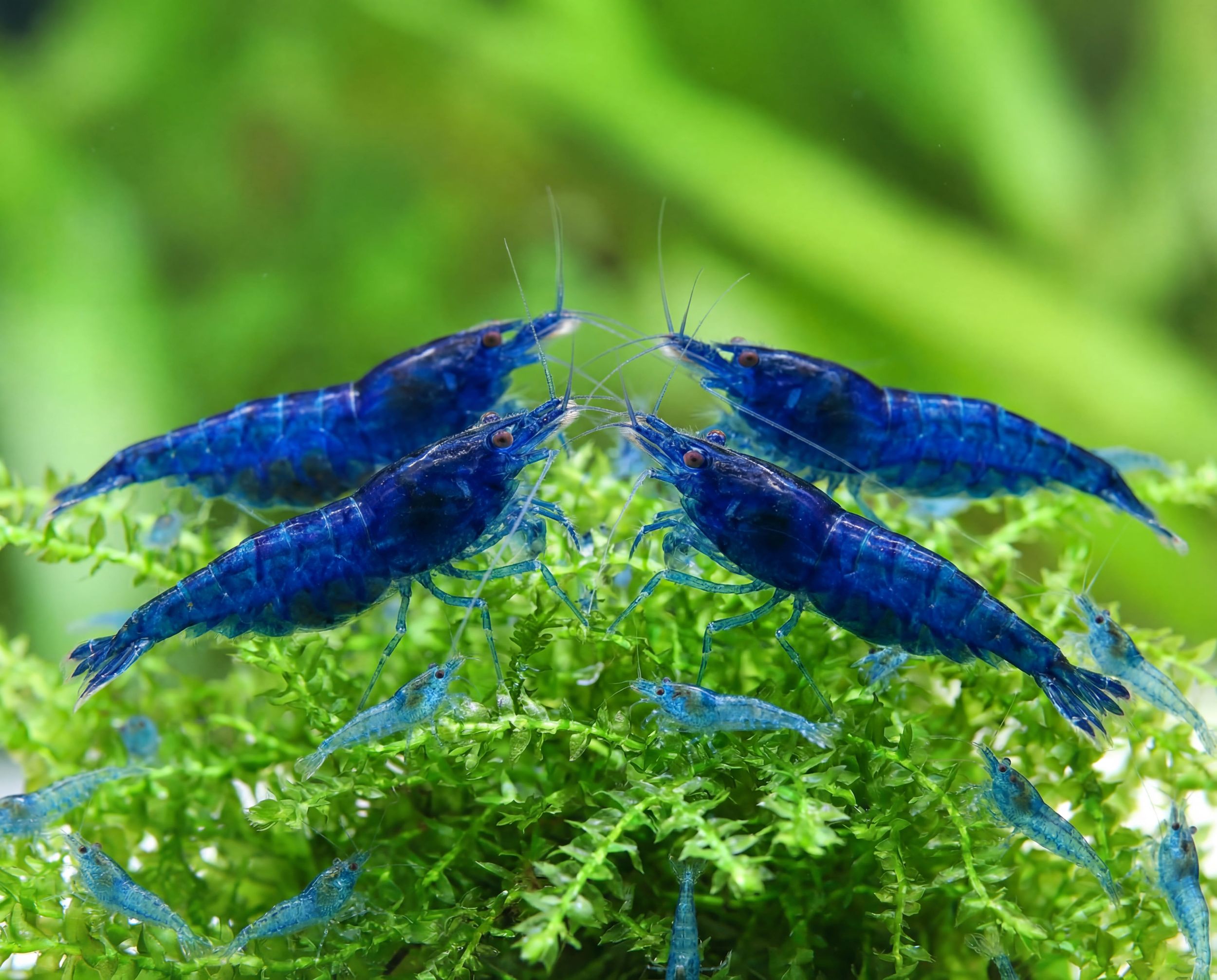
Caridina: choose control over convenience
Crystal Red shrimp and other bee-type Caridina are a different design problem. They generally perform best in softer, more acidic water with low KH, often produced by remineralized reverse-osmosis water and an active buffering substrate. A typical working profile may be around 4–6 dGH, 0–2 dKH and a mildly acidic pH, but the exact recipe should follow the breeder or supplier’s established parameters. The important point is consistency: do not mix a GH-only Caridina remineralizer with a hard tap-water routine and assume TDS alone will reveal the difference. Caridina can be rewarding in a planted display, but they demand a repeatable water-preparation process rather than occasional correction. ([aqueon.com](https://www.aqueon.com/resources/care-guides/shrimp-freshwater?utm_source=openai))
Amano shrimp bring a different compatibility trade-off
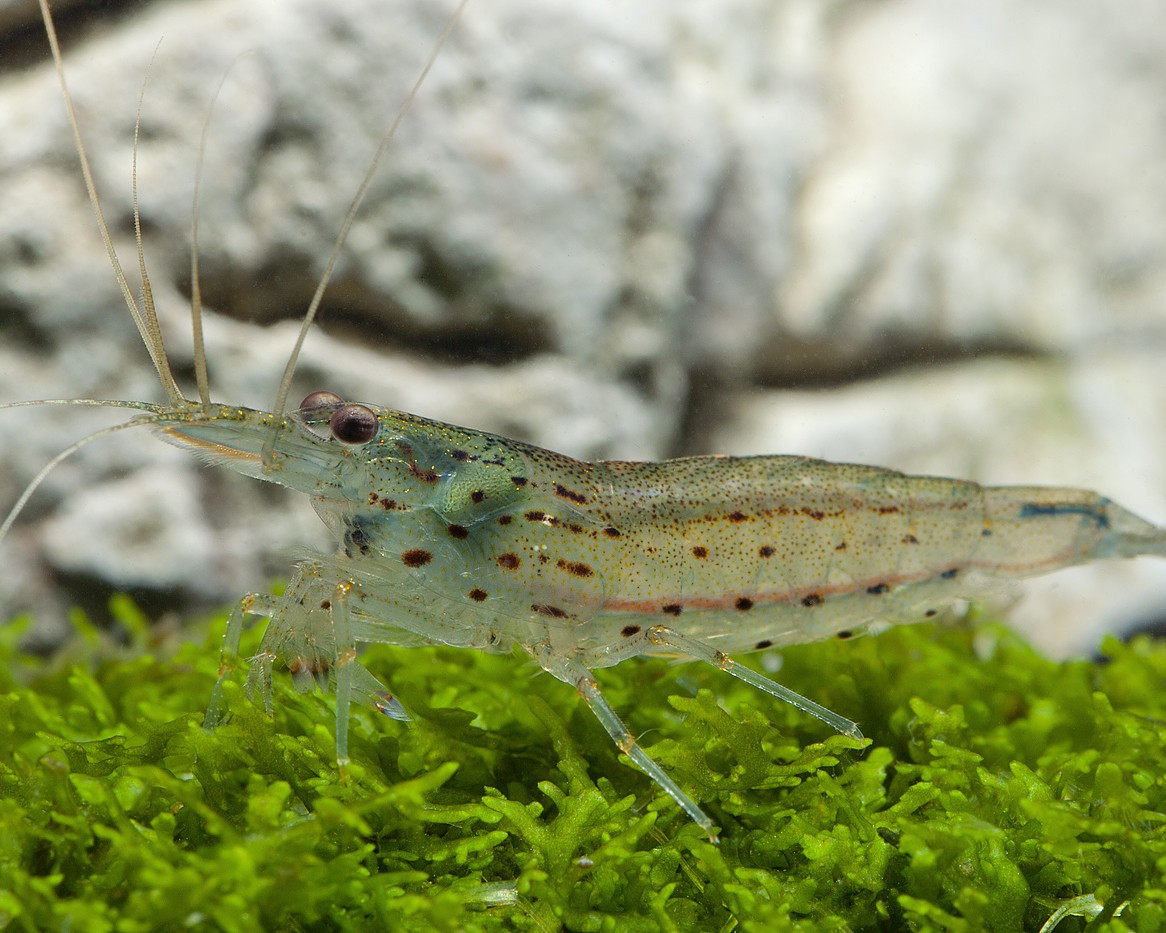
Amano shrimp are useful choices when the goal is algae grazing and community behavior rather than a rapidly expanding colony of colored juveniles. They are larger than dwarf Neocaridina and are often adaptable to dechlorinated tap water when extremes are avoided. Their size can improve survival with very small, peaceful fish, but it does not make them immune to poor water quality, copper exposure or abrupt mineral changes. They also require a secure aquarium because adults are capable climbers. In a planted community, use dense vegetation and wood for cover, but remember that Amano shrimp may compete with smaller shrimp for food and will not create a self-sustaining freshwater population in the same way as Neocaridina. ([aqueon.com](https://www.aqueon.com/resources/care-guides/shrimp-freshwater?utm_source=openai))
Sulawesi shrimp belong in a separate water plan
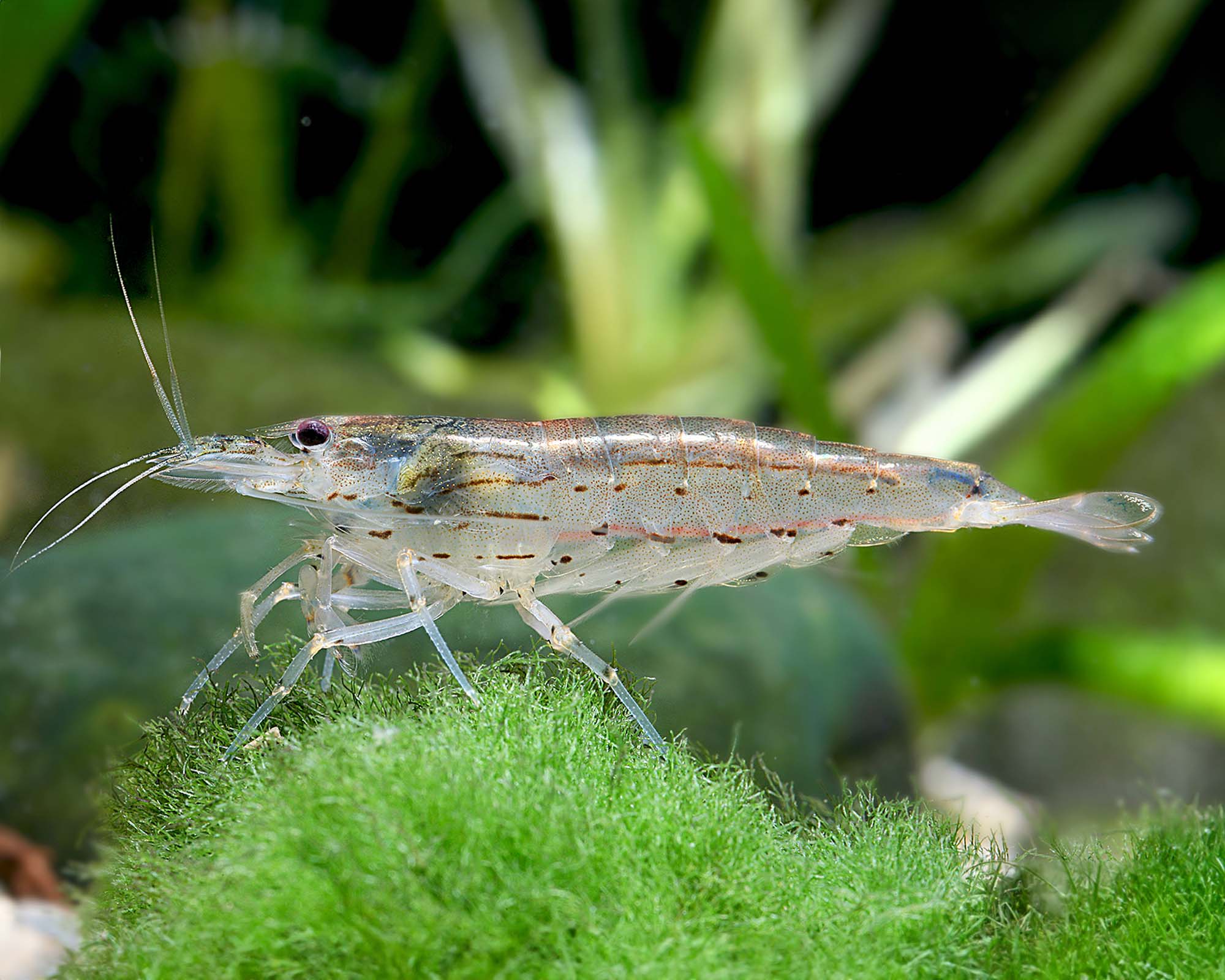
Cardinal and related Sulawesi shrimp should not be treated as colorful substitutes for cherry or bee shrimp. Their natural environments are associated with warmer, alkaline, mineral-rich water, and their care routine commonly differs from both Neocaridina and soft-water Caridina. A Sulawesi setup should be mature, highly stable and designed around the species’ established temperature and alkalinity requirements. Do not place them in a planted nano aquarium merely because the tank is small and attractive. Some common plant choices, active substrates and community fish plans can push the chemistry in the wrong direction. If your goal is a forgiving planted display, choose a shrimp whose water profile matches your existing system instead. ([aqueon.com](https://www.aqueon.com/resources/care-guides/shrimp-freshwater?utm_source=openai))
GH, KH and TDS answer different questions
GH tells you whether calcium and magnesium are present; KH indicates buffering capacity; TDS measures the combined conductivity of dissolved substances, not shrimp minerals specifically. That distinction matters. Two aquariums can show a similar TDS while containing different mineral balances, so a TDS pen should supplement, not replace, GH and KH tests. Use it to detect drift, evaporation or a badly mixed water change. For RO or distilled water, remineralize before it enters the aquarium and record the result. Never pour pure RO water into a shrimp tank as a shortcut to lower TDS. A useful maintenance log records the source water, remineralizer, GH, KH, TDS, temperature and date. ([studioscaped.com](https://www.studioscaped.com/knowledge-base/water-science/ro-remineralisation?utm_source=openai))
Build the planted tank around the vulnerable post-molt period
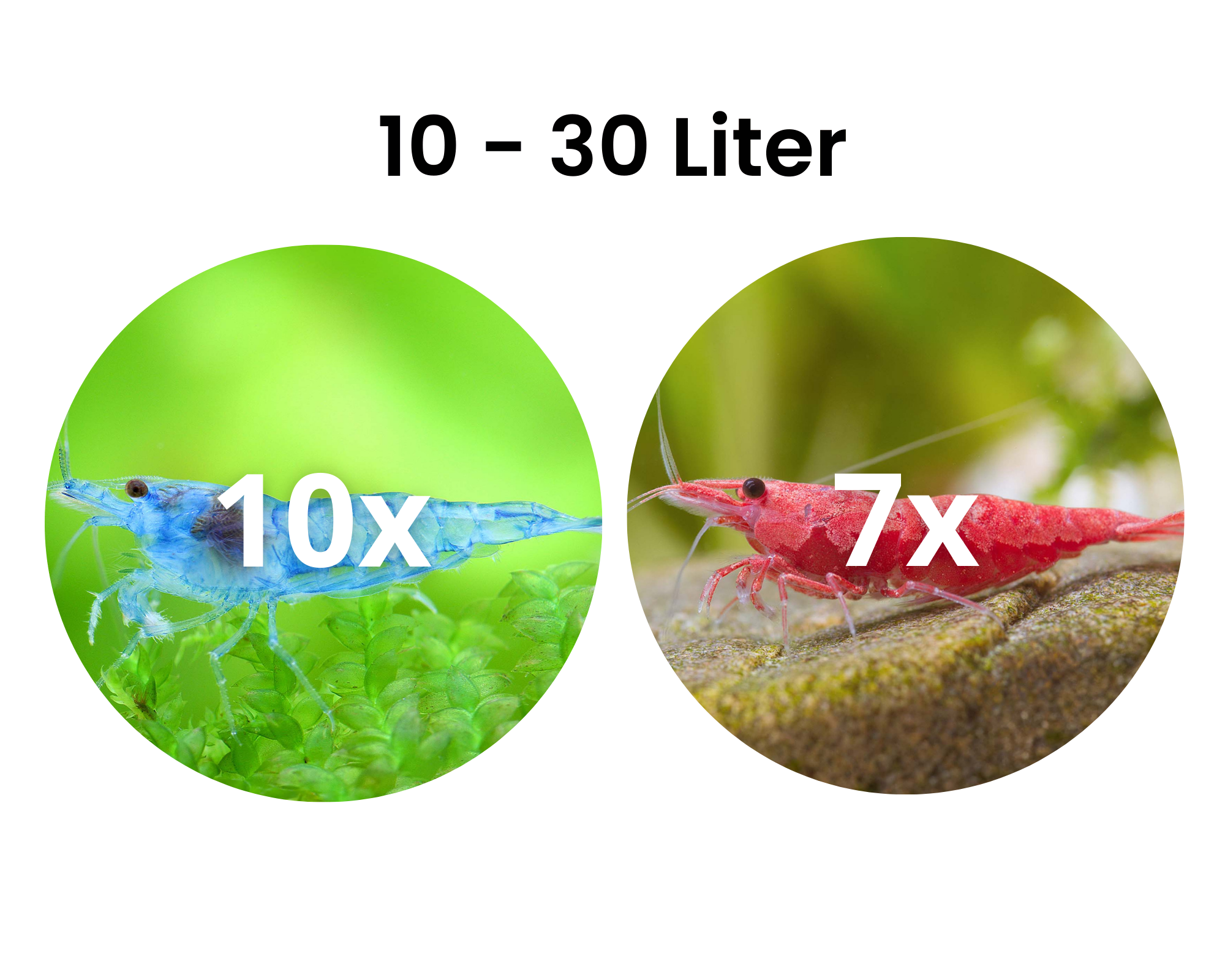
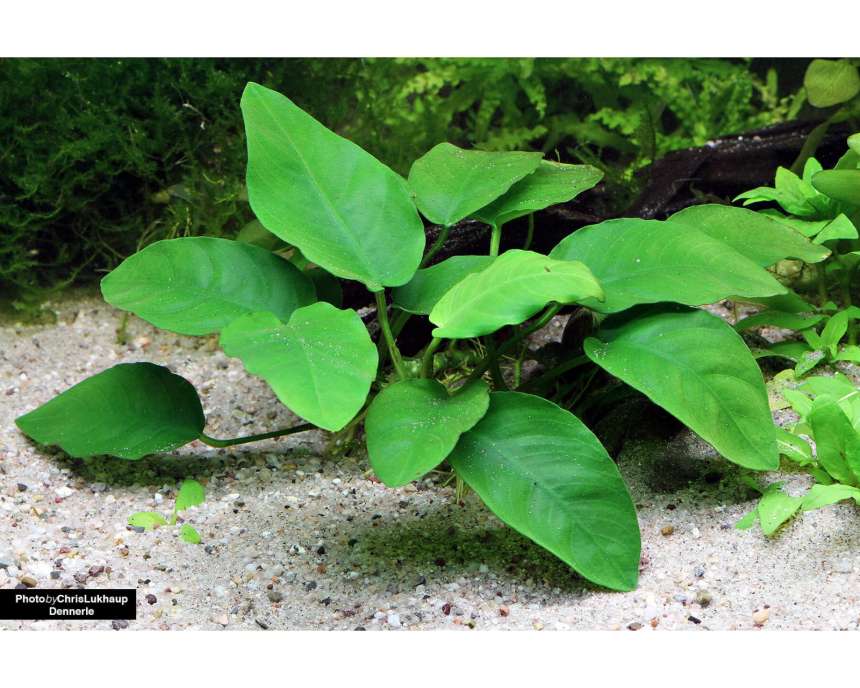
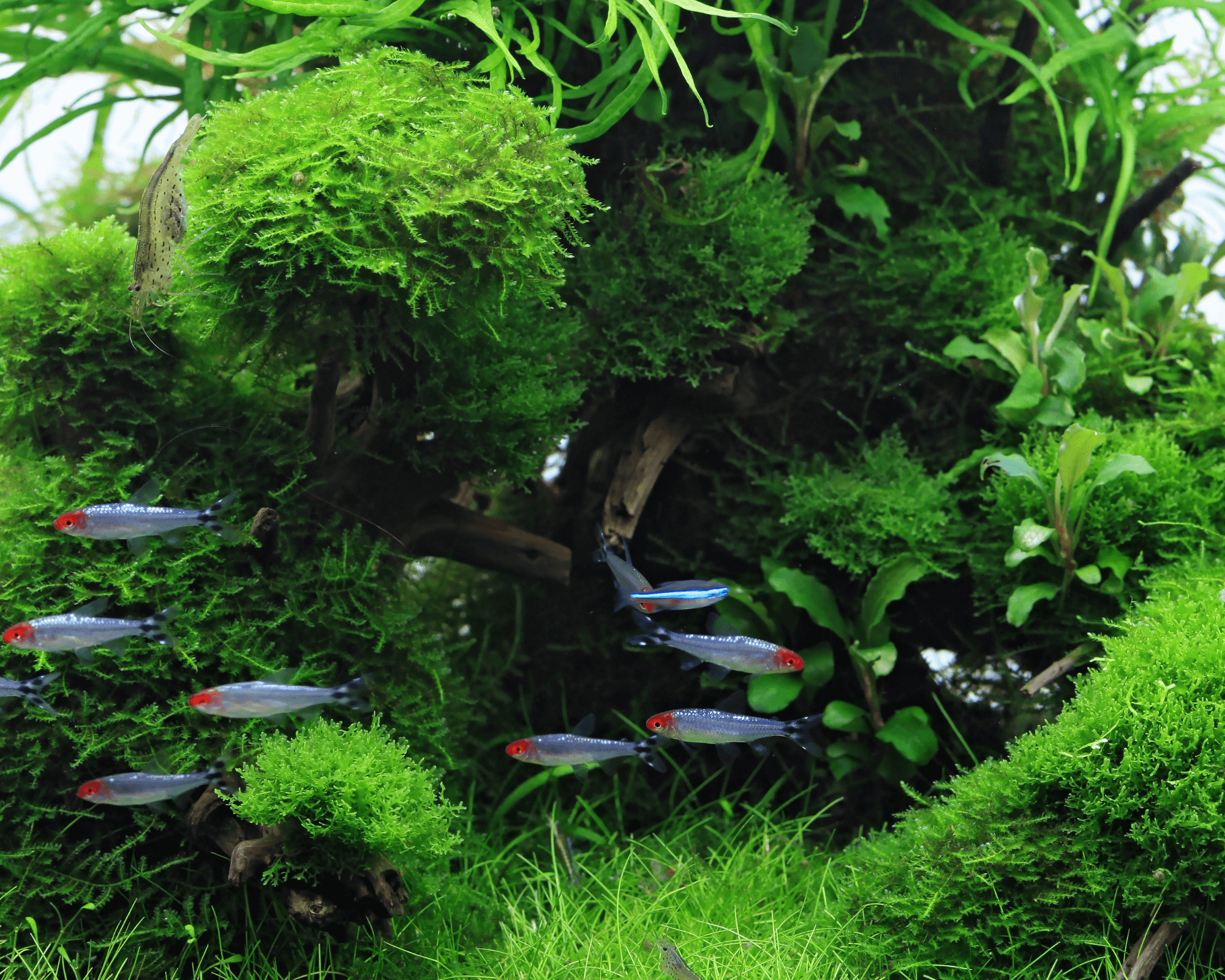
A shrimp is most exposed after leaving its old shell, when the new exoskeleton is still hardening. Moss, fine-leaved plants, leaf litter and small crevices provide grazing area and retreats during this vulnerable window. Christmas moss can be especially useful as a dense surface for biofilm, although no plant repairs unsuitable chemistry. Keep the aquarium mature before adding shrimp; clear water in a newly cycled tank may still lack stable biofilm and may experience biological swings. Use a sponge filter or a protected intake, avoid strong flow that strips shrimp from surfaces, and leave some older plant growth rather than sterilizing the display at every maintenance session. ([aqueon.com](https://www.aqueon.com/resources/care-guides/shrimp-freshwater?utm_source=openai))
Fish and snails can share the tank, but not the same risk level
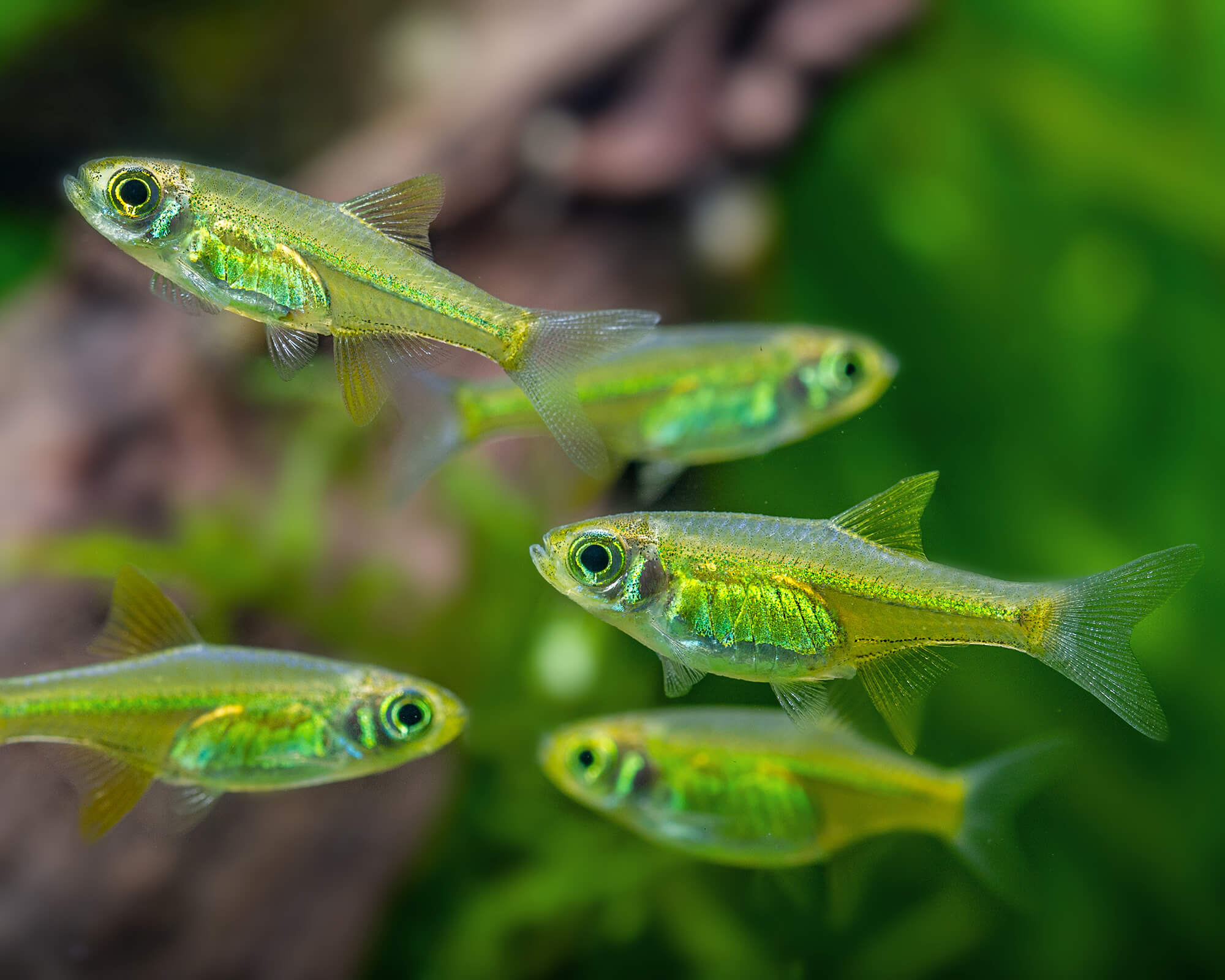
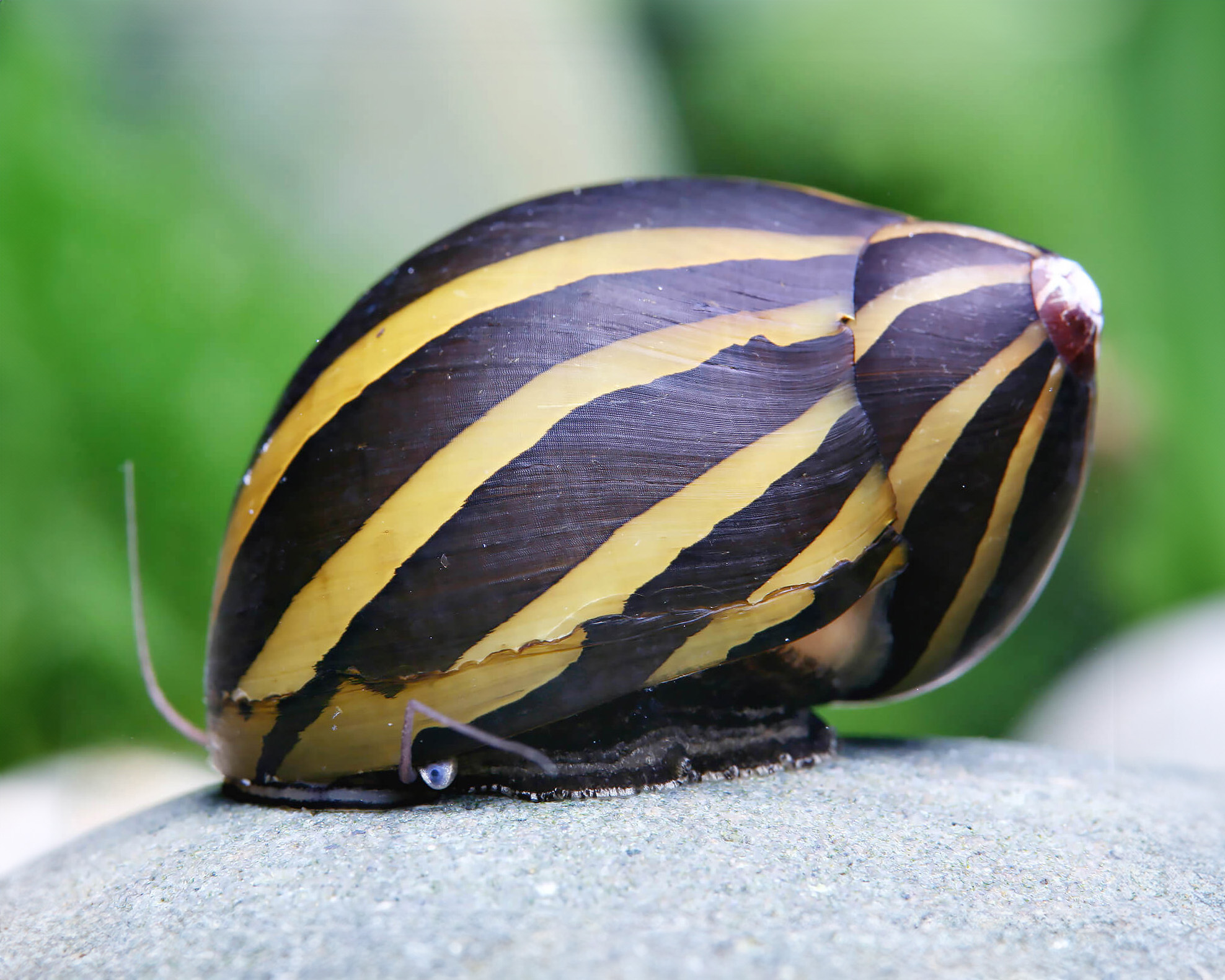
A planted community aquarium can contain shrimp, snails and carefully selected small fish, but compatibility has two dimensions: water chemistry and predation. Peaceful nano fish may leave adult shrimp alone while eating newly hatched shrimplets. Larger, fast or inquisitive fish can reduce a colony even when they are not considered aggressive. Snails are usually less dangerous to shrimp, but their shells and waste still contribute to the tank’s mineral and nutrient balance. Amano shrimp, Nerite-type snails and some peaceful fish may fit a display focused on maintenance rather than breeding. If juvenile survival matters, a shrimp-only aquarium with moss and a sponge filter remains the safer design.
Water changes should correct drift without creating a new shock
Shrimp do not need perfectly motionless water; they need predictable water. Match replacement temperature closely, dechlorinate tap water, and prepare remineralized RO water outside the aquarium. Small, regular changes are usually easier on a stable colony than dramatic corrections, especially when the new water differs in GH, KH, TDS or temperature. During evaporation top-offs, remember that water leaves while many dissolved minerals remain, so repeatedly topping off with mineralized water can gradually raise TDS. Test before and after maintenance when a colony has a history of failed molts. If ammonia or nitrite is present, address the emergency promptly, but still avoid turning a necessary correction into an uncontrolled chemistry swing. ([aqueon.com](https://www.aqueon.com/resources/care-guides/shrimp-freshwater?utm_source=openai))
Use the failed molt as a diagnostic clue, not a reason to add products
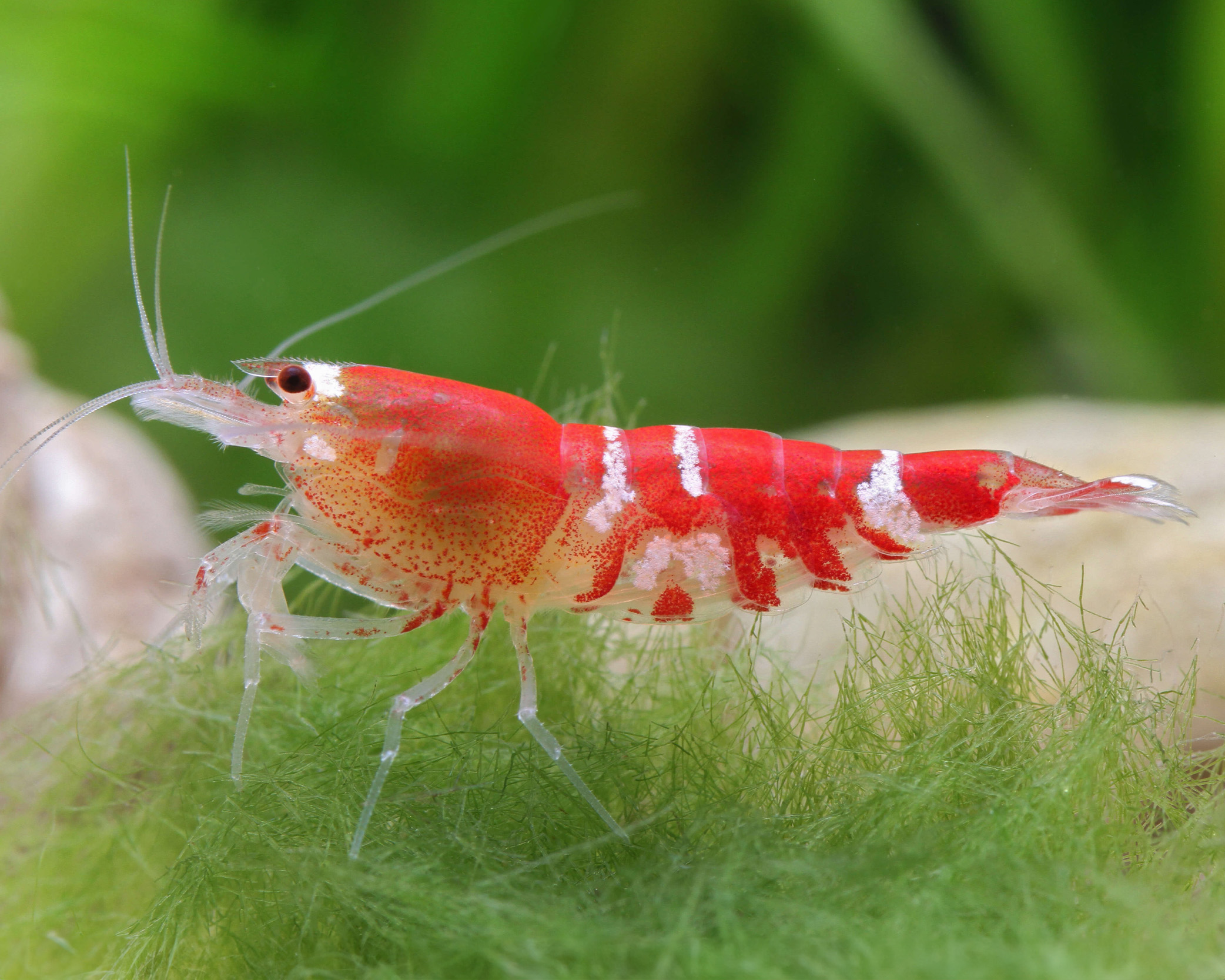
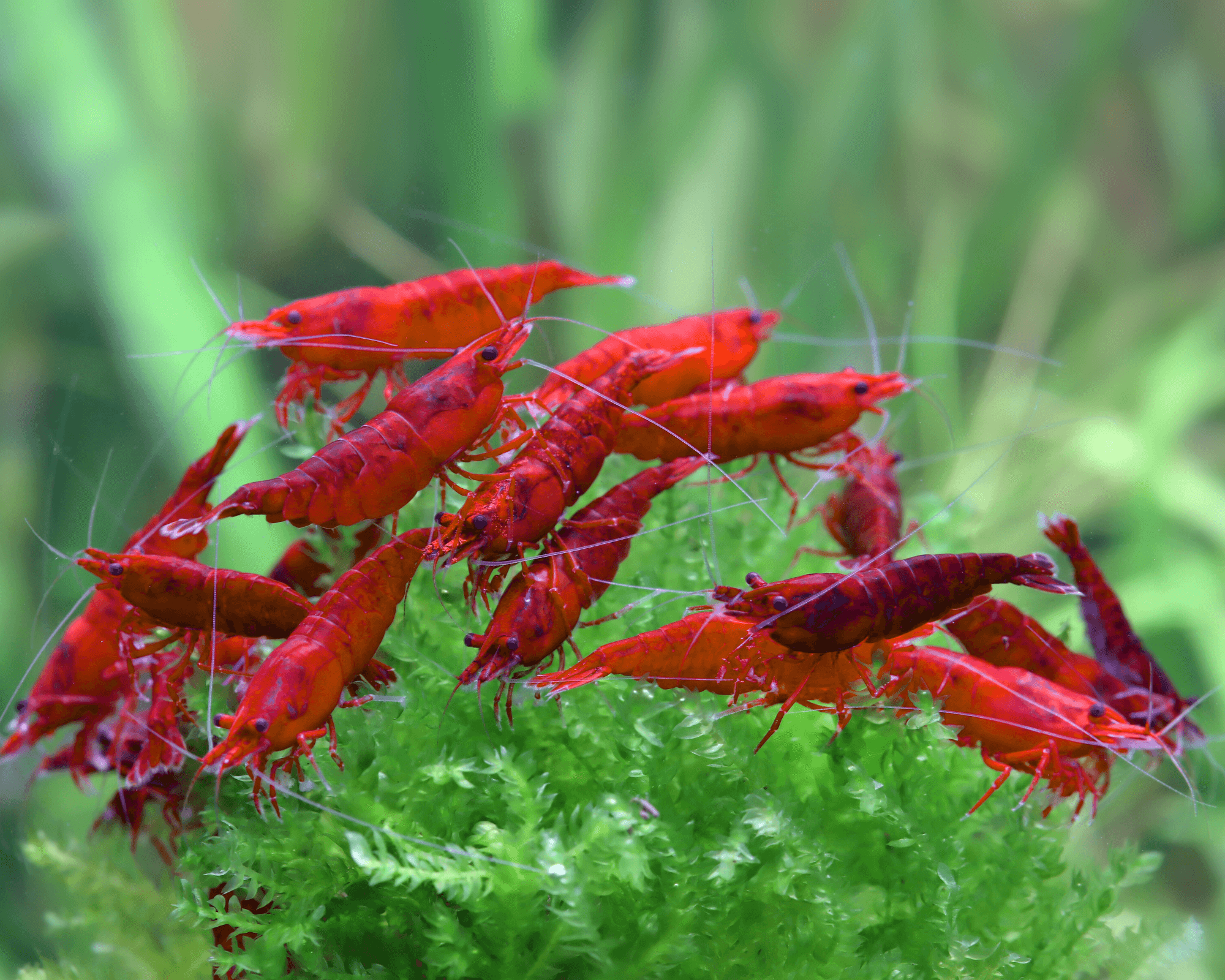
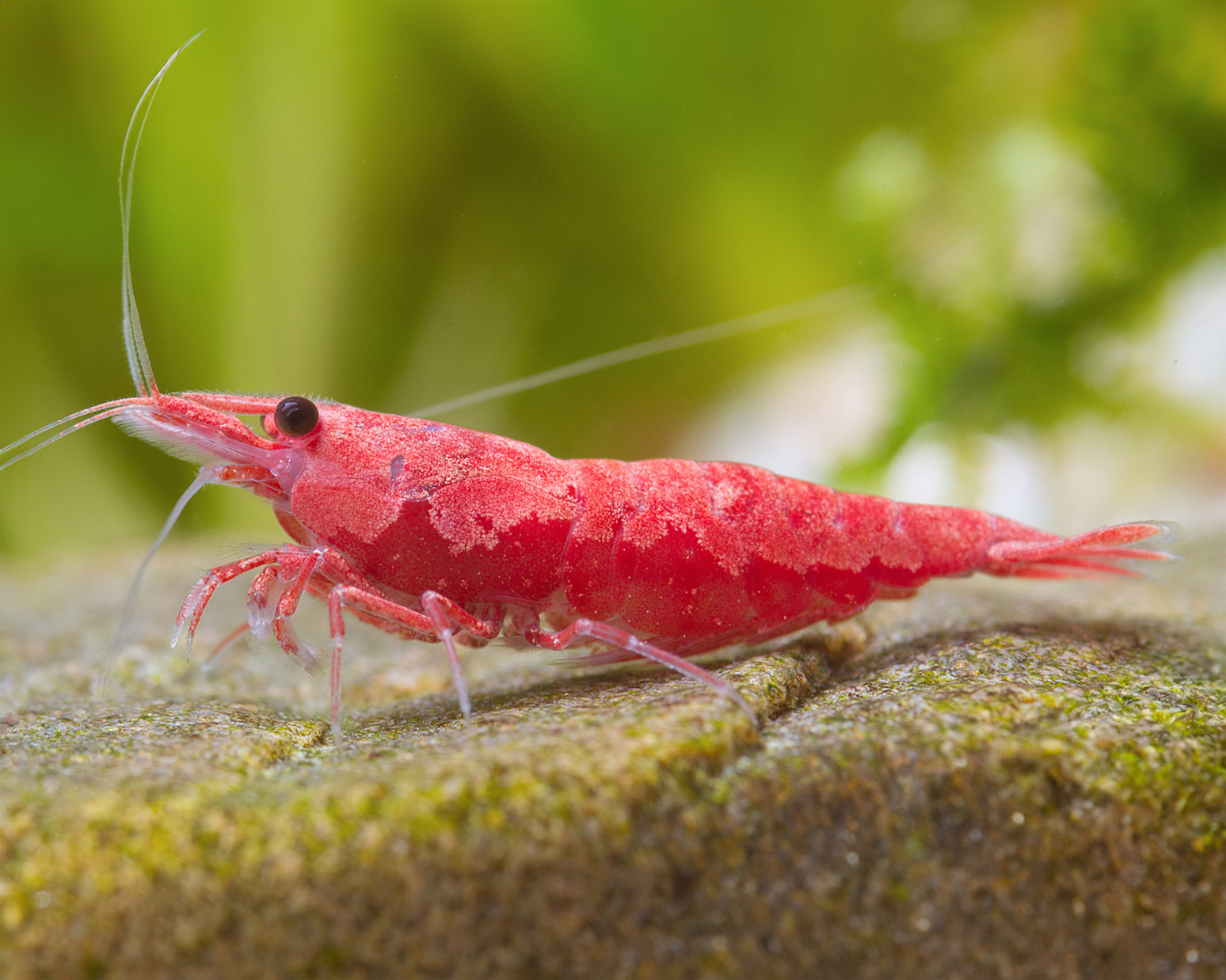
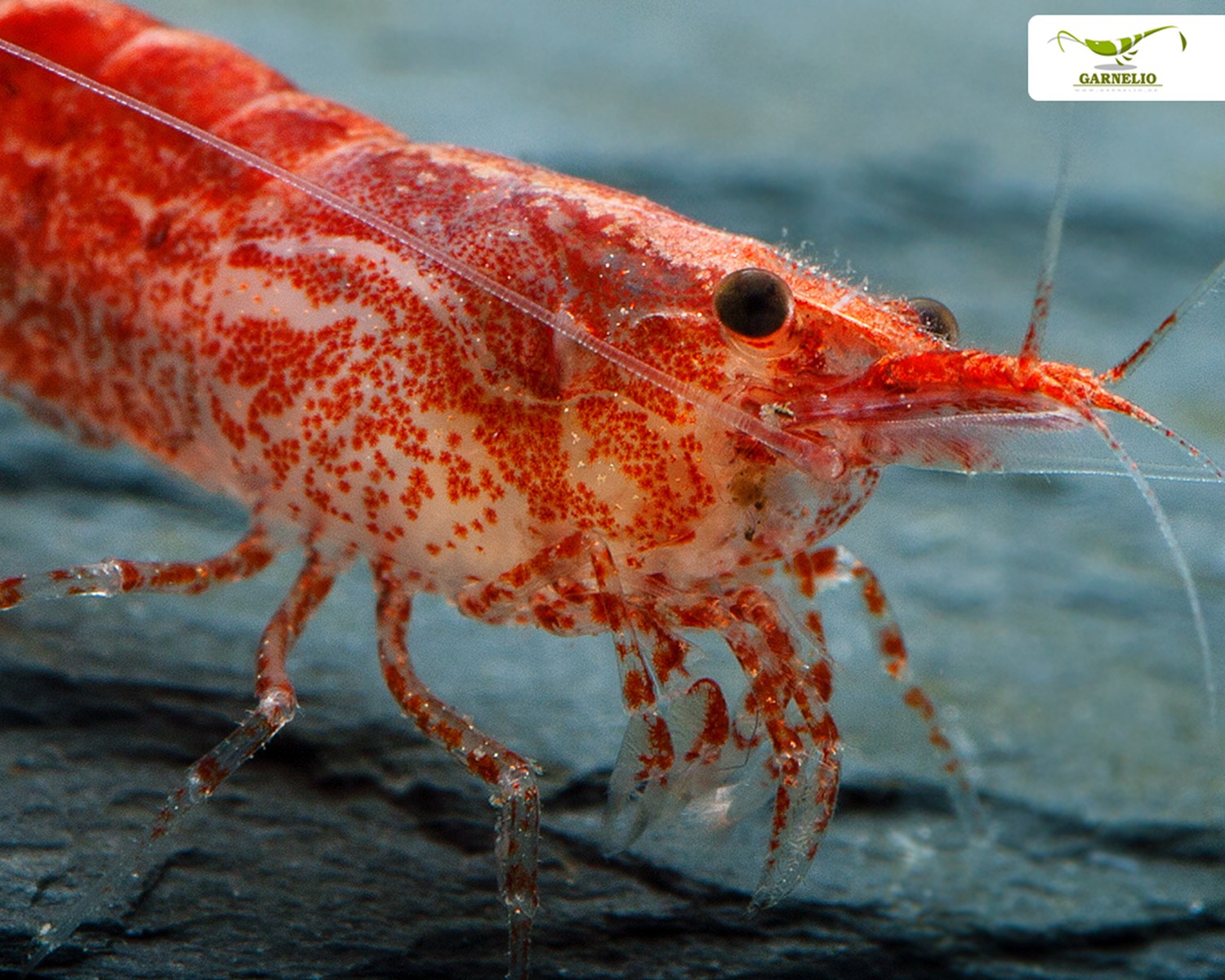
A shrimp found dead in a partially shed shell can indicate unsuitable GH, an imbalanced mineral supply, sudden chemistry movement, temperature stress or a broader water-quality problem. One failed molt does not prove mineral deficiency, and a mineral stone or additive cannot compensate for ammonia, nitrite, copper or unstable maintenance. First test the aquarium and replacement water, compare readings with your species’ established profile, and review recent changes such as a large water change, new fertilizer, medication, substrate replacement or extended heat. If values are wrong, correct them gradually and improve consistency. A carrying Red Sakura image may look like a breeding success, but berried females still need stable water and safe cover through the next molt.
Frequently Asked Questions
Do freshwater shrimp need added minerals to molt?
They need access to suitable minerals, especially calcium and magnesium, but not every aquarium needs a mineral supplement. Test GH and KH first. Neocaridina may do well with suitable tap water, while Caridina often require remineralized RO water. Adding minerals without testing can create excessive hardness or unstable TDS.
Is TDS enough to diagnose shrimp molting problems?
No. TDS measures the overall amount of dissolved material and cannot identify the mineral balance. Use GH and KH tests to understand calcium, magnesium and buffering, then use TDS as a useful consistency check for prepared water and long-term drift.
Can Neocaridina and Crystal Red shrimp live together?
They can sometimes survive in an overlapping range, but they are not an ideal matched project. Neocaridina commonly prefer moderately harder water, while Crystal Red shrimp are usually kept in softer, more acidic water with low KH. Choose one water strategy if breeding and long-term survival are priorities.
How often should I change water in a shrimp tank?
Use a consistent schedule based on nitrate, waste production, feeding and plant growth rather than a universal percentage. Small, temperature-matched changes are often safer than large corrections. Always prepare replacement water to match the aquarium’s mineral profile as closely as practical.
Do aquarium plants provide enough minerals for shrimp?
Plants can provide grazing surfaces and contribute to a mature ecosystem, but they should not be treated as a dependable source of shell-building minerals. Shrimp obtain minerals primarily from the water and diet. Test the water and select a species-specific remineralization plan when needed.
What is the safest shrimp for a planted nano aquarium?
A Neocaridina variety is often the practical starting point when your tap water has suitable, stable GH, KH, pH and temperature. Amano shrimp are useful in larger community displays. Caridina and Sulawesi shrimp can work well, but they require more specialized water preparation and tighter consistency.
 - 2.webp)
Leave your comments