AquaLibs presents AquaRank Discover the world’s leading aquascapers

Explore transparent rankings built from published results across the world’s leading aquascaping contests.

When Aquarium Shrimp Keep Dying: A Failure-Diagnosis Plan for Planted Tanks

Start with the timing, not the symptom

A dead shrimp tells you very little by itself. Timing provides better evidence. Losses within hours of a water change point toward temperature, pH, hardness, chlorine, or contaminant problems. Deaths several days after arrival may indicate transport stress, poor acclimation, or a large difference between store water and aquarium water. Repeated losses around molting suggest a hardness or mineral issue, while missing juveniles with healthy adults often indicate predation. Record the date, recent maintenance, new products, fertilizer doses, feeding, and test results before changing anything. A simple timeline prevents you from masking the original cause with several emergency adjustments at once.
Start with the timing, not the symptom

Rule out an invisible cycle failure

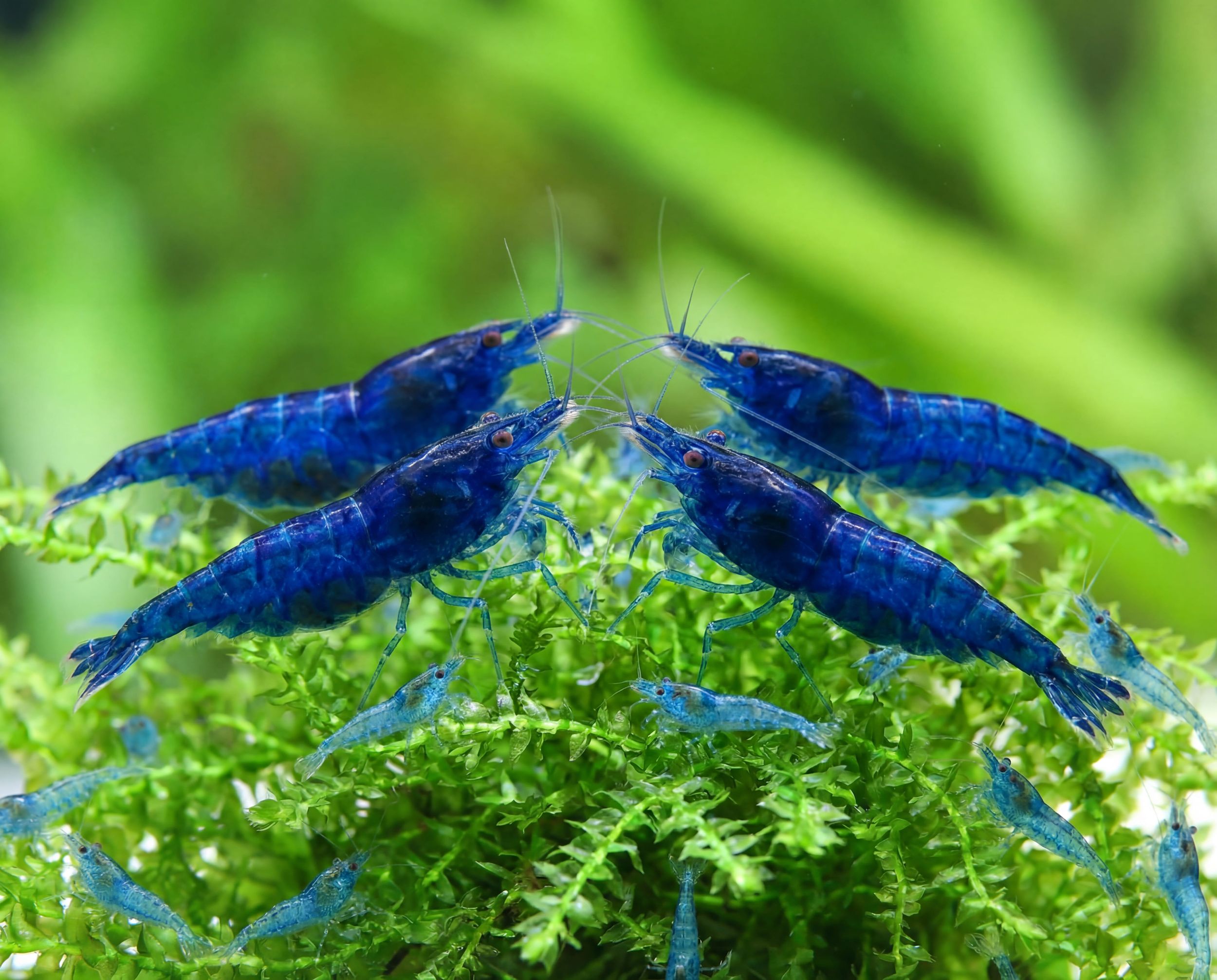
Shrimp are small, but they are not tolerant of an immature biological filter. Test ammonia and nitrite after any unexplained loss, especially in a new nano aquarium, after filter cleaning, or following a dead plant mass. Both should be undetectable in an established shrimp tank. Also inspect the substrate for trapped food, decaying leaves, and dead livestock. Dense planting does not automatically prevent a spike; decomposing material can overwhelm a small system quickly. If ammonia or nitrite is present, stop feeding, increase gentle aeration, remove the source, and make a carefully matched partial water change. Do not add more shrimp until the tank remains stable through normal maintenance.
Rule out an invisible cycle failure

Treat water changes as a possible trigger

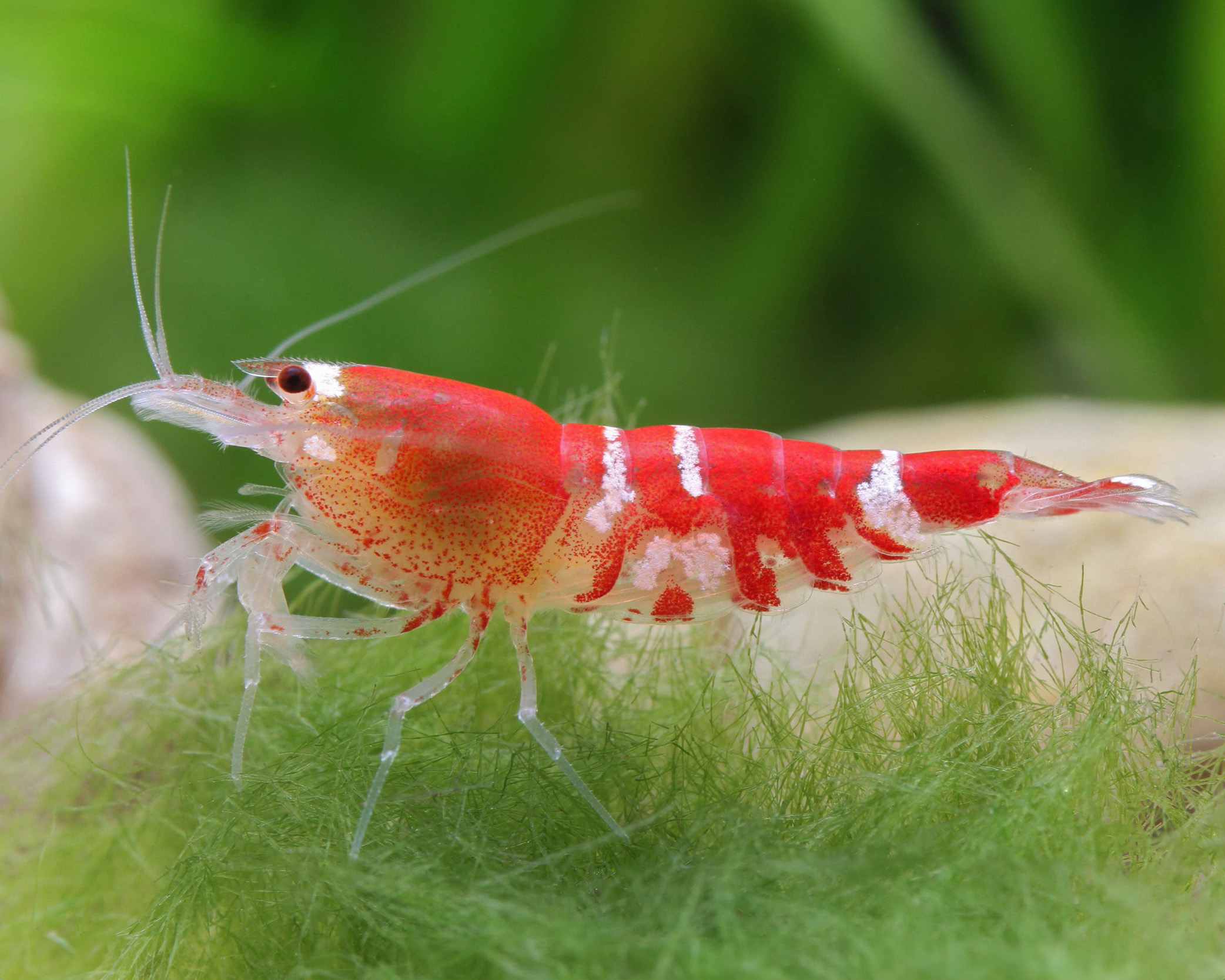
A water change can improve a tank or create the most stressful event of the month. The risk rises when replacement water differs sharply in temperature, GH, KH, pH, or total dissolved solids. This is especially important for shrimp that are close to molting. Prepare replacement water separately, condition it, match the aquarium temperature, and add it slowly rather than pouring a large volume directly onto the colony. For tap-water Neocaridina, consistency is usually more valuable than chasing a perfect number. Caridina varieties such as crystal shrimp generally need a softer, more acidic setup and should not be moved into the same routine without checking their specific requirements.
Treat water changes as a possible trigger

Diagnose a failed molt without guessing

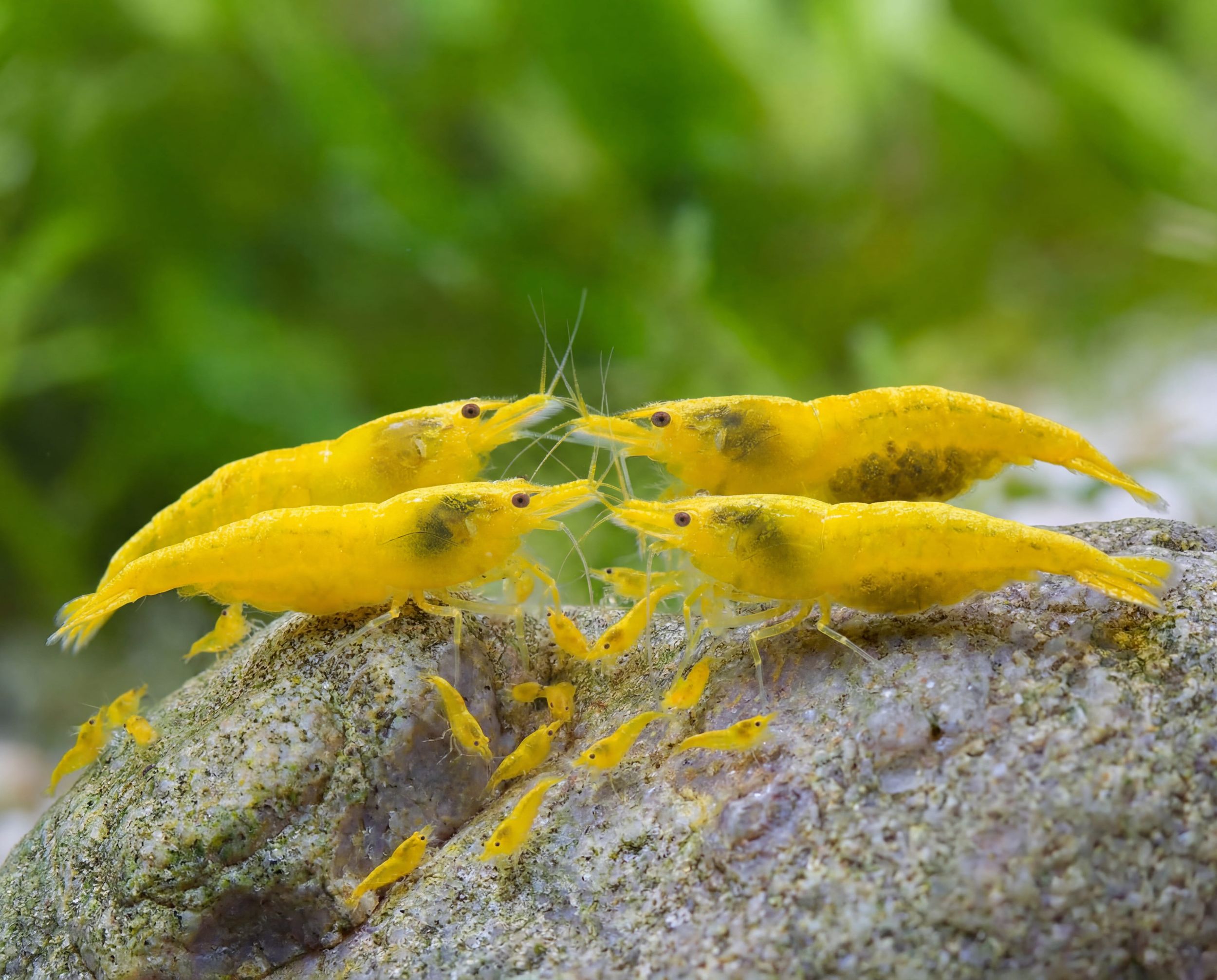
A pale band behind the head, a shrimp trapped in its old shell, or several deaths soon after molting suggests a problem with the molt process. Check GH first because shrimp need dissolved minerals to build and harden a new shell. KH and pH stability also matter, but raising every parameter at once makes the diagnosis harder. Do not pull at a stuck shell or remove a freshly molted shrimp; the animal is vulnerable and may recover if the underlying water is stable. Leave discarded molts in place temporarily because shrimp often consume them for minerals. If losses repeat, compare GH and KH before and after water changes and review whether your chosen shrimp matches the water source.
Diagnose a failed molt without guessing

Investigate copper, medication, and fertilizer exposure

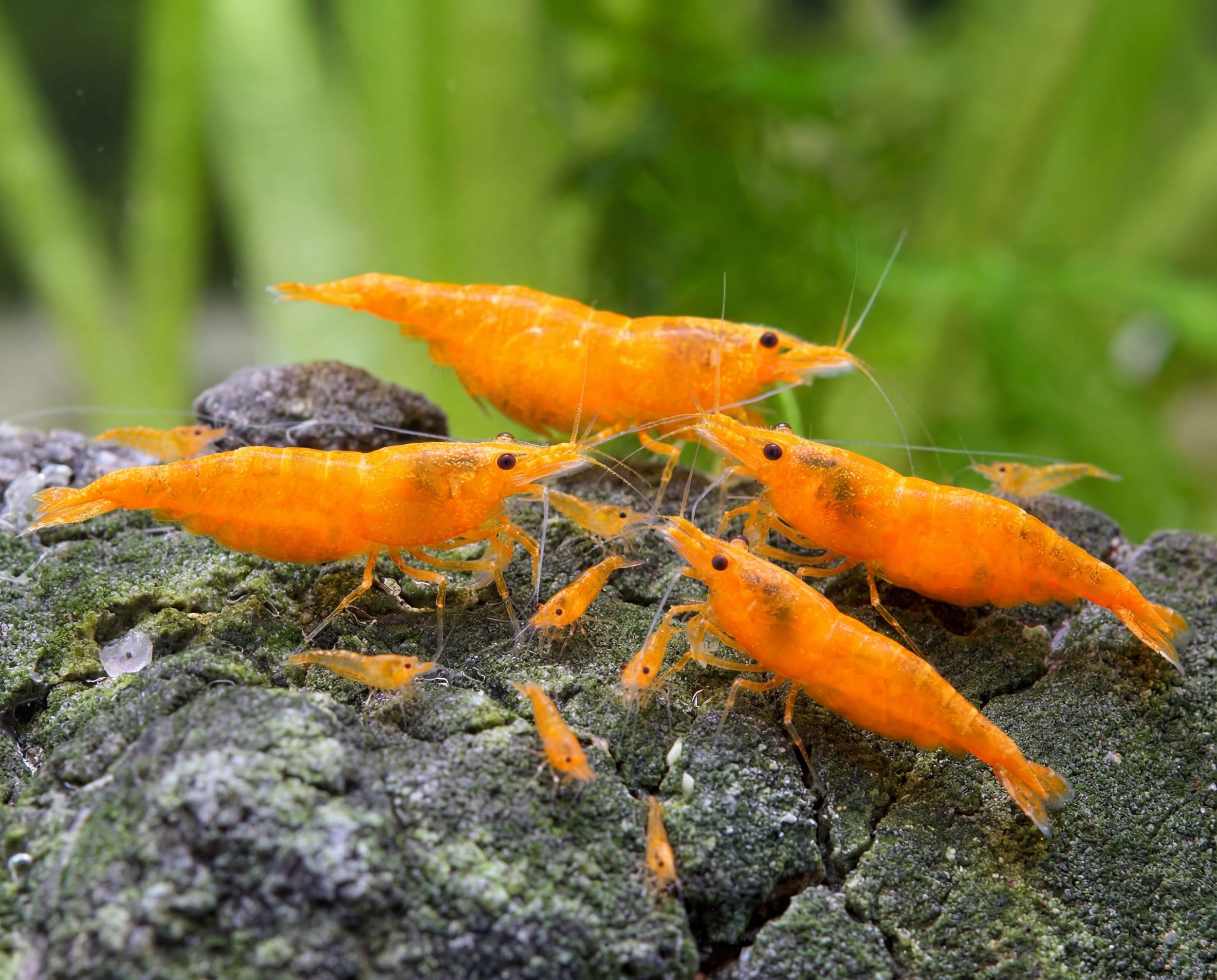
Shrimp may react badly to substances that fish appear to tolerate. Review everything added during the previous month, including algae treatments, medications, plant fertilizers, tap-water conditioners, mineral additives, and new ornaments. Copper-containing products are a particular concern, but the broader problem is often accidental overdosing or an item not intended for invertebrate aquariums. Remove the suspected source, run fresh activated carbon if appropriate for the treatment involved, and perform measured water changes with well-matched water. Avoid repeatedly adding detoxifiers or supplements without testing. Keep a written product log so you can identify a pattern instead of relying on memory after each loss.
Investigate copper, medication, and fertilizer exposure

Separate starvation from overfeeding

Shrimp do not need a constant supply of prepared food when a mature planted aquarium has biofilm, algae, leaf litter, and other grazing surfaces. Starvation is more likely when a new tank is spotless, heavily filtered, or stocked with too many shrimp for its available natural food. Overfeeding creates a different failure: uneaten food decomposes, encourages bacterial growth, and can destabilize a small system. Offer a very small portion and remove leftovers after a few hours. Feed more often only when you can confirm rapid consumption and stable water. Amano shrimp may help with algae control, but they do not replace maintenance or prove that a tank has enough food for dwarf shrimp.
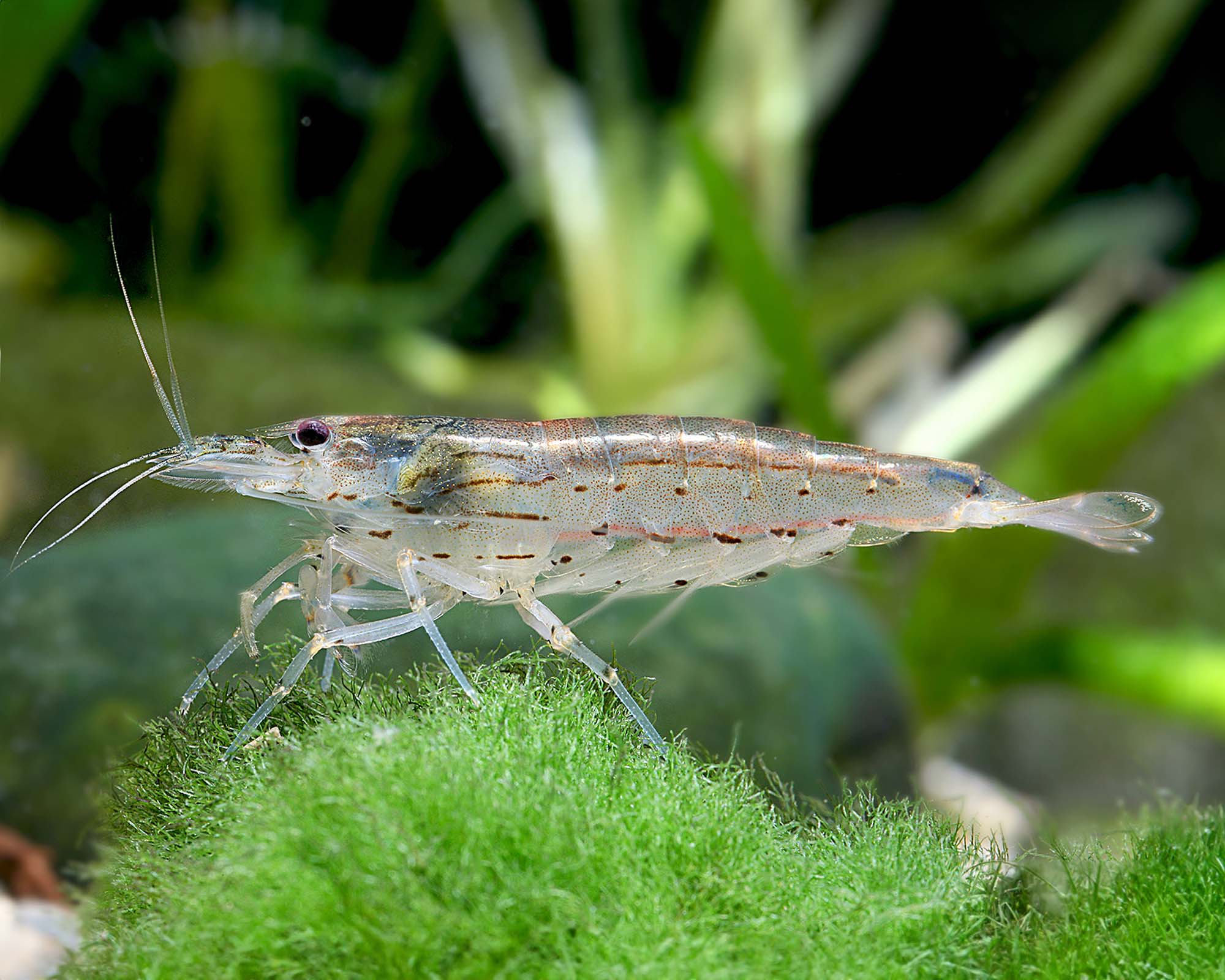
Separate starvation from overfeeding

Check whether tank mates are removing shrimp

Peaceful behavior toward adult shrimp does not guarantee safety for shrimplets. Many community fish ignore large adults but eat newly hatched young, freshly molted shrimp, or eggs released during breeding. Even snails and larger shrimp can compete for food without being direct predators. Look for missing juveniles, startled adults, damaged antennae, or shrimp hiding continuously during the day. Add dense moss, fine-leaved plants, rock crevices, and sponge-covered intake protection if you want a colony to reproduce in a community aquarium. If the goal is maximum survival, a shrimp-only tank is the clearest choice. A colorful fish community and a growing shrimp colony require different compromises.
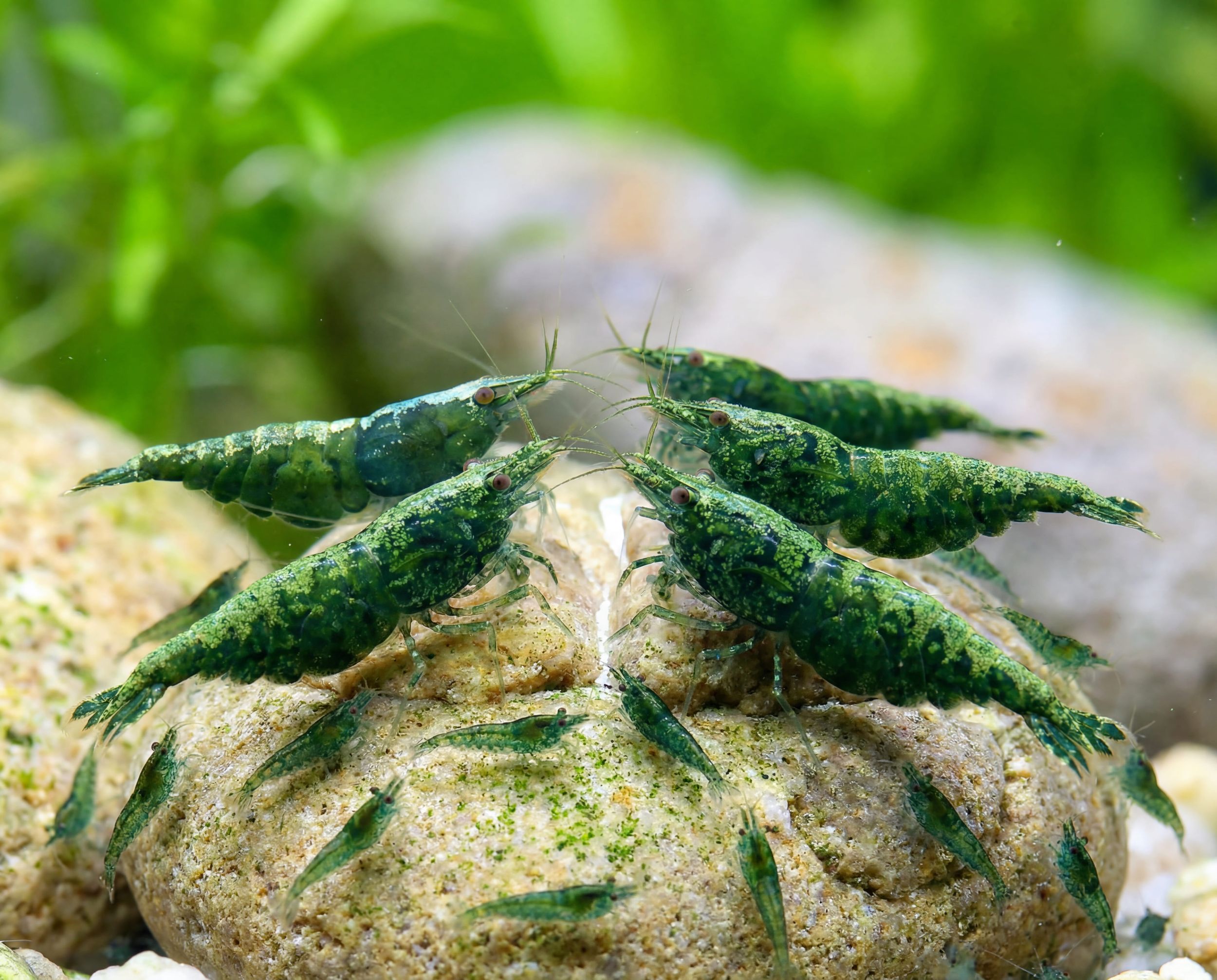
Check whether tank mates are removing shrimp

Do not confuse stress color with disease

Shrimp can become pale, transparent, or less active after transport, a water change, a molt, or exposure to bright light and open space. Color loss alone is not proof of infection. Compare the affected shrimp with the rest of the group and inspect posture, movement, feeding response, and the timing of the change. Sudden widespread lethargy points more strongly toward water quality or contamination than a single diseased animal. Avoid treating the whole aquarium before identifying a likely cause, because many medications create additional risk for invertebrates. Provide cover, reduce disturbance, and stabilize the water while you continue observing. A clear pattern over several days is more useful than one alarming photograph.
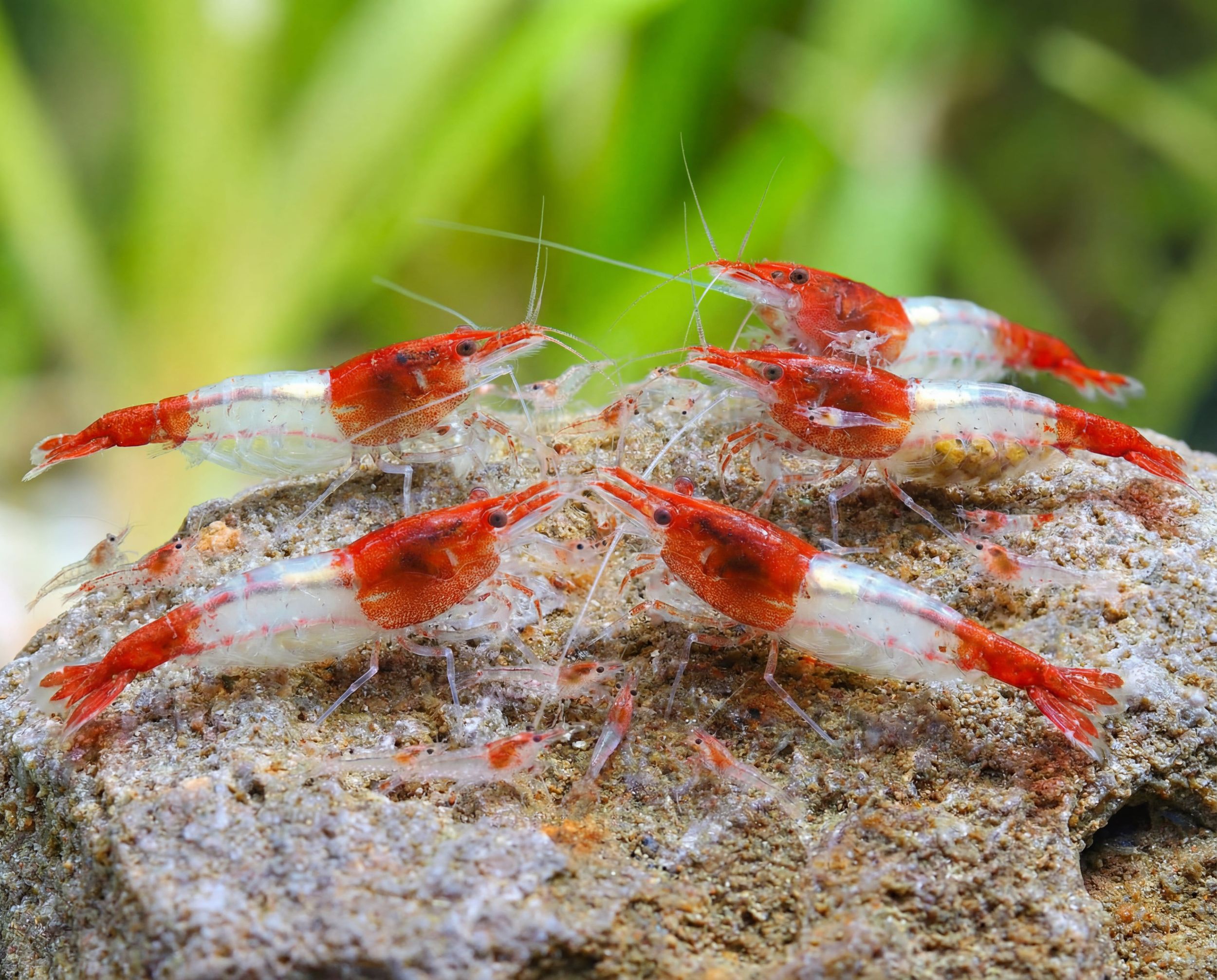
Do not confuse stress color with disease

Build a recurrence-prevention routine

After a loss, prevention comes from standardizing the decisions that caused the problem. Test the aquarium and replacement water on the same day, keep a maintenance log, use a pre-mixed water-change container, and quarantine new plants or livestock when practical. Protect filter intakes, inspect fertilizers for invertebrate warnings, and keep feeding conservative. A mature planted tank should offer grazing surfaces and hiding places, but it still needs regular removal of decaying material and safe flow. Recheck the colony after each intervention instead of making several changes together. If the evidence remains unclear, pause new additions and let the aquarium produce a stable pattern before trying another shrimp or tank mate.
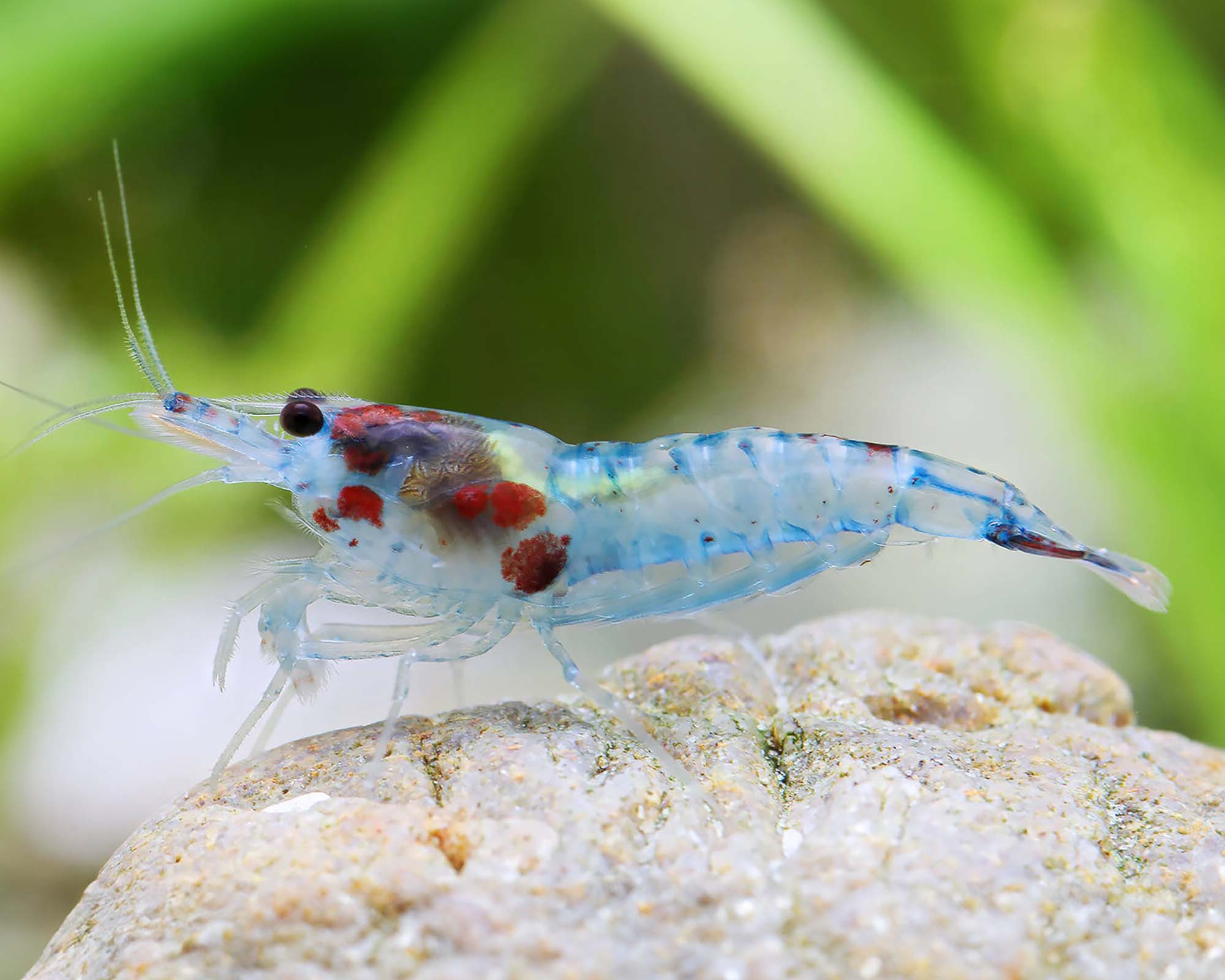
Build a recurrence-prevention routine

Frequently Asked Questions

Why do shrimp die after a water change?

The usual concern is not the act of changing water but a sudden difference between old and new water. Compare temperature, GH, KH, pH, and conditioner use, then prepare and add replacement water more slowly. Repeated losses after maintenance are a strong reason to test both aquarium water and source water.

What does a white ring on a shrimp mean?

A pale band near the junction between the head and abdomen can appear during a failed molt, but it is not a complete diagnosis by itself. Check GH, KH, temperature stability, and recent water changes. Do not pull on the shell or attempt to manually remove it.

Can fish live with freshwater shrimp?

Some small, non-predatory fish can share a planted aquarium with adult shrimp, but shrimplets are much more vulnerable. Dense plants and moss improve survival, while a shrimp-only tank gives the highest chance of colony growth. Judge compatibility by the survival of young shrimp, not only by adult behavior.

Are Neocaridina and Caridina shrimp compatible in one aquarium?

They may coexist in some aquariums, but their preferred water conditions often differ. Neocaridina commonly suit moderately hard, stable water, while many bee-type Caridina need softer, more acidic conditions. Keeping one type at a time makes parameter management and diagnosis clearer, especially for beginners.

How can I tell whether shrimp are starving or overfed?

A spotless immature tank with constant grazing and poor breeding may offer too little natural food. Leftover food, foul odor, rising nitrate, or repeated cloudy water suggests overfeeding. Start with tiny portions, remove uneaten food, and use the shrimp’s feeding response and water tests to adjust gradually.

Leave your comments
Latest on Aquarium Base
  • The Four-Filter Plant Plan: Match Aquarium Plants to Your Setup and Schedule

    The Four-Filter Plant Plan: Match Aquarium Plants to Your Setup and Schedule

    A plant can be labeled easy and still fail in your aquarium if it needs more light, stronger circulation, richer substrate, or more pruning than your routine allows. The better approach is to filter every plant through four practical questions: How much light reaches it? How much flow can it tolerate? Where will its nutrients come from? How often are you willing to trim, replant, or remove excess growth? This image-led guide uses those questions to build compatible plant groups for shrimp, snails, colorful freshwater fish, and nano aquariums without treating every tank as if it has identical conditions.
  • What Should Your Fish Do in the Aquascape? A Color-and-Scale Plan for Planted Tanks

    What Should Your Fish Do in the Aquascape? A Color-and-Scale Plan for Planted Tanks

    A planted aquarium can contain beautiful fish and still look visually confused. The problem is often not compatibility alone, but design: too many similar colors, too much movement in one zone, or livestock that overwhelms the plants and available swimming space. A better approach is to treat each animal as part of the aquascape. Choose fish for a movement pattern, shrimp for close-up detail, snails for a slower focal accent, and plants for the scale and contrast that make those animals easy to see. This guide builds that decision from the front glass backward, with compatibility and animal welfare setting the limits.
  • Before Adding a Snail, Test the Water: A Shell-Health Plan for Planted Tanks

    Before Adding a Snail, Test the Water: A Shell-Health Plan for Planted Tanks

    Aquarium snails can support a planted tank, but shell health depends on more than visible algae. A snail may arrive with a polished shell and still deteriorate if the aquarium is too soft, too acidic, too clean to feed it, or inconsistent after water changes. The right approach is to choose a snail that fits the water you can maintain, then manage minerals and organic waste as one system. This guide compares common planted-tank snail groups by shell demands, feeding style, population risk, and compatibility with fish and shrimp. The goal is not to chase a perfect number. It is to build stable water chemistry that keeps new shell growth strong over the long term.
  • How to Grow a Shrimp Colony Without Losing Control of a Planted Aquarium

    How to Grow a Shrimp Colony Without Losing Control of a Planted Aquarium

    A planted aquarium can turn a small group of freshwater shrimp into a self-sustaining colony, but reproduction changes how you plan space, food, filtration, and tank mates. The key decision is not simply which shrimp looks best. It is whether you want a growing Neocaridina colony, a controlled Caridina breeding project, or a non-breeding cleanup group such as Amano shrimp. Use plant structure to protect young shrimp, keep feeding proportional to the colony, and decide in advance what you will do with excess animals. This guide compares practical breeding paths and population-management choices for colorful shrimp in planted tanks.
  • The Low-Tech Planted Aquarium Blueprint: Match Plant Growth to Livestock Before You Buy

    The Low-Tech Planted Aquarium Blueprint: Match Plant Growth to Livestock Before You Buy

    A planted aquarium without injected CO2 can look full, natural, and colorful, but it will not behave like a high-tech aquascape. Growth is usually slower, demanding carpet plants may stay sparse, and red foliage may be less intense. The most reliable approach is to build around plants that tolerate modest light, leave room for natural growth, and choose livestock that will not overwhelm a small system. This guide helps you decide what a no-CO2 aquarium can realistically become before you buy fish, shrimp, snails, or plants.
  • Which Tank Mates Belong Together in a Planted Aquarium? A Peaceful Community Decision Guide

    Which Tank Mates Belong Together in a Planted Aquarium? A Peaceful Community Decision Guide

    A peaceful community aquarium is not created by choosing the smallest or most colorful fish available. Compatibility depends on adult size, swimming level, social needs, temperament, feeding behavior, water preferences, and whether shrimp or snails are part of the plan. Plants can provide cover and divide territories, but they cannot correct a poor species match. This guide uses a decision-first approach for planted aquariums, from small nano setups to larger community tanks. The goal is not to combine every appealing animal. It is to choose one coherent community in which fish can behave normally and invertebrates have a realistic chance to survive.
  • The Aquarium Snail Reality Check: Match Cleanup Claims to the Job Your Planted Tank Needs

    The Aquarium Snail Reality Check: Match Cleanup Claims to the Job Your Planted Tank Needs

    Aquarium snails are often sold as a cleanup crew, but that label can create unrealistic expectations. They may graze algae, consume biofilm, find uneaten food, process decaying plant tissue, or move through the substrate. They do not replace water changes, glass cleaning, plant maintenance, or sensible feeding. The right choice depends on the specific problem in your planted tank, the snail’s behavior, and whether you can support it after the visible mess disappears. This guide separates common cleanup-crew myths from useful aquarium care decisions so you can choose fewer, better-matched snails for a planted community, shrimp tank, or nano aquarium.
  • How to Feed Freshwater Shrimp Without Feeding the Algae Problem

    How to Feed Freshwater Shrimp Without Feeding the Algae Problem

    Freshwater shrimp are often added to planted aquariums with two goals: enjoy their color and reduce algae. The difficulty is that extra food can work against both goals. Shrimp graze biofilm, soft algae, plant debris, and missed fish food, but a tank still needs a deliberate feeding plan when natural forage is limited. The right approach depends on shrimp type, colony size, tank maturity, lighting, plant growth, and tank mates. This guide shows how to decide when supplemental food is needed, how to control portions, which shrimp suit different algae problems, and how to correct overfeeding without causing a sudden water-quality swing.
  • The Planted Aquarium Reset: How to Correct Planting Errors Without Losing Your Livestock

    The Planted Aquarium Reset: How to Correct Planting Errors Without Losing Your Livestock

    A planted aquarium rarely fails because of one bad plant. More often, several small planting mistakes overlap: a buried rhizome, crowded stems, excessive light, unstable maintenance, or livestock added before the plants have adapted. The good news is that most damaged tanks do not need a complete teardown. This recovery plan helps you identify what went wrong, decide what to remove or leave alone, and rebuild a healthier planting pattern around peaceful fish, freshwater shrimp, and aquarium snails. The goal is not to create a perfect aquascape overnight. It is to restore growth, swimming space, water quality, and compatibility one correction at a time.
  • What Will This Planted Aquarium Cost to Feed? A Livestock and Maintenance Planning Guide

    What Will This Planted Aquarium Cost to Feed? A Livestock and Maintenance Planning Guide

    A planted aquarium can reduce waste pressure, provide grazing surfaces and make a small community feel more complete, but it does not cancel the work created by livestock. Every fish, shrimp and snail adds feeding decisions, waste, oxygen demand and maintenance. The safest purchase is not the animal that looks best in isolation; it is the combination you can feed accurately, observe daily and maintain when plants shed leaves or algae changes. This guide compares colorful freshwater fish and practical stocking styles so you can choose between a fish-led community, a shrimp-and-snail display or a lightly stocked planted nano aquarium before bioload becomes a problem.
  • Food, Traps, or Predators? A Reproduction-Aware Plan for Aquarium Snails

    Food, Traps, or Predators? A Reproduction-Aware Plan for Aquarium Snails

    A planted aquarium does not need to be snail-free to look balanced. The real challenge is matching snail numbers to the tank’s food supply, plant density, shrimp population, and maintenance routine. Small ramshorns, bladder snails, and trumpet snails can multiply quickly when leftover food, algae, dying leaves, or trapped debris are available. Other species, such as nerites and larger live-bearing snails, reproduce more slowly or need different conditions. Instead of reaching immediately for chemicals or a predator, identify how the snails reproduce and choose the least disruptive control method. This guide compares food reduction, egg removal, trapping, plant quarantine, and biological control for planted aquariums.
  • The Shrimp-Molt Checkpoint: How GH, KH, Water Changes, and Tank Mates Shape Survival

    The Shrimp-Molt Checkpoint: How GH, KH, Water Changes, and Tank Mates Shape Survival

    A freshwater shrimp can look healthy, graze all day, and still fail during its next molt. The danger is often not a single missing product but a mismatch between mineral content, water stability, temperature, maintenance habits, and tank-mate pressure. Neocaridina varieties such as cherry, blue, orange, and yellow shrimp usually tolerate a broader range than many Caridina lines, but none thrive through repeated chemistry swings. This guide uses a practical molt checkpoint: identify the shrimp type, test the water, check the source of minerals, protect hiding places, and change one variable at a time. The goal is not chasing perfect numbers. It is creating predictable conditions that let a new shell form, harden, and survive the vulnerable hours after a molt.
  • Where Should Each Aquarium Plant Go? A Placement Plan for Fish, Shrimp, and Snails

    Where Should Each Aquarium Plant Go? A Placement Plan for Fish, Shrimp, and Snails

    Aquarium plants do more than fill empty space. Their height, texture, color, and attachment point determine where fish swim, where shrimp graze, how easily snails move, and whether a small tank looks spacious or crowded. Instead of choosing plants one at a time, assign every plant a visual role before it enters the aquarium. Use low growth to frame the front, medium plants to connect hardscape, taller stems to create a backdrop, and floating or attached plants to add another visual layer. This placement-first method works especially well for beginner planted aquariums and nano setups where every leaf affects both livestock compatibility and the view through the glass.
  • Ember Tetra or Green Kubotai Rasbora? Choose the School That Fits Your Planted Aquarium

    Ember Tetra or Green Kubotai Rasbora? Choose the School That Fits Your Planted Aquarium

    Small schooling fish can look deceptively interchangeable at the aquarium store. In a planted aquarium, however, the right choice depends on more than color. Swimming style, confidence, adult size, feeding speed, water preferences, and the amount of cover in the aquascape all change how a fish behaves. Ember tetras and green kubotai rasboras are especially easy to compare because both are small, peaceful, and striking against green plants. This guide also places them beside several similar community fish so you can choose one school with a clear purpose instead of mixing too many species into a limited swimming space.
  • One Snail or a Cleanup Crew? Match Aquarium Snail Behavior to Your Planted Tank

    One Snail or a Cleanup Crew? Match Aquarium Snail Behavior to Your Planted Tank

    Aquarium snails do not all solve the same problem. One type may scrape algae from glass, another may work through the substrate, while a third mainly processes leftover food and decaying leaves. The trade-off is that useful behavior often comes with a cost: nerites can leave hard white eggs, ramshorns may multiply quickly, trumpet snails can become difficult to remove, and large snails add more waste than a nano tank may need. This guide compares snails by what they actually do in a planted aquarium, helping you choose one specialist or a carefully limited combination instead of buying a cleanup crew by appearance alone.
  • Which Shrimp Color Line Will Read Best in Your Planted Aquarium?

    Which Shrimp Color Line Will Read Best in Your Planted Aquarium?

    A shrimp can look brilliantly colored at the store and nearly disappear in your aquarium. The difference is often not the shrimp itself, but the visual field around it: substrate tone, background, plant color, rock texture, driftwood, and open viewing space. This guide helps you choose a freshwater shrimp color line that will remain visible in a planted aquarium while still giving the animals shade, grazing surfaces, and secure places to molt. The goal is not simply maximum contrast. It is a balanced layout where color, behavior, and hardscape work together instead of competing for attention.