AquaLibs presents AquaRank Discover the world’s leading aquascapers

Explore transparent rankings built from published results across the world’s leading aquascaping contests.

Where Should Each Aquarium Plant Go? A Placement Plan for Fish, Shrimp, and Snails

Start with the view, not the shopping list

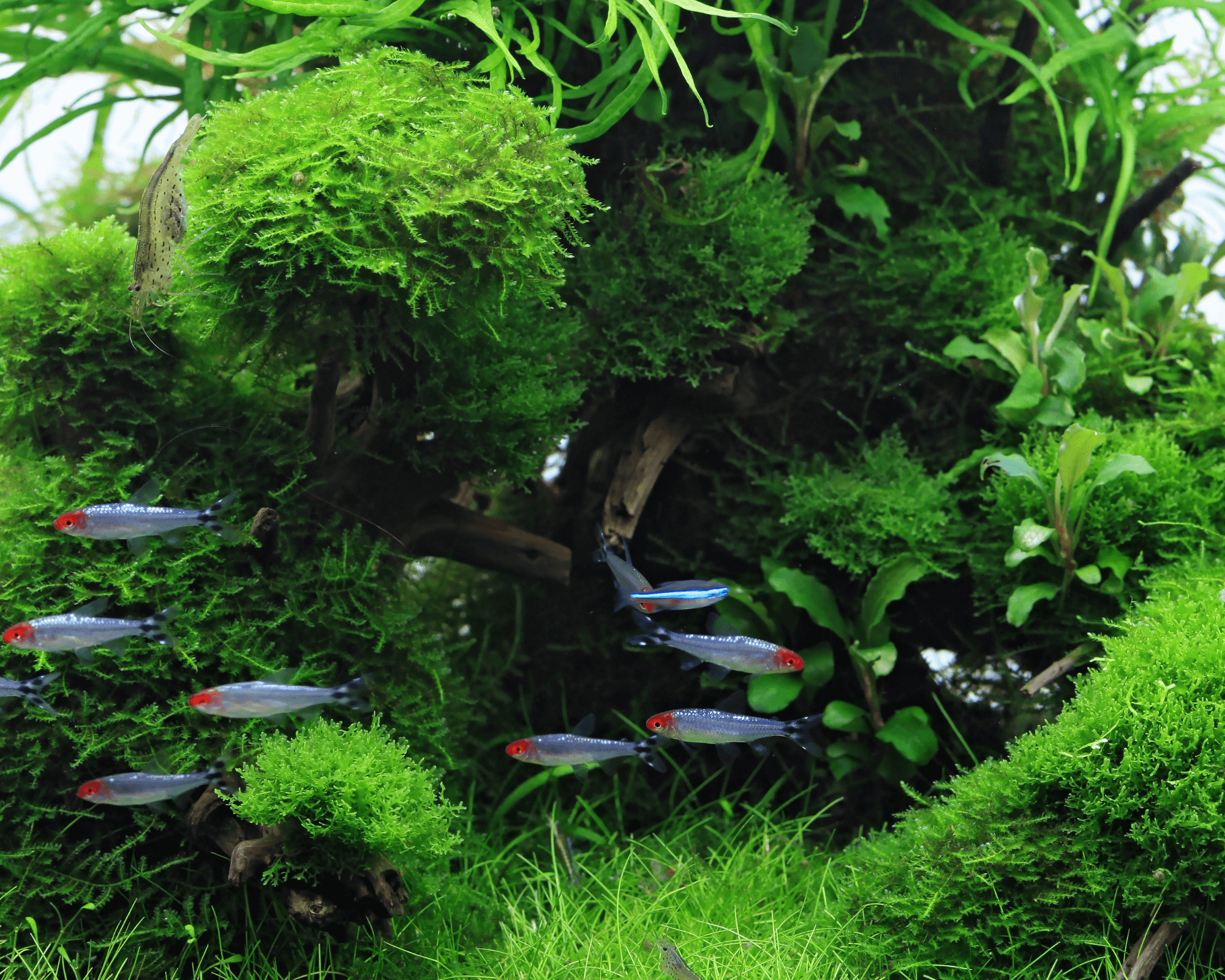
Before buying plants, decide what you want the viewer to notice first. A piece of wood, a rock group, a red plant, or an open swimming lane can become the focal point. Keep that area partly visible instead of surrounding it with plants of equal height and color. In a nano aquarium, leave one clear route across the front or center so small schooling fish have room to move and shrimp remain easy to observe. Place heavier visual mass slightly off-center, then balance it with shorter growth or open substrate on the opposite side. This prevents the common beginner mistake of filling every corner and losing the shape of the aquascape.
Start with the view, not the shopping list

Use the foreground to create a readable front edge

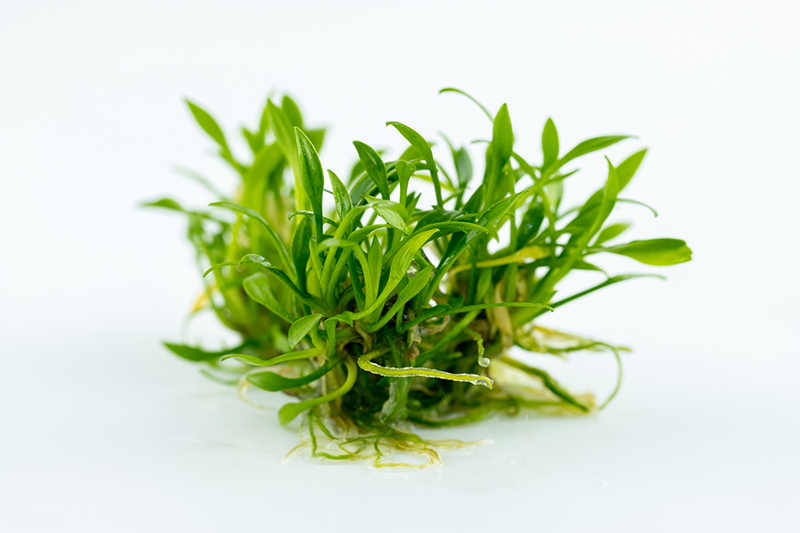
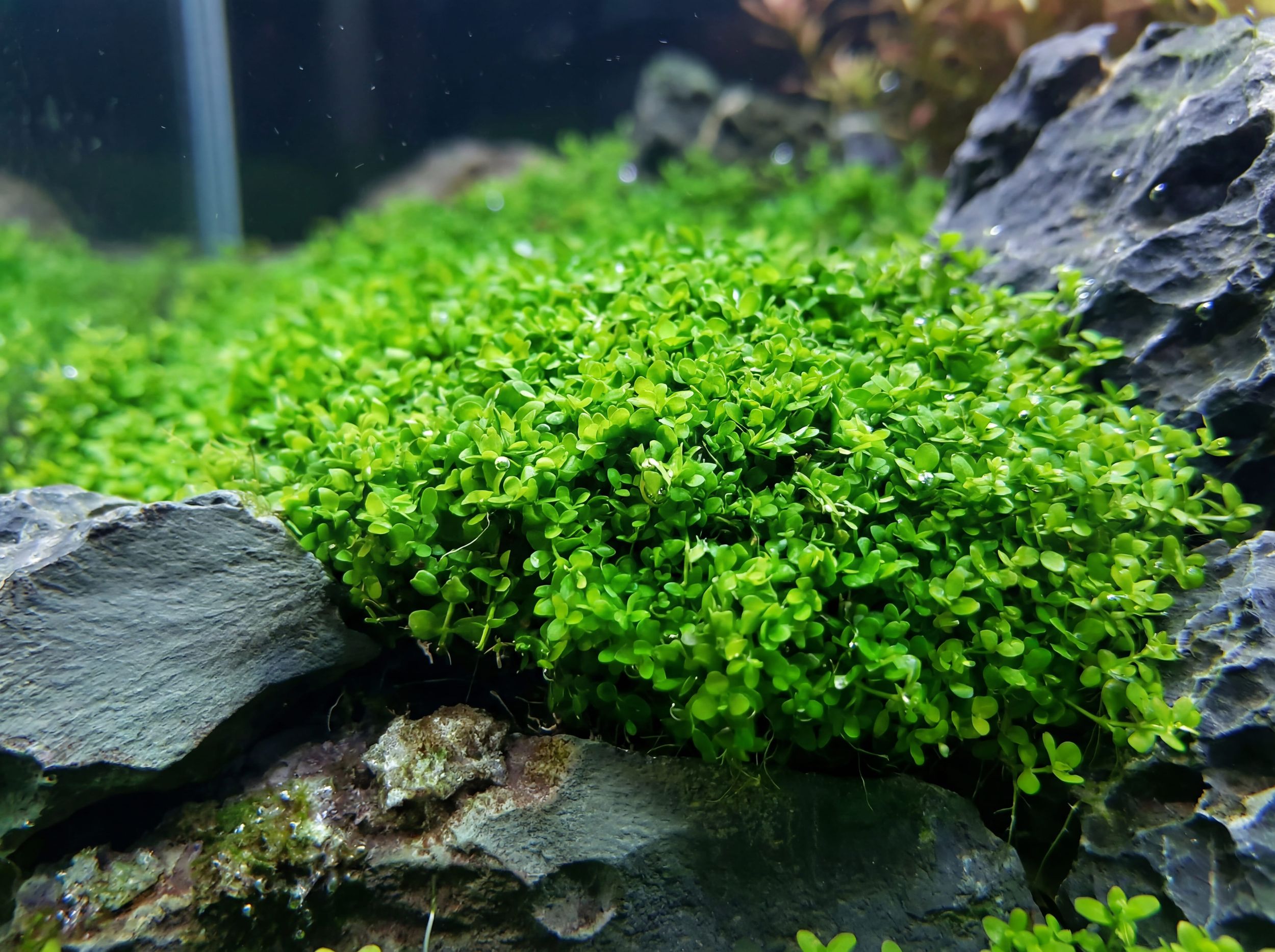
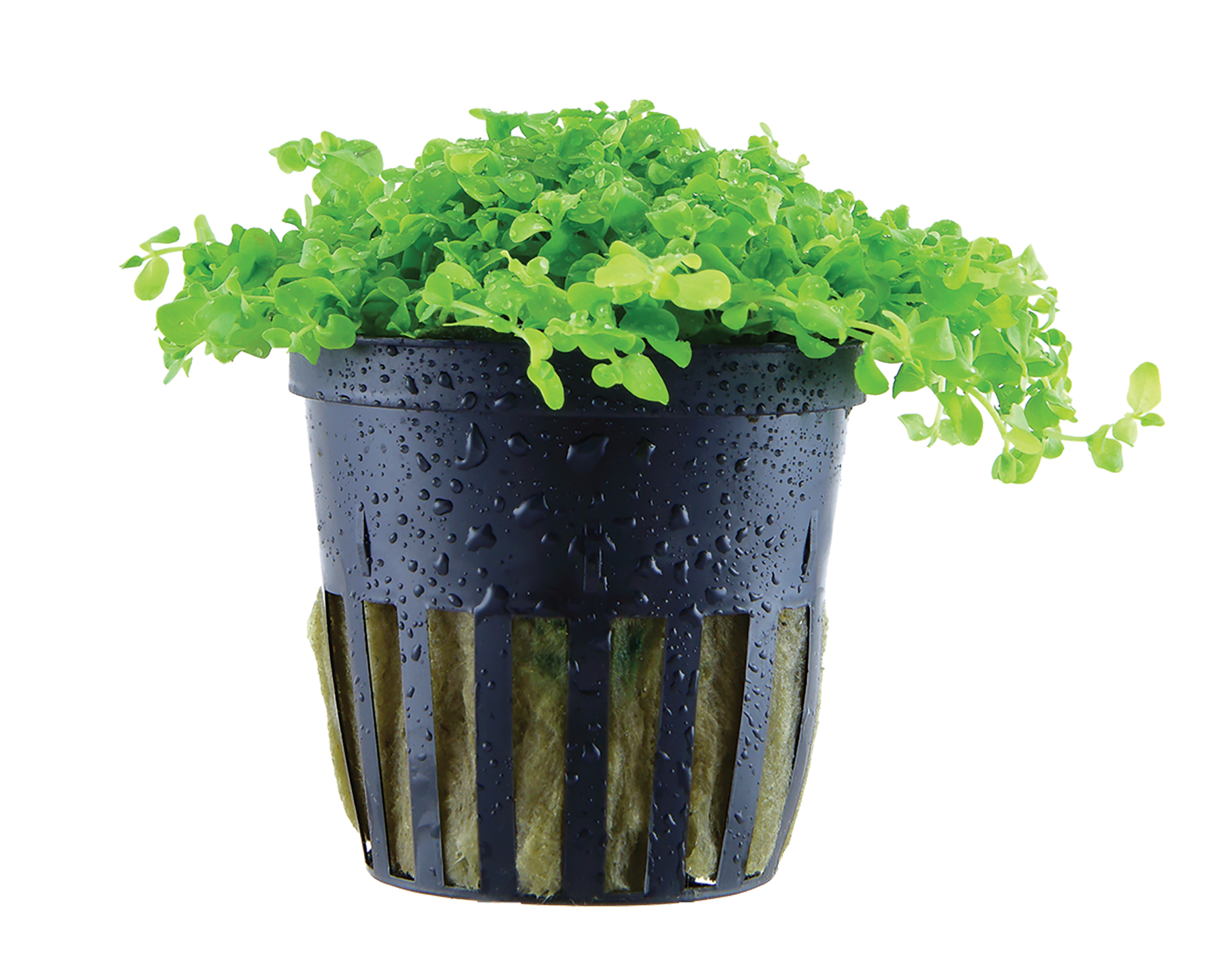
Foreground plants should stay low enough to preserve visibility across the lower portion of the aquarium. Micranthemum tweediei ‘Monte Carlo’ can form a soft transition between bare substrate and taller plants, but it is not automatically a low-effort carpet. It usually needs suitable light, regular trimming, and careful planting so loose pieces do not float away. For a lower-maintenance design, use a small planted patch rather than covering the entire front. Leave an open strip where bottom-oriented fish, shrimp, and snails can forage. A defined foreground also makes a small aquarium appear deeper because the eye can travel from open substrate into denser growth.
Use the foreground to create a readable front edge

Choose midground plants to connect hardscape and open water

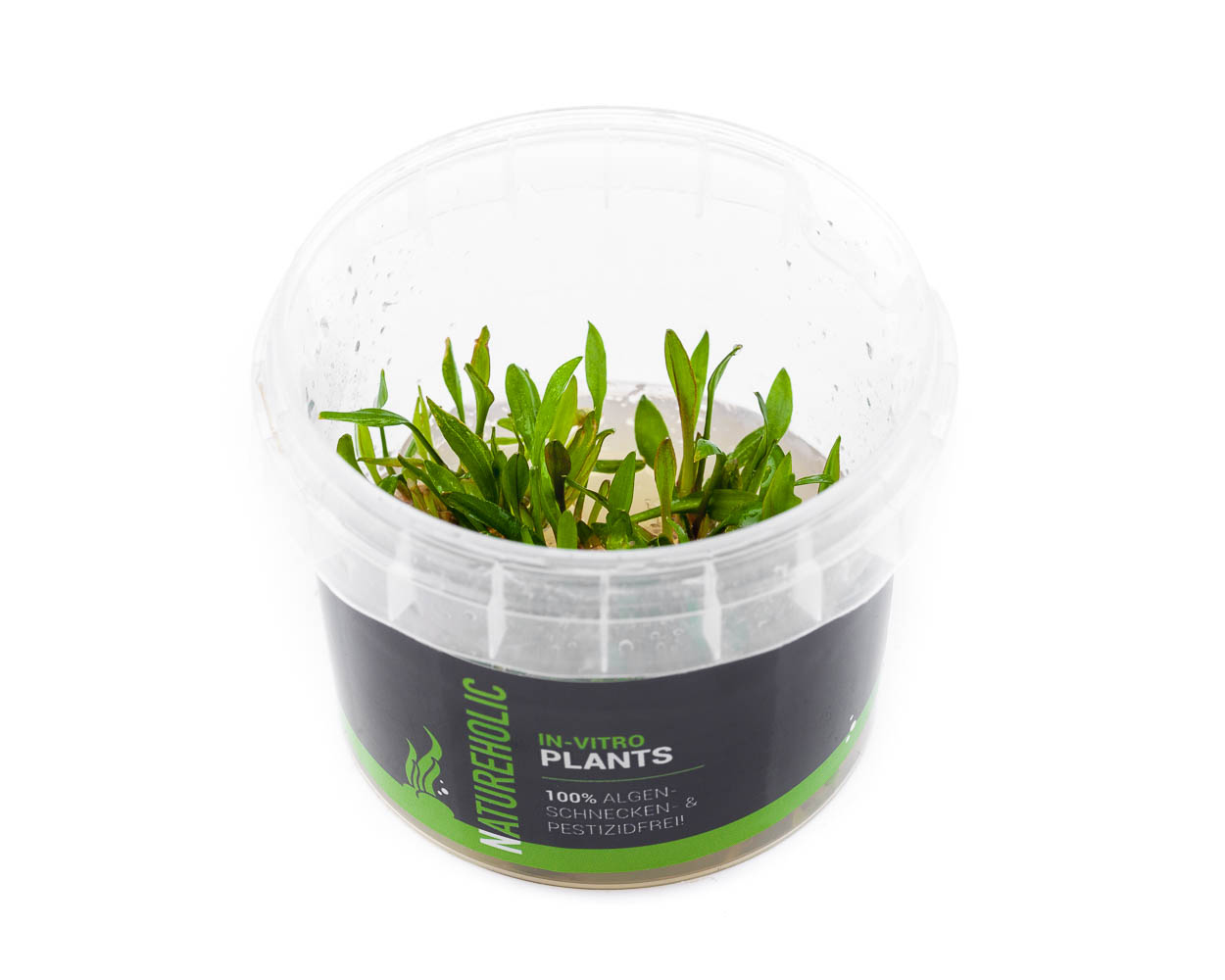
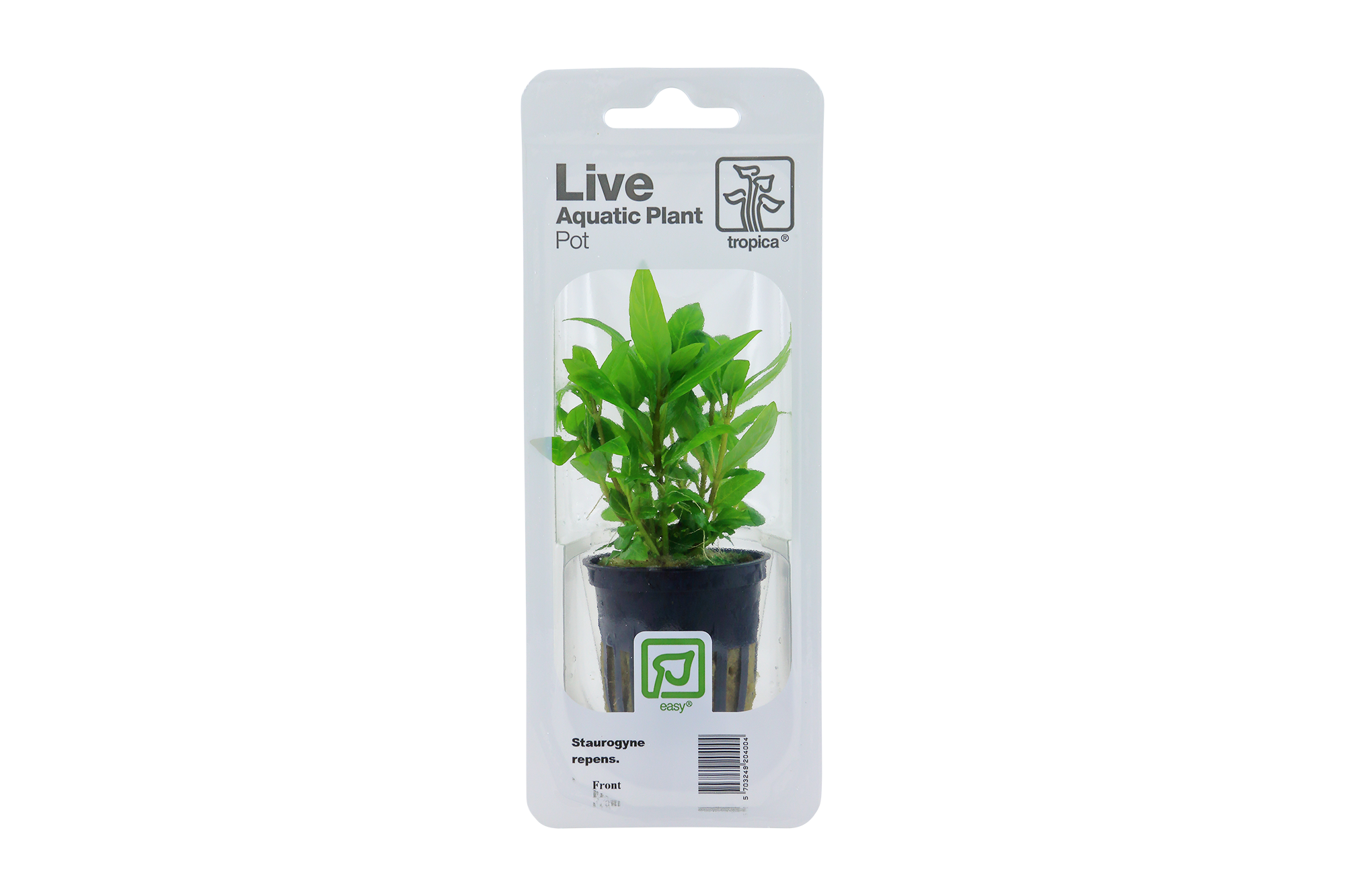
The midground is where an aquascape either becomes cohesive or looks like separate plant piles. Staurogyne repens works well as a low, spreading transition around rocks, wood, and the bases of taller plants. Group it in uneven clusters instead of forming a straight hedge. This creates hiding edges for shrimp without blocking the entire front glass. In a community aquarium, keep some gaps between clusters so fish can pass through and so you can reach the substrate during maintenance. If the plant begins to dominate the view, trim the outer stems and replant only the healthiest cuttings. The goal is a connected visual slope, not maximum density.
Choose midground plants to connect hardscape and open water

Make one attached plant the quiet focal point

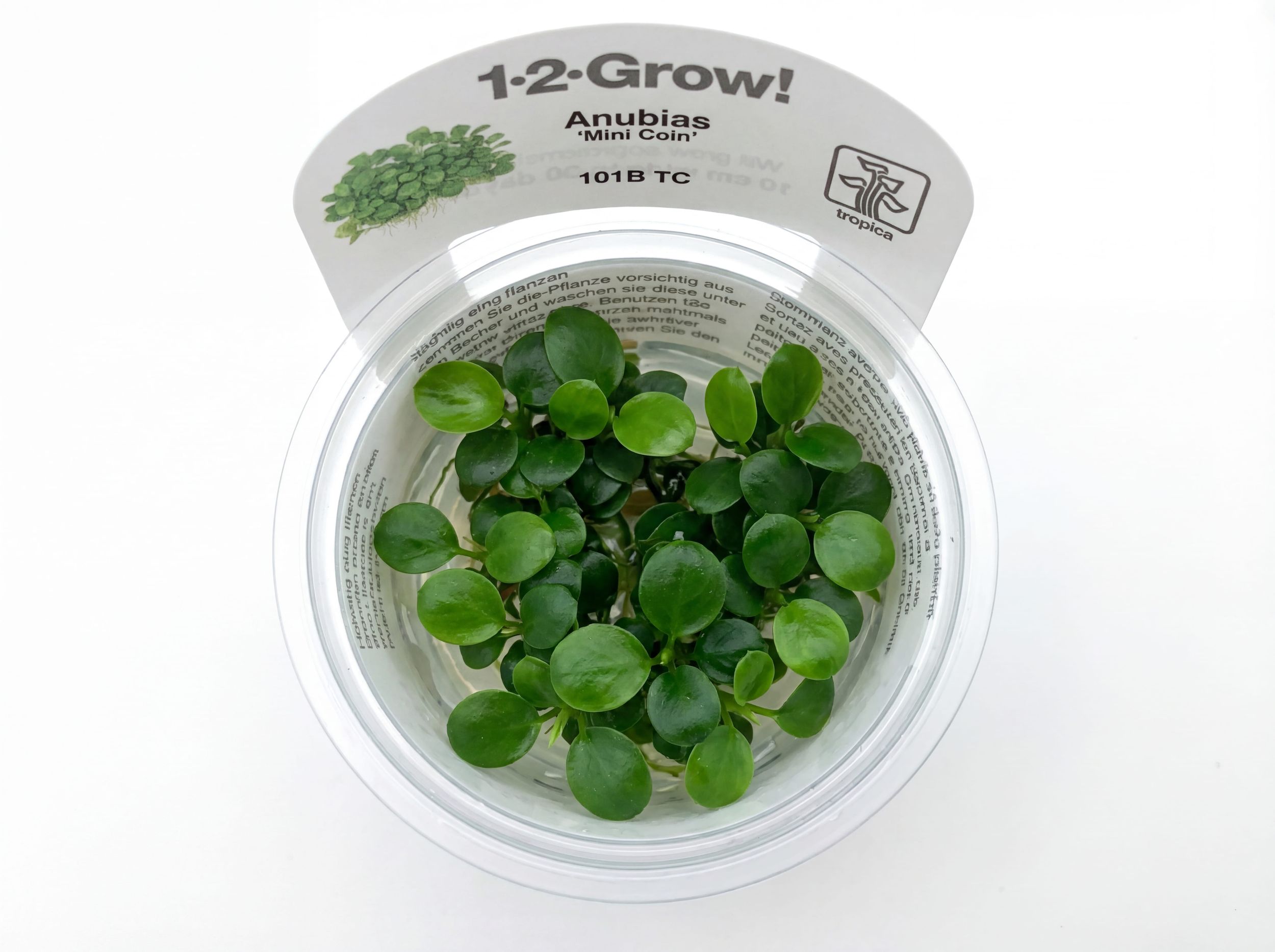
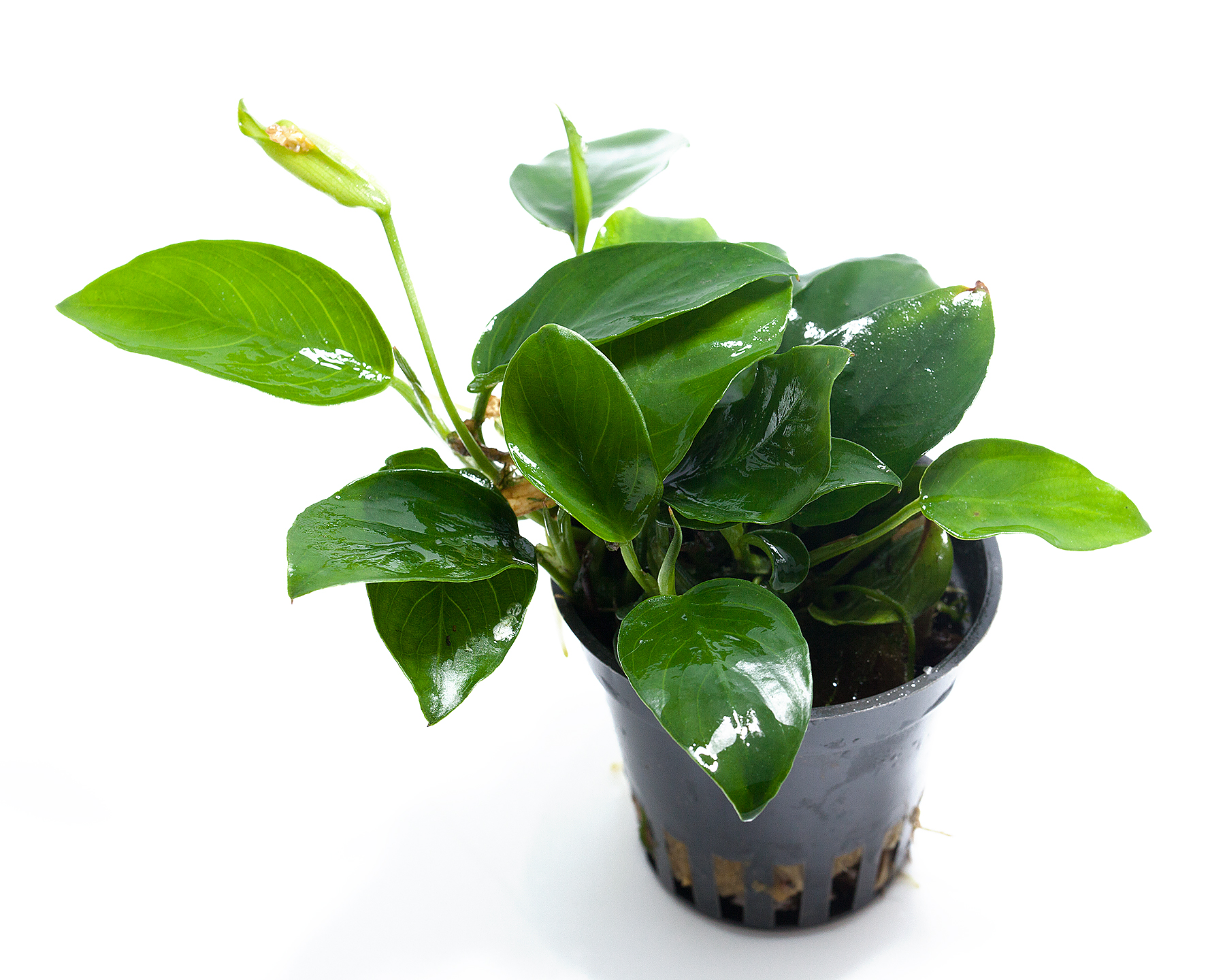
Anubias nana is useful when you want a strong plant shape without turning the substrate into a crowded planting bed. Attach it to wood or rock, keeping its rhizome above the substrate so it does not rot. Its broad leaves provide contrast against fine stems and can become a resting or grazing surface for shrimp and small snails. Place one larger clump near the focal hardscape, then keep nearby plants lower or finer in texture. Do not scatter identical clumps evenly across the aquarium; repetition can flatten the composition. In a nano tank, a single attached group often has more visual impact than several small plants competing for attention.

Make one attached plant the quiet focal point

Use broad midground leaves to hide equipment and soften corners

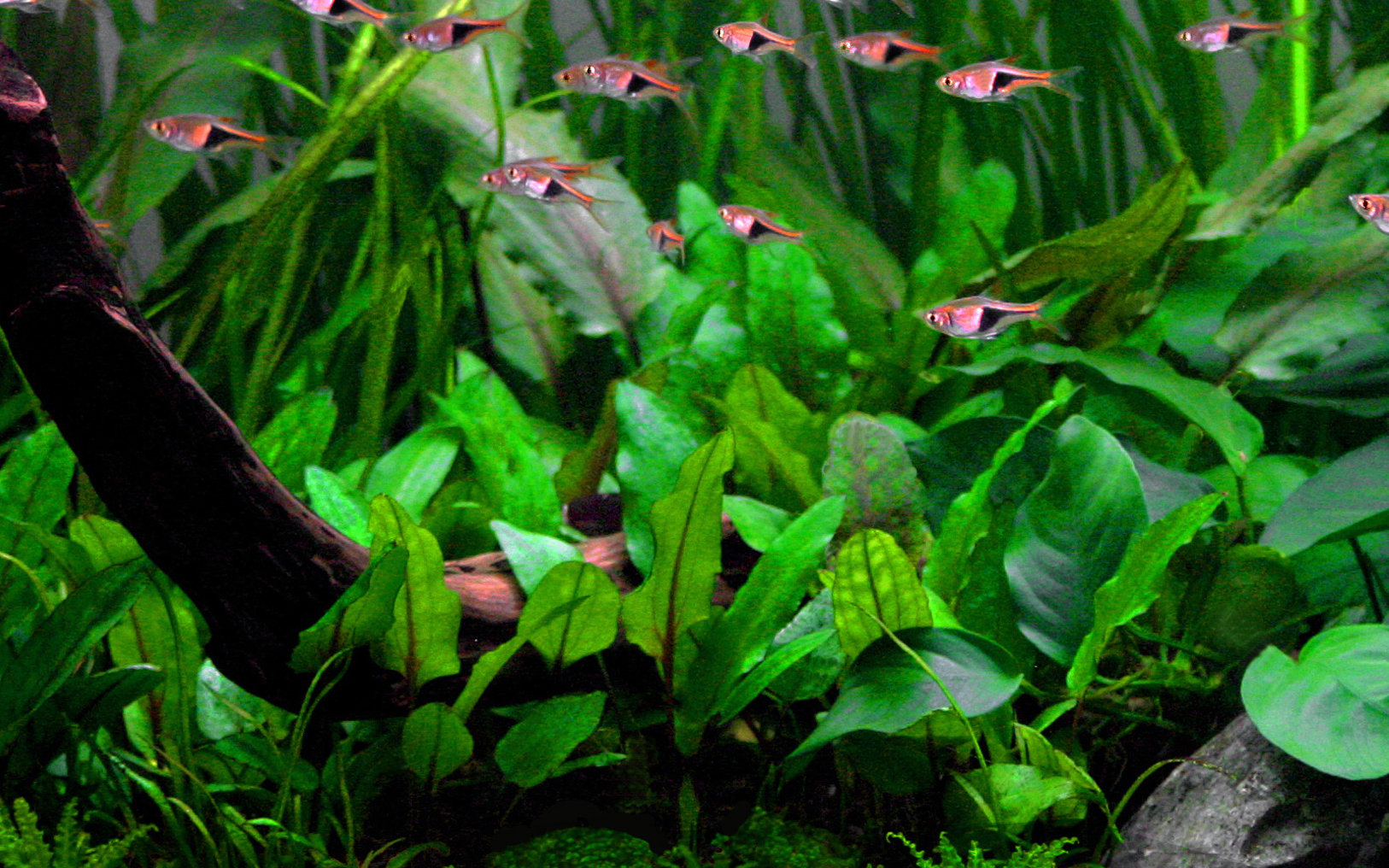
Cryptocoryne wendtii ‘Green’ gives the midground a fuller, more natural outline than many narrow-leaved plants. Place it near a rear corner, beside a stone, or at the base of wood where it can soften hard edges. Its slower, settled growth makes it useful for beginners who do not want to trim stems every week, although newly planted crypts may lose older leaves before regrowing. Avoid packing it tightly against the glass or filter intake. Leave enough space for circulation and maintenance access. A small group can shelter shrimp and provide cover for timid fish, while an open side of the tank preserves a clear swimming and viewing area.
Use broad midground leaves to hide equipment and soften corners

Reserve the background for movement and height

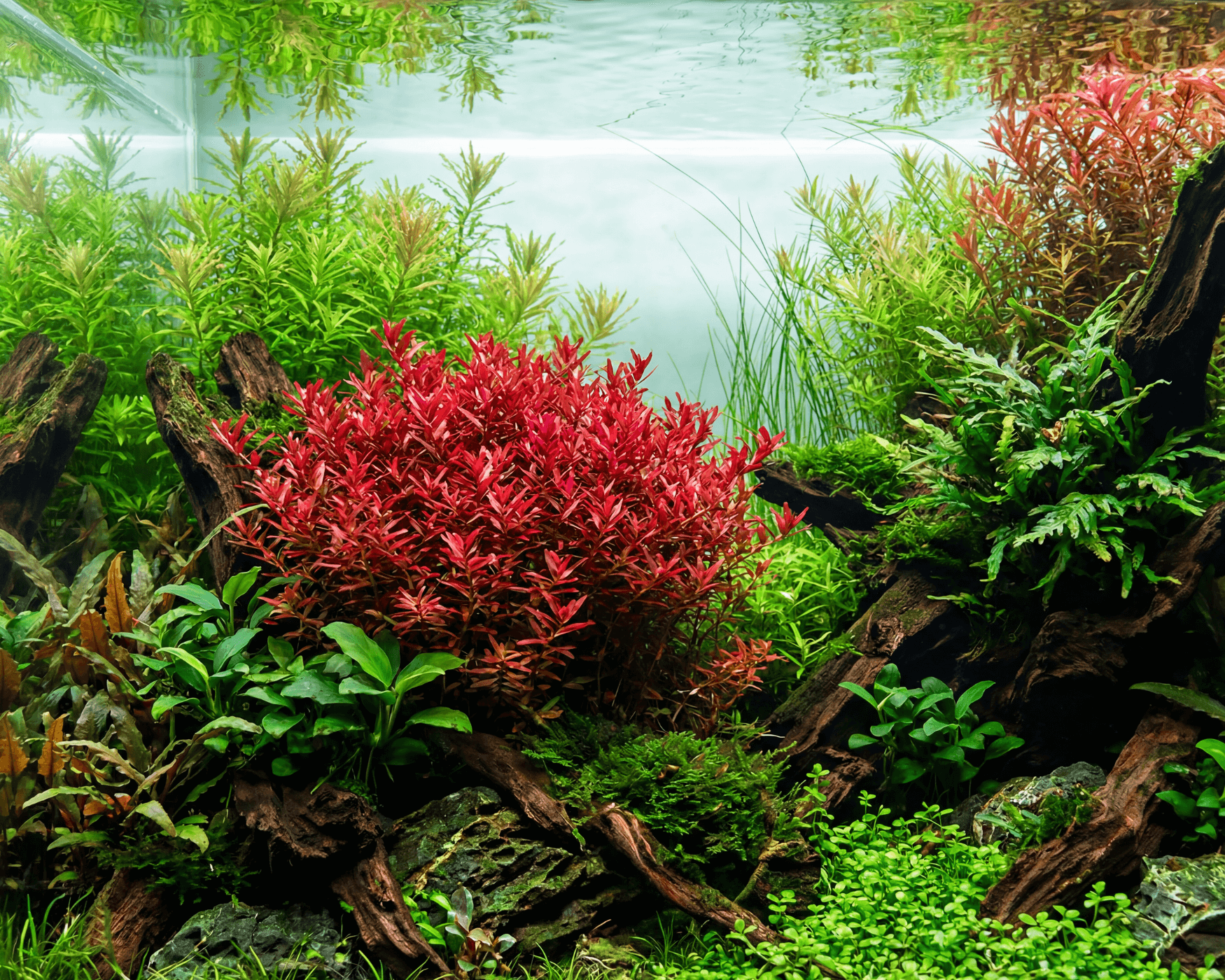
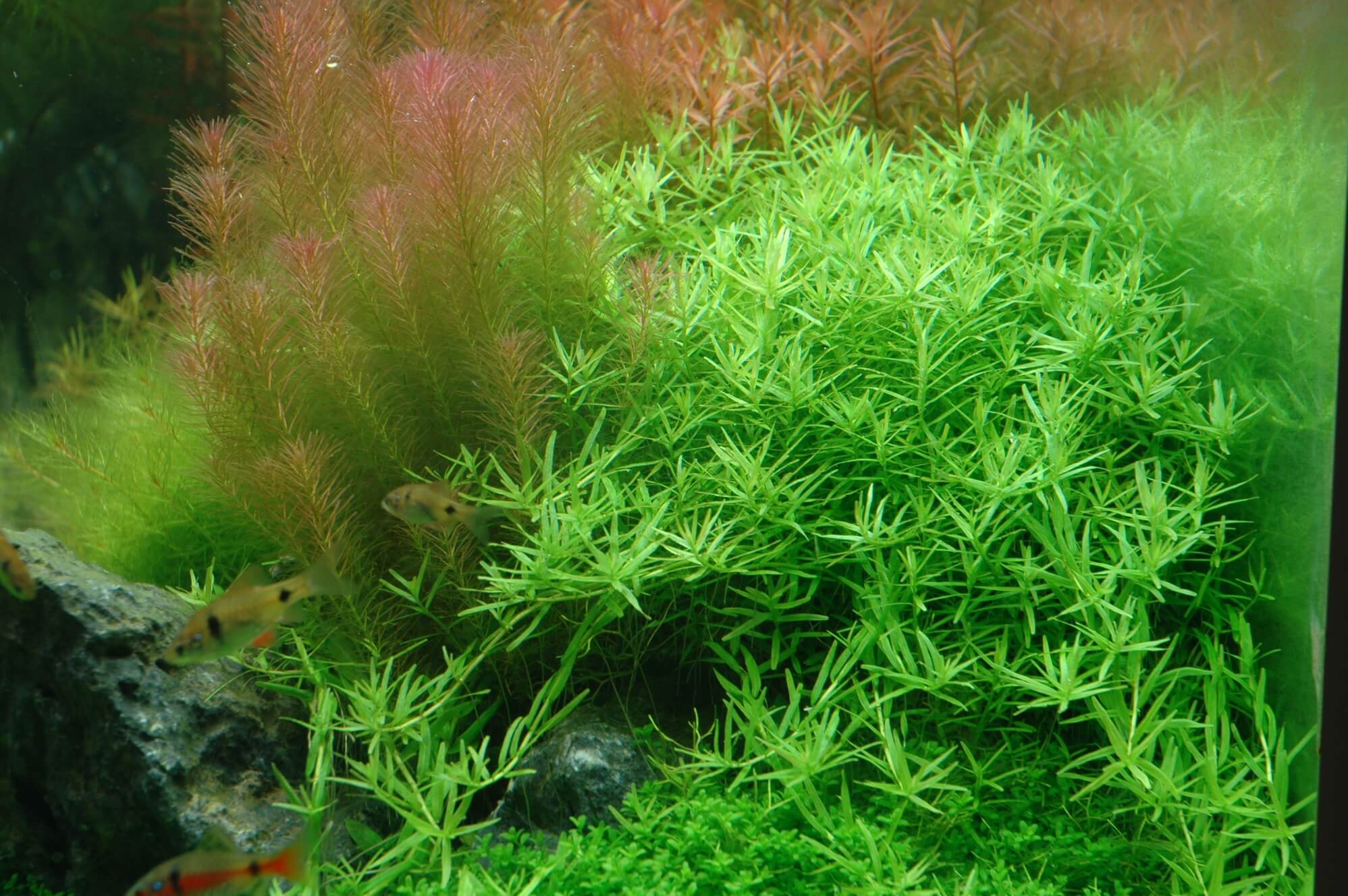
Rotala rotundifolia is best treated as a background plant rather than a plant for every open space. Plant several stems together behind hardscape or along one rear corner, then prune the group so it widens upward without forming a solid wall. Its fine foliage contrasts with broad Anubias and Cryptocoryne leaves, helping the aquarium read in layers. Keep the tallest growth away from the front viewing line and from equipment that needs regular access. If your light or nutrient routine is modest, expect greener growth and slower development rather than assuming the plant will display strong color. Background stems should frame livestock, not hide it.
Reserve the background for movement and height

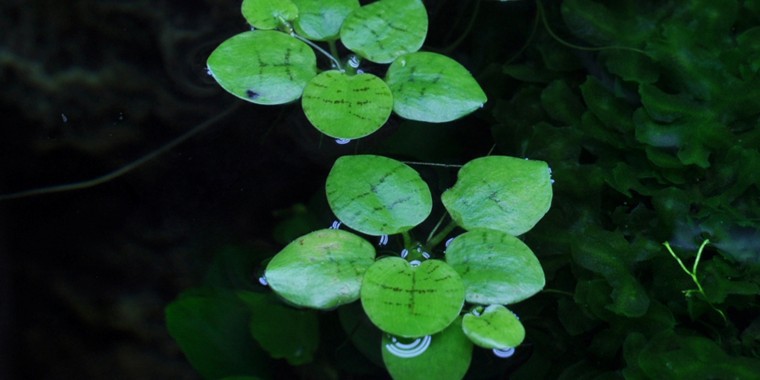
Add a surface layer only when it supports the layout

South American frogbit can add a gentle ceiling of shade and make a tank feel more enclosed, but floating plants should be placed deliberately. Keep part of the surface open for gas exchange, feeding, and a clear view of fish. In a shrimp-focused setup, floating roots may create extra grazing surfaces and cover, while in a small community tank they can reduce light reaching foreground plants. Corral the floaters to one side if possible instead of allowing them to spread evenly across the entire surface. Remove excess growth before it blocks circulation or causes lower plants to weaken. The surface layer should frame the aquascape, not erase the layers below it.
Add a surface layer only when it supports the layout

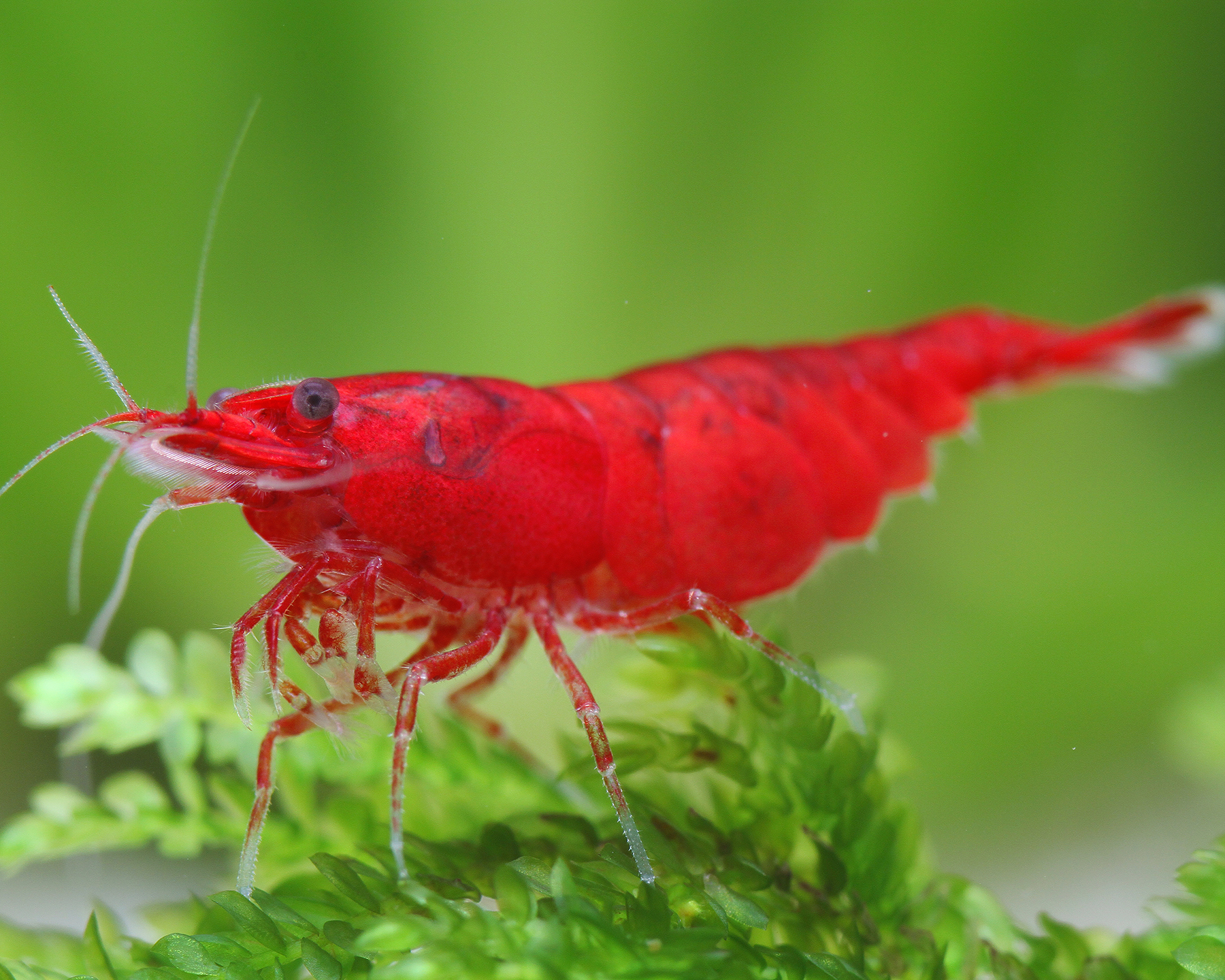
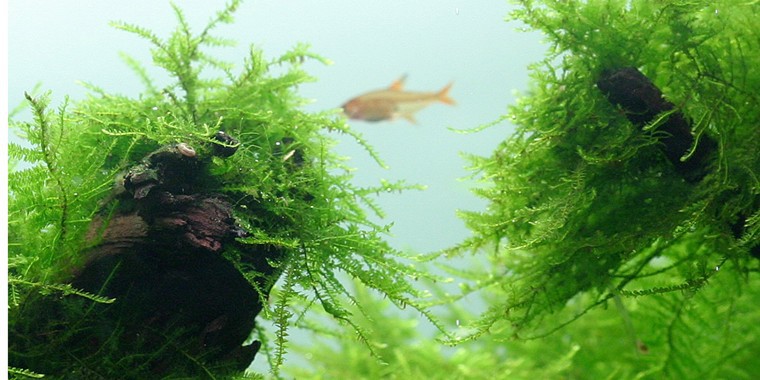
Turn moss into a shrimp and snail activity zone

Java moss is most useful when it has a defined job: cover a branch, soften a stone, or create a small grazing patch. Attach it thinly so water can move through the clump and so it does not become a trapped-debris ball. Its fine structure gives young shrimp more places to browse and retreat, but it can also collect food and mulm if allowed to become too dense. Keep one edge accessible for gentle trimming. Place moss where you can see it from the front rather than hiding it behind tall stems. A small, intentional patch adds texture and livestock habitat without making the aquarium look overgrown.
Turn moss into a shrimp and snail activity zone

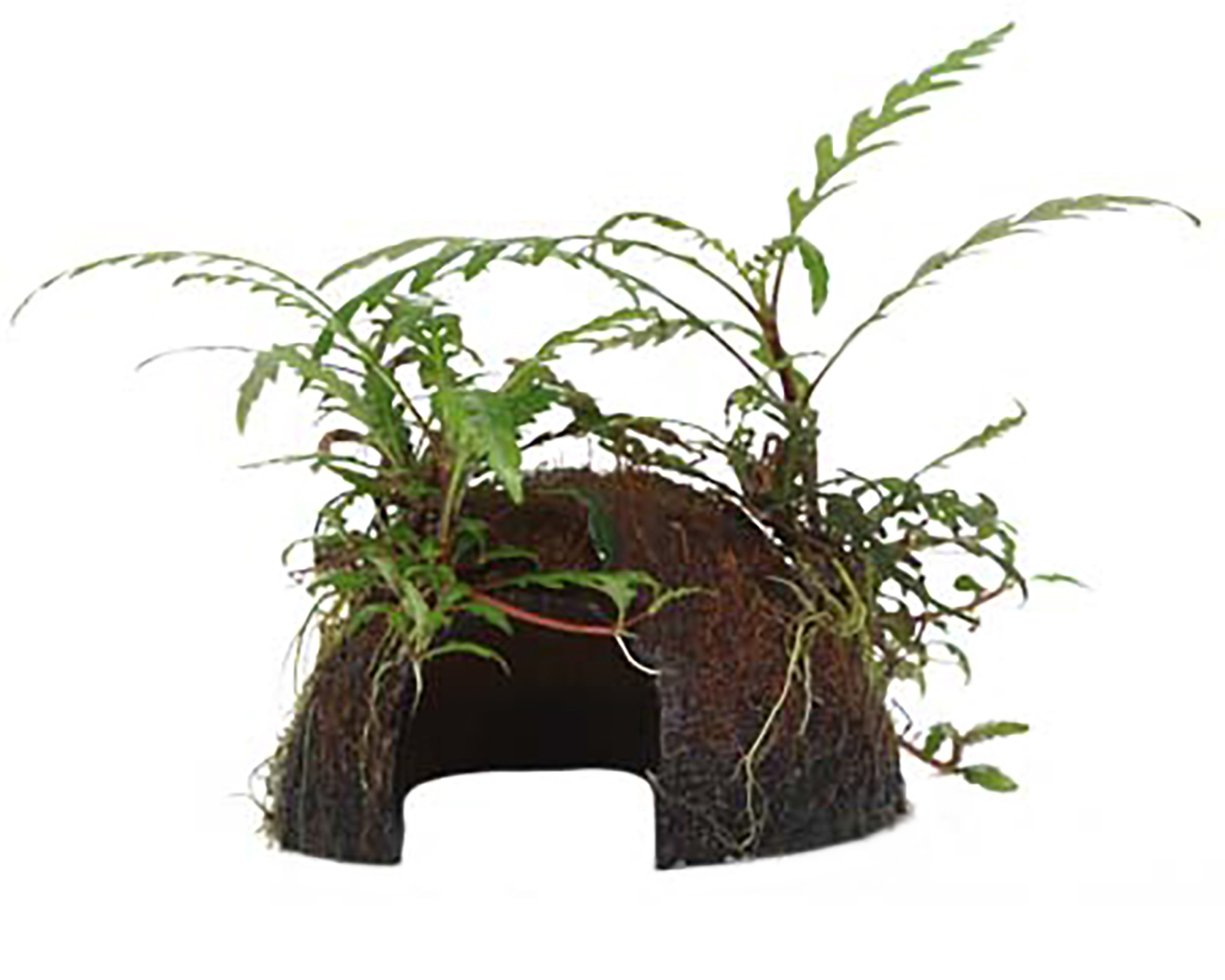
Keep colorful plants as accents, not a background wall

Red or bronze foliage works best when it has green plants around it for contrast. Hygrophila pinnatifida can serve as an attached or semi-attached accent near wood and rock, depending on how it is grown and secured. Use a small group near the focal area instead of distributing isolated red leaves throughout the tank. Its unusual leaf shape adds visual punctuation, while its darker tones can make bright shrimp or pale fish stand out. Watch its growth direction and prune stems that begin shading nearby plants. Color should guide the eye toward a feature, not compete with every other plant in the aquarium.
Keep colorful plants as accents, not a background wall

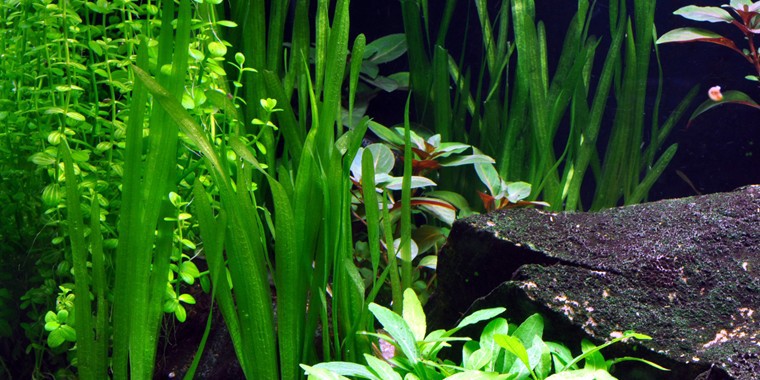
Leave a livestock corridor through the planting

A planted aquarium still needs intentional open water. Use Vallisneria americana along the rear or side wall to create vertical movement while preserving a central or diagonal swimming corridor. Anchor the runners so they do not spread into the foreground too quickly, and trim older leaves at the base rather than cutting across the middle of a blade. Tall grass-like growth can make fish feel secure, but a dense wall may hide livestock and restrict circulation. For shrimp and snails, keep the front substrate visible enough to monitor feeding, molts, shell condition, and debris. The best layout gives plants somewhere to grow and animals somewhere to move.
Leave a livestock corridor through the planting

Frequently Asked Questions

Which aquarium plants should go in the foreground?

Use low or spreading plants in the foreground, but match the choice to your lighting, substrate, carbon setup, and willingness to trim. A small foreground patch is often easier to maintain than a full carpet and leaves more room for shrimp and snails to forage.

Where should aquarium plants go in a nano tank?

Place low plants at the front, medium plants around the hardscape, and taller plants along one rear or side section. Keep at least one open swimming lane and avoid covering the entire surface with floating plants.

Can shrimp and snails share an aquascape with fish?

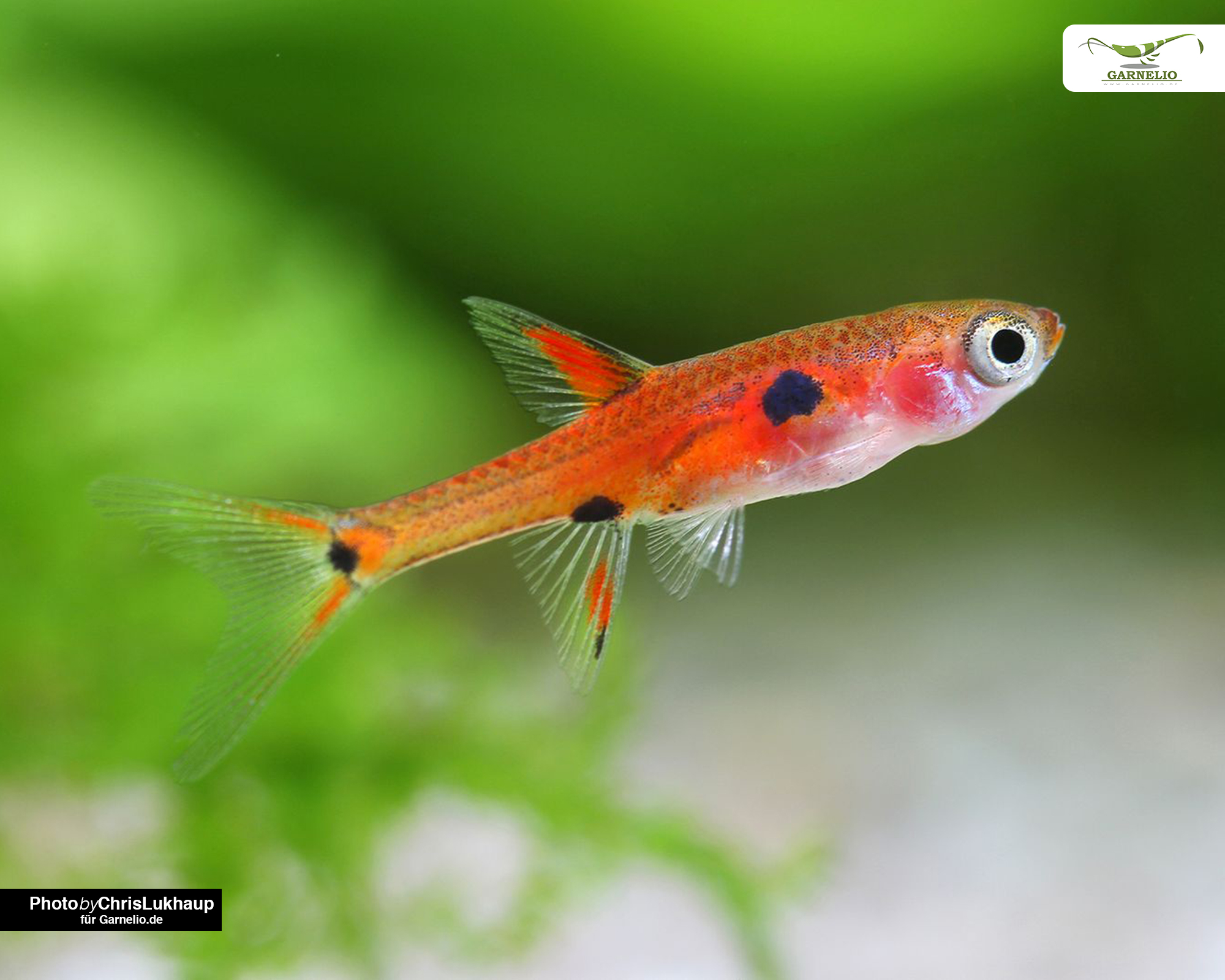
Often, yes, when the fish are peaceful and small enough to avoid treating shrimp as prey. Adult shrimp and snails may coexist successfully, but young shrimp can still be eaten. Dense moss, plant roots, and attached growth improve shelter, while stable water quality remains important.

Should red aquarium plants be placed in the center?

Not necessarily. Red plants usually work best as accents near a focal point, surrounded by green foliage or open space. Placing several red plants throughout the aquarium can make the layout look busy and reduce the impact of each accent.

How much open space should a planted aquarium have?

There is no fixed percentage that suits every tank. Keep enough open substrate and water to observe livestock, perform maintenance, and preserve a clear visual path. Open space is especially valuable in nano aquariums because it prevents dense planting from making the tank look smaller.
Leave your comments
Latest on Aquarium Base
  • Ember Tetra or Green Kubotai Rasbora? Choose the School That Fits Your Planted Aquarium

    Ember Tetra or Green Kubotai Rasbora? Choose the School That Fits Your Planted Aquarium

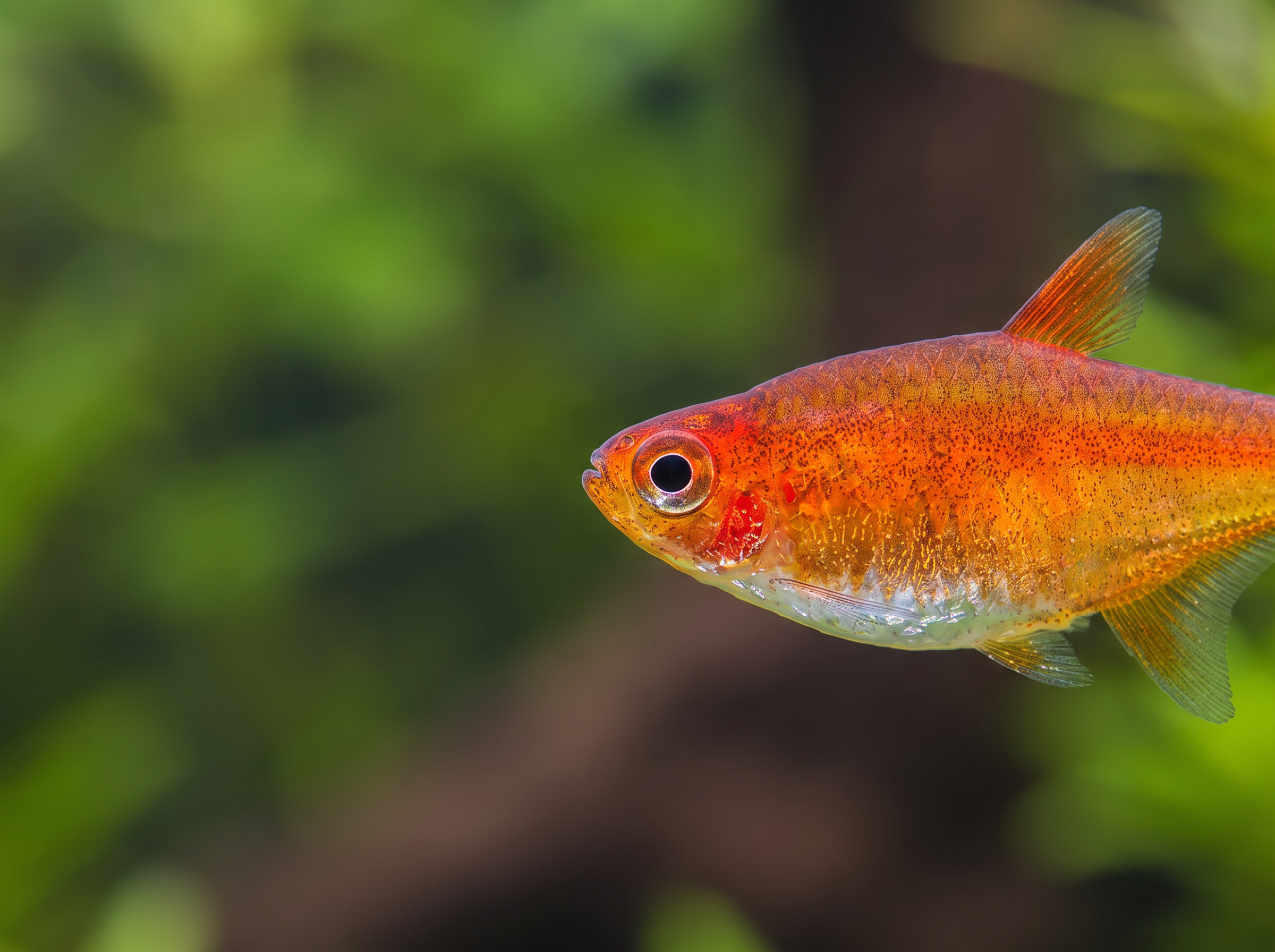
    Small schooling fish can look deceptively interchangeable at the aquarium store. In a planted aquarium, however, the right choice depends on more than color. Swimming style, confidence, adult size, feeding speed, water preferences, and the amount of cover in the aquascape all change how a fish behaves. Ember tetras and green kubotai rasboras are especially easy to compare because both are small, peaceful, and striking against green plants. This guide also places them beside several similar community fish so you can choose one school with a clear purpose instead of mixing too many species into a limited swimming space.
  • One Snail or a Cleanup Crew? Match Aquarium Snail Behavior to Your Planted Tank

    One Snail or a Cleanup Crew? Match Aquarium Snail Behavior to Your Planted Tank

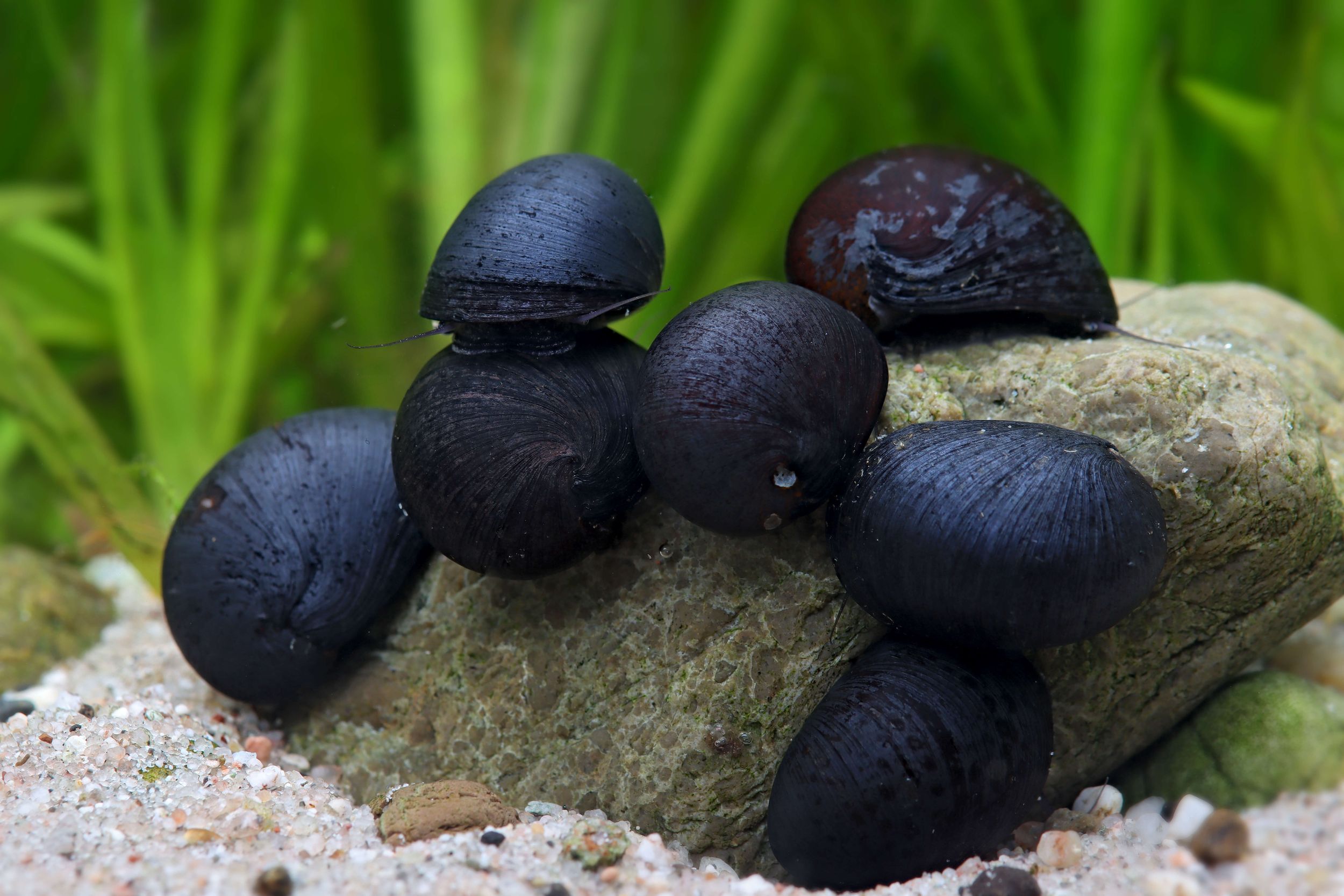
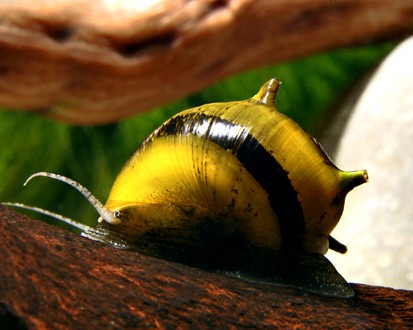
    Aquarium snails do not all solve the same problem. One type may scrape algae from glass, another may work through the substrate, while a third mainly processes leftover food and decaying leaves. The trade-off is that useful behavior often comes with a cost: nerites can leave hard white eggs, ramshorns may multiply quickly, trumpet snails can become difficult to remove, and large snails add more waste than a nano tank may need. This guide compares snails by what they actually do in a planted aquarium, helping you choose one specialist or a carefully limited combination instead of buying a cleanup crew by appearance alone.
  • Which Shrimp Color Line Will Read Best in Your Planted Aquarium?

    Which Shrimp Color Line Will Read Best in Your Planted Aquarium?

    A shrimp can look brilliantly colored at the store and nearly disappear in your aquarium. The difference is often not the shrimp itself, but the visual field around it: substrate tone, background, plant color, rock texture, driftwood, and open viewing space. This guide helps you choose a freshwater shrimp color line that will remain visible in a planted aquarium while still giving the animals shade, grazing surfaces, and secure places to molt. The goal is not simply maximum contrast. It is a balanced layout where color, behavior, and hardscape work together instead of competing for attention.
  • Can Texture Make a Small Aquarium Look Deeper? A Planting Plan for Fish, Shrimp, and Snails

    Can Texture Make a Small Aquarium Look Deeper? A Planting Plan for Fish, Shrimp, and Snails

    A planted aquarium can contain plenty of color and still look flat. The missing ingredient is often visual layering: fine leaves against broad leaves, small plants in front of larger forms, and open water separating each group. Texture, scale, and color work together to make a tank feel deeper without filling every inch. This approach is especially useful in nano and medium aquariums, where too many bright plants or incompatible tank mates quickly create visual and biological crowding. The goal is not to copy a specific aquascape. It is to choose plant roles first, then add livestock that can use the resulting spaces without disturbing the composition.
  • How to Stock a Planted Nano or Medium Aquarium Without Overcrowding

    How to Stock a Planted Nano or Medium Aquarium Without Overcrowding

    A planted aquarium can look spacious while offering very little usable swimming room. Dense stems, driftwood, floating plants, and hardscape may improve cover, but they do not cancel out adult fish size, schooling needs, territorial behavior, or waste production. The safest way to plan a nano or medium planted tank is to choose one main livestock idea first, then add only companions that use a different part of the aquarium without competing for the same resources. This guide compares practical stocking directions for small and medium planted tanks, including shoaling fish, centerpiece fish, bottom dwellers, shrimp, and snails.
  • Can Aquarium Snails Be Plant-Safe? A Feeding and Compatibility Framework

    Can Aquarium Snails Be Plant-Safe? A Feeding and Compatibility Framework

    Aquarium snails can fit beautifully into planted tanks, but plant safety depends less on the word “snail” than on species, food availability, plant condition, and tank mates. A snail that grazes algae and biofilm is a different choice from one that needs substantial supplemental feeding or may consume soft vegetation. This guide helps you decide which snail belongs in your aquarium, how to prevent feeding from driving a population boom, and how to recognize when plant damage is actually a water-quality or nutrition problem. The goal is not to build a tank around cleanup claims, but to create a stable match between livestock, plants, and maintenance habits.
  • Is Your Planted Aquarium Ready for Shrimp? A Stability-First Setup Plan

    Is Your Planted Aquarium Ready for Shrimp? A Stability-First Setup Plan

    Freshwater shrimp are often added after the plants are in and the water looks clear, but a clean-looking aquarium is not necessarily ready for livestock. Shrimp need a stable biological system, reliable mineral content, gentle filtration, and surfaces covered with natural food. This stability-first plan helps you prepare a planted aquarium before choosing between colorful Neocaridina, more demanding Caridina, or hardworking Amano shrimp. It also explains when fish and snails fit the plan, what to check on introduction day, and which tempting shortcuts create avoidable losses.
  • How to Build a Cohesive Plant Palette for a Shrimp-First Nano Aquarium

    How to Build a Cohesive Plant Palette for a Shrimp-First Nano Aquarium

    A planted nano aquarium can look crowded long before it becomes biologically full. The solution is not to buy one of everything, but to design a plant palette around the tank’s intended mood, livestock, and maintenance level. This guide uses a shrimp-first nano community as the model: a low-tech aquarium with a green foundation, one controlled red accent, textured epiphytes, and enough open water for peaceful nano fish. The same framework works for a shrimp-and-snail display or a small planted community tank. Choose plants by role, repeat a few visual traits, and let compatibility decide which animals belong in the finished design.
  • How to Avoid Temperature, Water Chemistry, and Tank-Mate Mistakes in a Colorful Planted Aquarium

    How to Avoid Temperature, Water Chemistry, and Tank-Mate Mistakes in a Colorful Planted Aquarium

    A colorful freshwater aquarium can look peaceful in the store and become stressful at home when fish, shrimp, snails, plants, and water conditions are chosen separately. The most common beginner mistakes are not usually caused by one wrong species. They come from combining animals that need different temperatures, adding livestock before the aquarium is biologically ready, chasing a “perfect” pH, or assuming a small fish cannot eat a small shrimp. This guide uses a compatibility-first method for planted nano and community aquariums. Instead of building around a shopping list, choose one temperature lane, match livestock to your source water, create cover before adding vulnerable animals, and treat tank mates as a behavior decision rather than a color decision.
  • Which Aquarium Snail Fits Your Tank Size and Maintenance Goal?

    Which Aquarium Snail Fits Your Tank Size and Maintenance Goal?

    The right aquarium snail is not simply the prettiest one in the shop. A snail that suits a mature 20-gallon planted aquarium may struggle in a sparsely fed nano tank, while a prolific scavenger can turn a small setup into a population-management project. Start with two questions: how much space and natural food does your tank provide, and what maintenance job should the snail perform? Some snails graze hard surfaces, some process leftover food, some burrow through substrate, and some mainly add movement and color. This guide matches common freshwater snail types to tank size, planted-tank conditions, feeding habits, and tolerance for breeding or extra waste.
  • How to Choose Tank Mates That Let Young Shrimp Survive

    How to Choose Tank Mates That Let Young Shrimp Survive

    A peaceful fish can still be a serious threat to young freshwater shrimp. The real question is not whether a tank mate attacks adult shrimp, but whether it can find and swallow newly hatched shrimplets. This guide uses a practical risk-first approach for planted aquariums: separate adult safety from breeding success, compare fish by mouth size and hunting behavior, and use plants as cover rather than treating them as a guarantee. You will also see where snails, Amano shrimp, Neocaridina varieties, and more demanding Caridina types fit into a community plan.
  • When to Cut, Replant, or Leave an Aquarium Plant Alone

    When to Cut, Replant, or Leave an Aquarium Plant Alone

    A planted aquarium rarely fails because its plants grow too slowly. More often, a stem reaches the surface, a runner crosses the foreground, floating cover blocks light, or a moss clump traps debris before the keeper knows what to cut. The right response depends on how that plant grows. Stem plants are managed differently from rhizome plants, runners, carpets, and floaters. This guide gives beginners a practical way to control mature aquarium plants without stripping away shelter for shrimp, hiding places for small fish, or the biological stability that a dense planted tank provides.
  • How Swimming Space Should Shape a Planted Aquarium Stocking Plan

    How Swimming Space Should Shape a Planted Aquarium Stocking Plan

    A planted aquarium can look spacious in a photograph while offering very little usable room for fish. Dense stems may block a school’s cruising path, driftwood can divide territories, and a tall centerpiece plant may leave bottom dwellers with nowhere to forage. The most reliable stocking plans begin with behavior and swimming space, then use plants to shape movement rather than simply fill empty areas. This guide compares practical layouts for schooling fish, surface-oriented livebearers, bottom groups, bettas, shrimp, and snails. The goal is not to fit the most livestock into a tank, but to create a layout in which every inhabitant has somewhere appropriate to swim, feed, rest, and retreat.
  • What Aquarium Snails Actually Remove From a Planted Tank—and What They Leave Behind

    What Aquarium Snails Actually Remove From a Planted Tank—and What They Leave Behind

    Aquarium snails can make a planted tank look cleaner, but “cleaner” does not always mean fewer nutrients. Their real contribution depends on what they graze, where they forage, and how much food the aquarium receives. Some scrape soft algae from glass and leaves, some consume leftover food and decaying plant tissue, and some work through the substrate. Others are poor algae eaters but useful for population control. This guide separates visible cleanup from actual nutrient removal so you can choose snails for a specific job rather than expecting one species to solve every algae or detritus problem.
  • Why Freshwater Shrimp Die in a Planted Tank—and How to Prevent the Next Crash

    Why Freshwater Shrimp Die in a Planted Tank—and How to Prevent the Next Crash

    Freshwater shrimp rarely fail for just one reason. A colony may look healthy until a water change, new plant, feeding mistake, failed molt, or aggressive tank mate exposes a weakness that was already developing. The useful question is not simply, “What killed my shrimp?” It is, “What changed before the losses began, and how can I remove that trigger?” This guide uses common failure patterns to diagnose planted-tank problems, compare shrimp choices, and build a repeatable prevention plan for Neocaridina, Amano shrimp, and more sensitive Caridina varieties.
  • Which Aquarium Plant Fits Your Tank? A Light, Flow, Substrate, and Time-Matching Guide

    Which Aquarium Plant Fits Your Tank? A Light, Flow, Substrate, and Time-Matching Guide

    The easiest aquarium plant is not automatically the best plant for your aquarium. A slow-growing Anubias may suit a shaded shrimp tank, while a fast stem plant may be better for someone who wants quick nutrient uptake and does not mind weekly trimming. Light, water movement, planting method, substrate and available maintenance time all change the decision. This guide uses those constraints to match plants with colorful freshwater fish, shrimp, snails and nano aquariums without pretending that every species belongs in the same setup. Start with the conditions you can provide, then choose plants that will grow comfortably within them.