Start with the tank footprint, not the water volume
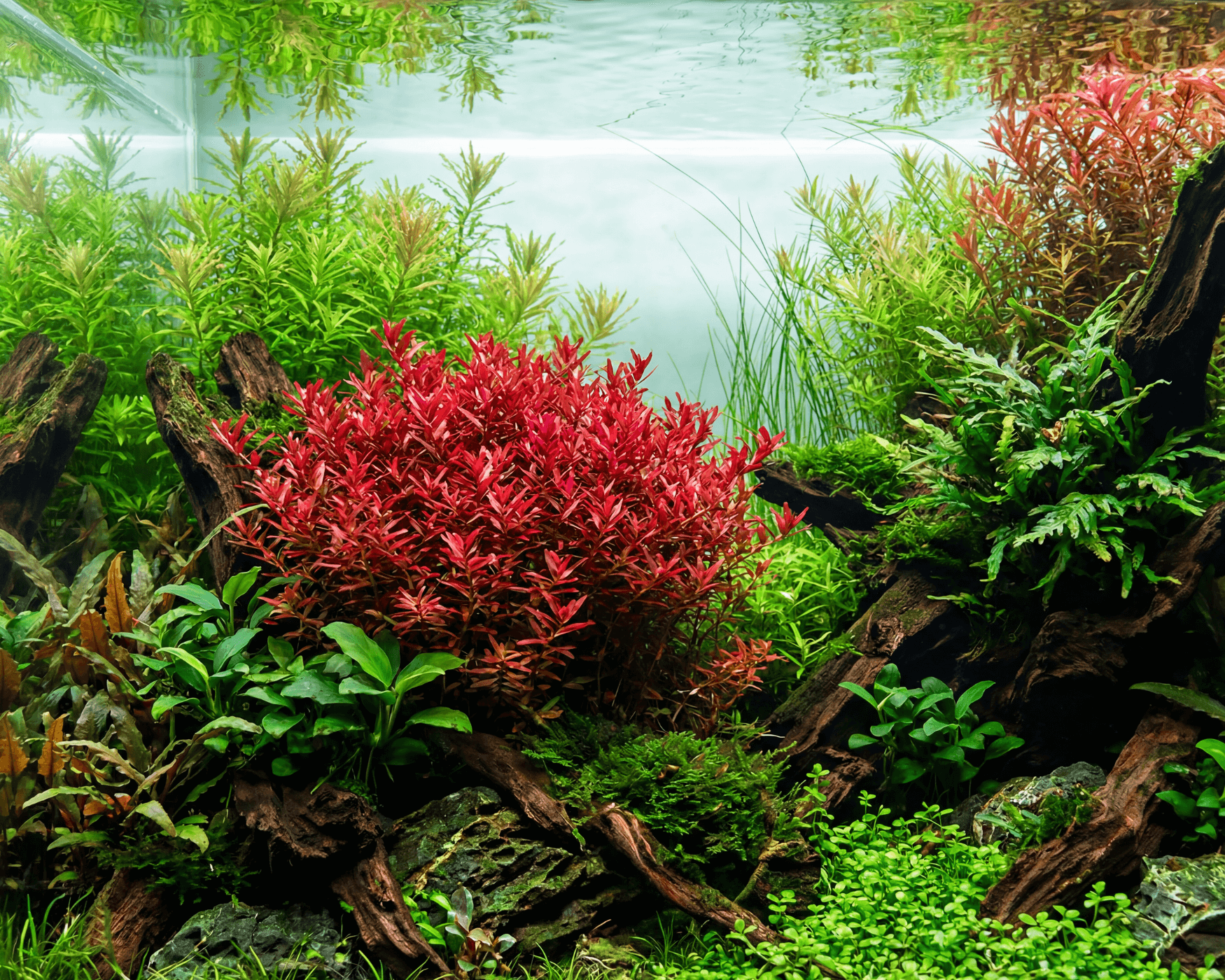
Two aquariums with the same capacity can offer very different homes. A long 10-gallon aquarium gives small shoaling fish more horizontal swimming space than a tall column tank, while a 20-gallon long aquarium can support more natural group behavior than a compact cube. Measure the usable footprint after accounting for substrate, wood, rocks, and dense planting. In a very small aquarium, choose one fish concept rather than combining several species. A shrimp-and-snail setup, a single betta, or one small shoal is usually more coherent than a crowded community. Medium tanks provide more options, but adult size and behavior still matter more than a simple fish-per-gallon rule.
Use a one-feature stocking plan for the smallest tanks
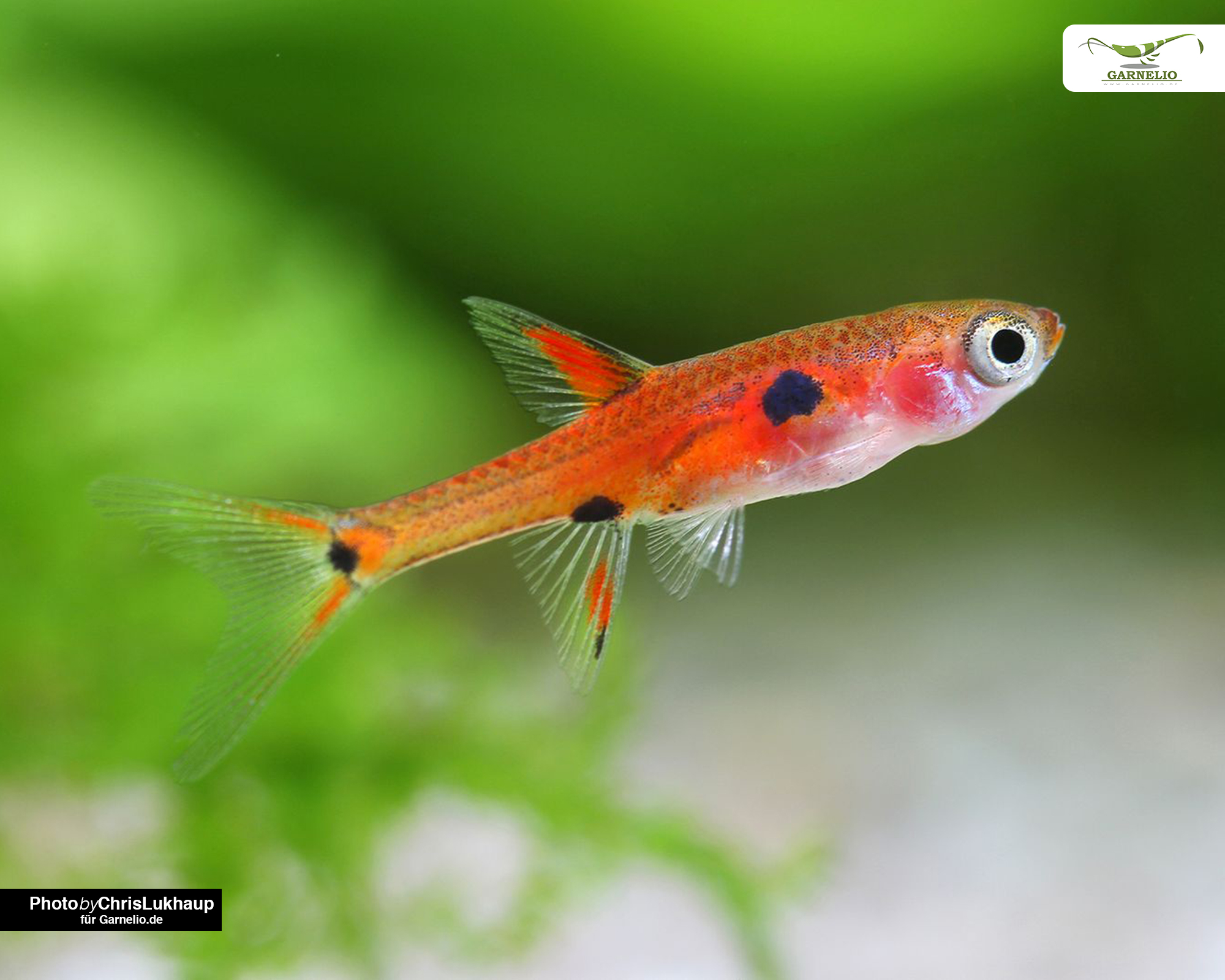
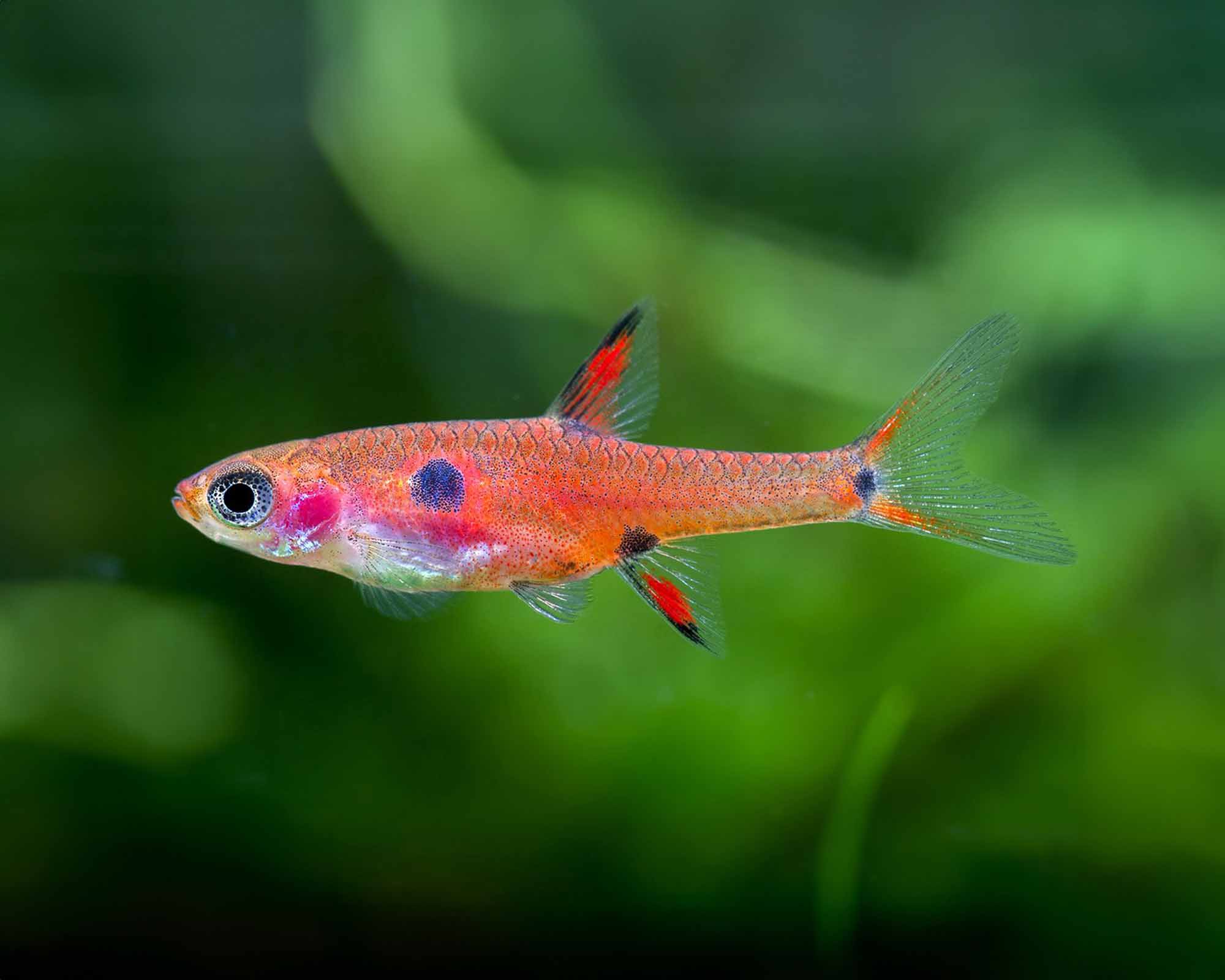
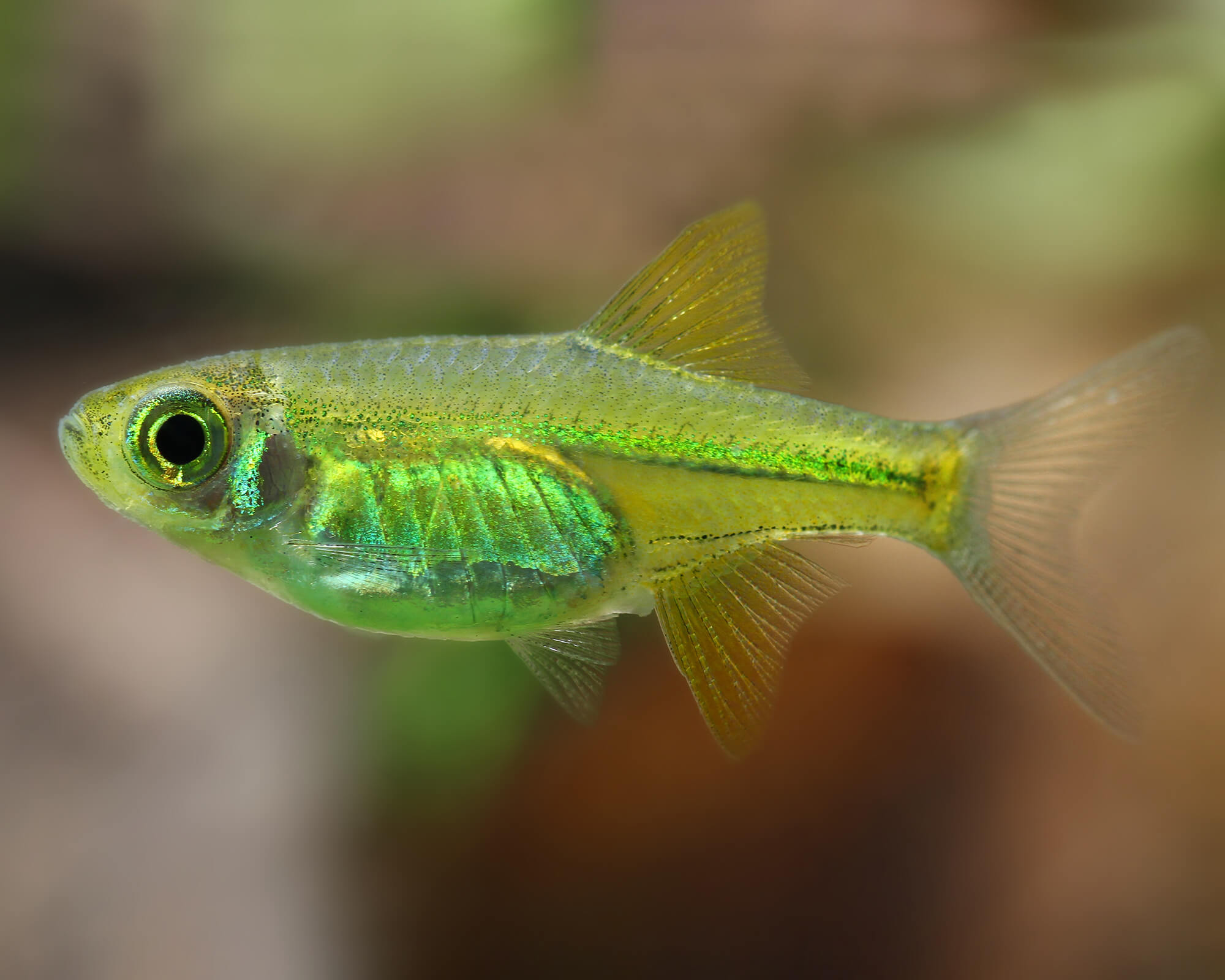
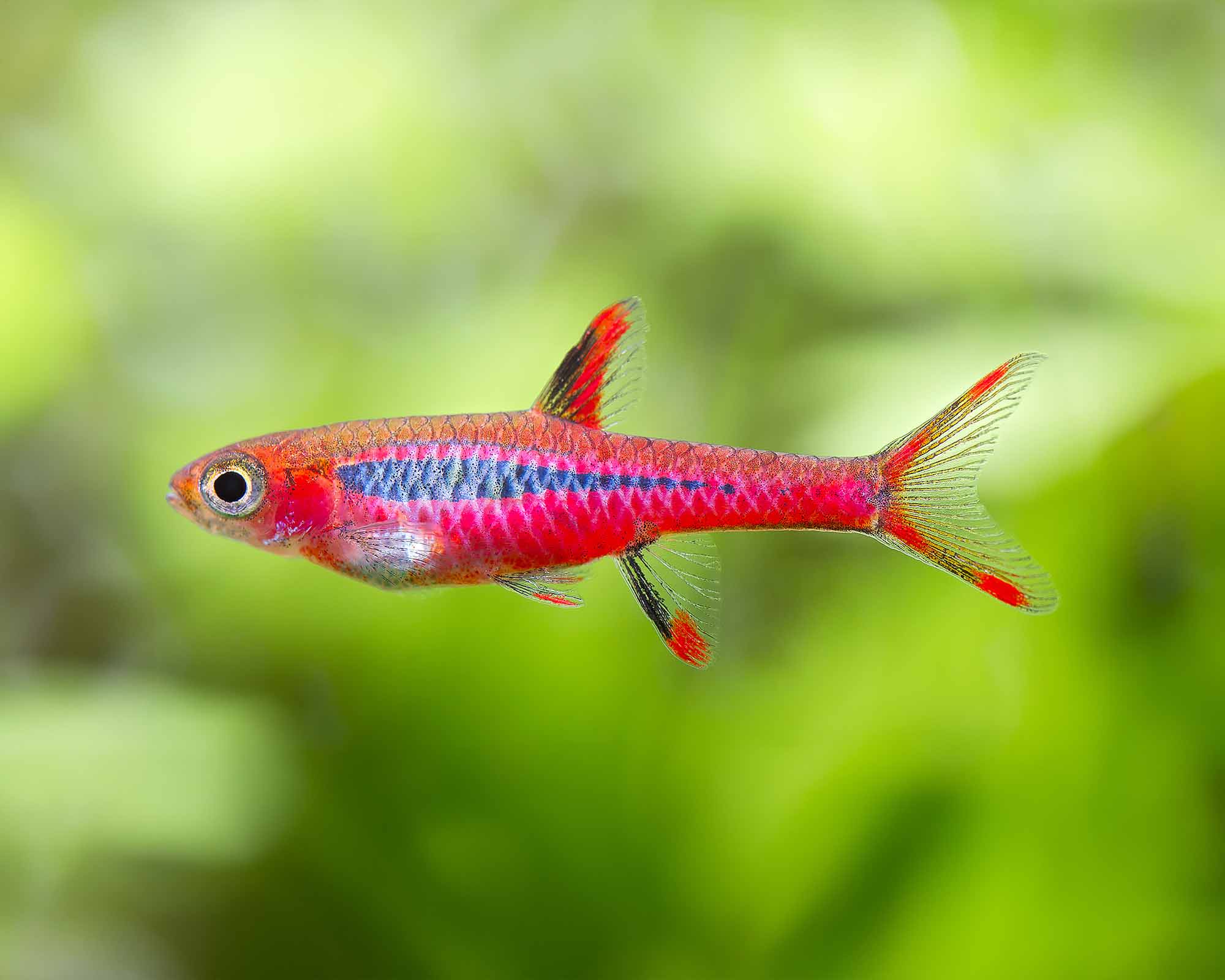
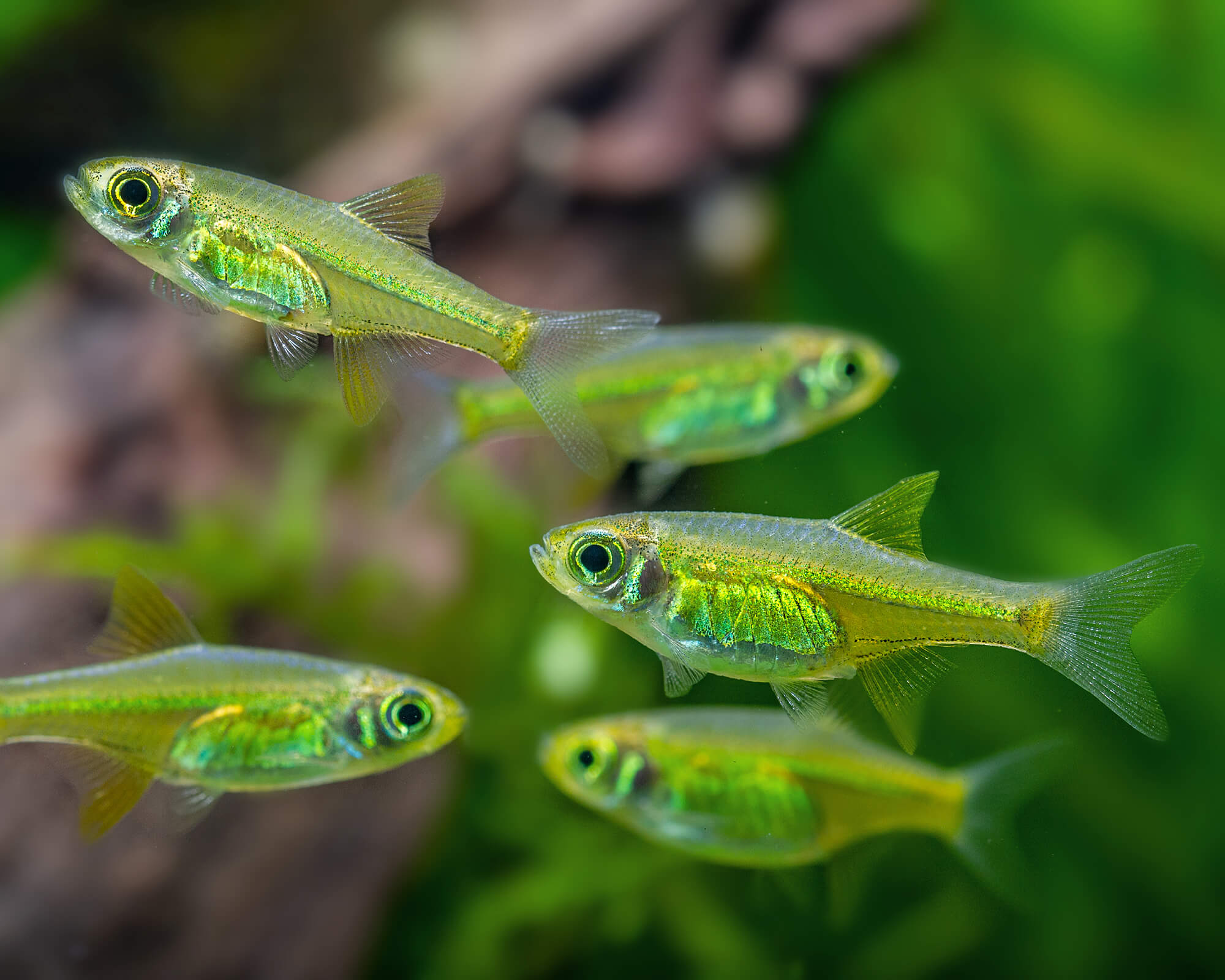
Boraras maculatus can suit a mature, planted nano aquarium when kept as a proper group and given gentle flow, small foods, and plenty of cover. They are not a reason to add several other fish species. In a compact tank, let one shoal provide the movement while plants, wood, and perhaps a few small snails provide visual variety. Shrimp may coexist with tiny rasboras, but newly hatched young can still be eaten, especially in an open aquascape. Avoid adding bottom fish simply because the substrate looks unused; a fish’s preferred zone is only one part of its space requirement, and every animal still contributes to the total bioload.
Choose a single centerpiece fish when personality matters most
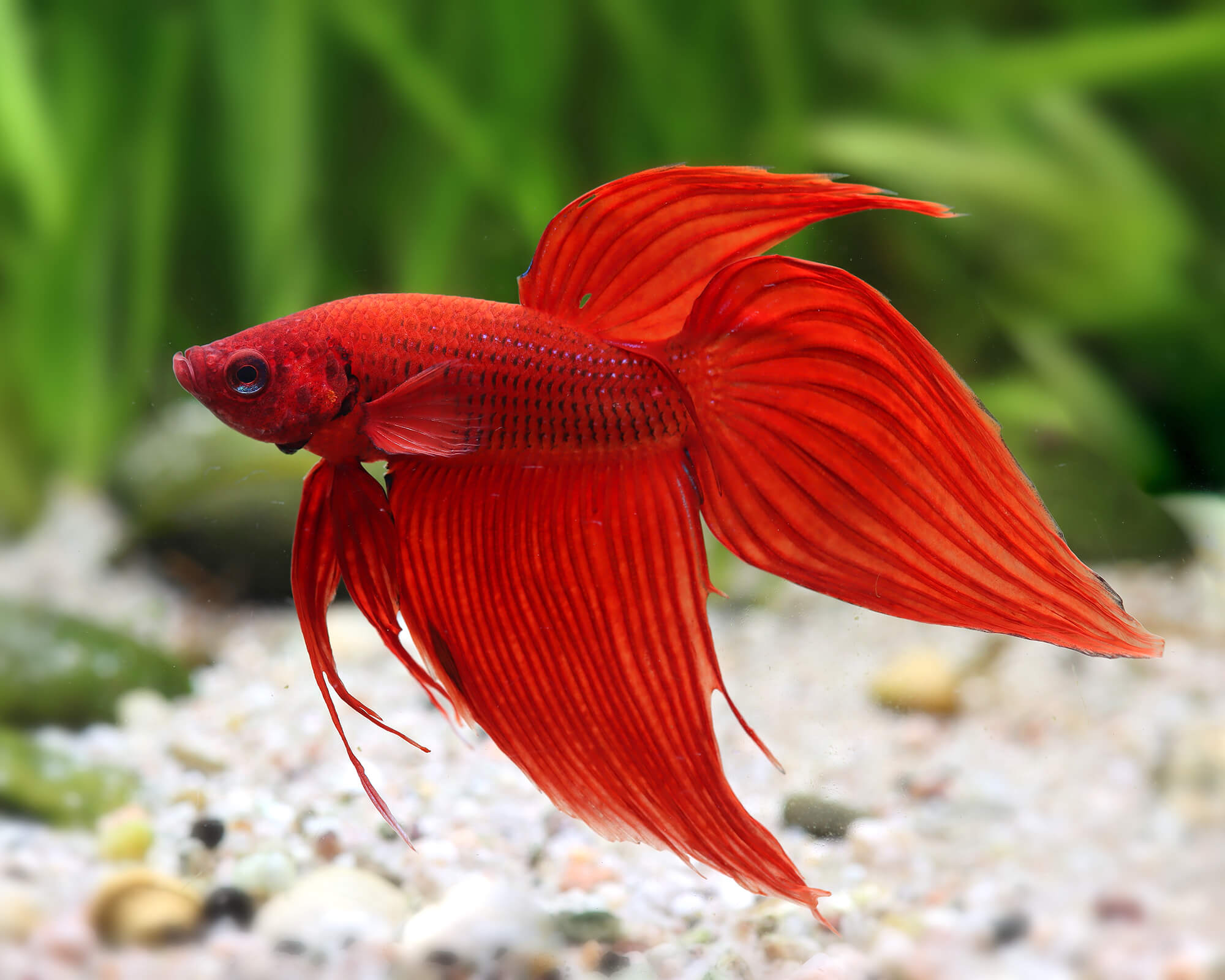
A betta can be the clearest choice for a planted nano or small aquarium when the goal is one noticeable fish rather than a mixed community. Use a covered aquarium with stable heated water, gentle circulation, resting places near the surface, and broad-leaved or fine-textured plants that do not block all swimming room. Individual temperament varies, so shrimp may be hunted and should not be treated as guaranteed companions. Avoid adding a second betta or fin-nipping tank mates. A betta setup can include suitable snails, but feeding must remain restrained because leftover food quickly becomes a water-quality problem in a small volume.
Treat male Endlers as a controlled community option
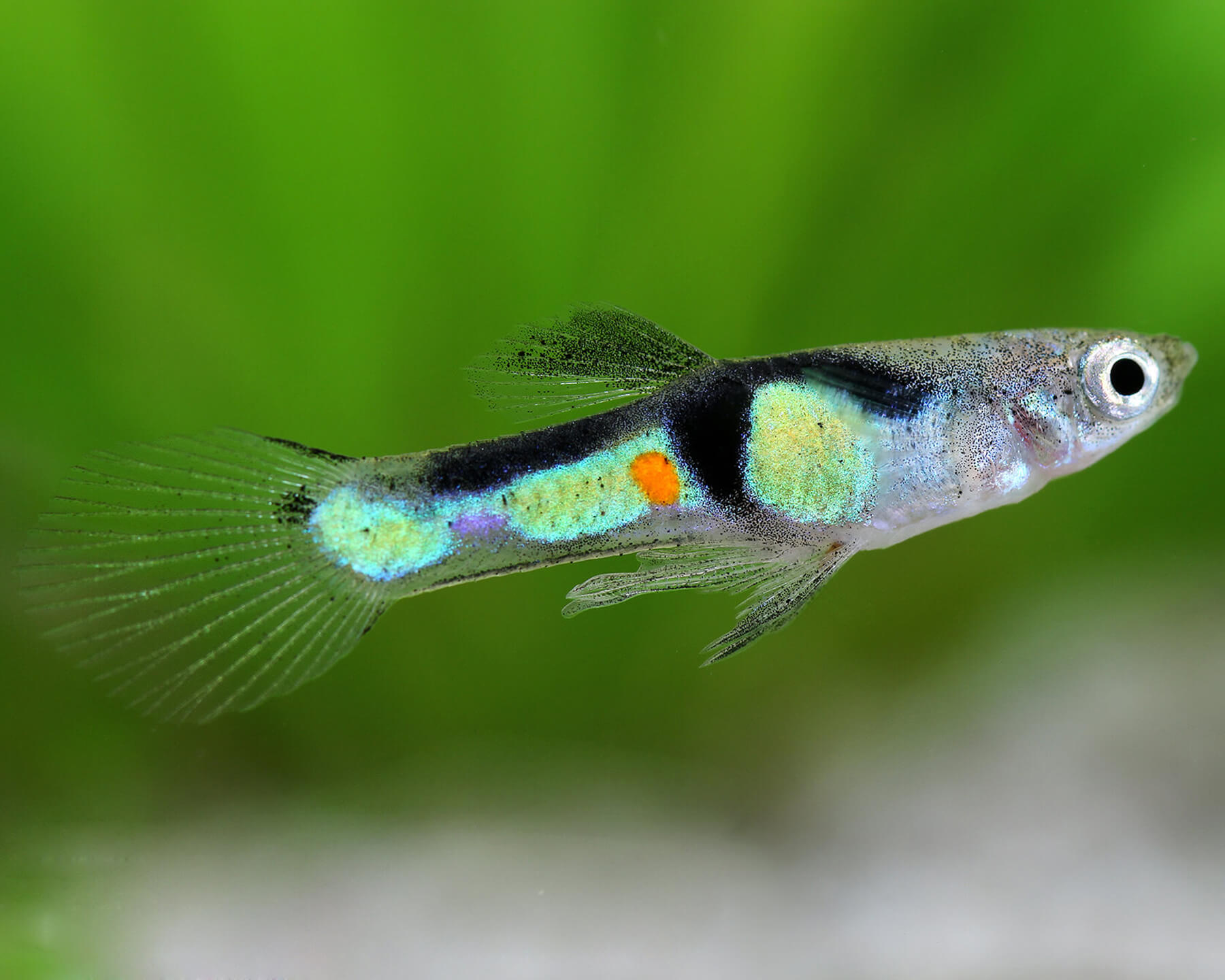
Male Endler livebearers offer strong color and active movement, but their constant activity makes them a better match for a planted 10-gallon aquarium or larger than for a tiny desktop tank. Keeping males only prevents the rapid population growth that makes many livebearer aquariums overcrowded. Even then, avoid mixing several livebearer varieties unless the tank is large enough for a growing group and frequent maintenance. Endlers prefer mineral-rich water compared with many soft-water fish, so match them with tank mates that tolerate similar chemistry. Small shrimp may survive among dense moss and stem plants, but fish will often consume some shrimplets.
Build a school around adult size and swimming style
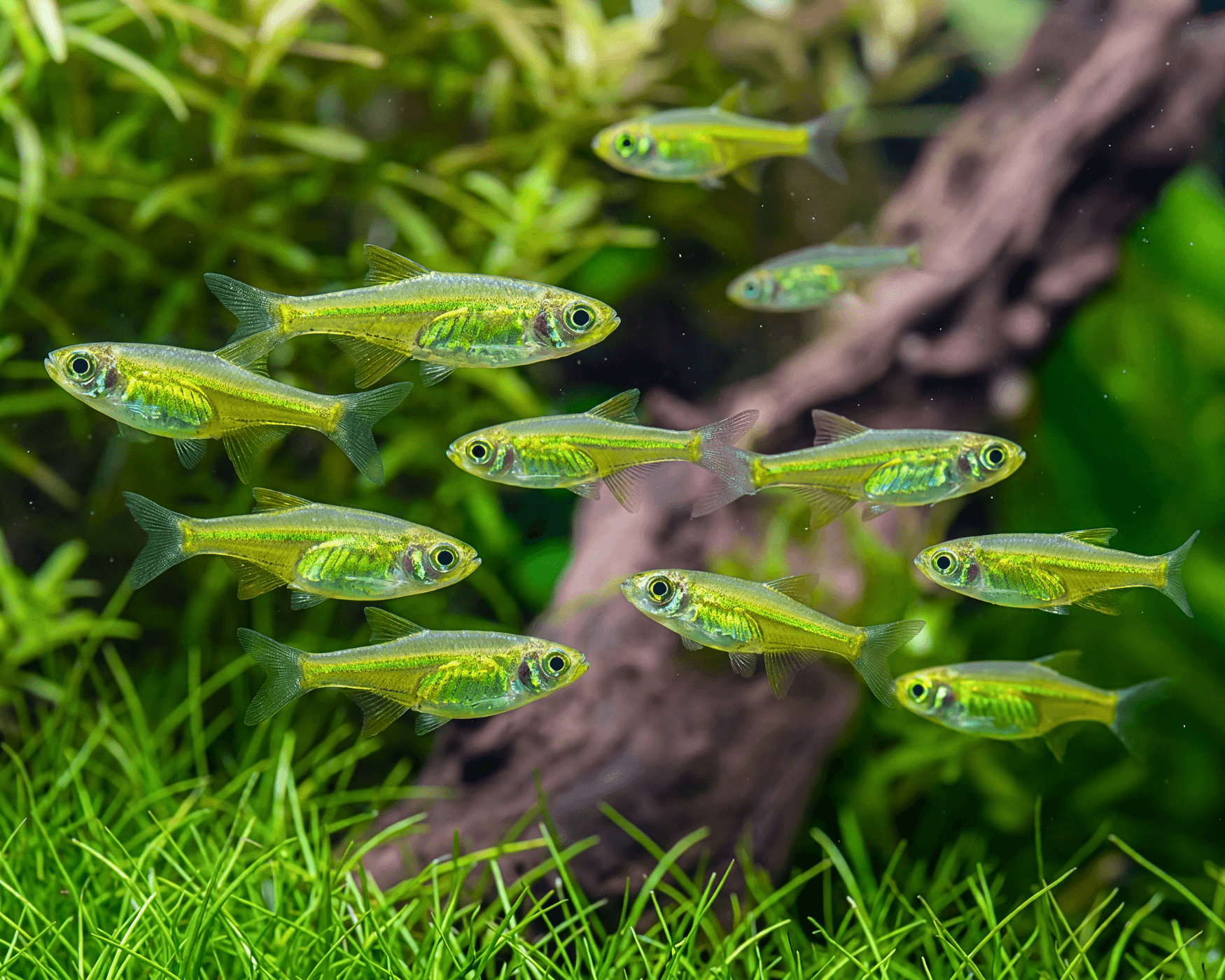
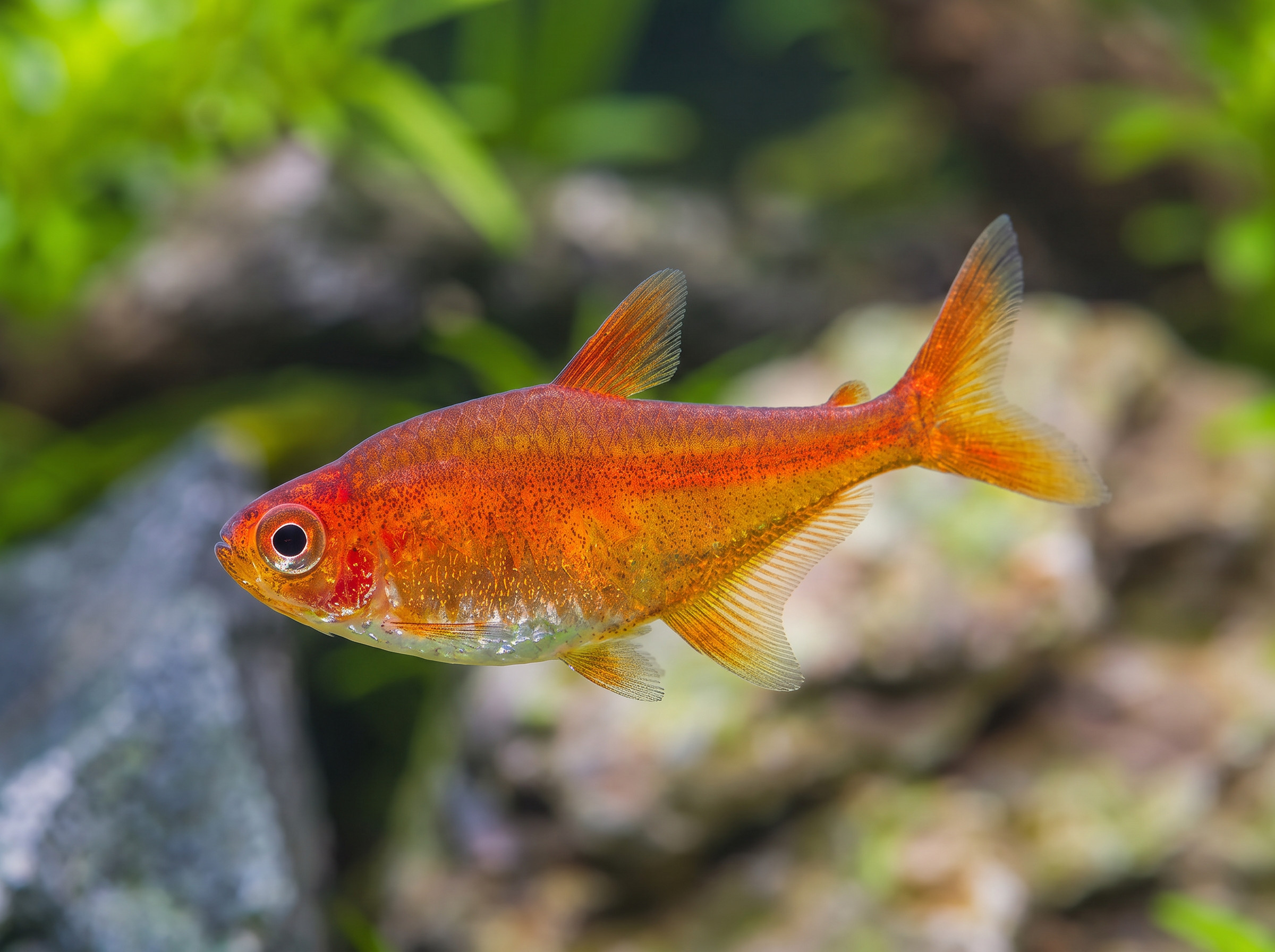
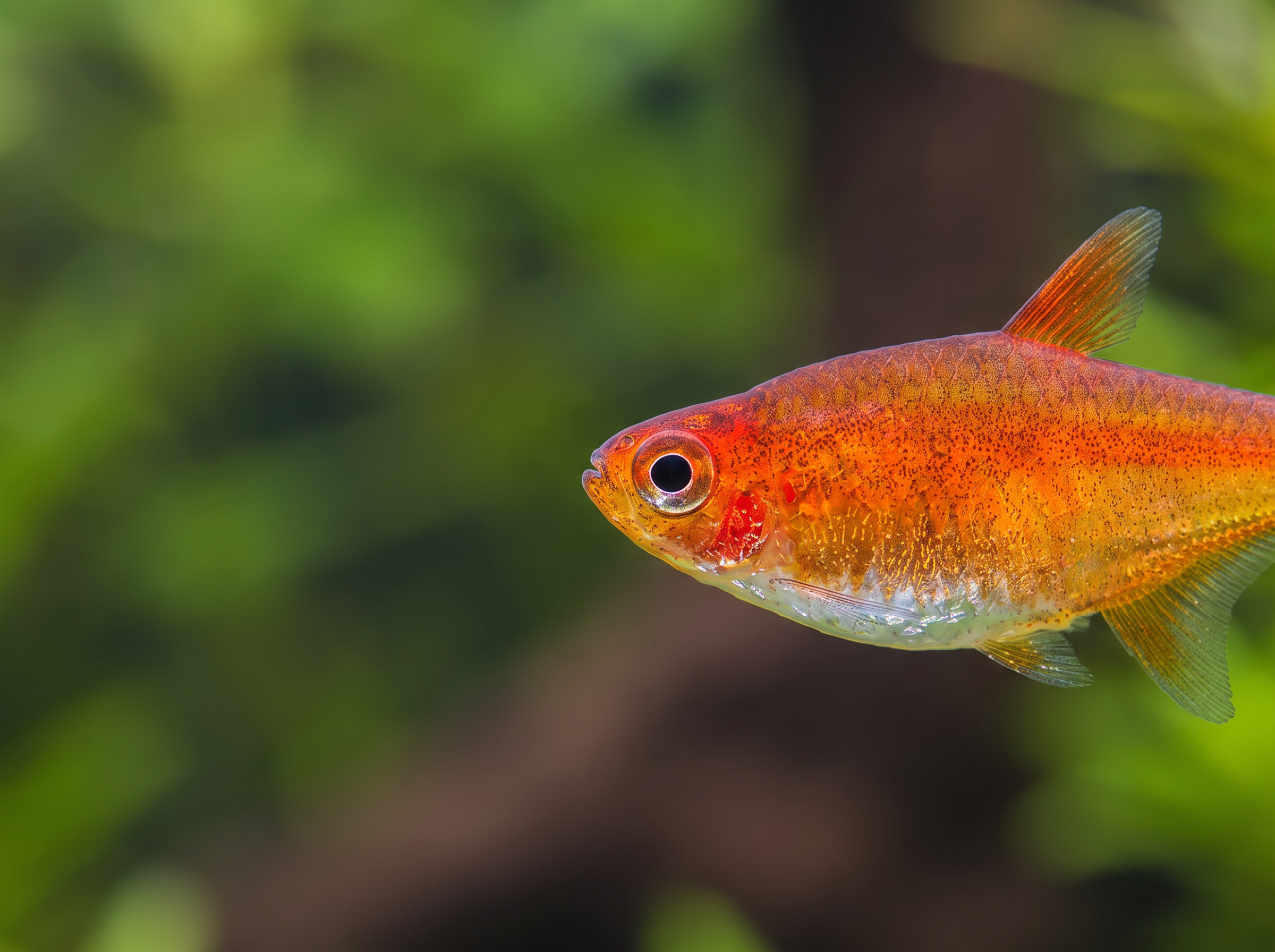
Ember tetras are small schooling fish that can work well in a planted community when the aquarium is long enough for a group to move naturally. Their orange coloration stands out against green plants, but adding another midwater school is usually where a carefully planned tank becomes crowded. Choose one main shoal, then consider whether the remaining space truly supports a bottom group or centerpiece fish. Keep the aquascape open through the center and use plants at the sides and rear for security. A mature tank with gentle flow, consistent maintenance, and appropriately sized foods will support better behavior than a newly planted tank filled immediately with livestock.
Add bottom dwellers only when the footprint supports a group
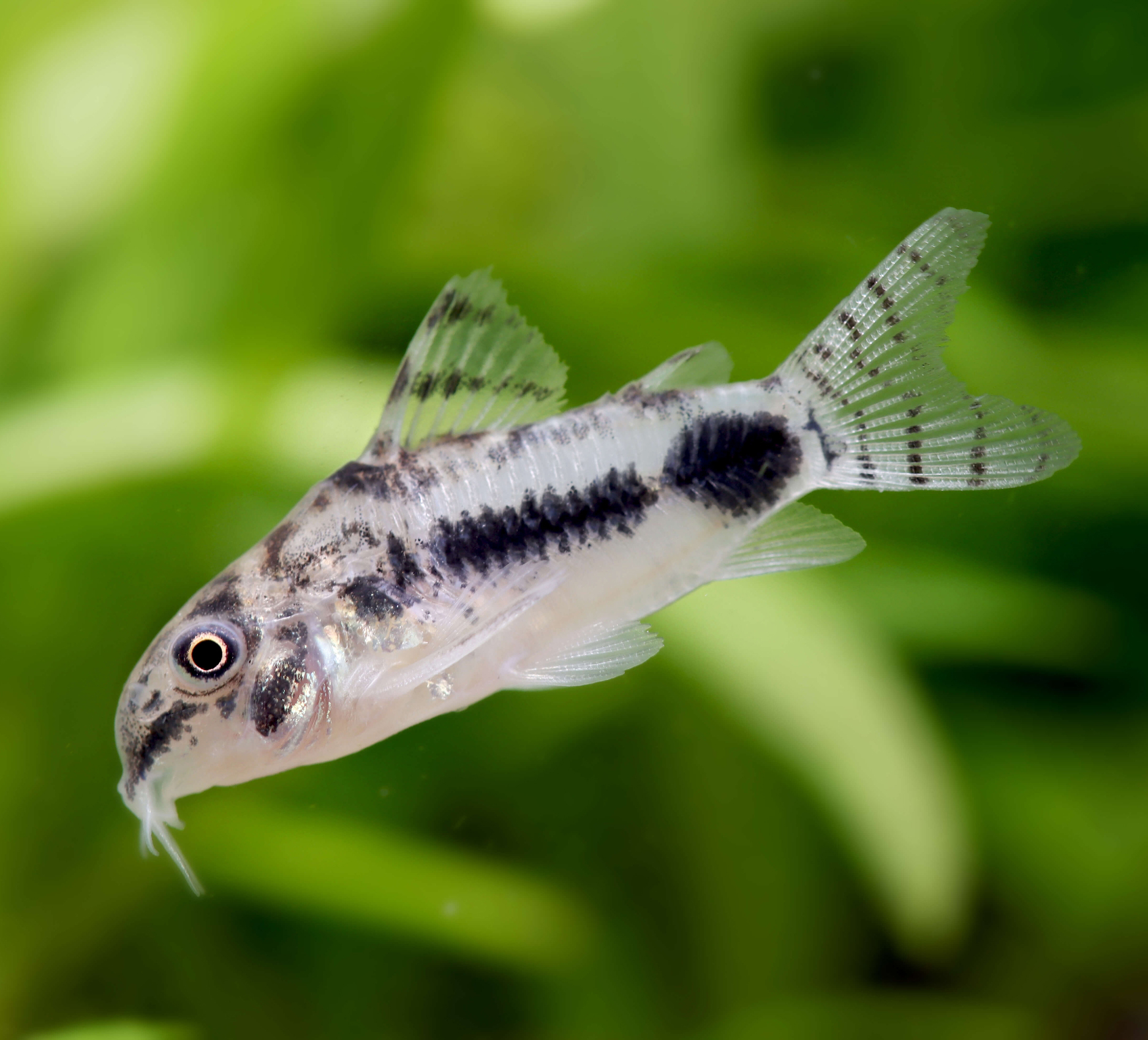
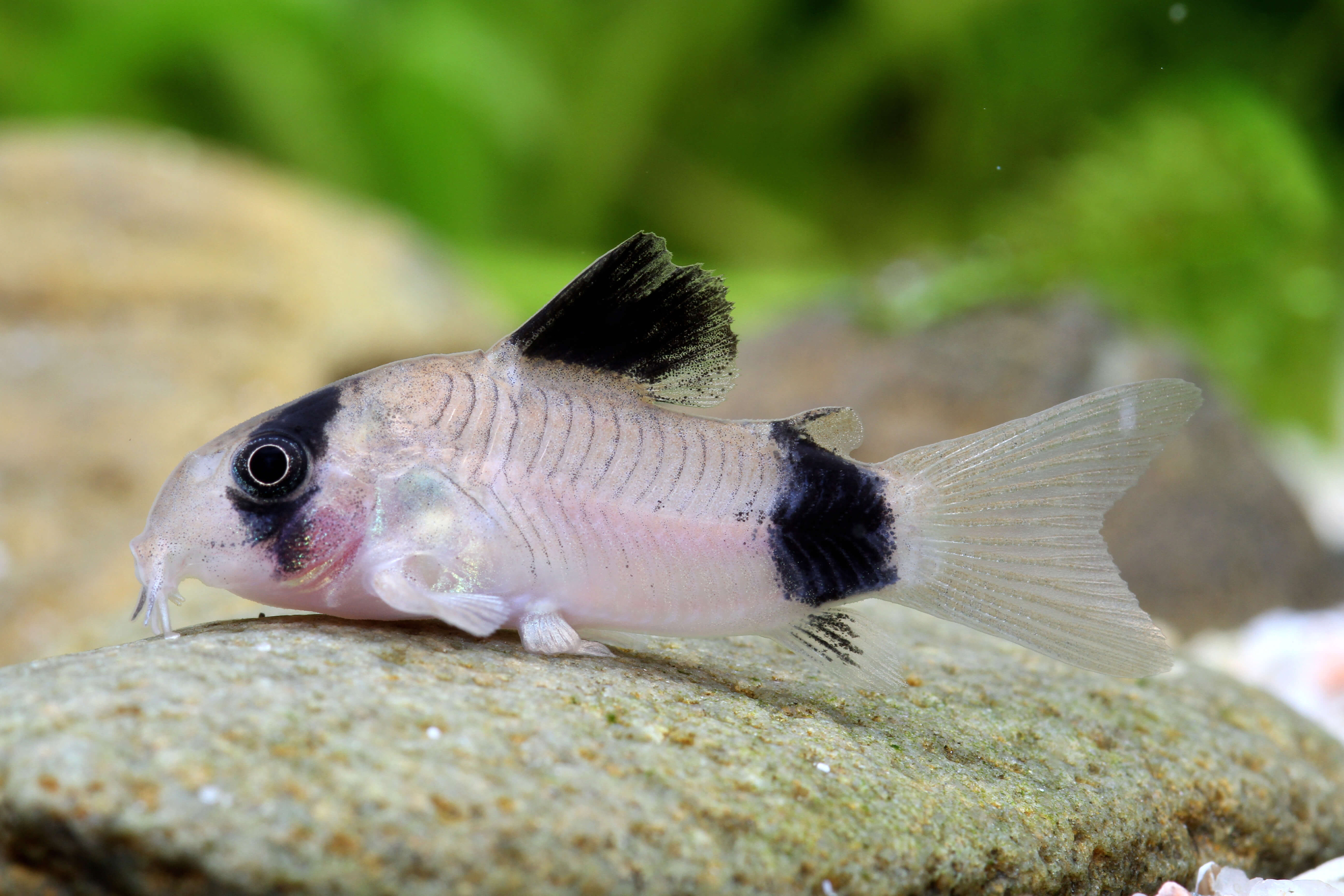
Corydoras habrosus are small, social bottom fish, not solitary scavengers. Their size makes them attractive for planted tanks, but they still need a group, a clean feeding area, and substrate that will not damage their barbels. They are a more realistic addition to a 15- or 20-gallon aquarium than to a cramped nano tank already containing a shoal. Leave open patches of sand or fine substrate beneath the plants so food reaches them. Their presence does not replace regular feeding or maintenance, and adding them to “use the bottom space” can overload a small aquarium when the midwater fish already occupy its practical capacity.
Reserve neon tetras for tanks with real cruising room
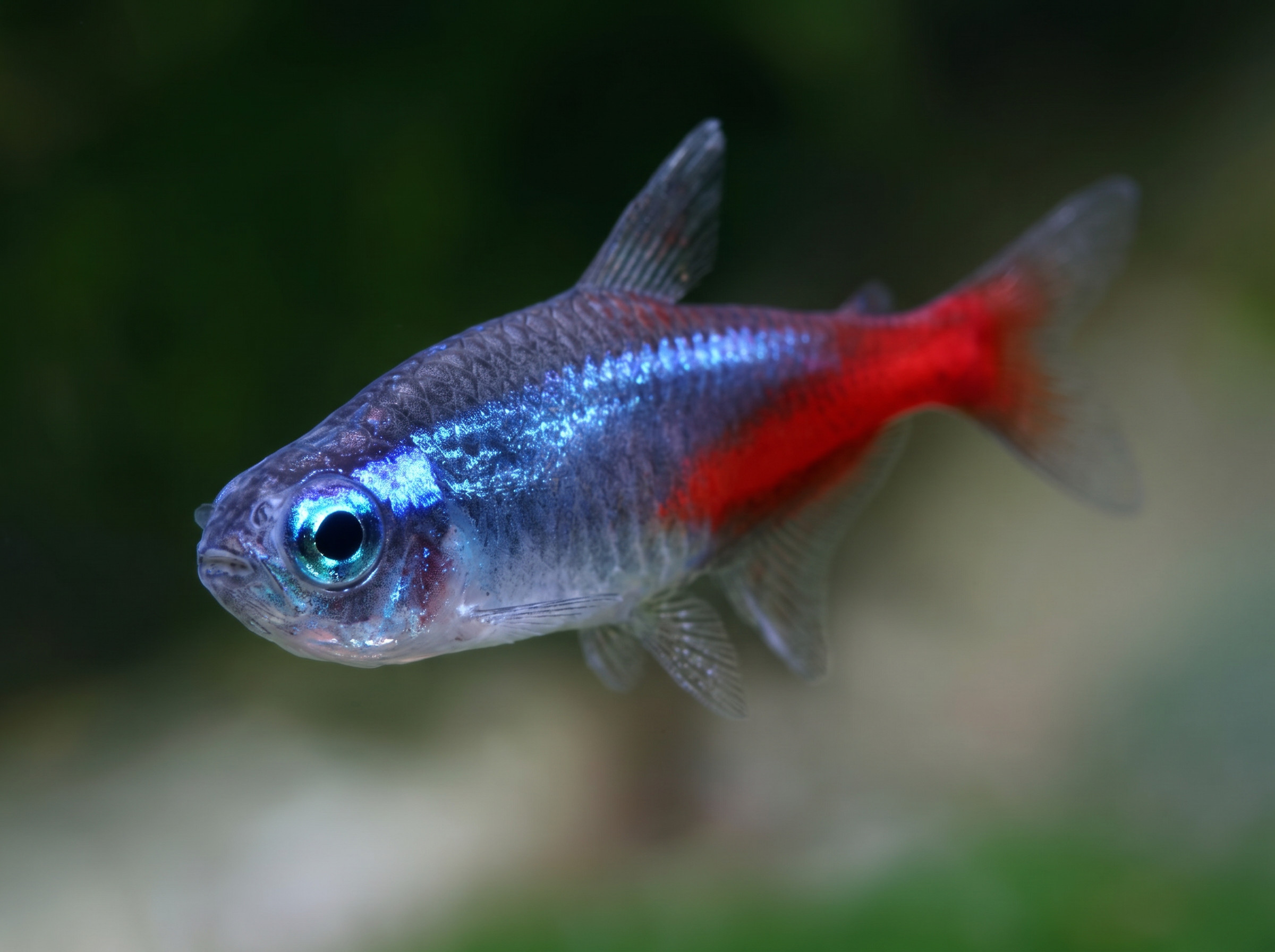
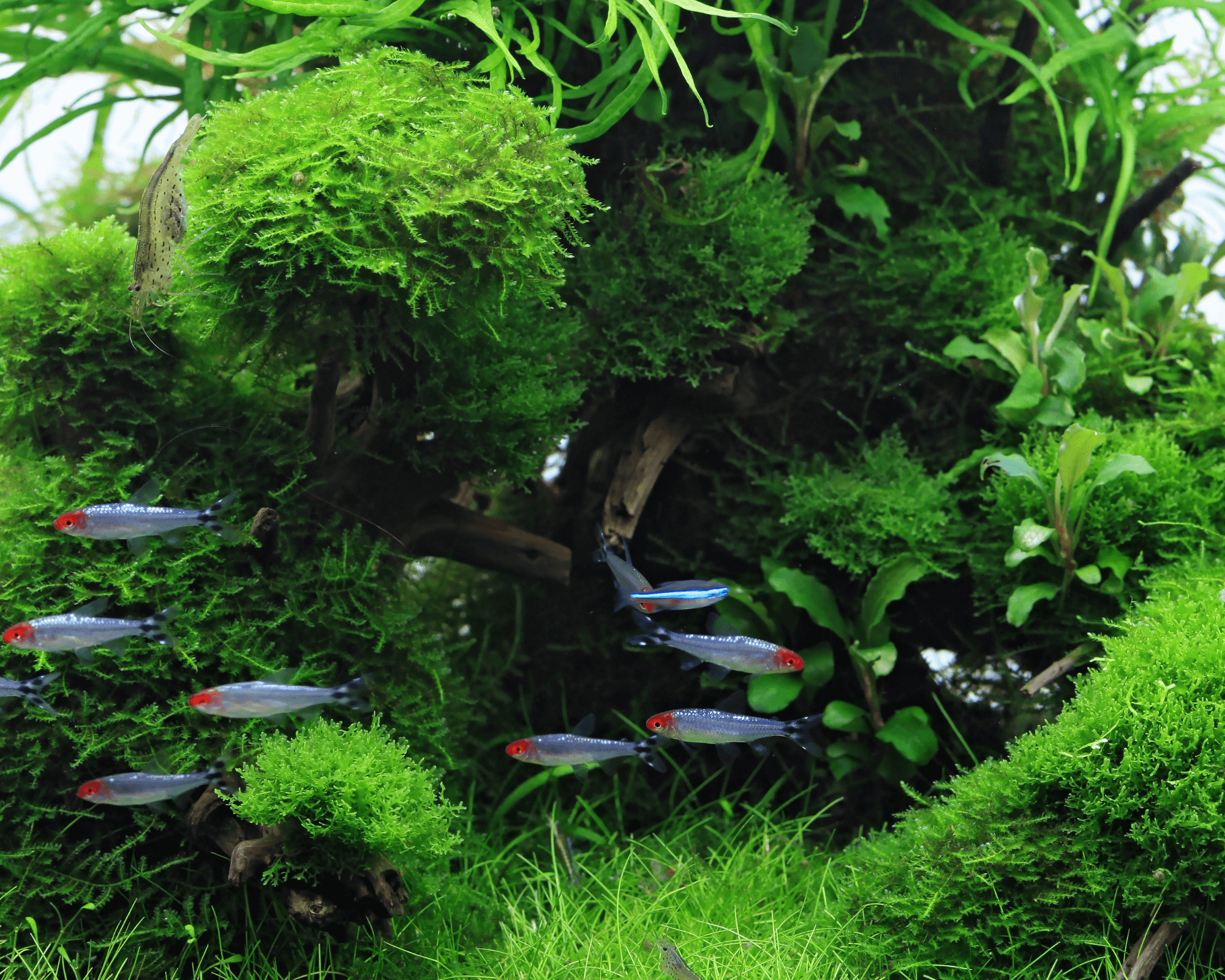
Neon tetras are often sold as small community fish, but their schooling behavior and active swimming make a longer aquarium preferable to a tiny cube. A planted 20-gallon aquarium can give a group room to move while still leaving space for rooted plants, wood, and a carefully selected companion species. Avoid combining neons with several other active schools simply because each species looks small in isolation. They are generally peaceful, but their presence can reduce the security of delicate shrimp, especially in open layouts. Use tall plants and shaded areas for cover while preserving a clear central swimming lane.
Use a gourami as the main fish in a medium planted tank
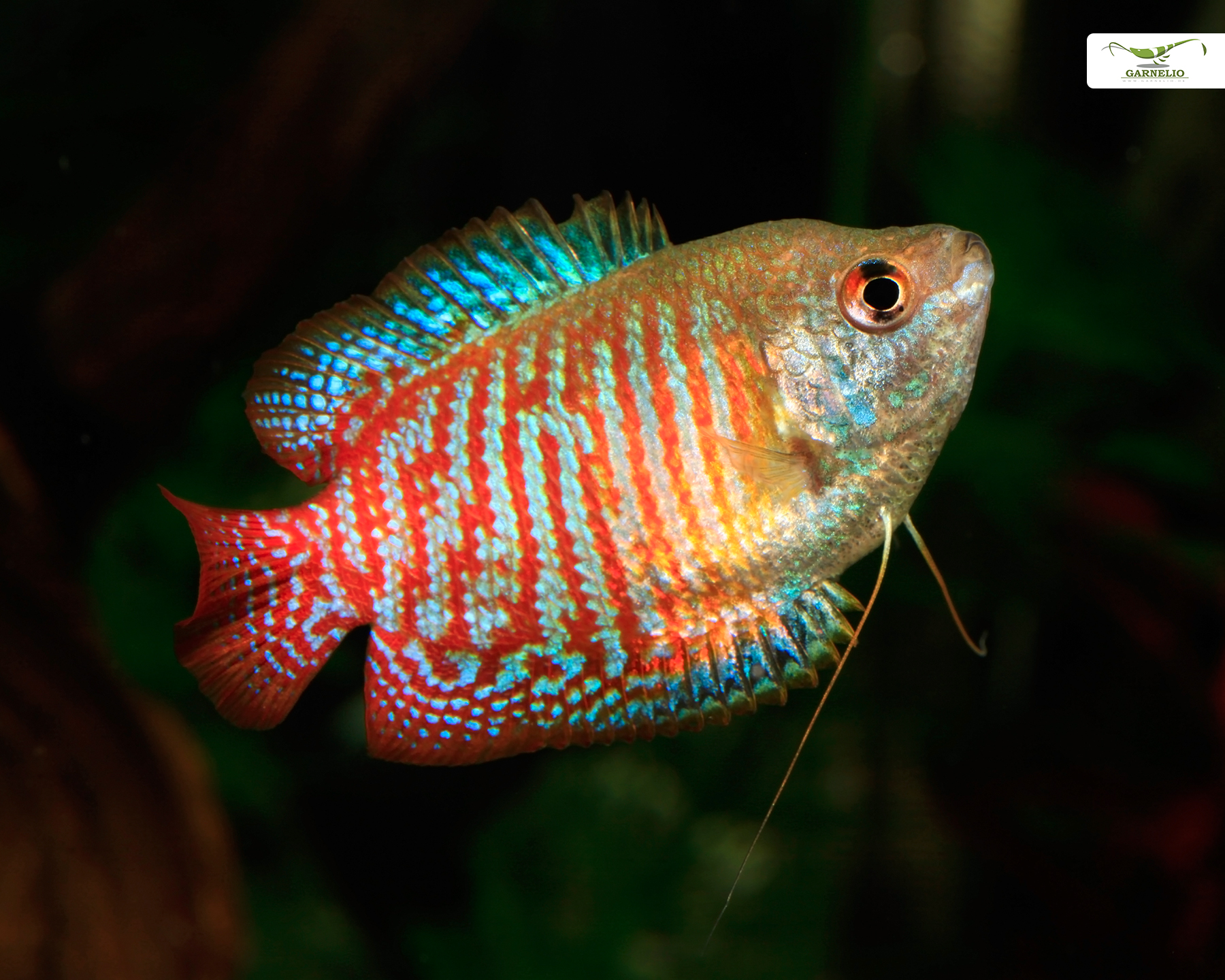
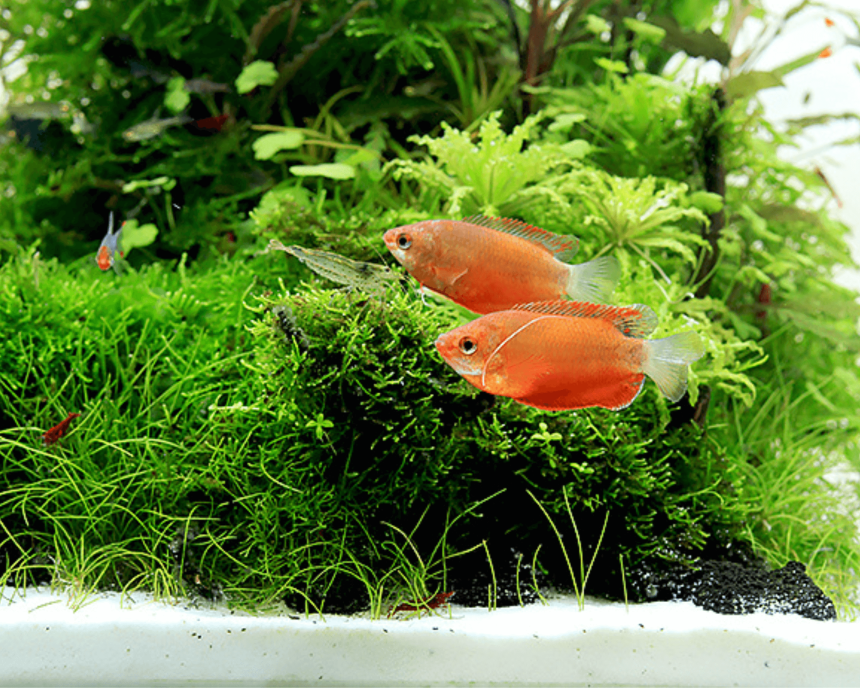
Dwarf gouramis are more appropriate for a medium planted aquarium than for the smallest nano setups. A single fish can serve as a centerpiece in a 15- or 20-gallon tank with calm tank mates, surface access, shaded planting, and broken lines of sight. They are not automatically compatible with every community fish; some individuals become territorial or stressed by constant activity. Avoid pairing one with fin-nippers or another competing centerpiece fish. Shrimp may be viewed as food, particularly young shrimp, so dense moss and realistic expectations are important. Choose tank mates for similar temperature and water chemistry rather than color alone.
Separate cool-water ideas from tropical community plans
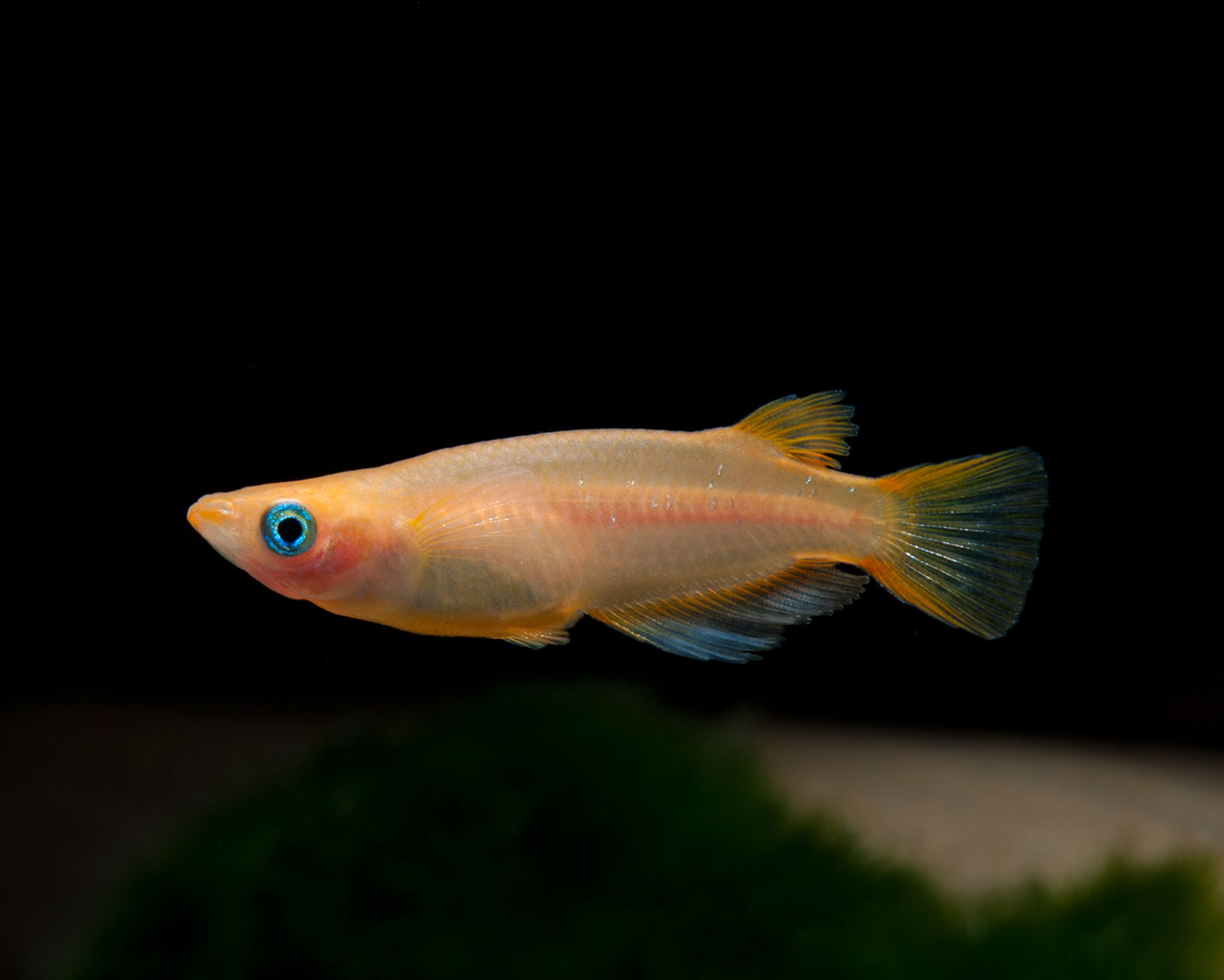
Medaka can be appealing in a planted aquarium, but they should not be added to a tropical stocking plan simply because they are peaceful and small. Their preferred temperature range, surface behavior, and tendency to use open upper water make them a distinct design direction. An outdoor tub or cool-water aquarium may suit them better than a heated tropical community. If you choose medaka, build around their needs with a secure lid, gentle surface conditions, floating cover, and room above the plants. Do not combine them with tropical fish just to fill unused space; different temperature goals can create long-term stress.
Make shrimp and snails part of the capacity plan
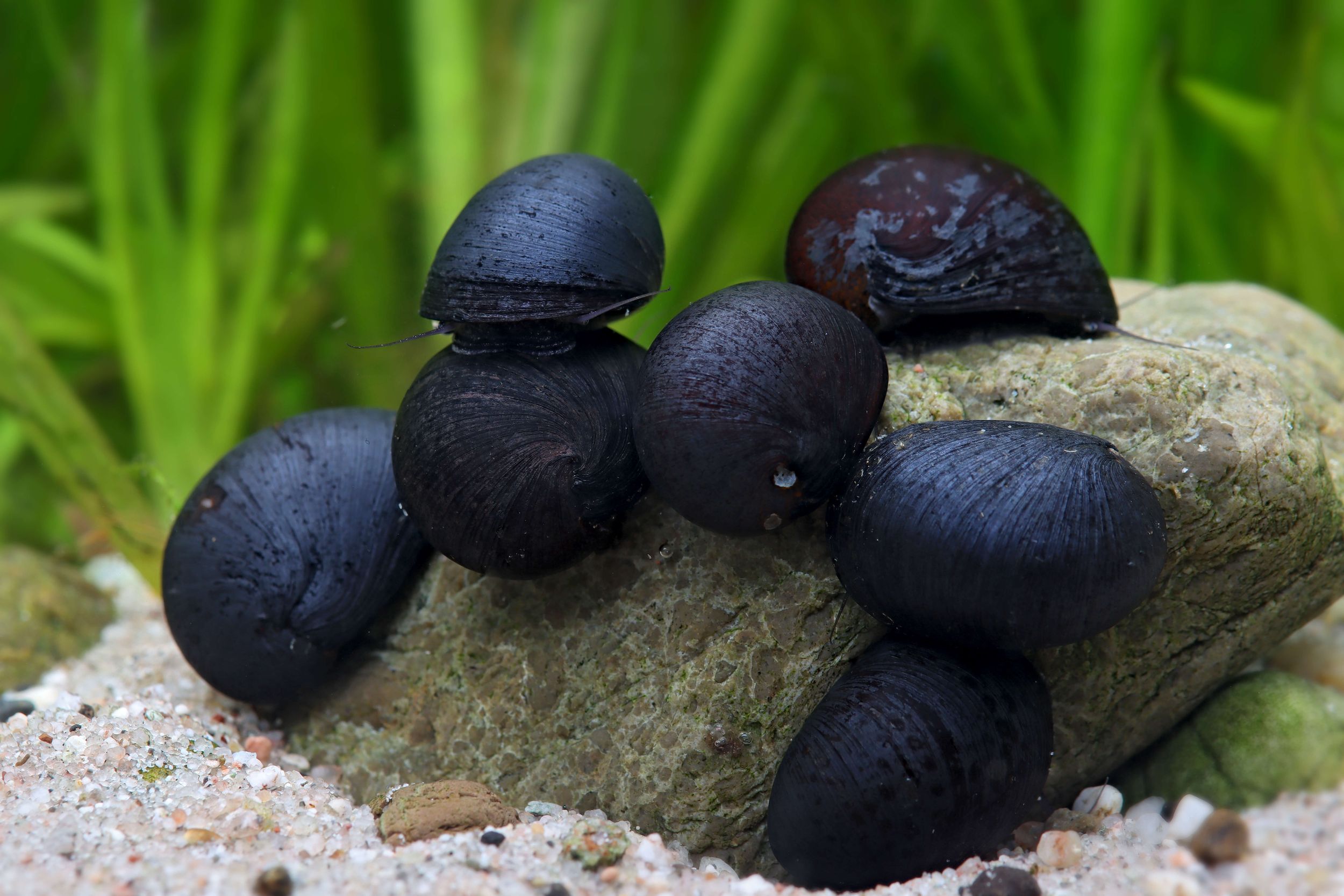
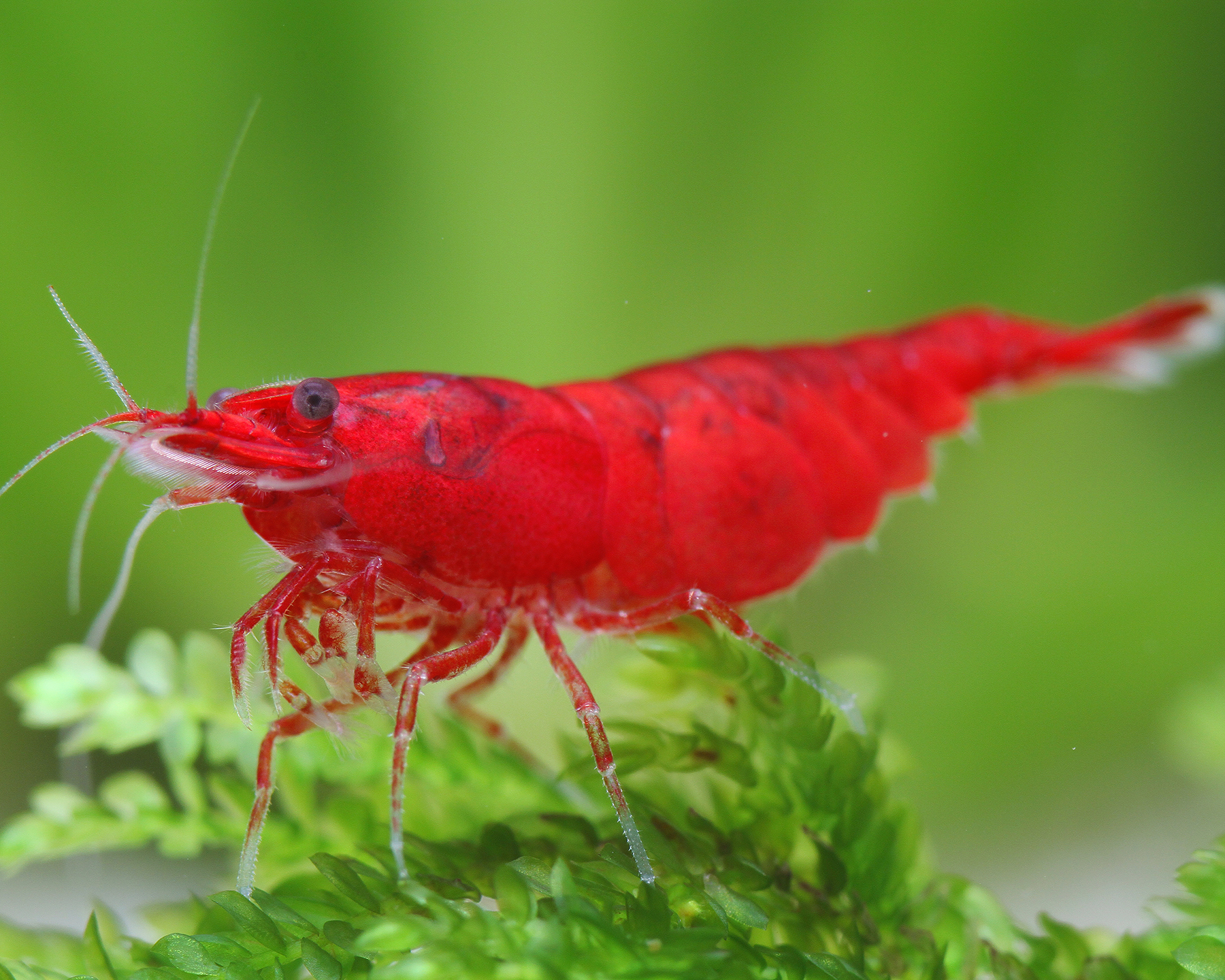
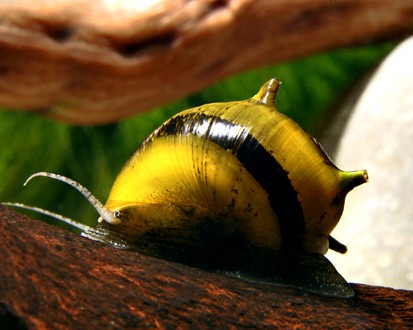
Cherry-type Neocaridina shrimp and small plant-safe snails can add color and movement without occupying the same swimming lanes as schooling fish, but they still affect feeding, maintenance, and biological load. Shrimp do best in mature tanks with biofilm, moss, hiding places, and stable water chemistry. Fish may eat shrimplets, so a fish-and-shrimp aquarium is usually a display colony rather than a breeding setup. Choose small grazing snails or controlled numbers of ramshorns and bladder snails instead of relying on a large mystery snail in a tiny tank. Never use snails as a substitute for removing excess food or correcting algae causes.
Use a final compatibility check before buying anything
Before purchase, write down the adult size, minimum social group, temperature, preferred water chemistry, feeding level, swimming zone, and breeding potential of every proposed inhabitant. Then remove any animal that duplicates the same demand without adding enough space. A practical 10-gallon plan might be one small shoal or one betta with selected invertebrates; a 20-gallon long aquarium can support one shoal plus a carefully sized bottom group or centerpiece, depending on the species. Add livestock gradually after the aquarium is cycled and planted, test ammonia and nitrite after each addition, and leave spare capacity for growth, illness, and seasonal maintenance changes.
Frequently Asked Questions
Can a 5-gallon planted aquarium house fish, shrimp, and snails together?
It can sometimes house one carefully selected fish, such as a betta, with suitable snails, but shrimp survival and individual fish temperament are unpredictable. Avoid combining multiple fish species in a 5-gallon aquarium.
How many fish can go in a 10-gallon planted tank?
There is no reliable universal number. Adult size, swimming behavior, group requirements, filtration, planting, and maintenance all matter. In many cases, one small shoal or one centerpiece fish is safer than several partial groups.
Are shrimp safe with nano fish?
Adult shrimp may coexist with peaceful nano fish, but eggs and shrimplets are vulnerable to predation. Moss, dense plants, rock gaps, and leaf litter improve survival, but they do not guarantee a growing shrimp colony.
Which aquarium snails suit a planted nano tank?
Small ramshorn, bladder, and Malaysian trumpet snails can fit many planted tanks when their numbers are managed. Nerite snails are also useful algae grazers but may require sufficient food and mineral access. Avoid adding large snails to very small aquariums without considering waste production.
Do more plants allow more fish?
Plants help absorb nutrients, provide cover, and improve habitat structure, but they do not replace swimming space, filtration, water changes, or appropriate stocking levels. Plant density should support the livestock plan rather than justify adding more animals.
Leave your comments