
It’s time to help contribute for biggest aquarium gallery online

SUBMIT HEREVIEW GALLERY

Top 10 Hardy Aquarium Plants for Nano Community Tanks

Top 10 Hardy Aquarium Plants for Nano Community Tanks

Creating a lush, vibrant nano aquarium is a rewarding project, but choosing the right plants is essential for long-term success. For beginners, the best aquatic plants are those that tolerate varying water parameters and thrive without complex CO2 in...
12 Peaceful Freshwater Fish and Invertebrates for Stunning Nano Aquariums

12 Peaceful Freshwater Fish and Invertebrates for Stunning Nano Aquariums

Creating a thriving nano aquarium is a rewarding challenge that combines artistic aquascaping with the joy of keeping small, vibrant aquatic life. When working with smaller water volumes, typically under 20 gallons (75 liters), selecting compatible s...
10 Best Aquarium Snails for Your Planted Tank

10 Best Aquarium Snails for Your Planted Tank

Aquarium snails are more than just tank inhabitants; they are the unsung heroes of the planted aquarium. These fascinating gastropods provide essential services, from keeping glass surfaces clear of algae to aerating your substrate. When selecting sn...
10 Vibrant Freshwater Shrimp for Your Planted Nano Aquarium

10 Vibrant Freshwater Shrimp for Your Planted Nano Aquarium

Freshwater shrimp are the unsung heroes of the planted aquarium hobby. Beyond their stunning colors and patterns, these tiny crustaceans are excellent at cleaning up algae and leftover food. For nano aquarium enthusiasts, shrimp offer a fascinating l...

Aquascaping Contest Schedule 2026

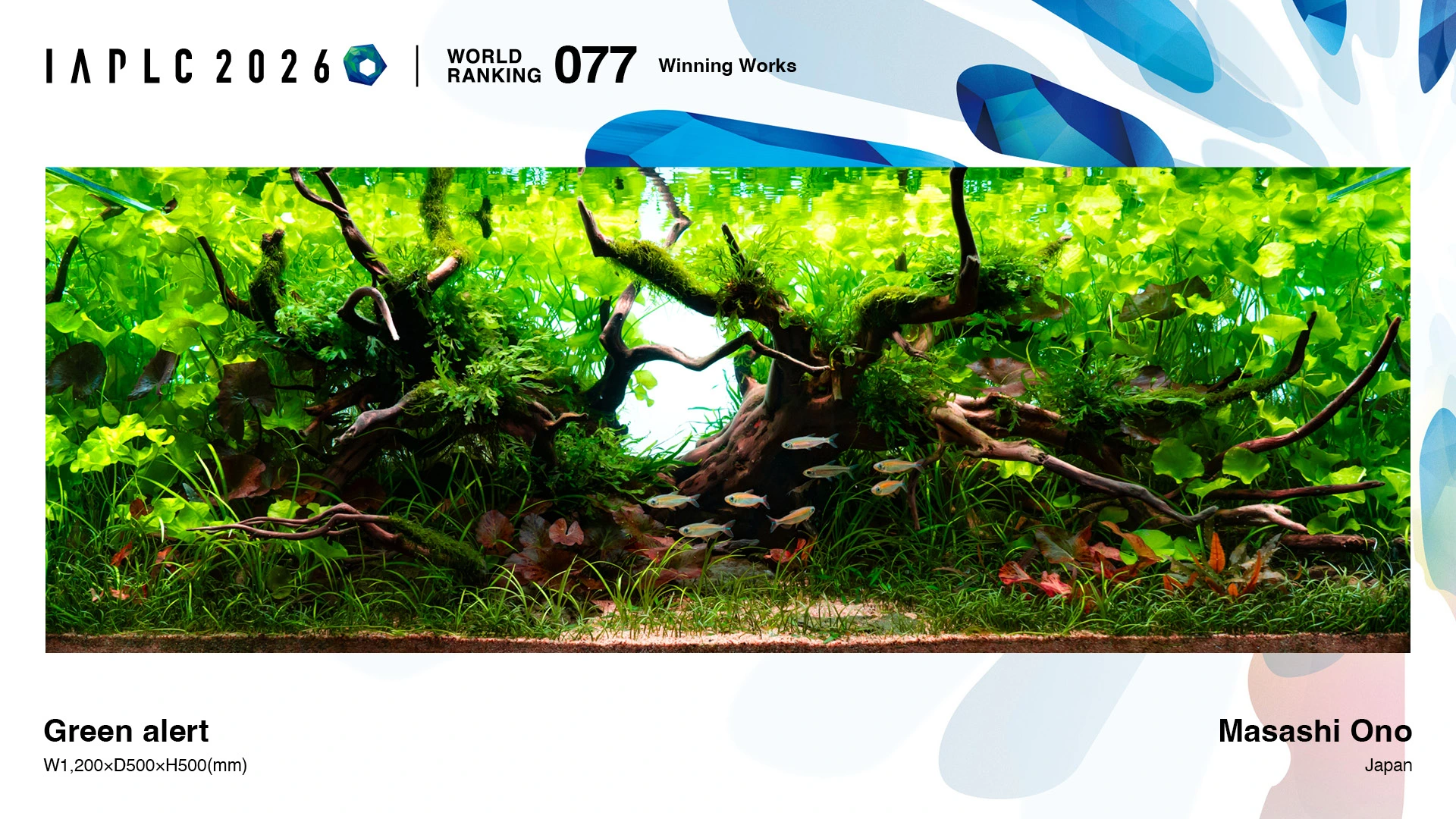
Summer Flowers - Cliff Hui / HongKong China
Cliff Hui

Summer Flowers - Cliff Hui / HongKong China

The International Aquatic Plants Layout Contest - 2014
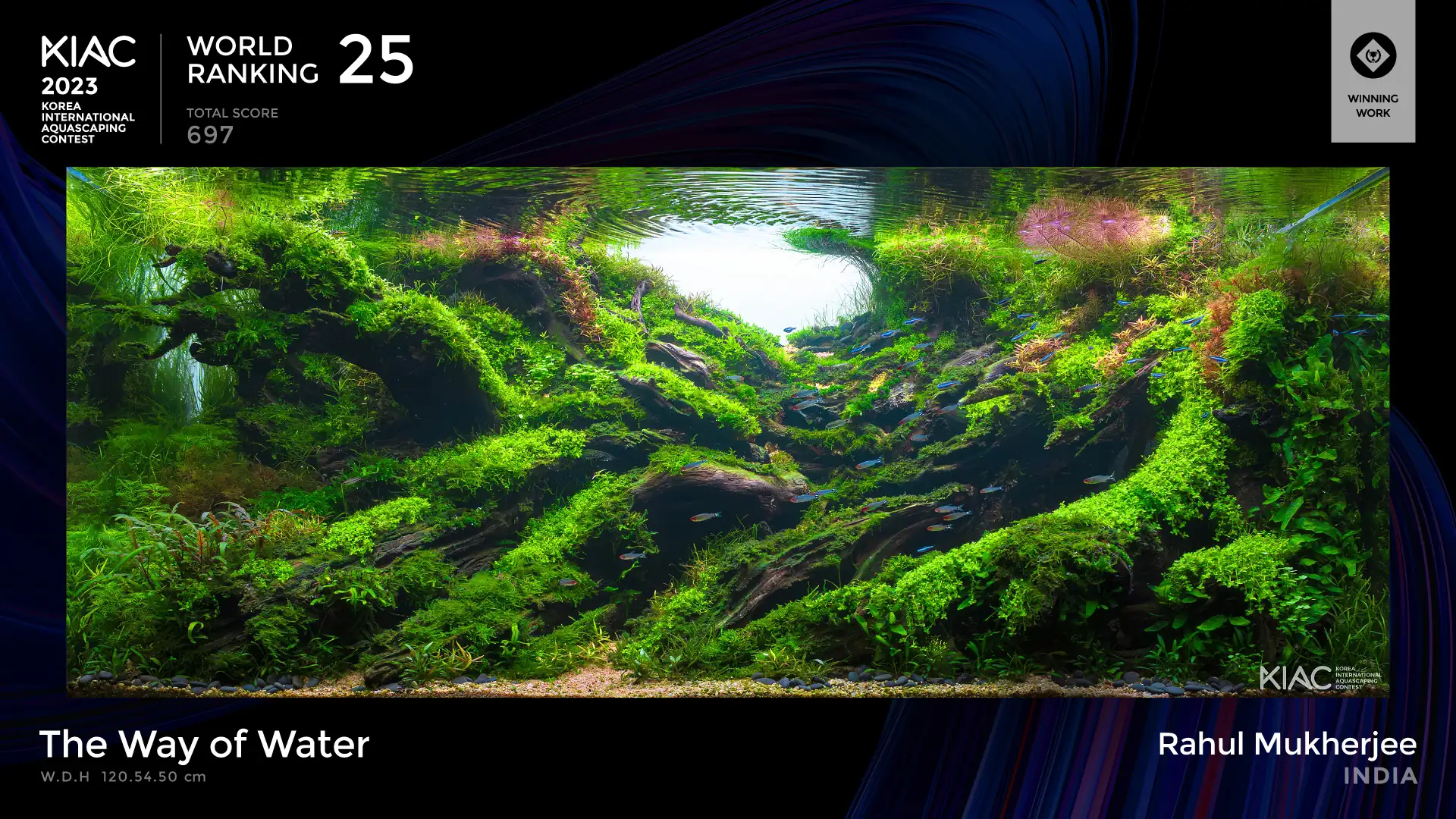
Rain Forest (Hear the Angels) - Cliff Hui / HongKong China
Cliff Hui

Rain Forest (Hear the Angels) - Cliff Hui / HongKong China

The International Aquatic Plants Layout Contest - 2012
Forever - Cliff Hui / HongKong China
Cliff Hui

Forever - Cliff Hui / HongKong China

The International Aquatic Plants Layout Contest - 2013

Aquarium Library

  • All
  • Plant
  • Fish
  • Shrimp
  • Snail

13 Easy Aquarium Plants for a Thriving Beginner Planted Tank

Starting a planted aquarium can seem daunting, but it doesn't have to be! Many beautiful and be...

12 Colorful & Compatible Freshwater Fish for Your Community Aquarium

Creating a vibrant and harmonious freshwater aquarium is a rewarding experience. The key lies in sel...

"REFLECTION" - When the weight becomes silence: Decoding the top 4 MASTERPIECE at KIAC 2025

Amidst the "earthquake" named Vietnam at KIAC 2025, the work "Reflection" by Aquascaper Long Tran Ho...

KIAC 2025 RESULTS: A record-breaking season - Vietnam dominates with 14 works in the global top 50

The organizers of the Korea International Aquascaping Contest (KIAC) 2025 have officially released t...

AGA 2025 Results Announced: Indonesia Wins Big, USA Dominates Dutch Category

The 25th AGA International Aquascaping Contest – one of the oldest and most prestigious competitio...

ITAC International Aquascaping Contest 2025 Final result

Early this morning, the global aquascaping community turned its eyes toward Italy as the organizers ...
Cliff Hui

Cliff Hui

Hong Kong / China
Dave Chow

Dave Chow

HongKong China
Neritina variegata (Batik Snail)

Overview

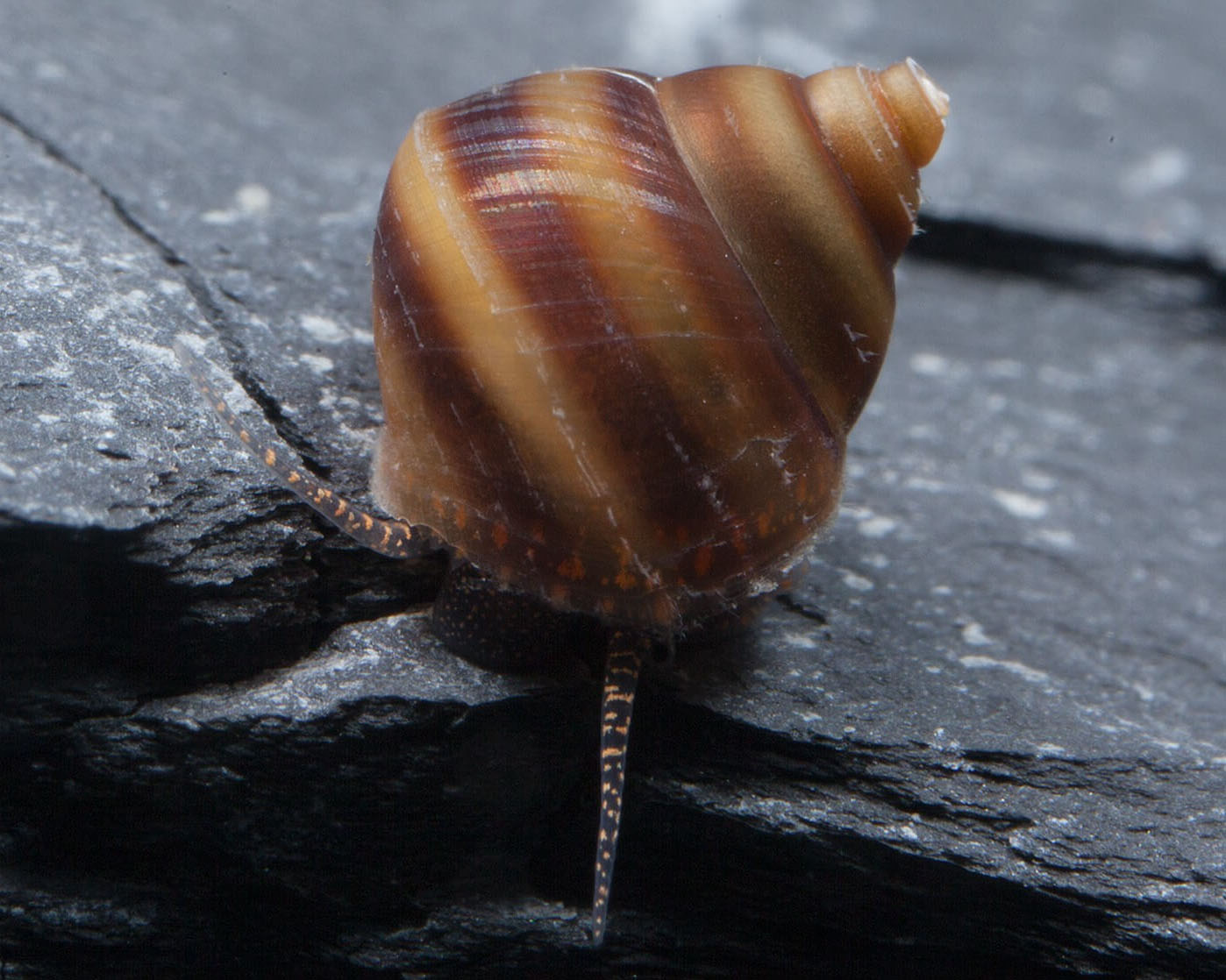
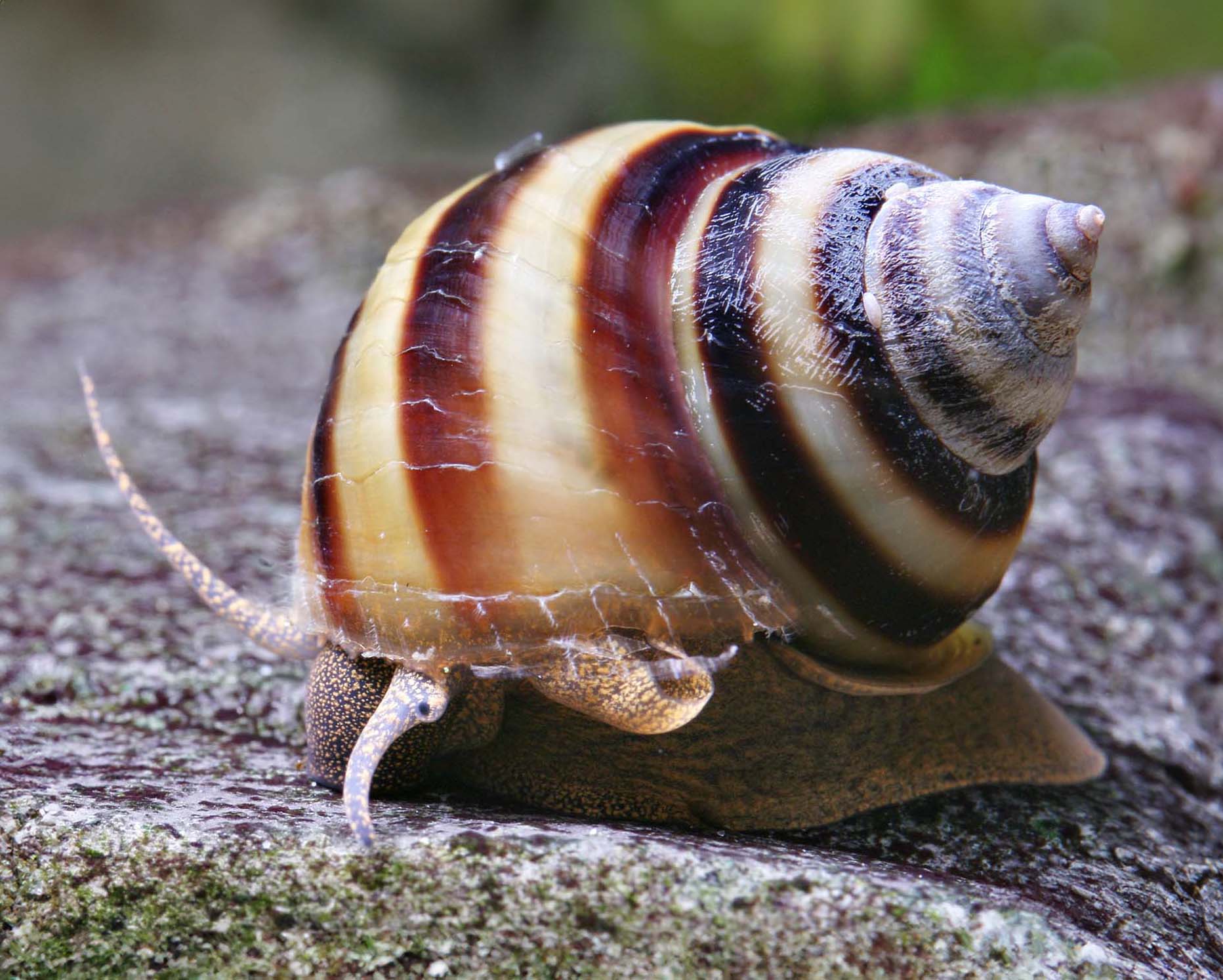
The Batik Snail (Neritina variegata), frequently sold under the name Tattoo Nerite Snail, is a highly sought-after freshwater invertebrate prized for its spectacular shell patterns and incredible algae-eating capabilities. These peaceful snails make an excellent addition to planted tanks and community aquariums, serving as both a beautiful centerpiece and a diligent cleanup crew that will not damage healthy plants.

Image of batik snail neritina variegata

Distribution and Habitat

Native to the Indo-Pacific region, Neritina variegata is typically found in coastal rivers, estuaries, and mangrove swamps. They thrive in dynamic environments where freshwater streams meet the ocean, adapting naturally to varying salinity levels. In the wild, they cling tightly to rocks, driftwood, and submerged roots, grazing constantly on biofilm and naturally occurring algae in well-oxygenated, fast-moving waters.

Description of Batik Snail

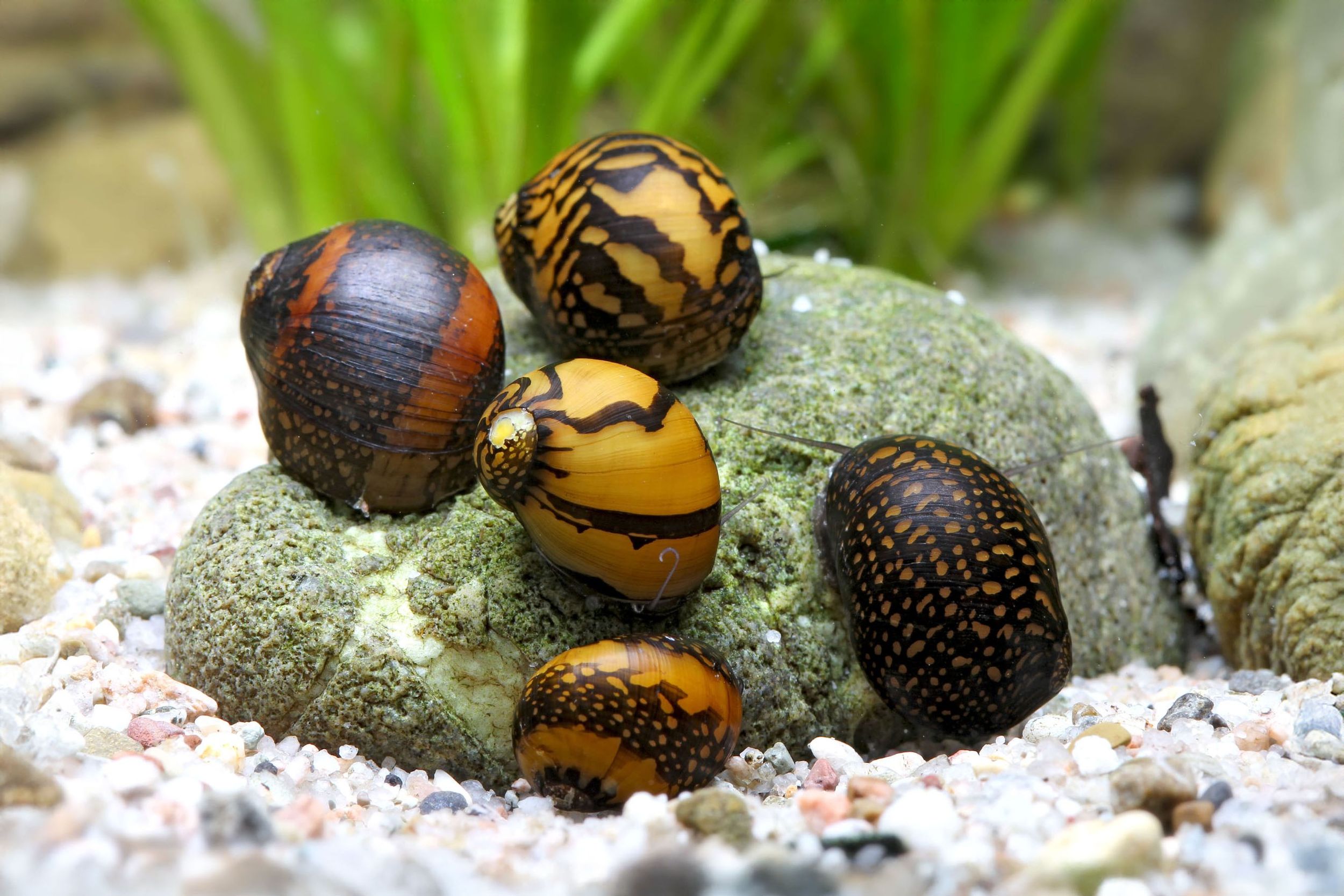
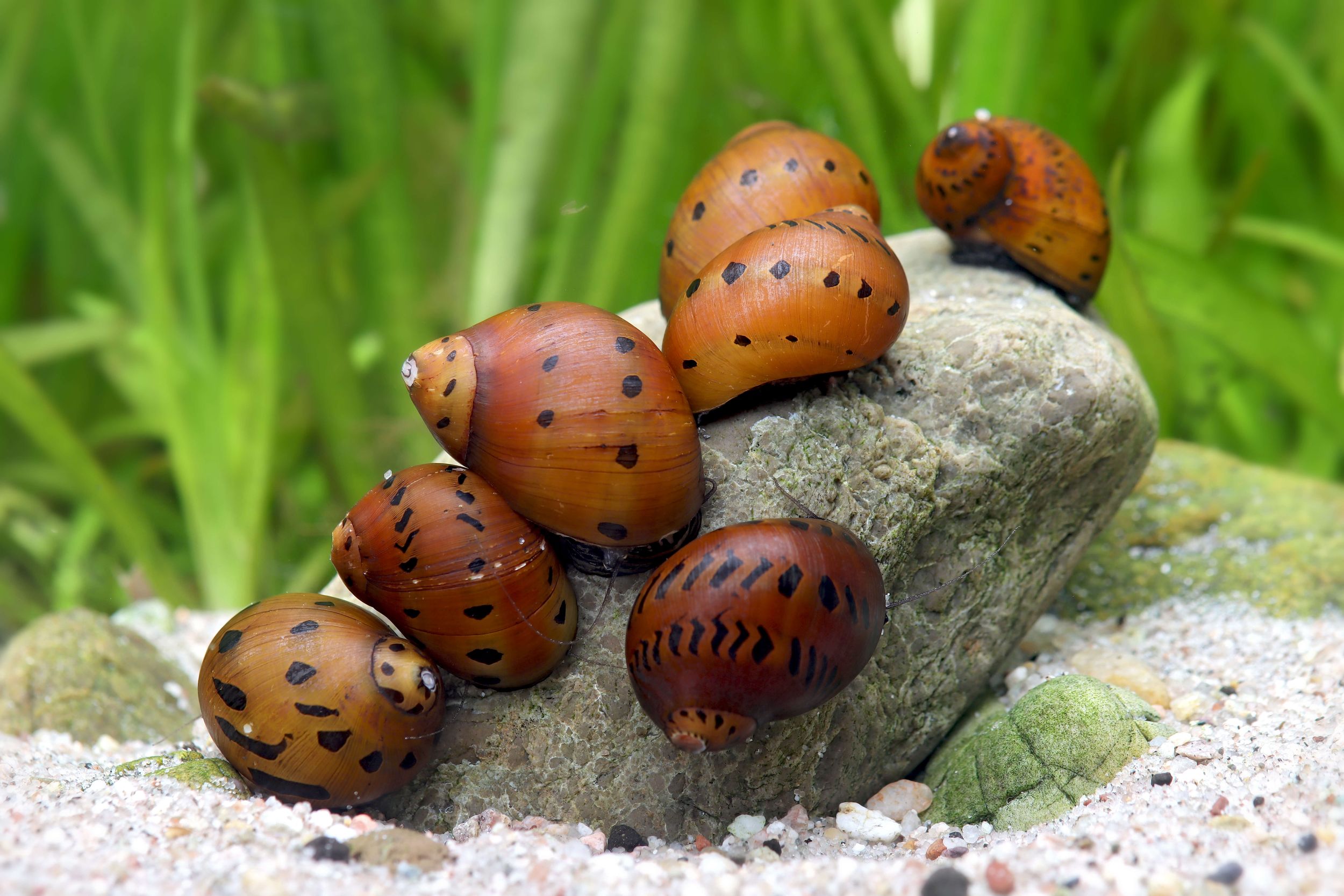
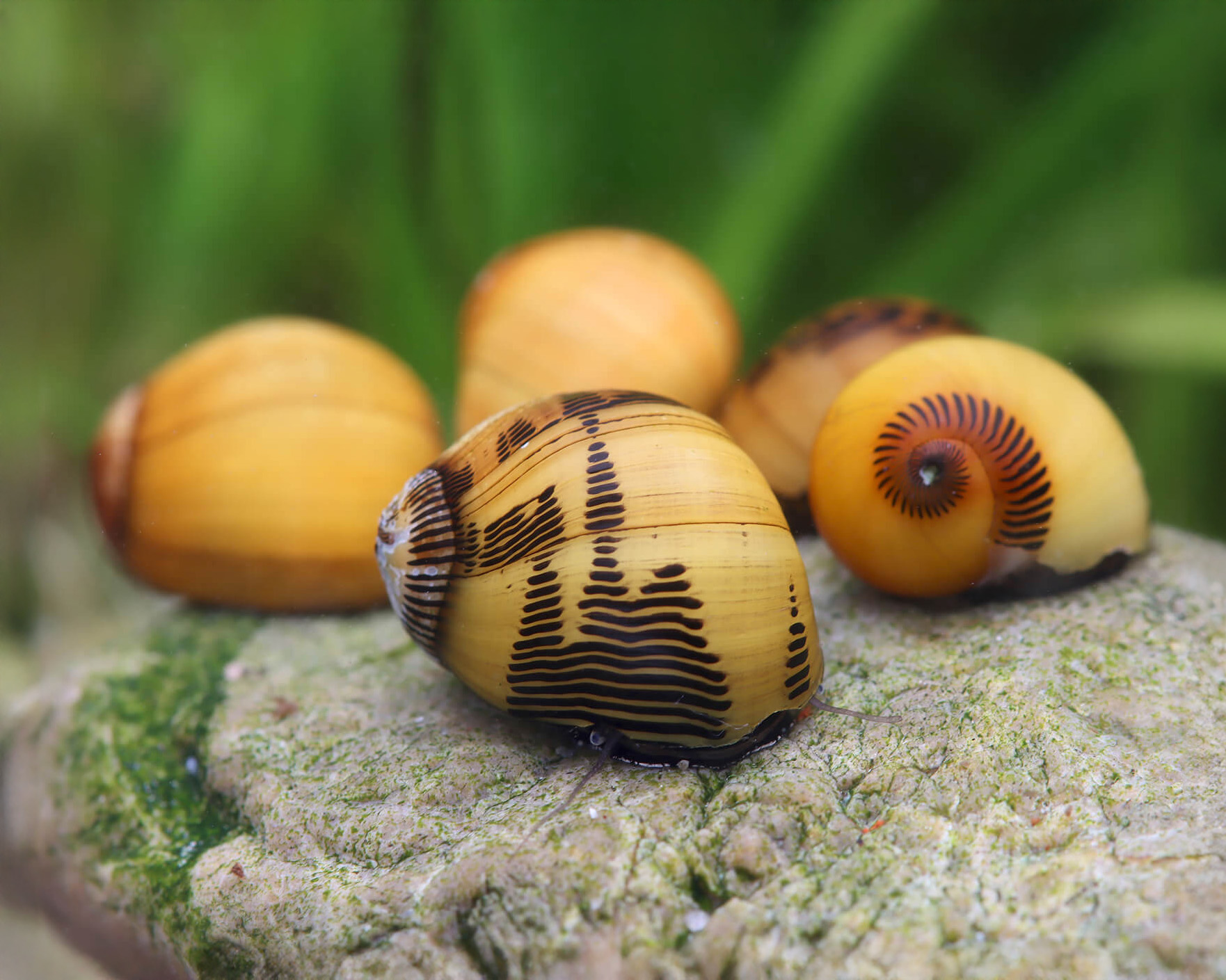
As clearly visible in the provided images, Batik Snails boast a striking, dome-shaped shell with a vivid base color ranging from golden yellow to deep orange. The shell is overlaid with intricate, dark brown to black markings that heavily resemble traditional Indonesian batik fabric or tribal tattoos. These markings vary wildly between individuals—some feature thick, sweeping bands, while others display complex networks of spots, swirls, and mottled lines. The snail's foot is typically a dark, mottled grey or black, equipped with slender tentacles used for navigating their environment.

Image of batik snail neritina variegata

Keeping and Caring for Batik Snail

Batik Snails are relatively easy to care for, provided their water parameters are kept stable and alkaline. Like most Nerites, they are notorious escape artists, frequently climbing above the water line. A tight-fitting lid is absolutely mandatory to prevent them from leaving the aquarium.

Tank size:

A minimum tank size of 5 to 10 gallons is recommended. This ensures enough surface area on the glass, substrate, and decorations for sufficient natural algae growth to sustain the snail.

Water Parameters:

Temperature

They prefer warm, tropical temperatures ranging from 72°F to 82°F (22°C - 28°C).

pH

A slightly alkaline pH of 7.0 to 8.2 is crucial. Acidic water will cause their beautiful shells to pit and erode over time.

Hardness

Hard water is essential for shell development and maintenance. High levels of calcium and magnesium (GH 8-15+) help maintain strong, healthy shells.

Ammonia, Nitrite, Nitrate

Ammonia and Nitrite must always be at 0 ppm. Nitrates should be kept as low as possible, ideally under 20 ppm. Like all aquatic invertebrates, Batik Snails are highly sensitive to copper and other heavy metals.

Feeding the Batik Snail

The primary diet of the Batik Snail is algae. They are exceptional at clearing aquarium glass, rocks, and decorations of soft green algae, brown diatoms, and biofilm. If your tank is pristine and lacks sufficient natural algae, their diet must be supplemented to prevent starvation. Offer high-quality algae wafers, spirulina powder, and blanched vegetables such as zucchini, cucumber, or spinach.

Image of batik snail neritina variegata

Breeding Batik Snail

Like other Nerite snails, breeding Neritina variegata in a standard freshwater aquarium is virtually impossible. While females will frequently lay small, white, sesame-seed-like capsules on hard surfaces (including glass, rocks, and driftwood), the larvae require brackish or full saltwater to develop and survive. This unique reproductive trait makes them ideal for aquarists who want effective algae eaters without the risk of an overpopulation crisis.

Conclusion

The Batik Snail is a visually stunning and highly functional addition to the freshwater aquarium. Their unique, tattoo-like patterns offer incredible aesthetic value, while their relentless algae-eating habits help keep the tank ecosystem balanced and pristine. With proper water conditions, a calcium-rich environment, and a secure lid, they will thrive and provide years of enjoyment for any aquarist.
Snail info

  • Temperature : 72°F - 82°F (22°C - 28°C)
  • pH: 7.0 - 8.2
  • Color Form: Black, Gold, Orange, Yellow
Leave your comments
Latest on Snails
  • Tylomelania Snail Care Guide

    Tylomelania Snail Care Guide

    Tylomelania snails, often called rabbit snails, are distinctive freshwater mollusks native to the ancient lake systems of Sulawesi, Indonesia. Known for their elongated, spiraled shells and expressive, trunk-like faces, these snails are popular among hobbyists. They thrive in stable, alkaline environments and require specialized care to maintain their health and shell integrity in home aquaria.
  • Tylomelania species mixed varieties

    Tylomelania species mixed varieties

    Tylomelania snails, often known as Sulawesi snails, are striking freshwater gastropods prized for their unique, elongated shells and active, curious nature. This mixed group represents various color forms found within the genus. Due to the high diversity and frequent cross-breeding in the wild, exact species identification can be challenging, necessitating careful observation of their specific needs in captivity.
  • Brotia herculea (Hercules Snail)

    Brotia herculea (Hercules Snail)

    Meet the Hercules Snail (Brotia herculea), a gentle giant of the freshwater aquarium world. Known for its impressive, elongated, and heavily textured shell, this peaceful scavenger is an excellent addition to large setups. Despite its massive size, it is entirely plant-safe, making it a favorite among dedicated aquascapers.
  • Brotia armata (Hedgehog Snail)

    Brotia armata (Hedgehog Snail)

    Meet the Hedgehog Snail (Brotia armata), a unique and striking freshwater invertebrate known for its heavily spiked, towering shell. Native to fast-flowing Asian rivers, this fascinating scavenger adds incredible texture and a prehistoric aesthetic to your aquarium while remaining completely peaceful and an excellent algae eater.
  • Thiara cancellata (Hairy Trumpet Snail)

    Thiara cancellata (Hairy Trumpet Snail)

    Add a touch of the exotic to your aquarium with the Hairy Trumpet Snail (Thiara cancellata). Instantly recognizable by the fascinating, hair-like spikes adorning its spiraled shell, this peaceful scavenger is a master of substrate aeration. It works tirelessly to consume detritus while remaining a visually striking, low-maintenance addition.
  • Lanistes lybicus (Grooved Apple Snail)

    Lanistes lybicus (Grooved Apple Snail)

    Discover the fascinating Grooved Apple Snail (Lanistes lybicus), a unique freshwater species native to West Africa. Known for its distinctively banded, grooved shell and peaceful temperament, this intriguing snail makes an excellent addition to planted aquariums, offering both aesthetic appeal and effective algae-cleaning abilities for dedicated aquarists.
  • Clithon corona (Green Staghorn Snail)

    Clithon corona (Green Staghorn Snail)

    The Green Staghorn Snail (Clithon corona), also known as the Horned Nerite, is a fascinating and highly efficient algae eater. Sporting unique, crown-like spikes and stunning shell patterns, this peaceful freshwater snail adds both aesthetic appeal and practical cleaning power to any planted aquarium setup.
  • Septaria porcellana (Green Mussel Snail)

    Septaria porcellana (Green Mussel Snail)

    Meet the Green Mussel Snail (Septaria porcellana), a unique, limpet-like freshwater snail renowned for its exceptional algae-clearing abilities. With its flattened, intricately patterned shell and peaceful demeanor, this fascinating gastropod is a must-have for aquarists looking to maintain spotless glass and hardscape without the risk of overpopulation.
  • Neritina sp. (Golden Limpet Snail)

    Neritina sp. (Golden Limpet Snail)

    Meet the Golden Limpet Snail, a unique and highly effective algae eater for your freshwater aquarium. With its flat, striking golden-hued shell, this peaceful gastropod tightly grips surfaces, making it impervious to most predators. It’s an excellent, low-maintenance addition for keeping glass and hardscapes spotless without harming live plants.
  • Tylomelania towutensis (Gold Spotted Rabbit Snail)

    Tylomelania towutensis (Gold Spotted Rabbit Snail)

    Discover the captivating Gold Spotted Rabbit Snail (Tylomelania towutensis), a rare freshwater gem from the ancient lakes of Sulawesi. With its elongated, deeply textured dark shell and a striking black body adorned with vibrant gold spots, this peaceful giant adds a touch of exotic beauty to any tropical aquarium.
  • Clithon sowerbianum (Volcano Red Horned Snail)

    Clithon sowerbianum (Volcano Red Horned Snail)

    Add a burst of fiery color to your aquarium with the Volcano Red Horned Snail (Clithon sowerbianum). Known for their striking red-orange shells adorned with tiny, distinct horns, these peaceful nerite snails are phenomenal algae eaters. They are perfect for nano tanks, keeping glass and hardscape spotlessly clean.
  • Clithon corona (Sun Horned Snail)

    Clithon corona (Sun Horned Snail)

    The Sun Horned Snail (Clithon corona), known as 'Geweihschnecke' in German, is a stunning and highly efficient algae eater. Featuring striking yellow and black patterns adorned with distinctive spikes, this peaceful snail is perfect for freshwater nano tanks. It diligently cleans glass and hardscape without reproducing in freshwater.
  • Clithon sowerbianum (Red Venom Horned Snail)

    Clithon sowerbianum (Red Venom Horned Snail)

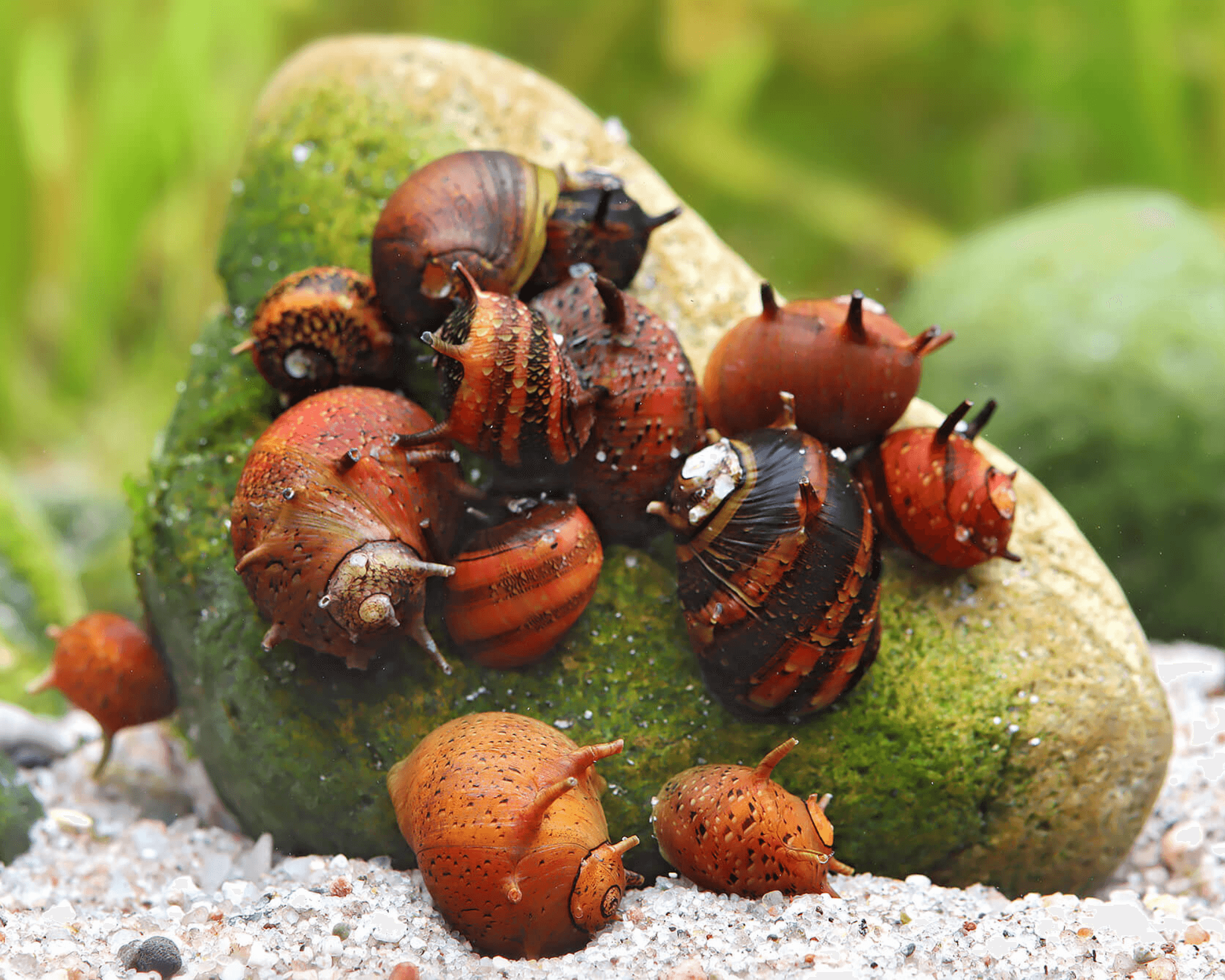
    Meet the Red Venom Horned Snail (Clithon sowerbianum), a striking and highly sought-after addition to any freshwater aquarium. Known for its dramatic black shell adorned with fiery red and orange bands, this tiny algae-eating powerhouse not only keeps your tank spotless but also adds a stunning visual contrast.
  • Tarebia granifera (Quilted Melania / Nöppi Snail)

    Tarebia granifera (Quilted Melania / Nöppi Snail)

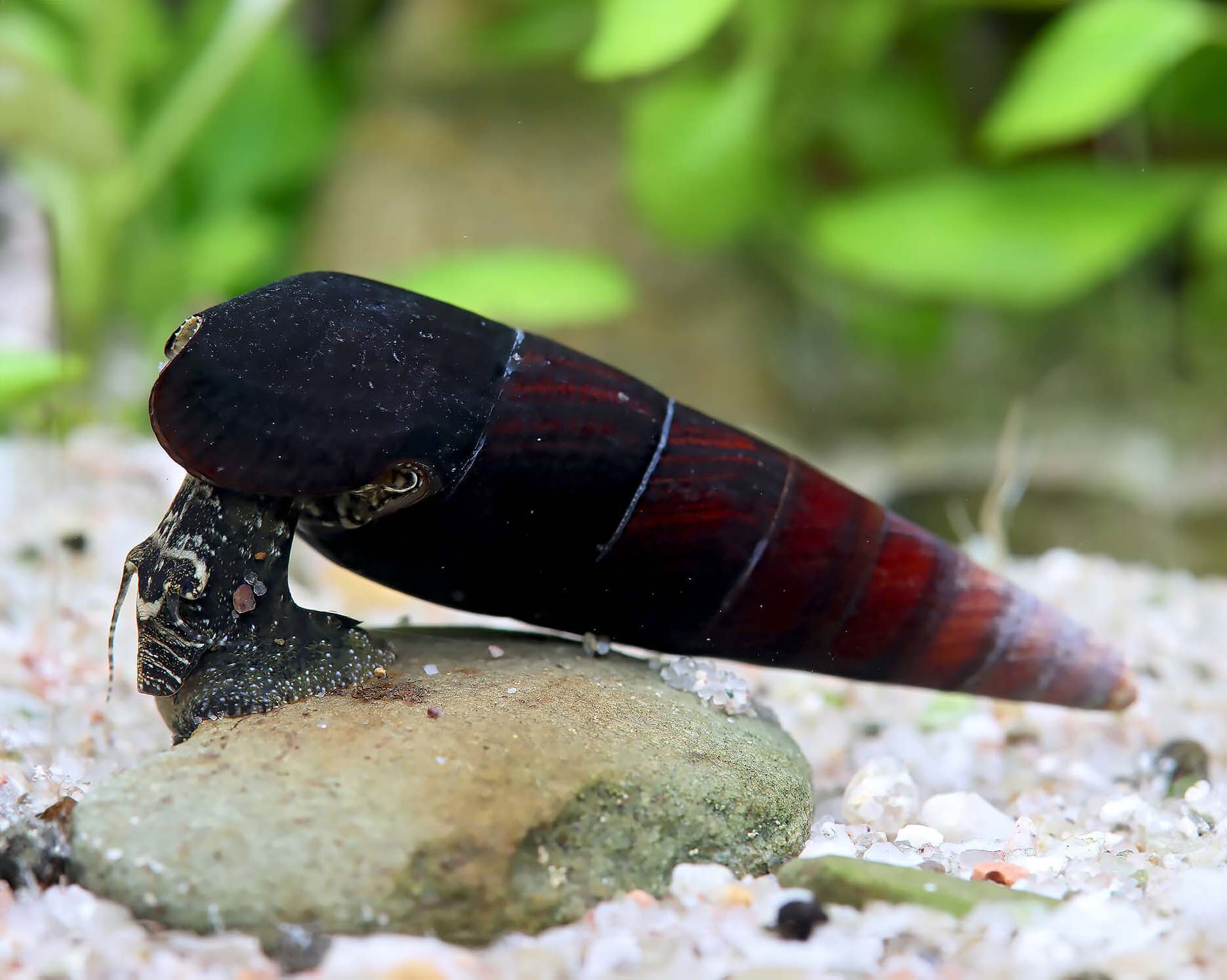
    Meet the Nöppi snail, scientifically known as Tarebia granifera. This industrious, cone-shelled scavenger is an unsung hero of the aquarium hobby. Renowned for aerating the substrate and consuming detritus, the Quilted Melania keeps your tank spotless while remaining a peaceful, hardy, and fascinating addition to any freshwater community setup.
  • Vittina waigiensis (Yellow Racer Snail)

    Vittina waigiensis (Yellow Racer Snail)

    The Vittina waigiensis, commonly known as the Yellow Racer Snail or Gelbe Rennschnecke, is a highly sought-after freshwater nerite. Renowned for its vibrant yellow-orange shell adorned with striking black patterns, this peaceful invertebrate is both a stunning display piece and a voracious algae eater for any planted aquarium.
  • Tylomelania sp. "Yellow" (Yellow Rabbit Snail)

    Tylomelania sp. "Yellow" (Yellow Rabbit Snail)

    Meet the Yellow Rabbit Snail, a captivating freshwater species from the ancient lakes of Sulawesi. With its striking, wrinkled yellow body and elongated, textured shell, this peaceful giant adds a touch of prehistoric charm to any aquarium. They are fascinating detritivores, perfect for dedicated aquarists seeking unique invertebrate life.