AquaLibs presents AquaRank Discover the world’s leading aquascapers

Explore transparent rankings built from published results across the world’s leading aquascaping contests.

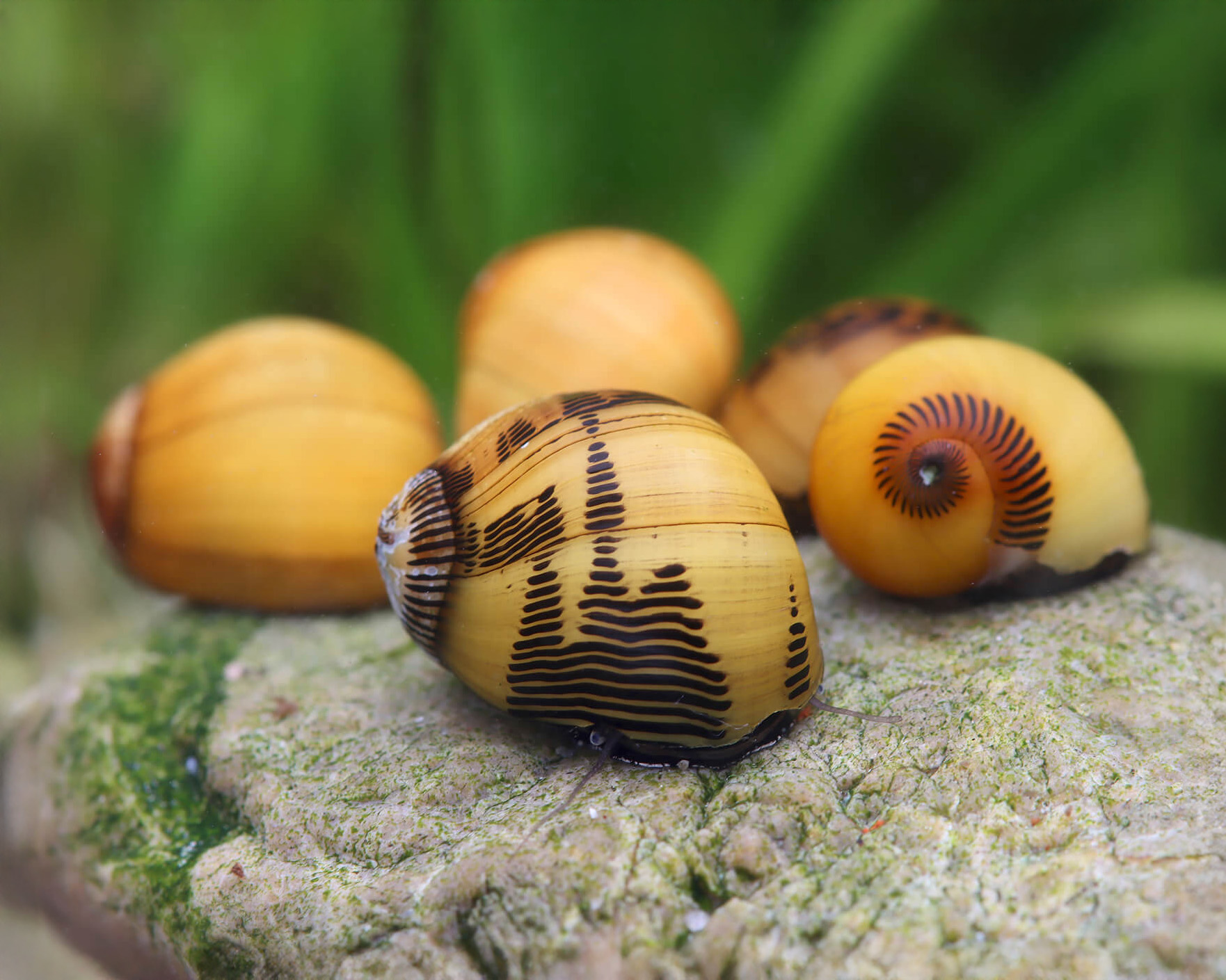
Gelbe Rennschnecke (Vittina waigiensis)

Taxonomy and identification

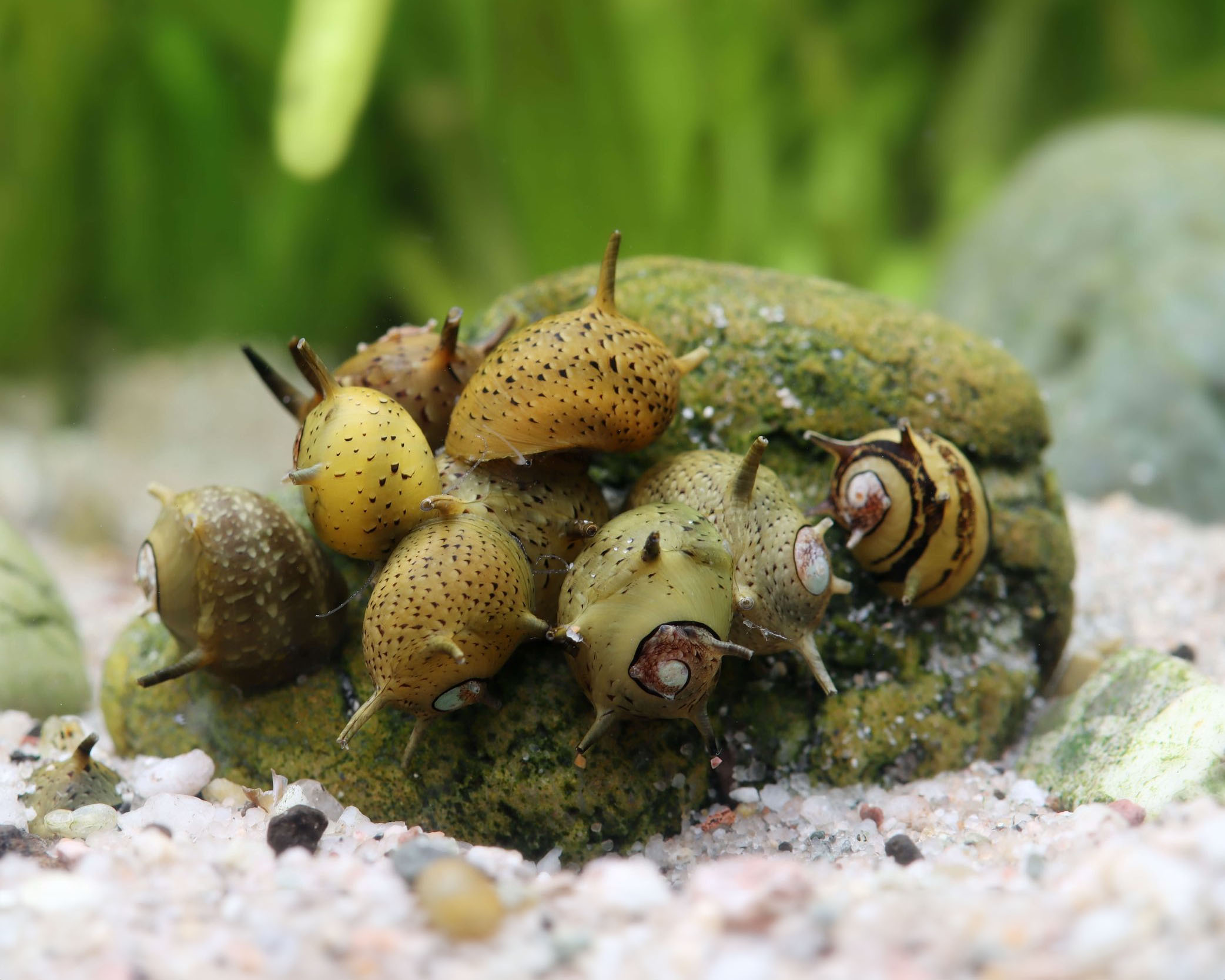
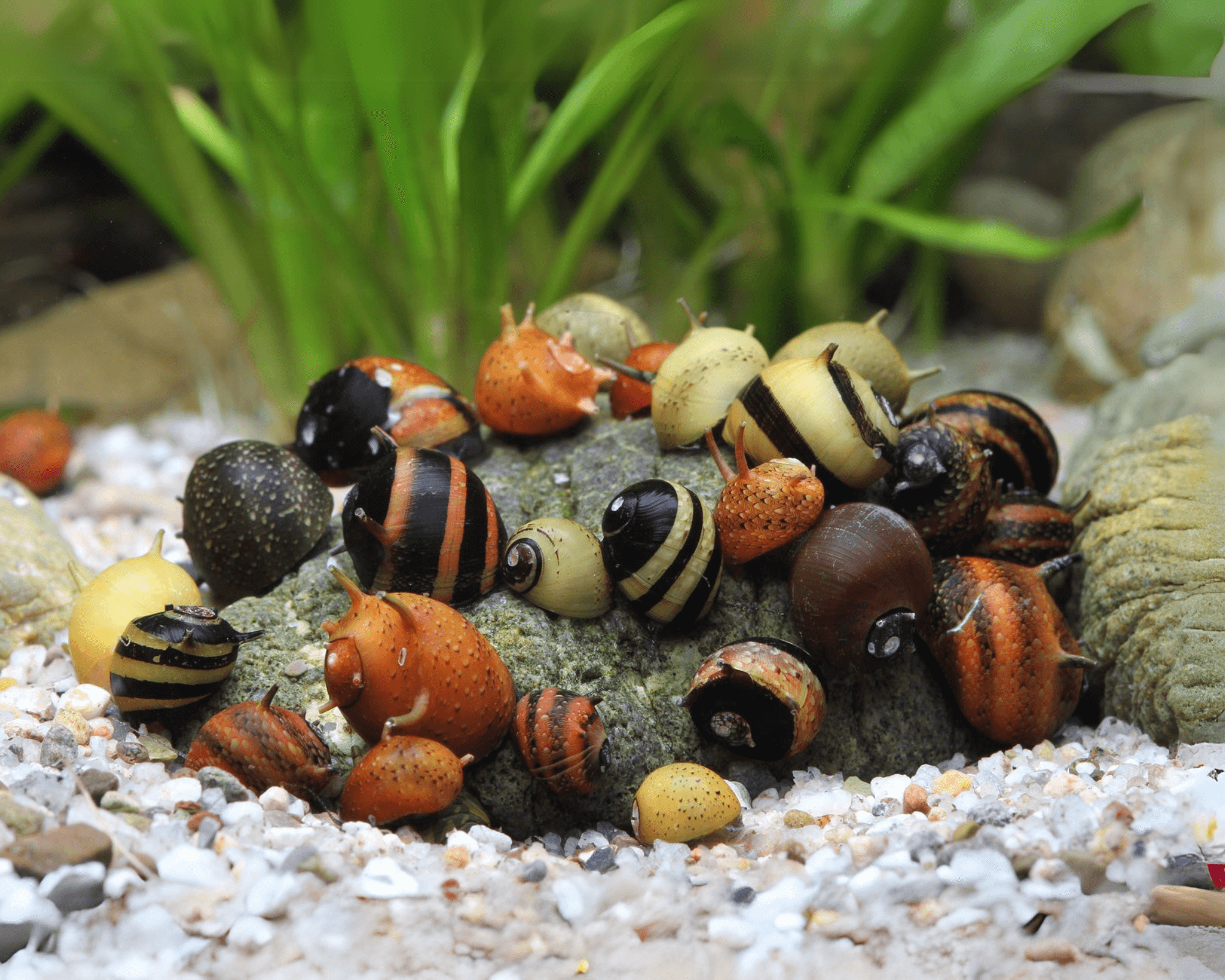
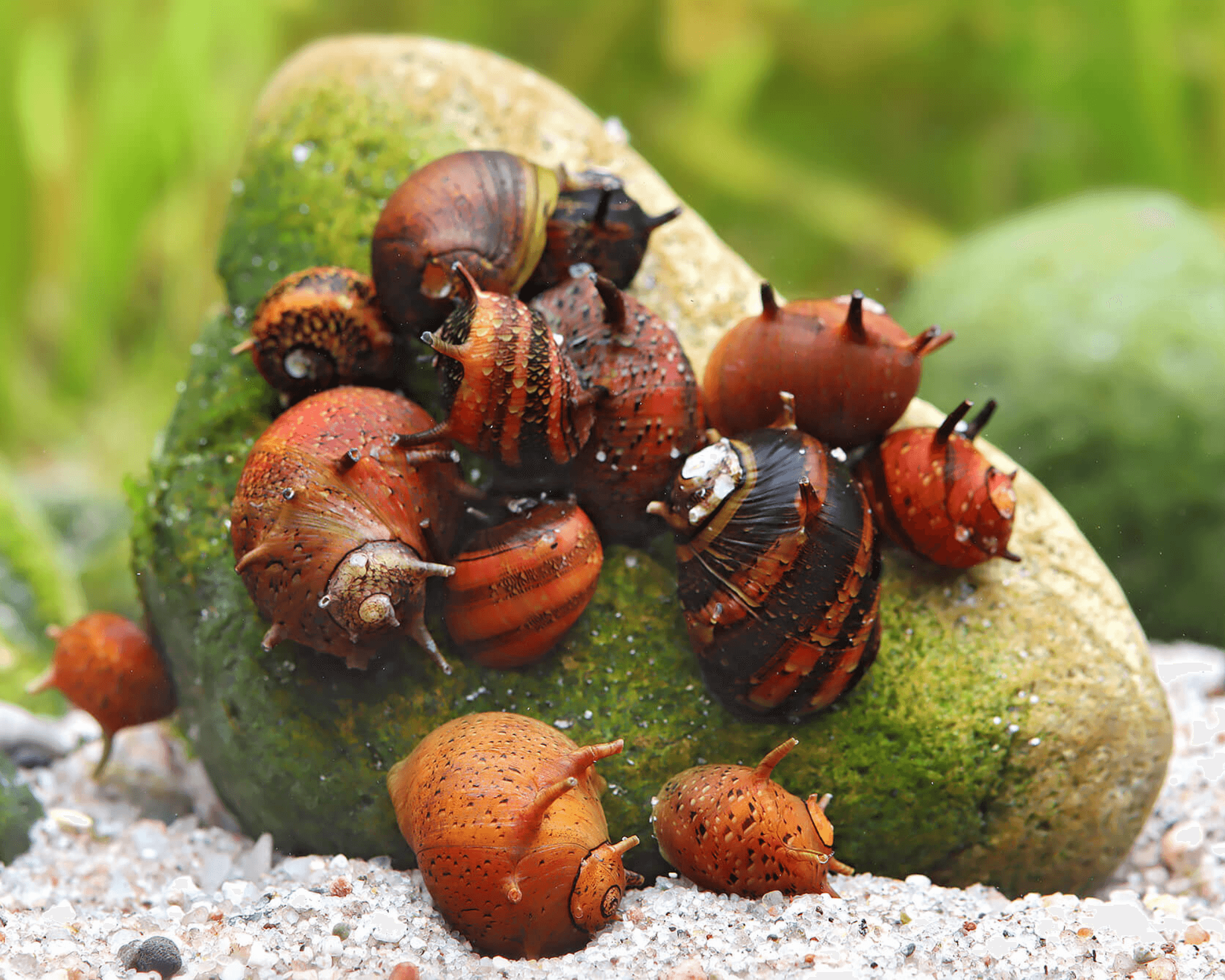
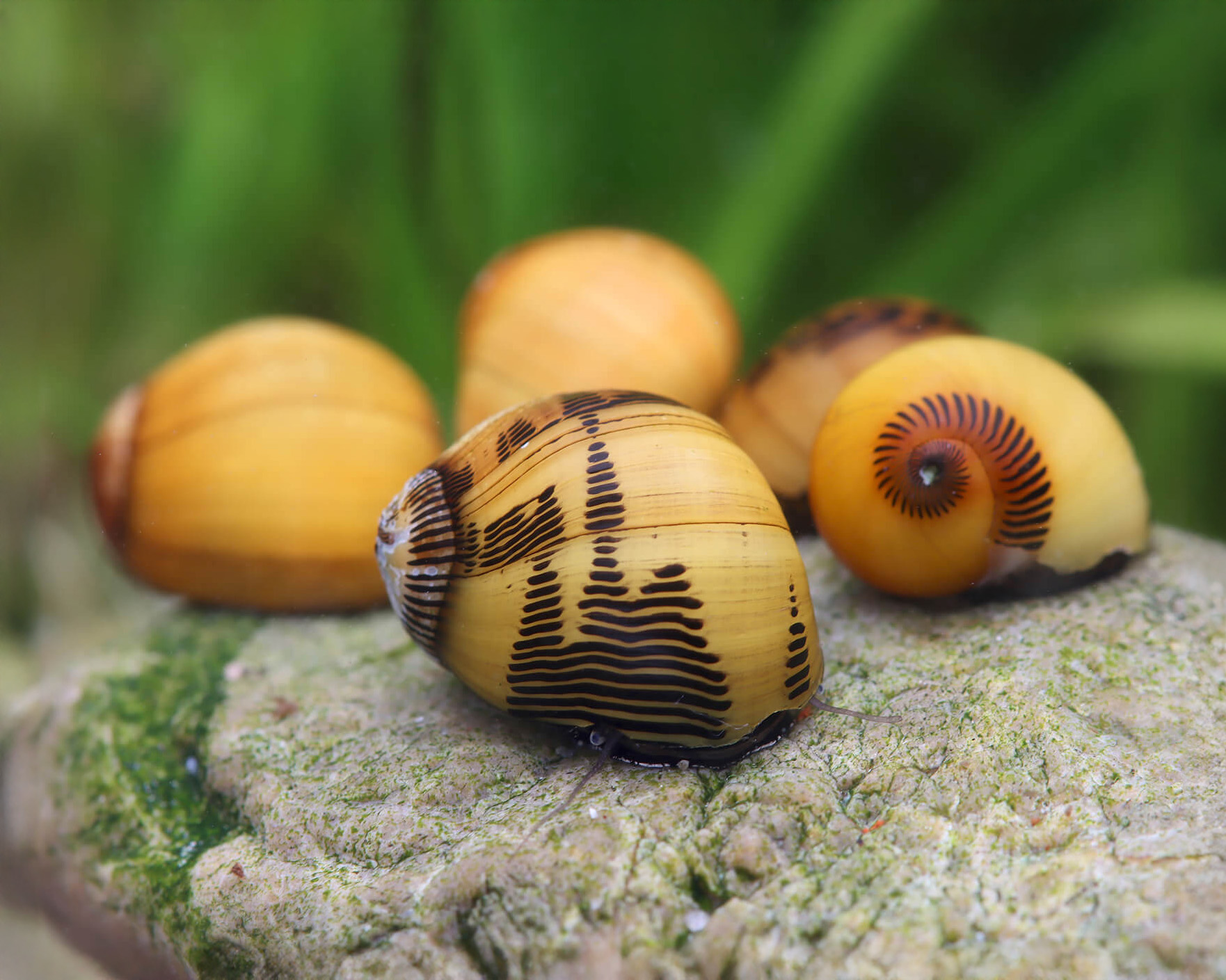
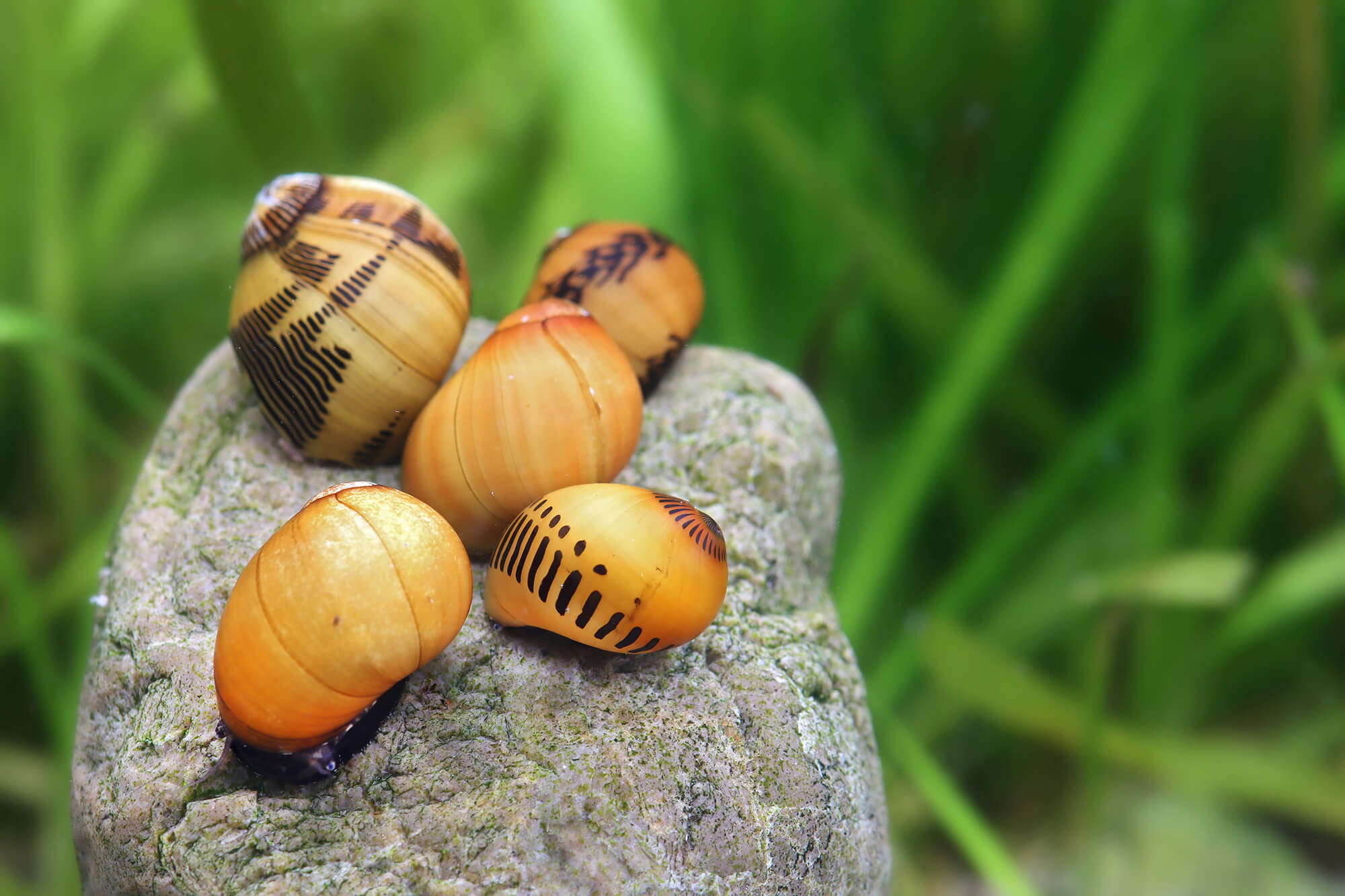
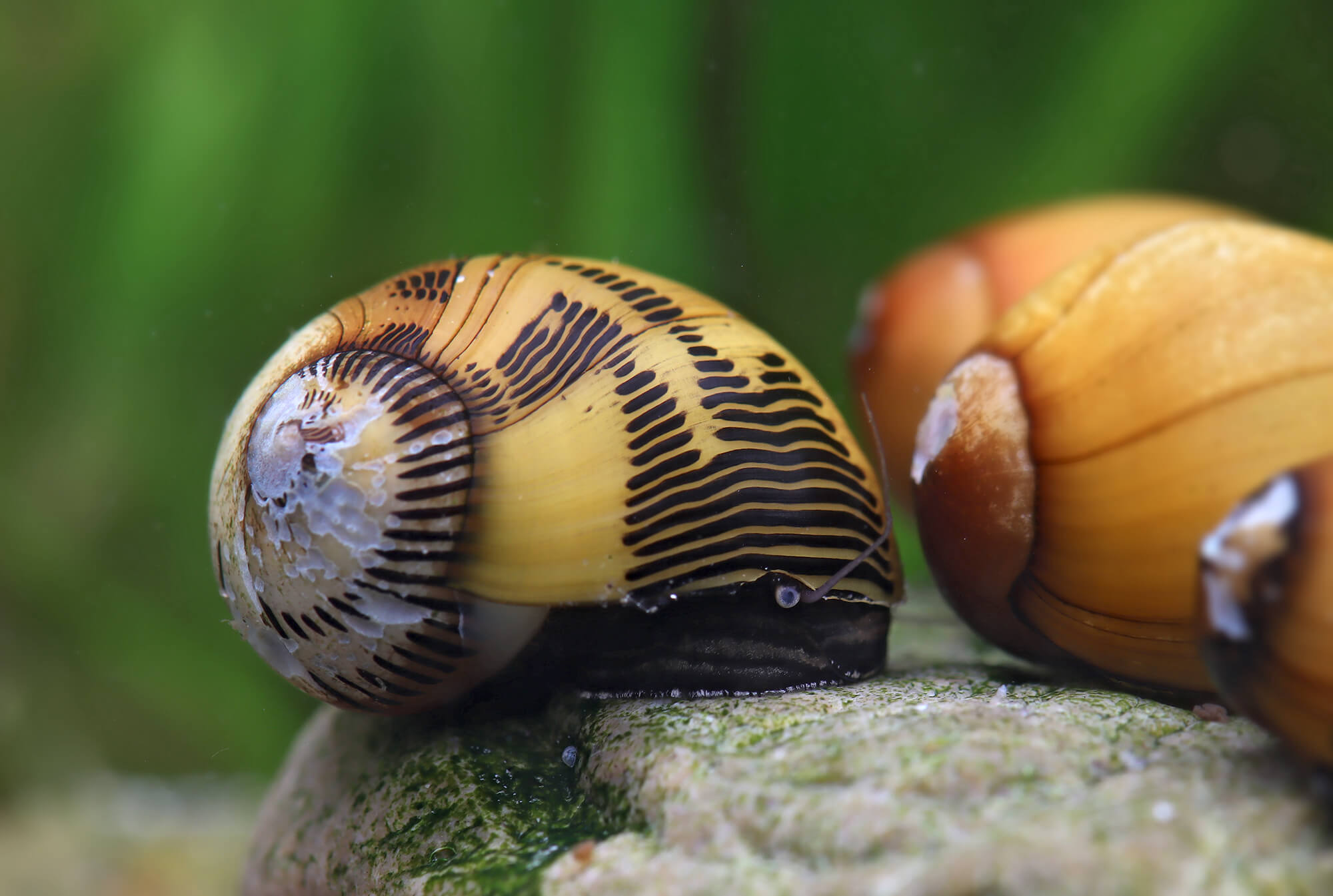
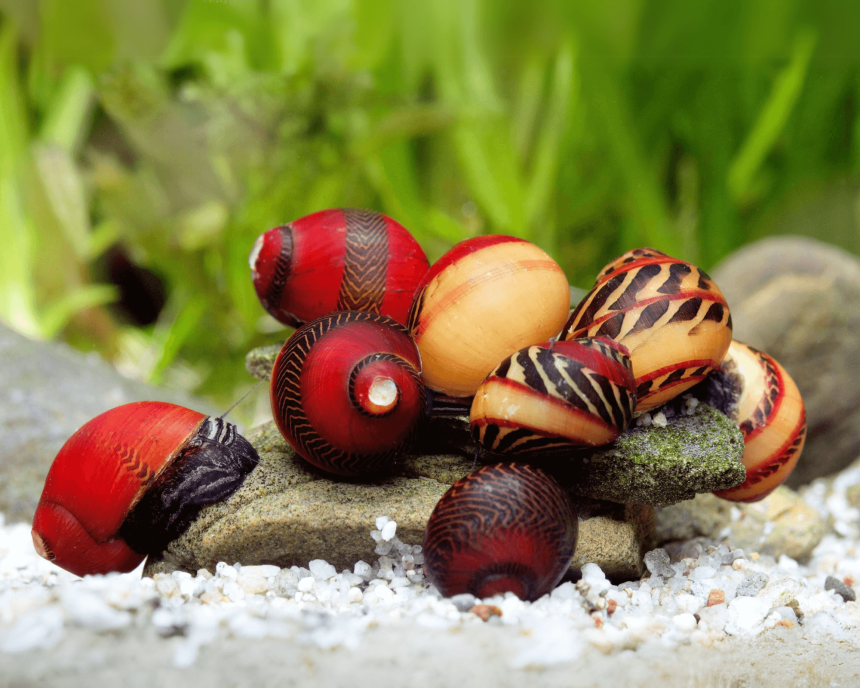
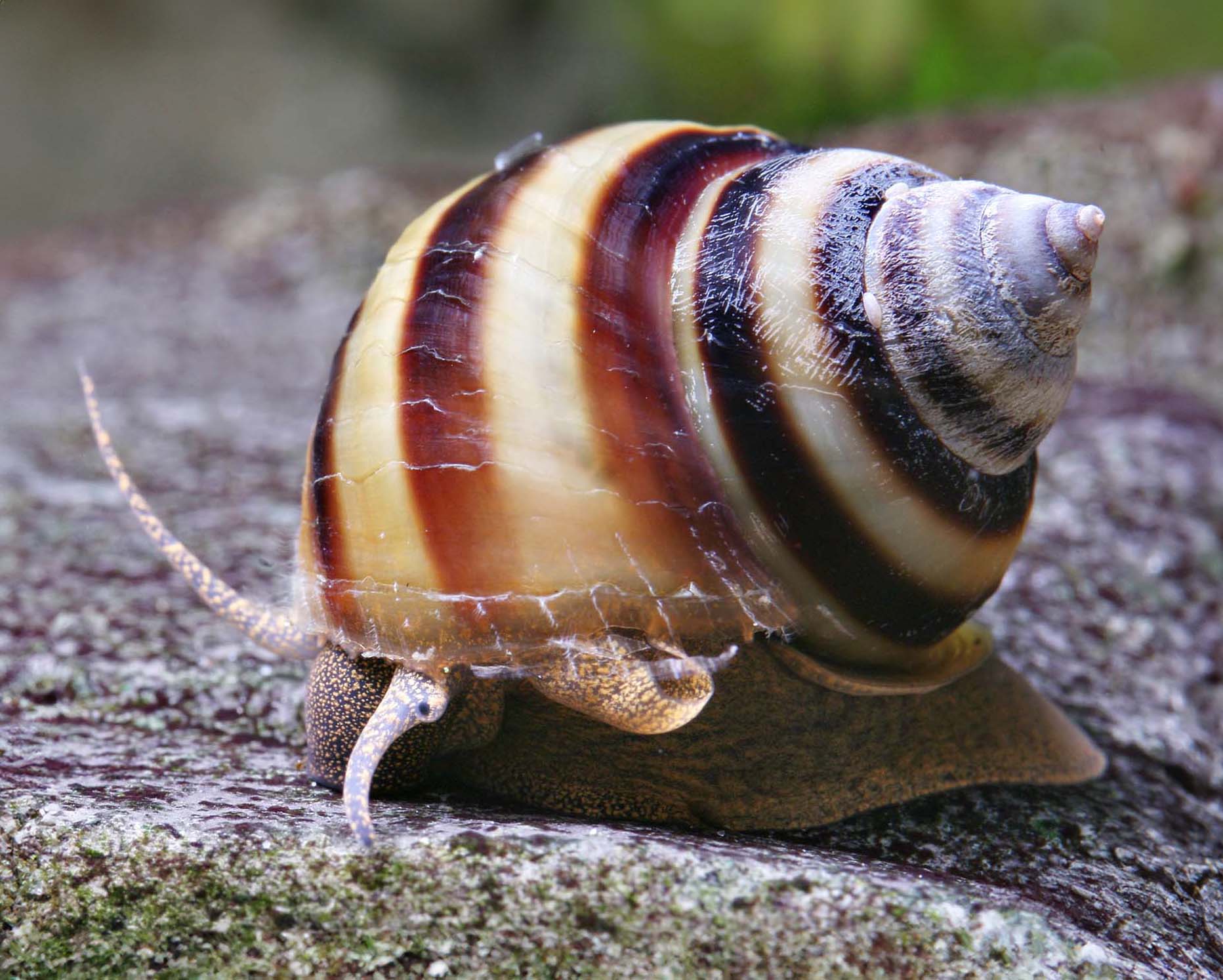
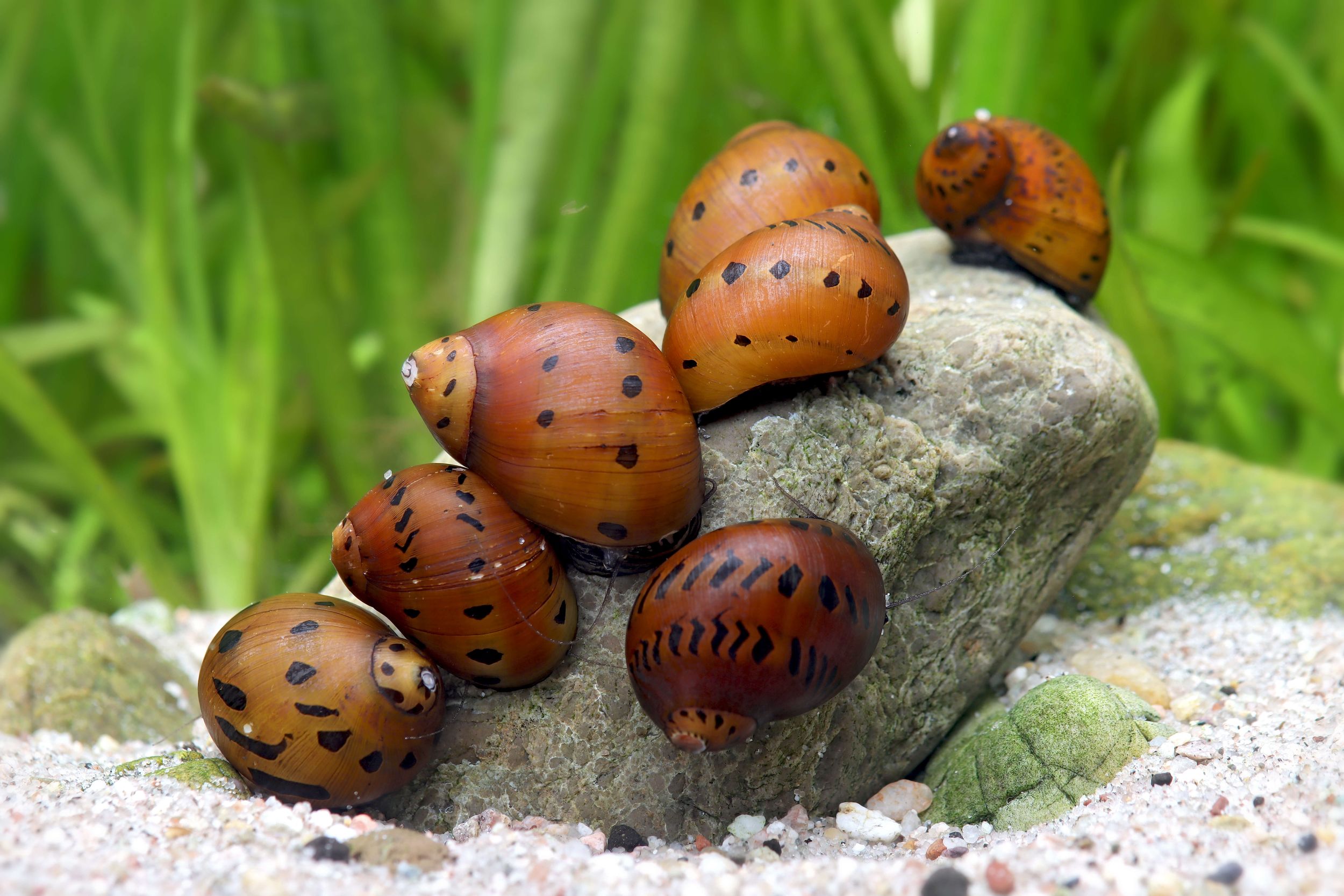
Vittina waigiensis belongs to the family Neritidae, order Cycloneritida, class Gastropoda. Aquarium trade names such as yellow racer or yellow nerite can be inconsistent, and similarly patterned Vittina and related nerite species may be confused. The supplied photographs show several color and pattern forms, but images alone do not establish a definitive identification. Treat the species name as probable rather than certain unless the shell and locality have been verified.
Taxonomy and identification

Natural habitat

This species is associated with tropical waters and is commonly treated as a freshwater nerite in aquaria. Neritid life cycles are often amphidromous: adults live and feed in freshwater, while the minute planktonic larval stages require more saline water. In nature, suitable habitats include flowing streams and river margins with submerged stones, wood and other firm surfaces covered by algae and biofilm. Good oxygenation, stable water quality and access to surfaces are important.
Natural habitat

Aquarium conditions

Use mature, fully cycled aquaria with stable conditions, gentle to moderate circulation and a secure lid because nerites may climb above the waterline. Keep the water well oxygenated and avoid prolonged exposure to ammonia or nitrite. Moderately hard, alkaline water is preferable because calcium and carbonate help maintain the shell. Avoid copper-based medications and sudden changes in temperature, pH or mineral content. The listed ranges are practical husbandry targets rather than strict species limits.
Aquarium conditions

Feeding

The main natural food is algae and microbial biofilm scraped from hard surfaces. Do not add these snails to a newly set-up or very clean aquarium and assume that algae alone will sustain them. Supplement when grazing is insufficient with algae wafers or other sinking foods containing suitable vegetable matter, and offer blanched vegetables such as zucchini or leafy greens if accepted. Remove uneaten food promptly. A healthy snail should remain active and should not be allowed to starve.
Feeding

Plant safety

Vittina waigiensis is normally plant-safe. It grazes algae, biofilm and soft organic films from plant leaves and surfaces rather than intentionally eating healthy aquatic plants. It may browse damaged, dying or algae-covered tissue, which can make weakened leaves appear more affected. Inspect new plants for hitchhiking snails and avoid fertilizers or treatments containing copper, which is toxic to many snails.

Reproduction

Males and females mate, and females deposit small, hard, pale egg capsules on rock, wood, glass and other firm surfaces. In ordinary freshwater aquaria, the larvae generally do not complete development, so eggs may be visible without producing a population increase. Successful breeding requires a suitable larval environment with saline or brackish conditions and specialized rearing methods; it is not normally achieved accidentally in a freshwater community tank.

Population control

Because reproduction is usually limited in freshwater, population growth is typically controlled by the number of snails introduced rather than by routine breeding. Remove unwanted adults by hand and avoid purchasing excess individuals. Scraping egg capsules from hardscape can improve appearance, although they may be difficult to remove completely. Do not use snail-killing chemicals in a display aquarium, since they can harm desired invertebrates and contaminate the system. If numbers decline, check food availability and water chemistry rather than adding replacements immediately.
Snail info

  • Temperature : 22–28 °C
  • pH: 7.0–8.5
Leave your comments
Latest on Snails
  • Piano Snail (Taia naticoides)

    Piano Snail (Taia naticoides)

    The piano snail, also sold as the brush algae snail, is a large freshwater operculate snail with a rounded, banded shell. Taia naticoides is associated with Southeast Asian freshwater habitats and is valued for grazing surface growth and consuming organic debris. Aquarium identification can be complicated because common names are applied inconsistently; confirm the species with a reliable supplier. It is generally peaceful, plant-safe and live-bearing, but it needs mineral-rich water and should not be treated as a solution for heavy algae growth.
  • Orange Track Racing Snail (Vittina semiconica)

    Orange Track Racing Snail (Vittina semiconica)

    The Orange Track racing snail, Vittina semiconica, is a freshwater nerite valued for algae grazing and its patterned orange shell. It is generally peaceful, plant-safe and suitable for established community aquariums. Identification from shell pattern alone can be difficult because several Vittina and related nerite species resemble one another, so the supplied trade name should be treated as provisional unless confirmed by a specialist examination.
  • Orange Rock Snail (Orange Tylomelania)

    Orange Rock Snail (Orange Tylomelania)

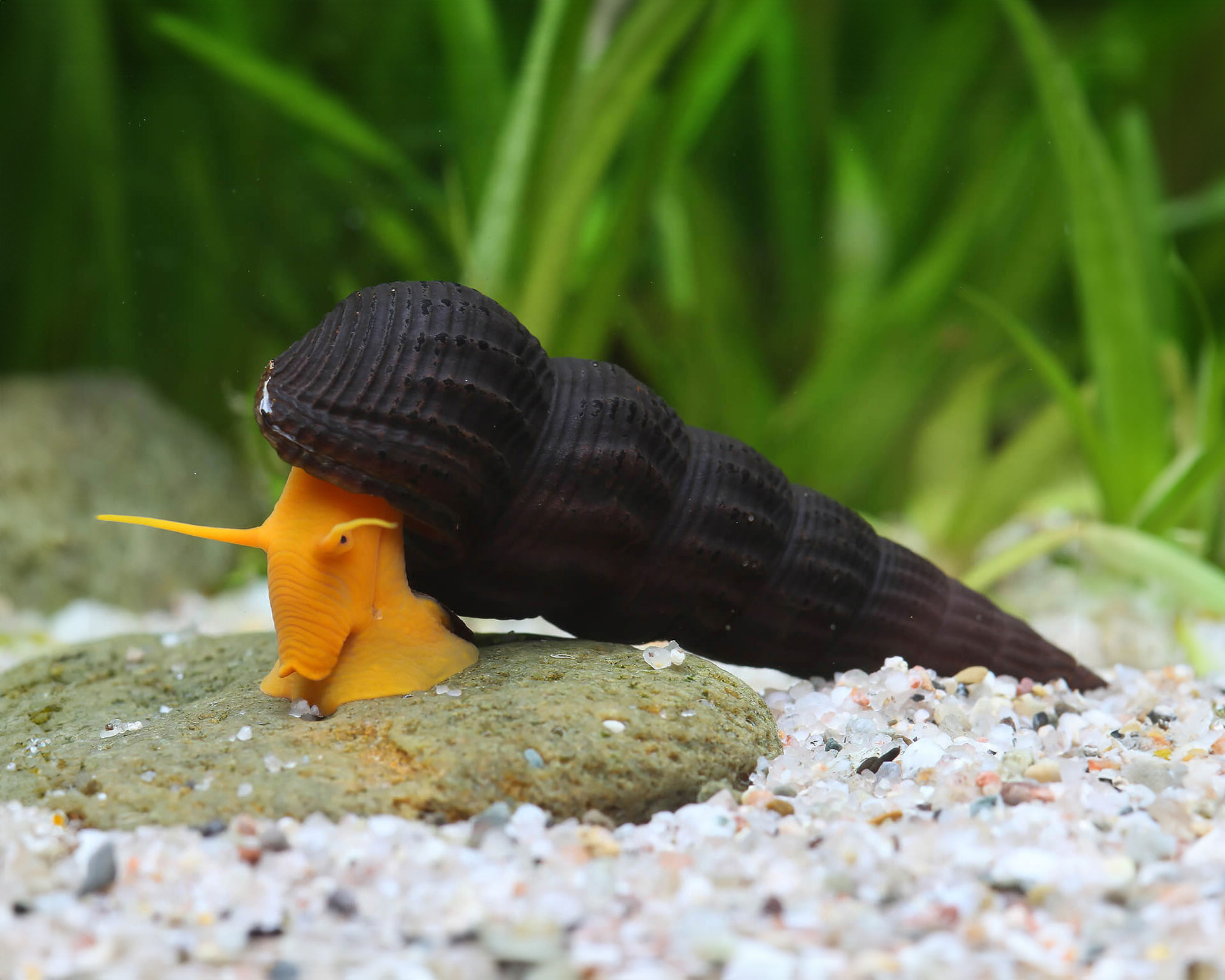
    The Orange Rock Snail is a trade name commonly used for orange-bodied Tylomelania, a group of freshwater snails associated with Sulawesi. Its dark, strongly ridged shell contrasts with the bright orange foot and head. Exact species identification is uncertain from the trade name and photographs alone, so care should follow general Tylomelania requirements. These snails are peaceful, active mainly at night, and best kept in mature, warm, alkaline aquariums with stable mineral content.
  • Orange Red Ramshorn Snail (Planorbella duryi duryi)

    Orange Red Ramshorn Snail (Planorbella duryi duryi)

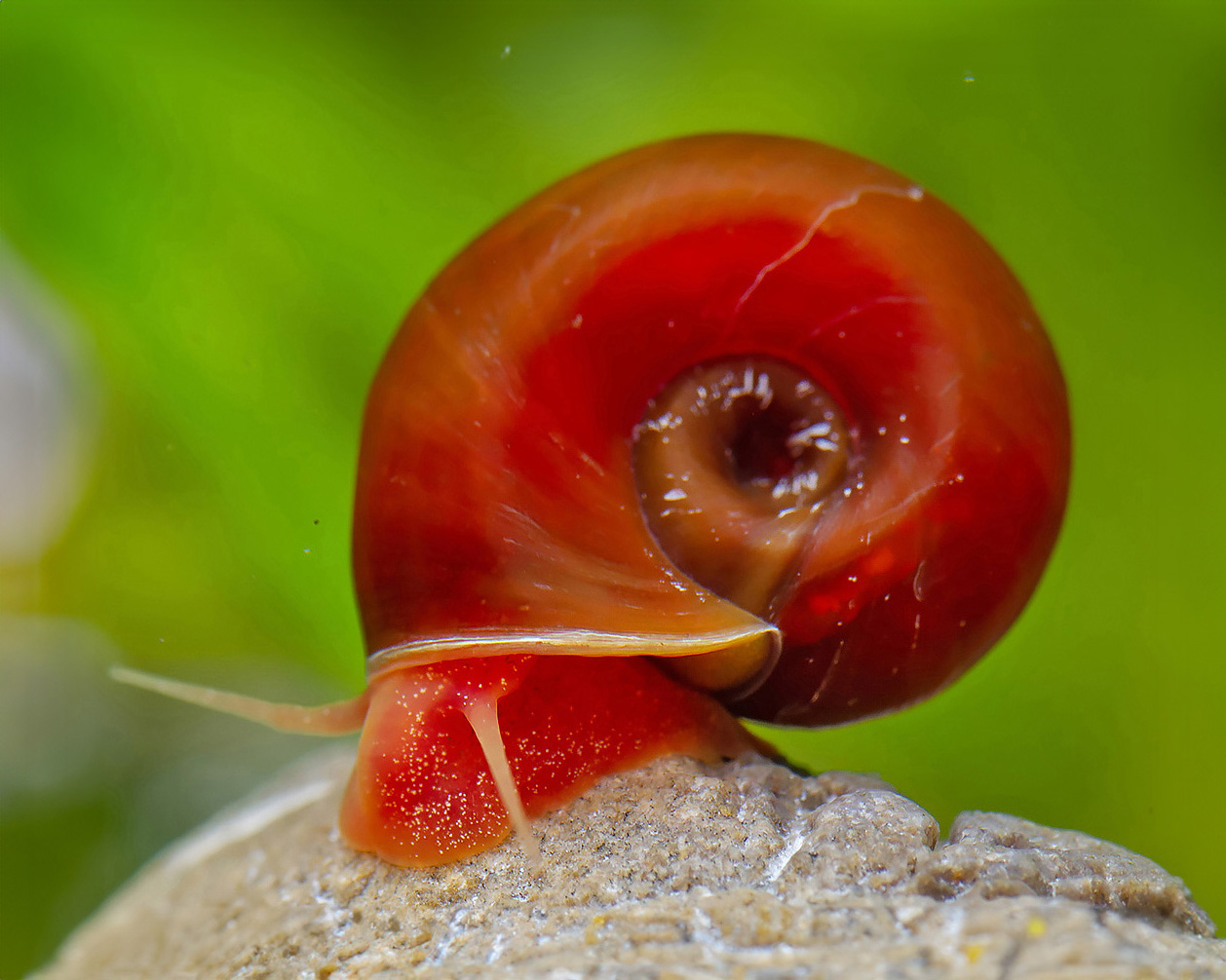
    The orange red ramshorn snail is a freshwater planorbid recognized by its flat, coiled shell and brightly colored body. Planorbella duryi duryi is associated with freshwater habitats in the southeastern United States, especially Florida, although aquarium specimens may be selectively bred and their exact locality is often unknown. It is generally peaceful, useful as a grazer and scavenger, and capable of reproducing quickly when food is abundant.
  • Midnight Lady Snail (Vittina sp.)

    Midnight Lady Snail (Vittina sp.)

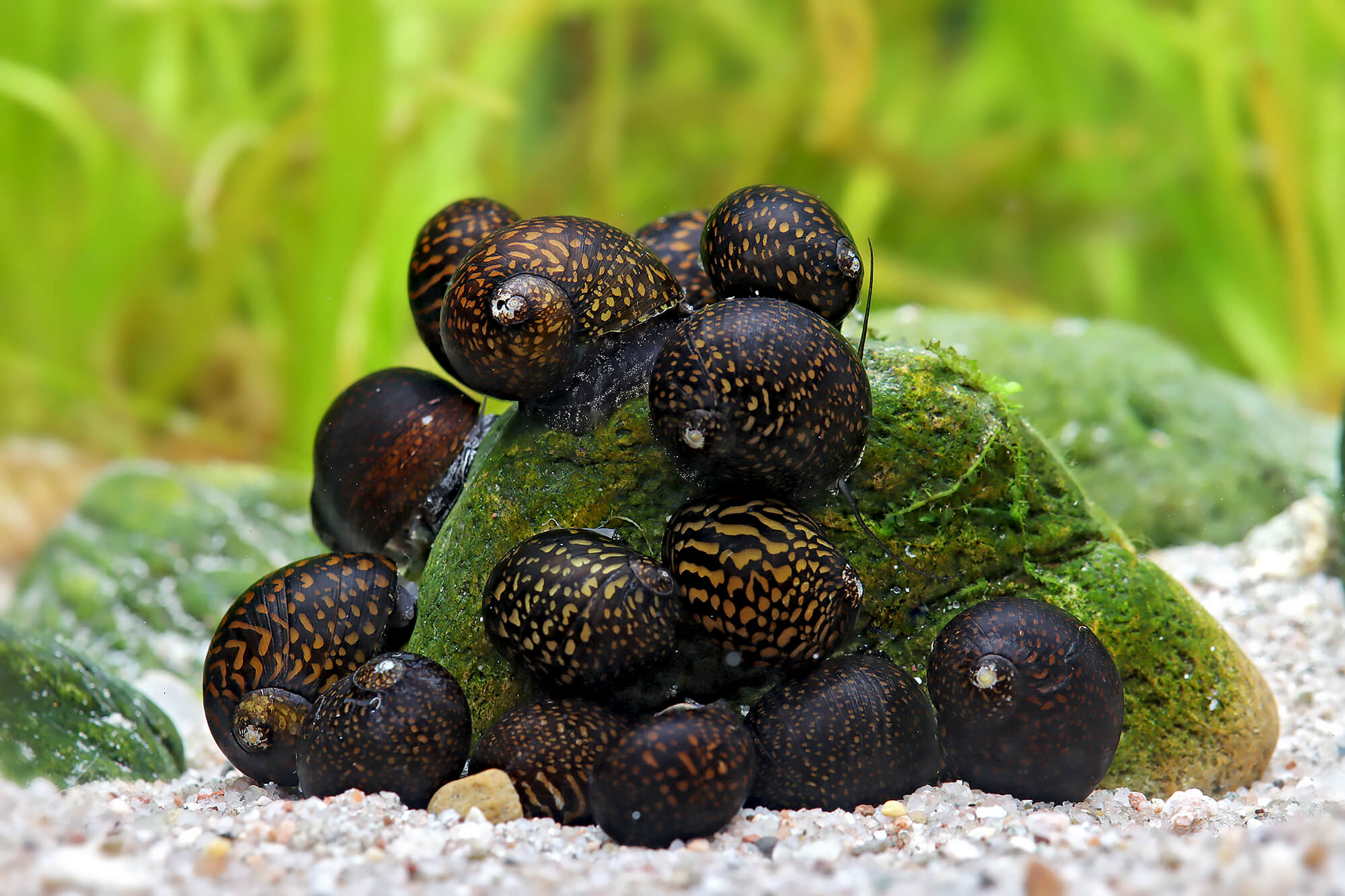
    The Midnight Lady Snail is a dark, patterned nerite sold under the aquarium trade name Midnight Lady Schnecke. It is identified here as Vittina sp., because the exact species cannot be confirmed from the supplied name and photograph alone. These snails are generally peaceful algae grazers for mature freshwater aquariums, but successful breeding requires conditions that are not normally present in freshwater tanks.
  • Ivory Predatory Snail: Anentome helena

    Ivory Predatory Snail: Anentome helena

    The ivory predatory snail, commonly sold as Clea helena, is a freshwater assassin snail from Southeast Asia. It has a strongly ribbed, ivory to yellow-brown shell and a mottled gray-brown body. This active carnivore hunts or scavenges other small snails and accepts meaty foods in aquaria. It is generally plant-safe, but its predatory diet and egg-laying reproduction require planning when keeping it with ornamental snails or maintaining a controlled population.
  • Hedgehog Snail (Brotia armata)

    Hedgehog Snail (Brotia armata)

    The hedgehog snail, Brotia armata, is a large freshwater pachychilid recognized by its strongly ridged, spiny shell. It is a grazing and scavenging snail rather than a dedicated algae-control species, and it needs mature aquariums with clean, oxygenated water and adequate mineral content. Identification from photographs can be uncertain because several Brotia species have similar shell forms, so locality information is useful when confirming specimens.
  • Indian Malayan Louver Snail (Melanoides tuberculata)

    Indian Malayan Louver Snail (Melanoides tuberculata)

    Melanoides tuberculata is a small, conical freshwater snail commonly known in aquaria as the Malaysian trumpet snail. It spends much of the day burrowing through substrate and becomes more active after dark. This adaptable species consumes biofilm, algae, detritus and uneaten food, while generally leaving healthy plants alone. Its live-bearing reproduction can produce a large population when food is abundant. The name supplied for this article is retained, although common names vary and aquarium specimens may be confused with related thiarid snails.
  • Green staghorn snail (Clithon corona)

    Green staghorn snail (Clithon corona)

    The green staghorn snail, Clithon corona, is a nerite snail valued for grazing algae and biofilm in freshwater aquariums. It is generally peaceful, plant-safe and unlikely to overpopulate in freshwater because its larvae normally require brackish or marine conditions. Provide mature surfaces for grazing, mineral-rich water and a secure lid. Identification can be difficult because aquarium trade names overlap among Clithon species, so the supplied name should be treated as a probable identification rather than a definitive one.
  • Geweihschnecke Tricolor (Clithon sp.)

    Geweihschnecke Tricolor (Clithon sp.)

    Geweihschnecke Tricolor is a trade name for a colourful horned nerite in the genus Clithon. Exact species identification is uncertain because several closely related Clithon species and colour forms are sold under similar names. These small algae-grazing snails suit mature freshwater aquariums with stable, mineral-rich water. They are generally peaceful, plant-safe and unable to establish a large population in ordinary freshwater, although they may leave small white egg capsules on hard surfaces.
  • Geweihschnecke Red Venom (Clithon sowerbianum)

    Geweihschnecke Red Venom (Clithon sowerbianum)

    The Red Venom Geweihschnecke is a striking horned nerite sold for freshwater aquariums. Its dark shell, red-orange bands and small projections make it distinctive, although trade names and shell patterns can overlap among Clithon species. It is mainly a grazer of algae and biofilm, is generally safe with healthy plants, and usually cannot establish a self-sustaining population in freshwater because its larvae require different conditions.
  • Geweihschnecke Volcano Red (Clithon sowerbianum)

    Geweihschnecke Volcano Red (Clithon sowerbianum)

    The Volcano Red Geweihschnecke is a small freshwater nerite-type snail sold under the scientific name Clithon sowerbianum. Its shell commonly shows red, orange, brown, and dark patterns, with horn-like projections in some individuals. It grazes algae and biofilm from hard surfaces without normally damaging healthy plants. Identification and the exact validity or spelling of the supplied scientific name should be treated with some caution because aquarium trade names and Clithon nomenclature are not always used consistently.
  • Yellow Baby Poso Snail, Tylomelania sp.

    Yellow Baby Poso Snail, Tylomelania sp.

    The Yellow Baby Poso Snail is a juvenile Tylomelania identified in the trade as Tylomelania sp. Its yellow to golden body contrasts with a dark, strongly ribbed shell. The “Poso” name suggests a Sulawesi lake lineage, but the exact species and locality cannot be confirmed from the supplied trade name or photographs alone. This is a freshwater snail for warm, mineral-rich aquariums and should be kept with peaceful tank mates that will not damage its soft body or feelers.
  • Devil's Thorn Snail (Faunus ater)

    Devil's Thorn Snail (Faunus ater)

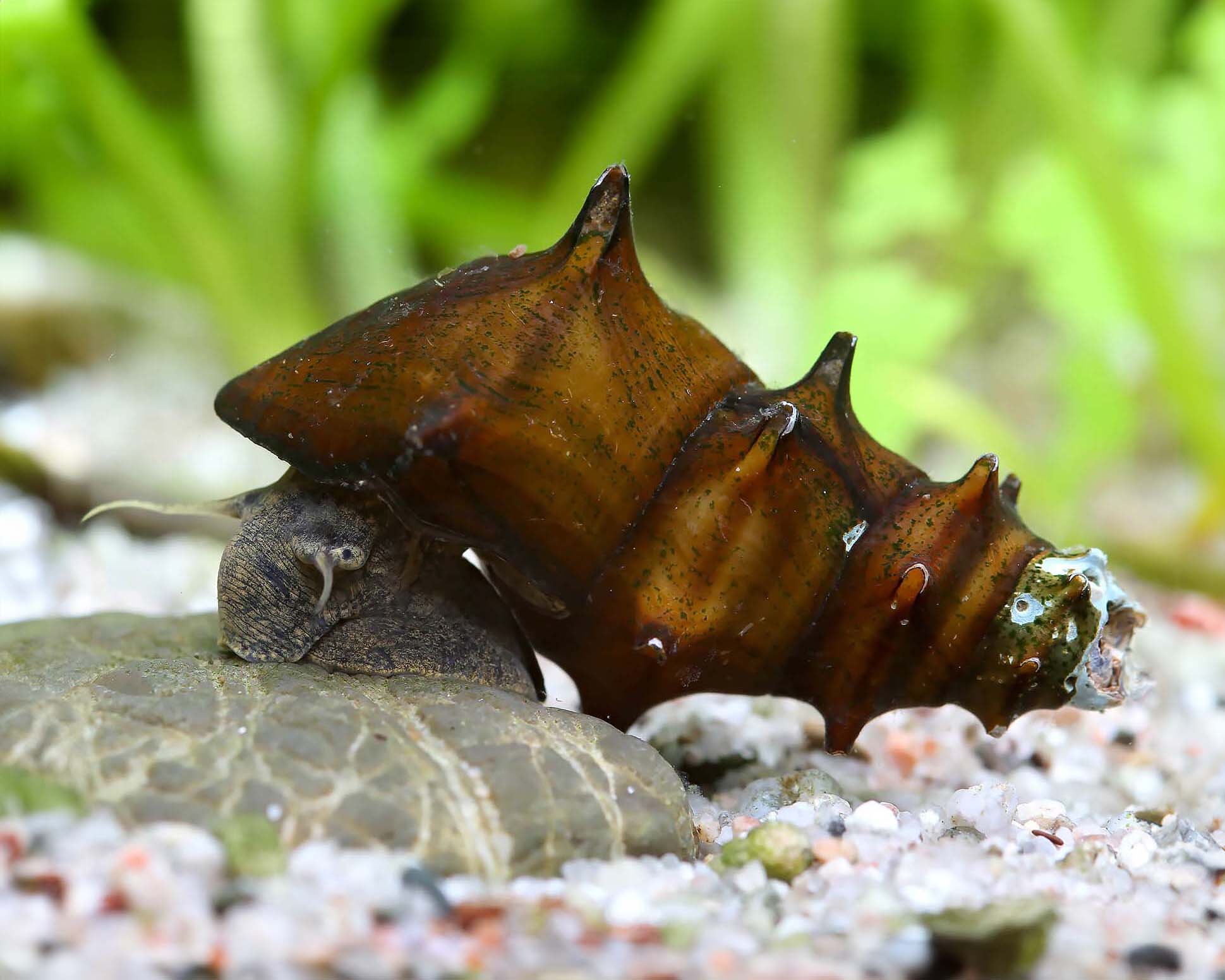
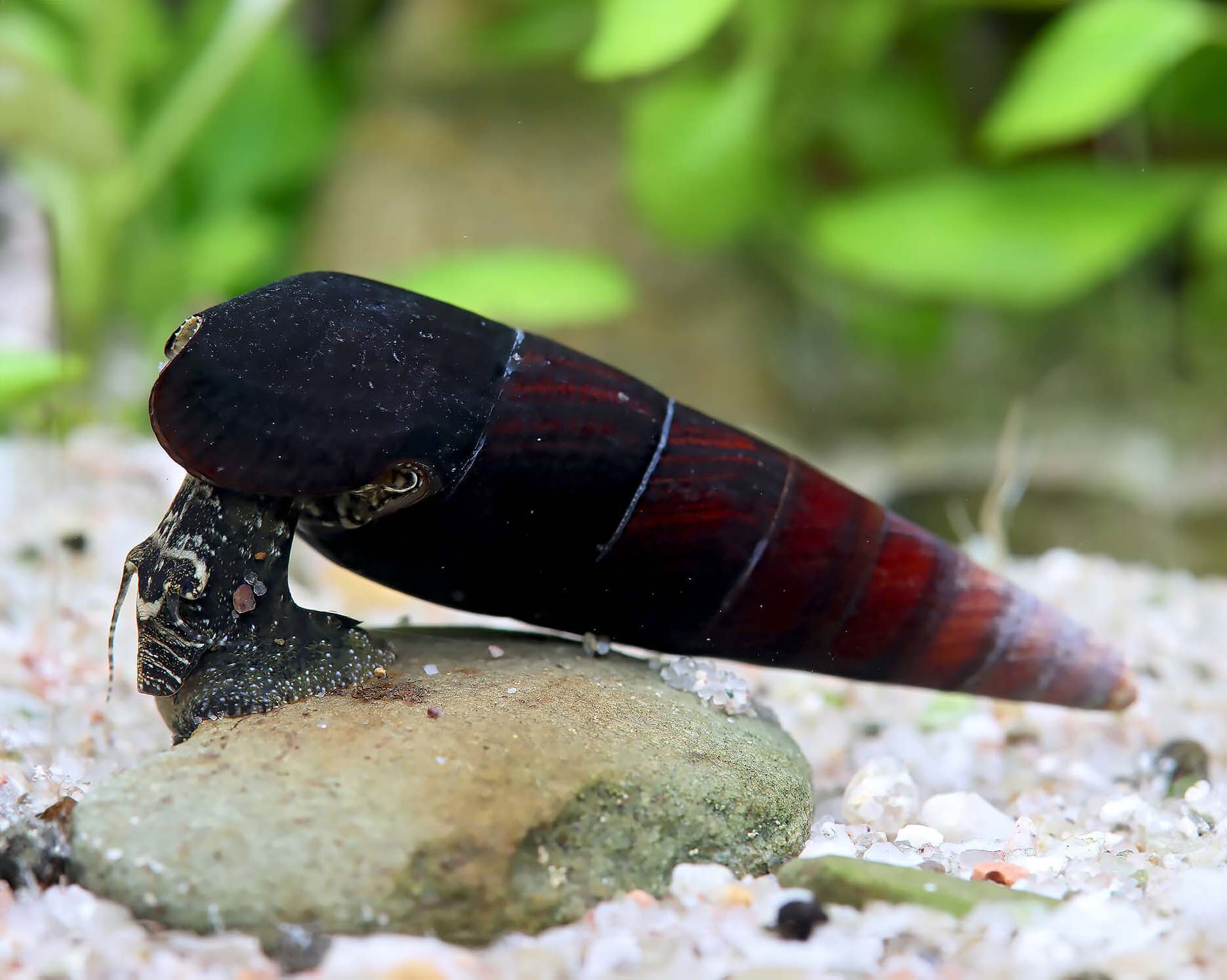
    Faunus ater is a large, elongated pachychilid snail from tropical Indo-West Pacific waters. It is associated with freshwater streams, rivers and estuarine habitats, and aquarium specimens are often kept in freshwater or mildly brackish conditions. Its dark, banded or reddish-brown shell is distinctive, although identification from photographs alone can be uncertain. It is generally peaceful, plant-safe and slow to reproduce in typical freshwater aquaria.
  • Deadpool Rennschnecke (Vittina waigiensis)

    Deadpool Rennschnecke (Vittina waigiensis)

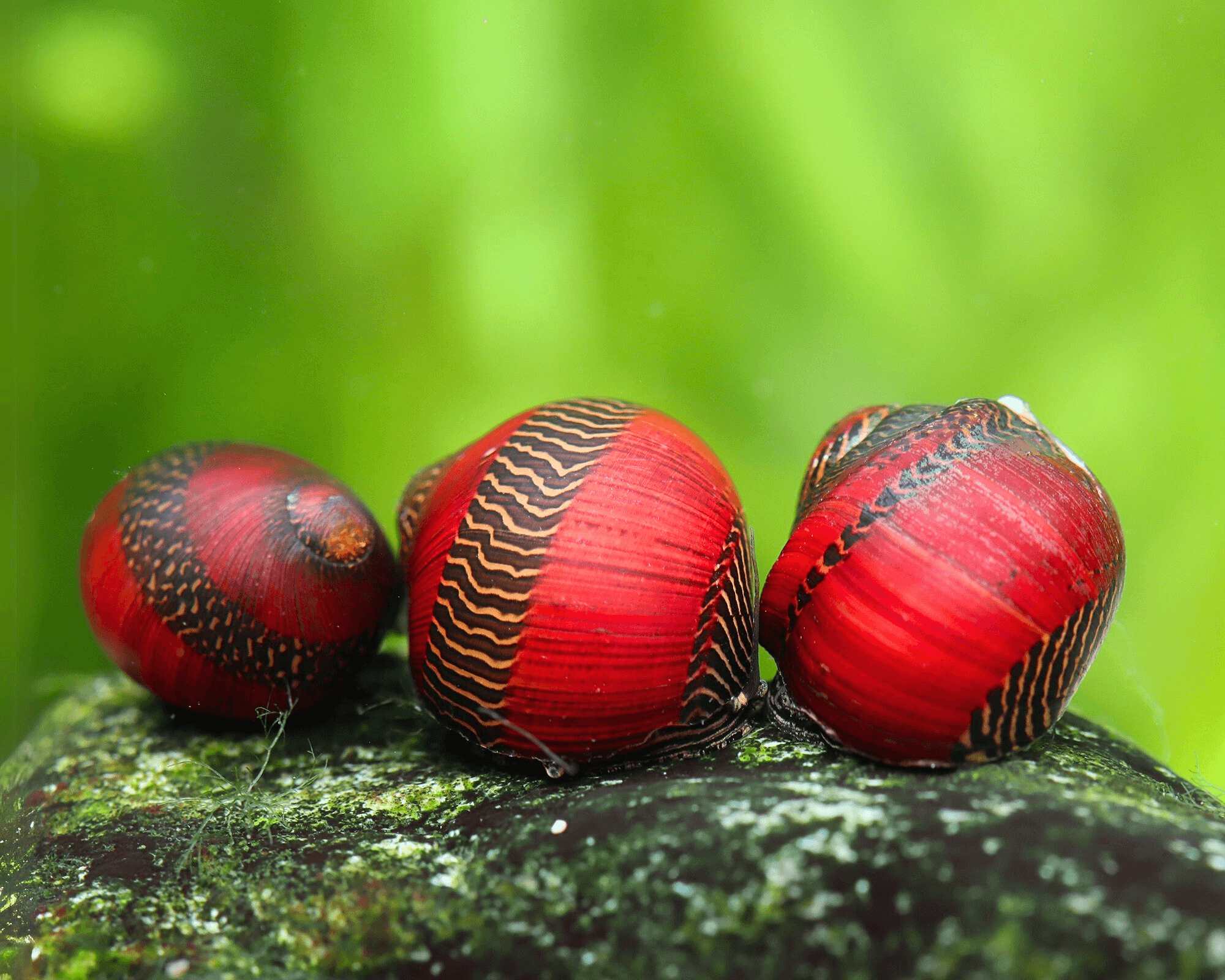
    Vittina waigiensis is a nerite snail sold in the aquarium trade under names such as Deadpool Rennschnecke, usually referring to a striking red shell with dark patterning. It is a peaceful algae grazer that generally leaves healthy plants alone. Adults can live in freshwater aquariums, but successful reproduction requires brackish or marine conditions during the larval stage. The trade name and shell pattern are not sufficient for absolute identification, so the species assignment should be treated as provisional unless confirmed by specialist examination.
  • Cappuccino Snail (Faunus ater)

    Cappuccino Snail (Faunus ater)

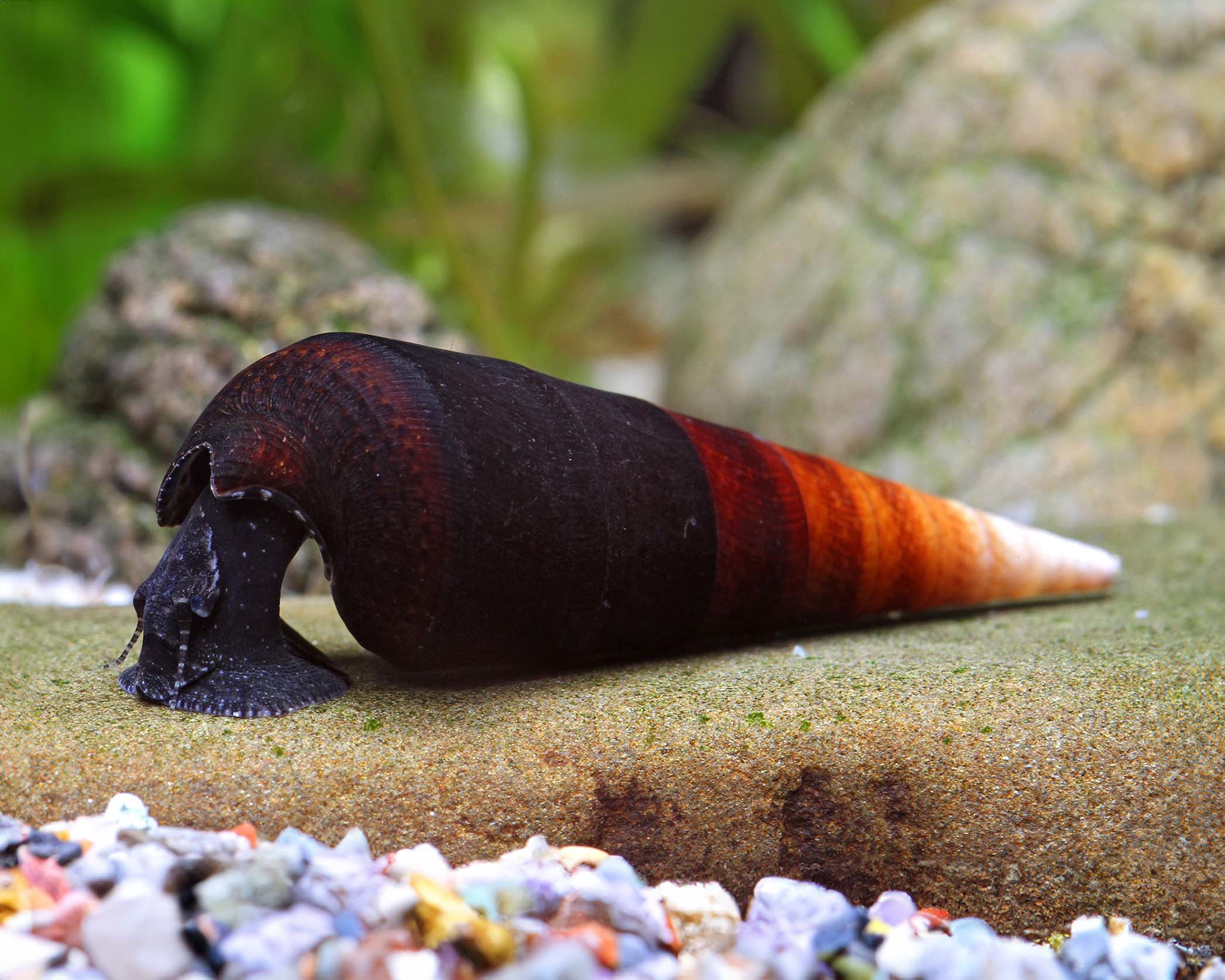
    Faunus ater is a large pachychilid snail associated with tropical rivers, streams and estuarine environments across parts of the Indo-Pacific. Its dark, elongated shell commonly has reddish-brown, orange or pale bands toward the tip. In aquaria it is generally a peaceful grazer that feeds on algae, biofilm and sinking foods. Successful reproduction is unusual in ordinary freshwater tanks because its life cycle includes free-floating larvae requiring suitable water conditions.