Taxonomy and identification
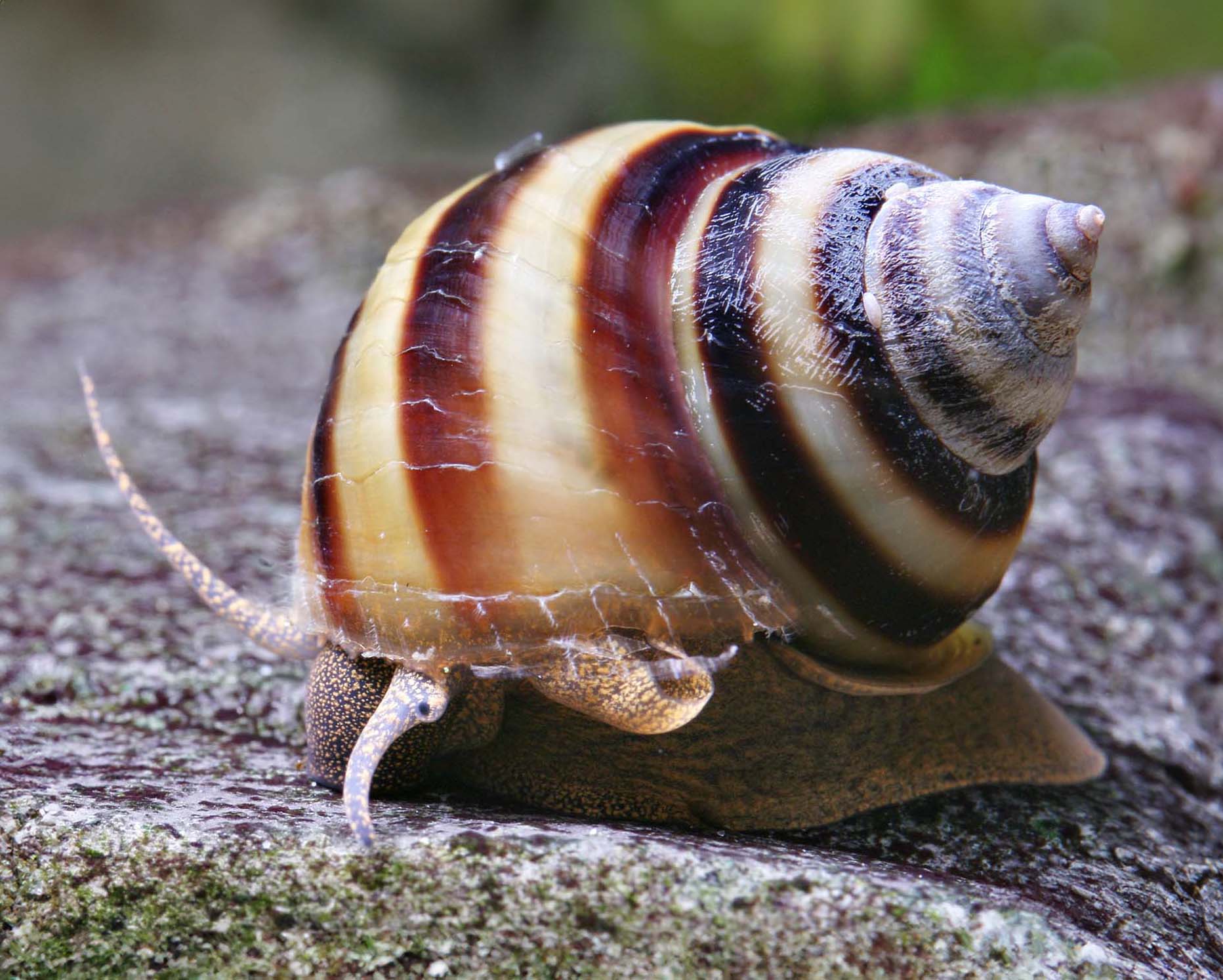
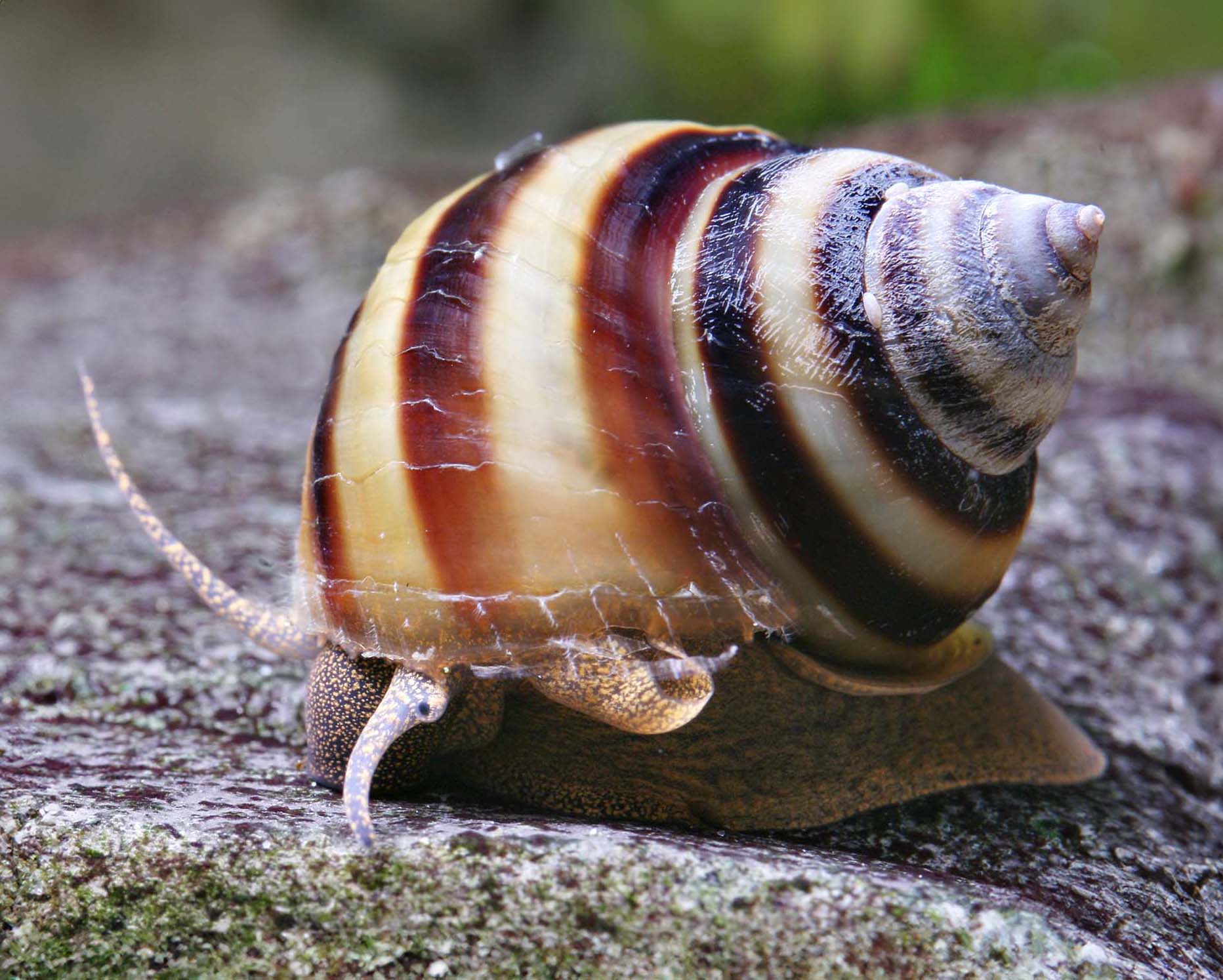
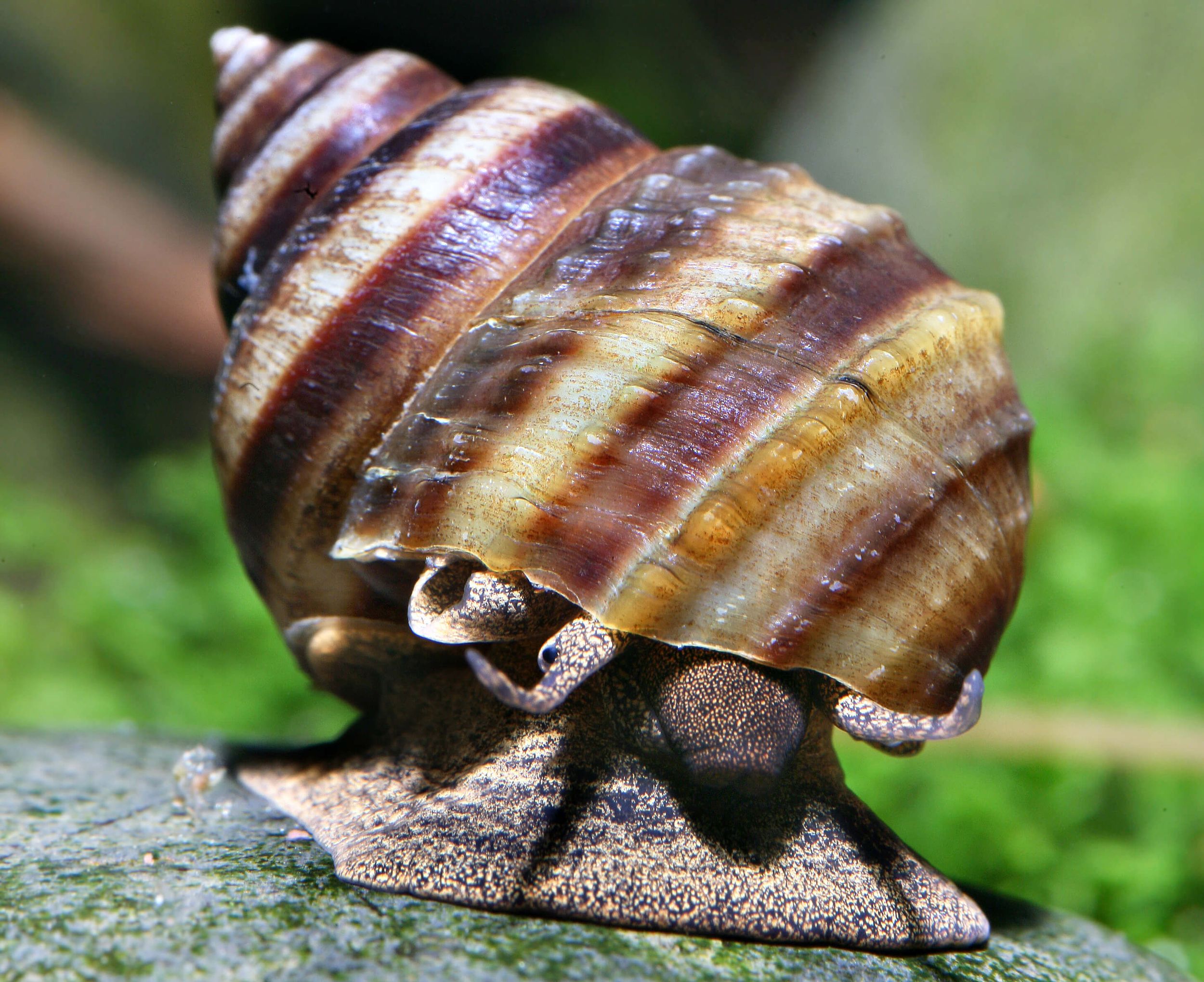
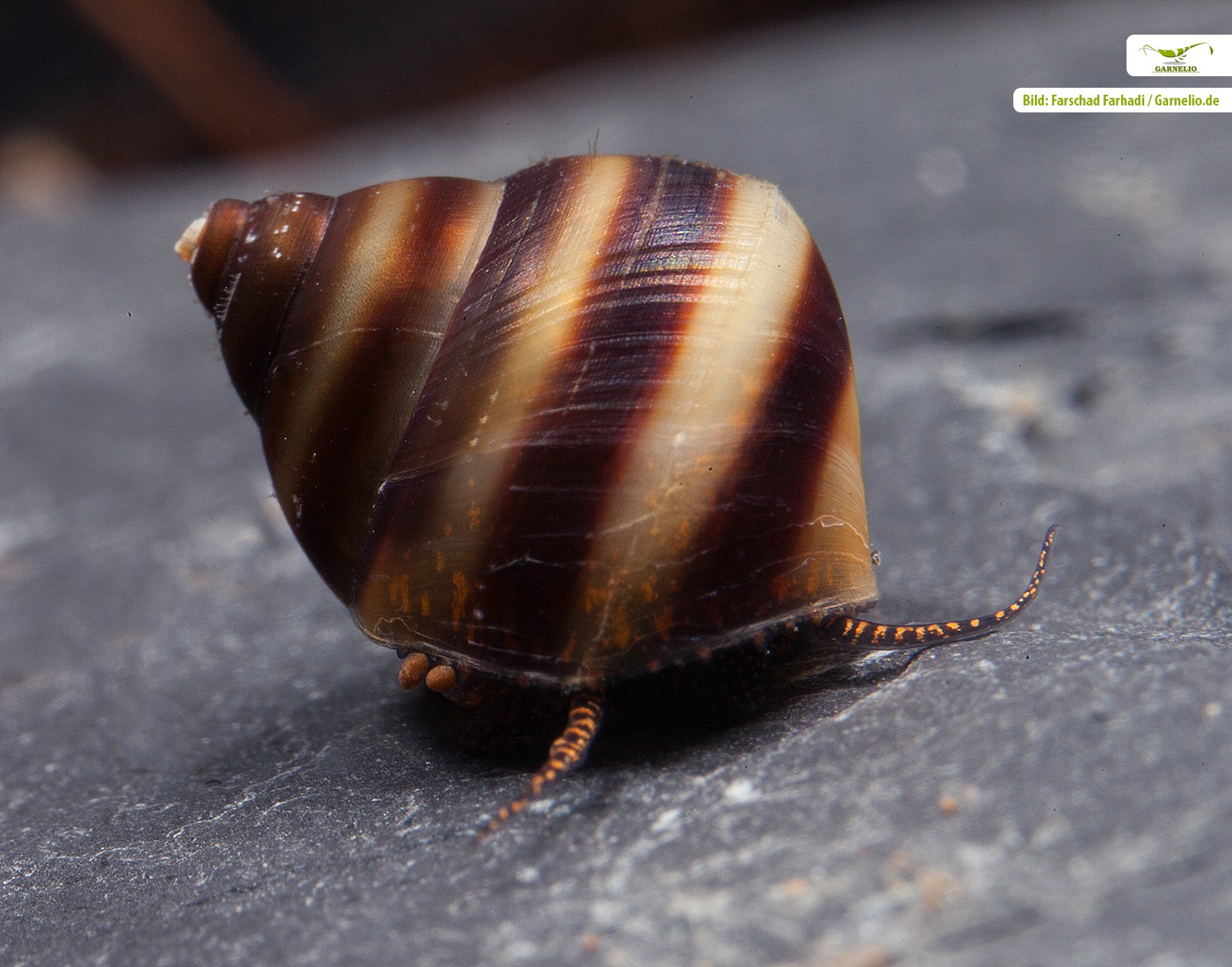
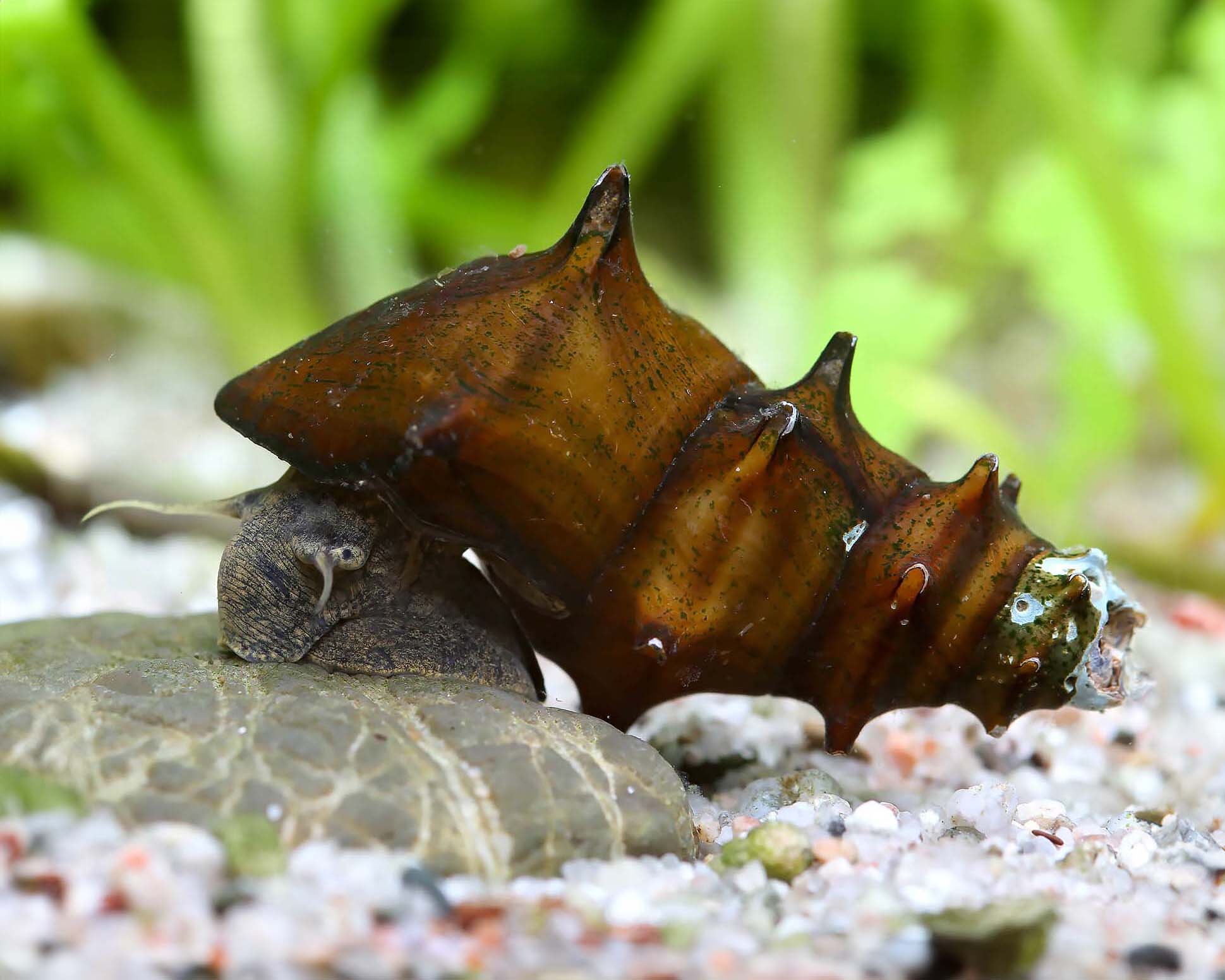
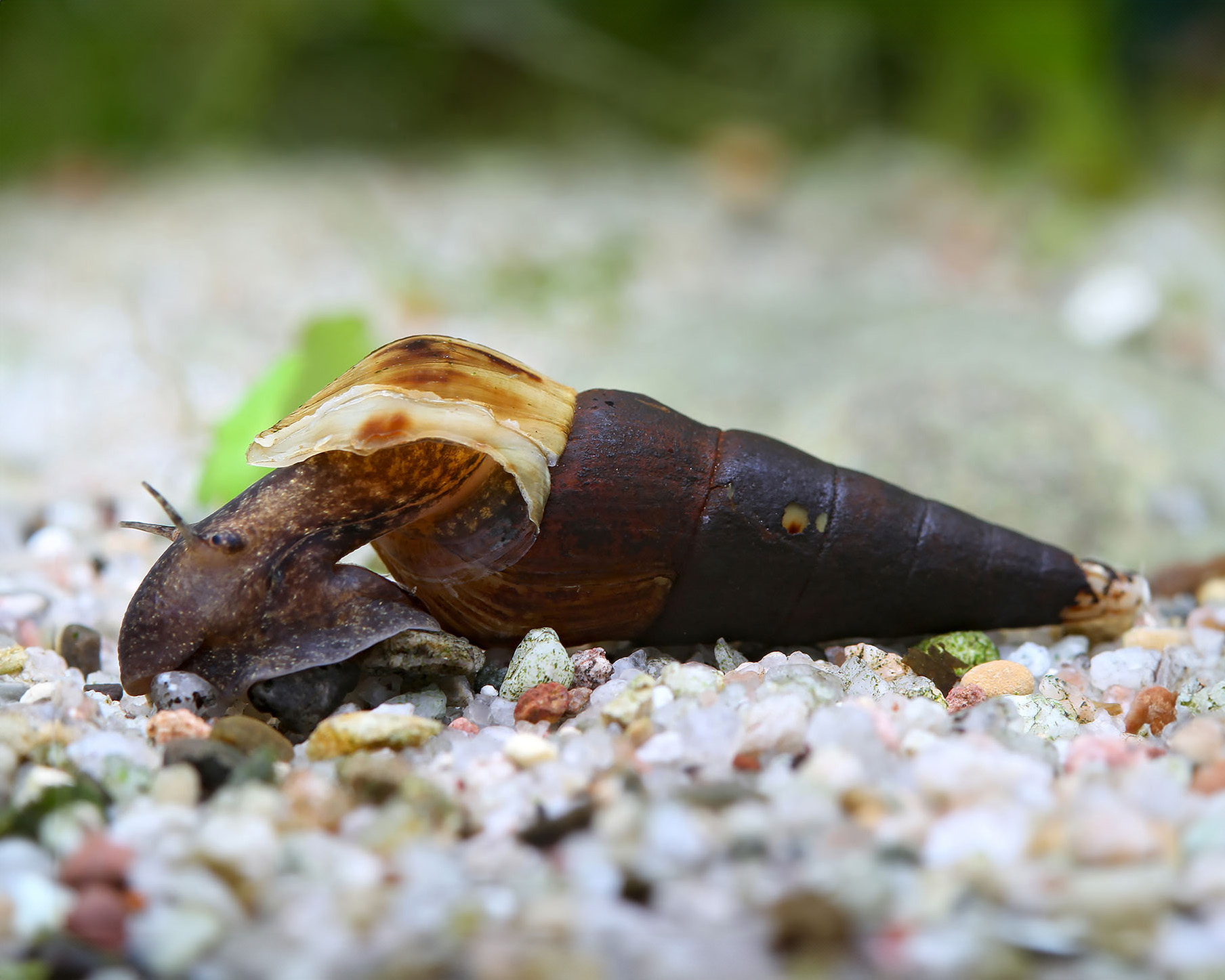
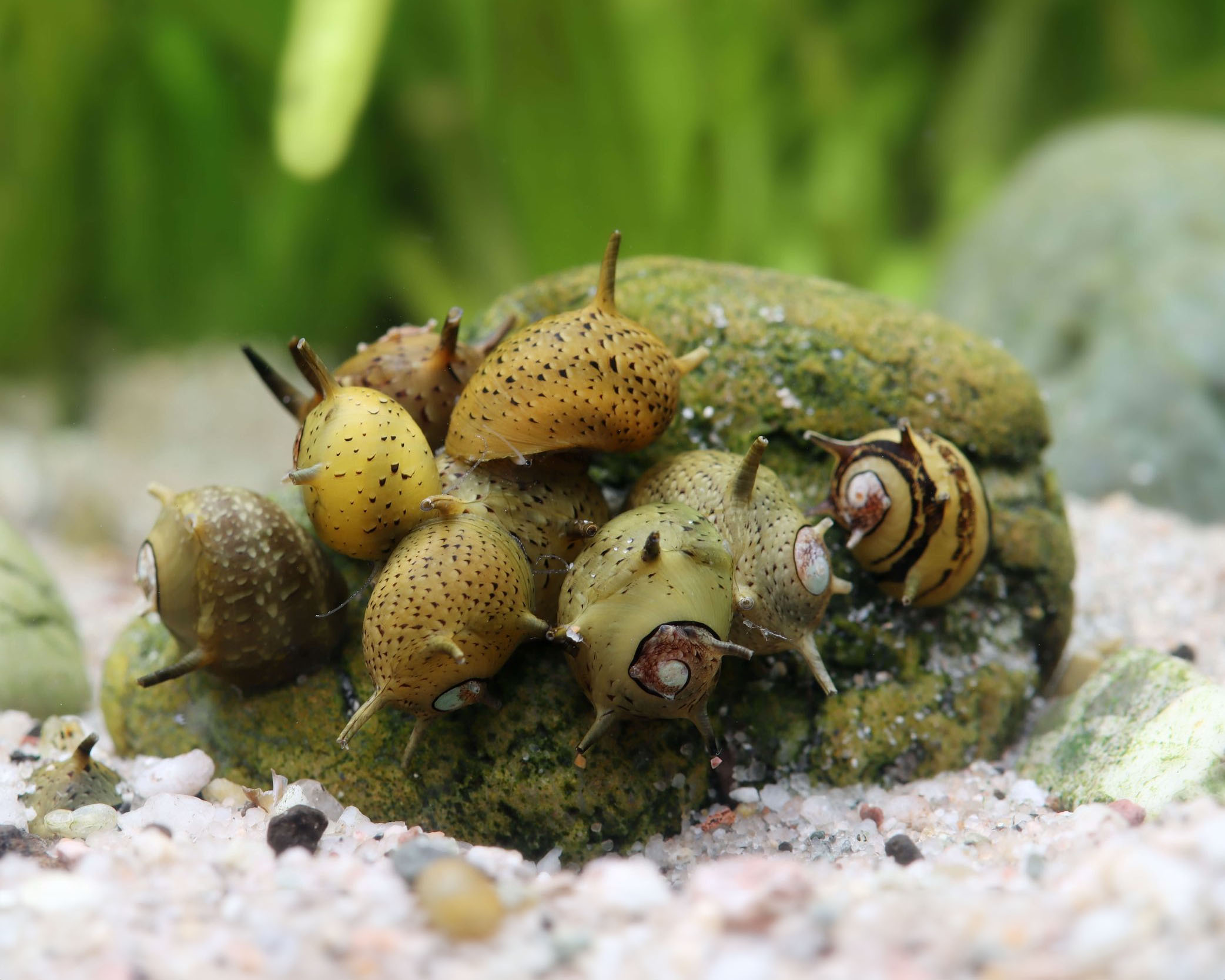
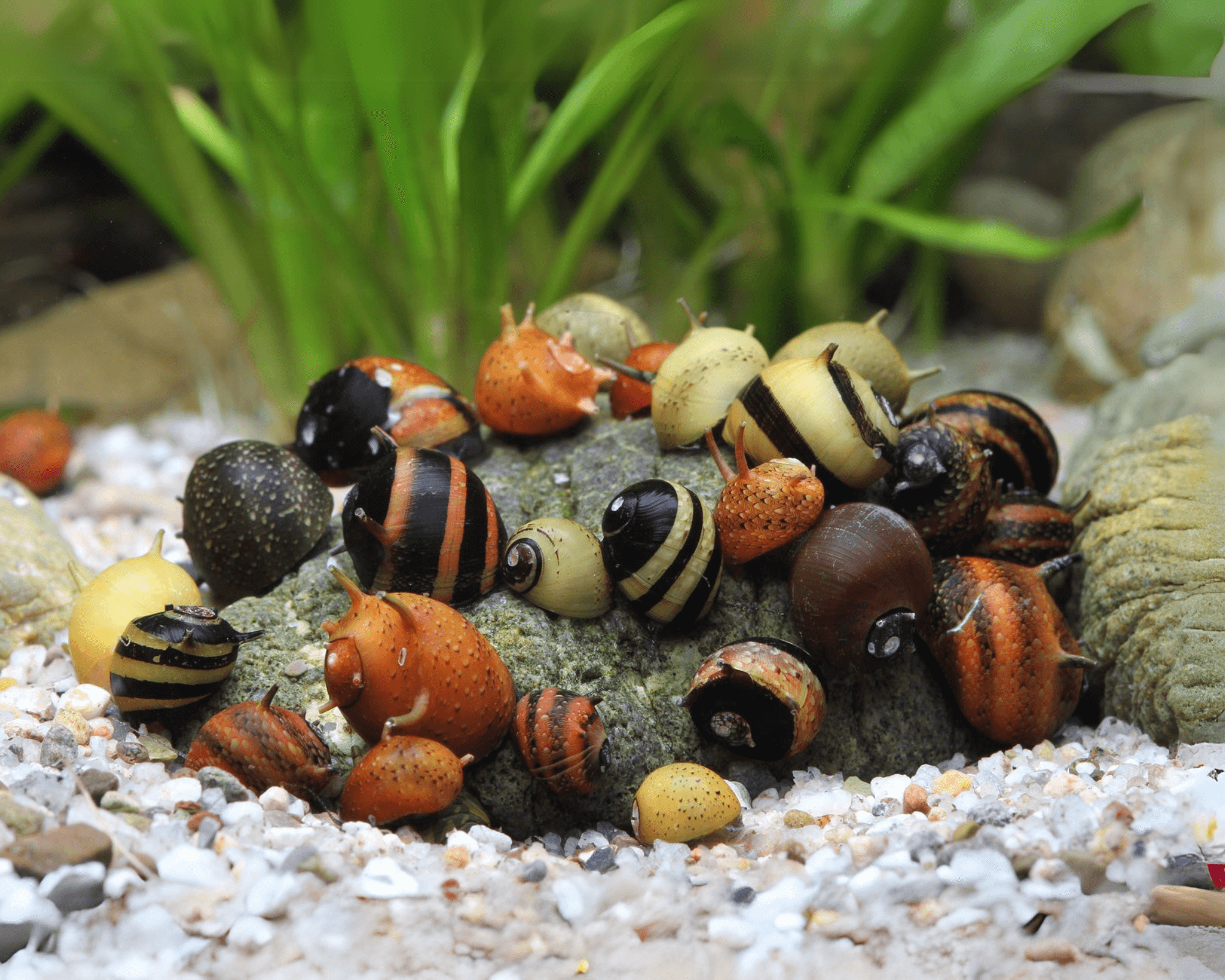
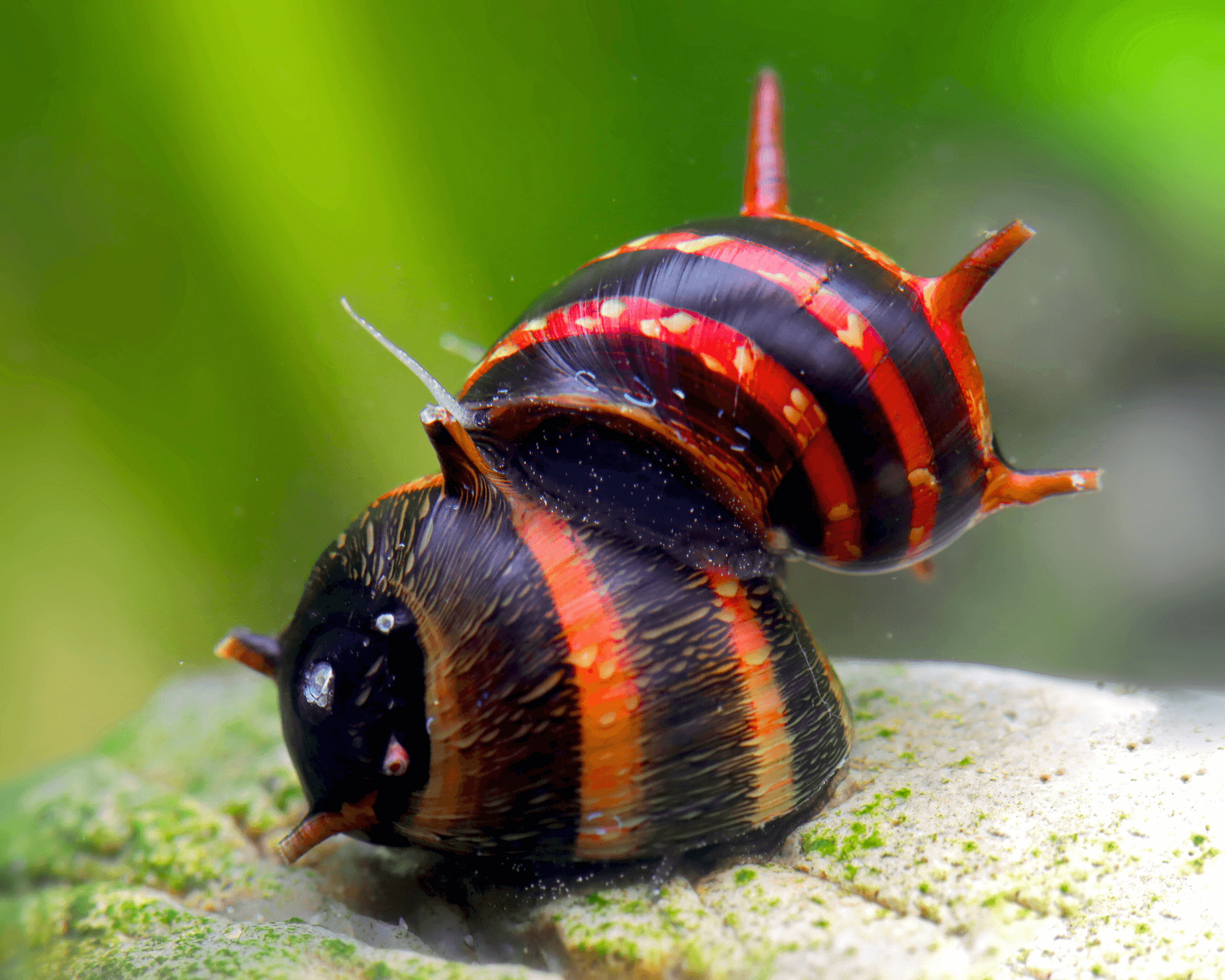
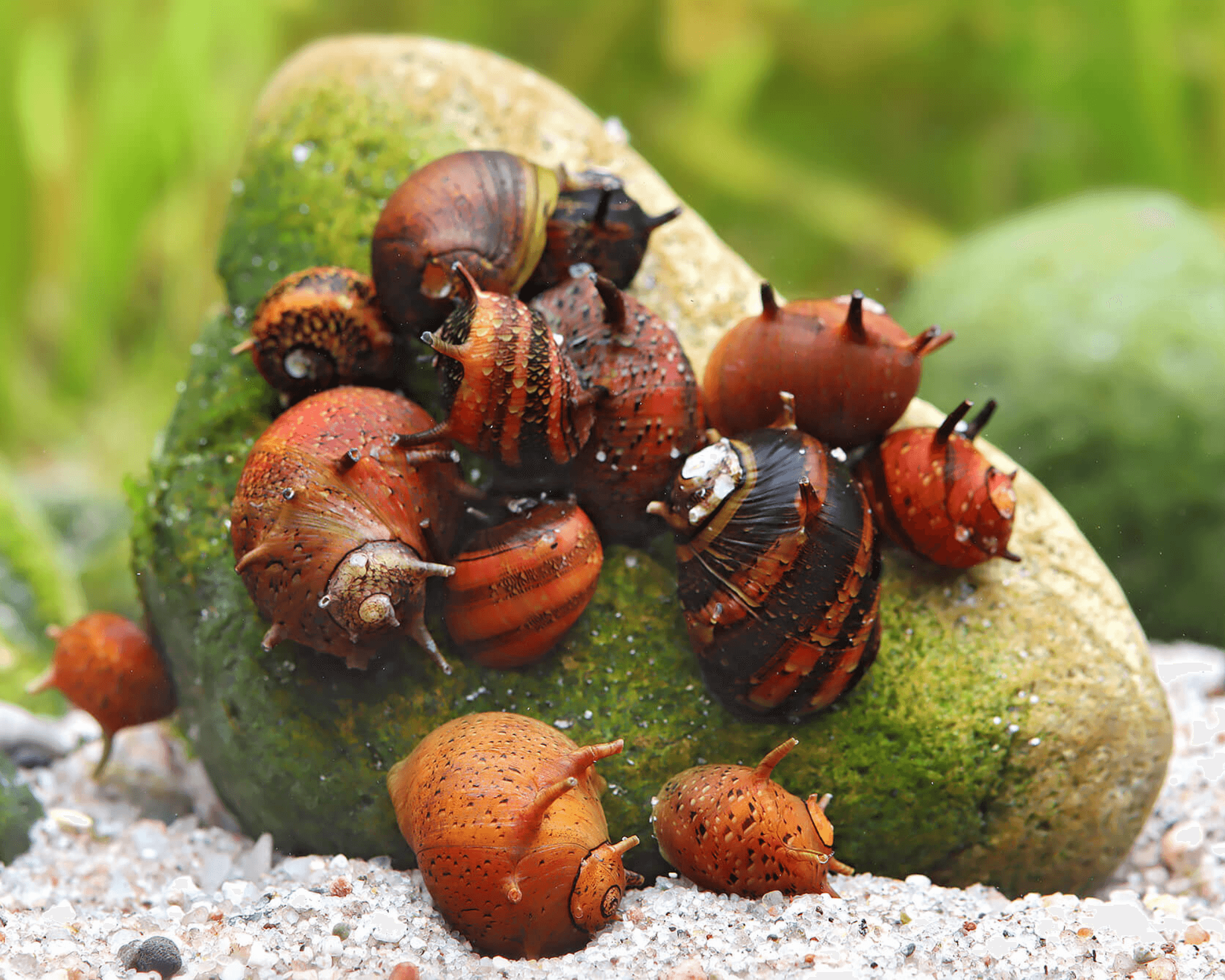
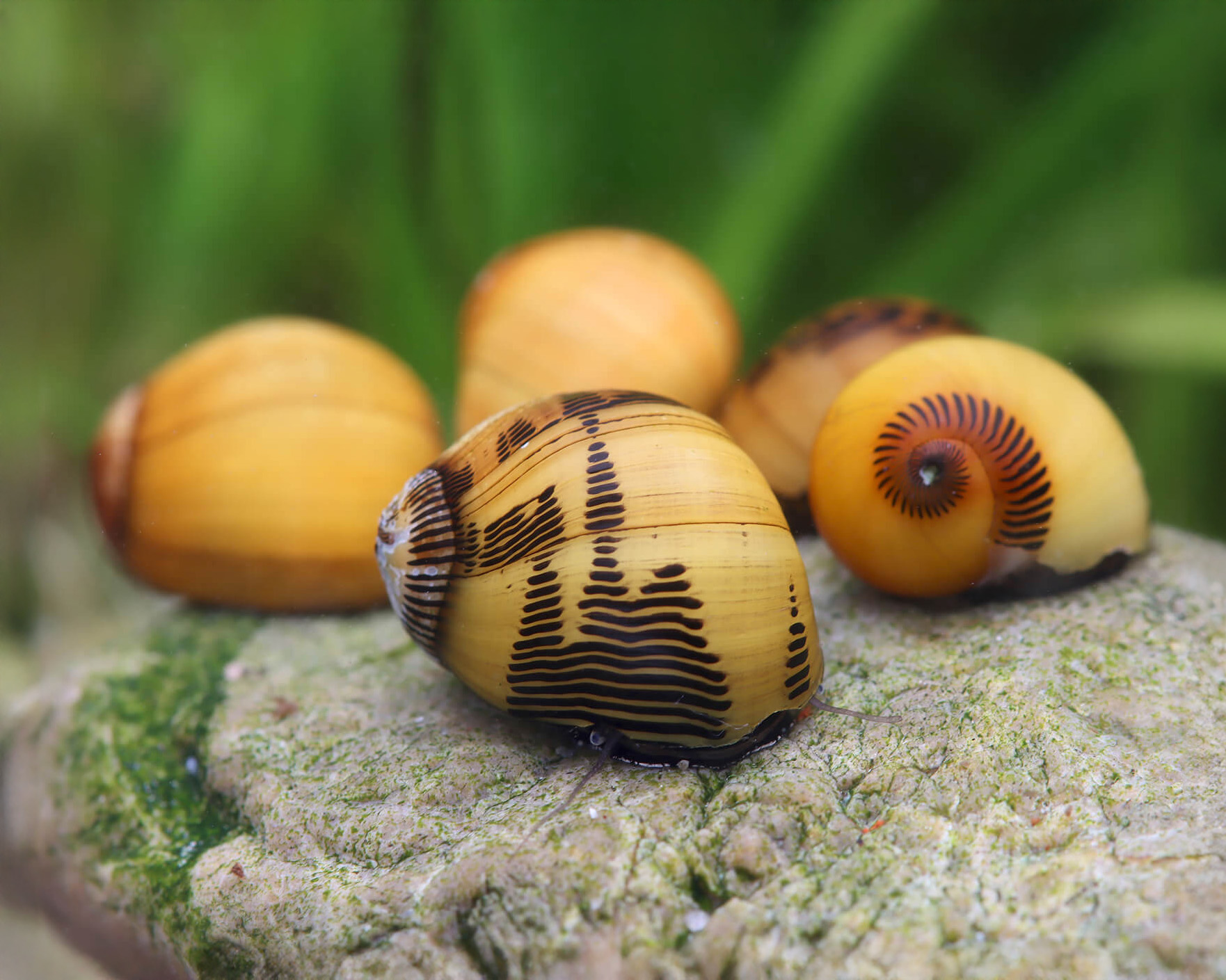
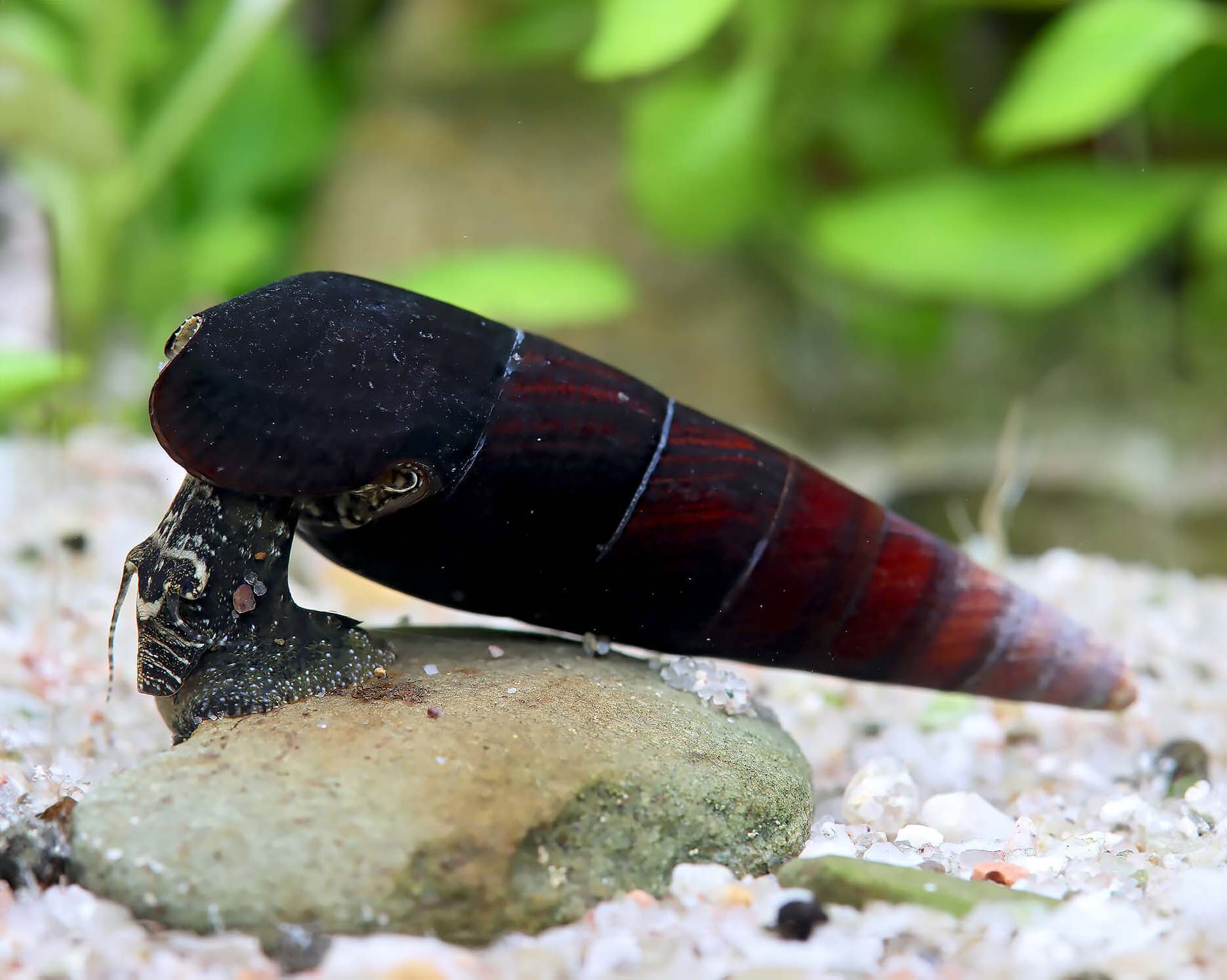
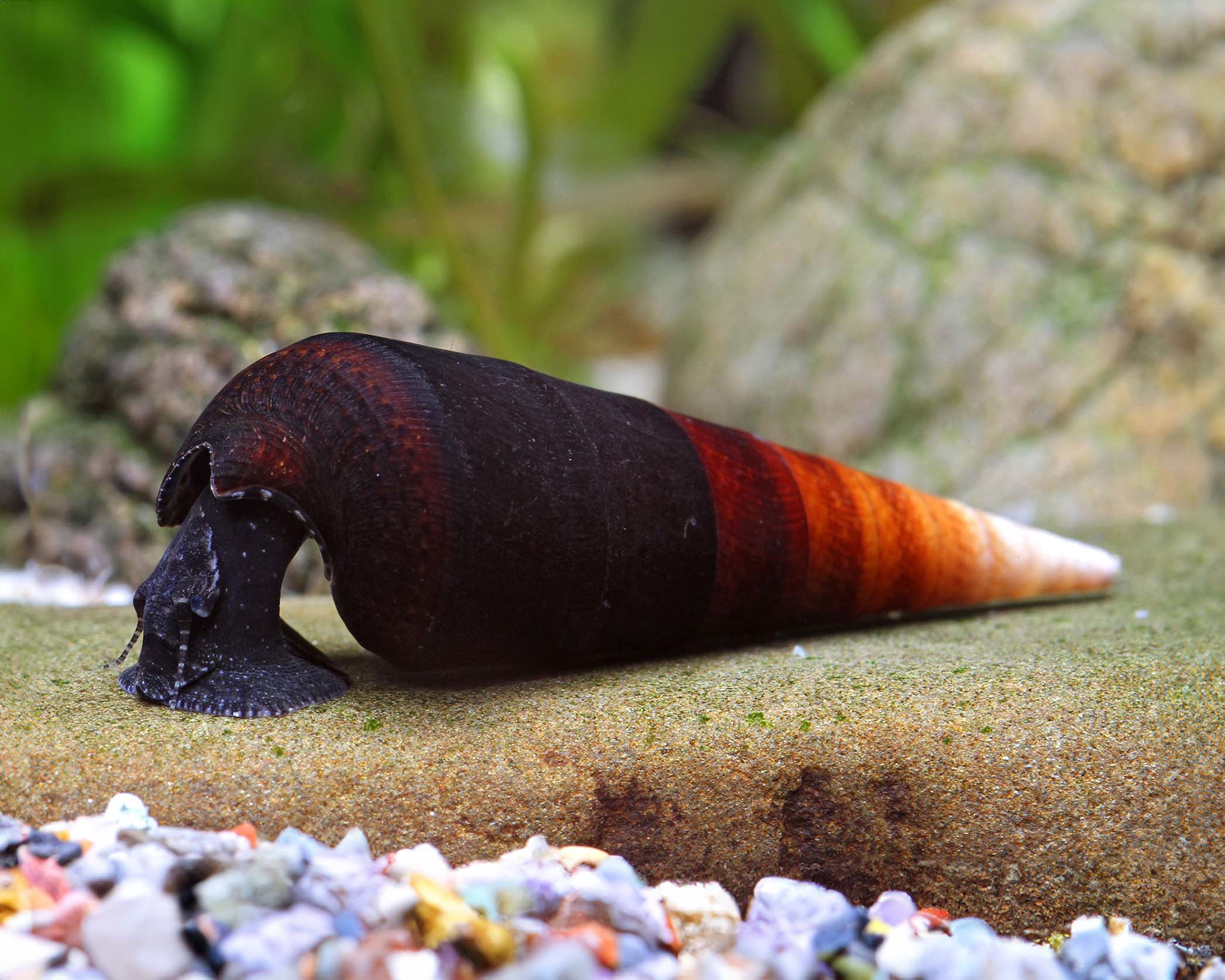
Taia naticoides is a freshwater snail in the family Viviparidae. The shell is rounded and relatively broad, with a pointed spire and contrasting brown, amber or cream bands in commonly traded forms. It has an operculum, or shell door, that helps protect the animal when it withdraws. Aquarium trade names are not fully standardized, so the common names piano snail and brush algae snail should not be regarded as definitive identification.
Natural habitat
The species is associated with freshwater in Southeast Asia, including the Lake Inle region of Myanmar in commonly cited aquarium trade accounts. It should be kept as a fully aquatic snail in a mature aquarium with stable conditions, open surfaces for grazing and some shelter. Avoid sudden changes in temperature, pH or hardness, and provide a secure cover because large snails may climb above the waterline.
Water parameters and setup
Use stable, well-oxygenated water around 20–28 °C and pH 7.0–8.2. Moderate to hard water with adequate calcium and alkalinity is important for shell maintenance; very soft or acidic water can cause erosion and poor growth. A mature tank, gentle water movement, smooth or fine substrate and shaded hiding places are suitable. Avoid copper-containing medications and other invertebrate-toxic treatments.
Feeding
Piano snails graze aufwuchs, biofilm, soft algae and organic particles from hard surfaces and substrate. They may consume some filamentous growth, but they are not a dependable treatment for established brush algae or any other severe algae problem. Supplement a clean aquarium with sinking foods such as algae wafers or quality vegetable-based foods, plus blanched courgette, spinach or similar vegetables. Remove uneaten food promptly.
Plant safety and tank mates
Healthy, established plants are generally safe because this snail primarily grazes surfaces rather than actively cutting plant tissue. It may rasp damaged or soft leaves when food is scarce, so provide supplemental food in a sparsely decorated or very clean aquarium. Keep it with peaceful community fish and other non-predatory invertebrates. Avoid loaches, puffers and fish known to attack snail bodies or opercula.
Reproduction
Taia naticoides is a live-bearing snail rather than an egg-laying pest snail. Sexes are separate, and females retain developing young before releasing small, fully formed juveniles. Reproduction is usually slower and less explosive than in many common bladder or ramshorn snails, but successful breeding requires suitable water chemistry, adequate food and both sexes. The number of young and breeding interval can vary with age and conditions.
Population control
Population growth is best controlled by limiting excess food, removing uneaten vegetables and maintaining an appropriate number of adult snails for the aquarium. Inspect new plants and décor, and manually remove unwanted individuals or use a baited dish for selective collection. Do not use copper or improvised chemical treatments, which can harm fish and other invertebrates. Rehome surplus snails rather than releasing them into natural waterways.
 - 1.webp)
 DNZ - 1.webp)
Leave your comments