Identification and taxonomy
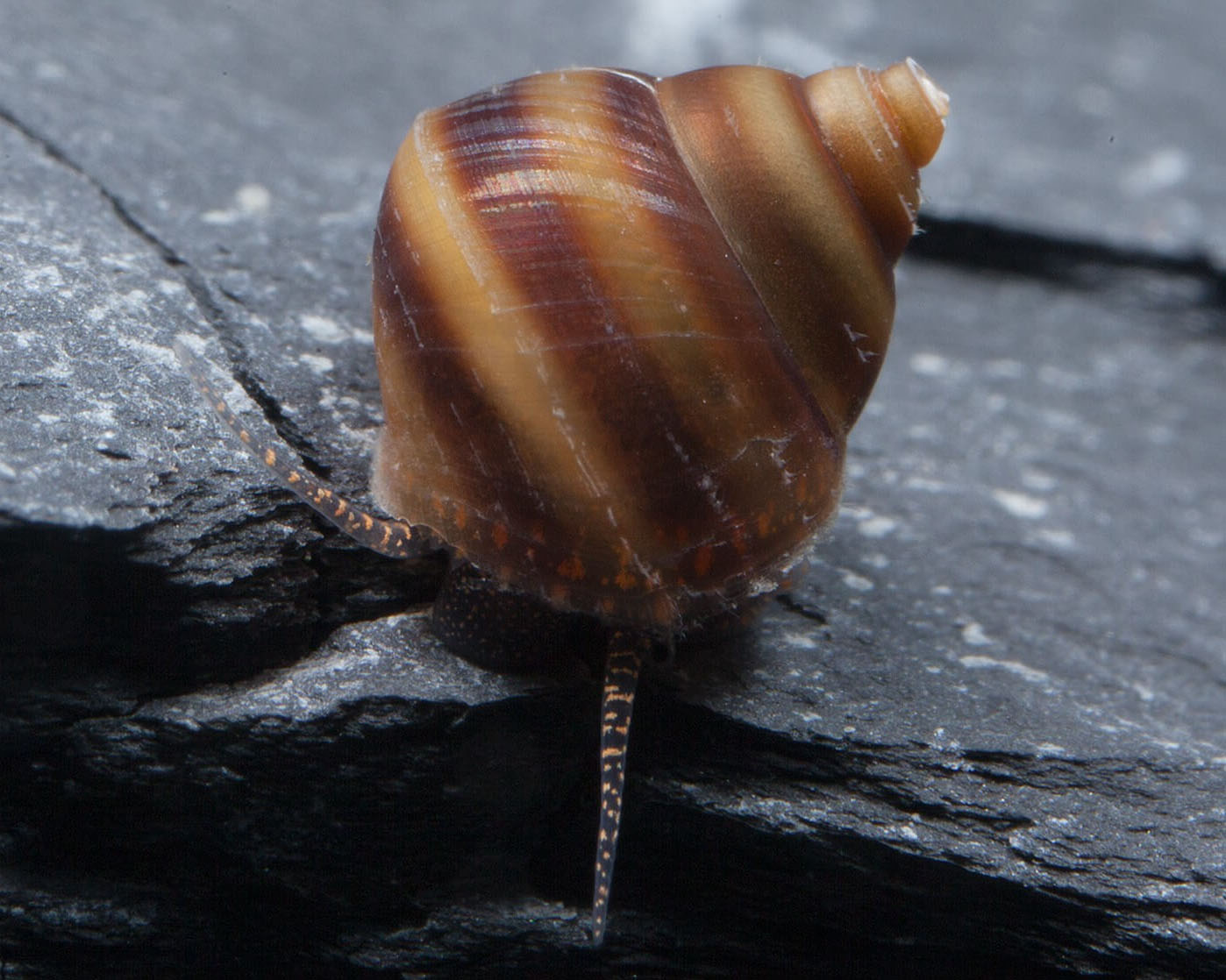
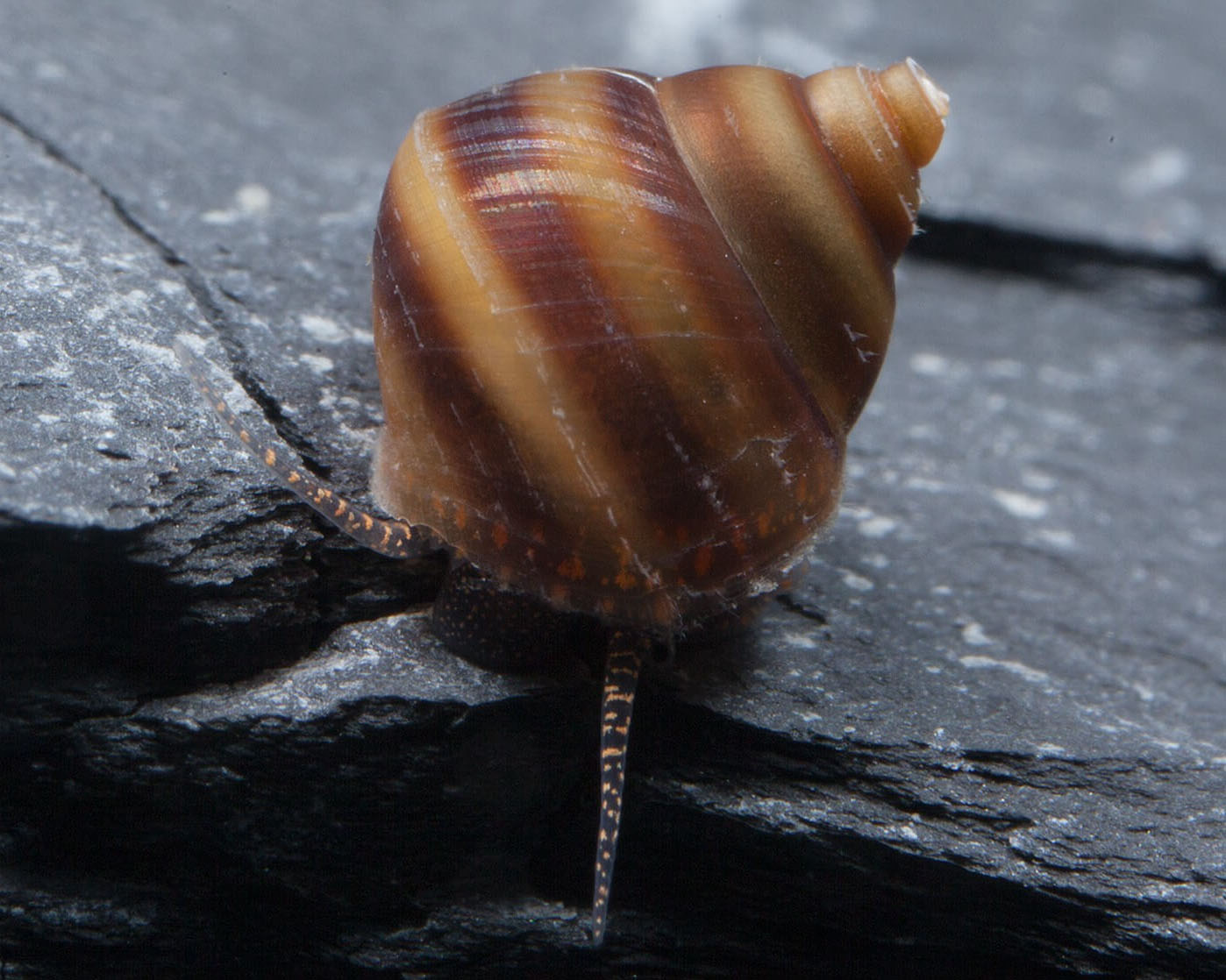
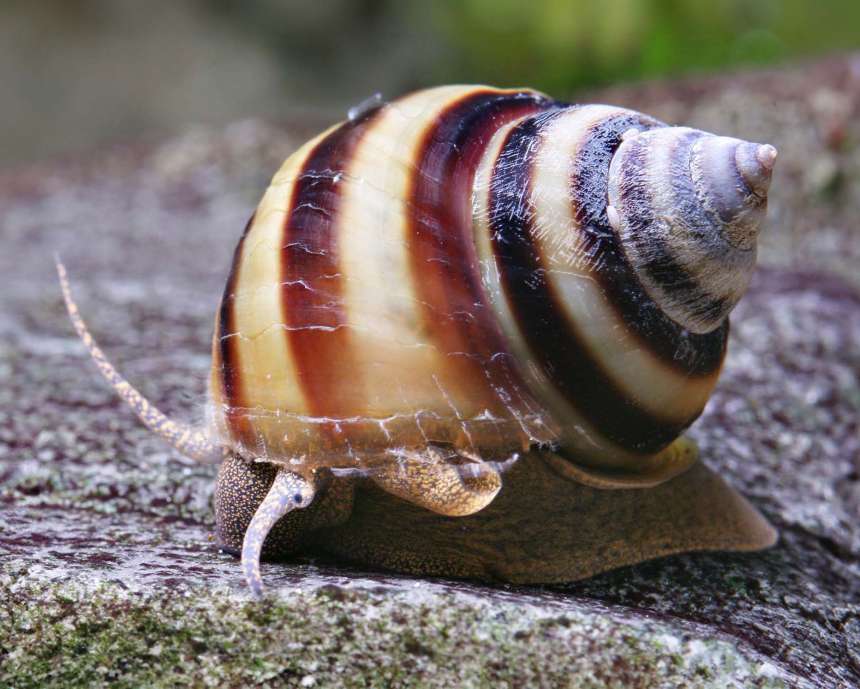
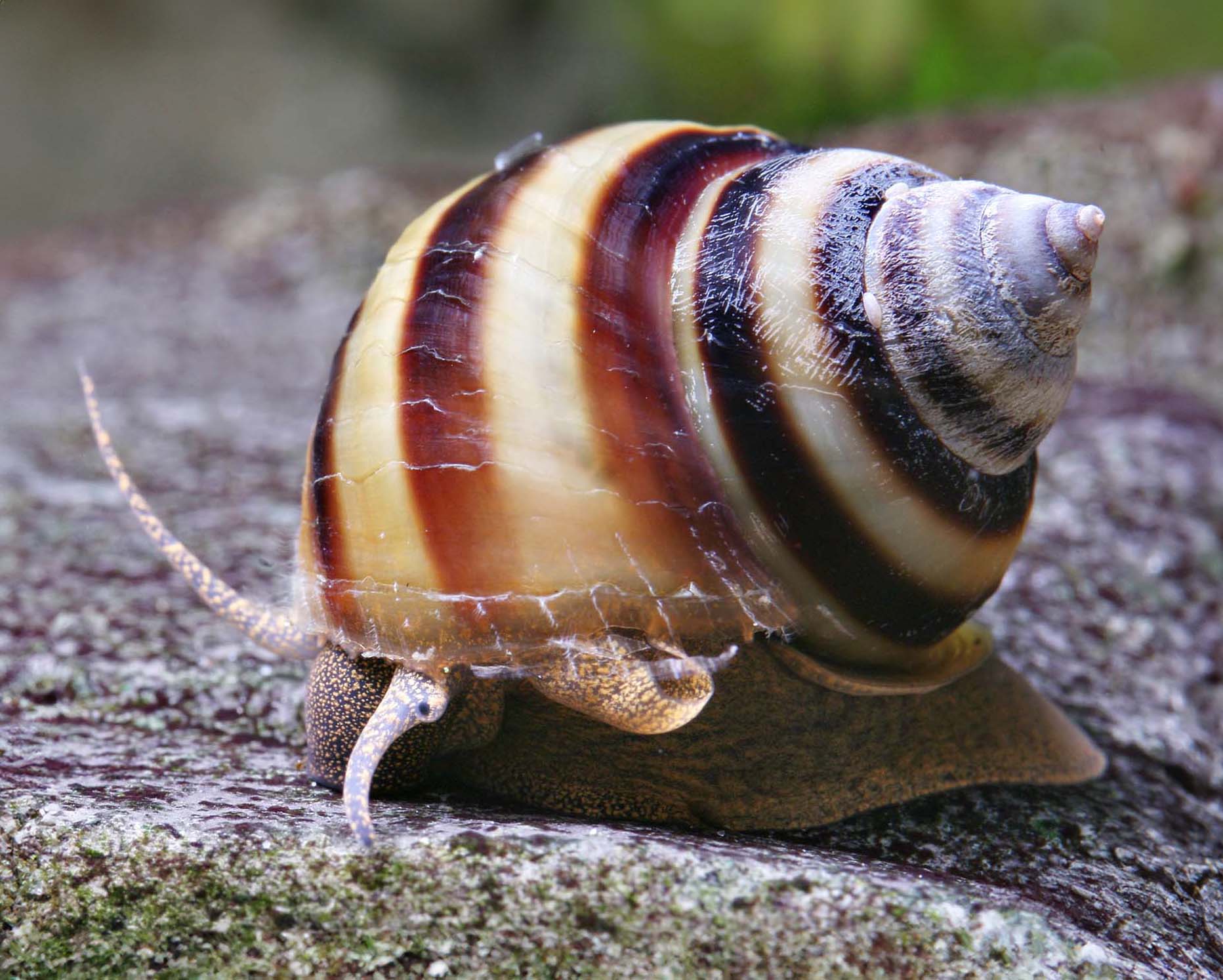
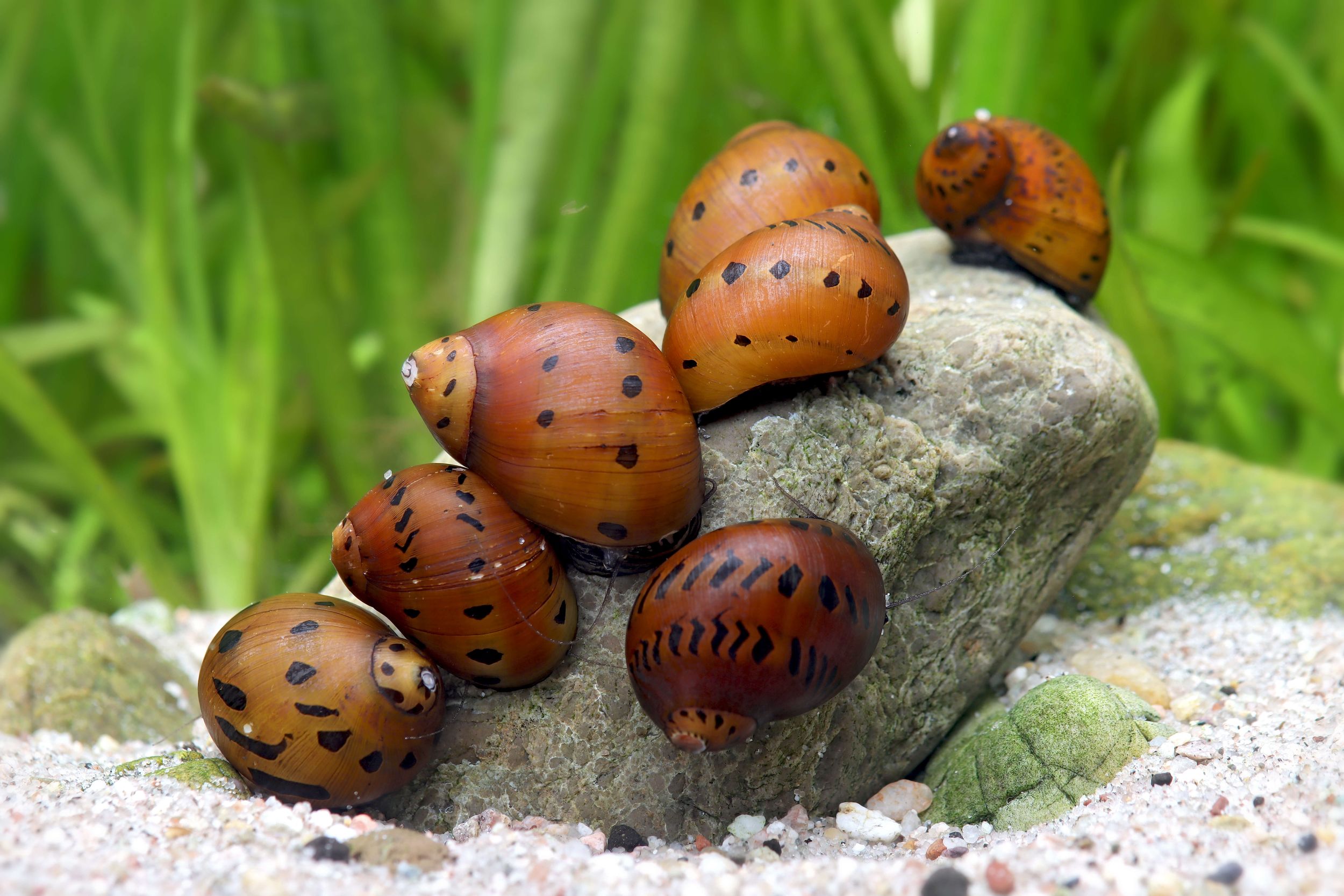
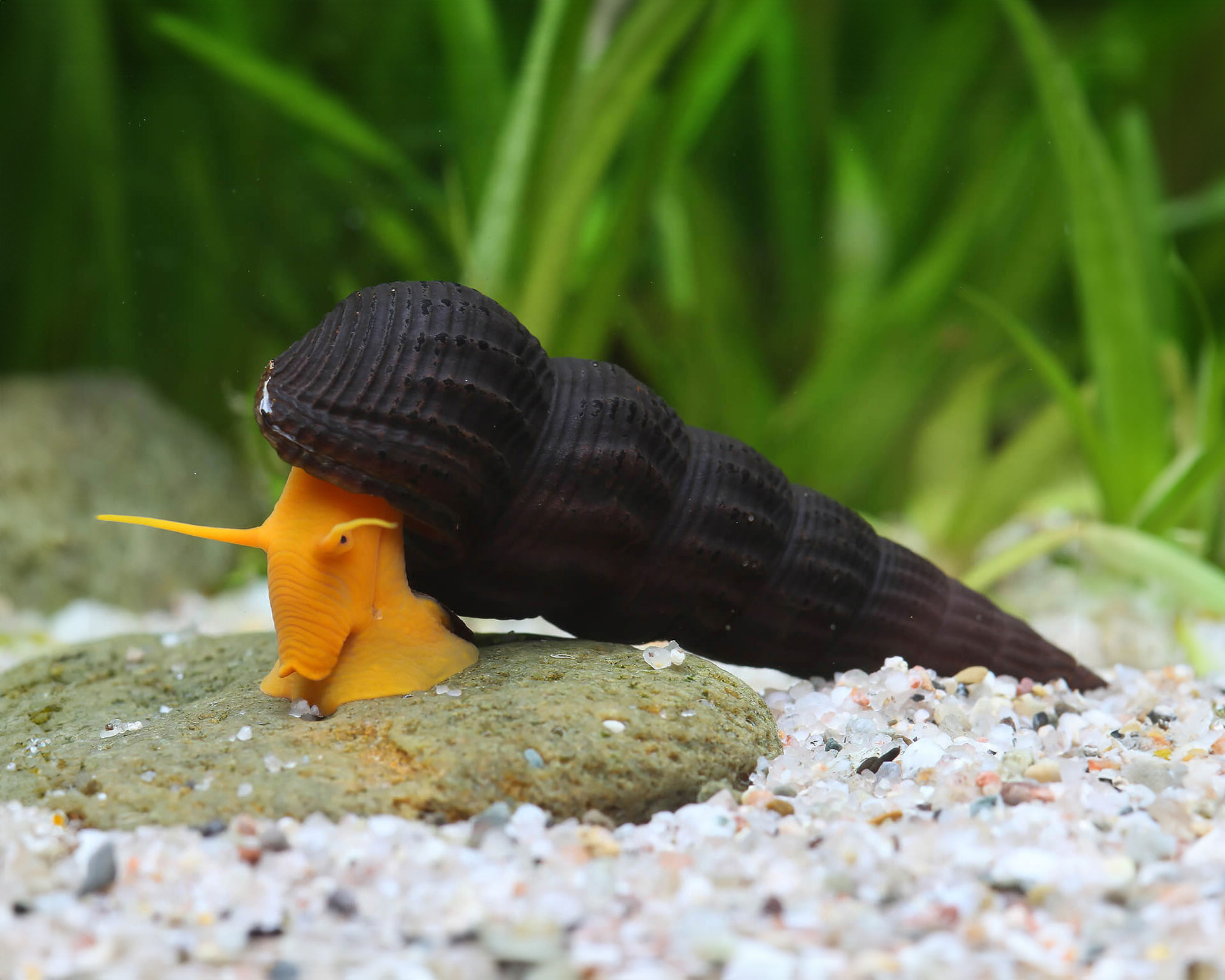
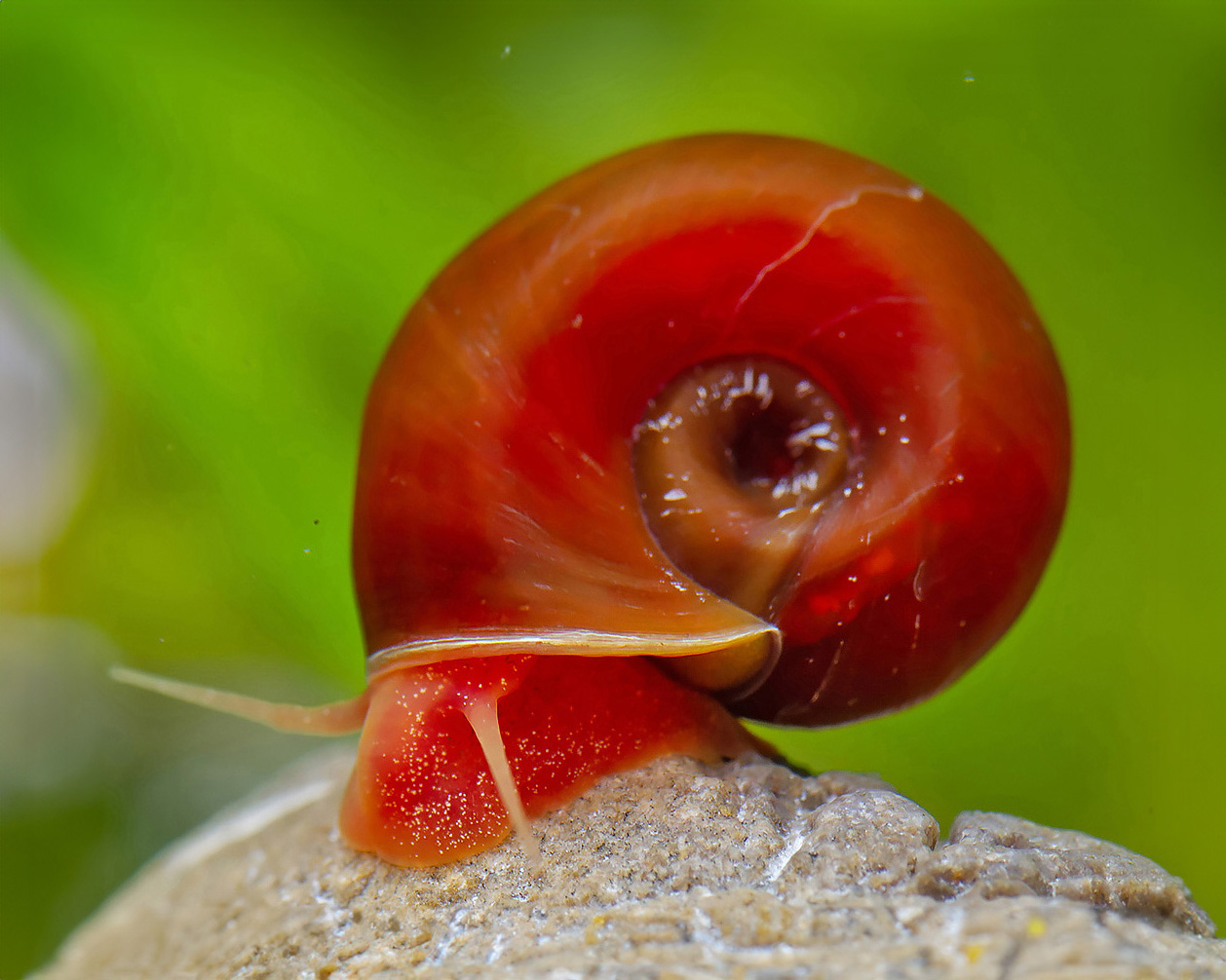
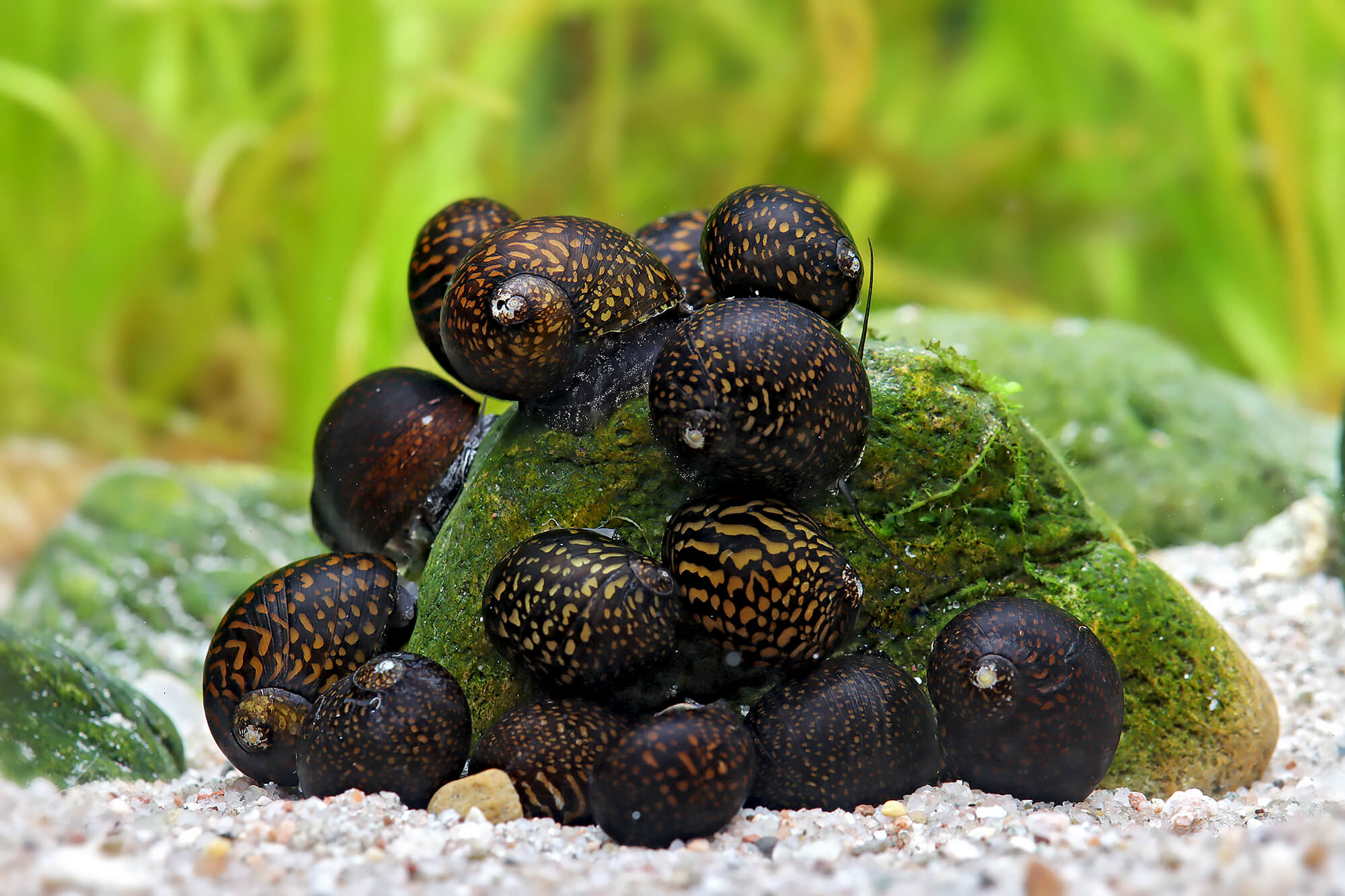
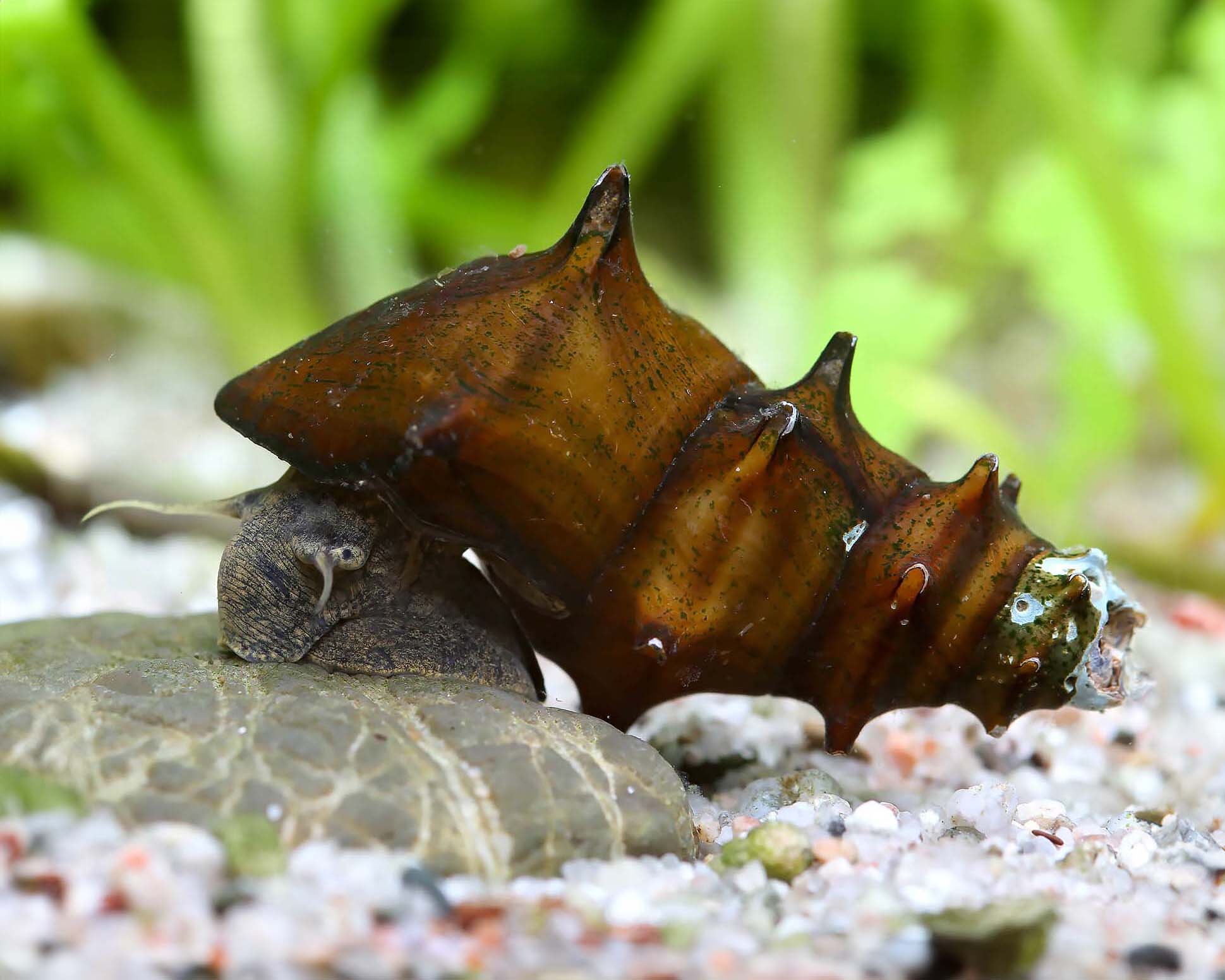
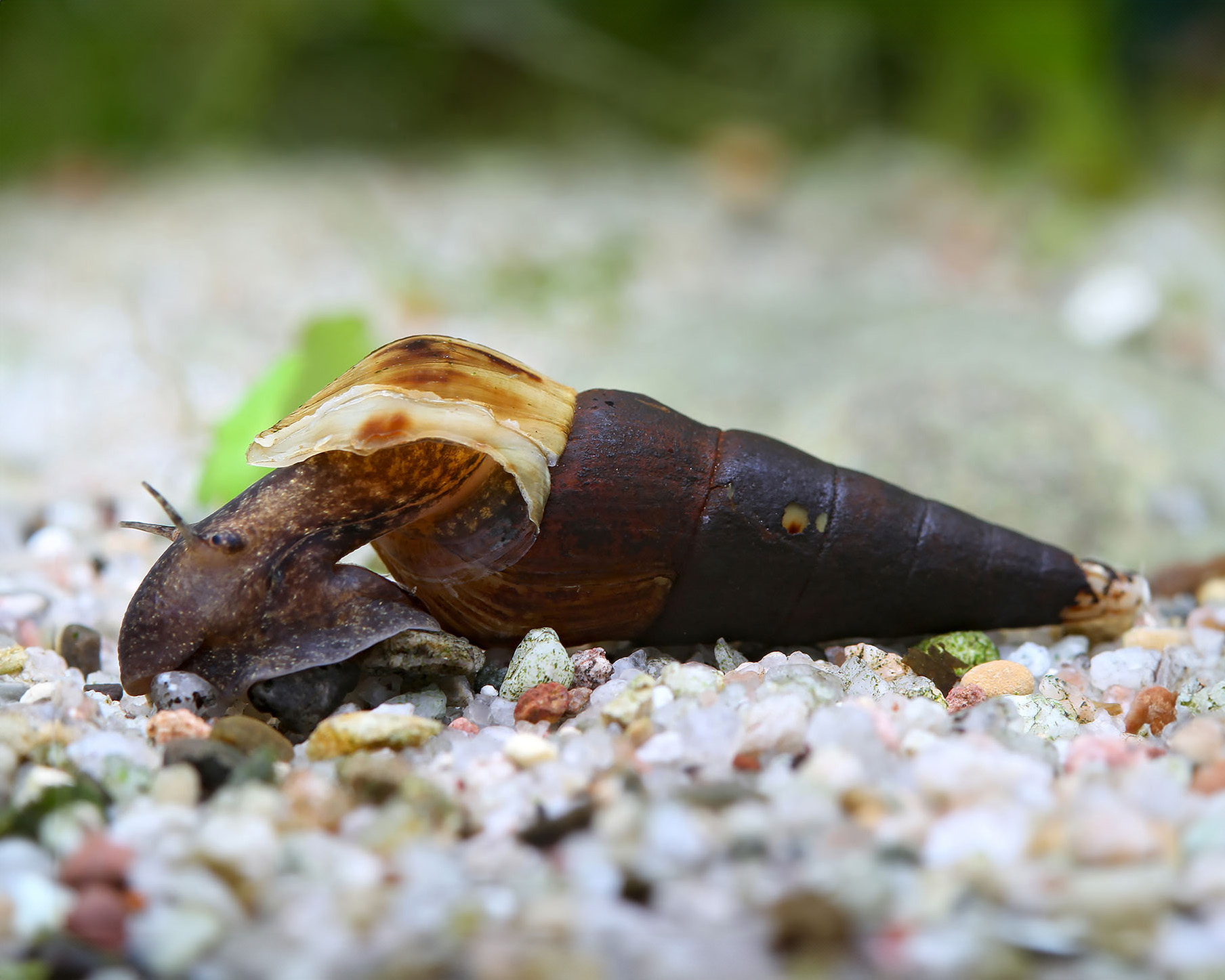
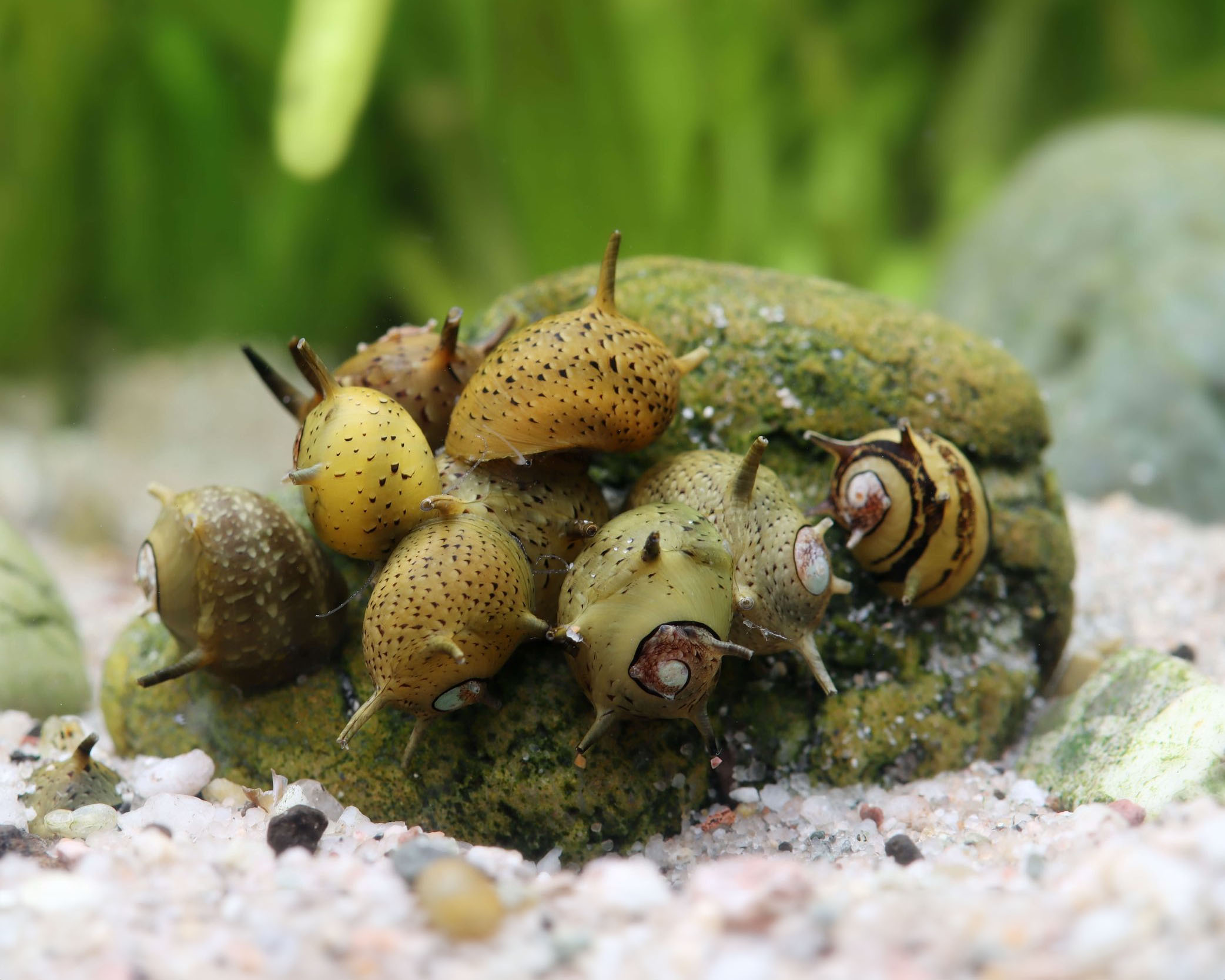
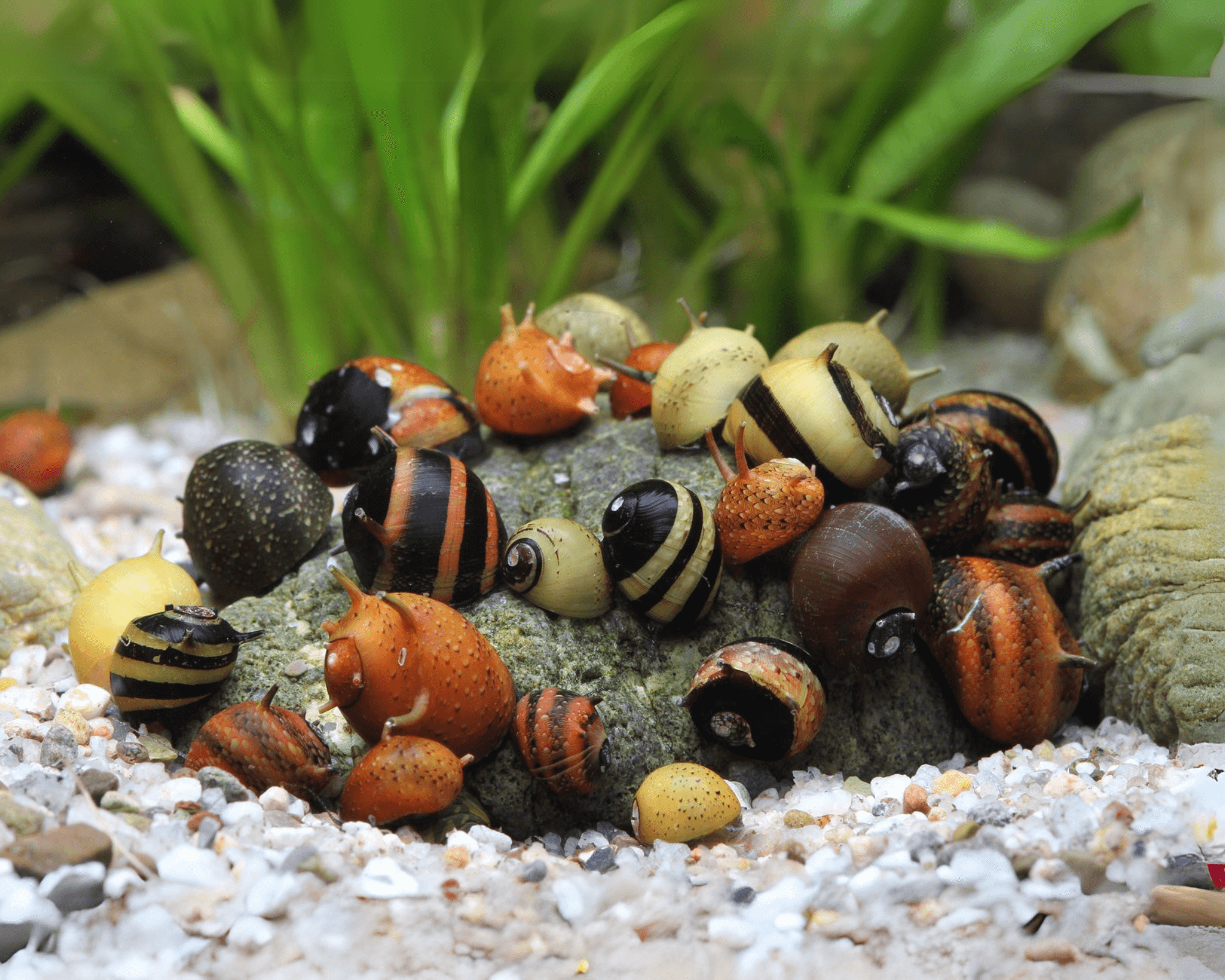
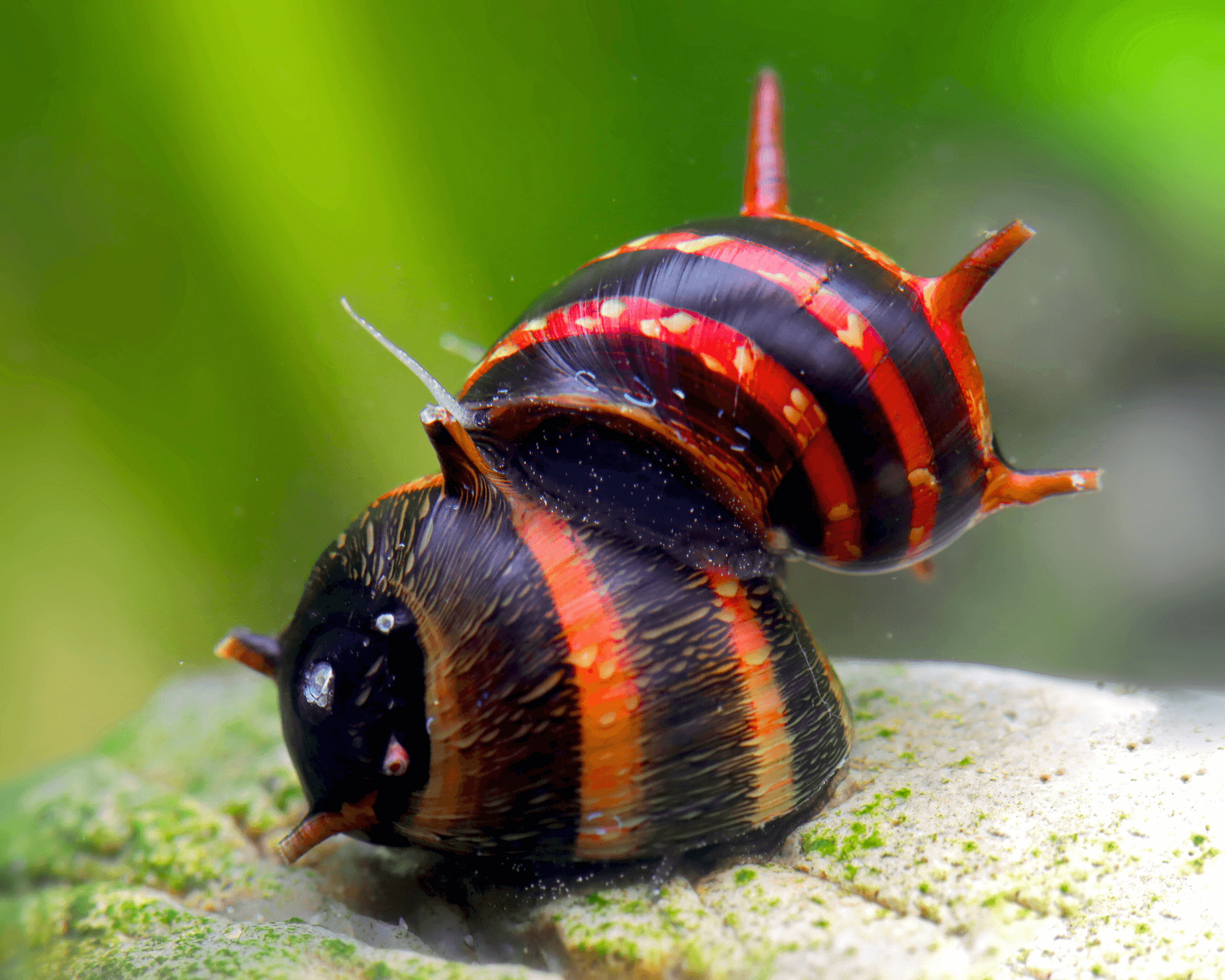
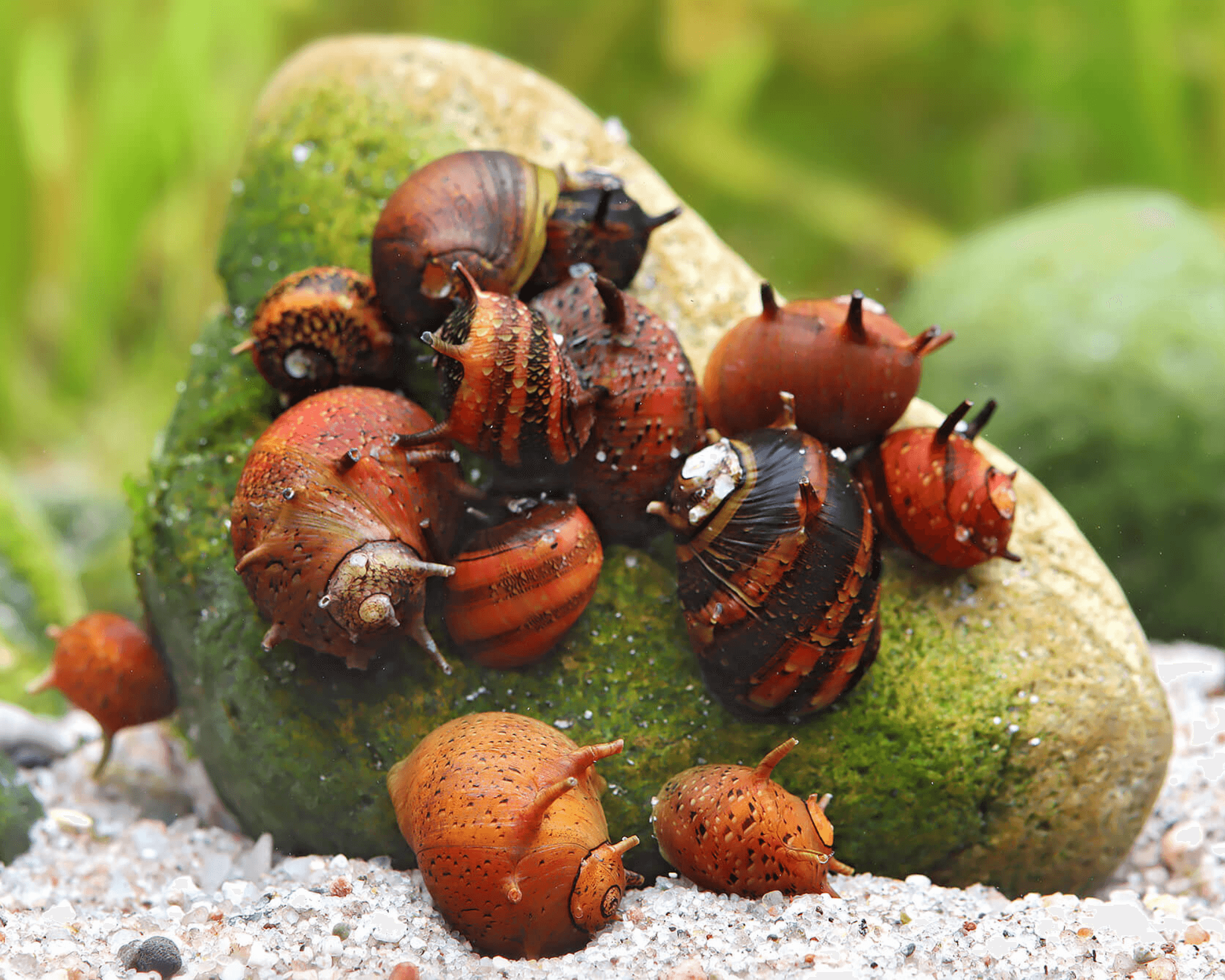
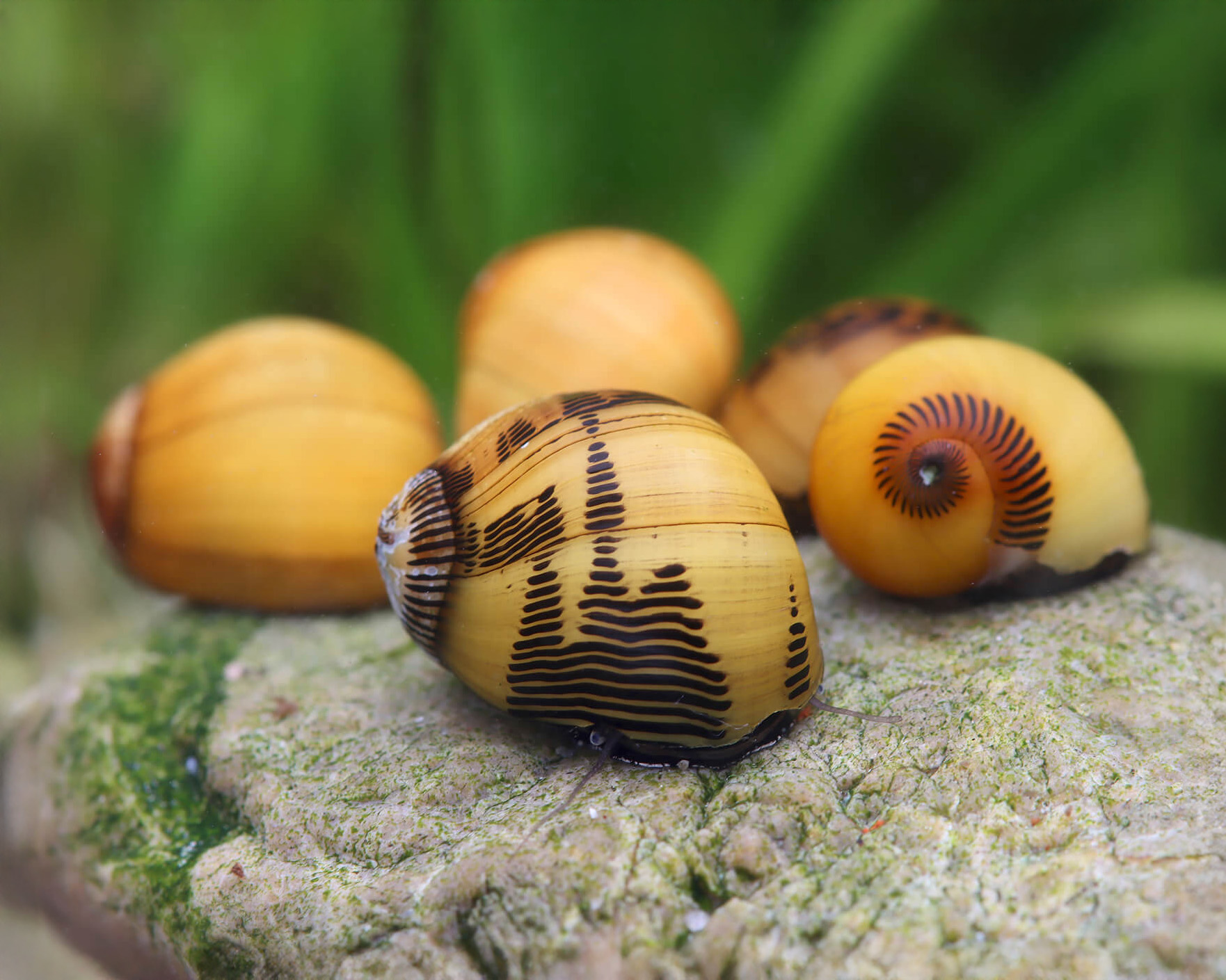
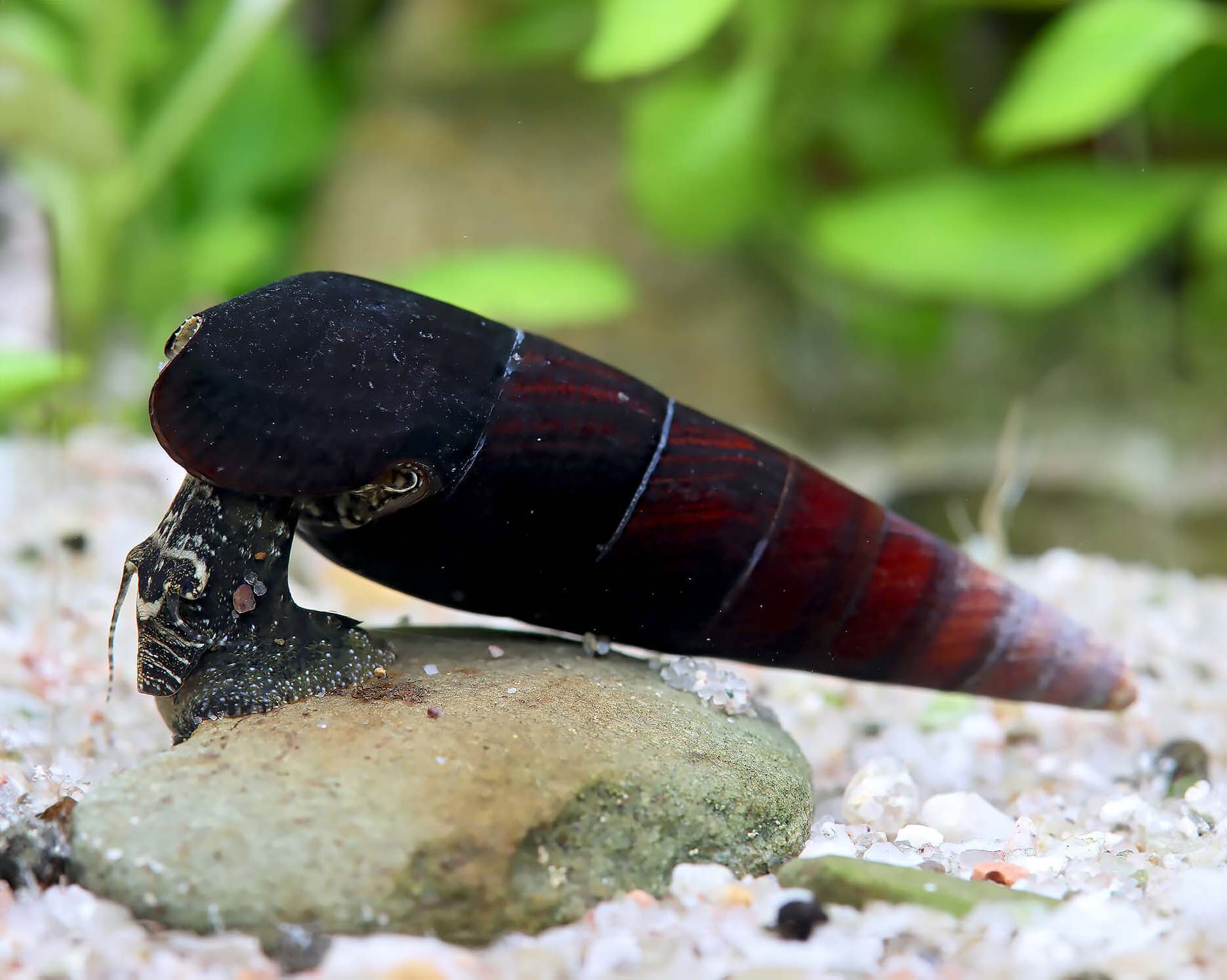
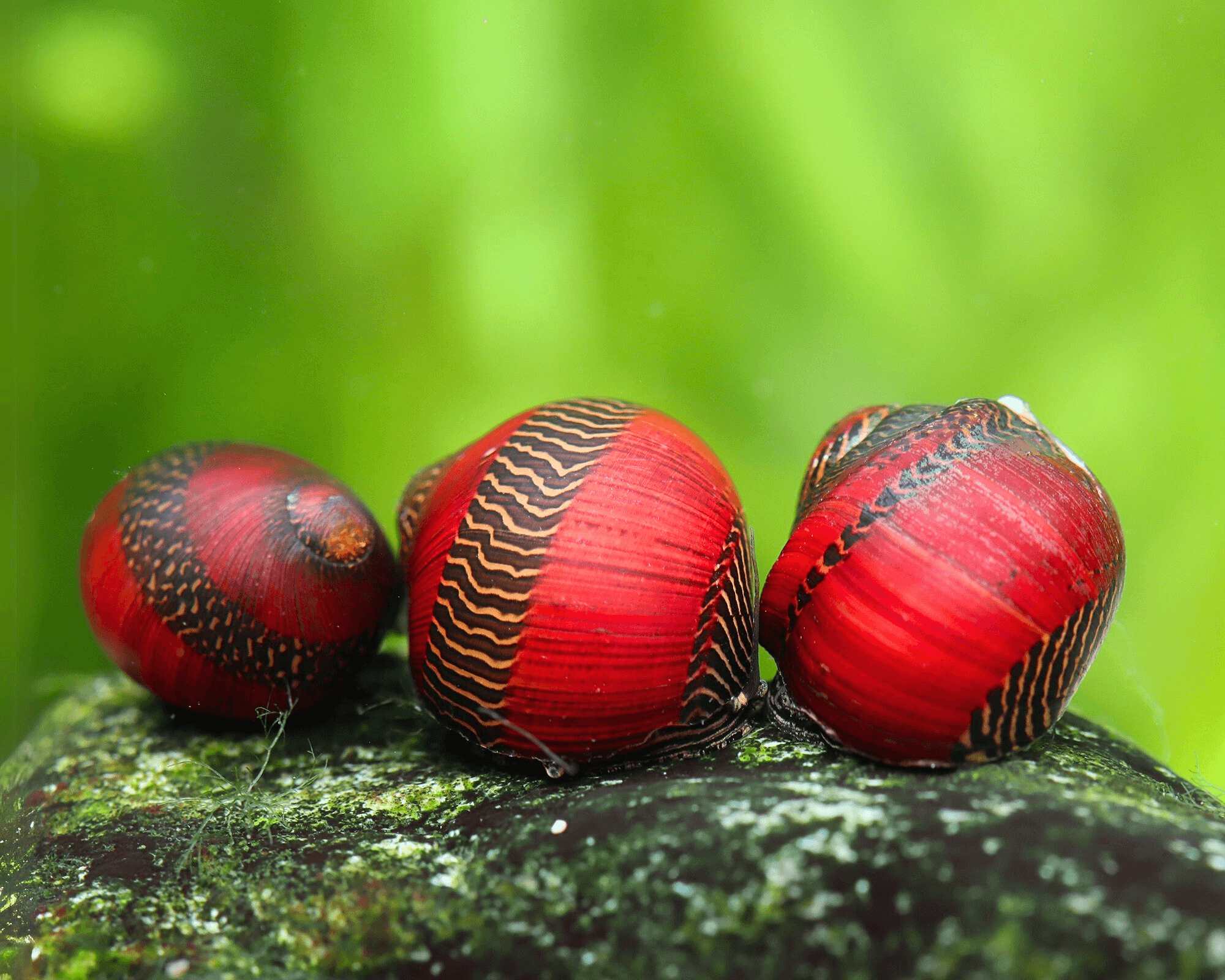
The accepted identification supplied for this article is Taia naticoides. It is a freshwater snail associated with the viviparous river-snail group, commonly placed in Viviparidae and the subfamily Bellamyinae. Piano snail is a trade name rather than a formal taxonomic rank. The photographs show a rounded, helicoid shell with contrasting brown, amber, cream, and dark bands, but they do not establish the species or juvenile status with certainty.
Habitat and aquarium setup
Taia naticoides is associated with freshwater habitats in Southeast Asia, including waters with firm substrates and available aufwuchs. In an aquarium, provide smooth gravel or sand, rocks, wood, hiding places, and good oxygenation. A mature tank is preferable because it supplies biofilm and microorganisms. Use a tight-fitting lid or leave only a very small gap, since freshwater snails may climb above the waterline.
Water parameters
Maintain stable, clean water rather than chasing an exact number. A practical range is 20–28 °C and pH 7.0–8.2, with moderate to hard water and a reliable calcium supply. Avoid prolonged acidity, very soft water, and sudden changes, all of which can damage shell growth. Test ammonia and nitrite, keep nitrate controlled, and perform regular partial water changes. Copper-based medications and many algicides are dangerous to snails.
Feeding
This snail can graze algae, aufwuchs, and biofilm from glass, rocks, wood, and other surfaces. It also consumes detritus and should be offered sinking foods when natural growth is insufficient. Suitable supplements include algae wafers and small portions of blanched vegetables or other formulated invertebrate foods. Remove uneaten food before it decomposes. Do not rely on the snail to eliminate a severe algae problem, and do not starve it to control algae.
Plant safety
Healthy, established aquarium plants are generally safe with Taia naticoides. The snail normally scrapes surface growth rather than deliberately eating intact leaves. It may rasp weakened, decaying, or already damaged tissue, especially when food is scarce, so apparent plant damage should not automatically be attributed to active predation. Provide supplemental food and inspect new plants for hitchhiking snails or egg clutches if preventing accidental introductions is important.
Reproduction
Taia naticoides is a live-bearing snail with separate sexes rather than a typical egg-laying aquarium snail. Mating can result in developing young being retained by the female and released as small, formed snails. Reproduction depends on mature individuals, adequate food, calcium, and stable water. The young need access to biofilm and fine foods, and should not be placed with fish or invertebrates that readily consume small snails.
Population control
Population growth is controlled most effectively by reducing excess food, removing visible surplus snails by hand, and avoiding overstocking. A feeding dish can make collection easier. Siphon accessible snails during maintenance and rehome healthy extras where permitted. Do not use copper or unverified chemical treatments in a display aquarium, because these can kill the target snails and harm other invertebrates. Correct the underlying food supply rather than attempting chemical eradication.
 - 1.webp)
 DNZ - 1.webp)
Leave your comments