AquaLibs presents AquaRank Discover the world’s leading aquascapers

Explore transparent rankings built from published results across the world’s leading aquascaping contests.

Aquascape Setup Trending

Riverscape: This style mimics the natural flow and movement of a river, using driftwood, rocks, and plants to create a dynamic and realistic scene. The fish are usually fast-swimming and active, such as tetras, danios, and barbs

• Serene zen garden: This style is inspired by the Japanese art of gardening, using minimalistic and elegant elements such as sand, stones, mosses, and bonsai trees. The fish are usually peaceful and calm, such as bettas, gouramis, and rasboras

• Lush jungle paradise: This style is filled with vibrant and lush plants of different shapes and sizes, creating a dense and diverse forest for the fish to explore. The fish are usually colorful and varied, such as angelfish, discus, and guppies

• Mystical fairy garden: This style is whimsical and magical, using ornaments such as castles, bridges, mushrooms, and fairies to create a fantasy world. The fish are usually small and cute, such as neons, endlers, and corydoras

• Majestic mountain range: This style is dramatic and impressive, using rocks to create towering mountains and cliffs that contrast with the water. The fish are usually hardy and adaptable, such as cichlids, loaches, and plecos

• Underwater cityscape: This style is modern and futuristic, using ornaments such as buildings, cars, planes, and robots to create a urban landscape. The fish are usually bold and adventurous, such as goldfish, platies, and mollies

These are just some of the aquarium setup ideas that are trending in 2023. You can also mix and match different elements to create your own unique aquarium that suits your personality and preferences. If you need more guidance on how to set up a freshwater aquarium, you can check out this helpful article https://aqualibs.com/aquascaping-guide/ that provides a big gallery aquarium setup ideas with pictures.

And here this is point view from famous aquascaper Josh Sim  

In the past, i studied the contest booklet religiously to find the hottest trend so that i can follow. In recent years, i also study the contest booklet tiredlessly to make sure that i do not follow the trends. It is an interesting change of mindset. So what is trend setting?

When somebody starting something new - in aquascaping context, it can be new hardscape, new usage of an existing hardscape, new concept or new execution methods - and if he makes it popular (for instant, he gets good ranking), others follow what he did and also get good results, he is a trend setter!

I have gone through the last 22 years of IAPLC history (excluding 2023) and tried to pick up some trends setter which has big influence on the style and execution of modern aquascaping. Details descriptions of the trends are in the following pictures.

So is it good to follow the trends or try to be the trend setter? I think there is no absolute answer. Following the hottest trend will perhaps get you some good results "easier" and your layout will be "safer" from falling out of the comfortable ranking.

However, be bold and do something nobody has tried before will set you apart regardless of your result - but the risk of falling behind the ranking is greater!!

Your choice!! One thing i observed, there is no obvious trend setter after 2016!! This is not entirely surprising as it is not really easy to create a popular new trend, especially for a hobby that has been around for more than 20 years - new ideas, new concepts are getting harder to come by!

Of course there are other important trends that are not mentioned in this write up: the first mountain? The first path? The first forest? The first vines? The first Brazillian? There could be more. If you are interested, you can do your own research and find it out!

Will 2023 or 2024 create some new trends? We shall see.

2004 - IAPLC #1 by Lee Jong Ki (Korea). Mr Lee is the first one that use vertical rock to create mountain-like structure. Similar concept has been adopted by many others with flying colors!


2007 - IAPLC #7 by Chen Huang Jen (Taiwan). I believe Mr Chen has created the very first waterfall in aquascaping contest! How many waterfall layouts have we seen since then? Countless!!


2007 - IAPLC #10 by Filipe Oliveira (Portugal). No introduction needed for this one. The treeman has created the first tree in aquascaping contest and what a monster trend he has started!!


2008 - IAPLC #4 by Cliff Hui (Hong Kong). Cliff has created an extraordinary trend - using 2 big tree-like structure to flank the left and right of his layout. This seemingly simple but elegant concept has never been done before 2008 and it has become a mainstay in the modern aquascaping!


2009 - IAPLC #4 by Josh Sim and IAPLC #27 by Jamie Lin (Taiwan). This is the very first time that straight vertical woods are being use to emulate pine forest. A very popular trend until this present day and many high ranking works are using similar concept.


2009 - IAPLC #7 by Lin Tin Chuan (Taiwan). Mr Lin is the first scaper that use vertical hanging roots in aquascaping contest. What is special about this layout was that he used a combination of real roots from the ferns and some small straight woods to create this stunning effect. A technique that remain popular until today


2010 - IAPLC #2 by Zhang Jian Feng (Macau). The IAPLC grand champion in 2012 used rocks with flat surfaces to create beautiful platform that simulate some natural scenaries. He is the first scaper to do so and many are still following this trend!


2012 - IAPLC #3 by Long Tran Hoang (Vietnam). Mr Long is the father of this kind of futuristic layout with unbelievable architectural sophistication. How he created this out-of-the-worldly layout still remain a mystery to most of us but many has followed this trend and give us some jaw dropping creation since.


2012 - IAPLC #5 by Yutaka Kanno (Japan). Kanno san is no stranger to making breathtaking aquascape but this 2012 layout is the first of its kind in using an over-hanging rock! The masterful technical skill and imagination has left many of us in awe! Ever since then, quite many over-hanging rock scapes were born.


2014 - IAPLC #1 by Gregoire Wolinski (France). "Passage" created by Mr Wolinski not only won the Grand Champion but is also widely regarded as one of the greatest creation of all time. The overhead "bridge" structure created with rocks has become super popular since.


2015 - IAPLC #1 by Takayuki Fukada (Japan). We simply cannot forget about this masterpiece when we discuss trend setting. Fukada san has created argubly one of the most important trend in aquascaping history - the use of Monte Carlo with "drop down" effect. Monte Carlo was first introduced as carpet plant but Fukada san has given it a new life. Countless top7 and even Grand Champions were using this technique since its introduction!


2016 - IAPLC #2 by Wang Chao (China). Widely regarded as one of the most unique layout ever created, Mr Wang has revolutionalized the hanging platform concept. This is the first time such concept was presented to the world and what a following it has generated!!


2016 - IAPLC #4 by Katsuki Tanaka (Japan). Tanaka san has created an original but controversial concept by using a stainless steel plate to reflect the light and produced a stunning effect. This was an eyes openning trend that many has adopted afterward by using mirror to replace stainless steel plate but we cannot deny that Tanaka san was the one started this revolution!
Author Josh Sim / Malaysia 

Leave your comments
Latest on News & Press
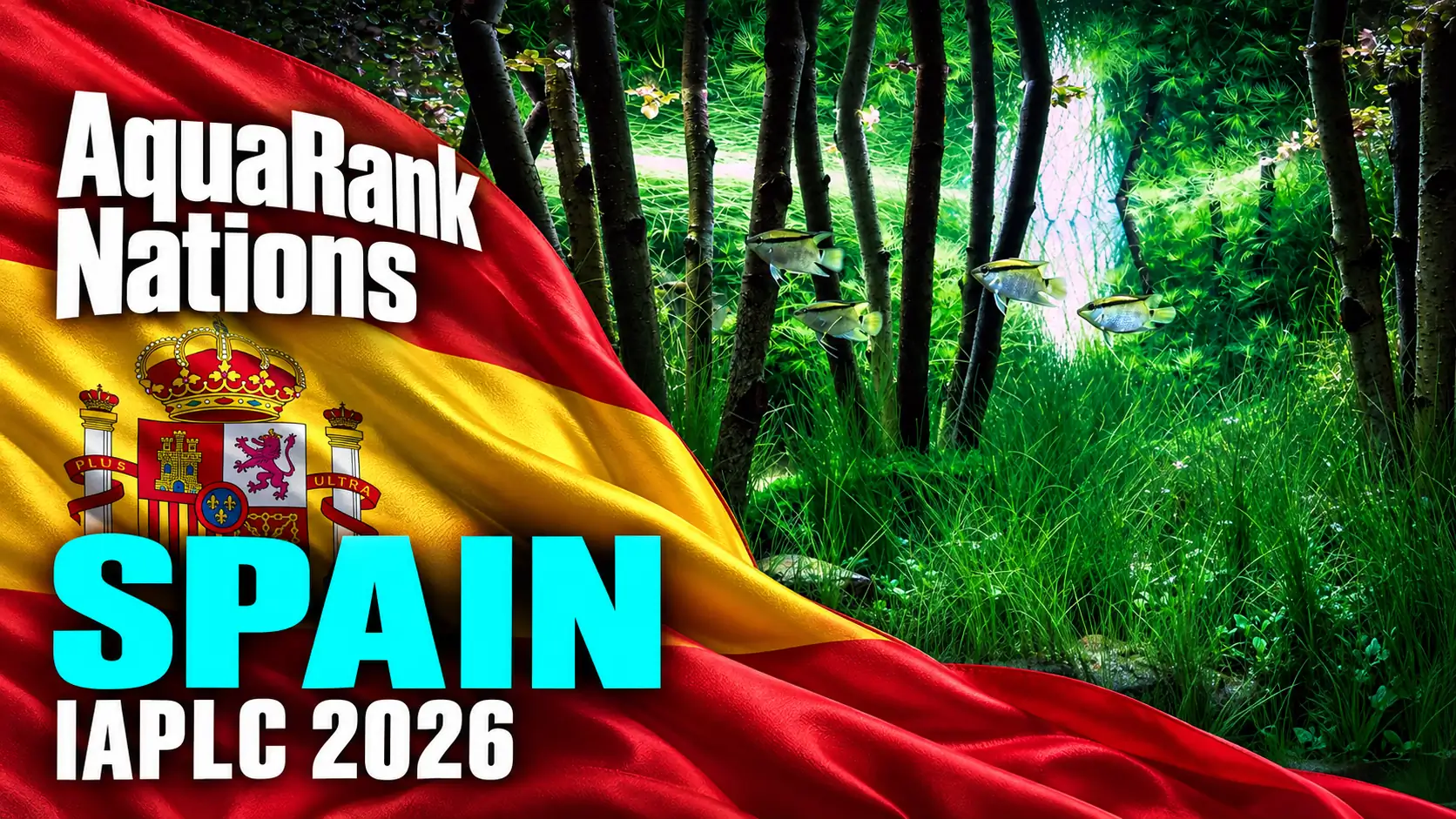
  • Analyse Spain aquascapes at IAPLC 2026, then explore the country’s results, contributing creators and competition history on AquaRank Nations.

    Spain at IAPLC 2026: Roberto Buenadicha’s Forest and the Space Between Trunks

    Roberto Buenadicha’s aquarium is the only Spanish work in the published ranks 1–300. Its slender dark trunks, fine green planting and conspicuous pale fish make it a rewarding individual study. This instalment returns to the older Spain introduction through one photograph, keeping the scope small enough for the evidence available.
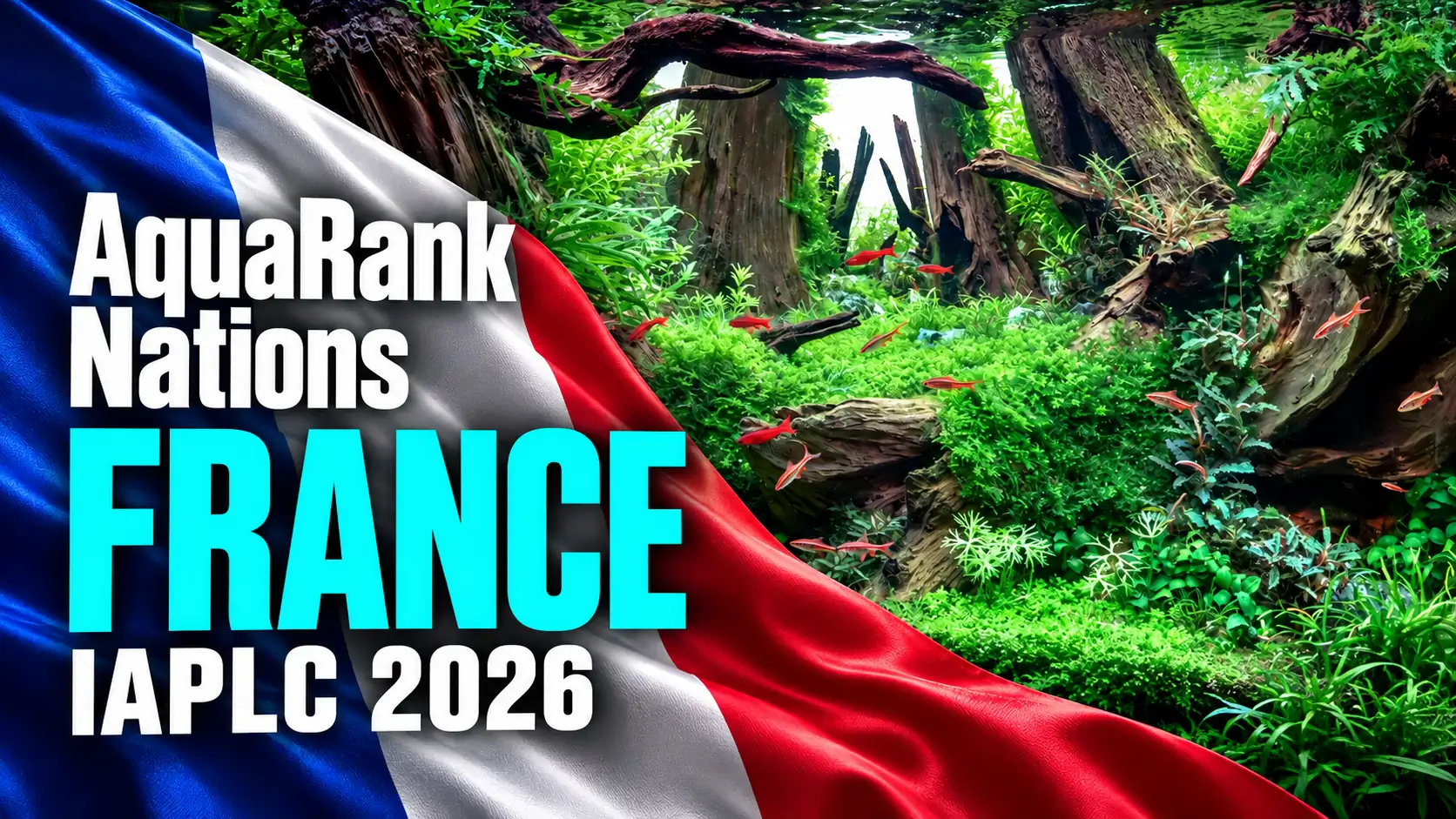
  • Analyse France aquascapes at IAPLC 2026, then explore the country’s results, contributing creators and competition history on AquaRank Nations.

    France at IAPLC 2026: A Close Reading of Jean Christophe Grosset’s Woodland

    Only one French work appears in the published ranks 1–300. That gives this instalment a different task: a close reading of Jean Christophe Grosset’s aquarium, with the older country introduction as context. The photograph deserves attention for its own wood, planting and fish relationships, rather than being made to represent every French aquascaper.
  • Analyse Singapore aquascapes at IAPLC 2026, then explore the country’s results, contributing creators and competition history on AquaRank Nations.

    Singapore at IAPLC 2026: Open Stone and an Enclosed Planted Passage

    Two Singaporean works appear in the published ranks 1–300, and they offer an unusually clear contrast. One makes open water and two main stones central; the other encloses a small rear opening within dense planting and roots. The pair is useful precisely because it does not support one simple visual label.
  • Analyse Hong Kong aquascapes at IAPLC 2026, then explore the country’s results, contributing creators and competition history on AquaRank Nations.

    Hong Kong at IAPLC 2026: Three Studies in Light, Layers and Visual Impact

    A low timber ceiling, blue-toned terraces and converging planted diagonals create three visibly different aquariums. Hong Kong’s represented works at ranks 1–300 offer a compact study of visual impact beyond the season’s leading awards. Looking at them closely is more informative than treating the cutoff count as a verdict on an entire aquascaping community.
  • Analyse Italy aquascapes at IAPLC 2026, then explore the country’s results, contributing creators and competition history on AquaRank Nations.

    Italy at IAPLC 2026: Calm Routes and More Dramatic Planted Frames

    A clear route through planted banks can feel quiet; a coloured ridge beneath a dark frame can feel theatrical. The four Italian photographs selected for this study offer both experiences. Together, they make a useful contemporary comparison with an archive that once placed particular emphasis on calm, enduring-looking compositions.
  •  Analyse United States aquascapes at IAPLC 2026, then explore the country’s results, contributing creators and competition history on AquaRank Nations.

    United States at IAPLC 2026: Four Distinct Readings of a Wooded Aquarium

    The four American photographs selected here all contain important wood structures, yet they do not produce one uniform wooded scene. A broad canopy, a low diagonal, a fine-leaved light window and an exposed timber subject organise attention differently. That variation lets us discuss design diversity through specific decisions rather than a broad national label.
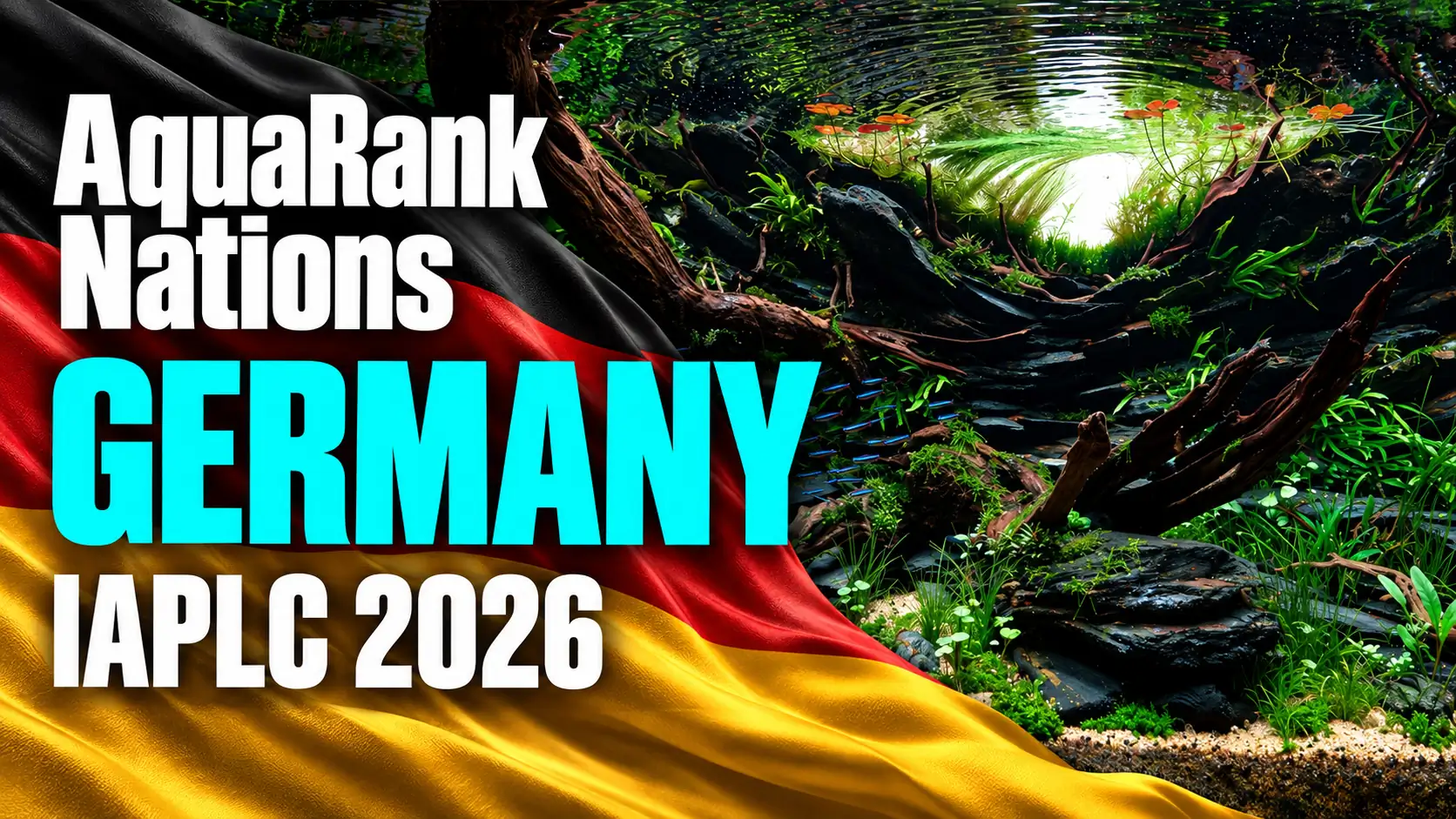
  • Analyse Germany aquascapes at IAPLC 2026, then explore the country’s results, contributing creators and competition history on AquaRank Nations.

    Germany at IAPLC 2026: Four Ways to Balance Hardscape and Open Water

    A dark wooded frame, a rocky valley, a brighter mixed scene and green-covered root contours make this German selection particularly useful for comparison. The photographs share an interest in separating materials from the water around them, but achieve it through different outlines and lighting relationships.
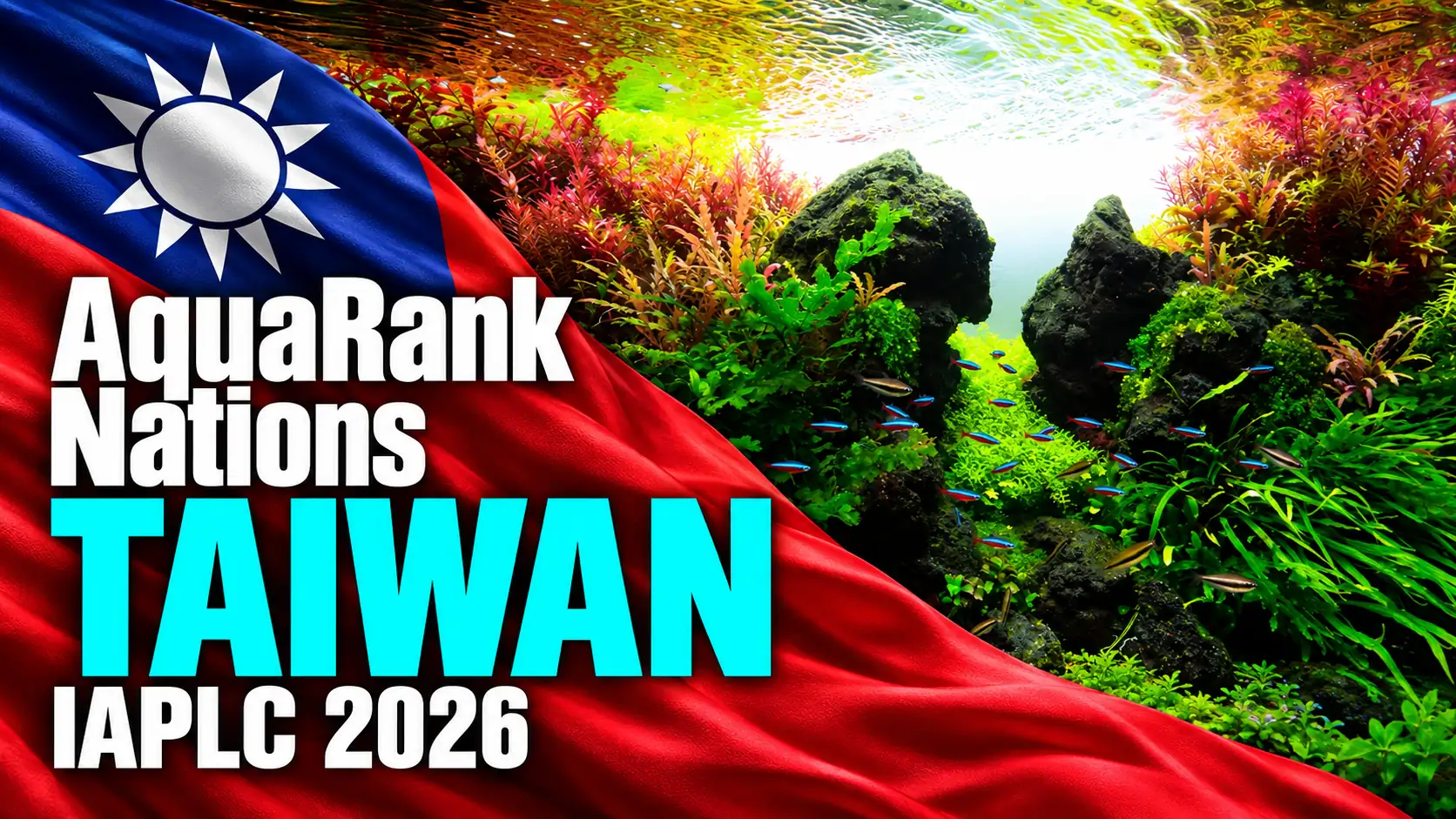
  • Analyse Taiwan aquascapes at IAPLC 2026, then explore the country’s results, contributing creators and competition history on AquaRank Nations.

    Taiwan at IAPLC 2026: Planted Contours and Changing Routes into Depth

    Dense foliage, planted wood ridges and a low central route create different senses of distance in this four-work selection. The photographs are particularly rewarding when viewed through changes in leaf shape and planting height. They offer a present-season comparison with an archive that once described both graceful composition and more contemporary experimentation.
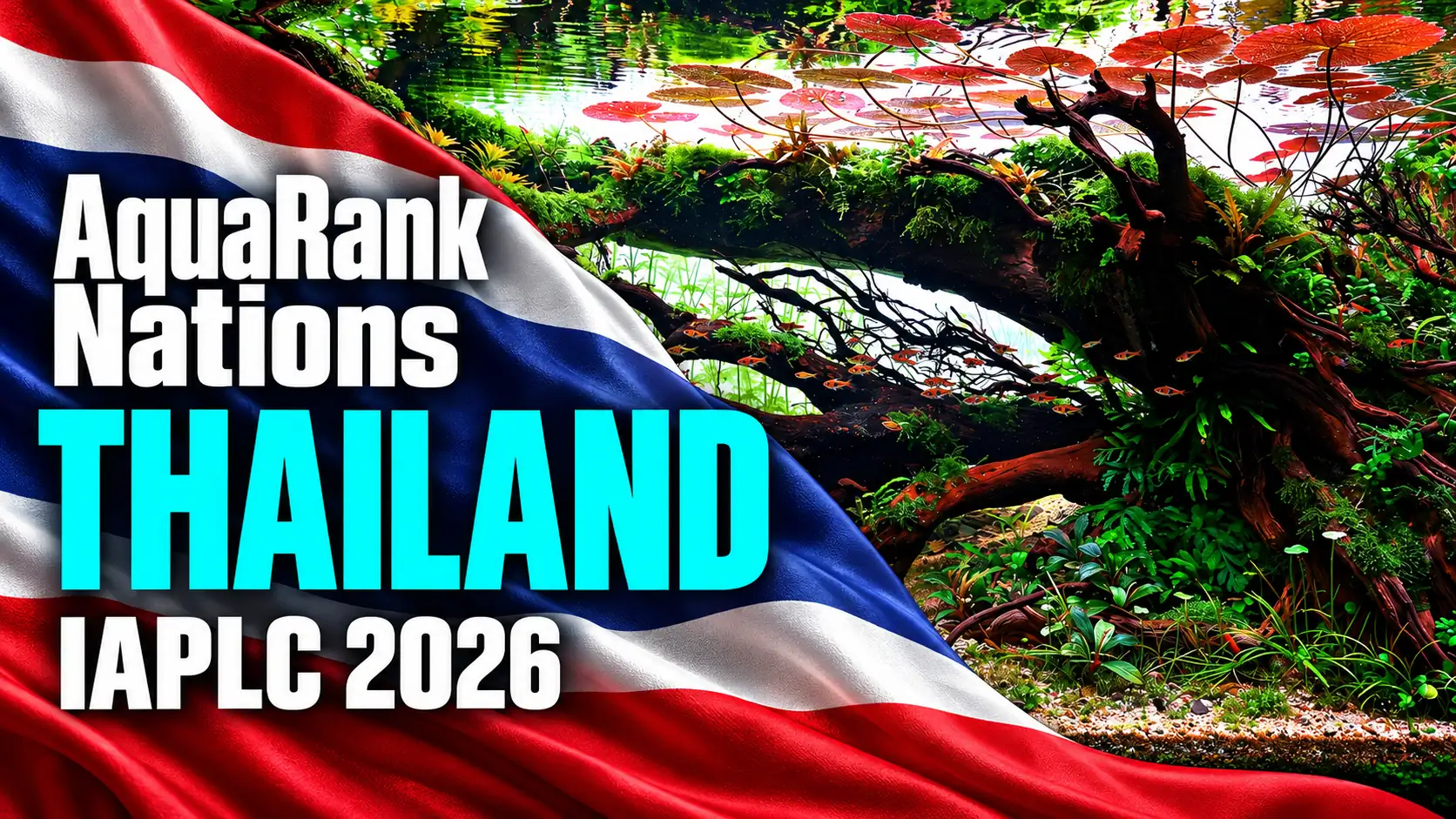
  •  Analyse Thailand aquascapes at IAPLC 2026, then explore the country’s results, contributing creators and competition history on AquaRank Nations.

    Thailand at IAPLC 2026: Surface Colour, Green Arches and Open Rockwork

    Three Thai aquariums in the published Top 300 present contrasting visual priorities. MAGIC LEAVES makes the water surface a signature; another work carries a route beneath planted arches; a third exposes rock peaks against rounded greenery. This small group gives a useful reason to look beyond the first shared award photograph.
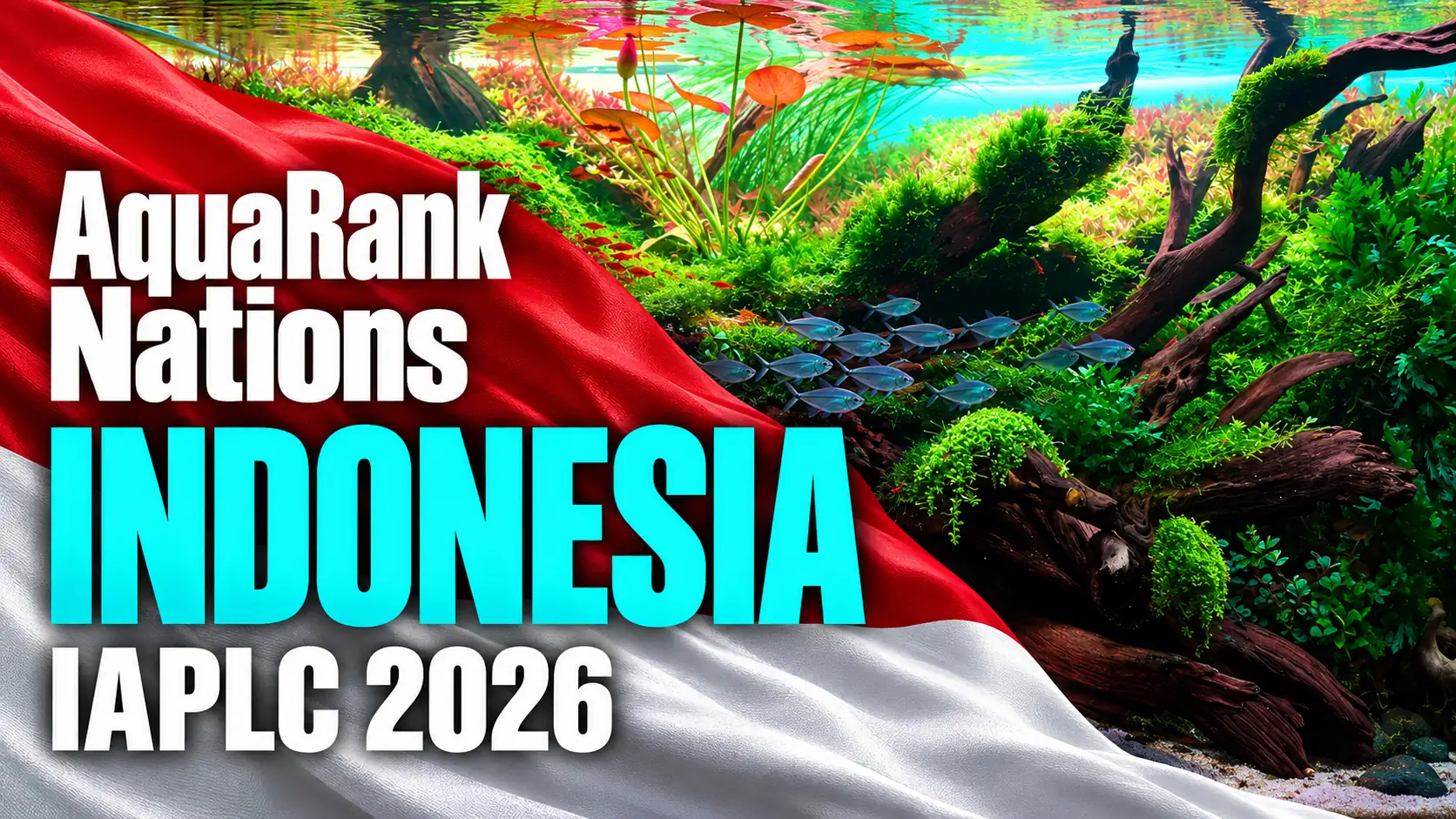
  • Analyse Indonesia aquascapes at IAPLC 2026, then explore the country’s results, contributing creators and competition history on AquaRank Nations.

    Indonesia at IAPLC 2026: Forest Craft Through Four Different Frames

    The four Indonesian works published at ranks 1–300 offer a compact comparison. A coloured surface canopy, a dominant trunk, a dense grove and a wood-and-rock opening all reward close attention. The small group makes it possible to examine every represented work in this range, while keeping the conclusions specific to this season and cutoff.
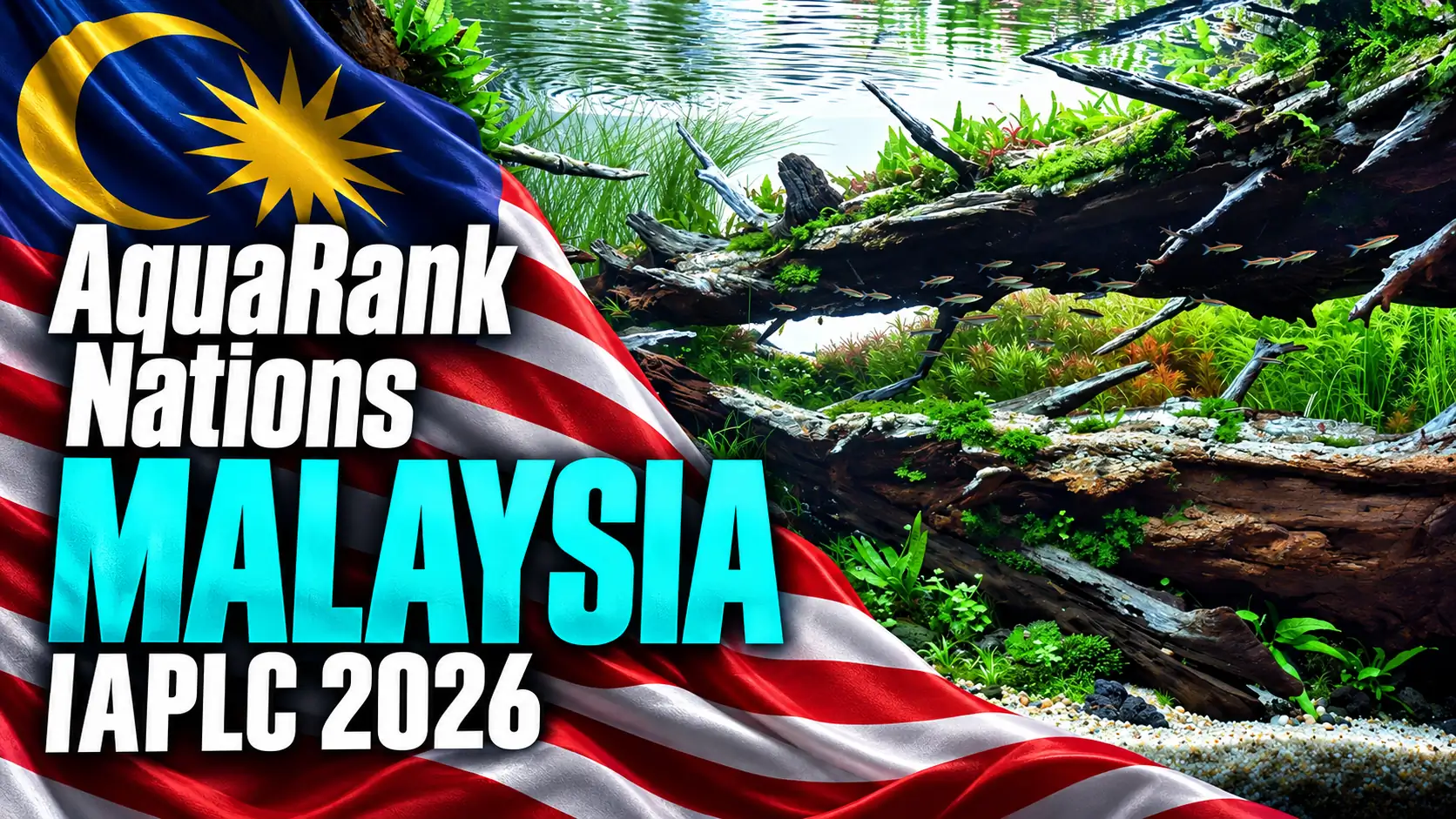
  • Analyse Malaysia aquascapes at IAPLC 2026, then explore the country’s results, contributing creators and competition history on AquaRank Nations.

    Malaysia at IAPLC 2026: Wood, Plant Texture and the Visual Role of Fish

    A bright gap between broad wood layers, a fine-leaved canopy and a conspicuous individual fish offer three different entrances to this Malaysian selection. The photographs invite attention to the space inhabited by fish as well as the hardscape around it. They also show why a creator’s reputation and a new aquarium’s visual decisions should be discussed separately.
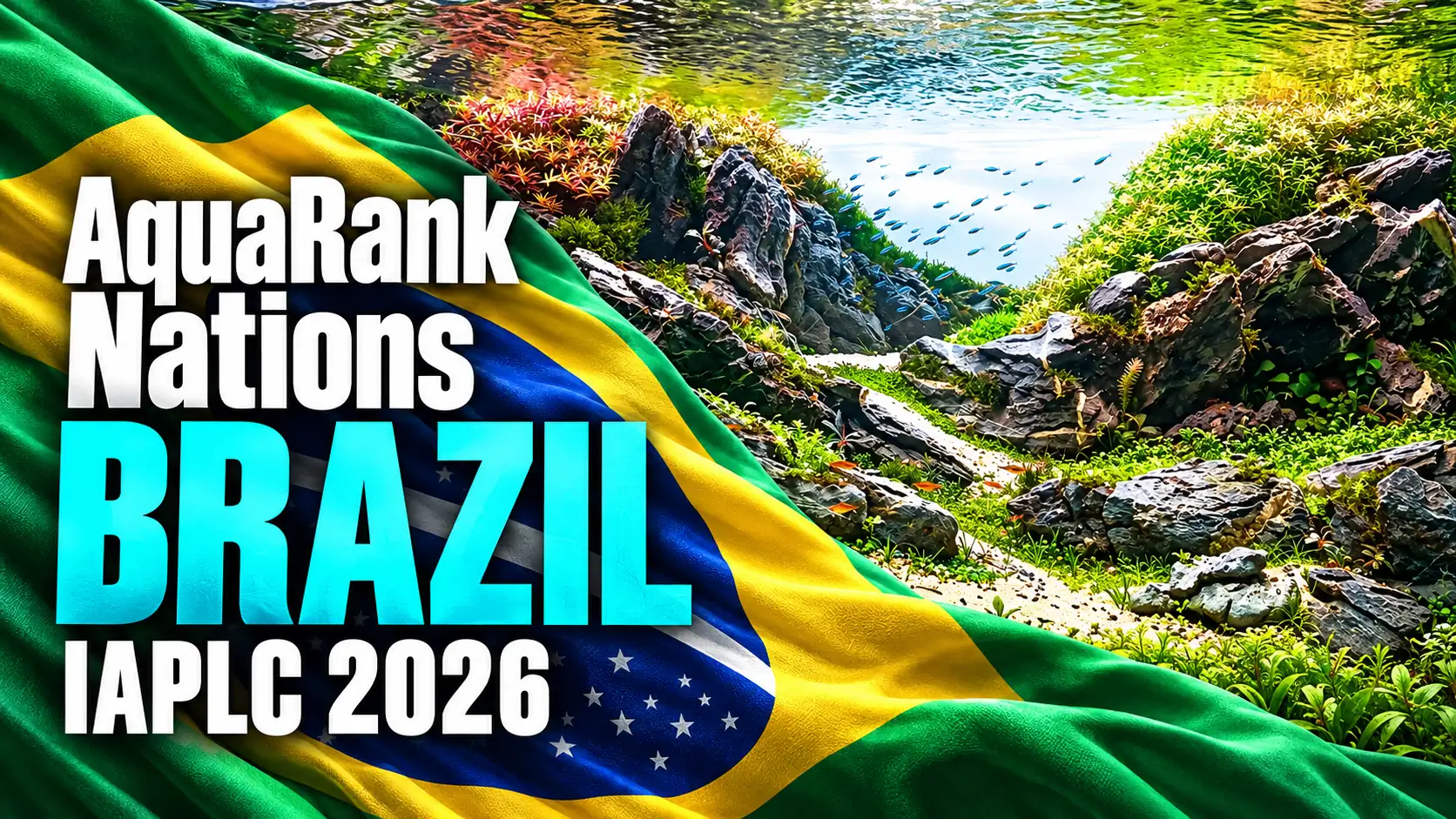
  • Analyse Brazil aquascapes at IAPLC 2026, then explore the country’s results, contributing creators and competition history on AquaRank Nations.

    Brazil at IAPLC 2026: Rock Landscapes and Wood Beyond the Familiar Label

    Enchanted Hills offers an immediately recognisable rock valley, with coloured planting and fish in bright water. Three other selected Brazilian photographs build their scenes around substantial wood. Seeing them together is a useful way to revisit a familiar label without asking individual creators to fit a single national recipe.
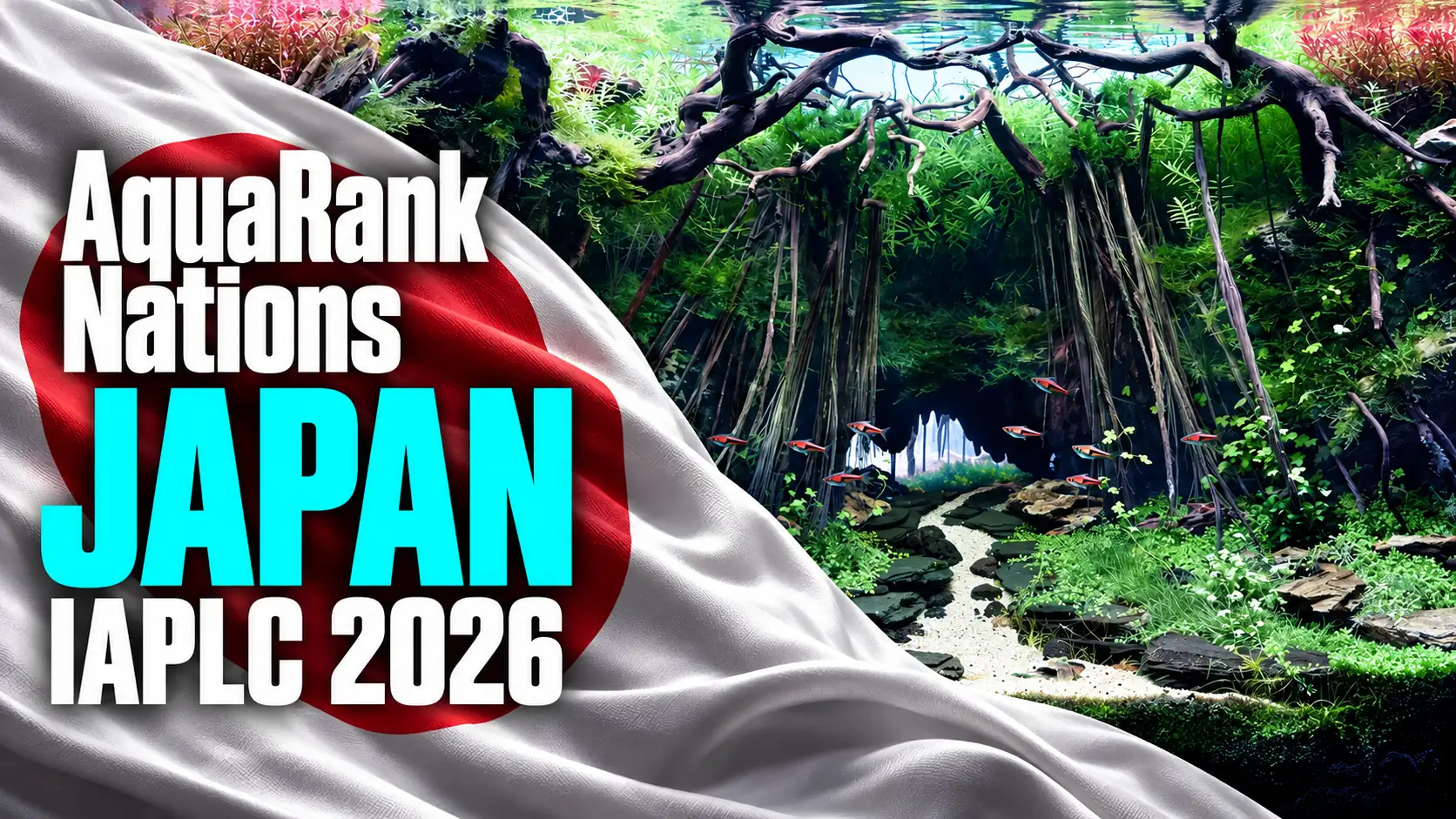
  • Analyse Japan aquascapes at IAPLC 2026, then explore the country’s results, contributing creators and competition history on AquaRank Nations.

    Japan at IAPLC 2026: Nature Aquarium and Many Contemporary Visions

    A pale path through hanging roots and a bright interval between exposed rocks can both make an aquarium feel spacious. Japan’s 2026 selection is rewarding because it places these different approaches beside richly planted foregrounds and coloured slopes. Six photographs offer a practical way to discuss variety within a familiar Nature Aquarium heritage.
  • Analyse China aquascapes at IAPLC 2026, then explore the country’s results, contributing creators and competition history on AquaRank Nations.

    China at IAPLC 2026: How Layered Wood Creates Convincing Depth

    The Grand Prize photograph gives this study an obvious first stop, but the comparison becomes richer when it reaches beyond the winner. Six selected aquariums show different ways of framing light with wood: unequal trunks, fine leaf curtains, successive arches and repeated vertical roots. Their interest lies in how each arrangement keeps a densely constructed scene readable.
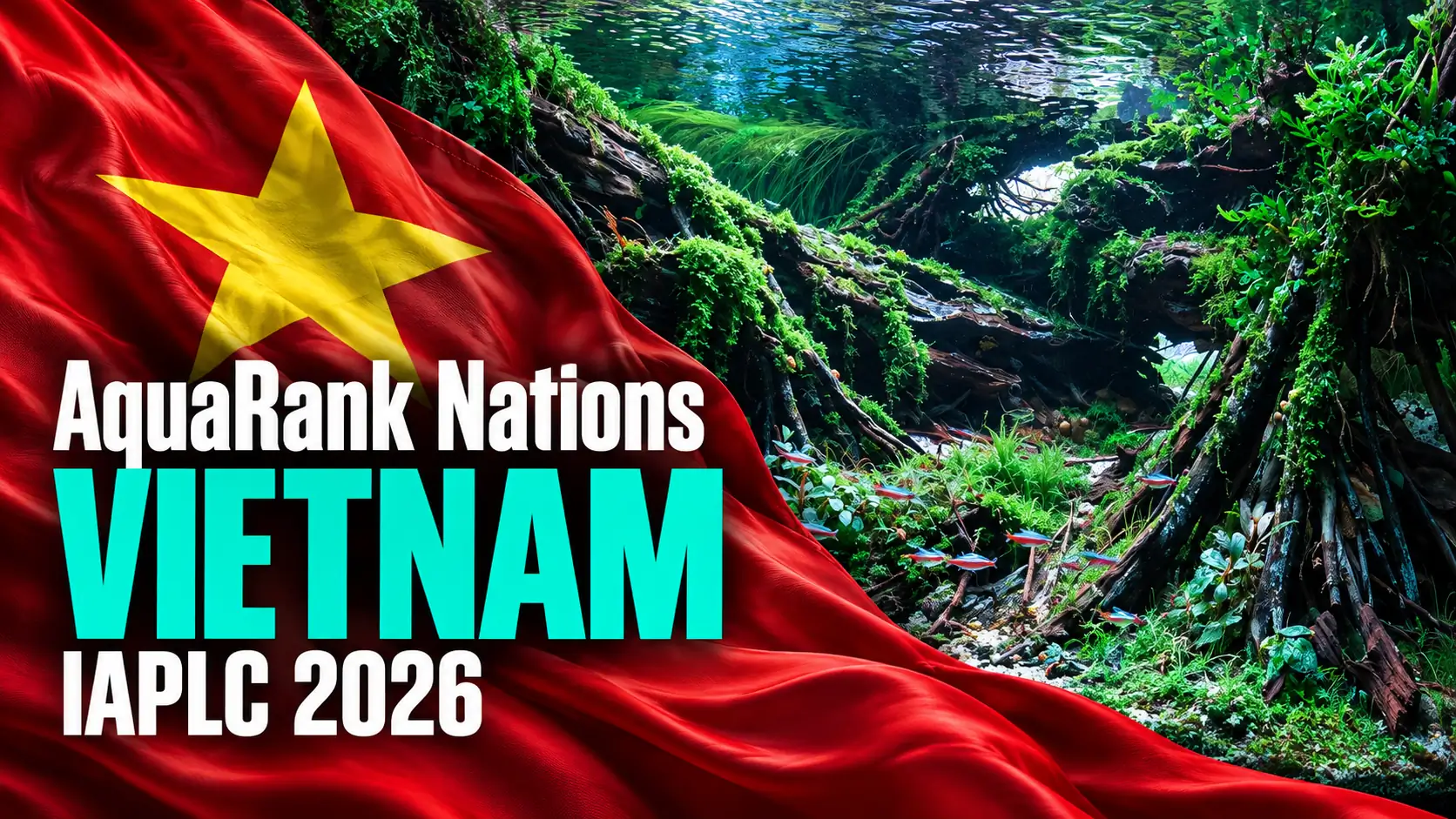
  • Vietnam at IAPLC 2026: Wood, Stone and a Broader Design Identity

    Vietnam’s two leading 2026 awards both invite us into wooded environments. That is an interesting starting point for revisiting an archive which once associated the country strongly with stone. The most useful reading is not that one material has defeated the other. Six selected photographs show several ways of organising planted ground, open water and the route into a scene.
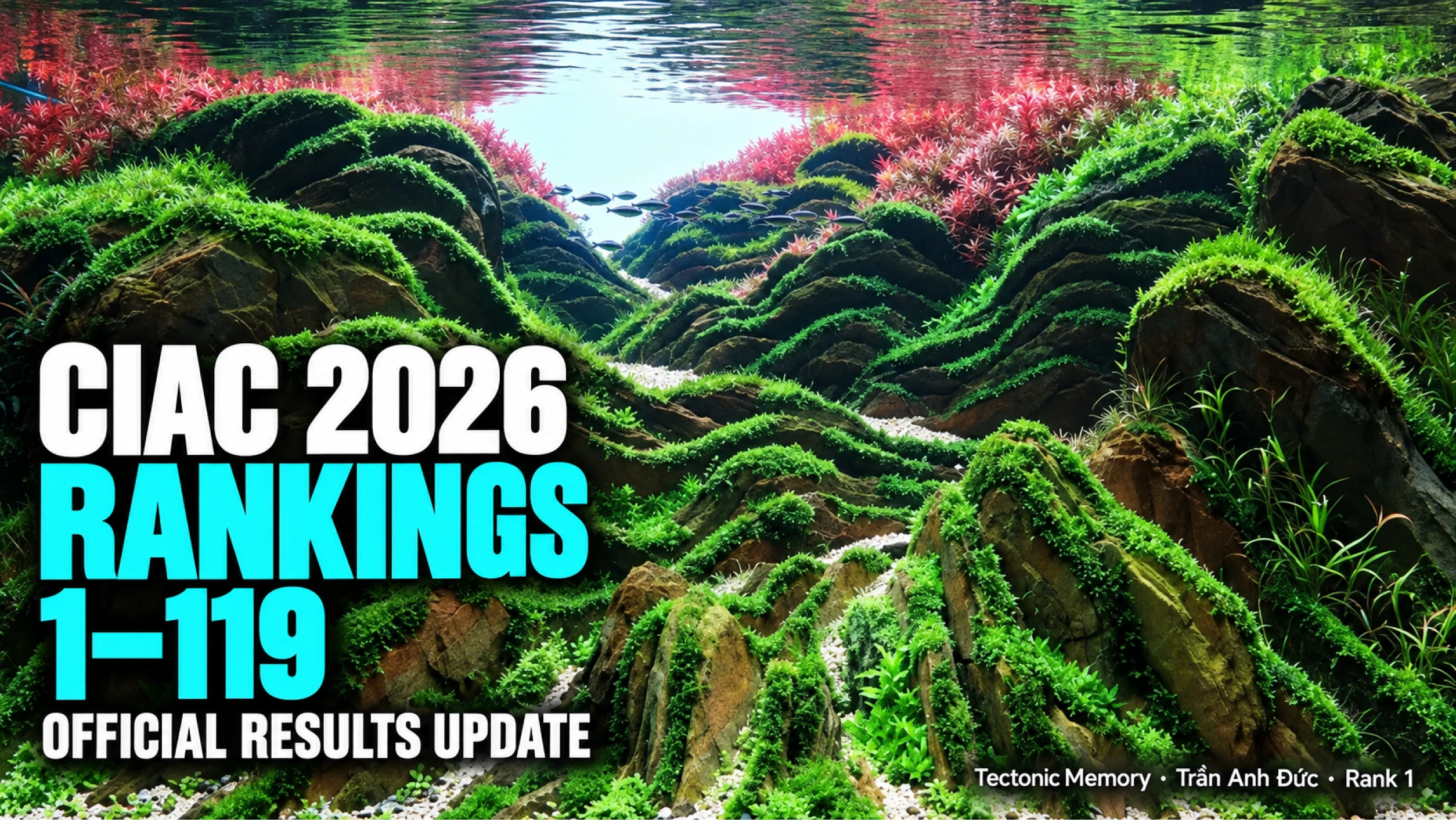
  • Use the existing CIAC cover style with the wording “CIAC 2026 / OFFICIAL RESULTS / RANKINGS TO 119”. Use an actual contest photograph; do not claim “119 entries” or “full results”.

    CIAC 2026 Official Results Update: Rankings Extend to 119

    The CIAC 2026 Aquascaping Category results have received an official update. A results sheet distributed by the organising committee on 14 October lists ranks 14–119, extending the ranking information available beyond the image cards previously covered by AquaLibs.