AquaLibs presents AquaRank Discover the world’s leading aquascapers

Explore transparent rankings built from published results across the world’s leading aquascaping contests.

Faunus ater (Devil's Thorn Snail)

Overview

The Devil's Thorn Snail, scientifically known as Faunus ater, is a fascinating and highly sought-after invertebrate in the aquarium hobby. Often referred to as the Black Devil Snail, it is prized for its unique, elongated appearance and its peaceful, industrious nature. Despite its somewhat intimidating common name, this snail is entirely harmless to tank mates and live plants, making it a premier choice for community and planted aquariums alike.

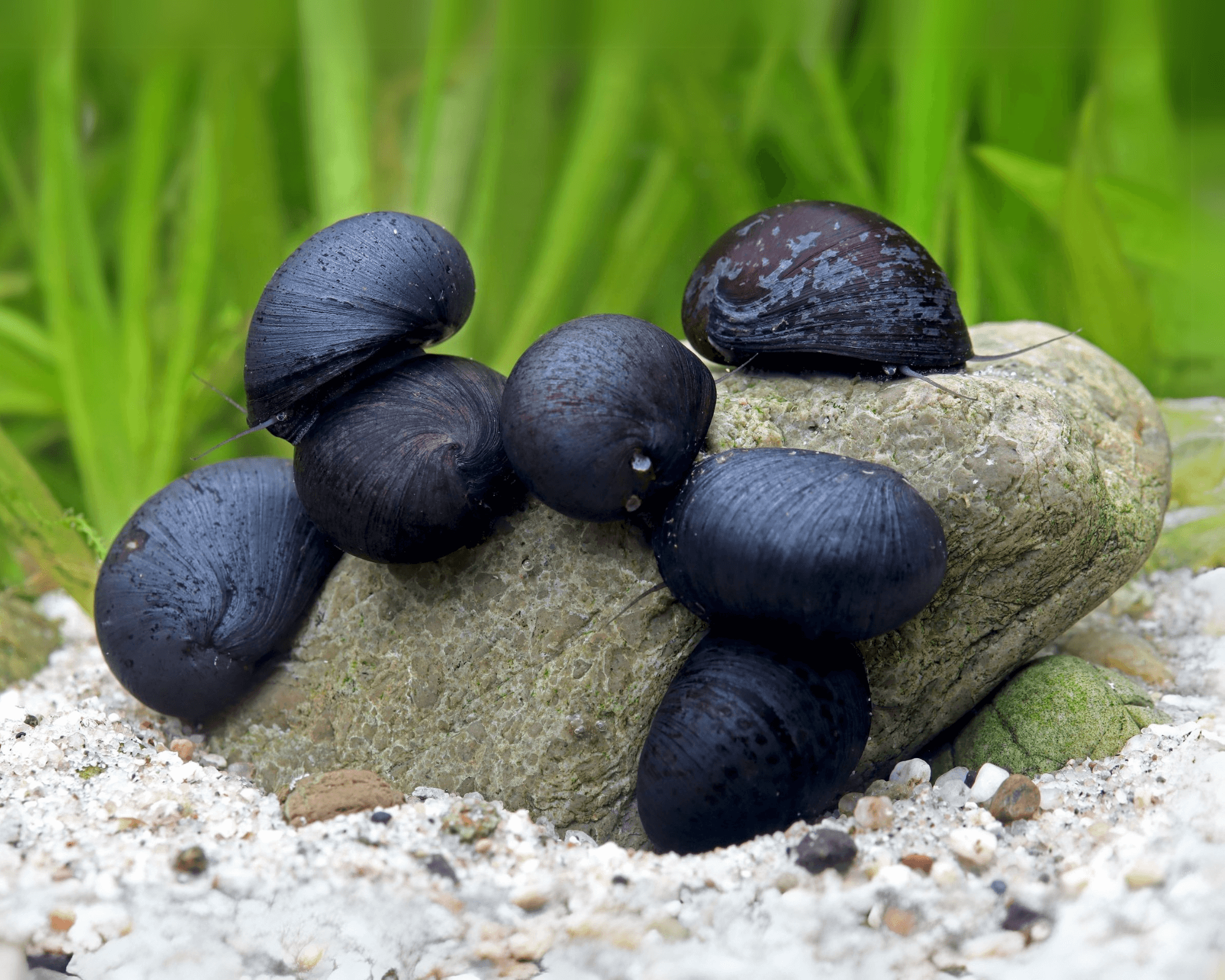
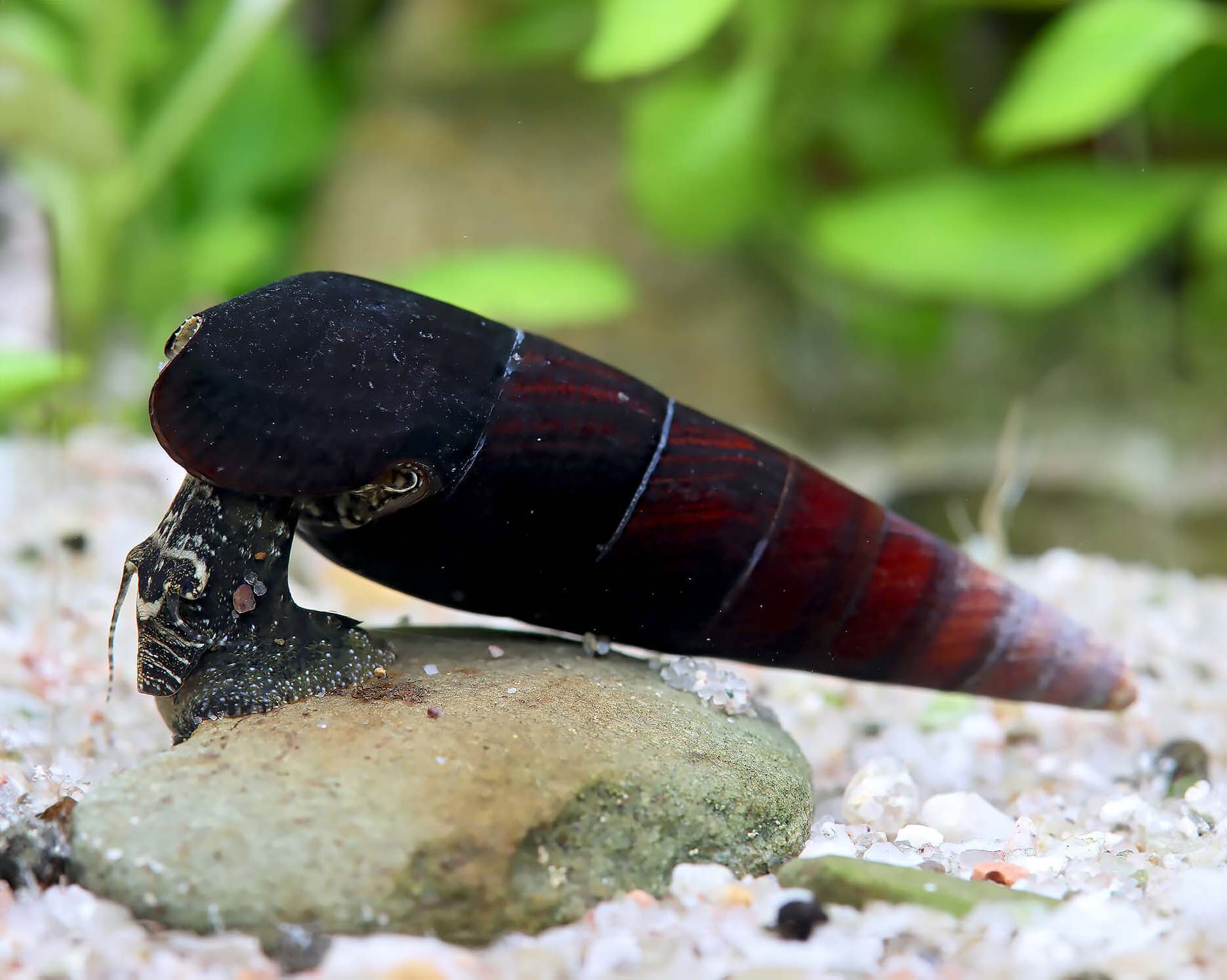
Image of devil s thorn snail faunus ater

Distribution and Habitat

Native to the Indo-Pacific region, Faunus ater is widely distributed across Southeast Asia, including countries like Thailand, Indonesia, Malaysia, and the Philippines. In the wild, they are typically found in the lower reaches of rivers, estuaries, and coastal lagoons. Because their natural habitat spans areas where rivers meet the sea, they are highly adaptable and can thrive in both pure freshwater and brackish water environments.

Description of Devil's Thorn Snail

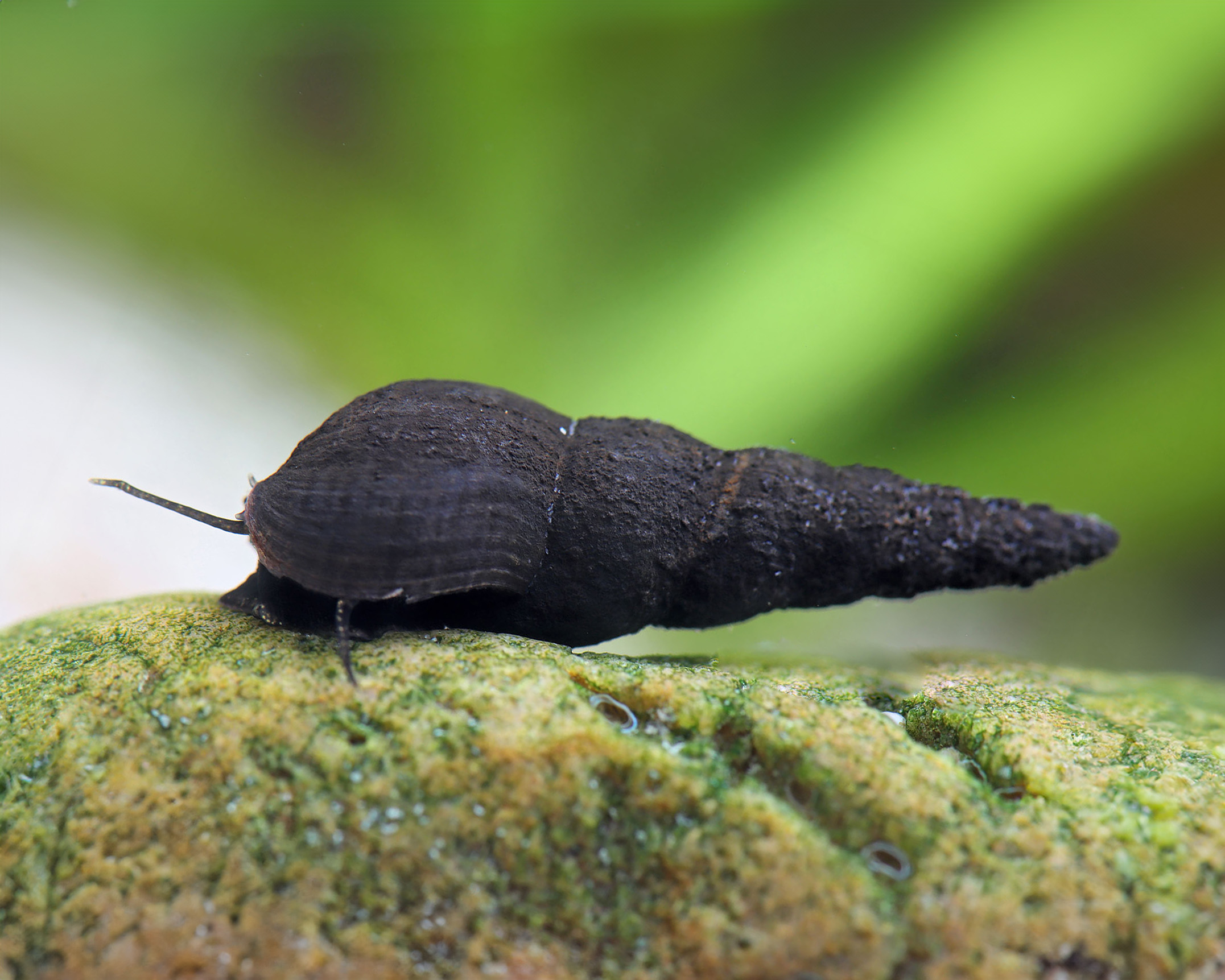
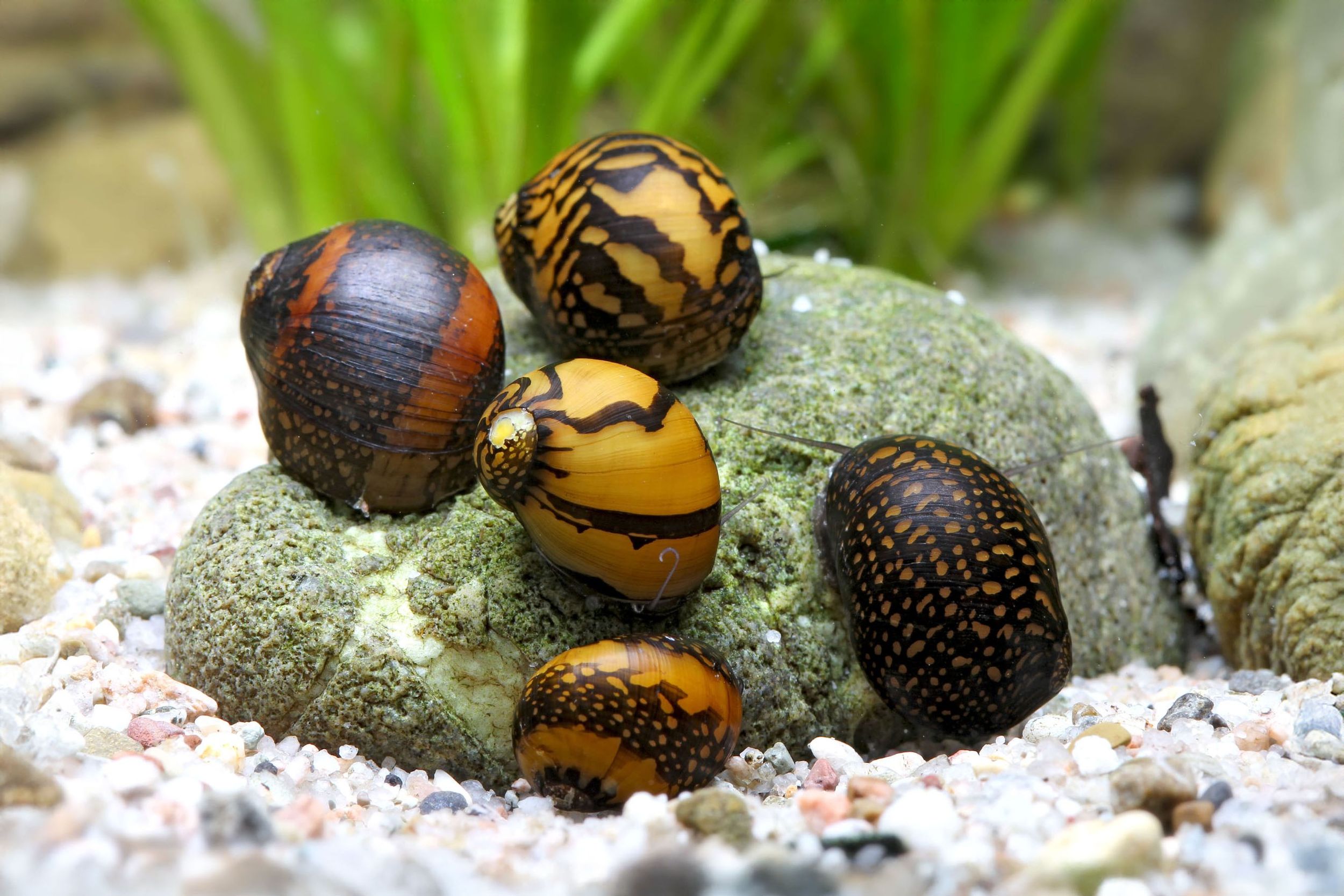
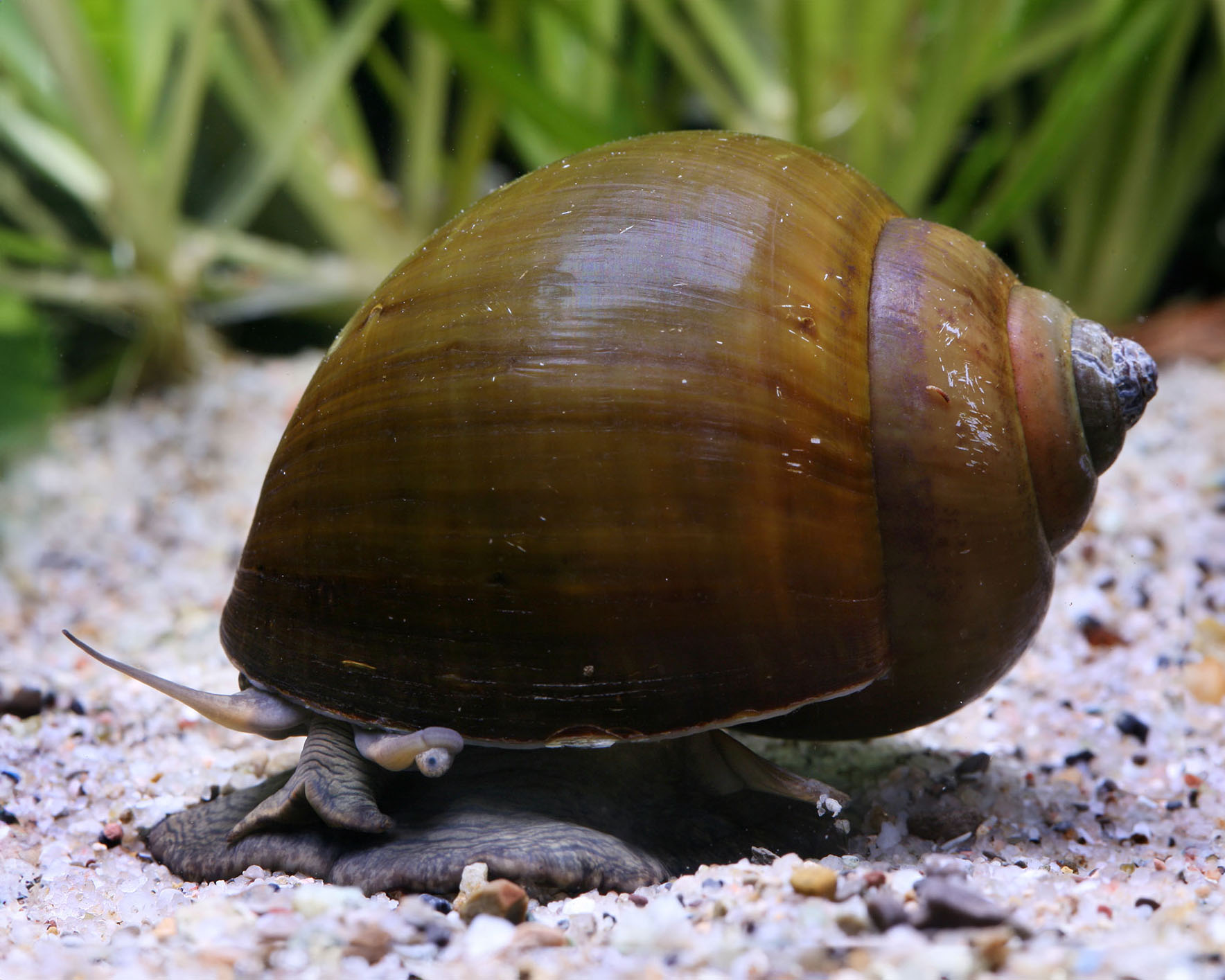
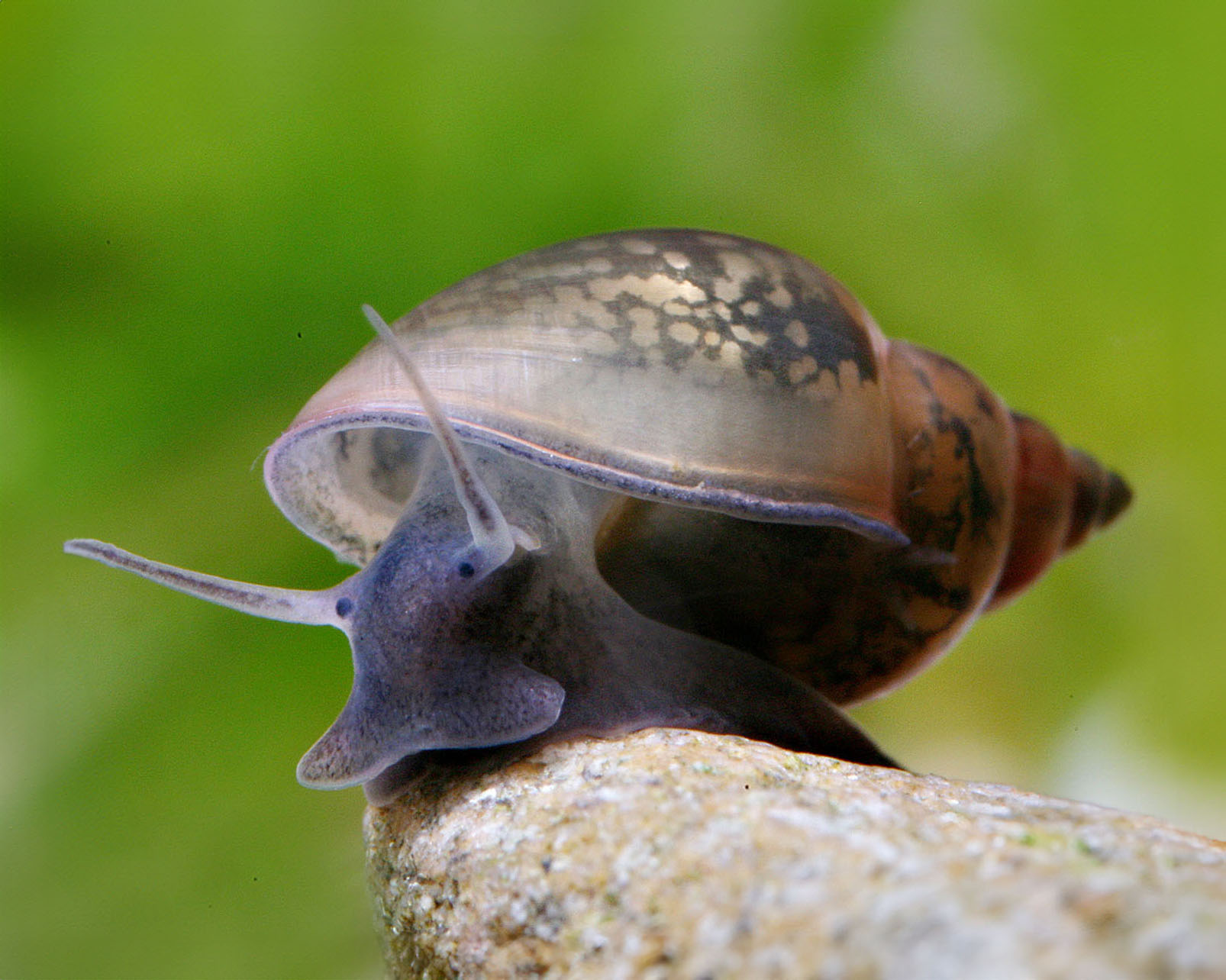
The Devil's Thorn Snail boasts a distinctive, sharply conical shell that can grow up to 3 to 3.5 inches in length. The shell is generally smooth and lacks the pronounced ridges seen in some Tylomelania (Rabbit Snail) species. Coloration ranges from a deep, glossy black to a rich, dark brown. As seen in many specimens, the shell may feature a stunning gradient, transitioning from a dark anterior to a reddish-mahogany or burnt orange hue near the tip. Their soft bodies are equally dark, often black or deep grey, speckled with subtle lighter spots.

Keeping and Caring for Devil's Thorn Snail

Caring for the Devil's Thorn Snail is relatively straightforward, provided their basic water chemistry needs are met. They are hardy, active, and peaceful, making them excellent tank mates for small fish, dwarf shrimp, and other non-aggressive snails. Because they naturally inhabit areas with harder water, maintaining proper mineral levels is the most critical aspect of their care.

Tank size:

A minimum tank size of 10 gallons is recommended for a small group of Devil's Thorn Snails. Due to their elongated shells, they need adequate substrate space to roam and forage comfortably without getting wedged into overly tight crevices.

Water Parameters:

Temperature

They thrive in warm tropical waters. Keep the aquarium temperature consistently between 72°F and 82°F (22°C - 28°C) for optimal health and activity.

pH

A slightly alkaline environment is crucial to prevent shell erosion. Maintain a pH between 7.0 and 8.0. Acidic water will slowly dissolve their beautiful shells over time.

Hardness

Hard water is a must. Aim for a General Hardness (GH) of 8-15+ dGH and a Carbonate Hardness (KH) of 5-15 dKH. Adding crushed coral or cuttlebone to the filter or substrate can help maintain these essential mineral levels.

Ammonia, Nitrite, Nitrate

Like all aquatic invertebrates, they are highly sensitive to poor water quality. Ammonia and Nitrite must always be at 0 ppm. Nitrates should be kept as low as possible, ideally below 20 ppm, through regular water changes and aquarium maintenance.

Image of devil s thorn snail faunus ater

Feeding the Devil's Thorn Snail

The Devil's Thorn Snail is an omnivorous scavenger and an excellent cleanup crew member. In the aquarium, they will naturally graze on soft algae, biofilm, and decaying plant matter. However, their diet should be supplemented to ensure they receive adequate nutrition. Feed them sinking algae wafers, bottom-feeder pellets, and blanched vegetables such as zucchini, spinach, or cucumber. They are completely plant-safe and will ignore healthy, living aquatic plants.

Breeding Devil's Thorn Snail

If you are hoping to breed the Devil's Thorn Snail in a standard freshwater aquarium, you will be out of luck. While they may occasionally lay eggs, Faunus ater requires brackish water for their larvae to successfully hatch and develop. Because of this complex reproductive cycle, they will not overrun your freshwater tank with unwanted offspring, which is a major benefit for many aquarists.

Conclusion

The Devil's Thorn Snail is a visually striking, incredibly useful, and low-maintenance invertebrate. Their sleek, dark shells provide a beautiful contrast against green aquarium foliage and light-colored substrates. With their peaceful demeanor, plant-safe grazing habits, and inability to overpopulate a freshwater tank, Faunus ater makes an exceptional addition to almost any tropical aquarium setup.
Snail info

  • Temperature : 72°F - 82°F (22°C - 28°C)
  • pH: 7.0 - 8.0
  • Color Form: Black
Leave your comments
Latest on Snails
  • Bubble snail (Physa sp.)

    Bubble snail (Physa sp.)

    Bubble snails sold or observed under Physa sp. are small freshwater bladder snails commonly introduced with aquatic plants. They graze on algae, biofilm and soft organic residues, and usually leave healthy plants alone. Their rapid reproduction can make them conspicuous in well-fed aquariums. Exact species identification is uncertain from the supplied name and images, so care guidance is presented for Physa-type freshwater snails rather than a single confirmed species.
  • Brown Ramshorn Snail (Planorbella duryi duryi)

    Brown Ramshorn Snail (Planorbella duryi duryi)

    The brown ramshorn snail is a freshwater planorbid recognized by its flat, coiled shell and air-breathing habit. Planorbella duryi duryi is generally peaceful and useful as a scavenger, although it can reproduce rapidly when food is abundant. The supplied photographs show a brown ramshorn-like snail, but shell appearance alone cannot confirm the subspecies; this article follows the supplied identification while noting that limitation.
  • Blue Jelly Snail (Taia sp.)

    Blue Jelly Snail (Taia sp.)

    The Blue Jelly snail, often associated with the genus Taia, is a striking freshwater gastropod known for its vibrant blue foot and patterned shell. While precise taxonomic classification remains subject to ongoing debate within the hobby, these snails are popular for their unique appearance and relatively peaceful temperament in community aquariums, making them a fascinating addition for dedicated invertebrate keepers.
  • Black Lace Snail (Melanoides maculata)

    Black Lace Snail (Melanoides maculata)

    The Black Lace Snail, scientifically identified as Melanoides maculata, is a distinctive freshwater gastropod often appreciated for its elongated, turret-like shell. While taxonomy within the Thiaridae family can be complex and subject to revision, this species is noted for its dark, textured appearance. It is a hardy inhabitant suitable for various tropical aquarium setups, provided the substrate remains clean and oxygenated.
  • Black Fancy Clithon Snail

    Black Fancy Clithon Snail

    The Black Fancy Clithon snail is a popular choice for freshwater aquariums due to its effective algae-eating habits. Often referred to as a variation of the horned nerite snail family, these small gastropods are highly valued for their peaceful temperament and ability to keep hard surfaces clean. They are generally hardy, provided their specific water quality and dietary requirements are met.
  • Big Stripe Mosaic Racing Snail (Neritina sp.)

    Big Stripe Mosaic Racing Snail (Neritina sp.)

    The Big Stripe Mosaic Racing Snail is a visually striking gastropod often sought for its appetite for algae. Belonging to the Neritidae family, these snails are popular in the hobby for their unique shell patterns and efficient cleaning habits. While they are excellent additions to freshwater aquariums, they require specific environmental conditions to thrive and remain healthy in captivity.
  • Bee Snail (Brotia dautzenbergiana)

    Bee Snail (Brotia dautzenbergiana)

    The Bee snail, scientifically known as Brotia dautzenbergiana, is a freshwater gastropod recognized for its elongated, spiraled shell featuring distinct dark bands. Native to Southeast Asian river systems, this species is popular among aquarium hobbyists for its unique appearance and relatively peaceful nature. Providing a stable environment is essential for their long-term health and success in a home aquarium setting.
  • Batman Snail (Neritina taitensis)

    Batman Snail (Neritina taitensis)

    The Batman snail, scientifically known as Neritina taitensis, is a unique freshwater gastropod often kept by aquarists for its distinct shell morphology and algae-eating habits. Originating from tropical regions, this species is appreciated for its ability to clean hard surfaces in the aquarium. Proper care requires stable water conditions and a diet supplemented with biofilm and algae.
  • Batik Snail (Neritina variegata)

    Batik Snail (Neritina variegata)

    The Batik snail, scientifically classified as Neritina variegata, is a popular freshwater gastropod appreciated for its striking shell patterns and efficient algae-eating habits. Native to various tropical regions, these snails are highly sought after by aquarists for their ability to keep glass and decor clean without becoming a nuisance in the home aquarium environment.
  • Biofilm Grazing Snail Combinations

    Biofilm Grazing Snail Combinations

    Biofilm grazing snails are popular additions to freshwater aquariums for their ability to naturally manage bacterial mats and algae. This set typically features a mix of species, such as Neritidae and Planorbidae, which function as effective cleanup crews. These invertebrates thrive in established tanks, providing essential maintenance while adding biodiversity to the underwater landscape through their varied shell patterns and colors.
  • Blue Post Horn Snail (Planorbella duryi)

    Blue Post Horn Snail (Planorbella duryi)

    The blue post horn snail is a popular freshwater gastropod known for its striking shell coloration and active nature in home aquariums. As a color variant of the common ramshorn snail, it is highly valued by hobbyists for its algae-consuming habits and ease of care, making it a suitable addition to many community tank setups.
  • Asian Apple Snail (Pila ampullacea)

    Asian Apple Snail (Pila ampullacea)

    The Asian apple snail, Pila ampullacea, is a large freshwater gastropod known for its robust shell and respiratory versatility. Often kept by hobbyists for its interesting behavior and appearance, this species requires careful environmental management. While fascinating, keepers must be aware of its dietary habits and potential impact on aquarium plants, as well as its specific reproductive requirements in captivity.
  • Antlered Snail (Clithon diadema)

    Antlered Snail (Clithon diadema)

    The Antlered snail, commonly identified as Clithon diadema, is a popular freshwater gastropod known for its distinctive shell protrusions. These small, decorative snails are highly valued in the aquarium hobby for their efficient algae-eating capabilities. While they exhibit a striking black and gold appearance, exact species identification within the Clithon genus can sometimes be challenging due to natural variations.
  • Neritina pulligera: The Anthracite Cup Snail

    Neritina pulligera: The Anthracite Cup Snail

    The Anthracite Cup Snail, scientifically known as Neritina pulligera and often referred to as the Steel Helmet Snail, is a popular freshwater gastropod among aquarium enthusiasts. Known for its dark, robust shell and effective algae-eating capabilities, this species is a peaceful addition to many community tanks, provided its specific environmental needs are met for long-term health and vitality.
  • Algae-Eating Snails: Neritina and Clithon

    Algae-Eating Snails: Neritina and Clithon

    Neritina and Clithon snails are highly regarded members of the Neritidae family, valued for their exceptional efficiency in controlling algae within freshwater aquariums. These snails are popular among hobbyists for their diverse shell patterns and generally peaceful nature. They are primarily scavengers that thrive in stable environments, making them suitable additions to many community tanks.
  • Tylomelania Snail Care Guide

    Tylomelania Snail Care Guide

    Tylomelania snails, often called rabbit snails, are distinctive freshwater mollusks native to the ancient lake systems of Sulawesi, Indonesia. Known for their elongated, spiraled shells and expressive, trunk-like faces, these snails are popular among hobbyists. They thrive in stable, alkaline environments and require specialized care to maintain their health and shell integrity in home aquaria.