Overview
The Grooved Apple Snail (Lanistes lybicus) is a captivating and relatively rare freshwater snail in the aquarium hobby. Belonging to the family Ampullariidae, it shares many traits with other apple snails but possesses a distinct shell morphology and unique reproductive habits. It is a peaceful addition to most community tanks and serves as an excellent clean-up crew member.
Distribution and Habitat
Native to West and Central Africa, particularly in regions like Nigeria, Cameroon, and the Congo basin, Lanistes lybicus inhabits slow-moving rivers, streams, swamps, and densely vegetated marshlands. They thrive in tropical environments where the water is warm and slightly alkaline, often found clinging to submerged vegetation or scavenging along the muddy substrate for decaying organic matter.
Description of Grooved Apple Snail
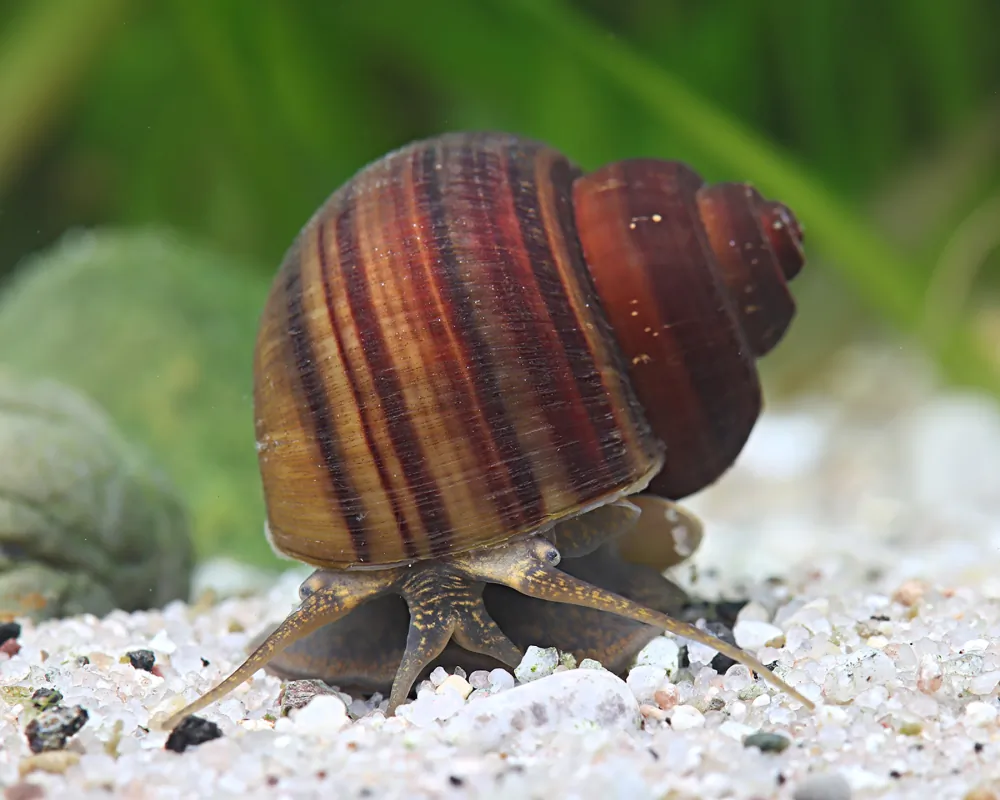
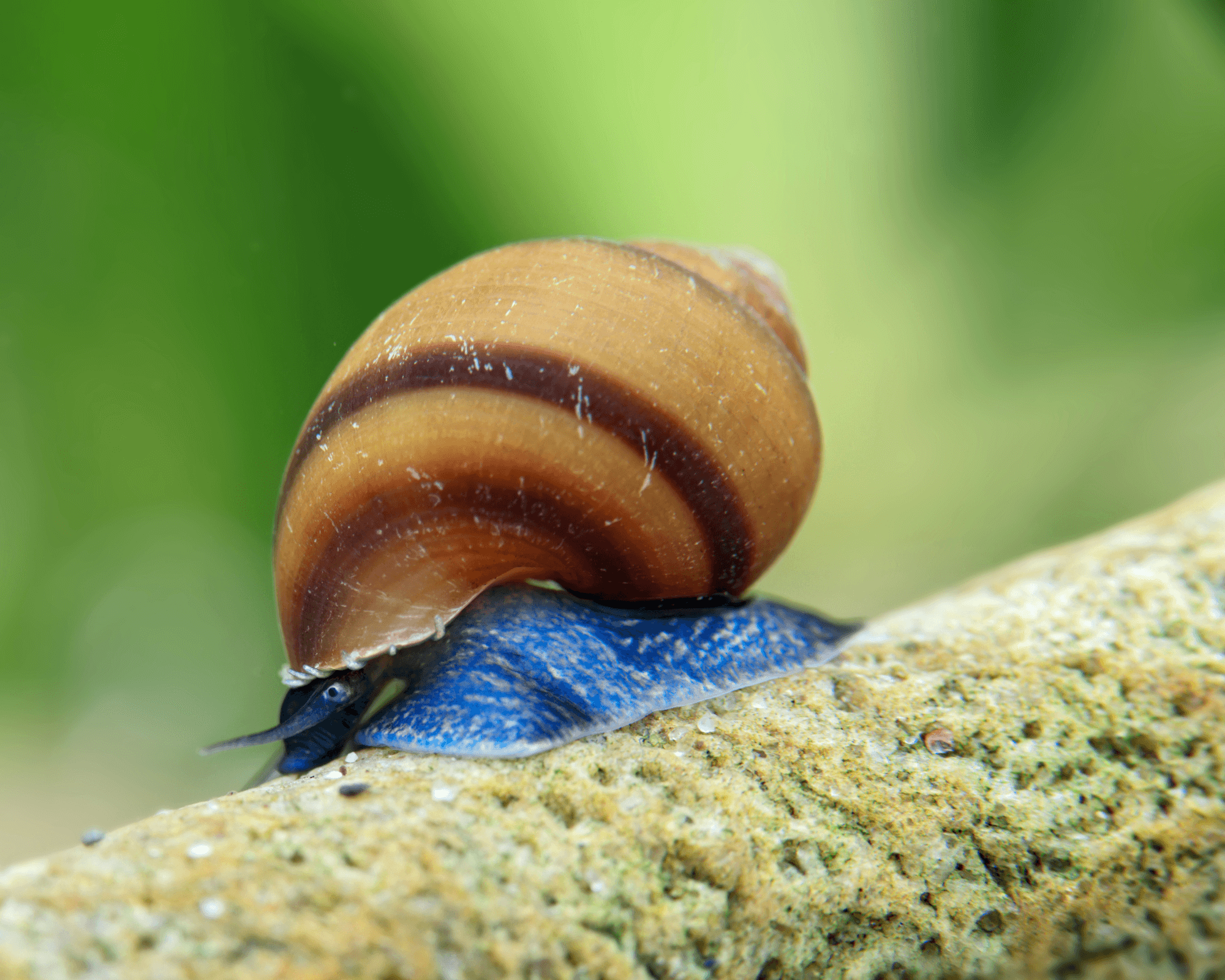
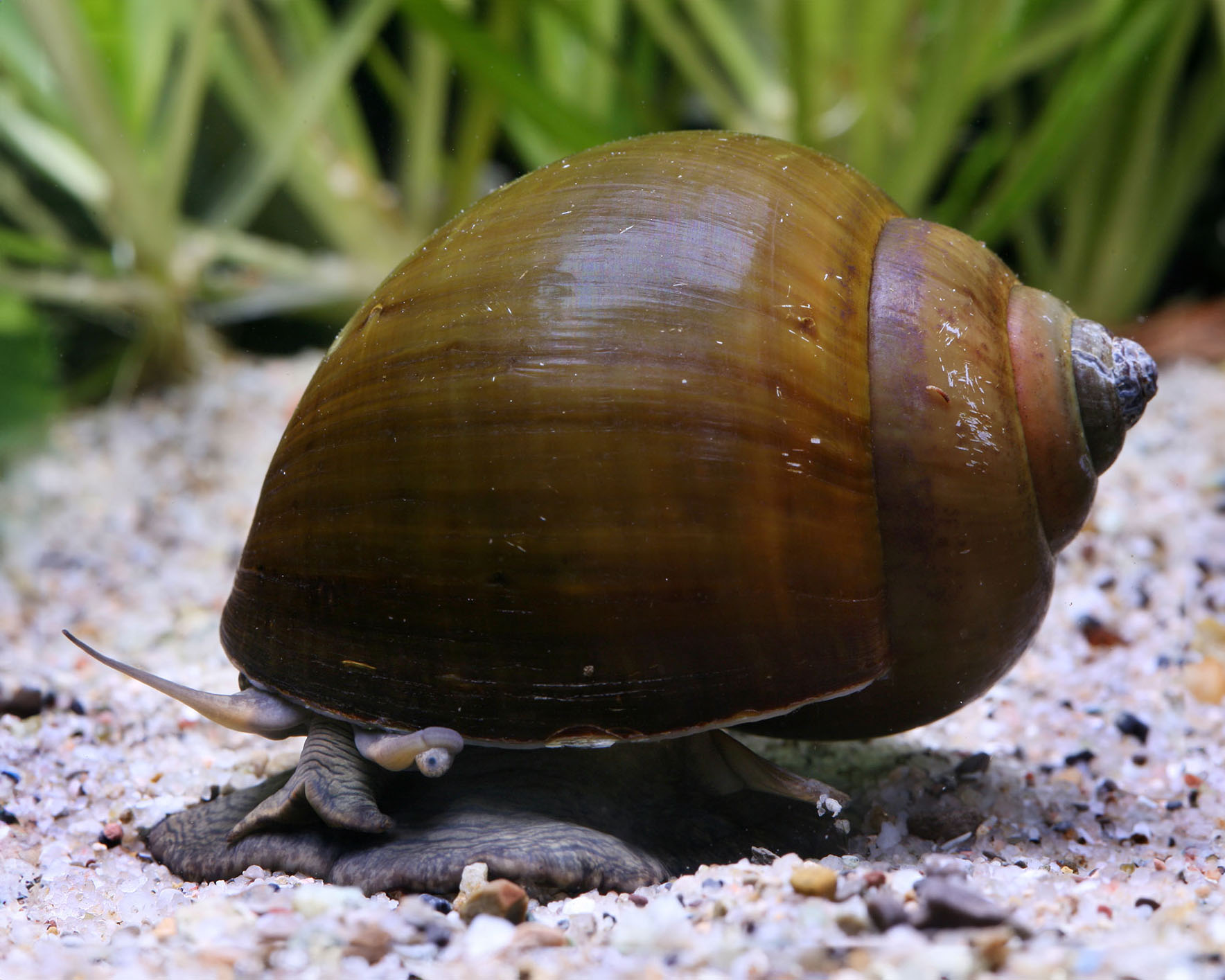
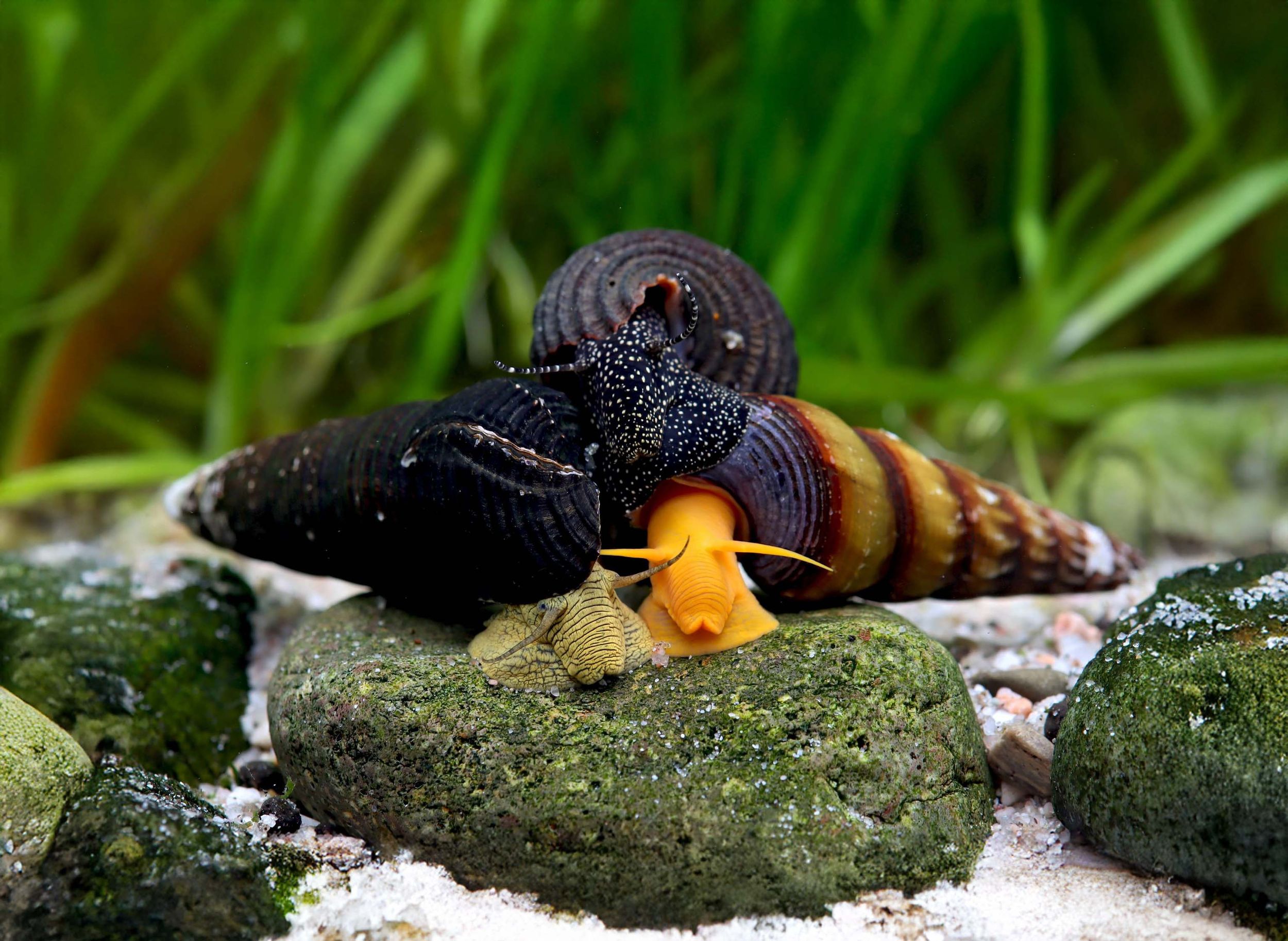
The Grooved Apple Snail is easily identified by its unique shell structure. Unlike many common apple snails, the genus Lanistes is characterized by a hyperstrophic (pseudo-sinistral) shell, meaning it appears left-handed. The shell features prominent spiral grooves and ridges, giving it a beautifully textured appearance. Coloration typically ranges from a light olive or yellowish-brown base with striking, dark brown to maroon spiral bands. The snail's body is dark, typically a deep grey or black, often speckled with lighter yellowish spots.
Keeping and Caring for Grooved Apple Snail
Caring for Lanistes lybicus requires attention to water quality and a well-maintained environment. They are generally hardy but, like all invertebrates, are highly sensitive to copper medications and sudden fluctuations in water parameters.
Tank size:
A minimum tank size of 10 to 20 gallons is recommended for a small group of Grooved Apple Snails. They are active scavengers and need ample surface area to graze and explore without heavily impacting the biological load of the aquarium.
Water Parameters:
Maintaining stable water conditions is crucial for the overall health and proper shell development of this species.
Temperature
They prefer warm, tropical waters ranging from 72°F to 82°F (22°C - 28°C).
pH
A slightly alkaline pH between 7.0 and 8.0 is essential. Acidic water will cause their intricate, grooved shells to erode, pit, and deteriorate over time.
Hardness
Moderate to hard water (8 - 15 dGH) is required to provide the necessary dissolved calcium for strong shell growth and maintenance.
Ammonia, Nitrite, Nitrate
Ammonia and Nitrite must always be strictly maintained at 0 ppm. Nitrates should be kept as low as possible, ideally below 20 ppm, through regular water changes and adequate biological filtration.
Feeding the Grooved Apple Snail
These snails are enthusiastic omnivores and excellent scavengers. In the aquarium, their diet should consist of high-quality sinking pellets, algae wafers, and calcium-enriched invertebrate foods. To ensure optimal health, supplement their diet with blanched vegetables such as zucchini, spinach, kale, and cucumber. While they are great at cleaning up uneaten fish food and soft algae, be cautious: if underfed, they may begin to consume soft-leaved aquarium plants.
Breeding Grooved Apple Snail
Unlike the well-known Pomacea species that lay bright, hard egg clutches above the waterline, Lanistes lybicus lays its eggs underwater. They deposit gelatinous egg masses on submerged objects, broad plant leaves, or the aquarium glass. The eggs develop and hatch entirely submerged, releasing tiny, fully-formed juvenile snails that will immediately begin grazing on biofilm and microalgae.
Conclusion
The Grooved Apple Snail is a visually striking and fascinating invertebrate that brings both utility and unique aesthetics to the freshwater aquarium. With their distinct banded shells and peaceful nature, they are a rewarding species to keep. By providing the correct water parameters, a calcium-rich diet, and a stable environment, you can enjoy the active and beneficial presence of Lanistes lybicus for years to come.

 - Neritpteron taitense - 1.webp)
 - 1.webp)

Leave your comments