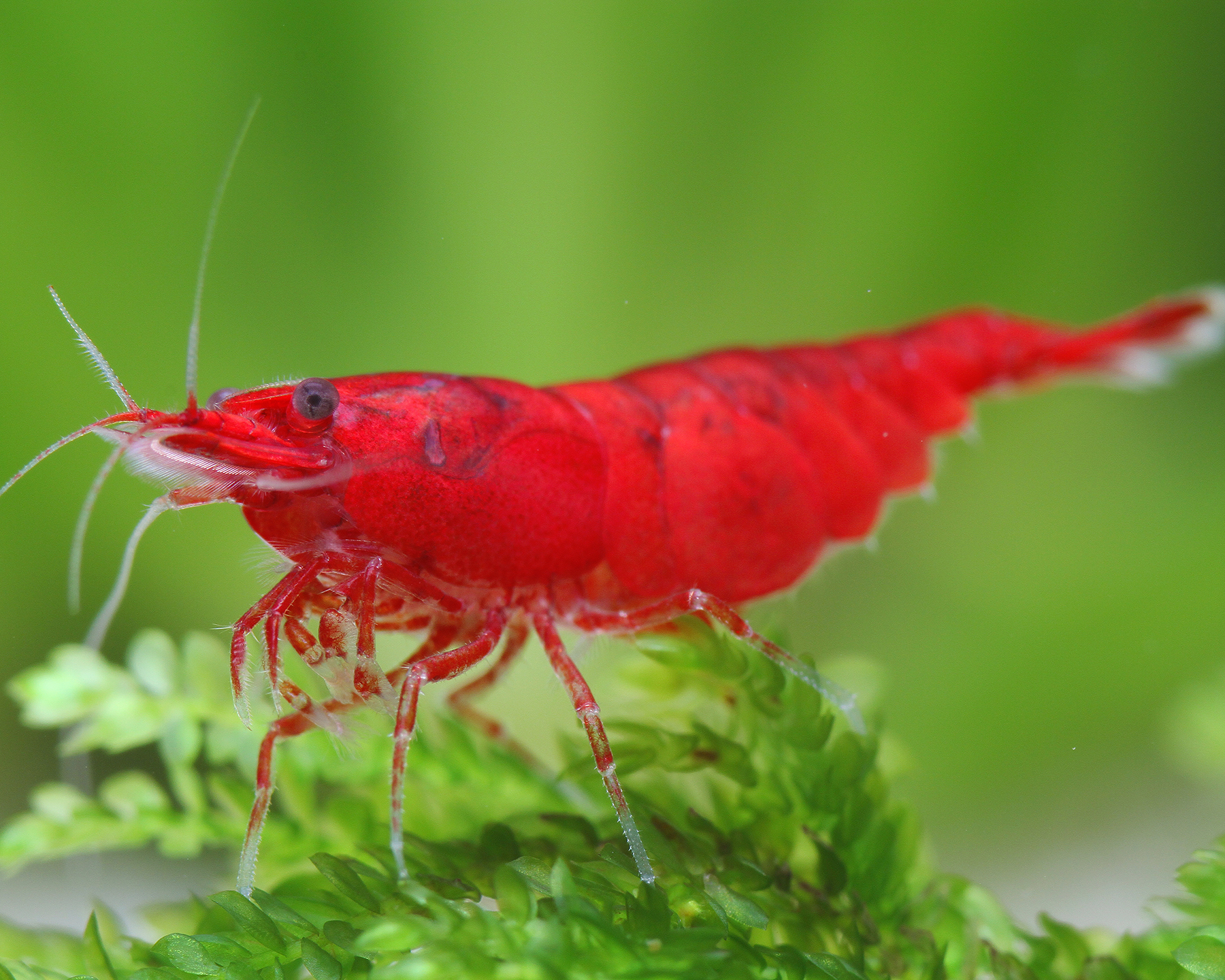
Start With the Outcome: Colony Growth or a Mixed Display?
Before choosing any companion, decide what success means. If you want the fastest colony growth and the highest number of young shrimp, a shrimp-only aquarium remains the safest design. If you want movement from fish or additional invertebrates, accept that some shrimplets may become food even when adults remain unharmed. This is not automatically a failure; it is a trade-off between population growth and visual variety. A mixed planted tank should be planned around a sustainable colony, not the assumption that every newborn will survive. Use a separate grow-out tank if preserving a particular color line matters.
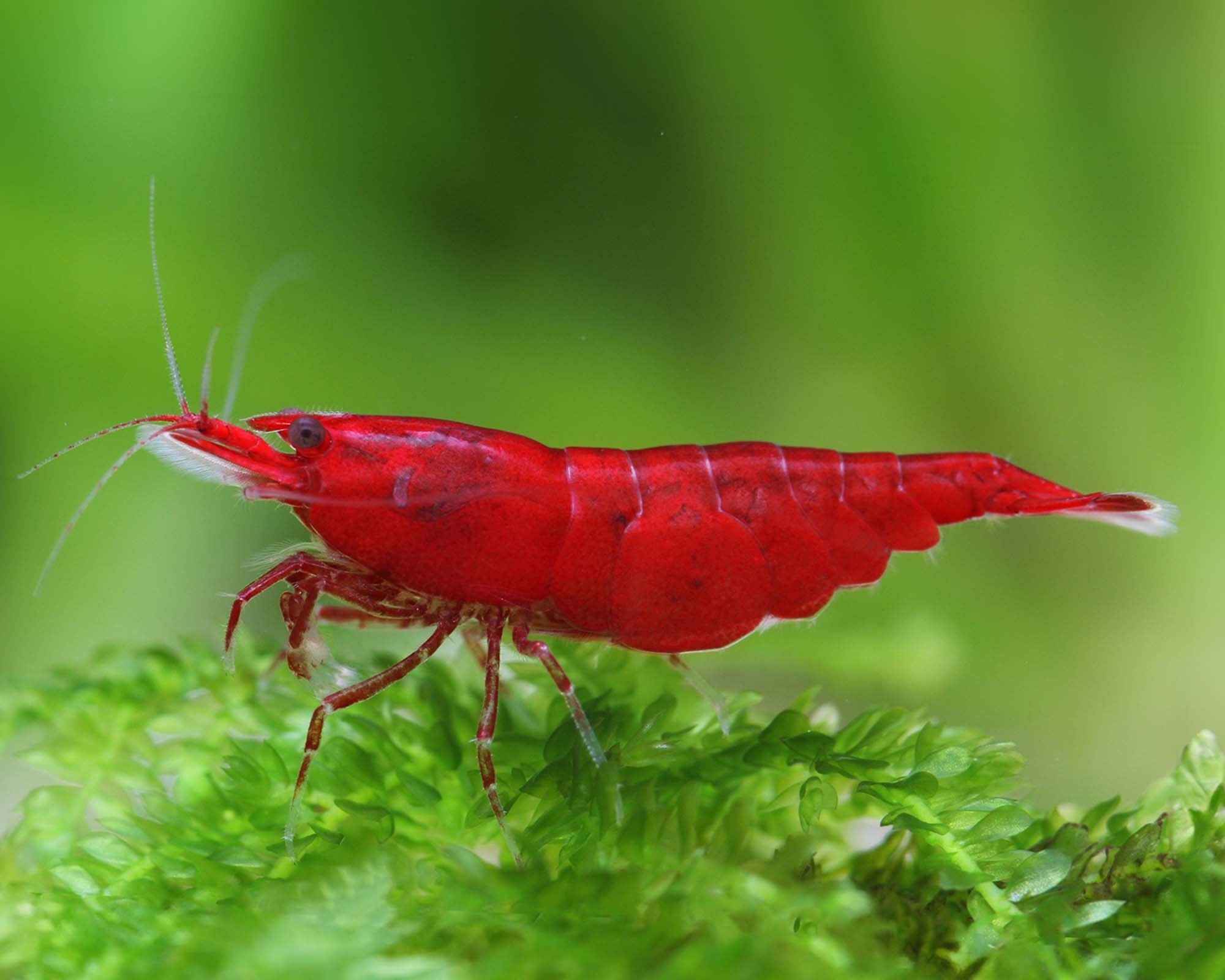
Apply the Mouth-Size Test Before the Peaceful-Temperament Test
“Peaceful” describes how an animal treats its usual tank mates, not whether it will ignore a tiny shrimp. Examine the animal’s feeding style and mouth size. Fish that pick continuously from plants, inspect crevices, or eagerly chase moving particles present more risk than their community-tank reputation suggests. A useful rule is to imagine a newly released shrimplet—small, slow, and unable to swim away quickly. If it could fit in the tank mate’s mouth, assume occasional losses are possible. This immediately rules out many larger tetras, livebearers, gouramis, cichlids, loaches, and predatory or highly curious species.
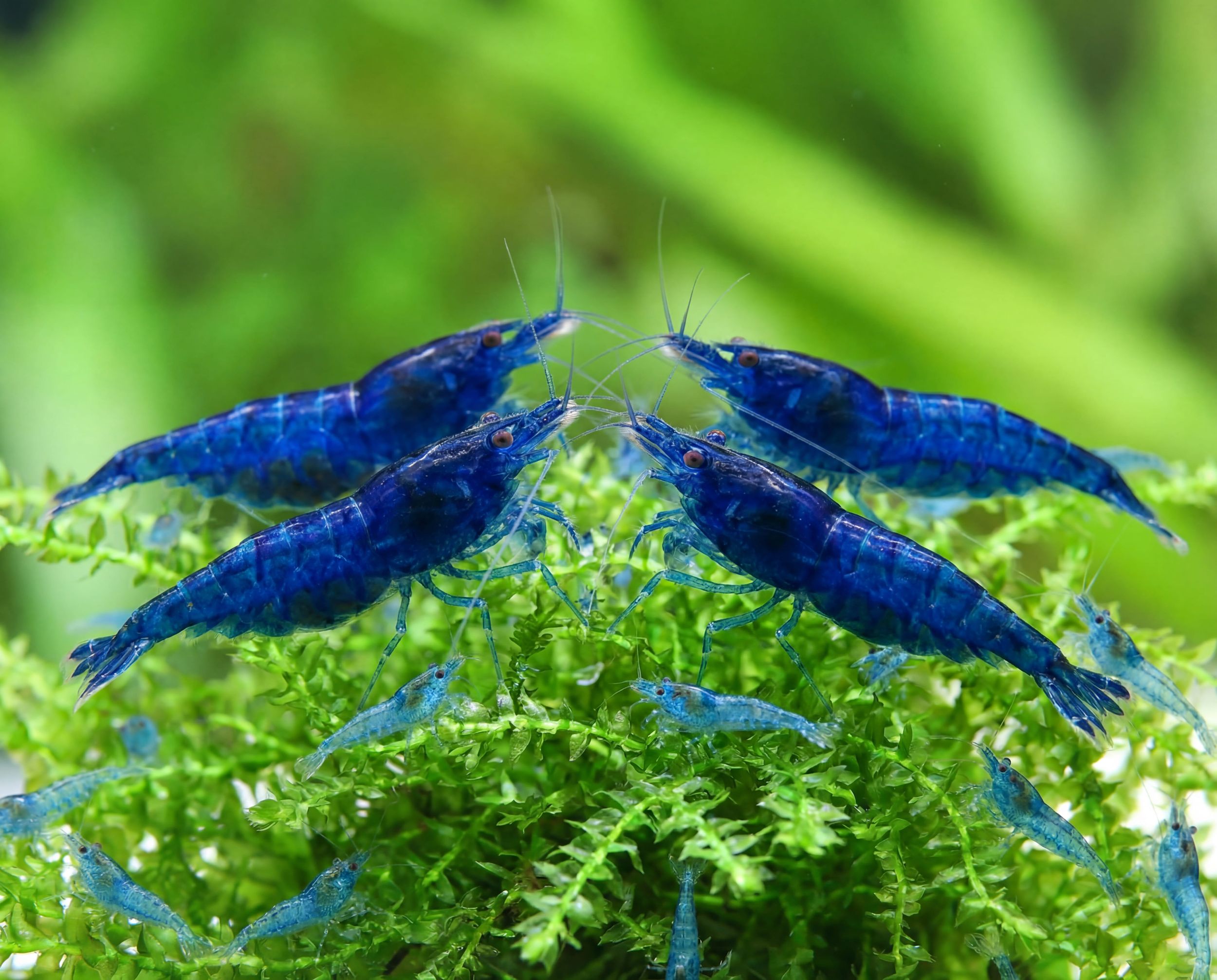
Choose Fish That Occupy a Different Space, Not Just a Smaller Body
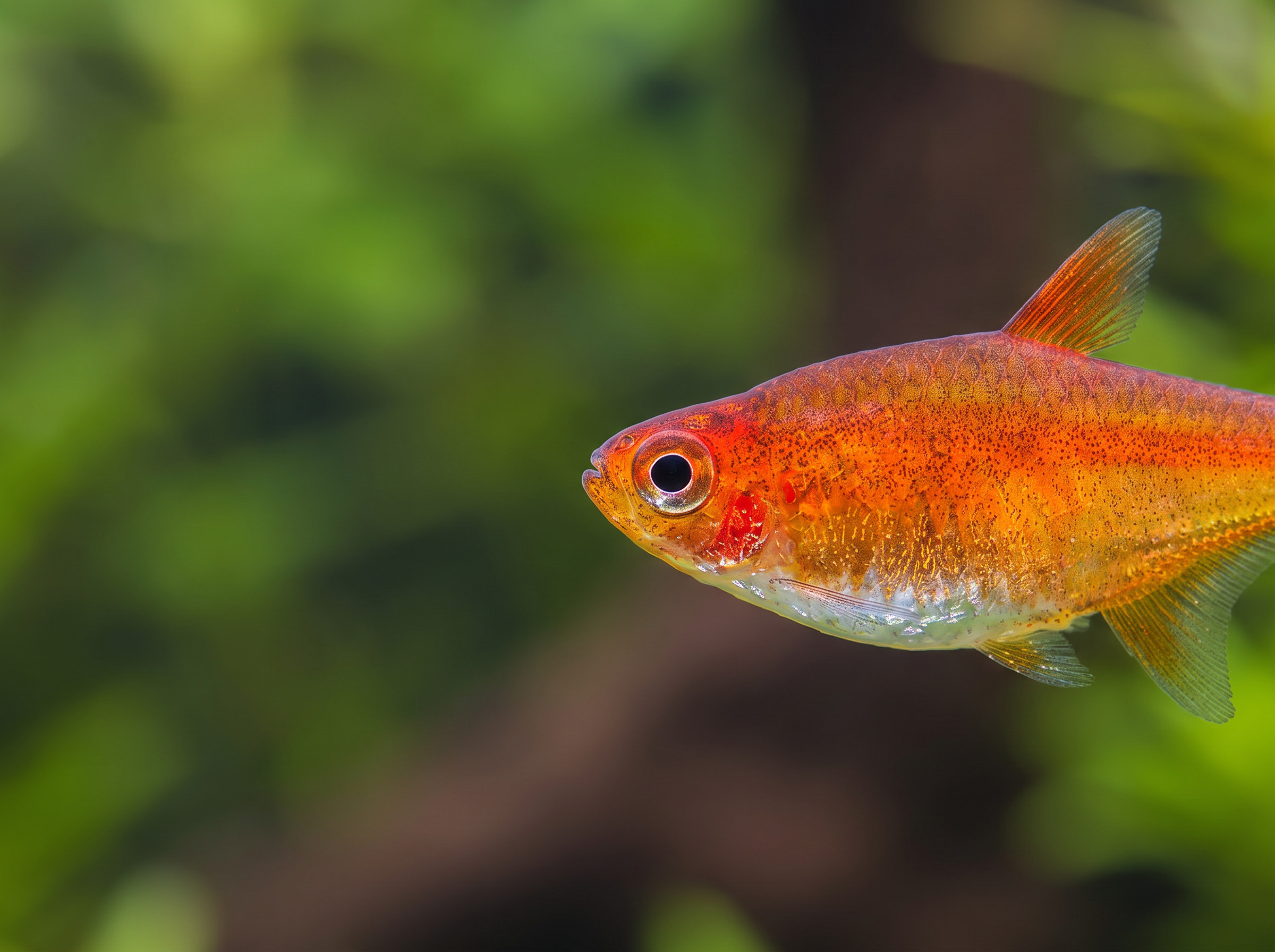
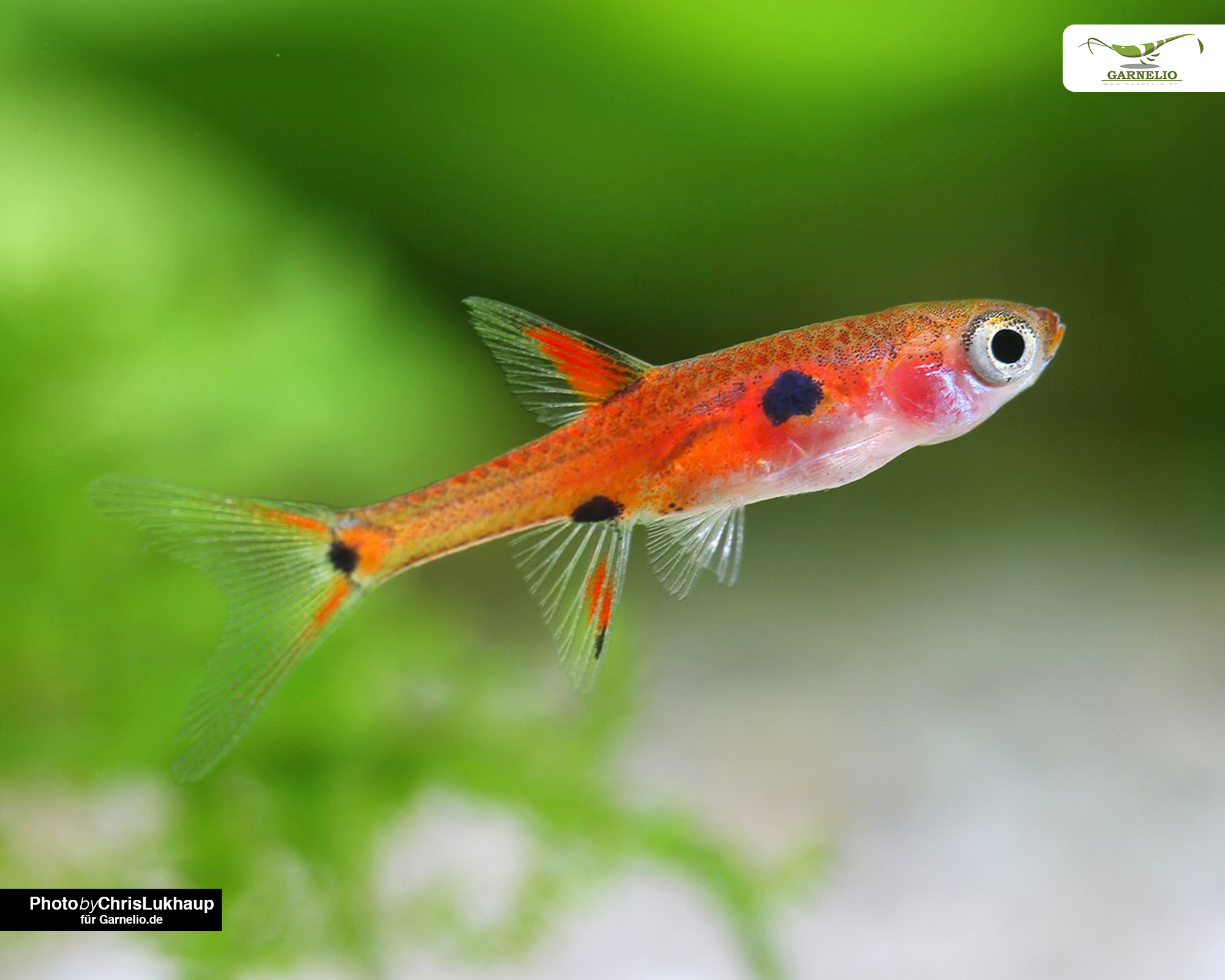
The better fish candidates are usually small, nonaggressive species that spend much of their time in open water while shrimp graze on hardscape and plant surfaces. Tiny rasboras, some small danios, ember-type tetras, otocinclus, and pygmy corydoras may coexist with adult dwarf shrimp in a mature planted aquarium. None should be described as completely safe for shrimplets. Their risk depends on individual behavior, feeding response, plant density, and the number of hiding places. Add fish only after the shrimp colony is established, and be prepared for slower population growth than in a shrimp-only setup.
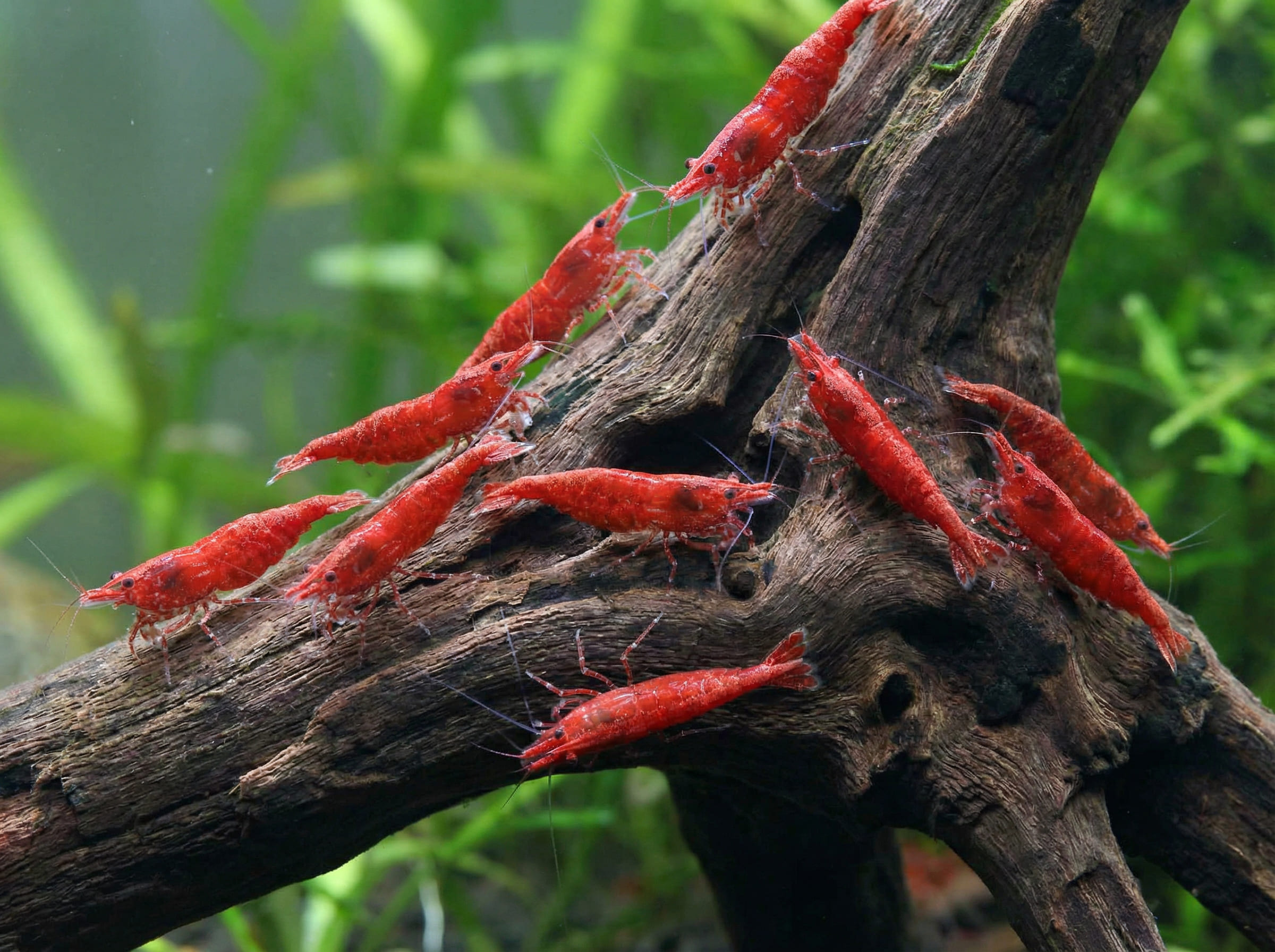
Treat Dense Planting as Refuge, Not a Guarantee
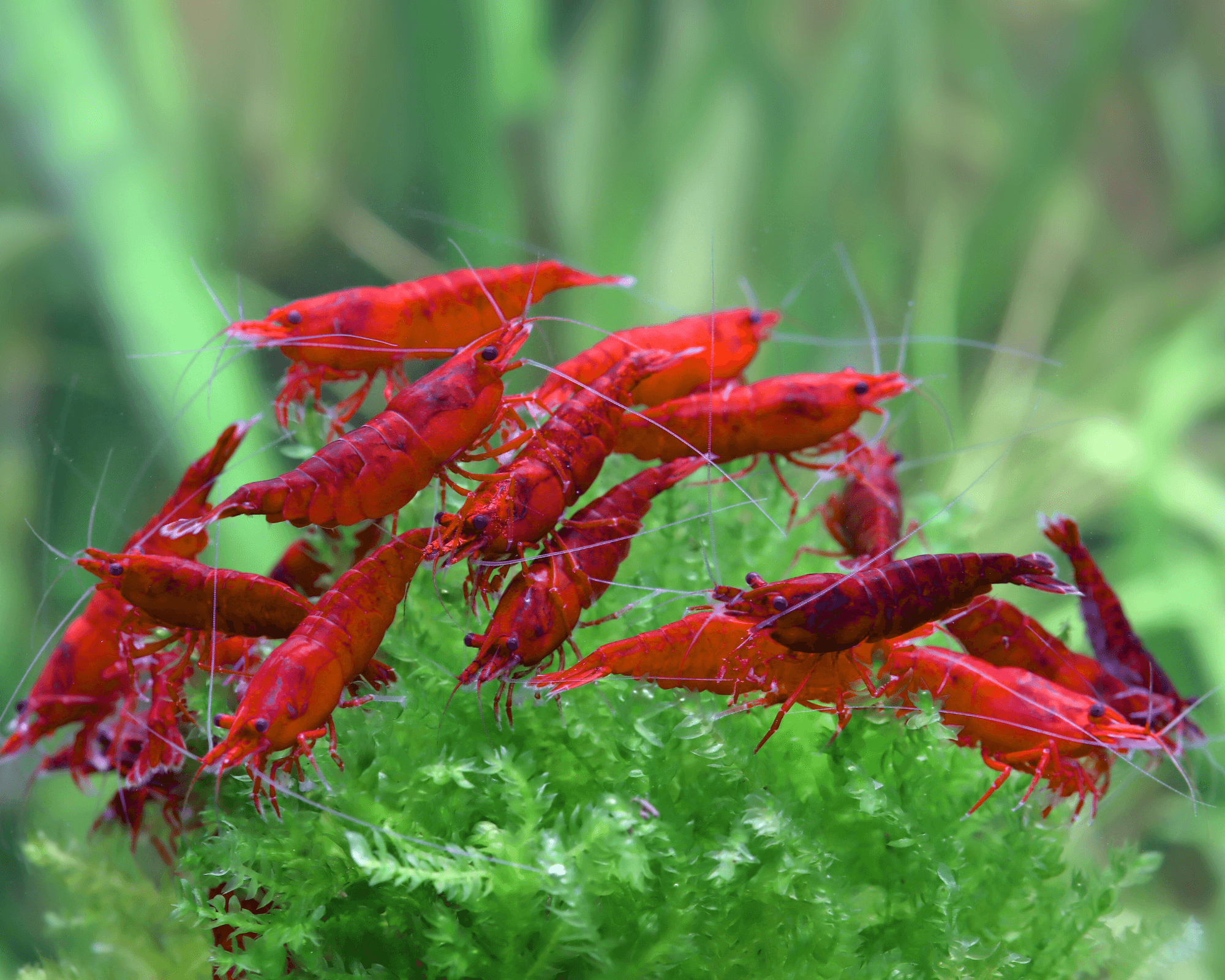
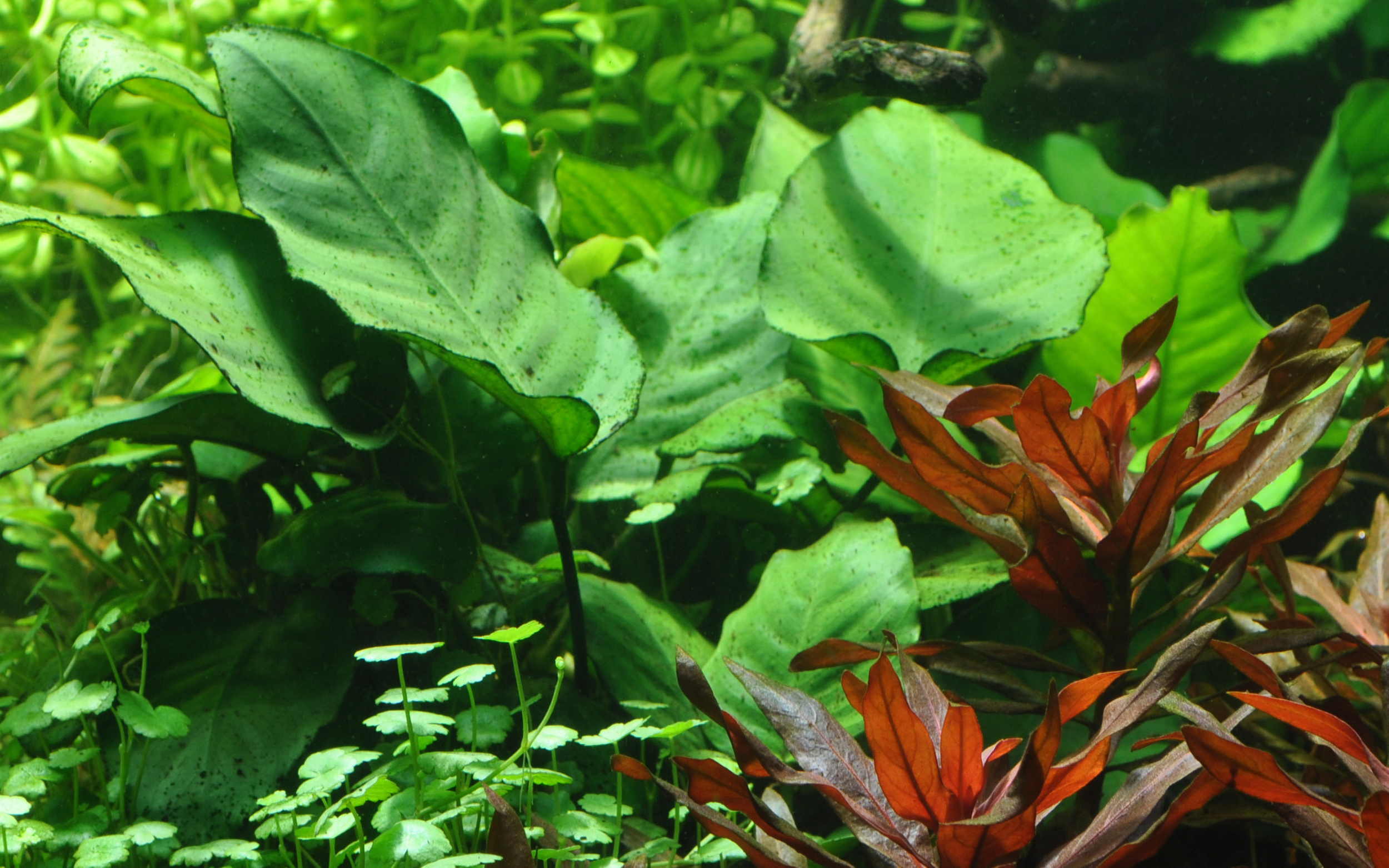
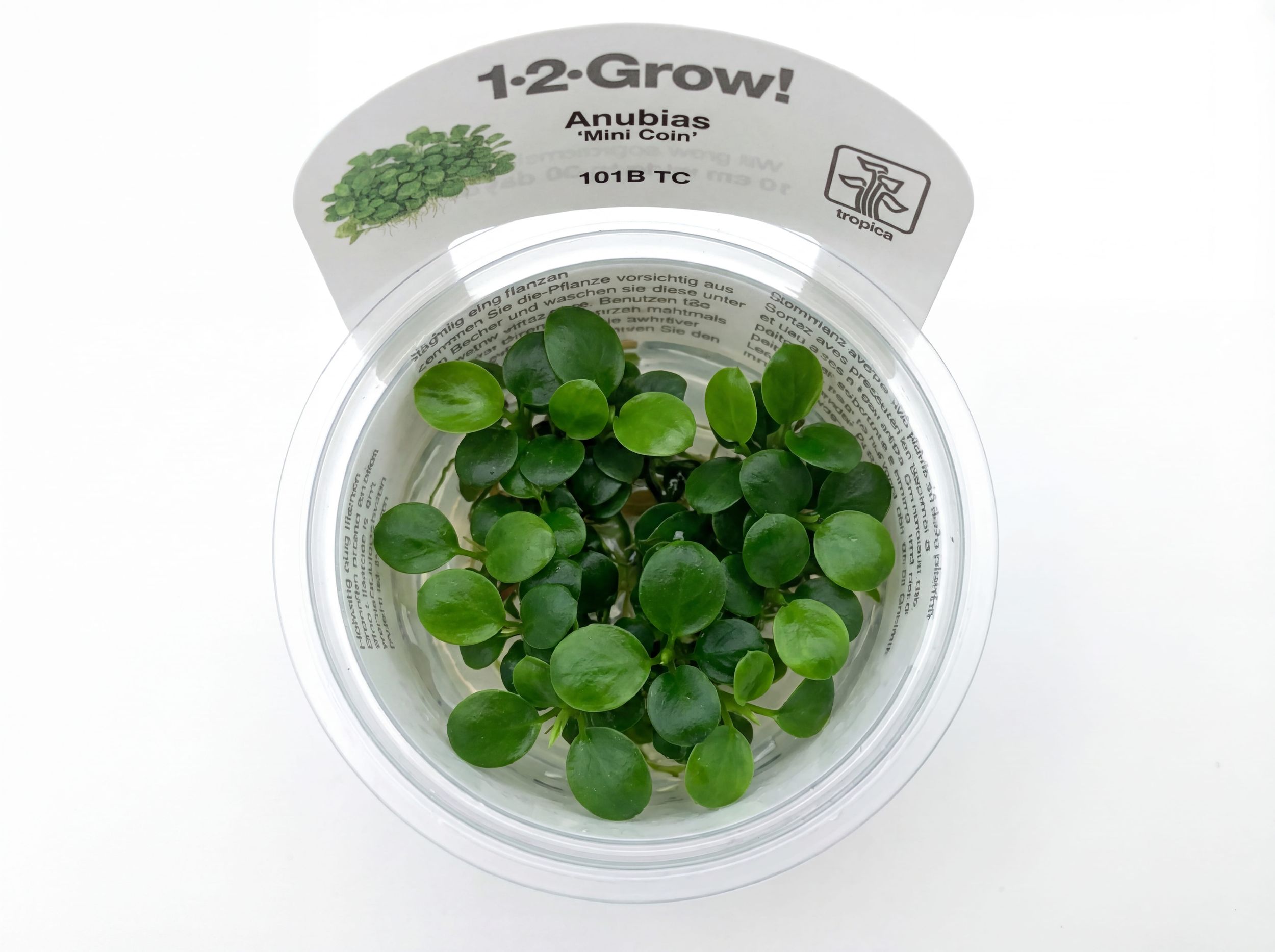
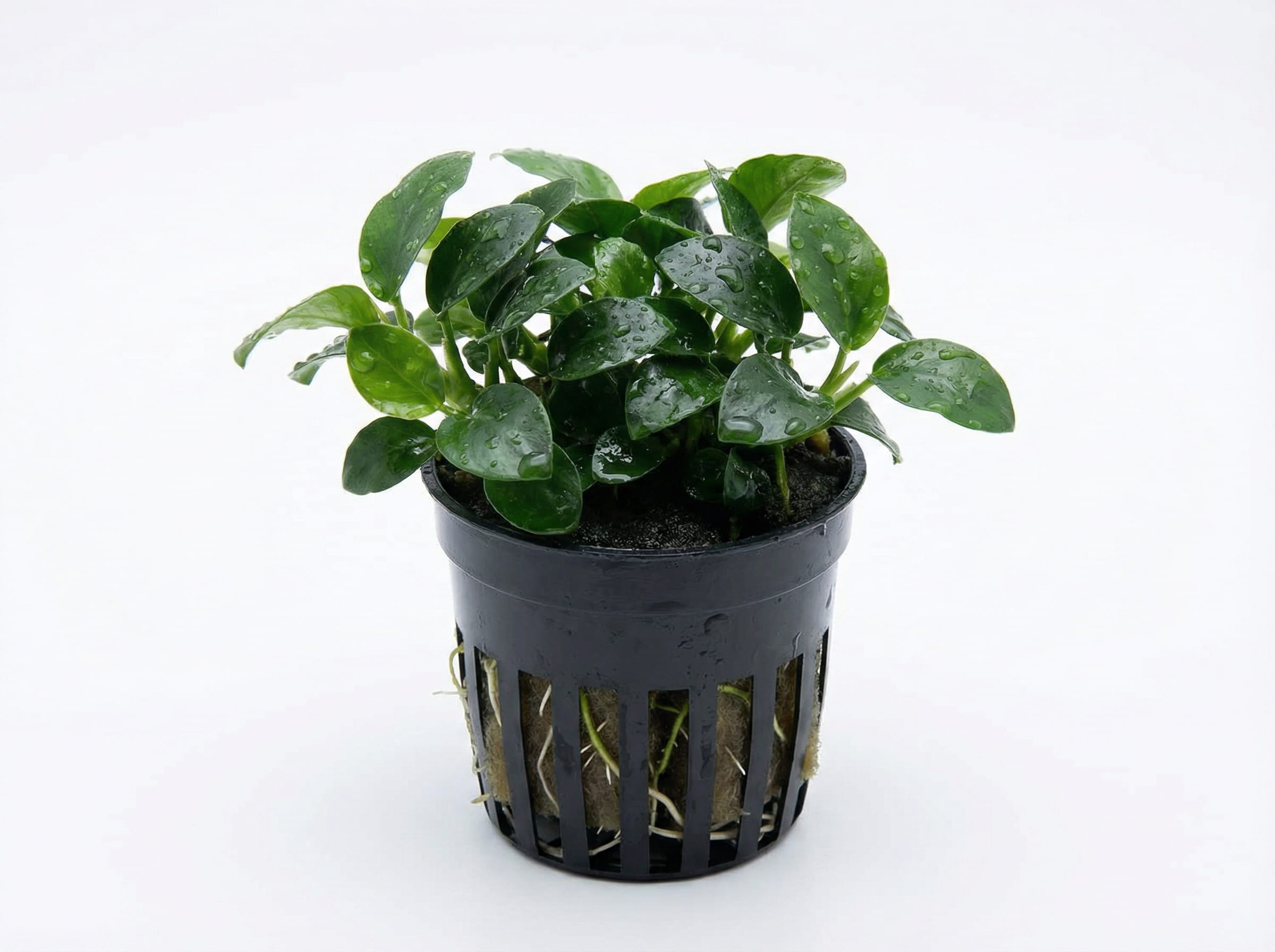
Plants improve the odds of survival by breaking sight lines and creating narrow spaces that larger tank mates cannot search efficiently. Mosses, subwassertang, fine-leaved stems, floating roots, leaf litter, and small rock gaps are especially useful because they create grazing surfaces and layered shelter. Avoid making the entire aquarium an impenetrable thicket; shrimp still need accessible feeding areas and good circulation. Instead, create one or two dense refuge zones connected to open grazing surfaces. A sponge prefilter also protects young shrimp from being pulled into the intake, but it does not stop fish from hunting in exposed areas.
Separate Amano Shrimp From Dwarf-Shrimp Expectations
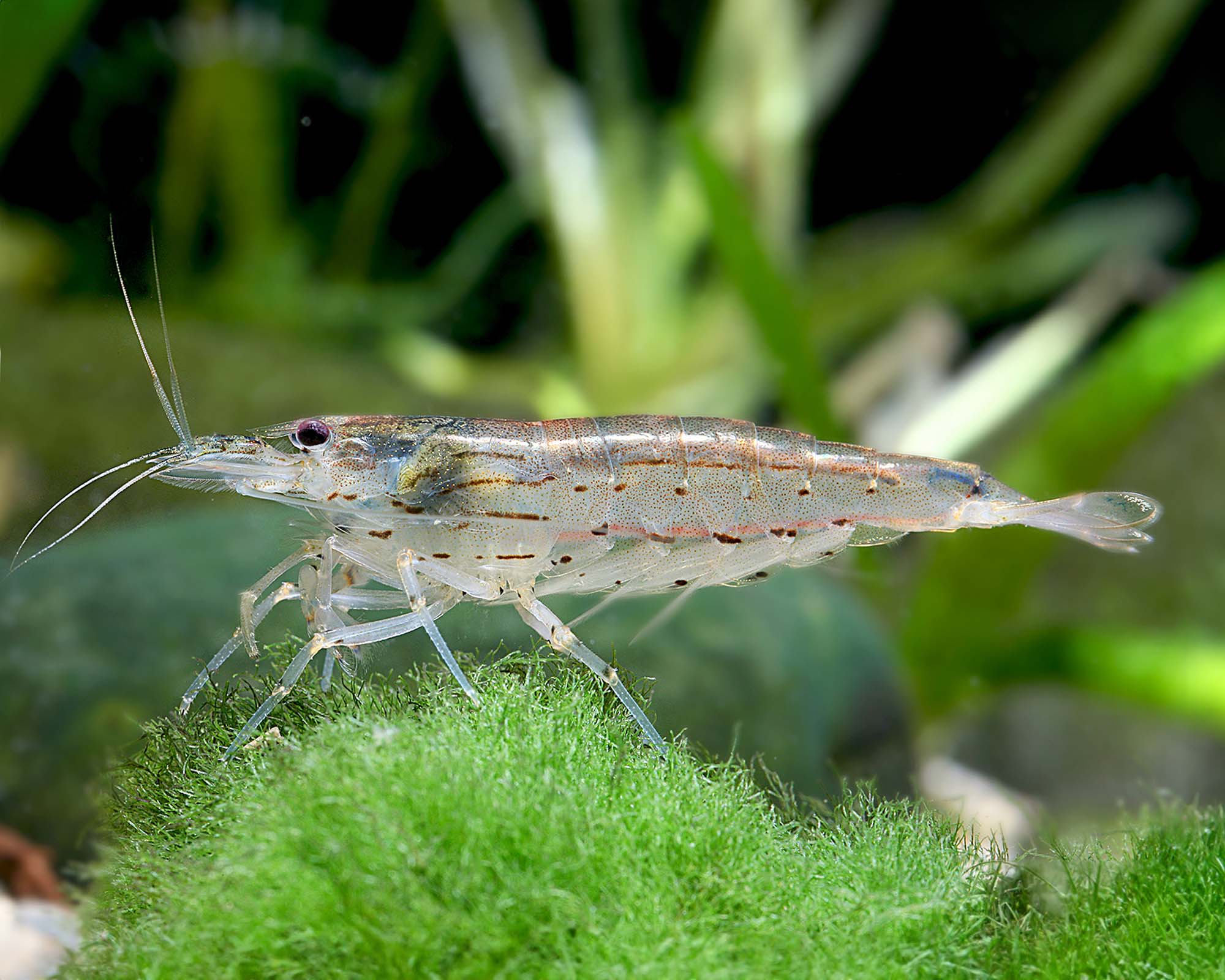
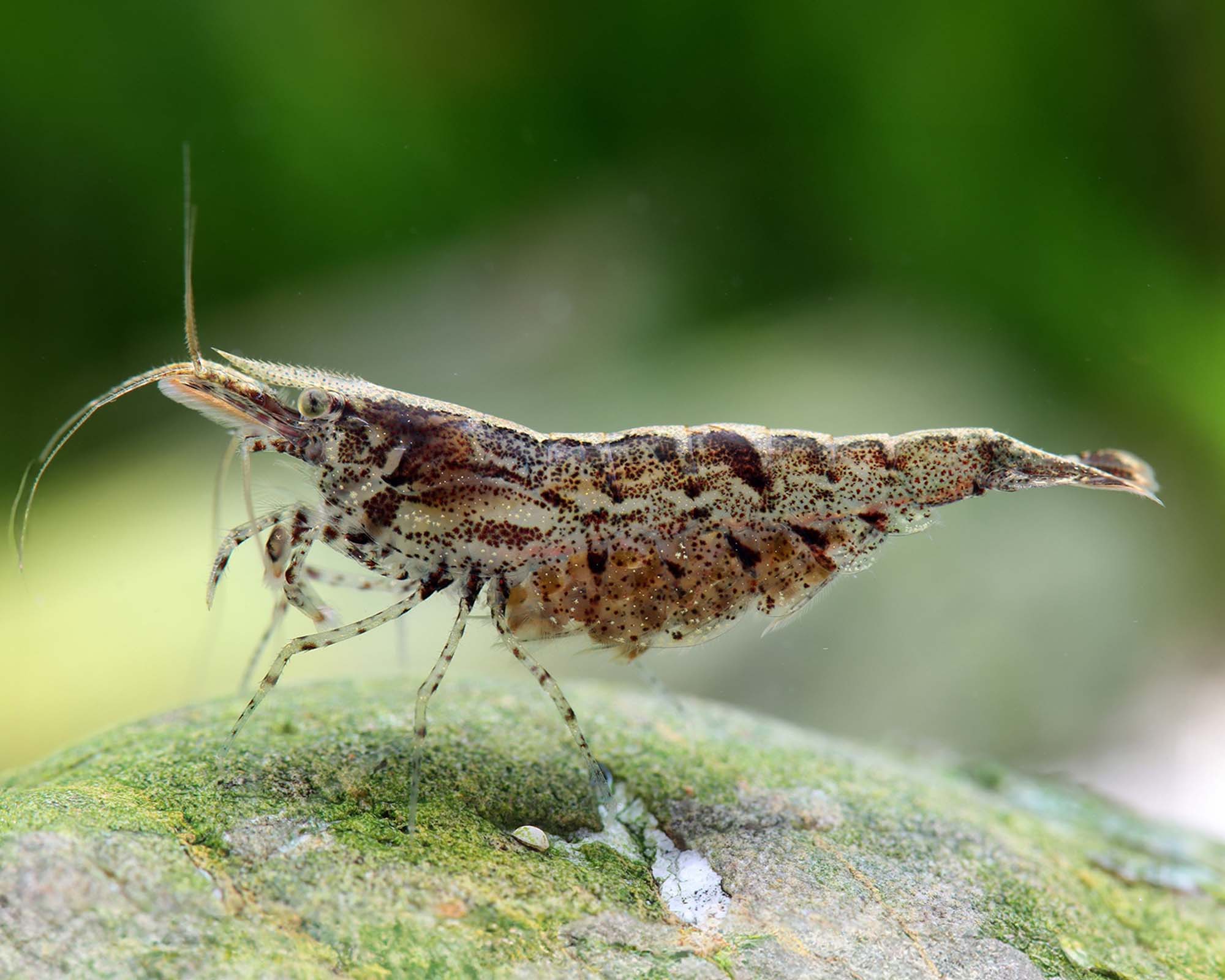
Amano shrimp are generally useful companions in planted aquariums because adults are larger, active algae grazers and are not normally a freshwater-breeding colony in the same way as Neocaridina. They can share a display with dwarf shrimp when temperature, hardness, and feeding are suitable for both. However, their larger size and assertive feeding behavior can displace smaller shrimp at food. Do not add Amano shrimp as a solution to a shrimplet-survival problem. They may help with algae management, but they do not provide the security of a shrimp-only nursery and should be evaluated as separate livestock with their own space and food needs.
Do Not Assume Other Shrimp Are Automatically Safe
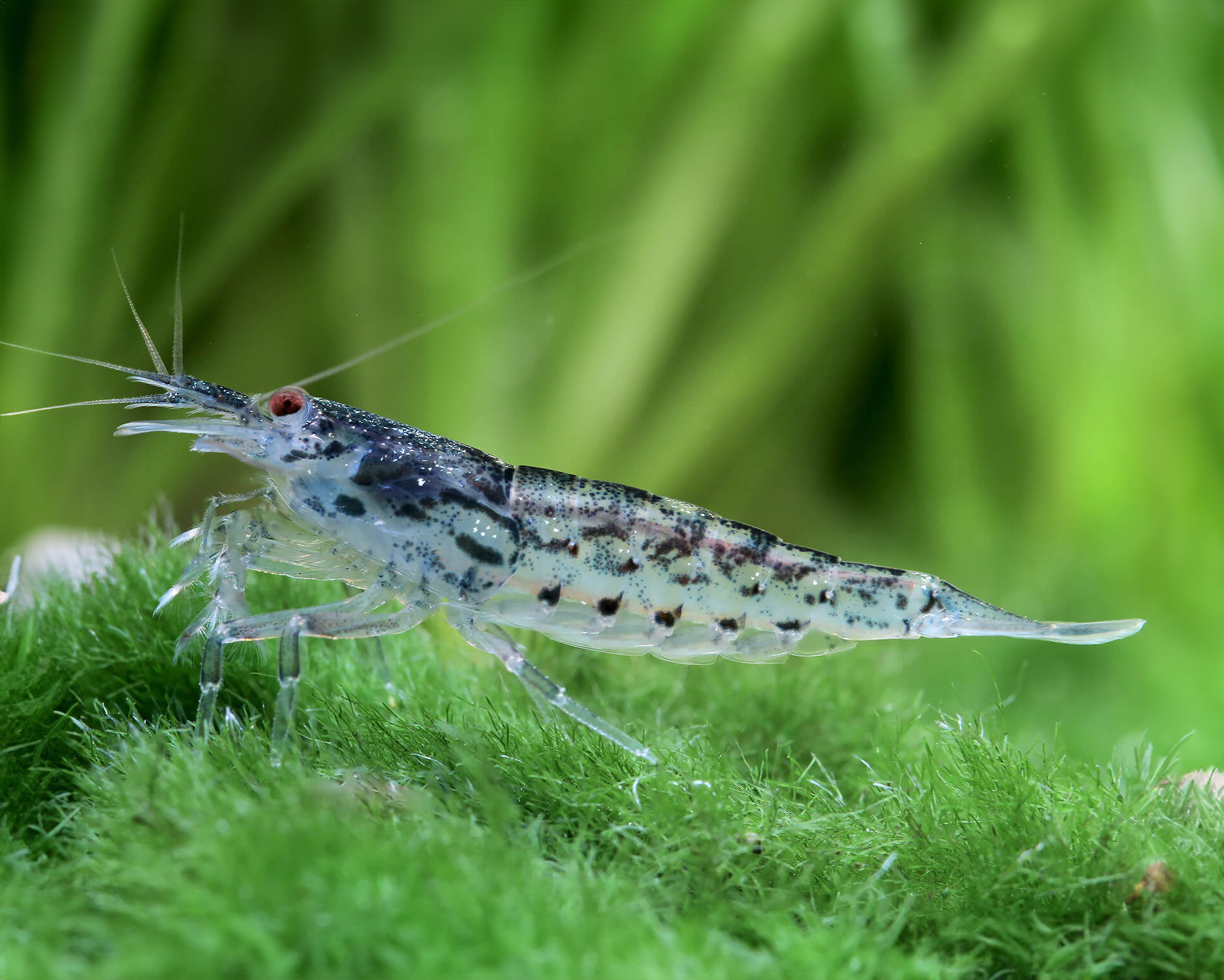
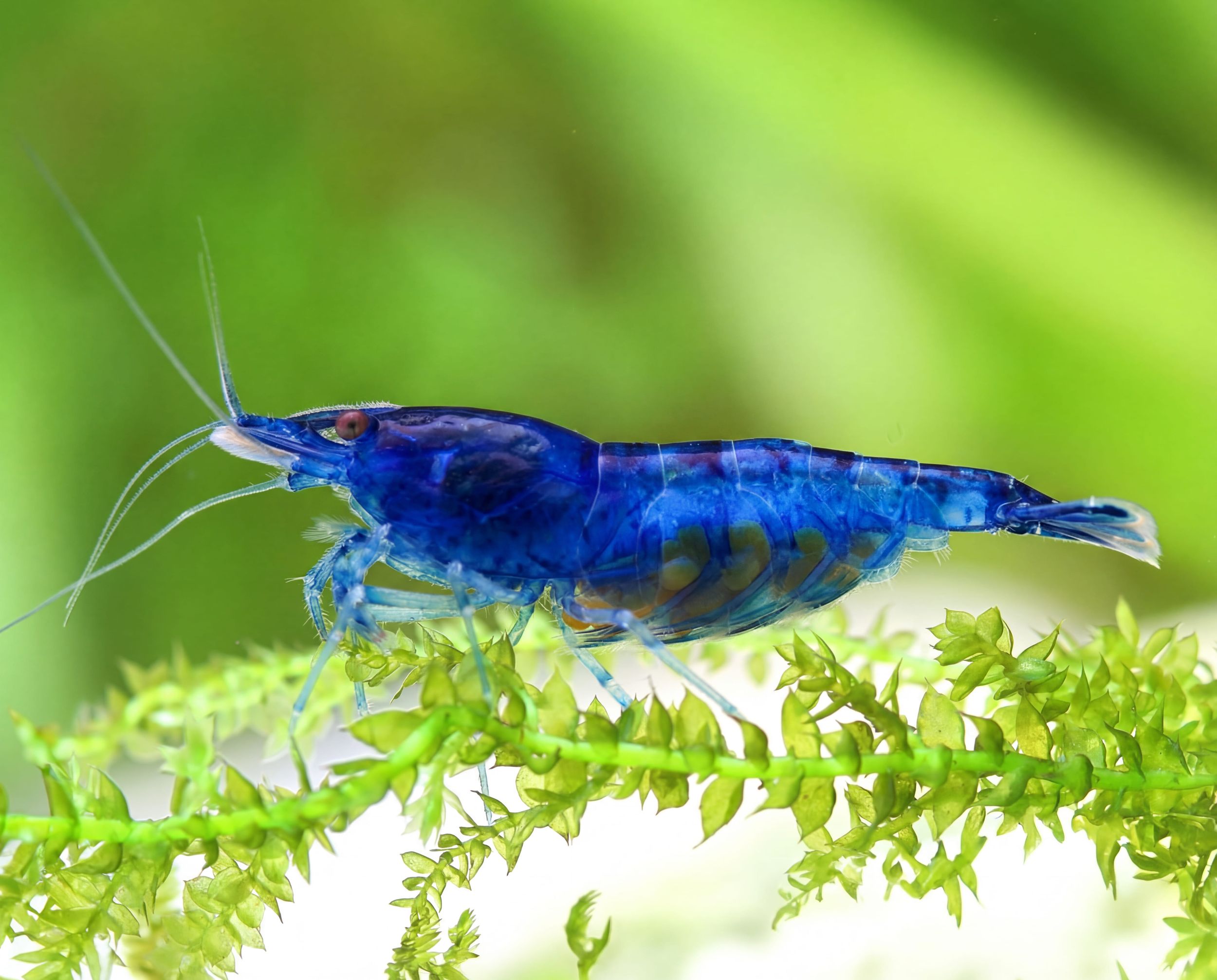
Different shrimp species can have very different effects on a colony. Small Neocaridina varieties are usually the simplest choice for a breeding-focused community because they share similar care requirements and do not hunt healthy young. Larger scavenging shrimp, fan shrimp, ghost shrimp, and some Macrobrachium relatives require more caution. Some may compete for food, while others can seize tiny animals or become aggressive as they mature. Bee shrimp also need softer, more acidic water than many Neocaridina lines, so apparent behavioral compatibility does not solve a chemistry mismatch. Identify the exact species before combining shrimp.
Match Tank Mates to the Shrimp’s Water, Not the Other Way Around
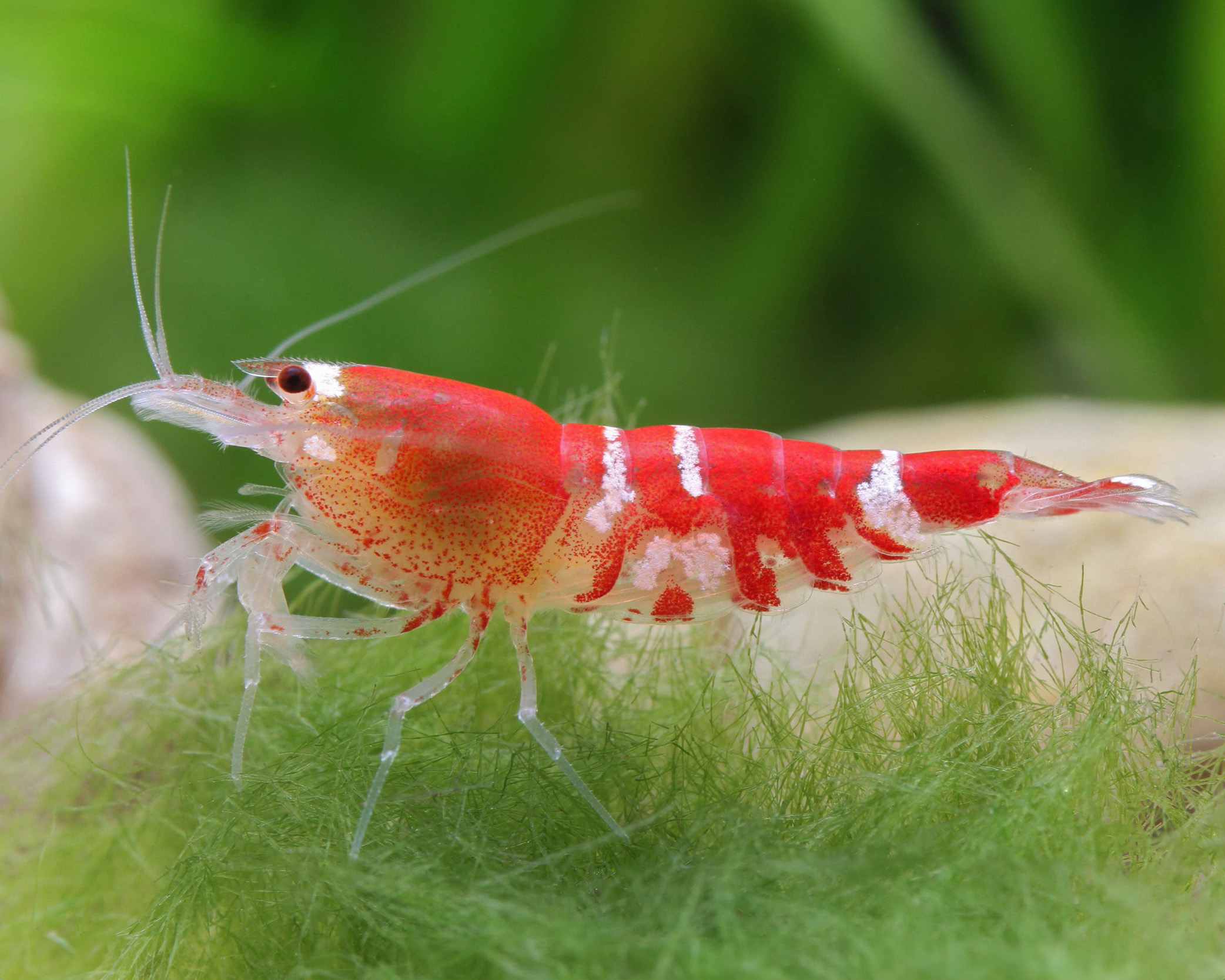
Compatibility begins with stable water chemistry. Neocaridina lines commonly adapt to a broader range of established aquarium water, while many bee shrimp require softer, more mineral-controlled conditions and buffering substrate. Sulawesi shrimp require a different warm, alkaline setup and should not be treated as interchangeable with planted-tank Neocaridina or bee shrimp. Choose tank mates that tolerate the same temperature, pH, hardness, and maintenance rhythm. Avoid selecting a fish first and then forcing the aquarium toward its preferred conditions. Young shrimp are especially vulnerable to instability, failed molts, and sudden changes caused by aggressive corrections.
Feed So Fish Do Not Turn Shrimp Hunting Into a Routine
A well-fed fish may still eat shrimplets, but chronic hunger and frantic feeding make losses more likely. Offer fish food in the open water while allowing shrimp to graze on biofilm, leaves, wood, and plant surfaces elsewhere. Use small portions and remove excess rather than flooding the tank with food that worsens water quality. Targeted shrimp feeding can help adults maintain condition, but it should not create a crowded feeding arena where every animal competes. Watch the aquarium after feeding: repeated fish searches through moss and hardscape are a stronger warning than a species label alone.
Use Snails for Cleanup Without Mistaking Them for Shrimp Protectors
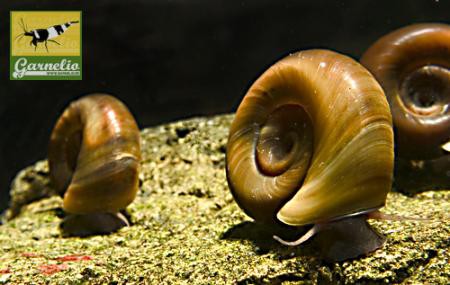
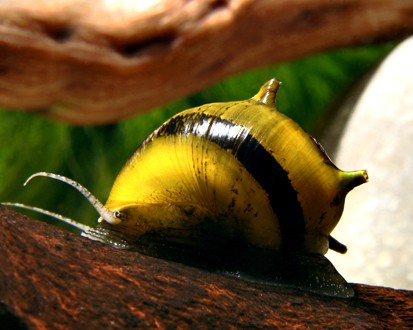
Most common planted-tank snails are more useful as scavengers, grazers, or substrate movers than as predators of healthy shrimp. Nerite, ramshorn, bladder, and Malaysian trumpet snails can still compete for food, disturb feeding dishes, or increase the bioload as their population changes. Their presence does not protect shrimplets from fish. Choose snails according to the job you need done and the conditions they can tolerate, then control excess numbers through feeding discipline. Avoid unidentified predatory snails and large animals that may capture vulnerable shrimp. A snail-safe aquarium is not necessarily a shrimplet-safe aquarium.
Stock in Stages and Watch the First Two Weeks
Introduce the shrimp colony first, allow it to settle, and confirm that adults are eating, molting, and using the planted cover normally. Add one type of tank mate at a time rather than creating a full community in a single day. Observe at dawn, during feeding, and after the lights go out; some fish that appear calm by day become active hunters at night. Look for missing juveniles, fish hovering over moss, shrimp hiding constantly, or adults losing access to food. If the colony stops producing visible young, the tank may still be functioning, but its design is no longer optimized for reproduction.
Frequently Asked Questions
Can any fish guarantee that baby freshwater shrimp will survive?
No. Even small, peaceful fish may eat newly hatched shrimp if they can find them. A mature planted aquarium with moss, fine-leaved plants, leaf litter, and protected filter intakes improves survival, but a shrimp-only tank offers the highest odds for colony growth.
Are Amano shrimp safe with Neocaridina babies?
Amano shrimp are often compatible with adult Neocaridina, but they are larger and can compete strongly for food. They should not be considered nursery-safe by default. Keep them only when their size, behavior, water requirements, and feeding needs fit the aquarium.
Which tank mates are usually lower risk for a shrimp display?
Small, nonaggressive fish that do not specialize in hunting around plants are generally lower-risk choices, as are carefully selected snails and compatible shrimp species. Lower risk does not mean zero risk, especially for shrimplets. Individual behavior and the aquascape matter as much as the species name.
Should I add fish before or after freshwater shrimp?
Add shrimp to an established, stable aquarium first and give the colony time to settle. Adding fish later lets you observe the shrimp’s condition and gives young shrimp a chance to find cover. Introduce only one tank-mate type at a time so any change in survival or behavior is easier to identify.
 - 2.webp)
Leave your comments