Start with the job, not the shell color
A planted aquarium usually needs one of four kinds of snail work: grazing algae from exposed surfaces, consuming leftover food and soft debris, moving through the substrate, or controlling other snails. These jobs overlap, but they are not interchangeable. A nerite may be excellent on hardscape yet contribute little to buried detritus. A Malaysian trumpet snail may improve substrate activity while remaining nearly invisible during the day. Ramshorns and bladder snails often adapt to whatever food is available, which makes them useful but capable of multiplying quickly. Define the problem first, then choose the behavior that addresses it without creating a larger maintenance issue.
Nerites are surface grazers with a food-supply catch
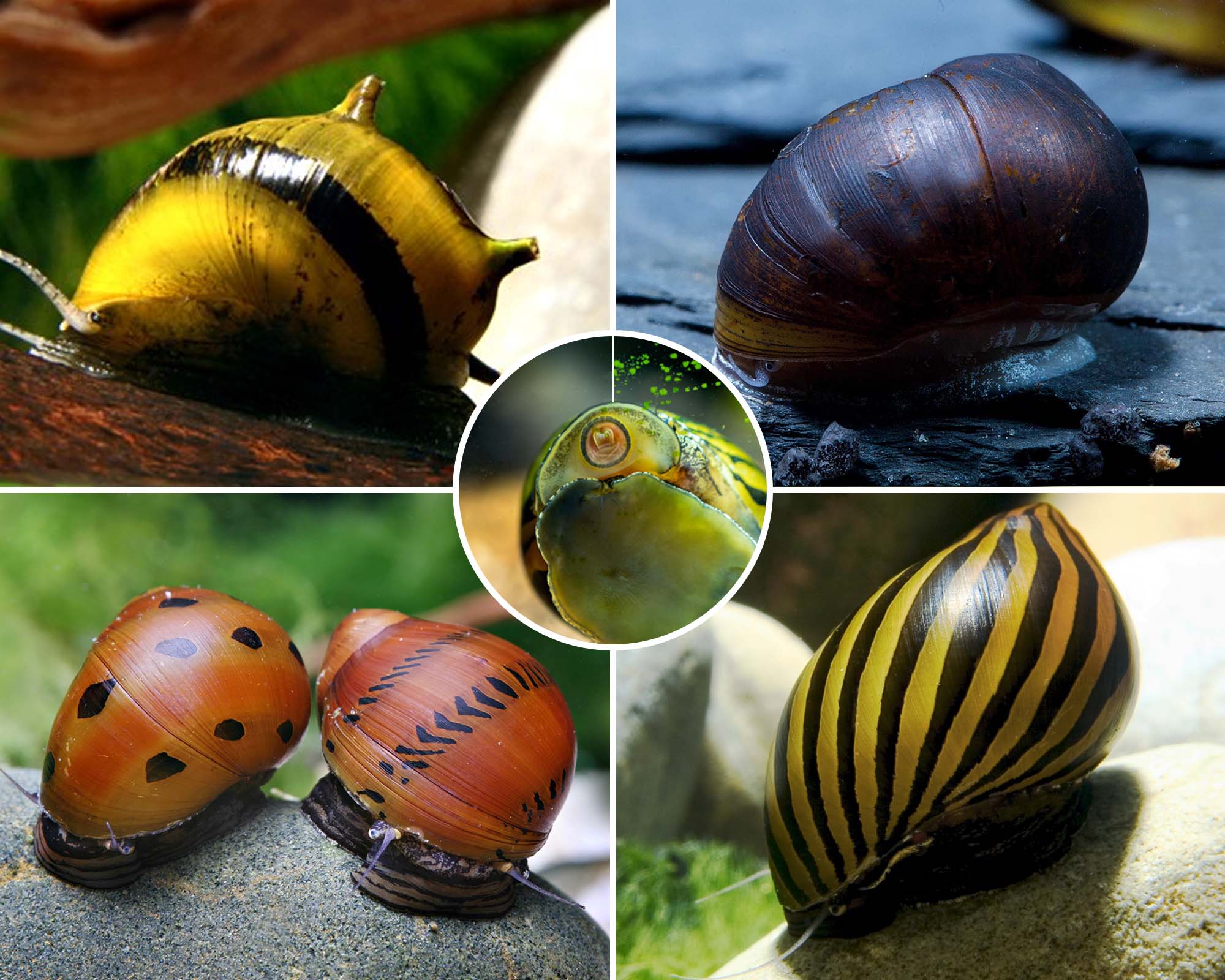
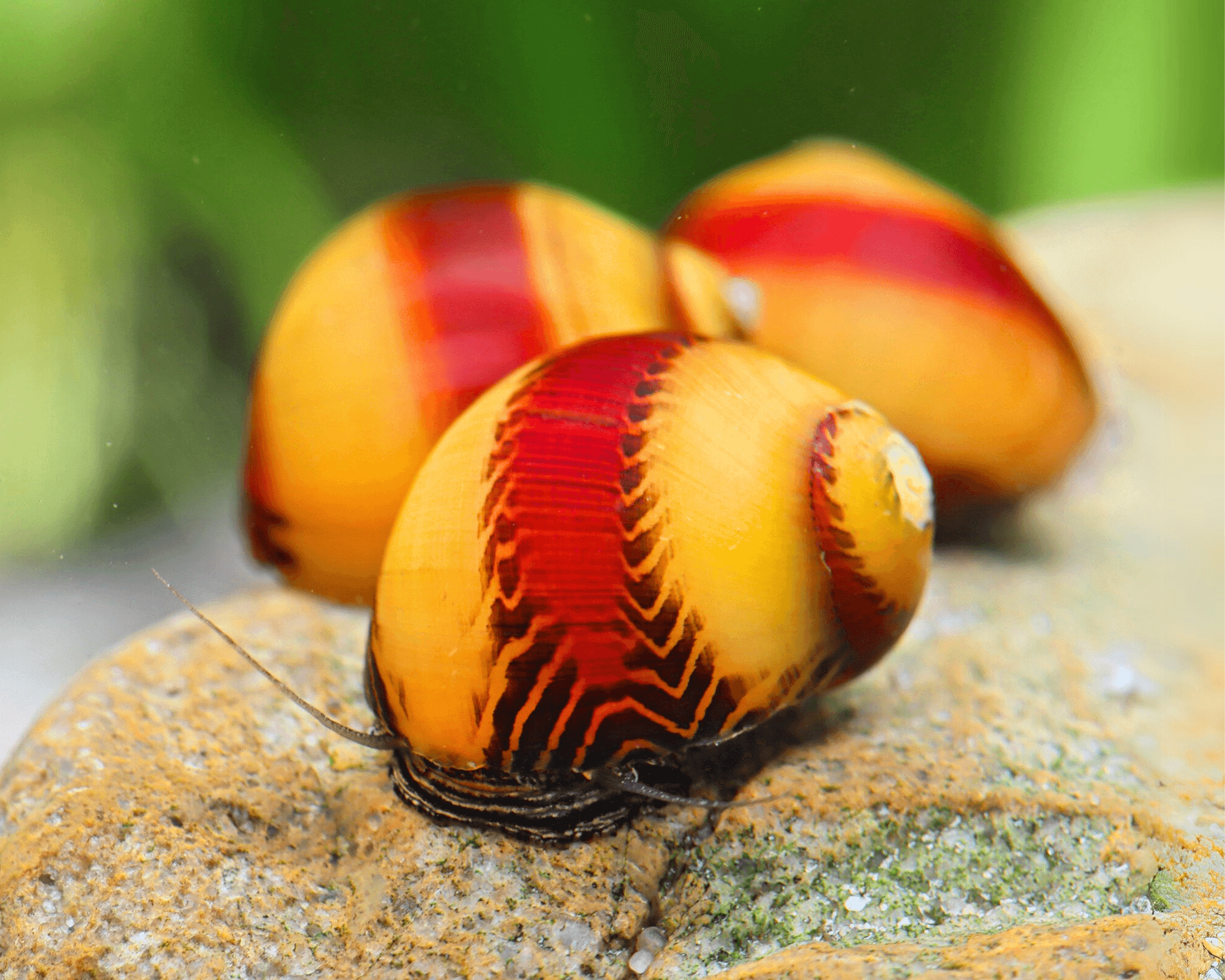
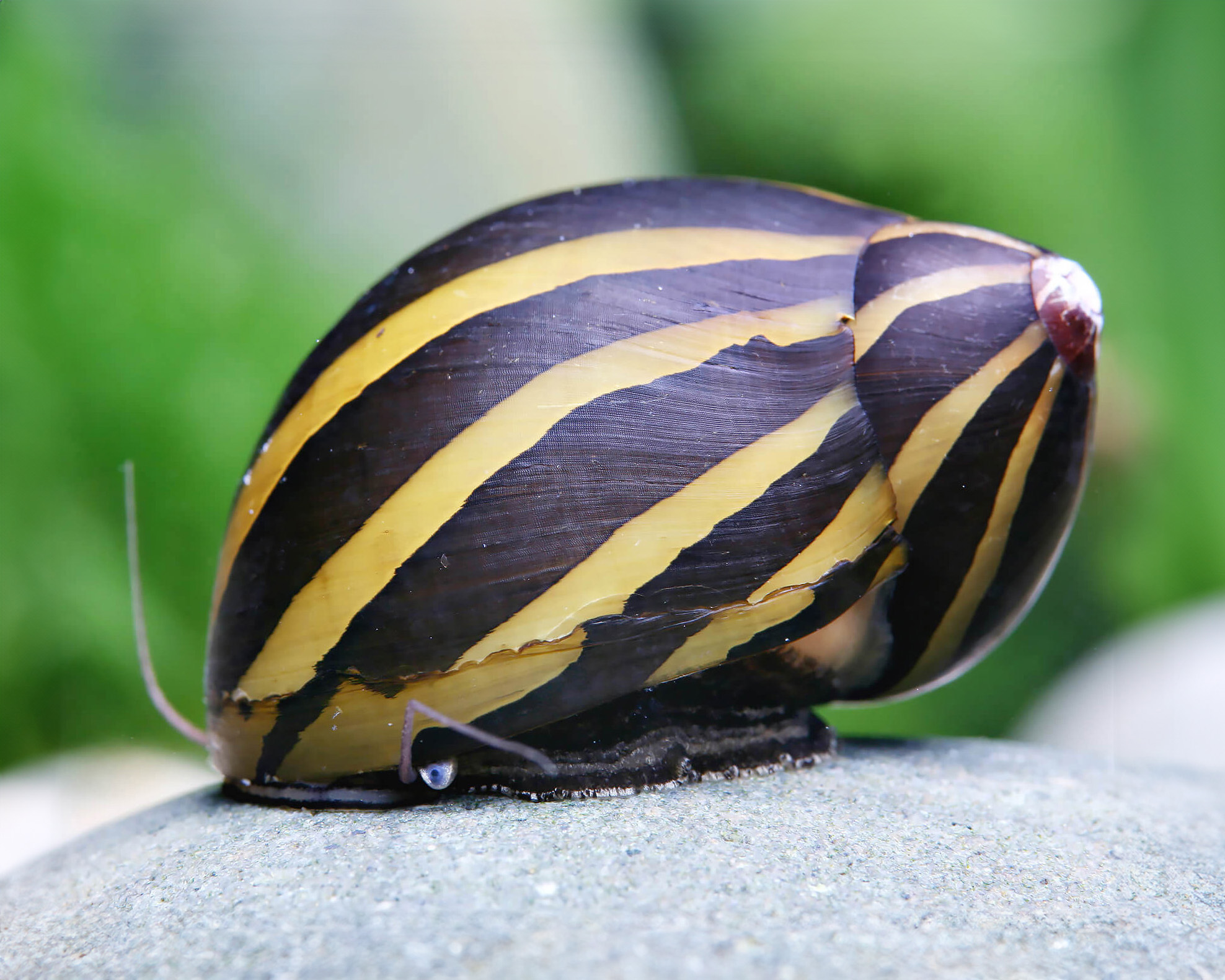
Nerite-type snails are strong candidates when the main problem is algae on glass, rocks, wood, and other firm surfaces. They are usually plant-safe and remain peaceful with adult freshwater shrimp and community fish that do not harass invertebrates. Their trade-off is dependence on a mature aquarium with enough natural algae and biofilm. A spotless nano tank may not provide sufficient food for several nerites, even if the tank looks healthy to you. Many also leave small, hard white eggs on decor. Those eggs do not normally hatch in freshwater, but they can be an aesthetic nuisance. Choose nerites for grazing, not general waste management.

Ramshorns turn leftover food into a population signal
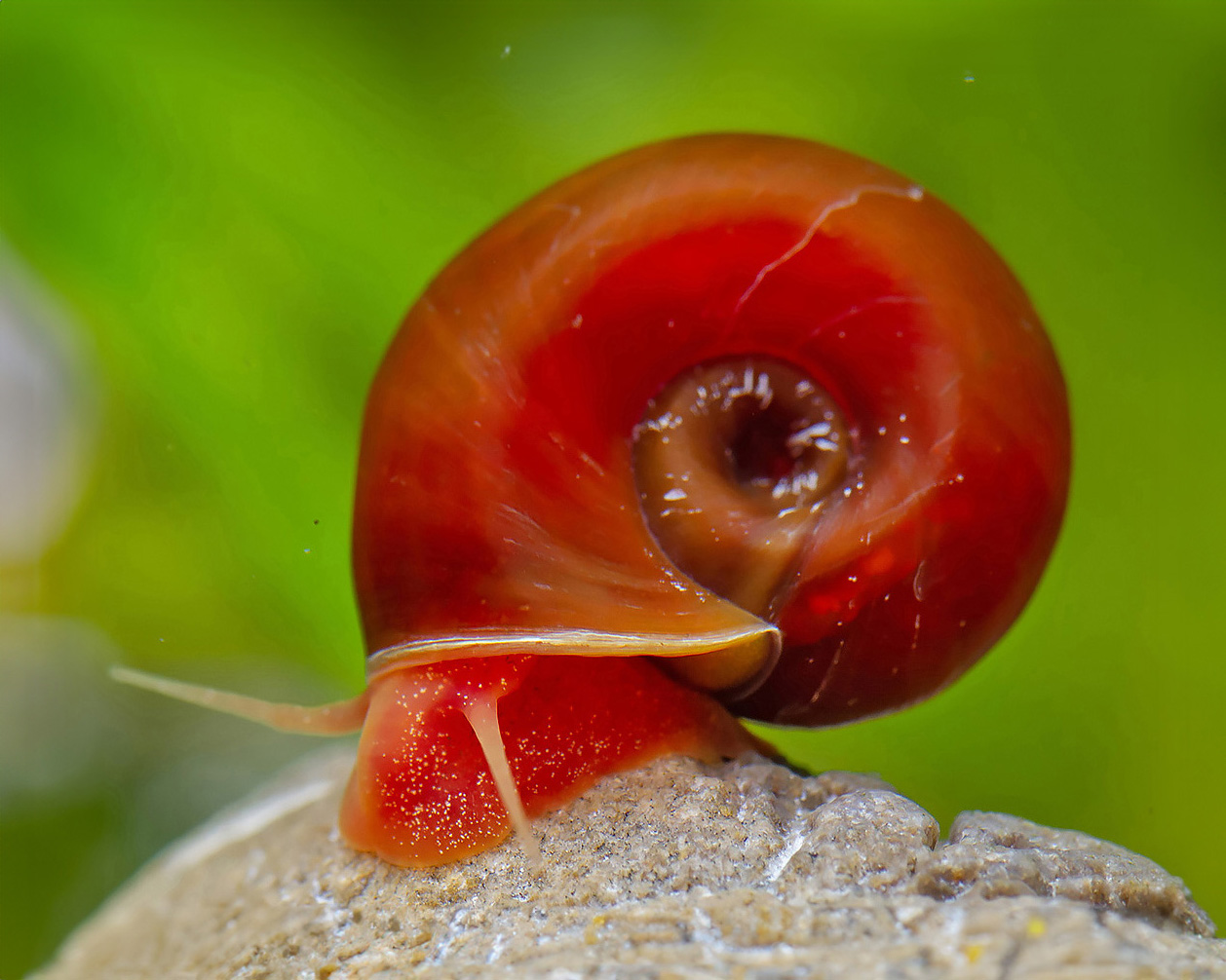
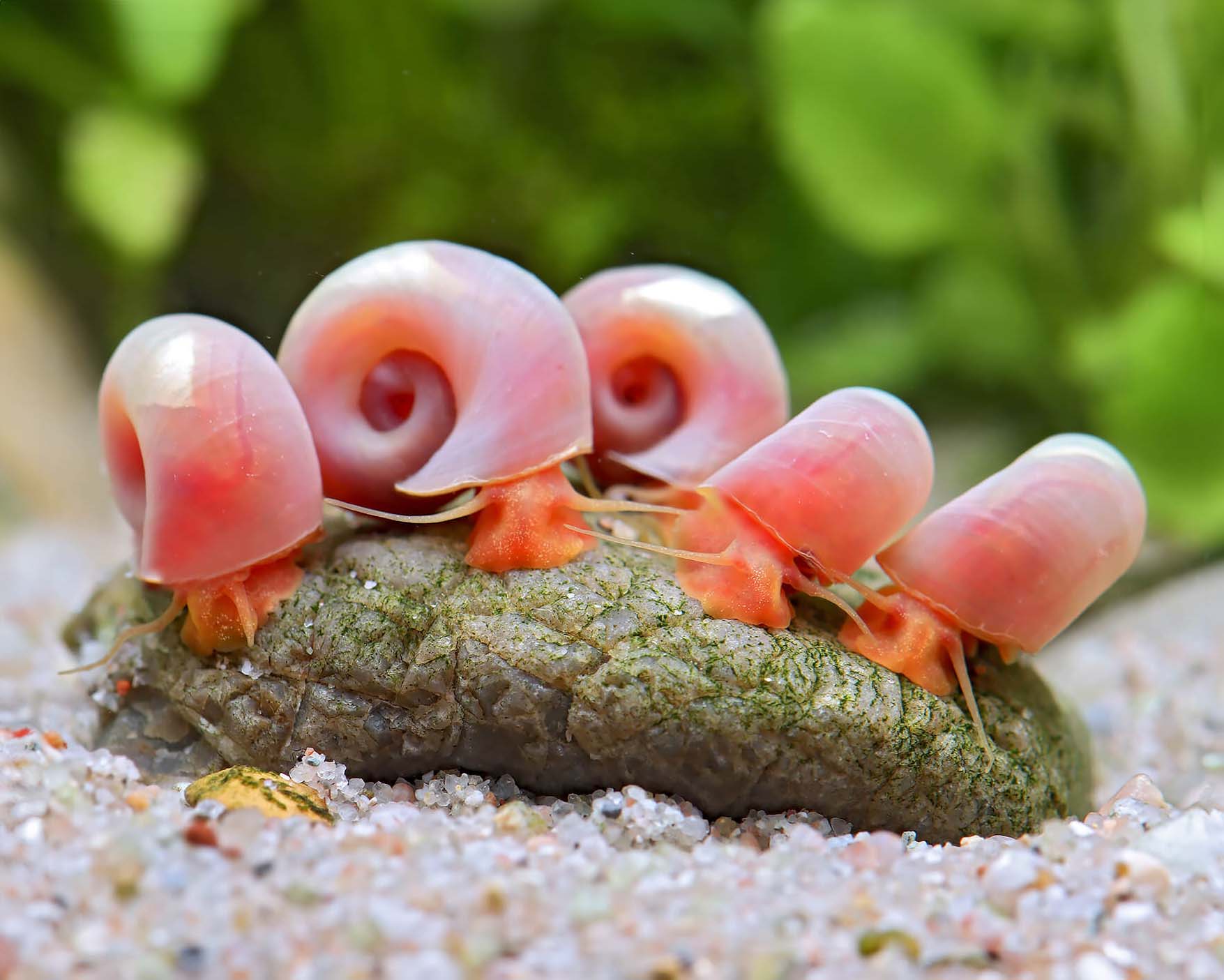
Ramshorn snails are flexible recyclers that graze soft algae, biofilm, uneaten food, and weakened plant material. Their flat, coiled shells make them easy to spot, and color forms such as orange, pink, or blue can become part of the aquascape rather than merely hidden cleanup staff. They are generally safe around healthy plants, shrimp, and peaceful fish. The cost is reproduction: a population can expand when feeding is generous or detritus accumulates. That growth is useful feedback rather than proof that the snails caused a problem. If numbers rise, remove excess snails, reduce waste, and check whether fish or shrimp are being overfed.
Bladder and Physa-type snails are small, fast, and opportunistic
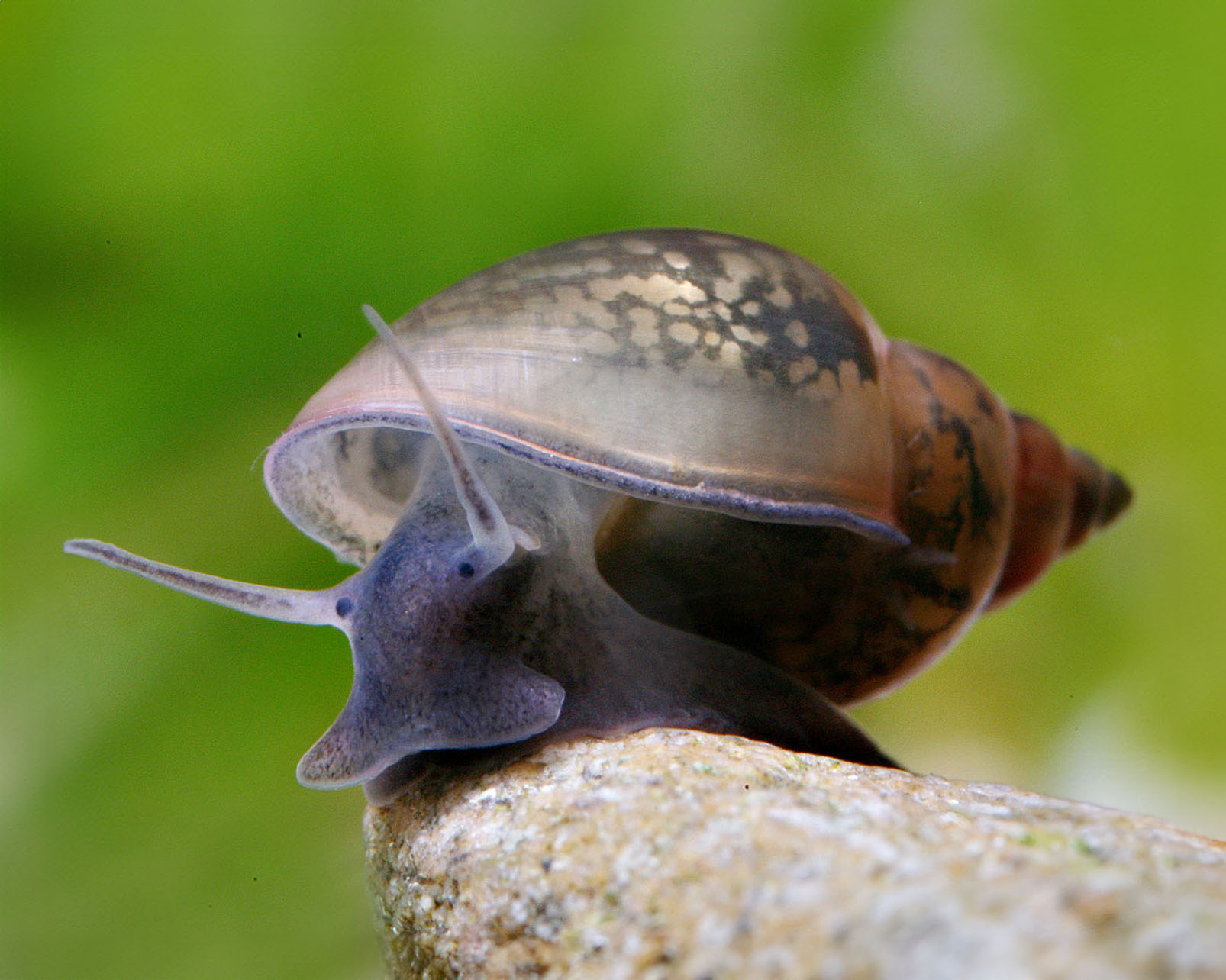
Small Physa-type snails often arrive unnoticed on aquatic plants, then become active cleaners in established tanks. They browse film, soft algae, dead leaves, and food particles, including in narrow spaces that larger snails cannot reach. Their small size suits planted nanos, but it also makes them easy to overlook until their numbers increase. They are best viewed as population-responsive scavengers: abundant snails usually indicate abundant food. They rarely damage healthy plants, although a stressed or decaying leaf may be consumed quickly. Keep them when you want a low-profile cleanup crew and can accept that their population will follow the tank’s feeding habits.
Malaysian trumpet snails work below the planting line
Malaysian trumpet snails spend much of the daylight period inside or around the substrate and become more visible after dark. Their burrowing behavior gives them a different role from glass-grazing snails: they search for food below the surface and move through areas where mulm can collect. They can be useful in planted tanks with deep, compacting substrate, but they are not a substitute for sensible substrate maintenance. Their live-bearing reproduction can make them difficult to remove once established. They are a better fit for aquariums where hidden activity is welcome than for display tanks where every inhabitant must remain easy to count.
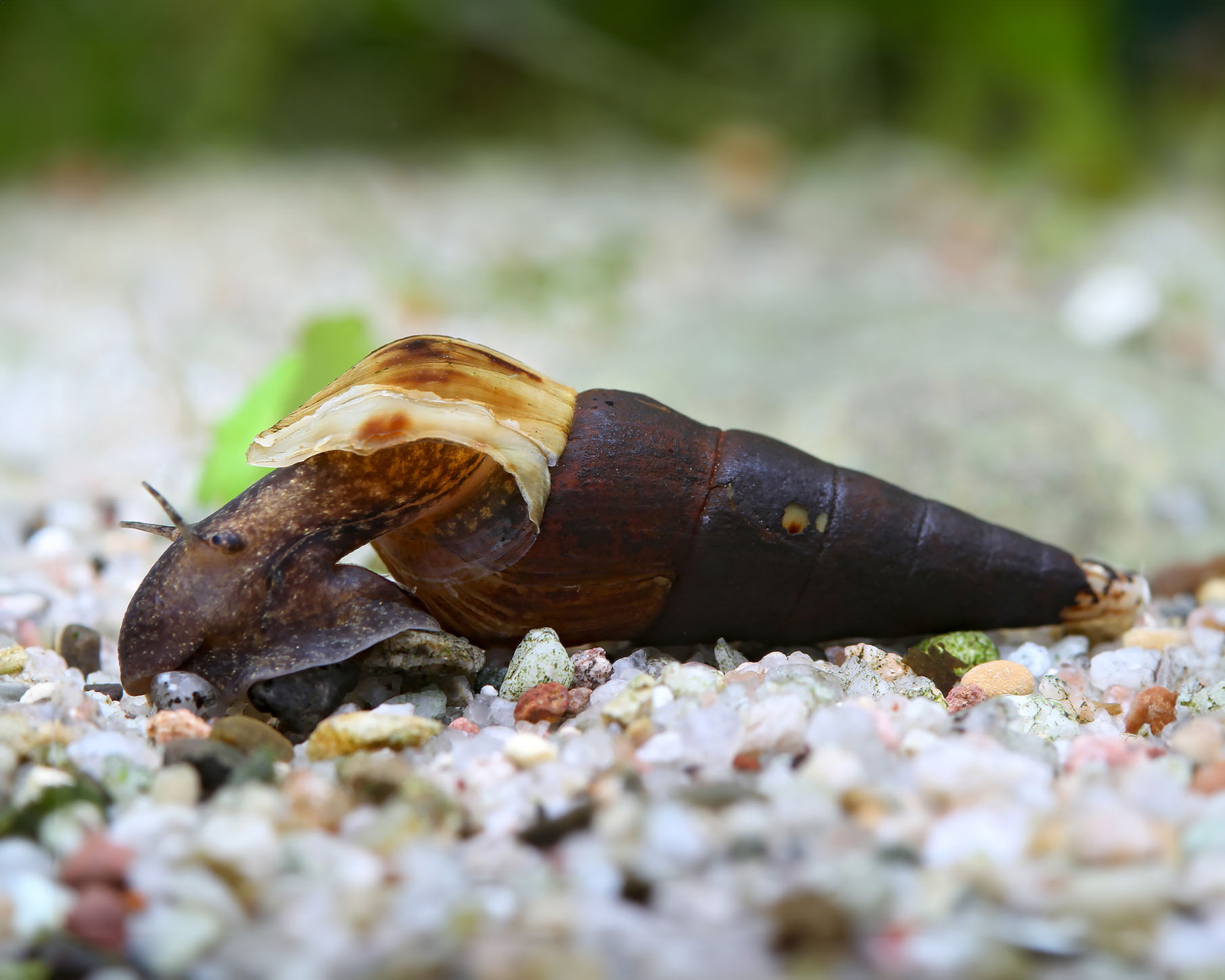
Tylomelania brings personality, size, and a bigger appetite
Large Tylomelania and rabbit-type snails are active, conspicuous animals that can become focal points in a planted aquarium. Their movement is slower and more deliberate than that of small pest snails, and their size makes them easier to observe and identify. They also produce more waste and need more reliable feeding than a tiny grazer living mainly on incidental biofilm. In a small aquarium, one large snail may represent a meaningful part of the bioload. Avoid adding one to a new or nearly sterile tank simply because it looks striking. Choose this group when you want an animal to watch, not merely a tool for algae control.
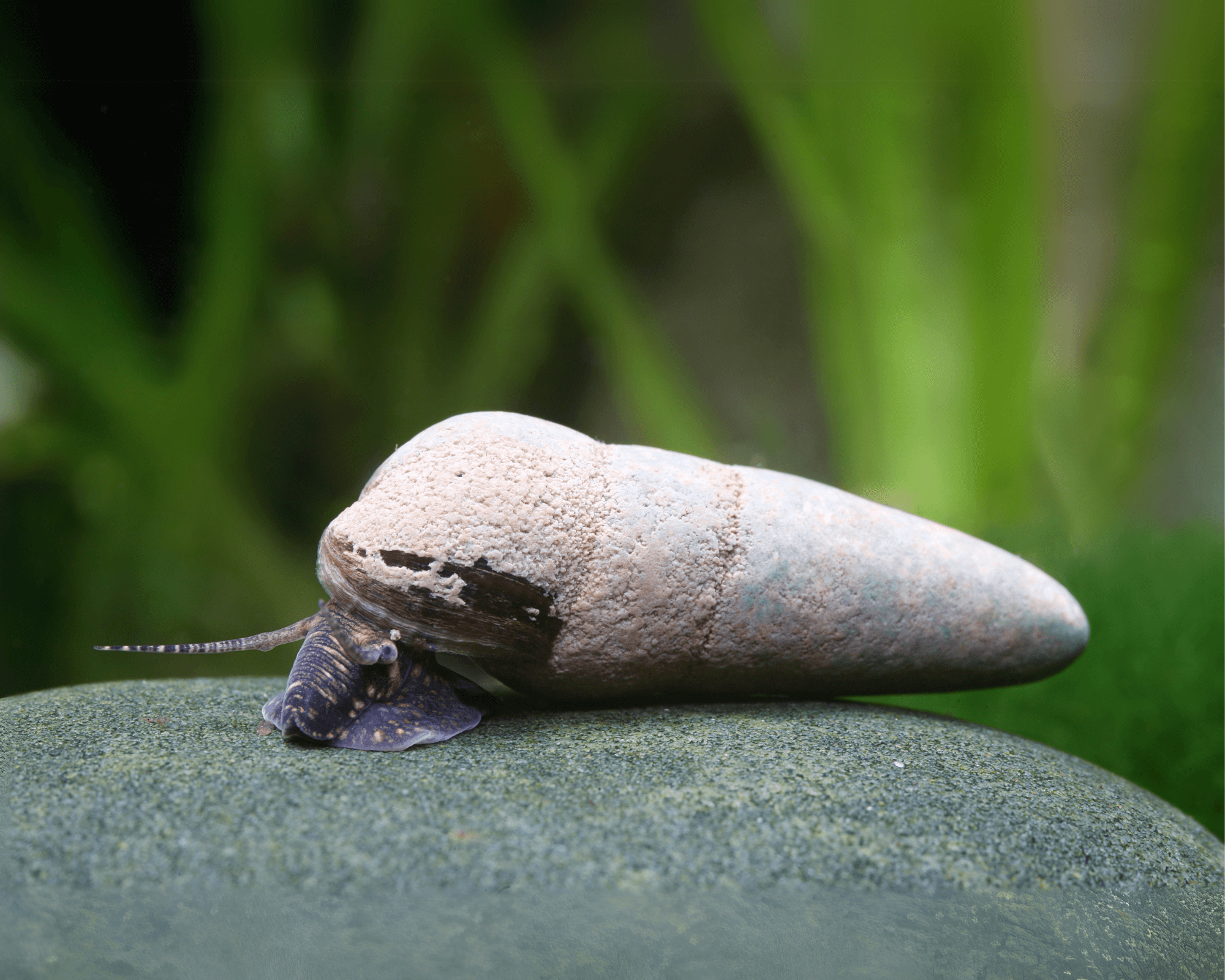
Apple-type snails trade cleanup claims for plant and space risks
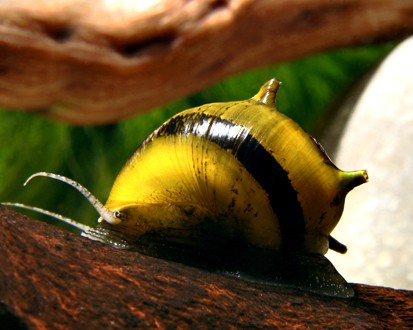
Large apple-type snails require more careful identification than their common names suggest. Some are primarily scavengers, while others may consume soft plant growth, climb out of open tanks, or add substantial waste relative to a nano aquarium’s volume. Their size and behavior can also disturb delicate stems or uproot newly planted specimens. They may suit a spacious aquarium with robust plants, secure cover, and a feeding plan, but they are rarely the most efficient answer to light algae. Before buying, confirm the exact species, adult size, plant-eating reputation, and whether the animal needs access to air above the waterline.

Assassin snails solve one problem by creating another decision
Assassin snails are predators used to reduce populations of ramshorns, bladder snails, and some trumpet snails. That makes them useful when a tank has more small snails than the aquarist wants to manage manually. They are not a neutral cleanup crew: they may prey on desirable snails, and their presence changes the long-term stocking plan. A tank that once supported colorful ramshorns or grazing snails may no longer be suitable for them. They can generally coexist with adult shrimp, but any predator deserves observation around vulnerable livestock and newly introduced animals. Use them as part of a control strategy, not as a shortcut for excess feeding.
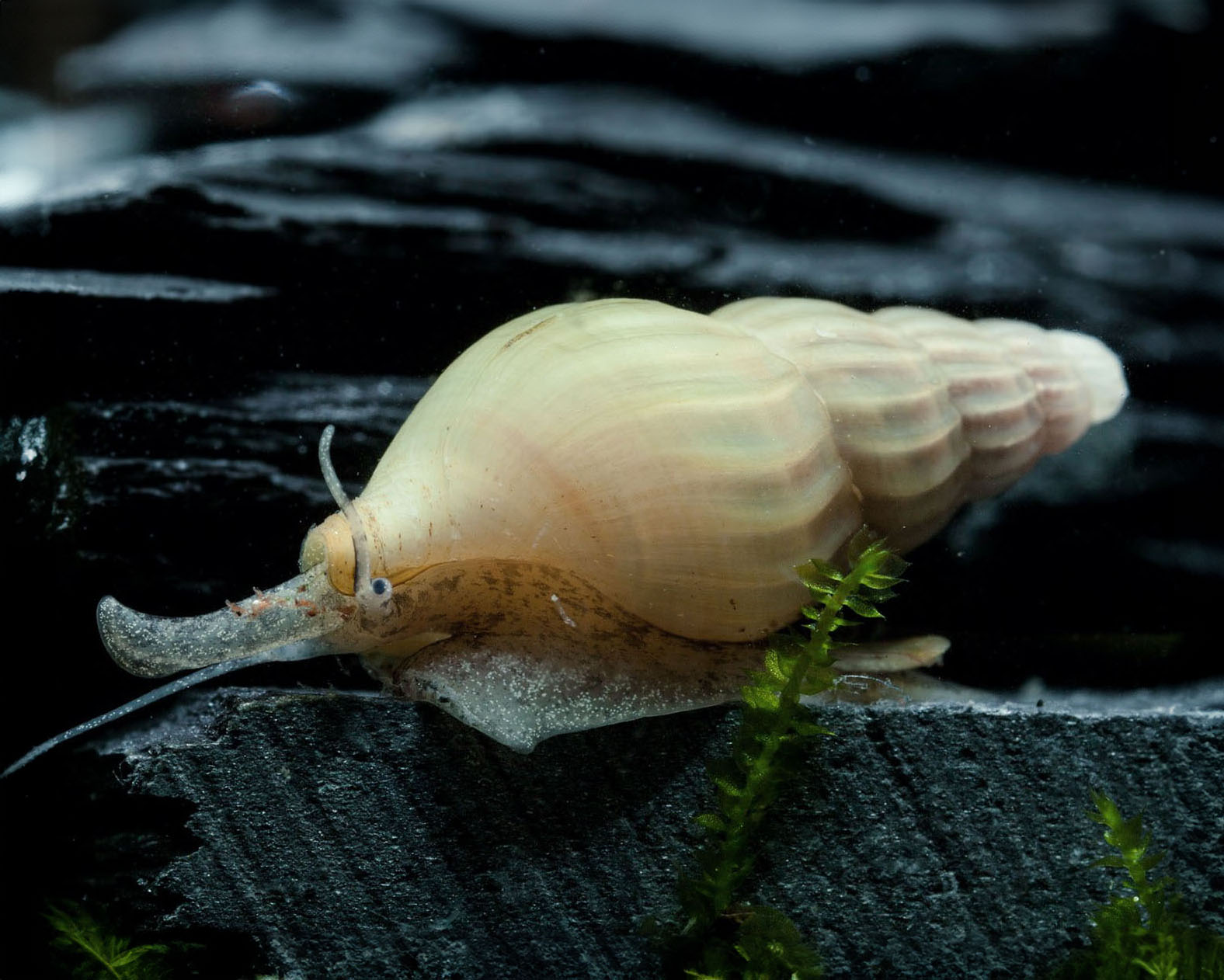
Match snail movement to the plants and livestock you already keep
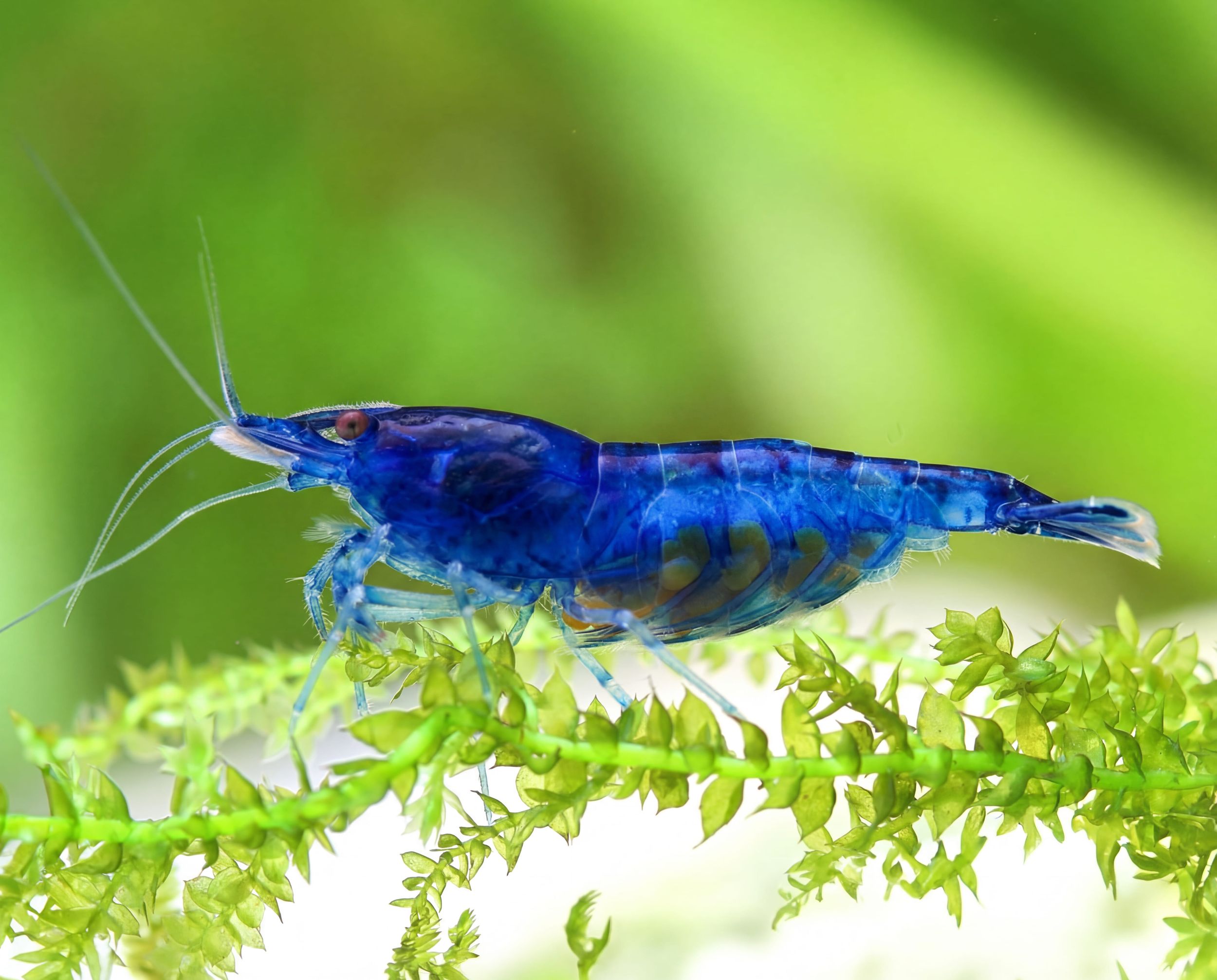
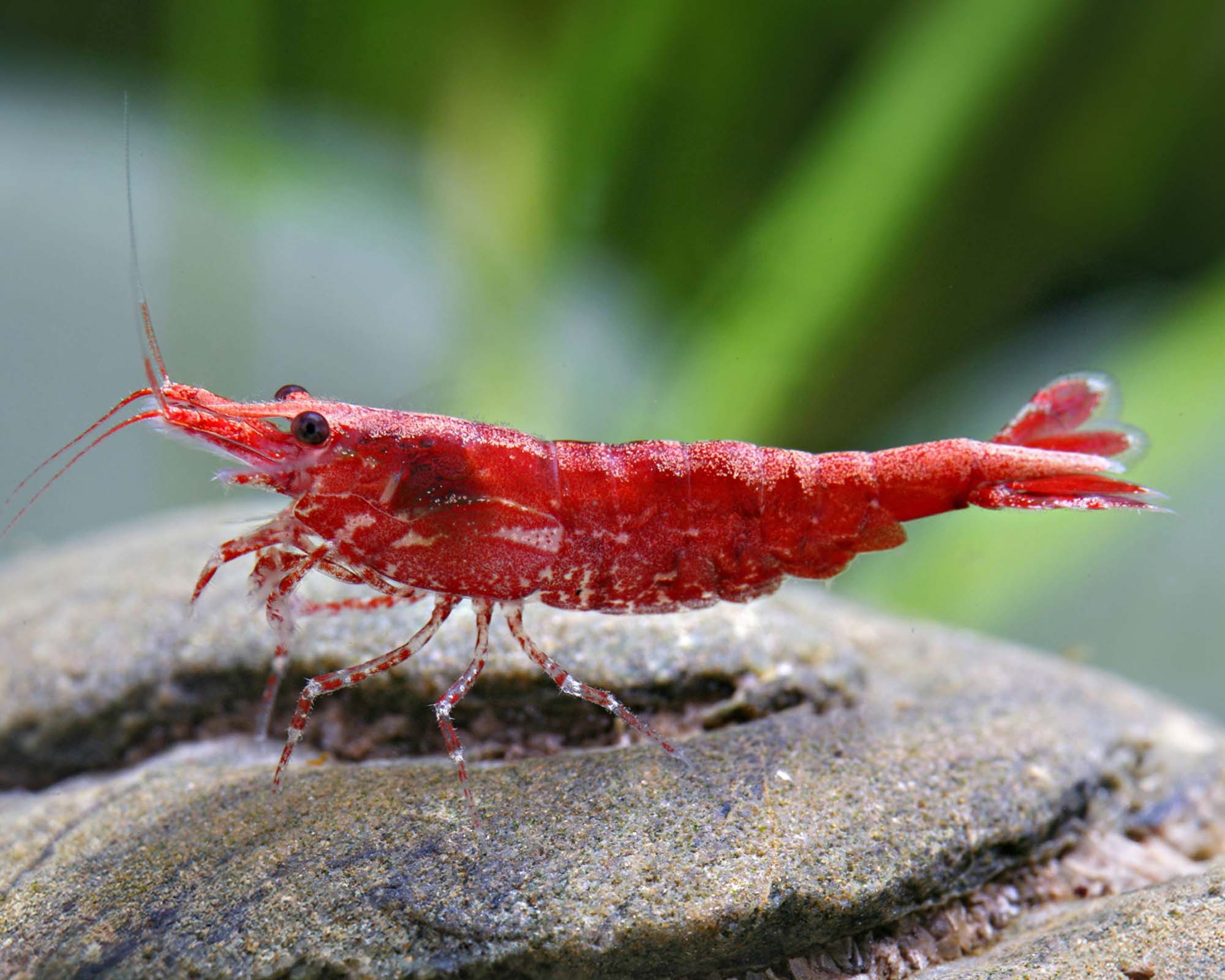
Compatibility depends on behavior as much as species. Nerites and small ramshorns usually spend their time on surfaces, while trumpet snails work through the substrate and large snails may push across stems, moss, or loose decor. Healthy rooted plants are generally safer than dying leaves, but newly planted stems can be disturbed by heavy animals. Adult shrimp are commonly compatible with peaceful grazing and scavenging snails, yet very soft water or unstable chemistry can damage shells and complicate shrimp molts. Fish that nip, hunt, or constantly investigate snails may be a worse match than the snail’s feeding habits. Observe the whole community, not just the species label.
Use a behavior-based stocking plan instead of a snail collection
For many planted aquariums, one role is enough. Choose a nerite when surface algae is the priority, a small scavenging snail when leftover food is the recurring issue, or a trumpet snail when hidden substrate activity fits your maintenance style. Combining roles can work, but it also combines feeding demands, waste production, and population-control problems. In a nano tank, start conservatively and let the available food reveal whether another animal is justified. Count snails during routine maintenance, remove dead leaves, and avoid feeding extra food simply to keep a cleanup crew busy. The best snail plan leaves the aquarium cleaner without making the aquarist manage a second ecosystem.
Frequently Asked Questions
Which aquarium snail is best for algae on glass?
Nerite-type snails are usually the most targeted choice for algae on glass and hardscape, provided the aquarium is mature enough to supply natural algae and biofilm. They are less useful as general waste processors and may leave hard white eggs on decor.
Will ramshorn or bladder snails eat healthy aquarium plants?
They generally focus on algae, biofilm, leftover food, dead leaves, and weakened plant tissue rather than healthy leaves. A sudden increase in plant damage should prompt a check for melting plants, poor growth, or another cause before blaming the snails.
Can aquarium snails live with freshwater shrimp?
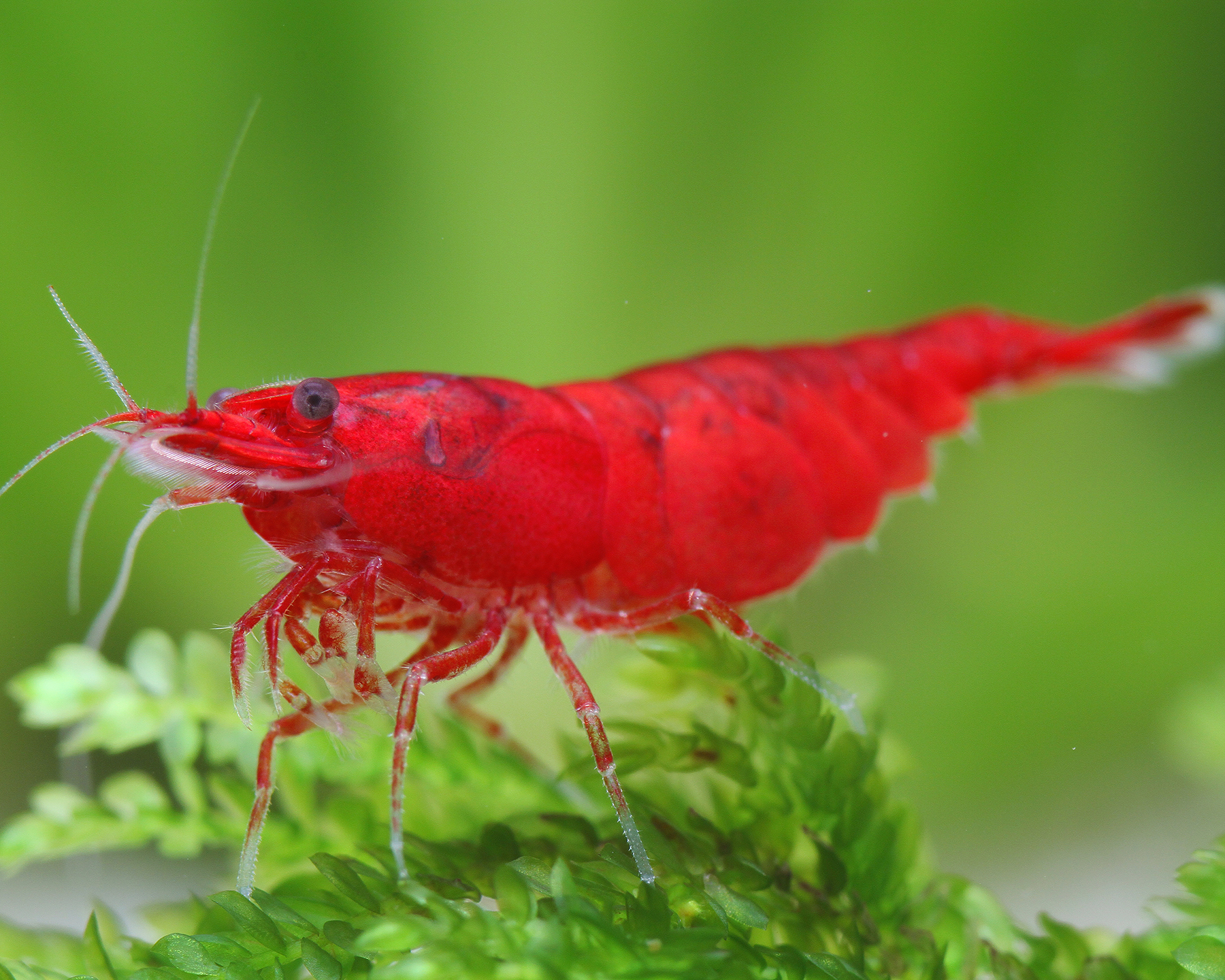
Many nerites, ramshorns, bladder snails, and Malaysian trumpet snails can live with adult freshwater shrimp. The aquarium still needs stable water chemistry, suitable mineral availability, and peaceful fish. Large or predatory snails require more careful evaluation.
How do I control too many aquarium snails?
Reduce excess food, remove decaying plant material, manually remove surplus snails, and use a baited trap if needed. Predatory assassin snails can help in some setups, but they may also eliminate snail species you want to keep.
 - 2.webp)
 - 2.webp)
Leave your comments