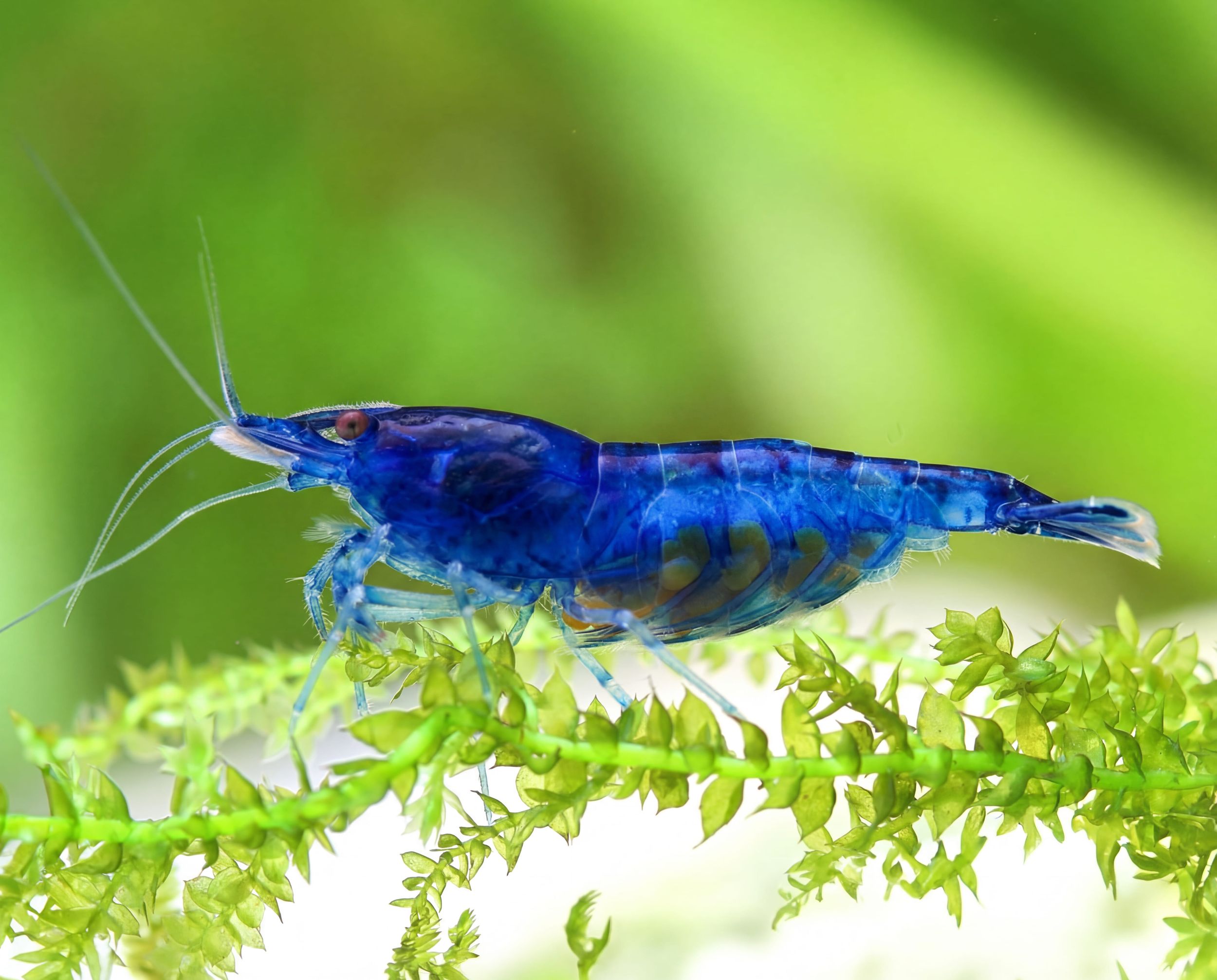
Start with the water you can keep stable, not the shrimp color you like
A Blue Dream shrimp may be the color that catches your eye, but your first decision should be whether your source water naturally suits Neocaridina. Test treated tap water for pH, GH, KH, ammonia, nitrite, and nitrate before choosing a substrate or buying livestock. Neocaridina varieties such as Blue Dream generally tolerate a broader range than bee shrimp, but they still need stable minerals and zero ammonia and nitrite. If your tap water is moderately hard and consistent, a simple inert substrate may be easier to manage than a buffering soil. Do not alter pH with bottles until you understand your GH and KH, because chasing numbers can create larger swings than the original water.
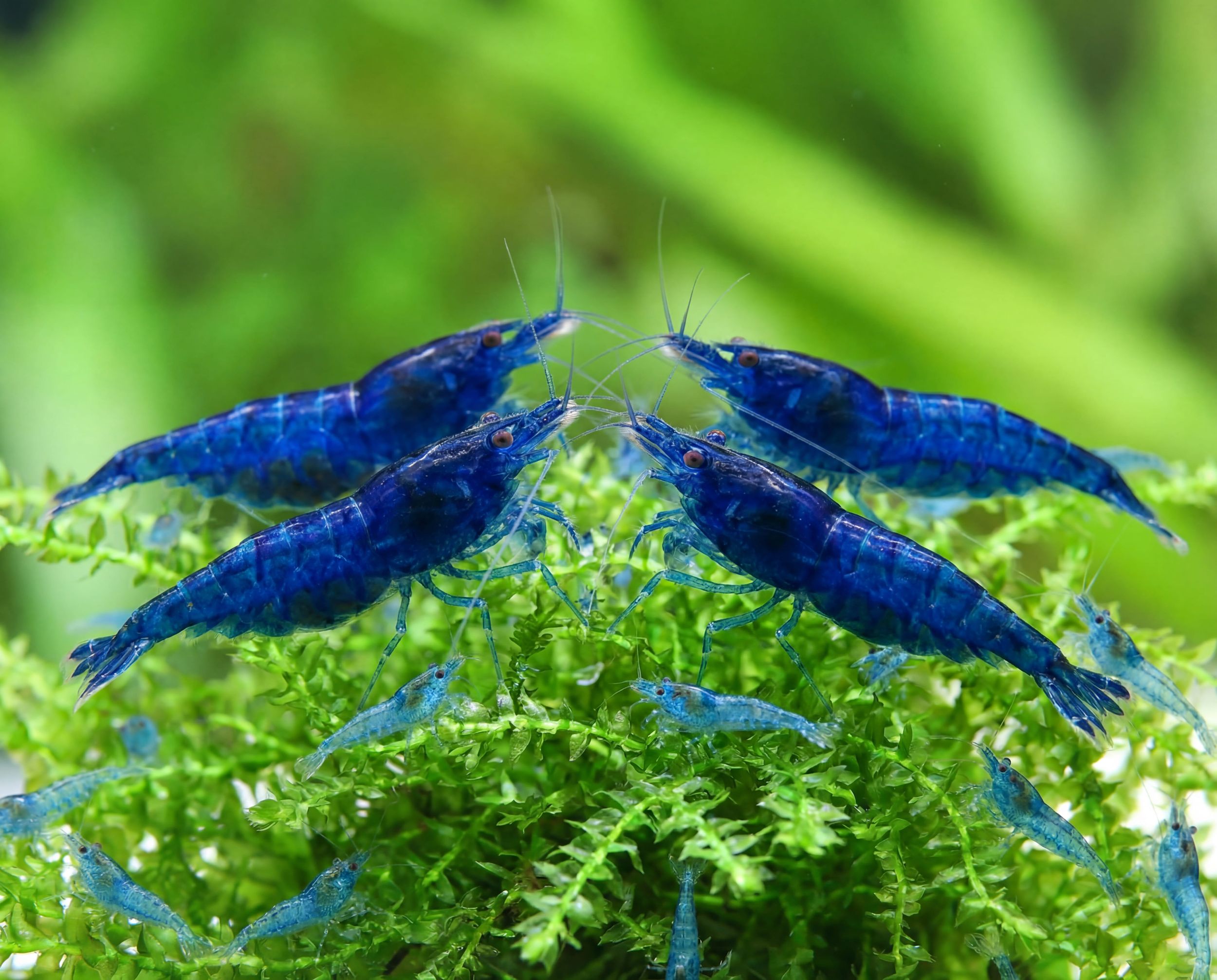
Use a forgiving first colony when the setup is new to shrimp keeping
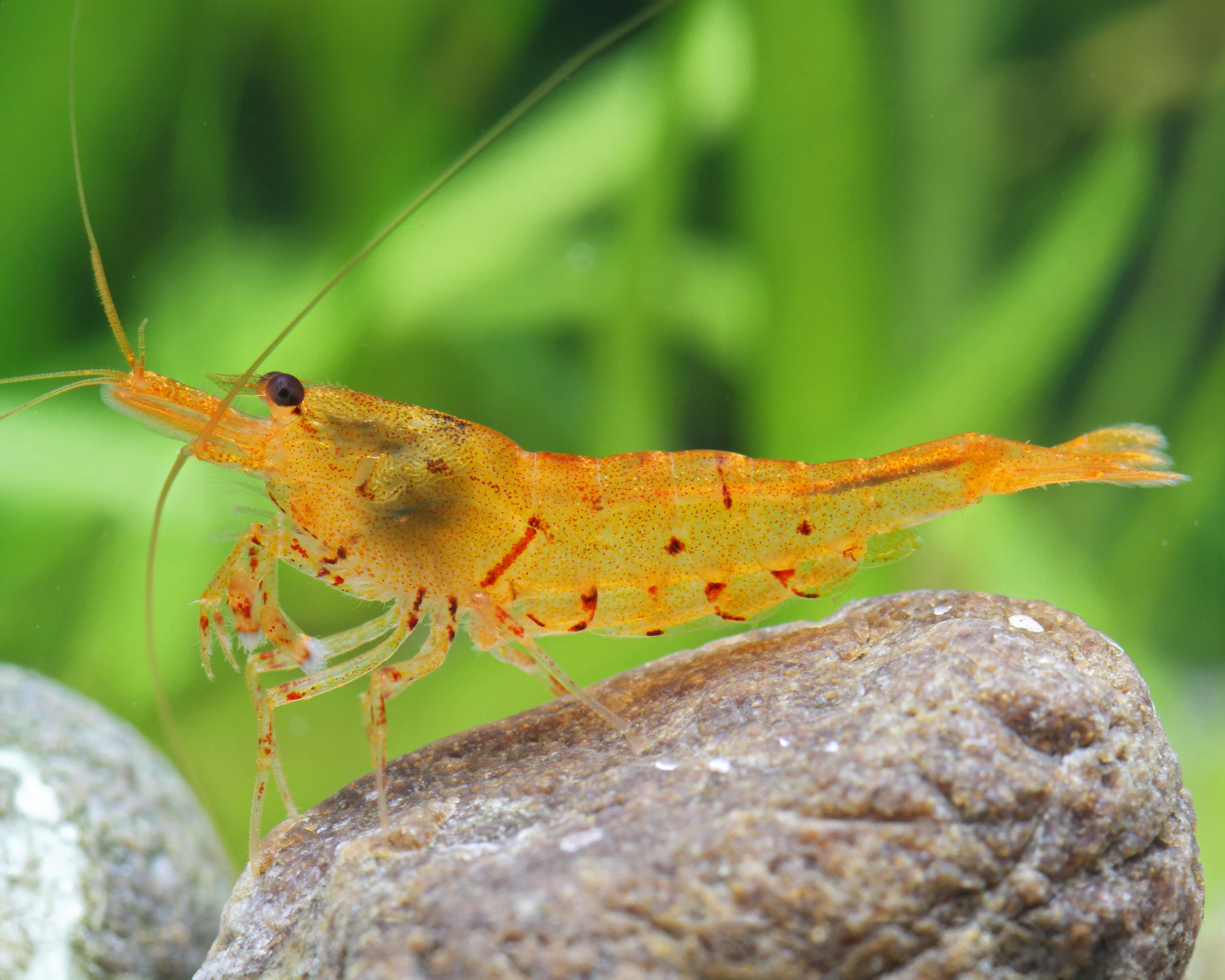
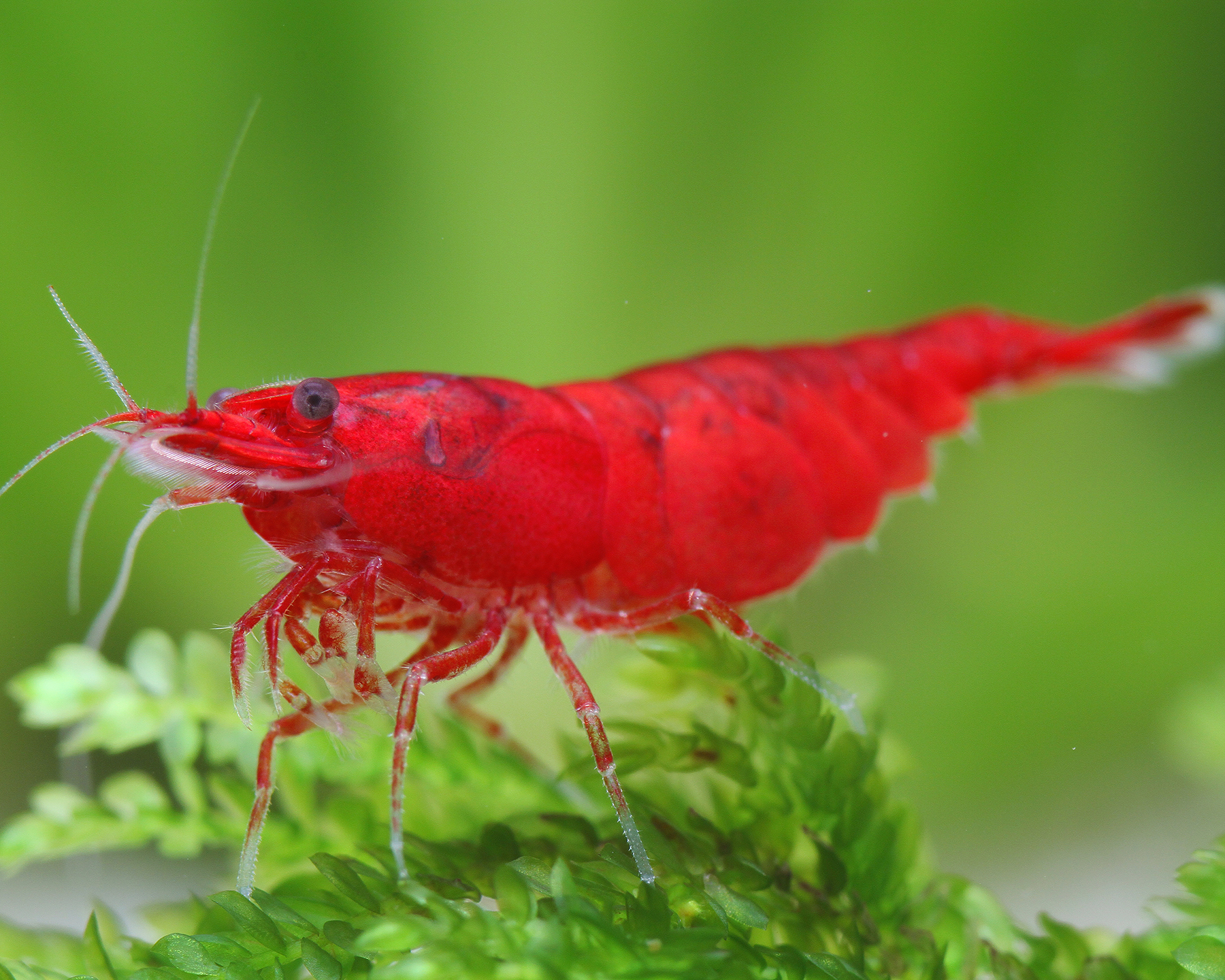
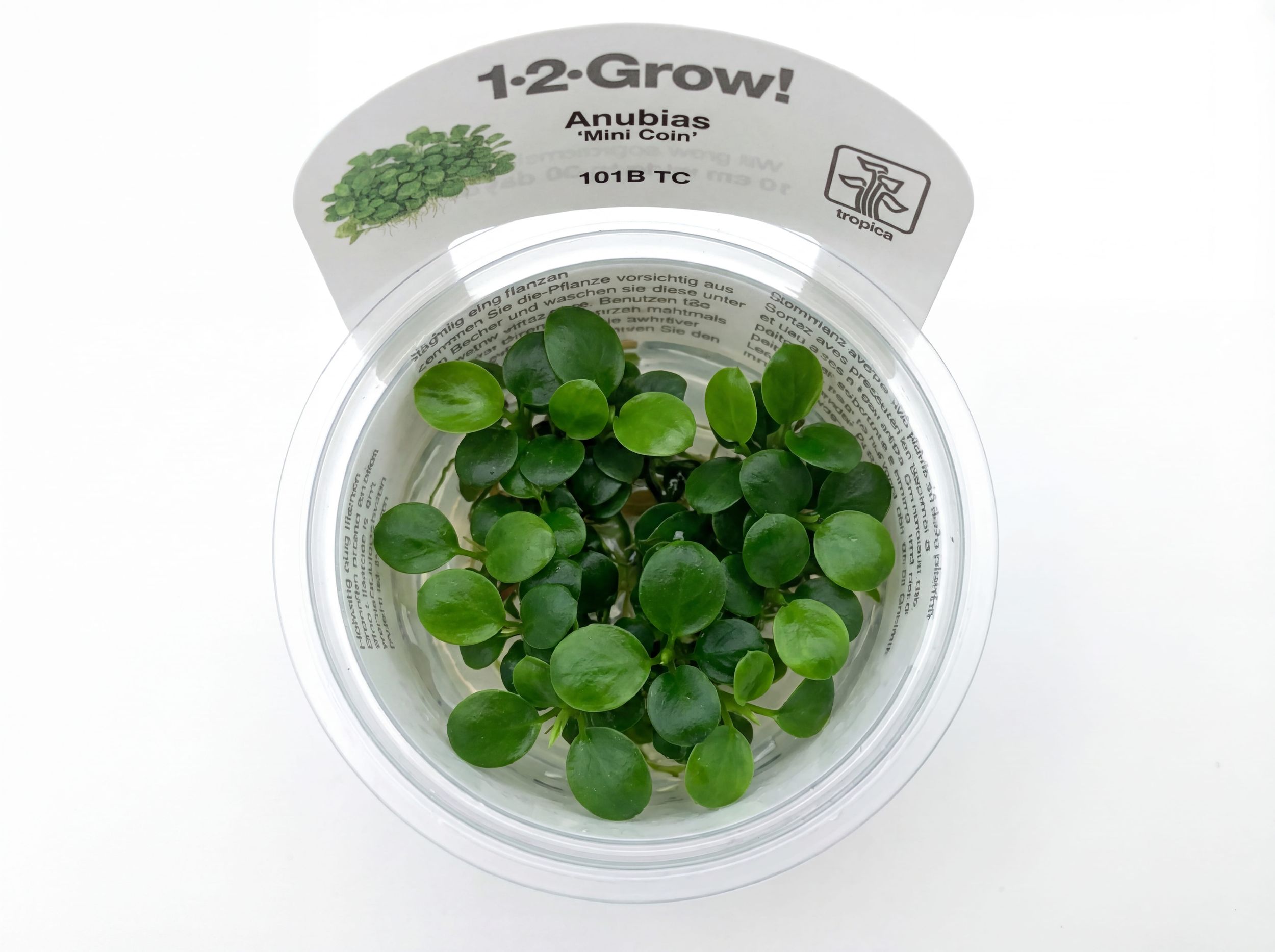
Orange Fire Neocaridina are a practical choice when your goal is a colorful planted tank with manageable water chemistry. They are not maintenance-free, but they usually offer more flexibility than Caridina when the aquarium uses conditioned tap water. Build the tank around a sponge filter or protected intake, gentle circulation, hiding places, and surfaces where biofilm can develop. Add plants before livestock and give them time to root, grow, and settle into the available nutrients. A shrimp-safe setup should also exclude copper-containing medications and fertilizers used at excessive doses. The trade-off is that mixed Neocaridina color lines may produce less predictable offspring, so keep one line if color consistency matters.
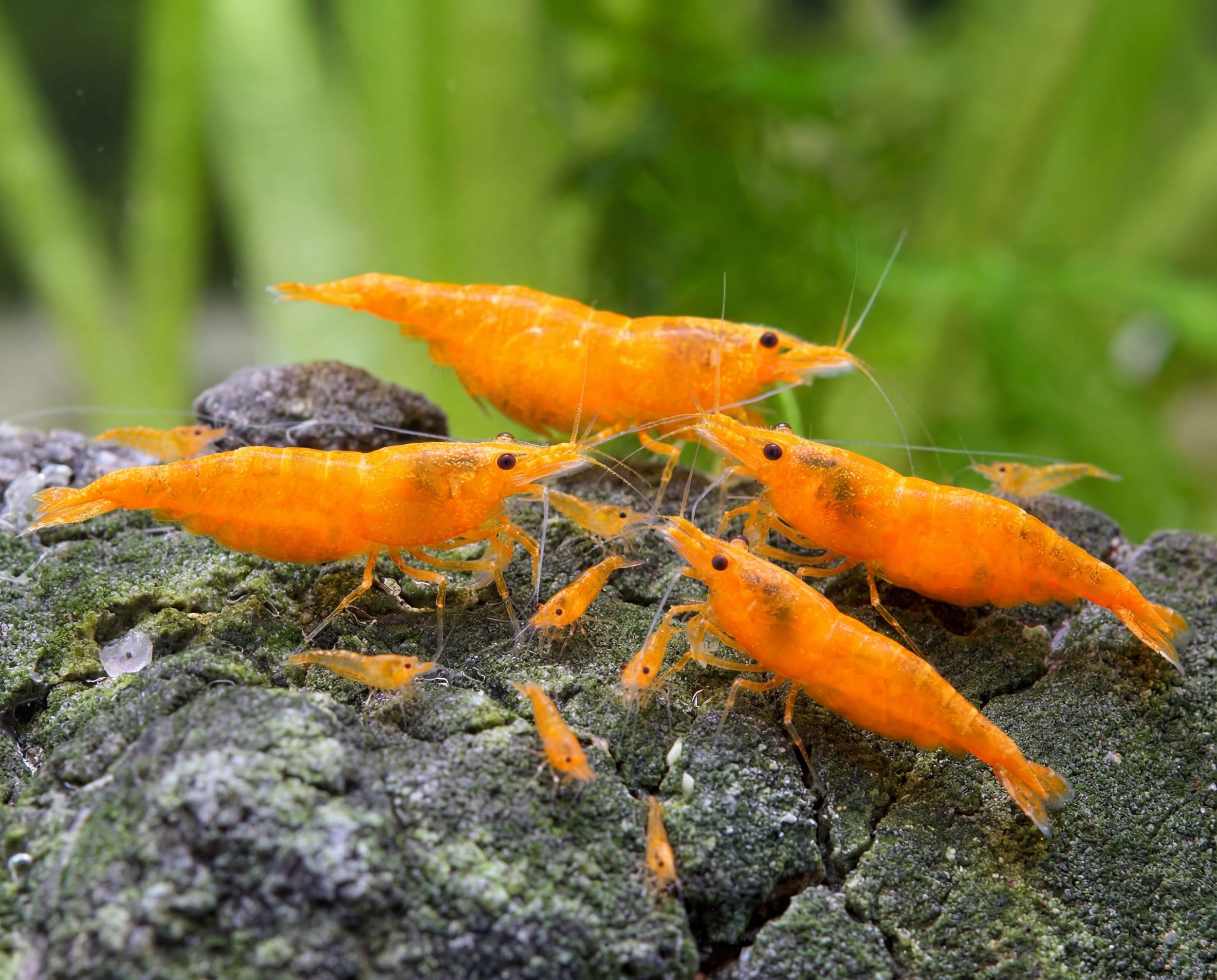
Treat cycling as the beginning of readiness, not the finish line
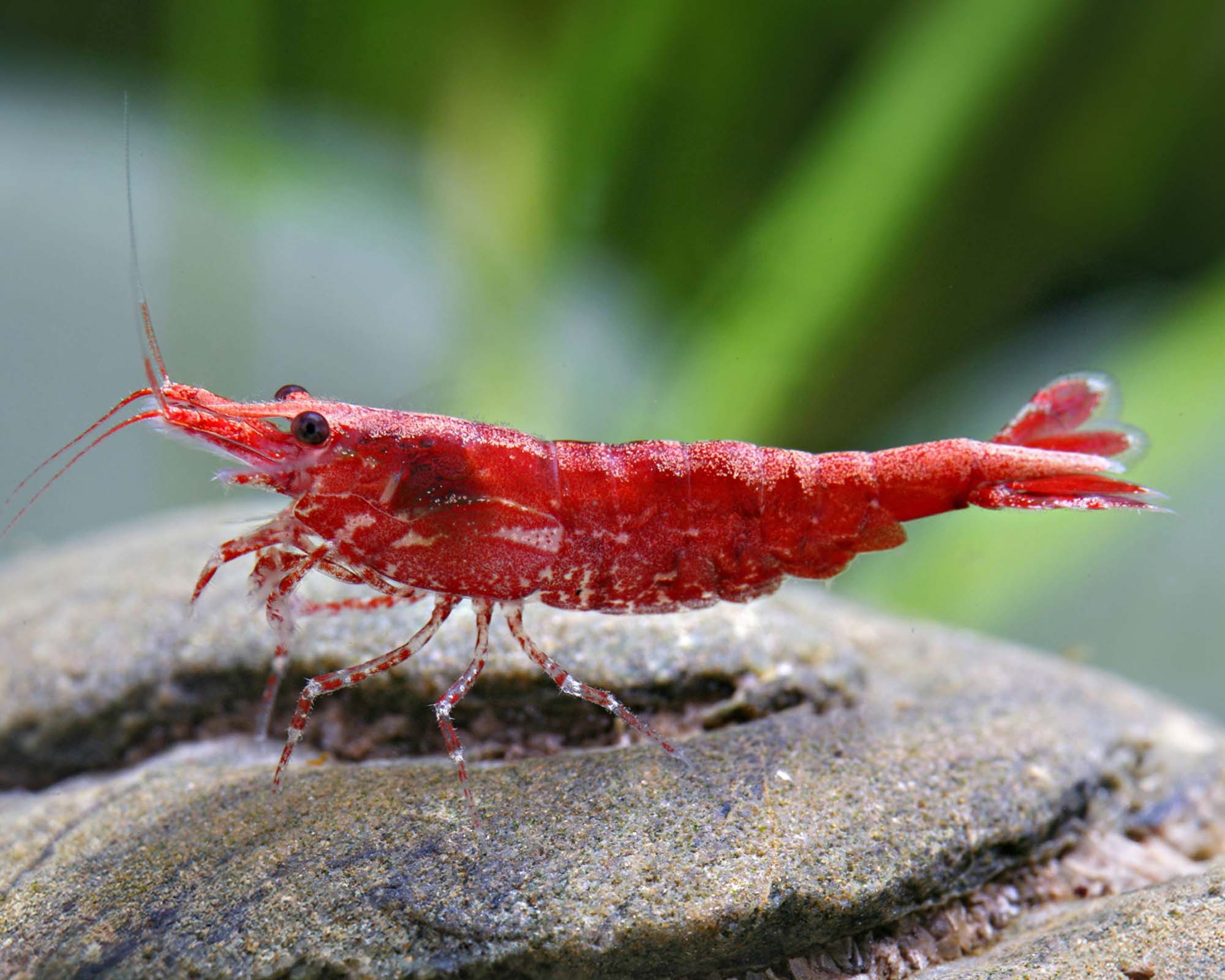
A Red Cherry shrimp should not be the test animal for an uncycled aquarium. Before adding livestock, confirm that ammonia and nitrite remain at zero through repeated tests after the filter has processed an intentional source of waste. Then allow additional time for the tank to develop biofilm, soft algae, and stable plant growth. A mature sponge or filter can help seed a new aquarium, but transferred media does not remove the need to test the finished setup. In a nano aquarium, small changes in food, temperature, evaporation, or water replacement can have a large effect. Stock lightly at first and observe the tank before expanding the colony.
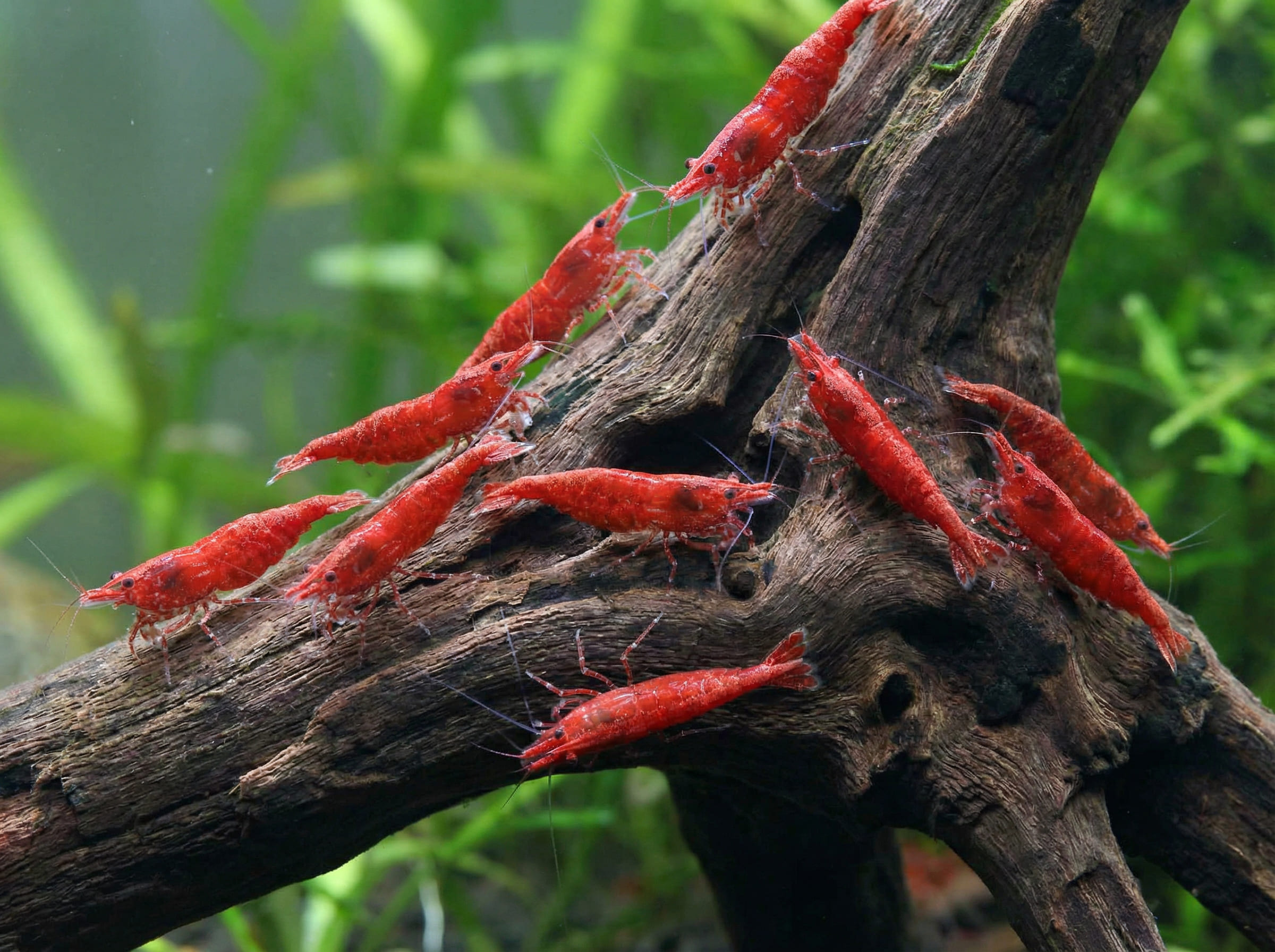
Match the mineral plan to molting, not just to plant growth
Yellow Fire shrimp need access to minerals used in successful molts, so GH deserves as much attention as pH. A planted tank may look healthy while its water is too soft for dependable Neocaridina maintenance, especially when the source water changes seasonally or is diluted by frequent top-offs. Measure GH and KH with reliable tests and keep replacement water consistent with the aquarium. If remineralization is needed, mix the product in a separate container and test it before adding it. Avoid making sudden corrections inside an occupied tank. Stable, repeatable water is usually more valuable than pursuing a perfect single reading, particularly in a small aquarium where abrupt changes are magnified.
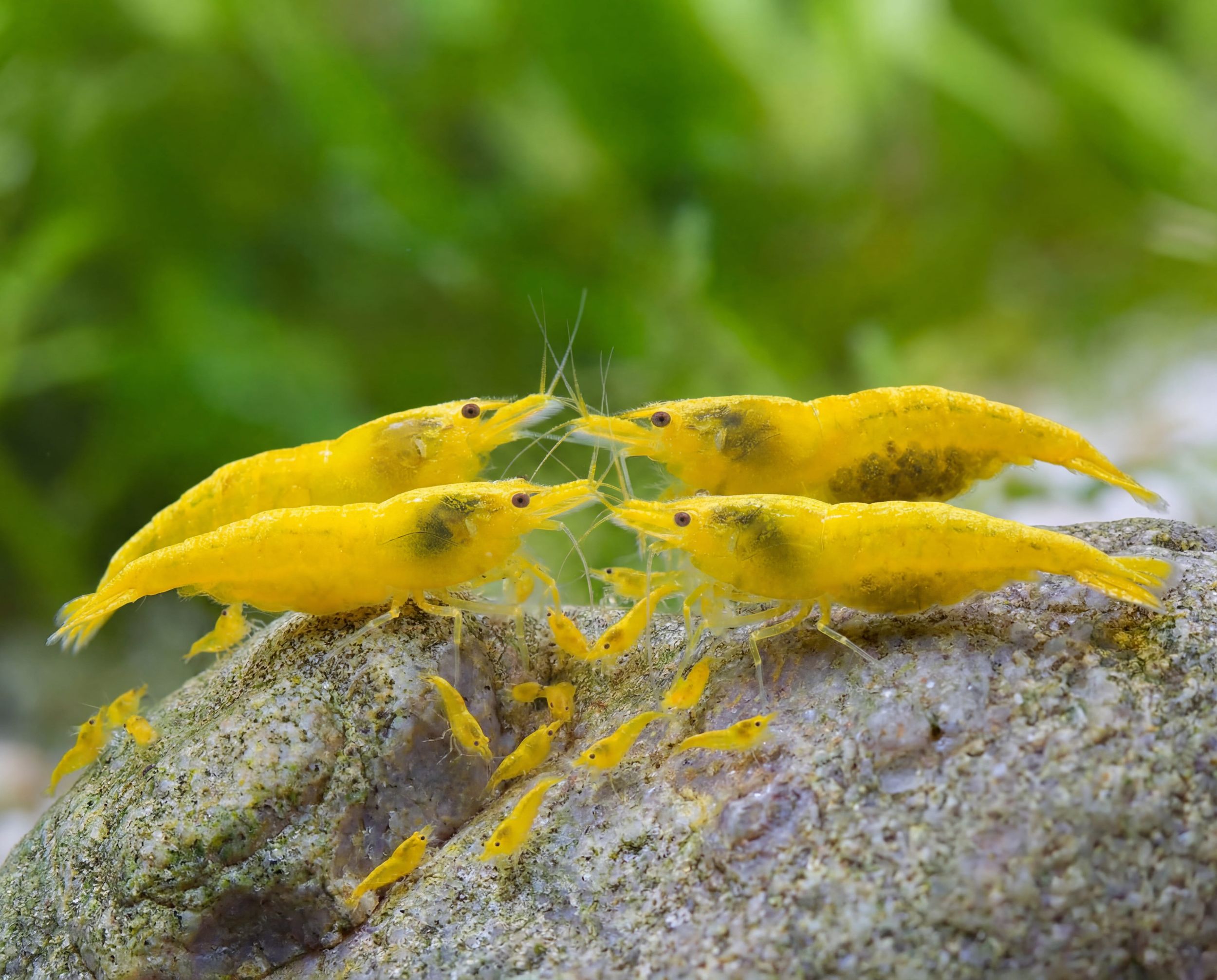
Choose Amano shrimp when algae control matters more than a breeding colony
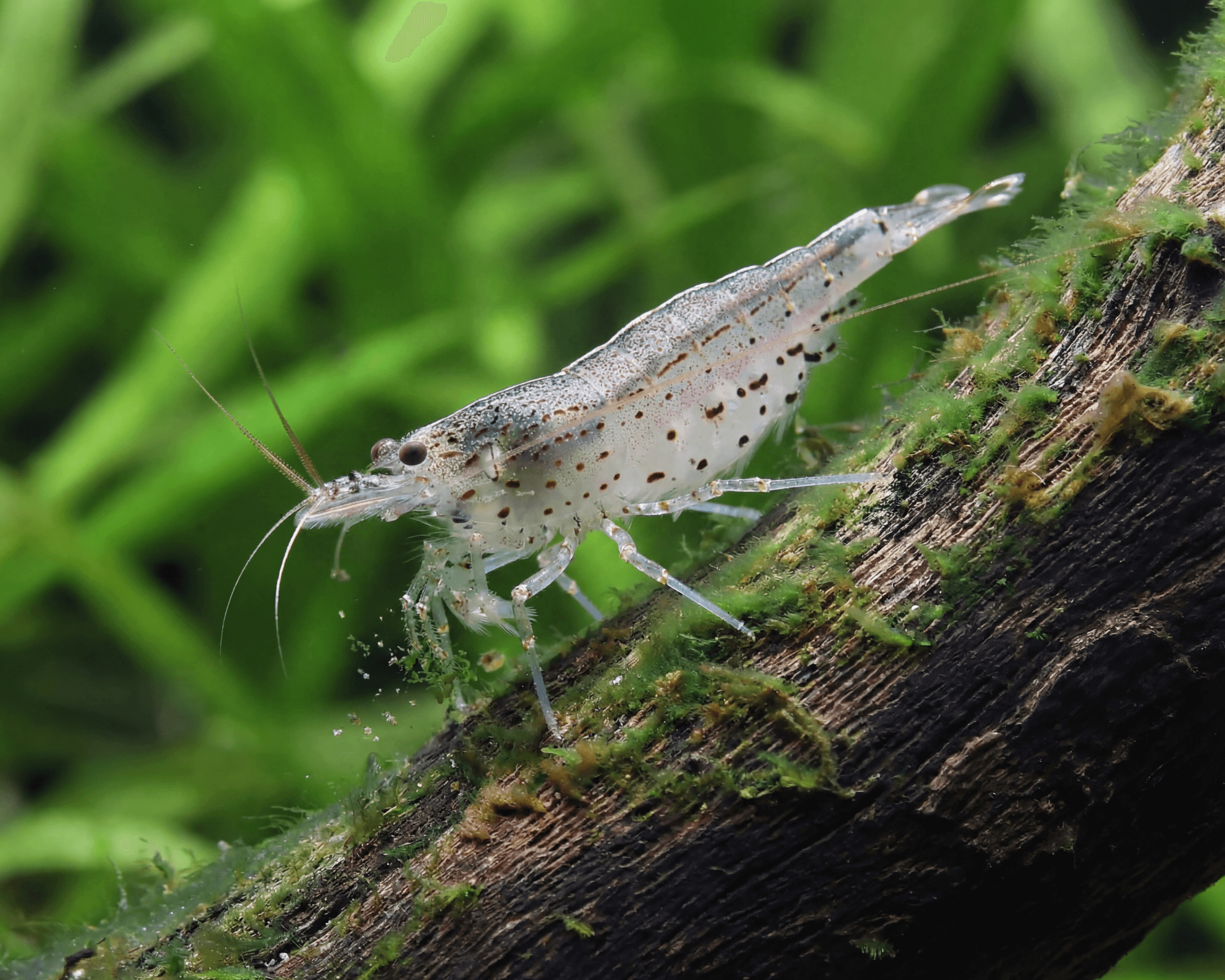
Amano shrimp can fit a planted community aquarium when you want larger, active algae grazers and do not require a self-sustaining freshwater colony. They are generally less vulnerable to being overlooked by peaceful fish than tiny dwarf shrimp, but they still need acclimation, cover, and clean, mature water. Amano larvae require brackish conditions, so they will not reproduce successfully in an ordinary freshwater display. This makes them useful for a display tank where population growth must remain predictable. Their larger size does not make them suitable for rushed introductions, aggressive tank mates, or a newly planted aquarium with no established food sources. Consider them after the tank has proven stable, not as a substitute for cycling.
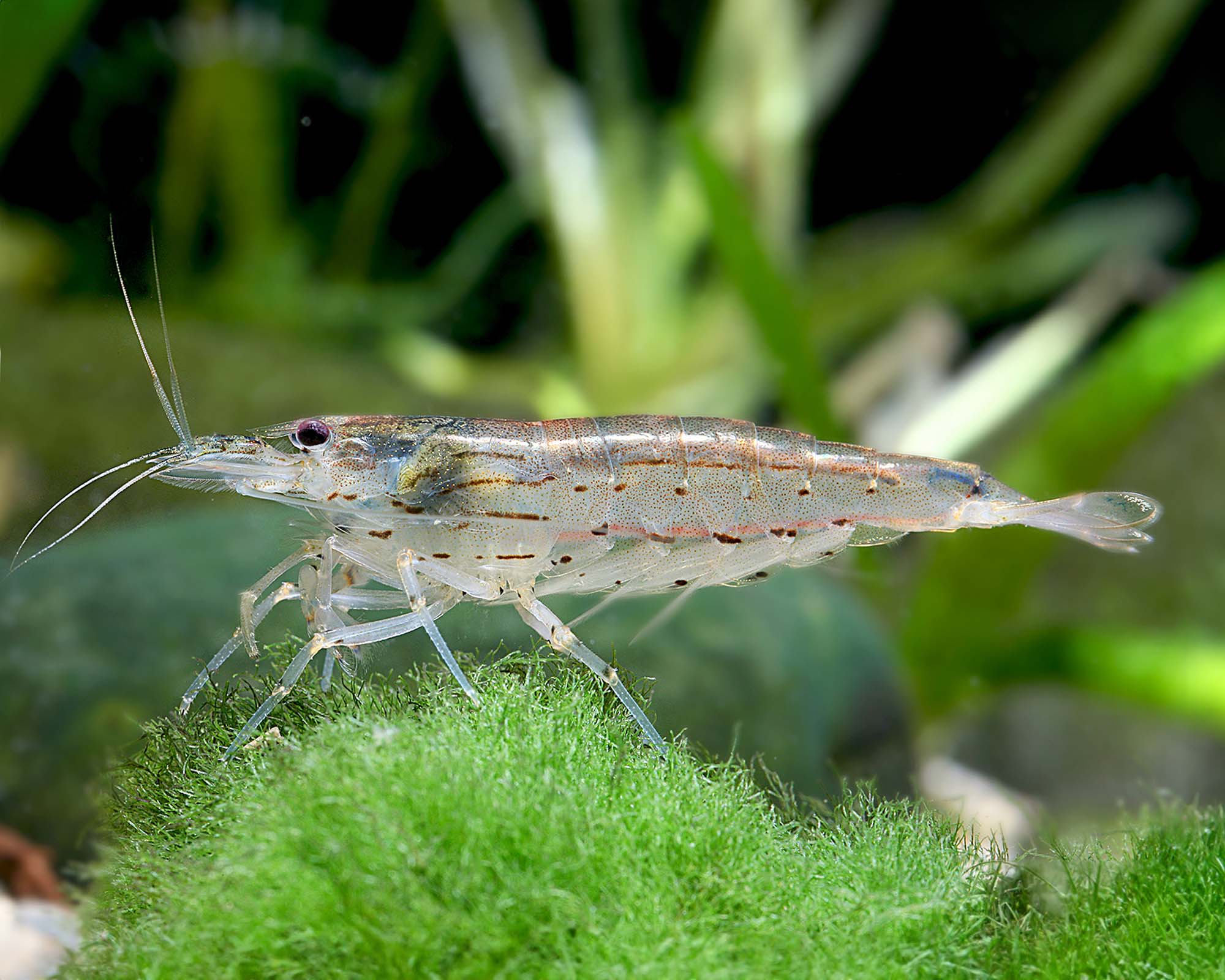
Build a separate water strategy for Crystal Red and other bee shrimp
Crystal Red shrimp belong to a different planning category from most Neocaridina color lines. They are commonly kept in softer, more acidic water with low KH, often using reverse-osmosis or purified water mixed with a shrimp-specific remineralizer and a buffering substrate. That method can work well, but it adds more variables: substrate performance, mineral dosing, water preparation, and pH behavior. Do not place Crystal Reds into a hard-water Neocaridina setup simply because both are small freshwater shrimp. Decide on the Caridina method before planting, then cycle and test the aquarium under those exact conditions. If you are new to shrimp, a stable Neocaridina system may be the simpler starting point.
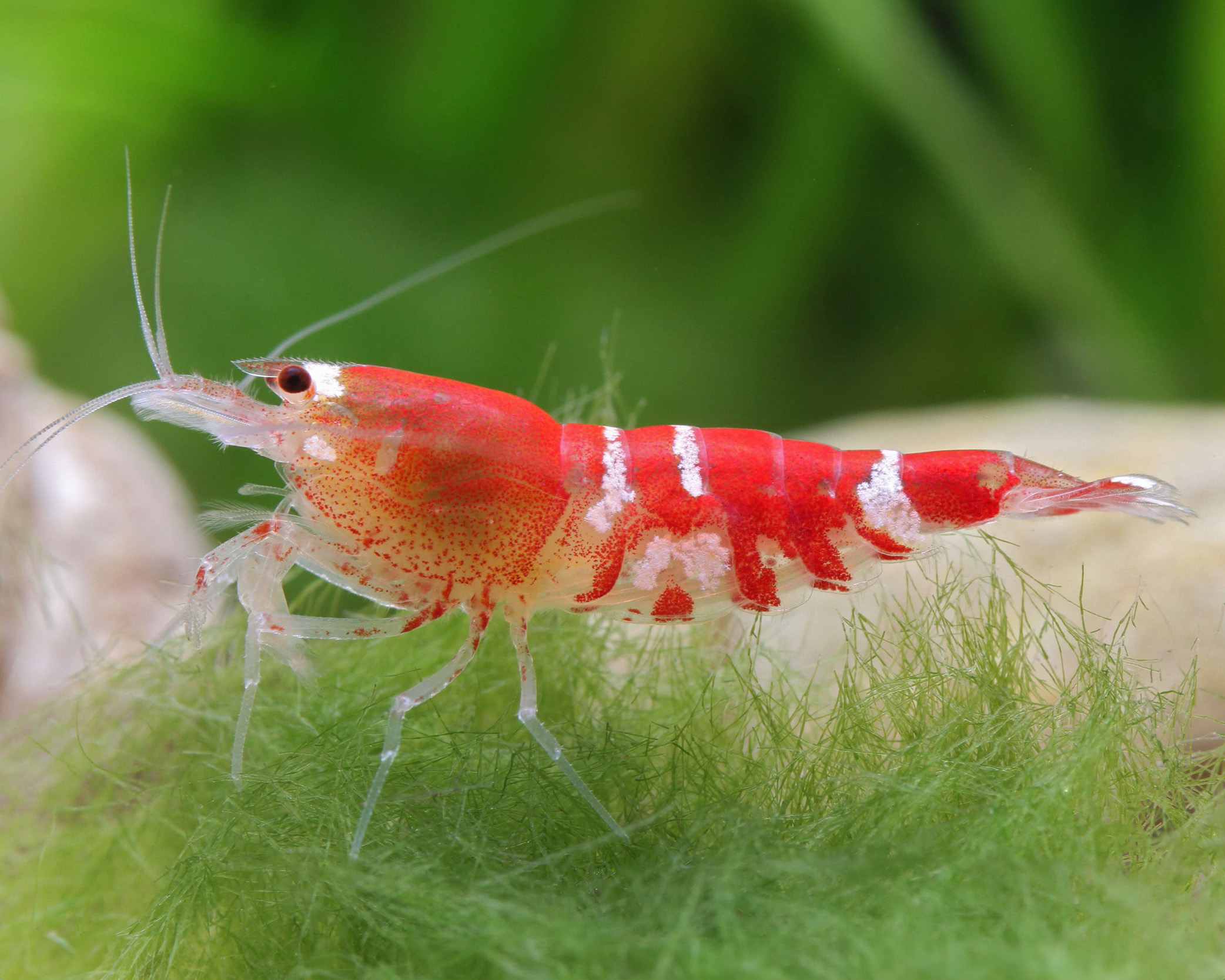
Use bee shrimp only when the aquarium can support tighter routines
Black Bee shrimp can create striking contrast against green plants, but their visual appeal should not hide the extra preparation they may require. Before purchase, decide how you will produce every water change, how you will measure GH and KH, and how you will respond if the active substrate begins losing its buffering capacity. Keep the aquarium free from rapid chemistry corrections and avoid mixing incompatible remineralization strategies. A small planted tank can be suitable, yet its low water volume leaves less room for dosing mistakes. Mature filtration, gentle flow, leaf litter or other grazing surfaces, and a quiet introduction all matter. Choose this route because you can repeat the routine, not because the shrimp are attractive.
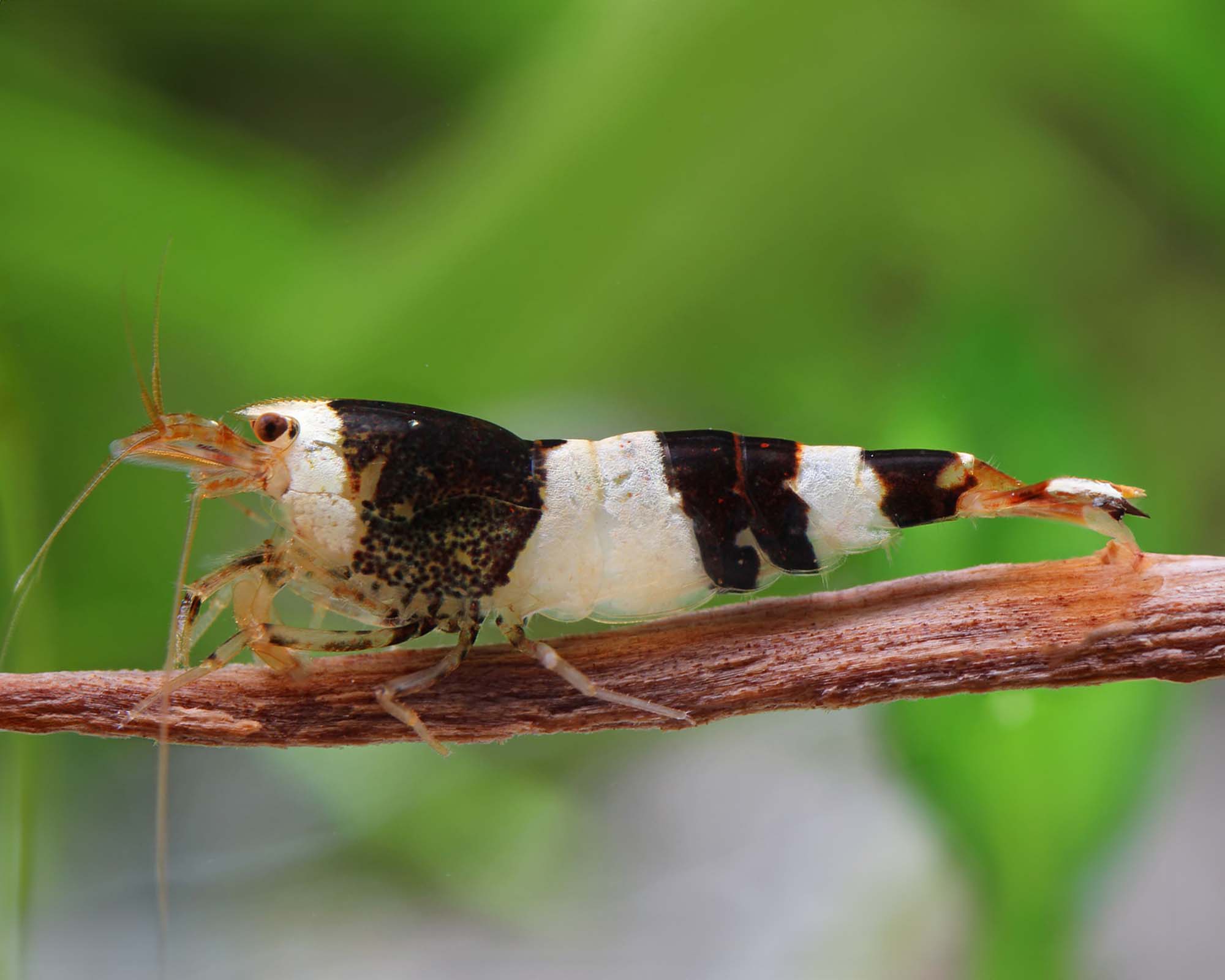
Do not confuse a planted tank with a shrimp-safe community tank
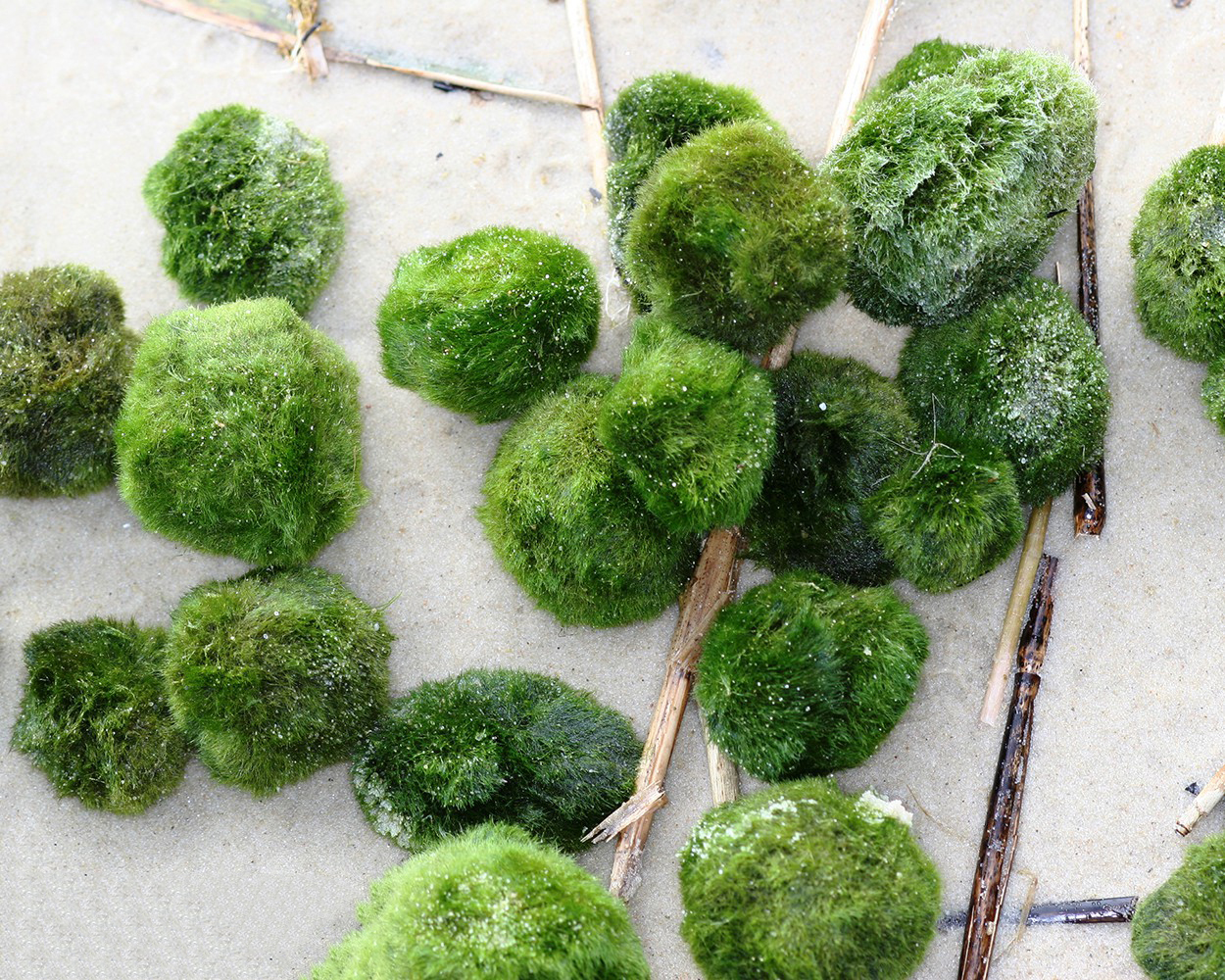
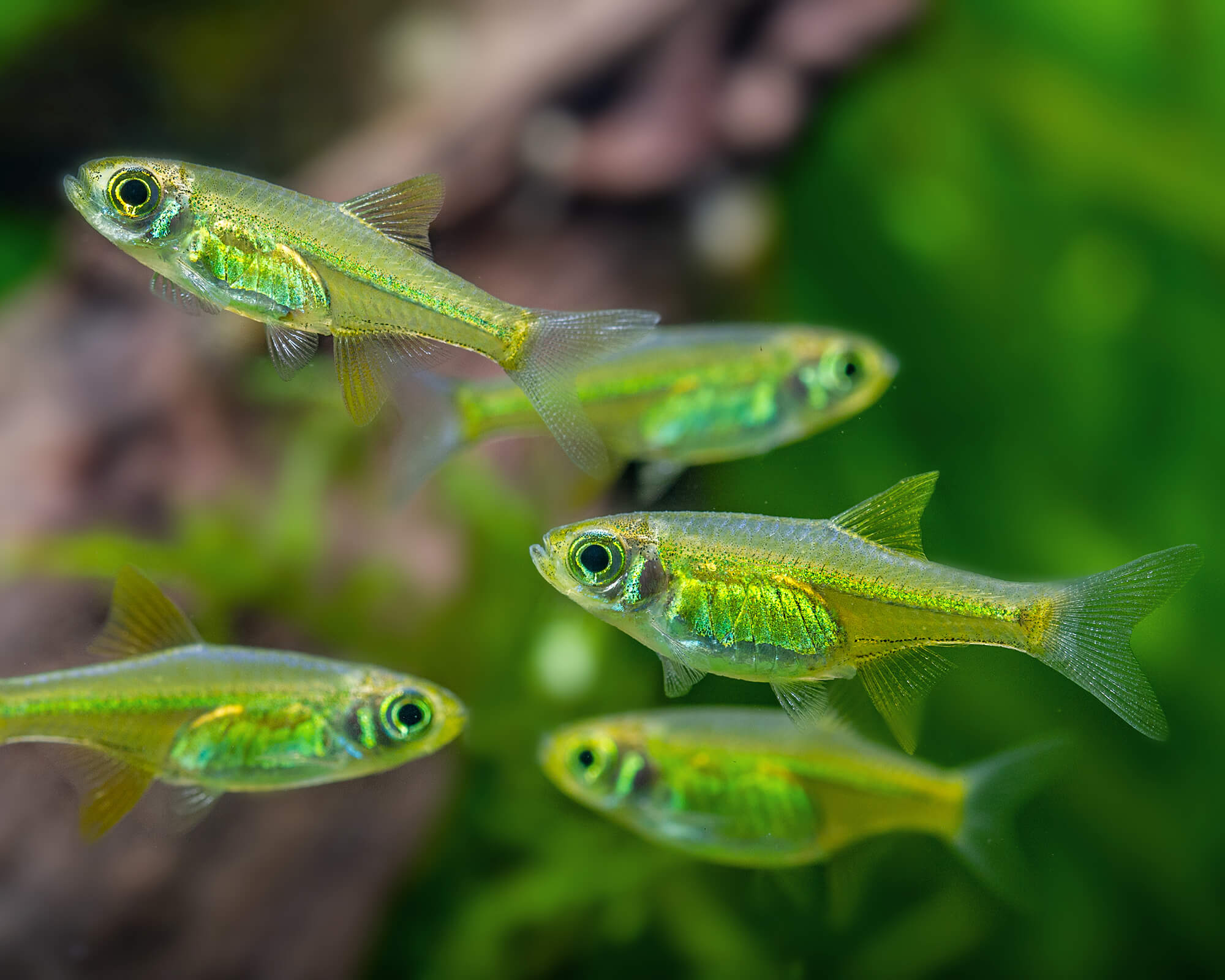
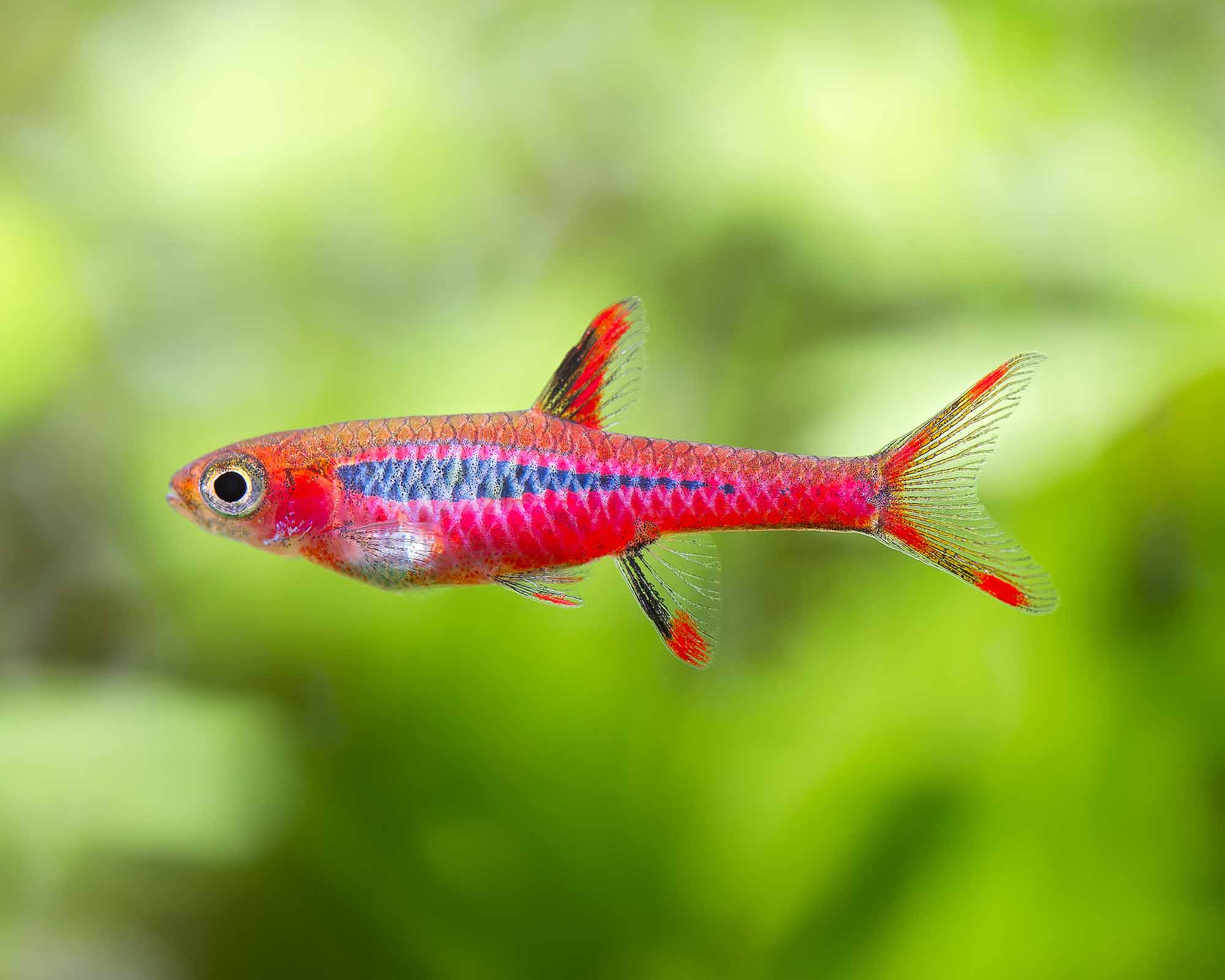
Golden Tiger shrimp may share a planted aquarium with compatible invertebrates, but fish change the survival equation. Peaceful nano fish can still eat shrimplets, compete for powdered foods, or keep shrimp hidden. Larger, boisterous, or predatory species create greater risk. Add shrimp first only after the tank is stable, then evaluate whether the planned fish are worth the loss of young shrimp. Dense moss, fine-leaved plants, rock gaps, and floating cover improve refuge, but they do not guarantee colony growth. Snails are often easier companions when their species and food demands fit the setup. The safest shrimp-first aquarium keeps feeding simple and limits pressure on newly molted animals.
Use color and layout after the biological decisions are settled
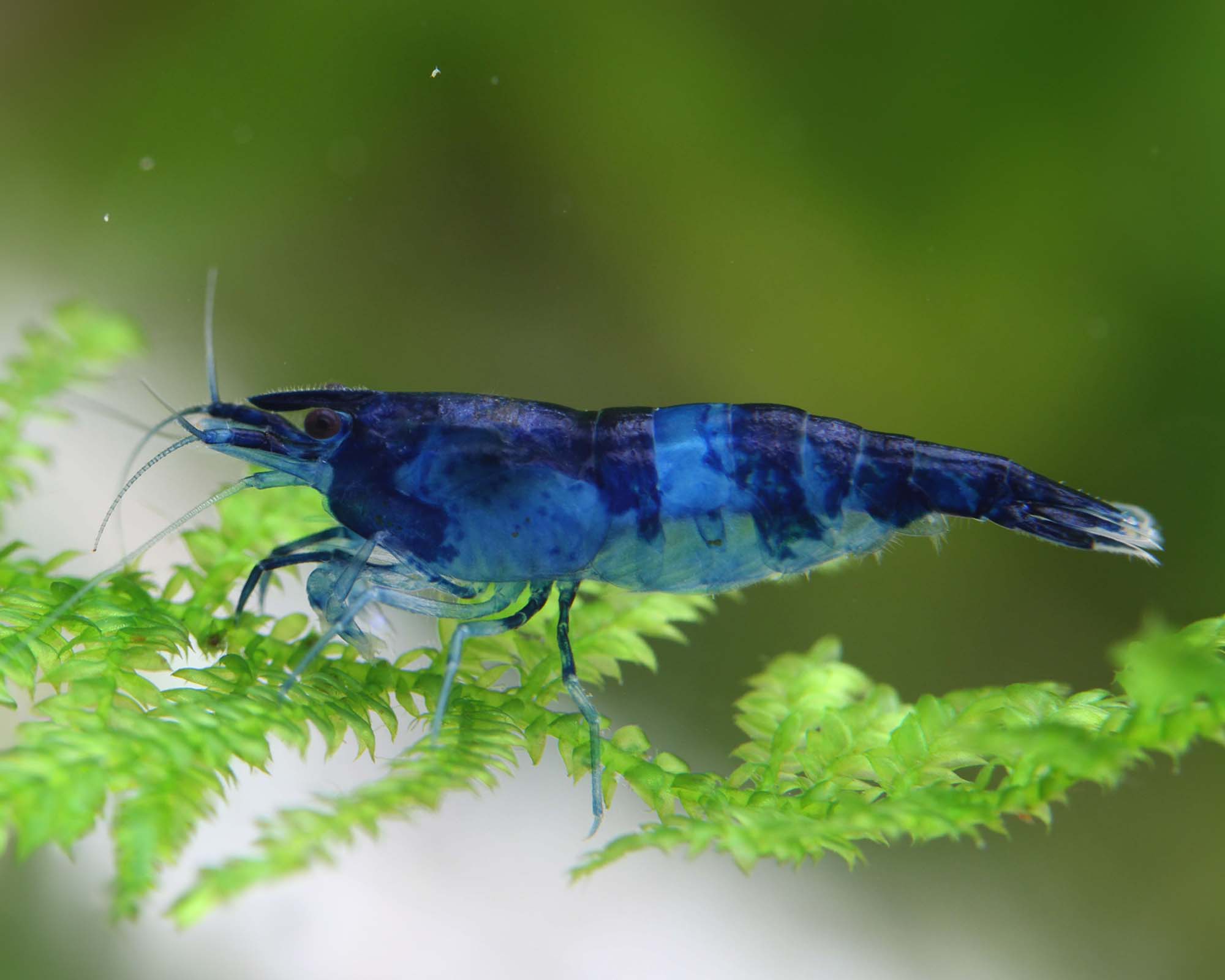
Blue Black Rili shrimp can become the visual centerpiece of a planted nano aquarium, but color reads best when the environment supports normal behavior. Provide dark or midtone hardscape, open viewing areas, and fine plants that create shelter without trapping debris. Keep lighting and maintenance consistent enough that algae and biofilm develop without turning the tank into a food shortage or an overgrown maze. If you want a single breeding line, avoid combining several Neocaridina colors unless you accept unpredictable offspring. If you want a mixed display, select shrimp for contrast and behavior rather than promising future color quality. The aquascape should make stable care easier, not distract from it.
Frequently Asked Questions
How long should a planted aquarium mature before adding freshwater shrimp?
Wait until the aquarium is fully cycled, ammonia and nitrite remain at zero in repeated tests, plants are settling, and the filter has developed usable biological capacity. Extra maturity is valuable because shrimp graze on biofilm and natural surfaces, not only on prepared food.
Are Neocaridina or Caridina shrimp easier for a first planted tank?
Neocaridina are usually the more forgiving starting point when your conditioned tap water is moderately hard and stable. Caridina bee shrimp often require softer water, lower KH, remineralized purified water, and a buffering substrate, so their setup demands tighter control.
Can freshwater shrimp live with aquarium fish?
Some peaceful fish can coexist with adult shrimp, but many will eat shrimplets or cause shrimp to hide. Use dense cover, research the exact fish species, and accept that a community aquarium rarely protects young shrimp as well as a shrimp-only tank.
Do shrimp need aquarium plants before they are added?
Plants are not the only requirement, but established plants, mosses, wood, rocks, and leaf litter provide grazing surfaces and refuge. Add them early enough for biofilm to develop and avoid introducing shrimp into a bare, newly assembled aquarium.
Should I add snails at the same time as shrimp?
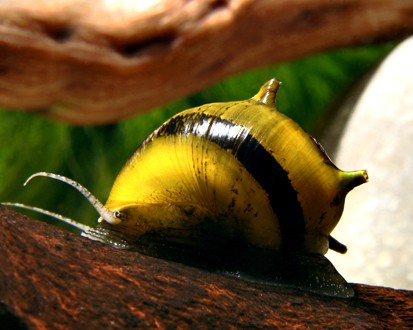
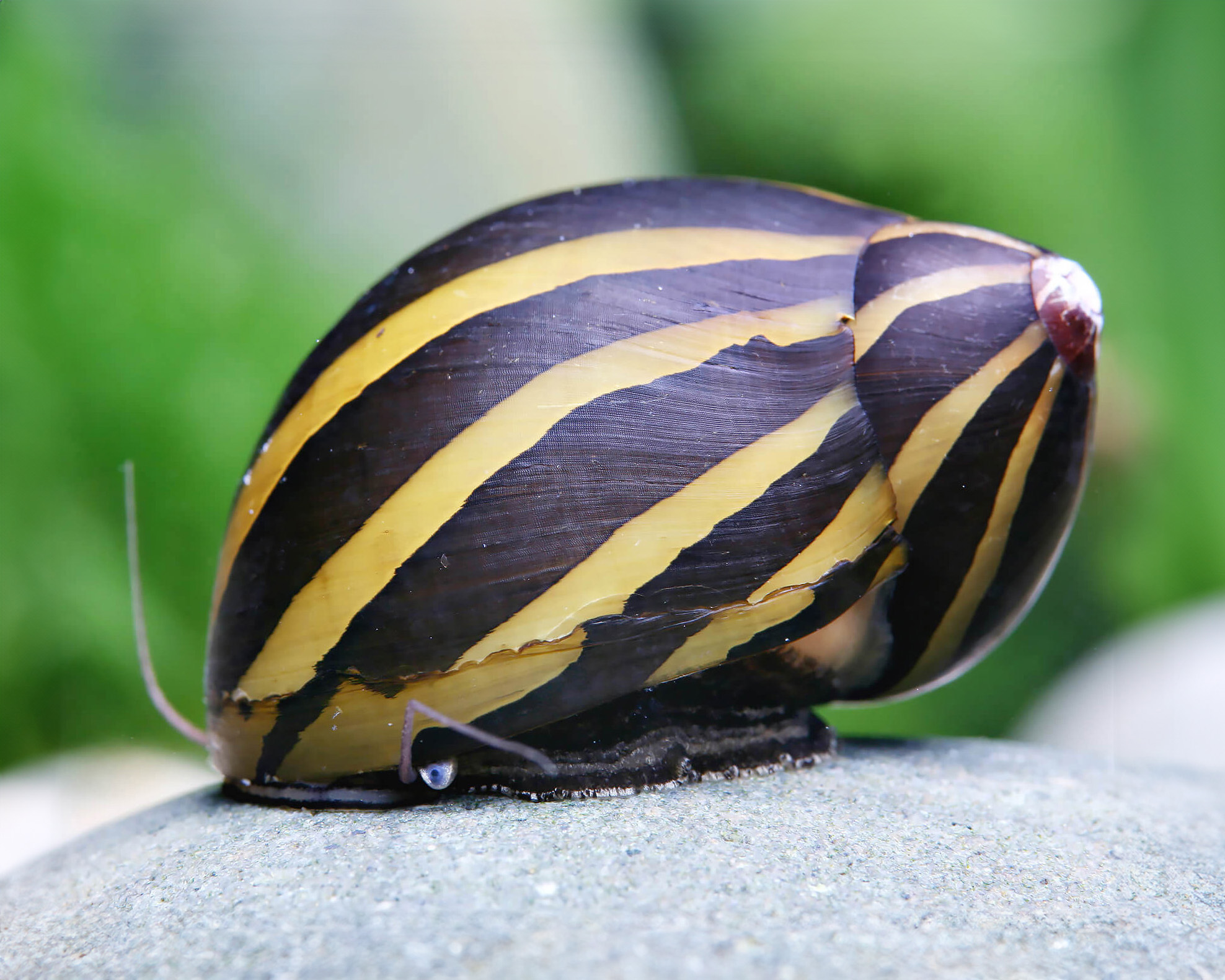
Not necessarily. Add one livestock group at a time so you can observe waste production, food use, and water stability. Choose a snail species that fits your tank size and feeding plan, and remember that snails do not replace cycling or maintenance.
 - 2.webp)
 - 2.webp)
Leave your comments