AquaLibs presents AquaRank Discover the world’s leading aquascapers

Explore transparent rankings built from published results across the world’s leading aquascaping contests.

Can These Nano Fish Share One Planted Aquarium? A Temperature, Water, and Tank-Mate Reality Check

Start with your tap water, not the fish store display

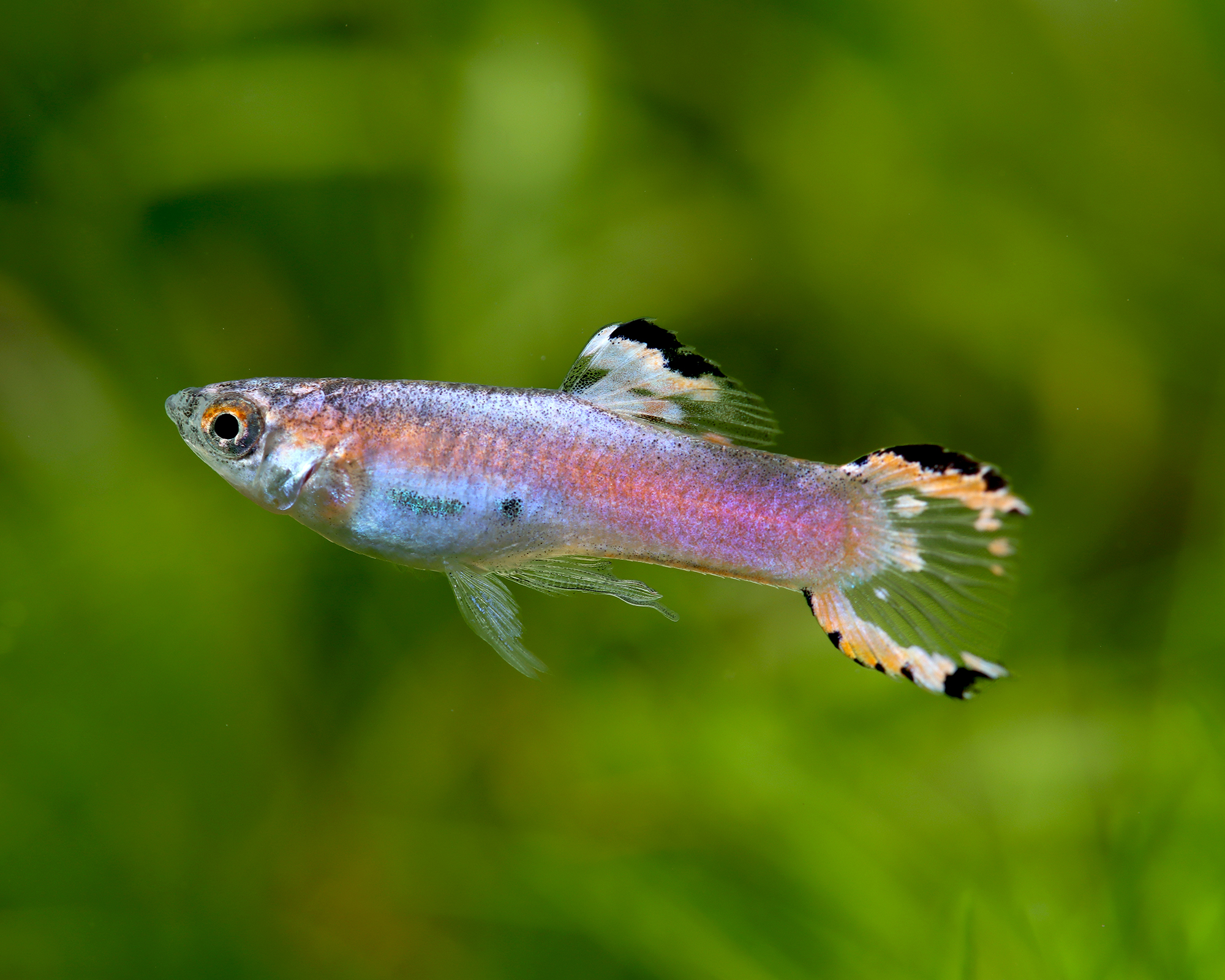
The safest community begins by testing the water you already have. Measure temperature, pH, GH, KH, ammonia, nitrite, and nitrate before choosing colorful fish such as Endler guppies. This prevents a common beginner mistake: buying livestock first and attempting to rebuild the aquarium around it later. Endlers generally suit warm, mineral-rich community water better than many soft-water species, but individual strains and local water conditions vary. If your tap water is hard and alkaline, livebearers may be a more natural match than delicate soft-water fish. If it is soft, avoid mixing species solely because all appear small and peaceful in the store.
Start with your tap water, not the fish store display

Room temperature is not a stocking plan

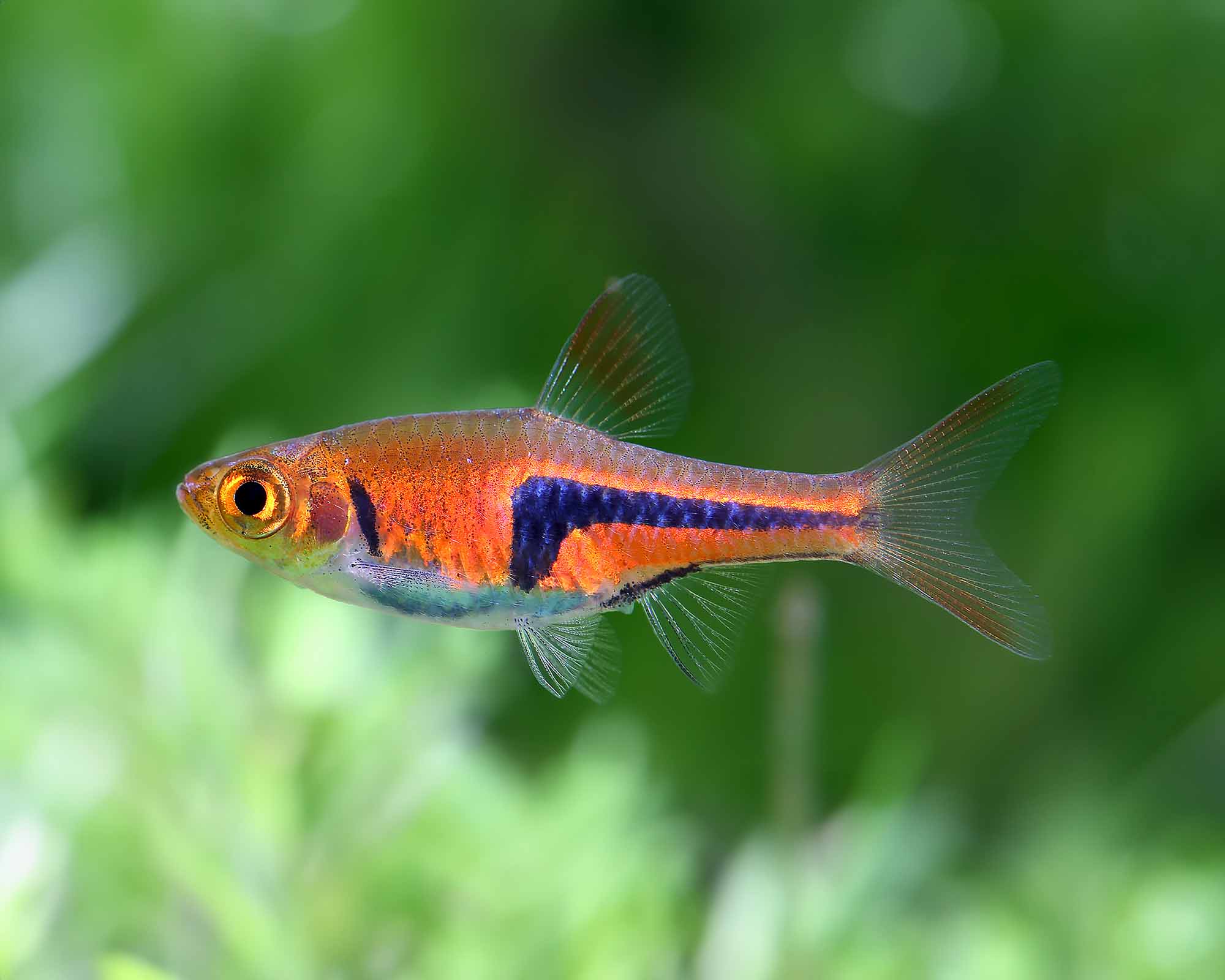
A tank that feels comfortable indoors may still fluctuate too widely for tropical livestock. Temperature affects appetite, activity, metabolism, and the amount of oxygen available in the water. Espei rasboras can work well in a warm planted community, but they should not be treated as interchangeable with cooler-water fish or species needing substantially warmer conditions. Set the heater before livestock arrives, place it away from strong surface turbulence, and use a separate thermometer to check the actual aquarium temperature. More important than chasing one exact number is avoiding repeated swings. Do not combine fish with different temperature needs simply because the store held them in similar bags.
Room temperature is not a stocking plan

Hard water can make a beautiful fish list incompatible

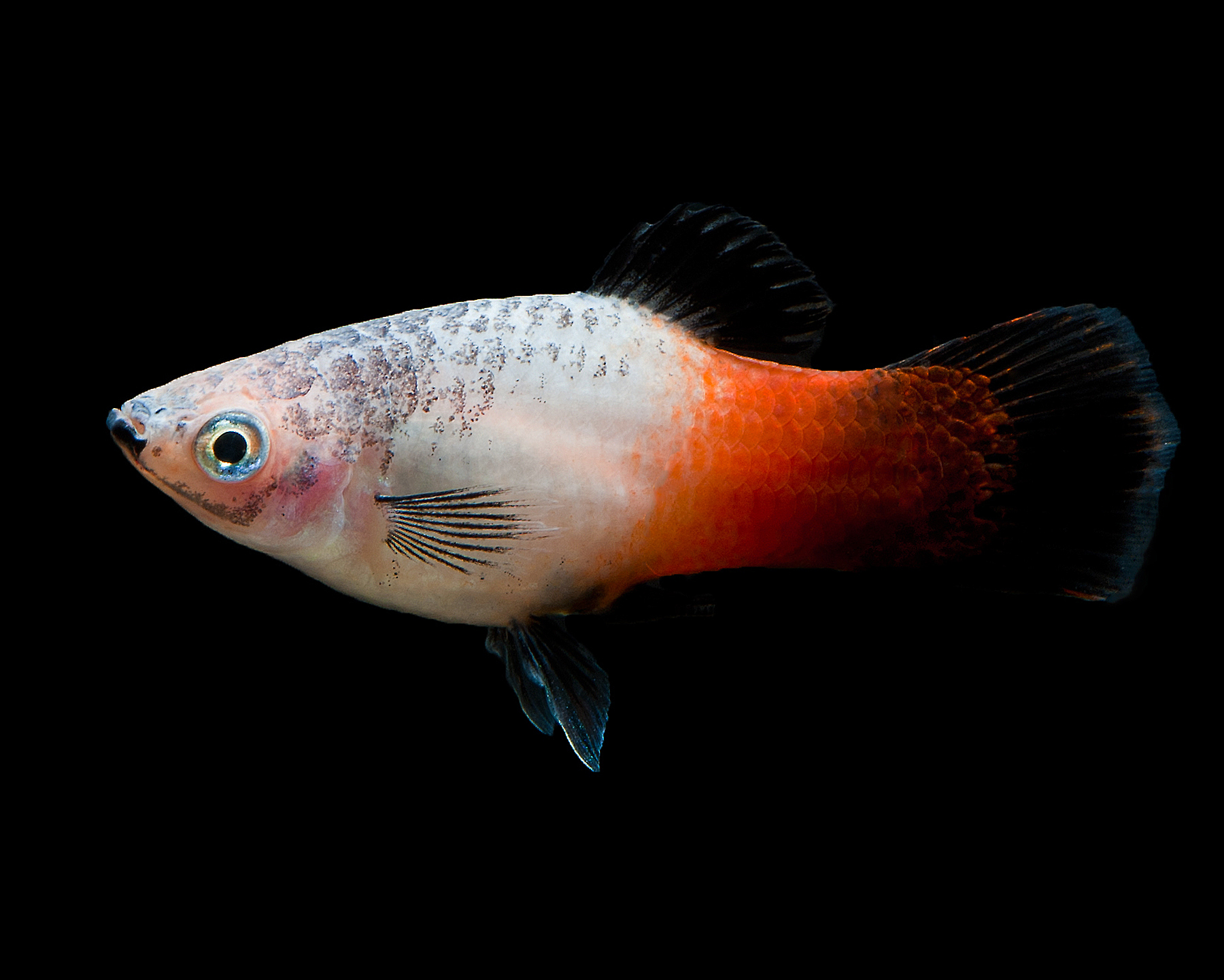
Platies are colorful, active livebearers, but their mineral requirements can conflict with a soft-water shrimp or tetra plan. Beginners often focus on pH while overlooking GH and KH, even though hardness affects osmoregulation, plant nutrition, and shrimp molts. A platy-centered aquarium is usually easier when the source water already contains moderate minerals and the layout provides open swimming room. Do not soften the water aggressively just to accommodate another species, then add mineral products unpredictably for shrimp. Choose a livestock group that fits one stable water profile. If your water sits between preferences, favor adaptable species and keep the stocking list simple.
Hard water can make a beautiful fish list incompatible

Stop chasing pH when stability is the real goal

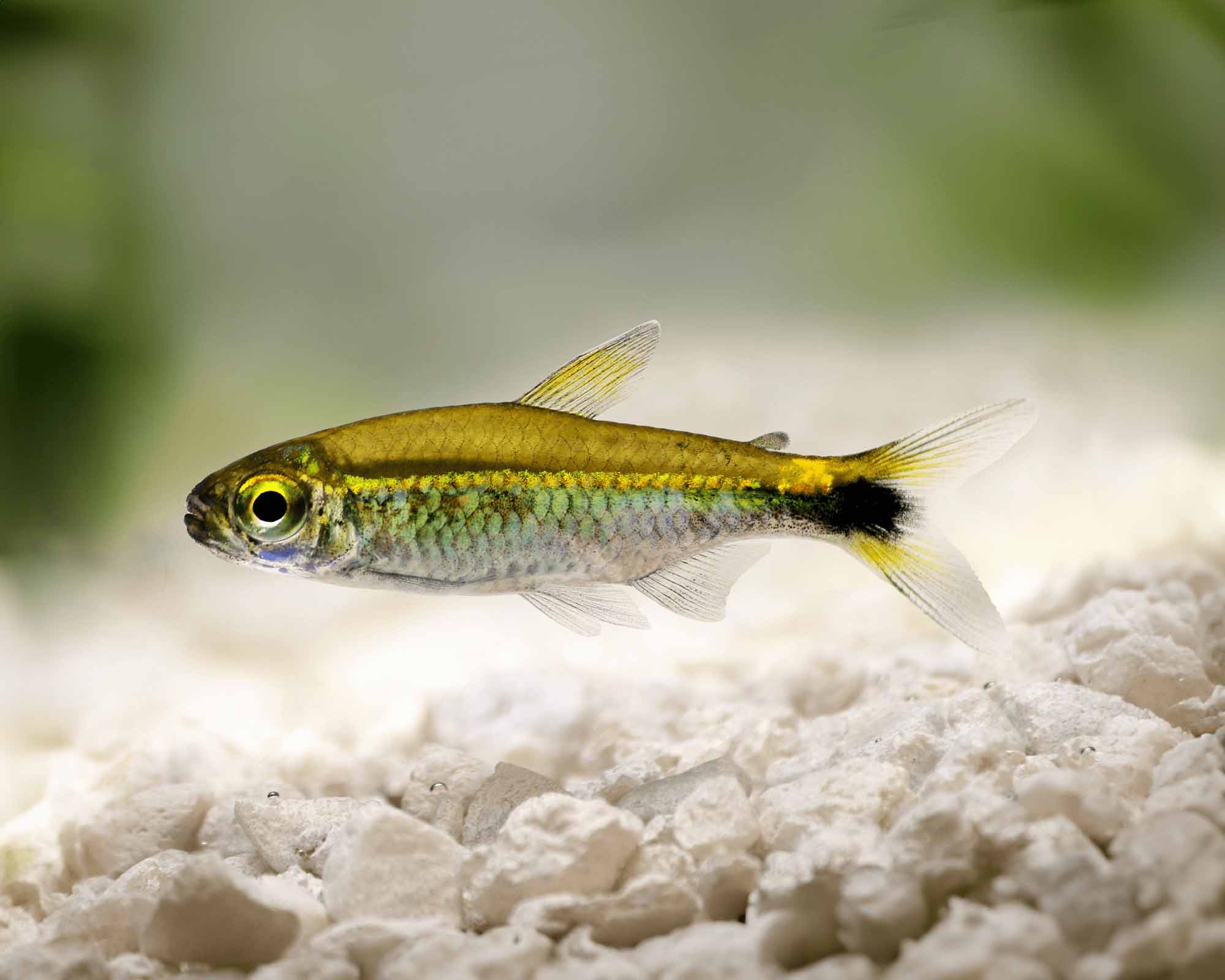
Green neon tetras can look excellent against dark substrate and broad-leaved plants, but beginners sometimes respond to every test result by adding pH-adjusting chemicals. That can create rapid swings and make water changes harder to manage. First identify whether your substrate, rocks, décor, or active soil are changing KH and pH. Then compare those results with the needs of the entire livestock group. A stable, cycled aquarium with suitable hardness is usually safer than a tank repeatedly pushed toward a target number. If you want to keep shrimp, test GH and KH consistently and make changes gradually rather than correcting chemistry during every weekly maintenance session.
Stop chasing pH when stability is the real goal

A nano tank still needs behavior space

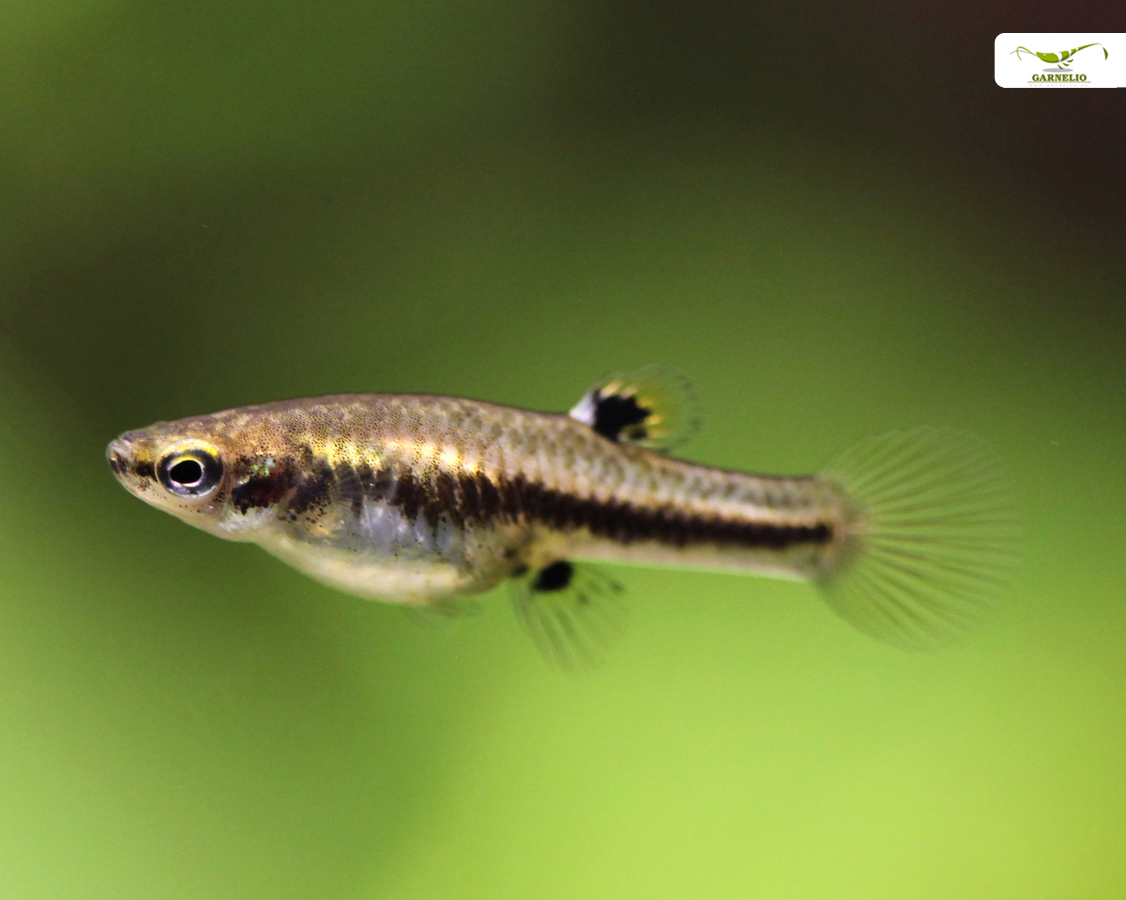
Small adult size does not automatically make a fish suitable for a tiny aquarium. Dwarf livebearers may remain compact, yet they are active, social, and capable of producing frequent fry. In a planted nano tank, the visible water volume can shrink quickly once wood, rocks, substrate, and dense plants are added. Judge the setup by adult behavior, group size, swimming pattern, and bioload—not by the length of the fish at the store. Leave open water for movement, maintain gentle circulation, and avoid filling every level with a different species. One well-planned group often looks more intentional than several undersized groups competing for space.
A nano tank still needs behavior space

The schooling mistake: collecting species instead of building a group

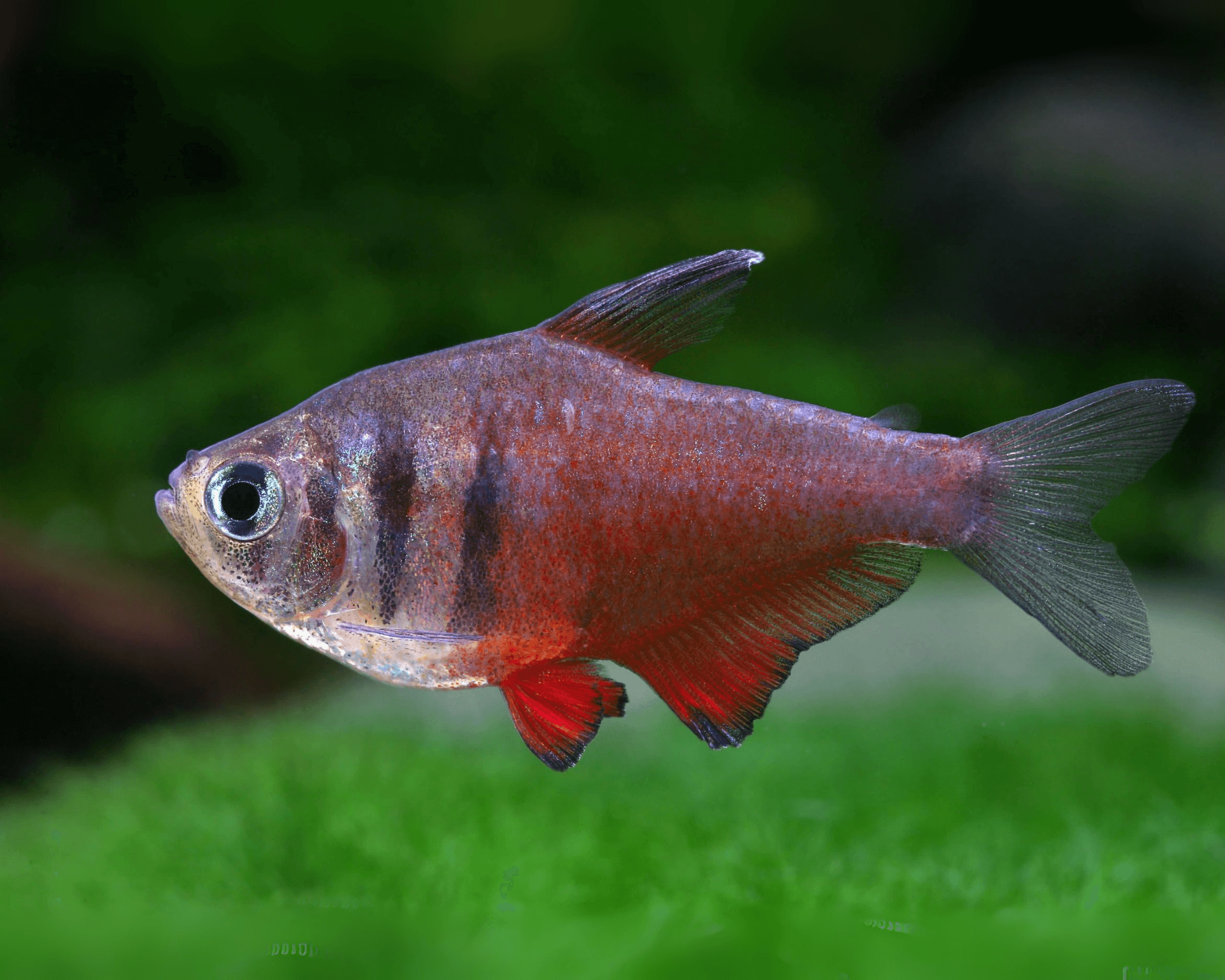
Red flame tetras are most convincing when they form a cohesive group, not when they are scattered among several unrelated schooling fish. A frequent beginner error is buying two or three individuals from many colorful species to create variety. The result can be timid behavior, weak group cohesion, and a tank that looks busy without looking balanced. For a nano aquarium, choose one primary midwater school, then add only livestock that uses a different area and shares its water conditions. Check adult size and swimming needs before purchase. More species does not necessarily create more color; stronger group behavior often makes the display look calmer and more vibrant.
The schooling mistake: collecting species instead of building a group

A peaceful fish can still be a shrimp problem

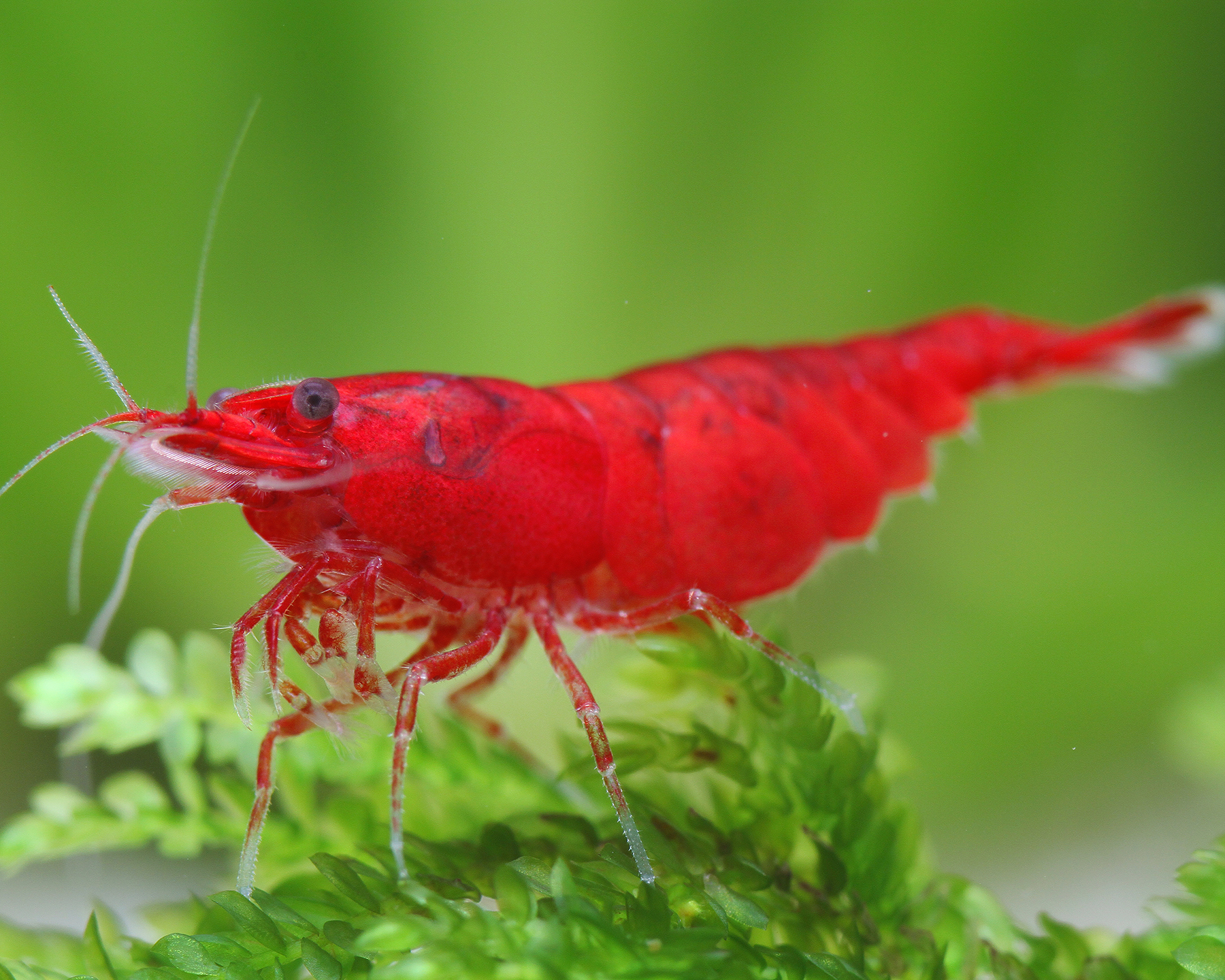
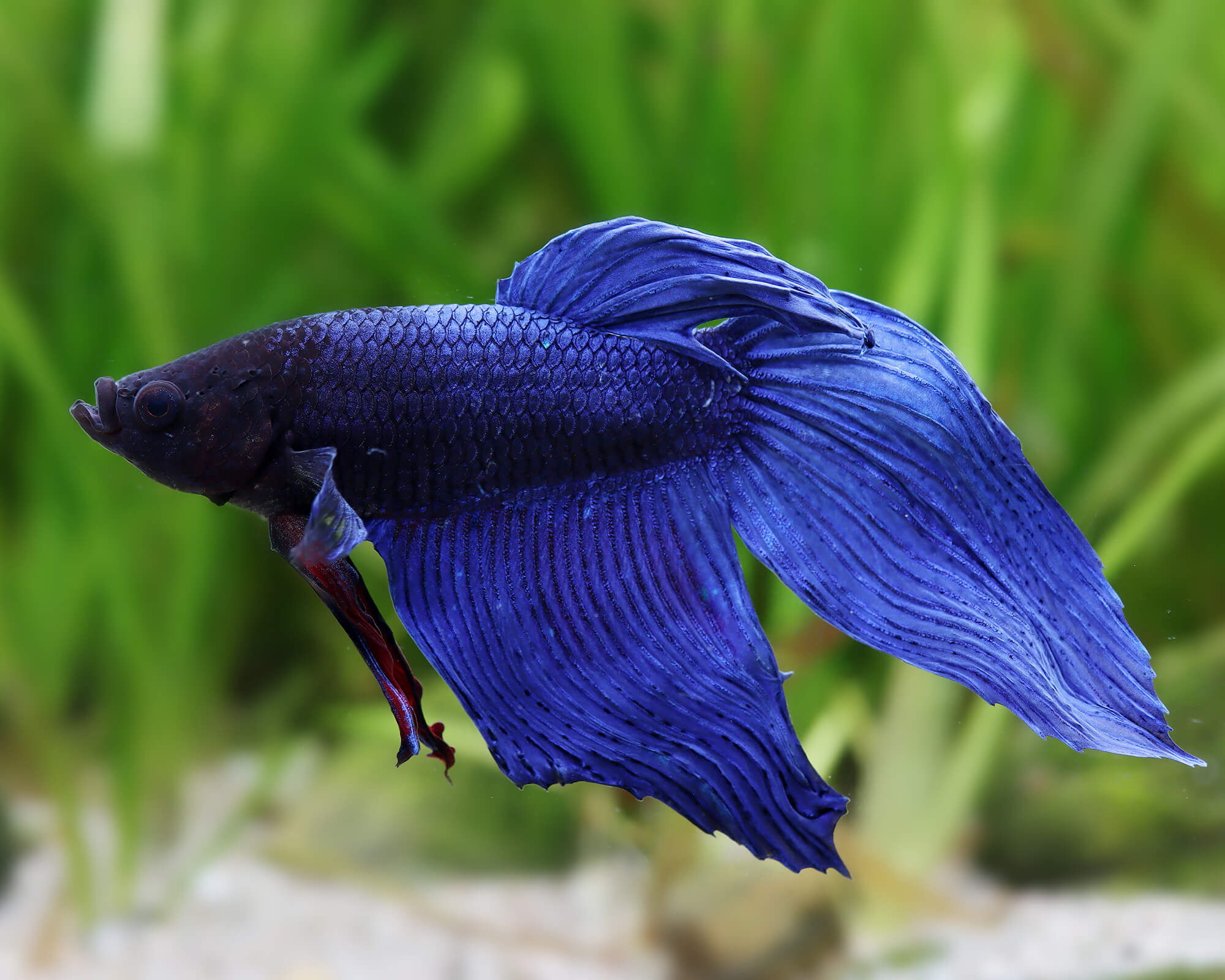
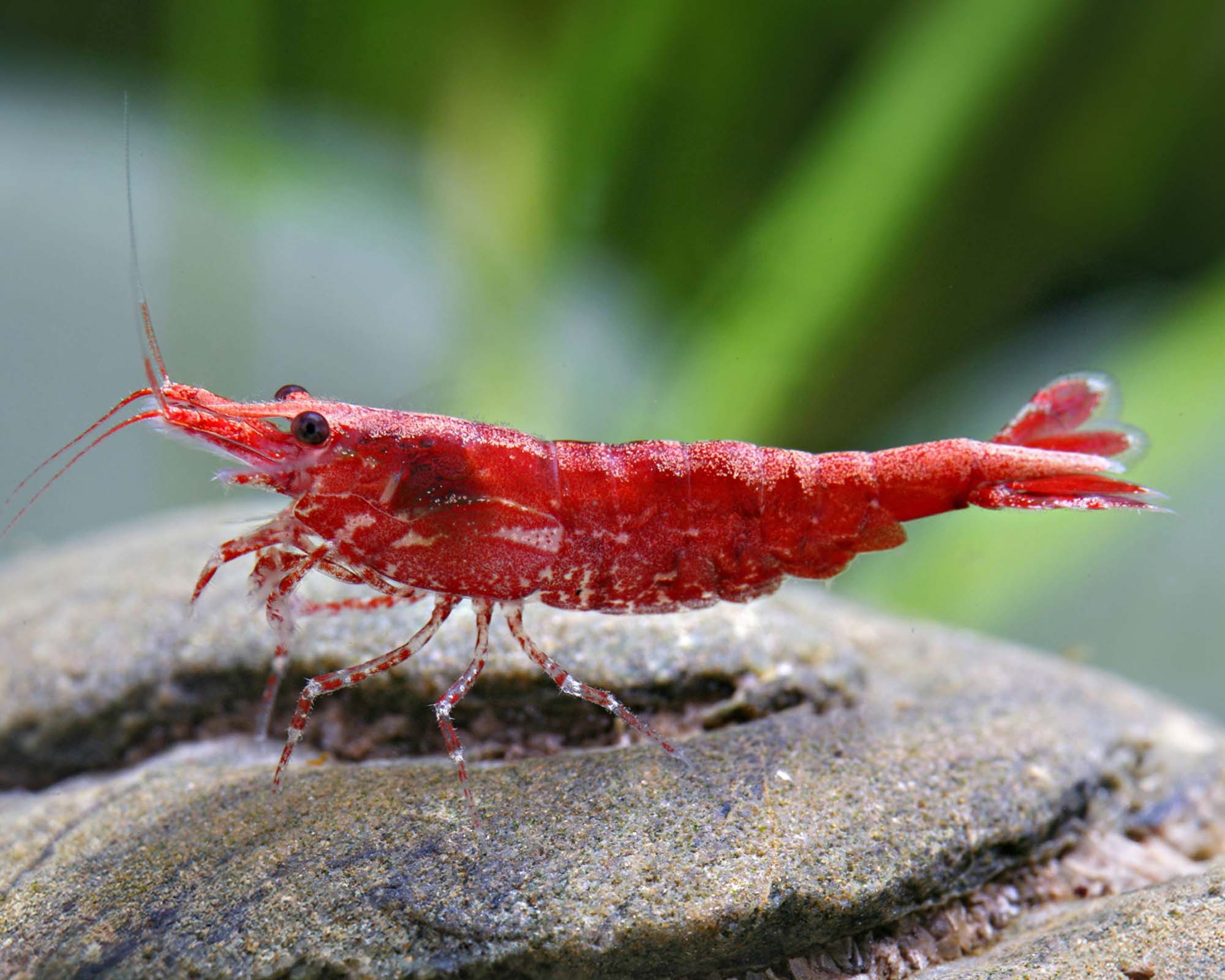
A male betta may ignore adult shrimp in one planted aquarium and hunt them in another. Individual temperament varies, but small shrimp and freshly released young are vulnerable whenever fish can reach them. Dense moss, fine-leaved plants, floating cover, rock gaps, and a mature biofilm can improve survival, yet they cannot guarantee a growing colony. Decide whether the aquarium is fish-first or shrimp-first before adding livestock. If shrimp reproduction matters, use a species-only setup or select very small, non-predatory fish with realistic expectations. If display fish matter more, treat shrimp as possible occasional prey rather than guaranteed permanent tank mates.
A peaceful fish can still be a shrimp problem

Easy plants reduce conflict, but they do not replace planning

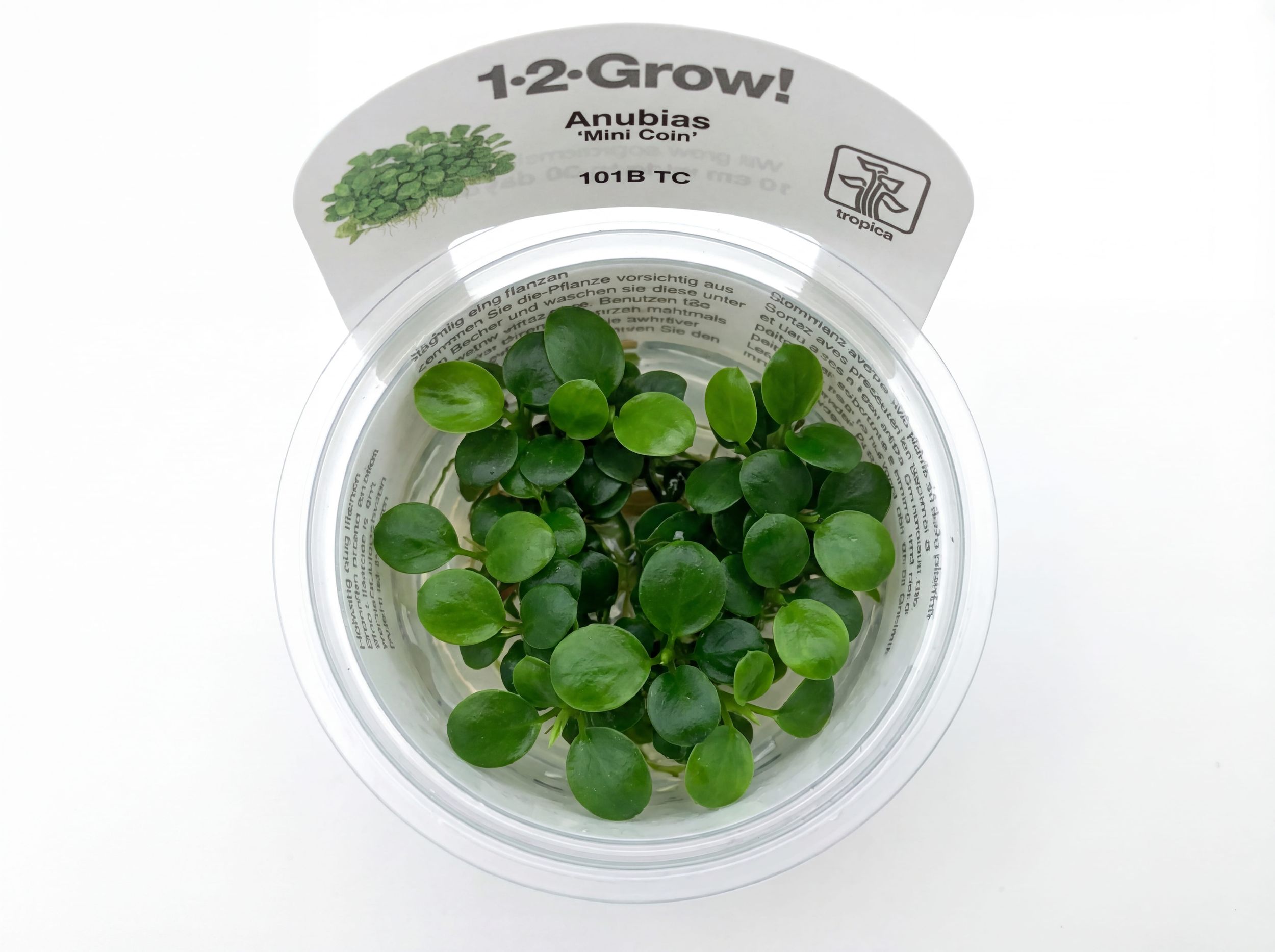
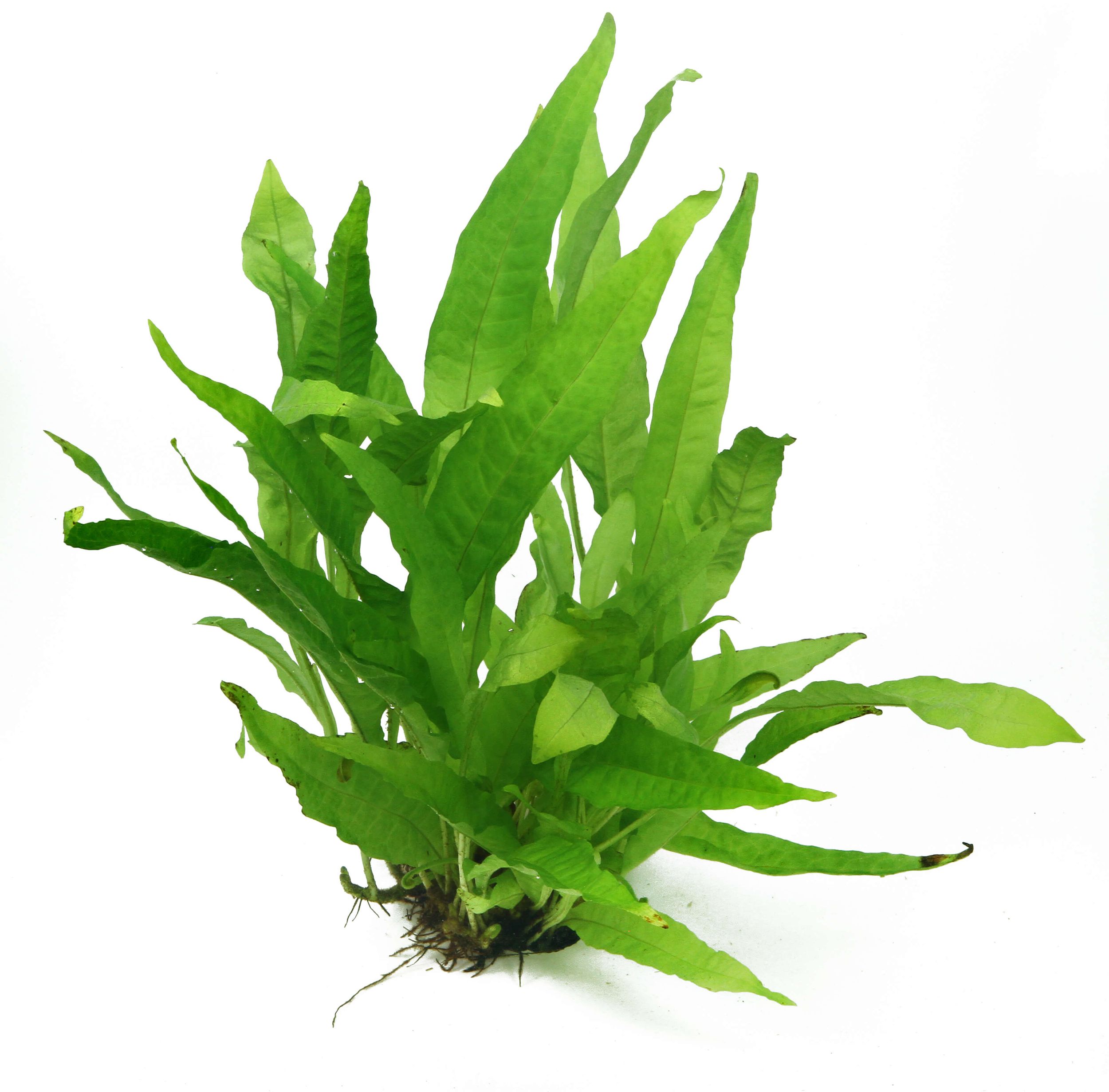
Beginner plants such as Anubias, Java fern, Cryptocoryne, Vallisneria, floating plants, and moss can create cover without demanding a high-tech setup. Attach rhizome plants to wood or rock instead of burying the rhizome, and give rooted plants enough substrate depth for their eventual size. Plants help shrimp hide, break lines of sight, and absorb nutrients, but an overgrown tank can also trap debris or restrict swimming space. Match plant choice to light, flow, and maintenance time. Start with a manageable group of species rather than buying every plant that looks attractive in a store display.
Easy plants reduce conflict, but they do not replace planning

Snails are not interchangeable cleanup machines

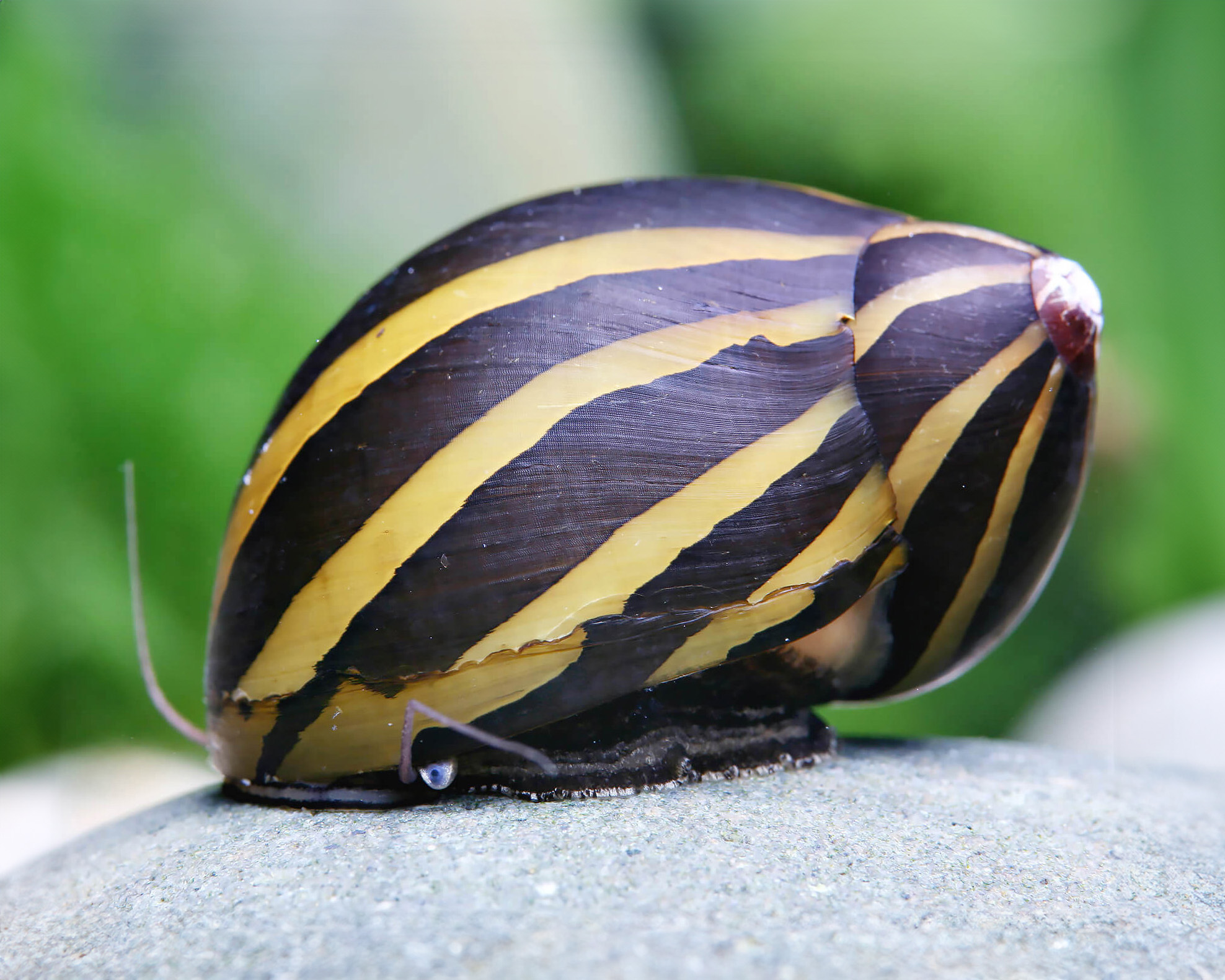
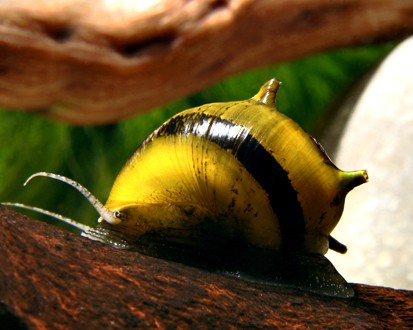
A planted aquarium may benefit from snails, but each type creates a different maintenance trade-off. Nerite-type snails are often chosen for algae grazing but may require mineral availability for shell health and may not reproduce successfully in ordinary freshwater. Ramshorn and bladder snails can help consume soft algae and leftover food, yet their numbers often reflect overfeeding. Mystery snails produce more waste and need more food than many beginners expect. Choose the snail for a specific job, then verify adult size, shell requirements, and likely population behavior. Never add snails to compensate for excess food, poor circulation, or an uncycled aquarium.

Snails are not interchangeable cleanup machines

Colorful fish do not all belong in the same temperature band

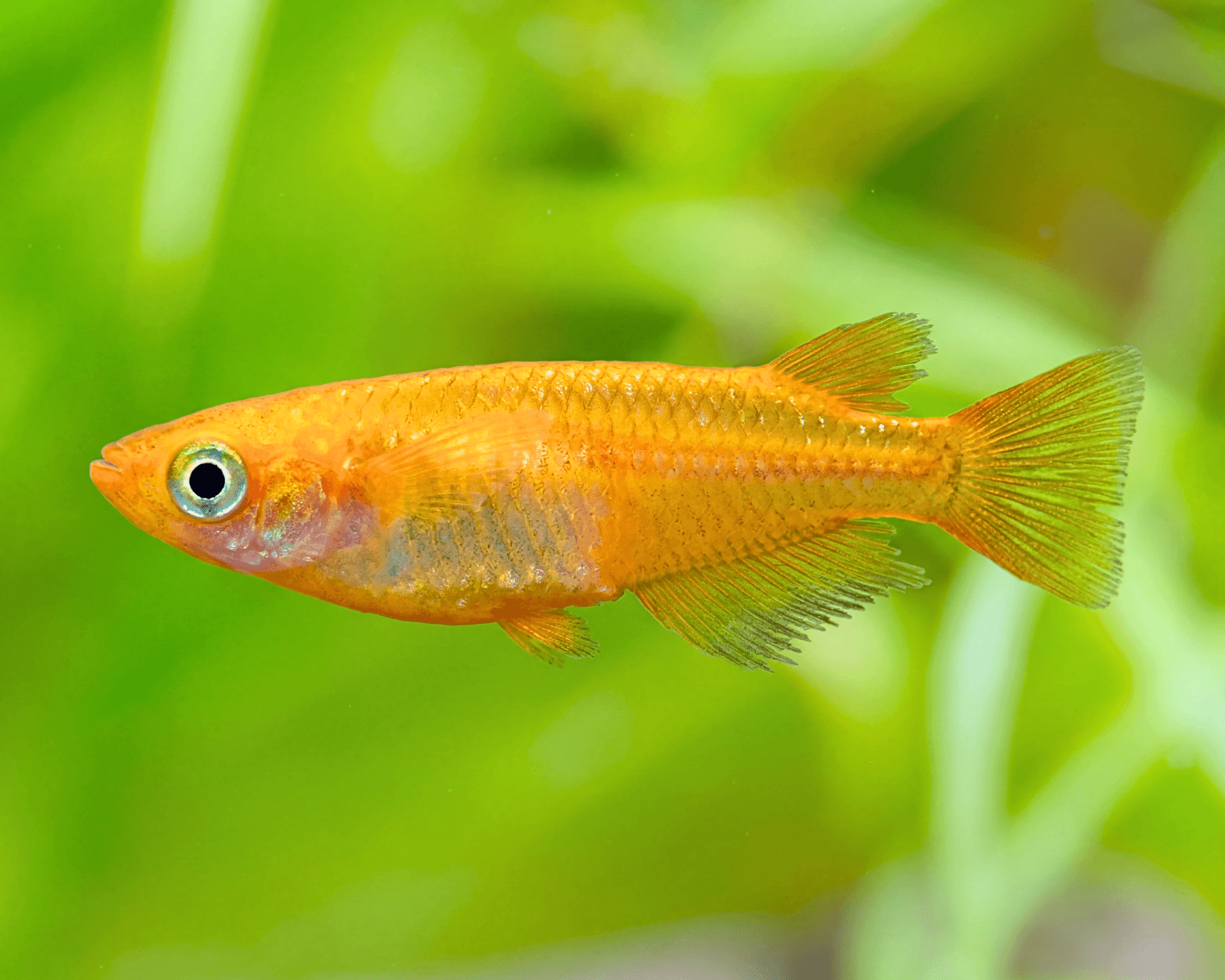
Medaka are attractive, active fish, but they are a poor automatic match for a warm tropical community simply because they are small and peaceful-looking. This illustrates a broader compatibility rule: compare temperature range, adult size, swimming level, social needs, and water chemistry together. Avoid building a list from color alone. A cool-water plan, a tropical livebearer plan, and a soft-water tetra plan may each be excellent, but they should not be blended casually. If your room temperature changes seasonally, use a heater or choose livestock suited to that pattern. Stability is part of compatibility, not an optional extra.
Colorful fish do not all belong in the same temperature band

Use a decision order before buying anything

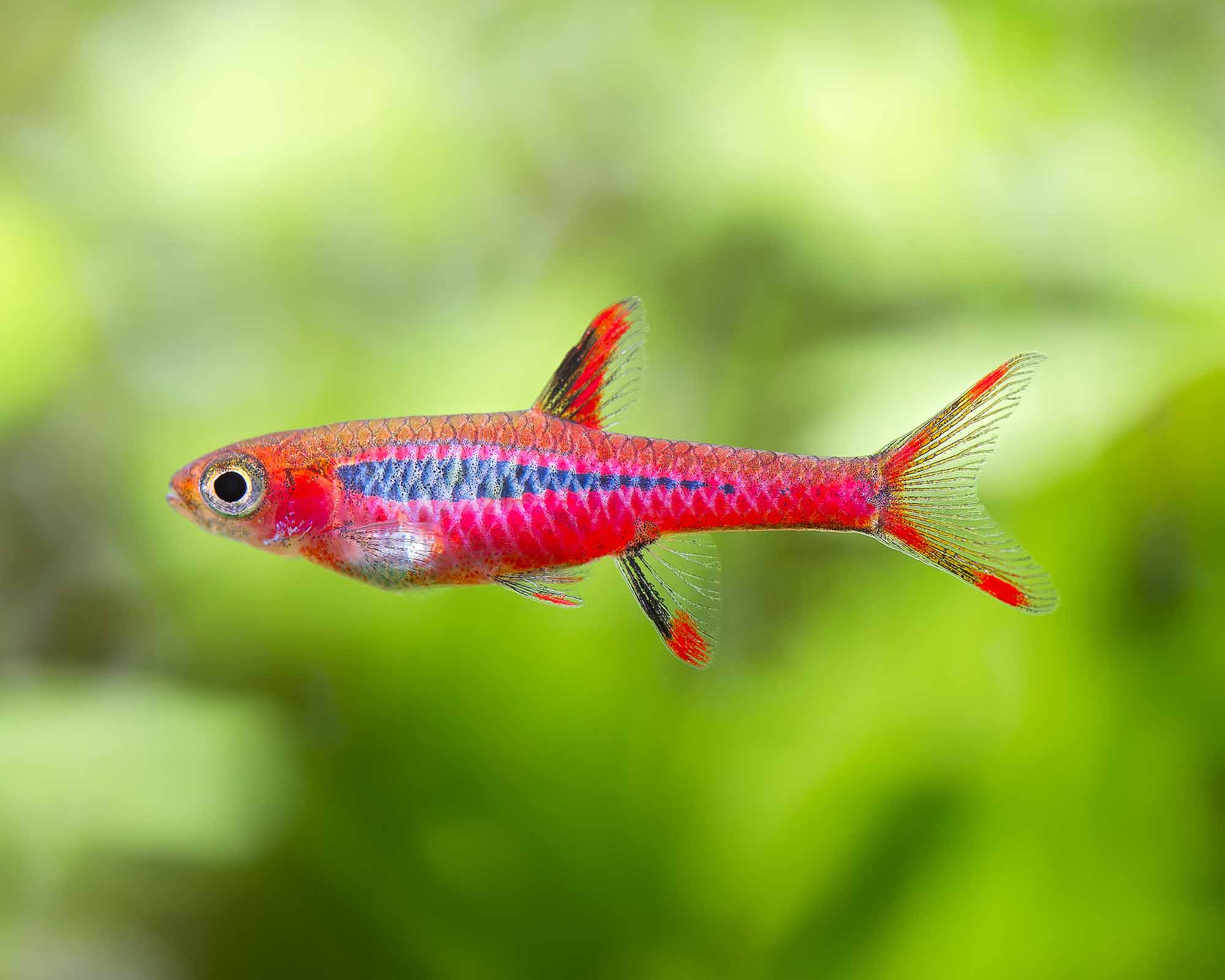
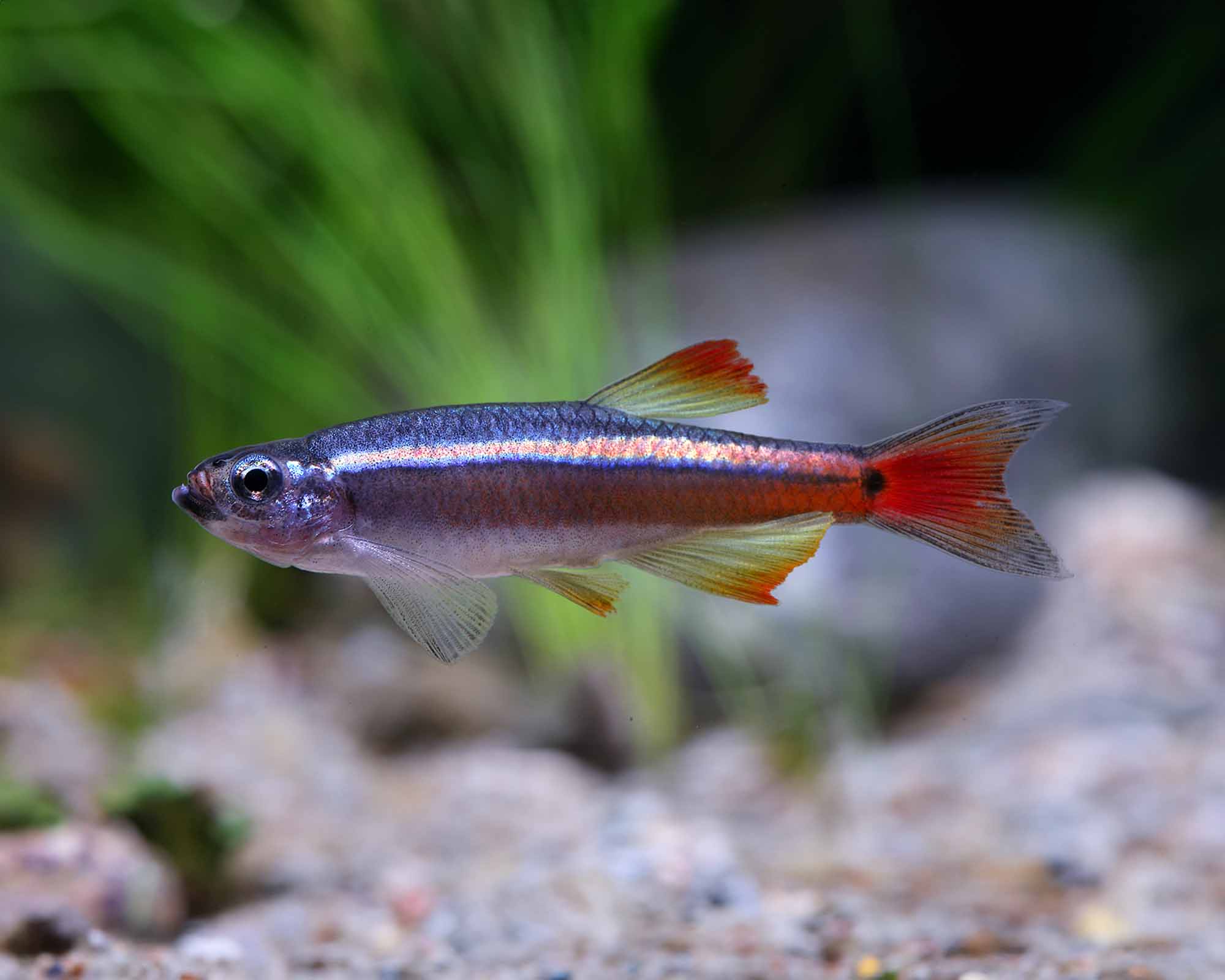
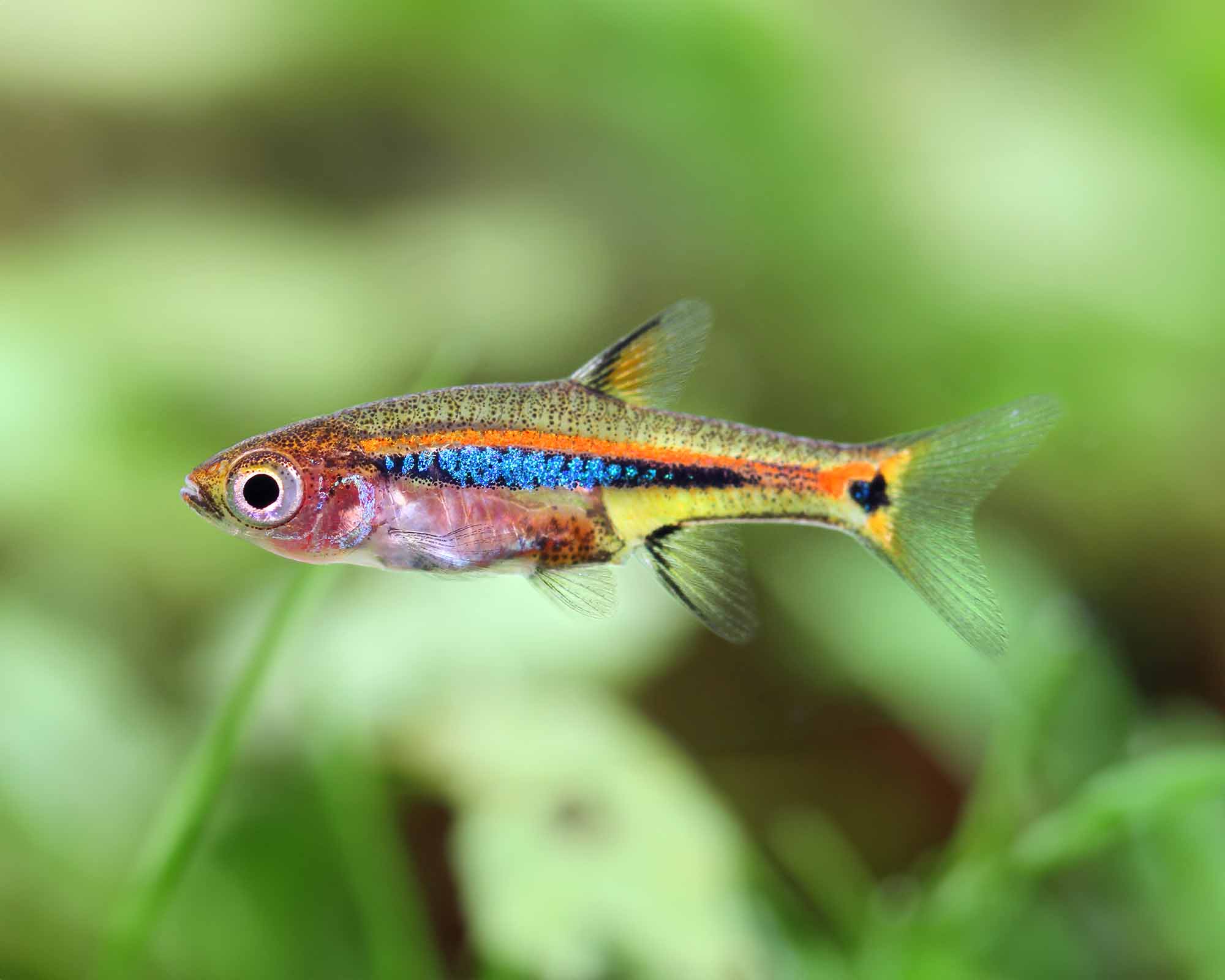
Build the aquarium in this order: establish the tank, test the source water, choose a temperature band, select one main fish group, add plants that fit the light and flow, and only then consider shrimp or snails. Tail-stripe rasboras can suit a carefully planned small community, but the final decision depends on the whole setup rather than the species name alone. Leave biological and physical room for maintenance, quarantine new arrivals when possible, and introduce livestock gradually. After each addition, observe feeding, breathing, hiding, aggression, and water quality before expanding the stocking list. A restrained plan is easier to correct than a crowded one.
Use a decision order before buying anything

Frequently Asked Questions

Can colorful freshwater fish, shrimp, and snails live together in a planted nano aquarium?

Sometimes, but the combination is never guaranteed. Match temperature, pH, GH, KH, adult size, behavior, and feeding needs first. Fish may eat baby shrimp, and some snails require more minerals or food than a small aquarium can provide.

What is the most common beginner temperature mistake?

Assuming that room temperature or the store’s holding temperature suits every species. Choose a target range for the full community, use a reliable thermometer, and prevent rapid changes during water changes or seasonal weather shifts.

Should I adjust pH before adding fish or shrimp?

Only when there is a clear reason and you understand the effect on GH and KH. Stable, suitable water is generally safer than repeatedly forcing pH up or down with correction products.

Which easy plants help shrimp and nano fish?

Moss, Java fern, Anubias, Cryptocoryne, Vallisneria, and floating plants are useful starting points when matched to the aquarium’s light and flow. Use plants to create cover and structure, but preserve open swimming space.

How can I tell whether a tank mate is safe for shrimp?

Consider adult fish size, mouth size, hunting behavior, and whether the fish patrols plant cover or the substrate. Dense vegetation improves survival but does not make a predator-proof aquarium. A shrimp-only tank offers the best chance of colony growth.
Leave your comments
Latest on Aquarium Base
  • Small Glass, Deep Substrate, Big Display: Assign the Right Snail to Your Planted Tank

    Small Glass, Deep Substrate, Big Display: Assign the Right Snail to Your Planted Tank

    The right aquarium snail is not simply the one that eats the most algae. A good match depends on the tank’s footprint, available food, substrate, livestock, and the amount of population control you are willing to perform. A small shrimp nano may need one restrained algae grazer, while a larger planted aquarium may benefit from burrowing snails or a visible feature species. This guide treats snails as specialized maintenance partners rather than interchangeable cleaners. Use the tank-size sections to narrow your choices, then compare breeding behavior, feeding needs, plant safety, and compatibility before buying.
  • Will Your Shrimp Colony Reproduce? A Tank-Mate Risk Test for Planted Aquariums

    Will Your Shrimp Colony Reproduce? A Tank-Mate Risk Test for Planted Aquariums

    A planted aquarium can keep adult freshwater shrimp visible, colorful, and active while quietly losing every newborn shrimp. The problem is rarely a single aggressive attack. More often, tiny shrimplets disappear because a fish patrols open ground, a filter intake stays exposed, or the aquascape lacks dense cover at baby-shrimp scale. This guide uses a practical risk test: decide whether you want a self-sustaining colony, occasional surviving young, or simply attractive adult shrimp. Then match tank mates, plants, feeding, and layout to that goal. No fish is completely safe for newborn dwarf shrimp, but some choices make survival much more likely.
  • The Growth-Control Plan for a Planted Aquarium: Prune, Propagate, or Remove?

    The Growth-Control Plan for a Planted Aquarium: Prune, Propagate, or Remove?

    A planted aquarium rarely fails because plants grow too slowly. More often, a stem plant blocks the light, a runner crosses the foreground, floating plants cover the surface, or moss turns a carefully designed nano tank into a dense thicket. The solution is not to cut everything on the same schedule. Each plant type responds differently to pruning, propagation, division, or removal. This guide gives you a growth-control plan for common beginner plants, with special attention to colorful community fish, freshwater shrimp, aquarium snails, and small planted tanks. The goal is simple: keep enough plant mass for shelter and water quality without allowing mature growth to erase swimming space or overwhelm livestock.
  • Where Should the Open Water Go? A Behavior-First Stocking Plan for Planted Freshwater Aquariums

    Where Should the Open Water Go? A Behavior-First Stocking Plan for Planted Freshwater Aquariums

    A planted aquarium can look full long before it is properly stocked. Every stem, rock, cave, floating plant, fish, shrimp, and snail changes how the tank is used. The practical question is not simply which species can share water, but where each animal will swim, feed, rest, hide, and defend space. Start with behavior, then let stocking determine the layout. A school of active midwater fish needs an open route. Bottom dwellers need unobstructed floor area. Shrimp need fine cover, while snails need access to surfaces and food. This approach produces a calmer aquarium and makes a small tank feel more spacious.
  • Algae on Glass, Mulm in Substrate, or Leftover Food? Assign the Right Snail Job

    Algae on Glass, Mulm in Substrate, or Leftover Food? Assign the Right Snail Job

    Aquarium snails are often sold as cleanup crews, but that phrase hides several different jobs. One snail may scrape soft algae from glass, another may consume leftover food and decaying plant matter, while a burrowing species mainly moves through the substrate where waste collects. None of them removes nutrients from the aquarium permanently, and no snail can keep pace with excessive light, overfeeding, or a neglected filter. The useful question is not “Which snail cleans the tank?” It is “What material is accumulating, where is it accumulating, and which snail can realistically use it?” This guide matches common freshwater snail types to those specific planted-tank problems.
  • When Aquarium Shrimp Keep Dying: A Failure-Diagnosis Plan for Planted Tanks

    When Aquarium Shrimp Keep Dying: A Failure-Diagnosis Plan for Planted Tanks

    Repeated shrimp losses are rarely solved by adding another product at random. The useful question is not simply why one shrimp died, but what happened before the loss, which shrimp were affected, and whether the same trigger is still present. A planted aquarium can provide biofilm, cover, and stable surfaces, yet it can also hide ammonia spikes, trap uneaten food, or expose shrimp to sudden changes during maintenance. This image-led guide uses common failure patterns to help you separate water-quality emergencies from molting problems, predation, acclimation stress, and unsuitable tank mates. The goal is a repeatable diagnosis that prevents the next loss rather than a temporary rescue.
  • The Four-Filter Plant Plan: Match Aquarium Plants to Your Setup and Schedule

    The Four-Filter Plant Plan: Match Aquarium Plants to Your Setup and Schedule

    A plant can be labeled easy and still fail in your aquarium if it needs more light, stronger circulation, richer substrate, or more pruning than your routine allows. The better approach is to filter every plant through four practical questions: How much light reaches it? How much flow can it tolerate? Where will its nutrients come from? How often are you willing to trim, replant, or remove excess growth? This image-led guide uses those questions to build compatible plant groups for shrimp, snails, colorful freshwater fish, and nano aquariums without treating every tank as if it has identical conditions.
  • What Should Your Fish Do in the Aquascape? A Color-and-Scale Plan for Planted Tanks

    What Should Your Fish Do in the Aquascape? A Color-and-Scale Plan for Planted Tanks

    A planted aquarium can contain beautiful fish and still look visually confused. The problem is often not compatibility alone, but design: too many similar colors, too much movement in one zone, or livestock that overwhelms the plants and available swimming space. A better approach is to treat each animal as part of the aquascape. Choose fish for a movement pattern, shrimp for close-up detail, snails for a slower focal accent, and plants for the scale and contrast that make those animals easy to see. This guide builds that decision from the front glass backward, with compatibility and animal welfare setting the limits.
  • Before Adding a Snail, Test the Water: A Shell-Health Plan for Planted Tanks

    Before Adding a Snail, Test the Water: A Shell-Health Plan for Planted Tanks

    Aquarium snails can support a planted tank, but shell health depends on more than visible algae. A snail may arrive with a polished shell and still deteriorate if the aquarium is too soft, too acidic, too clean to feed it, or inconsistent after water changes. The right approach is to choose a snail that fits the water you can maintain, then manage minerals and organic waste as one system. This guide compares common planted-tank snail groups by shell demands, feeding style, population risk, and compatibility with fish and shrimp. The goal is not to chase a perfect number. It is to build stable water chemistry that keeps new shell growth strong over the long term.
  • How to Grow a Shrimp Colony Without Losing Control of a Planted Aquarium

    How to Grow a Shrimp Colony Without Losing Control of a Planted Aquarium

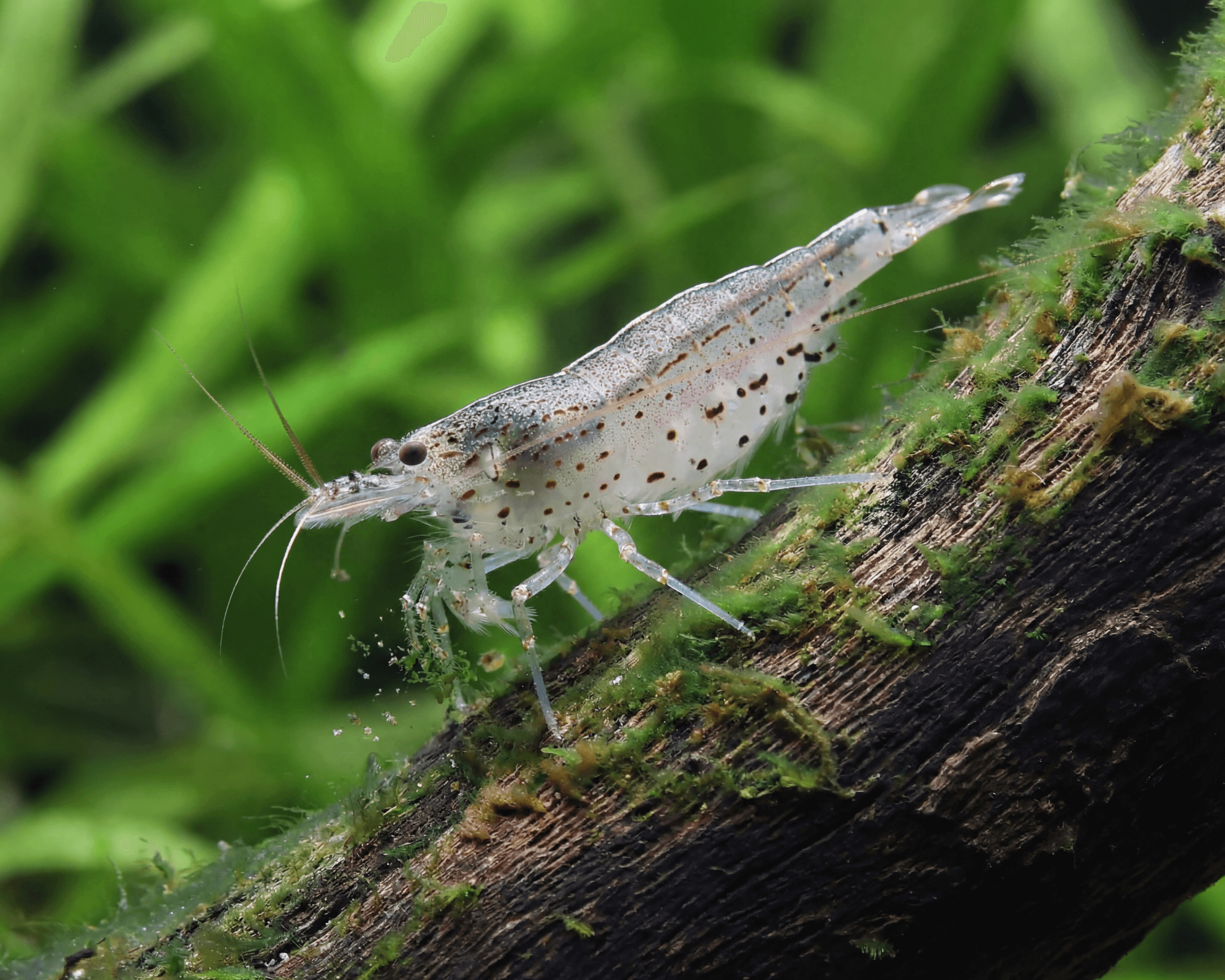
    A planted aquarium can turn a small group of freshwater shrimp into a self-sustaining colony, but reproduction changes how you plan space, food, filtration, and tank mates. The key decision is not simply which shrimp looks best. It is whether you want a growing Neocaridina colony, a controlled Caridina breeding project, or a non-breeding cleanup group such as Amano shrimp. Use plant structure to protect young shrimp, keep feeding proportional to the colony, and decide in advance what you will do with excess animals. This guide compares practical breeding paths and population-management choices for colorful shrimp in planted tanks.
  • The Low-Tech Planted Aquarium Blueprint: Match Plant Growth to Livestock Before You Buy

    The Low-Tech Planted Aquarium Blueprint: Match Plant Growth to Livestock Before You Buy

    A planted aquarium without injected CO2 can look full, natural, and colorful, but it will not behave like a high-tech aquascape. Growth is usually slower, demanding carpet plants may stay sparse, and red foliage may be less intense. The most reliable approach is to build around plants that tolerate modest light, leave room for natural growth, and choose livestock that will not overwhelm a small system. This guide helps you decide what a no-CO2 aquarium can realistically become before you buy fish, shrimp, snails, or plants.
  • Which Tank Mates Belong Together in a Planted Aquarium? A Peaceful Community Decision Guide

    Which Tank Mates Belong Together in a Planted Aquarium? A Peaceful Community Decision Guide

    A peaceful community aquarium is not created by choosing the smallest or most colorful fish available. Compatibility depends on adult size, swimming level, social needs, temperament, feeding behavior, water preferences, and whether shrimp or snails are part of the plan. Plants can provide cover and divide territories, but they cannot correct a poor species match. This guide uses a decision-first approach for planted aquariums, from small nano setups to larger community tanks. The goal is not to combine every appealing animal. It is to choose one coherent community in which fish can behave normally and invertebrates have a realistic chance to survive.
  • The Aquarium Snail Reality Check: Match Cleanup Claims to the Job Your Planted Tank Needs

    The Aquarium Snail Reality Check: Match Cleanup Claims to the Job Your Planted Tank Needs

    Aquarium snails are often sold as a cleanup crew, but that label can create unrealistic expectations. They may graze algae, consume biofilm, find uneaten food, process decaying plant tissue, or move through the substrate. They do not replace water changes, glass cleaning, plant maintenance, or sensible feeding. The right choice depends on the specific problem in your planted tank, the snail’s behavior, and whether you can support it after the visible mess disappears. This guide separates common cleanup-crew myths from useful aquarium care decisions so you can choose fewer, better-matched snails for a planted community, shrimp tank, or nano aquarium.
  • How to Feed Freshwater Shrimp Without Feeding the Algae Problem

    How to Feed Freshwater Shrimp Without Feeding the Algae Problem

    Freshwater shrimp are often added to planted aquariums with two goals: enjoy their color and reduce algae. The difficulty is that extra food can work against both goals. Shrimp graze biofilm, soft algae, plant debris, and missed fish food, but a tank still needs a deliberate feeding plan when natural forage is limited. The right approach depends on shrimp type, colony size, tank maturity, lighting, plant growth, and tank mates. This guide shows how to decide when supplemental food is needed, how to control portions, which shrimp suit different algae problems, and how to correct overfeeding without causing a sudden water-quality swing.
  • The Planted Aquarium Reset: How to Correct Planting Errors Without Losing Your Livestock

    The Planted Aquarium Reset: How to Correct Planting Errors Without Losing Your Livestock

    A planted aquarium rarely fails because of one bad plant. More often, several small planting mistakes overlap: a buried rhizome, crowded stems, excessive light, unstable maintenance, or livestock added before the plants have adapted. The good news is that most damaged tanks do not need a complete teardown. This recovery plan helps you identify what went wrong, decide what to remove or leave alone, and rebuild a healthier planting pattern around peaceful fish, freshwater shrimp, and aquarium snails. The goal is not to create a perfect aquascape overnight. It is to restore growth, swimming space, water quality, and compatibility one correction at a time.
  • What Will This Planted Aquarium Cost to Feed? A Livestock and Maintenance Planning Guide

    What Will This Planted Aquarium Cost to Feed? A Livestock and Maintenance Planning Guide

    A planted aquarium can reduce waste pressure, provide grazing surfaces and make a small community feel more complete, but it does not cancel the work created by livestock. Every fish, shrimp and snail adds feeding decisions, waste, oxygen demand and maintenance. The safest purchase is not the animal that looks best in isolation; it is the combination you can feed accurately, observe daily and maintain when plants shed leaves or algae changes. This guide compares colorful freshwater fish and practical stocking styles so you can choose between a fish-led community, a shrimp-and-snail display or a lightly stocked planted nano aquarium before bioload becomes a problem.