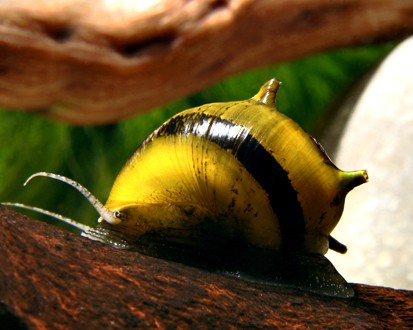
Start with the plant, not the snail
Most commonly kept freshwater snails are more interested in algae, biofilm, leftover food, and dying plant tissue than in healthy leaves. That distinction matters when a new plant is melting after being moved from emersed to submerged growth. Snails may gather on the damaged leaves without being the original cause of the problem. Before removing them, inspect the leaf texture. Soft, transparent, or yellowing tissue is already breaking down; firm new growth is a different target. If a snail repeatedly scrapes healthy leaves, uproots delicate stems, or damages soft floating plants, move it and reassess the species, food supply, and plant condition rather than assuming every snail is plant-safe.
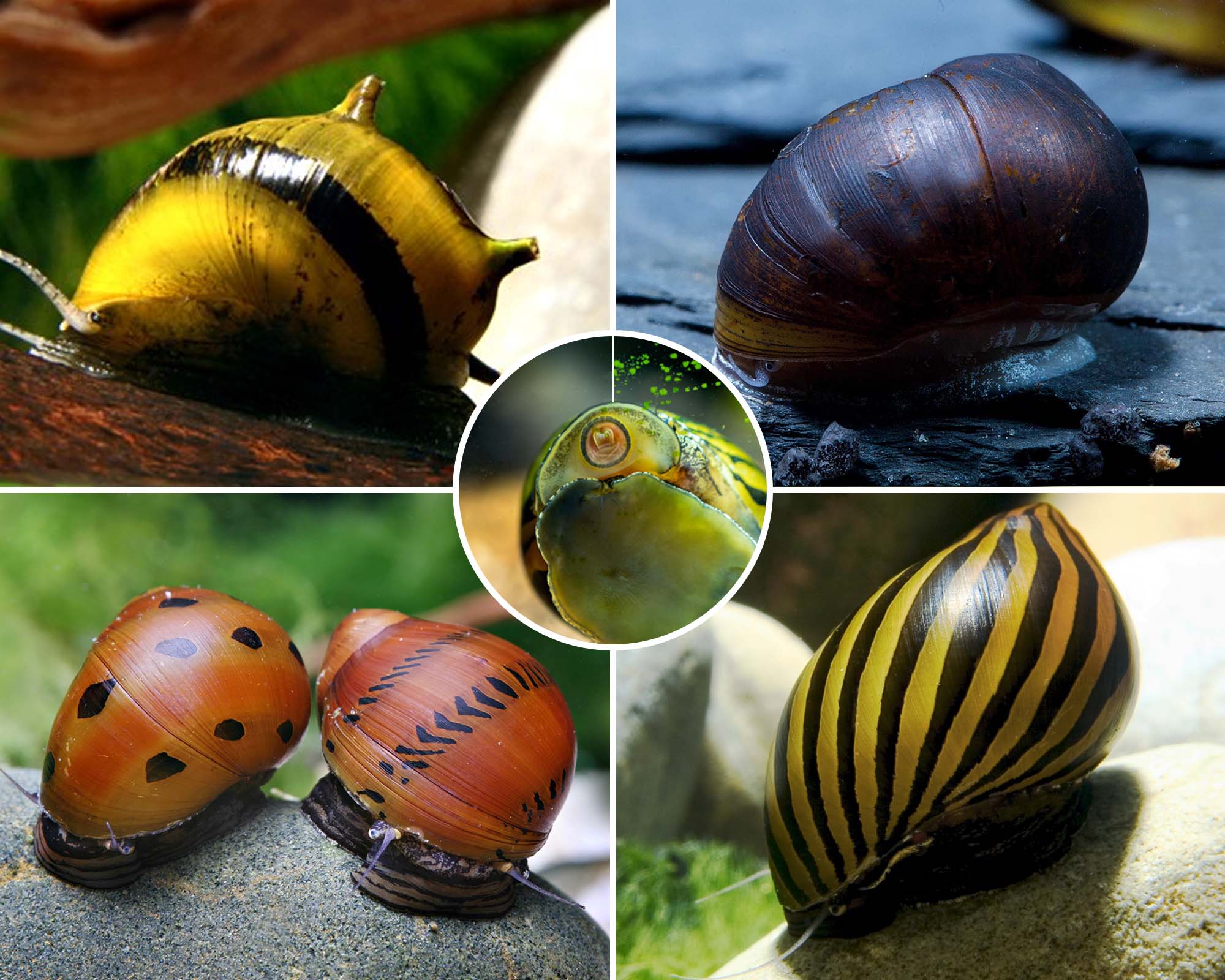
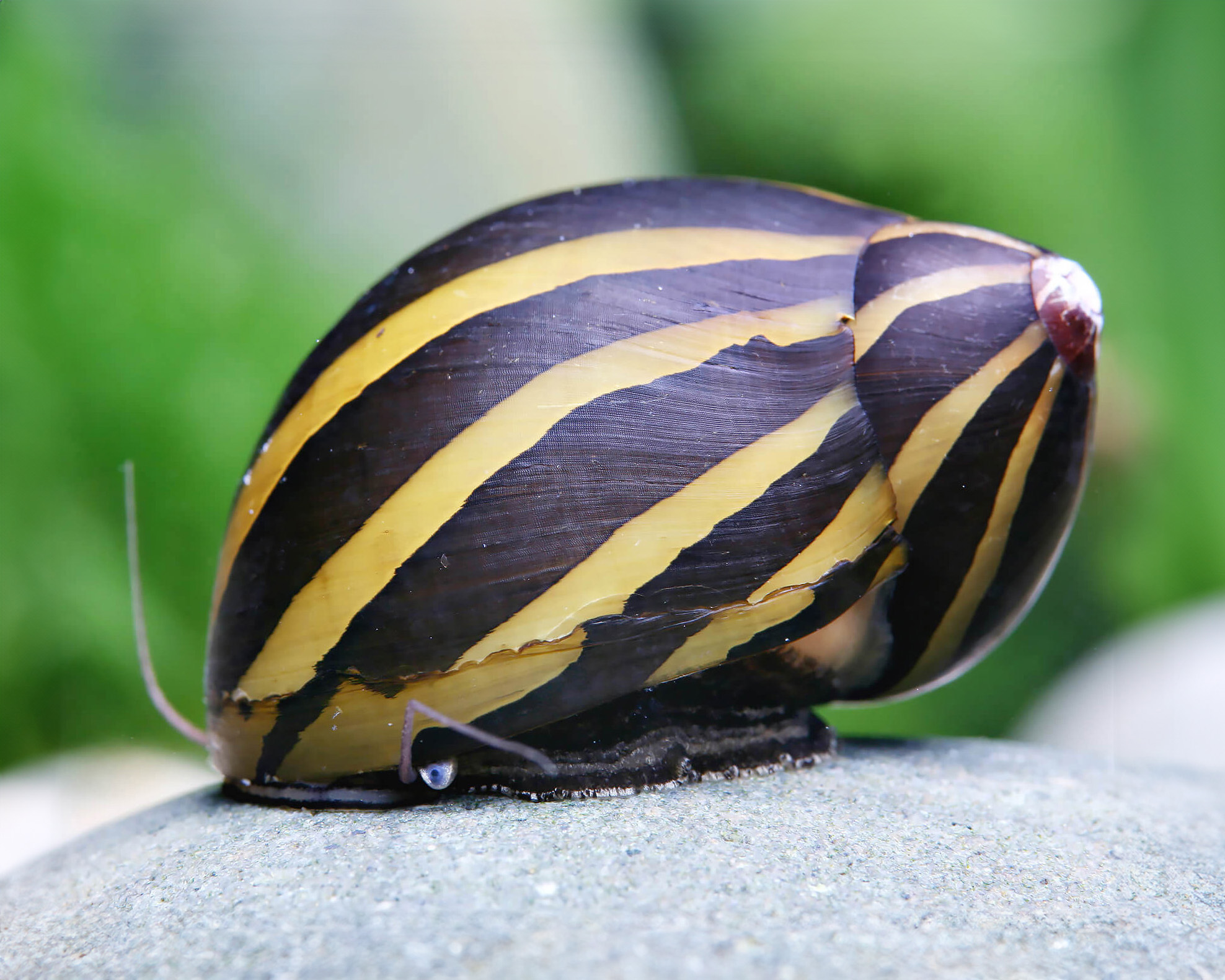
Nerite and Clithon snails suit algae-first tanks
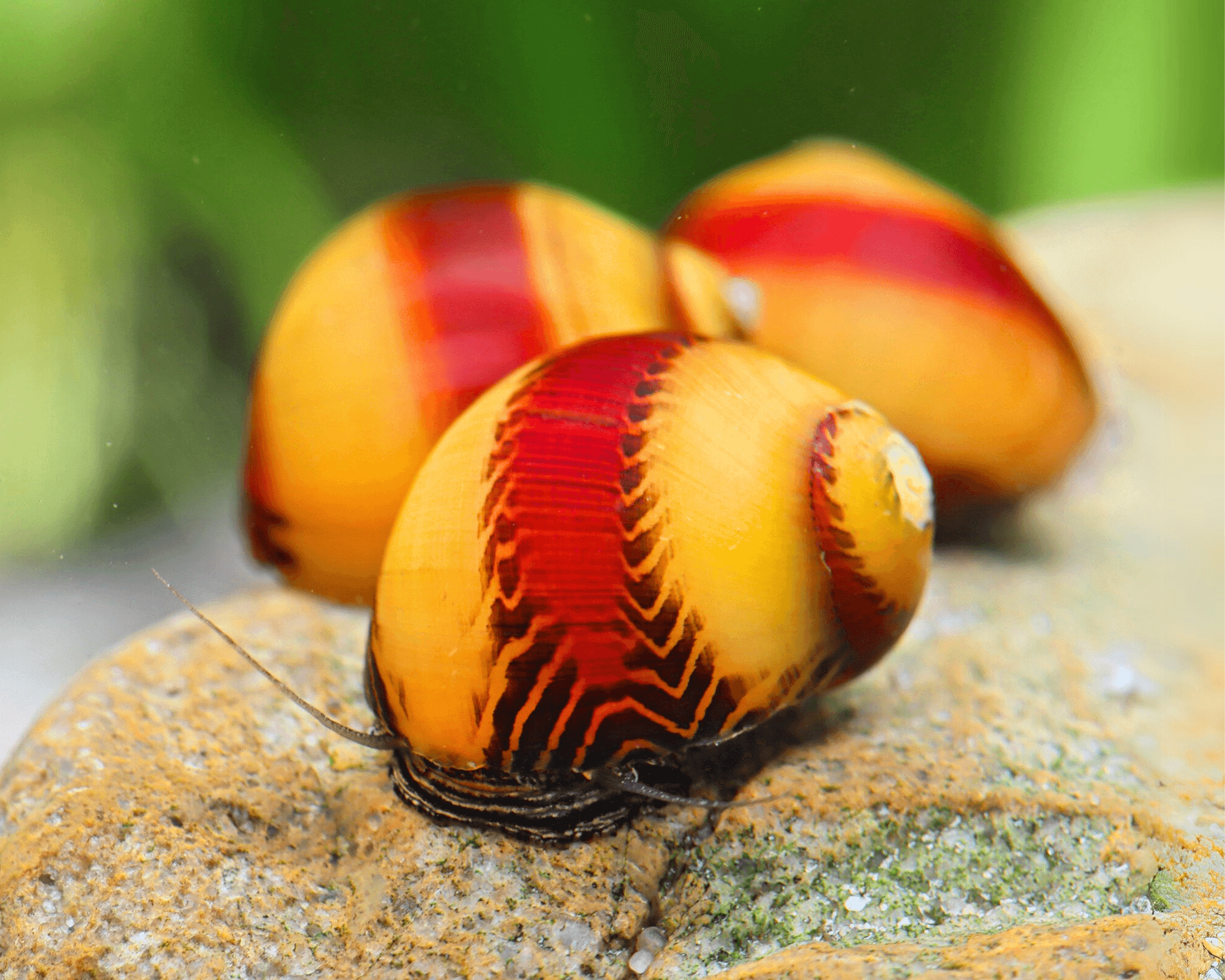
Nerite and Clithon snails are useful when the main problem is hard green film, soft algae, or algae on glass and décor. Their plant compatibility is generally strong, but their food supply can be weak in a new, dim, or heavily cleaned aquarium. A tank that looks spotless may not support them for long. Supplement only when natural grazing is insufficient, and remove uneaten food so you do not create a population boom in other snails. Expect occasional hard white egg capsules on wood or rock; they are usually a cosmetic issue rather than a freshwater population problem. A tight lid is wise because these snails may climb above the waterline.
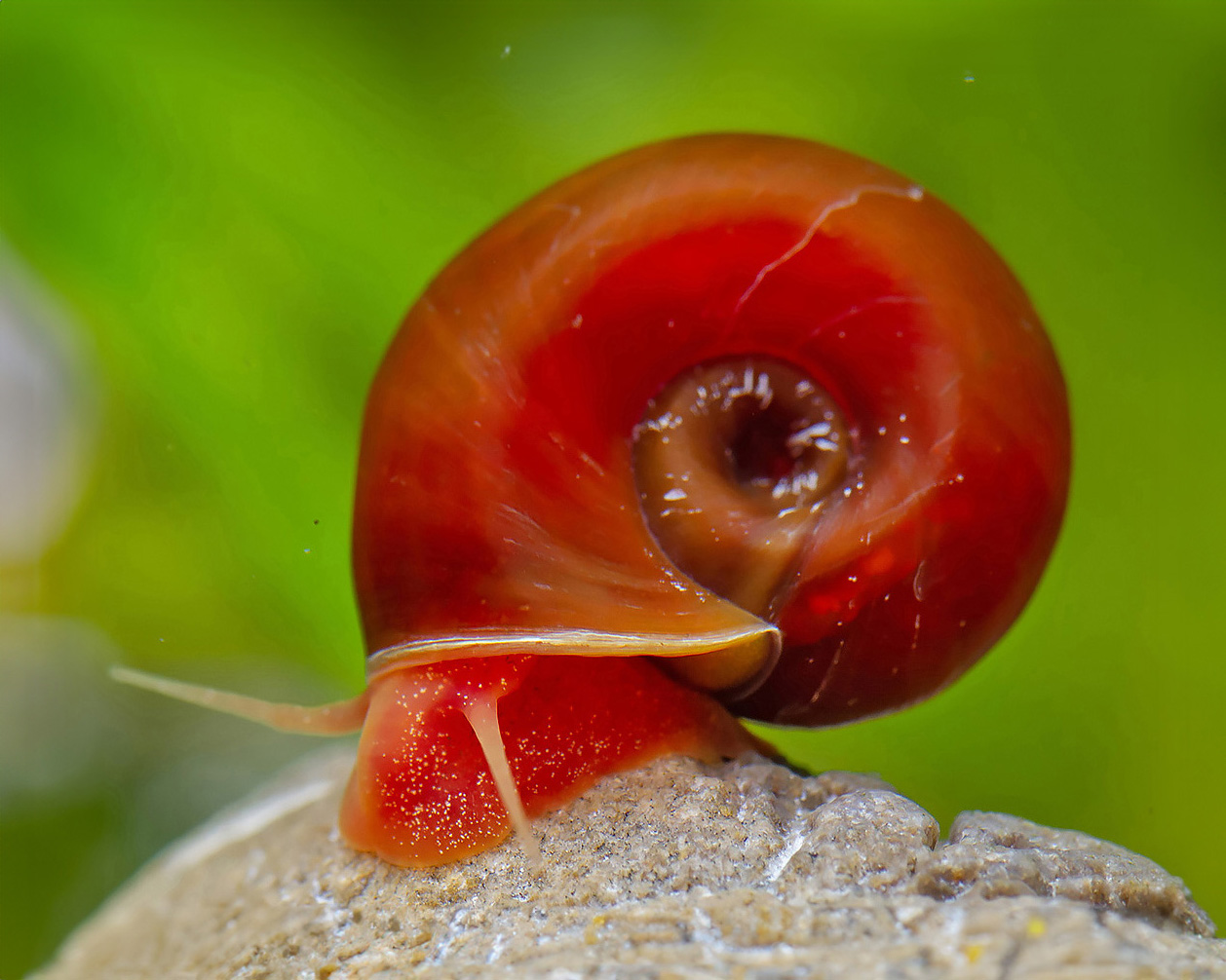
Ramshorns add color, but food controls their numbers
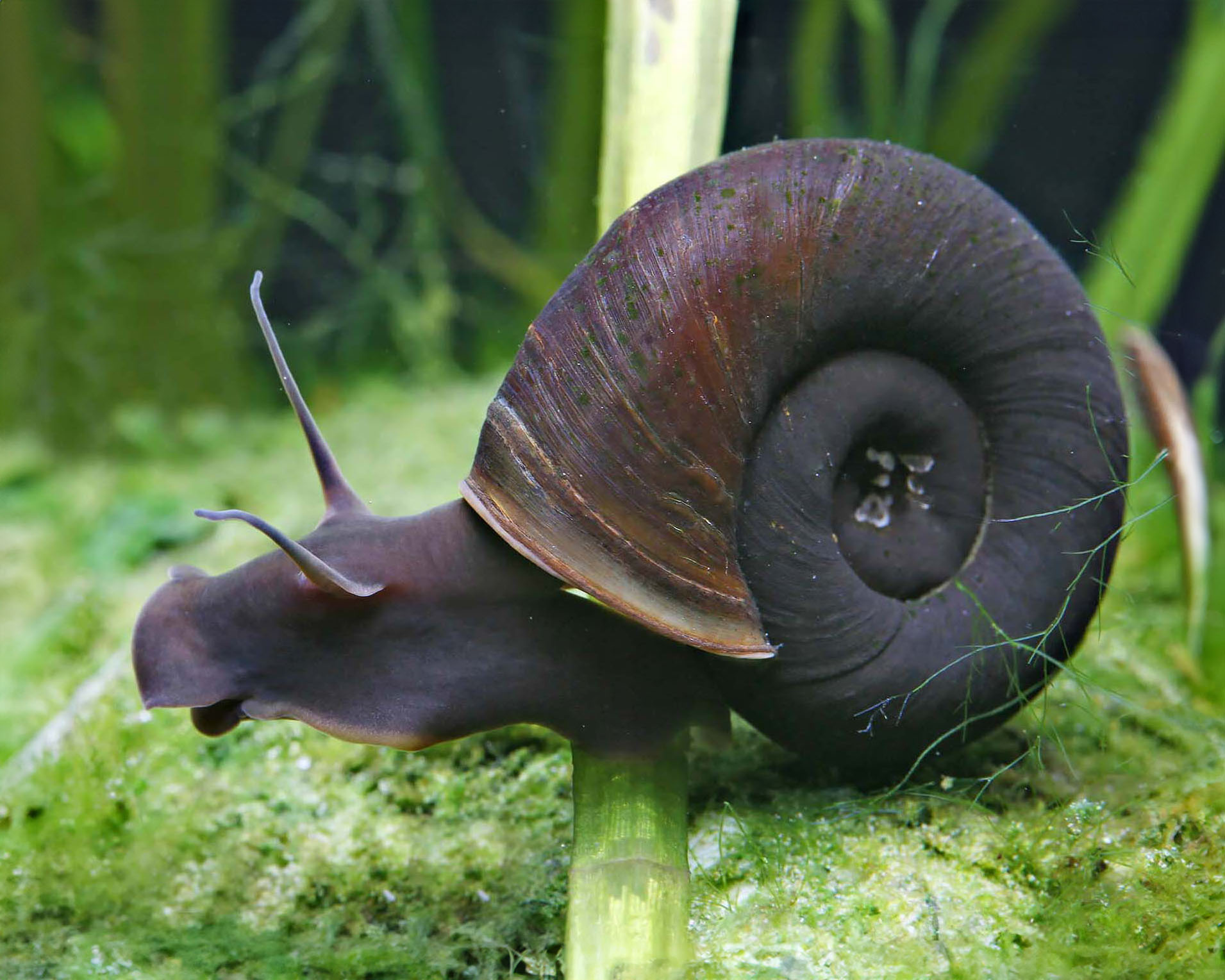
Ramshorn snails can be attractive planted-tank inhabitants, especially when selected in orange, pink, blue, or brown forms. They usually consume algae, biofilm, uneaten food, and decaying leaves rather than healthy plant tissue. Their main compatibility issue is reproduction. A sudden increase normally points to abundant food, not a mysterious invasion. Count the snails, inspect the substrate for missed food, and remove melting leaves before reaching for chemical solutions. They can share space with adult dwarf shrimp, but a dense population may crowd feeding areas and increase waste. If you want a controlled colony, offer small portions, keep plant debris managed, and remove excess egg clutches or juveniles regularly.
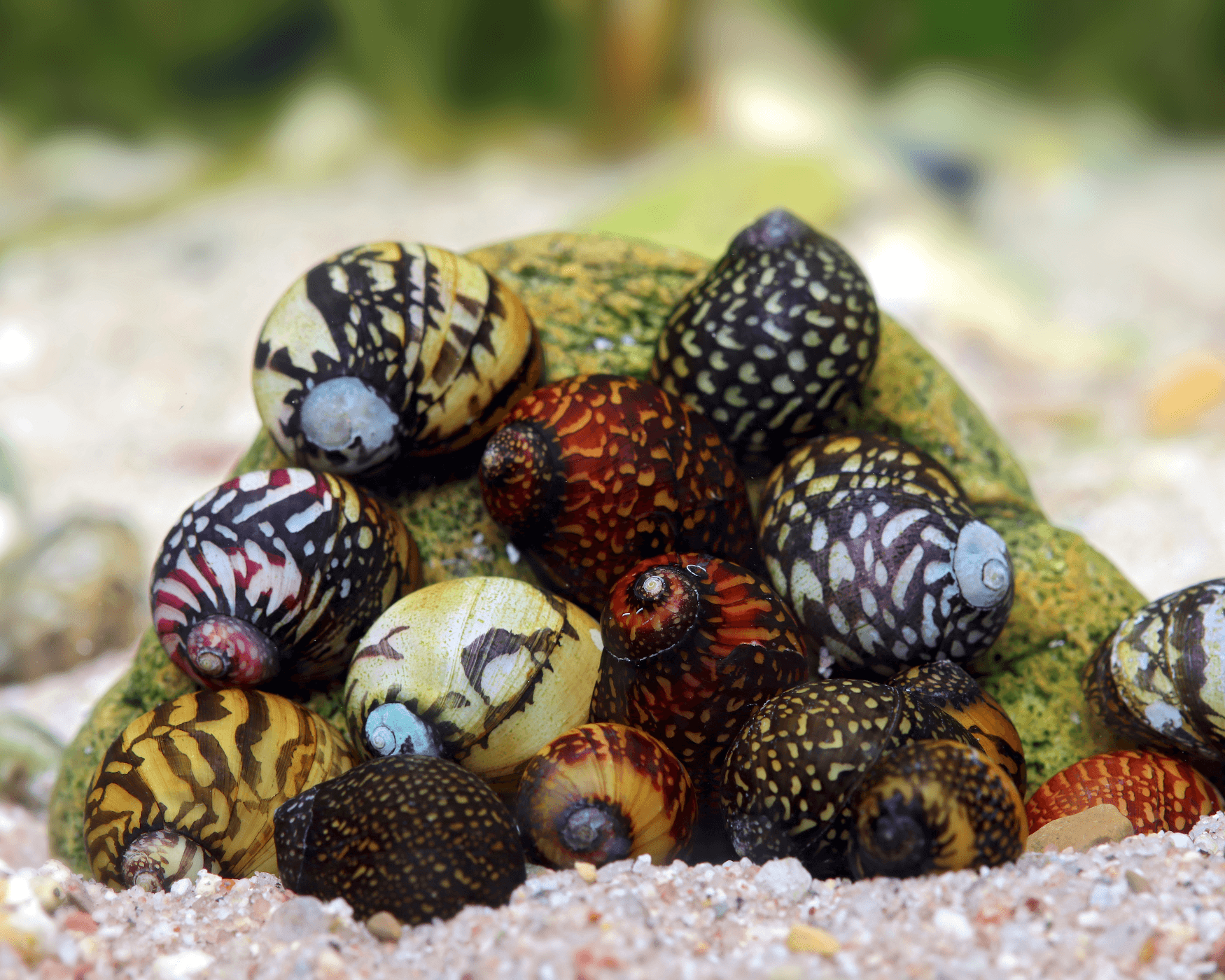
Bladder snails are a feeding indicator, not a plant diagnosis
Bladder snails are small, active hitchhikers that often arrive with live plants. They are useful for revealing what the aquarium is producing: a few may indicate normal access to biofilm and detritus, while a sudden crowd can signal overfeeding, dead leaves, or uneaten food trapped among plants. Their presence does not automatically mean your plants are being eaten. They generally focus on soft growth, algae, and organic debris, although extremely hungry snails may test delicate tissue. In a shrimp aquarium, they are usually peaceful, but their population can become visually distracting. Control them by reducing available food and manually removing surplus animals rather than starving every inhabitant.
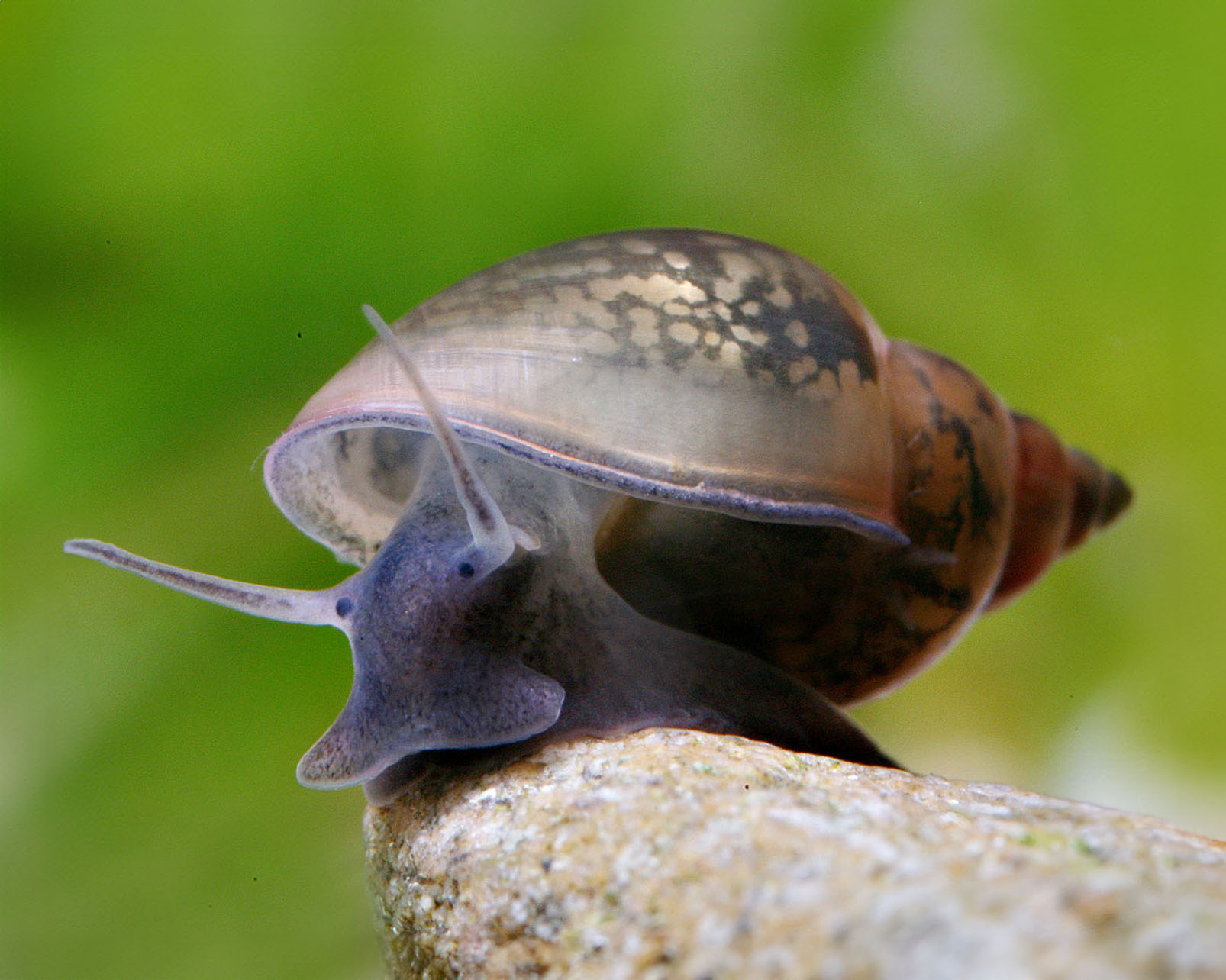
Malaysian trumpet snails work below the surface
Malaysian trumpet snails spend much of the day in the substrate and become more visible after dark. That behavior can benefit planted tanks with compacted areas because their movement disturbs the upper substrate, but it also makes population control less immediate. They are generally compatible with rooted plants and peaceful shrimp, yet they can become numerous when excess food reaches the bottom. Use a feeding dish, siphon accessible waste, and avoid treating their presence as a substitute for substrate maintenance. They are a poor choice if you want a snail that is always visible on the glass. They are a better match for aquarists who value hidden activity and natural scavenging.
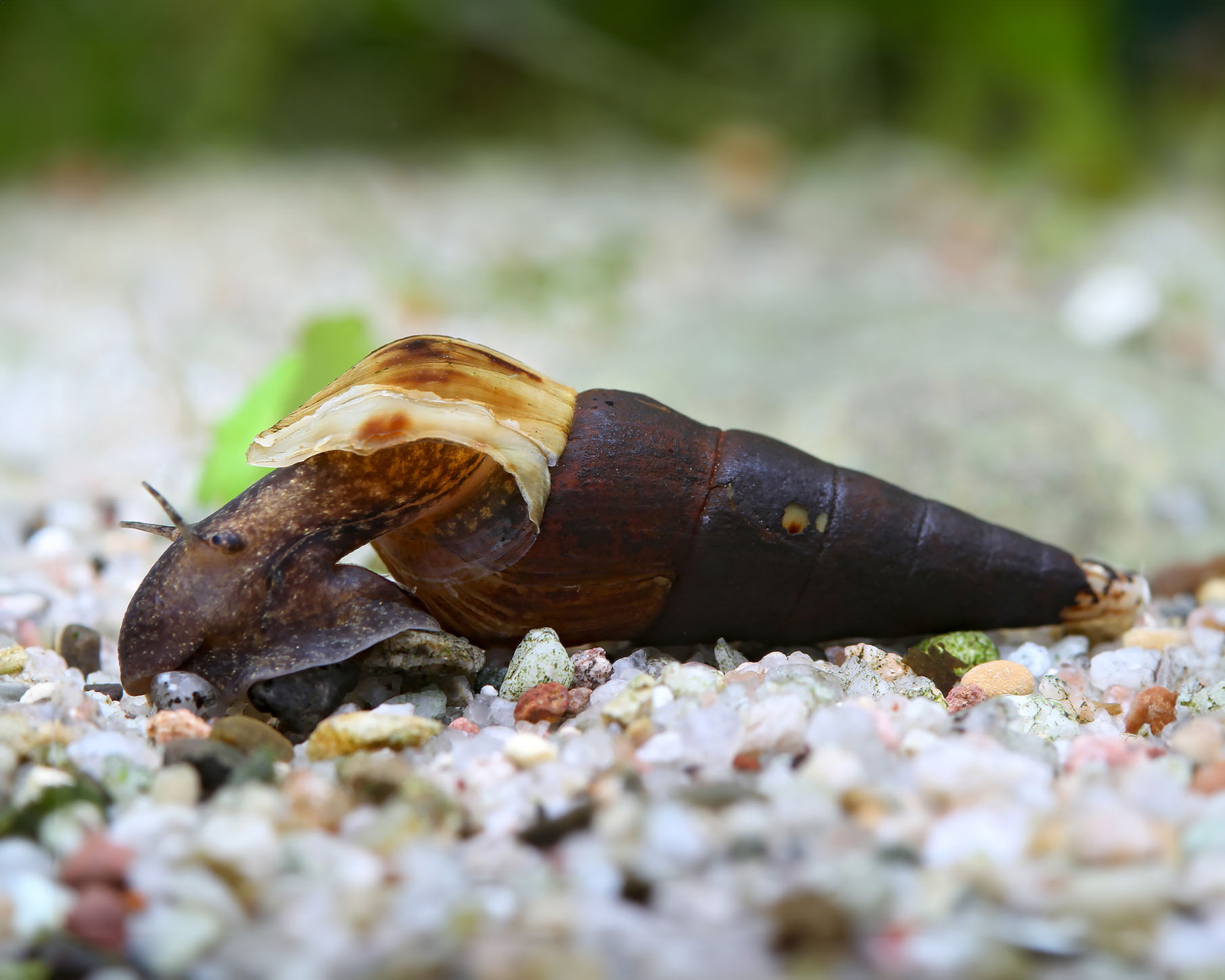
Tylomelania brings personality and a larger appetite
Tylomelania snails are larger, more conspicuous, and more active than many hitchhiker species. Their size makes them interesting display animals, but it also means they produce more waste and need a dependable food plan. Provide mineral-rich water suitable for shell growth, stable conditions, and food that reaches the bottom without being consumed first by fish or shrimp. Fine sand is often preferable to sharp gravel, especially for species that spend time on the substrate. They are not generally chosen as plant eaters, but a poorly fed individual may investigate soft leaves. Give them room to move around plant bases, and avoid stocking them in a tiny aquarium with limited natural food.
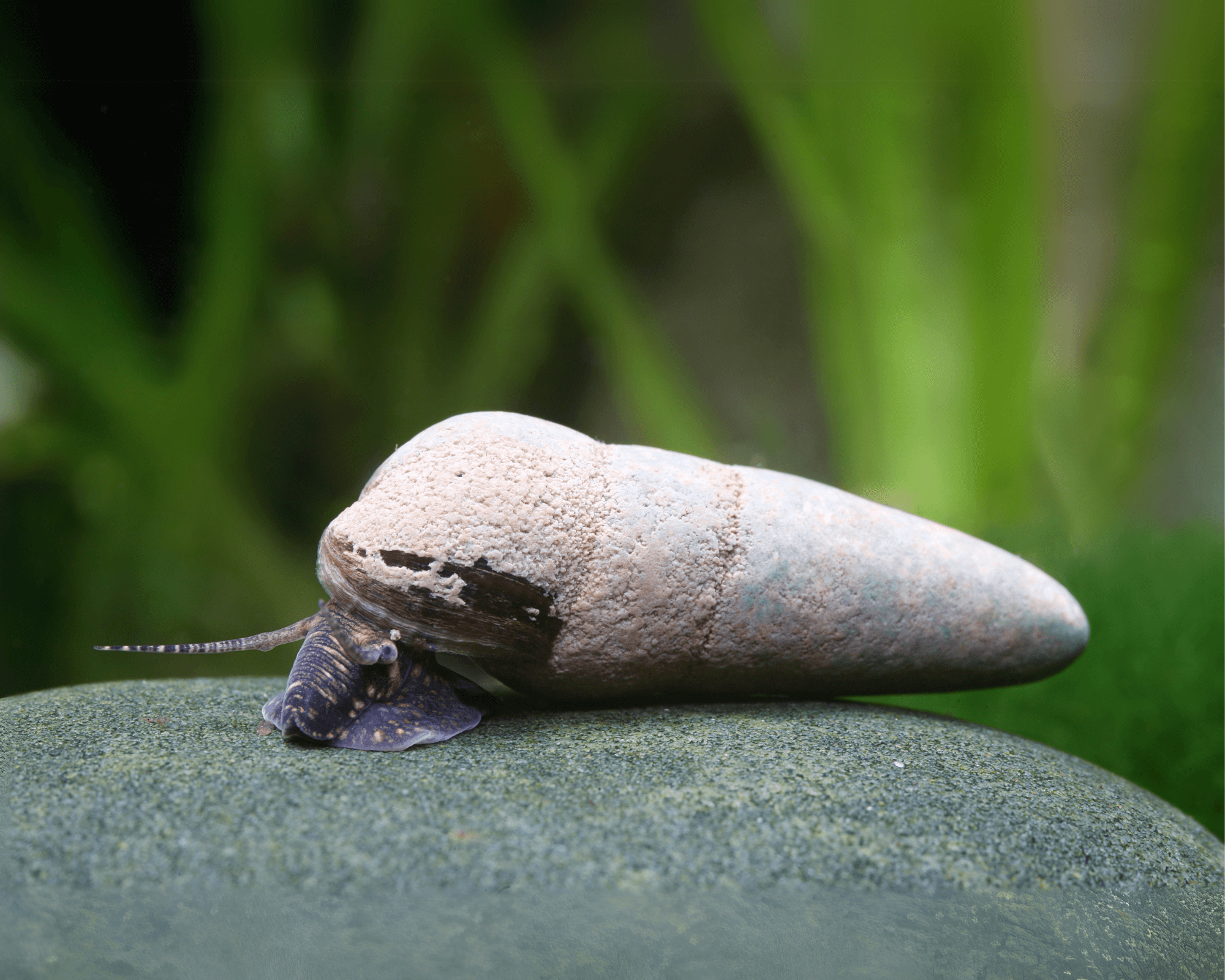
Assassin snails solve one problem by creating another
Assassin snails are predators, not general-purpose plant grazers. They can help reduce unwanted ramshorn, bladder, or trumpet snails, but they are not compatible with a tank where you want every peaceful snail colony to remain intact. Their presence may also alter the food chain: once prey becomes scarce, they still need an appropriate supplemental diet. Adult shrimp are not their normal target, but very small or weakened animals should not be assumed safe from every predatory interaction. Use an assassin only when you have identified the population problem, accepted the loss of other snails, and can remove it later if your stocking plan changes.
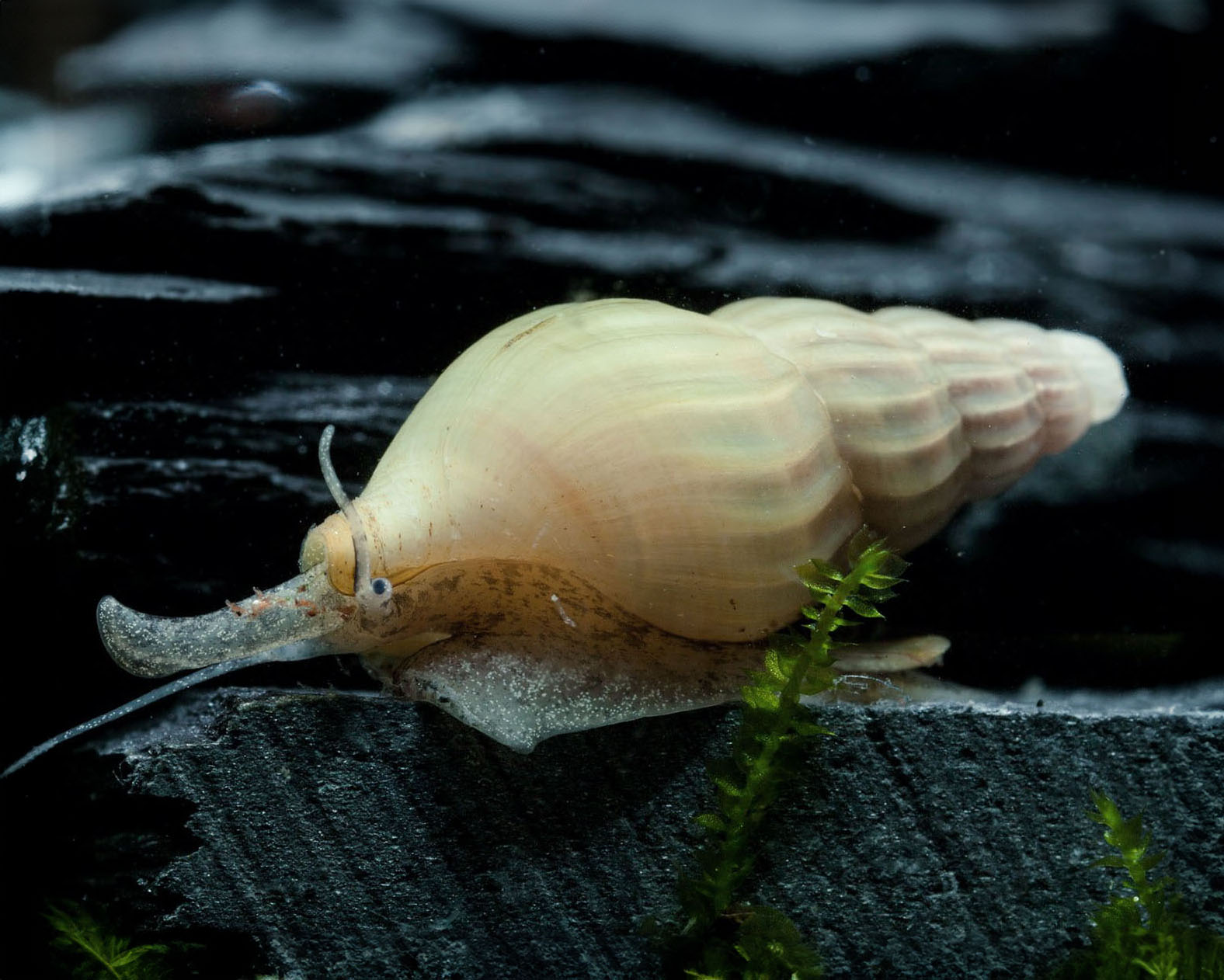
Match the snail to shrimp and fish behavior
Peaceful snails usually coexist with adult freshwater shrimp, but compatibility is not the same as identical care. A nerite may need algae that shrimp also graze, while a ramshorn may consume sinking food before a shrimp colony reaches it. Fish create a separate risk: puffers and some loaches are specialized snail hunters, and larger fish may harass exposed antennae or overturn slow-moving snails. Small shrimp and snail juveniles also need cover from curious community fish. Before buying, check mouth size, hunting behavior, feeding speed, and whether the tank has moss, wood, leaf litter, or dense plant cover. Choose the least disruptive species, not simply the most colorful.

Build a feeding routine that protects plants
A planted aquarium should not depend on snails to consume every scrap of food. Feed fish amounts they finish promptly, then watch whether snails gather because food is available or because they are grazing naturally. Offer sinking foods only when the chosen snail needs them, and remove leftovers before they dissolve into the substrate. Blanched vegetables can help some scavenging species, but they are not a universal diet and should be removed after a short period. If snails climb toward the waterline, remain inactive, or show shell damage, review temperature, oxygen, mineral availability, and food access. Feeding more may worsen algae and reproduction, so diagnose before increasing portions.
Use a simple decision test before purchase
Choose a nerite or Clithon when algae control is the priority and the aquarium can support natural grazing. Choose a ramshorn or bladder snail when you accept reproduction and want a small scavenger whose numbers reflect available food. Choose a trumpet snail when substrate activity matters more than constant visibility. Choose Tylomelania when you have room, stable mineral-rich water, and a plan for substantial bottom feeding. Choose an assassin only when reducing other snails is the actual goal. Whatever you select, quarantine or inspect new plants, secure the lid, confirm that fish cannot eat the snail, and keep a backup plan for removal if the food chain does not balance.
Frequently Asked Questions
Do aquarium snails eat healthy live plants?
Most commonly kept planted-tank snails prefer algae, biofilm, leftover food, and decaying plant material. If a snail is gathered on a leaf, inspect whether the leaf is already melting, damaged, or dying. Some species and individuals can damage soft plants when food is scarce, so observe rather than relying on a blanket guarantee.
Which aquarium snail is least likely to overpopulate?
Nerite and Clithon snails are popular choices because their eggs generally do not develop into a freshwater population. They can still starve in an overly clean aquarium. Tylomelania also tends to reproduce more slowly than ramshorns or bladder snails, but its larger size creates greater feeding and bioload demands.
Can snails live with freshwater shrimp?
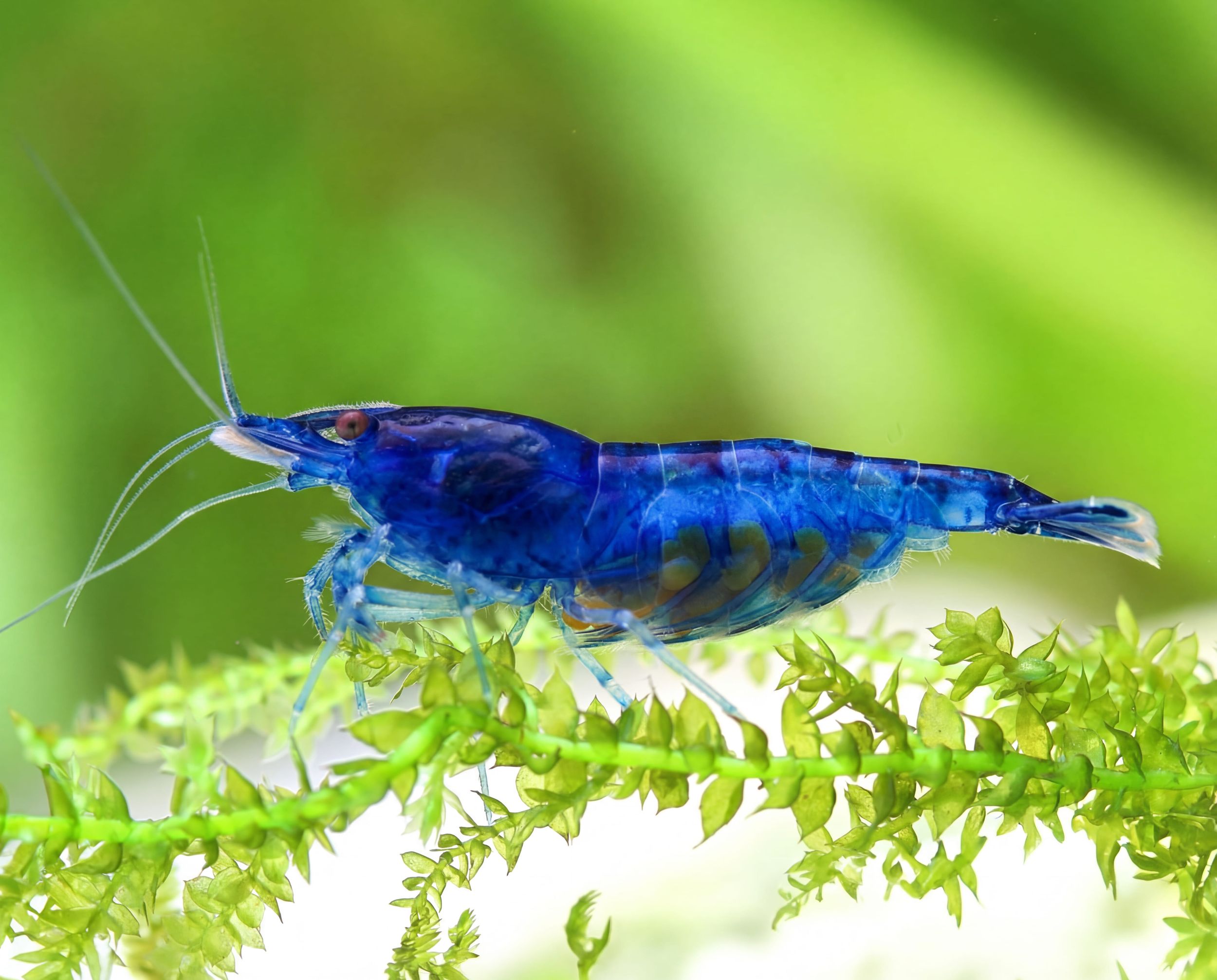
Many peaceful snails can live with adult freshwater shrimp. The main concerns are competition for sinking food, shell and water-chemistry needs, and whether fish will eat either animal. Provide cover, feed carefully, and avoid assuming that shrimp babies or snail juveniles are safe in every community aquarium.
Why are there suddenly so many snails in my planted tank?
A population increase usually means the aquarium has more available food than before. Common causes include overfeeding, melting leaves, dead organisms, or food trapped beneath plants and décor. Reduce waste at the source, remove damaged plant tissue, and manually remove excess snails rather than treating the animals as the original problem.
How do I keep snails from damaging delicate plants?
First confirm that the leaves are healthy and firmly attached. Improve the snail’s diet only if natural food is insufficient, remove melting foliage, and avoid species with a known plant-eating reputation. If damage continues on healthy growth, relocate the snail and replace it with a smaller grazer or a species better suited to the aquarium.
 - 2.webp)
 - 2.webp)
Leave your comments