



AquaLibs presents AquaRank Discover the world’s leading aquascapers

Explore transparent rankings built from published results across the world’s leading aquascaping contests.

Before You Buy: A Feeding and Bioload Plan for a Planted Freshwater Aquarium

Before You Buy: A Feeding and Bioload Plan for a Planted Freshwater Aquarium

A planted aquarium can look self-sustaining, but fish, shrimp and snails still turn food into waste. The most reliable way to choose compatible freshwater livestock is to plan the feeding routine and maintenance burden before choosing the animals. A ...
When Aquarium Snails Multiply: A Planted-Tank Population Control Plan

When Aquarium Snails Multiply: A Planted-Tank Population Control Plan

A sudden wave of tiny snails can make a planted aquarium feel out of control, but the population is usually responding to available food rather than attacking the tank. The useful question is not how to eliminate every snail. It is which species repr...
Will Your Freshwater Shrimp Survive the Next Molt? A Water-Quality Decision Guide

Will Your Freshwater Shrimp Survive the Next Molt? A Water-Quality Decision Guide

Freshwater shrimp rarely fail because an aquarium is not attractive enough. They fail when the water changes faster than their bodies can adapt, especially during molting. The right shrimp for a planted nano aquarium is therefore not simply the one w...
12 Beginner-Friendly Aquarium Plants and Invertebrates for Nano Setups

12 Beginner-Friendly Aquarium Plants and Invertebrates for Nano Setups

Starting a nano aquarium is an incredibly rewarding hobby, but choosing the right inhabitants and flora is crucial for long-term success. For beginners, the key is selecting hardy, low-maintenance aquatic plants that provide essential oxygen and shel...
Summer Flowers - Cliff Hui / HongKong China
Cliff Hui

Summer Flowers - Cliff Hui / HongKong China

The International Aquatic Plants Layout Contest - 2014
Rain Forest (Hear the Angels) - Cliff Hui / HongKong China
Cliff Hui

Rain Forest (Hear the Angels) - Cliff Hui / HongKong China

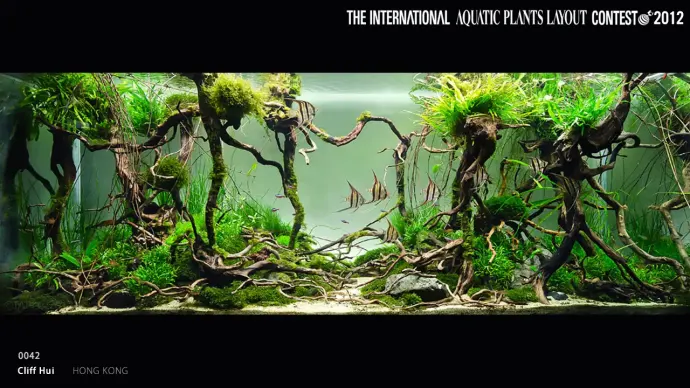
The International Aquatic Plants Layout Contest - 2012
Forever - Cliff Hui / HongKong China
Cliff Hui

Forever - Cliff Hui / HongKong China

The International Aquatic Plants Layout Contest - 2013

Aquarium Library

  • All
  • Plant
  • Fish
  • Shrimp
  • Snail

Final Call: Only One Day Left to Enter CIAC 2026

The clock is ticking for aquascapers around the world. Registration for the CIPS International Aquas...

Introducing AquaRank: A Transparent World Ranking for Aquascapers

Aquascaping has grown into a truly international art form. Every year, thousands of aquascapers subm...

13 Easy Aquarium Plants for a Thriving Beginner Planted Tank

Starting a planted aquarium can seem daunting, but it doesn't have to be! Many beautiful and be...

12 Colorful & Compatible Freshwater Fish for Your Community Aquarium

Creating a vibrant and harmonious freshwater aquarium is a rewarding experience. The key lies in sel...

"REFLECTION" - When the weight becomes silence: Decoding the top 4 MASTERPIECE at KIAC 2025

Amidst the "earthquake" named Vietnam at KIAC 2025, the work "Reflection" by Aquascaper Long Tran Ho...

KIAC 2025 RESULTS: A record-breaking season - Vietnam dominates with 14 works in the global top 50

The organizers of the Korea International Aquascaping Contest (KIAC) 2025 have officially released t...
Top 300 spotlight

AquaRank Top 300

Explore AquaRank
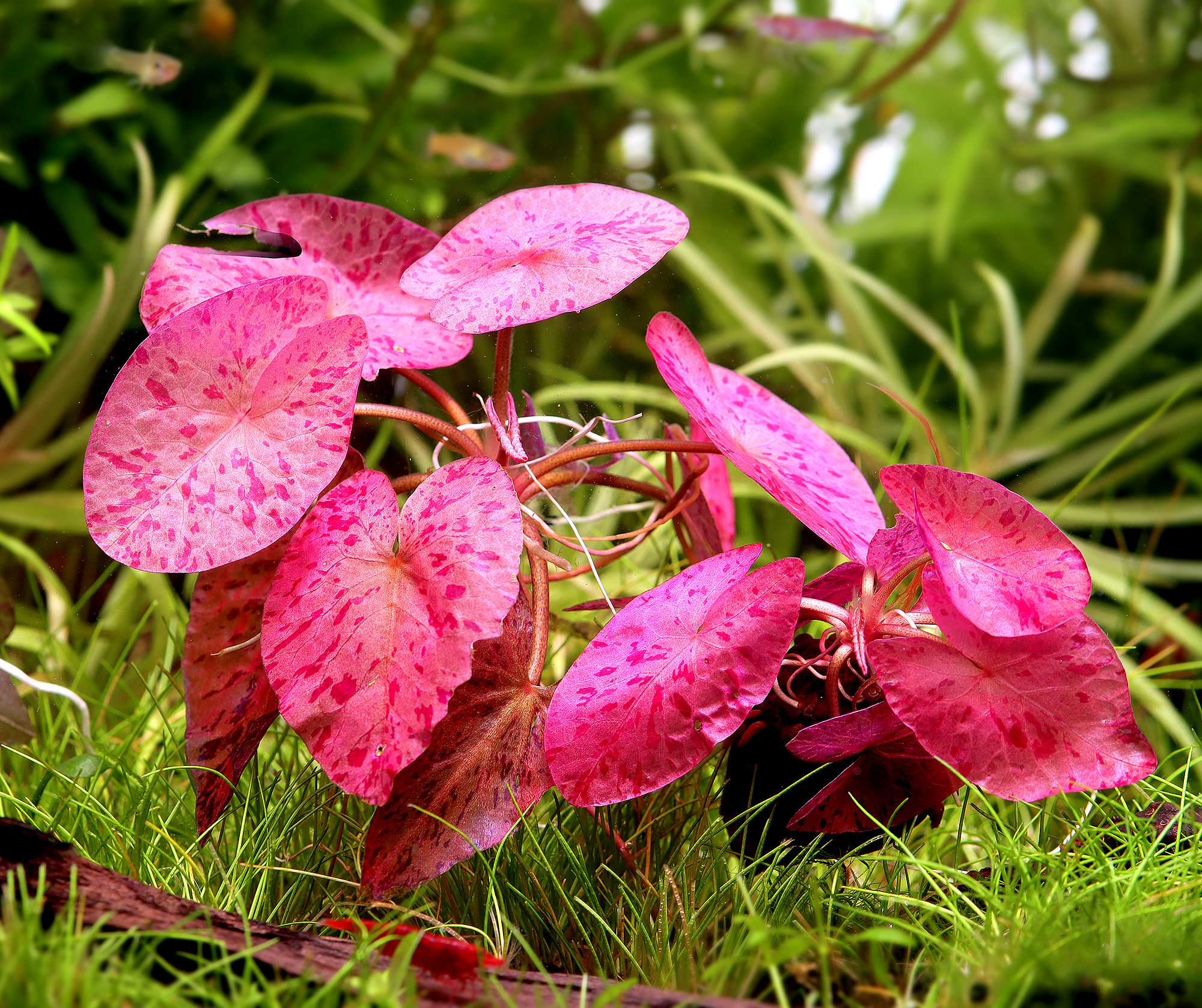
Nymphaea lotus (Tiger Lotus)

Introduction

The Nymphaea lotus, widely celebrated as the Tiger Lotus, is a beautiful and highly sought-after bulb plant originating from West Africa. Known for its broad, arrow-shaped leaves adorned with distinct darker mottling, this plant provides a dramatic contrast against standard green aquatic foliage.
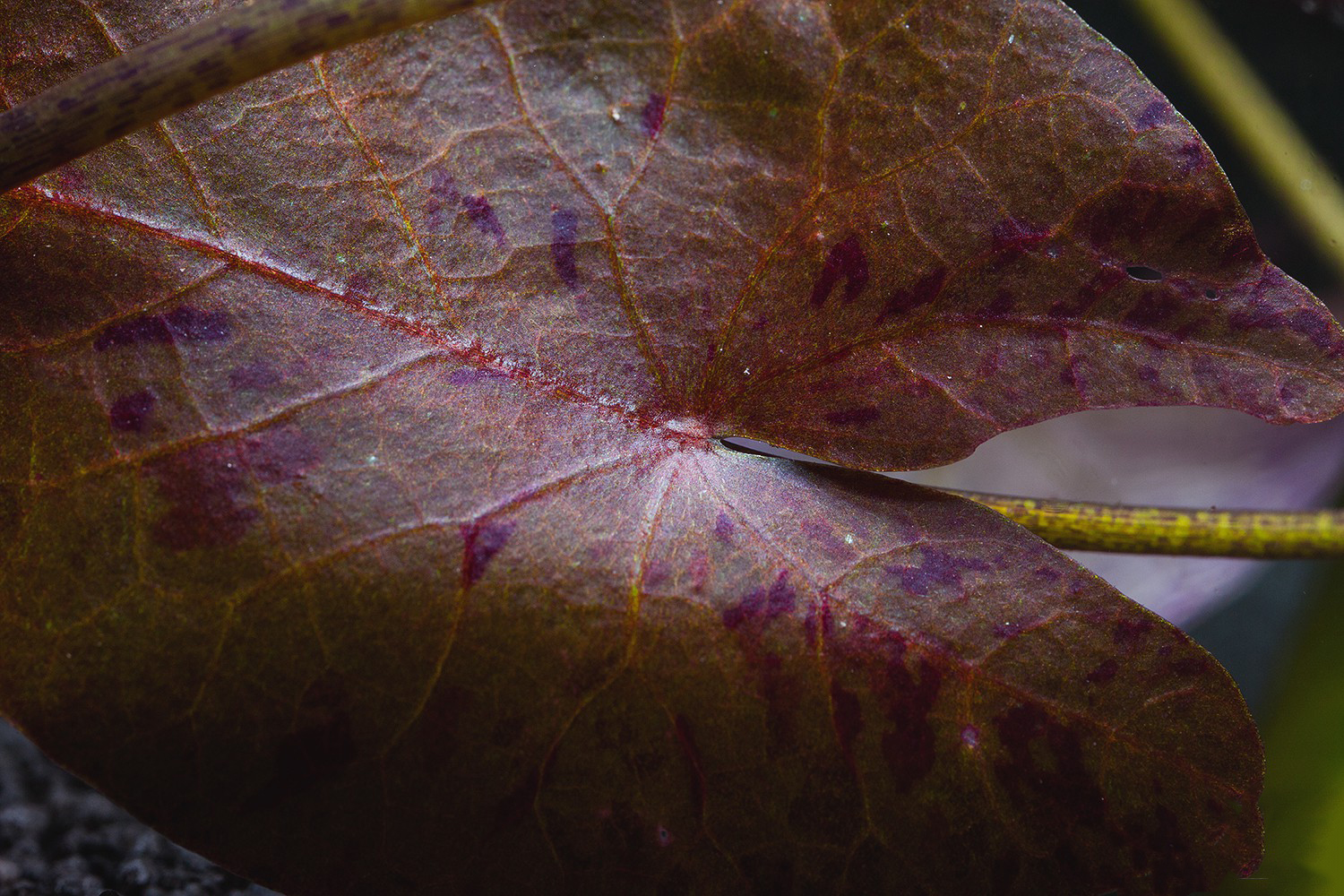
Image of Nymphaea lotus

Growth and Care

Growing from a central bulb, the Tiger Lotus can be maintained as a compact submersed plant by routinely trimming any leaves that attempt to reach the water's surface. If allowed to grow floating leaves, it may produce a beautiful, fragrant white or pink lotus flower. It thrives best in a nutrient-rich substrate and benefits from moderate lighting, though it is highly adaptable and can flourish in low-tech setups without CO2 injection.

Aquascaping Application

Due to its striking appearance and potential size, Nymphaea lotus is typically utilized as a solitary centerpiece or middleground focal point. Its sweeping, colorful leaves break up the monotony of stem plants and create natural hiding spots for fish, making it a functional and aesthetic masterpiece in the planted aquarium.
Plant info

  • Colors: Red, Variegated
  • Difficulty: Easy
  • Origin: Africa
  • Usage: Center
  • Type: Bulb
  • Growth rate: Medium
  • Height: 20 - 50 cm
  • Light demand: Medium
  • CO2: Low
Leave your comments
Latest on Plants
  • Elatine hydropiper (Water Pepper)

    Elatine hydropiper (Water Pepper)

    Advanced
    Foreground
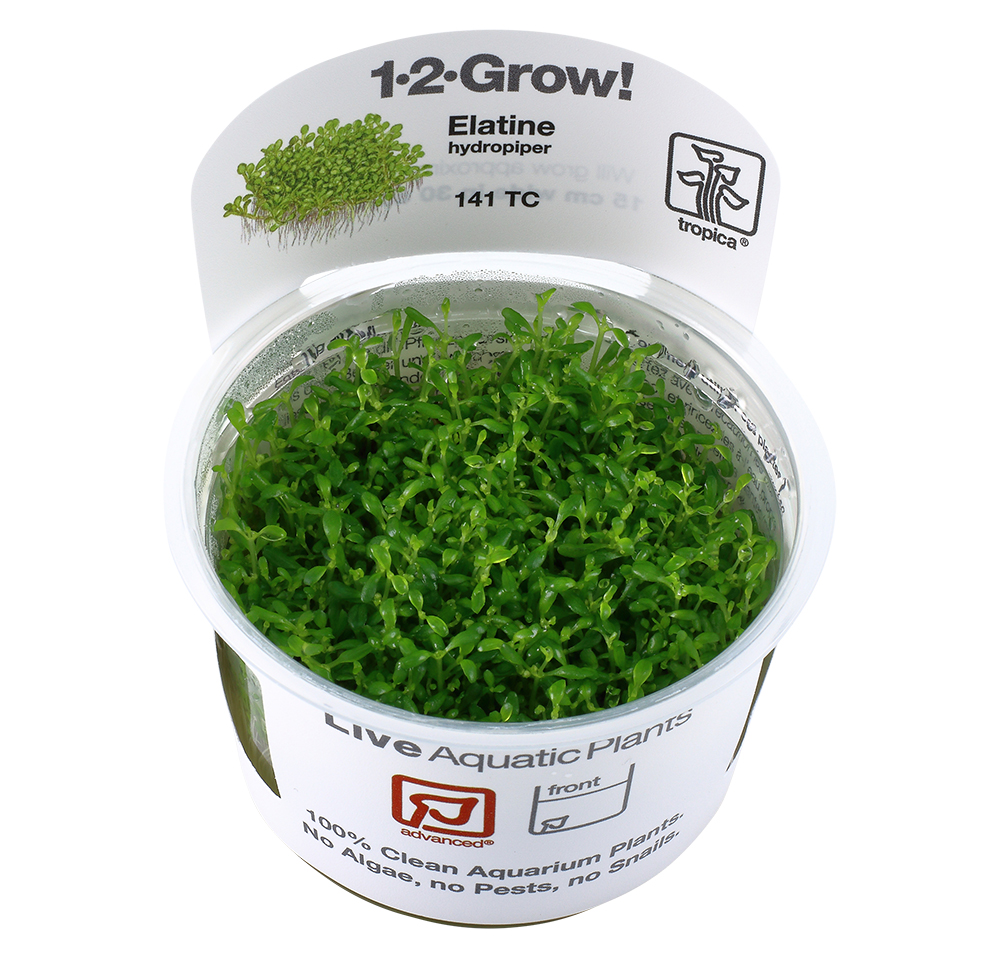
    Elatine hydropiper is a very small, low-growing aquatic plant used to form a dense foreground carpet. The supplied label identifies the plant as E. hydropiper, and the appearance is consistent with that use, although a definitive identification would require botanical examination. It is best suited to established aquariums with strong light, nutrient-rich substrate, stable conditions, and reliable carbon dioxide supplementation.
  • Echinodorus 'Reni'

    Echinodorus 'Reni'

    Easy
    Middleground
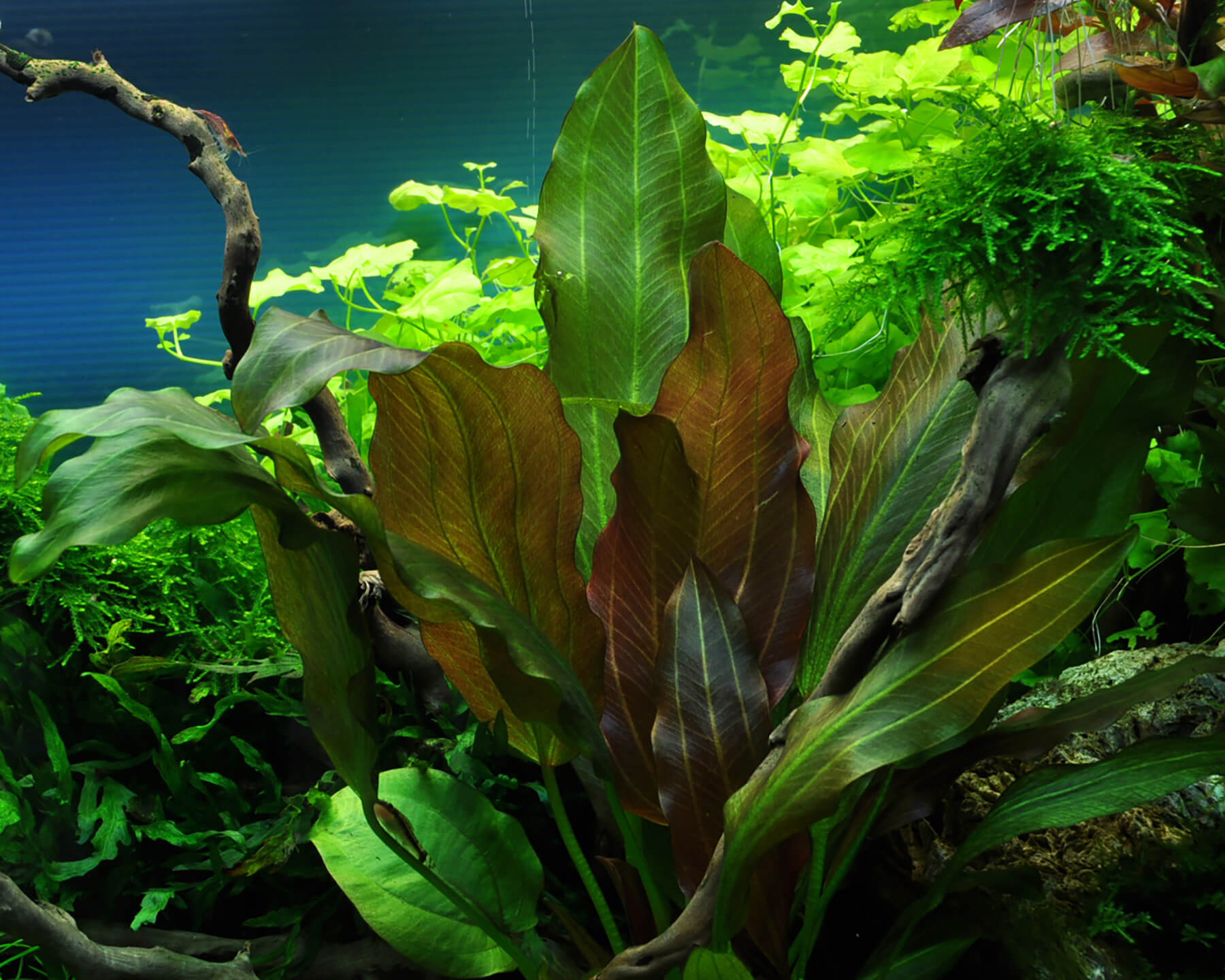
    Echinodorus 'Reni' is a distinctive aquarium cultivar known for its compact growth habit and striking coloration. Its leaves transition through shades of reddish-brown to dark green, making it an excellent centerpiece plant for smaller aquariums. This rosette plant is relatively undemanding and adapts well to various water conditions, provided it receives sufficient nutrients through the substrate.
  • Hemianthus callitrichoides (Dwarf Pearlwort)

    Hemianthus callitrichoides (Dwarf Pearlwort)

    Advanced
    Foreground
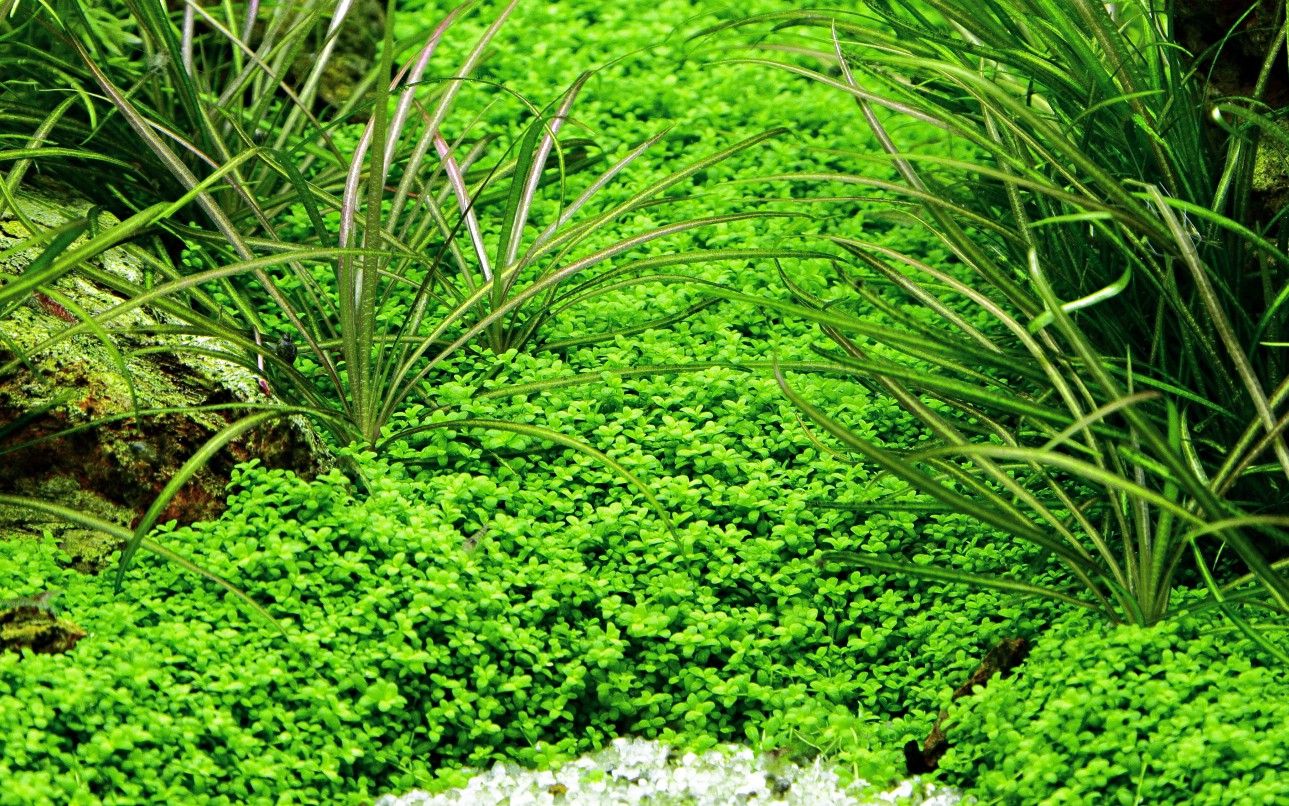
    Hemianthus callitrichoides is widely recognized as one of the smallest aquarium plants available, making it a staple for creating lush, low-growing carpets in aquascapes. Native to Cuba, this delicate plant features tiny, rounded leaves that spread across the substrate. It requires significant attention to light and nutrients to thrive and maintain its characteristic dense, ground-hugging growth habit.
  • Marsilea hirsuta (Dwarf Cloverleaf)

    Marsilea hirsuta (Dwarf Cloverleaf)

    Easy
    Foreground
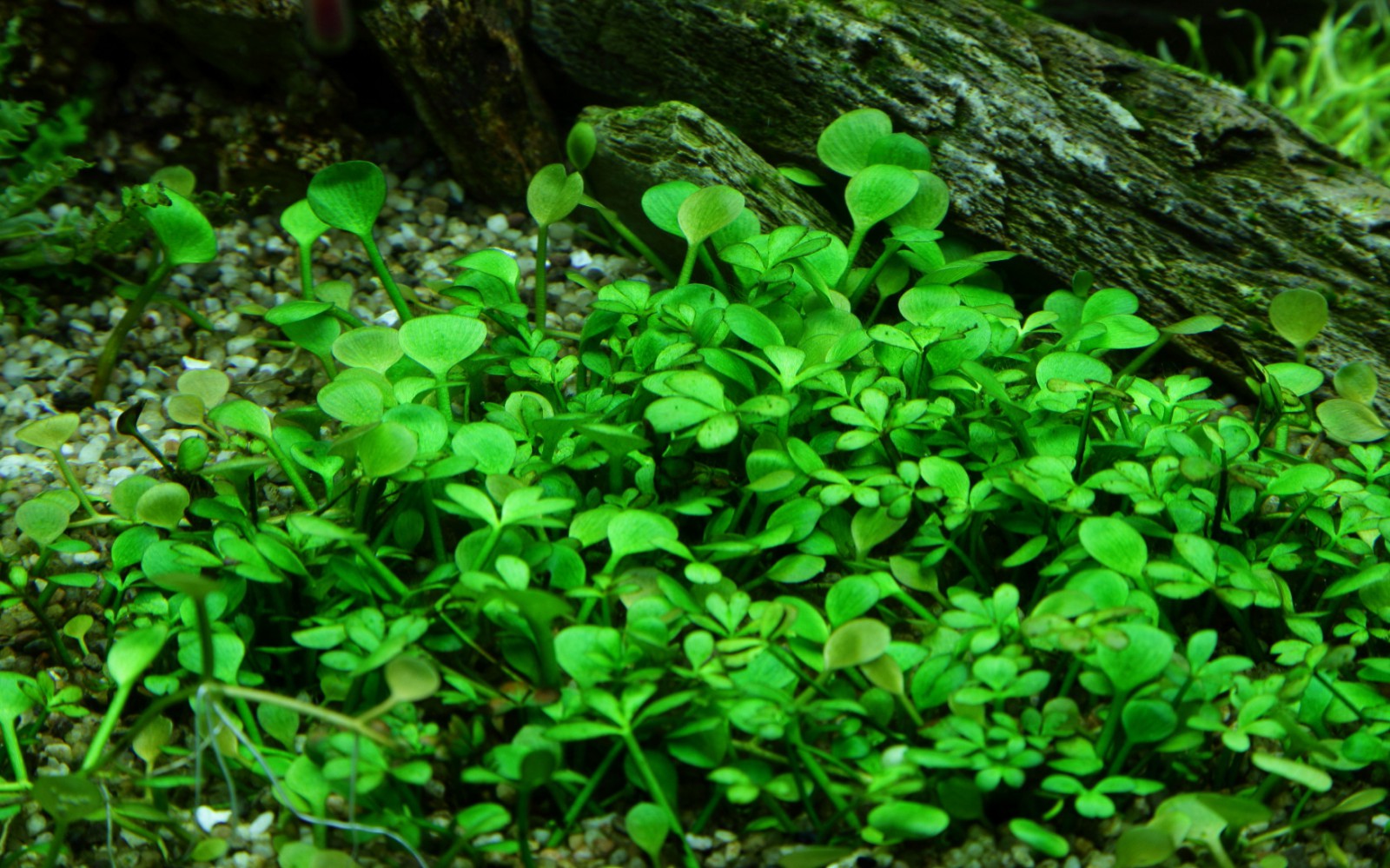
    Marsilea hirsuta is a popular aquatic fern often utilized as a foreground carpet plant in aquascaping. It is characterized by its clover-like leaves, which can vary in appearance depending on whether the plant is grown submersed or emersed. This hardy species is well-regarded for its adaptability, making it a suitable choice for both beginners and experienced aquarists looking for a lush, green carpet.
  • Cryptocoryne wendtii (Cryptocoryne wendtii Mi Oya)

    Cryptocoryne wendtii (Cryptocoryne wendtii Mi Oya)

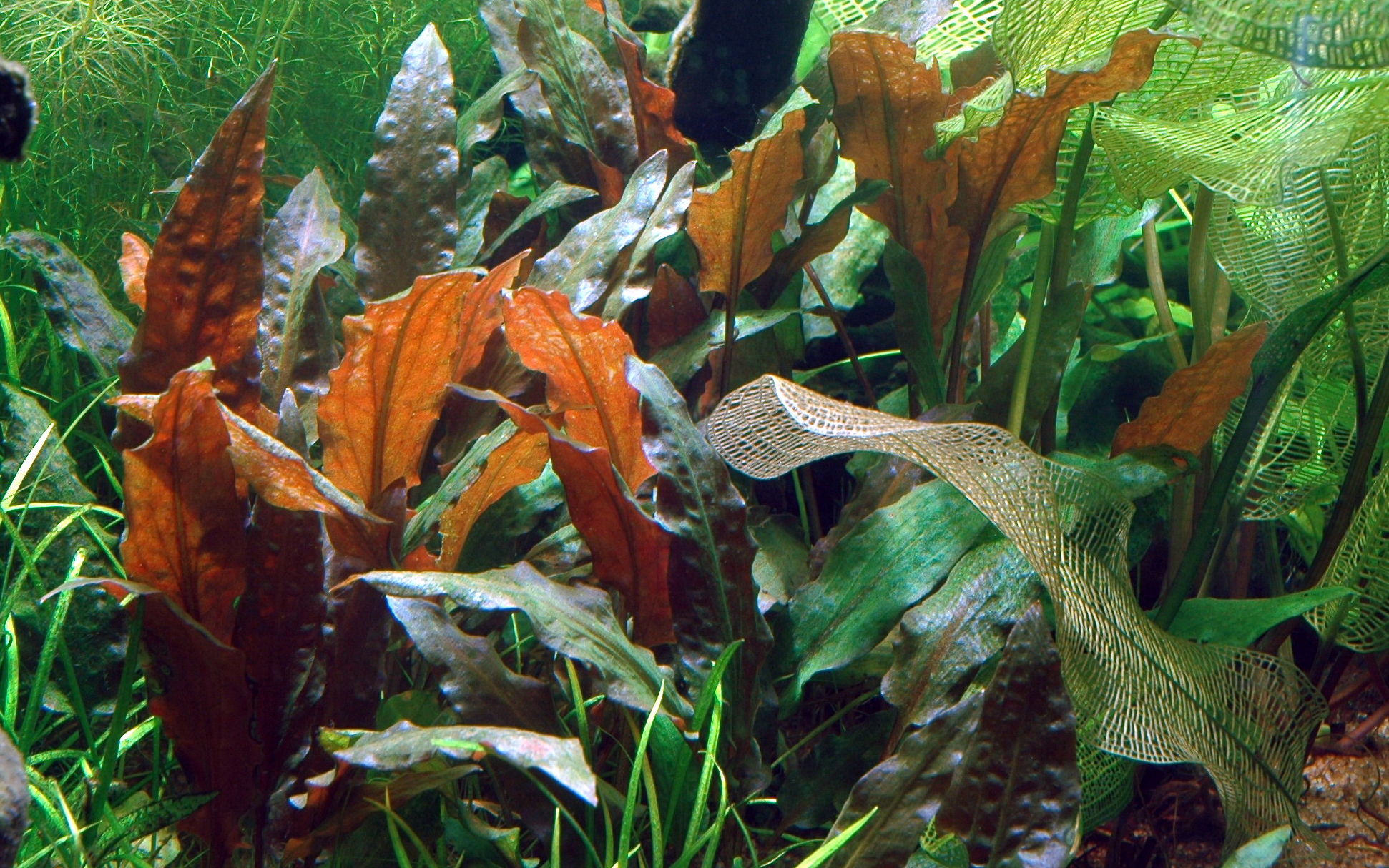
    Cryptocoryne wendtii Mi Oya is a robust and highly adaptable aquatic plant originating from Sri Lanka. It is favored by aquarists for its distinctive, hammered leaf texture and rich, brownish-red coloration. This variety is an excellent choice for the middleground of an aquarium, providing a striking contrast against green foliage and creating a natural, established aesthetic.
  • Cryptocoryne undulatus 'Red' (Red Undulated Cryptocoryne)

    Cryptocoryne undulatus 'Red' (Red Undulated Cryptocoryne)

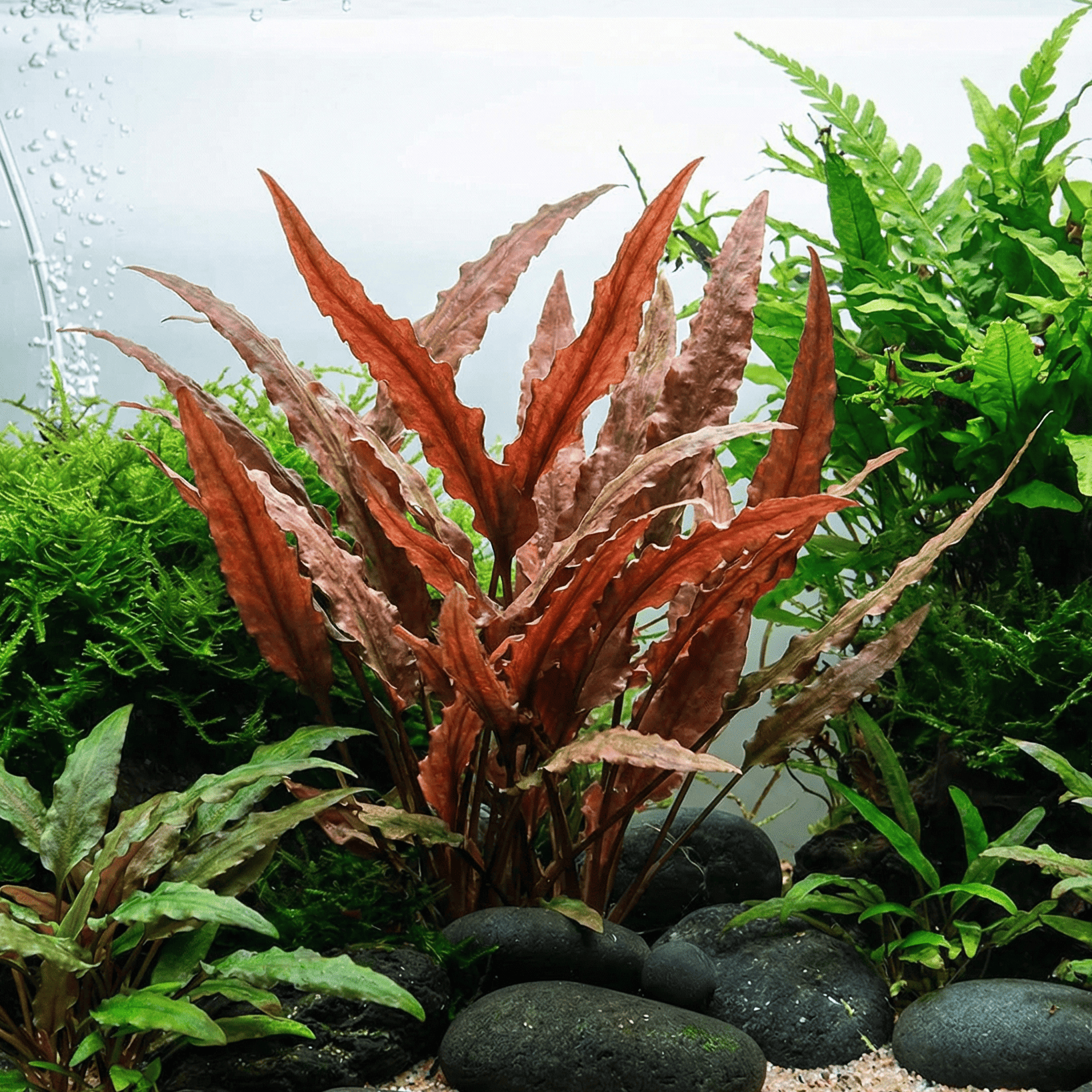
    Cryptocoryne undulatus 'Red' is a striking aquarium plant known for its distinct, wavy-edged foliage and deep reddish-brown coloration. This cultivar is highly valued for its ability to adapt to various water conditions, making it an excellent choice for both beginners and experienced aquascapers looking to add a vibrant focal point to their midground aquarium layouts.
  • Hydrocotyle tripartita (Cloverleaf)

    Hydrocotyle tripartita (Cloverleaf)

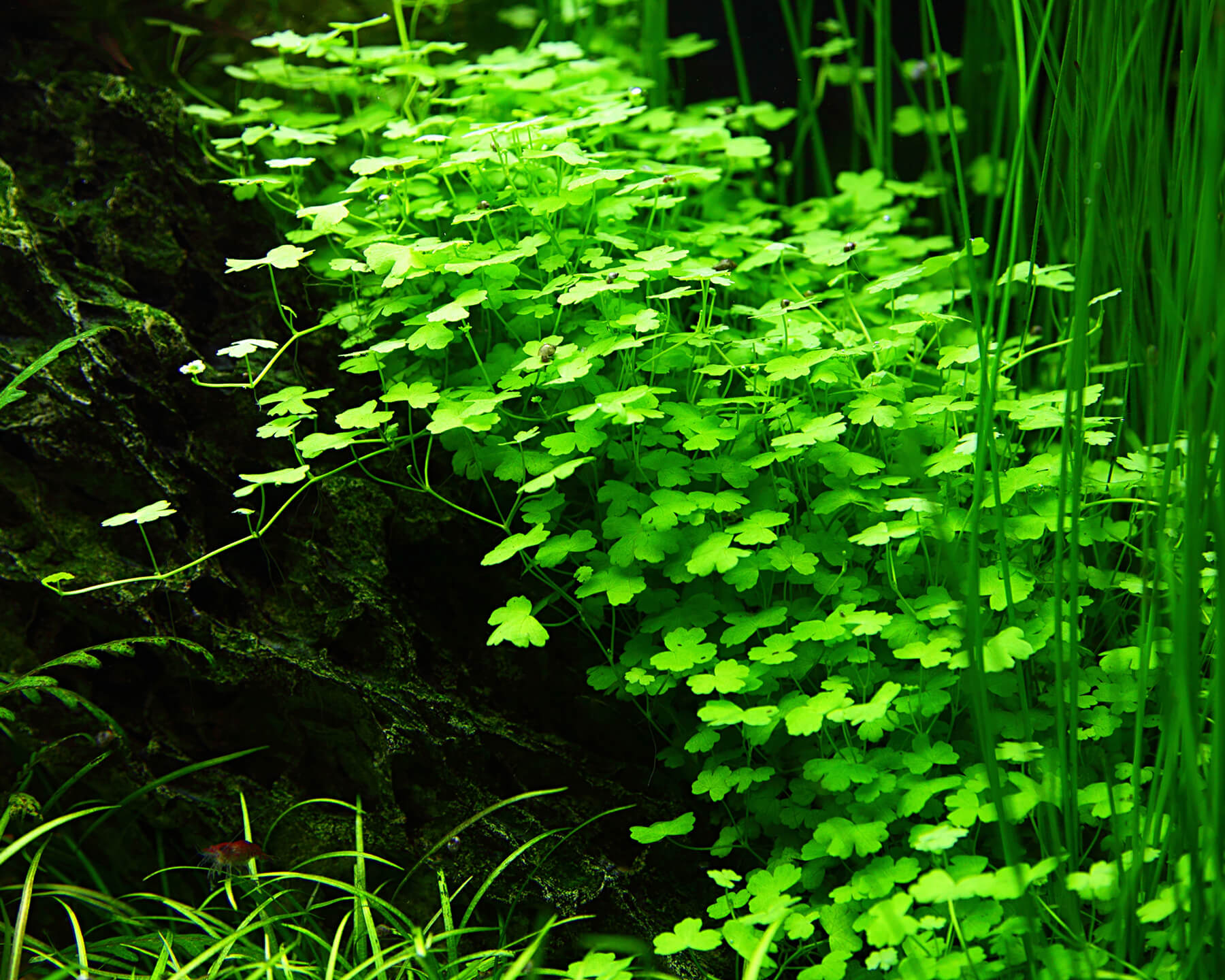
    Hydrocotyle tripartita is a popular, fast-growing aquatic plant known for its distinctive three-lobed, clover-like leaves. Often used in aquascaping to create lush carpets or dense, bright green bushes, this species is highly adaptable. It thrives in well-lit aquariums and responds positively to CO2 supplementation, making it an excellent choice for both beginners and experienced aquarists looking for rapid growth.
  • Vesicularia dubyana 'Christmas' (Christmas Moss)

    Vesicularia dubyana 'Christmas' (Christmas Moss)

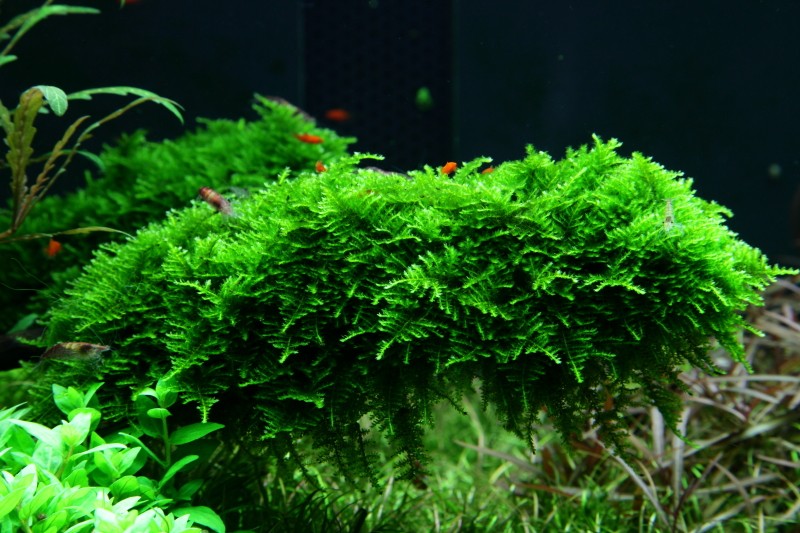
    Christmas Moss is a popular aquatic moss characterized by its distinct triangular, fir-like branching pattern. Highly valued in aquascaping, it creates dense, lush carpets or textured surfaces when attached to hardscape. It is relatively adaptable, making it a suitable choice for both beginners and experienced hobbyists looking to enhance the aesthetic complexity of their planted aquarium setups.
  • Bucephalandra sp. (Needle Leaf)

    Bucephalandra sp. (Needle Leaf)

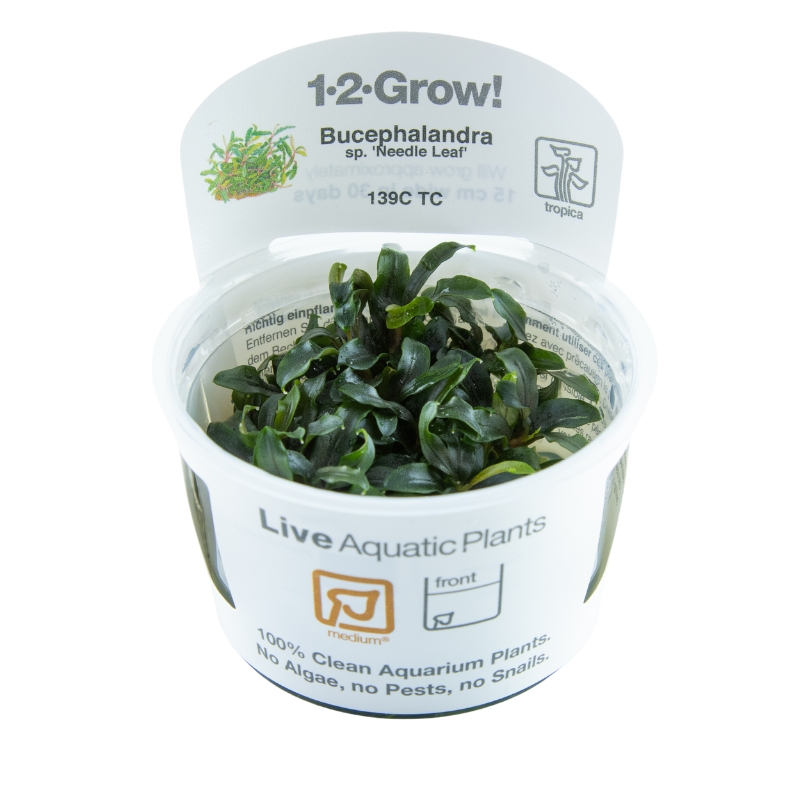
    Bucephalandra sp. Needle Leaf is a highly sought-after, slow-growing aquatic plant known for its narrow, elongated leaves and compact growth habit. Native to the streams of Borneo, this rheophyte thrives when attached to hardscapes like rocks or driftwood. Its distinct foliage adds texture to the foreground or midground of aquascapes, making it a favorite for planted aquarium enthusiasts.
  • Bucephalandra sp. Kedagang (Bucephalandra)

    Bucephalandra sp. Kedagang (Bucephalandra)

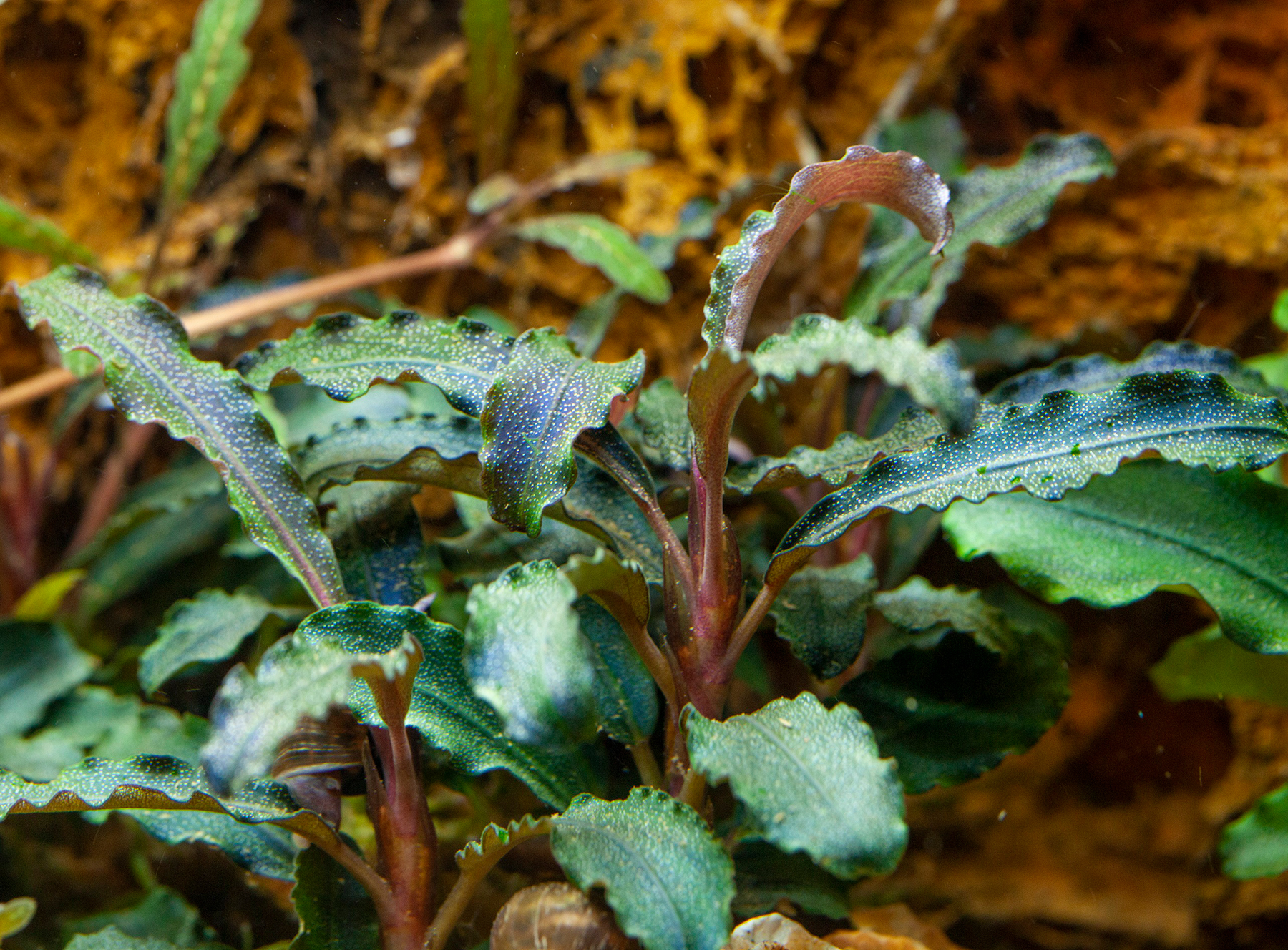
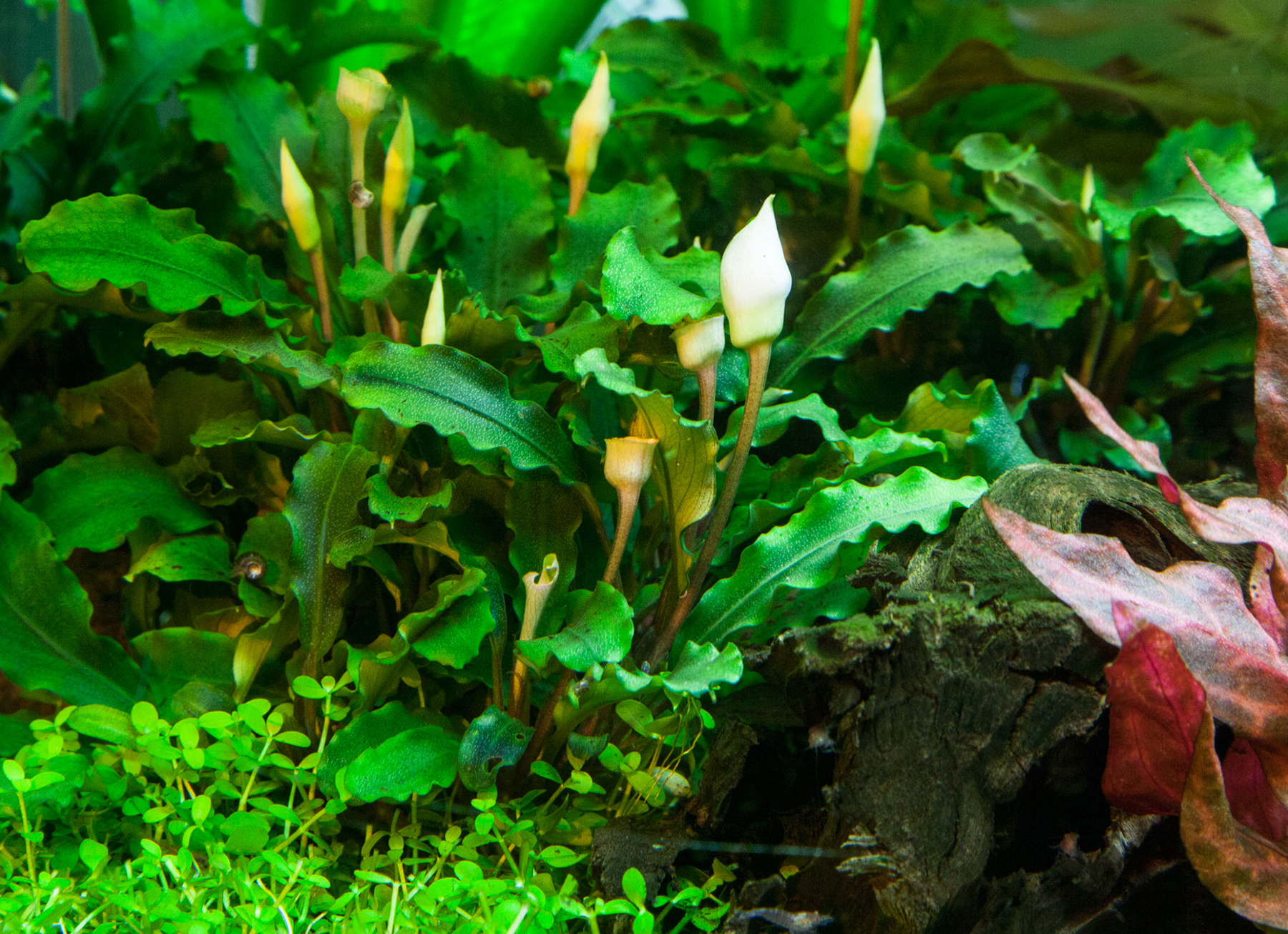
    Bucephalandra sp. Kedagang is a slow-growing aquatic plant originating from Borneo. Highly valued for its striking, dark, wavy-edged foliage and distinct silvery spots, it is a popular choice for aquascaping. This rheophyte thrives when attached to hardscape elements like rocks or driftwood, providing a sophisticated, textured appearance to the foreground or midground of a planted aquarium.
  • Bucephalandra pygmaea (Bukit Kelam)

    Bucephalandra pygmaea (Bukit Kelam)

    Bucephalandra pygmaea, commonly referred to as Bukit Kelam, is a popular rhizomatous plant originating from Borneo. Known for its distinctively wavy, dark green leaves and resilience, it is highly sought after for aquascaping. This plant thrives when attached to hardscape elements like rocks or driftwood, providing an elegant aesthetic to the middleground of a planted aquarium.
  • Lilaeopsis brasiliensis (Brazilian grass)

    Lilaeopsis brasiliensis (Brazilian grass)

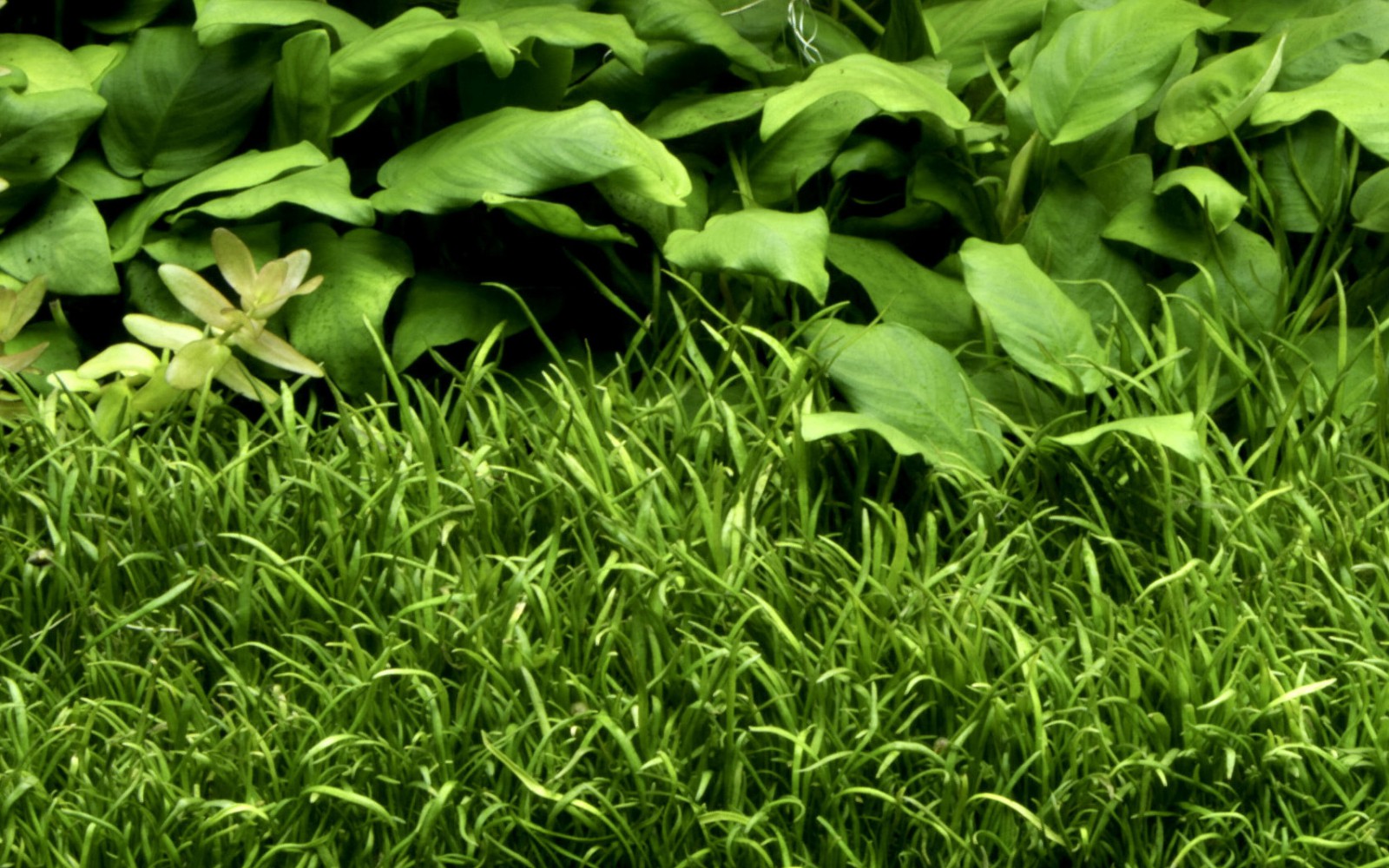
    Lilaeopsis brasiliensis is a popular foreground plant known for its grass-like appearance. It spreads via creeping runners, eventually forming a dense carpet in the aquarium. While it can be challenging to establish, it provides a natural aesthetic. This species thrives in well-lit tanks and benefits significantly from supplemental carbon dioxide and nutrient-rich substrates to maintain growth.
  • Rotala rotundifolia 'Bonsai' (Rotala 'Bonsai')

    Rotala rotundifolia 'Bonsai' (Rotala 'Bonsai')

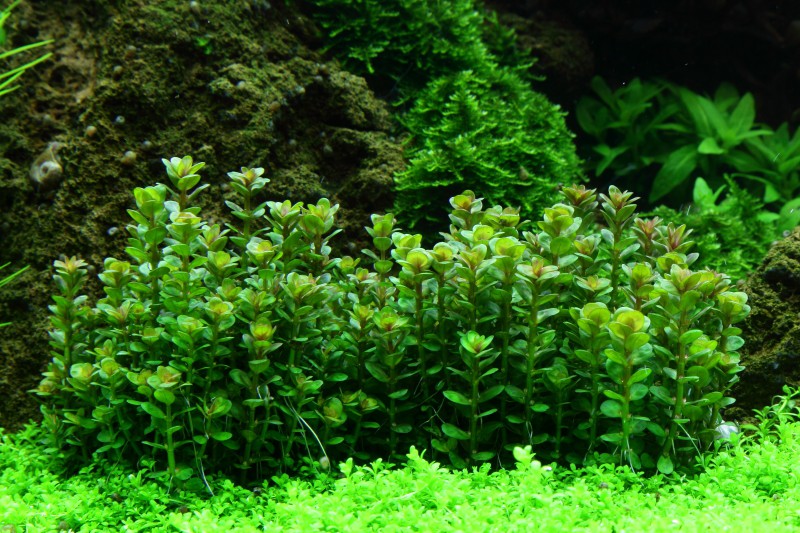
    Rotala rotundifolia 'Bonsai' is a compact aquatic stem plant highly valued in aquascaping for its small, rounded leaves and manageable growth habit. Unlike other Rotala species that grow tall and wild, this cultivar maintains a dense, upright structure. It is an excellent choice for creating detailed textures in the middleground of planted aquariums, provided light and nutrient levels are sufficient.
  • Eleocharis acicularis (Bonsai Needlewort)

    Eleocharis acicularis (Bonsai Needlewort)

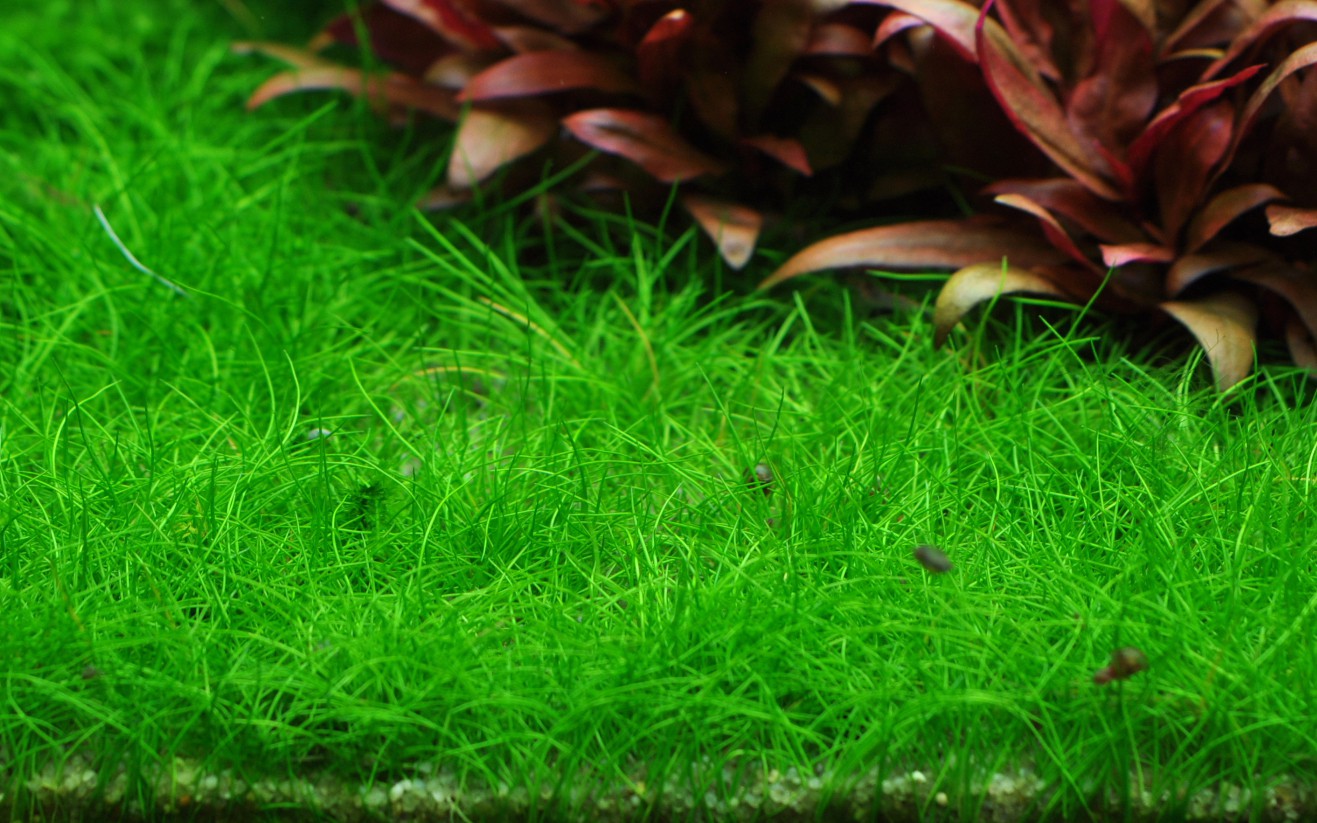
    Eleocharis acicularis, commonly known as bonsai needlewort, is a popular grass-like plant for the foreground of aquascaped tanks. This diminutive form creates a dense, carpet-like appearance when provided with sufficient light and nutrients. Its slender, bright green blades spread via underground runners, making it an excellent choice for creating natural-looking grassy meadows in freshwater aquarium layouts.
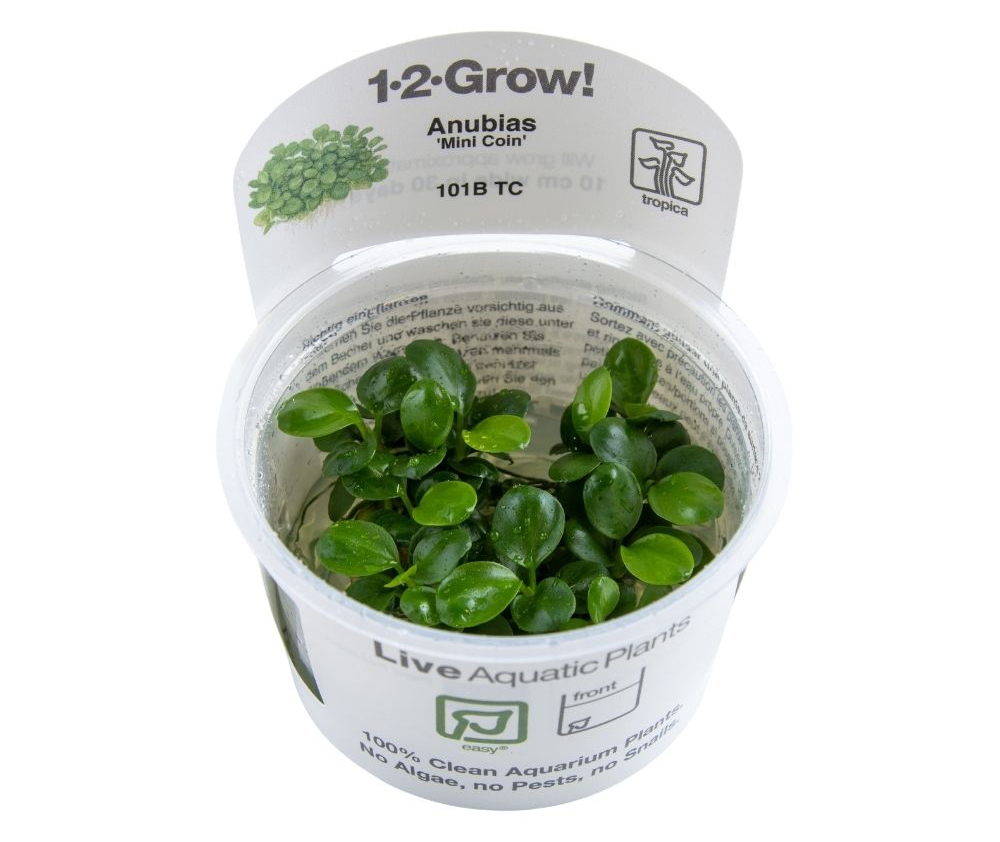
  • Anubias barteri (Mini Coin)

    Anubias barteri (Mini Coin)

    Anubias barteri Mini Coin is a compact, slow-growing cultivar of the well-known Anubias barteri. It is highly valued for its small, rounded, coin-like leaves, which make it an excellent choice for the foreground or for attaching to hardscape. This hardy plant is suitable for beginners and thrives in a wide range of aquarium conditions.
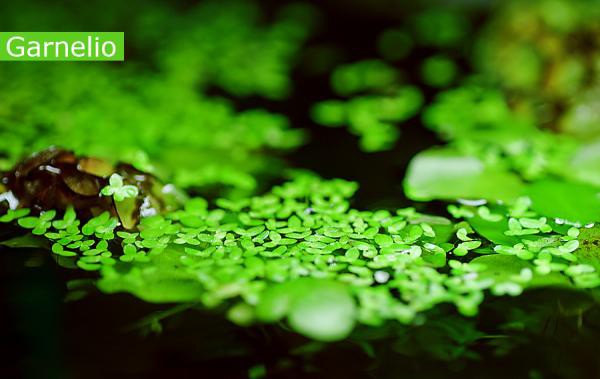
  • Lemna minor (Duckweed)

    Lemna minor (Duckweed)

    Lemna minor is a small, free-floating aquatic plant commonly known as duckweed. It is widely recognized for its rapid reproduction and ability to cover the water surface. While often considered a nuisance by some aquarists due to its invasive nature, it serves as an excellent natural nitrate remover and provides shade for shy fish species in home aquariums.