AquaLibs presents AquaRank Discover the world’s leading aquascapers

Explore transparent rankings built from published results across the world’s leading aquascaping contests.

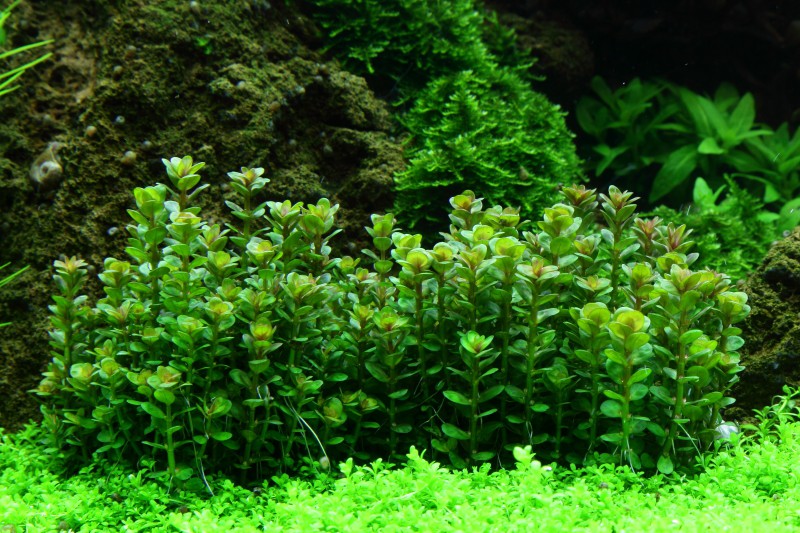
Rotala rotundifolia 'Bonsai' (Rotala 'Bonsai')

Cultivation Requirements

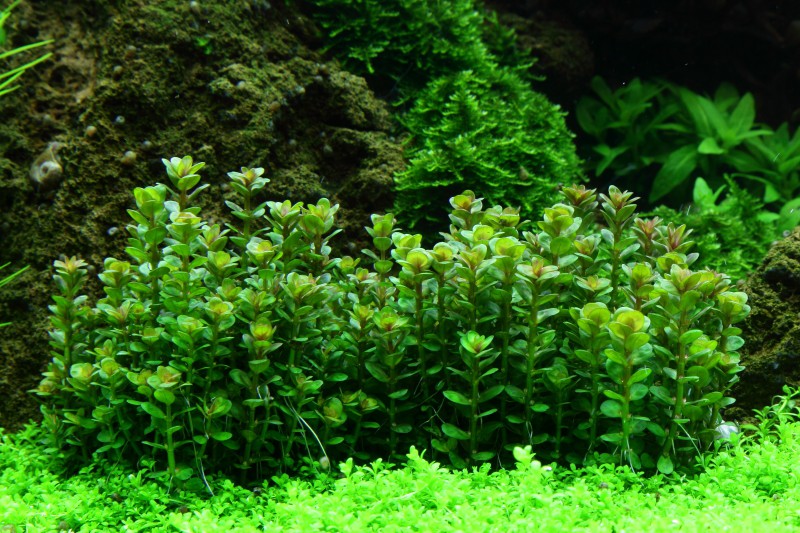
This plant requires high light intensity and consistent carbon dioxide supplementation to thrive and maintain its compact form. Without sufficient light, the stems will stretch and lose their characteristic dense appearance. Regular pruning is necessary to encourage lateral branching and to keep the clusters tidy. It prefers a nutrient-rich substrate and a steady supply of micronutrients to prevent stunted growth.
Cultivation Requirements

Aquascaping Use

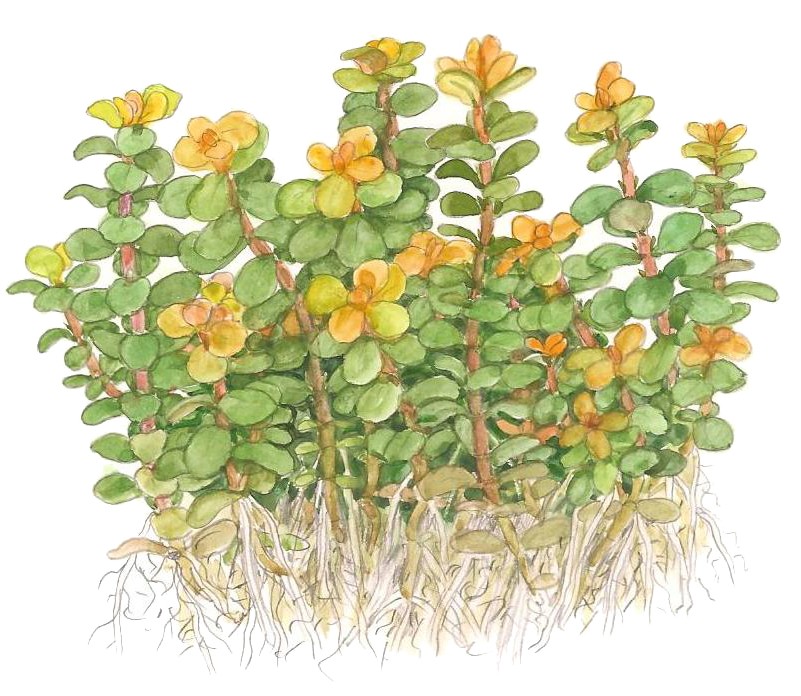
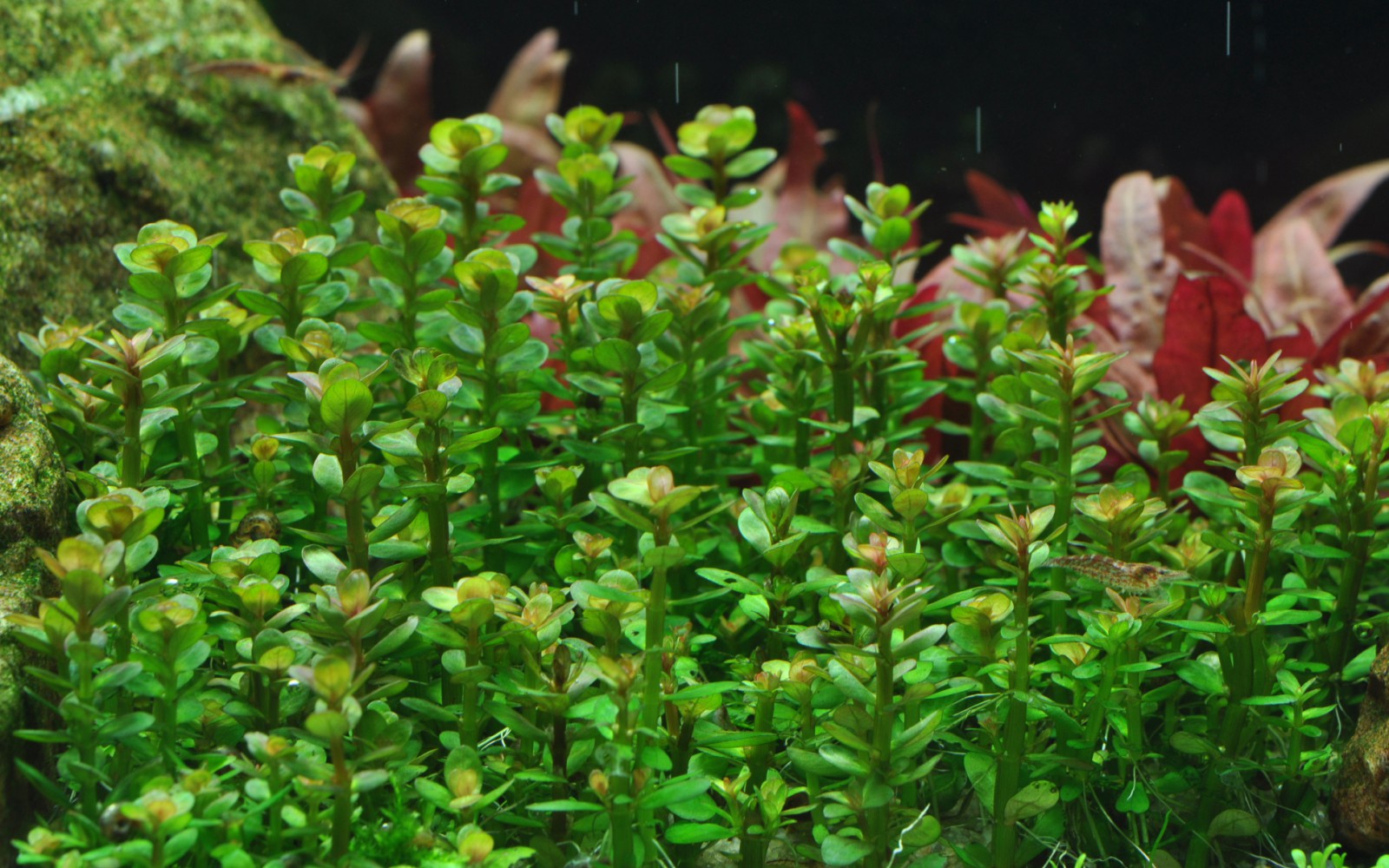
Due to its slow growth and small stature, Rotala 'Bonsai' is ideal for the middleground or even the foreground of larger aquariums. It is often planted in small, dense groups to create a 'bushy' effect. It pairs well with carpeting plants and contrasts effectively against darker, larger-leafed species or hardscape elements like rocks and driftwood.
Aquascaping Use
Rotala rotundifolia 'Bonsai' (Rotala 'Bonsai')

Plant info

  • Colors: Green
Leave your comments
Latest on Plants
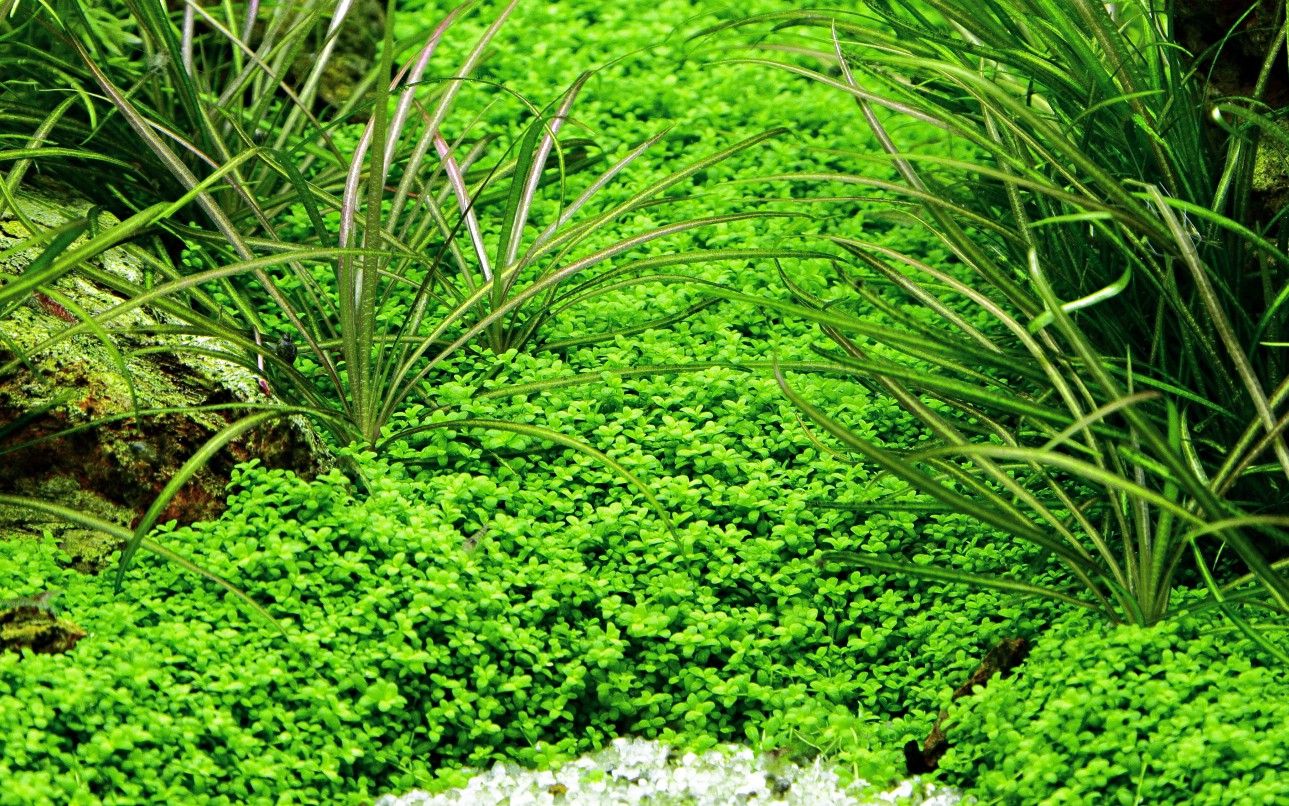
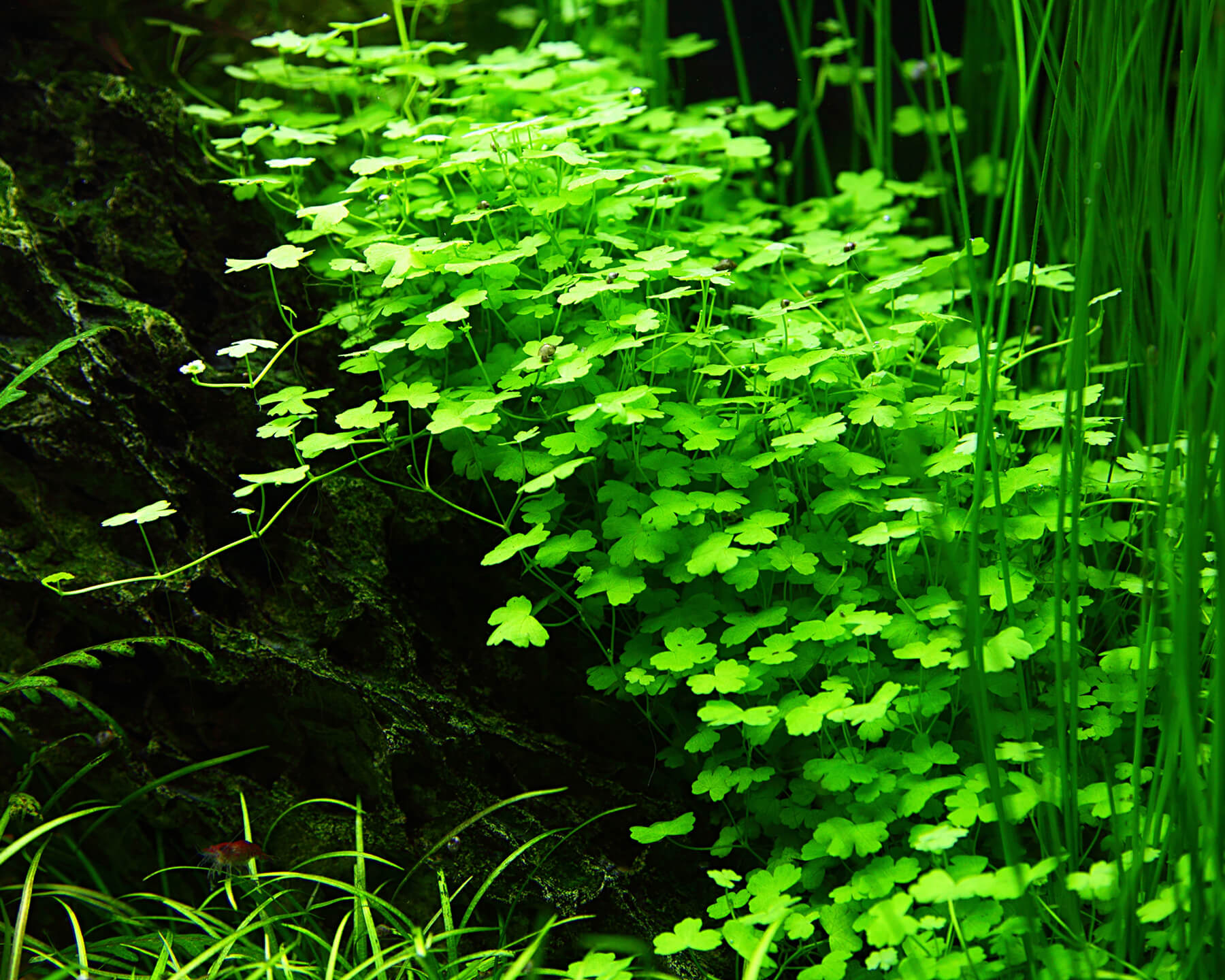
  • Hemianthus callitrichoides (Dwarf Pearlwort)

    Hemianthus callitrichoides (Dwarf Pearlwort)

    Advanced
    Foreground
    Hemianthus callitrichoides is widely recognized as one of the smallest aquarium plants available, making it a staple for creating lush, low-growing carpets in aquascapes. Native to Cuba, this delicate plant features tiny, rounded leaves that spread across the substrate. It requires significant attention to light and nutrients to thrive and maintain its characteristic dense, ground-hugging growth habit.
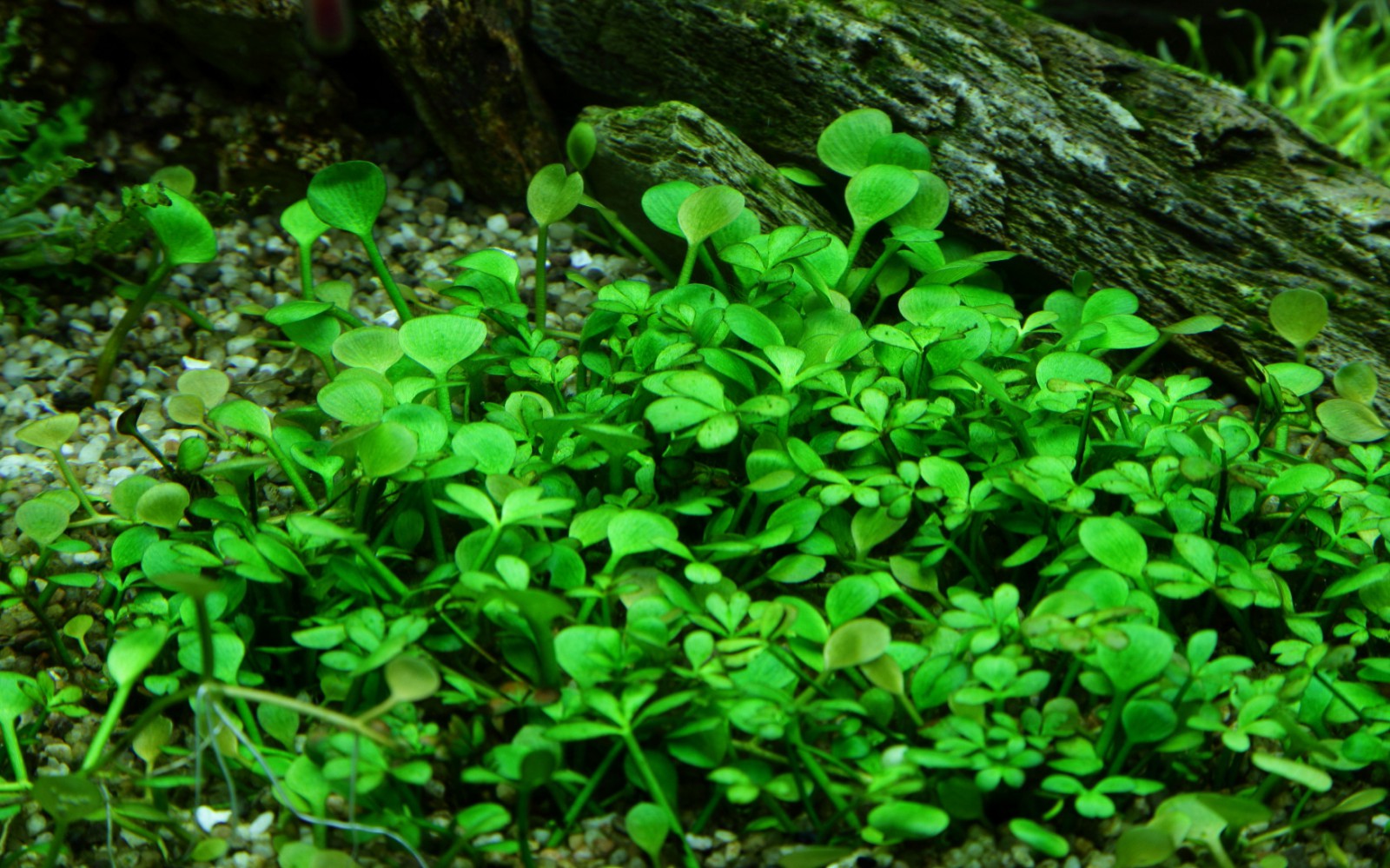
  • Marsilea hirsuta (Dwarf Cloverleaf)

    Marsilea hirsuta (Dwarf Cloverleaf)

    Easy
    Foreground
    Marsilea hirsuta is a popular aquatic fern often utilized as a foreground carpet plant in aquascaping. It is characterized by its clover-like leaves, which can vary in appearance depending on whether the plant is grown submersed or emersed. This hardy species is well-regarded for its adaptability, making it a suitable choice for both beginners and experienced aquarists looking for a lush, green carpet.
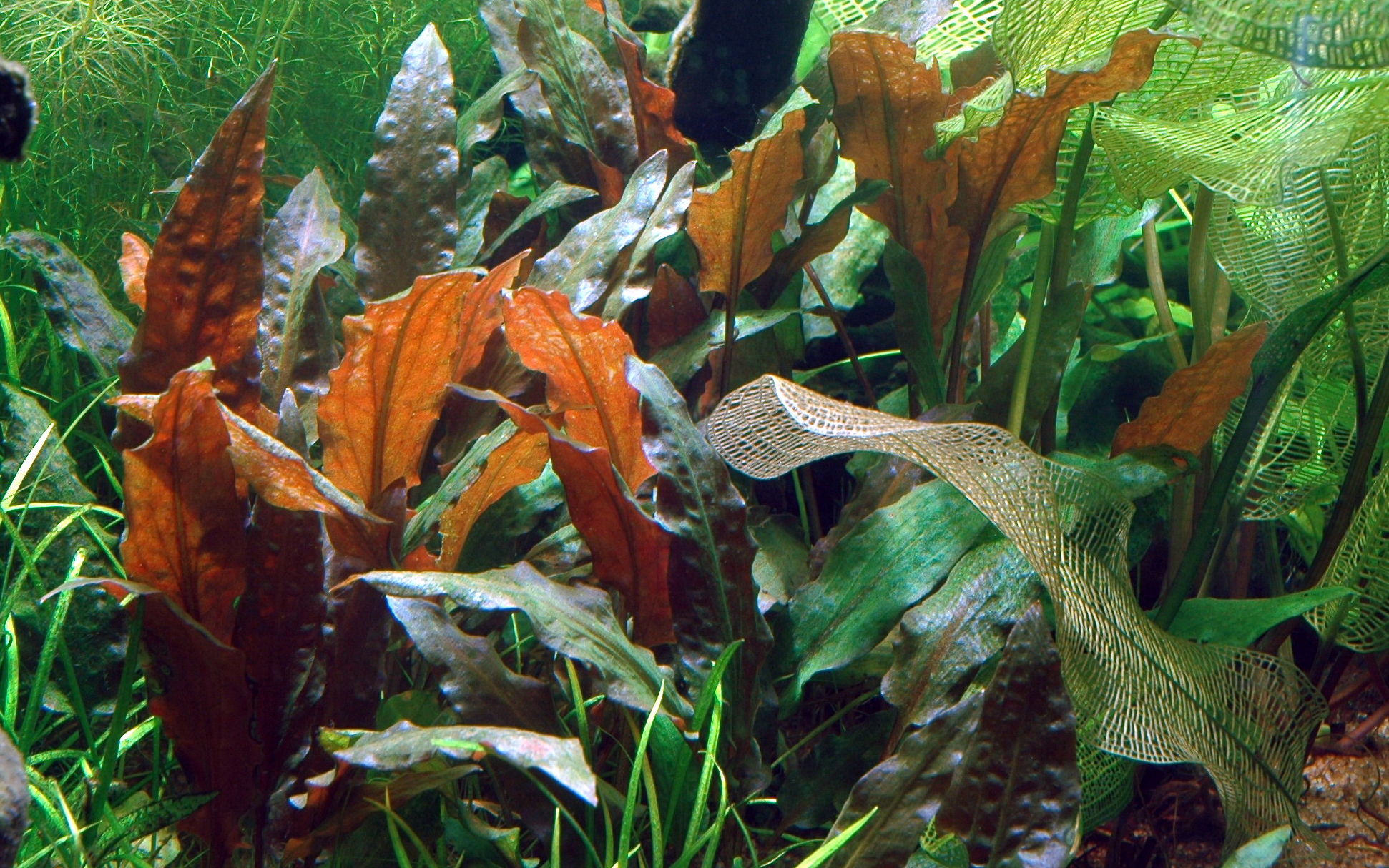
  • Cryptocoryne wendtii (Cryptocoryne wendtii Mi Oya)

    Cryptocoryne wendtii (Cryptocoryne wendtii Mi Oya)

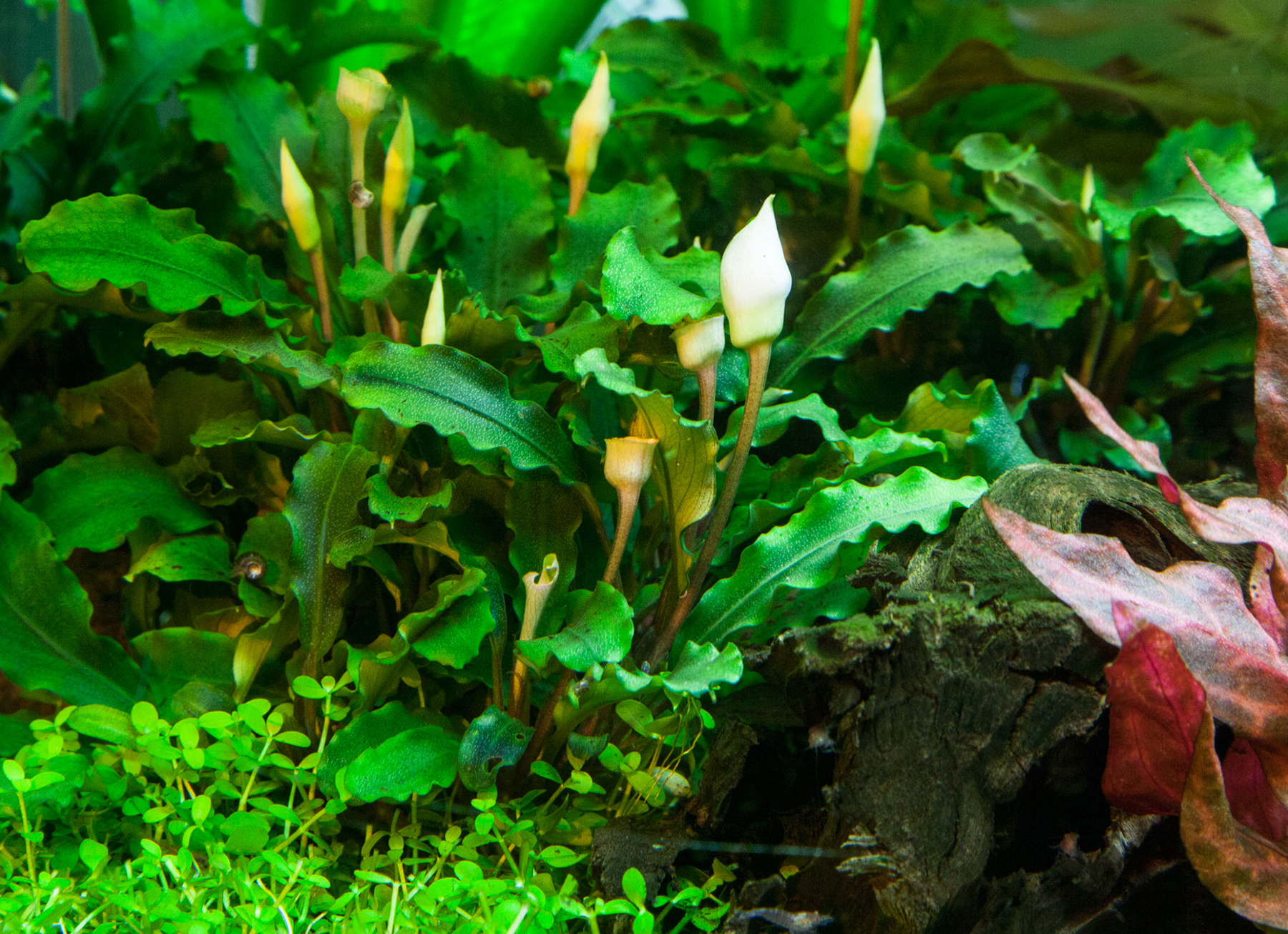
    Cryptocoryne wendtii Mi Oya is a robust and highly adaptable aquatic plant originating from Sri Lanka. It is favored by aquarists for its distinctive, hammered leaf texture and rich, brownish-red coloration. This variety is an excellent choice for the middleground of an aquarium, providing a striking contrast against green foliage and creating a natural, established aesthetic.
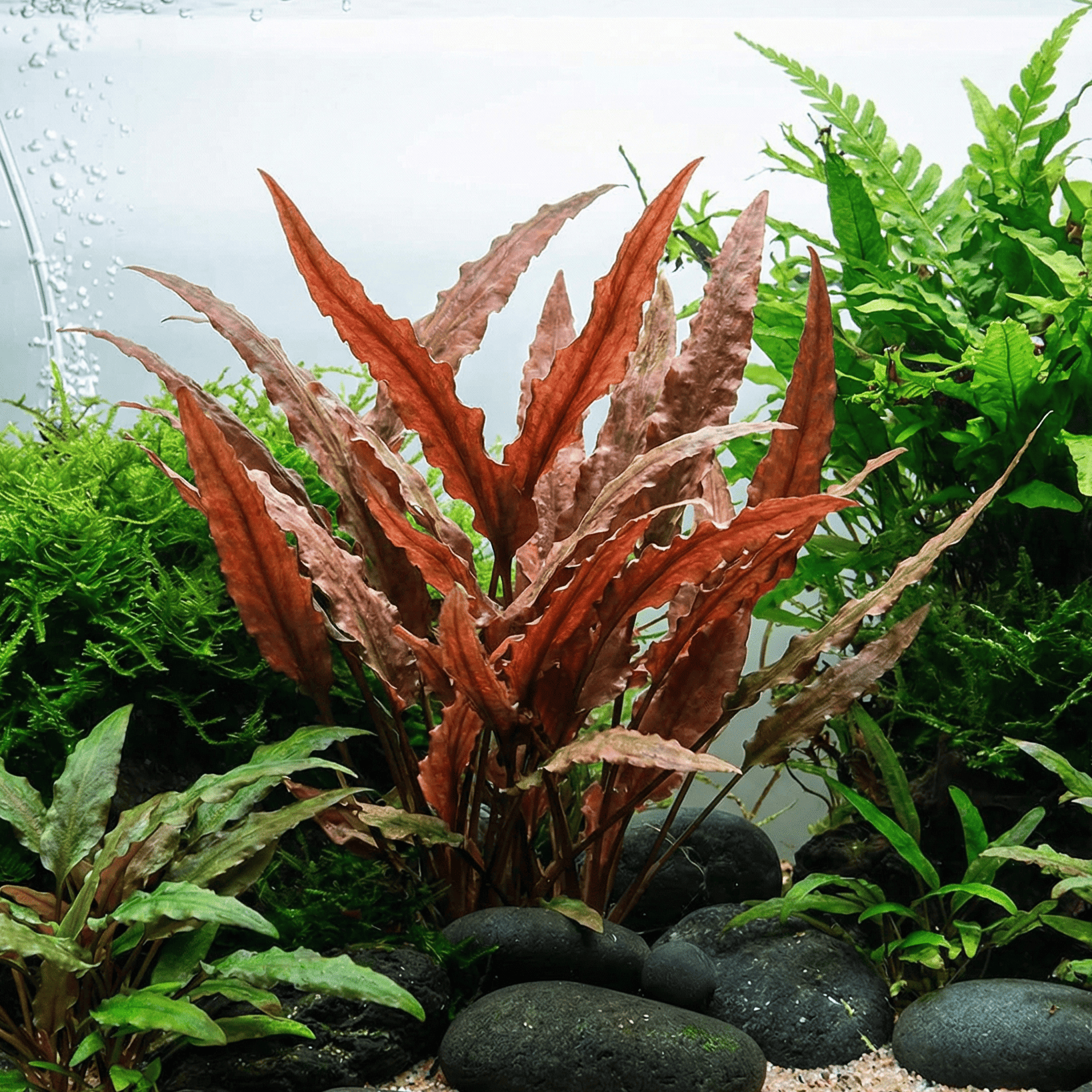
  • Cryptocoryne undulatus 'Red' (Red Undulated Cryptocoryne)

    Cryptocoryne undulatus 'Red' (Red Undulated Cryptocoryne)

    Cryptocoryne undulatus 'Red' is a striking aquarium plant known for its distinct, wavy-edged foliage and deep reddish-brown coloration. This cultivar is highly valued for its ability to adapt to various water conditions, making it an excellent choice for both beginners and experienced aquascapers looking to add a vibrant focal point to their midground aquarium layouts.
  • Hydrocotyle tripartita (Cloverleaf)

    Hydrocotyle tripartita (Cloverleaf)

    Hydrocotyle tripartita is a popular, fast-growing aquatic plant known for its distinctive three-lobed, clover-like leaves. Often used in aquascaping to create lush carpets or dense, bright green bushes, this species is highly adaptable. It thrives in well-lit aquariums and responds positively to CO2 supplementation, making it an excellent choice for both beginners and experienced aquarists looking for rapid growth.
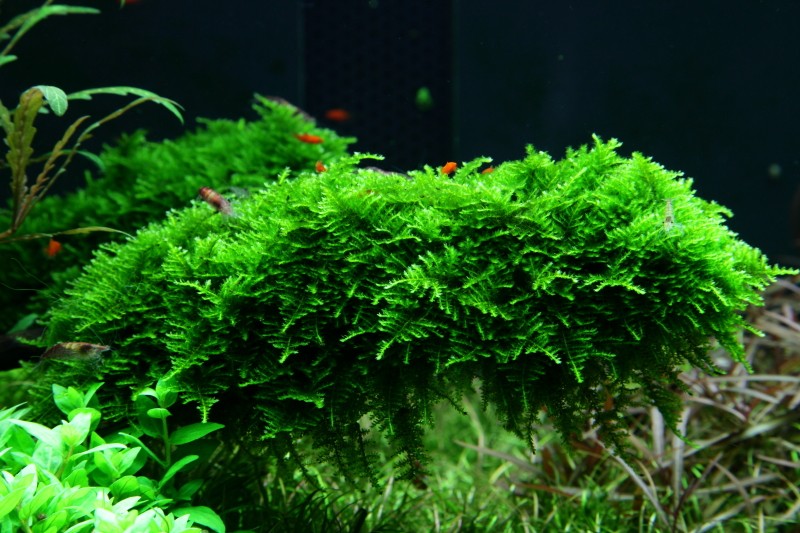
  • Vesicularia dubyana 'Christmas' (Christmas Moss)

    Vesicularia dubyana 'Christmas' (Christmas Moss)

    Christmas Moss is a popular aquatic moss characterized by its distinct triangular, fir-like branching pattern. Highly valued in aquascaping, it creates dense, lush carpets or textured surfaces when attached to hardscape. It is relatively adaptable, making it a suitable choice for both beginners and experienced hobbyists looking to enhance the aesthetic complexity of their planted aquarium setups.
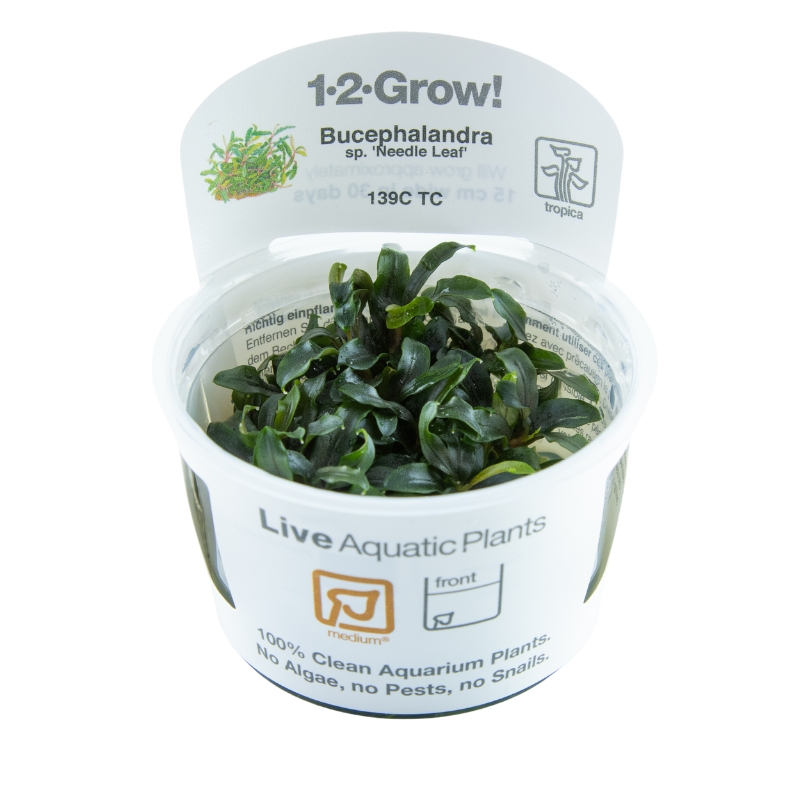
  • Bucephalandra sp. (Needle Leaf)

    Bucephalandra sp. (Needle Leaf)

    Bucephalandra sp. Needle Leaf is a highly sought-after, slow-growing aquatic plant known for its narrow, elongated leaves and compact growth habit. Native to the streams of Borneo, this rheophyte thrives when attached to hardscapes like rocks or driftwood. Its distinct foliage adds texture to the foreground or midground of aquascapes, making it a favorite for planted aquarium enthusiasts.
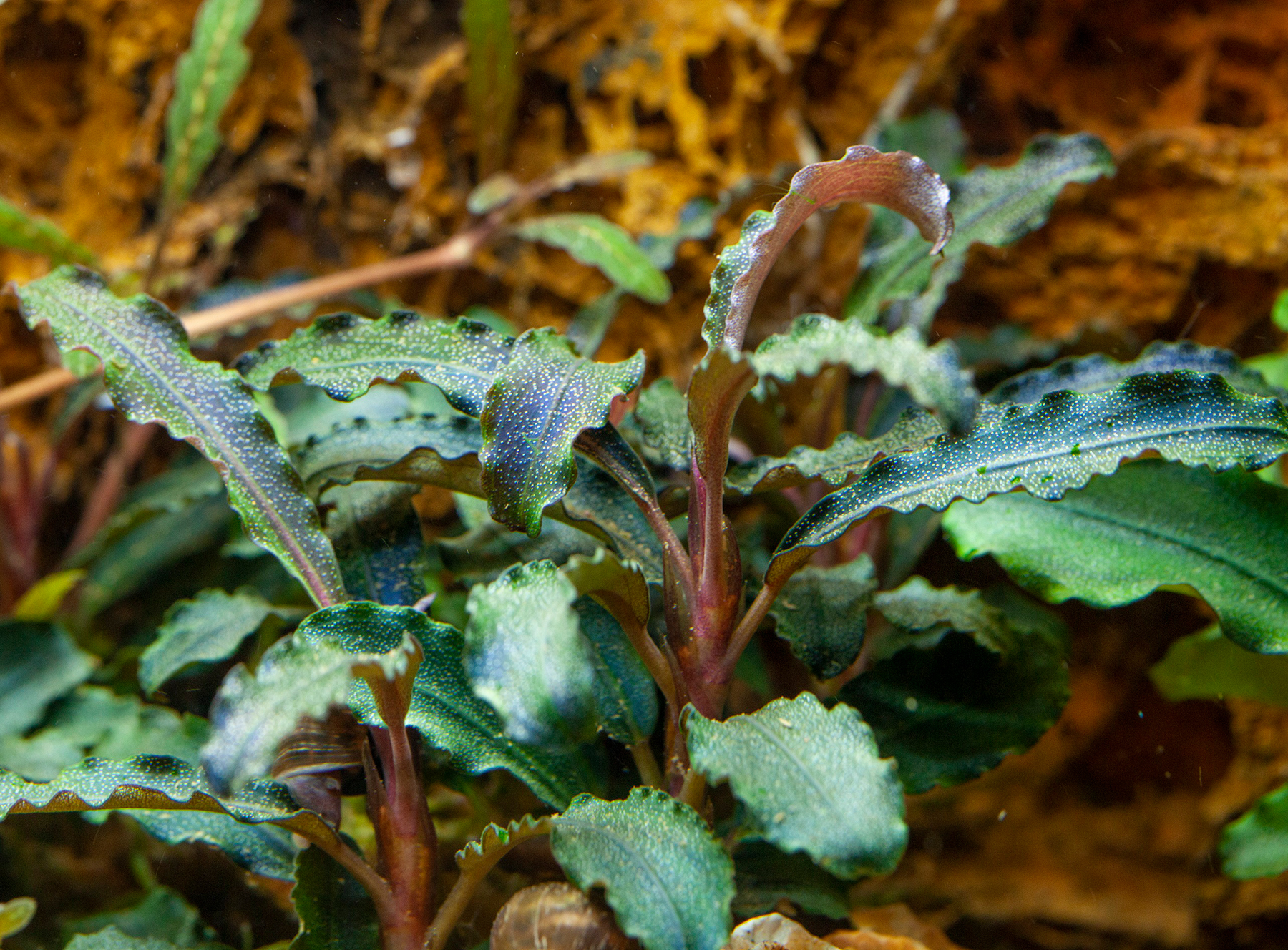
  • Bucephalandra sp. Kedagang (Bucephalandra)

    Bucephalandra sp. Kedagang (Bucephalandra)

    Bucephalandra sp. Kedagang is a slow-growing aquatic plant originating from Borneo. Highly valued for its striking, dark, wavy-edged foliage and distinct silvery spots, it is a popular choice for aquascaping. This rheophyte thrives when attached to hardscape elements like rocks or driftwood, providing a sophisticated, textured appearance to the foreground or midground of a planted aquarium.
  • Bucephalandra pygmaea (Bukit Kelam)

    Bucephalandra pygmaea (Bukit Kelam)

    Bucephalandra pygmaea, commonly referred to as Bukit Kelam, is a popular rhizomatous plant originating from Borneo. Known for its distinctively wavy, dark green leaves and resilience, it is highly sought after for aquascaping. This plant thrives when attached to hardscape elements like rocks or driftwood, providing an elegant aesthetic to the middleground of a planted aquarium.
  • Lilaeopsis brasiliensis (Brazilian grass)

    Lilaeopsis brasiliensis (Brazilian grass)

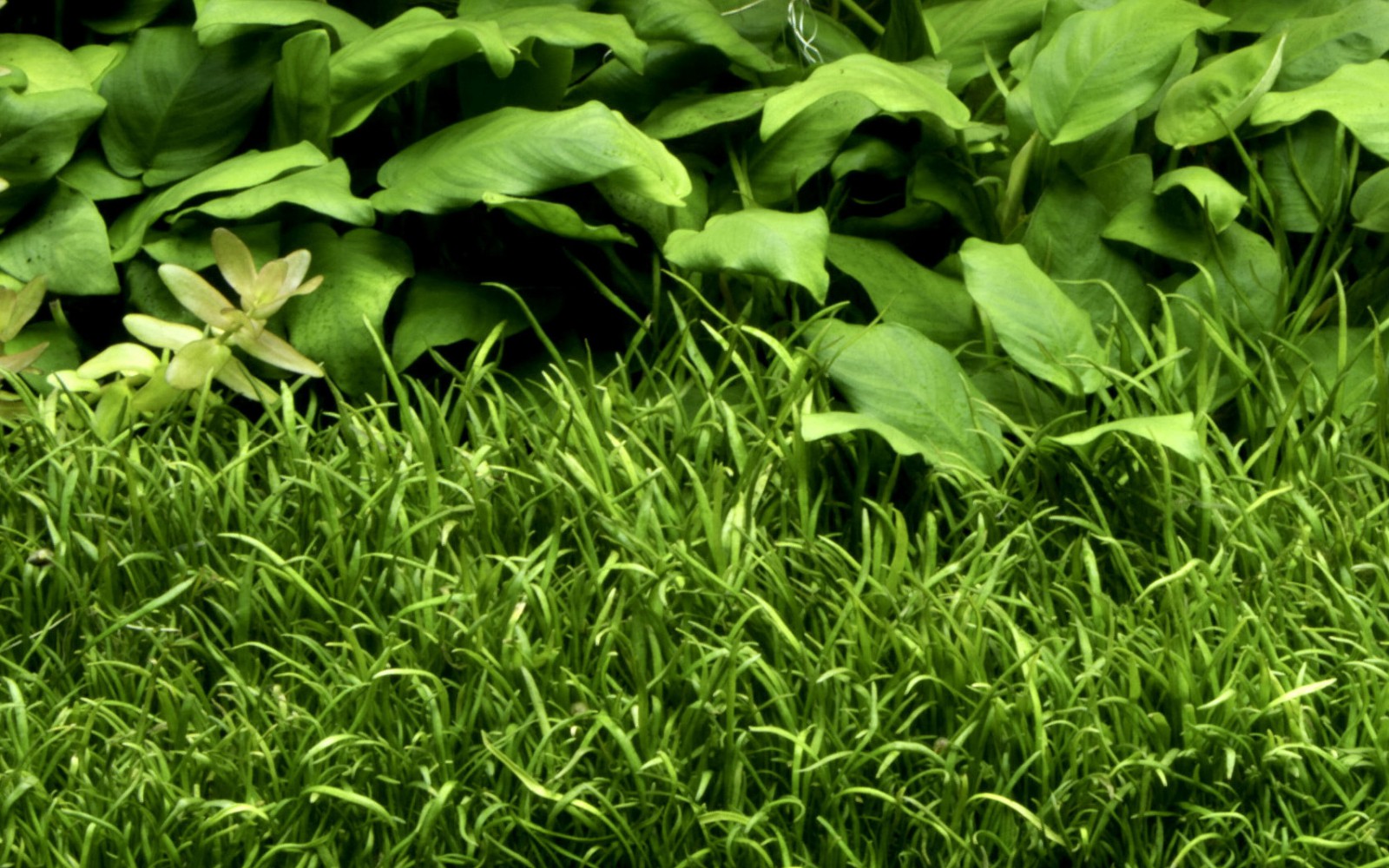
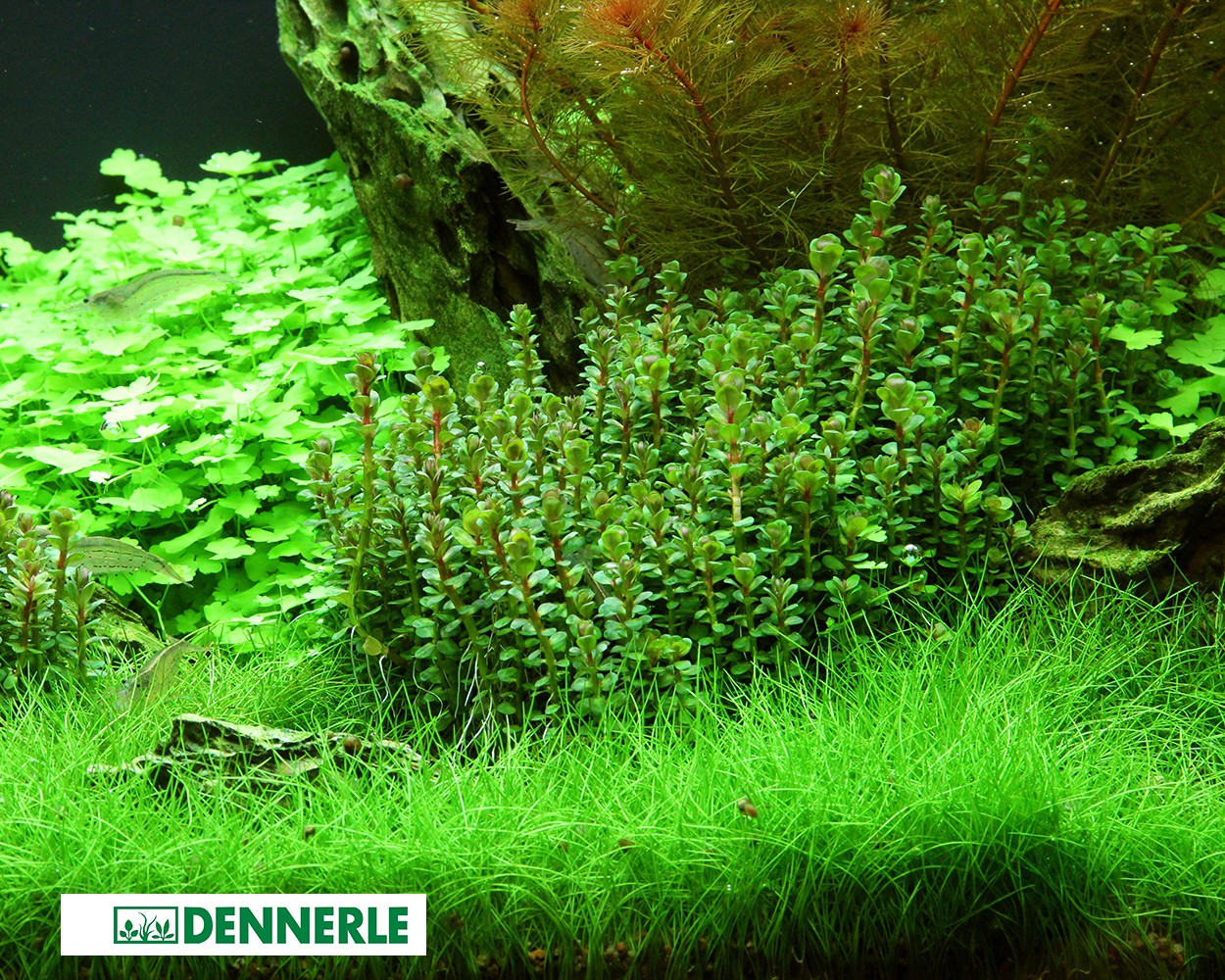
    Lilaeopsis brasiliensis is a popular foreground plant known for its grass-like appearance. It spreads via creeping runners, eventually forming a dense carpet in the aquarium. While it can be challenging to establish, it provides a natural aesthetic. This species thrives in well-lit tanks and benefits significantly from supplemental carbon dioxide and nutrient-rich substrates to maintain growth.
  • Eleocharis acicularis (Bonsai Needlewort)

    Eleocharis acicularis (Bonsai Needlewort)

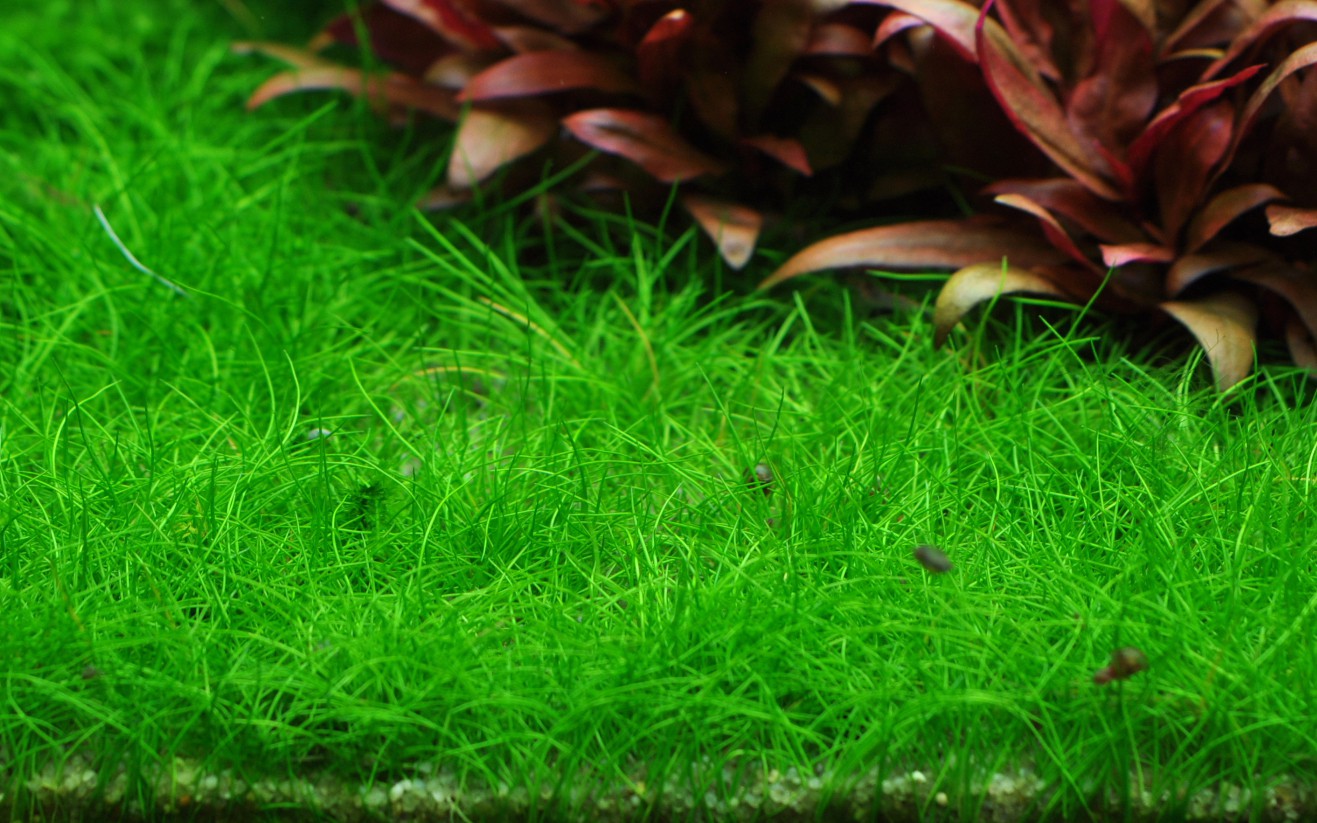
    Eleocharis acicularis, commonly known as bonsai needlewort, is a popular grass-like plant for the foreground of aquascaped tanks. This diminutive form creates a dense, carpet-like appearance when provided with sufficient light and nutrients. Its slender, bright green blades spread via underground runners, making it an excellent choice for creating natural-looking grassy meadows in freshwater aquarium layouts.
  • Anubias barteri (Mini Coin)

    Anubias barteri (Mini Coin)

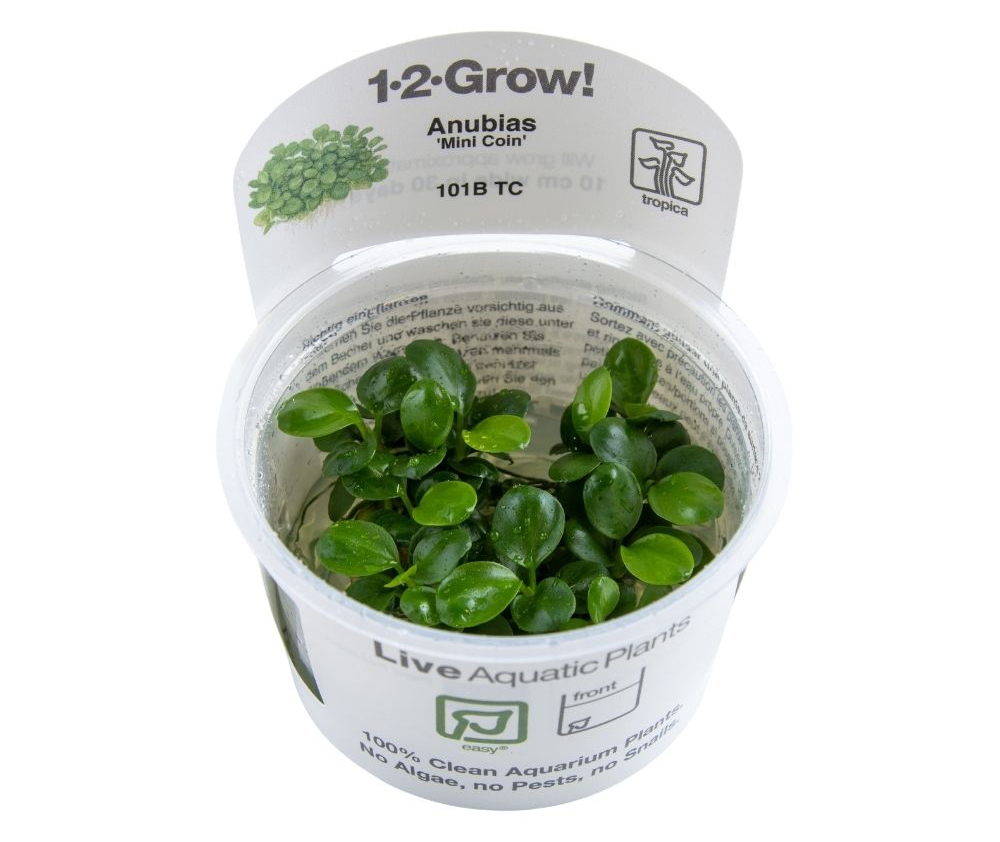
    Anubias barteri Mini Coin is a compact, slow-growing cultivar of the well-known Anubias barteri. It is highly valued for its small, rounded, coin-like leaves, which make it an excellent choice for the foreground or for attaching to hardscape. This hardy plant is suitable for beginners and thrives in a wide range of aquarium conditions.
  • Lemna minor (Duckweed)

    Lemna minor (Duckweed)

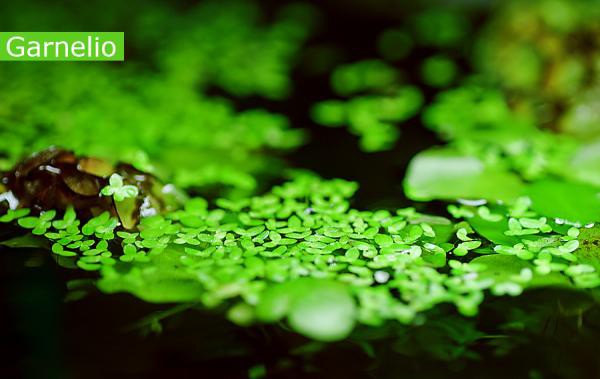
    Lemna minor is a small, free-floating aquatic plant commonly known as duckweed. It is widely recognized for its rapid reproduction and ability to cover the water surface. While often considered a nuisance by some aquarists due to its invasive nature, it serves as an excellent natural nitrate remover and provides shade for shy fish species in home aquariums.
  • Rotala rotundifolia (Rotala)

    Rotala rotundifolia (Rotala)

    Rotala rotundifolia is a popular stem plant in the aquarium hobby, often marketed under various names including Rotala indica. While its taxonomy can be complex due to phenotypic variation, it is highly valued for its adaptability and aesthetic appeal. It produces delicate, light green to reddish leaves depending on light intensity and nutrient availability in the aquarium.
  • Anubias barteri var. nana 'Pinto' (Pinto Anubias)

    Anubias barteri var. nana 'Pinto' (Pinto Anubias)

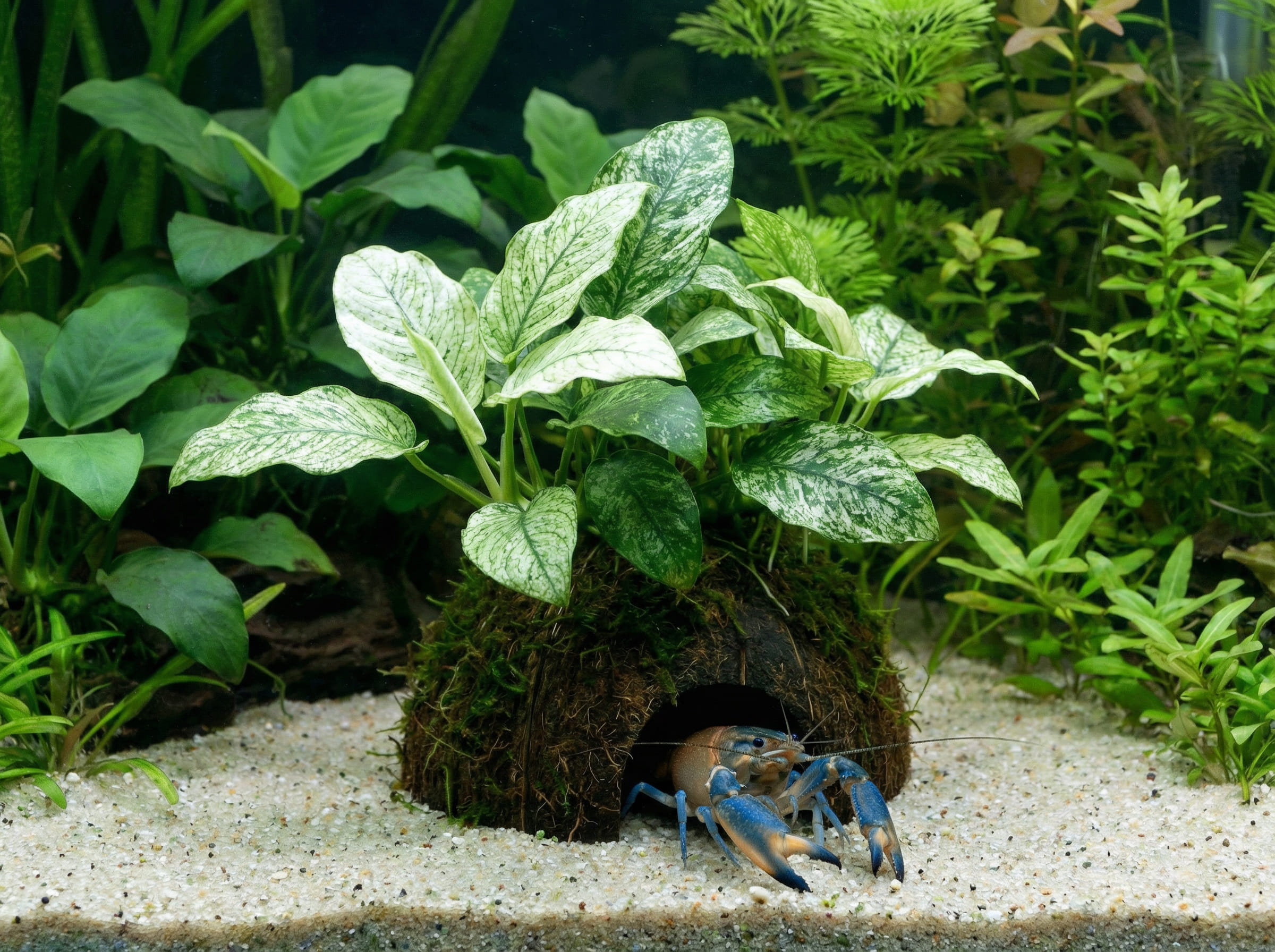
    The Anubias barteri var. nana 'Pinto' is a highly sought-after variegated cultivar of the popular Anubias nana. Characterized by its striking white and green marbled leaves, this slow-growing epiphyte is often attached to hardscape materials like the coconut shell and weeping moss combination seen here, creating an aesthetically pleasing and functional centerpiece for smaller aquarium setups.
  • Echinodorus 'Little Bear' (Little Bear Sword)

    Echinodorus 'Little Bear' (Little Bear Sword)

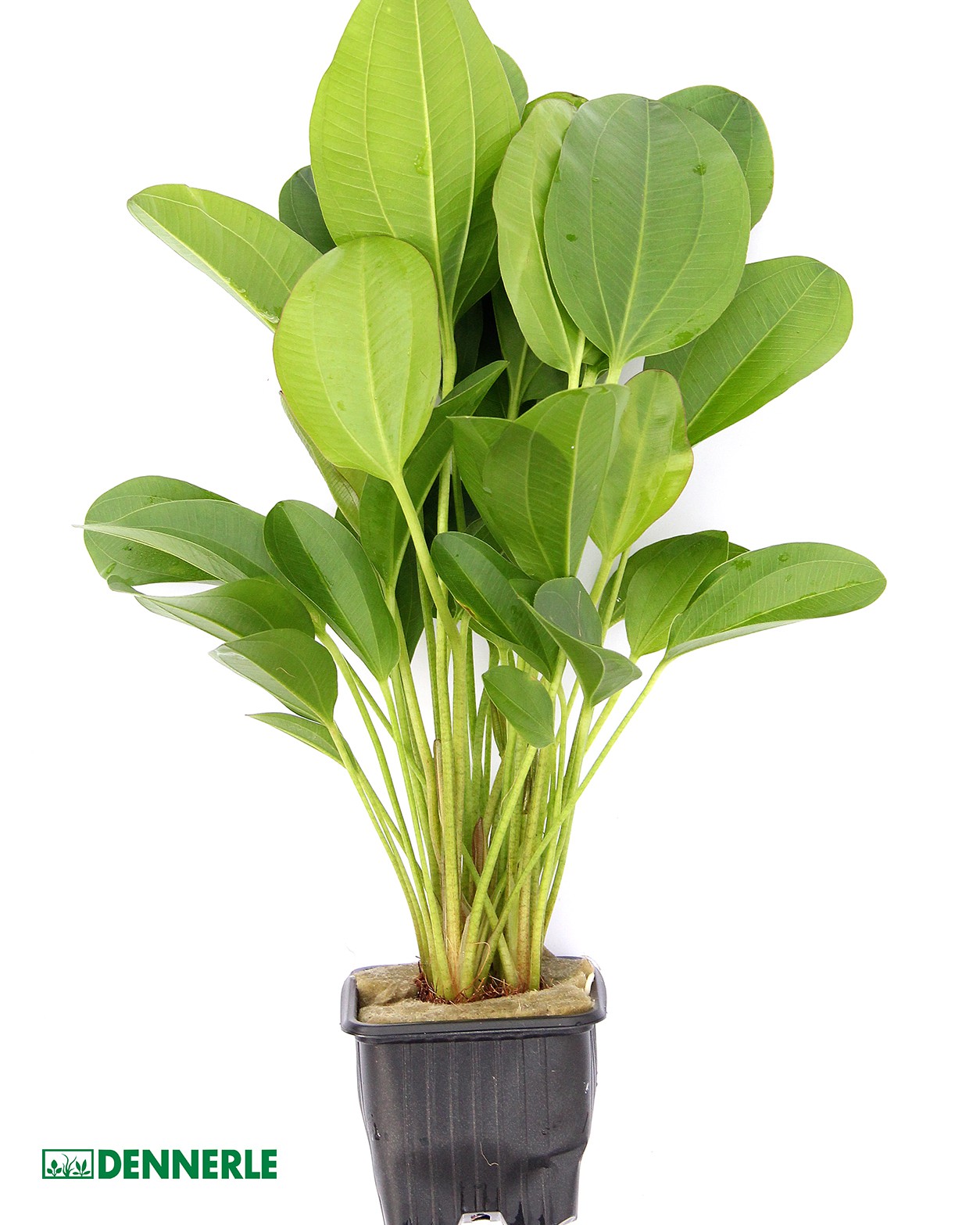
    Echinodorus 'Little Bear' is a popular cultivar within the Echinodorus genus, prized for its compact growth habit and distinctive leaf structure. As a hybridized sword plant, it is often utilized in aquascaping to provide a focal point in the middleground. It adapts well to various aquarium conditions, making it a reliable choice for many hobbyists.