
The Ever-Popular Guppy: A Splash of Living Jewels
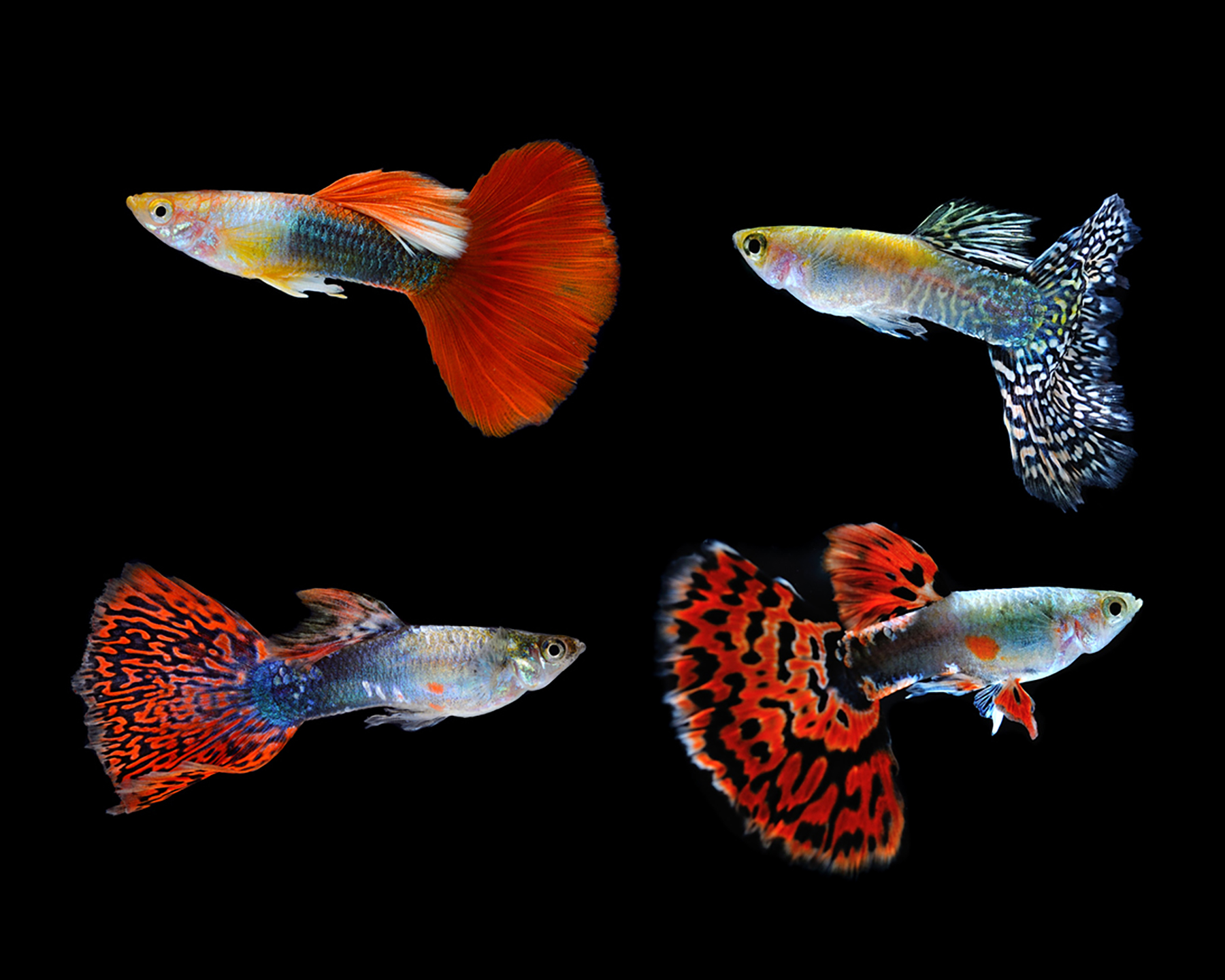
Guppies are a cornerstone of many freshwater aquariums, beloved for their incredible diversity of colors, patterns, and fin shapes. These small, active livebearers are generally peaceful and thrive in community tanks with other docile species. They prefer well-planted tanks with plenty of swimming space. While easy to care for, be mindful of their prolific breeding; keeping only males or a larger ratio of females to males can help manage population growth. Guppies are hardy and adapt to a range of water conditions, making them an excellent choice for beginners looking for vibrant activity.
Bumblebee Platies: Bright Hues and Easy Care
Platies are another fantastic choice for adding color and activity to a community tank. The Bumblebee Platy, with its striking yellow and black patterns, is particularly eye-catching. Like guppies, platies are livebearers, meaning they give birth to live fry. They are exceptionally peaceful and tolerate a wide range of water conditions, making them ideal for new aquarists. They enjoy well-planted aquariums with open swimming areas and will happily graze on algae and leftover food. Platies are social fish and do best in groups of three or more, adding a cheerful dynamic to your setup.

Red Swordtails: Elegant Swimmers with a Fiery Tail
Swordtails are renowned for their vibrant colors and the distinctive "sword" extension on the male's caudal fin. The Red Swordtail offers a bold splash of color and is an active, generally peaceful livebearer suitable for larger community tanks. Males can be territorial with each other, so it's best to keep only one male or several with more females to diffuse aggression. They appreciate planted tanks with open spaces for swimming. Swordtails are hardy and can adapt to various water parameters, making them a robust addition for aquarists seeking both beauty and resilience.

Honey Gouramis: Gentle Giants of Golden Charm
The Honey Gourami is a truly peaceful and captivating fish, known for its beautiful golden-orange coloration, especially in males during breeding. These labyrinth fish are shy and prefer a well-planted tank with floating vegetation to provide cover. They are excellent community tank inhabitants, getting along well with most other peaceful species of similar size. Unlike some larger gouramis, Honey Gouramis are less prone to aggression, making them a safe bet for a tranquil environment. They are relatively small, reaching about 2 inches (5 cm), and enjoy a varied diet.

Blue Dwarf Gourami: A Dazzling, Compact Centerpiece
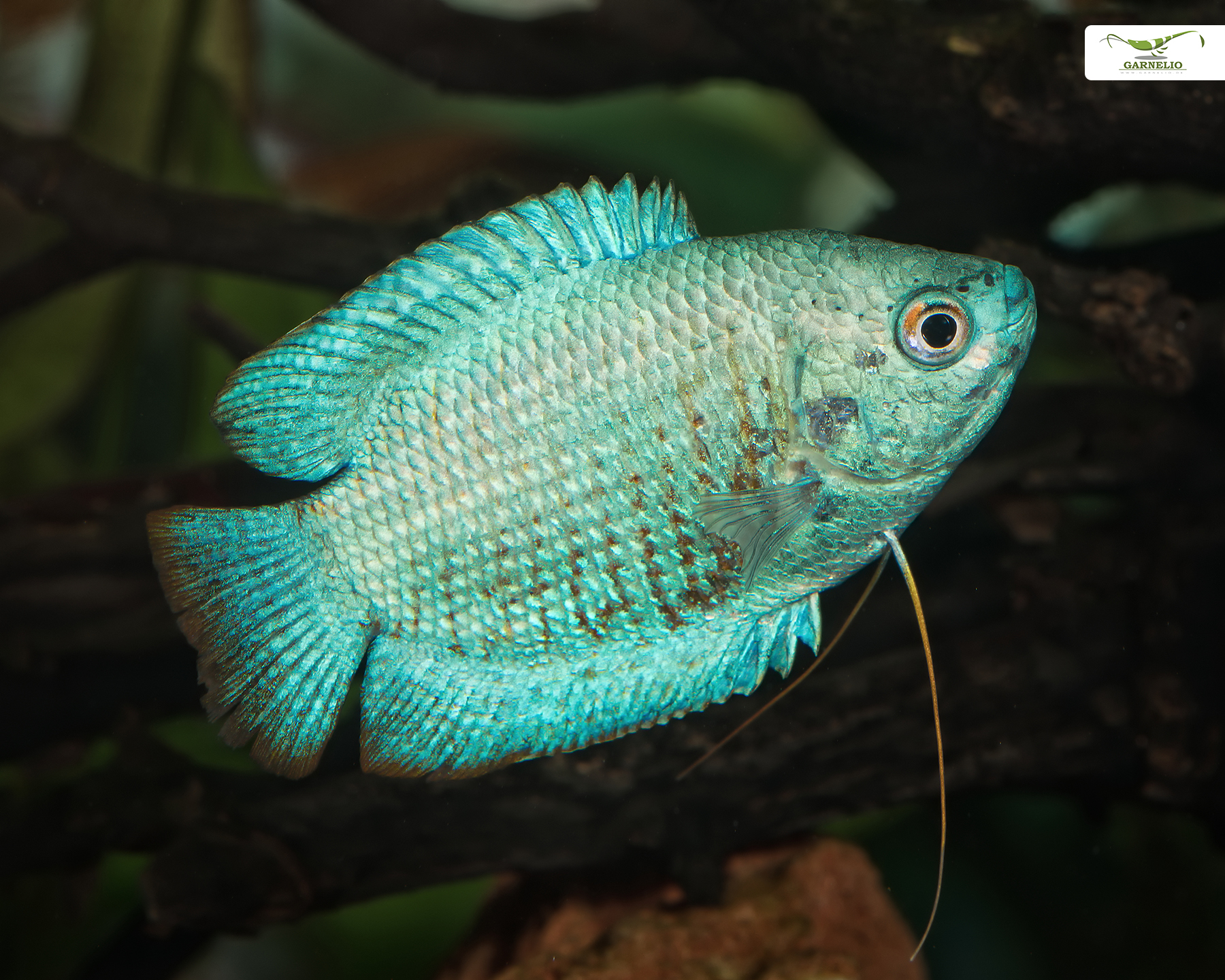
Dwarf Gouramis are popular for their vivid colors and inquisitive personalities. The Blue Dwarf Gourami showcases stunning shades of blue and red, making it a focal point in any aquarium. While generally peaceful, males can be territorial with other male gouramis or similar-looking fish, especially in smaller tanks. It's best to keep a single male or a male-female pair in a community setup. They thrive in planted tanks with calm water and plenty of hiding spots. Their unique labyrinth organ allows them to breathe atmospheric air, adding to their fascination.
Neon Tetras: The Iconic, Shimmering School
No list of colorful community fish is complete without the Neon Tetra. Famous for their iridescent blue and red stripes, these small schooling fish create a mesmerizing display as they move in unison. They are incredibly peaceful and thrive in established community tanks with stable water parameters. Neon Tetras feel most secure and display their best colors when kept in schools of six or more. They prefer dimly lit tanks with dense planting and soft, acidic water. Avoid keeping them with large, aggressive tank mates who might see them as food.

Rummy Nose Tetras: A Living Thermometer for Your Tank
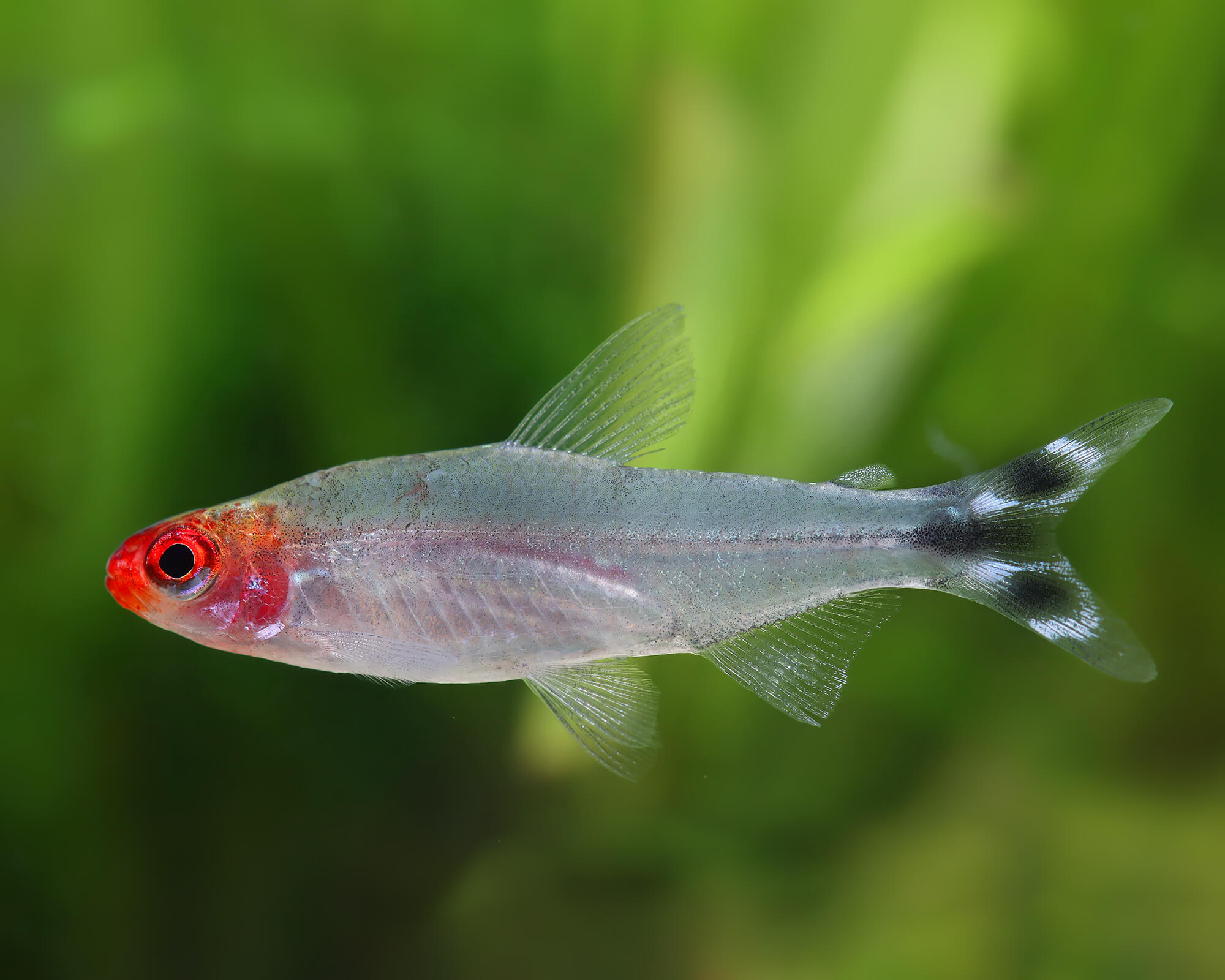
Rummy Nose Tetras are easily identifiable by their bright red faces and distinctive black and white striped tails. They are highly sought after for their tight schooling behavior and peaceful nature, making them a superb addition to any community aquarium. Beyond their beauty, their red nose fades if they are stressed or if water quality is poor, serving as a useful indicator of tank health. They prefer soft, acidic water and appreciate a well-planted environment. Keep them in schools of at least six for optimal health and display.
Cherry Barbs: Active, Peaceful, and Bursting with Red
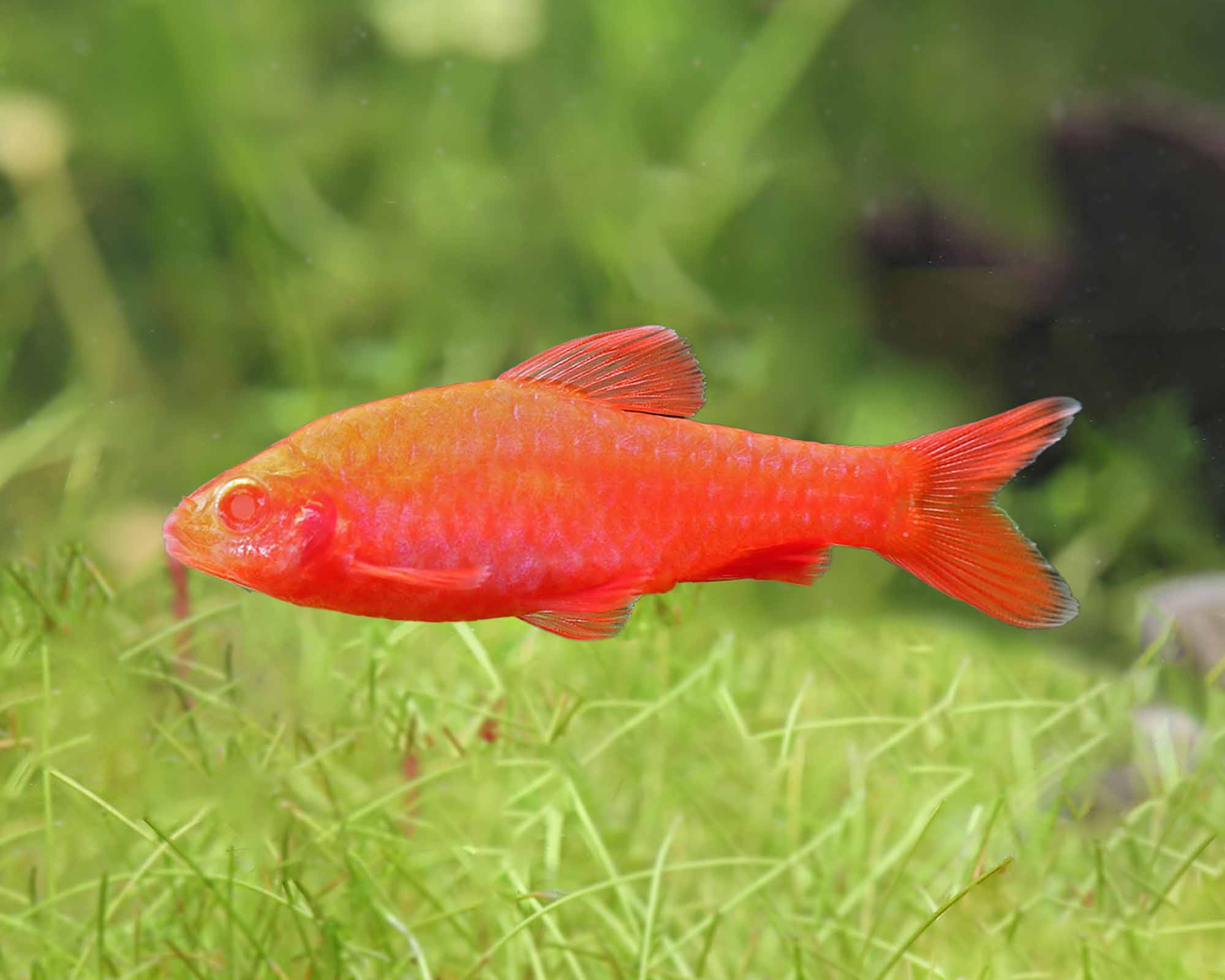
Cherry Barbs are a wonderful choice for aquarists seeking an active, yet peaceful, schooling fish. Males display a striking cherry-red coloration, especially during courtship, while females are a more subdued reddish-brown. Unlike some of their barb relatives, Cherry Barbs are not known for fin-nipping, making them compatible with fish like guppies and angelfish. They thrive in well-planted tanks with plenty of open swimming space and appreciate a varied diet. Keep them in groups of six or more to see their natural schooling behavior and vibrant colors.
Emperor Tetras: Regal Elegance for Your Aquarium
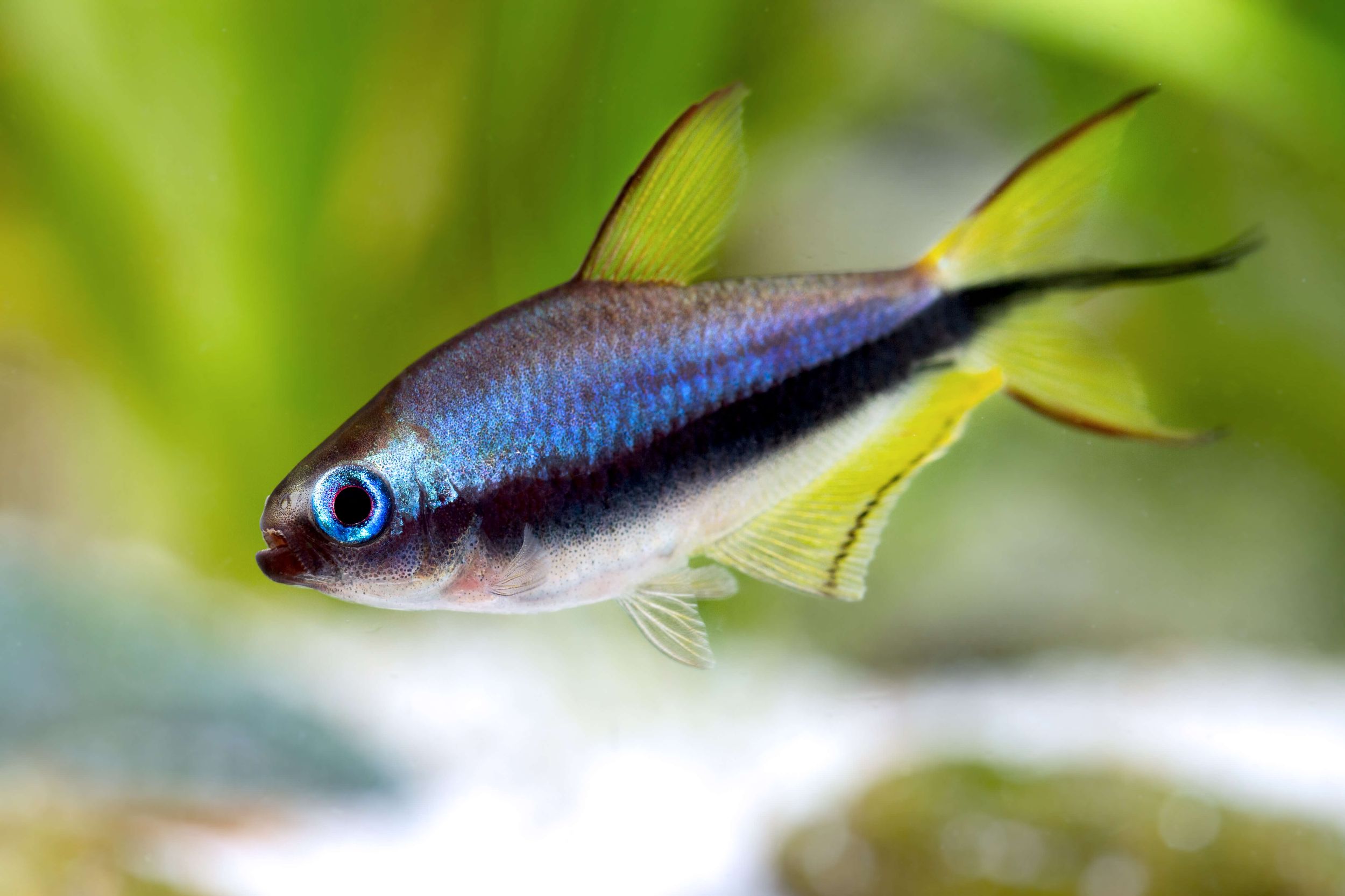
Emperor Tetras are a sophisticated choice for a community tank, showcasing a unique combination of purple, yellow, and black hues, along with distinctively elongated fins in males. They are peaceful and graceful swimmers that add an air of elegance to any setup. While they appreciate being in a group, their schooling is looser than that of Neon or Rummy Nose Tetras. They thrive in well-planted tanks with subdued lighting and get along well with other similarly sized, peaceful fish. Provide them with good water quality to maintain their stunning appearance.
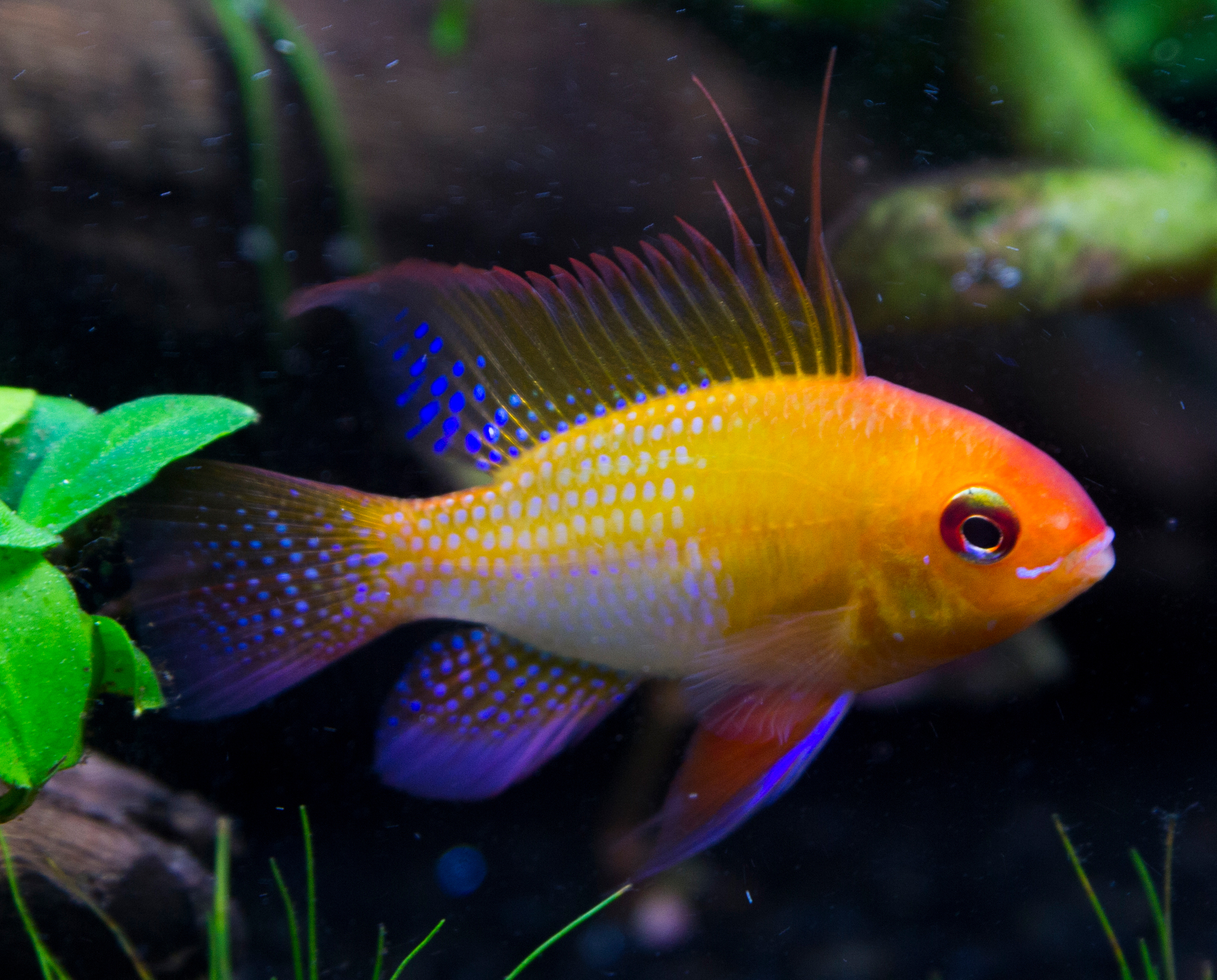
Gold Ram Cichlid: A Peaceful Dwarf Cichlid Gem
The Gold Ram Cichlid, a color morph of the popular German Blue Ram, is a stunning dwarf cichlid known for its vibrant gold and orange coloration, often with iridescent blue spots. These fish are peaceful for cichlids and can be kept in community tanks with other docile species, provided they have plenty of hiding spots and territories. They are sensitive to water quality and prefer soft, acidic water with stable parameters. Rams are best kept in pairs and are fascinating to observe, especially during breeding, when their colors intensify.
Sterbai Corydoras: The Spotted, Peaceful Bottom Dweller
While not as brightly colored as some other fish on this list, the Sterbai Corydoras adds essential activity and charm to the bottom of your community tank. Known for its distinct black and white spotted pattern and orange pectoral fins, this corydoras is highly active and peaceful. They are schooling fish and should always be kept in groups of at least six to ensure their well-being and natural behavior. Provide a soft, sandy substrate to protect their delicate barbels as they forage for food. They are excellent tank cleaners, consuming leftover food.

Angelfish: Majestic Centerpieces with a Graceful Presence
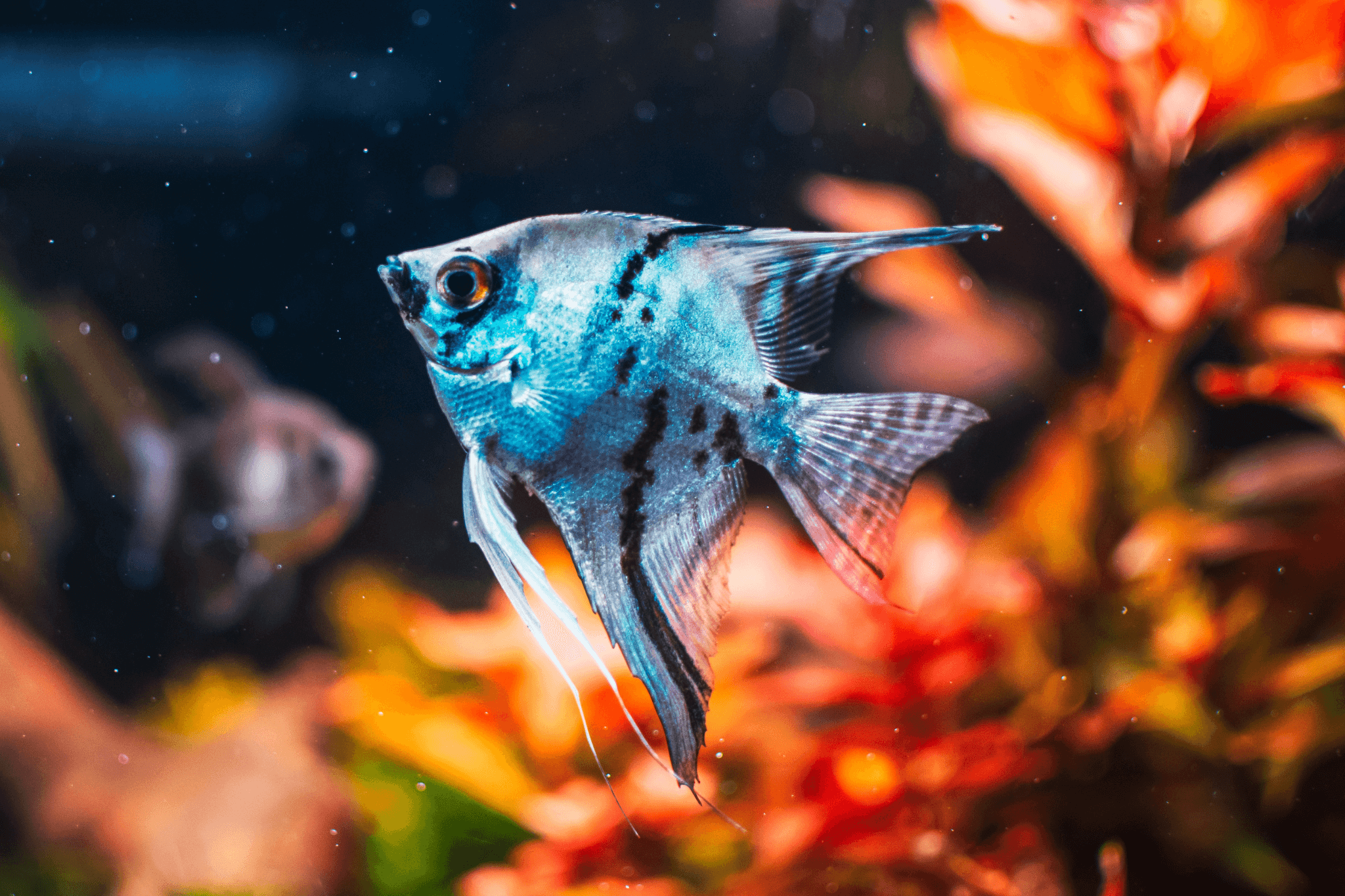
Angelfish are iconic freshwater cichlids, admired for their distinctive triangular shape and flowing fins. Available in a variety of color mixes, they can make a majestic centerpiece in a larger community tank. While generally peaceful, Angelfish can be semi-aggressive, especially when breeding, and their predatory instincts mean they may eat very small fish like Neon Tetras. They require a tall aquarium (at least 20 inches or 50 cm high) with plenty of vertical decor and open swimming space. Introduce them to tank mates of similar size and temperament.
Frequently Asked Questions
What is the minimum tank size for a colorful community aquarium?
For a diverse community of smaller, peaceful fish, a 20-gallon (75-liter) tank is a good starting point. However, if you plan to keep larger species like Angelfish or want more variety, a 30-gallon (115-liter) or larger tank is recommended to provide ample space and stability.
What water parameters are best for most colorful freshwater community fish?
Most colorful freshwater community fish thrive in stable water conditions. Aim for a temperature between 74-78°F (23-26°C), a pH between 6.5-7.5, and moderate hardness (GH 5-15 dH). Always research the specific needs of each species you intend to keep to ensure compatibility.
Can I mix all the fish on this list in one tank?
While many fish on this list are peaceful, it's crucial to consider individual species' needs and temperaments. For example, Angelfish may predate on very small fish like Neon Tetras. Always introduce new fish carefully, provide adequate space and hiding spots, and observe interactions closely to ensure harmony.
What are some easy live plants to add to a colorful community tank?
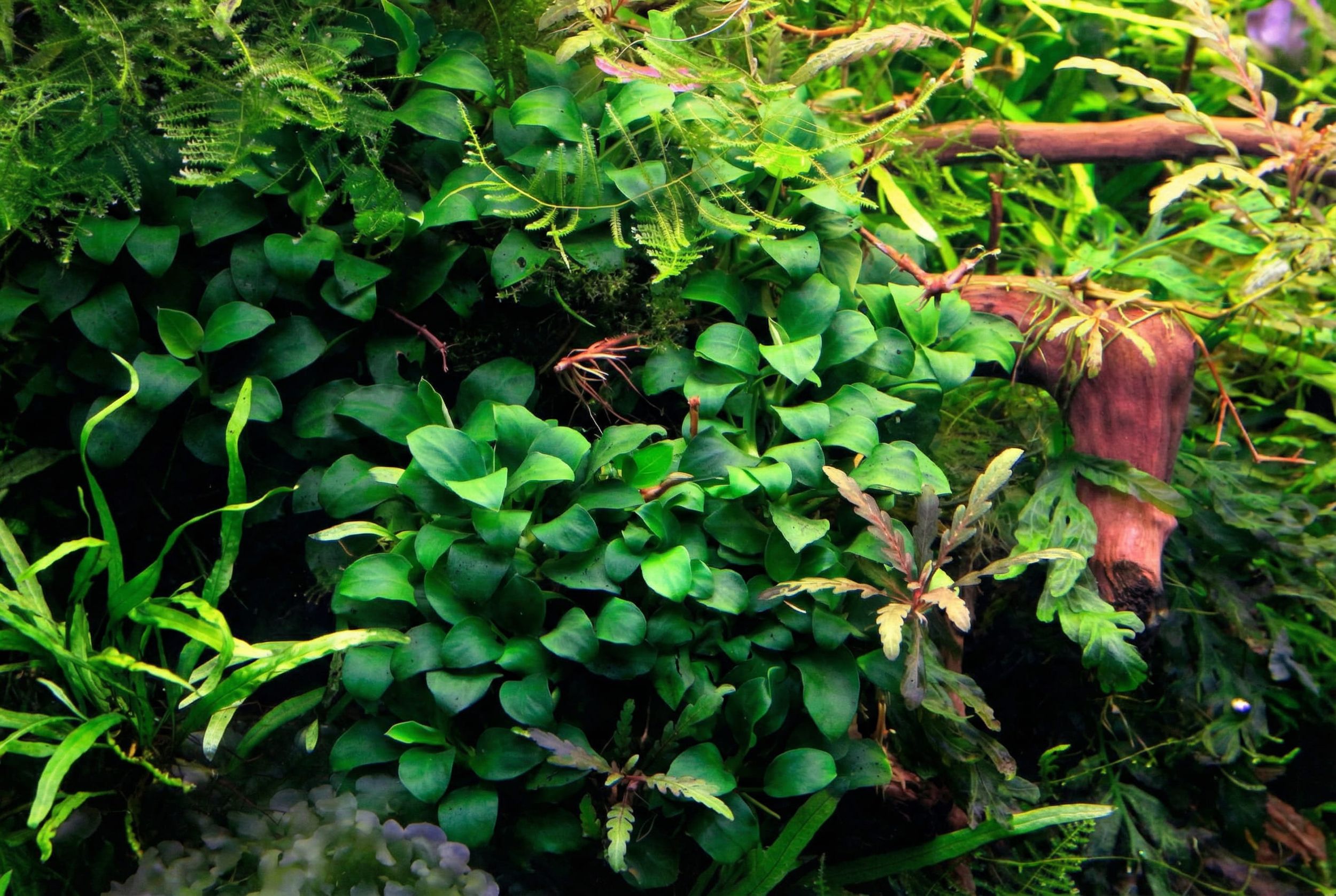
Easy live plants that complement colorful fish include Anubias (various species), Java Fern, Amazon Sword, Cryptocoryne, and various stem plants like Water Wisteria. These plants provide hiding spots, improve water quality, and enhance the natural beauty of your aquarium without requiring complex care.









Leave your comments