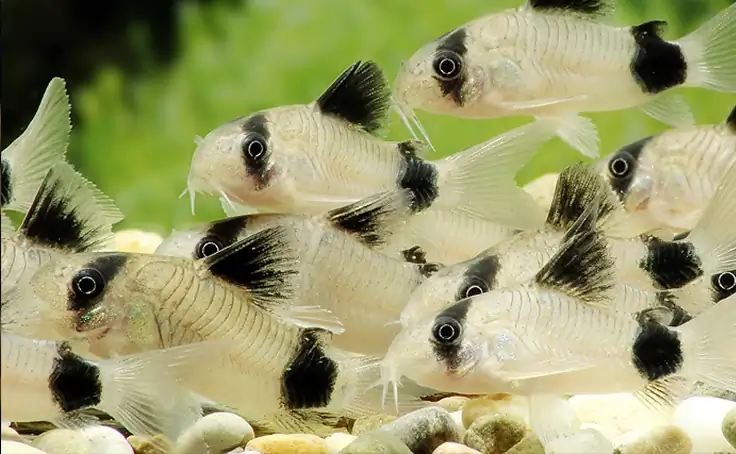
Bottom feeder fish are a fantastic addition to any aquarium. They’re a ton of fun to watch, usually keep to themselves, and can even help maintain the water quality of your tank!
But where do you begin? How do you know which bottom feeders are the best?
With so many kinds of these fish available to the aquarist community, it can be a little tricky to get answers to these questions. Everyone has their own personal preferences and you can never be totally sure which will be the best fit for you. That’s why we’ve put together this list of the best bottom feeder fish for your freshwater aquarium. No matter what your setup is, you’ll be able to find at least a couple of fish that are a good fit for you!
Table of contents
Top 15 bottom feeder fish for your aquarium tank
- 1. Synodontis Catfish
- 2. Bristlenose Pleco
- 3. Zebra Loach
- 4. Twig Catfish
- 5. Bumblebee Goby
- 6. Yoyo Loach
- 7. Tiger Shovelnose Catfish
- 8. Siamese Algae Eater
- 9. Snails
- 10. Cory Catfish
- 11. Shrimp
- 12. Otocinclus
- 13. Crayfish
- 14. Kuhli Loach
- 15. Other Botia Loaches
What Classifies A Fish As A Bottom Feeder?
1. Synodontis Catfish
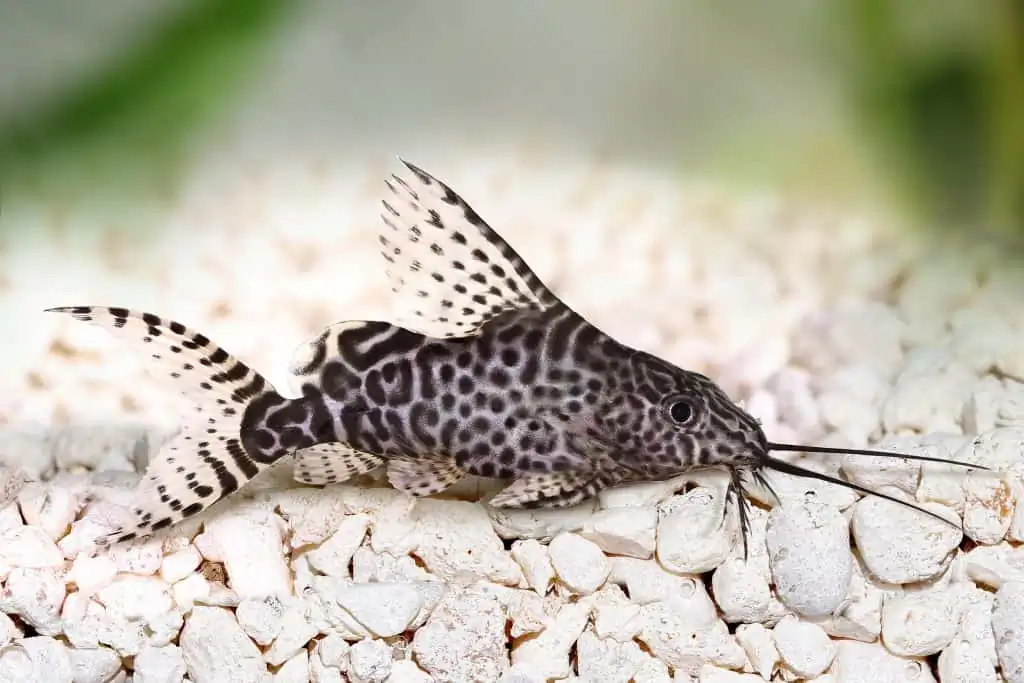
This is a fish that’s really something to behold. They’re a nice mix of peaceful but active so you don’t have to choose from one or the other unlike some of the fish on this list.
These are a bottom feeder fish that’s really fun to observe for an extended period of time. They’re known to have exciting bursts of activity that will really make you happy you got them.
They also exhibit funky behavior like squeaking (by rubbing their spines together) and swimming upside down. If you’re looking for a fun bottom feeder that stands out from the pack we highly recommend the Synodontis.
Synodontis Catfish are very beautiful as well. They’ll liven up your tank with the distinct patterns and dots on their bodies. In our opinion, they’re one of the most pretty bottom feeder fish out there!
Caring for them is very straightforward too which is a big plus. They’re also a good fit for tanks with African cichlids!
2. Bristlenose Pleco

The Bristlenose Pleco is one of the first bottom feeder fish we recommend to anyone looking to a new addition to their tank. There are so many benefits of having this easygoing fish in your tank!
The first thing that jumps out at you when it comes to this fish is the little tentacle appendages that protrude from their faces. This is what gives them their name (obviously).
They can live for quite a long time (12 years) which is a rather hefty length of time. We love this because it can lead to a stronger bond between you and your pet over the years.
The Bristlenose is also a very easy fish to care for. They are hardy freshwater bottom feeders that won’t cause you any headaches.
Some aquarists think that these fish are a little ugly due to their unique facial features. While we disagree, we understand if they don’t appeal to you.
3. Zebra Loach

The Zebra Loach is a very unique loach that can add some flair to any tank. Their striped patterns are what gives them their name, but we think they look more like rings on a tree or certain types of rock.
They are not nocturnal fish which is unusual for a loach. This means you might end up with more interactions in your aquarium than you would with other loaches. As long as you provide them with the proper tank mates you’ll be just fine.
Caring for these bottom feeder fish is pretty easy once you get their habitat set up properly. As a bottom feeder, it’s very important that you provide them with the right substrate (sandy is best) and adequate hiding places.
Unlike some of the other fish on this list, the Zebra Loach can be a bit sensitive to changes in water parameters. They aren’t high maintenance by any means, you’ll just have to pay closer attention to them than other bottom feeders.
4. Twig Catfish
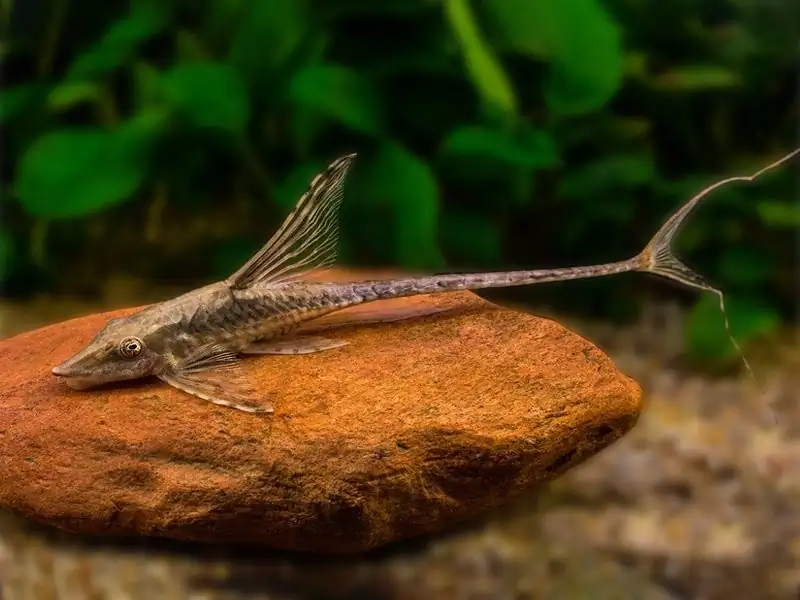
These are a super neat bottom-dwelling fish that will stand out no matter who their tank mates are! Their names really tell the whole story when you look at these little critters.
Despite their skinny build, the Twig Catfish can grow to be around half a foot long. Their long and lean bodies are very fun to watch swim around the tank especially among so many other wider fish.
It can actually be a little tricky to find them in your aquarium sometimes. They’ll often plop down on the substrate and lay there. This is by design since it’s a defense mechanism to try and avoid predators. We think it’s a fun game to try and locate them though!
The one thing that’s worth noting about this bottom feeder is that they need very high water quality in order to thrive. Clean, oxygenated water is key!
If you do a good job with this then your little twig will likely live for a long time (almost ten years). However, if you don’t their lifespan will shorten significantly.
Be honest with yourself as an aquarist about what kind of work you’re willing to put in to support this bottom feeder. If it seems like more time than you’re willing to spend, pick another fish from this list.
5. Bumblebee Goby

We LOVE these fish! Not only are they some of the cutest bottom-dwelling fish out there, but they’re very fun to watch as well. These fish are quite playful and love to get in each other’s business.
It’s quite common to see them darting around in a series of active bursts. Due to their tiny size and unique striped patterns, they really do look like little underwater bees!
The one thing you’ll need to keep in mind when it comes to the bumblebee goby is their water requirements. These small bottom feeder fish need brackish water in order to thrive. If that’s something you’re interested in then these might be the perfect fit!
They do better in groups of at least half a dozen. This will help make sure no one gets picked on and also maintain the overall social health of the group. Since they’re so small you can easily fit a large group into a 10-15 gallon tank. This makes them both fun to watch and convenient to keep in terms of the required space.
6. Yoyo Loach

Right back to the loaches again! The Yoyo loach was a no-brainer to include on our list for a few reasons.
The first and most interesting reason is how social they can be. These bottom feeders are much more active than a lot of other loaches and it can be quite refreshing if you’re used to a passive fish.
You can sometimes interact with them through the glass and will regularly see them swimming around investigating your tank.
The Yoyo loach has a solid lifespan and can live anywhere from ten to fifteen years if you take good care of them. They have tighter water parameter windows than some of the other freshwater bottom feeders out there, so make sure you’re comfortable with that before picking one up.
Their neat pattern can by oddly hypnotizing to look at, and we can never decide if these fish are noticeable or well camouflaged. It’s hard to describe until you see one in person!
7. Tiger Shovelnose Catfish

If you want a massive bottom-dwelling fish and have the space to keep it, the tiger shovelnose catfish is a great choice.
These behemoths can grow anywhere from 3-4 feet long and require a tank size of around 400-500 gallons when fully grown. This isn’t for everyone, but some aquarists really like big fish that will live a long time (these fish can live up to 20 years).
They’re also very neat looking animals. Their name does a good job of describing them, but we would say their “shovel nose” resembles the head of an alligator a bit as well.
This freshwater bottom feeder can have a bit of a mean streak in the wrong circumstances. Keep this in mind when planning out possible tank mates and be sure that it has enough space to feel comfortable.
We’ve heard that keeping this fish is incredibly rewarding and the amount of time you’ll have them provides a great opportunity to build up quite a bond!
8. Siamese Algae Eater
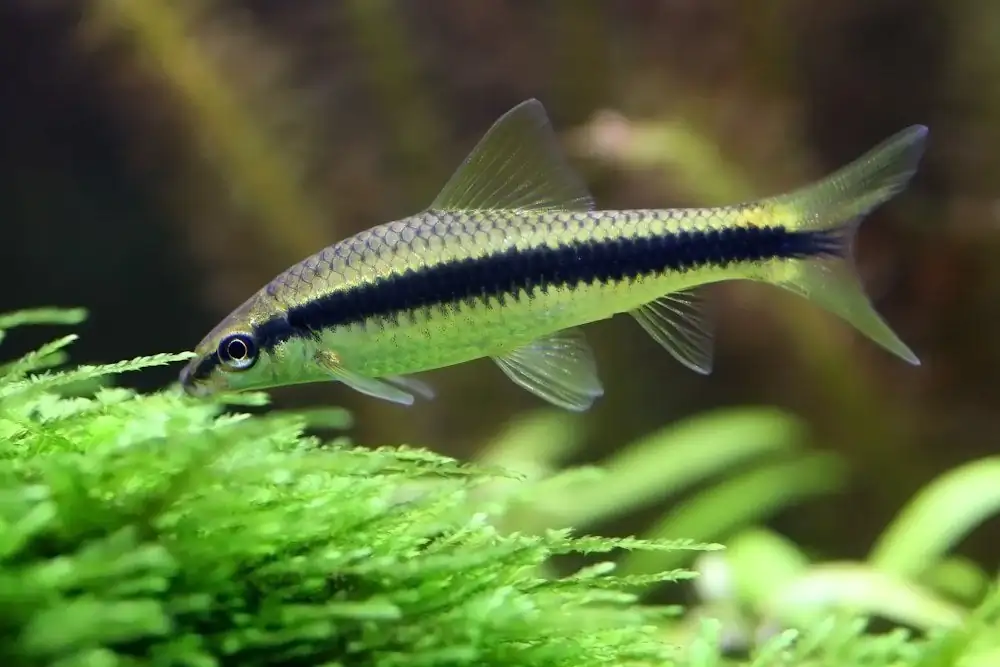
This is a bottom feeder fish we can’t recommend enough. Not only are these very simple and easy to care for, but they do a fantastic job of keeping algae growth in check.
They’re a great fish for beginners as well as experienced aquarists because of this. Honestly, there really aren’t many downsides of giving them a shot in your tank.
The peaceful temperament and low maintenance hardy nature of this fish is a big reason why they’re one of the most popular freshwater bottom feeders out there. They can also be paired with a wide variety of fish due to their peaceful nature and flexible water requirements.
If you want a great low maintenance bottom feeder that won’t cause any trouble you’ll definitely be happy with the Siamese Algae Eater.
9. Snails

When people think of bottom feeders they often skip the possibility of snails.
That’s a mistake.
Freshwater aquarium snails are some of the best bottom feeders out there. They do a fantastic job of obsessively hunting down algae that grow in hard to access places. While a lot of other fish will nibble on algae, the persistence and small size of a snail gives them a unique advantage.
They’re also about as low maintenance as it gets. Taking care of these little critters is something that any aquarist can handle with ease.
Numerous snails can get the job done and make great small bottom feeders. However, the mystery snail and nerite snail are two of the most common choices that people keep coming back to year after year.
The one thing you’ll need to keep in mind when it comes to snails is how poorly they interact with copper in your water. If you’re using anything with copper in it to treat or maintain your tank you’ll need to cease using it entirely.
10. Cory Catfish

A go-to bottom feeder fish that you really can’t go wrong with is the Corydoras. In fact, they’re such a good choice that we made a point to write one of our first care guides about this fish when starting the site.
These fish have a great temperament and are super easy to take care of. The biggest thing you have to worry about is their sensitivity to new tank conditions after you buy them. If you’re able to navigate this process successfully it’s smooth sailing from there on out!
These are fish that really enjoy being with a few others of their own kind. Keep that in mind when considering the cory. Due to their small size, you’ll be able to keep a handful in a 20-gallon tank before needing to upgrade.
Cory catfish also love having plants in their habitat, so if you’re someone who enjoys that element of fishkeeping this will be a match made in heaven. These fish are used to plenty of vegetation in their natural environment, so supplying this will keep them happy and stress-free.
Honestly, you really can’t go wrong with the Cory.
11. Shrimp

Shrimp are another often overlooked bottom feeder that do an amazing job of keeping your tank tidy while being very low maintenance. Just like snails, these little creatures are always on the hunt for algae and other organic matter that happens to be floating around your freshwater aquarium.
These little critters are also quite adorable and fun to watch. In the rush to fill their tanks with fish a lot of aquarists miss just how visually appealing shrimp can be.
They do well with a wide variety of other fish and can be taken care of without much difficulty. As long as the required freshwater conditions are the same shrimp will be just fine.
There are a number of great shrimp you can choose from for your tank. Our personal favorites are the Amano shrimp and Cherry shrimp. Both of these animals have everything you’re looking for and look quite good too!
12. Otocinclus
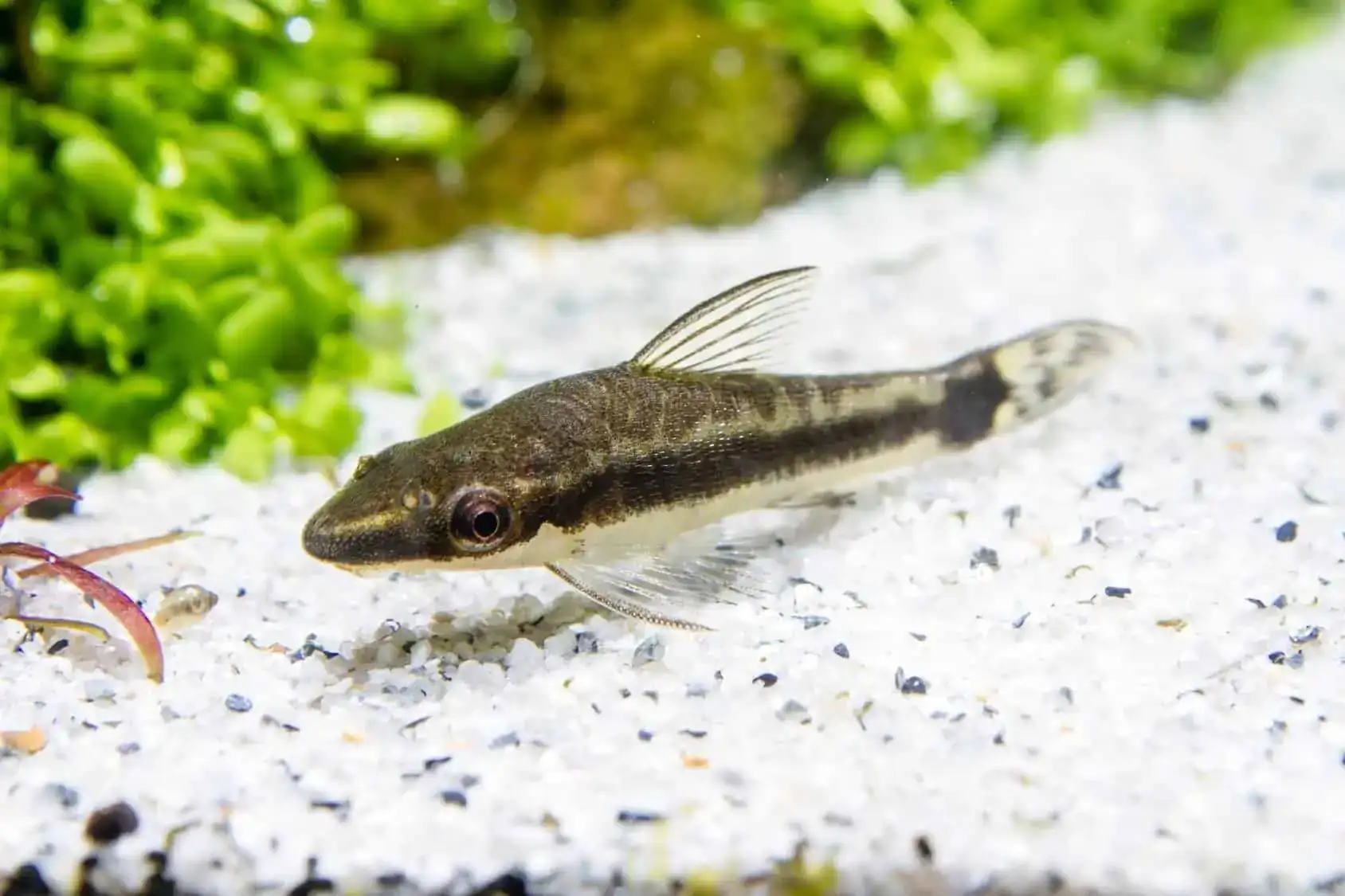
Another great bottom-dwelling fish is the Otocinclus. These little guys are pretty much the perfect low-maintenance fish for a freshwater tank.
They’re cute, easy to care for, and will methodically snack on any algae they find. There’s really nothing to dislike!
You don’t have to worry about compatibility too. These small bottom feeder fish can share a tank with pretty much any non-aggressive creature.
When comfortable Otos will spend a lot of their time slowly working their way across the substrate in search of things to nibble on. These fish are quite fast though, and you’ll sometimes be treated to a quick sprint across the tank for one reason or another.
We probably recommend the Oto to new aquarists as much as any other fish out there. They bring so much to the table with very few downsides of ownership. The one thing you have to consider with them is the additional waste they add to a tank when there’s a lot of algae present. This is the case for any algae eater though.
13. Crayfish
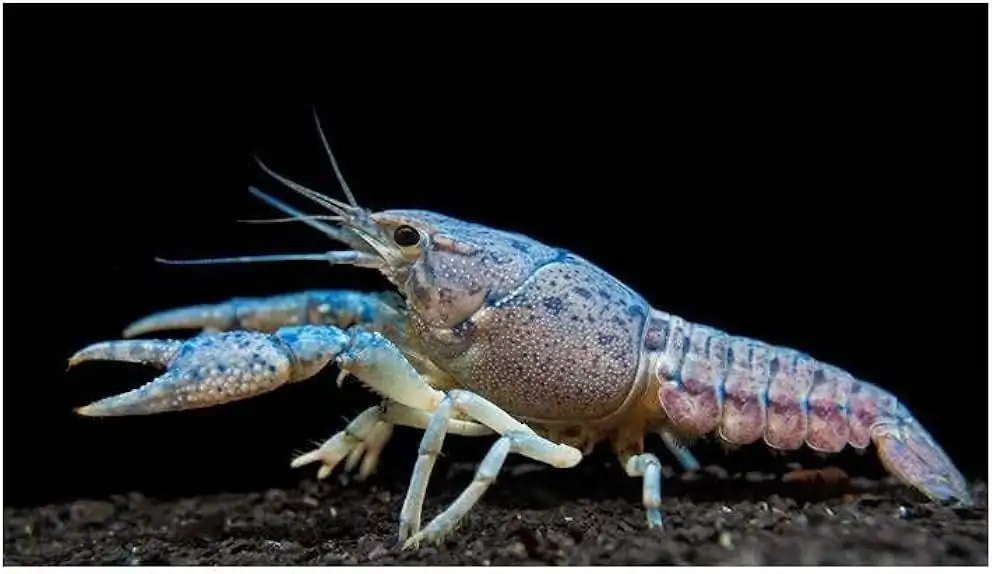
For some reason, aquarists never think of crayfish when looking for bottom dwellers. These small critters can bring a fun and unique vibe to your tank especially if you primarily have fish inside.
Unlike a lot of the other bottom feeder fish on our list, crayfish can be a little bit feisty. This can depend on the type you get and if they’re used to captivity or not, but it’s definitely something to be aware of.
On the plus side, crayfish will spend a lot of time snacking on pretty much any organic matter they can find. This helps keep your tank clean and tidy without any extra effort on your end!
They’re also pretty fun to watch. Crayfish are fairly active and will unintentionally put on a show by being busy and quirky on a daily basis. We know aquarists who have very elaborate tanks who still consider crayfish one of their favorite critters!
14. Kuhli Loach
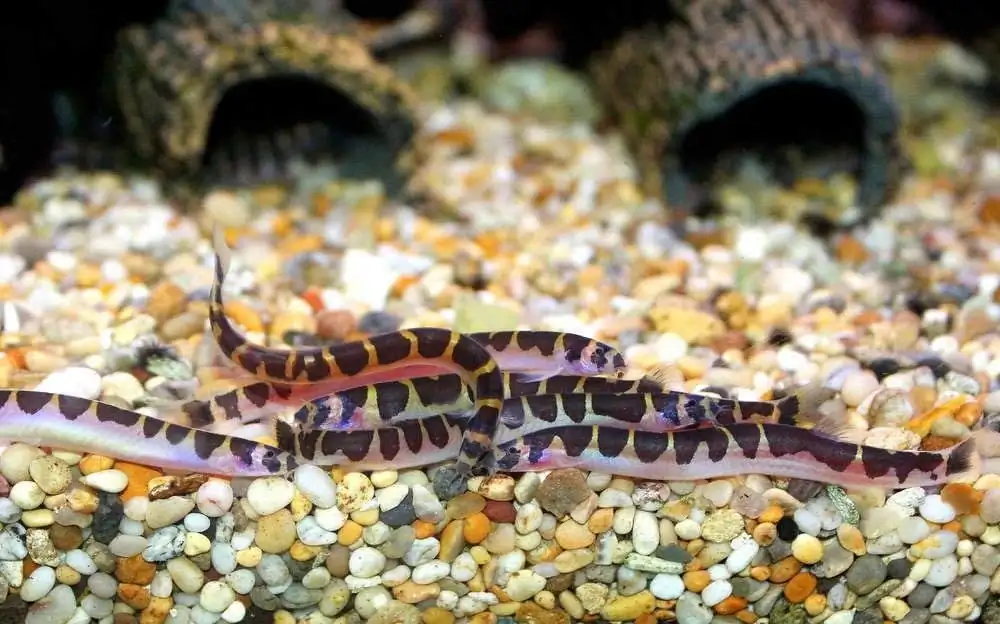
This is an awesome fish that we recommend to pretty much anyone. In fact, they were one of the very first fish we wrote a care guide for when we started this site!
They’ve become quite a popular bottom-dwelling fish in the freshwater community because there is a ton of upside to owning one. They’re easy to care for, live quite a long time, and have a very interesting look to them which really makes them stand out.
They aren’t very large too, which means you can comfortably keep them in a tank that doesn’t take up a lot of space. This gives you a lot of flexibility for the kind of environment and setup you can use them with.
They’re very peaceful and relaxed too. You’ll never have to worry about this fish causing trouble with the other inhabitants of your tank. In short, it’s a fish that you rarely have to worry about.
15. Other Botia Loaches
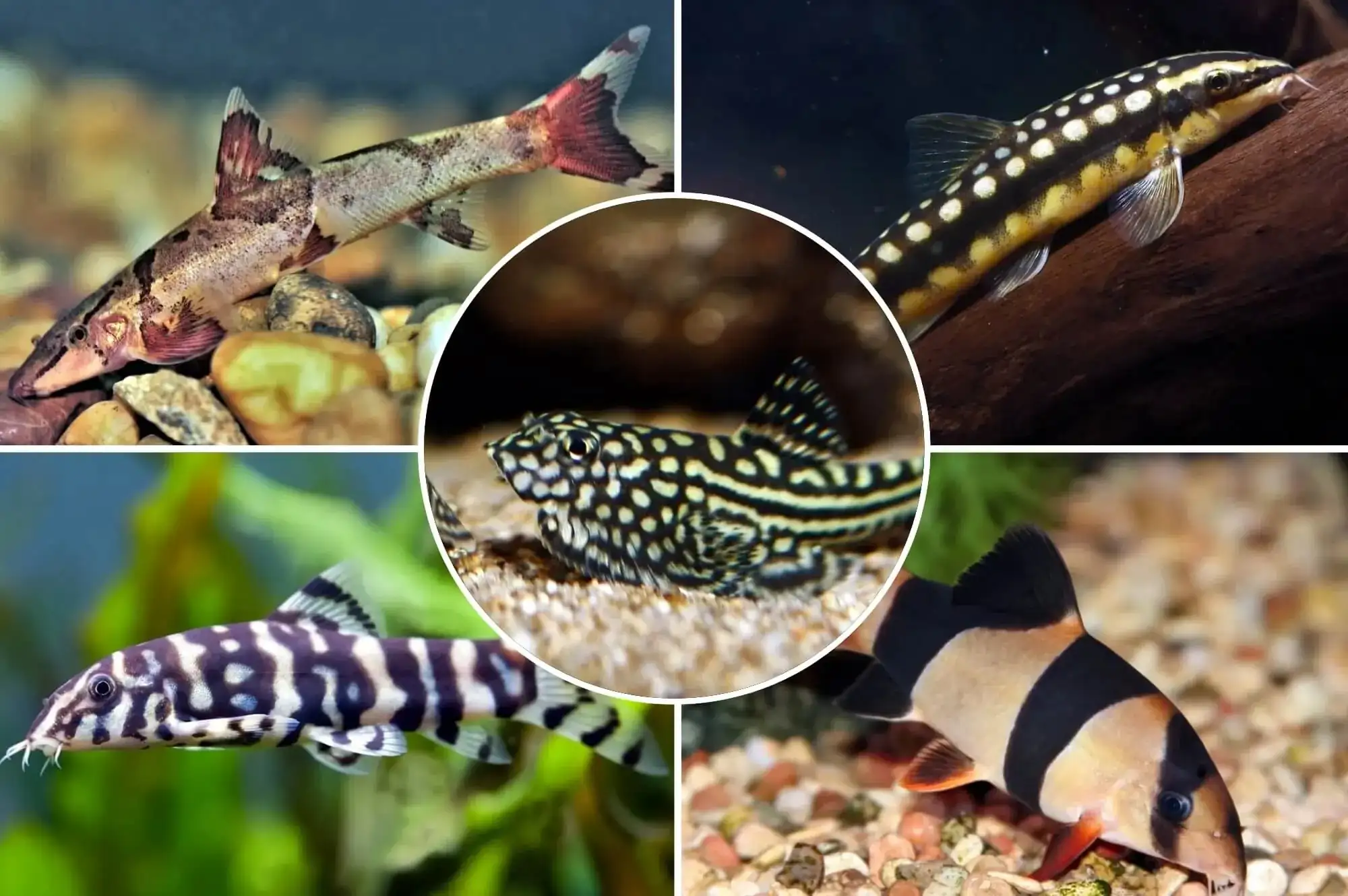
This genus consists of a handful of our all-out favorite bottom feeders. There are so many interesting things about the various kinds of botia loaches that it’s hard to know where to start!
The first thing that’s worth pointing out is that these fish typically need to be in a shoal. They’re extremely social and need this comradery in order to thrive. Botia that are kept by themselves will often exhibit withdrawn or aggressive behavior. They might even stop eating and choose to waste away.
Their behavior can be all over the place. It’s not uncommon to see these fish switch from being completely stationary to scavenging feverishly. This variance makes them a very fun type of fish to keep.
If you’re looking for some additional options after viewing this list, we can’t recommend botias enough. You’re bound to find at least one that you like!
What Classifies A Fish As A Bottom Feeder?
In case you’re wondering what qualifies fish as a bottom feeder, this section will clear that up for you. While the easy answer would be “fish that spend their time at the bottom of the tank” there are a few other features that you’ll commonly see.
Mouth Type & Position
Bottom feeder fish will usually have mouths that are noticeably different than a lot of other fish. This serves the purpose of helping them easily scavenge and eat while gliding along the substrate.
Suckermouths are a common feature that many bottom-dwelling fish have. This is used in a couple of different ways.
The first is to help them stick to whatever surface they’re camped out on. This could be a rock, log, or the glass in your tank.
It’s also very effective when it comes to eating as well. Since these fish will often eat algae and other small organic matter that can be tough to reach, their suckermouths allow them to extract it from whatever surface it’s stuck too.
Their mouths are also usually positioned more on the underside of the fish. Because of the way they scavenge and hunt, it’s less useful for their mouths to be higher up like a normal fish. This allows them to easily nibble on whatever they find in the substrate while watching their environment for any potential threats.
Flattened Bellies
This is another feature that makes complete sense when you think about it. Since bottom feeder fish are constantly skimming the substrate or resting on flat surfaces, having a flattened underside is extremely convenient.
When other fish want to eat something that has fallen to the bottom they need to swim downward and pivot their entire body just to access it. Then they need to swim a little above the substrate to prevent themselves from dragging their stomachs.
A flattened belly makes it way easier for bottom-dwellers to stay close to the substrate so they don’t miss anything and can scarf down what they find quickly.
Barbels (aka Whiskers)
As we’ve covered already, barbels are the little whisker-like appendages that grow from the face of some fish. These serve as a way to help them effectively navigate and get information about their environment.
This can be especially effective if the fish is swimming through an area where there isn’t good visibility. While other fish might struggle to find food in places like this, bottom-dwellers with barbels won’t miss a beat.
Conclusion
You now have plenty of options for great bottom feeder fish you can add to your tank. No matter what kind of tank setup you have, you should be able to make at least one of these work!
Bottom-dwelling fish provide a fun and unique element to any aquarium. While other fish spend more time swimming around the upper half of the tank interacting with each other, bottom feeders are locked into their own little world of scavenging. We love how focused they are!
If you have any questions about a fish on this list you can always get in touch with us via our contact page. We’re happy to help you pick out a bottom feeder that’s perfect for you!















Leave your comments