
It’s time to help contribute for biggest aquarium gallery online

SUBMIT HEREVIEW GALLERY

Top 10 Hardy Aquarium Plants for Nano Community Tanks

Top 10 Hardy Aquarium Plants for Nano Community Tanks

Creating a lush, vibrant nano aquarium is a rewarding project, but choosing the right plants is essential for long-term success. For beginners, the best aquatic plants are those that tolerate varying water parameters and thrive without complex CO2 in...
12 Peaceful Freshwater Fish and Invertebrates for Stunning Nano Aquariums

12 Peaceful Freshwater Fish and Invertebrates for Stunning Nano Aquariums

Creating a thriving nano aquarium is a rewarding challenge that combines artistic aquascaping with the joy of keeping small, vibrant aquatic life. When working with smaller water volumes, typically under 20 gallons (75 liters), selecting compatible s...
10 Best Aquarium Snails for Your Planted Tank

10 Best Aquarium Snails for Your Planted Tank

Aquarium snails are more than just tank inhabitants; they are the unsung heroes of the planted aquarium. These fascinating gastropods provide essential services, from keeping glass surfaces clear of algae to aerating your substrate. When selecting sn...
10 Vibrant Freshwater Shrimp for Your Planted Nano Aquarium

10 Vibrant Freshwater Shrimp for Your Planted Nano Aquarium

Freshwater shrimp are the unsung heroes of the planted aquarium hobby. Beyond their stunning colors and patterns, these tiny crustaceans are excellent at cleaning up algae and leftover food. For nano aquarium enthusiasts, shrimp offer a fascinating l...

Aquascaping Contest Schedule 2026

Summer Flowers - Cliff Hui / HongKong China
Cliff Hui

Summer Flowers - Cliff Hui / HongKong China

The International Aquatic Plants Layout Contest - 2014
Rain Forest (Hear the Angels) - Cliff Hui / HongKong China
Cliff Hui

Rain Forest (Hear the Angels) - Cliff Hui / HongKong China

The International Aquatic Plants Layout Contest - 2012
Forever - Cliff Hui / HongKong China
Cliff Hui

Forever - Cliff Hui / HongKong China

The International Aquatic Plants Layout Contest - 2013

Aquarium Library

  • All
  • Plant
  • Fish
  • Shrimp
  • Snail

13 Easy Aquarium Plants for a Thriving Beginner Planted Tank

Starting a planted aquarium can seem daunting, but it doesn't have to be! Many beautiful and be...

12 Colorful & Compatible Freshwater Fish for Your Community Aquarium

Creating a vibrant and harmonious freshwater aquarium is a rewarding experience. The key lies in sel...

"REFLECTION" - When the weight becomes silence: Decoding the top 4 MASTERPIECE at KIAC 2025

Amidst the "earthquake" named Vietnam at KIAC 2025, the work "Reflection" by Aquascaper Long Tran Ho...

KIAC 2025 RESULTS: A record-breaking season - Vietnam dominates with 14 works in the global top 50

The organizers of the Korea International Aquascaping Contest (KIAC) 2025 have officially released t...

AGA 2025 Results Announced: Indonesia Wins Big, USA Dominates Dutch Category

The 25th AGA International Aquascaping Contest – one of the oldest and most prestigious competitio...

ITAC International Aquascaping Contest 2025 Final result

Early this morning, the global aquascaping community turned its eyes toward Italy as the organizers ...
Cliff Hui

Cliff Hui

Hong Kong / China
Dave Chow

Dave Chow

HongKong China
Neocaridina davidi (Orange Fire Shrimp)

Overview

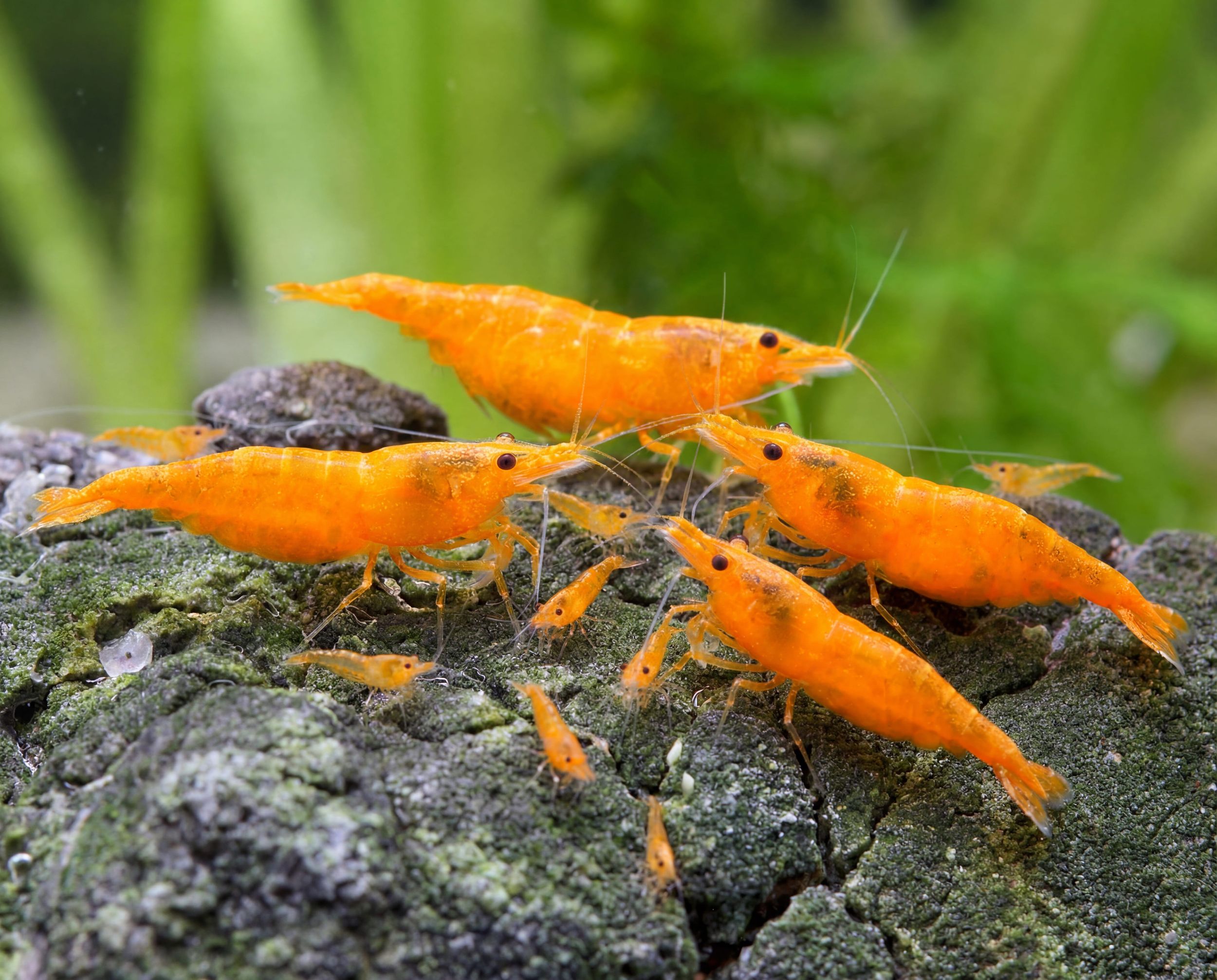
The Orange Fire Shrimp, often sold under names like Sunkist Shrimp or Sakura Orange Shrimp, is a spectacular color morph of the widely popular Neocaridina davidi species. Loved for their bright, eye-catching citrus hues, these dwarf shrimp are a fantastic addition to freshwater aquariums. They are incredibly hardy, making them an ideal choice for aquarists of all skill levels, especially beginners looking to step into the rewarding world of shrimp keeping.

Image of orange fire shrimp sakura sunkist shrimp neocaridina davidi orange

Distribution and Habitat

While the wild type of Neocaridina davidi originates from the freshwater streams and ponds of Taiwan and parts of China, the Orange Fire Shrimp does not exist in the wild. This vibrant orange coloration is the result of years of careful selective breeding in the aquarium hobby. In their natural, ancestral habitats, these shrimp thrive in densely planted waters with moderate flow, utilizing fallen leaves, driftwood, and rocks as both shelter and grazing grounds for biofilm.

Image of orange fire shrimp sakura sunkist shrimp neocaridina davidi orange

Description of Orange Fire Shrimp

The Orange Fire Shrimp boasts a stunning, solid orange coloration that ranges from a translucent tangerine to a deep, opaque pumpkin orange depending on its grade (such as Sakura or Fire). They typically grow to a maximum size of 1 to 1.5 inches. As with most Neocaridina, the females are generally larger, more robust, and exhibit a much deeper and more solid coloration than the slightly smaller, often more translucent males. A healthy female may also display a visible "saddle" (developing eggs) on her back.

Image of orange fire shrimp sakura sunkist shrimp neocaridina davidi orange

Keeping and Caring for Orange Fire Shrimp

Caring for the Orange Fire Shrimp is straightforward, provided their environment is kept stable. They are highly adaptable but thrive best when their basic needs for clean water and ample grazing surfaces are met.

Tank size:

A minimum tank size of 5 gallons is recommended for a small colony of Orange Fire Shrimp. However, a 10-gallon tank or larger is ideal as it provides greater water volume, which helps maintain more stable water parameters and offers more surface area for biofilm to grow.

Image of orange fire shrimp sakura sunkist shrimp neocaridina davidi orange

Water Parameters:

Stability is the golden rule when keeping dwarf shrimp. While they tolerate a wide range of parameters, sudden fluctuations can be fatal.

Temperature

They prefer temperatures between 65°F and 80°F (18°C - 27°C). Room temperature is often sufficient, but a reliable heater can prevent dangerous temperature drops during colder months.

pH

A slightly acidic to slightly alkaline pH is perfect. Aim for a pH range of 6.5 to 8.0.

Hardness

They require some minerals in the water to successfully molt and build their exoskeletons. A General Hardness (GH) of 4-8 and Carbonate Hardness (KH) of 3-15 are ideal.

Ammonia, Nitrite, Nitrate

Ammonia and Nitrite must always be at 0 ppm. Nitrates should be kept as low as possible, ideally below 20 ppm, through regular maintenance and the use of live plants.

Lighting

Low to moderate lighting is sufficient for the shrimp themselves. The lighting in your tank should primarily be dictated by the needs of the live plants you choose to keep with them.

Water flow

Gentle water flow is best. A sponge filter is highly recommended as it provides gentle filtration, prevents baby shrimp from being sucked in, and offers a massive surface area for them to graze on.

Image of orange fire shrimp sakura sunkist shrimp neocaridina davidi orange

Decorations and Plants

A heavily planted tank is a paradise for Orange Fire Shrimp. Mosses (like Java Moss), floating plants, and leafy greens provide excellent hiding spots, especially for vulnerable molting shrimp and babies. Driftwood and dried botanicals (like Indian Almond leaves) are also highly recommended as they promote biofilm growth and release beneficial tannins.

Adding the Orange Fire Shrimp

When introducing your Orange Fire Shrimp to a new tank, drip acclimation is crucial. This process slowly introduces the new water chemistry and temperature to the shrimp over 1.5 to 2 hours, preventing shock. Never rush this step, as sudden changes in water parameters are a leading cause of early mortality.

Image of orange fire shrimp sakura sunkist shrimp neocaridina davidi orange

Some Feeding Tips

Orange Fire Shrimp are excellent scavengers. While they constantly graze on naturally occurring biofilm and algae, their diet should be supplemented 2-3 times a week. Offer them high-quality shrimp pellets, algae wafers, and occasional treats of blanched vegetables (like spinach, zucchini, or carrots). Remove uneaten food after a few hours to prevent water fouling.

Dangers of Orange Fire Shrimp in the Planted Aquarium

There are absolutely no dangers posed by Orange Fire Shrimp to your planted aquarium. They are entirely peaceful and will not eat healthy, living plant tissue. They only consume decaying plant matter and algae, making them excellent cleanup crews. The real danger in a planted tank lies in the use of certain plant fertilizers or medications that contain copper, which is highly toxic and lethal to all invertebrates.

Tank mates & Compatibility

Because of their small size and peaceful nature, Orange Fire Shrimp are vulnerable to predation. The best tank mates are other peaceful invertebrates like mystery snails or nerite snails. If you wish to keep them with fish, choose small, peaceful nano fish such as Otocinclus catfish, Pygmy Corydoras, or small rasboras (like Chili Rasboras). Avoid any aggressive or large fish, such as cichlids, goldfish, or bettas, which will view the shrimp as a quick snack.

Image of orange fire shrimp sakura sunkist shrimp neocaridina davidi orange

Breeding Orange Fire Shrimp

Breeding these shrimp is incredibly easy and usually happens without any intervention, provided the water parameters are stable and food is plentiful. Females will carry eggs under their tails (becoming "berried") for about 30 days before releasing fully formed, miniature shrimplets. To ensure the survival of the babies, provide plenty of hiding spots using dense mosses and ensure your filter intake is covered with a fine sponge.

Conclusion

The Orange Fire Shrimp is a dazzling, low-maintenance invertebrate that brings life, color, and utility to the freshwater aquarium. Whether you are a beginner setting up your first nano tank or an experienced aquarist looking for a striking cleanup crew, the Sunkist Shrimp is an incredibly rewarding species to observe and breed.
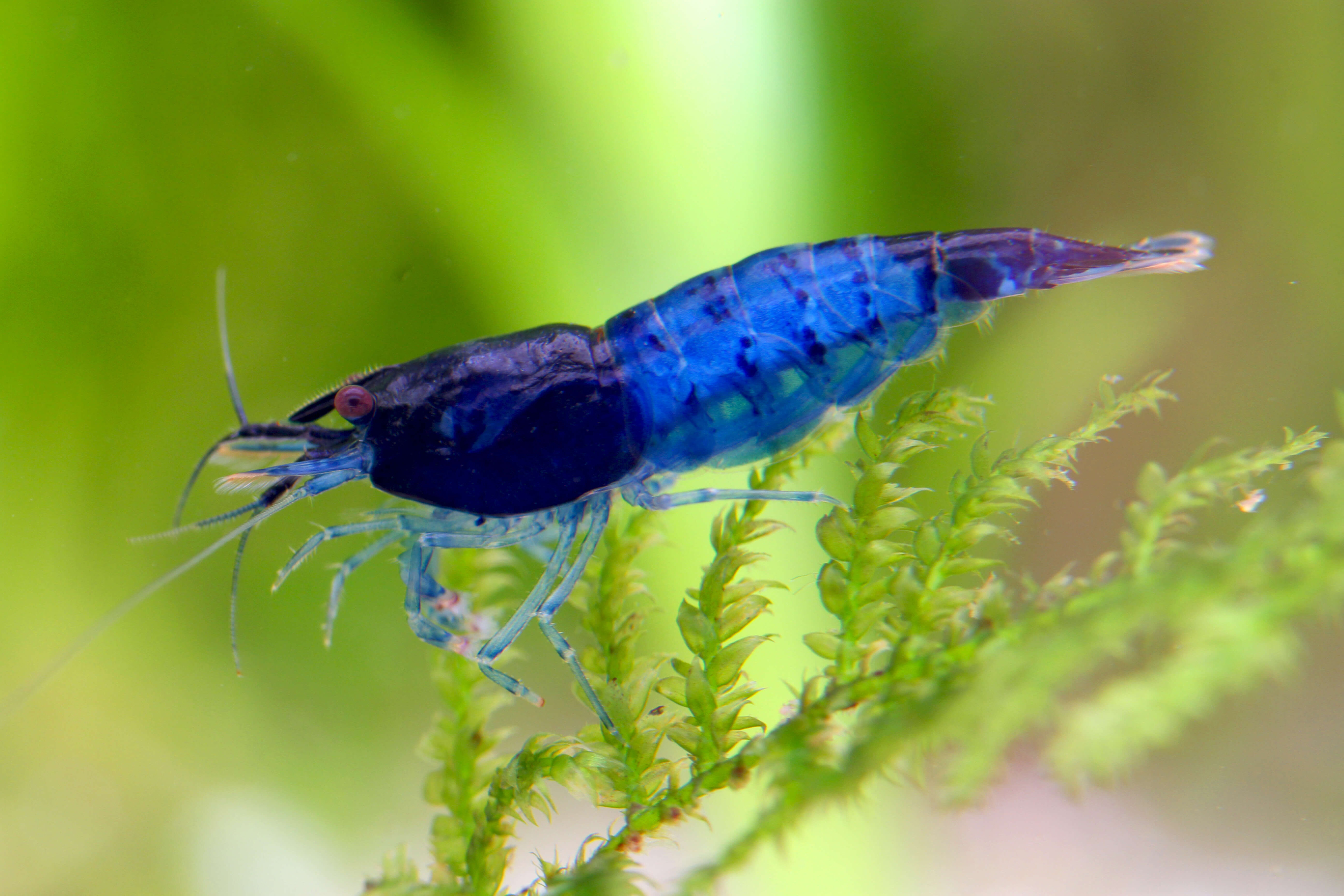
Shrimp info

  • Size: 1 - 1.5 inches
  • Difficulty level: Beginner
  • Temperature : 65 - 80 °F
  • pH: 6.5 - 8.0
  • Color Form: Orange
Leave your comments
Latest on Shrimps
  • Blue Dream Shrimp (Neocaridina davidi) Care Guide

    Blue Dream Shrimp (Neocaridina davidi) Care Guide

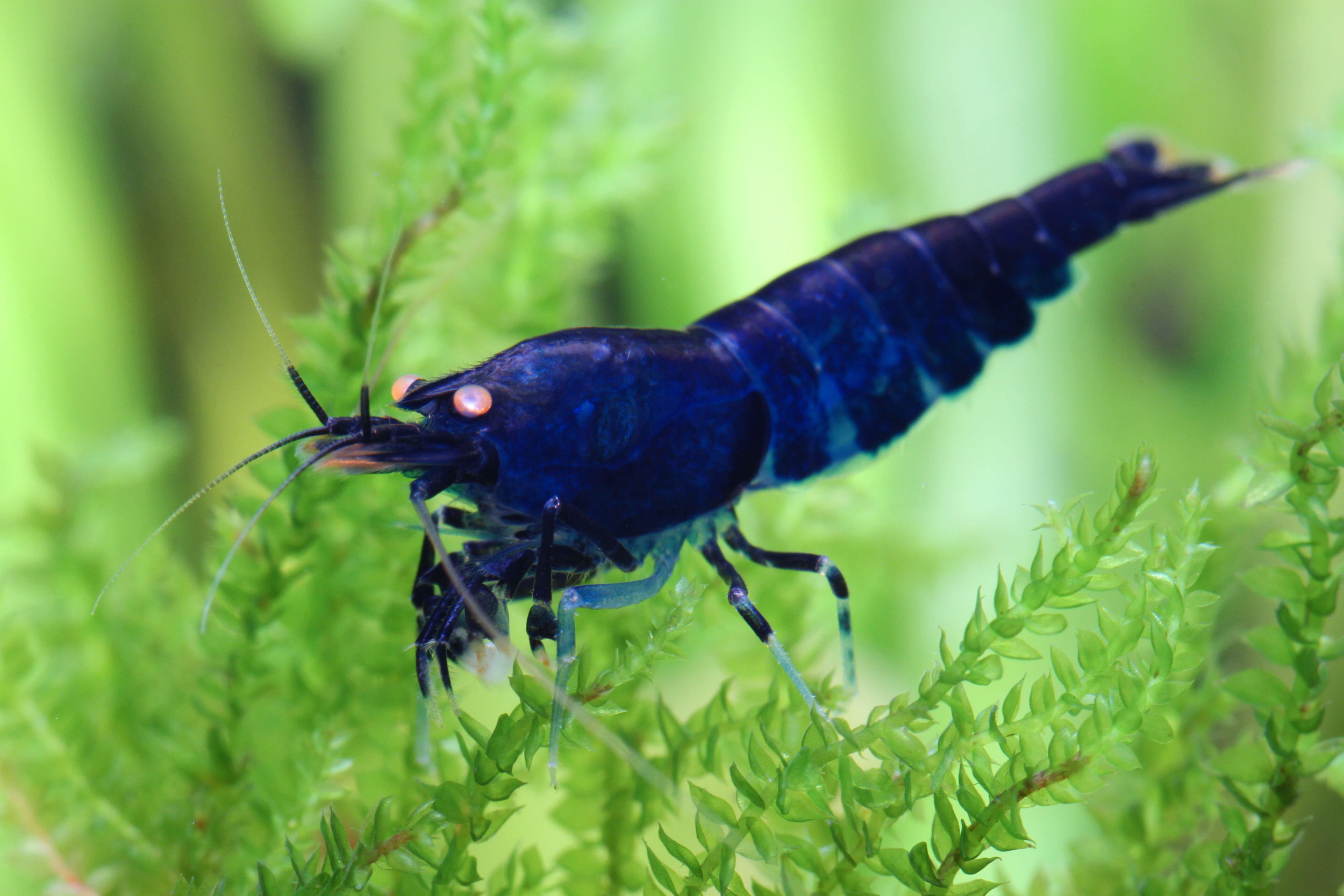
    The Blue Dream shrimp is a popular, vibrant color morph of the Neocaridina davidi species. Known for its intense blue coloration, this freshwater shrimp is a hardy inhabitant for nano aquariums. They are prolific breeders and excellent scavengers, making them a fantastic choice for both novice and experienced hobbyists looking to add color to their planted tanks.
  • Bloody Mary Shrimp and Christmas Moss Care

    Bloody Mary Shrimp and Christmas Moss Care

    The Bloody Mary shrimp is a vibrant, red-colored variant of the Neocaridina davidi species. These freshwater crustaceans are highly valued by hobbyists for their intense coloration and ease of care. When kept alongside Christmas Moss, they find ideal grazing grounds and shelter, creating a naturalistic, thriving environment that supports their overall health and successful reproduction in the home aquarium.
  • Caridina pareparensis parvidentata (Malawa Shrimp)

    Caridina pareparensis parvidentata (Malawa Shrimp)

    Meet the Malawa Shrimp (Caridina pareparensis parvidentata), a hardy and active freshwater invertebrate from the rivers of Sulawesi. Often called the Sulawesi Algae Shrimp, this resilient species is an exceptional algae eater and a fantastic, easy-to-breed alternative to Amano or Neocaridina shrimp for aquarists of all skill levels.
  • Neocaridina davidi (Yellow Fire Shrimp)

    Neocaridina davidi (Yellow Fire Shrimp)

    Brighten up your freshwater aquarium with the stunning Yellow Fire Shrimp! A vibrant color morph of the hardy Neocaridina davidi, these cheerful little invertebrates are perfect for beginners. They act as excellent cleanup crews, peacefully grazing on algae and biofilm while adding a brilliant splash of sunshine to your aquascape.
  • Neocaridina davidi (Red Sakura Shrimp)

    Neocaridina davidi (Red Sakura Shrimp)

    The Red Sakura Shrimp is a striking, deeply colored variant of the popular Cherry Shrimp. Known for its nearly solid red carapace and hardy nature, this Neocaridina davidi morph is perfect for beginners. They add a vibrant pop of color to any planted tank while serving as an excellent cleanup crew.
  • Neocaridina davidi (Red Cherry Shrimp / Fire Red Shrimp)

    Neocaridina davidi (Red Cherry Shrimp / Fire Red Shrimp)

    Add a splash of vibrant color to your aquarium with the Red Cherry Shrimp! Also known as the Fire Red Shrimp, this hardy and active Neocaridina davidi morph is perfect for beginners. They are excellent algae eaters, constantly grazing and bringing lively energy to any planted freshwater tank.
  • Caridina logemanni (Red Bee Shrimp K4 DNZ)

    Caridina logemanni (Red Bee Shrimp K4 DNZ)

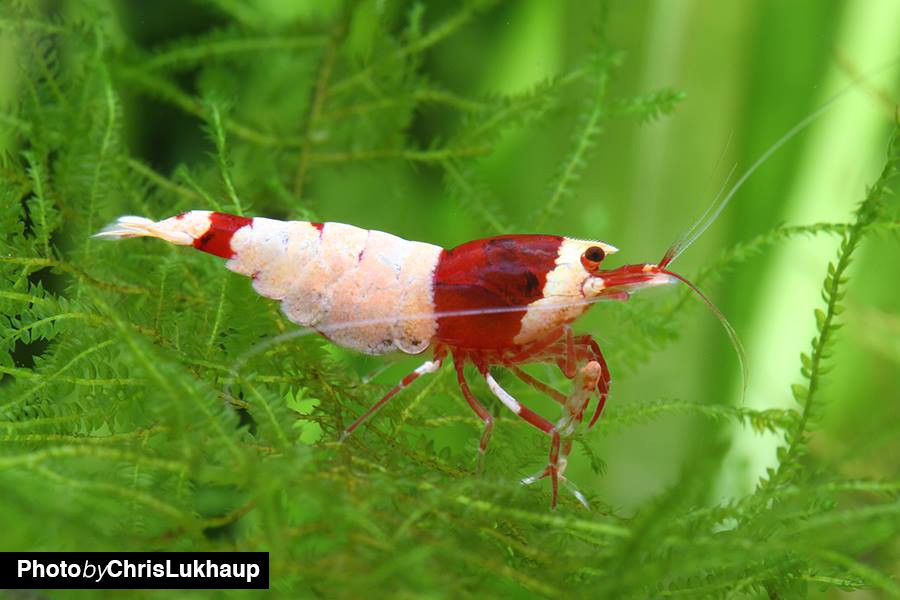
    The Red Bee Shrimp K4 (DNZ) is a stunning and highly sought-after freshwater dwarf shrimp. Known for its striking, opaque red and white bands, this German-bred Caridina logemanni variant adds vibrant contrast to planted aquariums. While slightly demanding regarding water parameters, their active nature makes them incredibly rewarding.
  • Caridina babaulti (Green Babaulti Shrimp)

    Caridina babaulti (Green Babaulti Shrimp)

    Add a splash of vibrant neon to your freshwater aquarium with the Green Babaulti Shrimp! Known for their striking, leaf-green coloration and active foraging behavior, these unique dwarf shrimp are a captivating choice for aquascapers looking to diversify their cleanup crew with a truly eye-catching and peaceful species.
  • Neocaridina davidi var. Blue Jelly (Blue Jelly Shrimp)

    Neocaridina davidi var. Blue Jelly (Blue Jelly Shrimp)

    Dive into the mesmerizing world of the Blue Jelly Shrimp. Known for its stunning, translucent icy-blue coloration, this peaceful and hardy invertebrate is a favorite among aquarists. Perfect for beginners, the Blue Jelly adds a refreshing splash of color while tirelessly cleaning your tank's ecosystem by grazing on algae and biofilm.
  • Neocaridina davidi (Blue Dream / Blue Velvet Shrimp)

    Neocaridina davidi (Blue Dream / Blue Velvet Shrimp)

    Dive into the mesmerizing world of Blue Dream and Blue Velvet shrimp. These stunning variations of Neocaridina davidi boast deep, captivating blue hues that instantly elevate any freshwater setup. Known for their hardiness and active nature, they are the perfect addition for both novice and experienced aquarists seeking vibrant color.
  • Neocaridina davidi (Bloody Mary Shrimp)

    Neocaridina davidi (Bloody Mary Shrimp)

    The Bloody Mary Shrimp is a captivating variant of Neocaridina davidi, selectively bred for its intense, opaque red coloration. Originating from Taiwan, these vibrant freshwater crustaceans have quickly become a favorite among aquarists, celebrated for their striking appearance, peaceful demeanor, and relatively easy care, making them an excellent choice for both beginners and experienced shrimp keepers.
  • Caridina multidentata (Amano Shrimp)

    Caridina multidentata (Amano Shrimp)

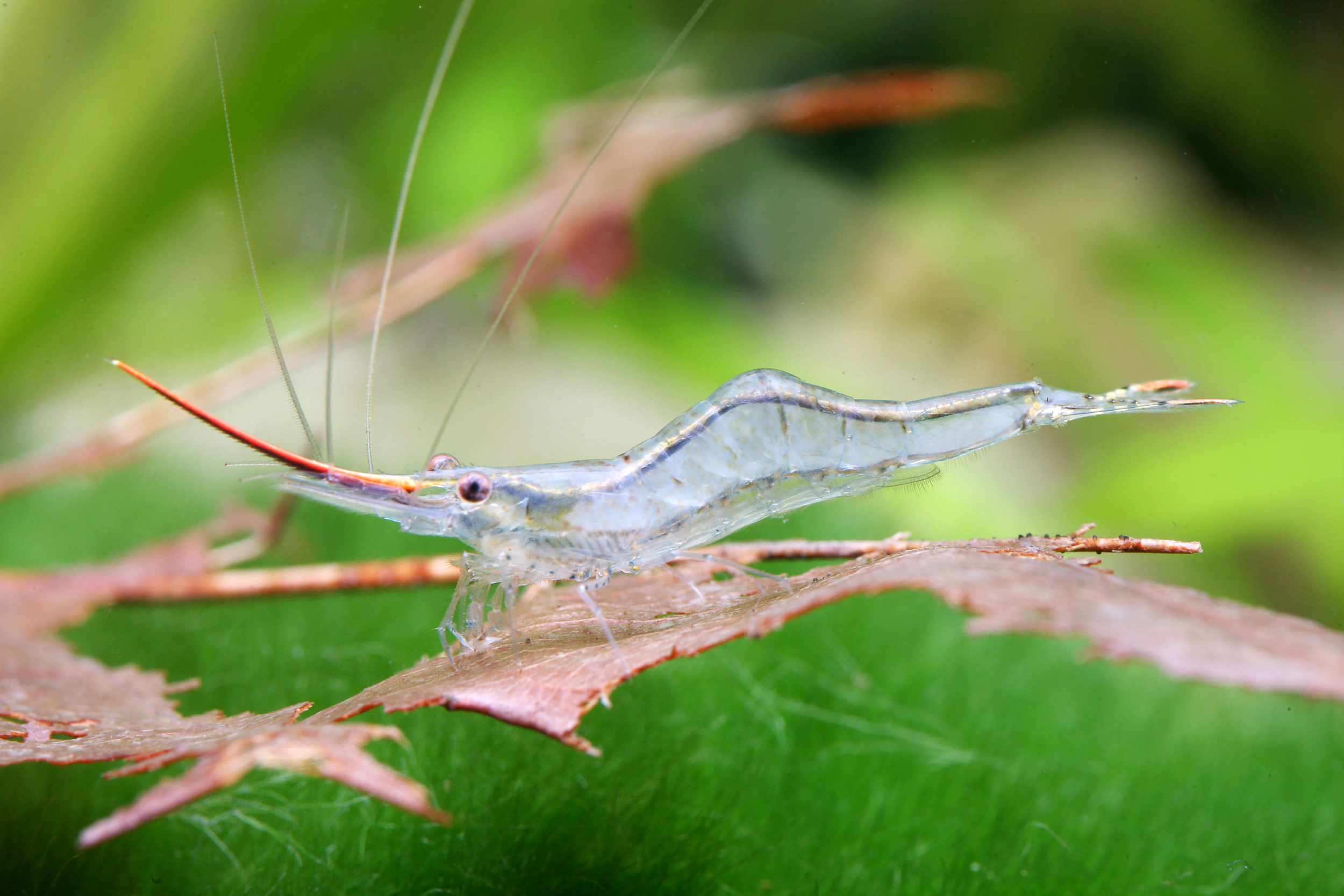
    The Amano Shrimp, scientifically known as Caridina multidentata, hails from the rivers of Japan and Taiwan. Renowned for its insatiable appetite for algae, it was popularized by Takashi Amano himself, becoming an indispensable clean-up crew member and a staple in planted aquariums worldwide. Its hardy nature makes it an excellent choice for both beginners and experienced aquarists.
  • Ghost Shrimp

    Ghost Shrimp, also called Glass Shrimp are one of the easiest species of freshwater shrimp to keep. They are primarily translucent, small and highly active. Ghost shrimp are extremely popular due to their low price. Ghost shrimp can often be purchased en mass for as little as 20-50 cents each. This price makes them attractive to prospective owners but also as a live feeder for larger carnivorous fish. Ghost Shrimp are scavengers and do an excellent job of cleaning the aquarium of rotting debris and algae. They are effective at actively reducing nitrates within the aquarium and having a very low biomass footprint.
  • Crystal Red Shrimp

    Crystal Red Shrimp also known as CRS are a rare and unusual shrimp easily identified by their unique red and white striped markings. The CRS reportedly came to be from a single mutation involving the black bumble bee shrimp in Japan.
  • Red Cherry Shrimp

    Red Cherry shrimp or RCS are a breed of shrimp known as Neocaridina denticulata sinensis. Red Cherry shrimp exist in many colors in the wild but in the aquarium red is by far the most popular strain and this is attributed to their name. The bright red color is a result of years of selective breeding. The red cherry shrimp really stands out in the aquarium especially against plants and darker substrates.
  • Amano Shrimp

    Amano shrimp are freshwater invertebrates popular to the aquarium hobby. The name 'Amano Shrimp' is derived from the famous hobbyist Takashi Amano. Takashi Amano frequently uses these shrimp in his setup. Amano Shrimp add visual appeal and are excellent algae eaters in the aquarium. Amano Shrimp are fairly easy to maintain and care for.