Taxonomy and Identification
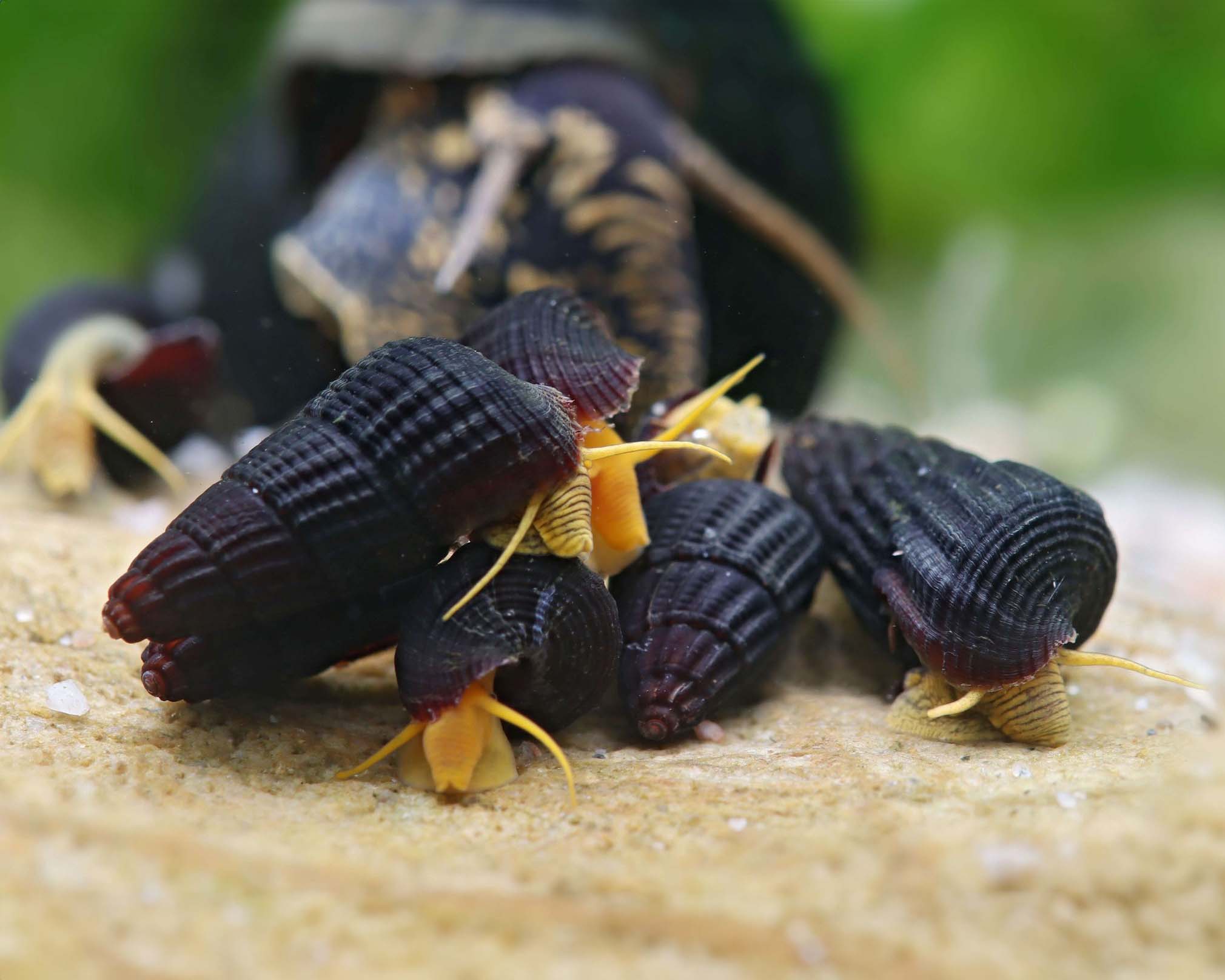
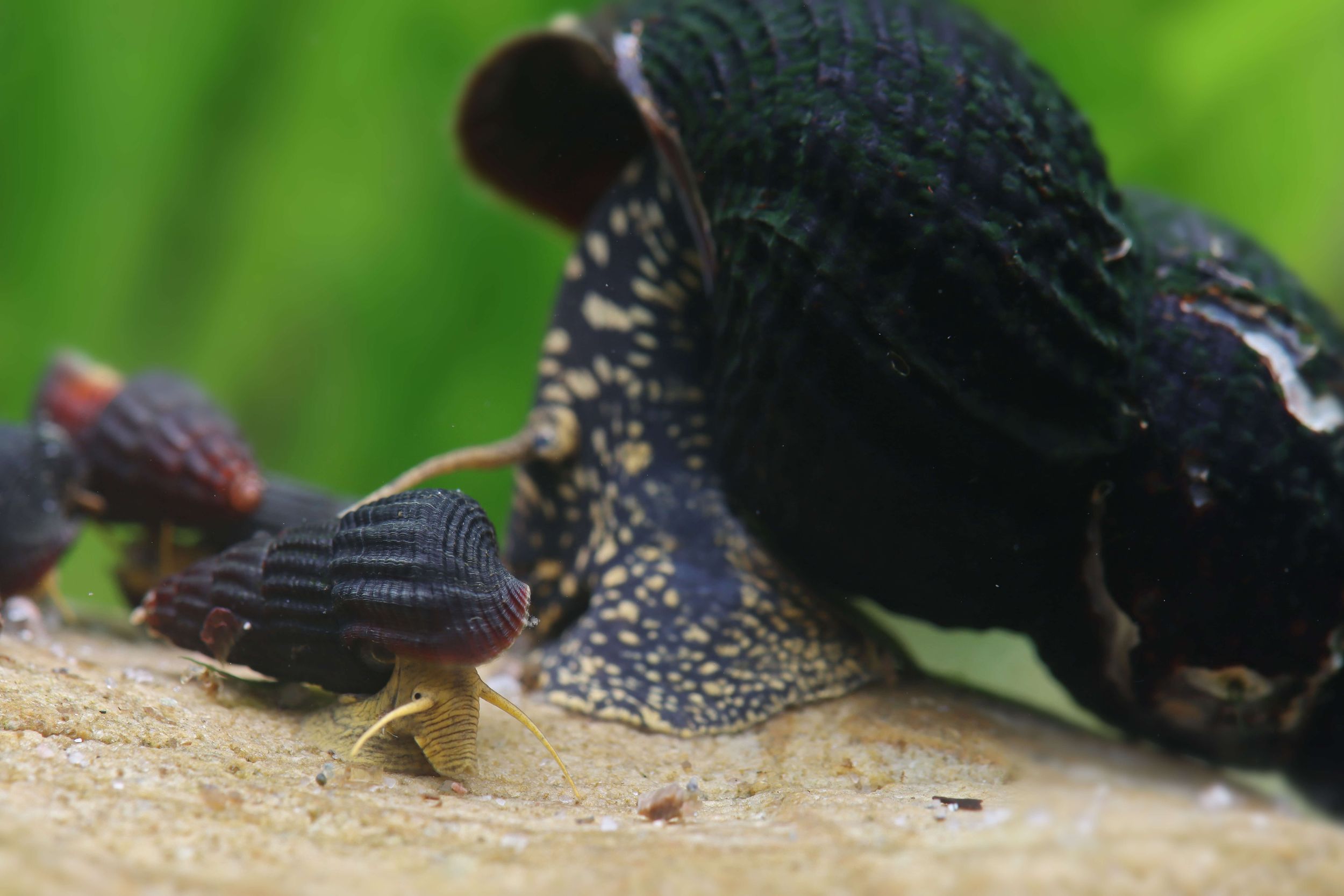
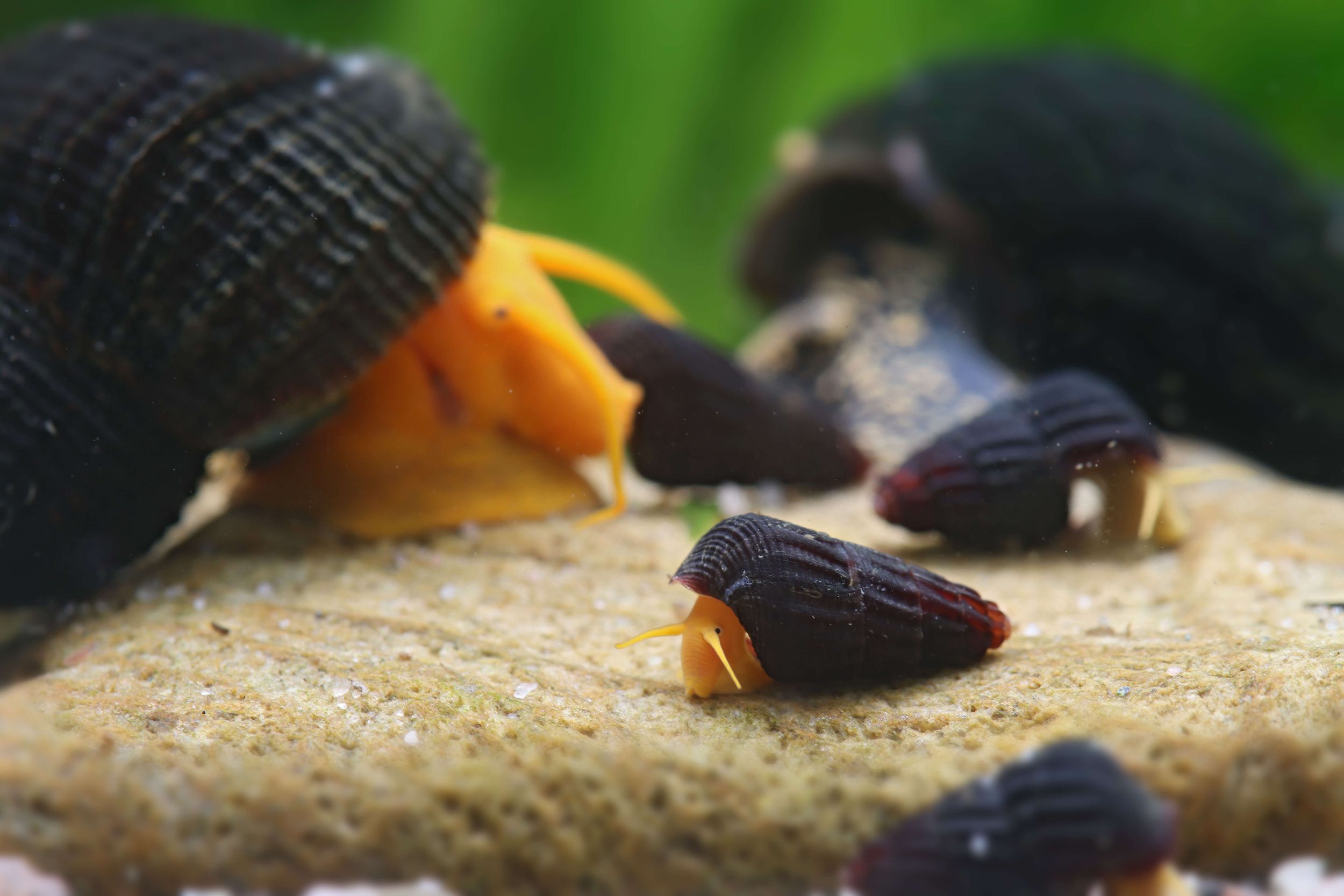
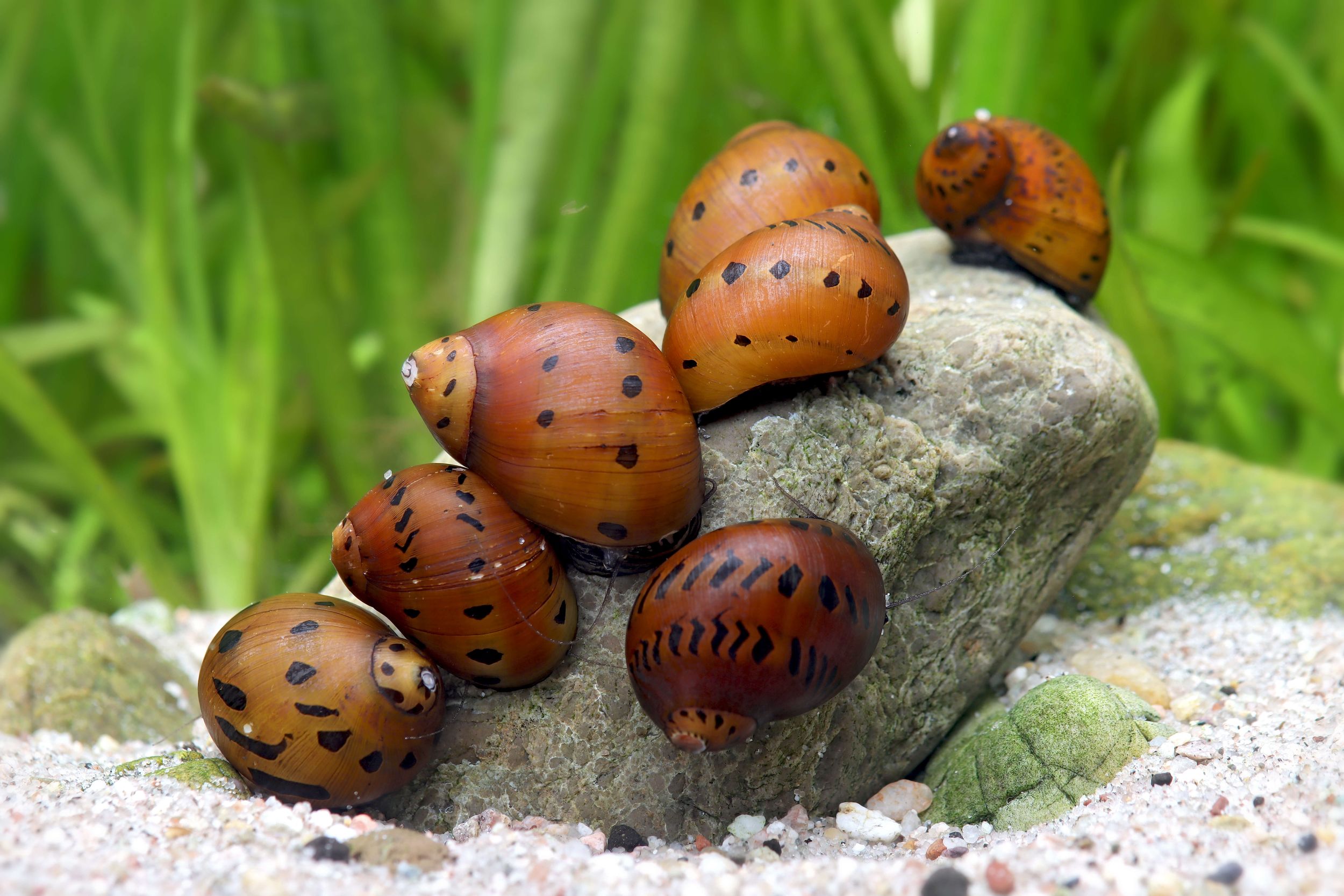
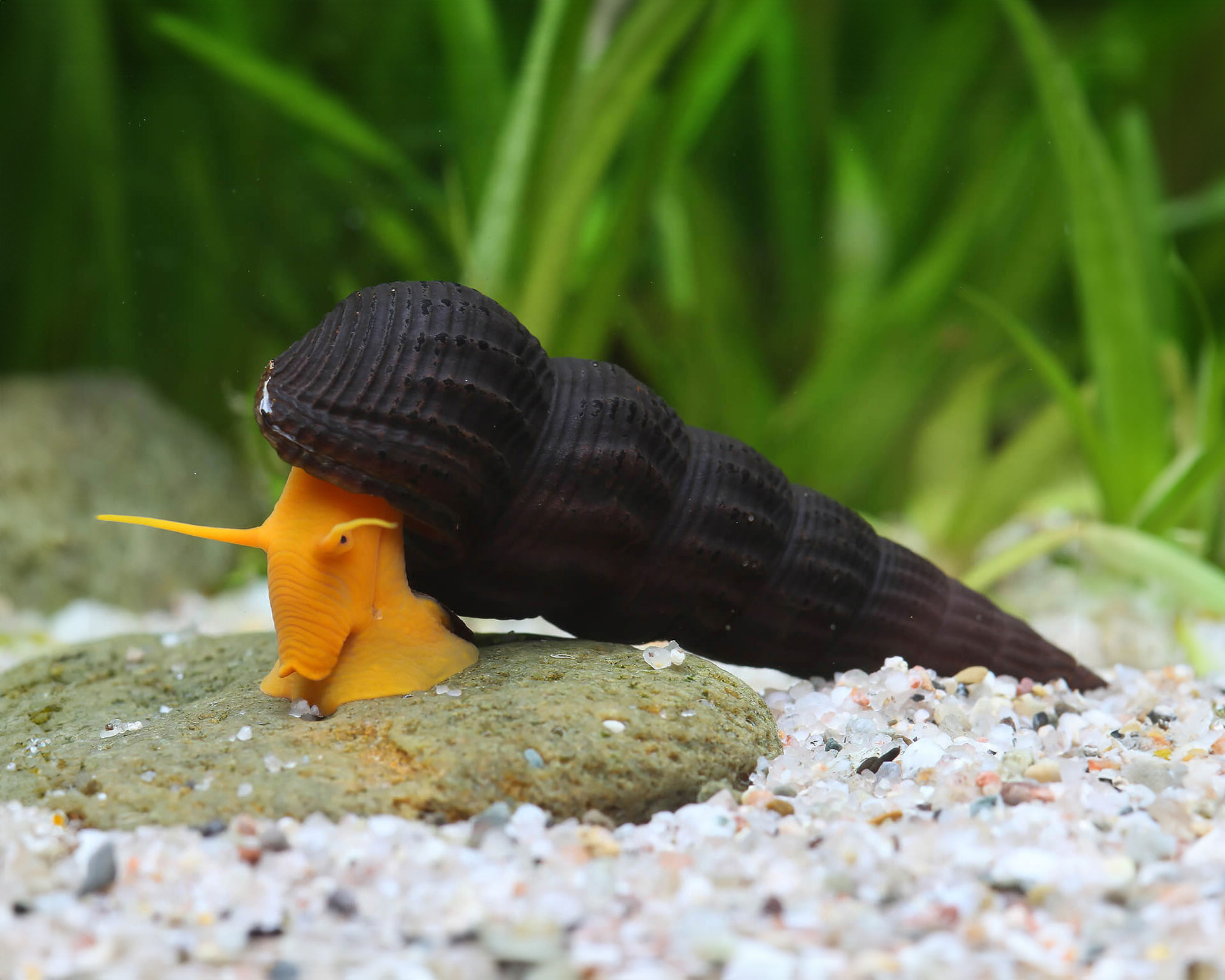
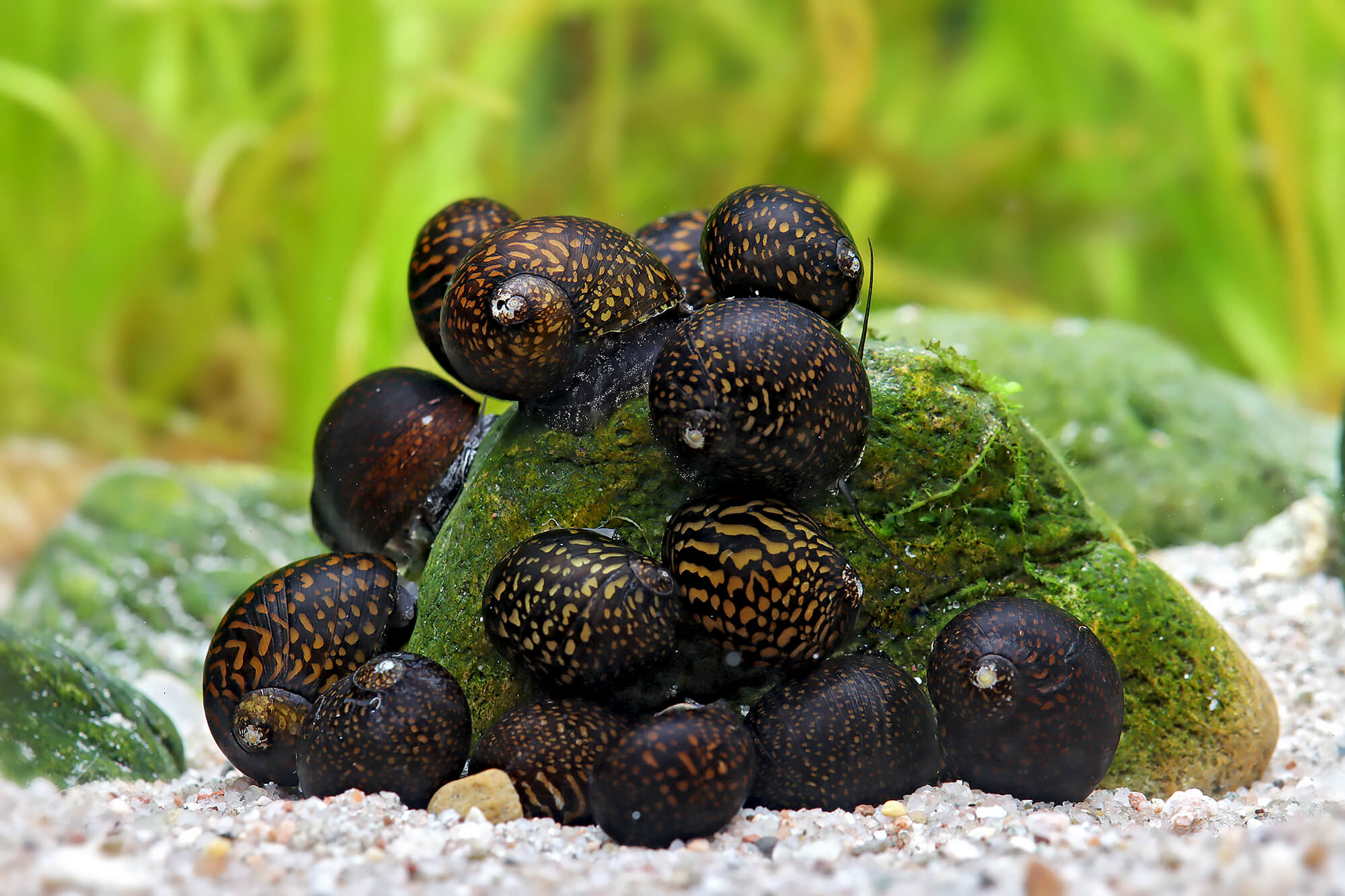
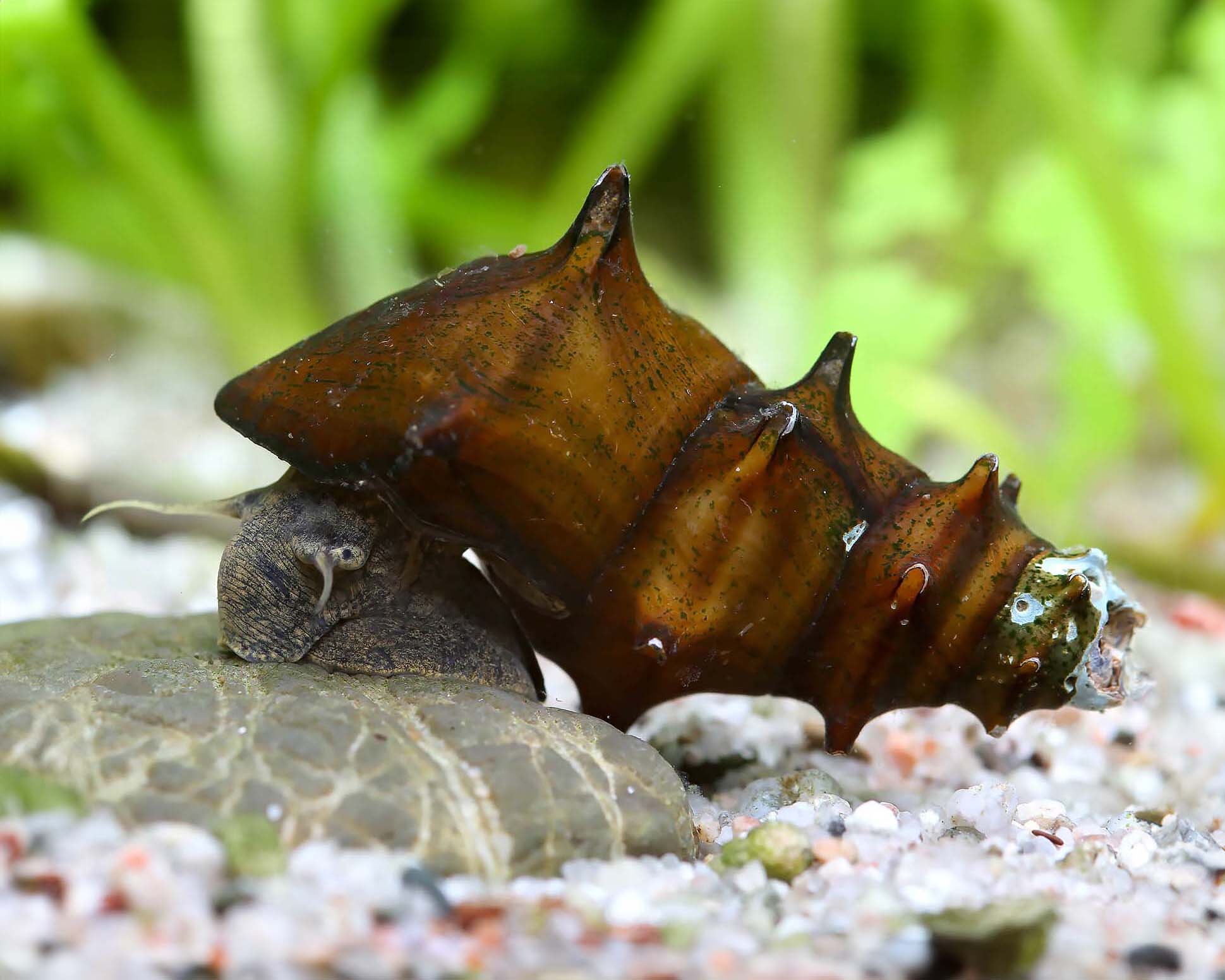
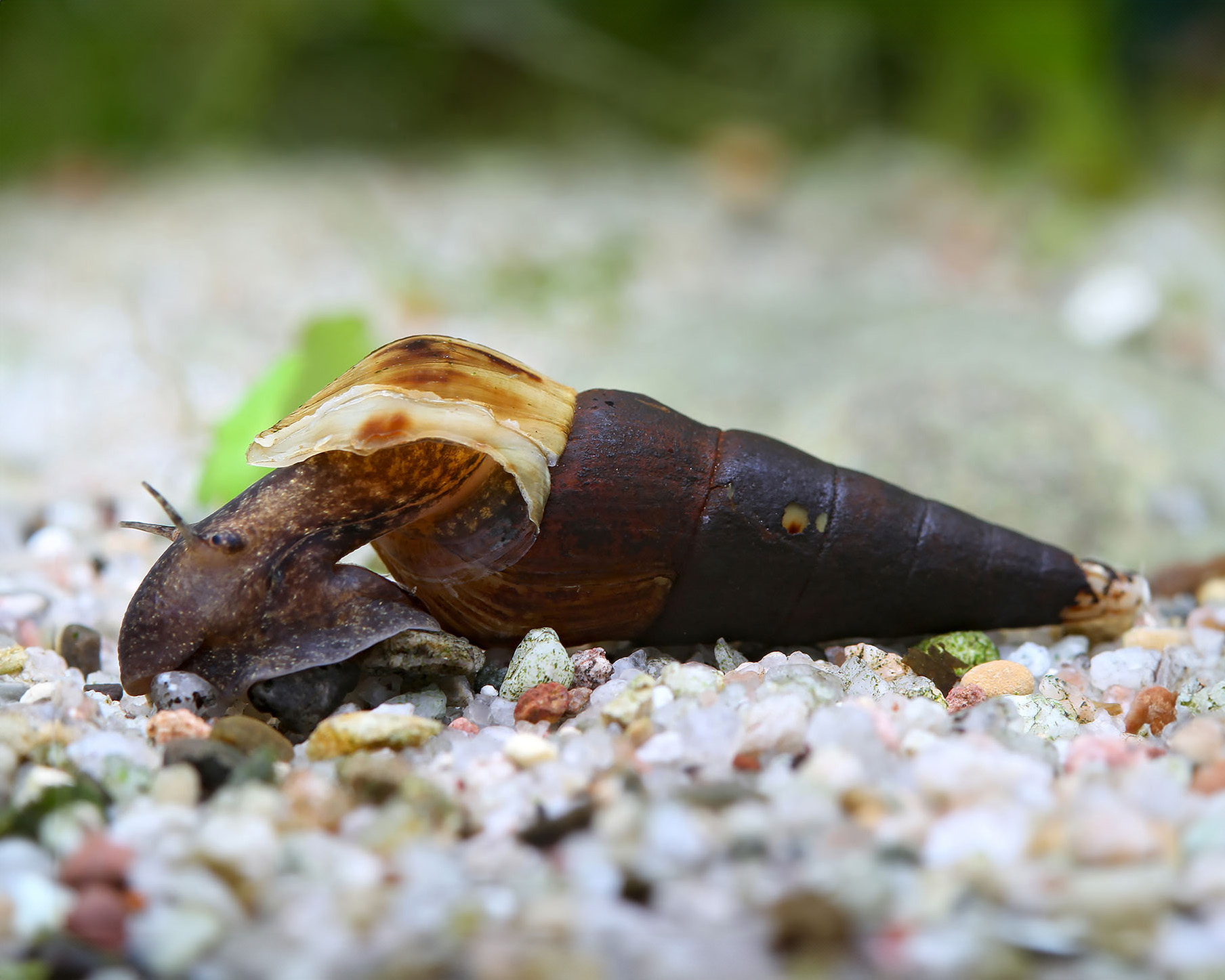
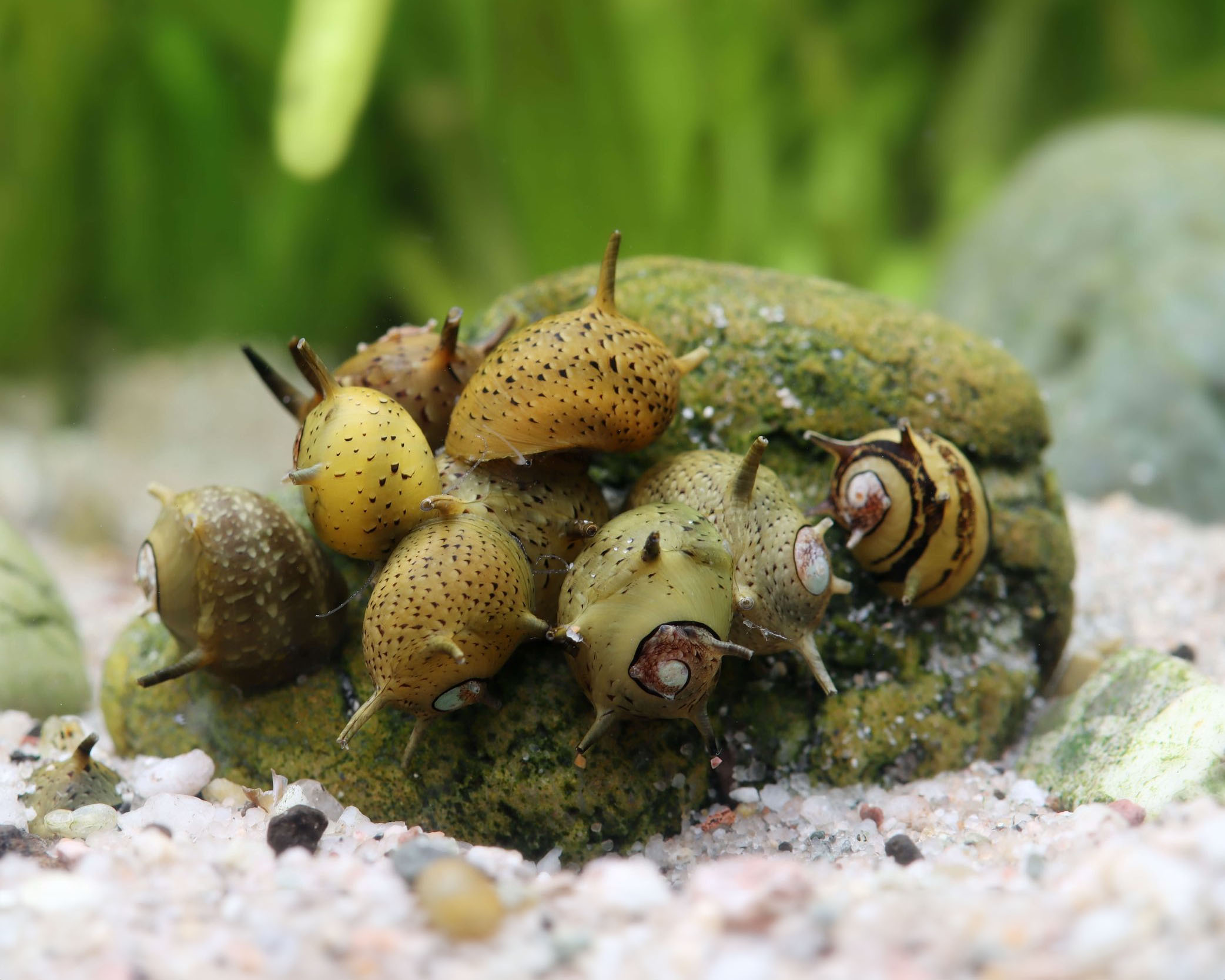
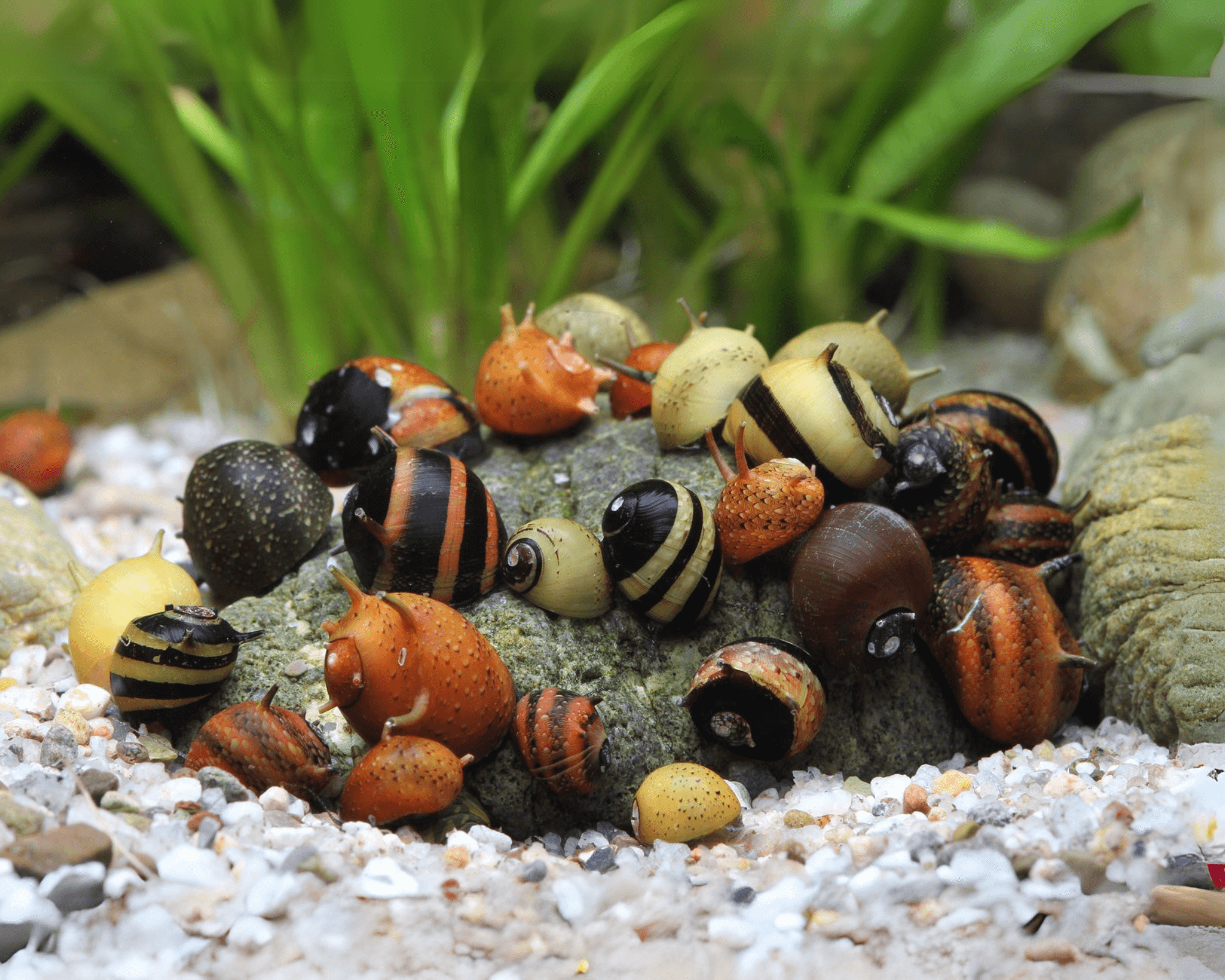
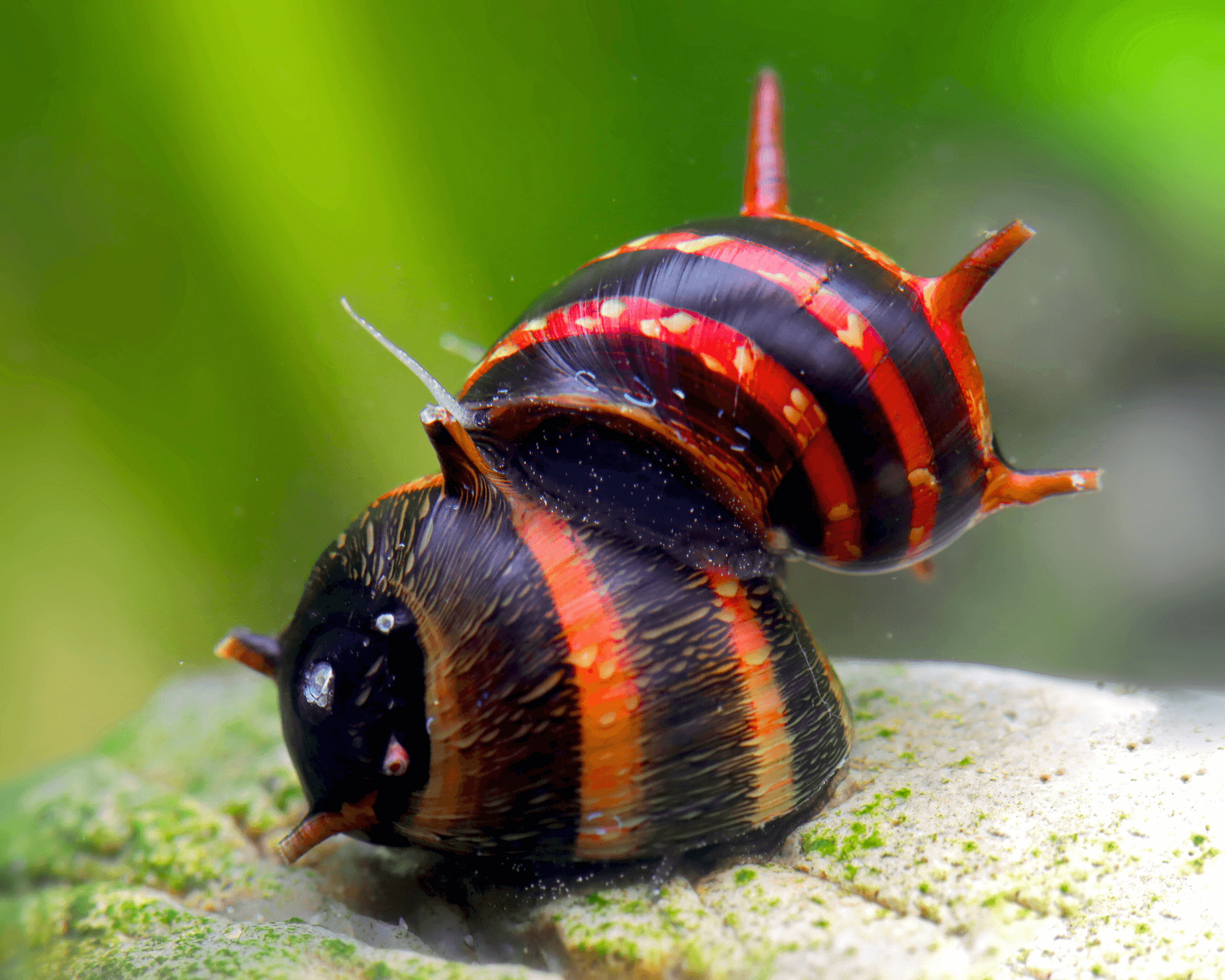
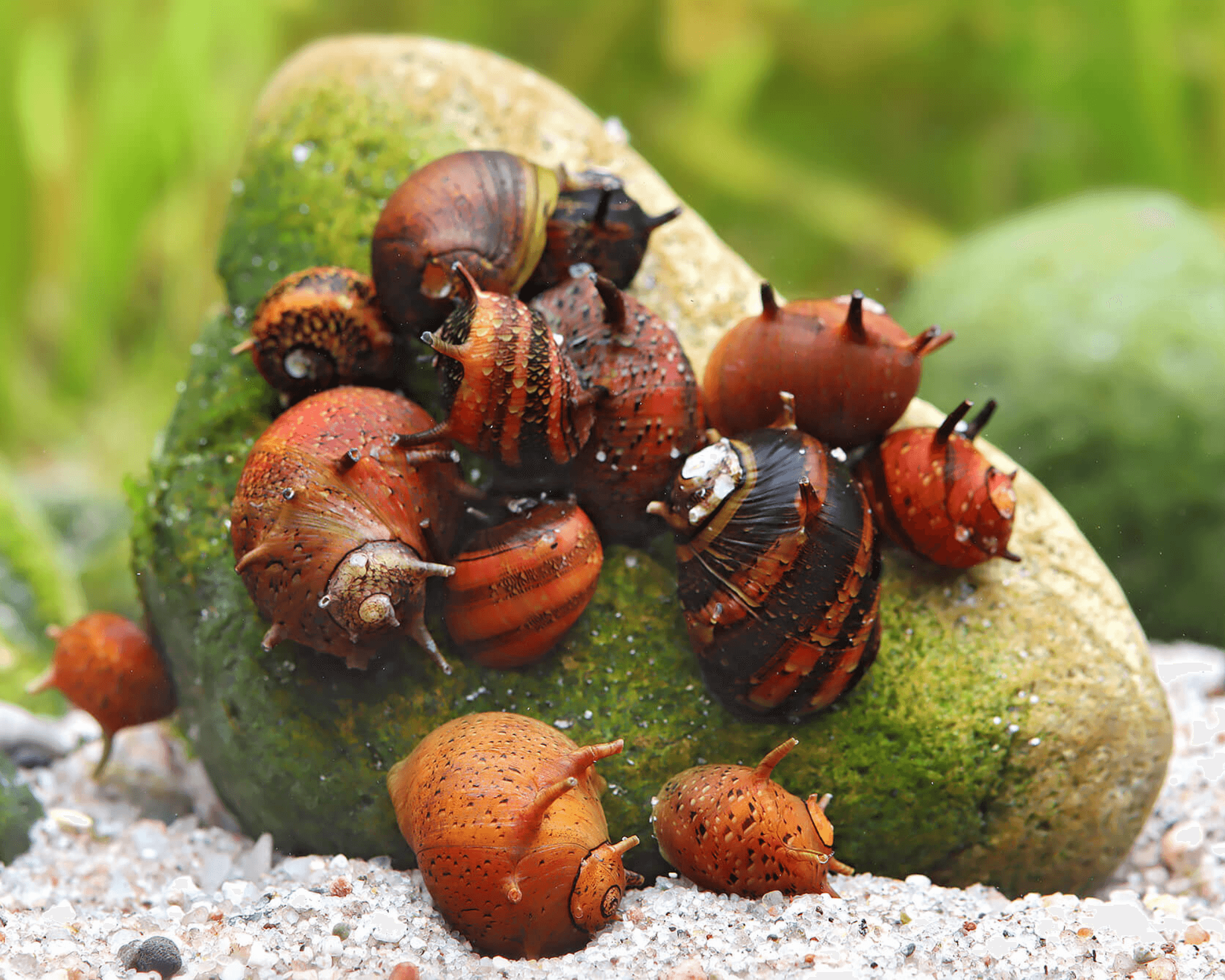
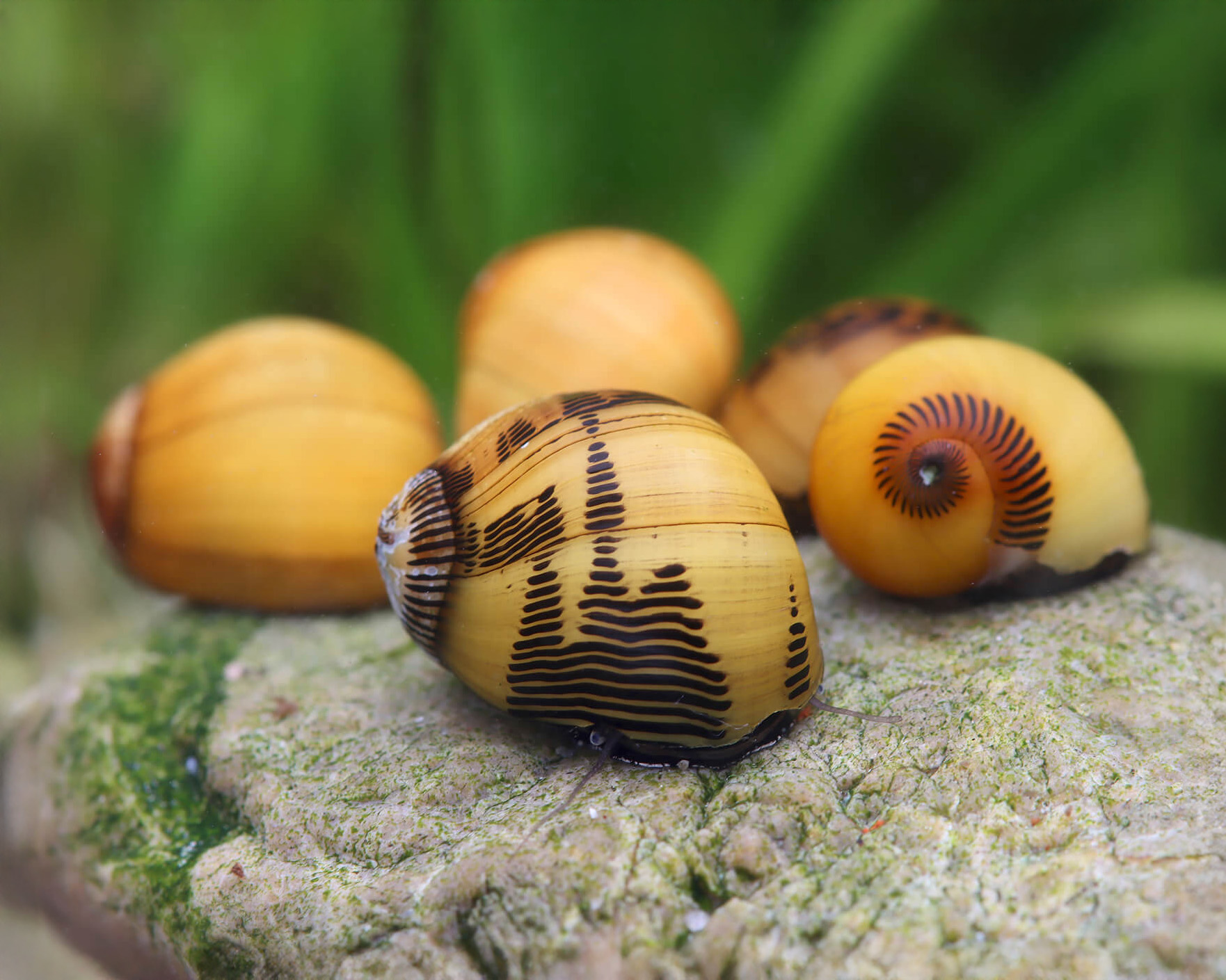
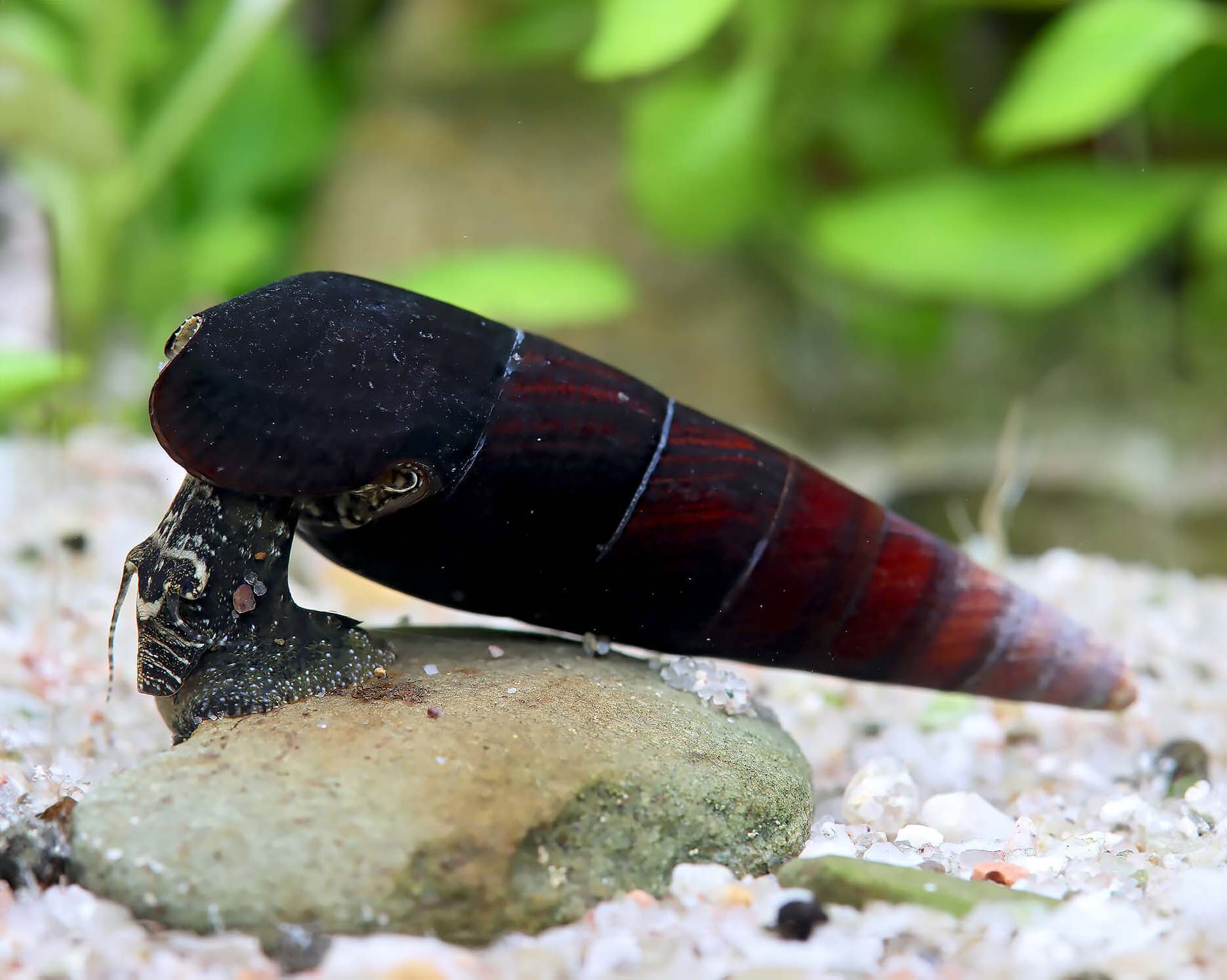
These snails belong to the Pachychilidae family. Identifying specific species within the genus is notoriously difficult due to significant morphological variations. While often sold as a mix, they typically exhibit dark, spiraled shells with varying soft tissue colors, ranging from solid orange or yellow to spotted patterns. Due to the high number of undescribed species, precise identification remains uncertain.
Habitat Requirements
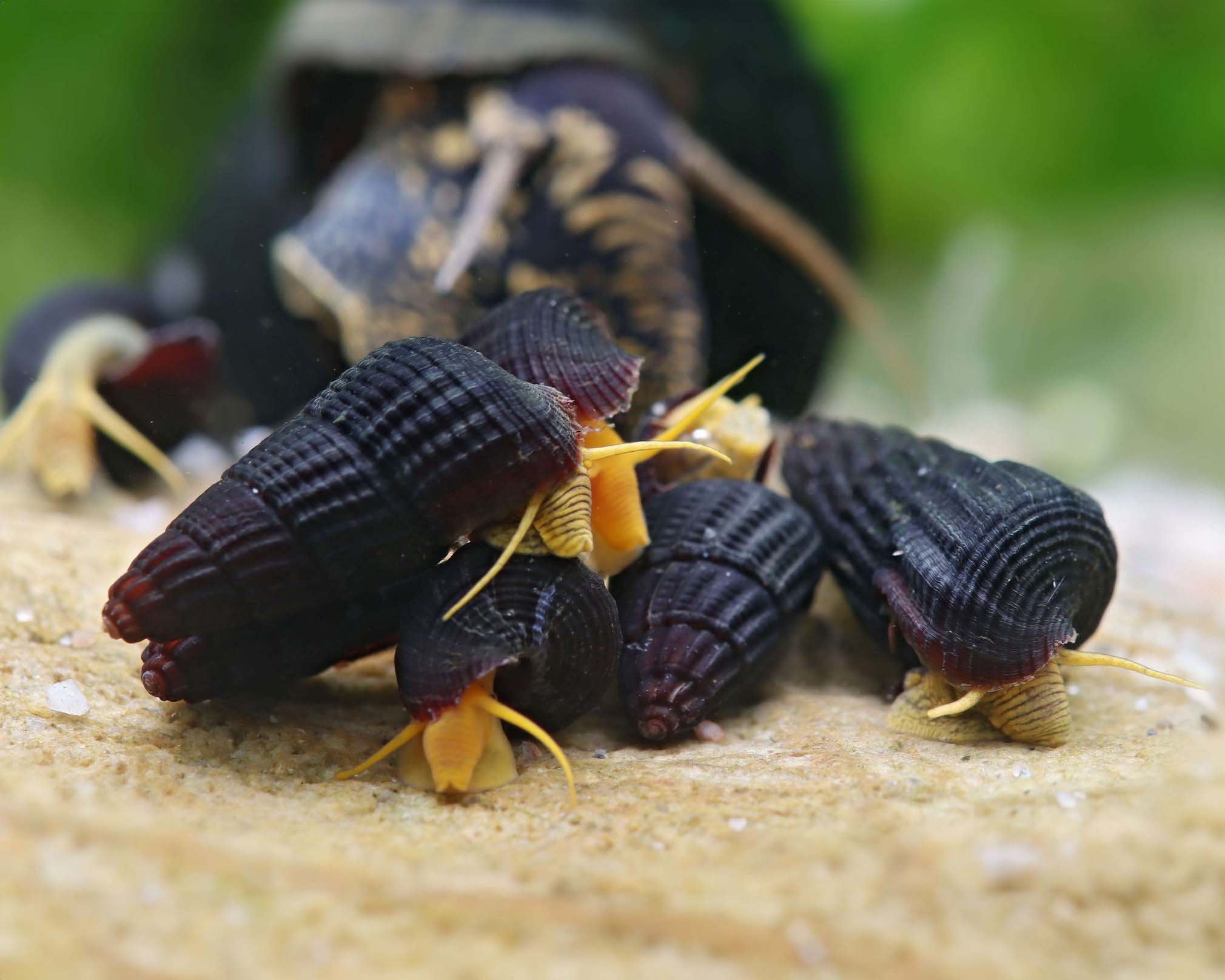
They require a mature, well-oxygenated aquarium with a soft substrate, such as fine sand, which mimics their natural lake bottom environment. They are sensitive to water quality fluctuations. Providing hard surfaces like rocks or driftwood is essential for their movement and grazing activities. A stable, alkaline water chemistry is critical for preventing shell erosion.
Feeding and Nutrition
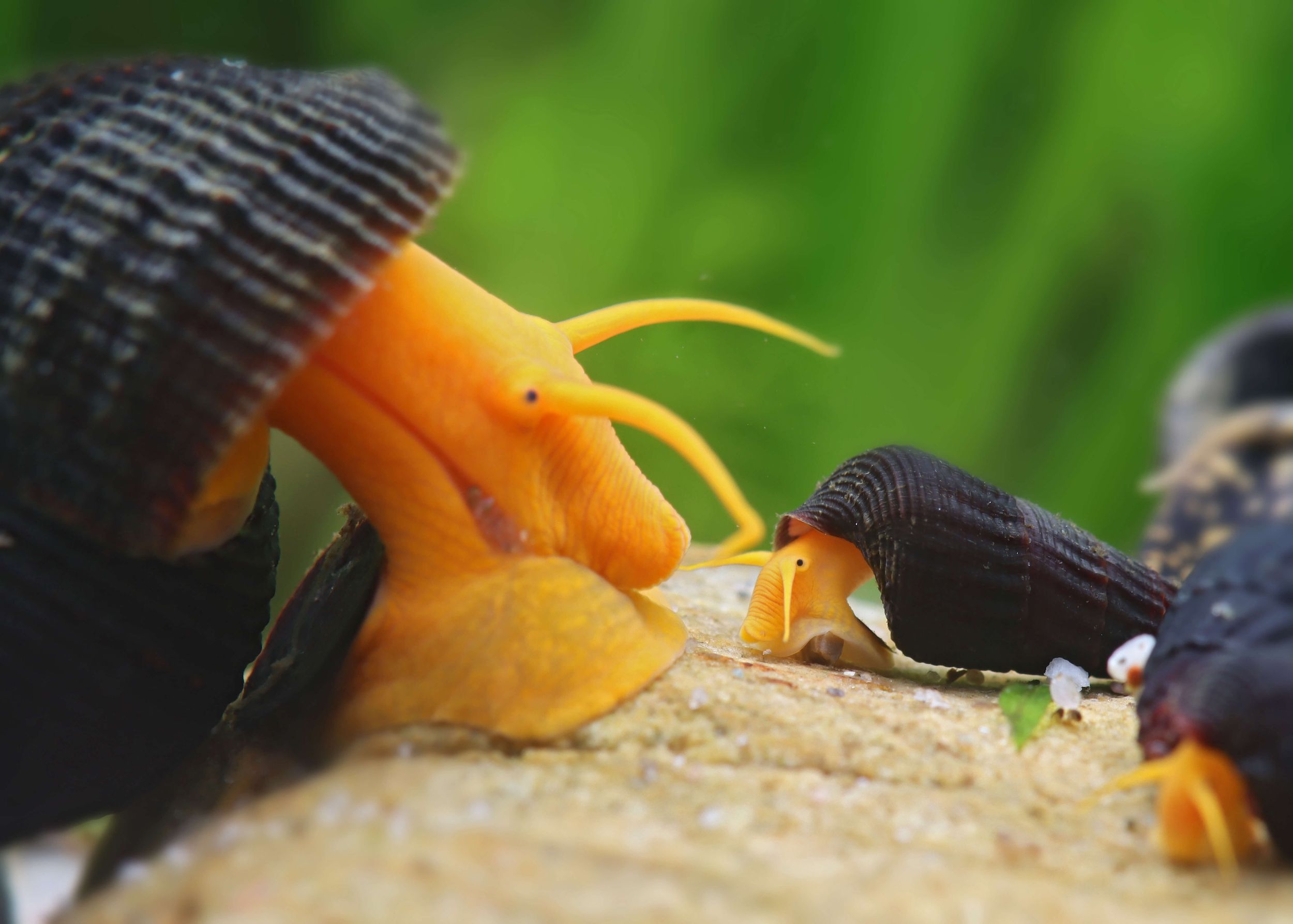
Rabbit snails are omnivorous scavengers. They readily accept high-quality sinking pellets, blanched vegetables like zucchini or cucumber, and biofilm found on aquarium surfaces. To ensure healthy shell growth, calcium supplementation is highly recommended, especially in aquaria with soft water. They are generally peaceful and do not actively hunt other tank inhabitants.
Plant Safety
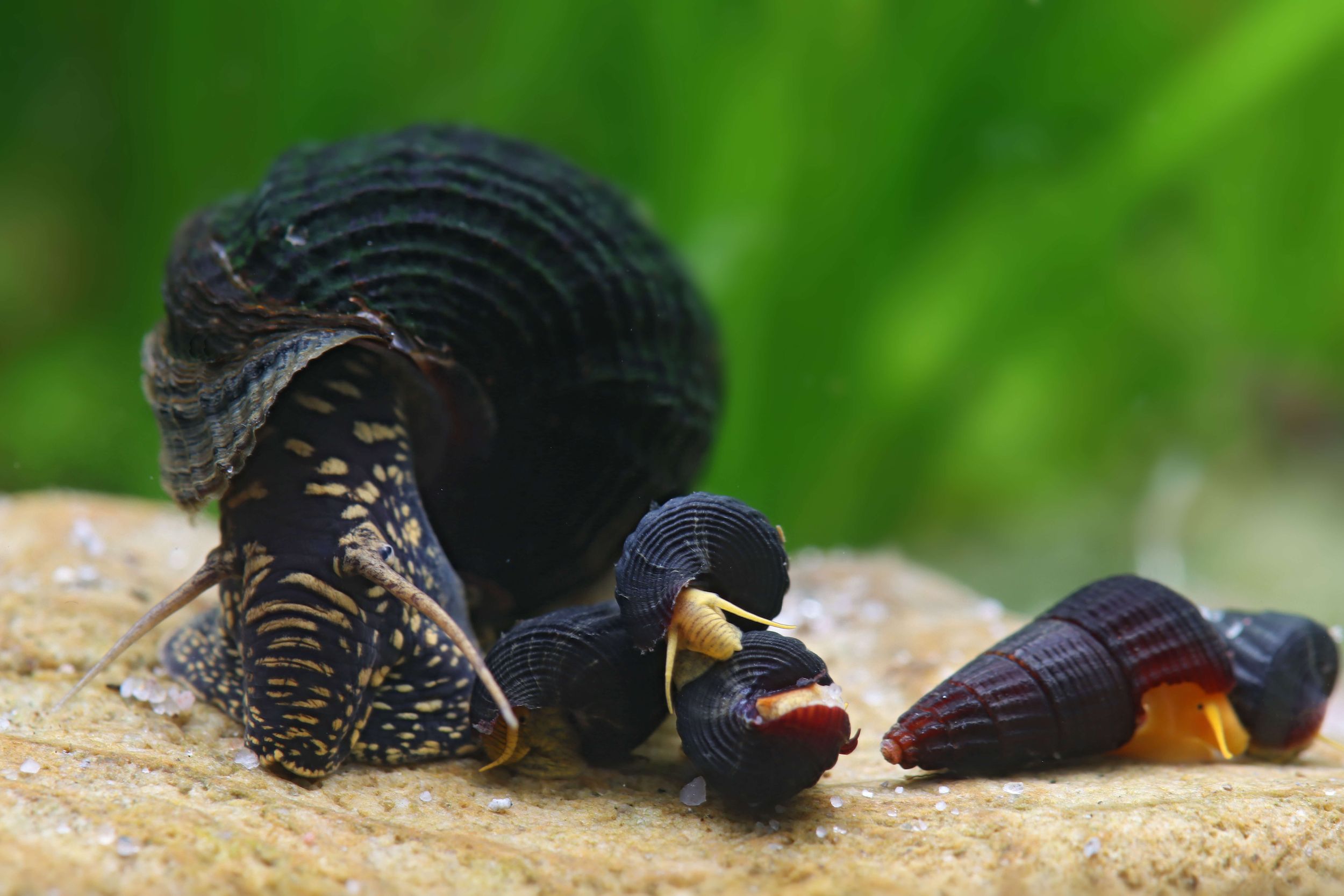
While generally considered safe for most aquarium plants, some individuals may consume soft-leaved or decaying vegetation if insufficient supplemental food is provided. It is best to keep them well-fed with vegetable-based foods to minimize the risk of them grazing on delicate aquatic plants.
Reproduction and Population Control
Tylomelania snails are gonochoristic, meaning they have distinct sexes. They are livebearers that produce very few offspring at a time. A female typically releases a single, fully developed juvenile enclosed in a protective white casing. Because of this slow reproductive rate, they are unlikely to overpopulate an aquarium, making them easy to manage without intensive population control measures.
 - 1.webp)
 DNZ - 1.webp)
Leave your comments