Taxonomy and identification
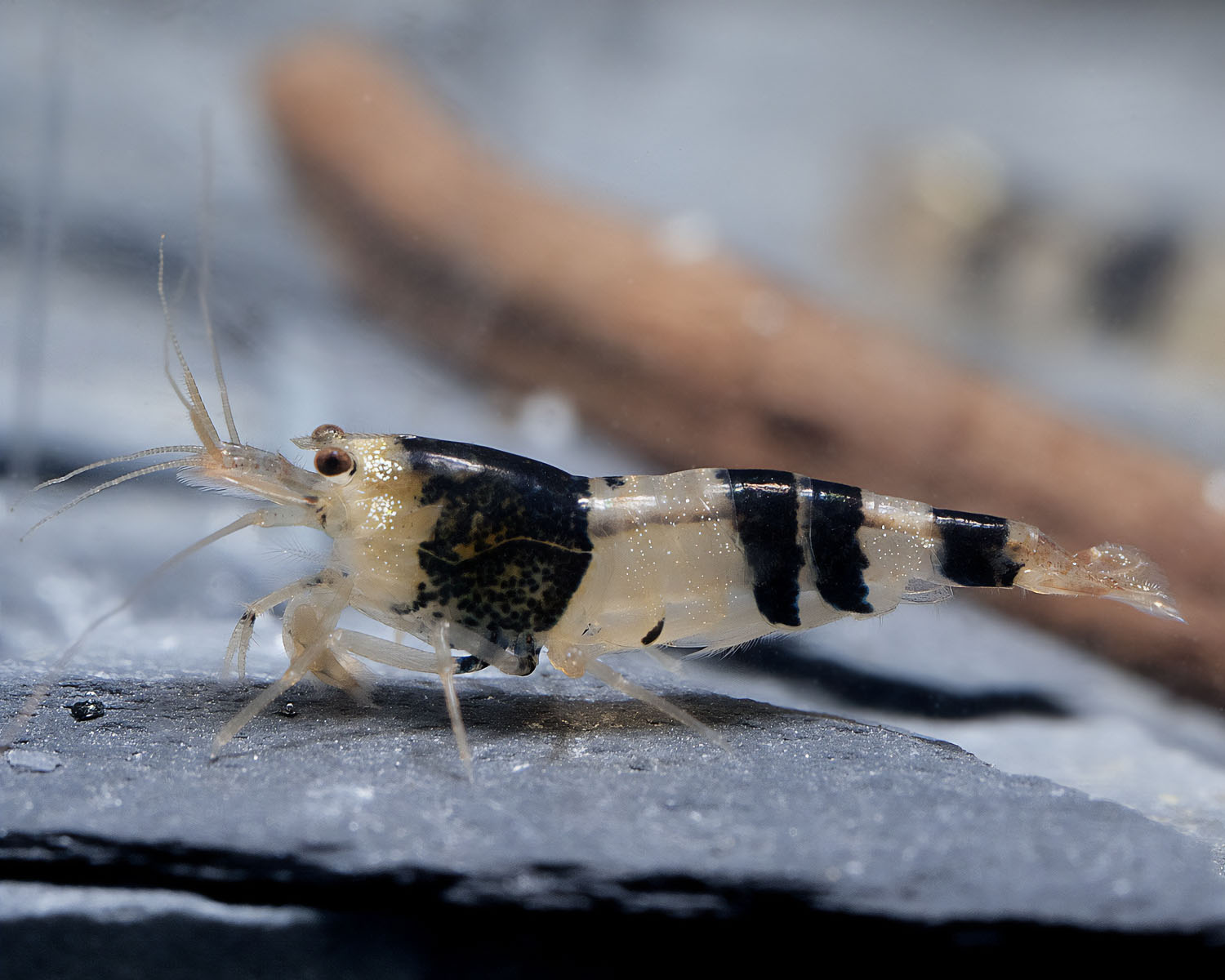
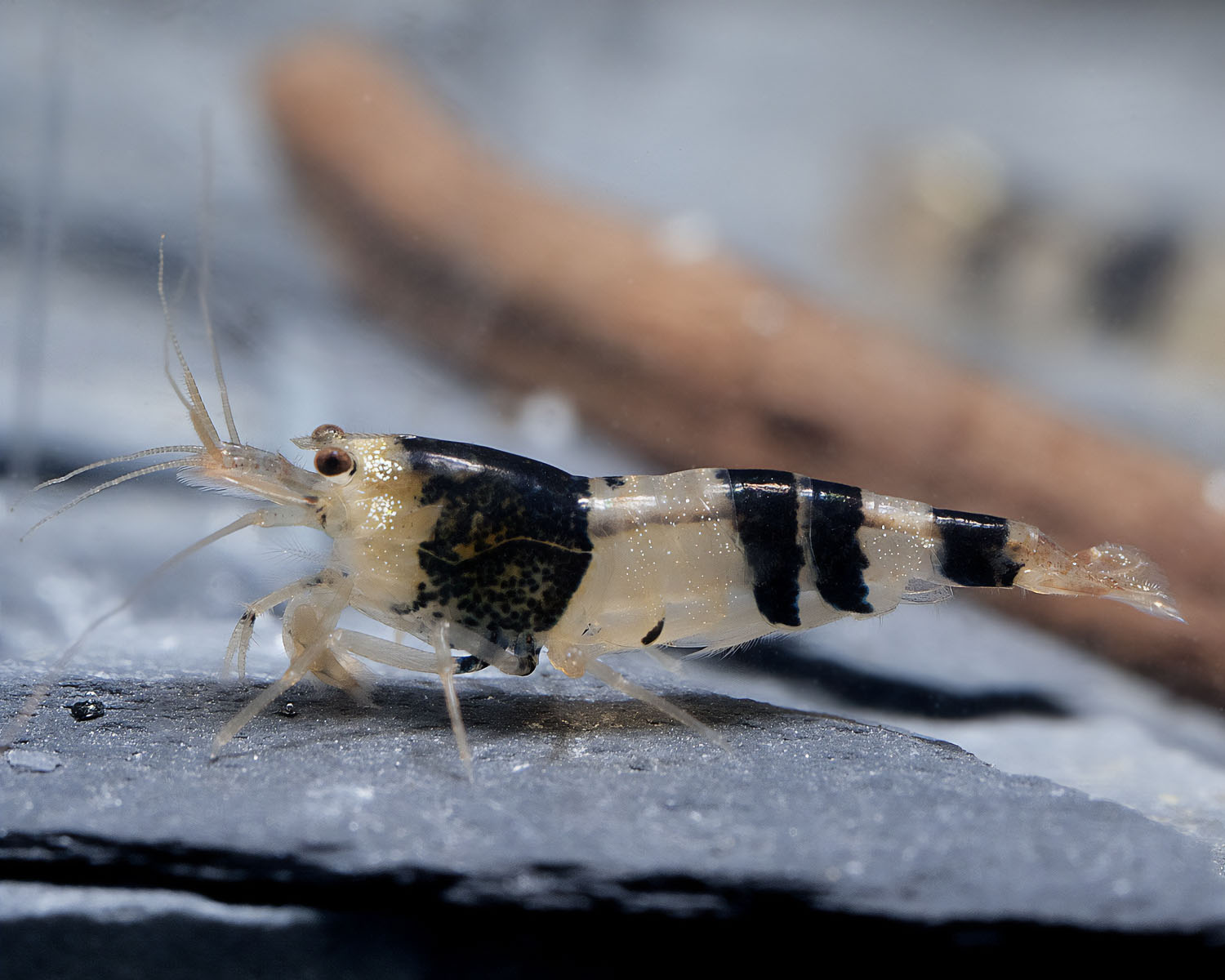
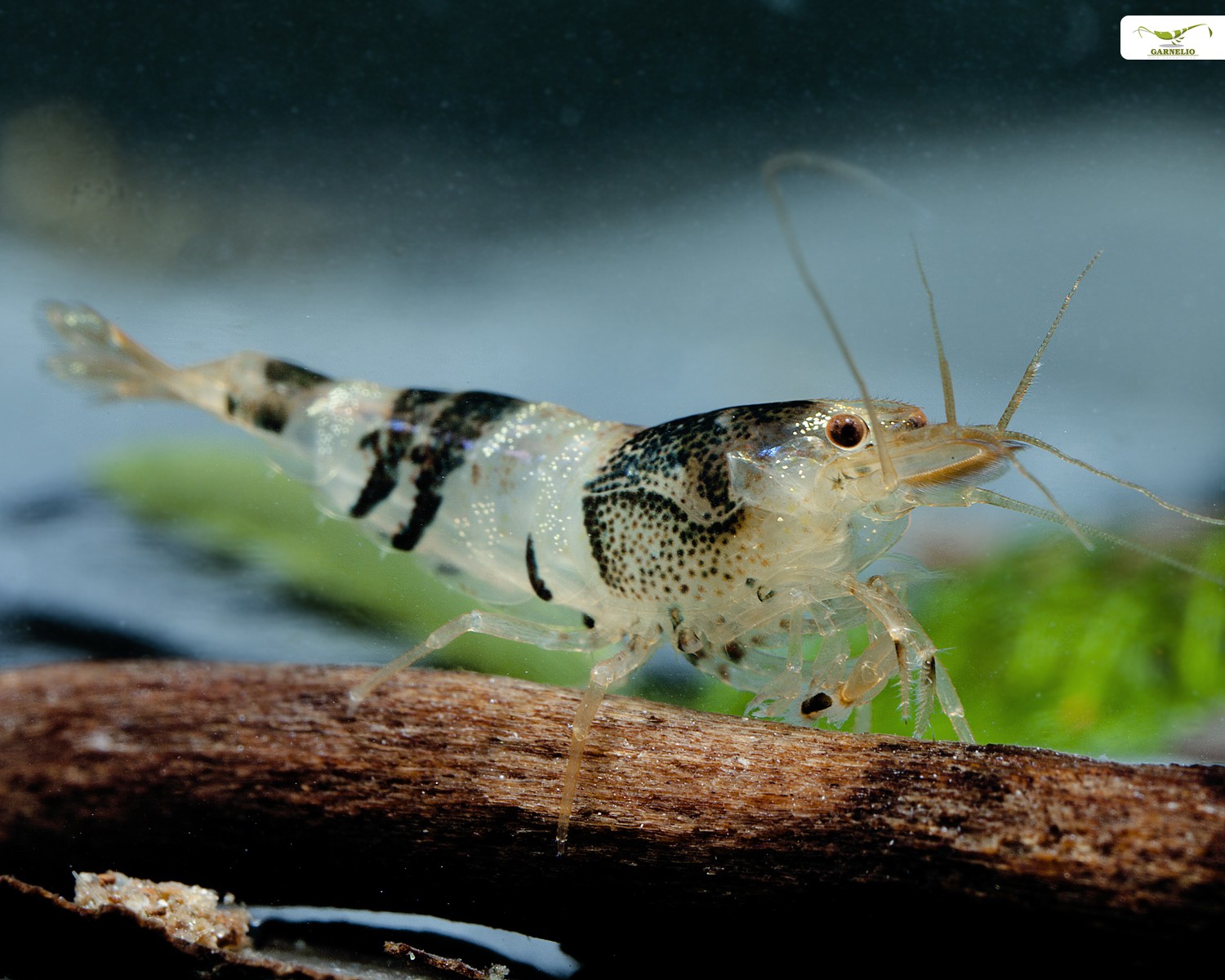
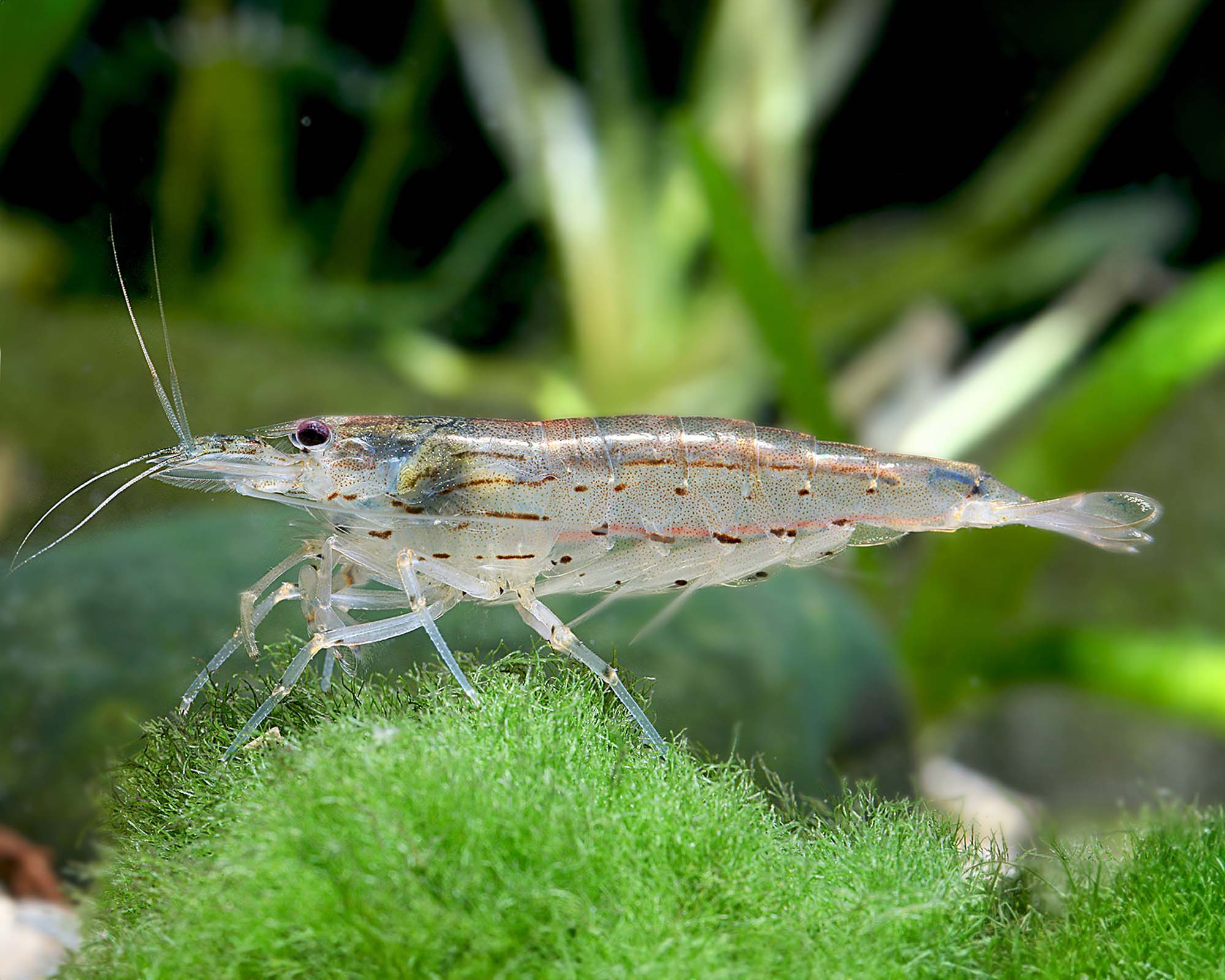
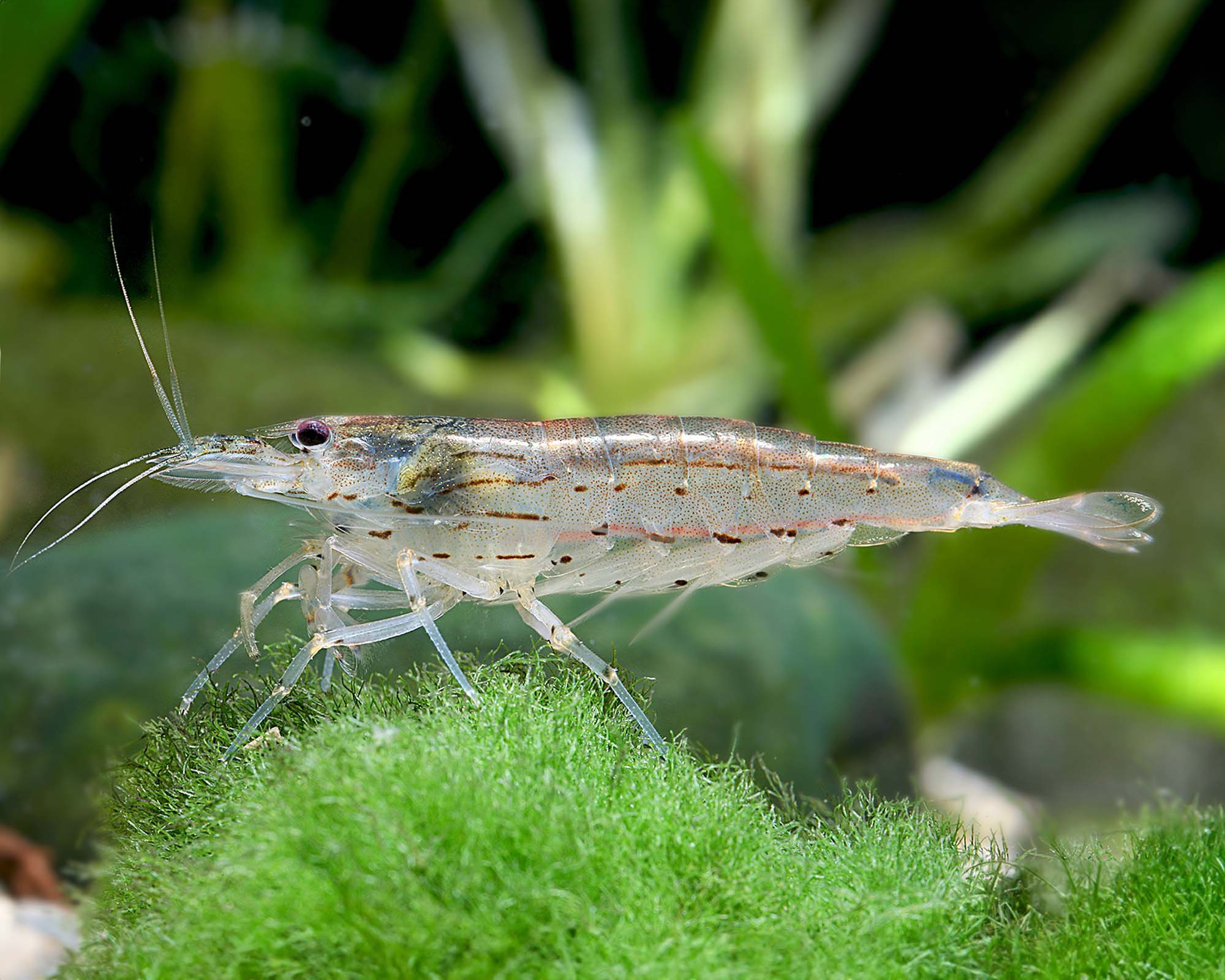
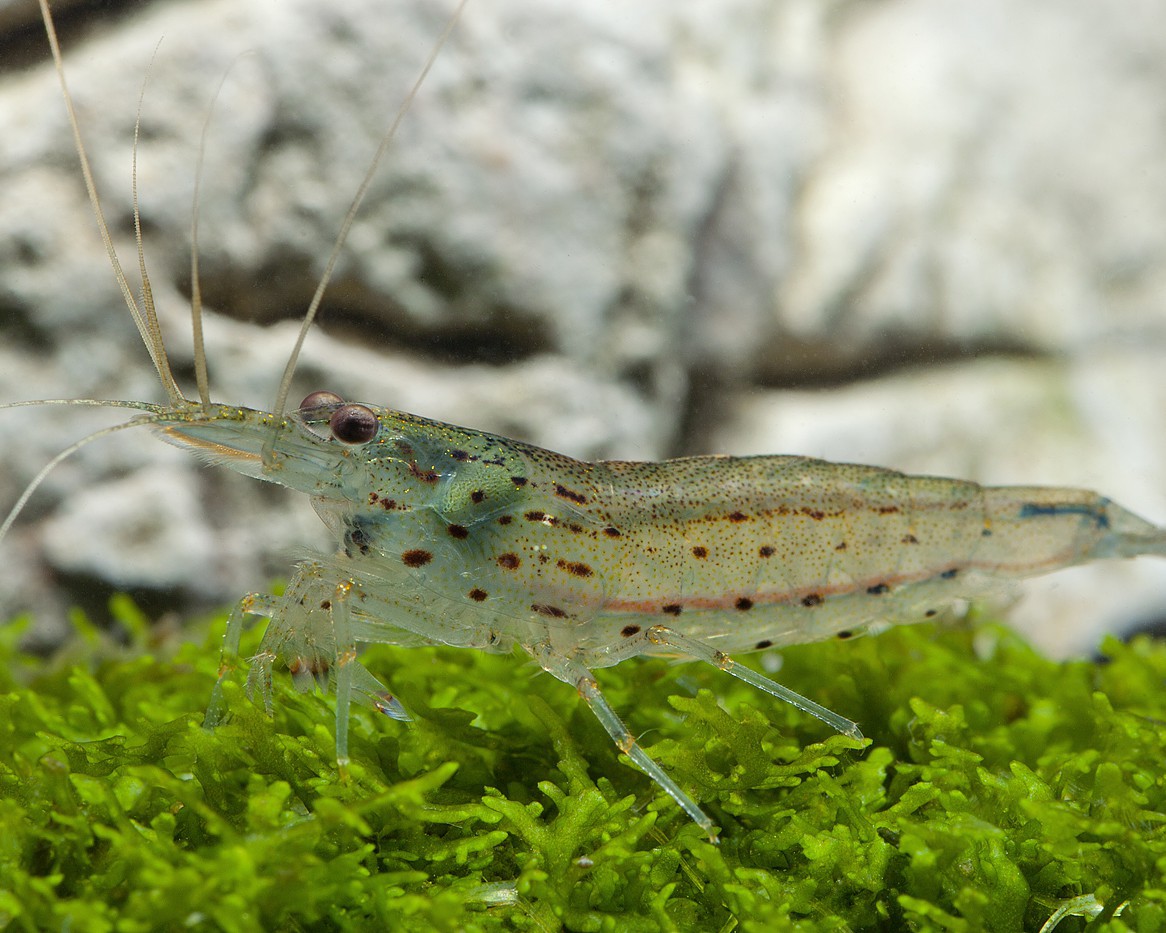
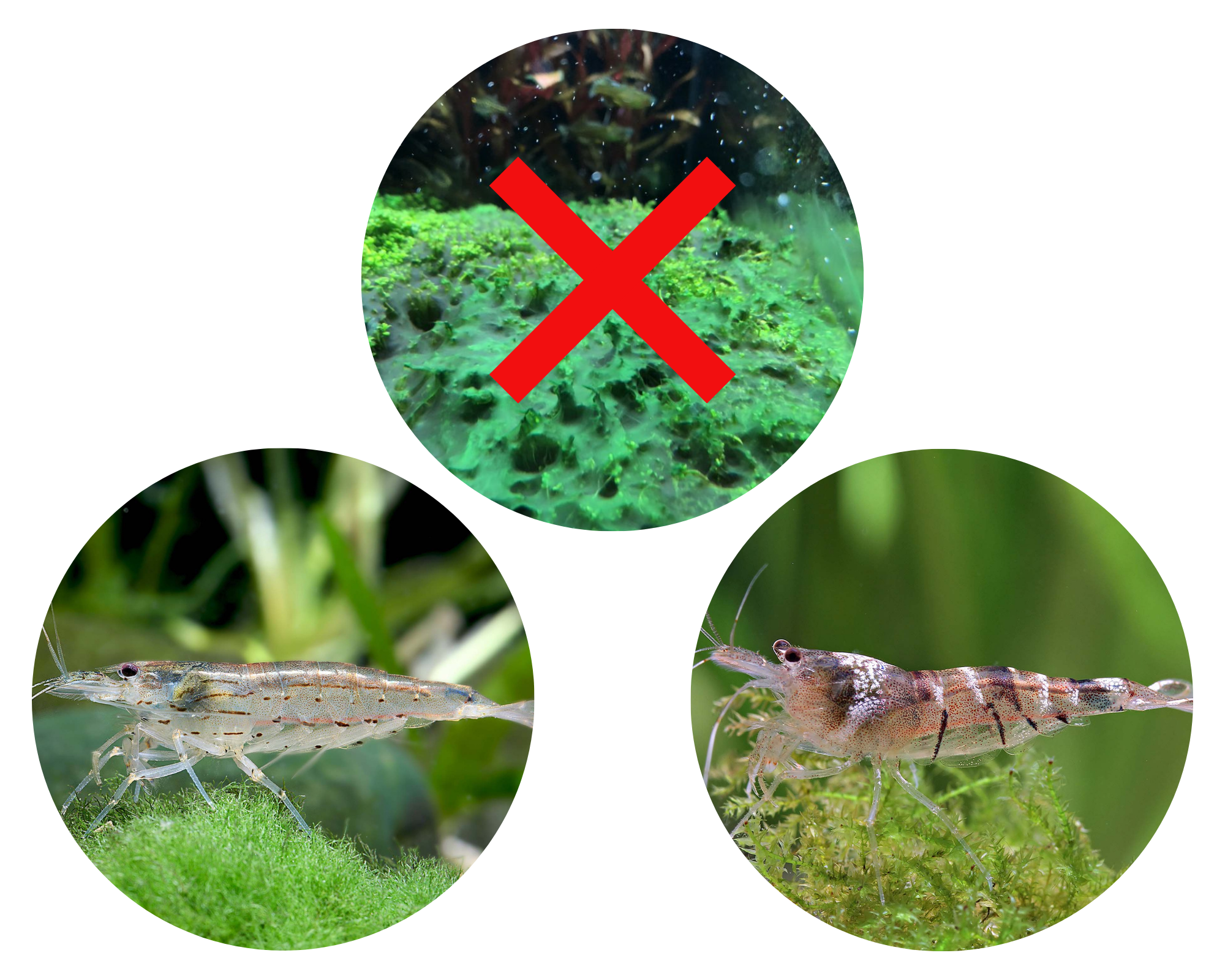
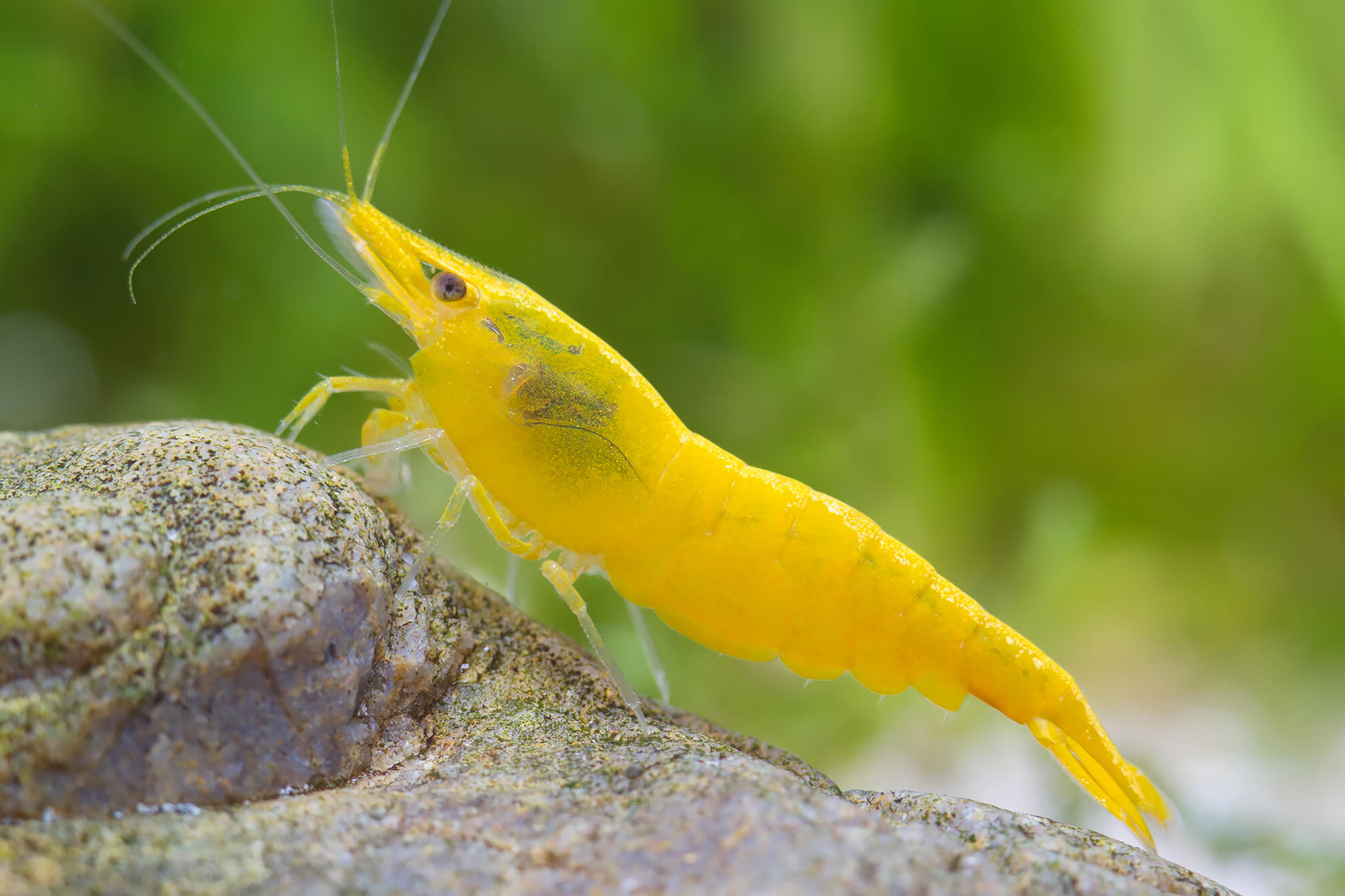
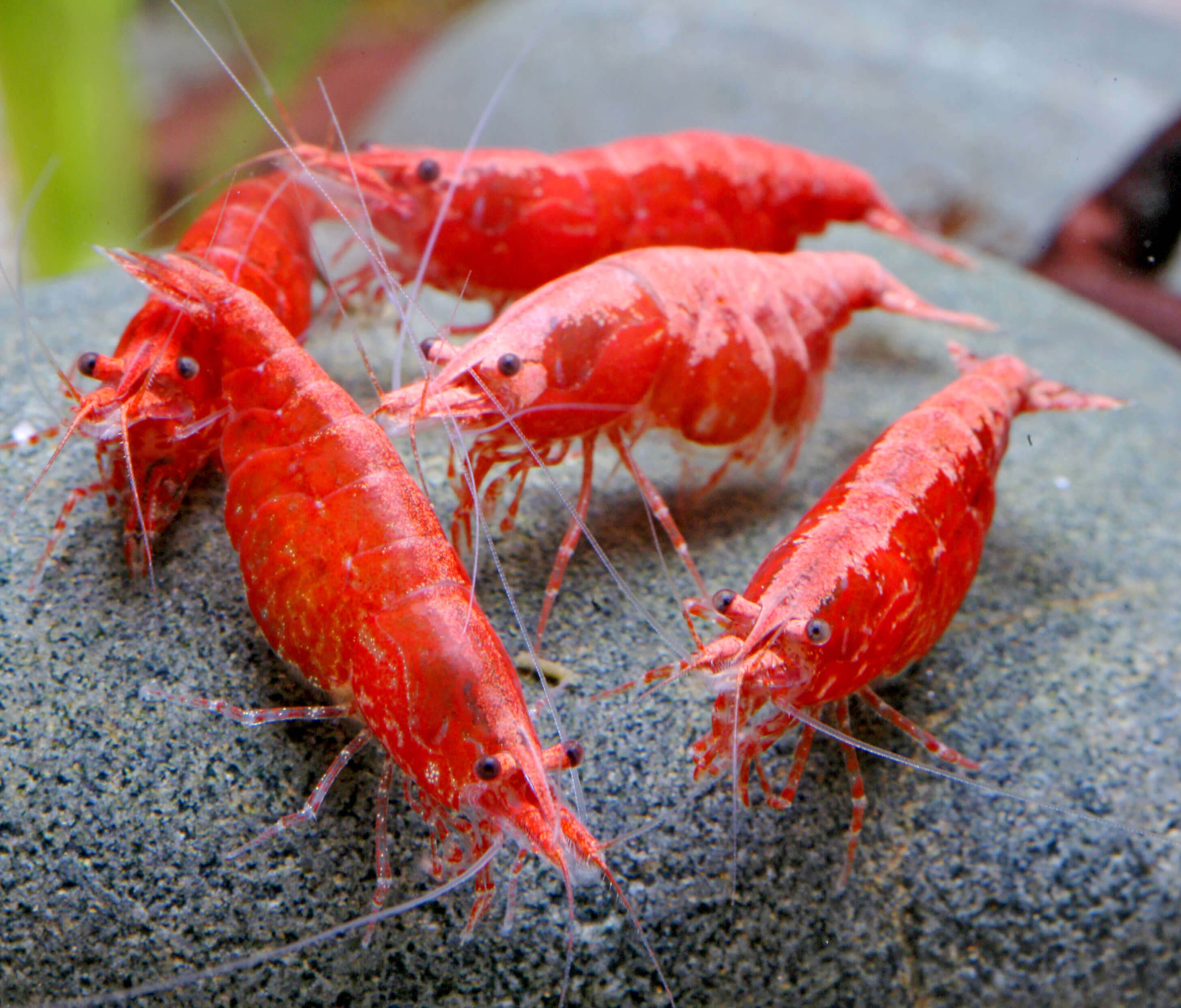
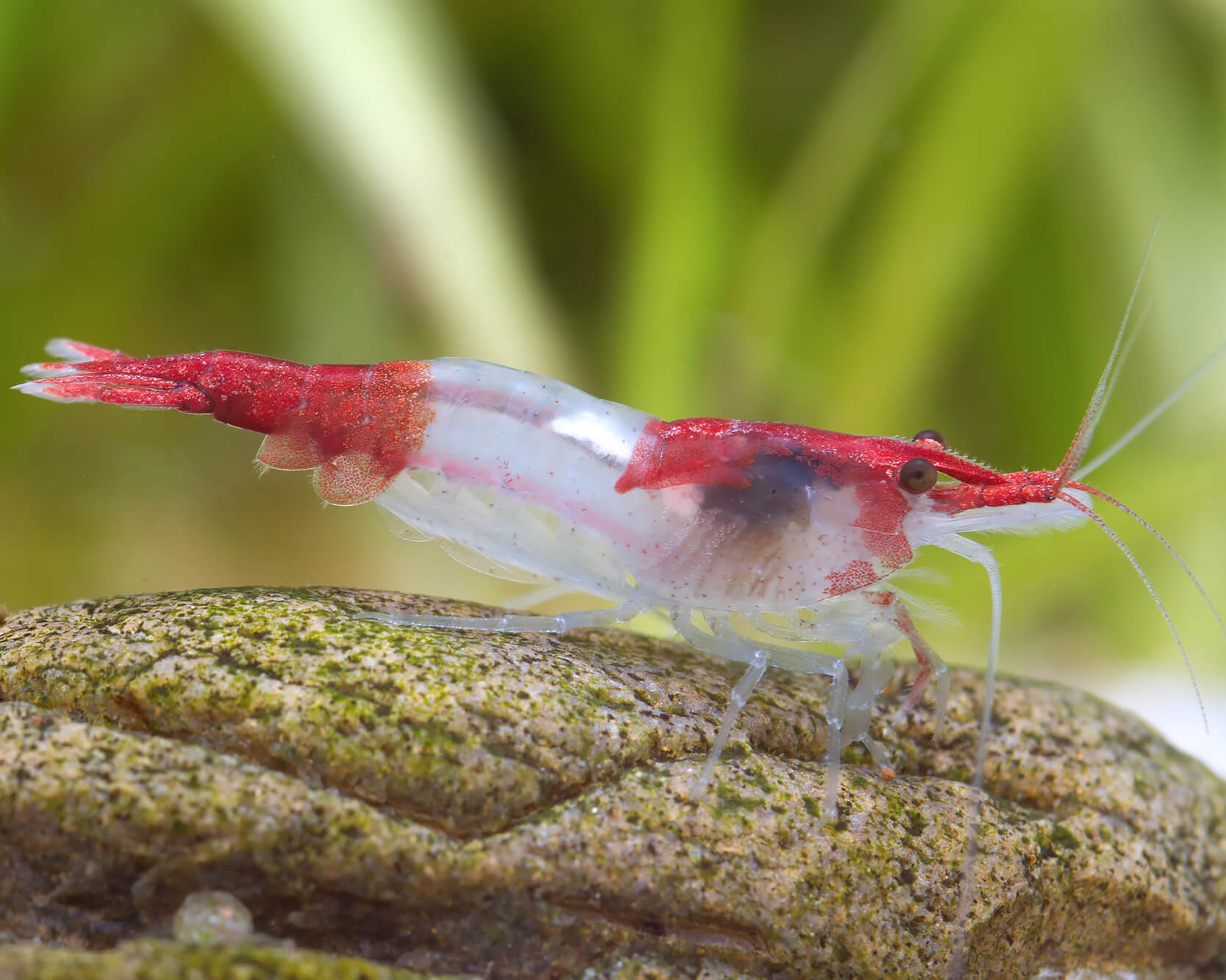
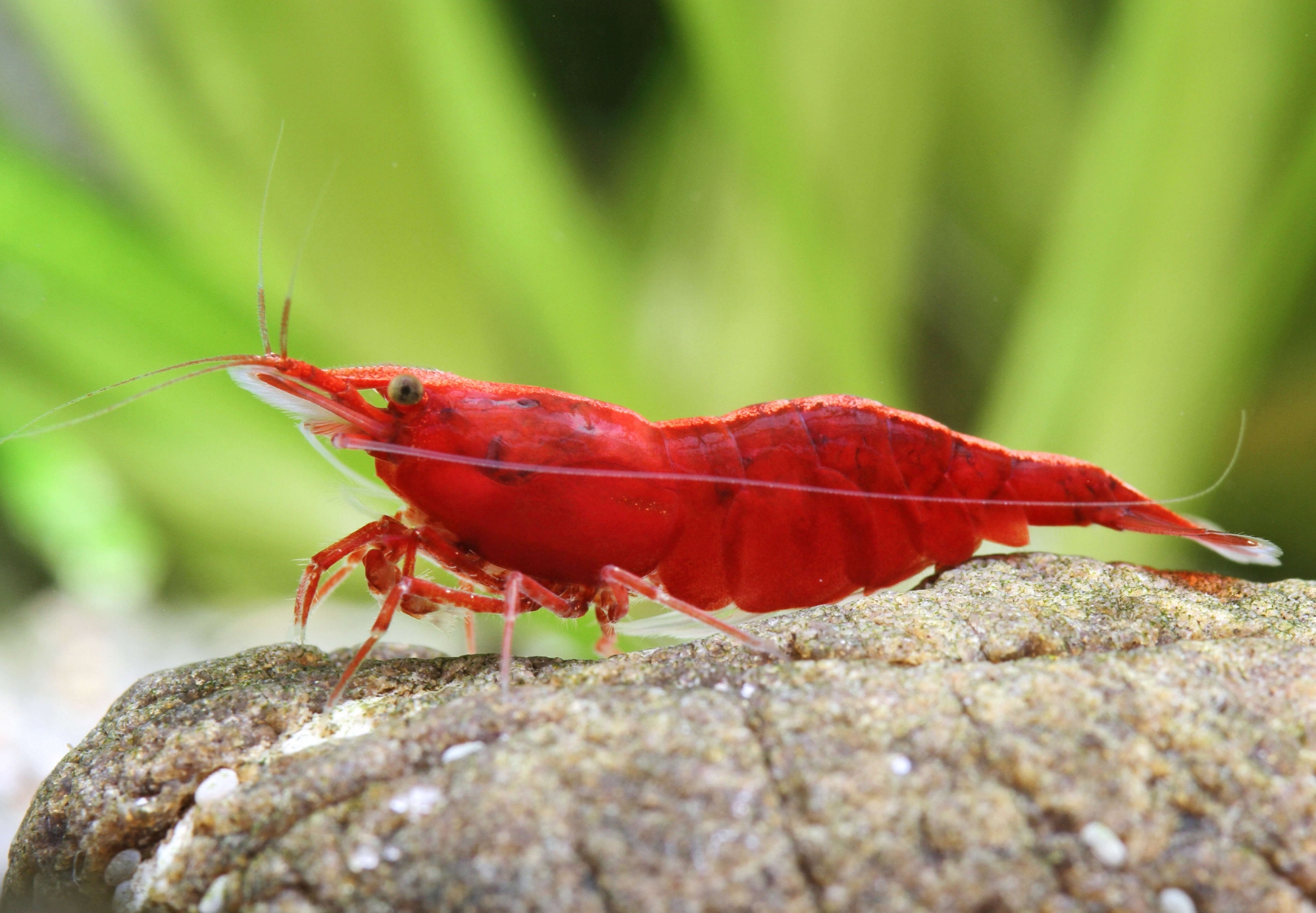
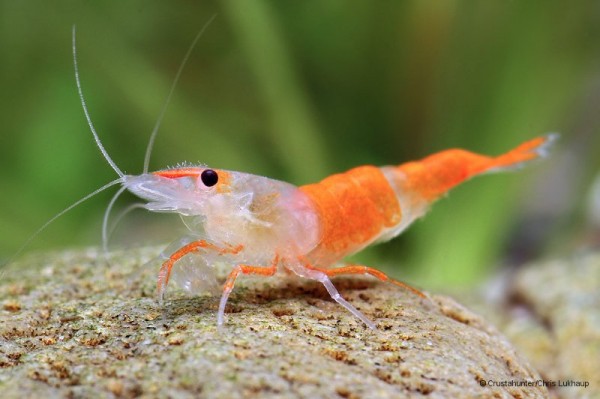
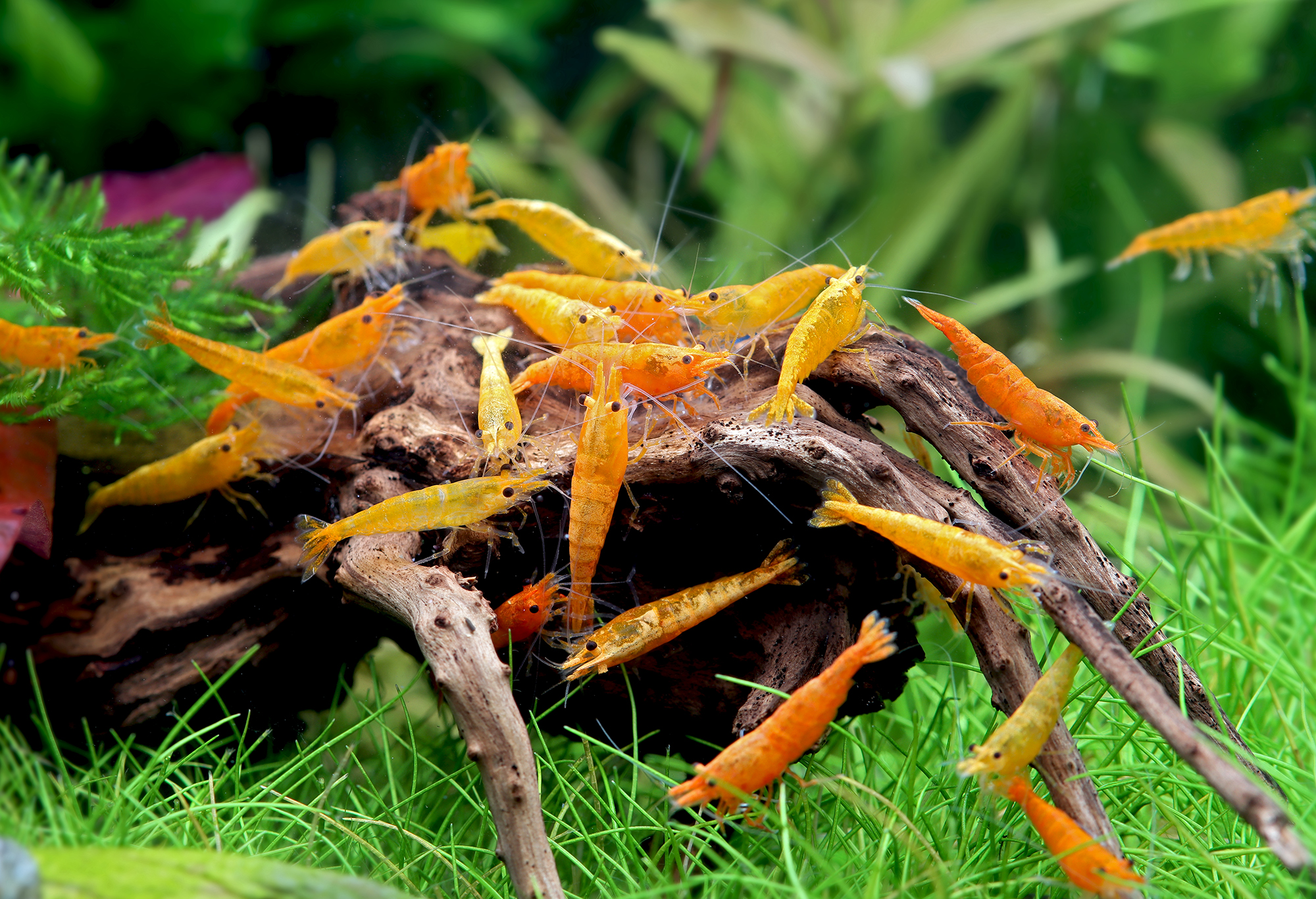
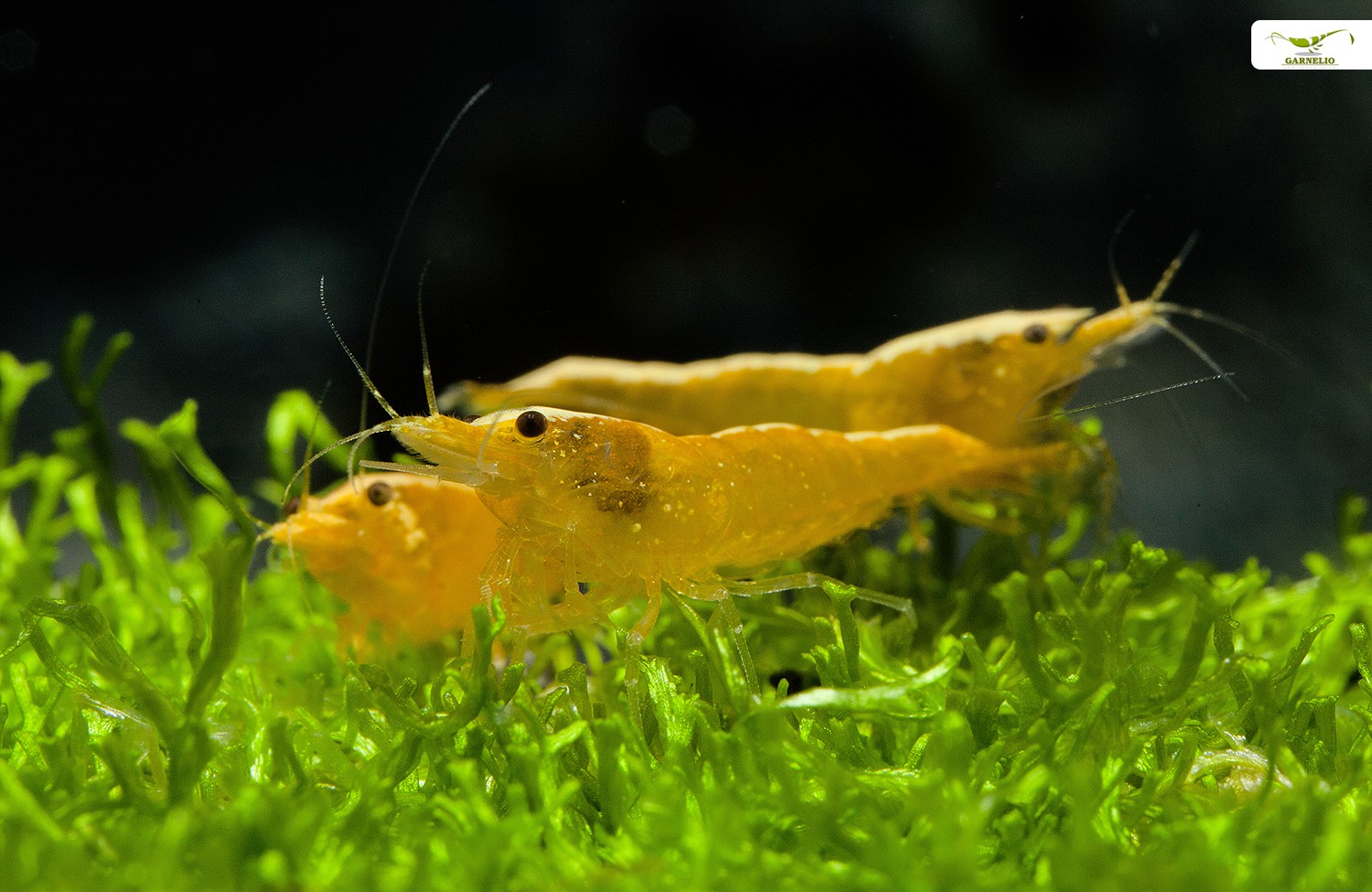
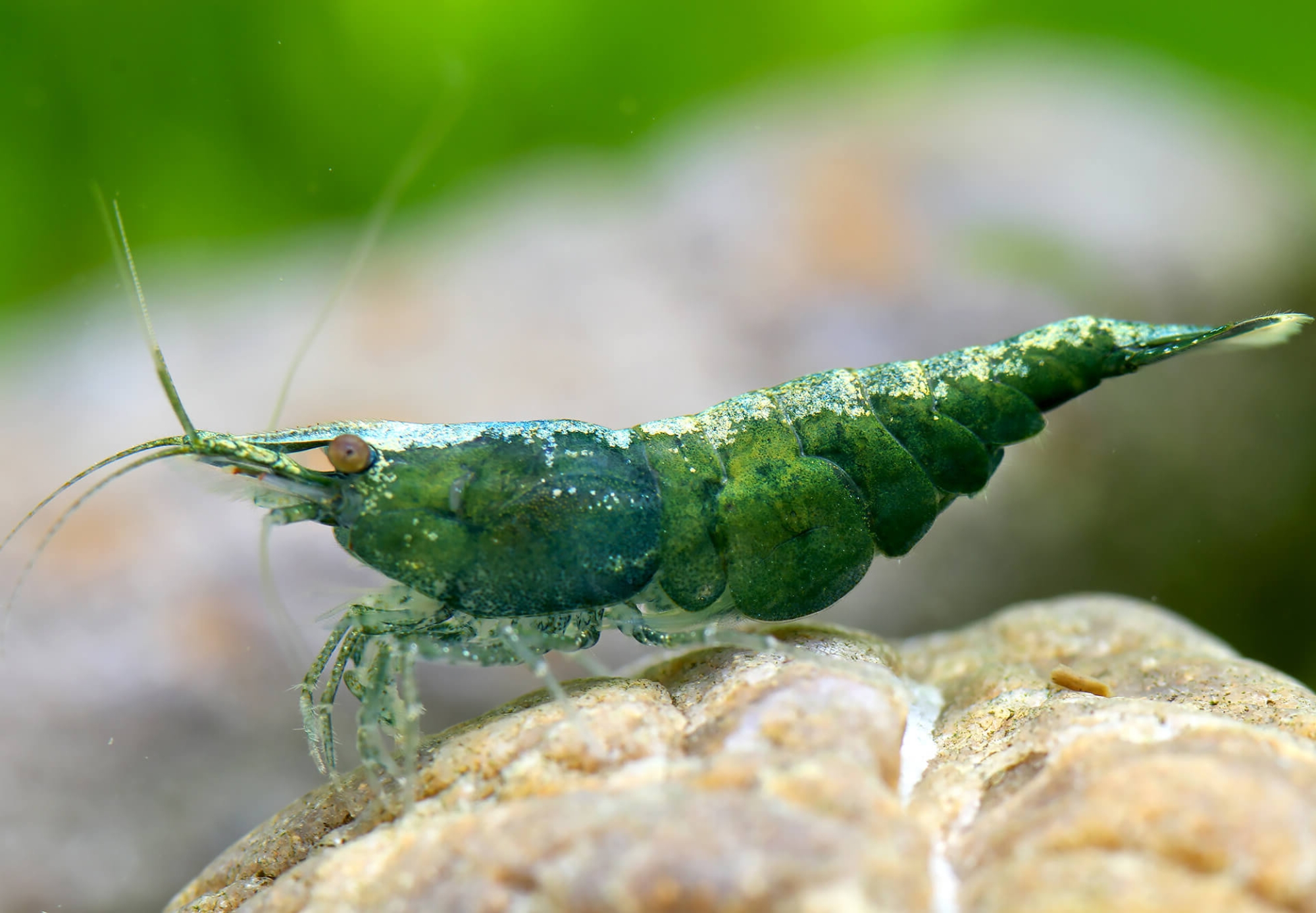
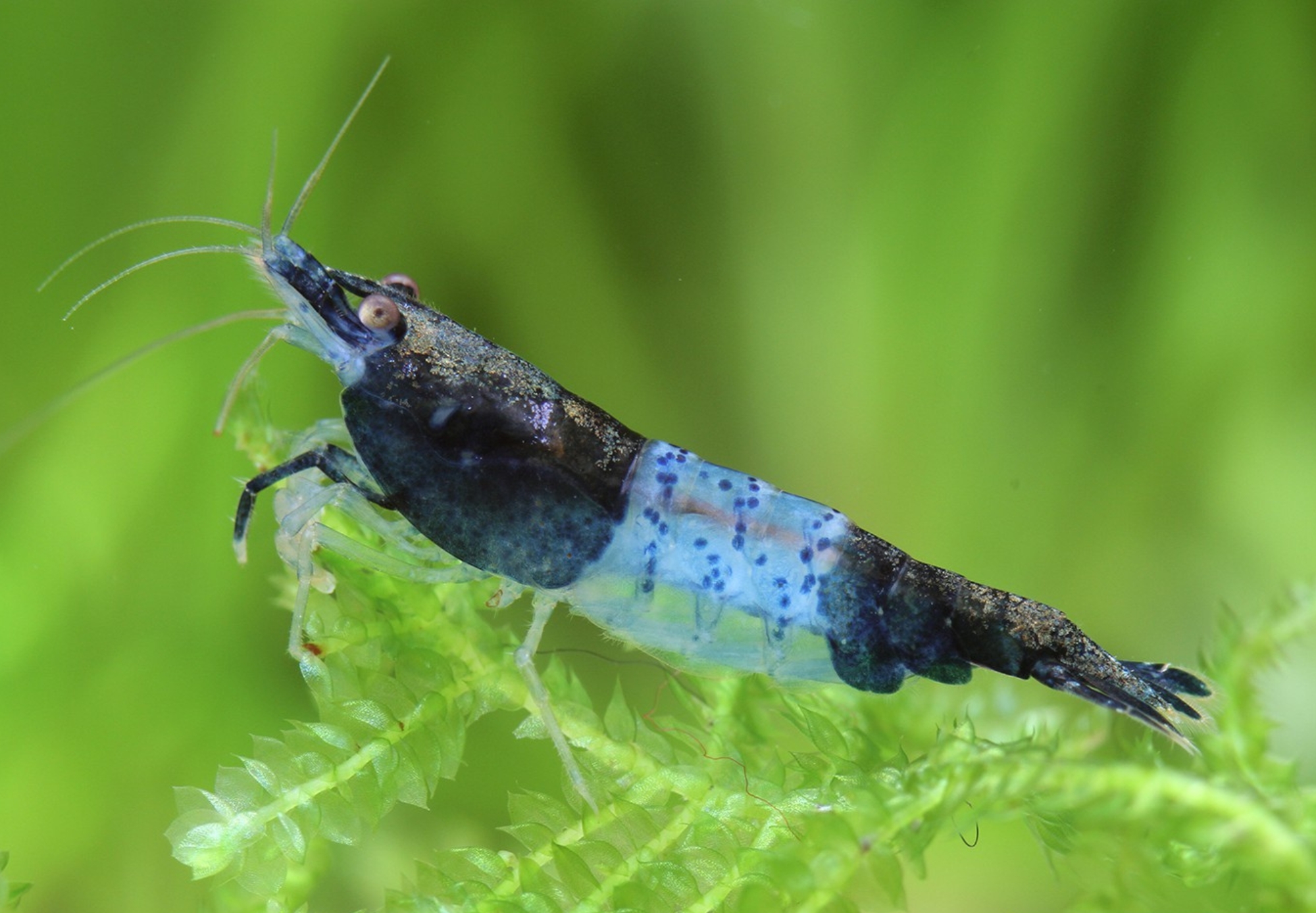
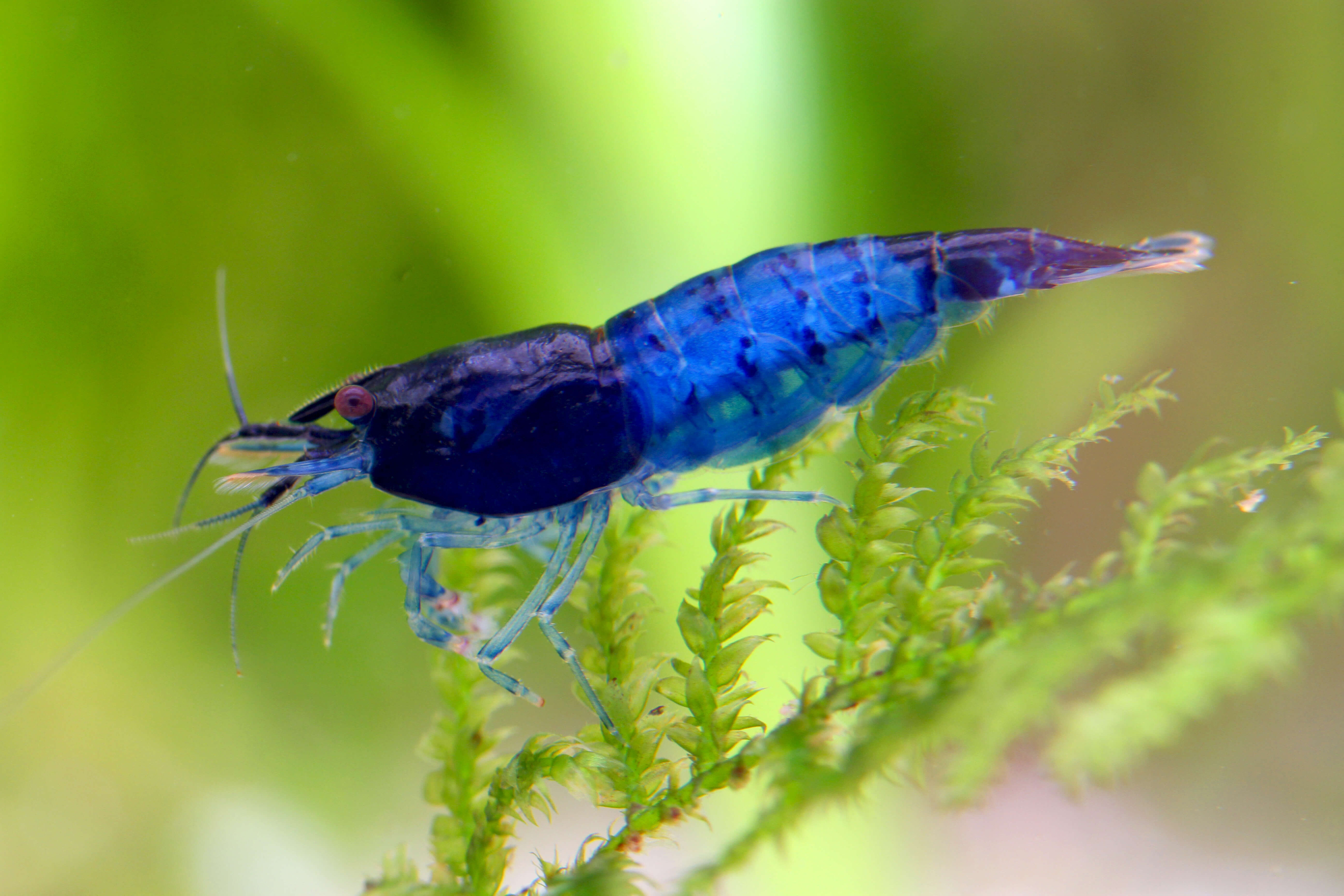
The supplied name is Bee shrimp wild form, Caridina logemanii var. Caridina logemanni is a freshwater shrimp in the family Atyidae. “Var.” is not a complete formal taxonomic designation, and trade names can cover related or selectively bred bee-shrimp lines. The pictured animals are consistent with a black-and-white wild-type bee-shrimp appearance, but photographs alone cannot confirm species, locality or genetic identity.
Habitat
Caridina logemanni is associated with freshwater streams in Taiwan, where clear, cool water, rocky surfaces, leaf litter and submerged wood provide shelter and grazing surfaces. Flow is generally gentle to moderate rather than stagnant. In the aquarium, use mature biological filtration, shaded areas, fine-leaved plants, moss, wood and smooth surfaces that support natural biofilm.
Water requirements
Provide stable, clean water with a temperature around 18-23 °C and a pH of about 5.8-6.8. Low to moderate general hardness and carbonate hardness are customary for bee shrimp, but the exact mineral balance should suit the source water and the shrimp’s need for reliable calcium during moulting. Ammonia and nitrite must remain undetectable, nitrate should be kept low, and large or rapid water changes should be avoided.
Aquarium and feeding
A mature, cycled aquarium is essential; a small group can be maintained in a species-focused nano tank, provided filtration is covered with a fine prefilter. Feed sparingly with a quality shrimp food, allowing natural biofilm, algae and microorganisms to provide much of the diet. Occasional blanched vegetables, botanicals and appropriately sized mineral-rich foods can add variety. Remove uneaten food promptly.
Tank mates
The safest companions are other peaceful, similarly sized Caridina shrimp and small, non-predatory snails. Many fish will eat shrimplets, and even peaceful fish may stress adults or compete for food. Avoid large fish, aggressive invertebrates and species requiring substantially warmer, harder or more alkaline water. Keep different Caridina lines separate when preserving a particular appearance or breeding true.
Molting and care
Shrimp periodically shed the exoskeleton to grow. Before moulting, an individual may become less active and seek cover; the discarded shell is normally eaten and can be left in the aquarium. Provide stable mineral availability, hiding places and gentle acclimation. Sudden changes in temperature, pH, conductivity or hardness are common causes of moulting problems, so maintenance should be gradual and consistent.
Breeding
This is a freshwater-breeding shrimp: females carry relatively large eggs beneath the abdomen until fully formed young hatch. After hatching, juveniles remain in freshwater and graze on biofilm rather than requiring a marine larval stage. For a breeding colony, use a mature species tank with moss, leaf litter, sponge filtration and abundant microscopic food. Protect newborns from filter intakes and avoid predatory tank mates. Stable parameters and a substantial starting group improve long-term success.

Leave your comments