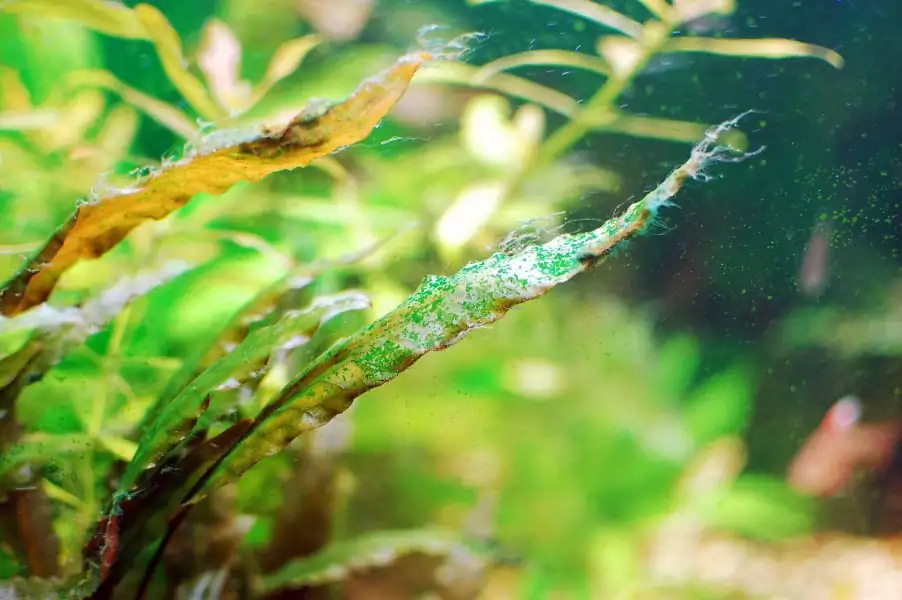
There are many different types of algae that can grow in aquariums, but the most common ones are:
Green algae: Green algae is the most common type of algae found in aquariums. It is usually caused by too much light or nutrients in the water. Green algae can form unsightly mats on the glass, plants, and decorations in your aquarium.
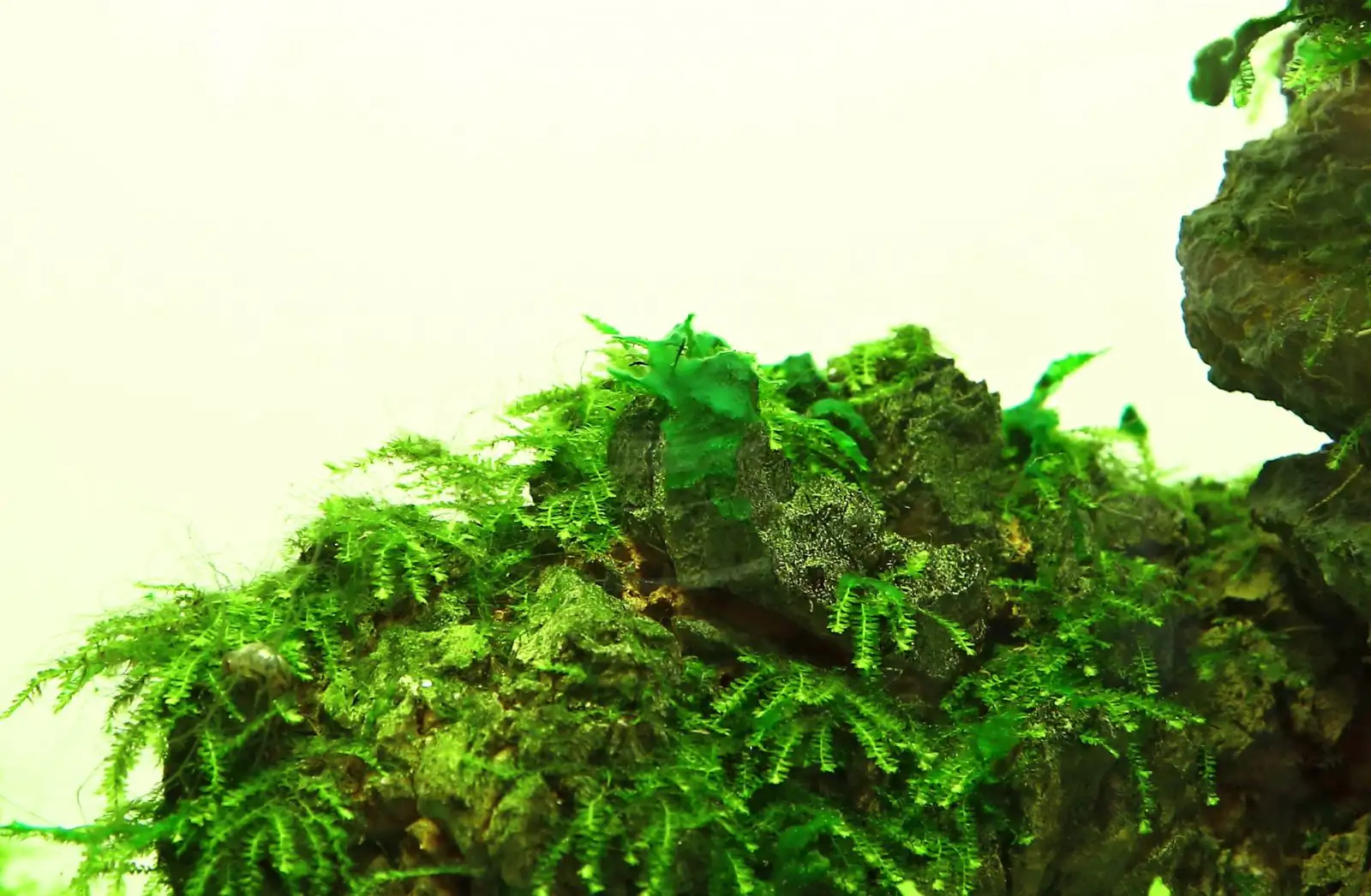
Brown algae: Brown algae is another common type of algae that can grow in aquariums. It is usually caused by low light levels or poor water quality. Brown algae can form a slimy coating on the glass, plants, and decorations in your aquarium.
Red algae: Red algae is less common than green and brown algae, but it can be more difficult to remove. Red algae is usually caused by high levels of phosphorus in the water. Red algae can form tough, crusty patches on the glass, plants, and decorations in your aquarium.
Cyanobacteria: Cyanobacteria are often mistaken for algae, but they are actually bacteria. Cyanobacteria can form unsightly blue-green blooms in aquariums. Cyanobacteria blooms can be harmful to fish and other aquatic life.
There are a number of factors that can contribute to algae outbreaks, including:
Excess nutrients: Algae need nutrients to grow, so high levels of nutrients in the water can lead to an algae outbreak. Common sources of excess nutrients include overfeeding, fish waste, and plant decay.
Poor water quality: Algae can also thrive in poor water quality conditions, such as when the water is dirty or has a high pH.
Inadequate lighting: Too much or too little light can also promote algae growth.
Lack of plants: Plants help to compete with algae for nutrients and light. Without plants, algae can easily take over the aquarium.
Prevention
Prevention is the best way to control algae outbreaks. Here are some tips:
Maintain proper water quality: This means doing regular water changes and using a good filter. Aim to change 20-30% of the water in your aquarium once a week.
Avoid overfeeding your fish: Overfeeding is one of the leading causes of algae outbreaks. Feed your fish only as much as they can eat in a few minutes.
Provide adequate lighting: Most aquariums need about 8-12 hours of light per day. However, too much light can promote algae growth. If you have a problem with algae, try reducing the amount of light your aquarium receives to 6-8 hours per day.
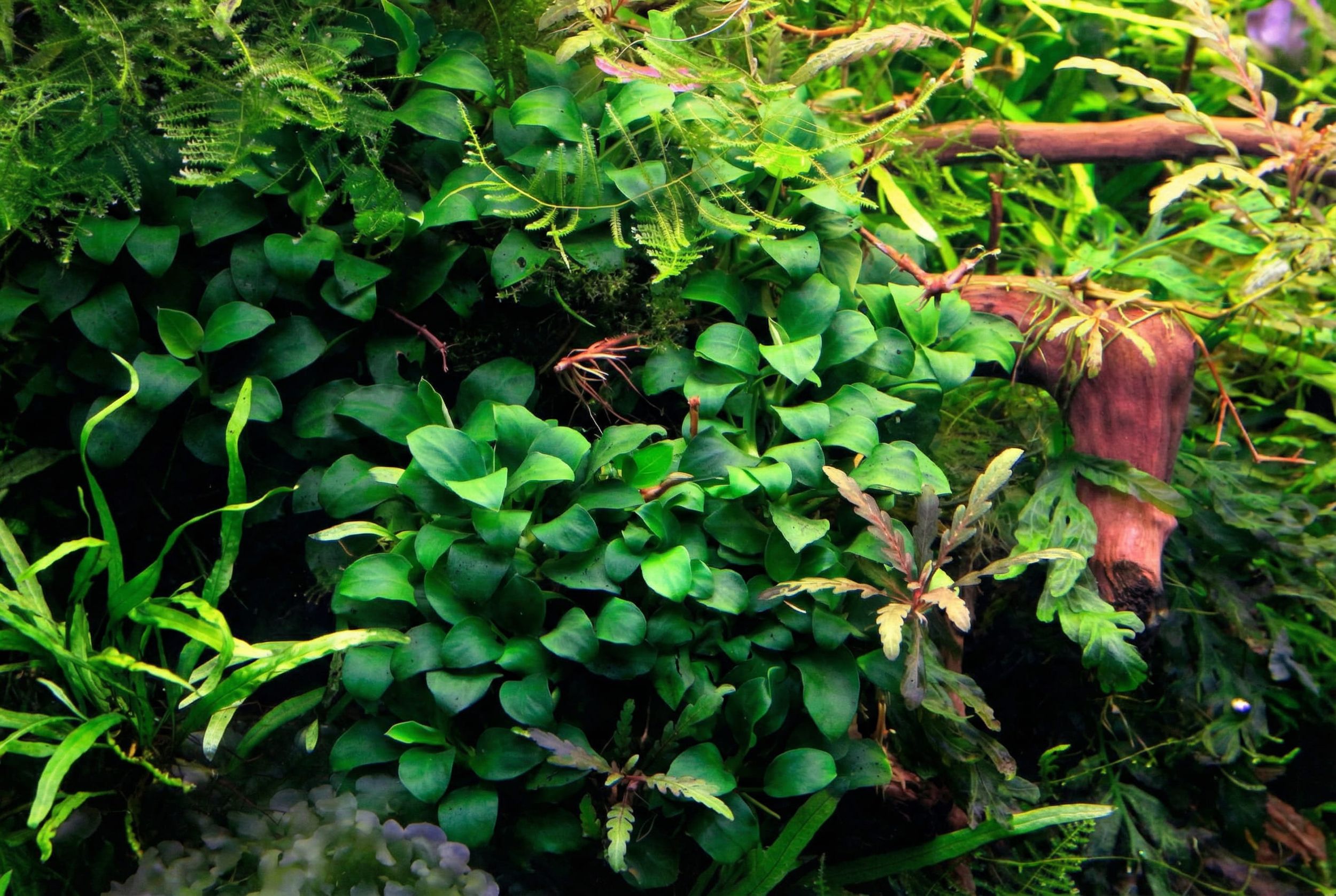
Plant your aquarium: Plants help to compete with algae for nutrients. Aim to have at least 50% of your aquarium covered in plants.
Clean your aquarium regularly: This includes removing any dead fish or plants, and cleaning the substrate and decorations. You can use a vacuum cleaner to remove debris from the substrate, and a brush to clean the decorations.
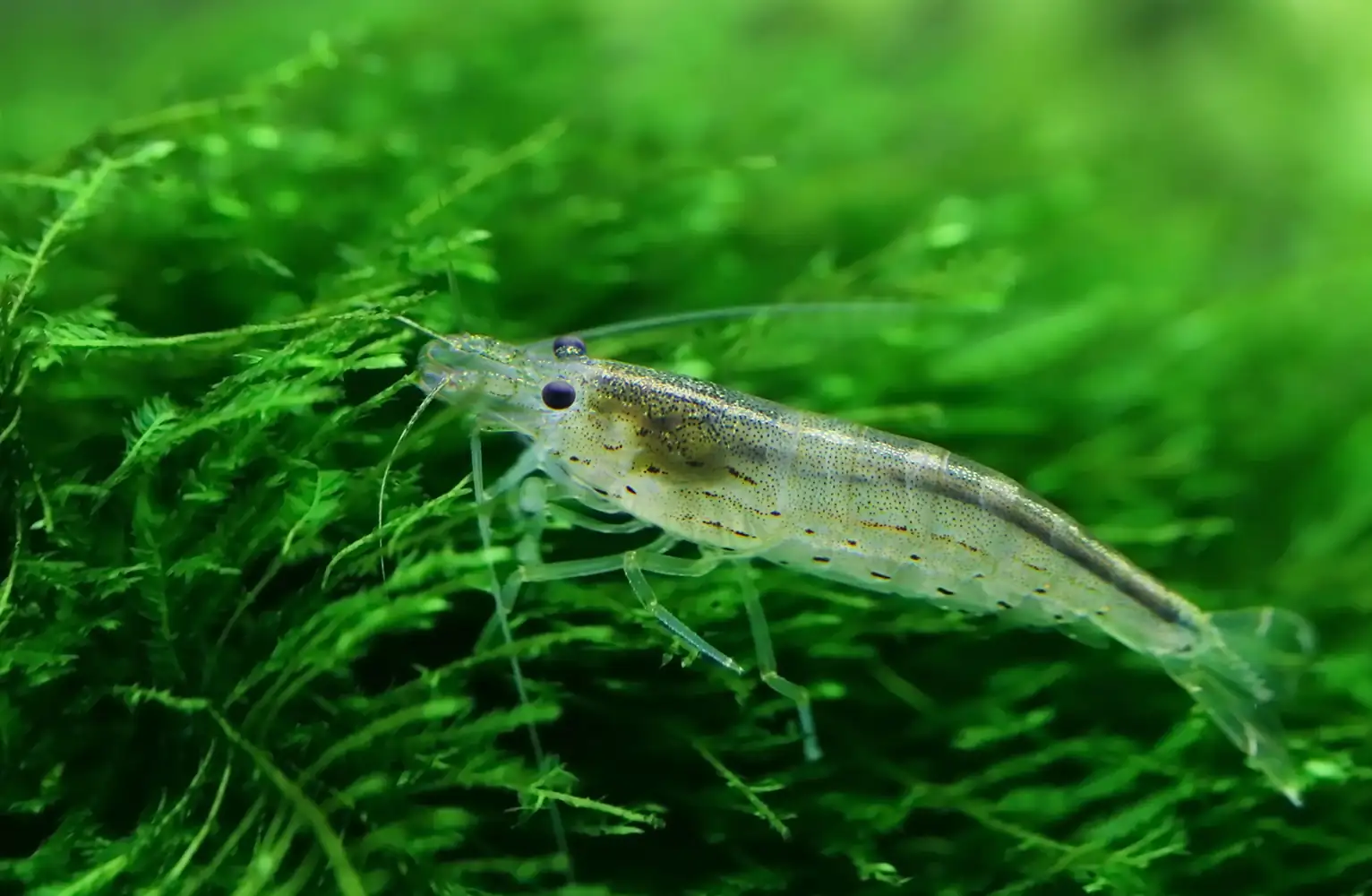
Add algae-eating fish and invertebrates: Some popular algae-eating fish include Siamese algae eaters, Otocinclus catfish, and Amano shrimp. These fish can help to control algae growth, but they should not be used as a substitute for proper aquarium maintenance.
Treatment
If you do have an algae outbreak, there are a number of treatment options available. However, it is important to note that there is no single solution that will work for all algae outbreaks. The best treatment will depend on the type of algae, the severity of the outbreak, and the size and type of your aquarium. If you are unsure of how to proceed, it is best to consult with an experienced aquarist.
Here are some common algae treatments:
Manual removal: In some cases, you can manually remove algae by scrubbing it off of the glass or decorations. However, this can be time-consuming and may not be effective in severe cases.
Algaecides: Algaecides are chemicals that can kill algae. However, they can also be harmful to fish and plants, so they should be used with caution. If you do choose to use an algaecide, be sure to follow the directions on the label carefully.
UV sterilizers: UV sterilizers use ultraviolet light to kill algae and other microorganisms in the water. UV sterilizers can be an effective way to control algae outbreaks, but they can also kill beneficial bacteria in the aquarium. It is important to monitor your water quality closely when using a UV sterilizer.
If you have a severe algae outbreak, you may need to restart your aquarium. This means removing all of the fish, plants, and decorations, and cleaning the aquarium thoroughly. Once the aquarium is clean, you can add new water, plants, and fish.
Additional tips:
- When using algae treatments, be sure to remove any activated carbon from your filter. Activated carbon can absorb algae treatments, making them less effective.
- If you are using a UV sterilizer, be sure to clean the bulb regularly. A dirty bulb will not be as effective in killing algae.
- If you are restarting your aquarium, be sure to use a water conditioner to remove any harmful chemicals from the new water.
- It is also important to cycle your aquarium before adding any fish or plants. This will allow the beneficial bacteria to colonize the aquarium and create a healthy environment for your fish and plants.
With a little planning and effort, you can help to prevent and treat algae outbreaks in your aquarium and keep your aquarium looking its best.











Leave your comments