Taxonomy and identification
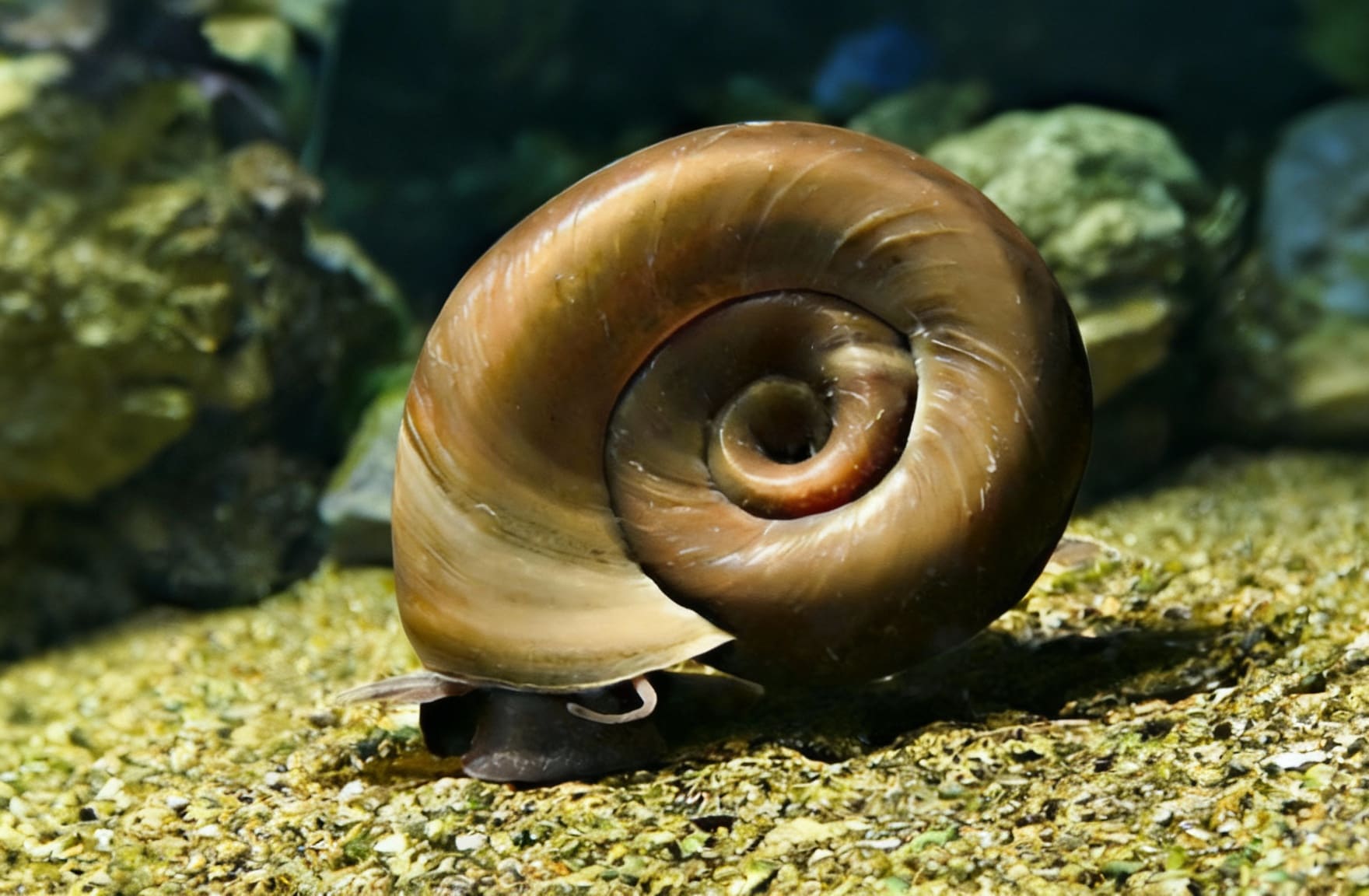
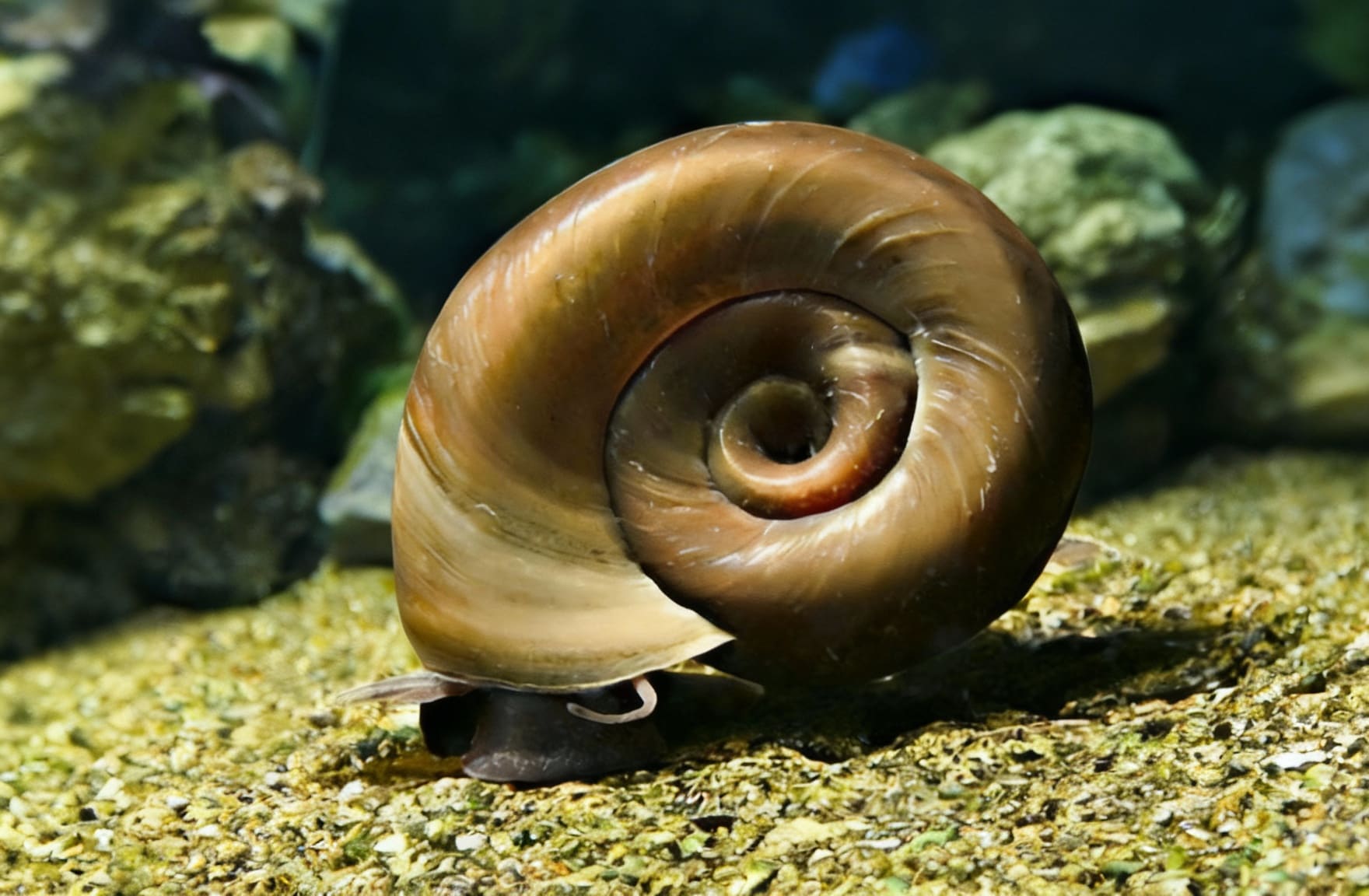
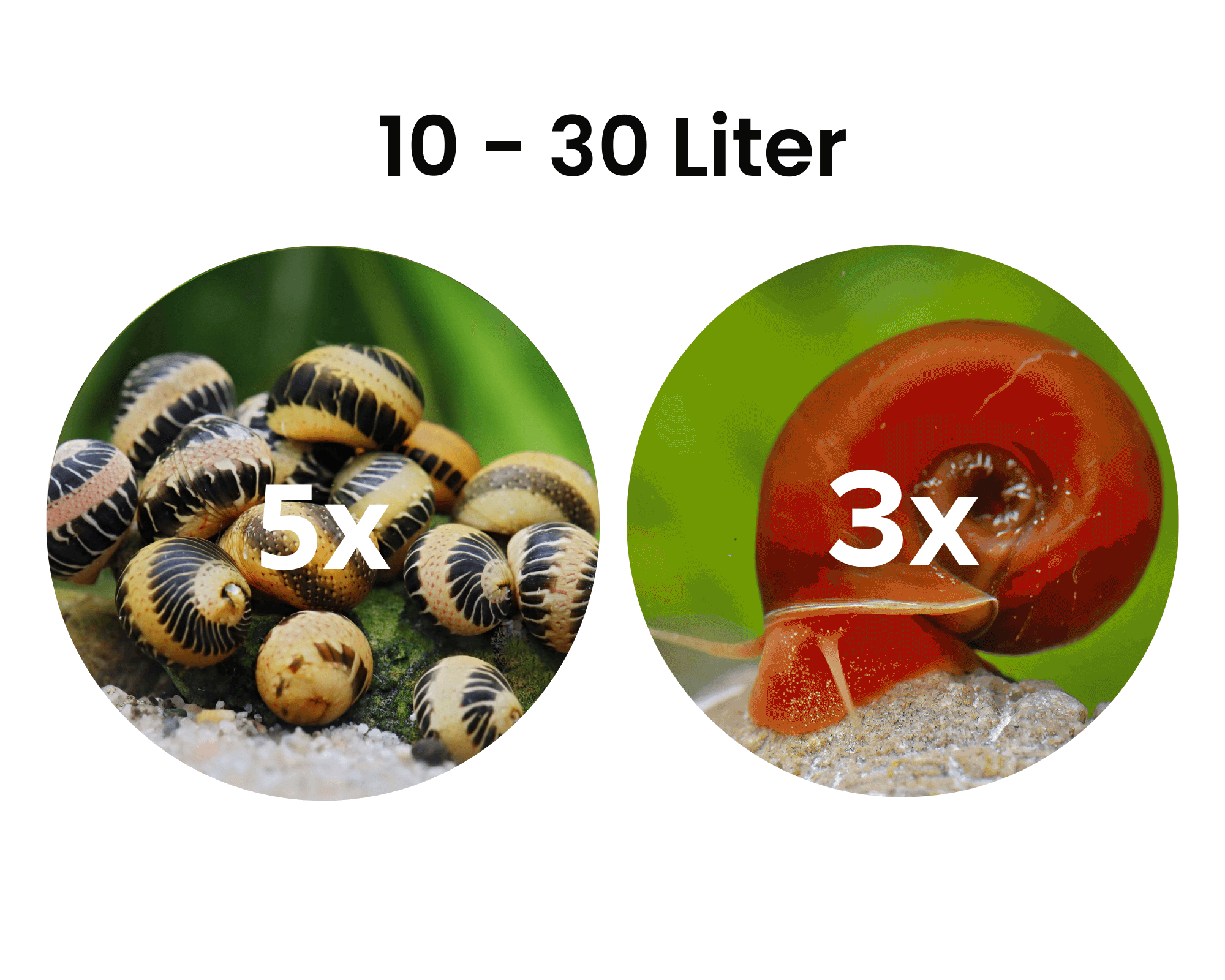
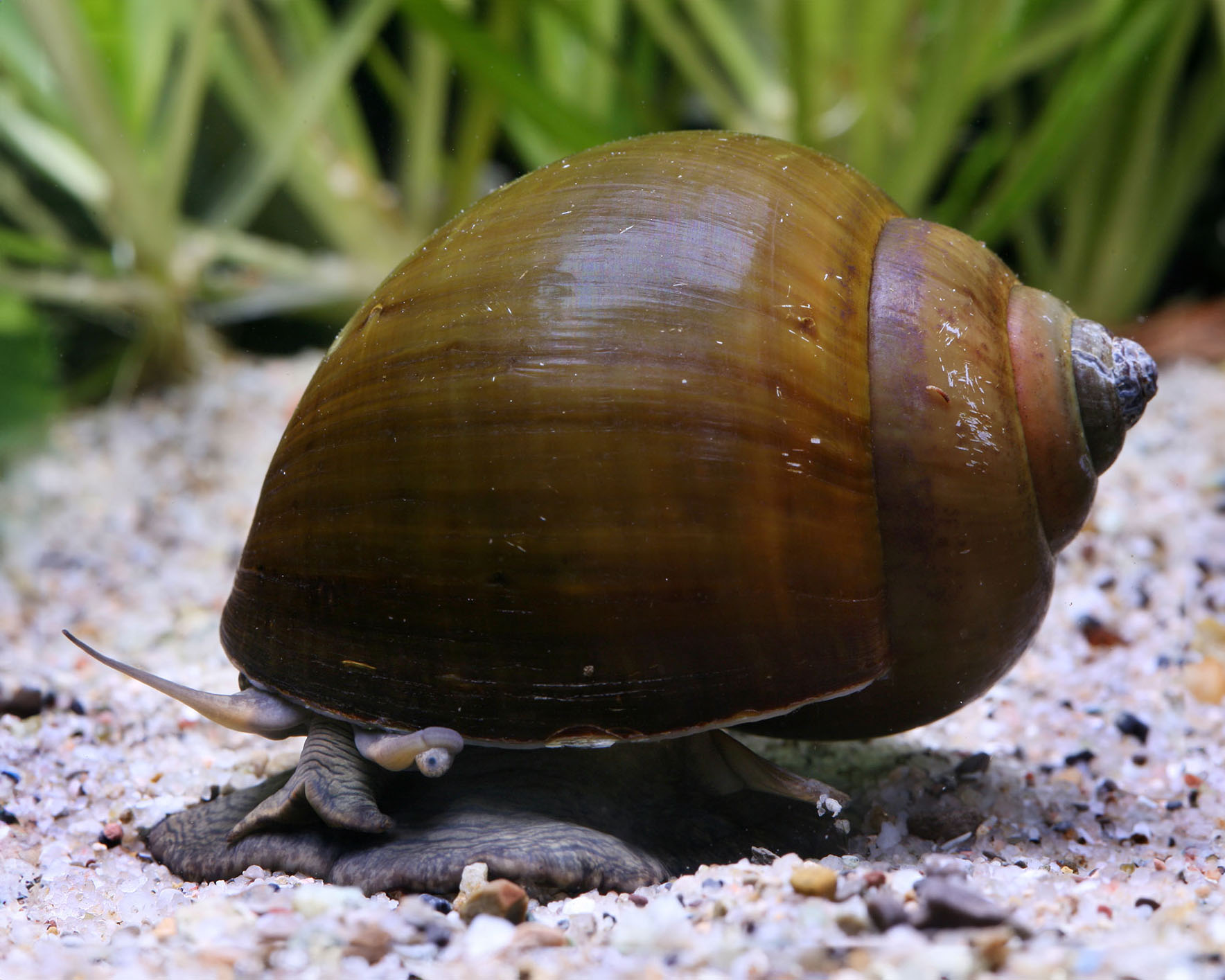
Planorbella duryi duryi is a freshwater pulmonate snail in the family Planorbidae. It has a planispiral, disk-like shell with the coils visible from the side and commonly appears brown, amber, or tan. The common name brown ramshorn is also used informally for other planorbid snails, so reliable identification may require locality information or specialist examination. The image supports a ramshorn-like form but does not independently verify the subspecies.
Natural habitat
Planorbella duryi is associated with freshwater habitats in the southeastern United States, particularly Florida and nearby regions. It may occur in still or slow-moving water with aquatic vegetation, soft sediments, algae, and decaying organic material. Aquarium specimens should never be released, because moving captive snails or water can spread organisms beyond their natural range.
Aquarium conditions
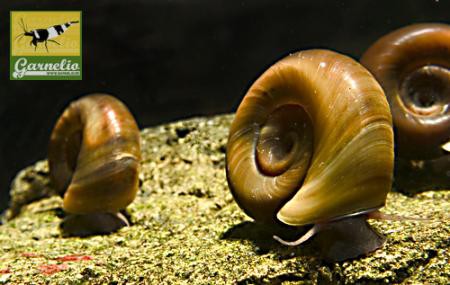
Provide mature, well-filtered freshwater with stable chemistry, gentle to moderate circulation, and access to surfaces for grazing. A temperature of 18–28 °C and pH of 7.0–8.2 are practical target ranges. Moderate hardness and an available calcium source support shell maintenance. Avoid prolonged acidic, very soft water, sudden parameter changes, and detectable ammonia or nitrite. The snail can breathe air, so a covered aquarium should still have normal gas exchange.
Feeding
This snail grazes on algae, biofilm, uneaten food, and soft organic debris. Supplement sparse aquariums with small portions of algae wafers, sinking invertebrate foods, or blanched vegetables such as zucchini or leafy greens. Remove uneaten food promptly. A sudden increase in numbers usually indicates excess food or accumulated organic matter rather than a need to feed more.
Plant safety
Healthy, established aquarium plants are usually safe with brown ramshorn snails. The snails primarily rasp algae, biofilm, and already damaged or decomposing plant tissue. They may consume very soft leaves or graze weakened plants when other food is scarce, so delicate new growth should be monitored. Rinse and quarantine new plants to reduce the chance of introducing unwanted snails or egg masses.
Reproduction
Ramshorn snails are simultaneous hermaphrodites and commonly reproduce through mating; isolated individuals may also retain sperm and produce offspring after previous contact. Eggs are laid in clear, gelatinous clusters on glass, leaves, décor, and other firm surfaces. Warm conditions and abundant food can produce frequent clutches and many juveniles. Young snails resemble small versions of the adults and grow gradually as they feed and deposit new shell.
Population control
Control numbers by reducing excess feeding, removing uneaten food, cleaning accumulated organic waste, and manually removing visible adults and egg clutches. A vegetable bait or commercial snail trap can help collect excess animals; inspect it regularly. Avoid copper-based treatments in aquariums containing desirable invertebrates, and do not rely on predators as the sole control method. Any removed snails should be euthanized or rehomed responsibly, never released into drains or natural water.

 - Neritpteron taitense - 1.webp)
 - 1.webp)

Leave your comments