Identification
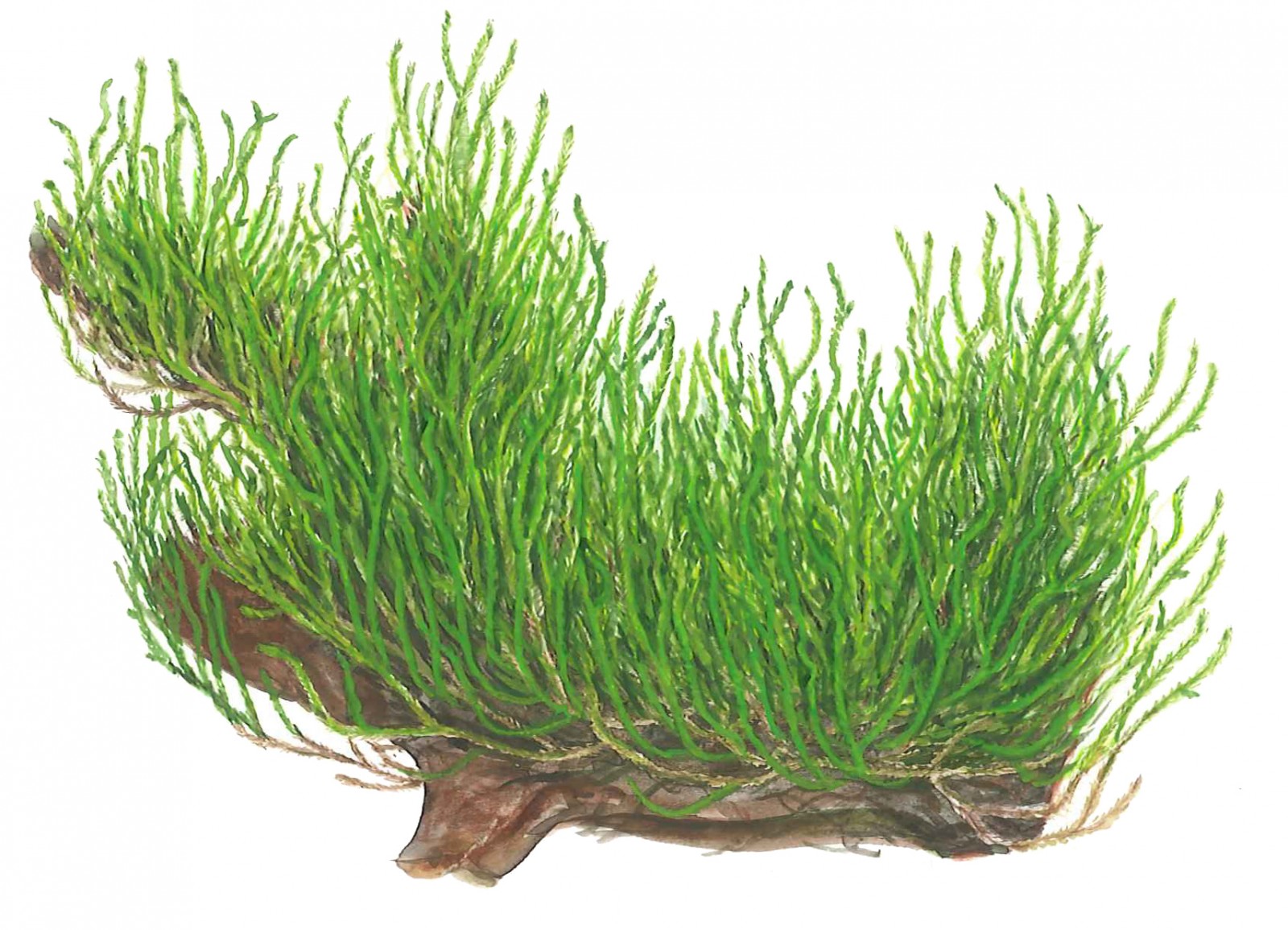
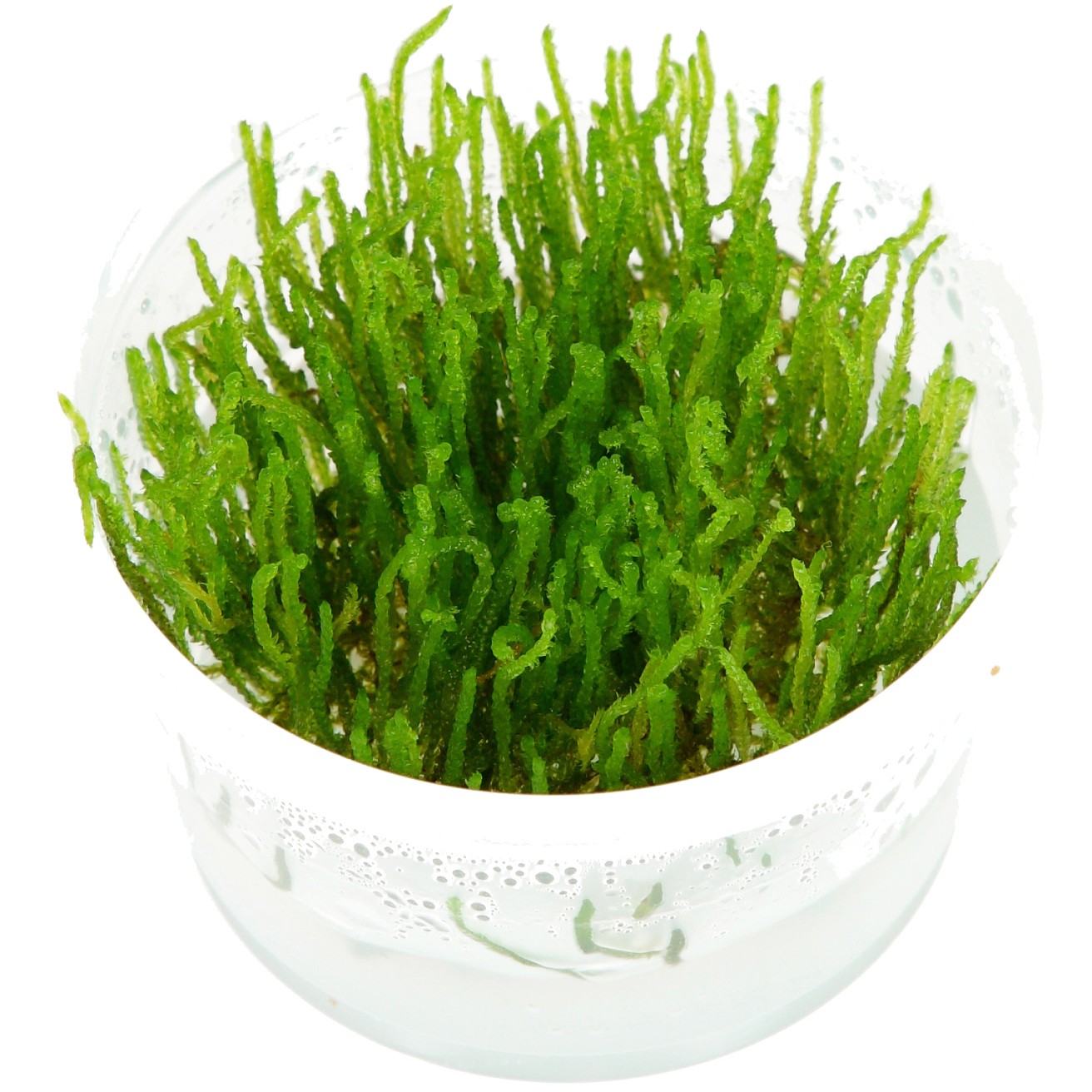
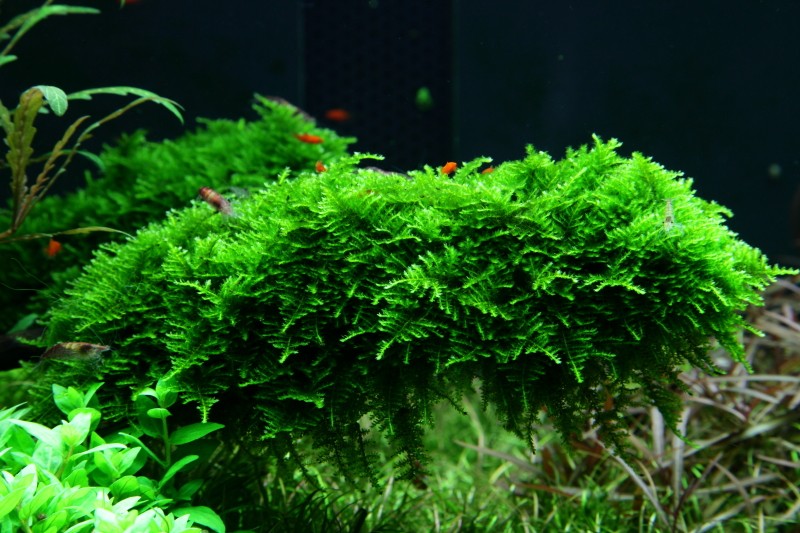
The supplied name, Taxiphyllum spec. flame, is a trade designation rather than a complete species identification. Flame moss is recognized by upright, narrow, irregularly curled shoots that tend to grow upward from an attached base. Similar Taxiphyllum mosses can overlap in appearance, so a definitive species-level identification cannot be made from the supplied name and images alone.
Placement and attachment
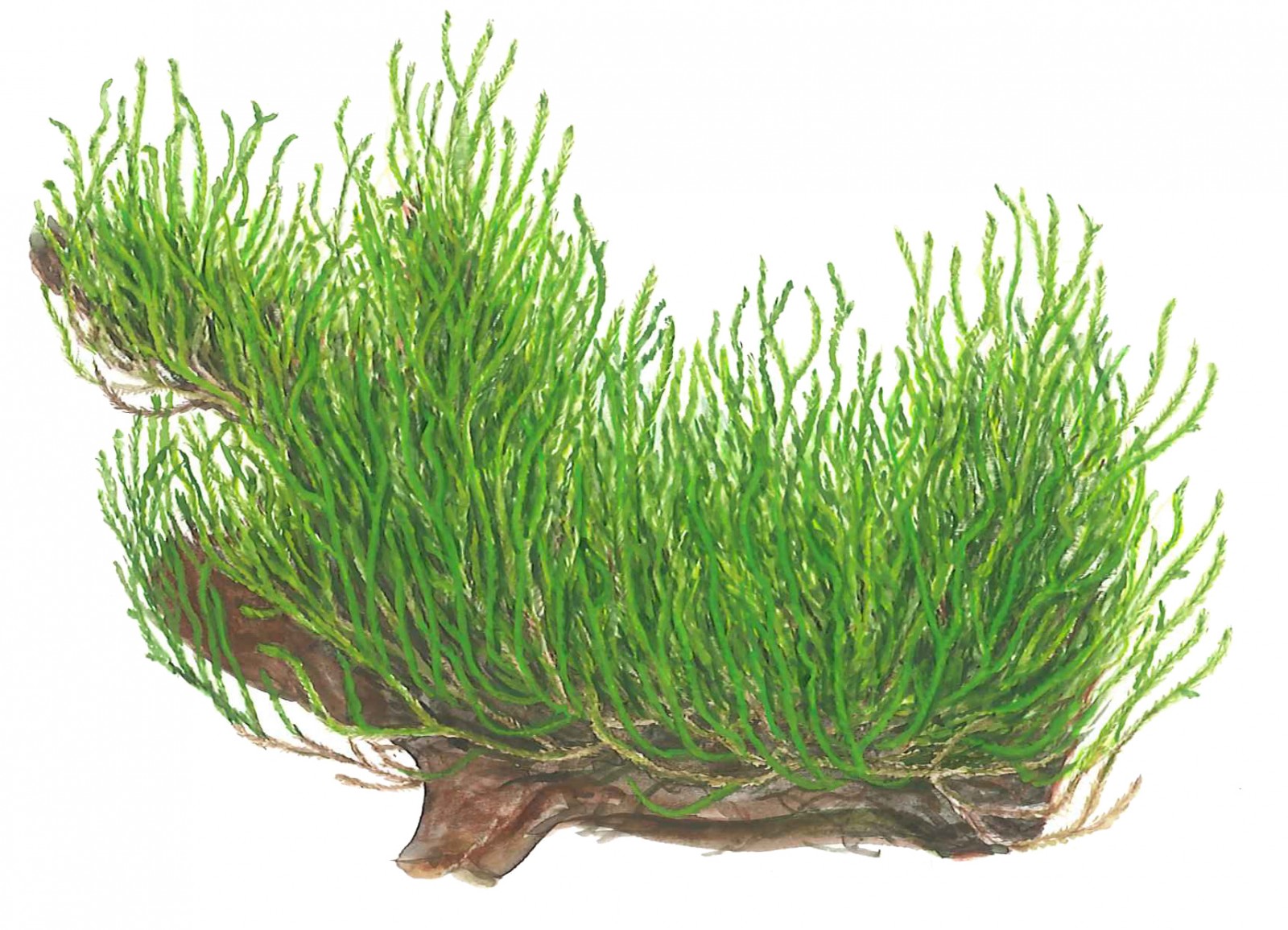
Attach small portions to porous wood, rock, or other hardscape with cotton thread, fine fishing line, or suitable aquarium-safe adhesive. Spread the moss thinly so water can circulate through it. Do not bury it in substrate; it obtains most support from rhizoids and does not need to be planted like a rooted stem plant.
Water and lighting
Flame moss tolerates a broad range of normal freshwater aquarium conditions. Stable water quality, gentle to moderate circulation, and low to moderate lighting are suitable starting points. Strong light is not necessary and can encourage algae if nutrients and maintenance are unbalanced. Avoid persistent debris accumulation within the upright shoots.
Carbon and nutrients
Added carbon dioxide is optional, although a consistent supply can improve vigor and overall density. The moss uses nutrients from the water column, so regular partial water changes and modest, balanced fertilization are generally sufficient. Avoid excessive dosing, particularly in tanks where algae is already present.
Trimming and maintenance
Trim the upper growth when it becomes too tall, loose, or shaded underneath. Remove cuttings and siphon away trapped detritus during maintenance. Reattach healthy trimmings to extend the colony. Periodic thinning helps preserve water movement and reduces the risk of algae taking hold in dense patches.
Growth habit and use
This is a slow-growing moss intended mainly for hardscape. Its upright, twisting habit works well on branches, roots, and selected rocks where a vertical texture is wanted. It is not usually chosen for a low, even foreground carpet. The stated height is a practical aquarium range and may vary with trimming, light, and carbon availability.
Leave your comments