Identification
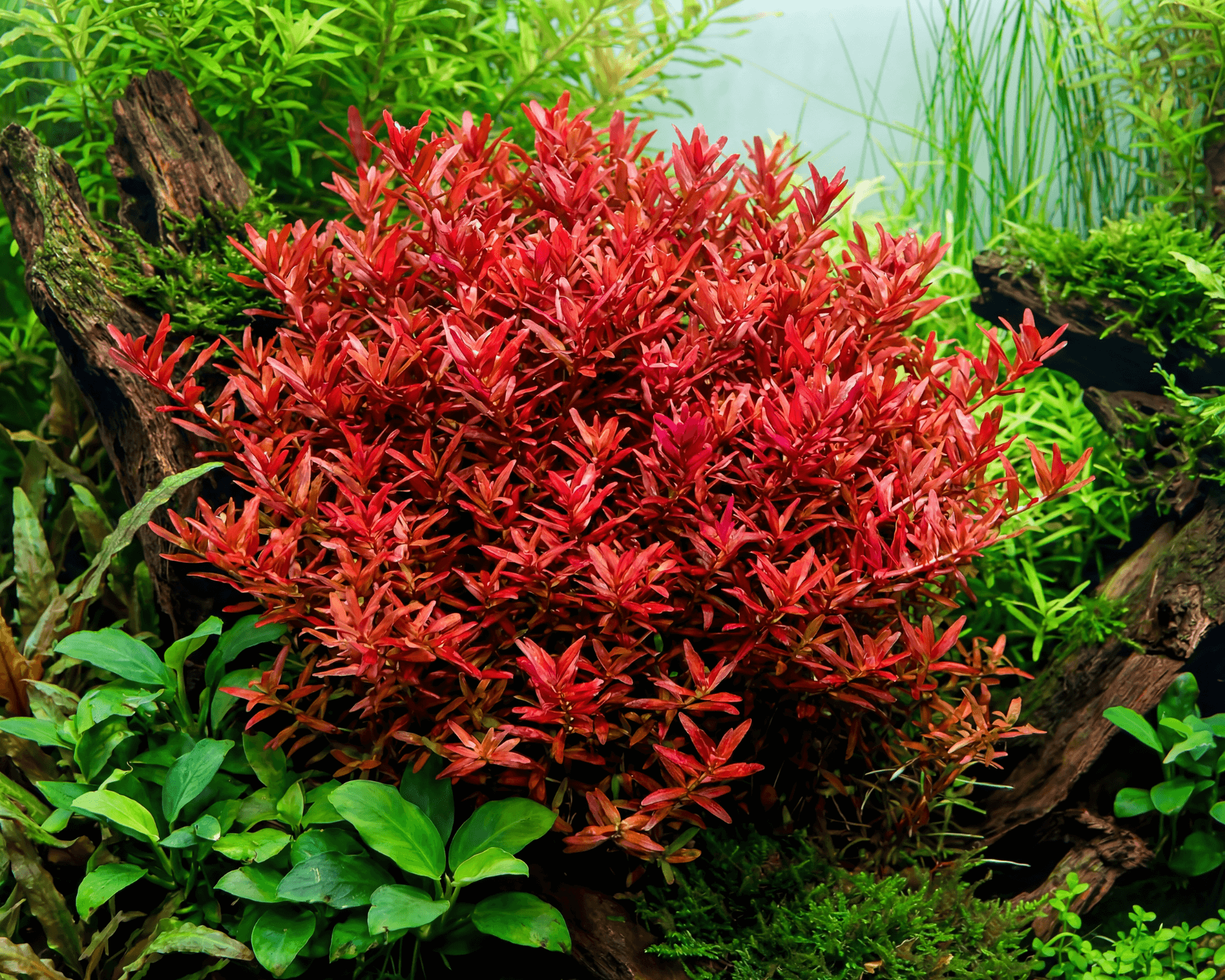
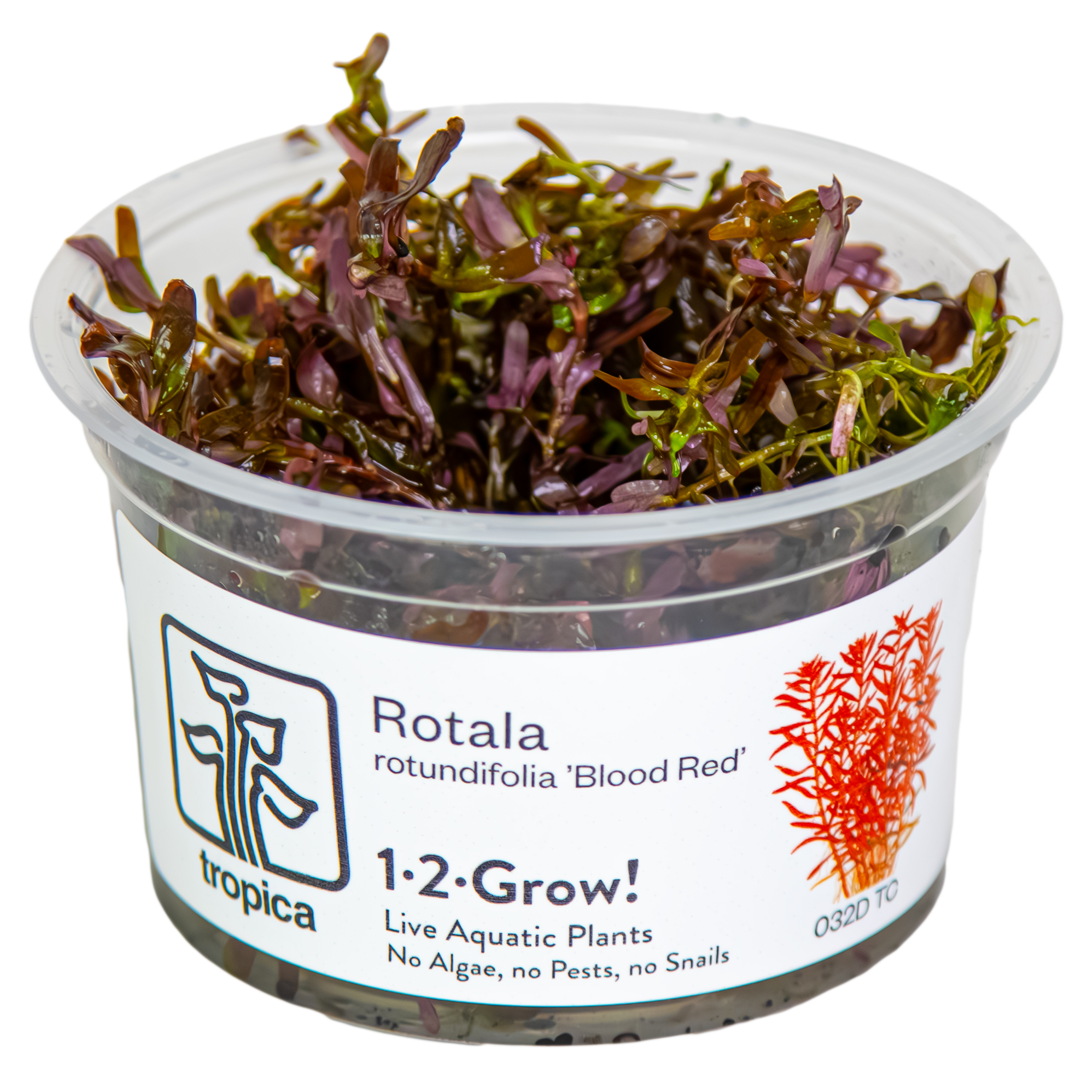
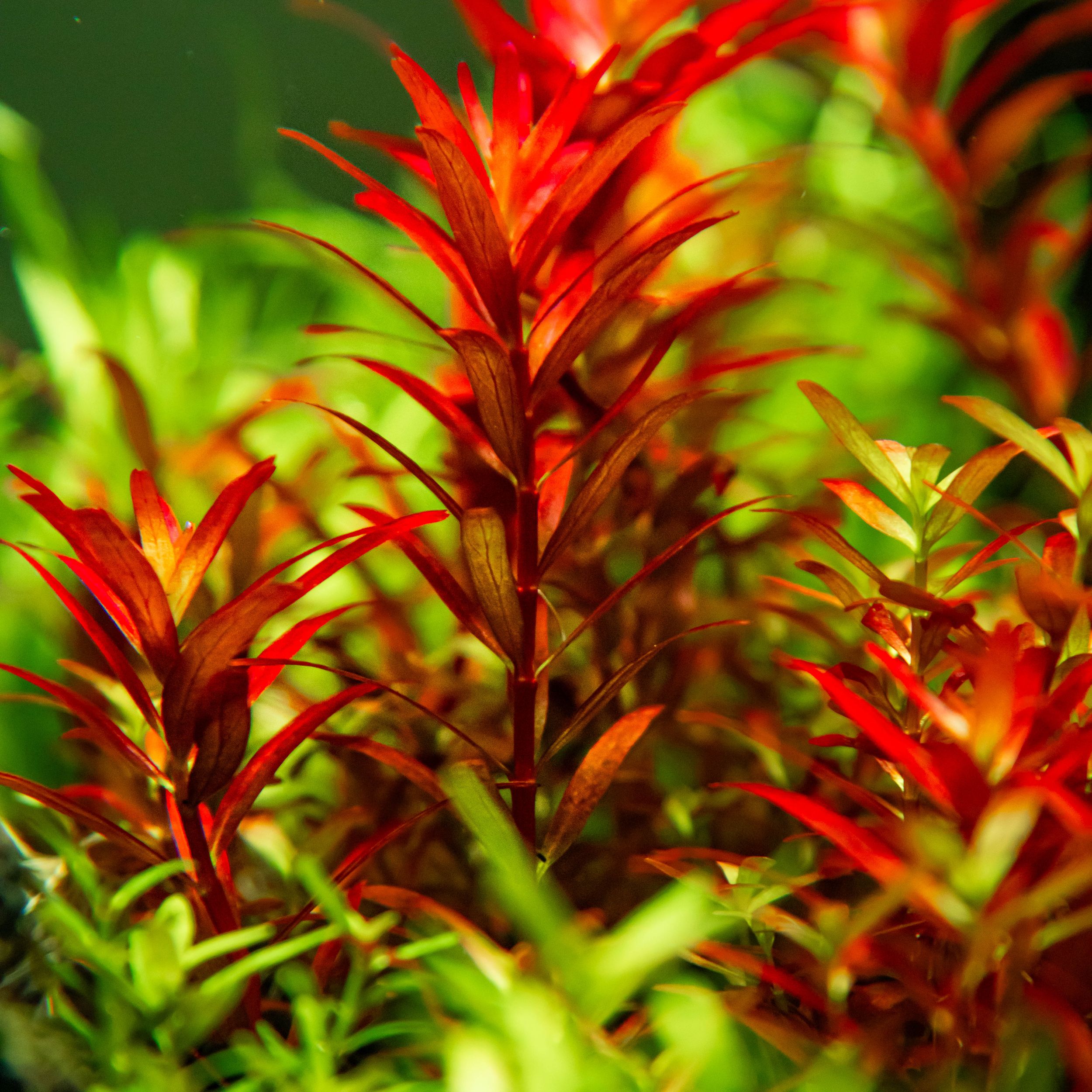
This plant is best treated as Rotala rotundifolia 'Blood Red', an aquarium cultivar or selected form sold under that name. It has slender stems, narrow opposite leaves, and red to pink submerged growth. Rotala rotundifolia is variable, and photographs or commercial names alone cannot establish a precise clonal or taxonomic distinction from other red Rotala forms.
Placement and planting
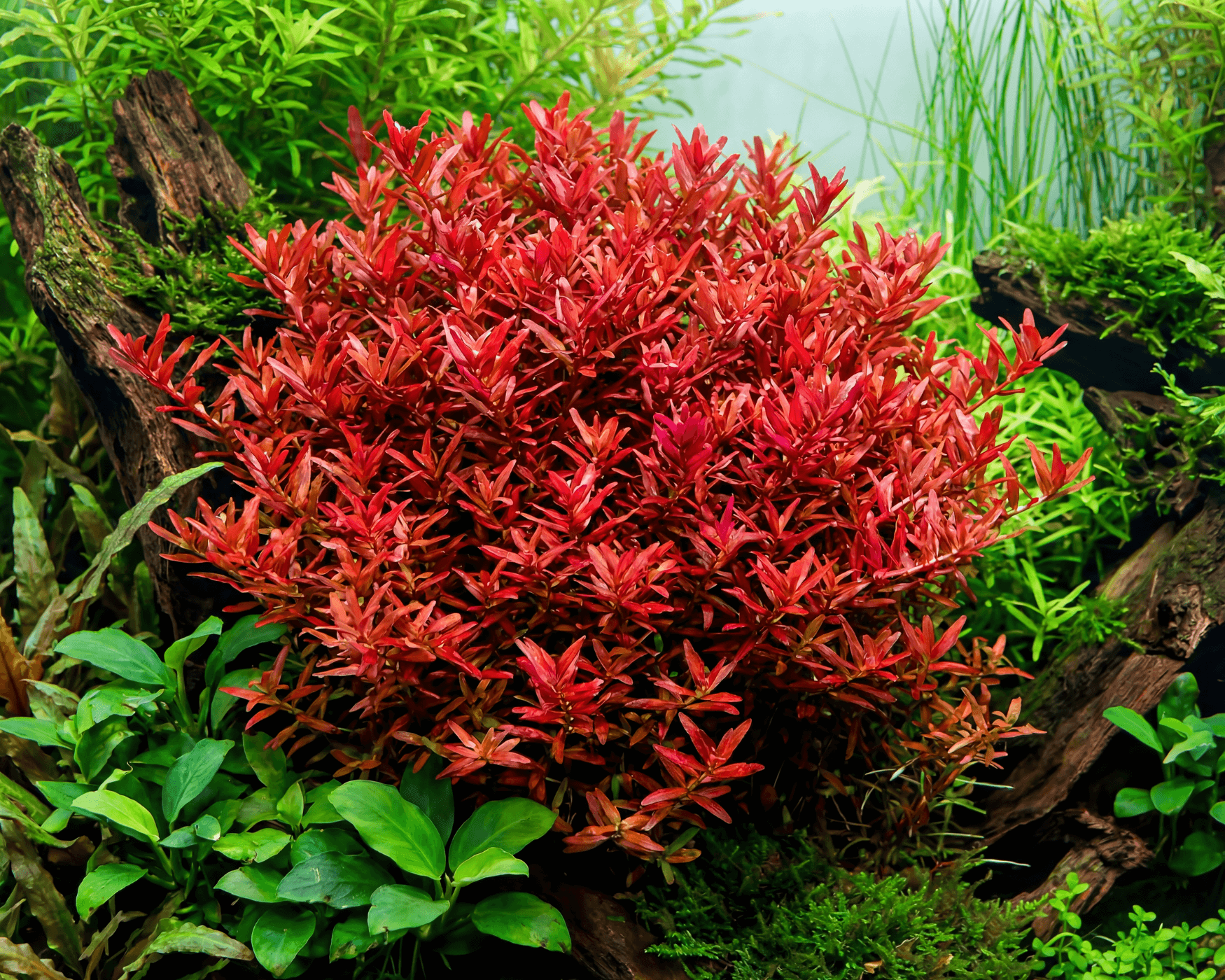
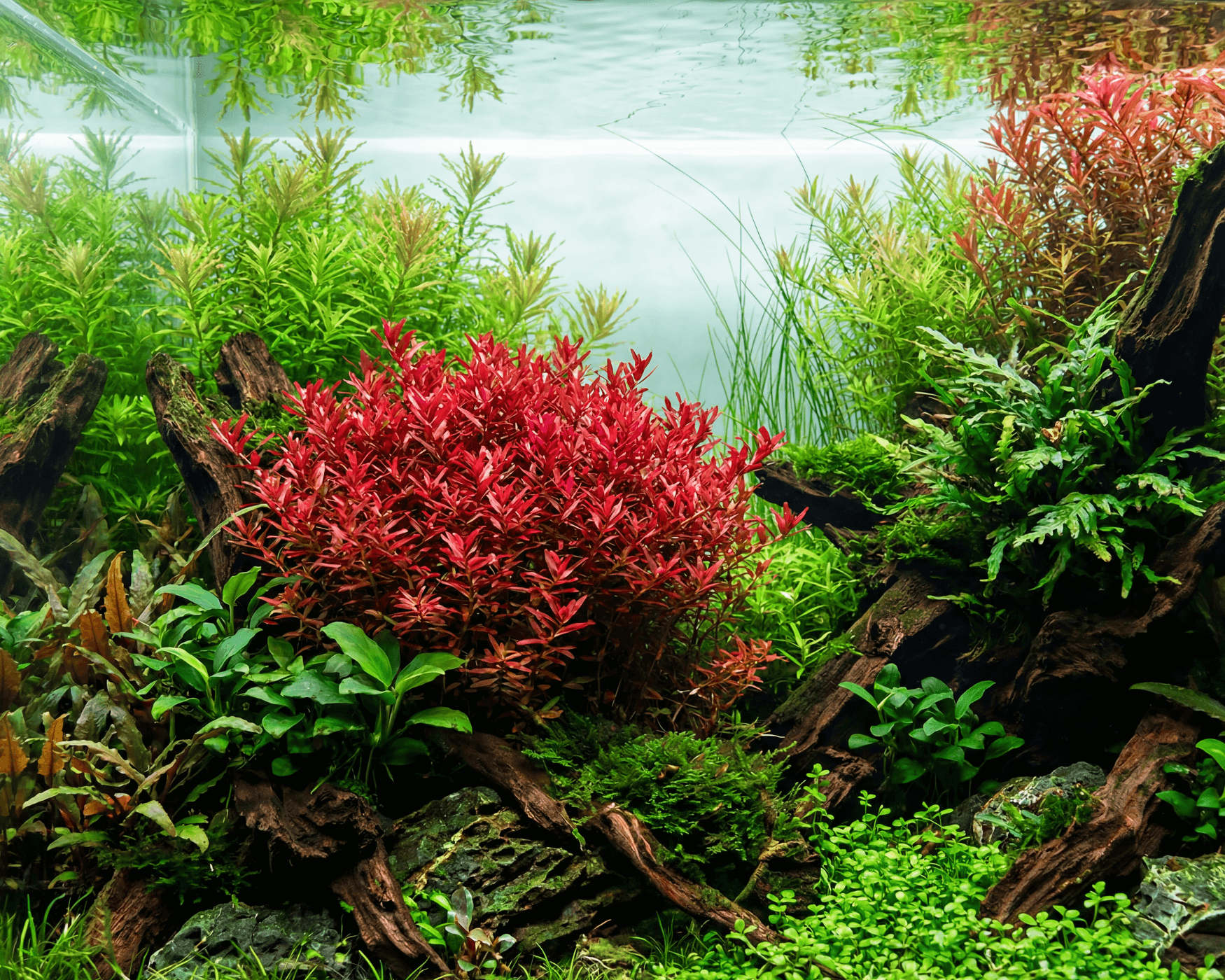
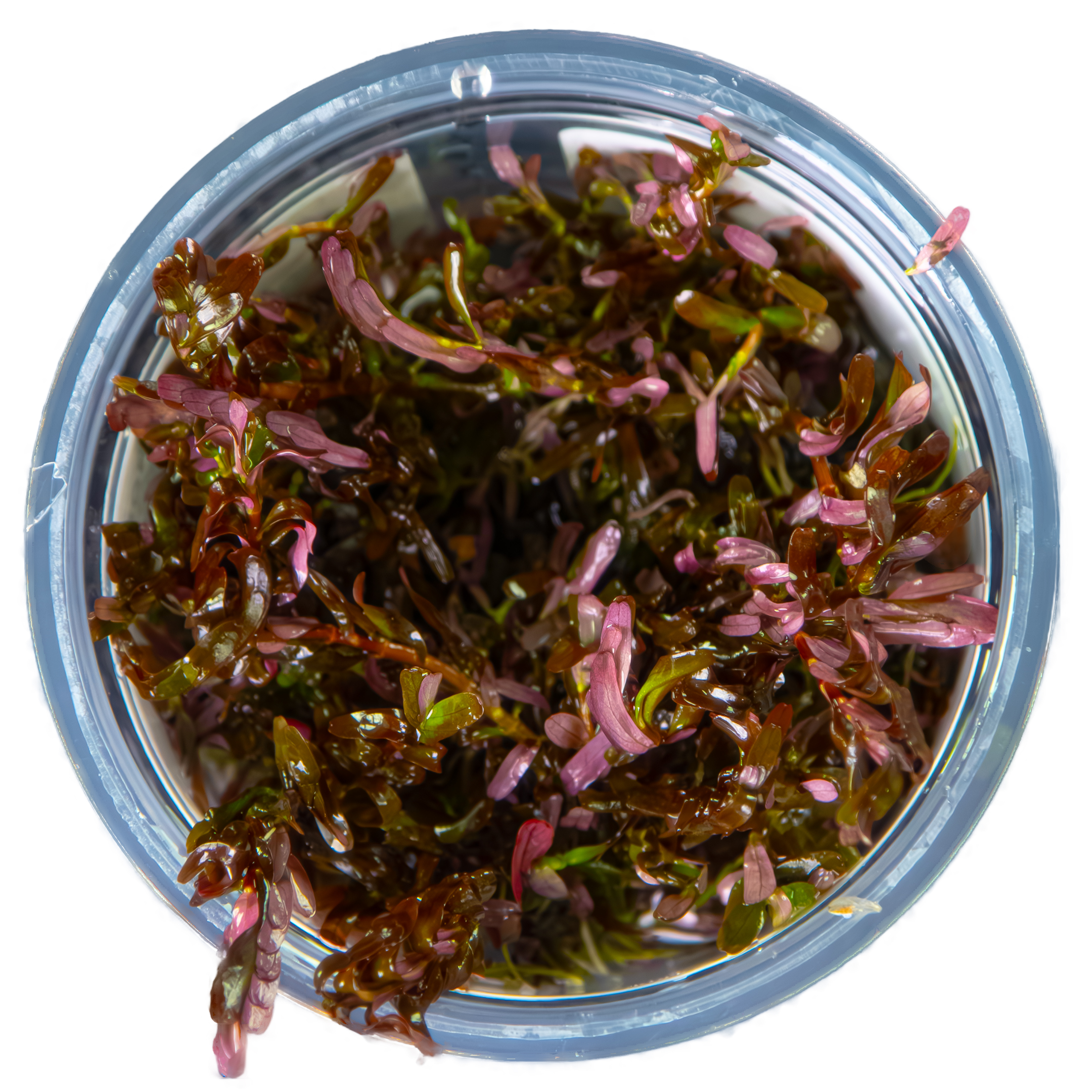
Use it in the background or as a tall midground group in medium and large aquariums. Remove the growing medium and separate the stems into small portions before planting. Insert individual stems into the substrate with space between them so light and water can reach the lower foliage. Planting too densely can cause the lower stems to shed leaves.
Light and carbon dioxide
Strong, consistent lighting helps this form develop its characteristic red coloration and compact growth. Carbon dioxide is not essential for survival, but supplementation usually improves growth, density, and colour. Avoid abrupt changes in light or carbon dioxide, since unstable conditions can encourage leaf loss and algae.
Water and nutrition
Provide clean, stable aquarium water with regular circulation and a complete supply of macro- and micronutrients. The plant feeds through both its roots and water column, so a nutrient-containing substrate can be helpful but is not mandatory. Monitor new growth: pale leaves or weak stems may indicate insufficient light or nutrients, while damaged older leaves can also result from transition stress.
Pruning and propagation
Propagation is straightforward from cuttings. Cut healthy upper shoots, remove the lower leaves, and replant the cuttings in the substrate. Repeatedly trim and replant healthy tops to create a dense group. Remove shaded or deteriorating lower sections, and use regular trimming to keep the stand within the intended height.
Colour expectations
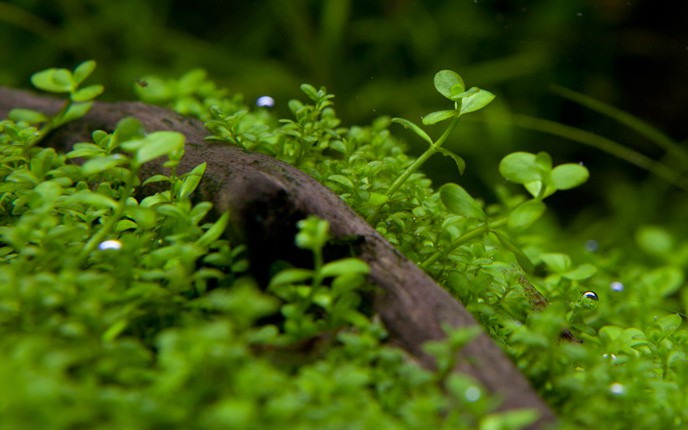
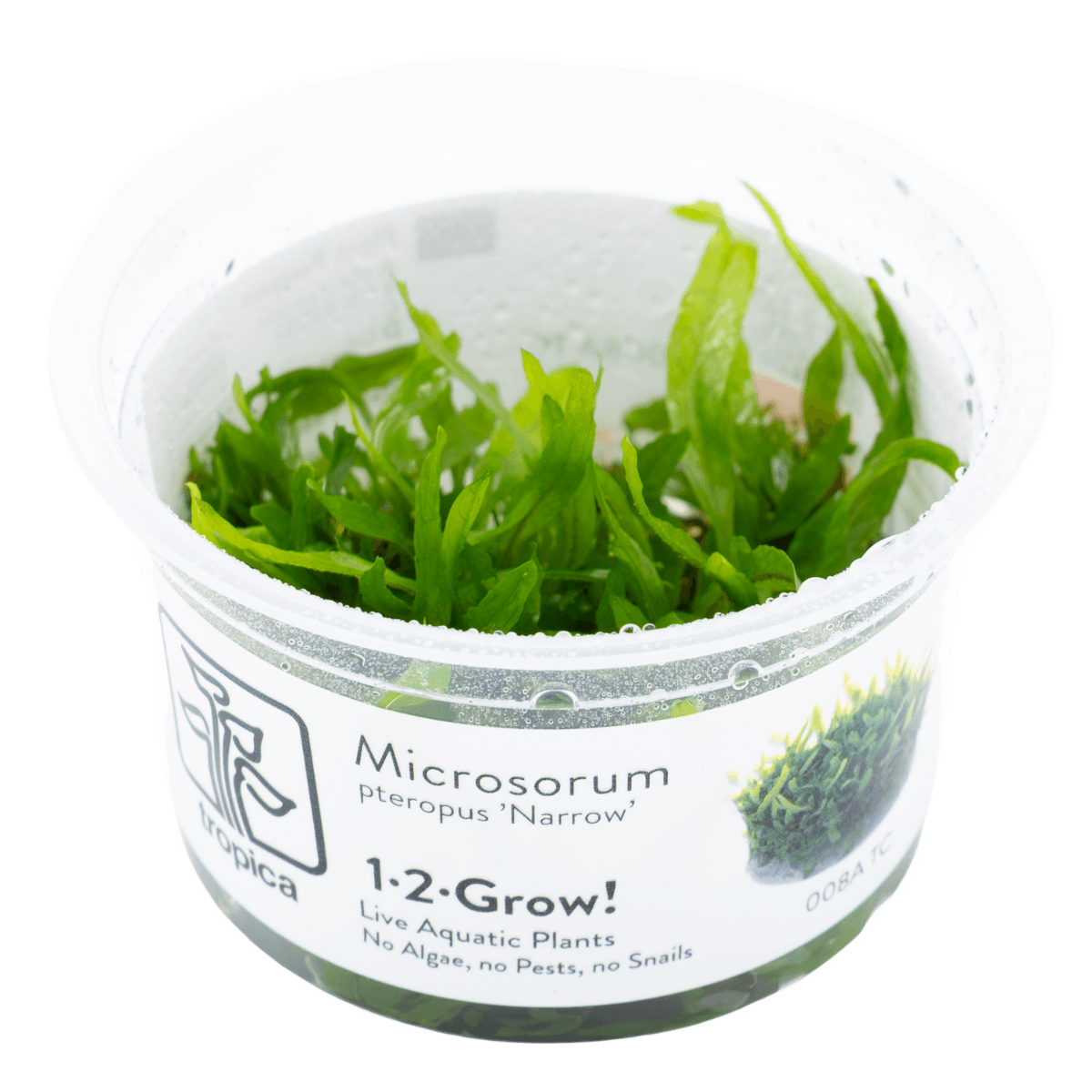
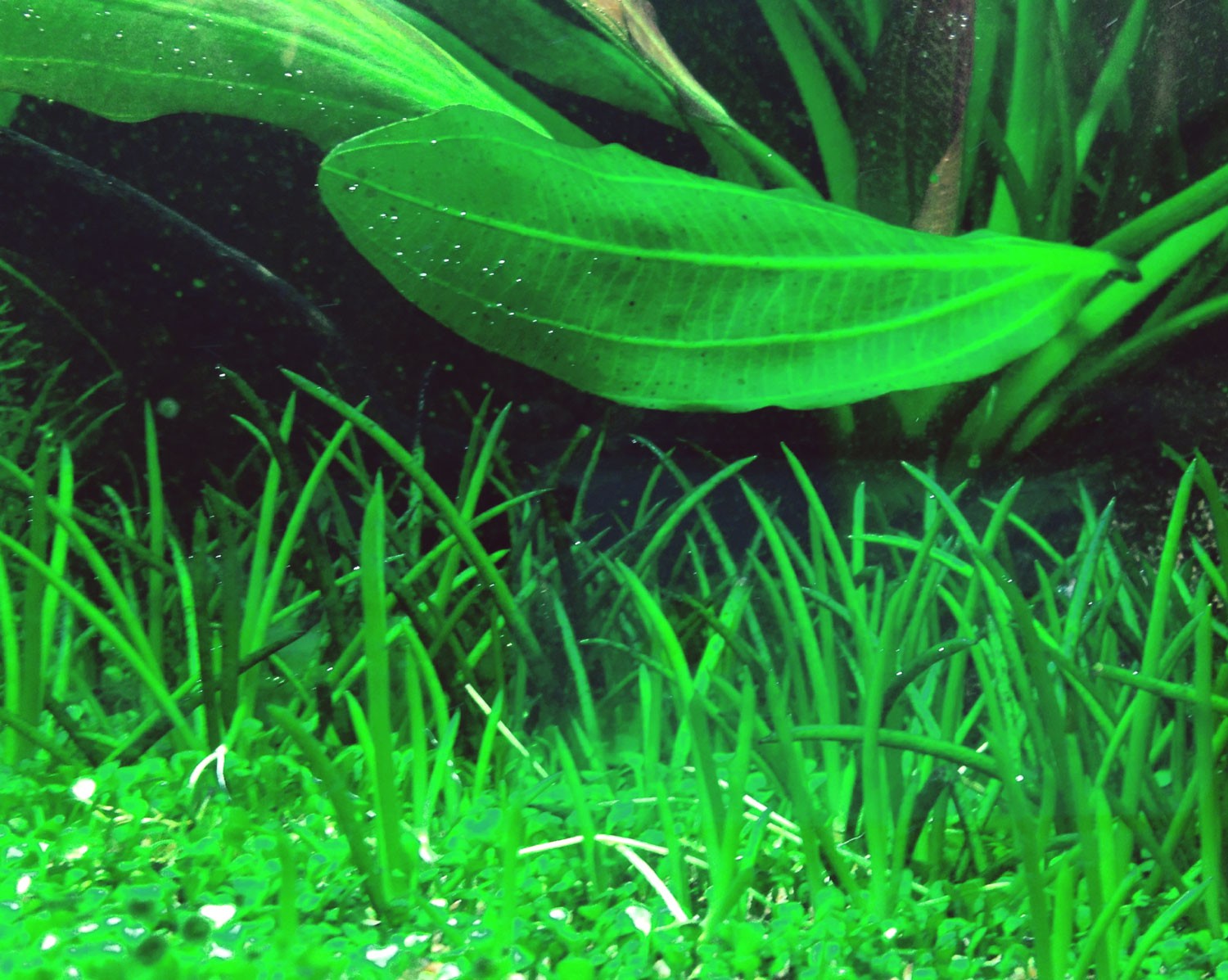
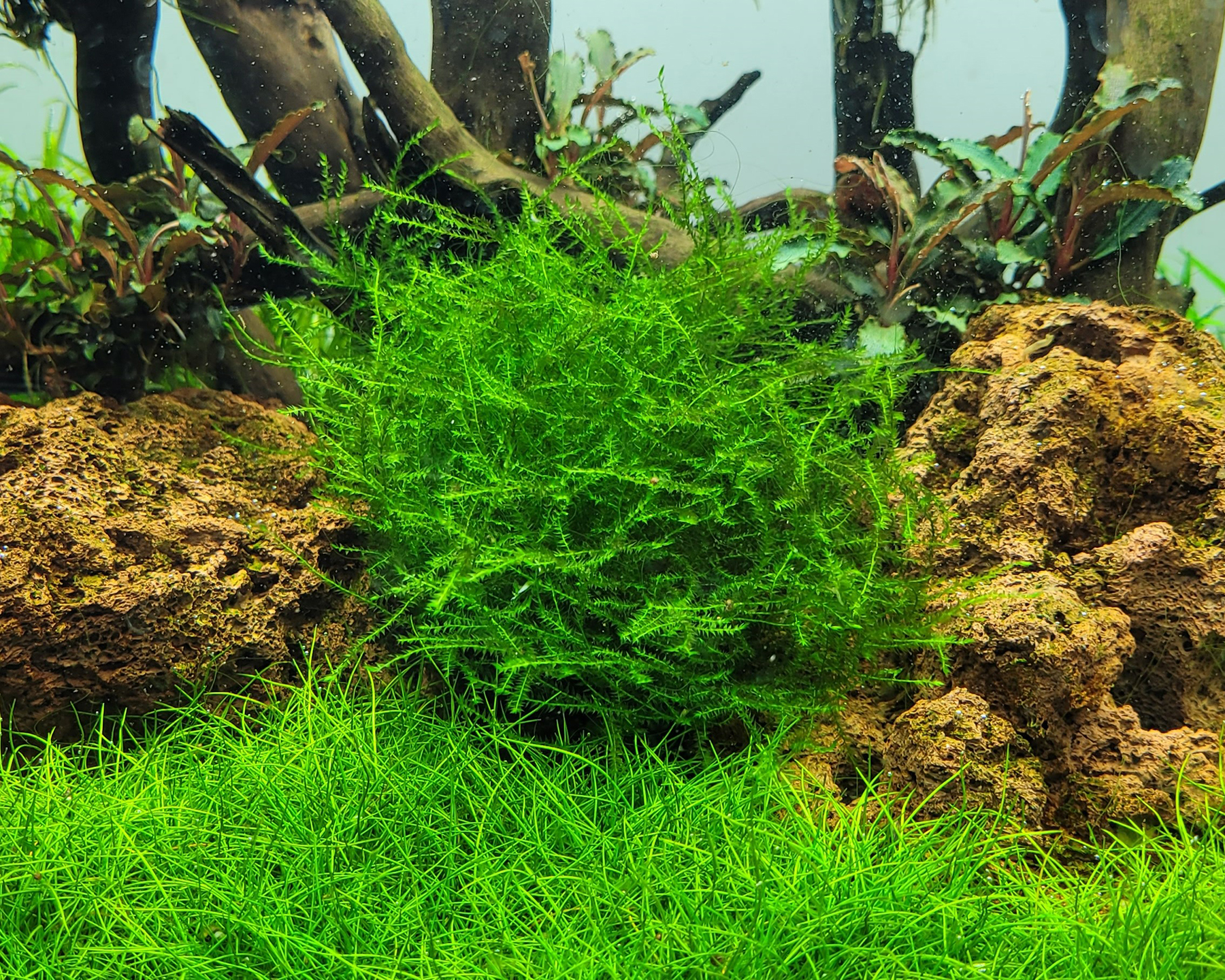
The strongest red colour is usually produced by a combination of bright light, good carbon availability, adequate nutrients, and healthy growth. Colour is not a reliable indicator of plant health by itself, and newly introduced tissue may appear greener or less compact while adapting to submerged conditions. The supplied images support the trade identification, but do not independently verify the cultivar’s origin or clone.






Leave your comments