Identification and form
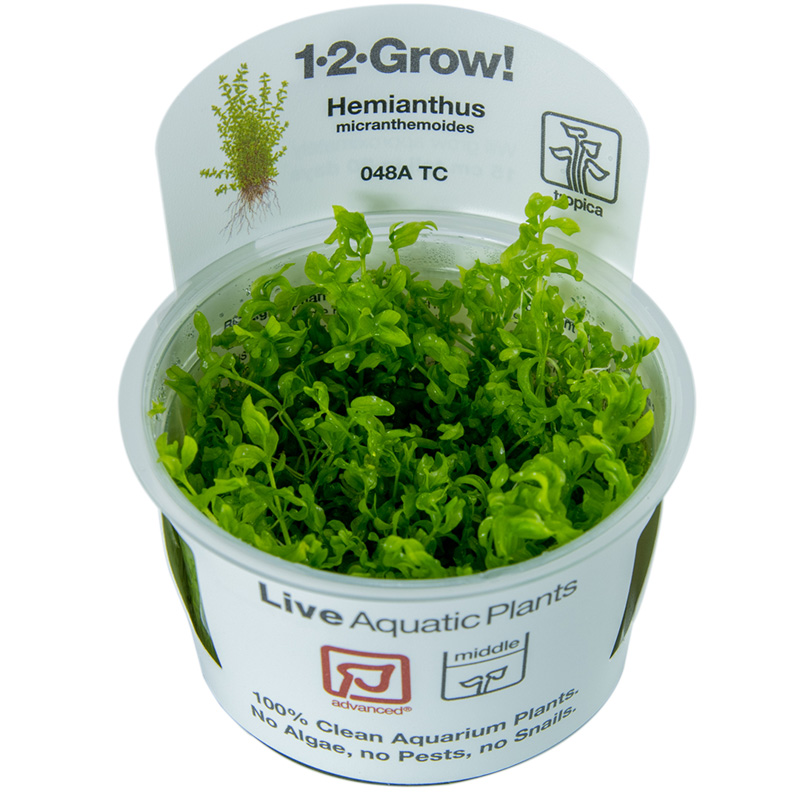
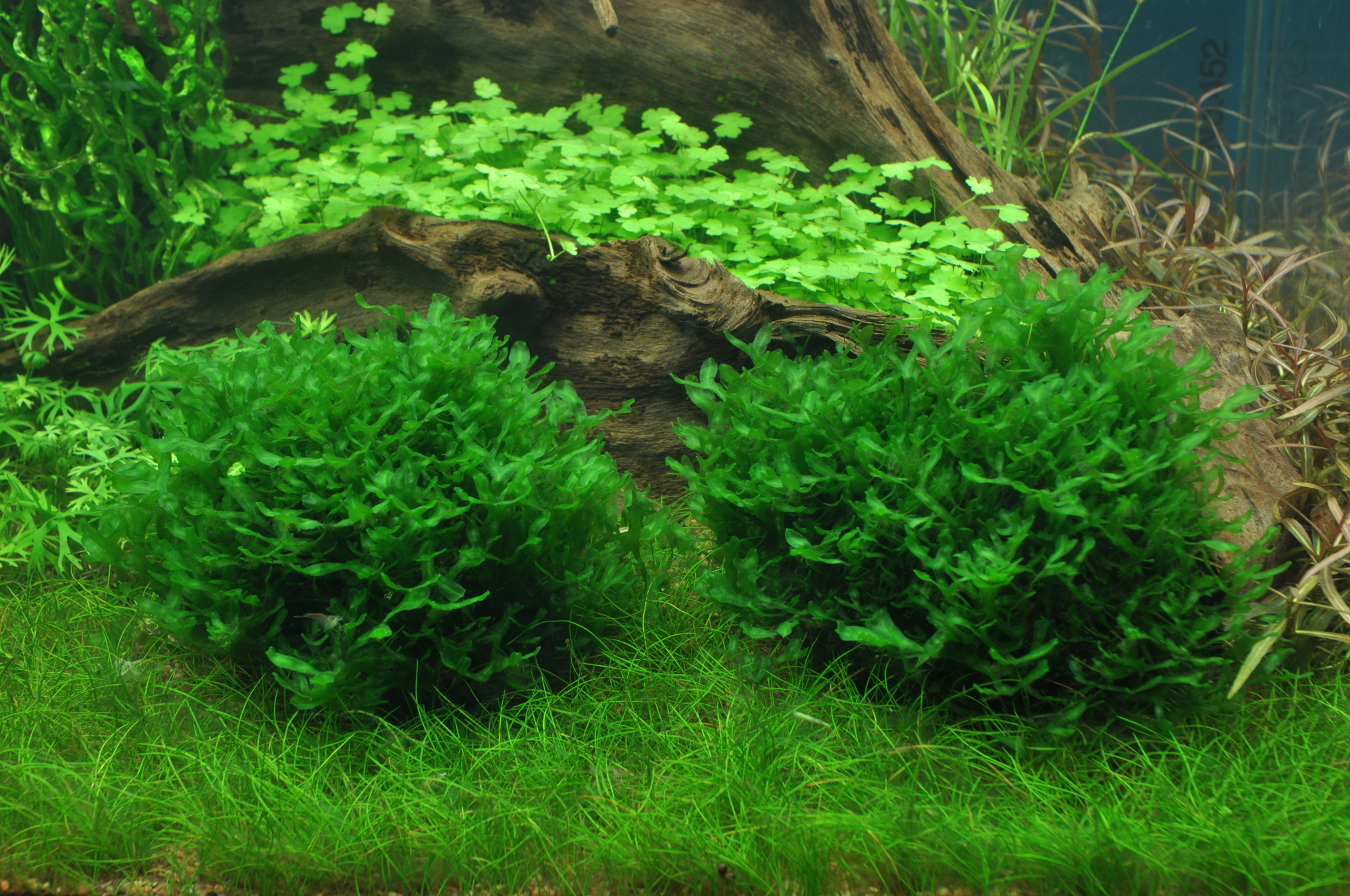
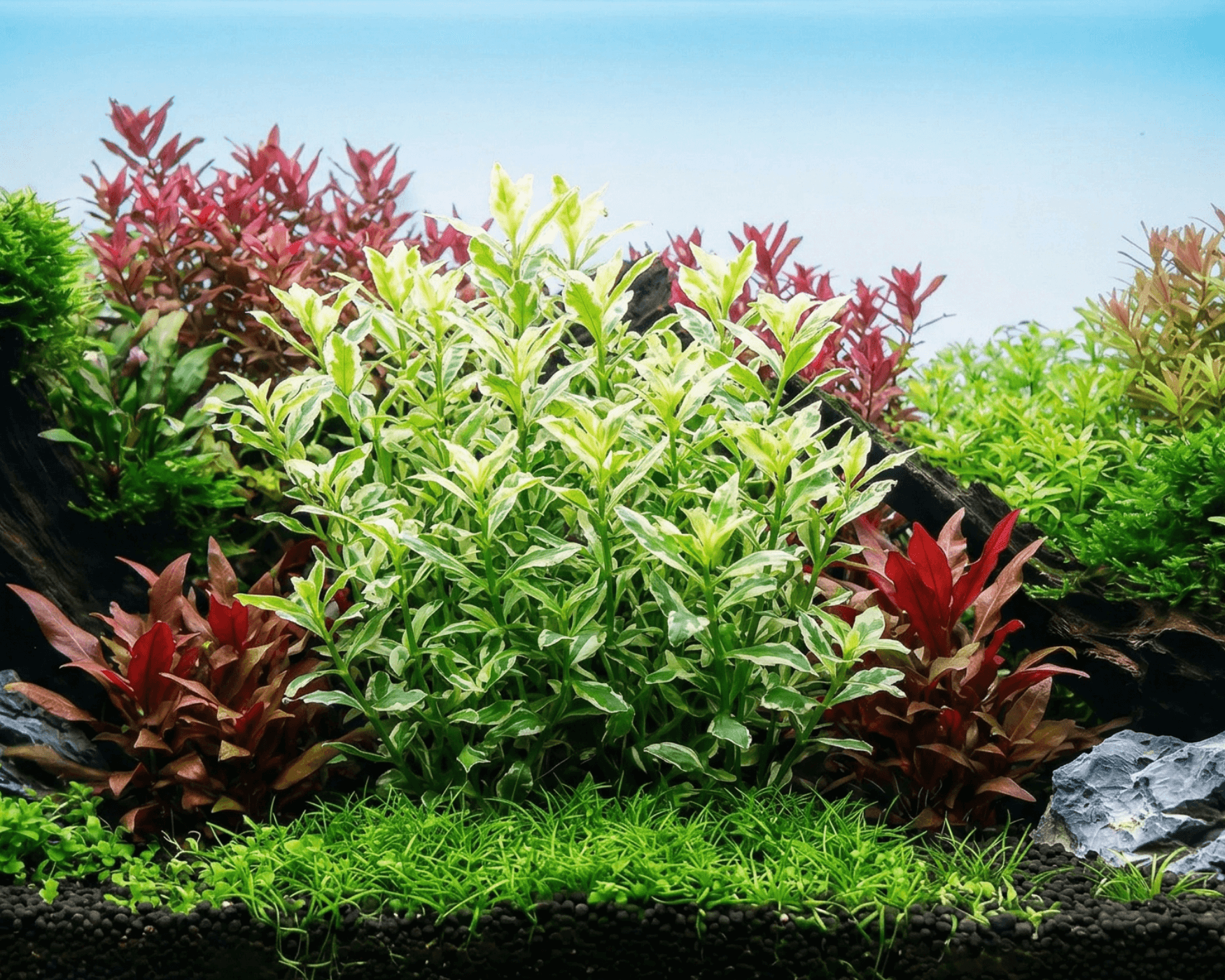
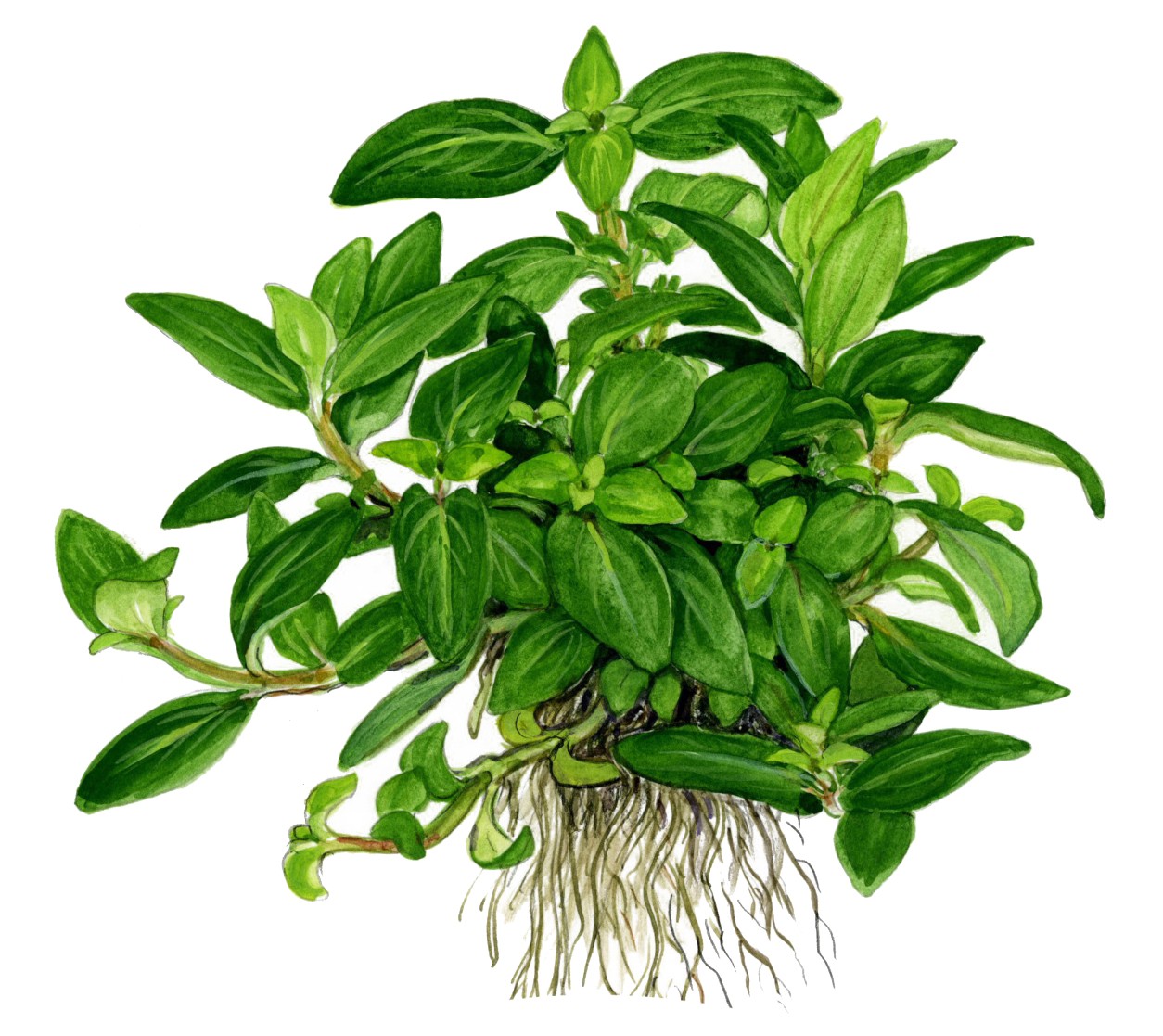
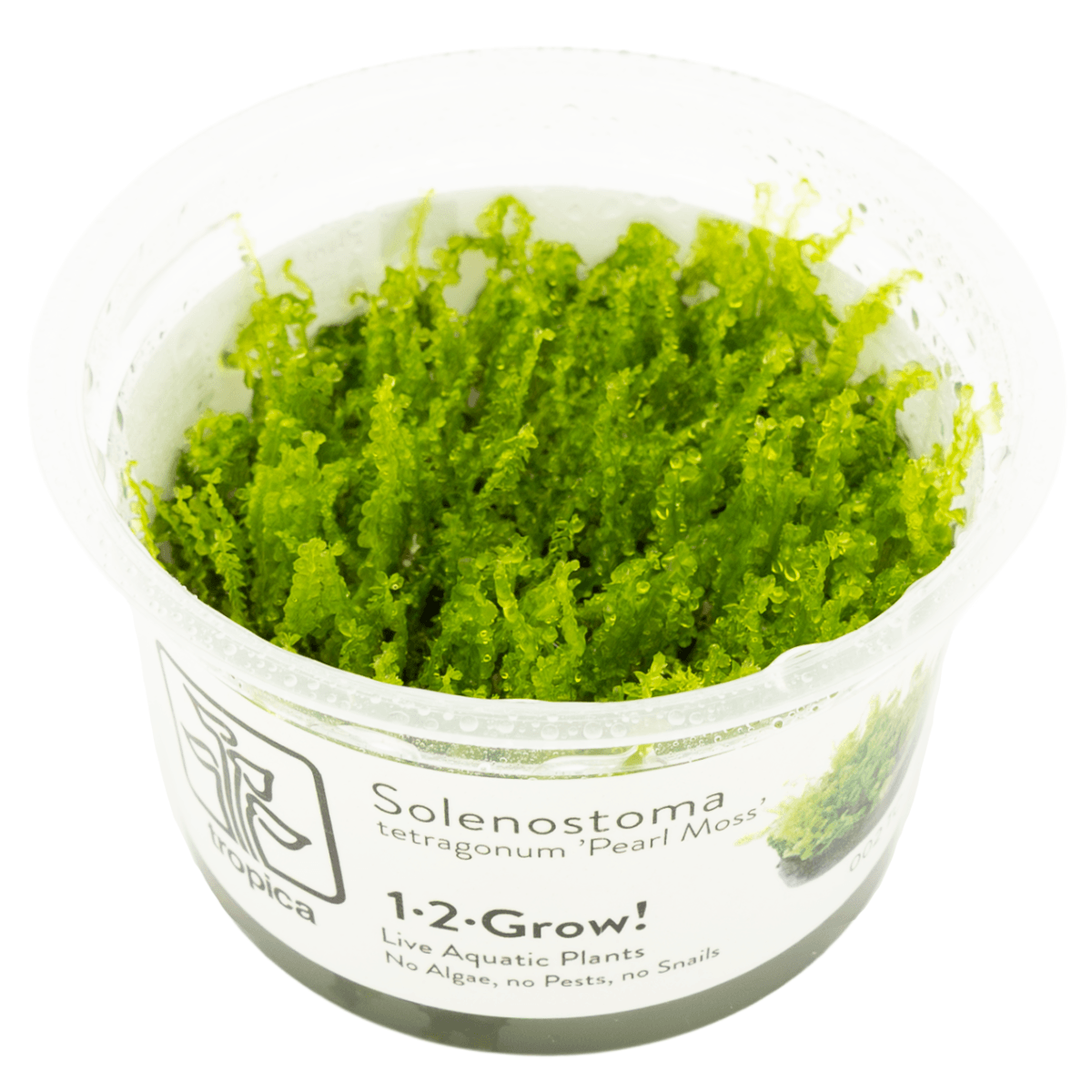
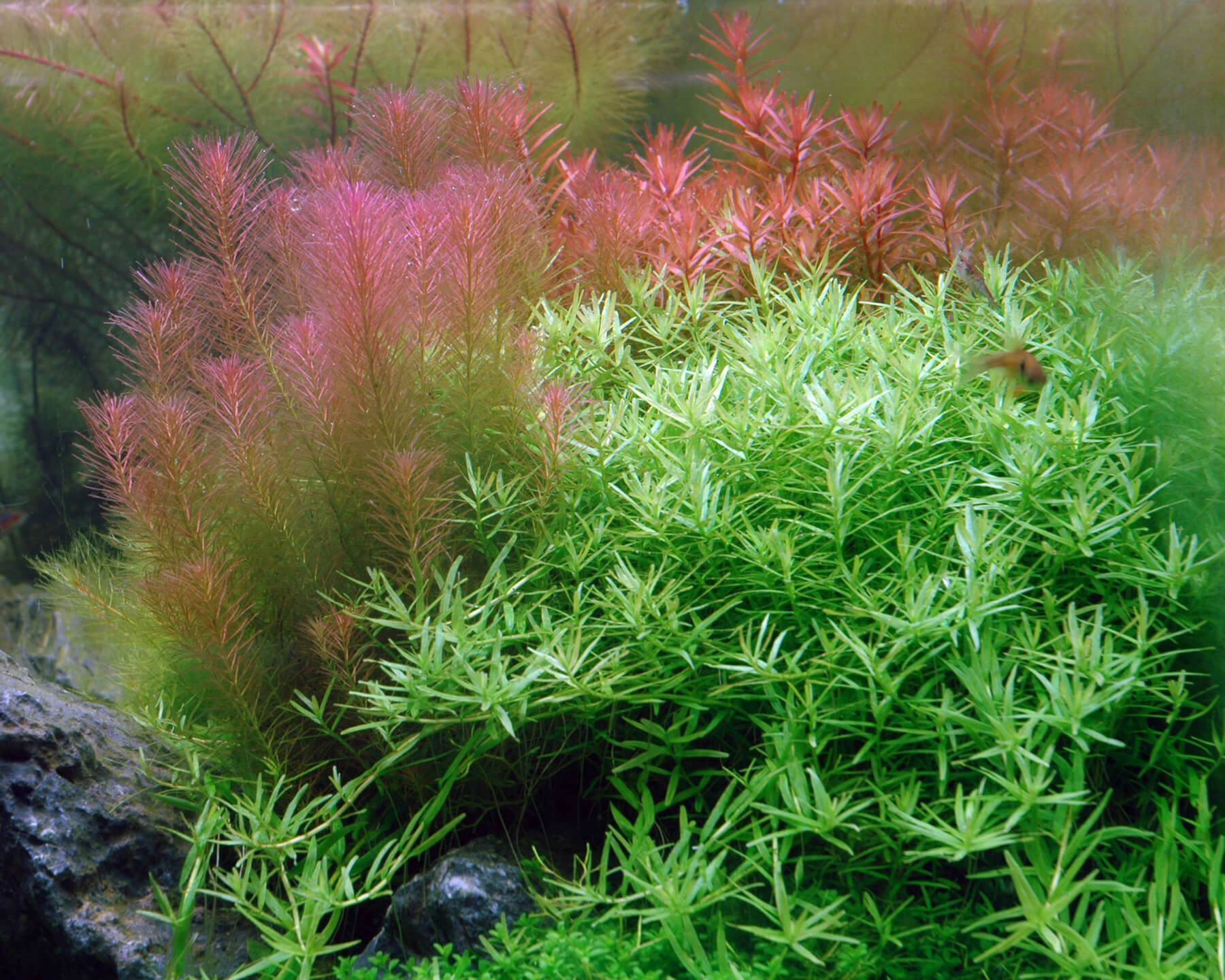
This is a delicate, branched stem plant with small opposite leaves and a spreading, bushy habit. In aquariums it may form a low, dense mass when trimmed regularly, but it becomes taller and looser when light is weaker or growth is left untrimmed. Aquarium plants sold under this name are not always easy to distinguish from related Micranthemum species, so identification is conservative.
Planting
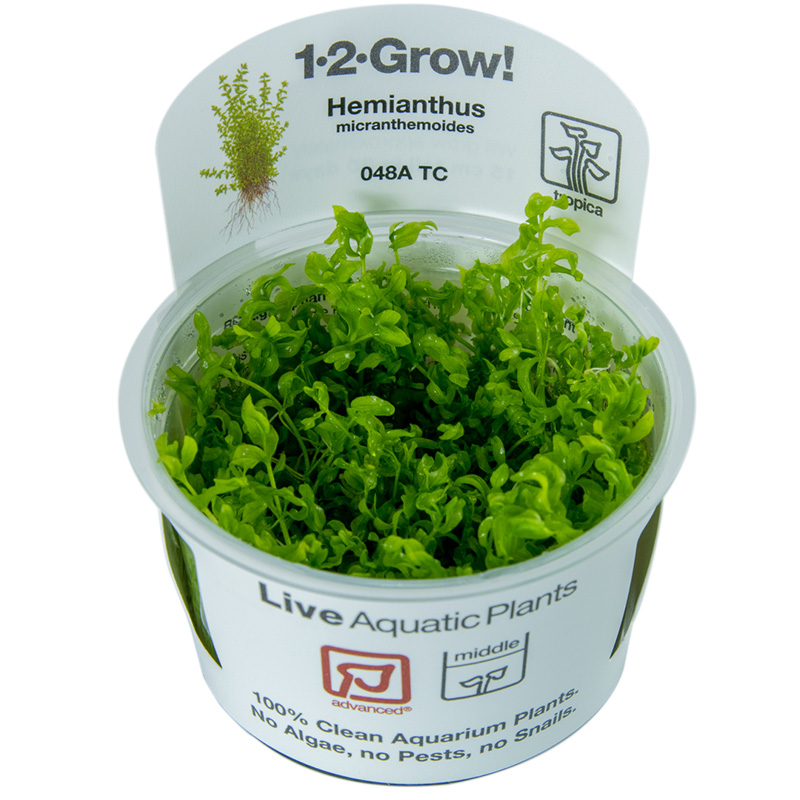
Remove the culture medium from tissue-culture portions and rinse the plant thoroughly. Divide the material into small plugs and plant them separately with tweezers, leaving the leaves above the substrate. Small gaps between plugs improve circulation and allow the stems to spread. A fine-grained nutrient-bearing substrate makes planting and establishment easier.
Light and carbon
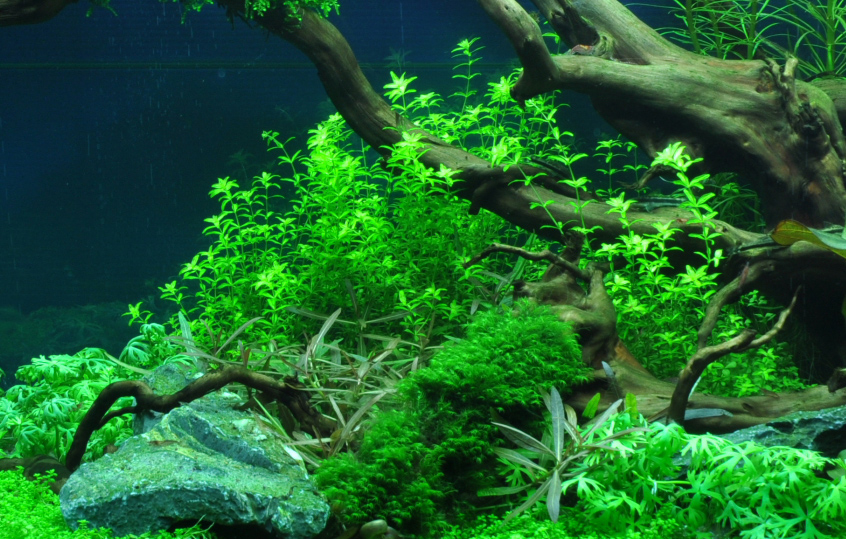
Provide strong, consistent lighting for compact growth and good lower-stem survival. Carbon dioxide supplementation is beneficial and helps the plant grow more densely, although it can survive under less intensive conditions with slower, more open growth. Avoid abrupt changes in lighting, carbon availability, or water chemistry.
Trimming and propagation
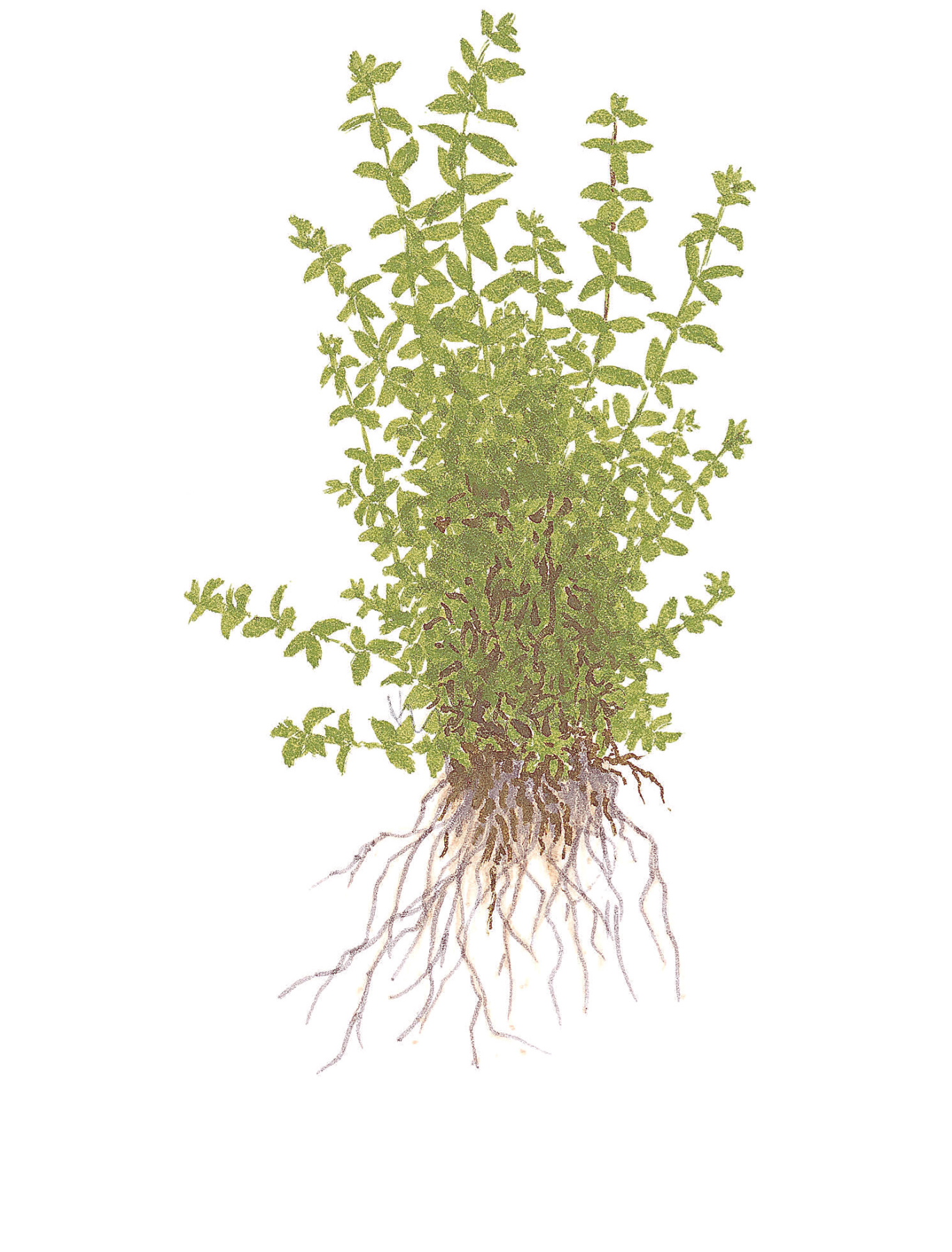
Trim the upper stems when they become too tall or begin shading the lower portions. Replant healthy cuttings in the substrate to expand the group. Regular trimming encourages branching, but repeatedly cutting only the very top can leave older lower growth shaded and prone to deterioration.
Water and nutrition
Maintain stable aquarium conditions with adequate circulation and a regular supply of macro- and micronutrients. Nutrient shortages may cause pale foliage, weak stems, or stalled growth, while dense unchecked growth can trap debris. Remove decaying material and keep the plant free from persistent algae by balancing light, nutrients, and carbon.

Leave your comments