AquaLibs presents AquaRank Discover the world’s leading aquascapers

Explore transparent rankings built from published results across the world’s leading aquascaping contests.

Pelvicachromis pulcher Purple Tilapia Pair Care Guide

Taxonomy and identification

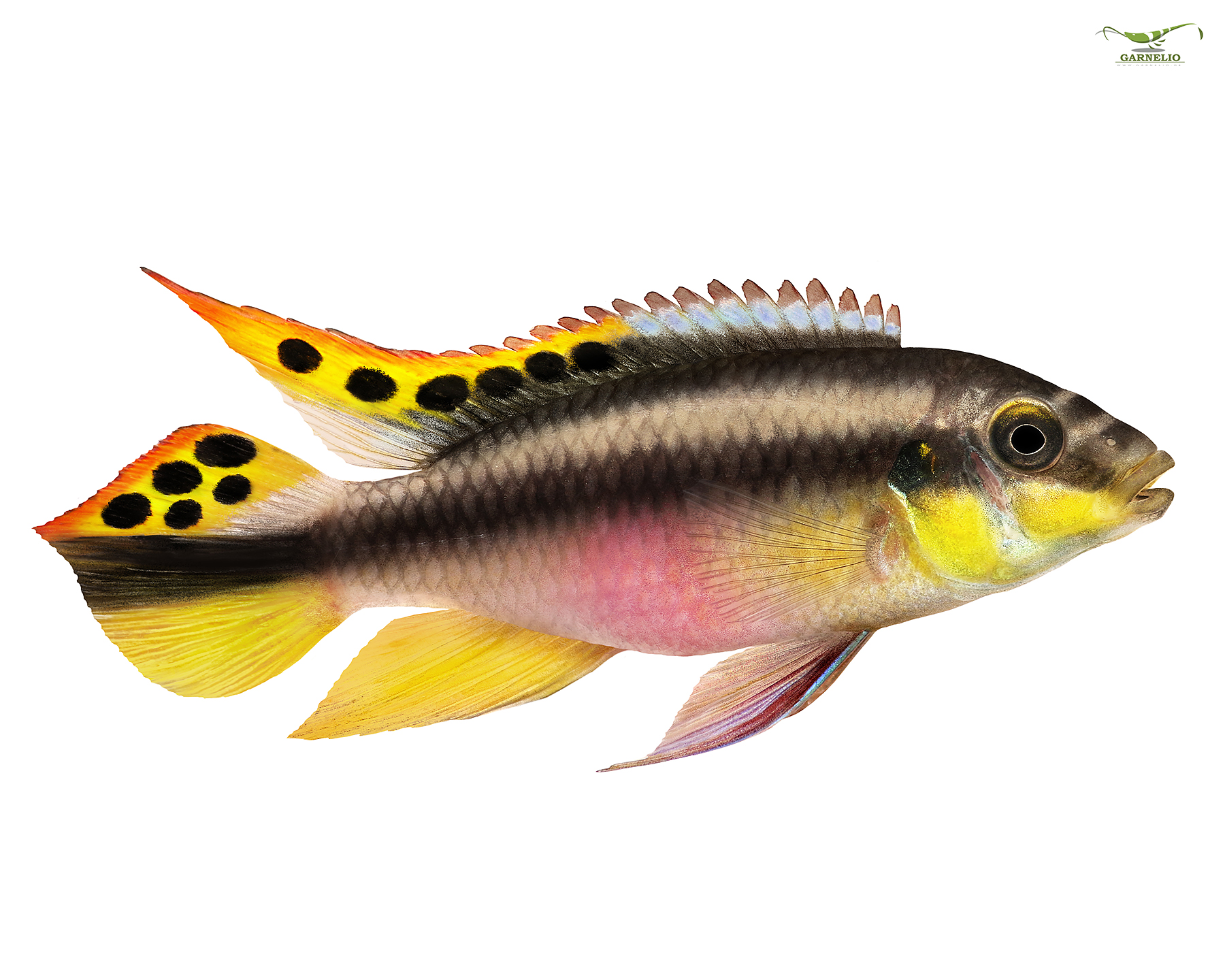
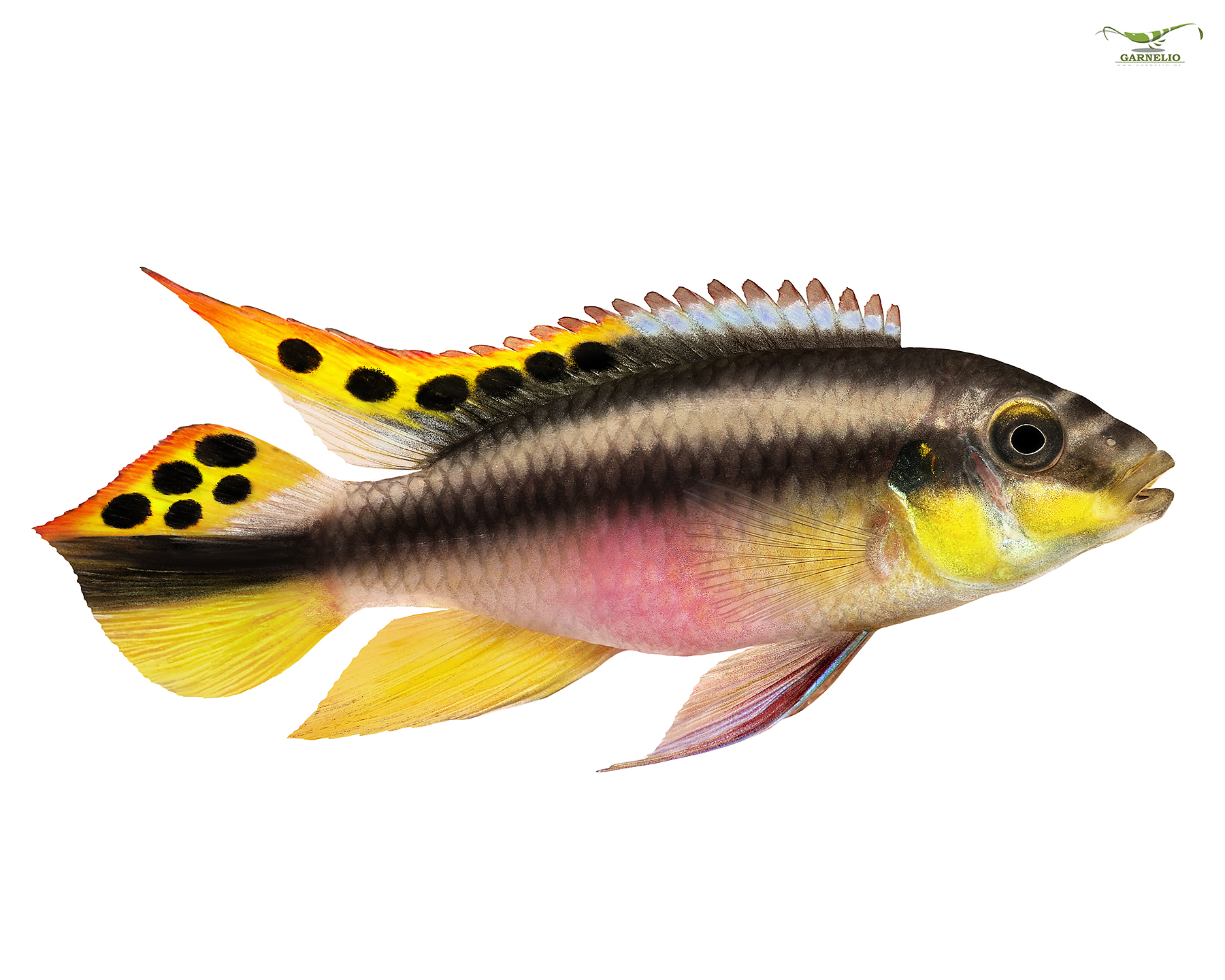
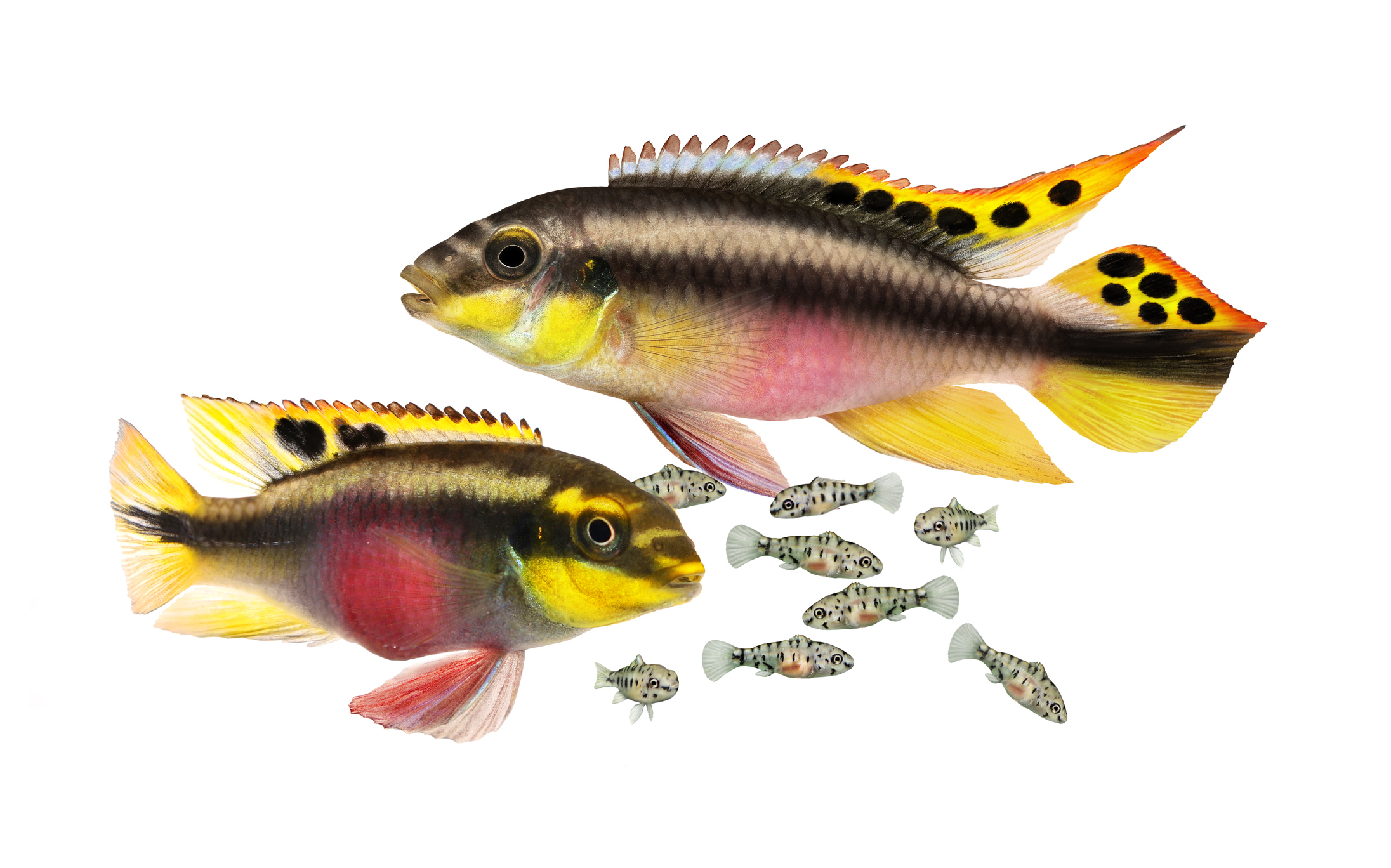
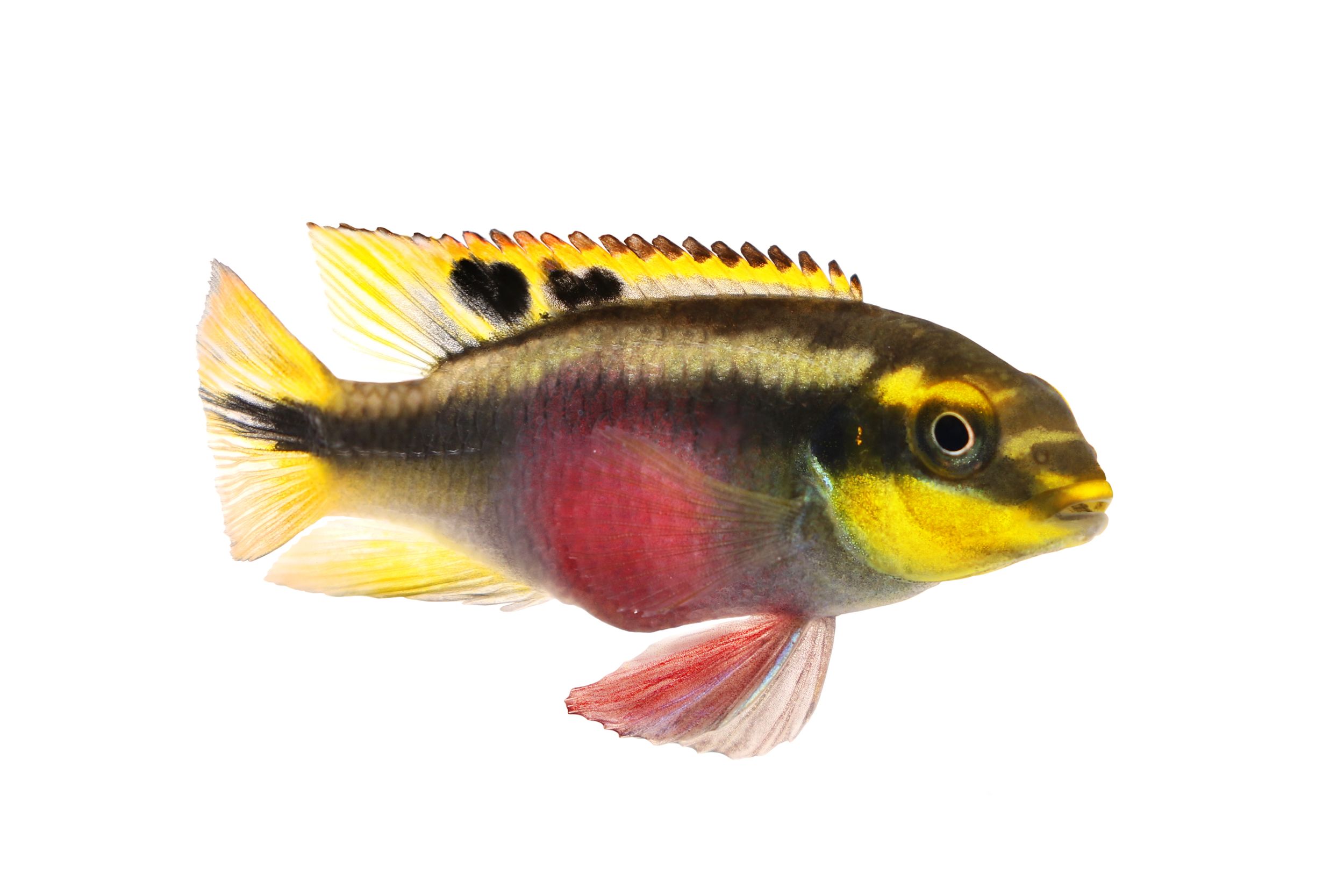
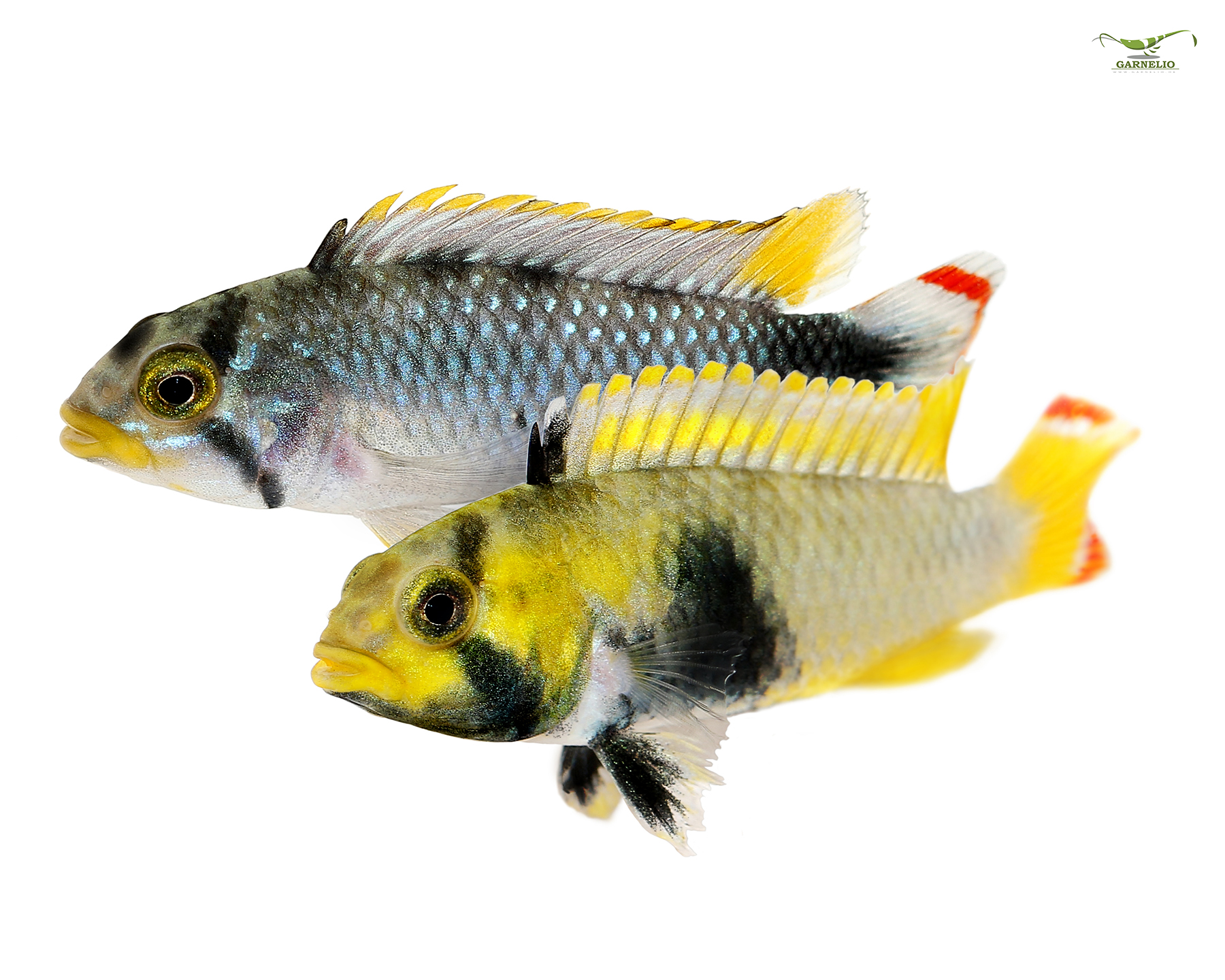
Pelvicachromis pulcher is a cichlid in the family Cichlidae. It is commonly sold as kribensis, krib or purple cichlid; “purple tilapia” is a trade name rather than a precise indication of tilapia classification. Males are generally larger and more elongate, while females are shorter-bodied and often develop a prominent pink to red belly when mature or ready to spawn. The supplied scientific name is used here, but the exact locality strain and sex of the listed pair cannot be verified from the source information alone.
Taxonomy and identification

Natural distribution and habitat

This species is native to freshwater environments in southern Nigeria and western Cameroon. It occurs in slow-moving rivers, streams and quieter marginal habitats with vegetation, leaf litter, roots and submerged cover. Aquarium specimens benefit from a structured environment that includes open swimming space, shaded areas and small caves or shelters.
Natural distribution and habitat

Behavior and temperament

Pelvicachromis pulcher is usually peaceful to moderately territorial outside breeding, but a pair can become strongly defensive around a chosen cave and fry. It spends much of its time near the lower and middle levels of the aquarium. Provide visual barriers and several potential territories so the fish can avoid constant contact with other inhabitants. Aggression is particularly likely in a small tank or when tank mates occupy the same bottom territory.

Behavior and temperament

Tank size and setup

A pair should have an aquarium of at least about 80 litres, with a larger footprint preferred for community keeping. Use a secure lid, gentle circulation and efficient biological filtration. Arrange rounded stones, wood, plants and ceramic or natural caves so the pair can claim a sheltered spawning site. Use sand or smooth small gravel where possible; sharp décor can injure fish that excavate or enter narrow shelters. Plants should be rooted securely because digging may disturb them.
Tank size and setup

Water parameters

Keep the aquarium stable and well oxygenated rather than pursuing an exact target value. A temperature of 24-28 °C and pH of 6.0-8.0 are suitable general ranges. Moderate hardness is usually tolerated. Test for ammonia and nitrite, which should remain undetectable, and keep nitrate controlled with regular partial water changes. Avoid sudden changes in temperature, pH or mineral content.

Diet

This omnivorous cichlid accepts quality small cichlid pellets, flakes and granules. Supplement the staple diet with frozen or live foods such as brine shrimp, daphnia and bloodworm, offered in moderation. Occasional vegetable matter or algae-containing foods can provide variety. Feed small portions once or twice daily and remove uneaten food to protect water quality.

Compatibility

Suitable companions are peaceful, robust community fish that tolerate similar water conditions and do not compete intensely for caves or the substrate. Midwater species are generally safer choices than another pair of bottom-territorial cichlids. Avoid very small, slow or long-finned fish that may be harassed, as well as large aggressive cichlids and fin-nipping species. During breeding, be prepared to separate vulnerable tank mates or the spawning pair if territorial behavior becomes excessive.

Breeding

Pelvicachromis pulcher is a cave spawner and often breeds readily when mature fish receive good food, clean stable water and a suitable shelter. The female usually selects and prepares the cave, where she deposits adhesive eggs; the male fertilizes them, and both parents commonly guard the territory. Hatching and free swimming occur after several days, depending on temperature. Feed free-swimming fry newly hatched brine shrimp or another suitably fine food. Parents may herd the brood, but a community aquarium can still result in fry losses.

Source and identification note

The application source identifies two fish as a Pelvicachromis pulcher DNZ pair. “DNZ” is retained as supplied and is not interpreted here as a verified locality, breeder designation or color strain. The images show a strongly colored Pelvicachromis-type fish, but images alone cannot establish exact species, sex, provenance or captive line.
Fish info

  • Care level: Easy - Moderate
  • Temperament: Semi-aggressive
  • Adult size: Male: up to about 10 cm; female: up to about 7 cm
  • Life expectancy: 5-8 years
  • Fish type: Small West African freshwater cichlid
  • Temperature : 24-28 °C
  • pH: 6.0-8.0
Related on Fishs
Leave your comments
Latest on Fishs
  • Red Lined Dwarf Cichlid (Apistogramma hongsloi)

    Red Lined Dwarf Cichlid (Apistogramma hongsloi)

    Moderate
    Dwarf Cichlid
    The Red Lined Dwarf Cichlid, Apistogramma hongsloi, is a small, colorful South American cichlid highly regarded by hobbyists. Native to the Orinoco River basin, this species displays striking red markings and elegant finnage. Known for their interesting social behaviors and relatively peaceful nature, they make excellent subjects for planted community aquariums that provide appropriate hiding spots and soft, acidic water conditions.
  • Apistogramma panduro

    Apistogramma panduro

    Moderate
    Dwarf Cichlid
    The Panduro dwarf cichlid, Apistogramma panduro, is a striking South American species highly prized for its vibrant coloration and manageable size. Native to the Amazon basin, this species exhibits distinct sexual dimorphism. They are best kept in pairs or small groups within well-structured aquariums, making them a fascinating choice for dedicated hobbyists interested in cichlid behavior and breeding dynamics.
  • Opal Apistogramma (Apistogramma borellii)

    Opal Apistogramma (Apistogramma borellii)

    The Opal Apistogramma is a stunning, selectively bred color variant of the popular Apistogramma borellii. Native to South American river basins, these dwarf cichlids are prized for their vibrant blue coloration and striking red facial markings. They are excellent candidates for planted community aquariums, provided their specific water quality and territorial requirements are carefully maintained by the aquarist.
  • Macropodus opercularis (Paradise Fish)

    Macropodus opercularis (Paradise Fish)

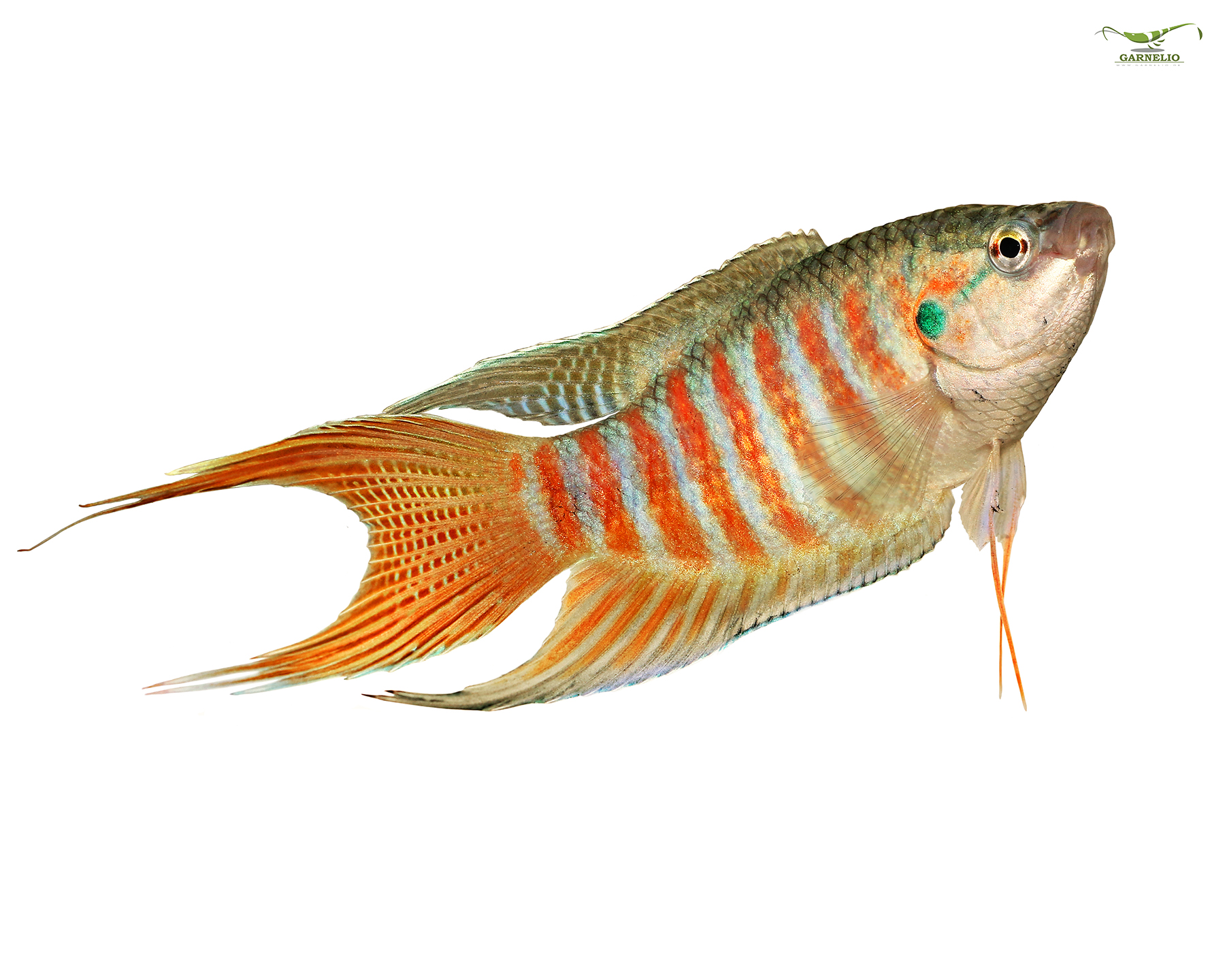
    The Paradise Fish, Macropodus opercularis, is a classic labyrinth fish native to East Asia. Known for its striking striped coloration and complex behavior, this species was one of the first exotic fish introduced to the aquarium trade. While beautiful, they are known for their territorial nature, requiring careful tank mate selection and sufficient space to thrive in captivity.
  • Altolamprologus calvus (Black)

    Altolamprologus calvus (Black)

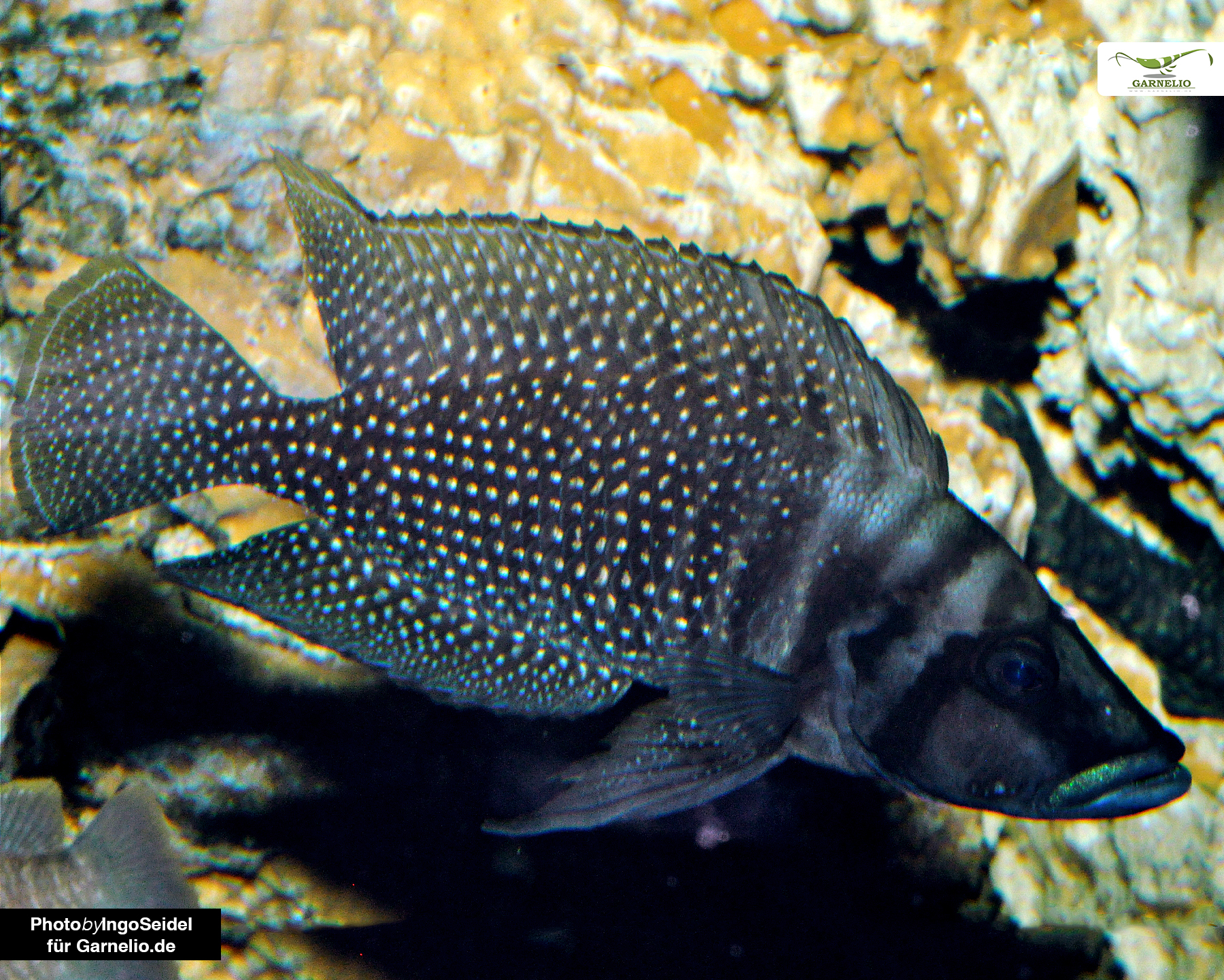
    The Altolamprologus calvus, commonly known as the Black Calvus or Guinea Fowl Cichlid, is a distinct cichlid species endemic to Lake Tanganyika in Africa. Renowned for its laterally compressed body and unique, predatory hunting behavior, it is a fascinating choice for experienced aquarists. These fish are slow-growing and demand specific environmental conditions to thrive in a captive setting.
  • Mesonauta festivus (Flag Cichlid)

    Mesonauta festivus (Flag Cichlid)

    The Flag Cichlid, Mesonauta festivus, is a popular South American cichlid known for its distinct diagonal stripe and calm demeanor. Often found in the Amazon basin, this species is highly appreciated by aquarists for its unique appearance and relatively peaceful social structure. It thrives in well-maintained planted tanks, provided they have sufficient swimming space and appropriate water conditions for their long-term health.
  • Growling Gourami (Trichopsis vittata)

    Growling Gourami (Trichopsis vittata)

    The Growling Gourami, Trichopsis vittata, is a fascinating labyrinth fish native to Southeast Asia. Known for its unique ability to produce audible croaking sounds, this small species is prized for its intricate patterns and relatively peaceful demeanor. It thrives in well-planted, calm aquarium environments, making it a popular choice for hobbyists interested in observing interesting social and vocal behaviors in a home setup.
  • Dicrossus filamentosus (Checkerboard Cichlid)

    Dicrossus filamentosus (Checkerboard Cichlid)

    The Checkerboard Cichlid, Dicrossus filamentosus, is a captivating dwarf cichlid native to the blackwater regions of the Amazon and Orinoco river basins. Renowned for its distinctive checkerboard-like body markings and elegant fin extensions, this species requires specific water conditions to thrive. It is a peaceful, albeit sensitive, fish that makes a rewarding addition for dedicated aquarists.
  • Firemouth Cichlid (Thorichthys meeki)

    Firemouth Cichlid (Thorichthys meeki)

    The Firemouth Cichlid is a popular and visually striking freshwater fish native to Central America. Known for its intense red coloration in the throat region, especially when displaying, this cichlid is a favorite among hobbyists. While generally manageable, they require appropriate tank conditions and space to thrive, reflecting their natural territorial behaviors during breeding cycles.
  • Fairy Cichlid (Neolamprologus brichardi)

    Fairy Cichlid (Neolamprologus brichardi)

    The Fairy Cichlid, Neolamprologus brichardi, is a popular and elegant species endemic to Lake Tanganyika. Known for its distinct lyre-shaped tail and complex social behavior, this cichlid is a fascinating inhabitant for dedicated aquarists. They are renowned for their unique cooperative breeding strategy, where older offspring assist their parents in protecting and raising subsequent broods within the established family territory.
  • Butterfly Cichlid (Microgeophagus ramirezi)

    Butterfly Cichlid (Microgeophagus ramirezi)

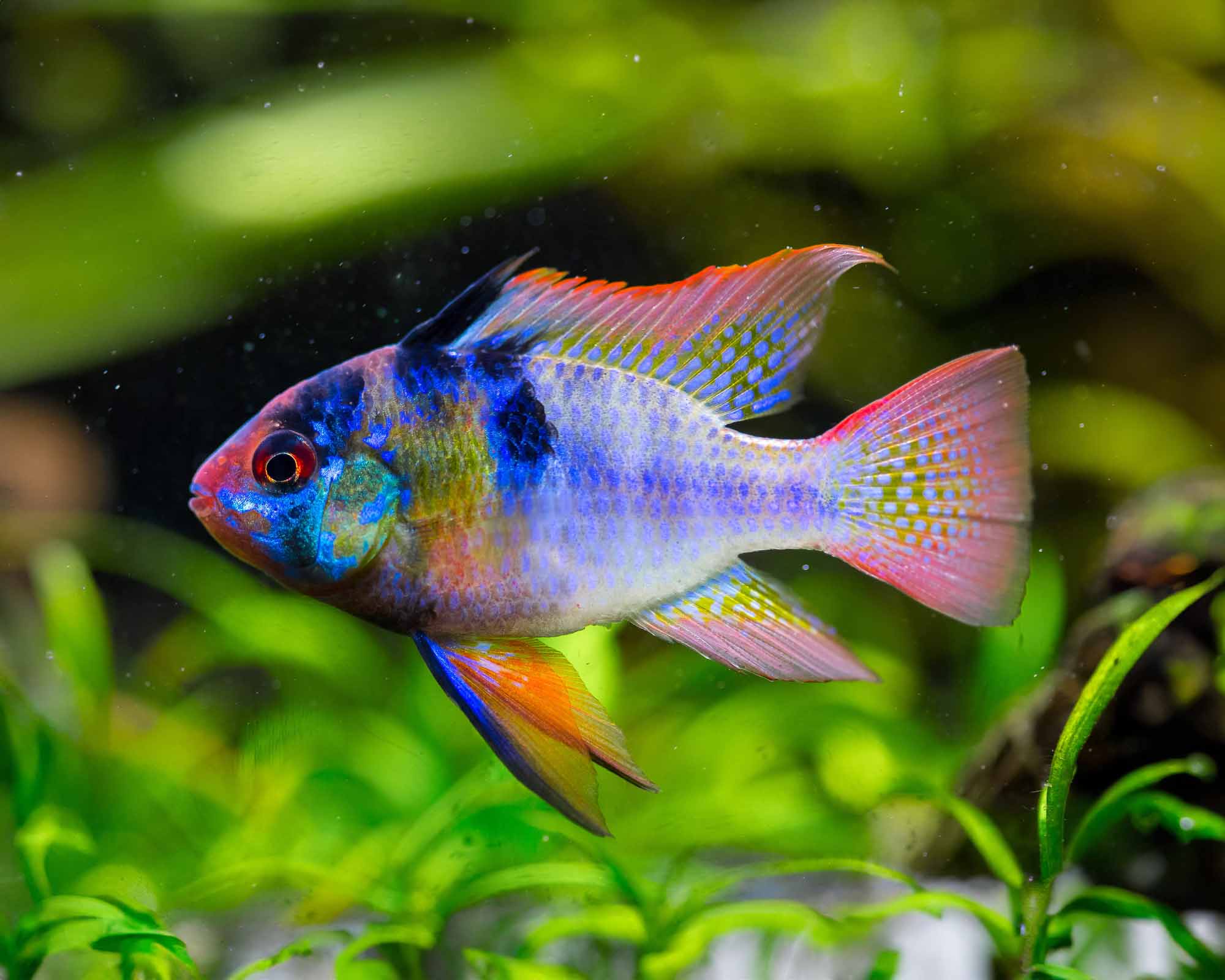
    The Butterfly Cichlid, scientifically known as Microgeophagus ramirezi, is a popular dwarf cichlid native to the Orinoco River basin in South America. These vibrant, peaceful fish are highly sought after by aquarists for their striking coloration and engaging personality. They thrive in well-maintained, planted aquariums that mimic their natural, slow-moving tropical river habitats.
  • Lemon Gold Butterfly Cichlid (Microgeophagus ramirezi)

    Lemon Gold Butterfly Cichlid (Microgeophagus ramirezi)

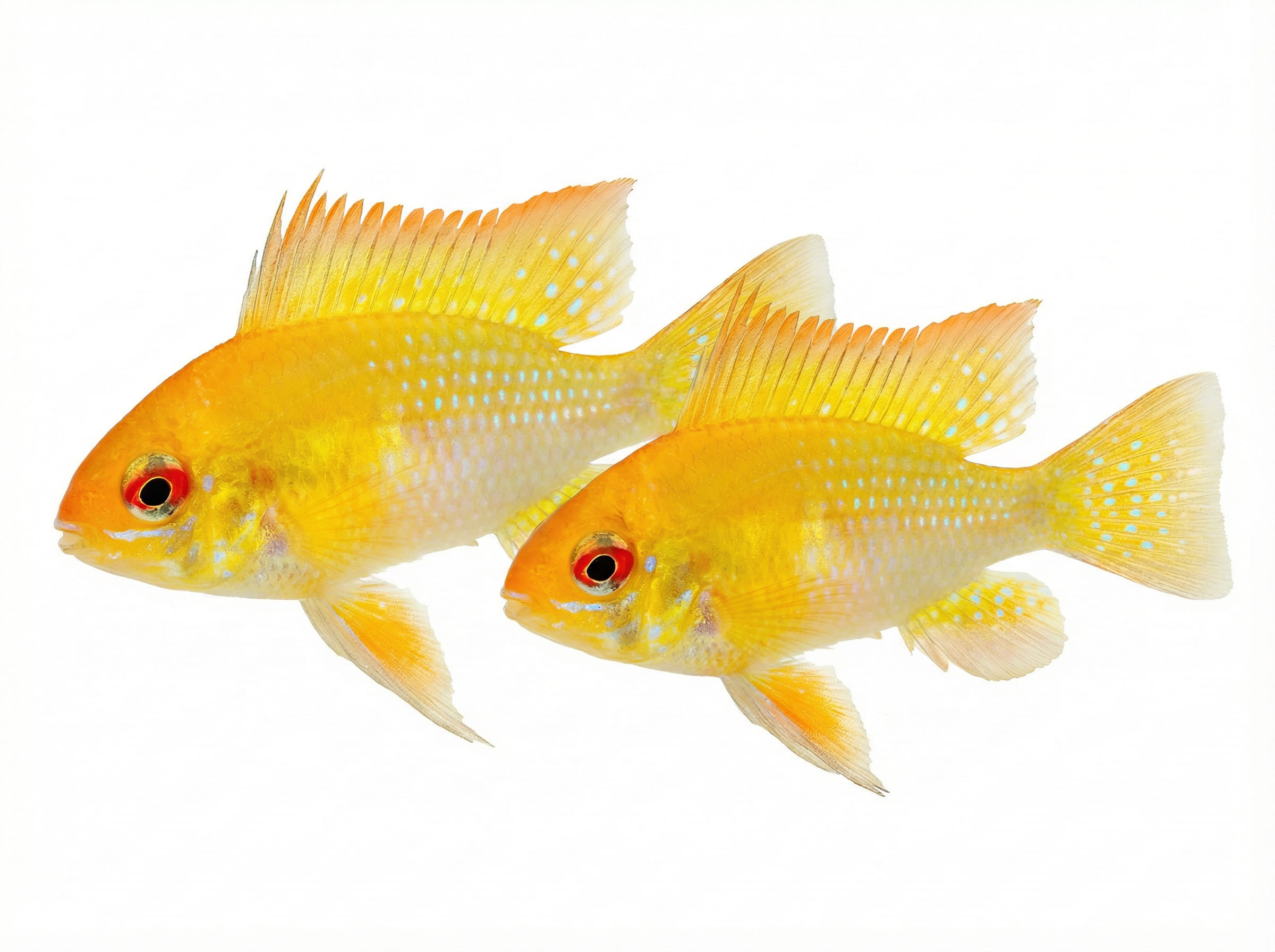
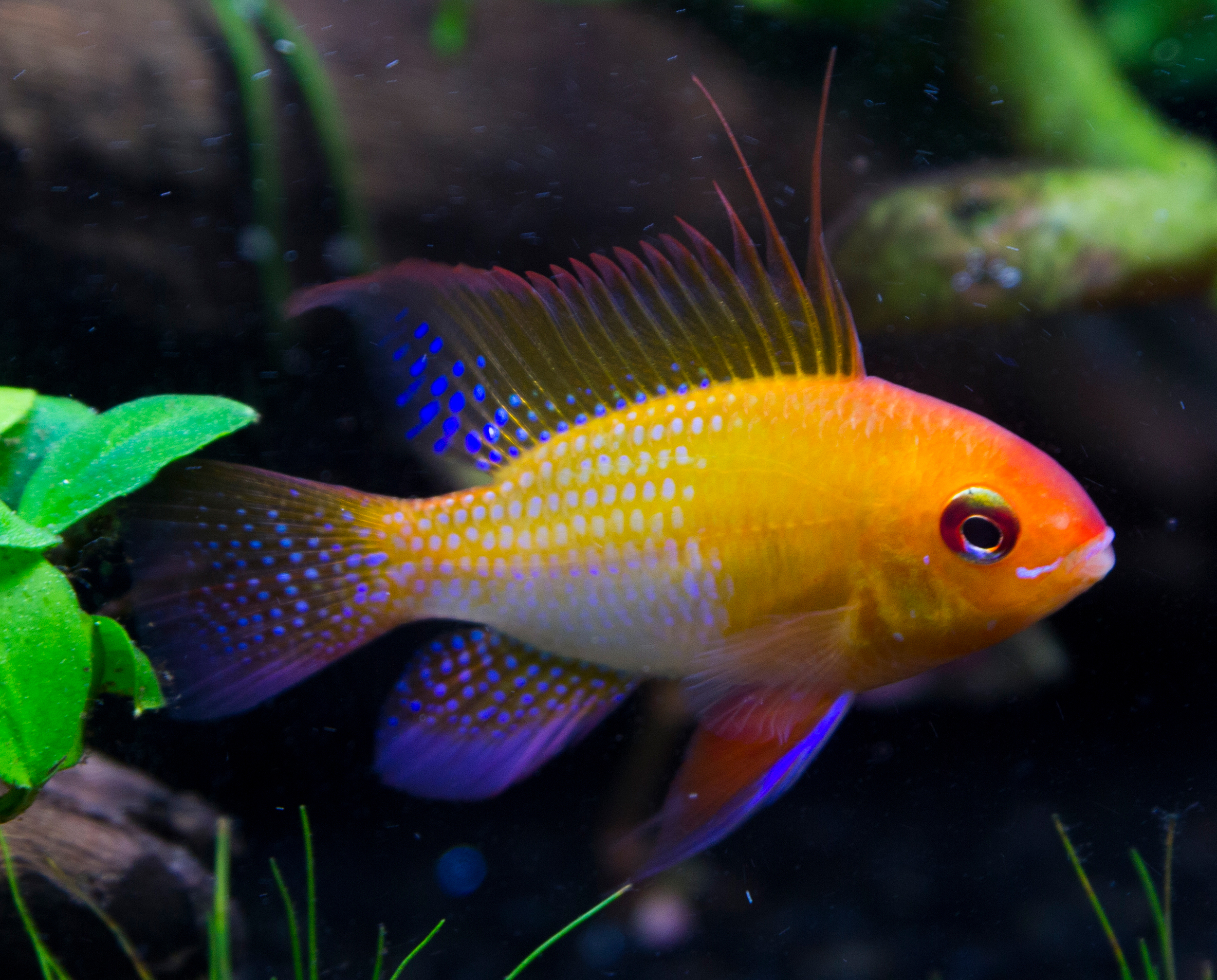
    The Lemon Gold Butterfly Cichlid is a stunning, selectively bred color variant of the popular Microgeophagus ramirezi. Known for its vibrant yellow-gold pigmentation and striking red eyes, this dwarf cichlid retains the peaceful, inquisitive personality of its wild ancestors. It is a highly sought-after aquarium inhabitant that adds a brilliant splash of color to community tanks with appropriate water conditions.
  • Microgeophagus ramirezi Gold (Butterfly Cichlid)

    Microgeophagus ramirezi Gold (Butterfly Cichlid)

    The Gold Butterfly Cichlid is a stunning, selectively bred color morph of the popular Microgeophagus ramirezi. Known for its vibrant, warm golden-yellow coloration and peaceful demeanor, this dwarf cichlid is a favorite among aquarists. Requiring stable, high-quality water conditions and a well-planted environment, it thrives in pairs and adds significant beauty to established freshwater community aquariums.
  • Electric Blue Butterfly Cichlid (Mikrogeophagus ramirezi)

    Electric Blue Butterfly Cichlid (Mikrogeophagus ramirezi)

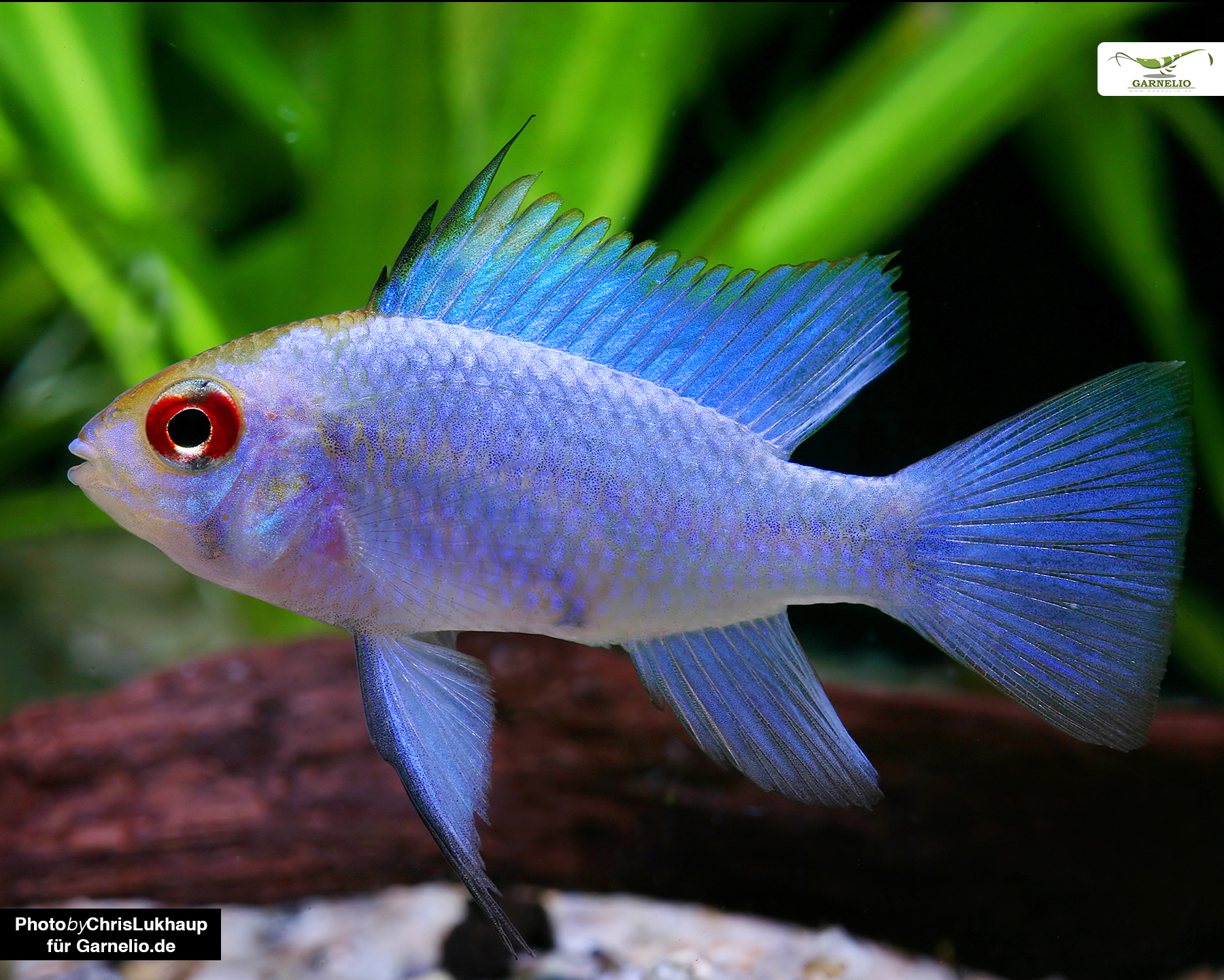
    The Electric Blue Butterfly Cichlid is a stunning, selectively bred color morph of the popular Mikrogeophagus ramirezi. Known for its intense, iridescent blue coloration covering almost the entire body, this dwarf cichlid is a centerpiece for many community tanks. While beautiful, it requires stable water conditions and careful maintenance to ensure it thrives in an aquarium environment.
  • Blue Punk Butterfly Cichlid (Microgeophagus ramirezi)

    Blue Punk Butterfly Cichlid (Microgeophagus ramirezi)

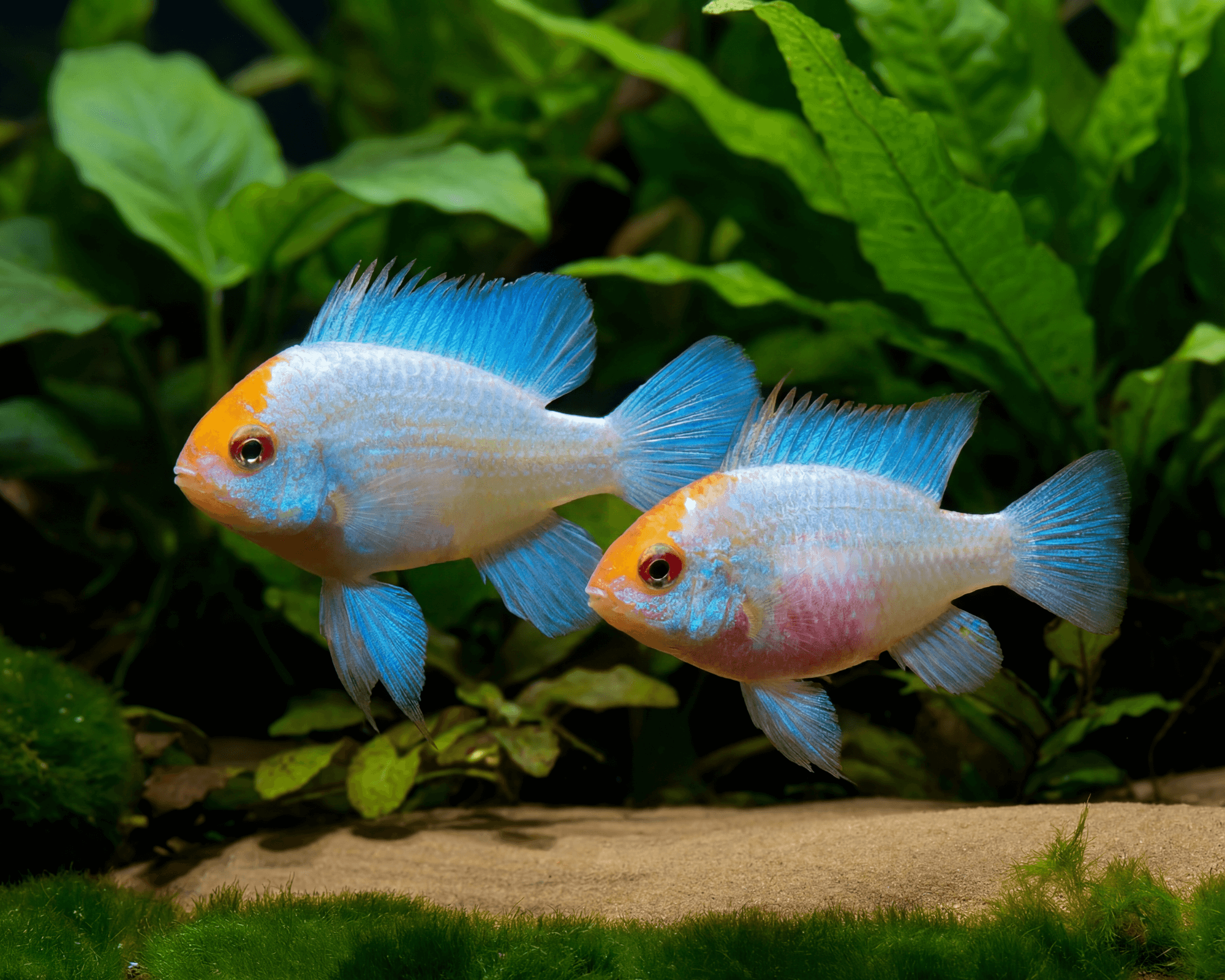
    The Blue Punk Butterfly Cichlid is a striking, selectively bred color morph of the popular Microgeophagus ramirezi. Known for its intense, metallic blue coloration and unique head patterning, this dwarf cichlid is a prized addition to planted aquariums. While beautiful, it requires stable water conditions and careful maintenance to ensure its long-term health and vibrant appearance in a home setting.
  • Neon Blue Aequidens pulcher

    Neon Blue Aequidens pulcher

    The Neon Blue Aequidens pulcher, a selectively bred variant of the common Blue Acara, is a striking South American cichlid. Known for its intense, iridescent blue coloration, this hardy fish is a popular choice for hobbyists. It exhibits classic cichlid behavior, including complex social structures and dedicated parental care, making it an engaging addition to appropriately sized community tanks.