Taxonomy and identification
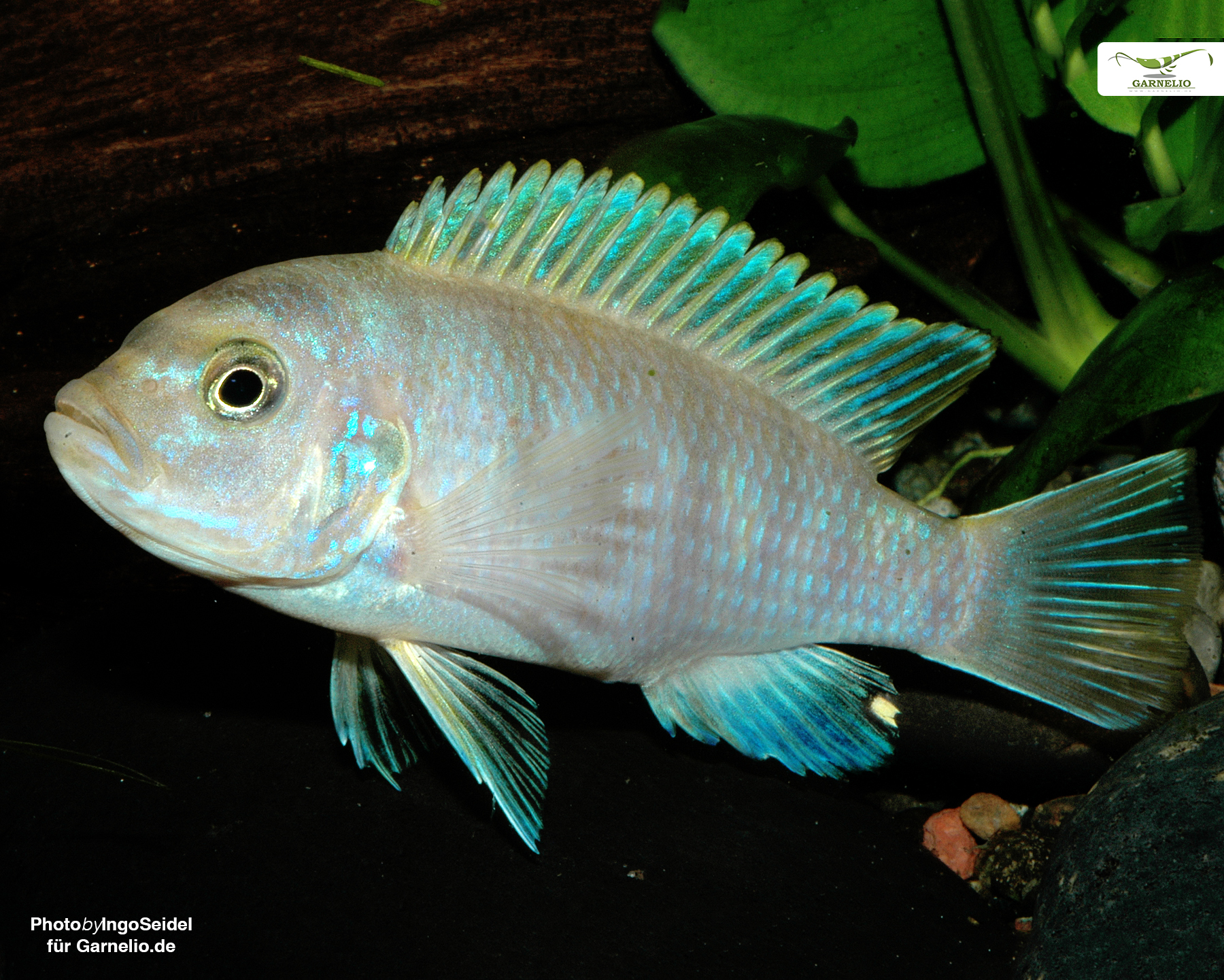
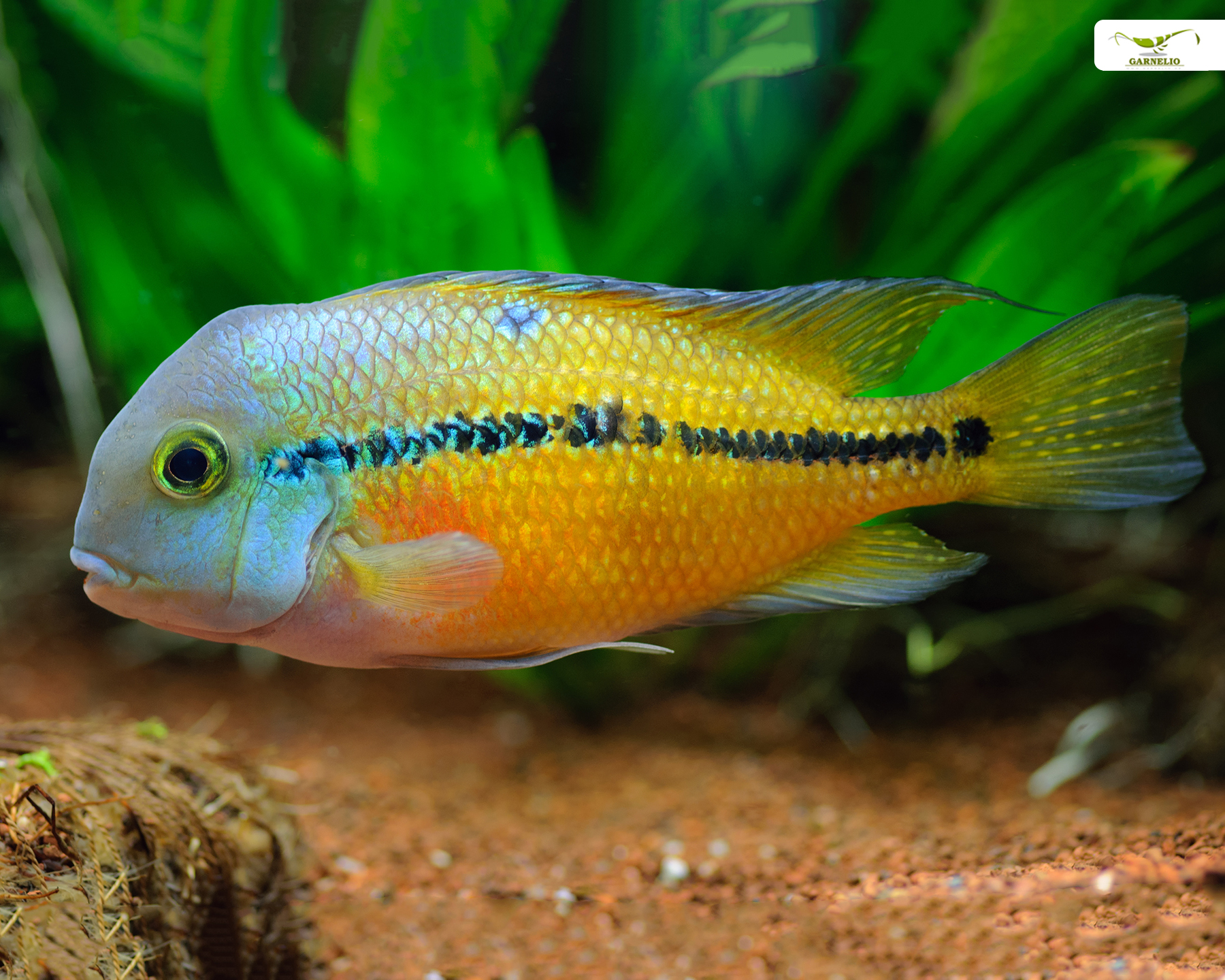
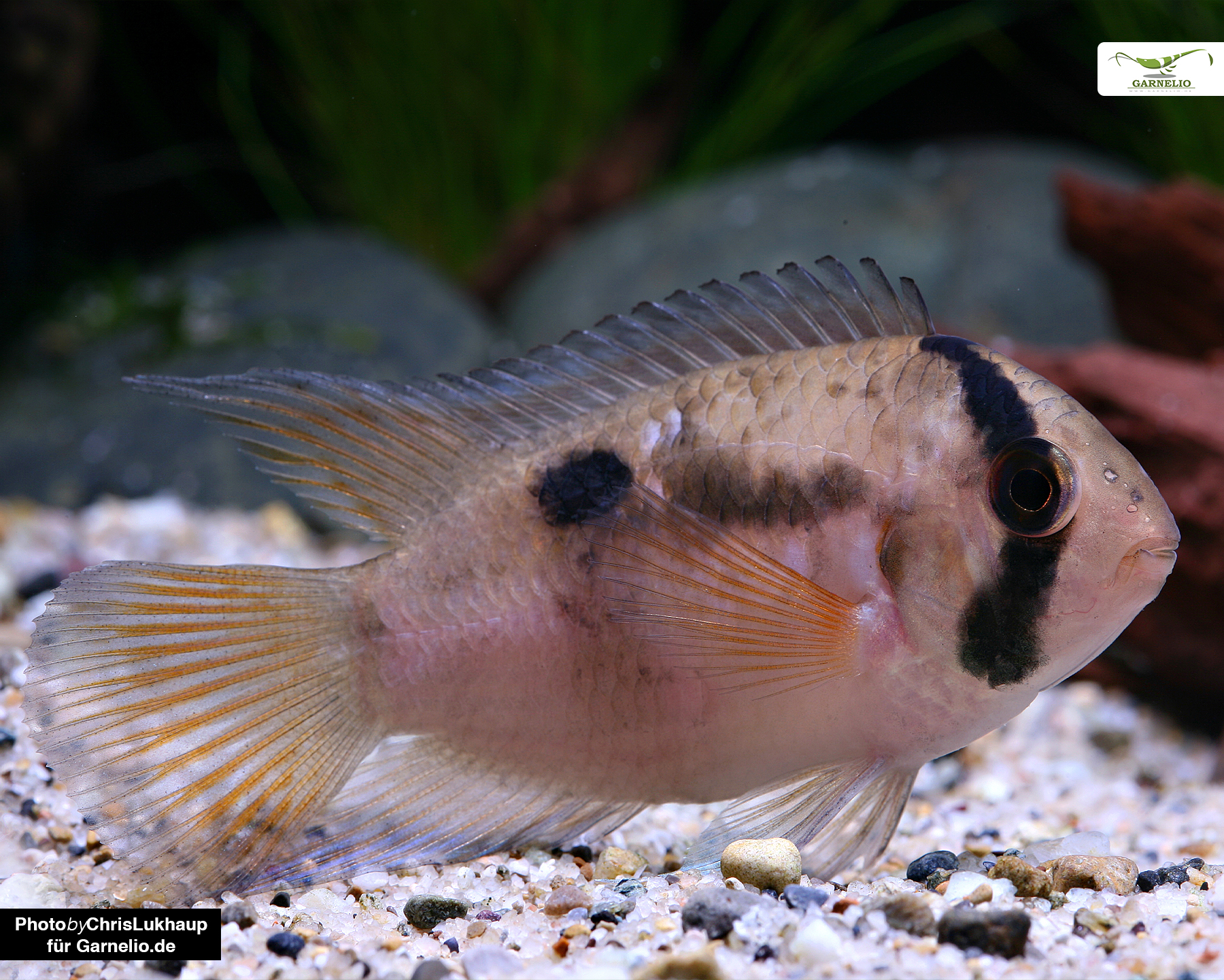
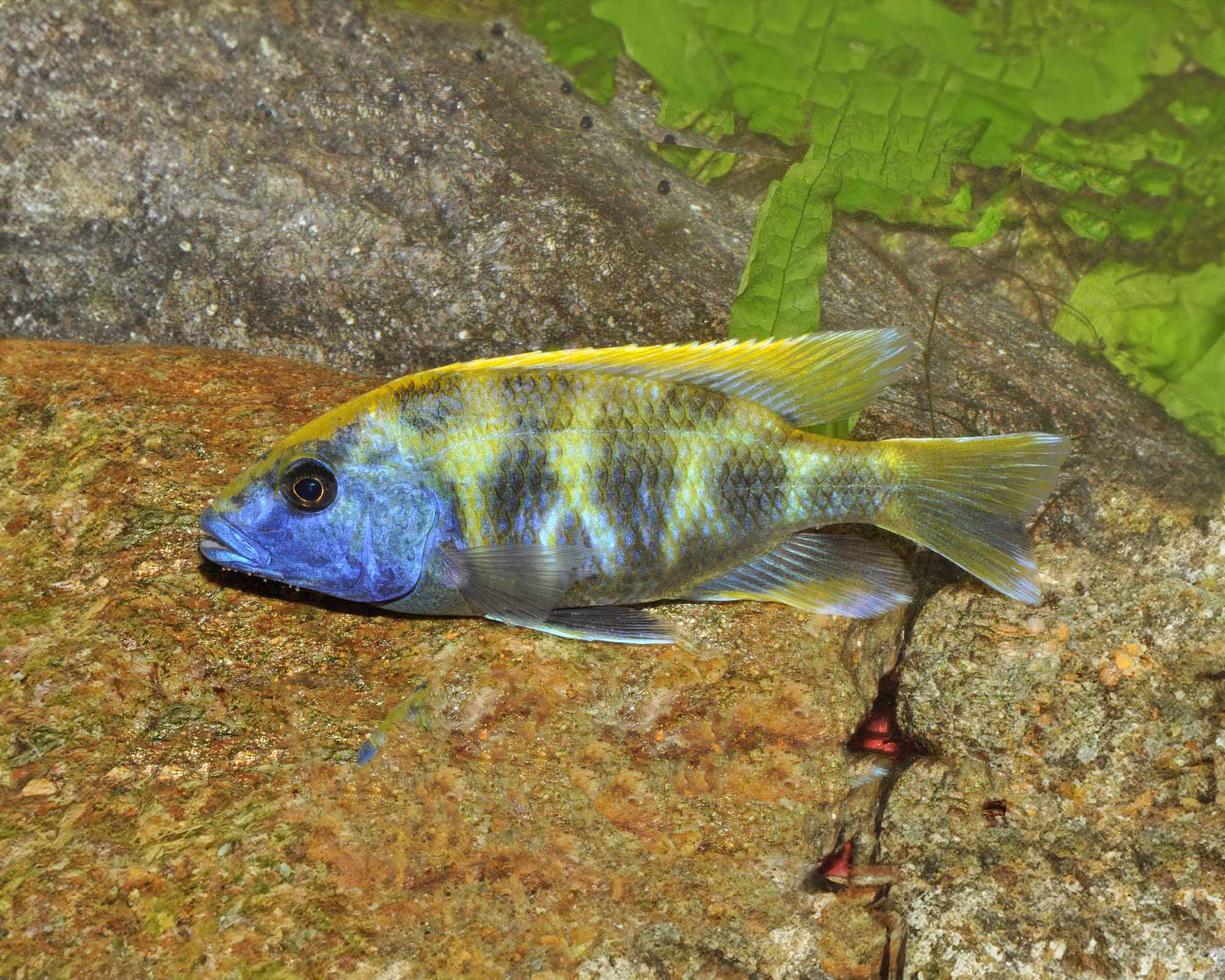
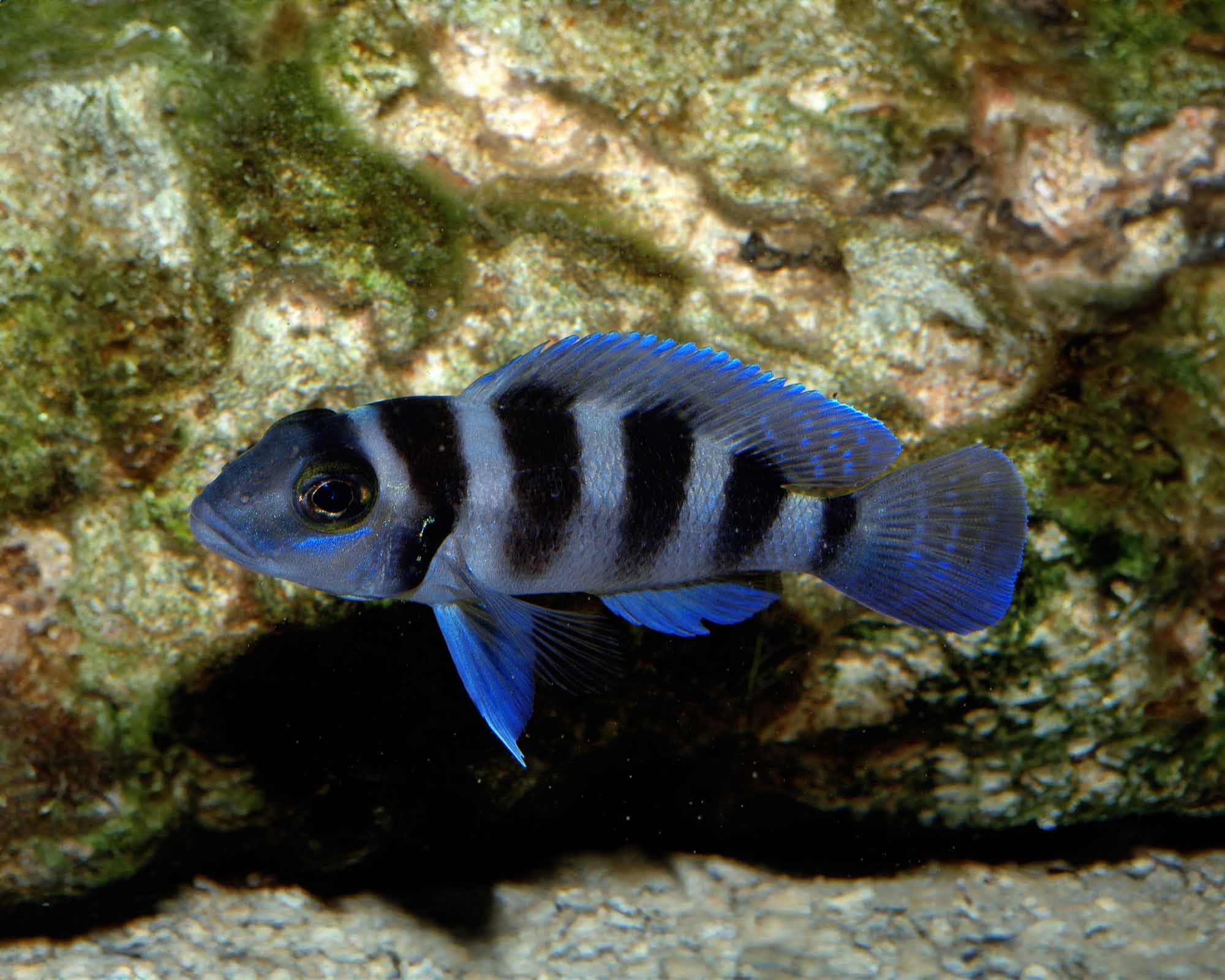
Maylandia lombardoi is the currently accepted placement commonly used for the species formerly known in aquarium literature as Pseudotropheus lombardoi. It belongs to the family Cichlidae and the mbuna group of rock-dwelling Lake Malawi cichlids. The common name Kenyi cichlid is widely used. Males and females can differ markedly in color, and coloration changes with dominance, stress and breeding condition; photographs alone cannot reliably establish sex or verify that a fish is a true pair.
Distribution and habitat
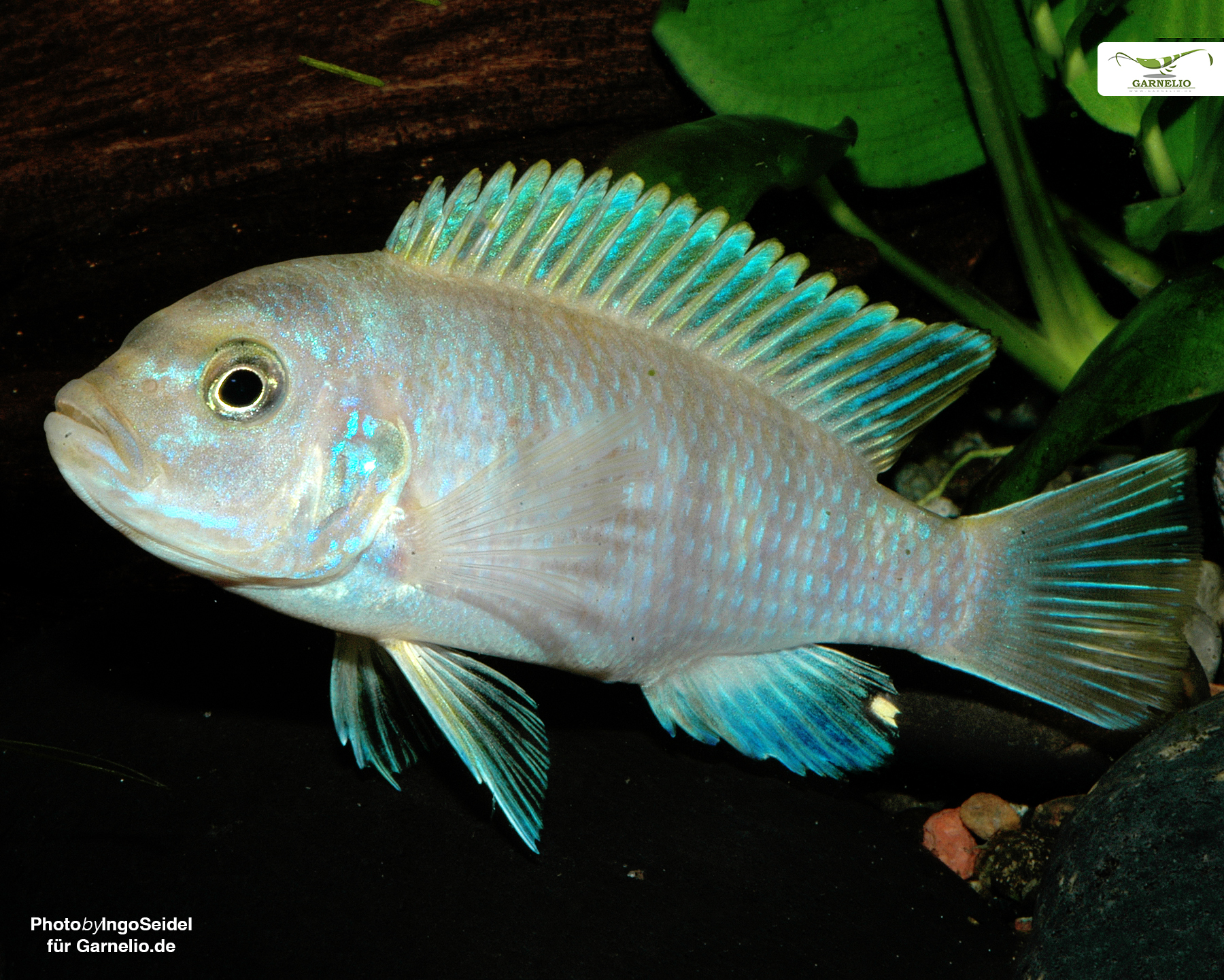
This species is native to Lake Malawi in East Africa, where it is associated with rocky littoral habitat. It forages over rock surfaces and defends feeding and spawning territories. An aquarium should reproduce the functional features of this environment: strong biological filtration, oxygenation, alkaline mineral-rich water, a sand or fine-gravel substrate and securely arranged rocks that create caves and separate sight lines.
Behavior
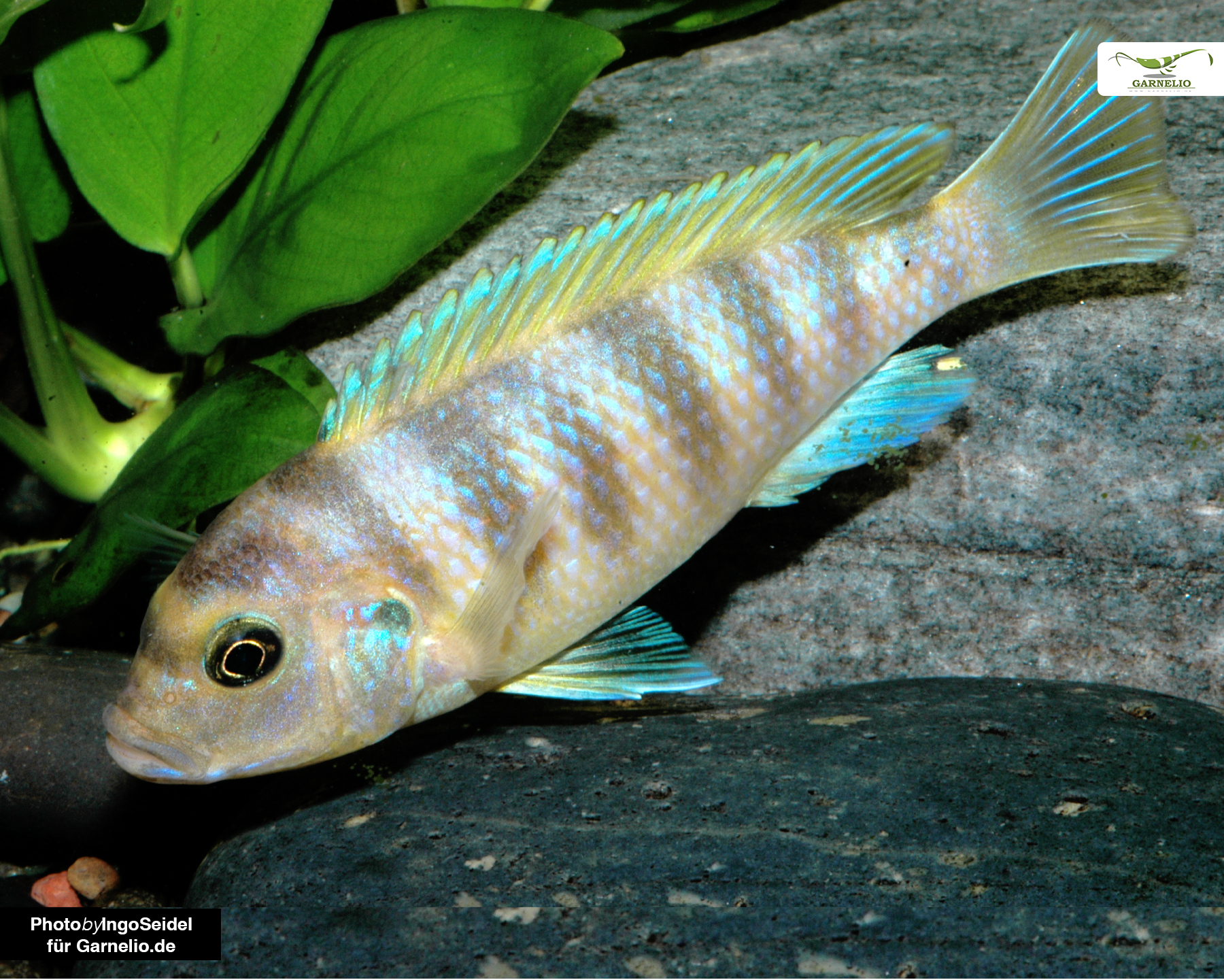
Kenyi cichlids are territorial and can be highly aggressive, especially mature males defending breeding areas. A pair may not remain compatible in a small aquarium, because the male can repeatedly pressure the female. Mbuna communities usually work best when aggression is dispersed among several compatible fish in a large, structured aquarium rather than when a single pair is kept with timid species.
Aquarium size and layout
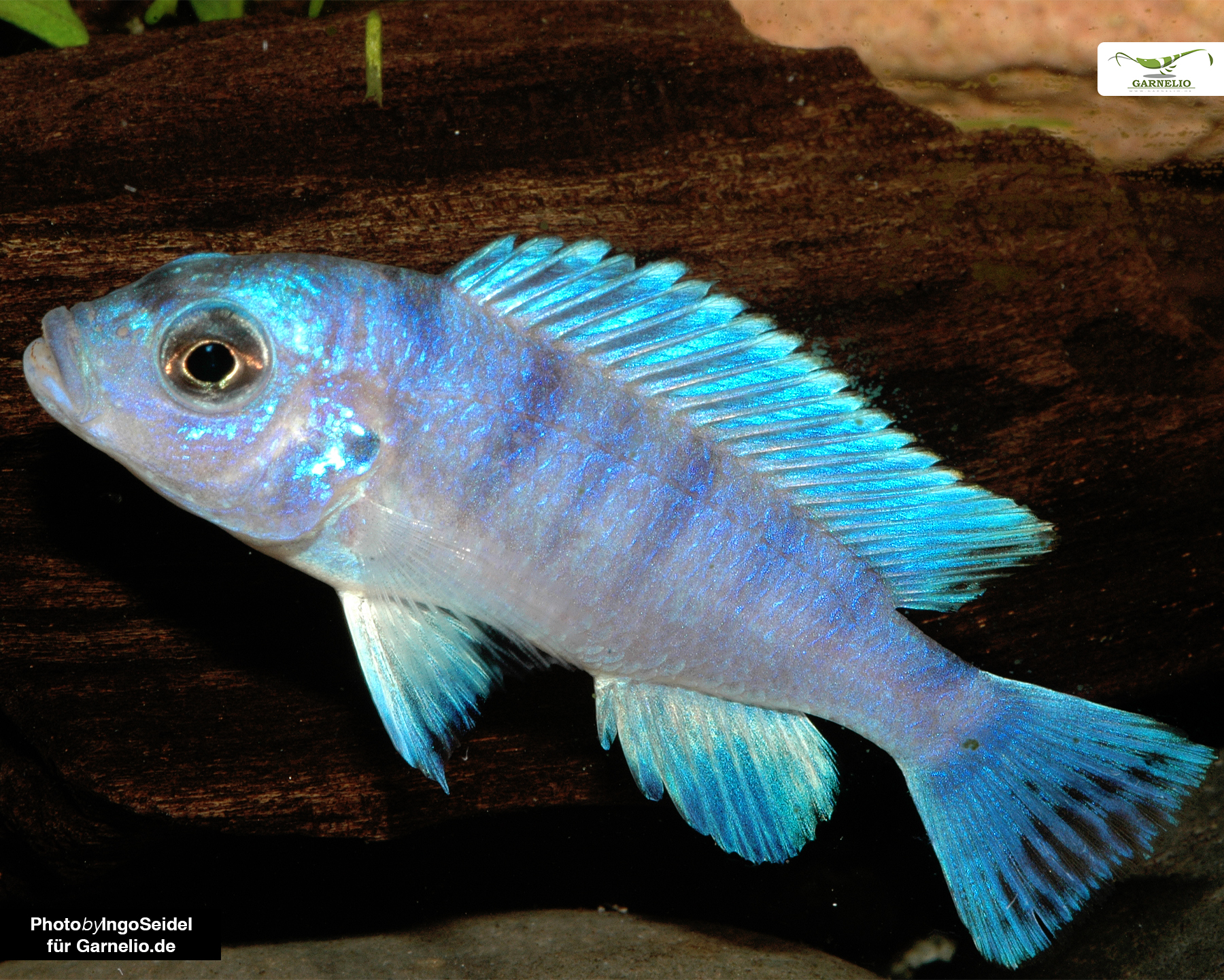
A pair should not be treated as a small-community fish. A practical minimum is about 300 litres for an adult pair, with a larger aquarium preferable for a group or mixed mbuna community. Use extensive rockwork with caves, barriers and multiple retreat areas, leaving open swimming space. Build the structure securely on the aquarium base rather than on loose substrate, and use a tight-fitting cover because cichlids may jump.
Water parameters
Maintain stable tropical conditions at 24-28 °C, pH 7.8-8.6 and moderate to high hardness. Ammonia and nitrite must remain undetectable, and nitrate should be kept low through regular partial water changes. Stability is more important than chasing an exact number. Avoid sudden changes in pH, hardness or temperature, and provide vigorous surface movement without creating excessive turbulence throughout the tank.
Diet
This is primarily a herbivorous aufwuchs grazer. Offer frequent small meals based on quality spirulina or other algae-rich flakes and pellets, supplemented with suitable vegetable matter. Feed sparingly and remove uneaten food. Rich, fatty or heavily animal-protein-based diets should not form the staple, because they are poorly suited to the digestive system of mbuna and may contribute to intestinal health problems.
Compatibility
Choose robust Lake Malawi mbuna of comparable size and temperament, while avoiding mixing closely similar-looking Maylandia or Pseudotropheus forms that may hybridize. Do not combine it with peaceful community fish, slow long-finned species or delicate bottom dwellers. Compatibility depends on aquarium footprint, rockwork, stocking strategy and individual temperament; an aggressive male may still require separation.
Breeding
Maylandia lombardoi is a maternal mouthbrooder. The female collects fertilized eggs and incubates them in her mouth, usually sheltering among rocks while holding. Provide several caves and maintain excellent water quality. A brooding female may eat little or not at all. Fry can be raised on finely crushed spirulina-based food after release, but adults and other mbuna may prey on them, so dense cover or a separate rearing aquarium improves survival. The sex and breeding readiness of the supplied fish cannot be confirmed from the images.
Leave your comments