AquaLibs presents AquaRank Discover the world’s leading aquascapers

Explore transparent rankings built from published results across the world’s leading aquascaping contests.

Channa gachua (Dwarf Snakehead)

Overview

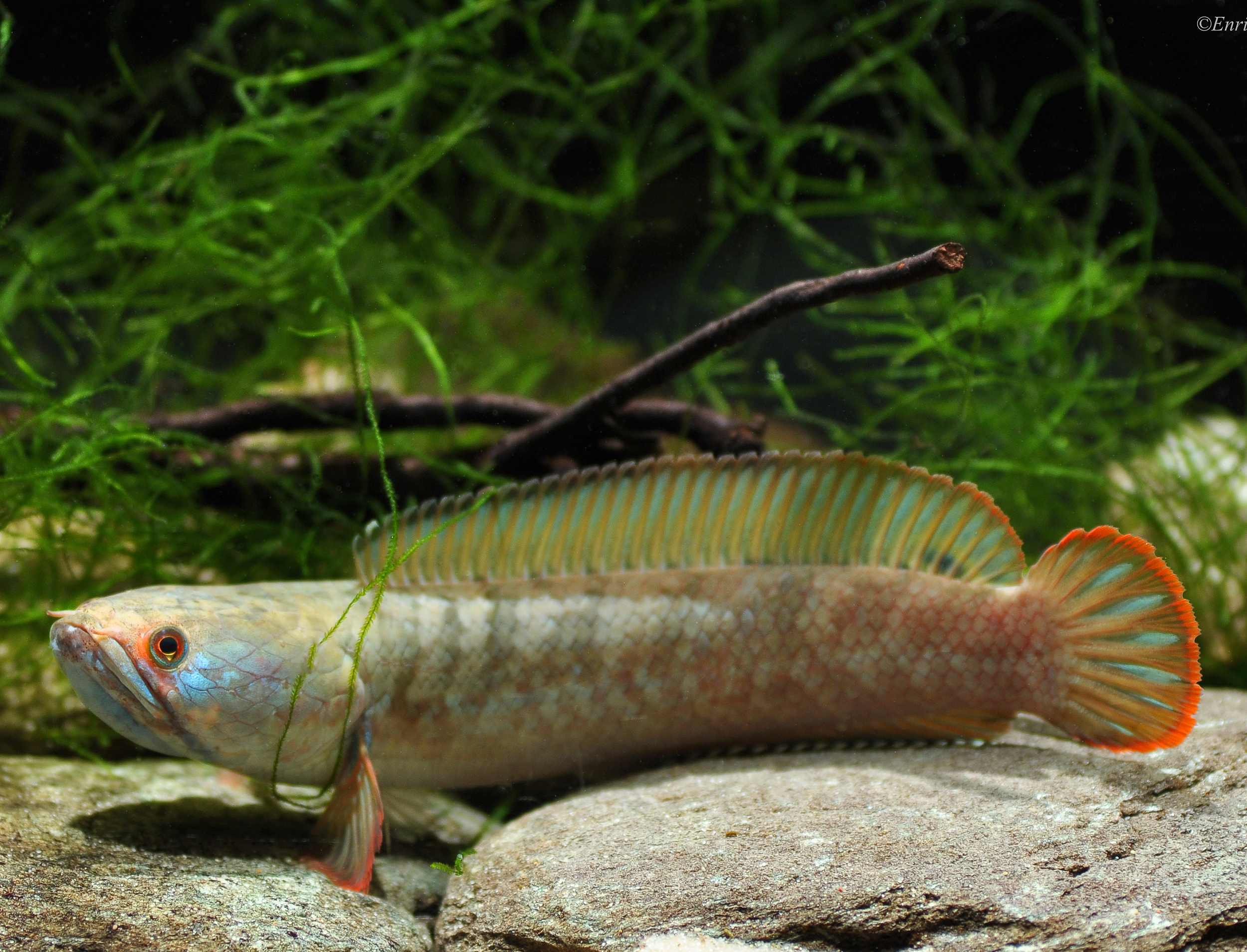
Image of dwarf snakehead channa gachua blue bengalen dnz 8 10cm

The Dwarf Snakehead (Channa gachua), particularly the 'Blue Bengalen' variant, is a stunning and intelligent predatory fish. Unlike the massive monster fishes of the Channidae family, this dwarf species stays relatively small, making it a feasible and highly rewarding pet for home aquaria. They are obligate air breathers, possessing a labyrinth organ that allows them to survive in oxygen-deprived waters.

Distribution and Habitat

This species is widely distributed across Southern Asia, with the 'Blue Bengalen' variant originating from the Bengal region. They inhabit a variety of environments, from slow-moving rivers and streams to swamps, ponds, and flooded rice paddies. These habitats are often heavily vegetated with dim lighting and fluctuating seasonal temperatures.

Description of Dwarf Snakehead

Image of dwarf snakehead channa gachua blue bengalen dnz 8 10cm

Body shape:

They possess an elongated, cylindrical, and torpedo-like body built for sudden bursts of speed when ambushing prey.

Color:

The body features a tan to brown base with darker chevron-like banding. The 'Blue Bengalen' variant is prized for the brilliant turquoise to blue iridescence on its cheeks and flanks, beautifully contrasted by bright red or orange margins on the fins.

Barbels:

This species does not possess barbels.

Snout:

The snout is relatively short and blunt, giving the face its characteristic snake-like appearance.

Eyes:

The eyes are positioned forward and slightly upward on the head, perfectly adapted for spotting prey near the water's surface.

Fins:

They feature long, continuous dorsal and anal fins that run along the majority of the body. The pectoral fins often display distinct, attractive concentric banding.

The Tail:

The caudal fin is rounded and paddle-like, heavily marked with blueish-green webbing and edged in a striking red or orange border.

Temper

While considered one of the more peaceful snakeheads, they are still predatory and territorial. They will readily consume any tank mate small enough to fit in their mouths and can exhibit conspecific aggression if not properly paired.

Sociality

They are best kept in a species-only tank, ideally as a single specimen or a bonded pair. Keeping them with other fish is risky, though robust, fast-moving, and similarly sized bottom-dwellers or mid-water fish are sometimes ignored.

Activity

Dwarf Snakeheads are diurnal but spend a significant amount of time resting on the substrate, perched on driftwood, or hiding among plants. When food is introduced, they become highly active and alert.

Keeping and Caring for Dwarf Snakehead

Because they are capable of breathing atmospheric air and are notorious jumpers, a completely secure and tight-fitting aquarium lid is absolutely mandatory. Any gaps must be sealed.

Tank size:

A minimum of 80 to 100 liters (20-30 gallons) is required for a single adult or a bonded pair. A larger footprint is always preferred over depth.

Water Parameters:

They are highly adaptable but thrive in clean, stable water conditions that mimic their natural seasonal environments.

Temperature

18-25°C. They benefit greatly from a seasonal temperature drop in the winter (around 18-20°C) to rest and prepare for breeding.

pH

6.0-7.5 is ideal, though they can tolerate slightly outside this range if acclimated properly.

Hardness

5-15 dGH.

Ammonia, Nitrite, Nitrate

Ammonia and Nitrite must always be 0 ppm. Keep Nitrates below 20 ppm through regular water changes.

Lighting

Dim to moderate lighting is preferred. Floating plants are highly recommended to diffuse the light and provide a sense of security.

Water flow

Low to moderate. They prefer sluggish waters and will struggle in high-flow environments.

Decorations and Plants

Provide plenty of hiding spots using driftwood, PVC pipes, or rock caves. Dense planting, including both rooted and floating plants, along with leaf litter (like Indian Almond leaves), will replicate their natural habitat perfectly.

Diet

They are obligate carnivores. In the aquarium, they should be fed a varied diet of meaty foods such as earthworms, crickets, mealworms, frozen bloodworms, and high-quality carnivore pellets. Feeder fish should be avoided unless quarantined properly to prevent disease.

Some Feeding Tips

Do not overfeed. Snakeheads have a slow metabolism, especially in cooler temperatures. Feeding adults 2 to 3 times a week is usually sufficient to maintain optimal health and prevent obesity.

Breeding

Channa gachua is a paternal mouthbrooder. Breeding usually occurs after a cooler winter resting period followed by a slight temperature increase and large water changes. The male will gather the fertilized eggs into his mouth and incubate them for several days. Once the fry are released, both parents fiercely guard them, with the female often producing unfertilized trophic eggs to feed the growing fry.

Conclusion

The Dwarf Snakehead 'Blue Bengalen' is a visually stunning and behaviorally complex fish that makes a phenomenal pet for the dedicated aquarist. With proper care, a secure lid, and a well-structured habitat, they will provide years of interactive and fascinating aquatic keeping.
Fish info

  • Care level: Moderate
  • Temperament: Semi-aggressive
  • Adult size: 15-20 cm
  • Life expectancy: 8-10 years
  • Fish type: Snakehead
  • Temperature : 18-25°C
  • pH: 6.0-7.5
  • Color Form: Blue, Brown, Red, Tan
Leave your comments
Latest on Fishs
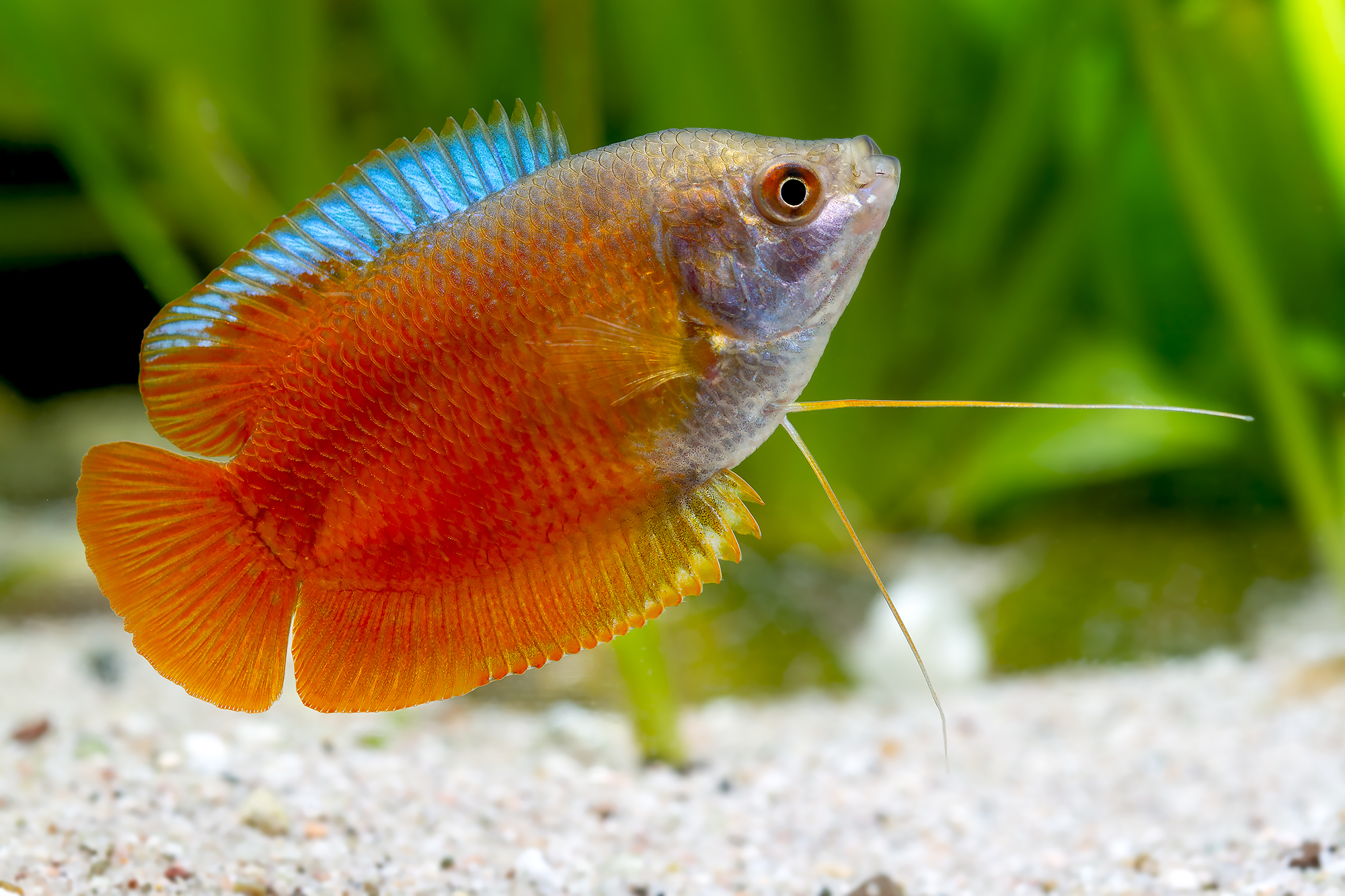
  • Dwarf Gourami Red (Trichogaster lalius)

    Dwarf Gourami Red (Trichogaster lalius)

    Easy - Moderate
    Asian labyrinth fish
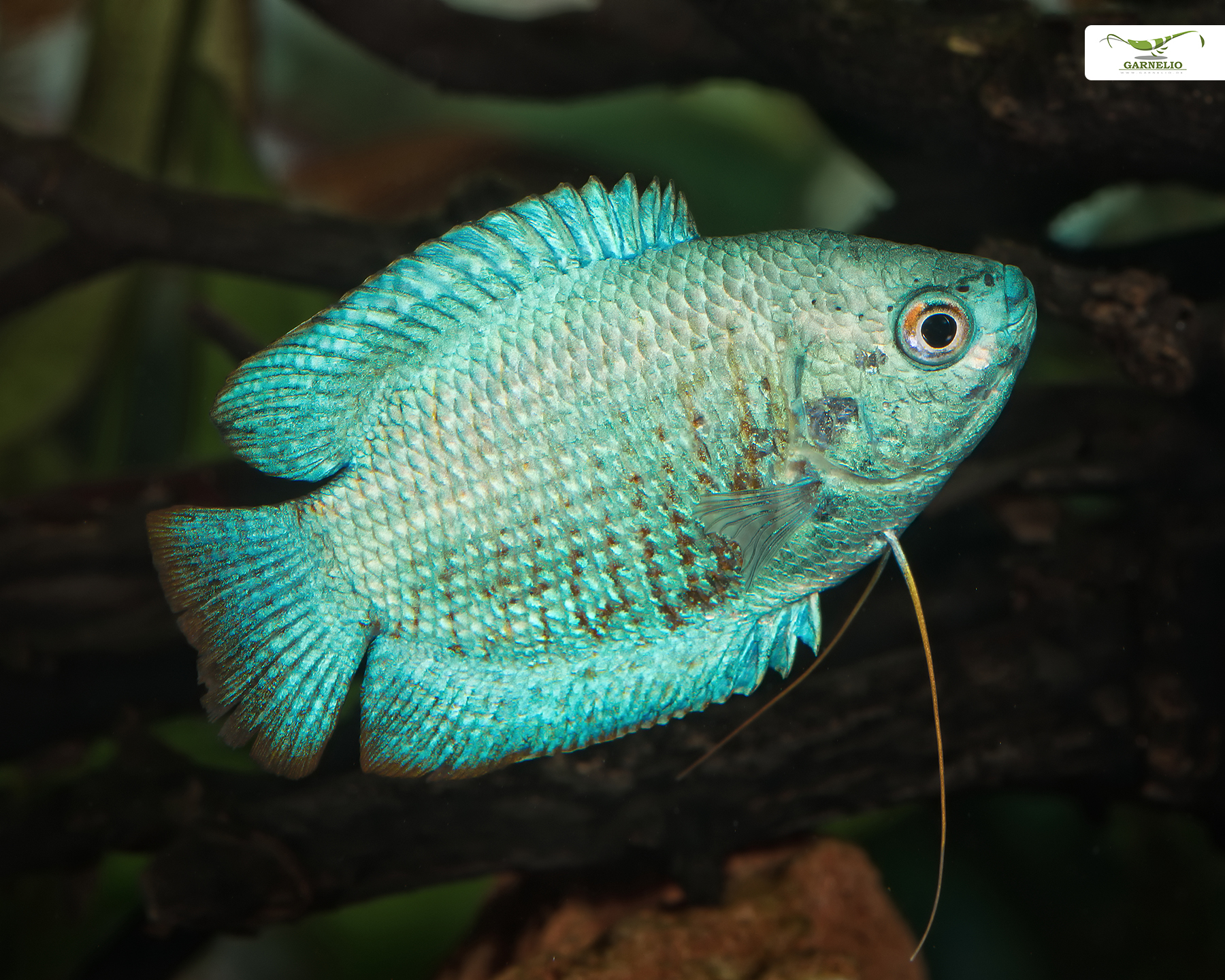
    The red dwarf gourami is a selectively bred color form of the dwarf gourami, a small labyrinth fish formerly widely known as Colisa lalia. It is suited to mature, planted community aquariums with gentle water movement and calm tank mates. Males can be territorial, especially when kept with females in confined conditions, so cover, visual barriers, and careful observation are important for a pair.
  • Cockatoo Cichlid Red (Apistogramma cacatuoides)

    Cockatoo Cichlid Red (Apistogramma cacatuoides)

    Moderate
    South American dwarf cichlid
    The Cockatoo Cichlid is a small South American dwarf cichlid valued for its personality, breeding behavior and colorful finnage. Apistogramma cacatuoides is generally adaptable when provided with clean, stable water, cover and a soft substrate. Males are larger and more vividly marked than females, while pairs become territorial around spawning sites. The supplied “red” designation most likely refers to a selectively bred color form; exact strain and sex confirmation cannot be established from the listing alone.
  • Discus (Symphysodon aequifasciatus) Care Guide

    Discus (Symphysodon aequifasciatus) Care Guide

    Difficult
    South American freshwater cichlid
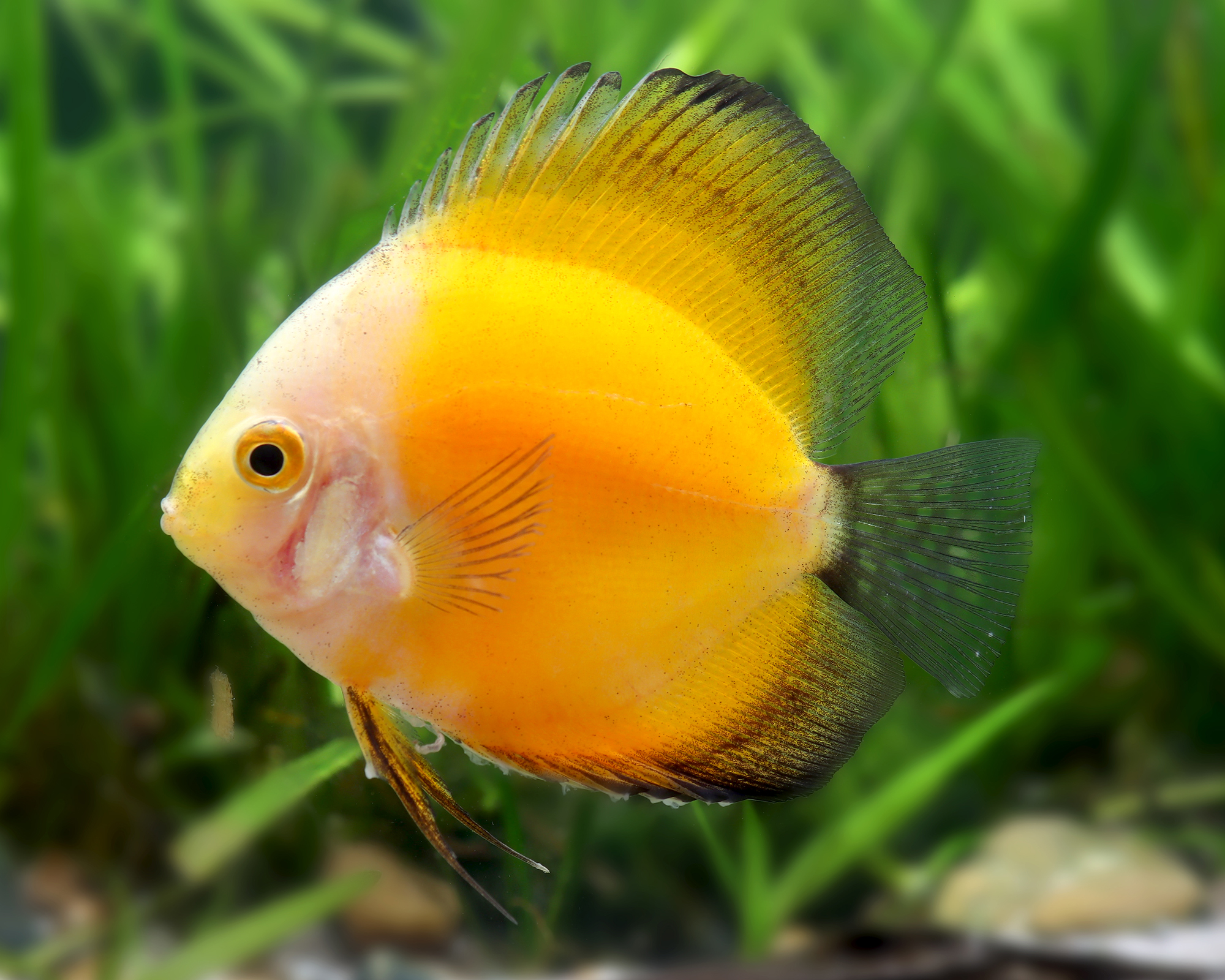
    Symphysodon aequifasciatus is a large, laterally compressed cichlid from the Amazon Basin, valued for its calm behavior and striking disc-shaped body. It requires warm, clean, stable water and careful feeding, making it better suited to experienced aquarists. The supplied images show yellow, orange, red, white and dark color forms; cultivated strains can vary considerably, so exact variety identification from images alone is uncertain. Discus are social fish and generally thrive in groups rather than as isolated specimens.
  • Cape Lopez Killifish (Aphyosemion australe)

    Cape Lopez Killifish (Aphyosemion australe)

    Moderate
    West African non-annual killifish
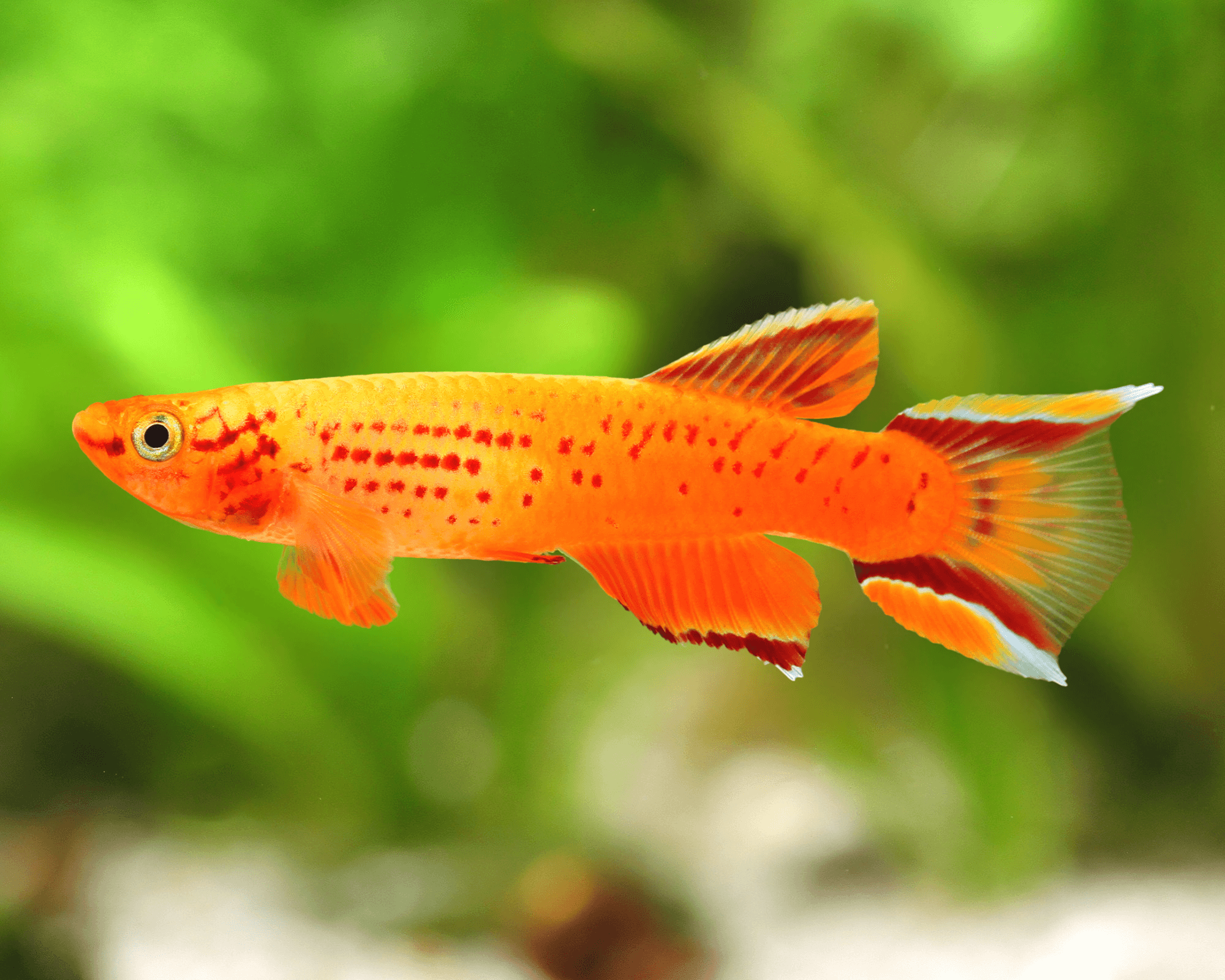
    The Cape Lopez killifish is a small, peaceful West African freshwater fish prized for its patterned body, flowing fins and manageable size. It inhabits slow-moving and temporary waters around coastal Gabon, including the Cape Lopez region. The supplied trade description identifies a pair as “Cape Lopez splendid carpets,” but this wording may describe a commercial strain rather than a formally recognized taxon. The image appears to show an orange form, so exact strain identification should be confirmed with the breeder or supplier.
  • Burton’s Mouthbrooder (Astatotilapia burtoni)

    Burton’s Mouthbrooder (Astatotilapia burtoni)

    Moderate
    East African haplochromine cichlid
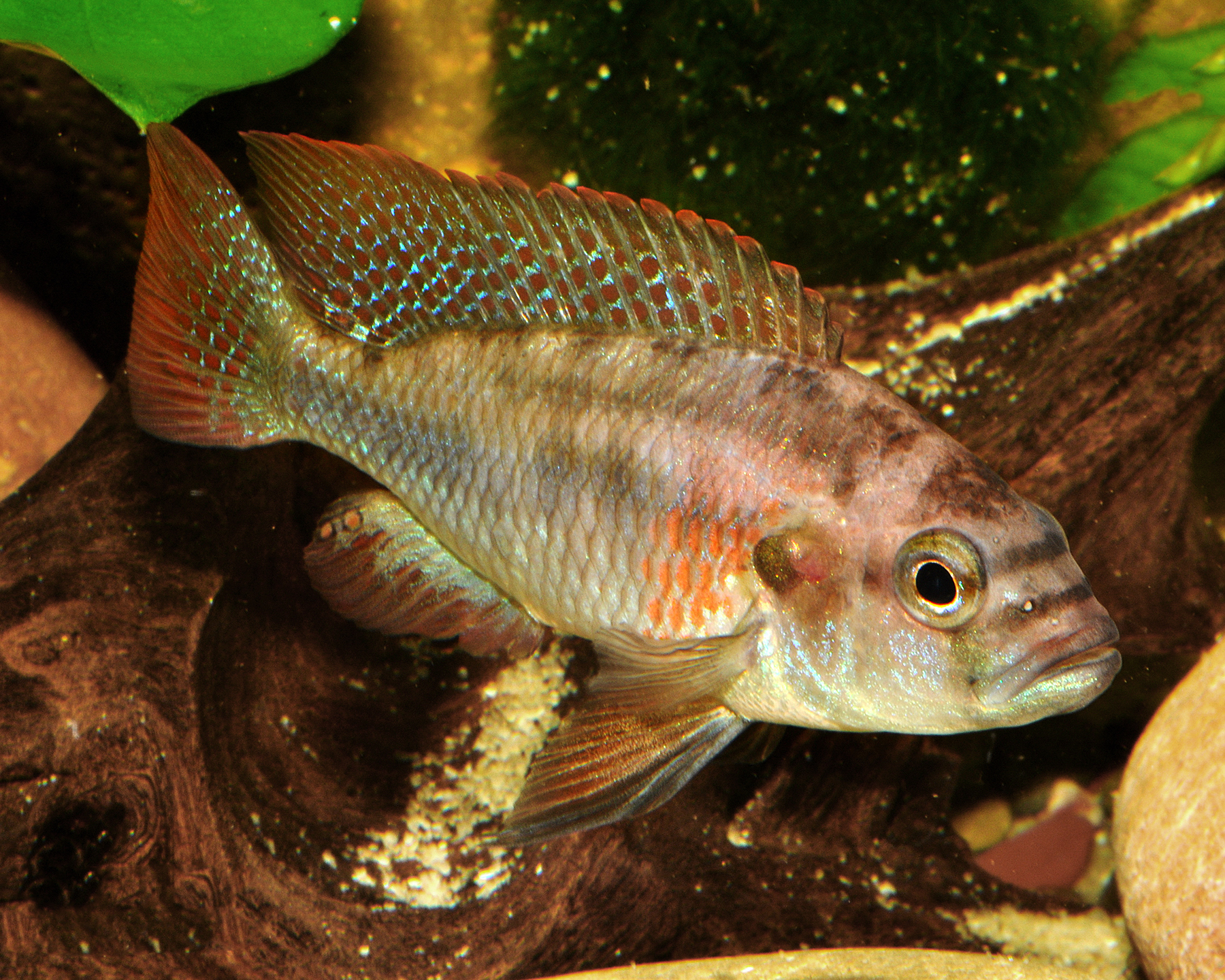
    Burton’s mouthbrooder, Astatotilapia burtoni, is a moderately aggressive East African haplochromine cichlid known for strong social hierarchies and maternal mouthbrooding. Males become more vividly patterned and defend territories, while females are generally less colorful and carry eggs and fry in the mouth. A pair requires a spacious, well-filtered aquarium with rocky cover, alkaline water and carefully selected tank mates. The supplied identification is consistent with Astatotilapia burtoni, although sex and locality form cannot be confirmed from the photographs alone.
  • Cyrtocara moorii (Blue Dolphin Cichlid) Care Guide

    Cyrtocara moorii (Blue Dolphin Cichlid) Care Guide

    Moderate
    Lake Malawi haplochromine cichlid
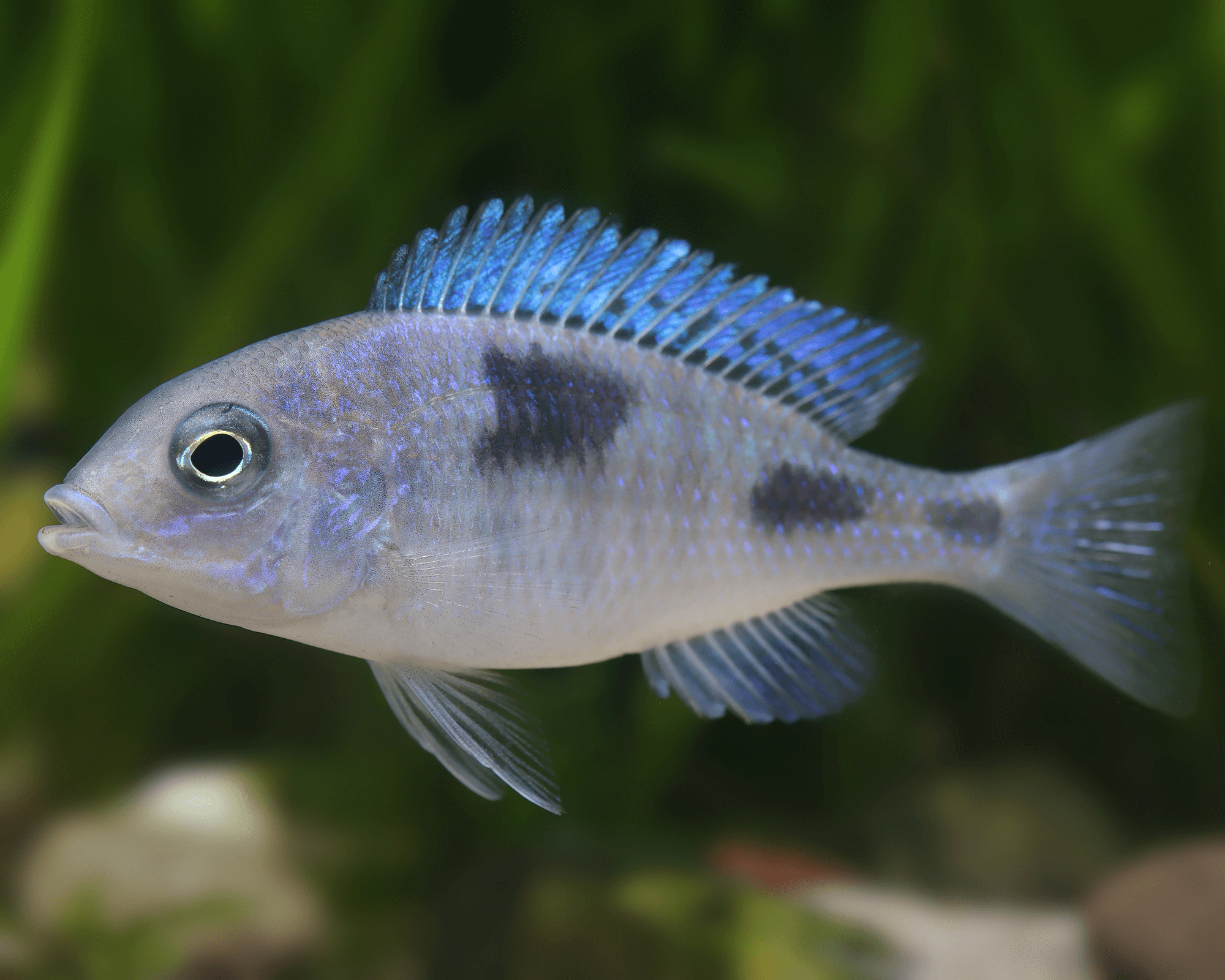
    Cyrtocara moorii is a large, distinctive haplochromine cichlid from Lake Malawi, recognised for its blue adult coloration and rounded forehead, which becomes more pronounced with age. It is a maternal mouthbrooder and is generally less aggressive than many Malawi mbuna, but its size and territorial breeding behaviour require a spacious aquarium. The supplied images appear consistent with blue C. moorii, although photographs cannot confirm sex, locality, or whether the fish form a true bonded pair.
  • Blue Dwarf Gourami Pair (Trichogaster lalius)

    Blue Dwarf Gourami Pair (Trichogaster lalius)

    Easy - Moderate
    Peaceful labyrinth fish
    The blue dwarf gourami is a selectively colored form of a small labyrinth fish native to the Indian subcontinent. It spends much of its time in the upper and middle aquarium, using its specialized labyrinth organ to breathe atmospheric air. Males can become territorial, especially when nesting, so a planted aquarium with calm tank mates, gentle flow, and surface cover is important. The supplied name uses Trichopodus lalius; Trichogaster lalius is the commonly used current combination.
  • Blue Acara (Aequidens pulcher)

    Blue Acara (Aequidens pulcher)

    Moderate
    South American freshwater cichlid
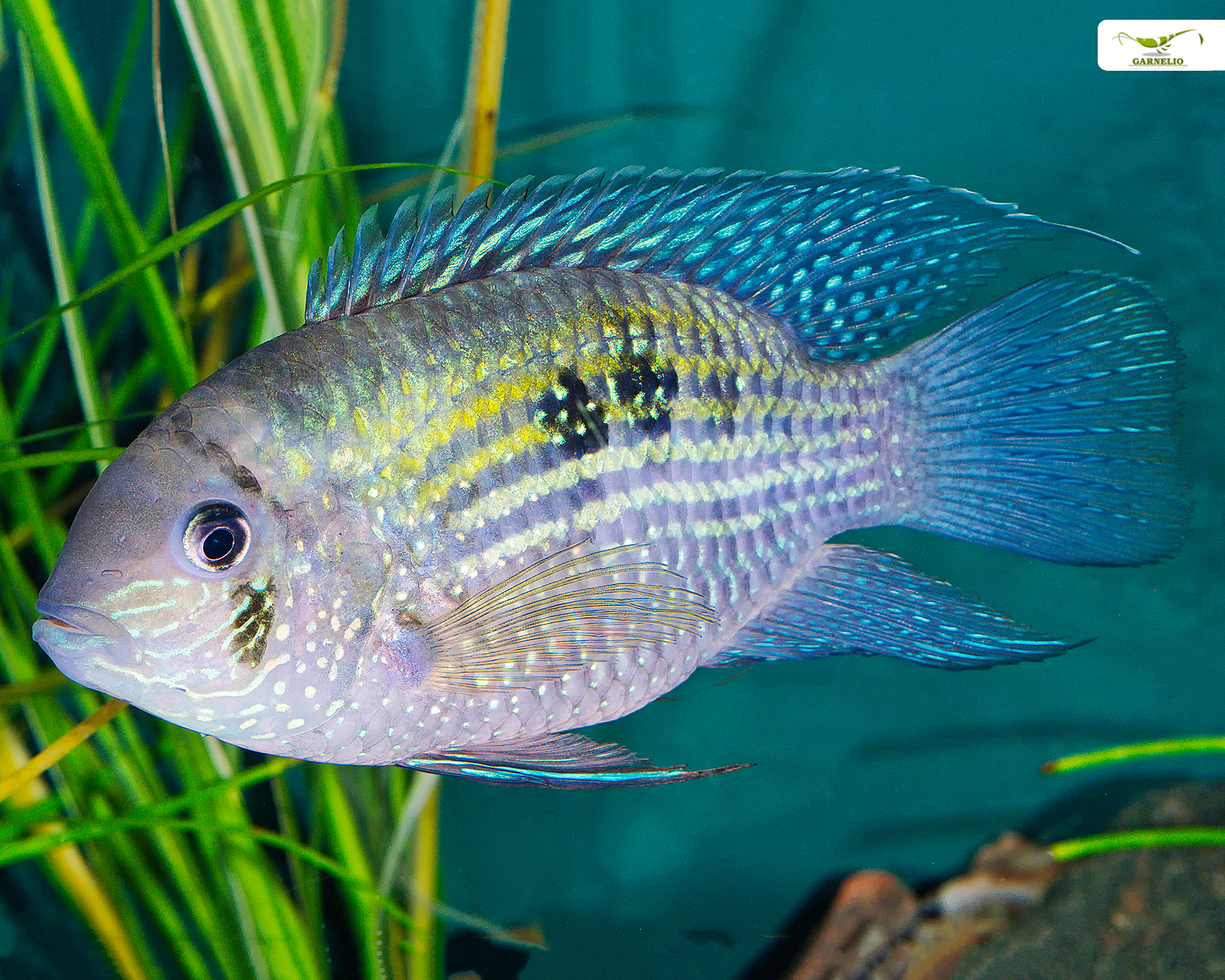
    The supplied label identifies these fish as Blue Acara, Aequidens pulcher, a South American freshwater cichlid often placed in the genus Andinoacara in current aquarium literature. The photograph is consistent with a blue acara, although a definitive identification cannot be confirmed from one image alone. This pair requires a spacious aquarium, stable water quality, hiding places and careful observation during breeding, when territorial behavior becomes stronger.
  • Julidochromis transcriptus: Black-and-White Slender Cichlid

    Julidochromis transcriptus: Black-and-White Slender Cichlid

    Moderate
    Lake Tanganyika rock-dwelling cichlid
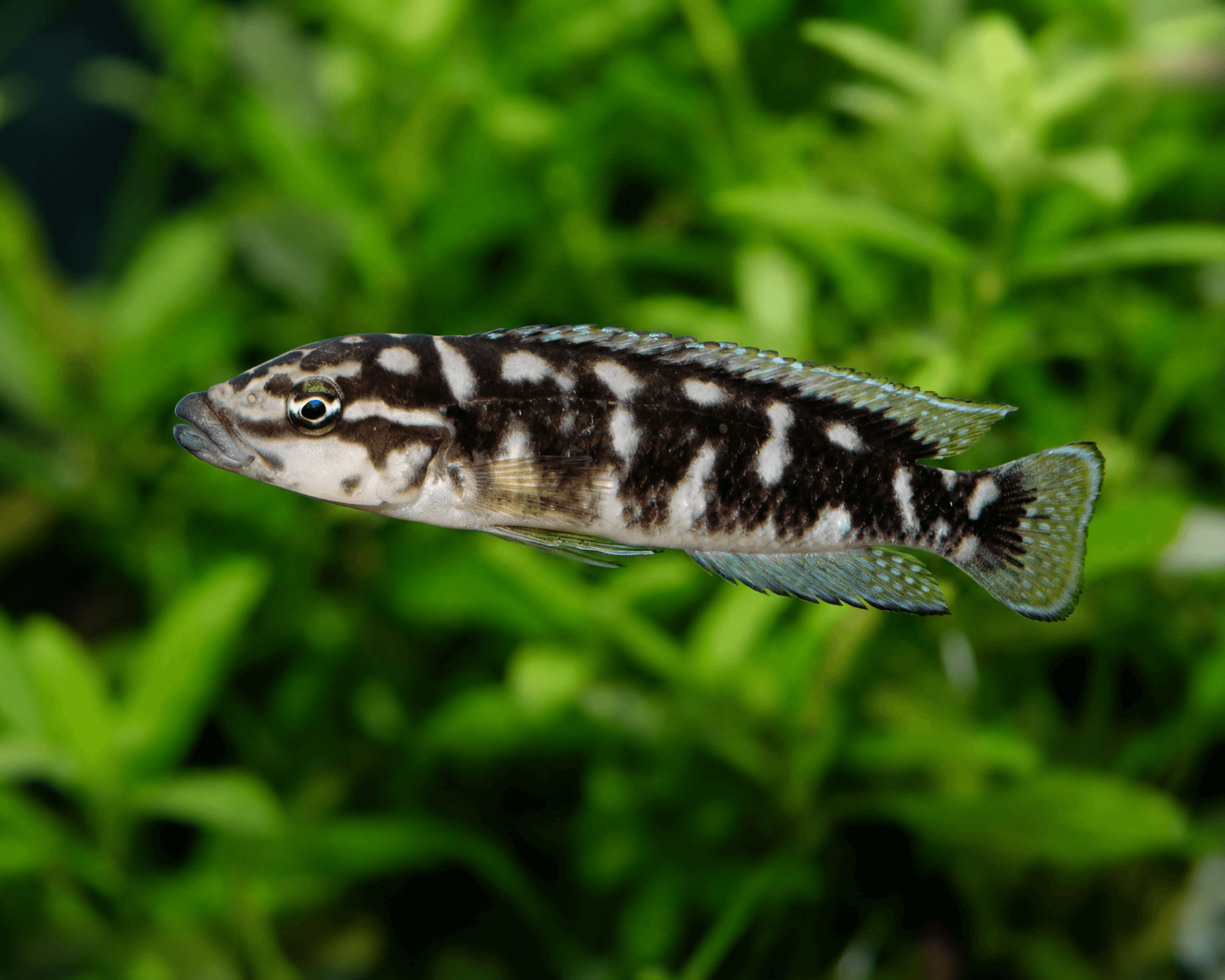
    Julidochromis transcriptus is a small rock-dwelling cichlid from Lake Tanganyika, recognized by its compact, elongated body and irregular black-and-white pattern. It is a territorial cave dweller that is best kept as an established pair in a carefully structured aquarium. The supplied fish are identified as a DNZ pair, although sex, collection locality, and precise geographic form cannot be verified from the supplied material alone.
  • Azur Cichlid (Sciaenochromis fryeri) Care Guide

    Azur Cichlid (Sciaenochromis fryeri) Care Guide

    Moderate
    Lake Malawi haplochromine cichlid
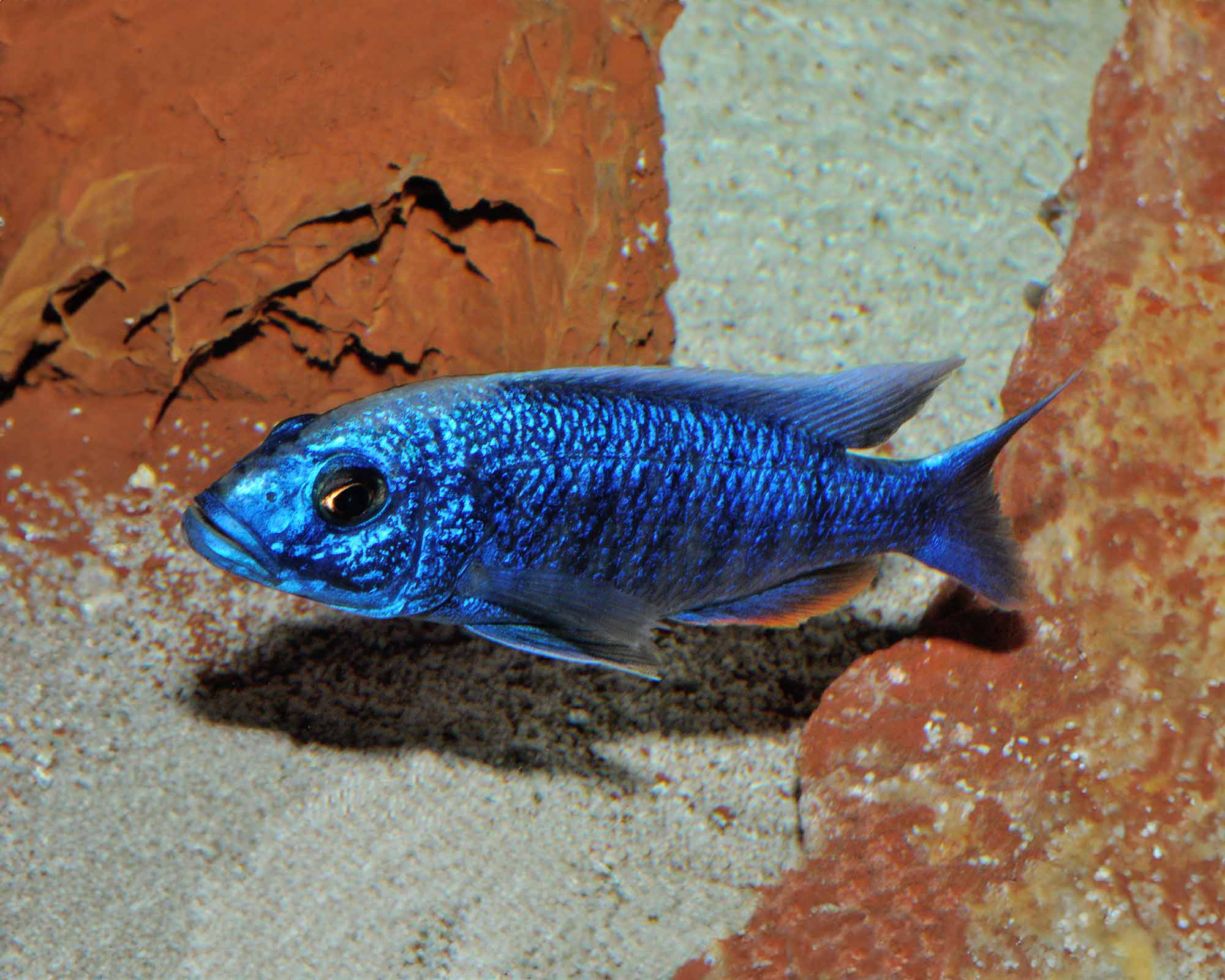
    The Azur cichlid is commonly sold as Sciaenochromis fryeri, a predatory haplochromine cichlid from Lake Malawi. Mature males develop vivid electric-blue coloration, while females and juveniles are generally less intensely colored. This fish is moderately aggressive and needs a spacious aquarium with rocky structure, alkaline, mineral-rich water, and carefully selected tank mates. The supplied source describes a DNZ pair, but sex and exact locality cannot be confirmed from the images alone. Identification confidence is therefore good but not absolute.
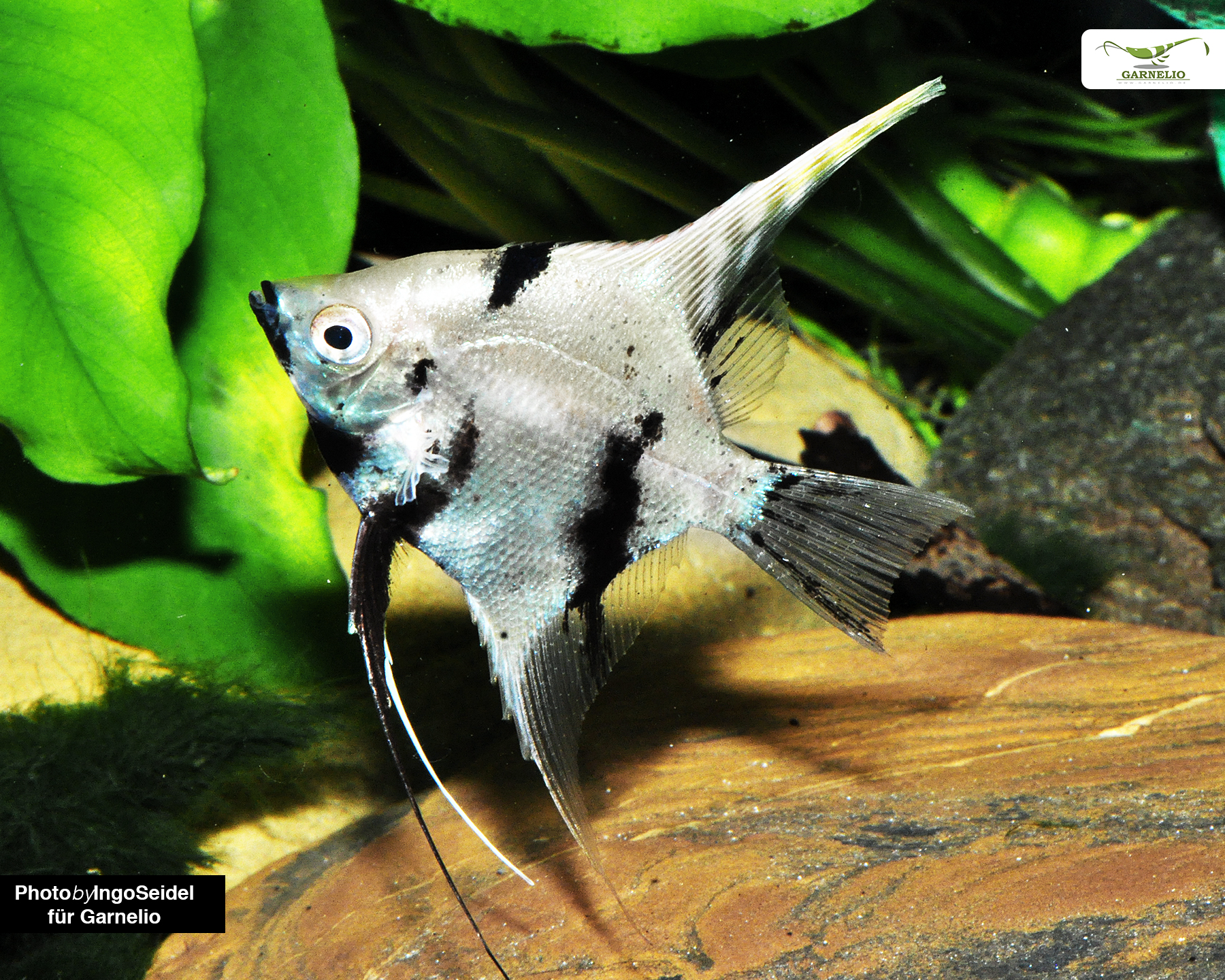
  • Marble Angelfish (Pterophyllum scalare)

    Marble Angelfish (Pterophyllum scalare)

    Moderate
    South American freshwater cichlid
    The marble angelfish is a captive-bred color form of Pterophyllum scalare, a tall-bodied South American cichlid valued for its elegant fins and distinctive irregular black patterning. It needs a mature, spacious aquarium with excellent water quality, warm water and suitable tank mates. Although generally manageable, adults establish territories and may become assertive when pairing or spawning. The supplied source identifies two marble angelfish; exact lineage and strain details cannot be confirmed from the available information.
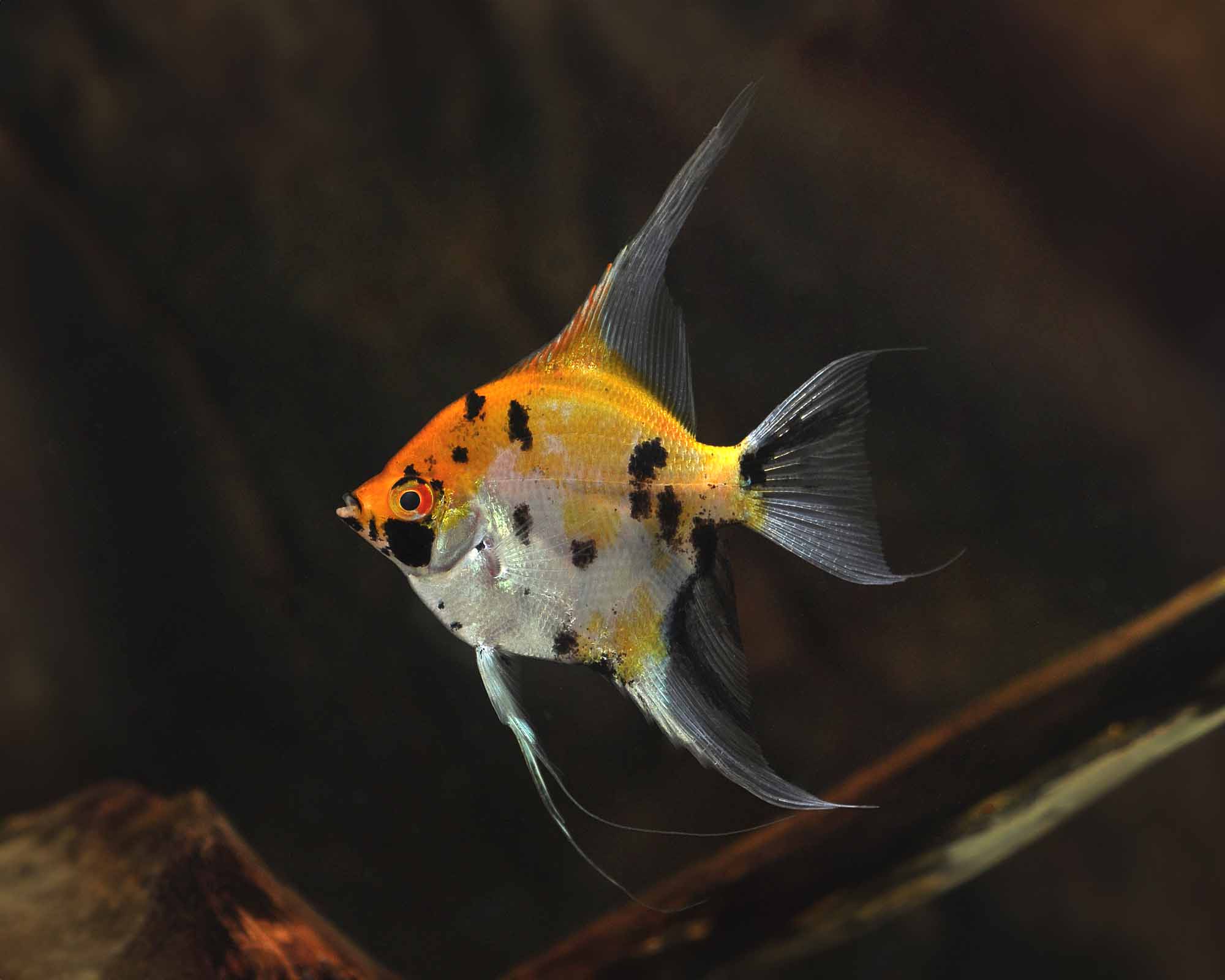
  • Gold Angelfish, Pterophyllum scalare

    Gold Angelfish, Pterophyllum scalare

    Moderate
    Freshwater South American cichlid
    The Gold Angelfish is an ornamental colour form of Pterophyllum scalare, a tall-bodied South American cichlid valued for its graceful movement and parental care. It needs a mature, spacious aquarium with substantial vertical clearance, stable warm water and carefully chosen tank mates. The supplied source identifies two fish as Gold Angelfish, although the accompanying images show several angelfish colour and fin forms, so the exact appearance of the supplied specimens cannot be confirmed from the images alone.
  • Zebra Angelfish (Pterophyllum scalare)

    Zebra Angelfish (Pterophyllum scalare)

    Moderate
    South American freshwater cichlid
    The Zebra Angelfish is a selectively bred form of Pterophyllum scalare, recognised by a silvery body with several dark vertical bars and the tall, laterally compressed shape typical of freshwater angelfish. The supplied images also show other angelfish colour forms, so the exact appearance of the listed pair cannot be confirmed from the image set alone. This South American cichlid is generally manageable for experienced community keepers, but its size, territorial breeding behaviour and need for a tall aquarium should be planned for carefully.
  • Black Angelfish (Pterophyllum scalare)

    Black Angelfish (Pterophyllum scalare)

    Moderate
    South American freshwater cichlid
    The supplied record identifies two black angelfish, most likely a domestic color form of Pterophyllum scalare. The photographs show several angelfish color patterns, so they should not be treated as proof that every pictured fish is black or that all belong to the same strain. Black angelfish retain the tall, laterally compressed body and extended fins typical of freshwater angelfish. They need a tall, mature aquarium, stable warm water, a varied diet, and carefully selected tank mates.
  • White Marble Angelfish (Pterophyllum scalare)

    White Marble Angelfish (Pterophyllum scalare)

    Moderate
    Freshwater cichlid
    The white marble angelfish is a selectively bred aquarium color form of Pterophyllum scalare, a tall-bodied South American cichlid valued for its elegant fins and distinctive irregular dark marbling. It is generally peaceful when young but can become territorial, especially when paired for spawning. Successful care depends on a tall aquarium, excellent water quality, suitable tank mates, and a varied carnivorous-omnivorous diet. The exact genetic strain shown cannot be confirmed from photographs alone.
  • Freshwater Angelfish Mix (Pterophyllum scalare)

    Freshwater Angelfish Mix (Pterophyllum scalare)

    Moderate
    Freshwater cichlid
    Freshwater angelfish are tall-bodied South American cichlids valued for their graceful movement and wide range of captive color forms. The supplied source identifies a mixed group as Pterophyllum scalare; the photographs show several forms, including striped, black, orange, white, silver and blue-toned fish. They are manageable for experienced beginners, but their adult height, territorial breeding behavior and tendency to eat small tank mates require thoughtful aquarium planning.