
Taxonomy and identification
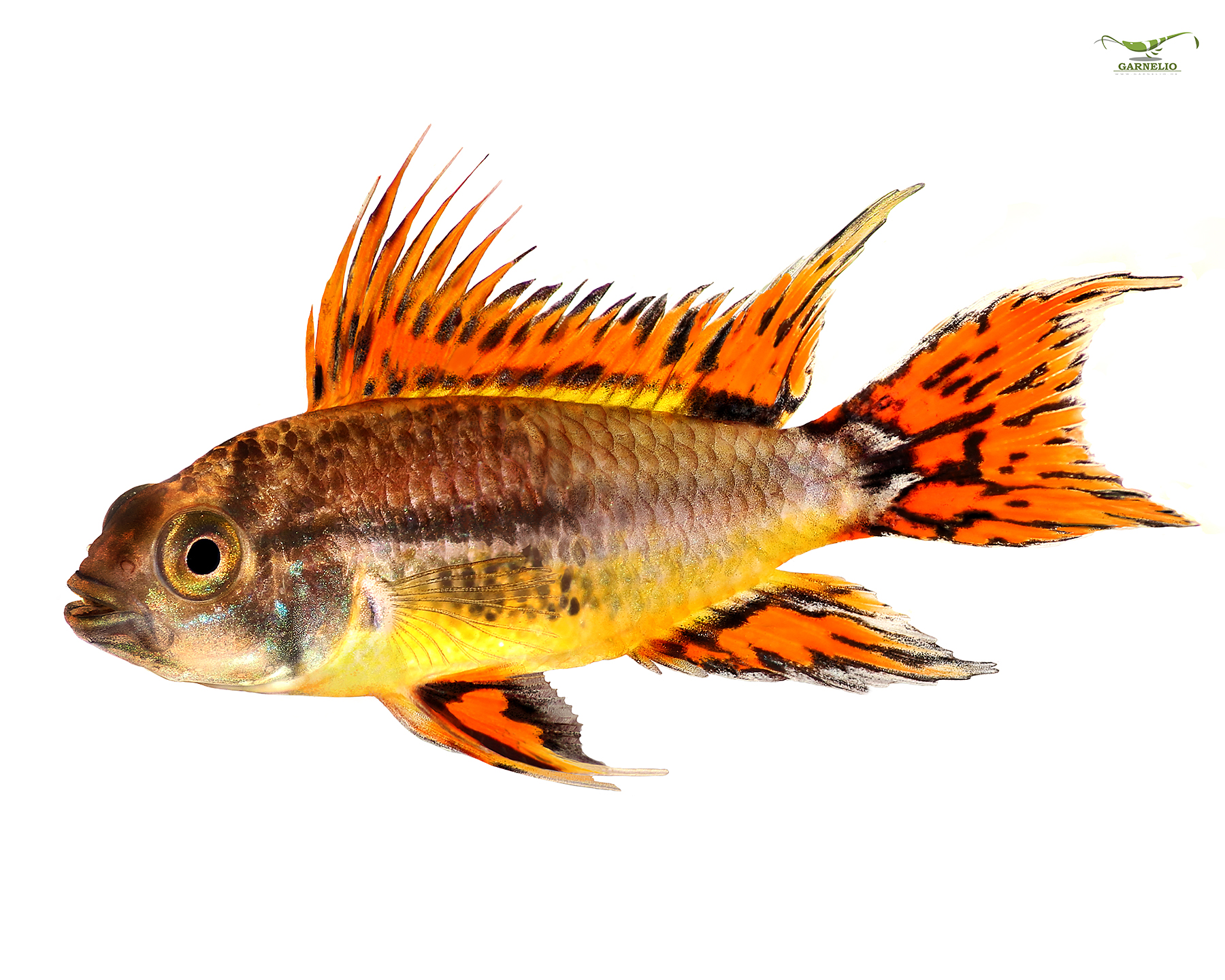
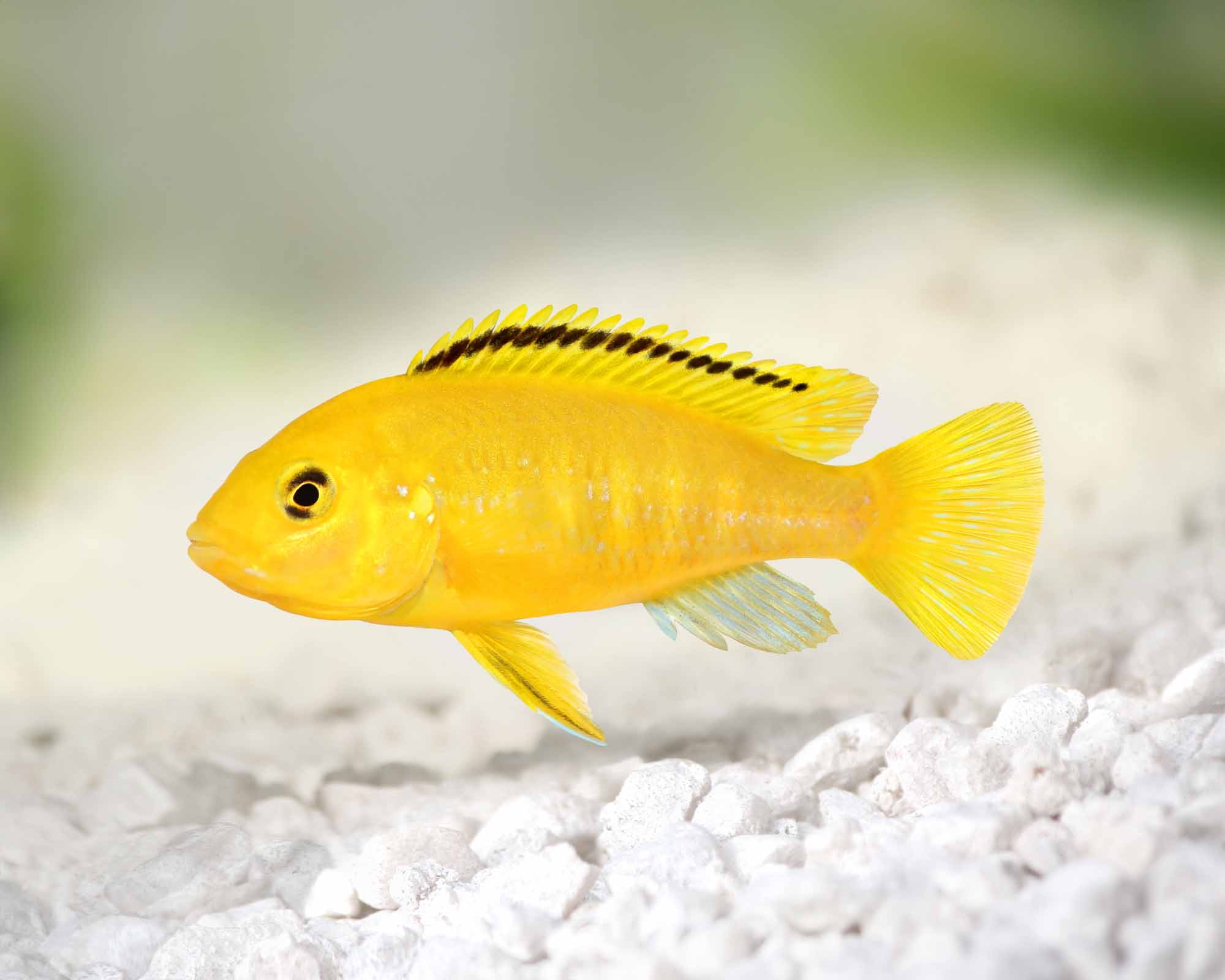
Apistogramma cacatuoides belongs to the family Cichlidae and the genus Apistogramma. It is commonly called the Cockatoo Cichlid or Cockatoo Dwarf Cichlid. Adult males are larger, deeper-bodied and more strongly colored, with extended dorsal, dorsal-fin and caudal-fin rays. Females are smaller and often become yellow during breeding. The listing identifies a red form, but the precise cultivated strain cannot be confirmed from the available information.

Distribution and habitat
This species is native to the western Amazon region of South America, particularly Peru and associated tributaries and slow-flowing waters. It inhabits shallow margins with leaf litter, submerged roots, branches and other cover. In aquaria, a natural layout with caves, plants, wood and shaded areas helps reduce stress and allows each fish to establish a territory.

Aquarium setup and tank size
A pair can be maintained in an aquarium of about 60 litres, although 75 litres or more provides better territory separation and is preferable for a community aquarium. Use fine sand or another smooth substrate, gentle filtration and moderate water movement. Provide several caves or coconut-shell shelters, visual barriers and dense planting. A covered aquarium is advisable because startled fish may jump.
Water parameters
Maintain stable, well-filtered water at 23–28 °C and pH 5.5–7.5. Soft to moderately hard water is suitable, with low nitrate and no detectable ammonia or nitrite. Wild-type and breeding fish often spawn most readily in softer, slightly acidic water, but stability is more important than pursuing an exact number. Perform regular partial water changes and avoid abrupt changes in temperature or chemistry.
Behavior and compatibility
Cockatoo Cichlids are generally peaceful toward appropriately sized community fish but become territorial, particularly when spawning. They spend much of their time near the bottom and use caves as retreats. Suitable companions include peaceful small tetras, pencilfish, rasboras and other non-aggressive midwater fish that tolerate the same conditions. Avoid large, boisterous or fin-nipping species and do not crowd the bottom zone with other territorial cichlids. In a pair, ensure the female has multiple shelters so she can avoid persistent male attention.
Diet
This species is an omnivore with a preference for small animal foods. Offer a varied diet of quality small cichlid or community granules supplemented with frozen or live foods such as brine shrimp, daphnia, mosquito larvae and bloodworms. Feed small portions once or twice daily and remove uneaten food. Newly imported or stressed fish may respond especially well to small frozen or live foods while acclimating.
Breeding
Apistogramma cacatuoides is a cave-spawning substrate brooder. Provide several small caves, subdued lighting and excellent water quality. The female usually selects a cave, lays adhesive eggs on the roof or walls and guards the eggs and fry, while the male typically defends the wider territory. Eggs commonly hatch after several days, followed by free-swimming fry. Feed fry newly hatched brine shrimp or another appropriately tiny food, and separate them if tank mates threaten them. Breeding aggression can be significant in a small aquarium.
Care notes
Purchase fish that are active, well-fed and free of visible lesions, frayed fins or rapid breathing. Quarantine new arrivals where possible. The supplied listing describes two red Cockatoo Cichlids as a pair, but sex, compatibility and established pairing cannot be verified from the listing alone. Observe them closely after introduction and be prepared to divide the aquarium or rehome one fish if persistent aggression occurs.


Leave your comments