



AquaLibs presents AquaRank Discover the world’s leading aquascapers

Explore transparent rankings built from published results across the world’s leading aquascaping contests.

12 Beginner-Friendly Aquarium Plants and Invertebrates for Nano Setups

12 Beginner-Friendly Aquarium Plants and Invertebrates for Nano Setups

Starting a nano aquarium is an incredibly rewarding hobby, but choosing the right inhabitants and flora is crucial for long-term success. For beginners, the key is selecting hardy, low-maintenance aquatic plants that provide essential oxygen and shel...
12 Vibrant Freshwater Fish and Invertebrates for a Balanced Planted Nano Tank

12 Vibrant Freshwater Fish and Invertebrates for a Balanced Planted Nano Tank

Creating a thriving planted nano aquarium requires a delicate balance of livestock choices. When selecting inhabitants for a smaller system, it is vital to prioritize species that stay small, exhibit peaceful temperaments, and appreciate the lush env...
12 Beneficial Aquarium Snails for a Pristine Planted Tank

12 Beneficial Aquarium Snails for a Pristine Planted Tank

Adding snails to your planted aquarium is one of the most effective ways to maintain a balanced ecosystem. Beyond their unique aesthetic appeal, these invertebrates serve as nature's cleanup crew, grazing on unwanted algae, consuming decaying pl...
12 Vibrant Freshwater Shrimp for Your Planted Nano Tank

12 Vibrant Freshwater Shrimp for Your Planted Nano Tank

Adding freshwater shrimp to a planted nano tank is one of the most rewarding ways to enhance your aquascape. These small, industrious invertebrates act as natural cleaners, grazing on algae and biofilm while adding a splash of personality and color t...
Summer Flowers - Cliff Hui / HongKong China
Cliff Hui

Summer Flowers - Cliff Hui / HongKong China

The International Aquatic Plants Layout Contest - 2014
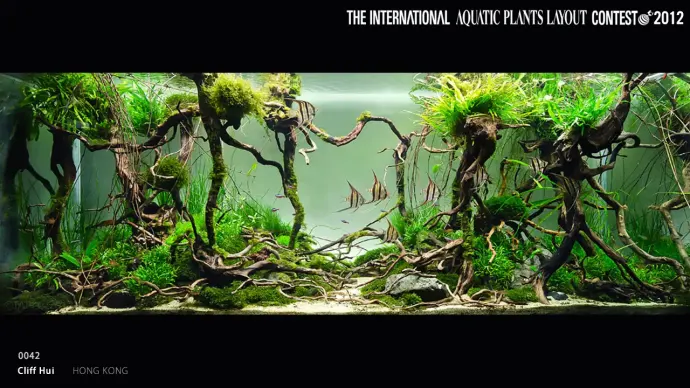
Rain Forest (Hear the Angels) - Cliff Hui / HongKong China
Cliff Hui

Rain Forest (Hear the Angels) - Cliff Hui / HongKong China

The International Aquatic Plants Layout Contest - 2012
Forever - Cliff Hui / HongKong China
Cliff Hui

Forever - Cliff Hui / HongKong China

The International Aquatic Plants Layout Contest - 2013

Aquarium Library

  • All
  • Plant
  • Fish
  • Shrimp
  • Snail

Final Call: Only One Day Left to Enter CIAC 2026

The clock is ticking for aquascapers around the world. Registration for the CIPS International Aquas...

Introducing AquaRank: A Transparent World Ranking for Aquascapers

Aquascaping has grown into a truly international art form. Every year, thousands of aquascapers subm...

13 Easy Aquarium Plants for a Thriving Beginner Planted Tank

Starting a planted aquarium can seem daunting, but it doesn't have to be! Many beautiful and be...

12 Colorful & Compatible Freshwater Fish for Your Community Aquarium

Creating a vibrant and harmonious freshwater aquarium is a rewarding experience. The key lies in sel...

"REFLECTION" - When the weight becomes silence: Decoding the top 4 MASTERPIECE at KIAC 2025

Amidst the "earthquake" named Vietnam at KIAC 2025, the work "Reflection" by Aquascaper Long Tran Ho...

KIAC 2025 RESULTS: A record-breaking season - Vietnam dominates with 14 works in the global top 50

The organizers of the Korea International Aquascaping Contest (KIAC) 2025 have officially released t...
Top 300 spotlight

AquaRank Top 300

Explore AquaRank
Betta splendens (Halfmoon Copper Betta Male)

Overview

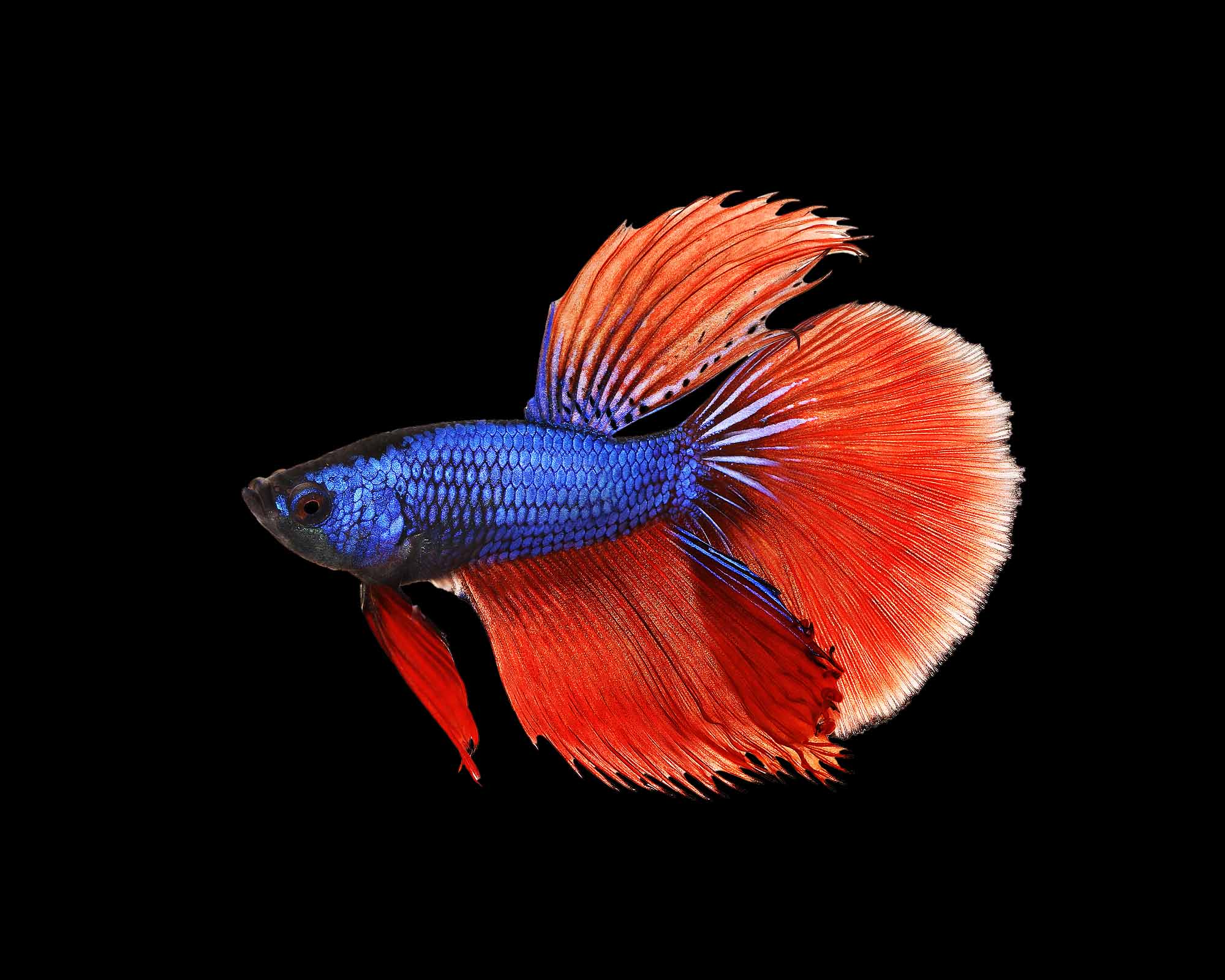
Image of Halfmoon Copper Betta Male

The Halfmoon Copper Betta Male is a stunning and highly sought-after variant of the widely popular Betta splendens. Celebrated for its captivating metallic sheen and dramatic finnage, this fish is a true gem in the aquarium hobby. The "copper" coloration is the result of selective breeding that brings out a highly reflective, iridescent layer of scales, while the "halfmoon" designation refers to the fish's impressive tail that forms a perfect 180-degree semi-circle when fully flared.

Distribution and Habitat

In the wild, Betta splendens are native to the Mekong and Chao Phraya river basins in Southeast Asia, primarily found in Thailand, Cambodia, Laos, and Vietnam. They inhabit shallow, sluggish, or standing waters such as rice paddies, swamps, slow-moving streams, and drainage ditches. These environments are typically warm, densely vegetated, and low in dissolved oxygen, which led to the evolutionary development of their labyrinth organ, allowing them to breathe atmospheric air.

Description of Halfmoon Copper Betta Male

Image of Halfmoon Copper Betta Male

Body shape:

The body is elongated and torpedo-shaped, slightly laterally compressed. This streamlined build is typical of wild bettas, though the exaggerated finnage of the Halfmoon variant makes them appear much larger and more robust.

Color:

The defining feature of this variant is its brilliant copper coloration. Under different lighting, the metallic scales can shift in appearance, reflecting shades of gold, silver, dark brown, black, and sometimes subtle hints of turquoise or blue. The iridescence gives the fish a foil-like, glowing quality.

Barbels:

Betta splendens do not possess barbels.

Snout:

They have an upturned, superior mouth designed specifically for feeding on insects and larvae at the water's surface.

Eyes:

Their eyes are dark, prominent, and highly expressive. Bettas have excellent vision, which they use to hunt small prey and monitor their territory for rivals or potential mates.

Fins:

The dorsal, anal, and pelvic fins are exceptionally long and flowing. While beautiful, these long fins can be quite heavy for the fish and are susceptible to tearing if kept in aquariums with sharp decorations.

The Tail:

The caudal fin (tail) is the hallmark of the Halfmoon Betta. When flared, the tail spreads to a full 180 degrees, creating a perfect "D" or halfmoon shape with straight, crisp edges.

Temper

Male Bettas are notoriously territorial and aggressive toward other male bettas, earning them the name "Siamese Fighting Fish." They will flare their gills and fins to intimidate rivals and will fight to the death if housed with another male. However, toward other species, they are generally semi-aggressive to peaceful, provided the tank mates do not resemble bettas.

Sociality

Halfmoon Copper Betta Males are solitary by nature and do perfectly well living entirely alone. If kept in a community tank, tank mates must be chosen with extreme care. Avoid fin-nipping fish (like certain tetras or barbs) and brightly colored or long-finned fish (like guppies) that the betta might mistake for a rival. Good companions include bottom-dwellers like Corydoras catfish, Otocinclus, and certain snails.

Activity

They are diurnal fish, active during the day and resting at night. Bettas are highly inquisitive and will frequently patrol their territory, investigate new objects, and interact with their owners through the glass. Due to their heavy fins, Halfmoon males often need to rest on broad plant leaves near the water's surface.

Keeping and Caring for Halfmoon Copper Betta Male

Image of Halfmoon Copper Betta Male

Tank size:

A minimum of 5 gallons (19 liters) is highly recommended for a single male. While they can survive in smaller spaces, a 5-gallon tank provides a stable nitrogen cycle, room to swim, and space for enrichment.

Water Parameters:

Temperature

They are tropical fish requiring a stable water temperature between 24-28°C (75-82°F). A reliable aquarium heater is a must.

pH

The ideal pH range is slightly acidic to neutral, between 6.5 and 7.5. They can adapt to slight variations as long as the pH remains stable.

Hardness

Soft to moderate water hardness is preferred, ideally between 5 and 20 dGH.

Ammonia, Nitrite, Nitrate

Ammonia and Nitrite must always be at 0 ppm. Nitrates should be kept as low as possible, ideally below 20 ppm, through regular water changes.

Lighting

Low to moderate lighting is best. Bettas do not appreciate overly bright environments. Floating plants can help diffuse light and make them feel more secure.

Water flow

Water flow must be kept very gentle. The heavy finnage of the Halfmoon Betta makes swimming in strong currents exhausting and stressful. Sponge filters or baffled hang-on-back filters are ideal.

Decorations and Plants

Live plants like Anubias, Java Fern, and floating Salvinia are excellent choices. If using artificial plants, silk is preferred over plastic to prevent fin tearing. Ensure all caves and decorations have smooth edges and holes large enough that the betta will not get stuck.

Diet

Image of Halfmoon Copper Betta Male

Bettas are obligate carnivores. Their diet should consist primarily of high-quality, protein-rich betta pellets or flakes. This should be supplemented with frozen or live foods such as bloodworms, brine shrimp, daphnia, and mosquito larvae to ensure optimal health and coloration.

Some Feeding Tips

Overfeeding is a common issue that can lead to bloating and swim bladder disease. Feed only 2 to 3 small pellets (or the equivalent in live/frozen food) twice a day. Fasting your betta for one day a week can help clear their digestive tract.

Breeding

Breeding Bettas is a complex process requiring a separate breeding tank, careful conditioning of the male and female with high-protein foods, and close monitoring. The male builds a bubble nest at the water's surface. Once the female releases her eggs during an intricate "embrace," the male fertilizes them, catches them, and places them in the nest. The female must be removed immediately after spawning, as the male becomes highly aggressive while guarding the eggs and fry.

Conclusion

The Halfmoon Copper Betta Male is an undeniably spectacular fish that adds a touch of metallic brilliance to any appropriately set-up aquarium. While their long fins require a bit of mindful care regarding water flow and tank decor, their interactive personalities and breathtaking appearance make them one of the most rewarding aquatic pets for both beginners and experienced aquarists.
Fish info

  • Care level: Easy - Moderate
  • Temperament: Semi-aggressive
  • Adult size: 5-7 cm
  • Life expectancy: 3-5 years
  • Fish type: Labyrinth Fish
  • Temperature : 24-28°C
  • pH: 6.5-7.5
  • Color Form: Black, Brown, Gold, Silver, Turquoise
Leave your comments
Latest on Fishs
  • Red Lined Dwarf Cichlid (Apistogramma hongsloi)

    Red Lined Dwarf Cichlid (Apistogramma hongsloi)

    Moderate
    Dwarf Cichlid
    The Red Lined Dwarf Cichlid, Apistogramma hongsloi, is a small, colorful South American cichlid highly regarded by hobbyists. Native to the Orinoco River basin, this species displays striking red markings and elegant finnage. Known for their interesting social behaviors and relatively peaceful nature, they make excellent subjects for planted community aquariums that provide appropriate hiding spots and soft, acidic water conditions.
  • Apistogramma panduro

    Apistogramma panduro

    Moderate
    Dwarf Cichlid
    The Panduro dwarf cichlid, Apistogramma panduro, is a striking South American species highly prized for its vibrant coloration and manageable size. Native to the Amazon basin, this species exhibits distinct sexual dimorphism. They are best kept in pairs or small groups within well-structured aquariums, making them a fascinating choice for dedicated hobbyists interested in cichlid behavior and breeding dynamics.
  • Opal Apistogramma (Apistogramma borellii)

    Opal Apistogramma (Apistogramma borellii)

    The Opal Apistogramma is a stunning, selectively bred color variant of the popular Apistogramma borellii. Native to South American river basins, these dwarf cichlids are prized for their vibrant blue coloration and striking red facial markings. They are excellent candidates for planted community aquariums, provided their specific water quality and territorial requirements are carefully maintained by the aquarist.
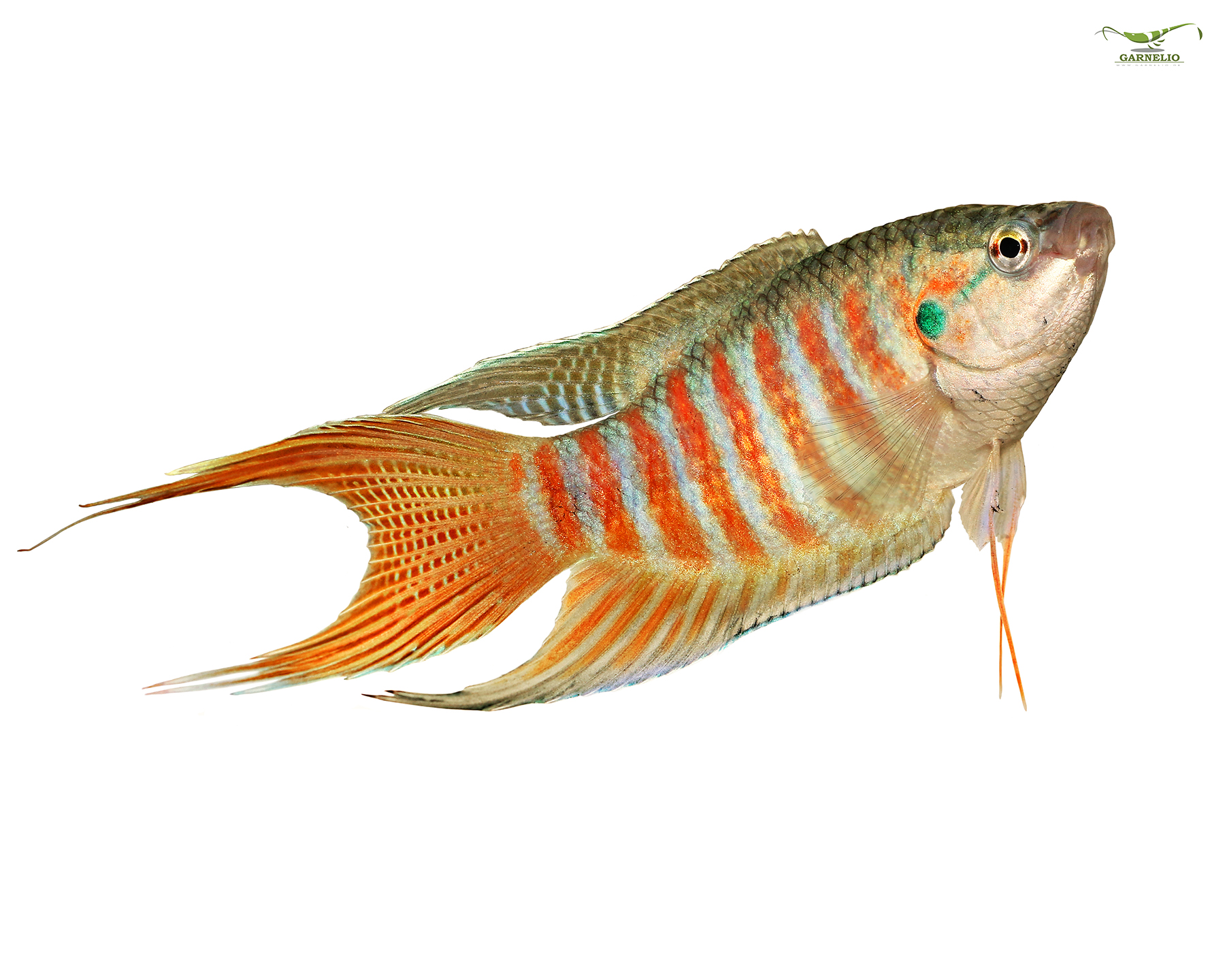
  • Macropodus opercularis (Paradise Fish)

    Macropodus opercularis (Paradise Fish)

    The Paradise Fish, Macropodus opercularis, is a classic labyrinth fish native to East Asia. Known for its striking striped coloration and complex behavior, this species was one of the first exotic fish introduced to the aquarium trade. While beautiful, they are known for their territorial nature, requiring careful tank mate selection and sufficient space to thrive in captivity.
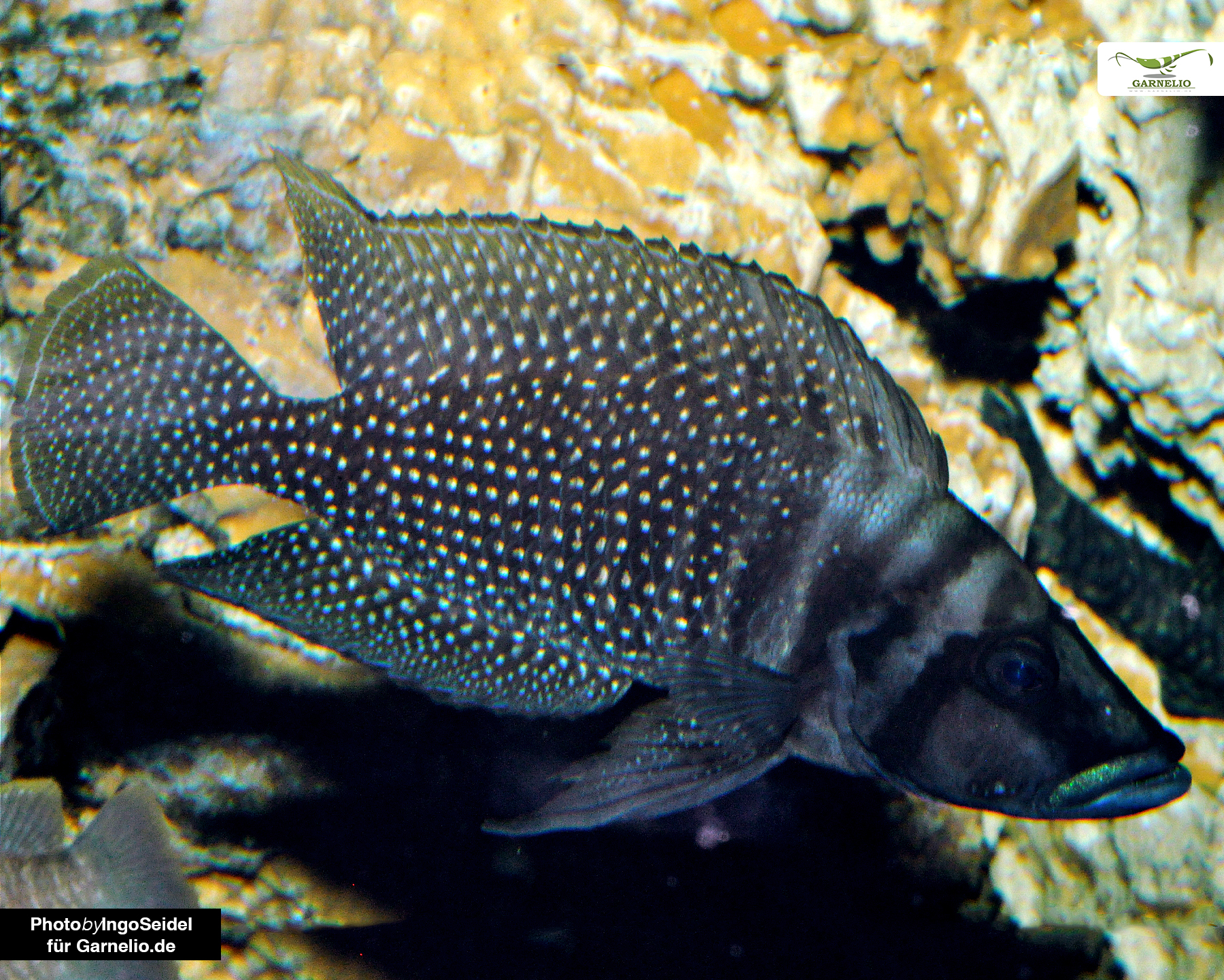
  • Altolamprologus calvus (Black)

    Altolamprologus calvus (Black)

    The Altolamprologus calvus, commonly known as the Black Calvus or Guinea Fowl Cichlid, is a distinct cichlid species endemic to Lake Tanganyika in Africa. Renowned for its laterally compressed body and unique, predatory hunting behavior, it is a fascinating choice for experienced aquarists. These fish are slow-growing and demand specific environmental conditions to thrive in a captive setting.
  • Mesonauta festivus (Flag Cichlid)

    Mesonauta festivus (Flag Cichlid)

    The Flag Cichlid, Mesonauta festivus, is a popular South American cichlid known for its distinct diagonal stripe and calm demeanor. Often found in the Amazon basin, this species is highly appreciated by aquarists for its unique appearance and relatively peaceful social structure. It thrives in well-maintained planted tanks, provided they have sufficient swimming space and appropriate water conditions for their long-term health.
  • Growling Gourami (Trichopsis vittata)

    Growling Gourami (Trichopsis vittata)

    The Growling Gourami, Trichopsis vittata, is a fascinating labyrinth fish native to Southeast Asia. Known for its unique ability to produce audible croaking sounds, this small species is prized for its intricate patterns and relatively peaceful demeanor. It thrives in well-planted, calm aquarium environments, making it a popular choice for hobbyists interested in observing interesting social and vocal behaviors in a home setup.
  • Dicrossus filamentosus (Checkerboard Cichlid)

    Dicrossus filamentosus (Checkerboard Cichlid)

    The Checkerboard Cichlid, Dicrossus filamentosus, is a captivating dwarf cichlid native to the blackwater regions of the Amazon and Orinoco river basins. Renowned for its distinctive checkerboard-like body markings and elegant fin extensions, this species requires specific water conditions to thrive. It is a peaceful, albeit sensitive, fish that makes a rewarding addition for dedicated aquarists.
  • Firemouth Cichlid (Thorichthys meeki)

    Firemouth Cichlid (Thorichthys meeki)

    The Firemouth Cichlid is a popular and visually striking freshwater fish native to Central America. Known for its intense red coloration in the throat region, especially when displaying, this cichlid is a favorite among hobbyists. While generally manageable, they require appropriate tank conditions and space to thrive, reflecting their natural territorial behaviors during breeding cycles.
  • Fairy Cichlid (Neolamprologus brichardi)

    Fairy Cichlid (Neolamprologus brichardi)

    The Fairy Cichlid, Neolamprologus brichardi, is a popular and elegant species endemic to Lake Tanganyika. Known for its distinct lyre-shaped tail and complex social behavior, this cichlid is a fascinating inhabitant for dedicated aquarists. They are renowned for their unique cooperative breeding strategy, where older offspring assist their parents in protecting and raising subsequent broods within the established family territory.
  • Butterfly Cichlid (Microgeophagus ramirezi)

    Butterfly Cichlid (Microgeophagus ramirezi)

    The Butterfly Cichlid, scientifically known as Microgeophagus ramirezi, is a popular dwarf cichlid native to the Orinoco River basin in South America. These vibrant, peaceful fish are highly sought after by aquarists for their striking coloration and engaging personality. They thrive in well-maintained, planted aquariums that mimic their natural, slow-moving tropical river habitats.
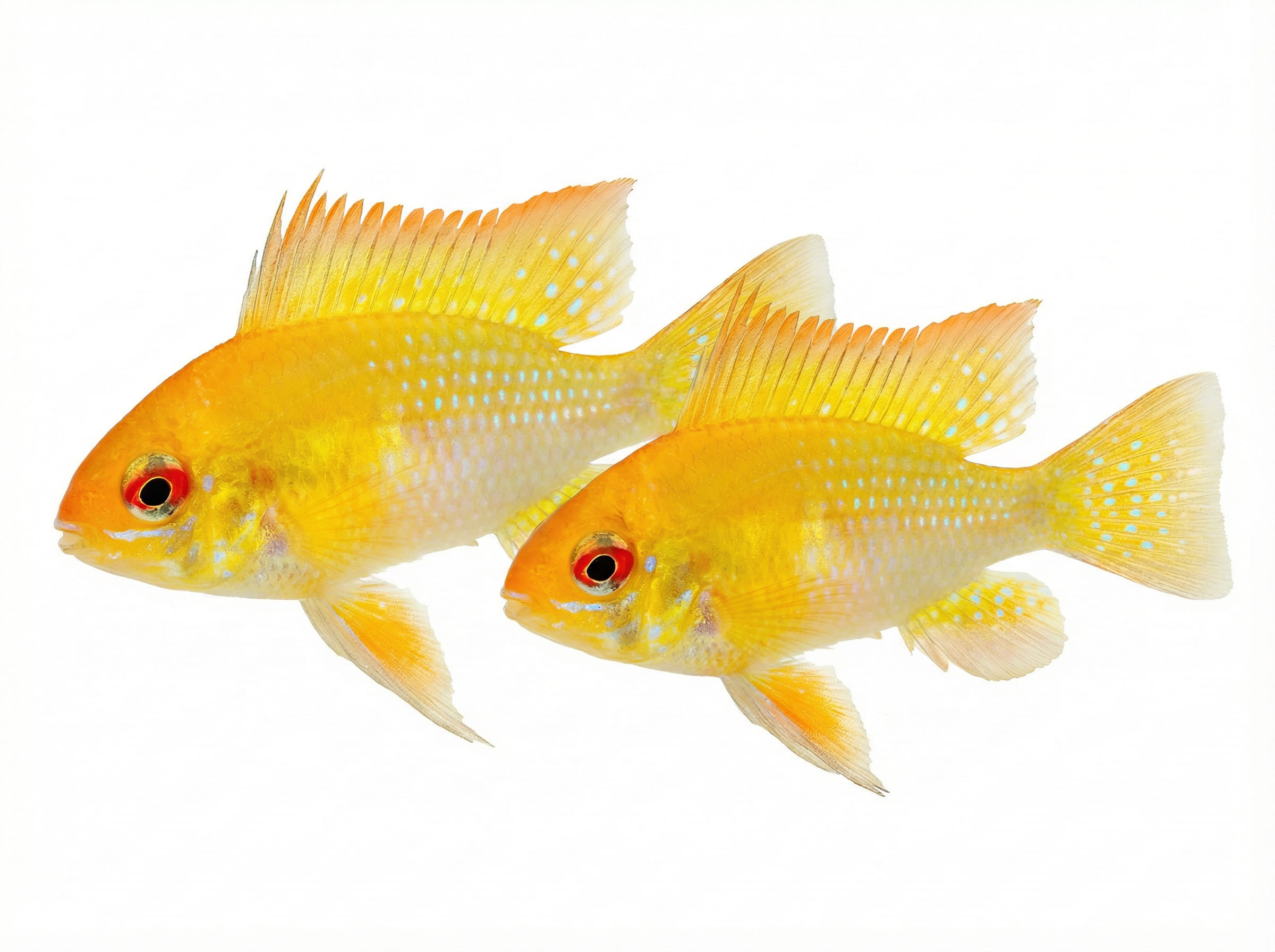
  • Lemon Gold Butterfly Cichlid (Microgeophagus ramirezi)

    Lemon Gold Butterfly Cichlid (Microgeophagus ramirezi)

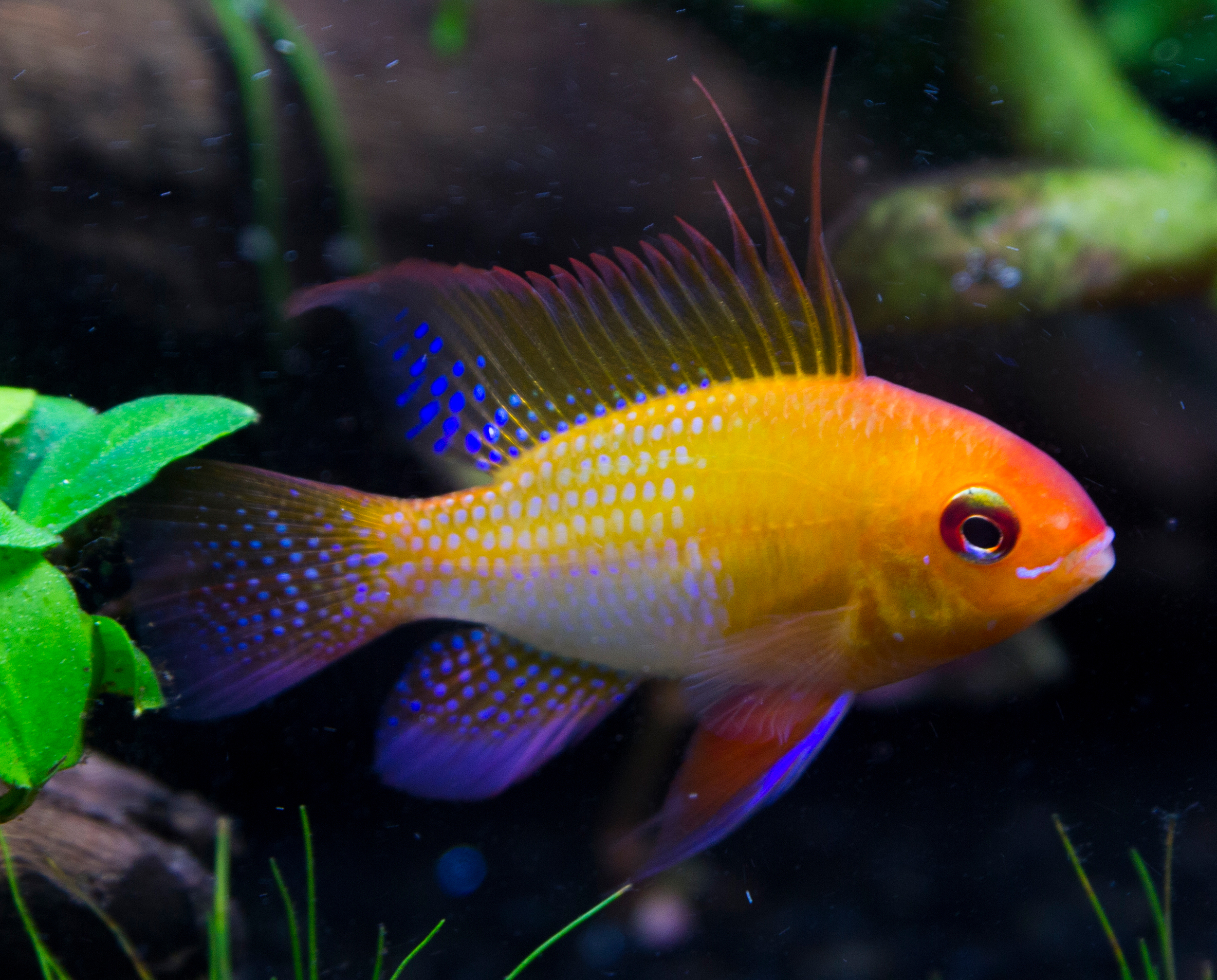
    The Lemon Gold Butterfly Cichlid is a stunning, selectively bred color variant of the popular Microgeophagus ramirezi. Known for its vibrant yellow-gold pigmentation and striking red eyes, this dwarf cichlid retains the peaceful, inquisitive personality of its wild ancestors. It is a highly sought-after aquarium inhabitant that adds a brilliant splash of color to community tanks with appropriate water conditions.
  • Microgeophagus ramirezi Gold (Butterfly Cichlid)

    Microgeophagus ramirezi Gold (Butterfly Cichlid)

    The Gold Butterfly Cichlid is a stunning, selectively bred color morph of the popular Microgeophagus ramirezi. Known for its vibrant, warm golden-yellow coloration and peaceful demeanor, this dwarf cichlid is a favorite among aquarists. Requiring stable, high-quality water conditions and a well-planted environment, it thrives in pairs and adds significant beauty to established freshwater community aquariums.
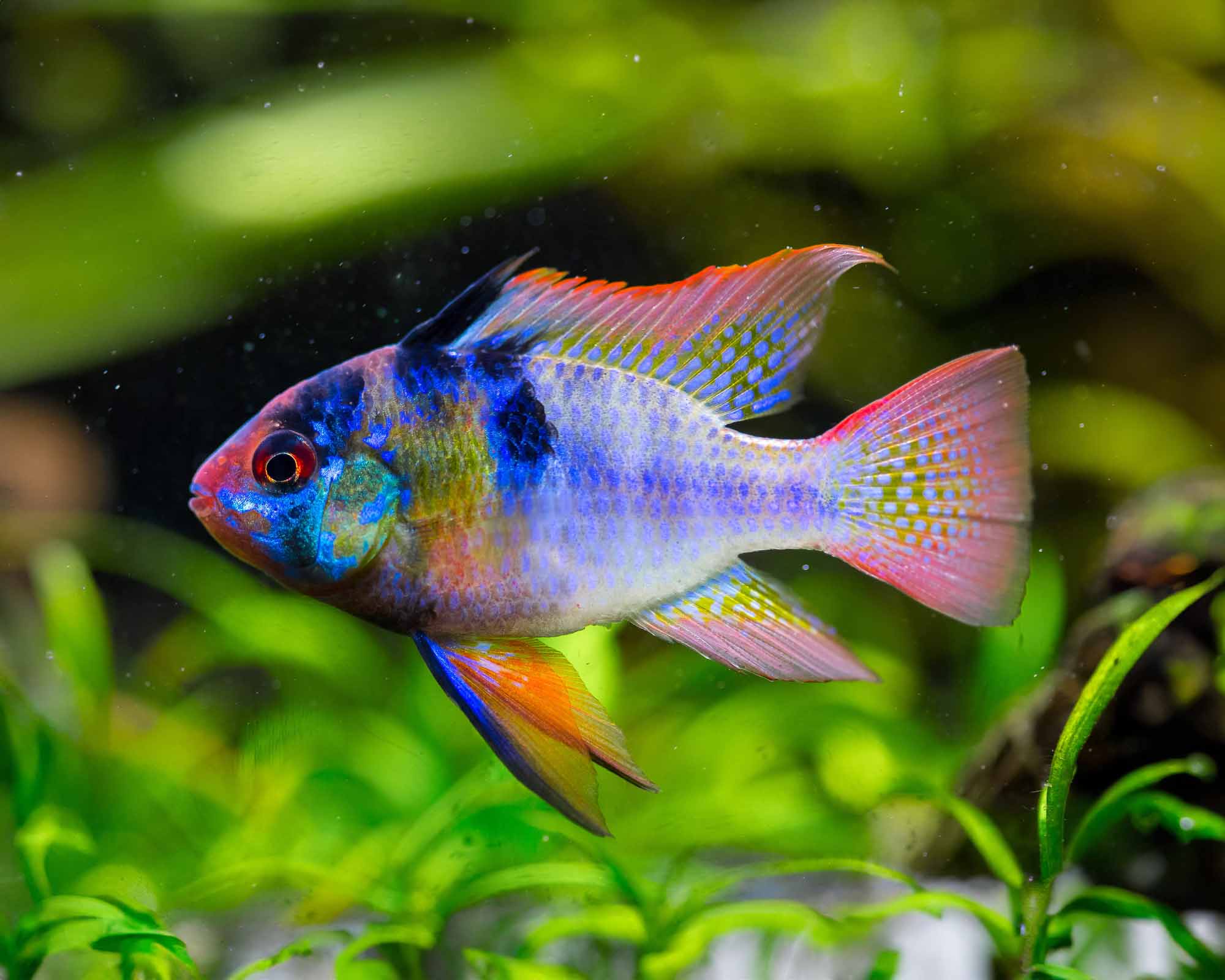
  • Electric Blue Butterfly Cichlid (Mikrogeophagus ramirezi)

    Electric Blue Butterfly Cichlid (Mikrogeophagus ramirezi)

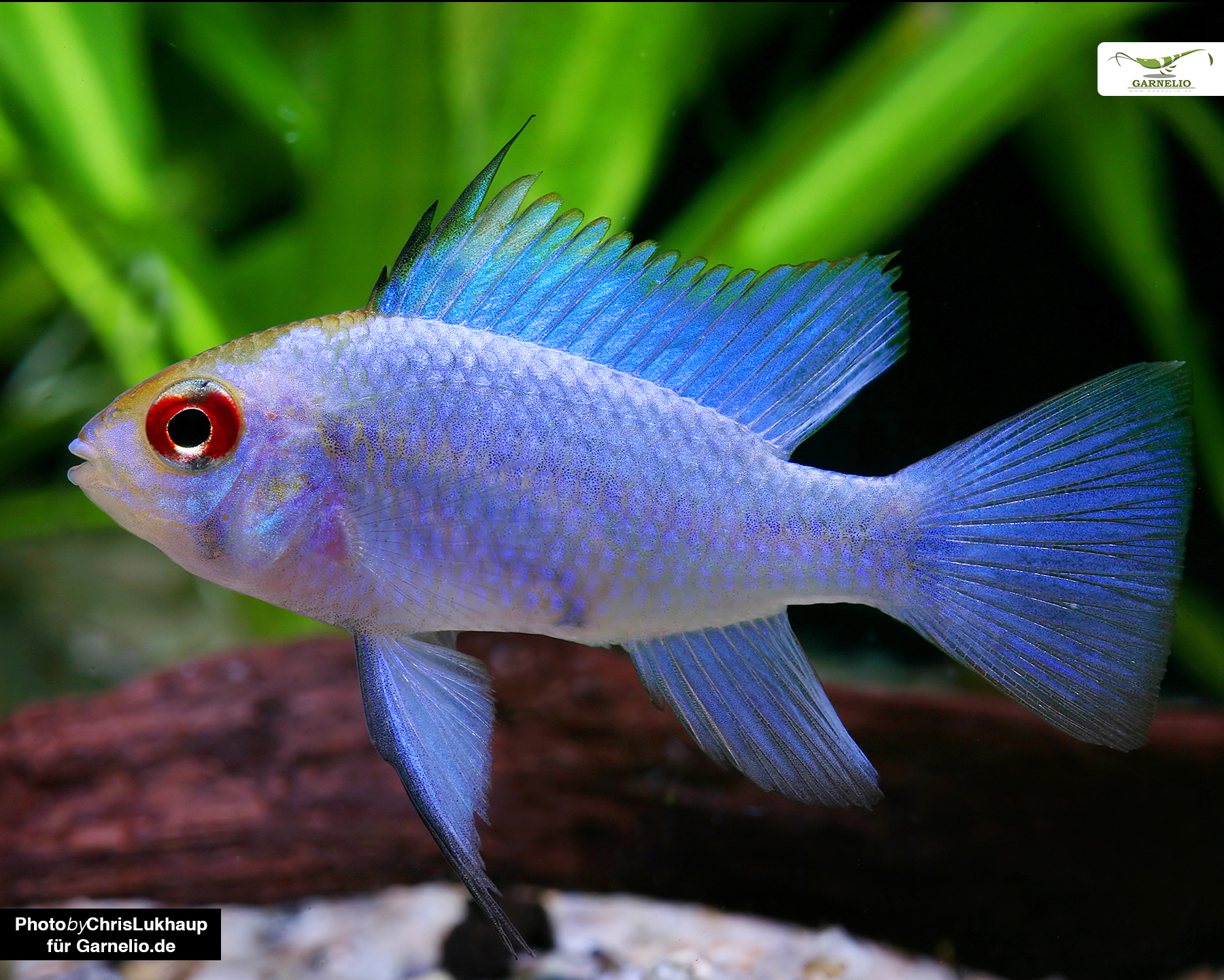
    The Electric Blue Butterfly Cichlid is a stunning, selectively bred color morph of the popular Mikrogeophagus ramirezi. Known for its intense, iridescent blue coloration covering almost the entire body, this dwarf cichlid is a centerpiece for many community tanks. While beautiful, it requires stable water conditions and careful maintenance to ensure it thrives in an aquarium environment.
  • Blue Punk Butterfly Cichlid (Microgeophagus ramirezi)

    Blue Punk Butterfly Cichlid (Microgeophagus ramirezi)

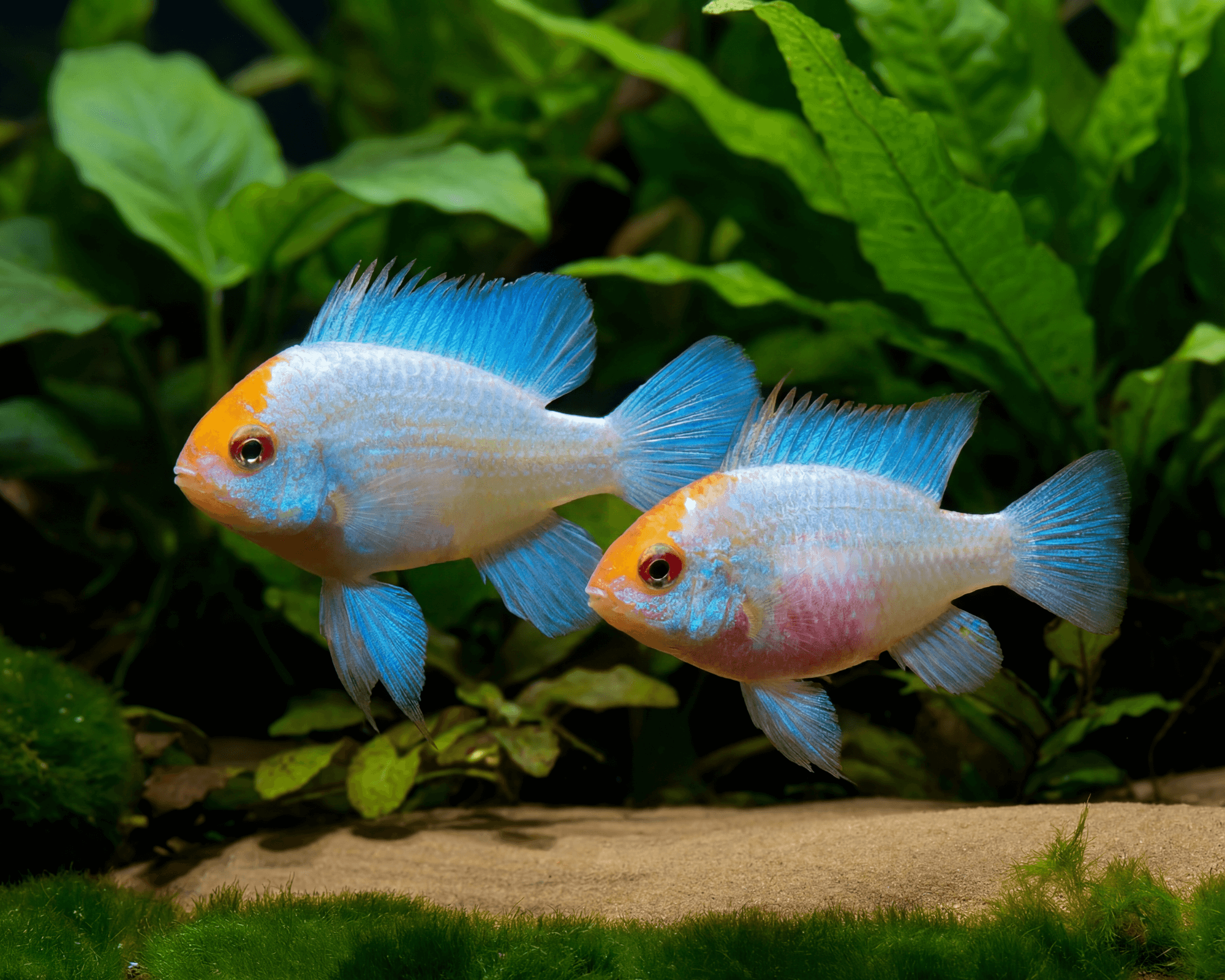
    The Blue Punk Butterfly Cichlid is a striking, selectively bred color morph of the popular Microgeophagus ramirezi. Known for its intense, metallic blue coloration and unique head patterning, this dwarf cichlid is a prized addition to planted aquariums. While beautiful, it requires stable water conditions and careful maintenance to ensure its long-term health and vibrant appearance in a home setting.
  • Neon Blue Aequidens pulcher

    Neon Blue Aequidens pulcher

    The Neon Blue Aequidens pulcher, a selectively bred variant of the common Blue Acara, is a striking South American cichlid. Known for its intense, iridescent blue coloration, this hardy fish is a popular choice for hobbyists. It exhibits classic cichlid behavior, including complex social structures and dedicated parental care, making it an engaging addition to appropriately sized community tanks.