AquaLibs presents AquaRank Discover the world’s leading aquascapers

Explore transparent rankings built from published results across the world’s leading aquascaping contests.

Caridina pareparensis parvidentata (Malawa Shrimp)

Overview

The Malawa Shrimp (Caridina pareparensis parvidentata), frequently traded as the Sulawesi Algae Shrimp or Domestic Shrimp, is an incredibly hardy and active freshwater invertebrate. Known for their voracious appetite for algae and their rapid breeding rate, they are an excellent choice for aquarists looking for a robust and entertaining cleanup crew.

Image of sulawesi algae shrimp domestic shrimp malawa shrimp caridina pareparensis parvidentata

Distribution and Habitat

Endemic to the island of Sulawesi, Indonesia, these shrimp are found in the river systems and flowing streams of the Malawa region. Unlike the highly sensitive, high-pH requiring "Sulawesi Shrimp" from the ancient lakes (like Lake Matano or Towuti), Malawa shrimp originate from flowing, cooler, and more variable river environments. This evolutionary background makes them highly adaptable and forgiving in captivity.

Description of Malawa Shrimp

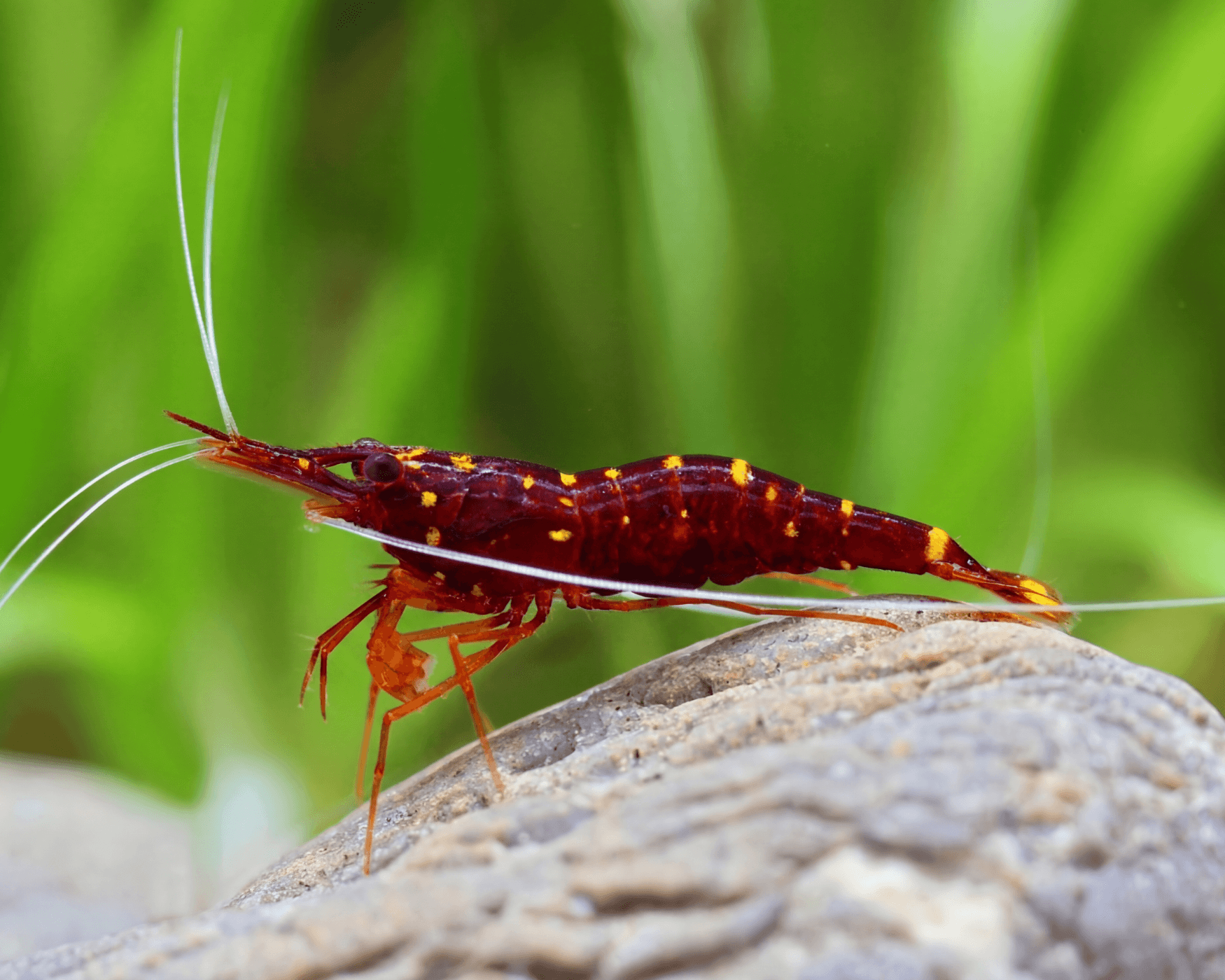
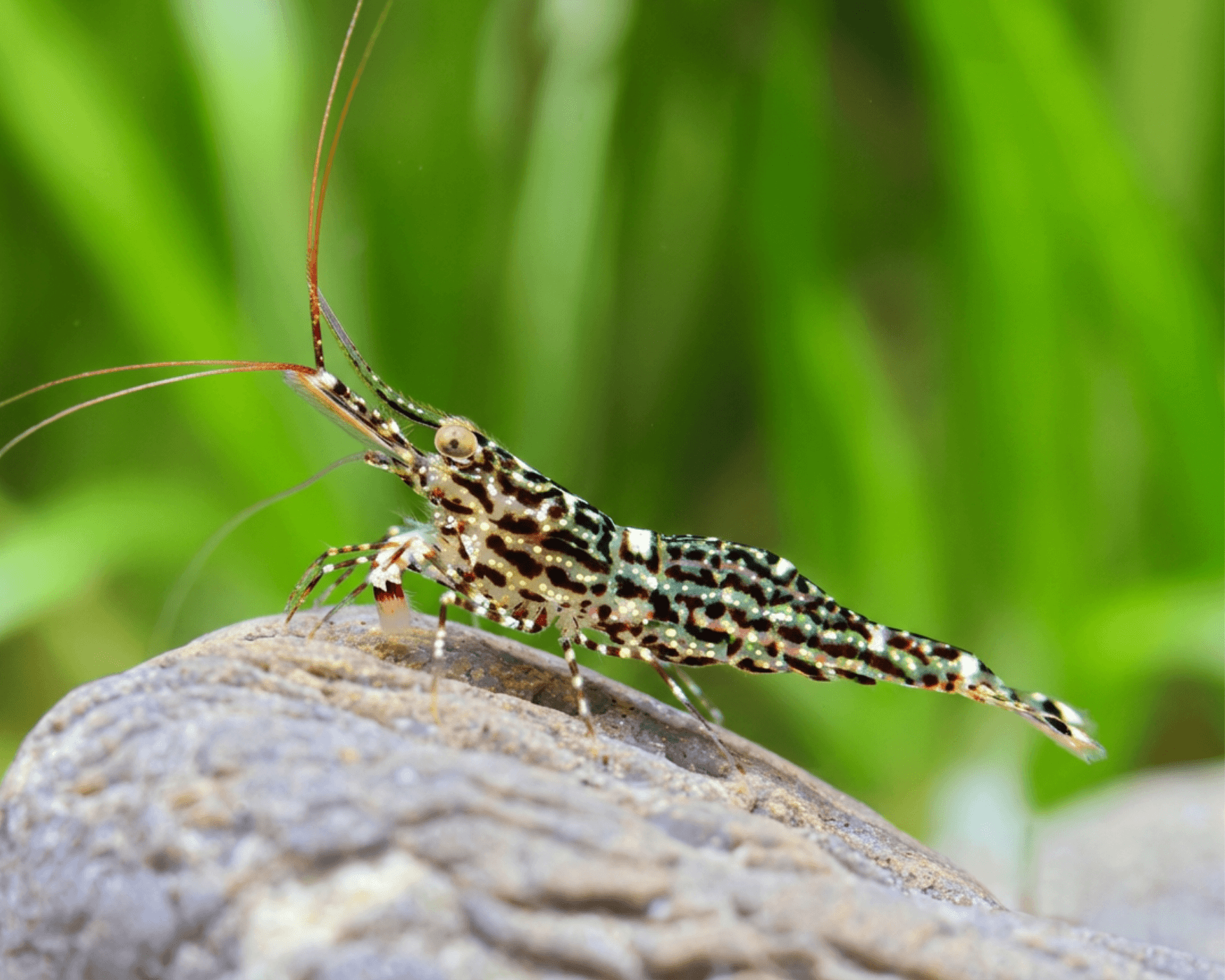
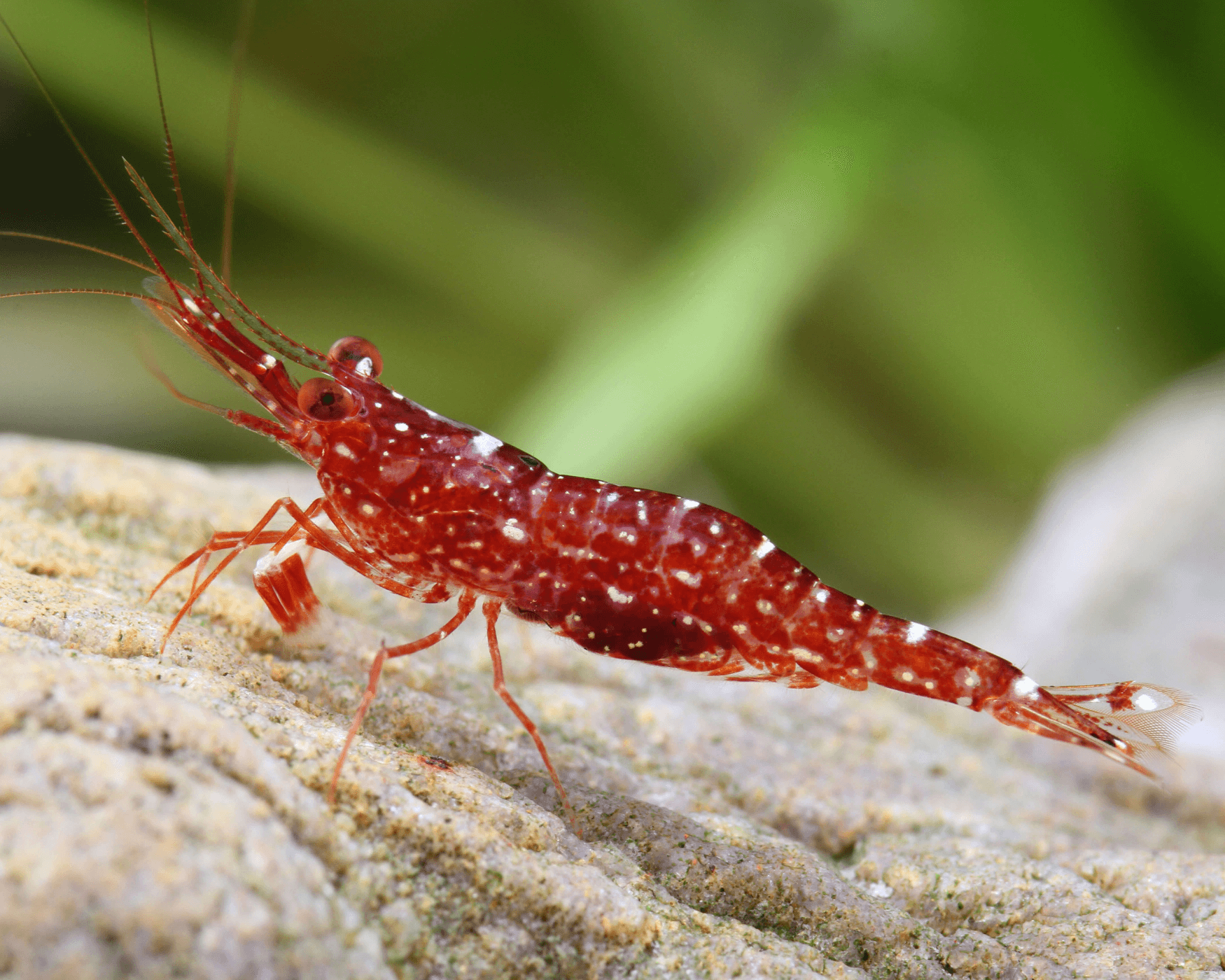
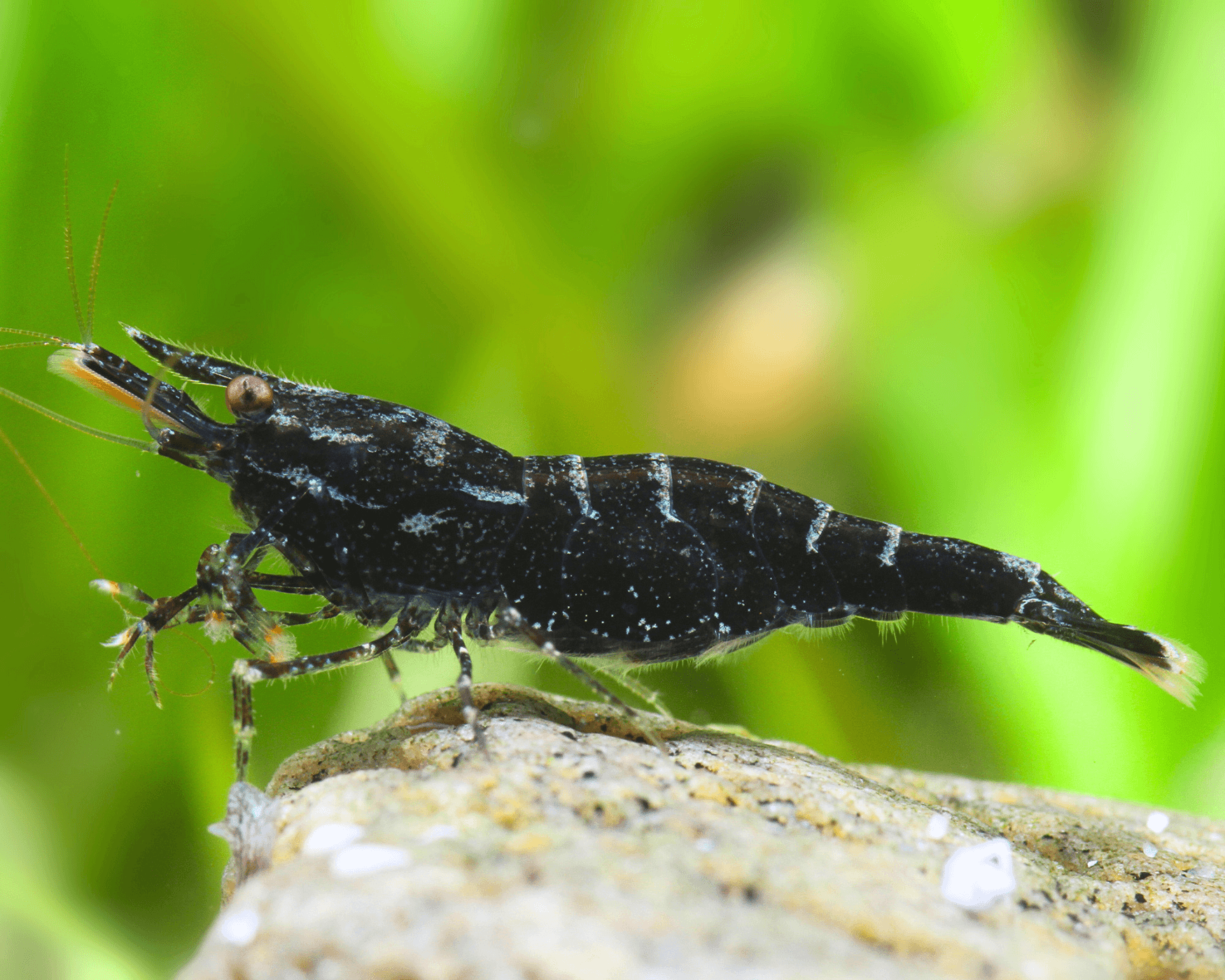
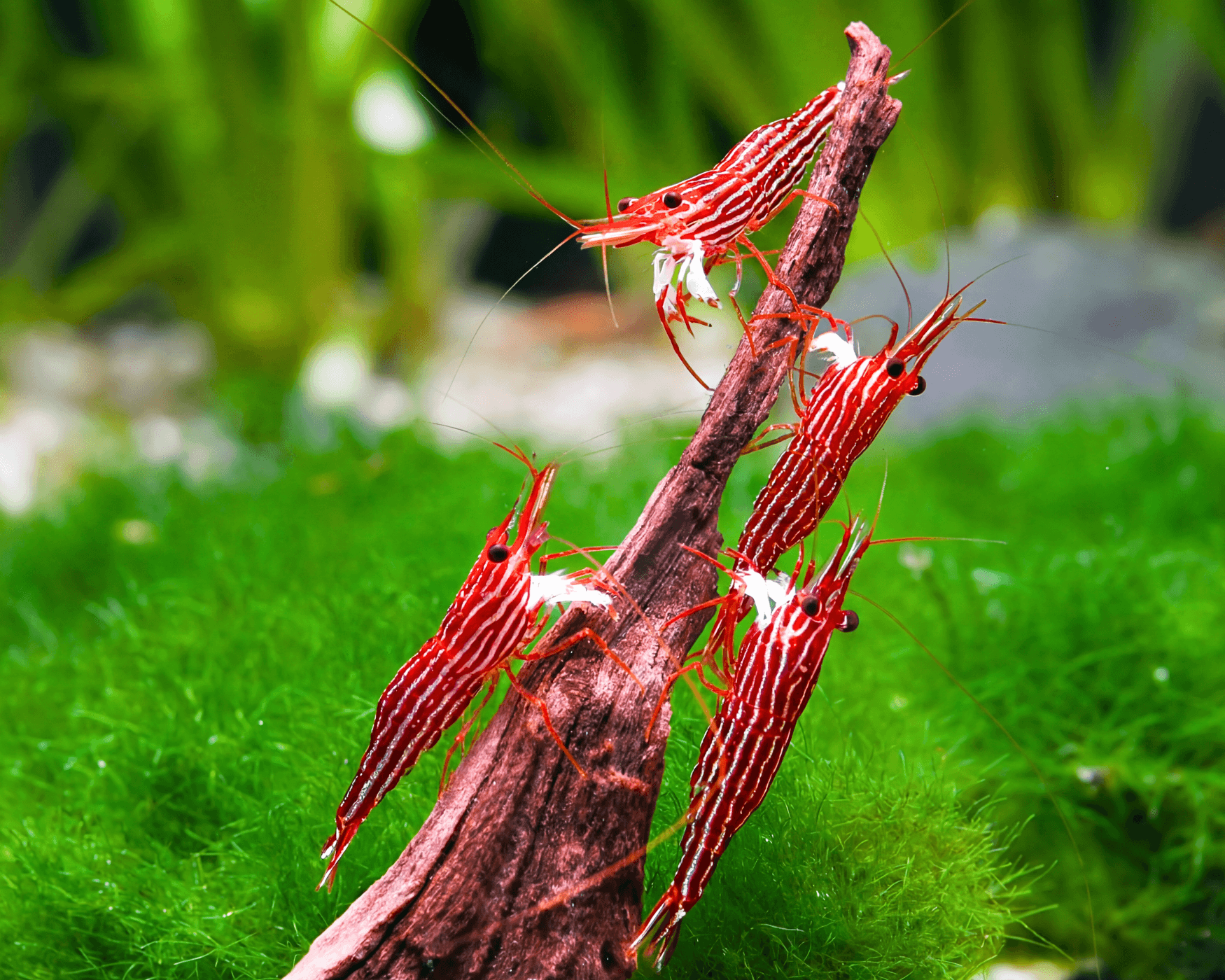
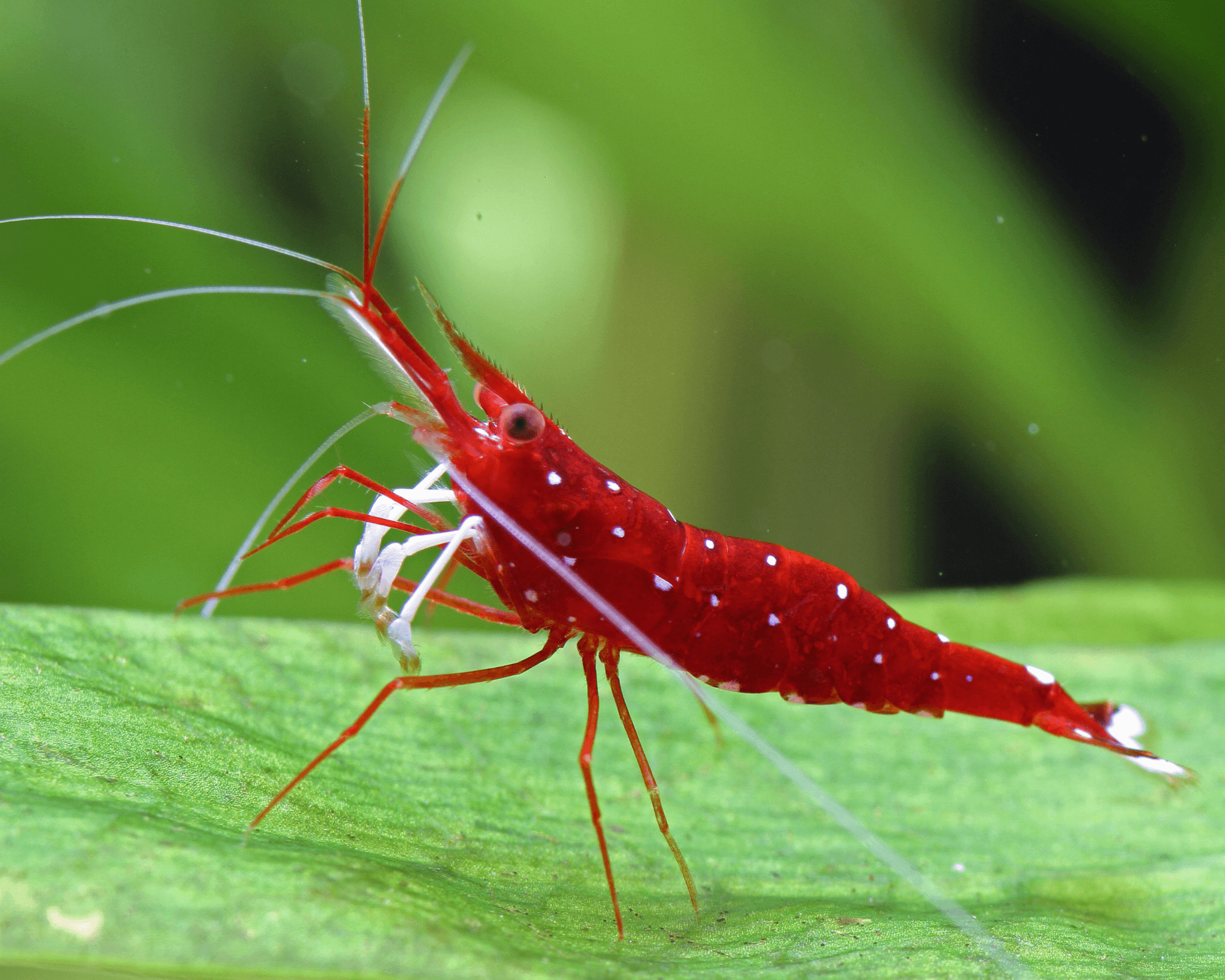
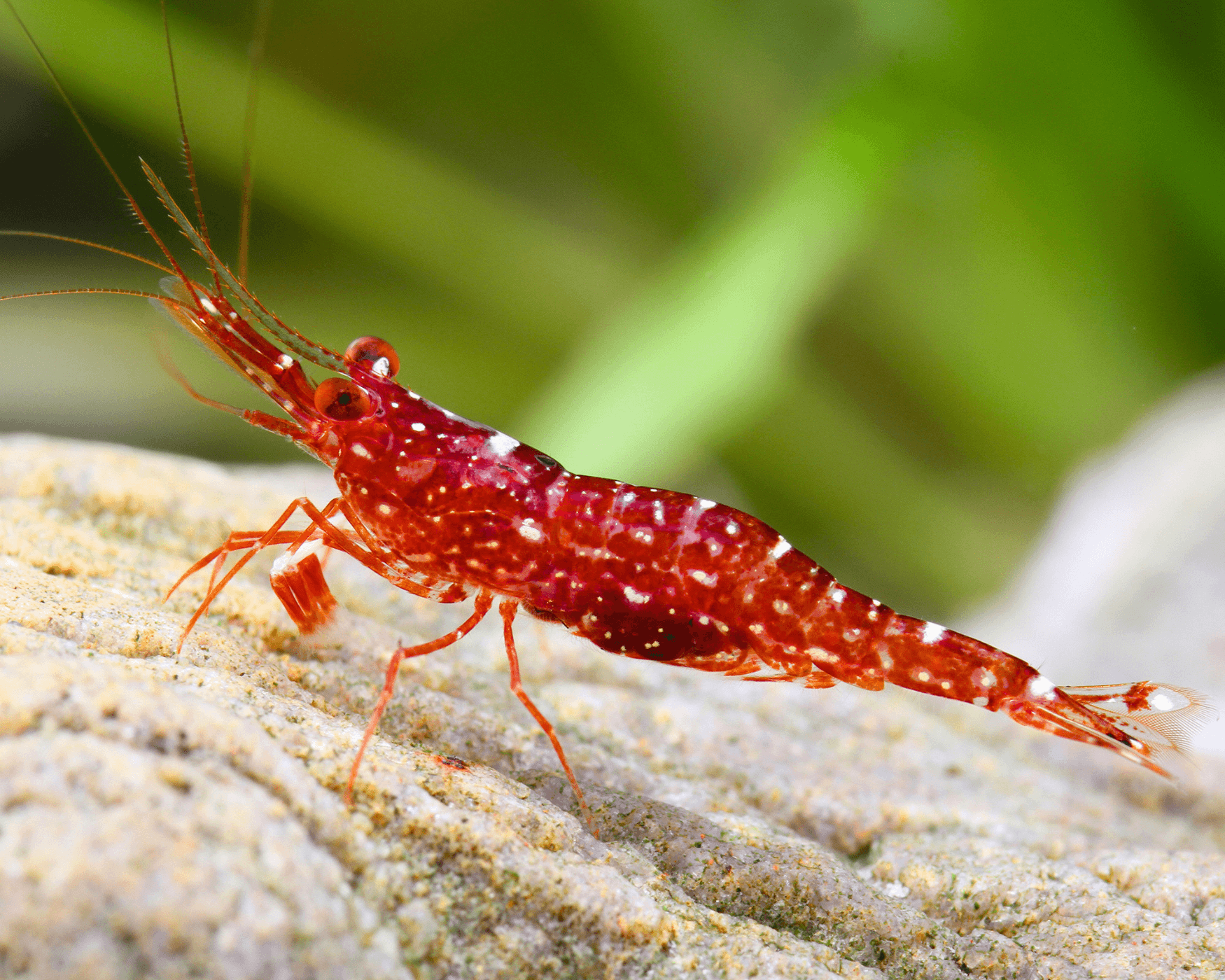
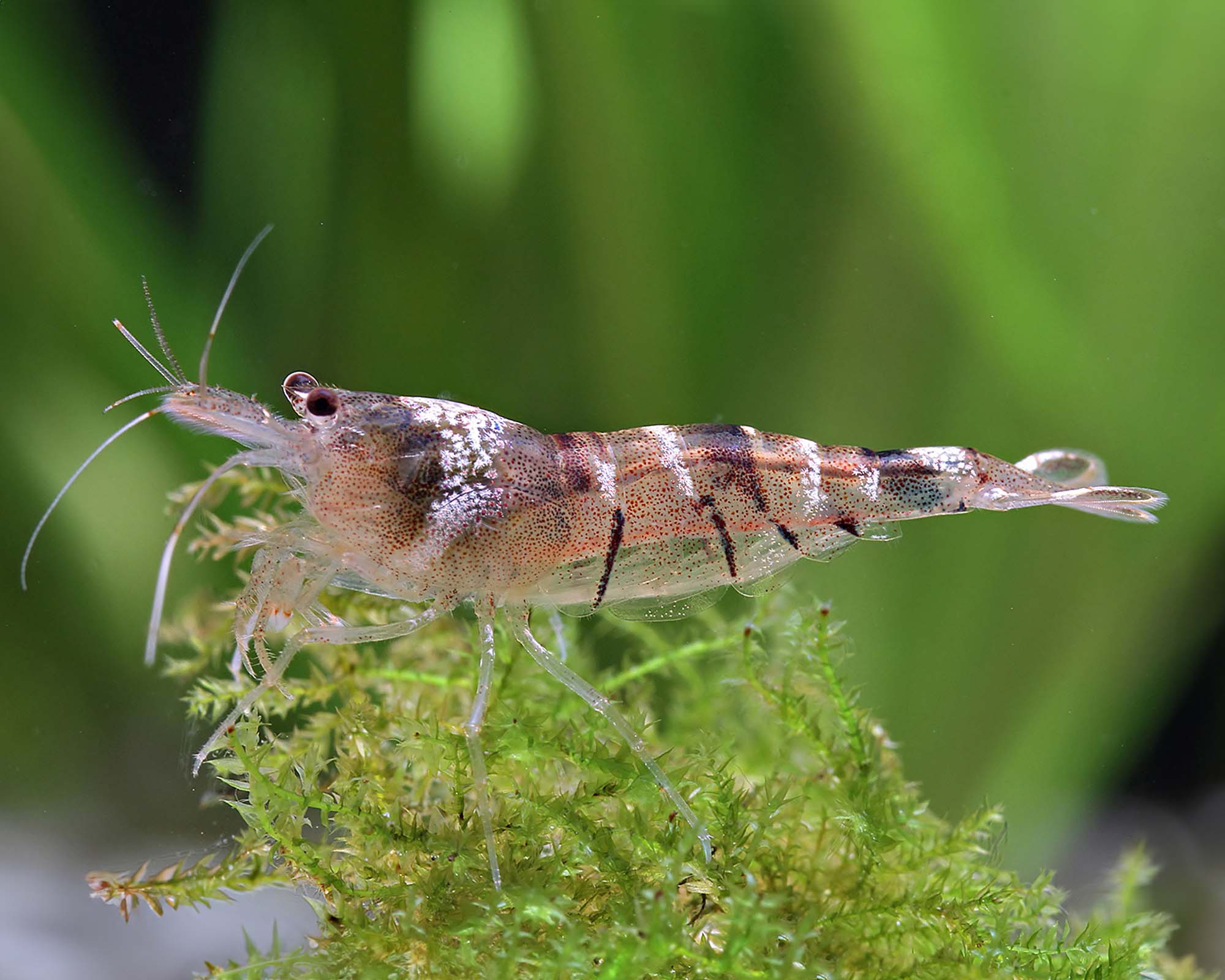
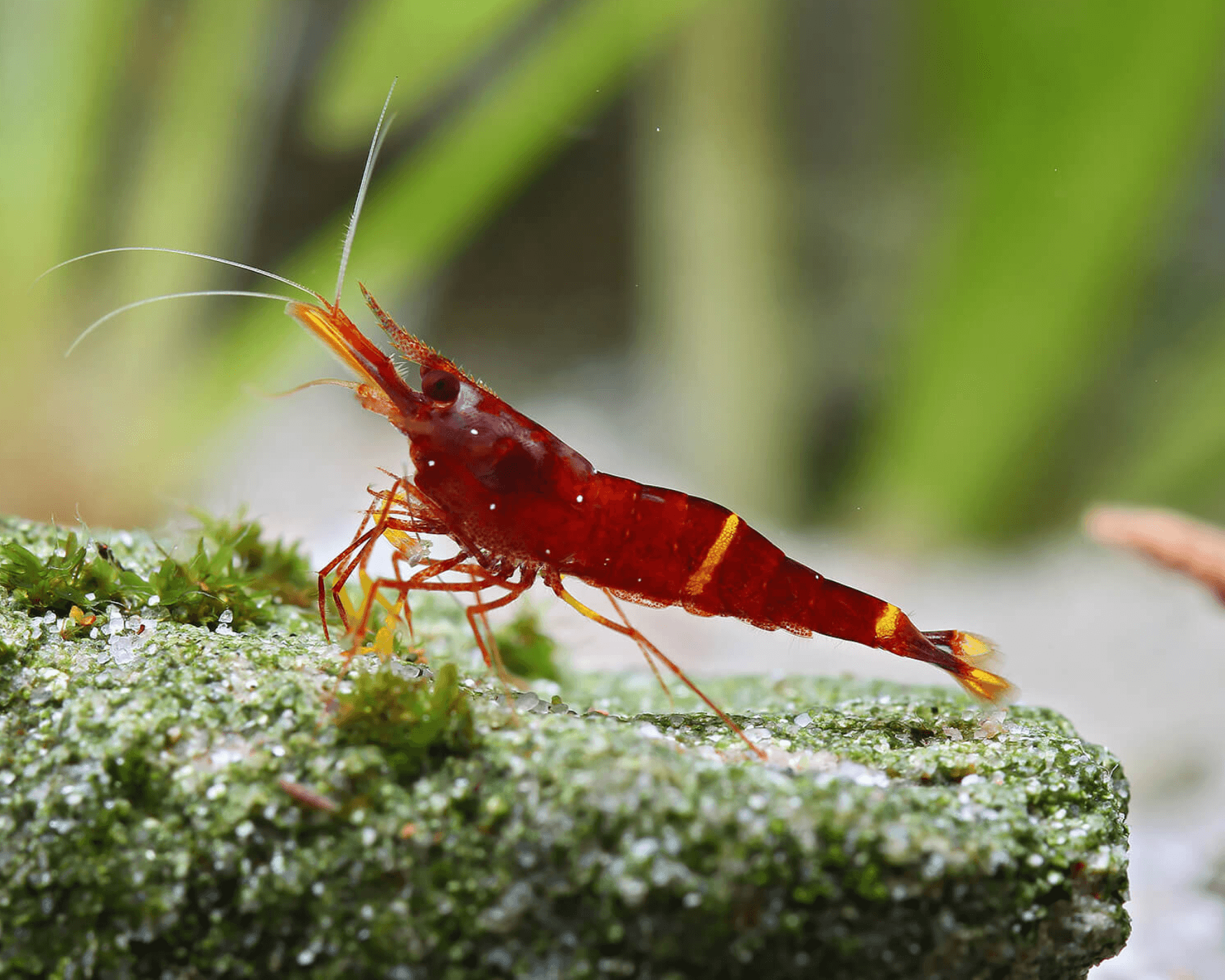
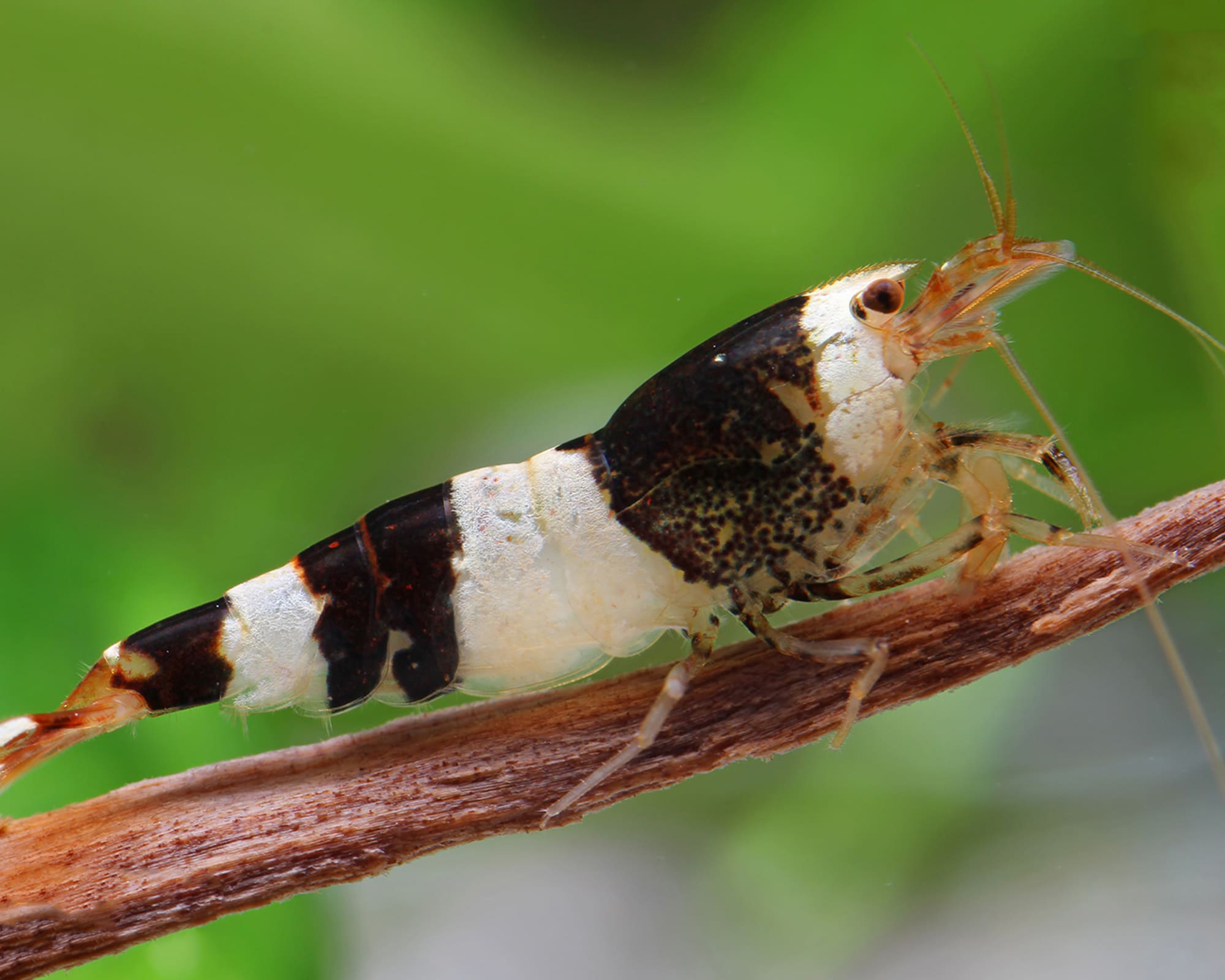
As seen in the images, Malawa Shrimp display a fascinating, wild-type appearance. Their bodies are predominantly translucent, adorned with highly variable patterns of speckling, tiger-like bands, and sometimes a prominent dorsal stripe. Colors can range from clear with black or brown stripes to beautiful reddish-brown hues with golden or white dots. They typically reach a modest size of 1 to 1.5 inches at maturity, making them perfect for nano aquariums.

Image of sulawesi algae shrimp domestic shrimp malawa shrimp caridina pareparensis parvidentata

Keeping and Caring for Malawa Shrimp

These shrimp are practically bulletproof compared to many other Caridina species, thriving in a wide range of conditions and forgiving beginner mistakes. They are highly active and will spend their days constantly foraging.

Tank size:

A minimum of 5 gallons is recommended to establish a stable colony, though 10 gallons or more is ideal given how quickly they can reproduce once established.

Water Parameters:

Temperature

They are comfortable between 68°F and 84°F (20°C - 29°C), making them suitable for unheated tanks in warm homes or standard tropical community setups.

pH

A pH range of 7.0 to 8.5 is ideal. They prefer neutral to slightly alkaline water but can adapt to slightly lower pH levels if acclimated slowly and carefully.

Hardness

Moderate hardness is best, with a General Hardness (GH) of 4-15 and a Carbonate Hardness (KH) of 1-10.

Ammonia, Nitrite, Nitrate

Like all aquatic life, Ammonia and Nitrite must always be 0 ppm. Keep Nitrates below 20 ppm through regular water changes and the inclusion of live aquatic plants.

Lighting

Moderate lighting is recommended to encourage the growth of natural biofilm and soft green algae, which forms the bulk of their natural diet.

Water flow

Coming from river environments, they appreciate moderate water flow and well-oxygenated water. A sponge filter or a baffled hang-on-back filter works perfectly.

Decorations and Plants

A planted tank with driftwood, rocks, and plenty of aquatic mosses (like Java Moss or Christmas Moss) provides the perfect grazing grounds and hiding spots for vulnerable shrimplets.

Adding the Malawa Shrimp

Always drip acclimate your new arrivals over 1 to 2 hours. This slow introduction allows them to adjust smoothly to your specific water parameters and temperature, minimizing shock.

Some Feeding Tips

While they are phenomenal algae eaters that constantly graze on biofilm, their diet should be supplemented to ensure optimal health. Offer high-quality shrimp pellets, algae wafers, and occasionally blanched vegetables like zucchini, spinach, or cucumber.

Dangers of Malawa Shrimp in the Planted Aquarium

There are absolutely no dangers to keeping Malawa Shrimp in a planted tank. They are completely plant-safe and will only consume decaying plant matter and algae, leaving your healthy foliage untouched. The only minor consideration is that their explosive breeding can sometimes outcompete more sensitive shrimp species for available food.

Tank mates & Compatibility

They are entirely peaceful and lack any means to defend themselves. They are best kept in a species-only tank or with small, peaceful nano fish like Rasboras, small Tetras, or Otocinclus catfish. Avoid keeping them with large, aggressive, or carnivorous fish. Interestingly, they can be housed with Neocaridina shrimp (like Cherry Shrimp) because, despite being a Caridina species, their distinct genetics mean they will not interbreed.

Breeding Malawa Shrimp

Breeding is incredibly straightforward and happens naturally if conditions are good. They reproduce entirely in freshwater without any complex larval stages. Females will carry a clutch of eggs under their abdomen (becoming "berried") for about 3 to 4 weeks before releasing fully formed, miniature shrimplets. Given ample food and clean water, the population will grow rapidly.

Image of sulawesi algae shrimp domestic shrimp malawa shrimp caridina pareparensis parvidentata

Conclusion

The Malawa Shrimp is an unsung hero of the freshwater aquarium hobby. Combining the hardiness of a Cherry Shrimp with the voracious algae-eating prowess of an Amano Shrimp, Caridina pareparensis parvidentata is a highly rewarding, active, and fascinating species suitable for aquarists of absolutely all skill levels.
Shrimp info

  • Size: 1.0 - 1.5 inches (2.5 - 3.8 cm)
  • Difficulty level: Beginner
  • Temperature : 68°F - 84°F (20°C - 29°C)
  • pH: 7.0 - 8.5
  • Color Form: Brown
Leave your comments
Latest on Shrimps
  • Sulawesi Yellow Ring Shrimp (Caridina spinata)

    Sulawesi Yellow Ring Shrimp (Caridina spinata)

    Caridina spinata is a Sulawesi freshwater shrimp known in the aquarium trade as the Yellow Ring Shrimp. It is associated with warm, alkaline, mineral-rich water and requires a mature, stable aquarium rather than soft, acidic conditions used for many other Caridina. The supplied source identifies this shrimp as C. spinata, although the accompanying images show a red-bodied, yellow-banded animal and cannot independently confirm species identity. Careful acclimation and consistent maintenance are central to long-term success.
  • Black Bee Shrimp (Caridina logemanni)

    Black Bee Shrimp (Caridina logemanni)

    The Black Bee shrimp is a popular dwarf shrimp variety, scientifically recognized as Caridina logemanni. Prized for its striking high-contrast banding, this species is a staple in the hobby for advanced keepers. Originating from freshwater habitats in southern China, these shrimp require stable, specialized water conditions to thrive and successfully reproduce within a dedicated aquarium setup.
  • Sulawesi Three Spot Red Bee Shrimp

    Sulawesi Three Spot Red Bee Shrimp

    The Sulawesi Three Spot Red Bee Shrimp is a striking crustacean originating from the ancient lake systems of Sulawesi, Indonesia. Known for its intense coloration and unique spot pattern, this shrimp requires specialized care conditions typical of the Sulawesi region. Due to their specific environmental needs, they are recommended only for experienced hobbyists capable of maintaining stable, high-quality water parameters.
  • Sulawesi Starry Night Shrimp (Caridina spec.)

    Sulawesi Starry Night Shrimp (Caridina spec.)

    The Sulawesi Starry Night shrimp is a visually striking freshwater crustacean native to the ancient lake systems of Sulawesi, Indonesia. Known for its distinct dark coloration and light spots, this species requires specialized care. Due to the complex nature of its endemic habitat, it is considered a challenging species suitable only for experienced aquarium keepers.
  • Sulawesi Red Orchid Shrimp (Caridina glaubrechti)

    Sulawesi Red Orchid Shrimp (Caridina glaubrechti)

    The Sulawesi Red Orchid shrimp, scientifically known as Caridina glaubrechti, is a visually striking freshwater crustacean native to the ancient Lake Towuti in Indonesia. Renowned for its intense red coloration and intricate white markings, this species is highly sought after by advanced hobbyists. Due to their specific environmental requirements, they are considered a challenging species to maintain successfully in captivity.
  • Sulawesi Mantano Tiger Shrimp

    Sulawesi Mantano Tiger Shrimp

    The Sulawesi Mantano Tiger shrimp, scientifically identified as Caridina holthuisi, is a specialized freshwater crustacean endemic to Lake Mantano in Indonesia. Known for its striking striped patterns and complex environmental requirements, this species is highly sought after by experienced hobbyists. Success with these delicate shrimp relies heavily on replicating their unique, mineral-rich, and warm alkaline lake habitat conditions.
  • Caridina striata: The Sulawesi Mantano Red Line Shrimp

    Caridina striata: The Sulawesi Mantano Red Line Shrimp

    The Caridina striata, commonly known as the Sulawesi Mantano red line shrimp, is a striking freshwater crustacean native to the ancient Lake Matano in Indonesia. Renowned for its vivid red body adorned with distinct horizontal white stripes, this species requires specialized care. It is a highly sought-after invertebrate for advanced hobbyists interested in the unique conditions of Sulawesi lake ecosystems.
  • Sulawesi Cardinal Shrimp (Caridina dennerli)

    Sulawesi Cardinal Shrimp (Caridina dennerli)

    The Cardinal Shrimp, scientifically known as Caridina dennerli, is a striking freshwater crustacean native to the ancient Lake Matano in Sulawesi, Indonesia. Renowned for its deep red coloration and distinct white spots, this species requires specialized care due to its preference for very specific, stable water parameters found in its unique natural habitat within the Malili lake system.
  • Sulawesi Malili Red Shrimp

    Sulawesi Malili Red Shrimp

    The Sulawesi Malili red shrimp, often associated with Lake Towuti, is a striking freshwater crustacean prized for its vivid red and white striped pattern. These shrimp are native to the unique, ancient lake systems of Sulawesi, Indonesia. Due to their specific environmental requirements, they are considered a challenging species suitable only for experienced aquarium keepers.
  • Sulawesi Blue Dot Red Line Shrimp

    Sulawesi Blue Dot Red Line Shrimp

    The Sulawesi Blue Dot Red Line shrimp is a visually striking freshwater crustacean originating from the ancient lake systems of Sulawesi, Indonesia. Known for its distinct spotted pattern and vibrant coloration, this shrimp requires specialized care and stable water conditions. Due to its delicate nature, it is recommended only for experienced hobbyists capable of maintaining precise environmental requirements.
  • Sulawesi Blossom Red Shrimp (Caridina sp.)

    Sulawesi Blossom Red Shrimp (Caridina sp.)

    The Sulawesi Blossom Red shrimp is a striking, specialized freshwater crustacean native to the ancient Lake Towuti system in Indonesia. Renowned for its deep red coloration and distinct patterns, this shrimp thrives in unique, stable, and warm alkaline waters. Due to their specific environmental requirements, they are considered a challenging species for experienced aquarium keepers only.
  • Neocaridina Shrimp Care Guide

    Neocaridina Shrimp Care Guide

    Neocaridina shrimp are popular freshwater invertebrates known for their hardiness and vibrant colors. Originally from Taiwan and parts of China, these adaptable crustaceans thrive in well-maintained planted aquariums. They are ideal for beginners due to their undemanding nature regarding water parameters, though they require stable environments to remain healthy, breed successfully, and complete their essential molting process regularly.
  • Caridina woltereckae: The Sulawesi Towuti Beauty

    Caridina woltereckae: The Sulawesi Towuti Beauty

    The Towuti Beauty shrimp, scientifically known as Caridina woltereckae, is a striking freshwater crustacean native to the ancient Lake Towuti in Sulawesi, Indonesia. Renowned for its bold red and white banded pattern, this species is highly sought after by experienced hobbyists. Due to their specific environmental requirements, they are considered a challenging species that demands stable, specialized water conditions to thrive.
  • Neocaridina Shrimp: A Guide to Colorful Freshwater Invertebrates

    Neocaridina Shrimp: A Guide to Colorful Freshwater Invertebrates

    Neocaridina davidi is a highly popular freshwater shrimp species valued for its vibrant color morphs and ease of care. Native to East Asia, these hardy invertebrates are excellent additions to community tanks. They play a vital role in cleaning algae and detritus, making them both beautiful and functional inhabitants for hobbyists of all experience levels.
  • Red Cherry Shrimp (Neocaridina davidi)

    Red Cherry Shrimp (Neocaridina davidi)

    The Red Cherry Shrimp is a popular and hardy freshwater crustacean, ideal for both beginners and experienced aquarists. Known for its vibrant coloration and active foraging behavior, this species thrives in well-planted community tanks. Their peaceful nature and ease of breeding make them a staple in the hobby, provided their basic environmental needs are consistently met.
  • Red Cherry Shrimp Care Guide

    Red Cherry Shrimp Care Guide

    The Red Cherry shrimp is a highly popular freshwater crustacean known for its vibrant coloration and ease of care. Native to various freshwater habitats in Taiwan, these resilient scavengers are ideal for community aquariums. Their active nature and beneficial role in cleaning algae make them a favorite choice for both beginners and experienced aquarists looking to populate a nano tank.