AquaLibs presents AquaRank Discover the world’s leading aquascapers

Explore transparent rankings built from published results across the world’s leading aquascaping contests.

Cabomba plants

Introduction

How to care 

Water Conditions


Introduction

Cobomba plants are available in aqua stores. It has some names as: Green Cabomba, Carolina Fanwort, Brazilian Fanwort, or simply "Rong Đuôi Chó", "Rong đuôi chồn", "Rong la hán xanh", "Rong lá ngò" from Vietnam. Eaten locally as a vegetable. 

Cobomba plants can be green, purple or red. If you want to buy this plant from aqua stores, please check the plants. if it has some roots growing from the stems and evidence of new growth, the plant have small buds or flowers then you can buy it. These are all indications that the plant is healthy. 

It reaches 30-80 cm and each stem can become 5-8 cm wide. The least demanding of the Cabomba-species, but still causes problems in poorly lit aquariums. If there is not sufficient light, try Limnophila sessiliflora, which requires less light. Most decorative when planted in groups.

A bundle of stems or young plants gathered in an anchor. Remove the anchor and split into separate plants. Regarding stem plants, remove the leaves from the lowest 5 cm (2“). Remove any damaged leaves. Plant the individual plants with some distance into the bottom substrate. Roots will develop soon and the plant start growing.

How to care 

Commons

Cabomba care can be not hard, but it not easy. So Cabomba plants may not be the best choice for beginners. 

Cabomba care can be not easy when you are trying to keep it in low tech tanks. In low light, low tech tanks, a Cabomba plants often start to break apart and die after some days. Cabomba plants require morre watt of light per gallon for longer hours (about 7 hours). 

In addition to lighting requirements, a Cabomba plant may need liquid fertilizer or root tabs to provide supplements of iron and other necessary minerals. Cabomba plants may not need Co2 supplements but it would benefit from Co2. 

Another thing is which species of fish this plant should be kept with. Because it is delicate, so it is not the best choice for cichlids, goldfish or some types of Apple Snail may be interested in eating it. 

Planting 

With Cabomba Plants, you can plant in substrate or keep as a floating plant. 

Gently plant each stem in an inch or more of nutrient rich plant substrate, an inch or more apart. Its good to plant stems slightly apart to give them room to grow and sway. Be careful not to pack the substrate around the planted stem too tightly because the stem may break. At the same time, make sure the stem is secure because Cabomba plants have a tendency to float around. Its a good idea to plant the longer stems in the back rows and the shorter stems in the front rows. If planted correctly, Cabomba plants can create a nice “dense forest” look. After about a week or so, the plant will take root and be better able to hold itself in place.

Its also possible to keep Cabomba as a floating plant. Floating Cabomba is easy. Just drop the stems in the tank and the stems will float near the water surface. Because the stems are closer to the light source, they can grow faster floating as opposed to planted. They can also sprout fine white roots from the stem, and can even flower.

Trimming & Reproduction

Trimming Cabomba plant stems is not difficult. The key to trimming Cabomba is to cut the stems very gently. Be careful to not tug the plant and cause breaking, cracking, excessive shedding or uprooting. And if the trimmings are at least three inches long and look to be in good shape, they can be floated in the water or planted in the substrate. And they will grow into new plants on their own. 

Water Conditions

Water Parameters: Another Cabomba care issue has to do with aquarium water. A Cabomba plant likes clean tanks with clear gently moving water. If aquarium water moves too quickly, the plant might get jostled around and uprooted.

Aquarium pH: 6.8 – 7.5. Some hobbyists suggest lower is also acceptable.
Water Temperature: Tropical fish range, 72 – 82 degrees Fahrenheit.
Lighting: Medium to High
Tank Size: Small to Large
Plant info

  • Colors: Green
  • Difficulty: Easy
  • Origin: South America
  • Usage: Supporting plants
  • Type: Stem
  • Growth rate: High
  • Height: 20 - 30+
  • Light demand: Medium
  • CO2: Low
Leave your comments
Latest on Plants
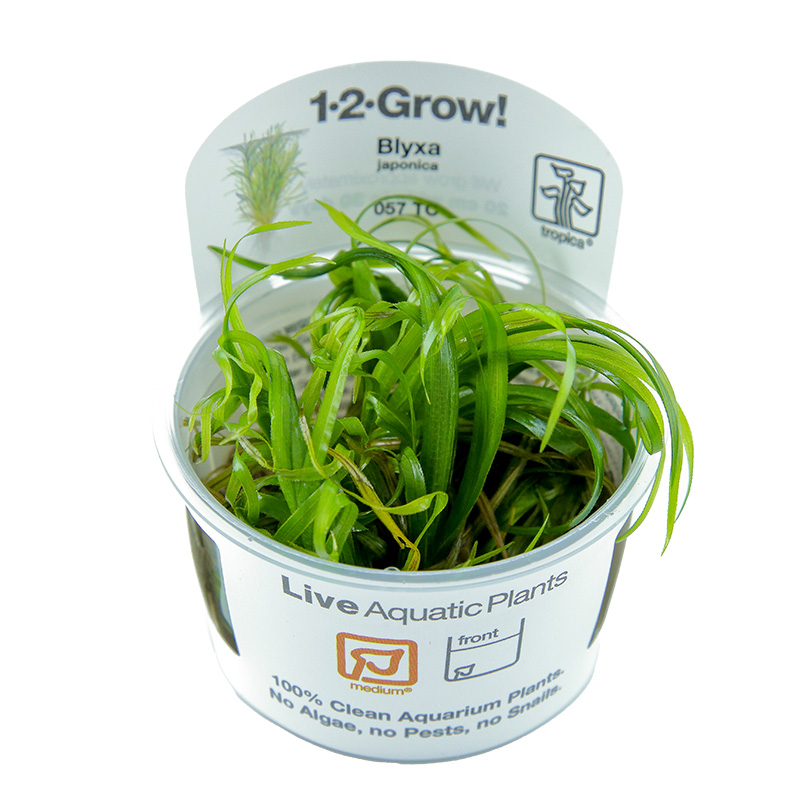
  • Blyxa japonica (Small Blyxa)

    Blyxa japonica (Small Blyxa)

    Medium
    Middleground
    Blyxa japonica is a compact Asian aquatic plant with narrow, grass-like leaves arranged around a short stem, creating a dense rosette appearance. Its fresh green foliage provides texture between low foreground plants and taller background groups. It adapts to submerged aquarium growth but performs best with adequate light, a nutrient-containing substrate, stable conditions, and a dependable carbon supply.
  • Lysimachia parvifolia ‘Red’ (Small-leaved loosestrife)

    Lysimachia parvifolia ‘Red’ (Small-leaved loosestrife)

    Medium
    Middleground
    Lysimachia parvifolia ‘Red’ is sold as a cultivated aquarium form of the small-leaved loosestrife. It develops compact, broad leaves that may range from green and bronze to red under strong light. The supplied product name supports this identification, although the exact cultivated form and its final submerged appearance can vary. It is best treated as a medium-sized accent plant for the middle of a planted aquarium.
  • Cryptocoryne parva (Dwarf Water Trumpet)

    Cryptocoryne parva (Dwarf Water Trumpet)

    Medium
    Foreground
    Cryptocoryne parva is a small, slow-growing rosette plant suited to the foreground of freshwater aquariums. It forms narrow green leaves from a compact crown and remains one of the smallest commonly cultivated Cryptocoryne species. It is generally adaptable, but steady conditions and a nutrient-rich substrate help it establish. Like other Cryptocoryne, it may shed older leaves after planting or changes in water conditions before producing new submerged growth.
  • Gratiola viscidula (Sticky hedgehyssop)

    Gratiola viscidula (Sticky hedgehyssop)

    Medium
    Foreground
    Gratiola viscidula is a small North American stem plant sold in the aquarium trade as Klebriges Gnadenkraut, or sticky hedgehyssop. Its narrow leaves form dense green shoots that can be maintained as a low foreground or short midground planting. The aquarium form is typically grown fully submerged, where regular trimming encourages branching and a compact appearance. Identification from trade photographs alone is not absolute, so the stated name should be retained when purchasing from a reputable source.
  • Taxiphyllum barbieri (Java moss)

    Taxiphyllum barbieri (Java moss)

    Easy
    On rock or root
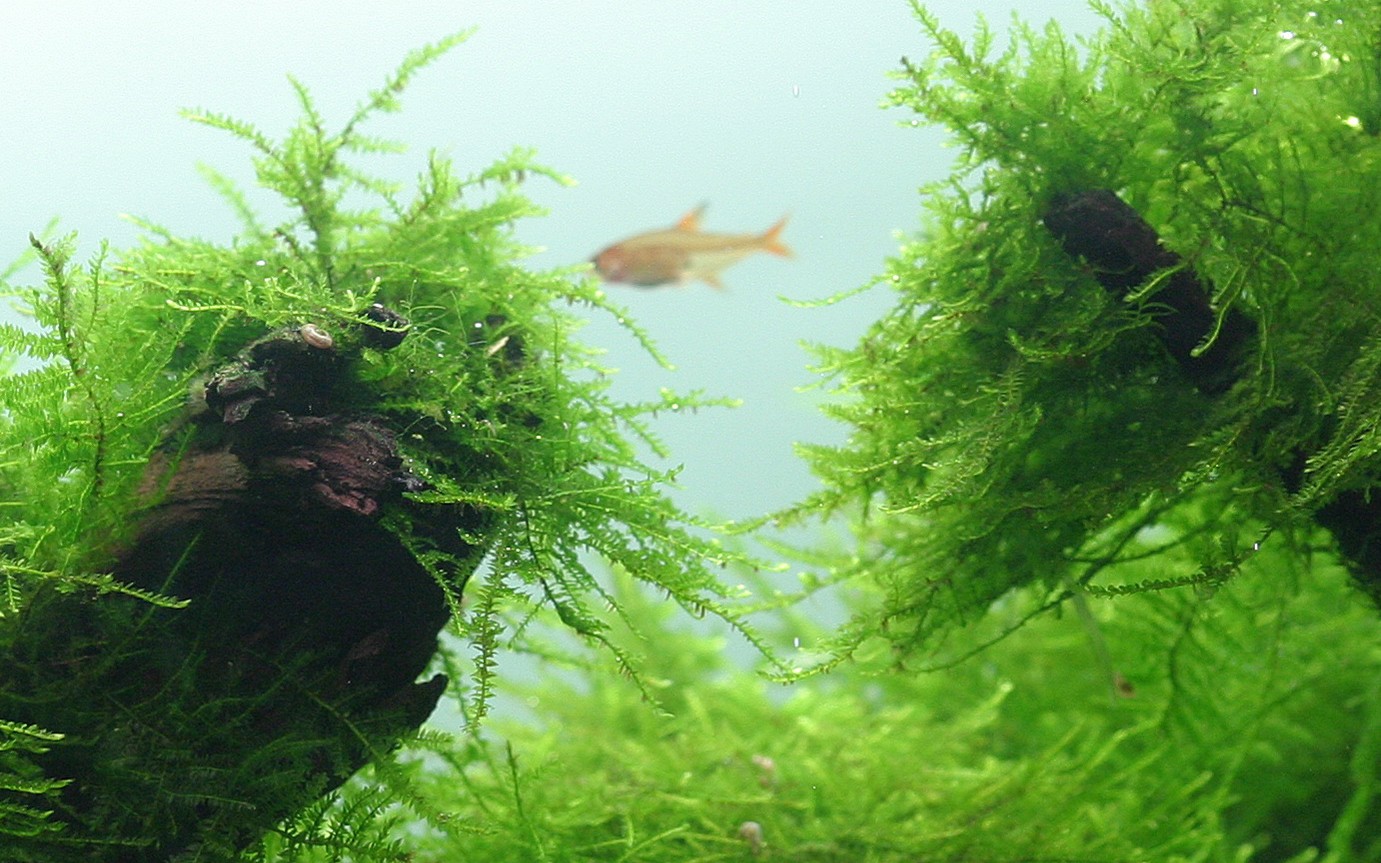
    Java moss is a hardy aquatic moss with finely branched, trailing shoots that attach readily to wood, rock and other surfaces. It tolerates low light and does not require a nutrient-rich substrate, making it suitable for beginners and low-tech aquariums. The supplied source identifies it as Taxiphyllum barbieri; visual appearance alone cannot reliably distinguish this moss from several similar aquarium mosses.
  • Rotala macrandra 'Japan' (Japanese loosestrife)

    Rotala macrandra 'Japan' (Japanese loosestrife)

    Advanced
    Background
    Rotala macrandra 'Japan' is a red-leaved aquarium stem plant sold under the common name Japanese loosestrife. It is generally regarded as a demanding form of Rotala macrandra and needs strong light, reliable carbon dioxide and consistent nutrition to maintain compact growth and good coloration. The supplied images support this identification, but cultivar names in aquarium commerce are not always standardized, so the exact form cannot be confirmed from images alone.
  • Pogostemon deccanensis (Indian star plant)

    Pogostemon deccanensis (Indian star plant)

    Advanced
    Background
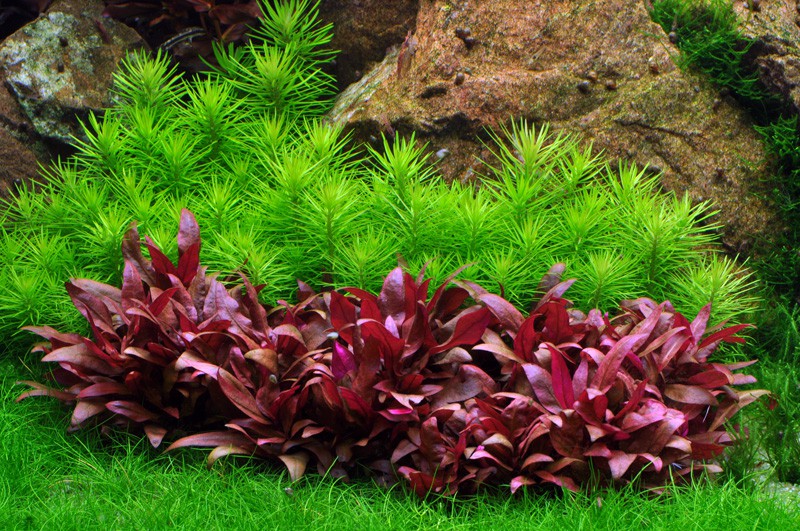
    Pogostemon deccanensis is a bright green Asian stem plant with narrow leaves arranged in dense whorls around upright stems, creating a star-like appearance. It is best suited to planted aquariums with strong lighting, reliable carbon dioxide and regular fertilisation. Healthy growth depends on stable conditions, while trimming encourages branching and keeps dense groups from shading lower stems.
  • Hygrophila pinnatifida

    Hygrophila pinnatifida

    Medium
    On rock or root
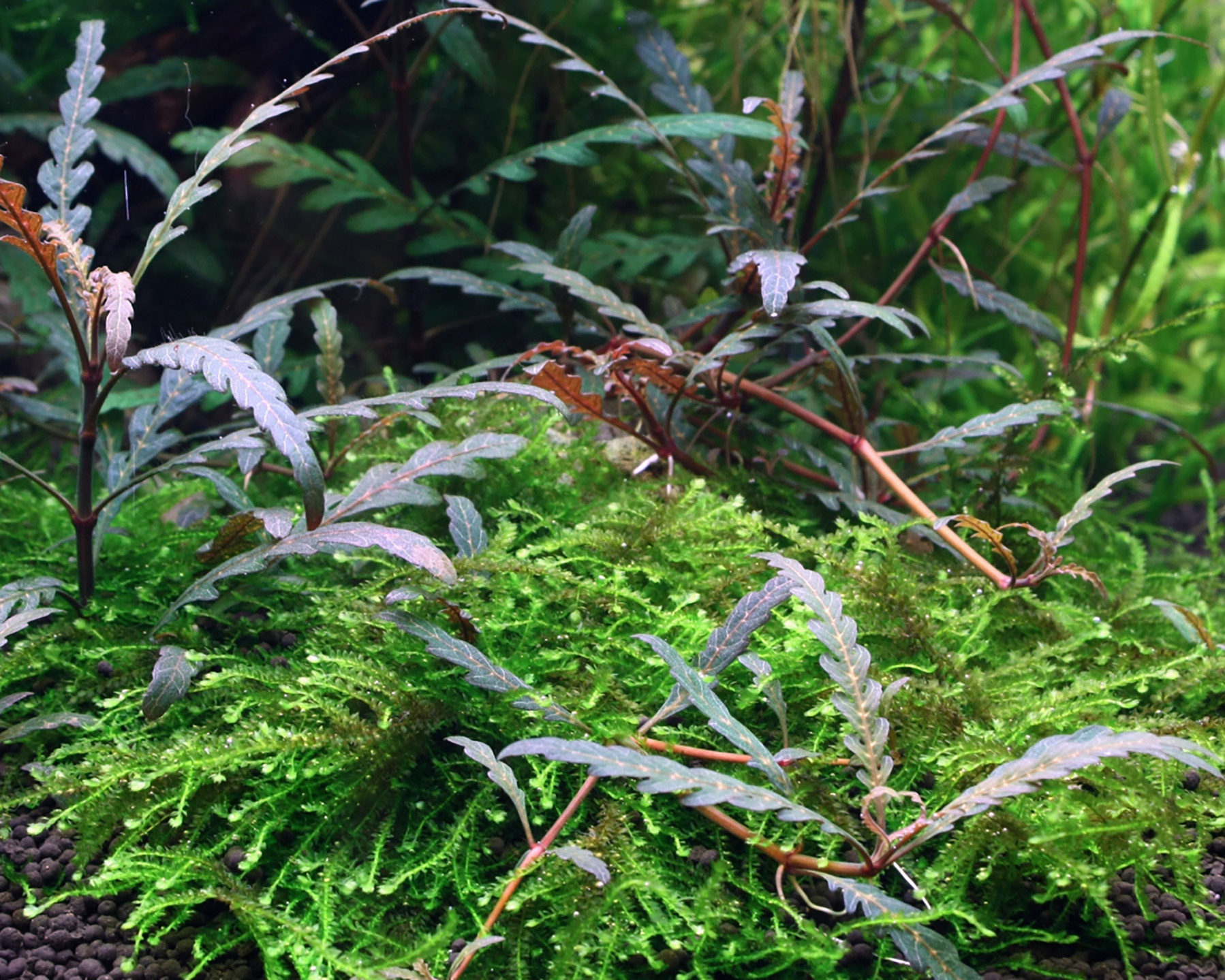
    Hygrophila pinnatifida is a distinctive Asian stem plant recognized by its deeply lobed leaves, contrasting veins and reddish stems. In aquariums it can grow as an upright plant or be trained across hardscape when side shoots are secured to rock or wood. Color and compactness vary with light, nutrients and carbon availability. The supplied image is consistent with this identification, although cultivar or regional form cannot be confirmed from an image alone.
  • Hygrophila lancea 'Araguaia'

    Hygrophila lancea 'Araguaia'

    Medium
    Middleground
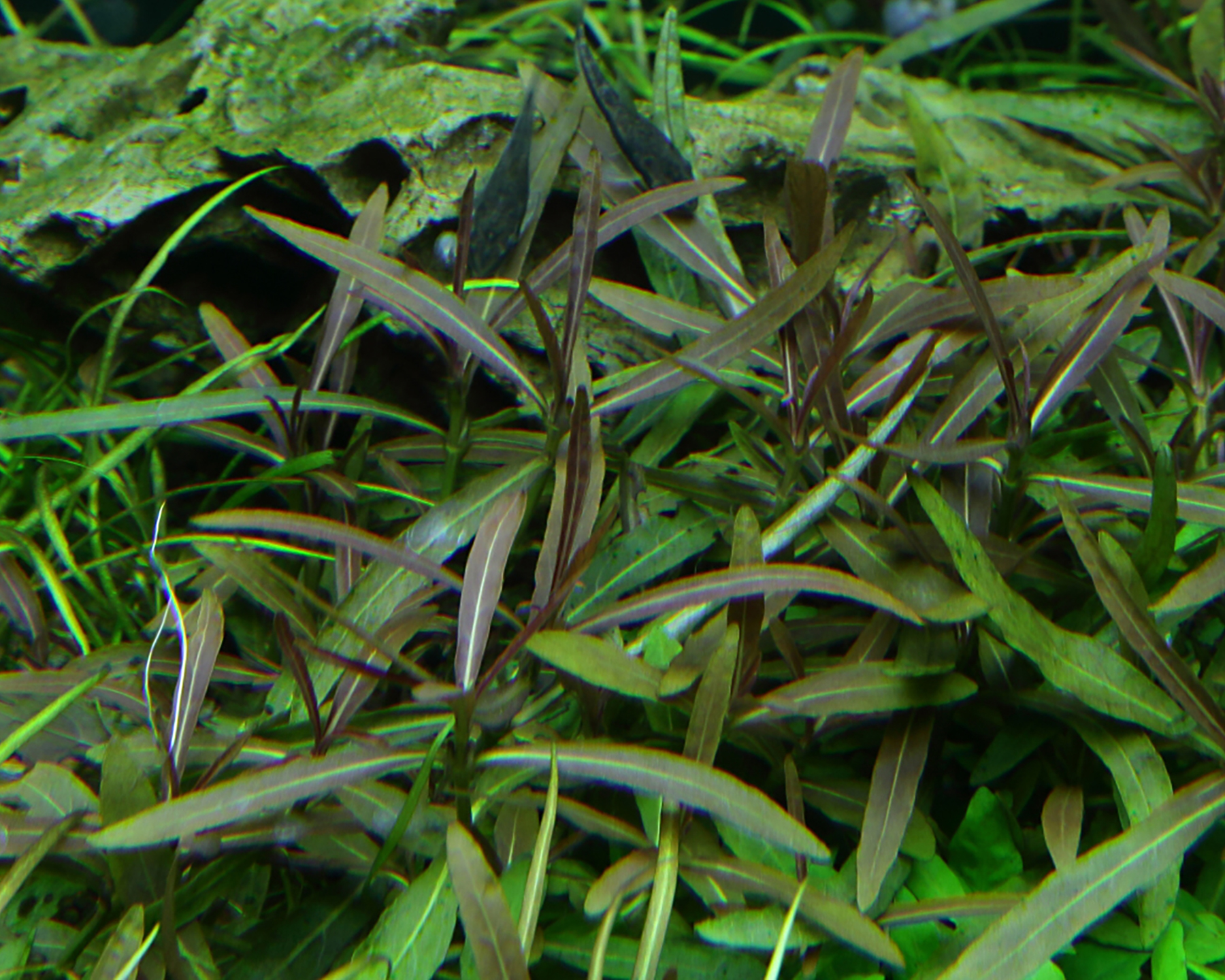
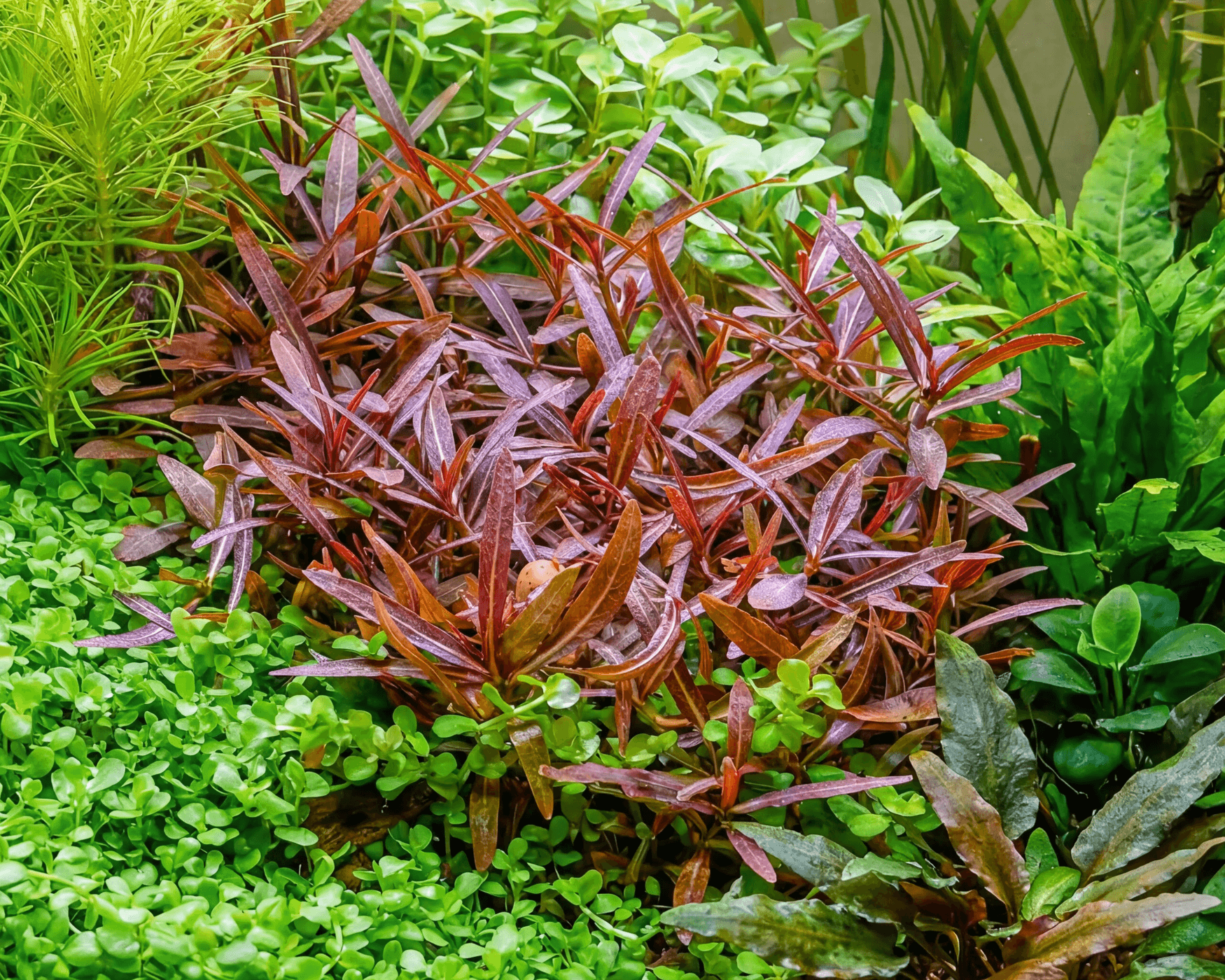
    Hygrophila lancea 'Araguaia' is a narrow-leaved stem plant valued for its green to reddish-brown foliage and upright, branching growth. It is commonly sold under this name, although the identity and relationship of the aquarium form to formally described Hygrophila lancea should be treated cautiously. With strong light, adequate nutrients and carbon dioxide, it develops deeper coloration and compact growth. Regular trimming encourages side shoots and helps maintain a dense group in the middle or rear of an aquarium.
  • Hygrophila difformis (Water Wisteria)

    Hygrophila difformis (Water Wisteria)

    Easy
    Background
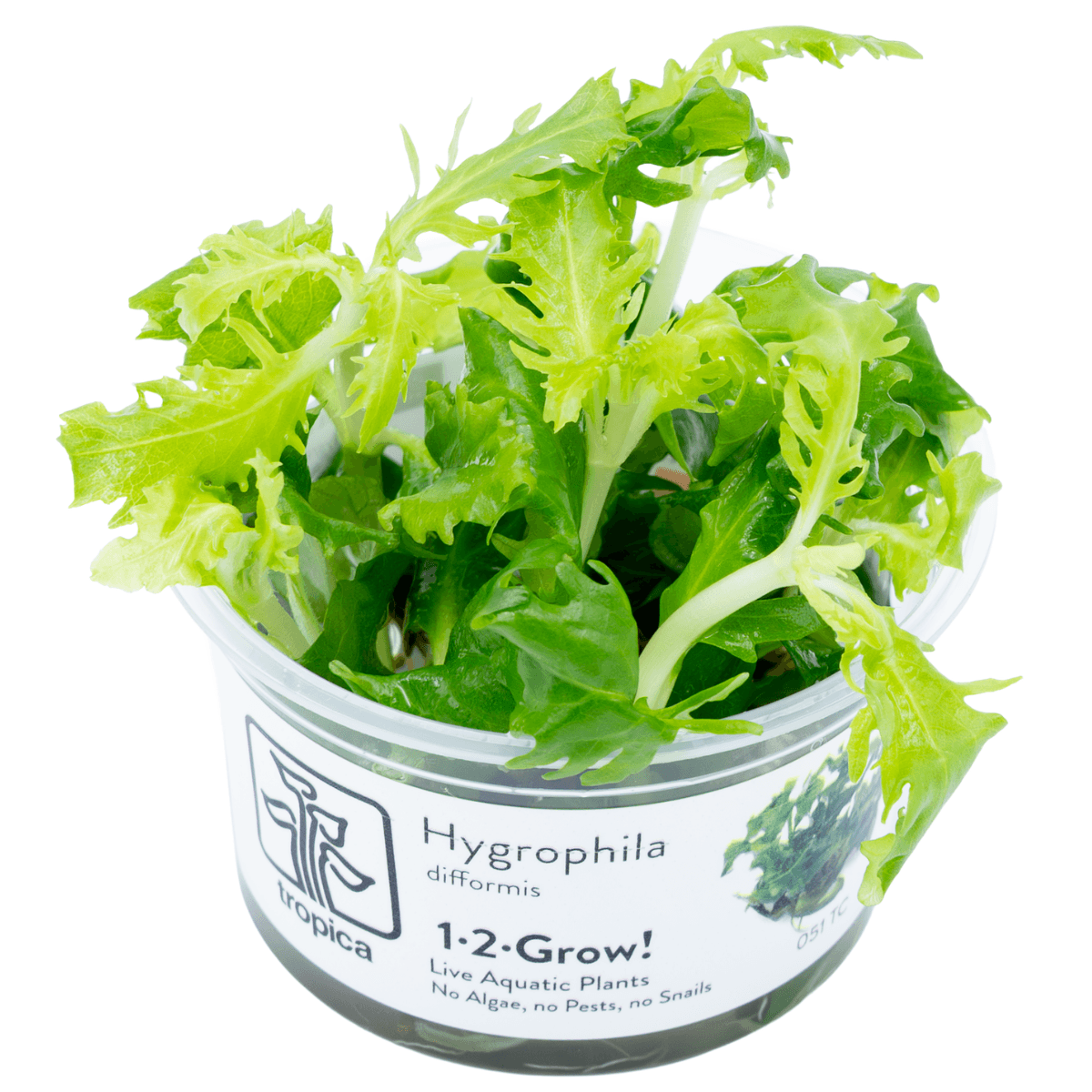
    Hygrophila difformis is a fast-growing stem plant with distinctive deeply divided submerged leaves. It is commonly sold as water wisteria and is suitable for beginners when provided with adequate light and nutrients. Young tissue-culture plants may initially have emersed-form leaves, which can change substantially after submersion. Regular trimming helps maintain a compact group and encourages branching.
  • Hygrophila lancea 'Araguaia' (Araguaia Hygrophila)

    Hygrophila lancea 'Araguaia' (Araguaia Hygrophila)

    Medium
    Middleground
    Hygrophila lancea 'Araguaia' is a compact, narrow-leaved stem plant valued for its red to pink coloration and branching growth. It is commonly sold under the aquarium trade name “Araguaia,” but the exact origin and taxonomic status of this cultivated form are not fully certain from the supplied material. With strong light, a nutrient-rich substrate, and reliable carbon availability, it can form a dense midground group. Regular trimming encourages bushier growth and provides cuttings for propagation.
  • Hottonia palustris (Water Violet)

    Hottonia palustris (Water Violet)

    Easy
    Background
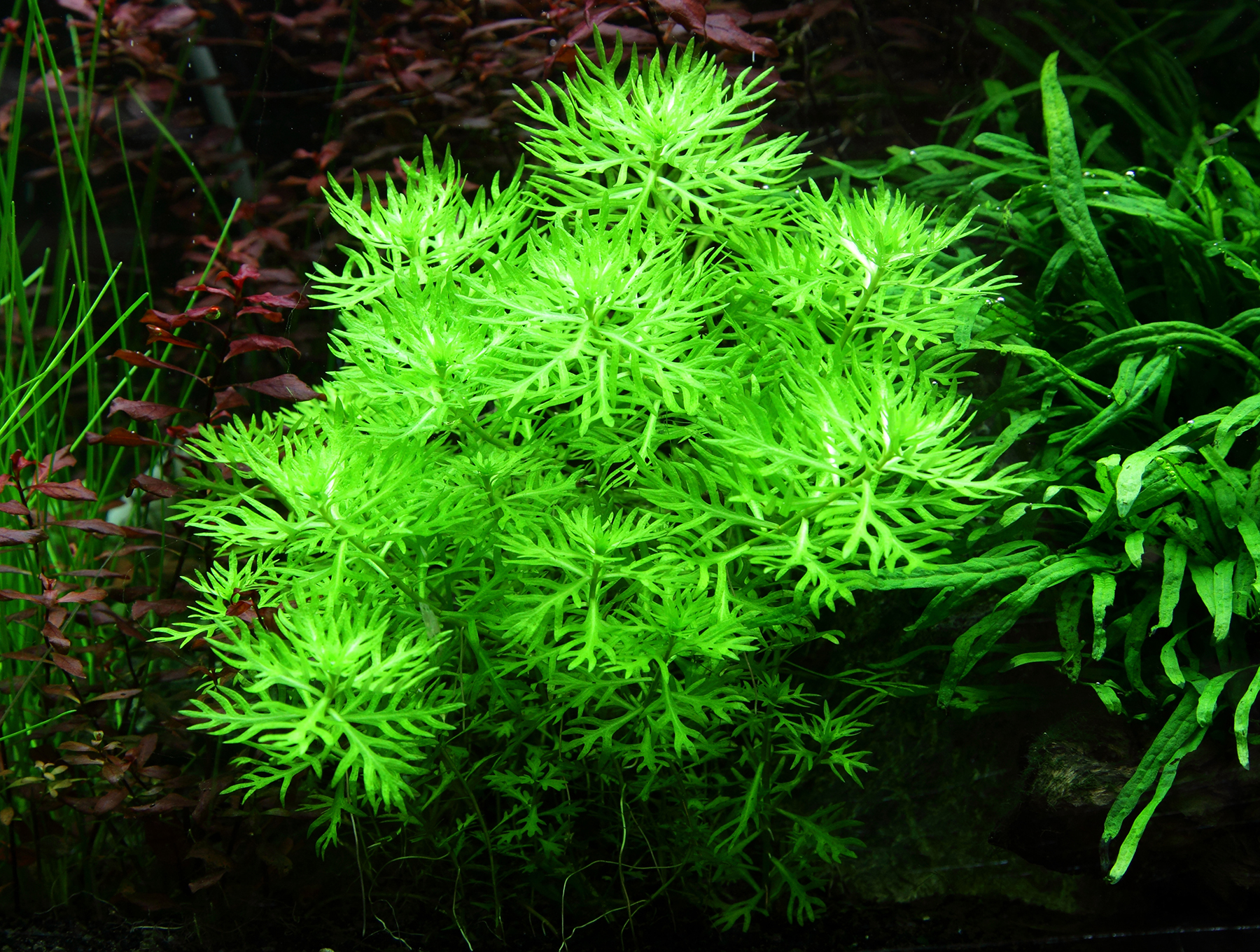
    Hottonia palustris is a delicate European stem plant with finely divided, feather-like leaves arranged along upright shoots. It is sold by Tropica as a 1-2-GROW! InVitro plant and is suitable for the background or middle of a planted aquarium. The supplied label supports the identification, although aquarium-grown specimens can vary in leaf form during transition from emersed to submerged growth.
  • Cryptocoryne nurii (Heart-leaf Water Trumpet)

    Cryptocoryne nurii (Heart-leaf Water Trumpet)

    Medium
    Foreground
    Cryptocoryne nurii is a small, slow-growing rosette plant from Asia, valued for its textured, often wavy leaves and tolerance of subdued aquarium lighting. The supplied label supports identification as C. nurii, although the exact cultivated form cannot be confirmed from the available material. It is best planted in the foreground or middle of a mature aquarium and should be disturbed as little as possible after planting.
  • Helanthium tenellum 'Green' (Green Dwarf Chain Sword)

    Helanthium tenellum 'Green' (Green Dwarf Chain Sword)

    Easy
    Foreground
    Helanthium tenellum 'Green' is a small, grass-like rosette plant used mainly in the foreground of freshwater aquariums. It spreads through slender runners and can form a low, connected carpet when planted in suitable substrate. The supplied source identifies it as the green cultivar, although cultivation conditions can make its leaf width and height variable. It is generally adaptable, but stronger light, adequate nutrients and added carbon support denser growth.
  • Najas guadalupensis 'Guppy Grass' (Guppy Grass)

    Najas guadalupensis 'Guppy Grass' (Guppy Grass)

    Easy
    Supporting plants
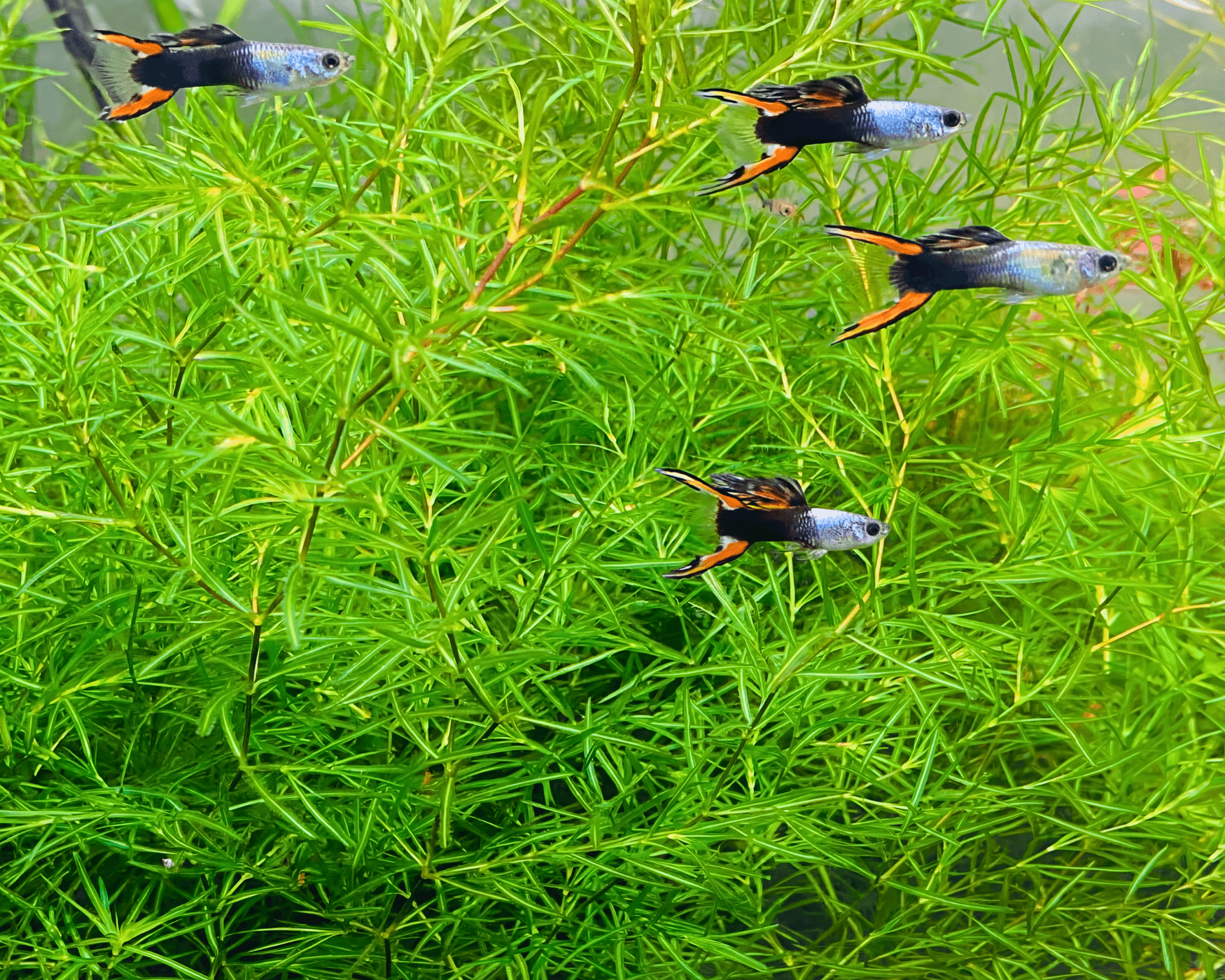
    Guppy Grass is a fast-growing, delicate submerged stem plant identified here as Najas guadalupensis 'Guppy Grass'. It produces narrow, flexible green leaves along branching stems and forms dense cover for small fish and fry. It is generally undemanding, grows floating or planted, and can quickly fill open water. The exact horticultural distinction of the quoted form cannot be confirmed from the supplied material alone.
  • Helanthium bolivianum 'Quadricostatus' (Dwarf Chain Sword)

    Helanthium bolivianum 'Quadricostatus' (Dwarf Chain Sword)

    Easy
    Foreground
    Helanthium bolivianum 'Quadricostatus' is a small rosette plant used mainly in the foreground of planted aquariums. It produces narrow, bright-green leaves and can spread by runners to form a low carpet or grouped ground cover. The supplied source identifies it as this cultivar; aquarium plants sold under similar chain-sword names can be difficult to distinguish without a verified specimen, so the identification is treated as probable rather than definitive.