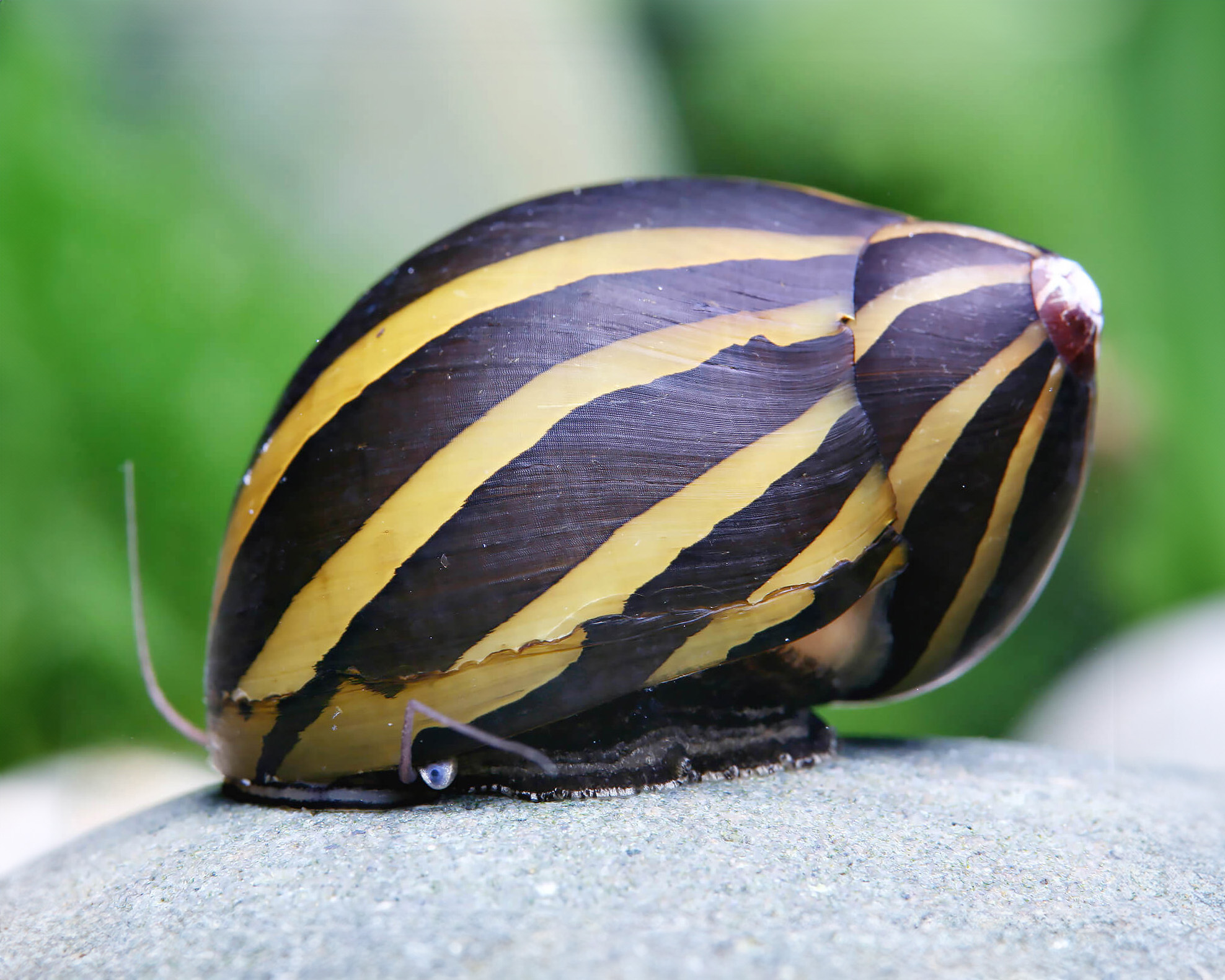
Zebra Racing Snail for Algae Control
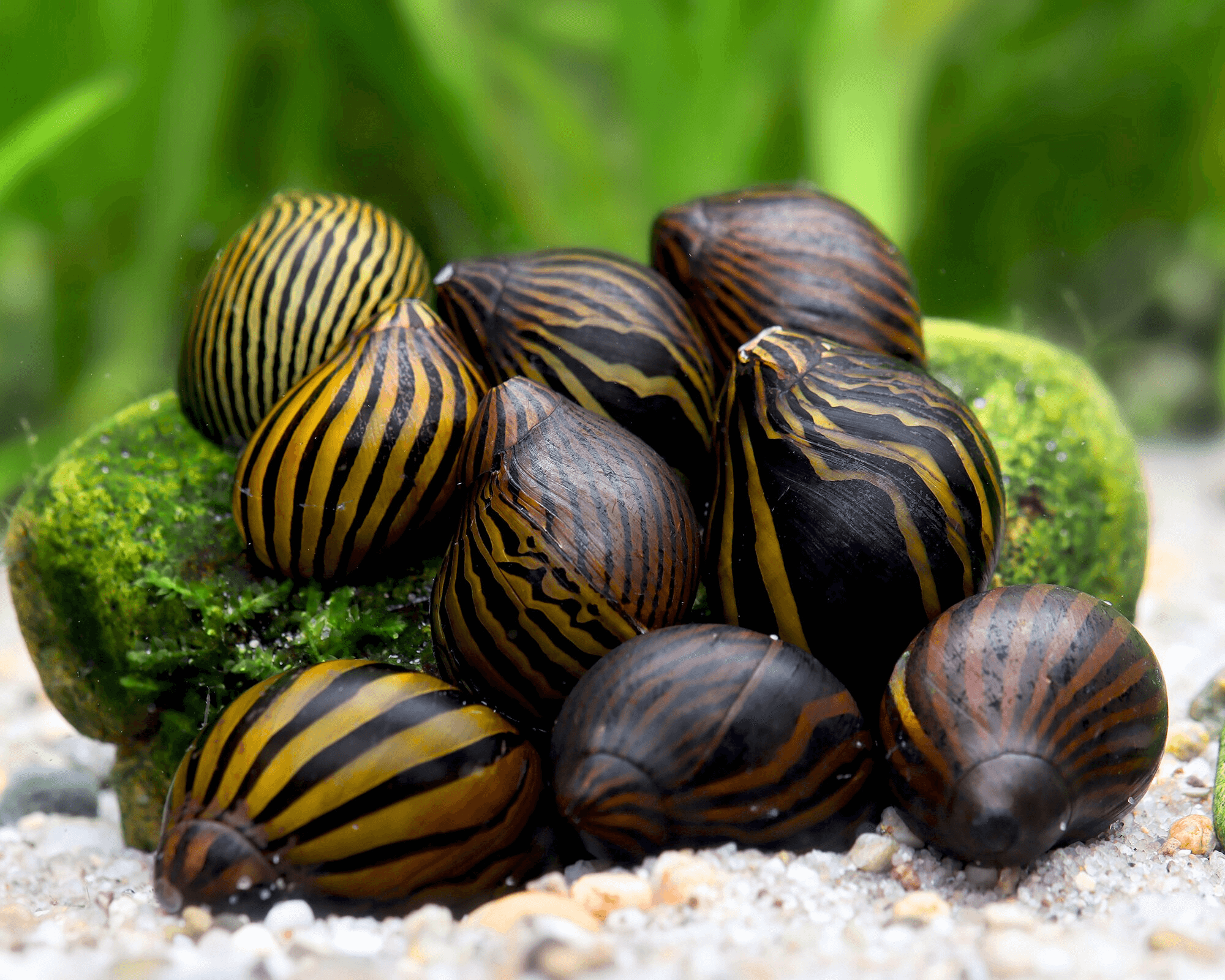
The Zebra Racing Snail is a favorite among aquarists for its striking, bold stripes and incredible efficiency at cleaning glass surfaces. These snails are strictly algae eaters and will not harm your delicate aquarium plants. Because they originate from brackish water environments, they do not reproduce in freshwater tanks, making them an excellent choice for hobbyists who want to avoid a snail population explosion. Ensure your tank has plenty of mature algae growth before introducing them, as they may struggle to find sufficient food in a brand-new, sterile aquarium.

Orange Track Racing Snail
Similar to their zebra cousins, the Orange Track racing snail is a powerhouse when it comes to scrubbing surfaces. Their vibrant, golden-orange shells add a warm pop of color to green-heavy planted tanks. They are highly active and will spend most of their time moving across stones, wood, and glass, diligently removing diatoms and green spot algae. They require a stable pH level above 7.0 to maintain their shell health. If your water is soft and acidic, consider adding a mineral supplement or cuttlebone to the tank to provide the calcium they need for strong shell growth.

Antlered Snail for Nano Tanks
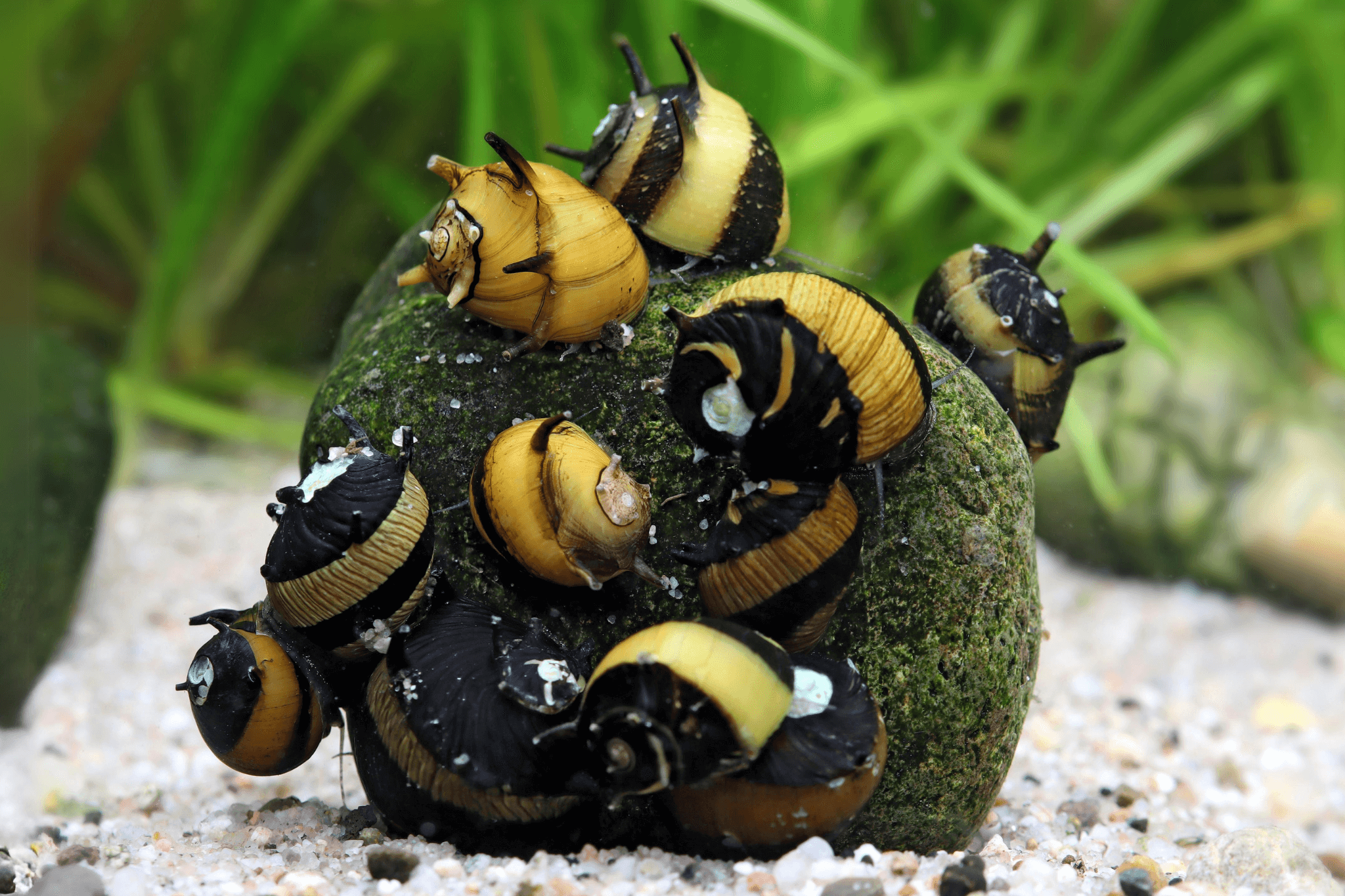
The Black and Gold Antlered snail is a tiny, fascinating creature perfect for nano setups. Their shells feature small, spike-like protrusions that give them a rugged, prehistoric look. Despite their small size, they are surprisingly effective at clearing algae from plant leaves without damaging them. They are peaceful and compatible with all types of shrimp and nano fish. Because they are small, they can easily navigate through dense carpets of foreground plants, reaching areas that larger cleaners cannot. They are a true staple for any well-maintained aquascape.
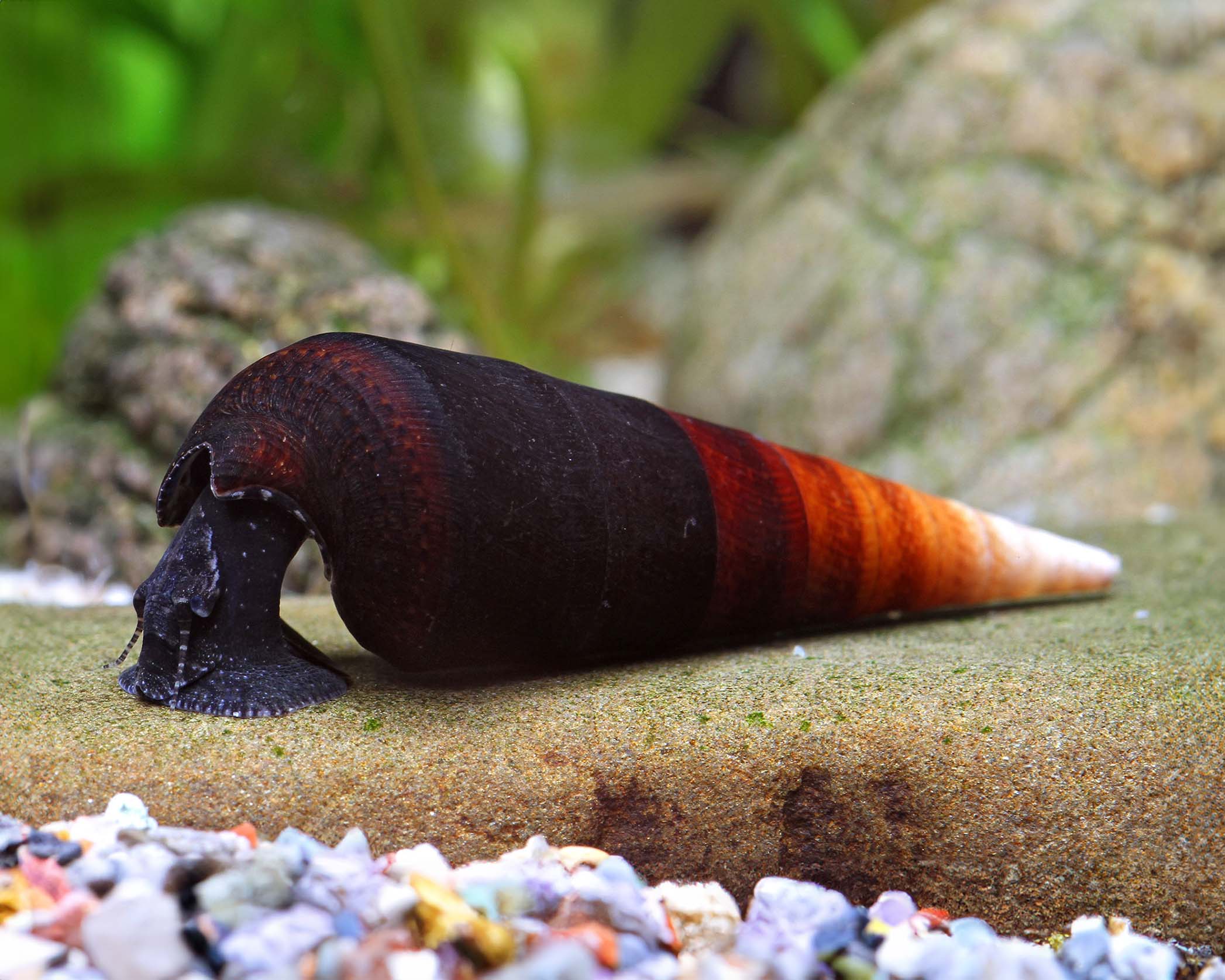
Cappuccino Snail for Substrate Care
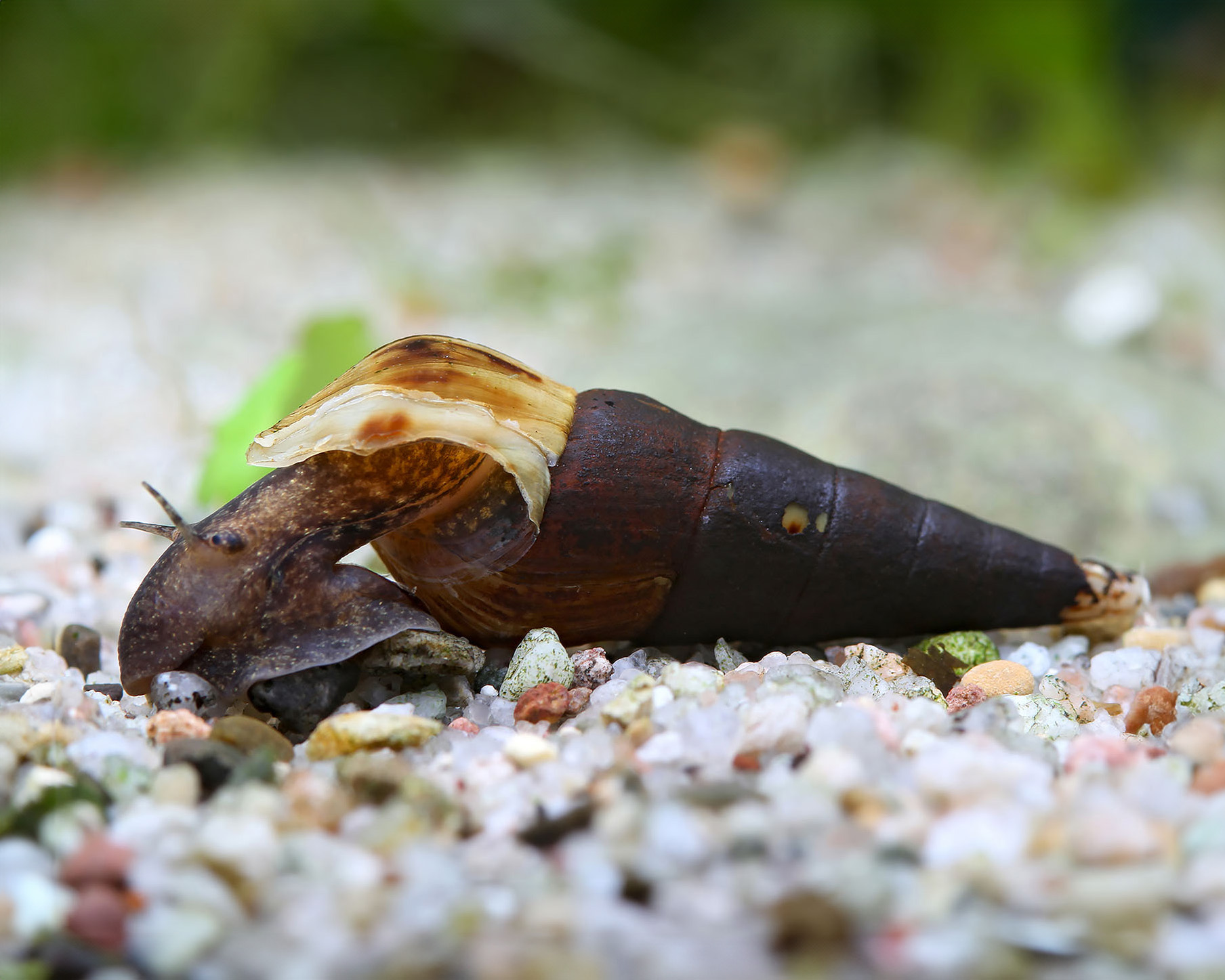
The Cappuccino snail, known for its unique, cone-shaped shell and dark coloration, is a fantastic addition for those who want a snail that focuses on the bottom of the tank. They are excellent at sifting through fine sand or gravel, which helps prevent gas buildup and keeps the substrate healthy for plant roots. While they appreciate some algae, they will also readily accept sinking pellets and blanched vegetables. Their calm demeanor makes them a great companion for peaceful community fish, though they should be kept in tanks with a tight-fitting lid as they are known to occasionally wander.
Piano Snail for Brush Algae
If you are struggling with stubborn brush or beard algae, the Piano snail is a specialized cleaner that can help. These live-bearing snails are fascinating to observe as they move gracefully across the tank. Unlike many other snails, they are quite hardy and adapt well to a wide range of water conditions. They are most active in the evening, searching for biofilm and soft algae growth. Because they are live-bearers, their population increases very slowly, which allows the aquarist to easily manage their numbers without the risk of an overwhelming infestation.
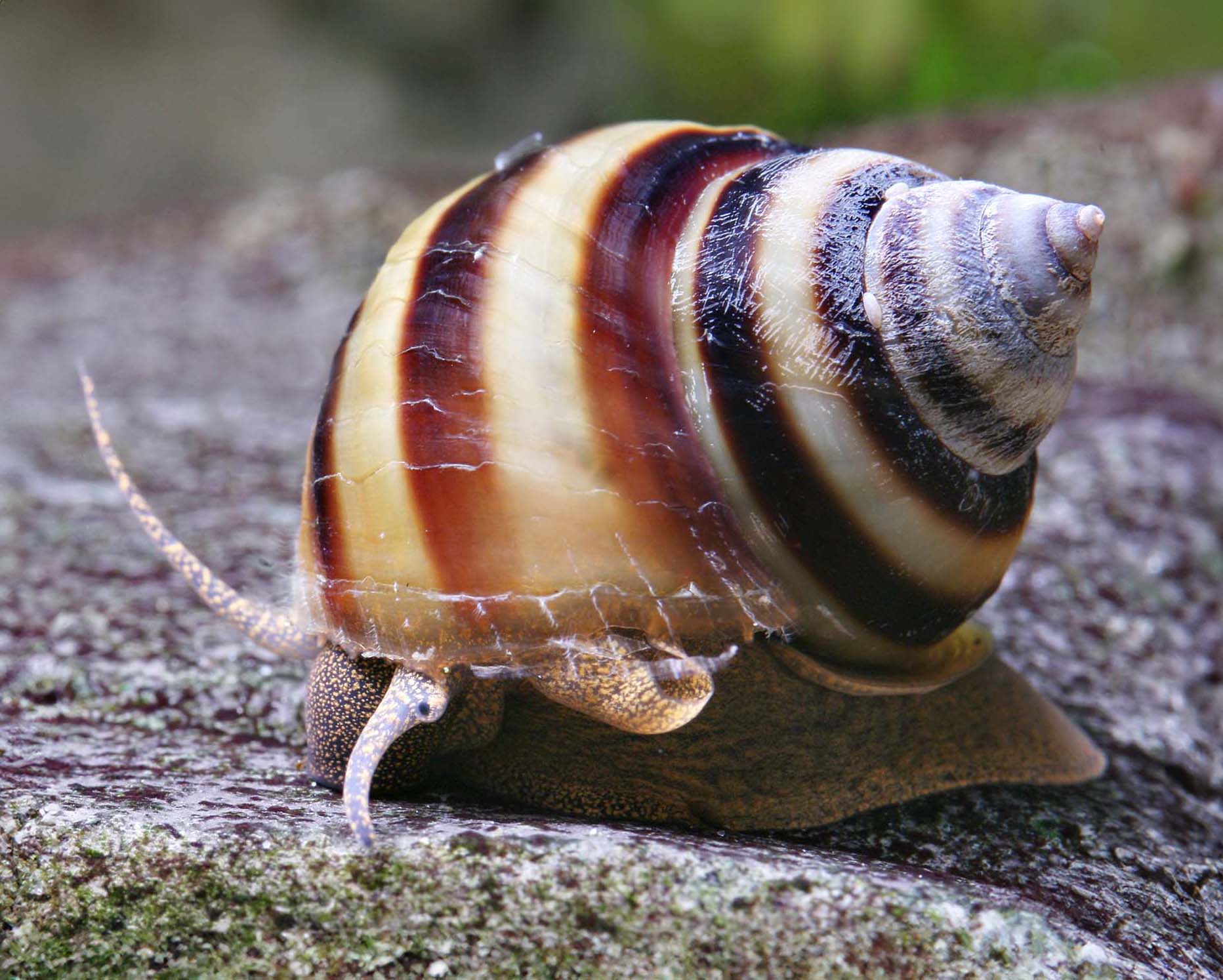
Zebra Apple Snail
The Zebra Apple snail is a unique, active species that stands out for its beautiful, patterned shell. Unlike the common pest snails, these are often sought after for their personality and visual appeal. They are quite large, so they are best suited for tanks of 10 gallons (38 liters) or more. They are omnivorous and will consume leftover fish food, keeping the substrate clean. It is important to ensure they are getting enough calcium in their diet to prevent shell pitting. They are very peaceful and will get along well with almost any community fish that does not nip at long antennae.

Yellow Tylomelania for Unique Aesthetics
Tylomelania snails, often referred to as Rabbit snails, are some of the most beautiful invertebrates available for the freshwater hobby. The yellow variety is particularly striking against dark substrate or lush green plants. These snails are highly intelligent and possess a complex personality. They require a bit more space than smaller snails and prefer a temperature range of 75 to 82 degrees Fahrenheit (24 to 28 degrees Celsius). They are not aggressive towards plants, but they do appreciate a well-established tank with plenty of hiding spots and a varied diet consisting of algae wafers and fresh vegetables.
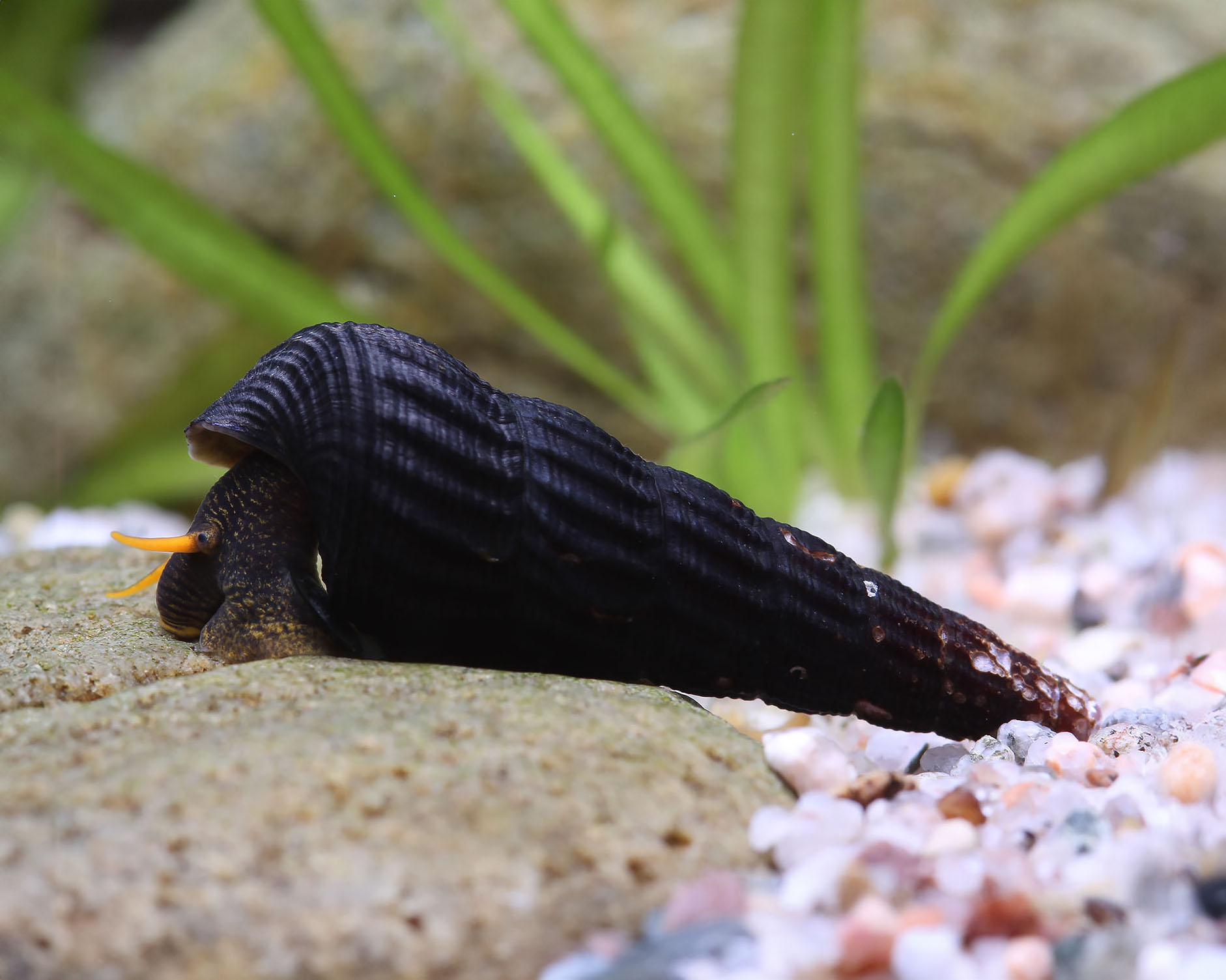
Red Ramshorn Snail
The Red Ramshorn snail is a classic choice for planted tanks due to its vibrant color and ability to clean up decaying plant matter quickly. They are excellent at recycling nutrients back into the water column, which can actually benefit your plants. While they reproduce relatively quickly, their population is easily controlled by limiting the amount of supplemental food provided. They are very hardy and can thrive in almost any freshwater environment. Their bright red shells provide a beautiful contrast against dark green foliage like Anubias or Java Fern, making them both functional and decorative.
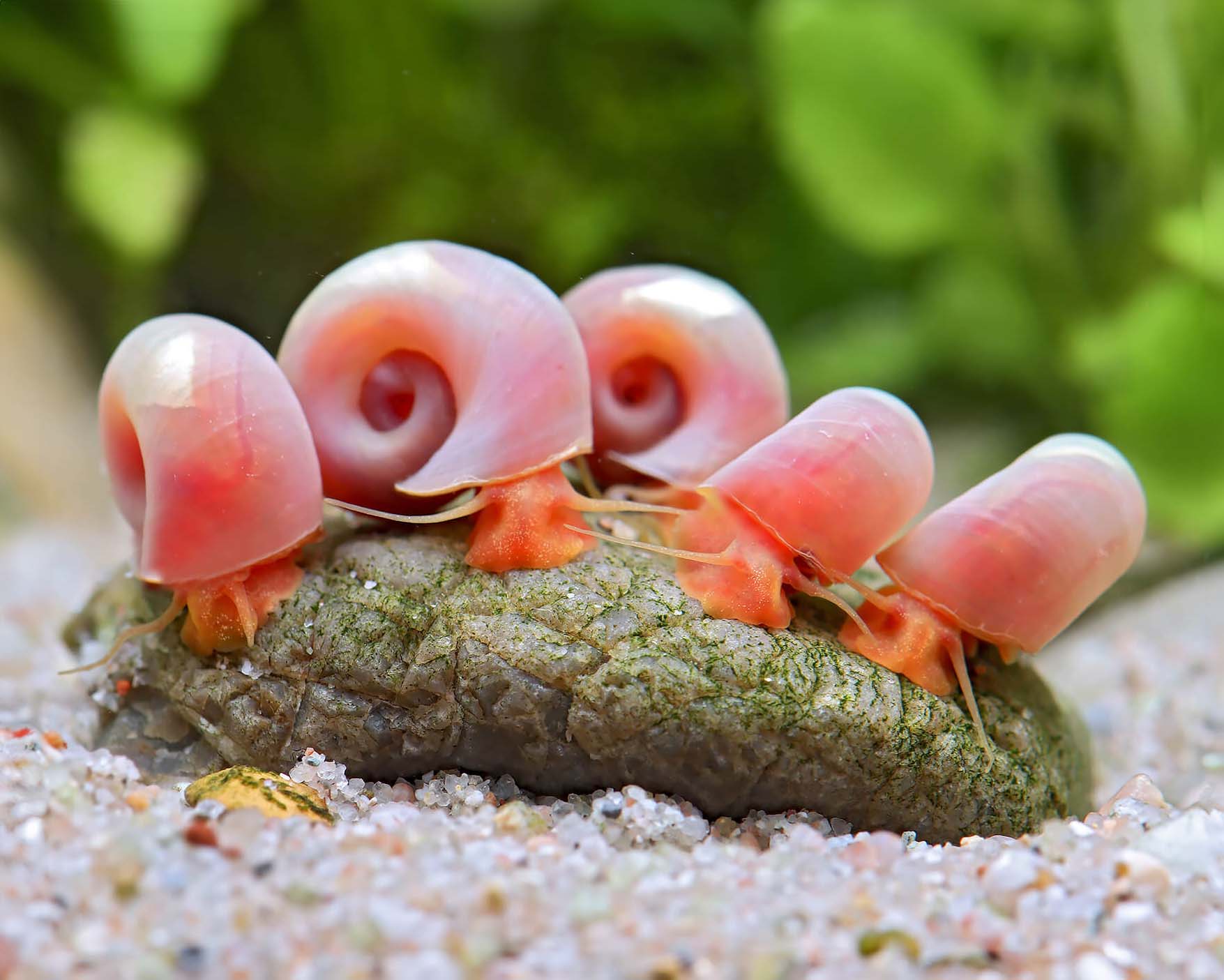
Batman Snail for Hardscape
The Batman snail is a unique species that thrives in high-flow environments, often found clinging tightly to rocks and driftwood. Their flat, shell shape allows them to hide in tight crevices, making them excellent cleaners for complex hardscapes where other snails cannot reach. They are very peaceful and purely algae-focused. Because they are adapted to fast-moving water in the wild, they appreciate a tank with good filtration and oxygenation. They are a great choice for aquascapers who use a lot of stone and wood in their layouts and want a cleaner that will not disturb the overall design.
%20-%20Neritpteron%20taitense%20-%201.webp)
Anthracite Snail for Deep Cleaning
The Anthracite or steel helmet snail is known for its incredible durability and dark, sleek shell. They are among the most effective cleaners for removing hard algae from glass and hardscape materials. They are nocturnal by nature, so you may notice them most active when the tank lights are off. Because they are very efficient, they should be introduced to tanks that already have a developed algae film. They are completely safe for plants and are a great choice for hobbyists who want a low-maintenance, hardworking snail that blends into the background of a natural-looking tank.
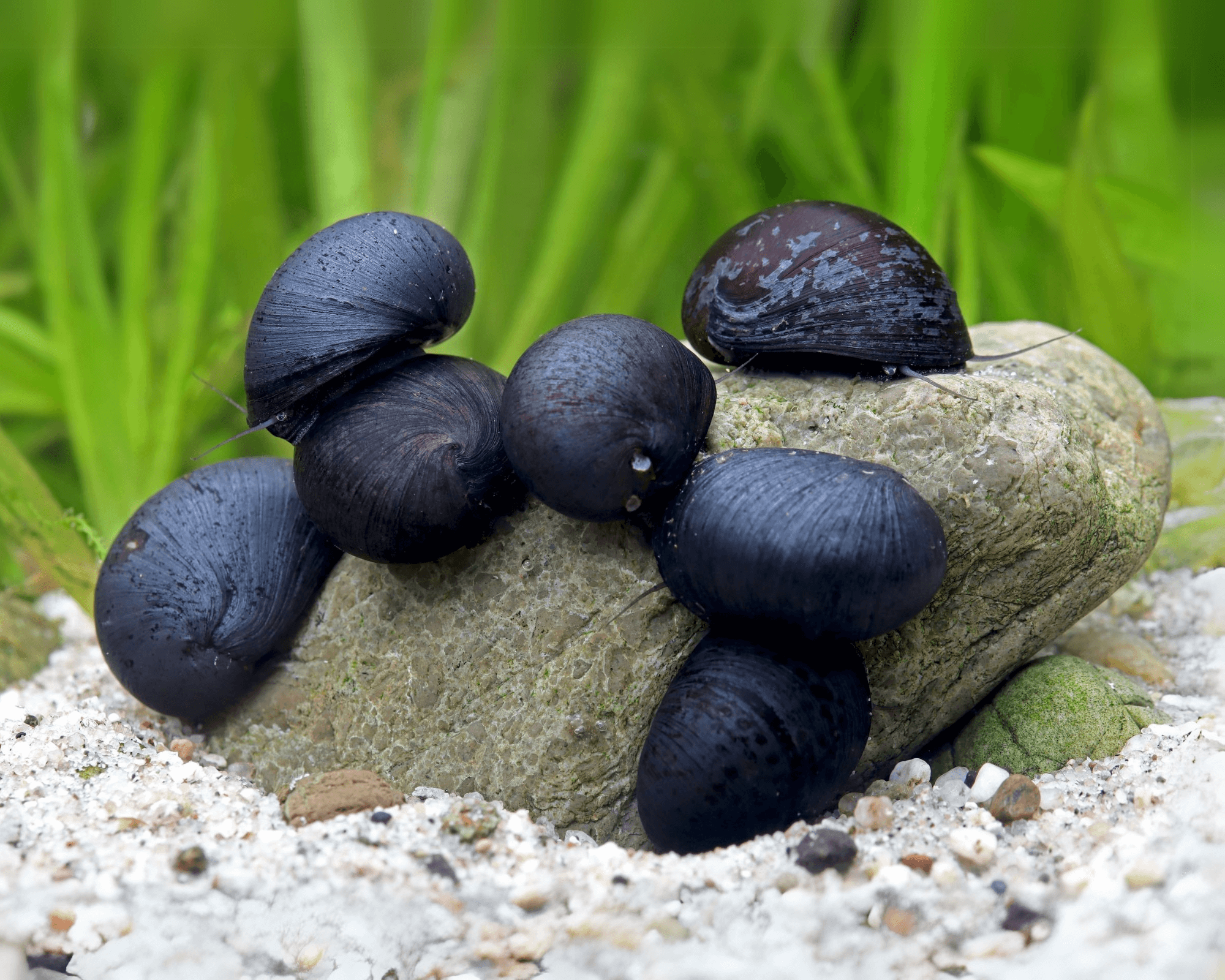
Staghorn Snail for Variety
Staghorn snails offer a distinct look with their unique, antler-like shell growths. They are small and peaceful, making them ideal for nano planted aquariums. These snails are great at grazing on soft algae and biofilm on plant surfaces. They are very hardy and adapt to different water parameters, provided the tank is well-cycled. They are best kept in small groups to encourage natural behavior. Like many nerite-type snails, they will not reproduce in freshwater, so you do not have to worry about them taking over your tank. They are a fun, interesting addition for any invertebrate enthusiast.
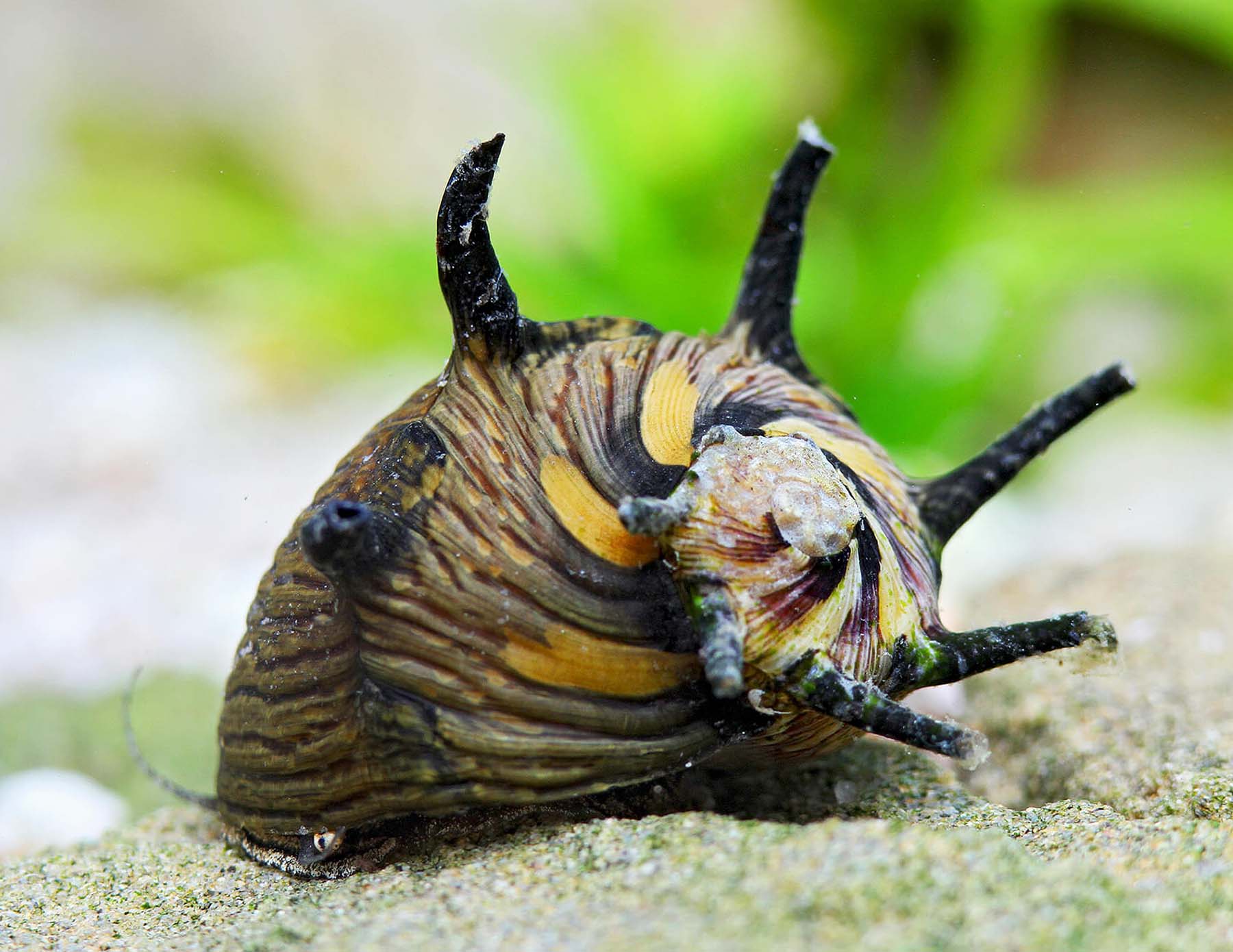
Malayan Trumpet Snail for Soil Health
The Malayan Trumpet snail is the ultimate burrower. They spend the vast majority of their time underneath the substrate, which makes them invaluable for planted tanks. By tunneling through the soil, they prevent the formation of anaerobic pockets and help distribute nutrients to plant roots. This activity keeps the substrate healthy and prevents the buildup of dangerous gases. They are nocturnal, so you will often see them surfacing after the lights go out. They are extremely hardy and will thrive in almost any planted aquarium setup, providing a hidden service that keeps your entire ecosystem running smoothly.
Frequently Asked Questions
Will these snails eat my aquarium plants?
Most of the snails listed here are strictly algae or detritus eaters and will not eat healthy, living aquarium plants. They may graze on decaying or dying leaves, which actually helps keep your tank clean.
How do I prevent my snails from overpopulating?
Population control is primarily managed by food availability. If you avoid overfeeding your fish and keep the tank clean, snail populations will typically stay at a manageable level. Some species, like nerite snails, do not reproduce in freshwater at all.
Do I need to feed my snails separately?
In a well-established planted tank, many snails will find enough algae and biofilm to survive. However, for larger species like Rabbit snails or in very clean tanks, supplemental feeding with algae wafers or blanched vegetables is recommended.
Are these snails compatible with shrimp?
Yes, all the snails listed are peaceful and fully compatible with freshwater shrimp. They occupy different niches in the tank and will not compete aggressively for resources.
 - 2.webp)
 margaritatus (mini fish) - 1.webp)
Leave your comments