Overview
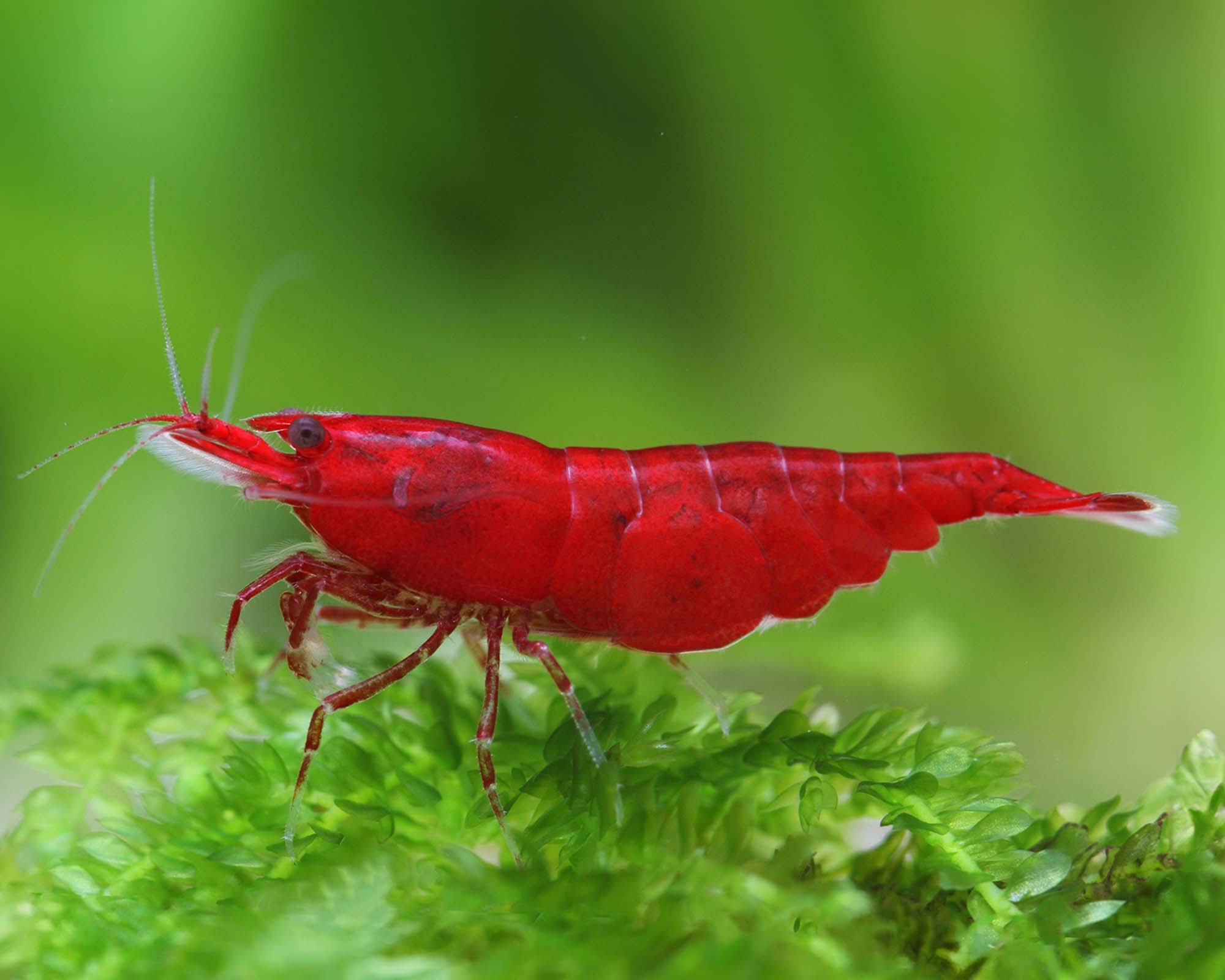
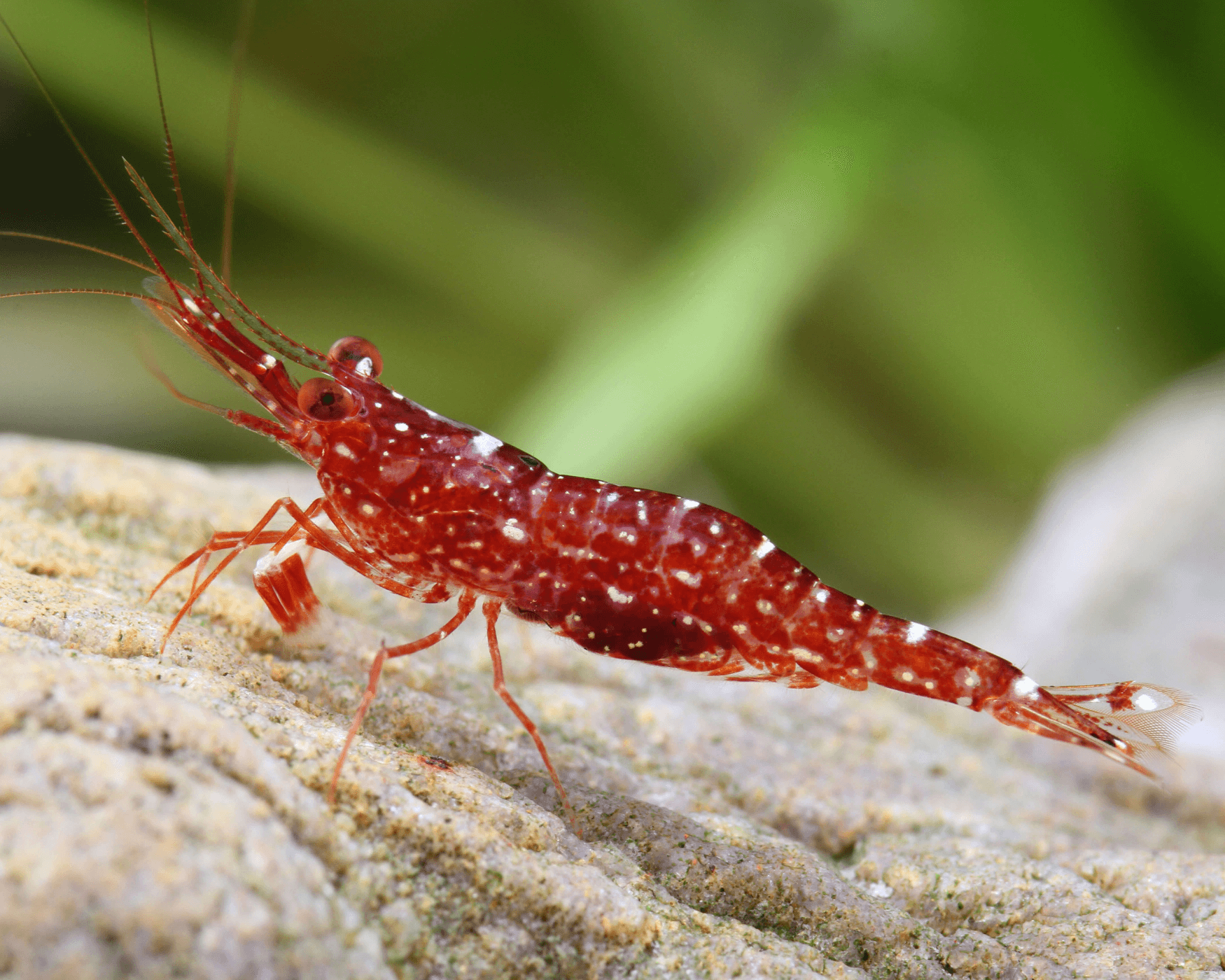
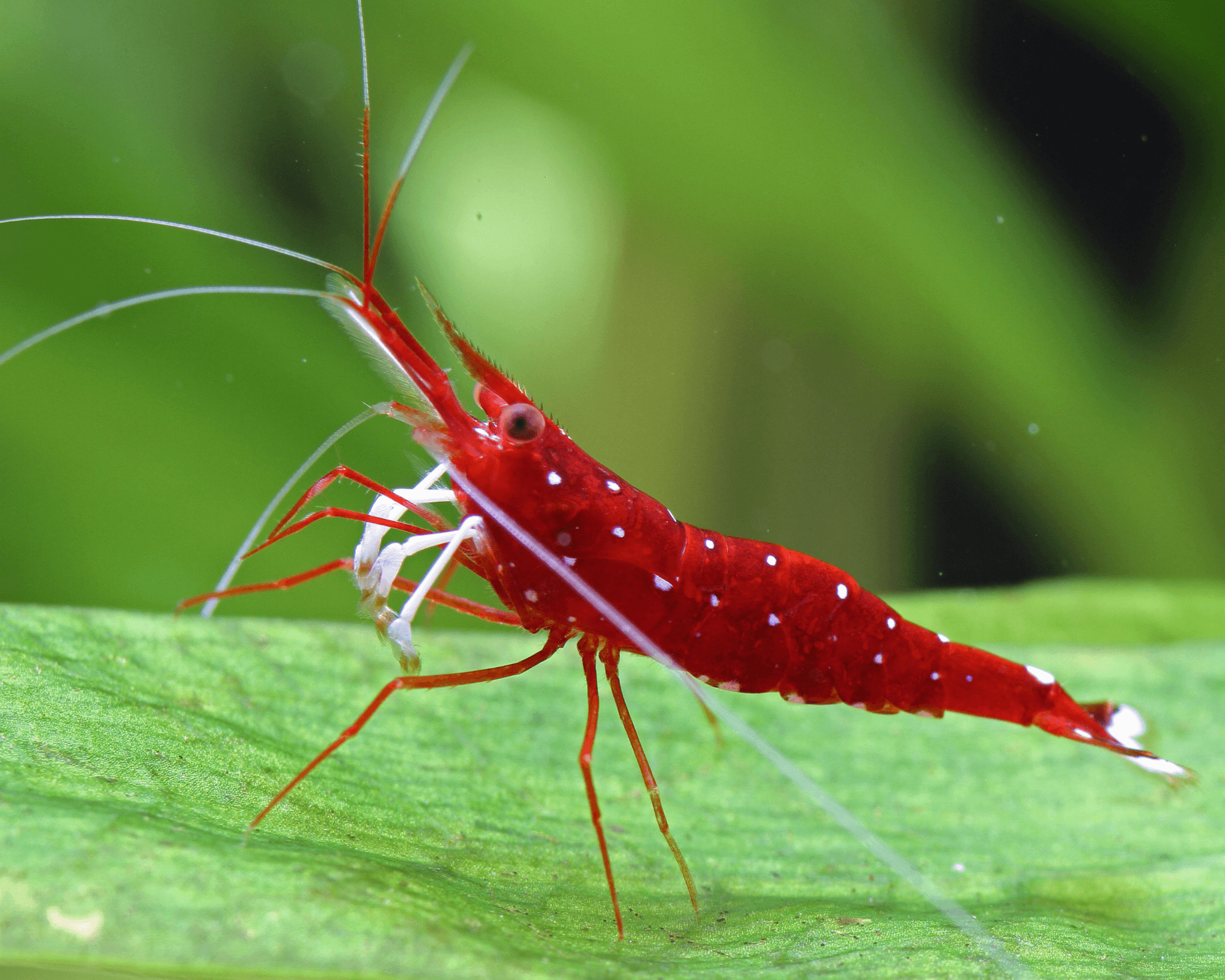
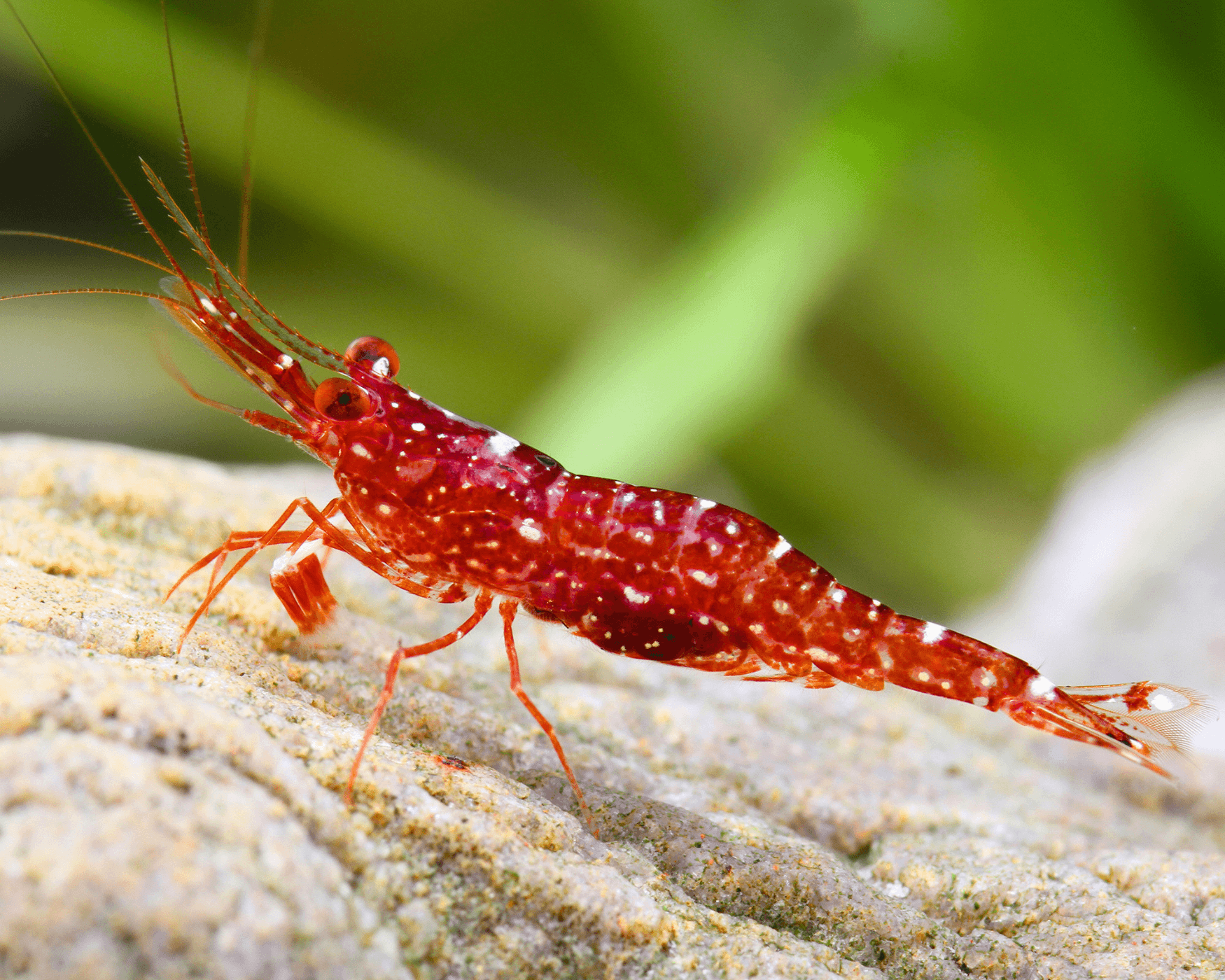
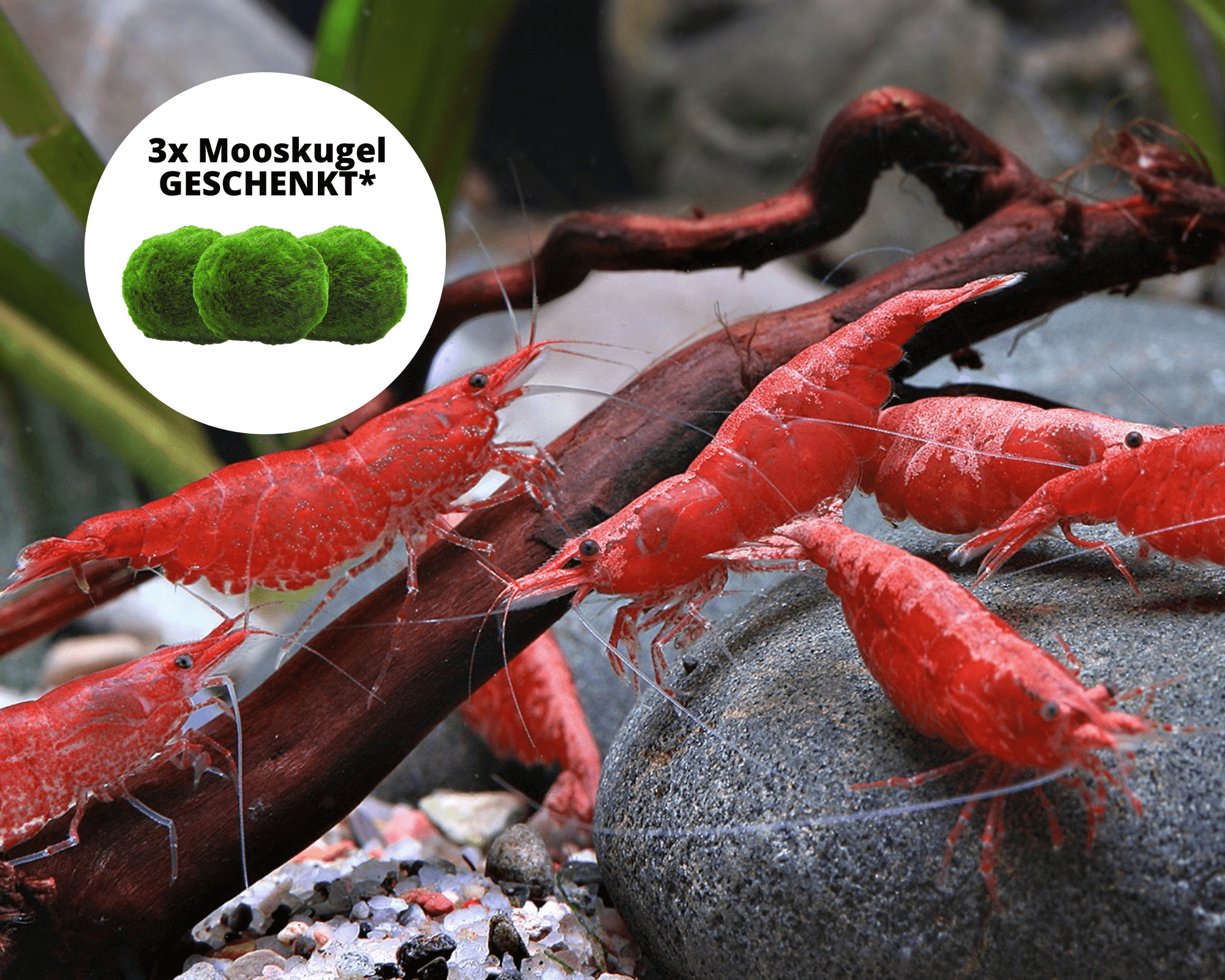
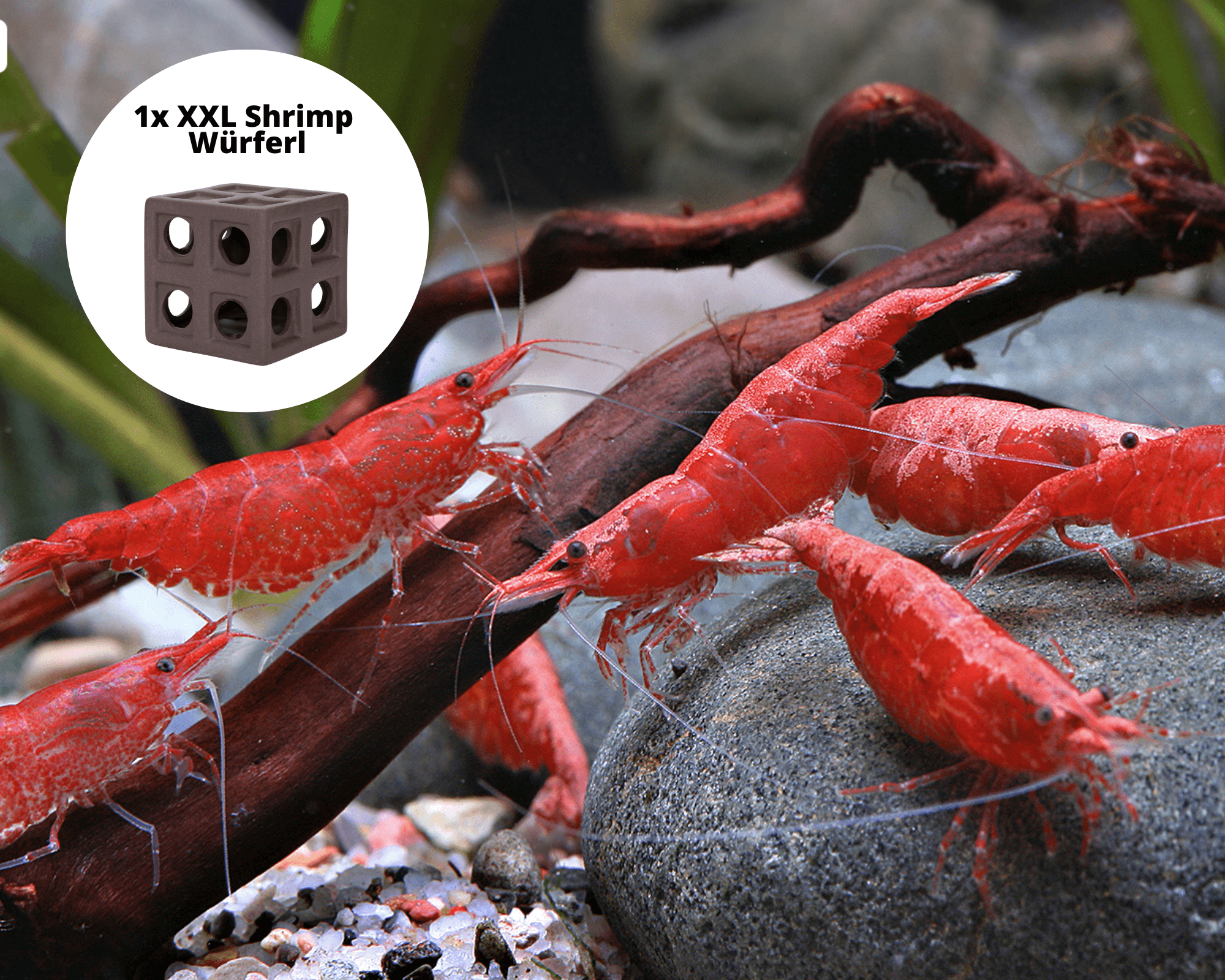
The Bloody Mary Shrimp, a stunning variant of the Neocaridina davidi species, is renowned for its incredibly deep, opaque red coloration. Unlike some other red Neocaridina strains where the color is primarily on the shell, the Bloody Mary's red pigment is concentrated in the tissue itself, giving it a rich, almost glowing appearance. This vibrant hue makes them stand out beautifully against green aquarium plants and dark substrates, adding a dynamic splash of color to any freshwater tank. They are peaceful, active scavengers that contribute to the tank's ecosystem by grazing on algae and biofilm.

Distribution and Habitat
While the wild form of Neocaridina davidi originates from streams and ponds in Taiwan and parts of mainland China, the Bloody Mary Shrimp is a product of selective breeding. It was developed in Taiwan through careful genetic selection, likely from a chocolate or dark red lineage, to achieve its distinctive deep red color. Therefore, its 'natural' habitat is the controlled environment of a breeder's tank, though it thrives in conditions mimicking its wild ancestors' clean, stable freshwater environments.
Description of Bloody Mary Shrimp
The Bloody Mary Shrimp typically reaches a size of 2.5 to 3.5 centimeters (1 to 1.4 inches) when fully grown, with females generally being larger and more robust than males. Their most striking feature is their intense, uniform red coloration that covers their entire body, including their legs and antennae, often appearing more opaque and less translucent than other red shrimp varieties like Cherry Shrimp. Females often display a prominent 'saddle' (unfertilized eggs developing in the ovaries) behind their head and, when gravid, carry bright red or brown eggs under their tail. Males are usually smaller, slimmer, and have a slightly less intense coloration.

Keeping and Caring for Bloody Mary Shrimp
Bloody Mary Shrimp are relatively hardy and adaptable, making them an excellent choice for beginners. They prefer stable water conditions and a well-established aquarium.
Tank size:
A minimum of a 5-gallon (approximately 19 liters) aquarium is recommended for a small colony of Bloody Mary Shrimp. Larger tanks are always better as they offer more stability in water parameters.
Water Parameters:
Consistency in water parameters is key for the health and longevity of these shrimp.
Temperature
Bloody Mary Shrimp thrive in temperatures between 20-26°C (68-79°F). While they can tolerate a slightly wider range, stability within this range is preferred.
pH
A pH range of 6.5-7.5 is ideal. They can adapt to slightly acidic or alkaline conditions, but extreme pH levels should be avoided.
Hardness
They prefer moderately hard water. A General Hardness (GH) of 6-10 dGH and a Carbonate Hardness (KH) of 2-8 dKH are generally suitable. These parameters help with proper molting and shell development.
Ammonia, Nitrite, Nitrate
Like all aquatic invertebrates, Bloody Mary Shrimp are highly sensitive to ammonia and nitrite. Levels of both should always be 0 ppm. Nitrates should be kept as low as possible, ideally below 20 ppm, through regular water changes.
Lighting
Lighting is not critical for the shrimp themselves, but it is important for any live plants in the aquarium, which in turn provide food sources (algae, biofilm) and hiding spots for the shrimp.
Water flow
Gentle water flow is preferred. Strong currents can stress the shrimp. A sponge filter is an excellent choice as it provides mechanical and biological filtration without posing a risk to shrimplets.
Decorations and Plants
Provide plenty of hiding spots and surfaces for grazing. Live plants such as Java Moss, Anubias, and Bucephalandra are excellent choices. Driftwood, rocks, and ceramic shrimp caves also offer shelter and encourage biofilm growth. A dark substrate can help enhance their vibrant red coloration.

Adding the Bloody Mary Shrimp
When introducing Bloody Mary Shrimp to a new tank, it's crucial to acclimate them slowly to prevent shock. A drip acclimation method, where tank water is slowly dripped into the bag or container holding the shrimp over 1-2 hours, is highly recommended. This minimizes stress from sudden changes in water parameters.
Some Feeding Tips
Bloody Mary Shrimp are primarily scavengers and will graze on algae, biofilm, and detritus in the tank. Supplement their diet with high-quality shrimp pellets, blanched vegetables (like zucchini or spinach), and occasional protein-rich foods. Avoid overfeeding, as uneaten food can foul the water. Feed small amounts once a day or every other day, only what they can consume within a few hours.
Dangers of Bloody Mary Shrimp in the Planted Aquarium
There are virtually no dangers associated with keeping Bloody Mary Shrimp in a planted aquarium. They are peaceful, do not eat healthy plant matter, and actively help clean the tank by consuming algae and decaying organic material. They are beneficial members of a planted tank ecosystem.
Tank mates & Compatibility
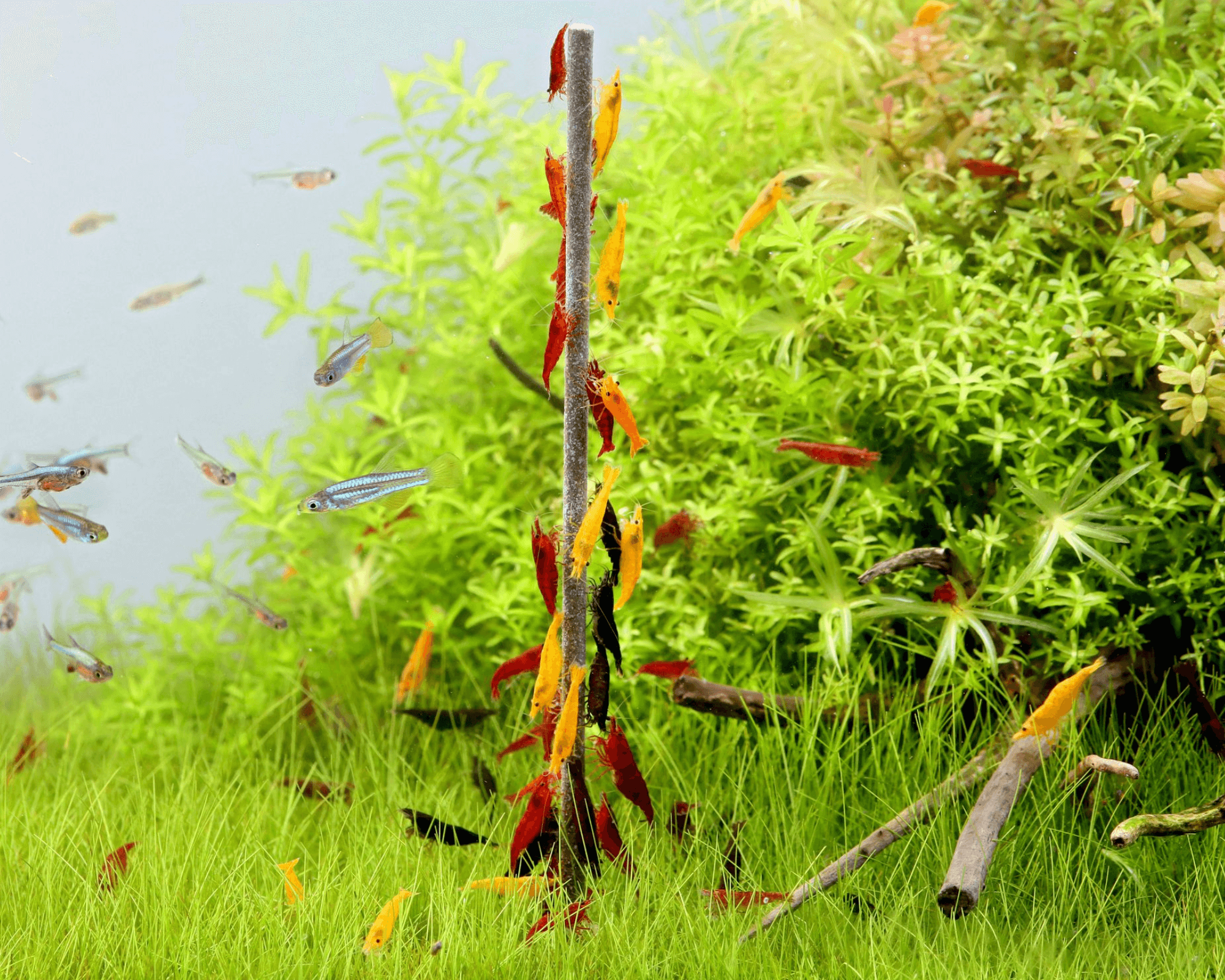
Bloody Mary Shrimp are incredibly peaceful and should only be housed with other non-aggressive, small, and peaceful tank mates. Ideal companions include other Neocaridina shrimp (be aware of potential cross-breeding if you want to maintain pure lines), small snails (Nerite, Mystery, Ramshorn), and very small, peaceful fish like Otocinclus catfish, Dwarf Rasboras, or small Endler's Livebearers. Avoid any fish large enough to fit a shrimplet in its mouth, as even seemingly peaceful fish can prey on baby shrimp.
Breeding Bloody Mary Shrimp
Breeding Bloody Mary Shrimp is straightforward, provided stable water conditions and a healthy environment. Females will display a 'saddle' of eggs behind their head, which indicates they are ready to breed. After mating, the eggs move to the swimmerets under her tail, where she carries and fans them for about 28-30 days until they hatch. The shrimplets emerge as miniature versions of the adults and require no special care, feeding on biofilm and micro-organisms in the tank. A well-planted tank with plenty of hiding spots will ensure a higher survival rate for the young.

Conclusion
The Bloody Mary Shrimp is a fantastic addition to almost any freshwater aquarium. Its stunning, deep red color provides an incredible visual contrast, while its easy care requirements and peaceful nature make it suitable for aquarists of all experience levels. Whether you're looking to add a splash of color, control algae, or simply enjoy the fascinating behavior of these tiny crustaceans, the Bloody Mary Shrimp is an excellent choice that will thrive and breed readily in a well-maintained environment.
 - 1.webp)
 - 1.webp)


Leave your comments