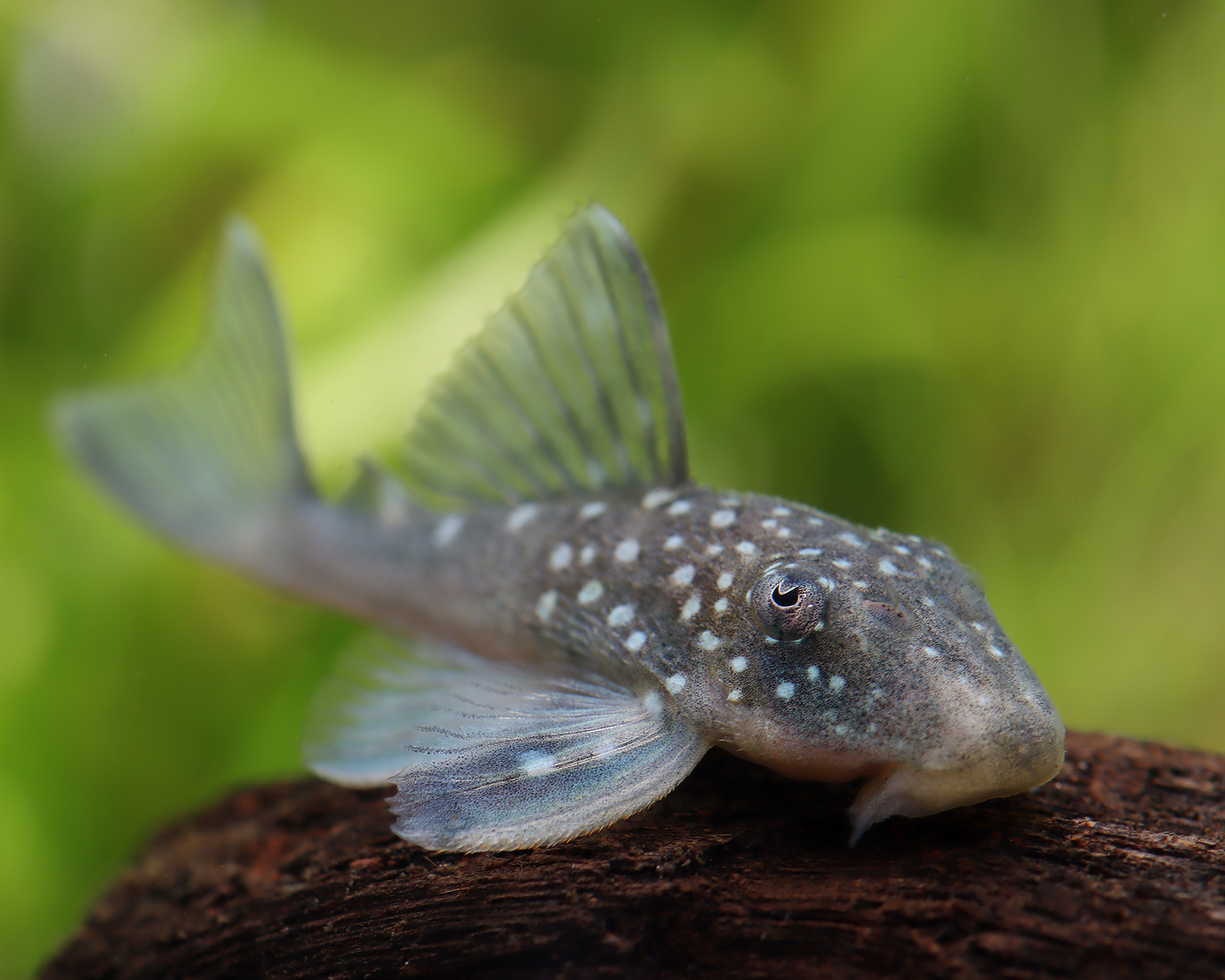
The Blue Phantom Plecostomus requires an established aquarium to thrive. It is critical to maintain high water quality and aeration plus strong water movement to ensure the health of the Blue Plecostomus. A fast-moving, oxygen-rich environment can be achieved through the use of powerheads. They will also do well in aquariums with less hectic water movement.
Blue Phantom Plecos are omnivores and will fare well in a mature aquarium with driftwood and smooth edged or rounded rocks that host algae and biofilm . Supplement the diet of their diets with foods that sink to the bottom of the aquarium such as a high-quality flake food and sinking algae or spirulina pellets and wafers.

Blue Phantom Pleco (Hemiancistrus sp. L128) is an attractive freshwater fish that is owned by many aquarium owners. They are beautiful and unique-looking fish that are fairly peaceful. They are easy to care for and will happily live in your aquarium. This makes them a desired pleco choice for most aquarists. The L128 Pleco will need specific tank conditions to thrive and happily live for many years.
This article will guide you through the essential information about Blue Phantom Pleco care. We will also provide a bunch of other useful tips and tricks to make you an expert in caring for this fish.
Species Profile & Overview
Blue Phantom Pleco ( L128 Pleco ) is a member of the Loricariidae family (plecos) that comes from Rio Orinoco in Venezuela. These fish have been in the aquarium hobby for many years and have been bred by many fish keepers in captivity.
Also known as L128 Pleco, these fish have a bluish bony body that has bright white dots that covers all their back. In the wild, their boney back and their unique colorations will help them protect and camouflage from predators that swim in the area.
The river these fish are coming from has very low water visibility that is filled with plant matter. The Blue Phantom Pleco usually feeds on herbage and other available food sources.
Same as in their natural habitat, you will need to furnish the aquarium with rocks, plants, driftwood, hiding spots, and a diet of vegetables and small crustaceans.
Appearance
The appearance of the Blue Phantom Pleco is unique and beautiful. Their unique color and markings make them stand out in your aquarium and will grab every viewer’s attention.
Like other plecos, they do not have scales, instead, they are covered with hard bone plates on their back. The belly area is very soft that has a thin layer of skin. The eyes are located on the head and are the only soft spot they have on their back.
As seen in the figure above, these fish have 8 fins that are used for swimming. The fins are large and triangular-shaped that are fan backward.
Their unique black and bluish color make them stay apart from the other Loricariidae fish. As the name suggests, the base color on their body is inky black and blue which will get washed as it spreads towards the fins. They also have bright white dots on their body that makes them even more beautiful. These dots are mainly on the body and some of the fins. However, the belly area is usually light yellow with no visible dots.
Setting up your tanks as close to what these fish get in nature will increase the contrast and coloration of your L128 Pleco.
Adult Size
Blue Phantom Plecos can grow to 7 inches when they are fully grown. Compared to other types of plecos they are slightly bigger which make them a good fit for medium to larger aquariums.
If they receive adequate care in their early stages of life, they will grow to their maximum size effortlessly and quickly.
Lifespan
In captivity, Blue Phantom Pleco’s lifespan is around 10 – 15 years. However, there are reports that some individual L128s have lived even longer.
To ensure that your fish live their whole intended life, you must provide them with the care suggested in this article, which includes proper maintenance and feeding.
Behavior and Temperament
Blue Phantom Pleco has an incredibly peaceful character that makes them a fantastic addition to any aquarium. Most of the time they are calm and stay in their small territory in the tank. They are mostly active at night and will scavenge for food but will stay in their cave during the day.

That being said, they will also come out during the day when they are hungry and feel secure.
If you keep many males in an aquarium, you might see them getting a little aggressive. They show aggressive behaviors when they are fully grown adults, especially during the breeding season. This aggression can occur towards other male L128 or even other bottom-dweller fish.
Adding more hiding areas and more pleco caves will prevent aggressive behaviors among males. You should have at least one cave for each male present in your tank.
Blue Phantom Pleco Care
Blue Phantom Pleco care is easy and many consider these fish as one of the easier pleco species to keep. Any hobbyist can keep this fish when they provide them with the right setup and water parameters.

They’re a peaceful species that will mind their own business without demanding a lot of attention. When they get clean water and a rich diet, they will live happily in the aquarium.
To provide the best possible living space and care for your Blue Phantom Pleco, you should follow the basic recommendations listed below.
Tank Size
The adult Blue Phantom Pleco will need a tank size of at least 30 gallons. Juveniles can live in smaller aquariums but you will have to upgrade once they grow. We always recommend getting the biggest fish aquarium that you can possibly afford. This makes life easier for you and the fish living in it.
If you are planning to keep more than one of the L128 Plecos then you should definitely get a bigger tank. These freshwater fish need a spacious bottom area so the gallon that your aquarium can hold might not always be the right way to calculate how many plecos you can keep in your aquarium.
For L128 Plecos a wide tank is preferable over a tall tank. This is because high tanks have a smaller floor area than low aquariums of equal volume. Both tanks hold the same amount of water, but the high tank can house fewer plecos due to its narrower floor area. After choosing a suitable aquarium for your setup, you can add slates, rocks, tiles, and other decorations to give your Blue Phantom Pleco even more floor surfaces.
Tank Setup
When it comes to plecos, the tank setup is super important. These fish are shy and nocturnal and will need specific items in the aquarium. Blue Phantom Pleco spends most of its time staying at the bottom of the fish tank and around decorations. This means you will need to pay attention to the items you place in your aquarium.
They need lots of hiding spots to feel safe in your aquarium. You can create these hiding spots by adding lots of rocks and driftwoods to your tank. During the day, they will hide in the shadows and crevasses created by the decorations; however, they feel safest in a pleco cave. These caves are specially made for plecos and will provide a dark space for the fish to rest during the daytime.
Because of their soft belly, these fish need a soft and fine substrate. The rivers these fish are coming from have fine sandy and muddy substrate. In an aquarium, sand is the best substrate for Blue Phantom Plecos, however, if you have live plants in your tank, which we highly recommend, then many planted substrates are also great options.
Plants are a vital part of any balanced ecosystem. Aquatic plants will remove toxins from your tank while providing plenty of hiding spots for your fish. You can use floating plants or any other aquarium plants to add beauty and functionality to your aquarium.
Water Parameters
Blue Phantom Plecos are very effortless when it comes to the water parameters they need. They are as hardy as other species in their family and will live in similar tropical parameters as most fish coming from South America. These parameters are easy to maintain even by beginner aquarists. Below are the tank parameters you can keep L128 Plecos in:
Temperature: 76 – 86 Degrees Fahrenheit
PH: 6 – 7
TDS: 100 – 120 PPM
When you first bring your L128 Pleco home you will need to test your aquarium water regularly to make sure everything is in their favor. After a few a week or two if you see no fluctuation in the aquarium then you will not need to perform as many tests as in the first week. We highly recommend having a TDS (Total Dissolved Solids) meter and changing the water every time the tank’s TDS crosses the recommended range.
Lighting
In general, Blue Phantom Plecos stay in the shadow areas where light is not strong. Therefore, if you don’t have any live plants, stay away from intense lighting. However, when you keep live plants you will need a strong light so you should add more caves, decorations, and other hiding spots so your L128 Pleco can hide when the aquarium lights are on.
Filter System
Blue Phantom Pleco needs clean water, so a good well-established aquarium is necessary. These fish produce a lot of waste, so a strong filter is required for them. When filtration of your tank can’t keep up with the waste production, your fish will suffer and might face health issues. This will have a direct impact on the lifespan of your fish.
Common Diseases and Prevention
Blue Phantom Pleco are not sensitive fish and will not easily get sick. They are very hardy and will not get sick randomly. However, when water parameters are not in their favor or they are under stress they tend to easily get sick. Like all freshwater aquarium fish, they are also susceptible to all common aquarium diseases that might get introduced to your tank by other fish.
Prevention is the best cure! Remind yourself to clean the aquarium regularly and keep an eye on the water parameters. Do regular water changes and provide your fish good food. Avoid adding any new fish to your tank without properly quarantining it.
Diet and Feeding Requirements
Blue Phantom Pleco are Omnivore, so you should provide them with foods that have algae, plant matter, fresh vegetables, and other plant-based foods. High protein meaty foods are also a part of their diet that you can feed every now and then. You can feed them high protein prep food, small crustaceans, and insect larvae.
Blue Phantom Pleco, like most fish, prefers fresh foods over prepared dry food. You can feed them foods such as algae wafers, zucchini, potato, cucumber, and sweet potato. Live foods like bloodworms, brine shrimp, and other small live foods can also be a great treat for them if you can source any. If live food is not an option, you can feed your L128 Pleco frozen foods that are widely available in most pet stores and online.
There are also many commercially prepared foods available that are specifically made for omnivore plecos. It’s always a good idea to get multiple different types of sinking foods and feed your pleco a mix of all of them. This is to ensure your fish can get all the nutrition it needs. Plant-based pellets or fish flakes mixed with low amounts of high protein foods are an ideal mix to feed.
Blue Phantom Plecos love to eat fresh vegetables like zucchini and cucumber. If this is the case for you, simply cut the vegetables and place them somewhere in the tank. Do not keep fresh vegetables like cucumber in the aquarium for more than 6-12 hours as they will start to decay and will make your aquarium dirty.
Breeding Blue Phantom Pleco
Breeding Blue Phantom Pleco in captivity can be a frustrating process that most will not try. However, breeding L128 Plecos can be done in an aquarium environment but it’s a tedious process and only advanced breeders might get to breeding them. These fish need very specific conditions to breed so you will need to recreate in the tank.
In order to breed these fish, you will need a large group of Blue Phantom Plecos that are mature and at least 3-5 years old. Once you confirm you have at least one male and one female in your breeding group, you can start to condition your fish for breeding.
L128 Plecos are cave breeders which means they need a specific type of cave to breed. The cave should be slightly bigger than the male’s body; but, small enough that he can trap the female inside.
Once the male finds the right cave, he will clean the cave and wait for the female to arrive. The male will then trap the female and will not let her leave the cave until she lays eggs.
Once eggs are laid, the male will let the female leave the cave, and then he will fertilize the eggs. It’s the male job to guard the eggs until they hatch. During this time, the male cleans the eggs and fans them so the eggs don’t go bad or get mold.
Blue Phantom Plecos lay around 40-60 eggs each time they breed and majority of them will hatch.
After about 4-5 days the eggs will hatch but will not leave the cave for another 10 -12 days. During this time they will not eat and will continue to absorb their egg sac. Then, they will escape the cave and will attach to driftwood or glass in the aquarium.
Blue Phantom Pleco Tank Mates
The ideal tank mates for Blue Phantom Pleco are the fish that can live in the same aquarium environment and parameters. The majority of South American fish can live peacefully with this fish without bothering each other. that require the same living conditions.
The L128 Plecos love to live in soft and tropical waters. This means you will need to select other tank mates that can live in the same water parameters. Most non-aggressive South American fish are ideal tank mates for your Blue Phantom Pleco. However, avoid super aggressive and larger fish that might try to eat your pleco fish. Here are a few of the fish you can house with this species in the same tank:
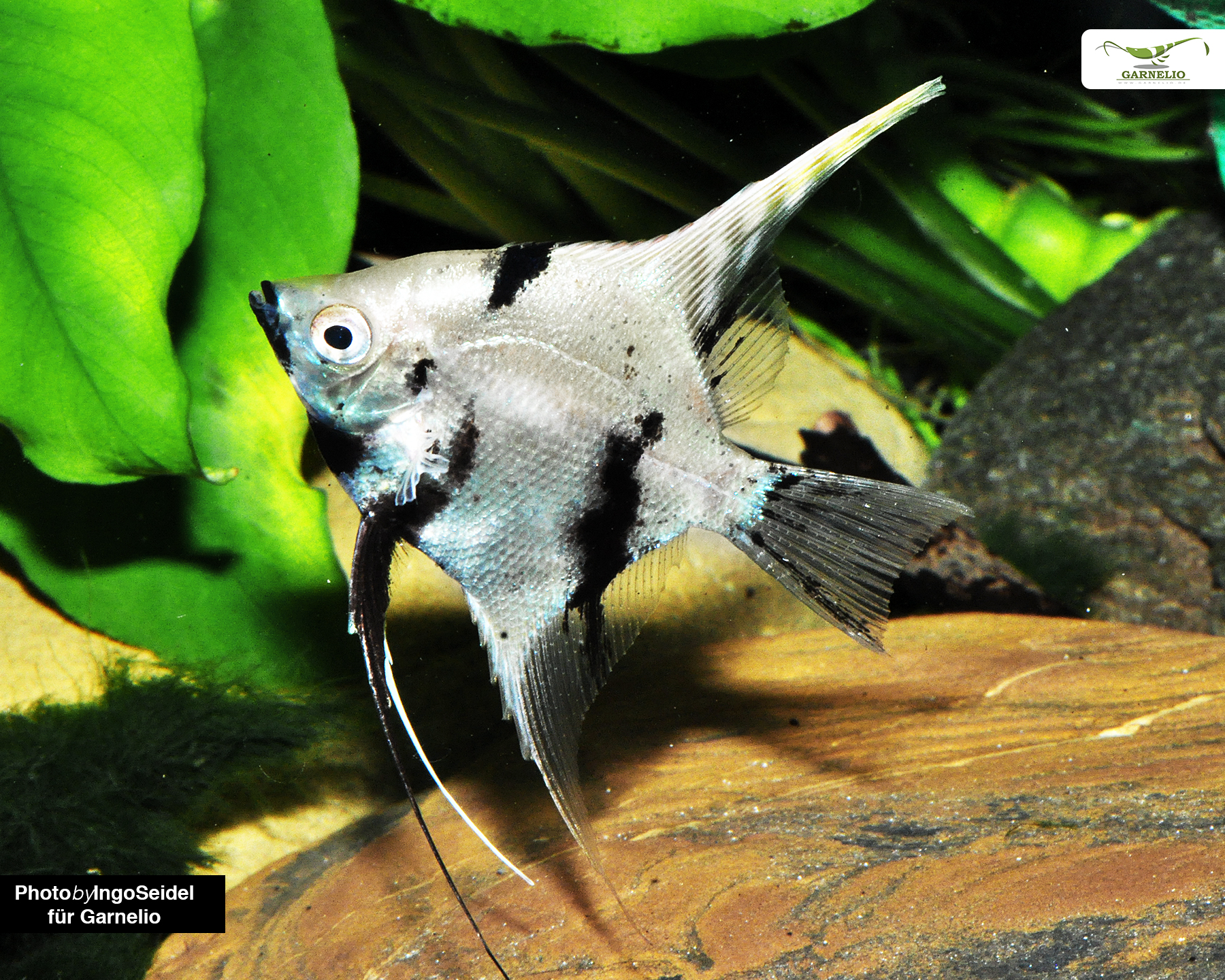
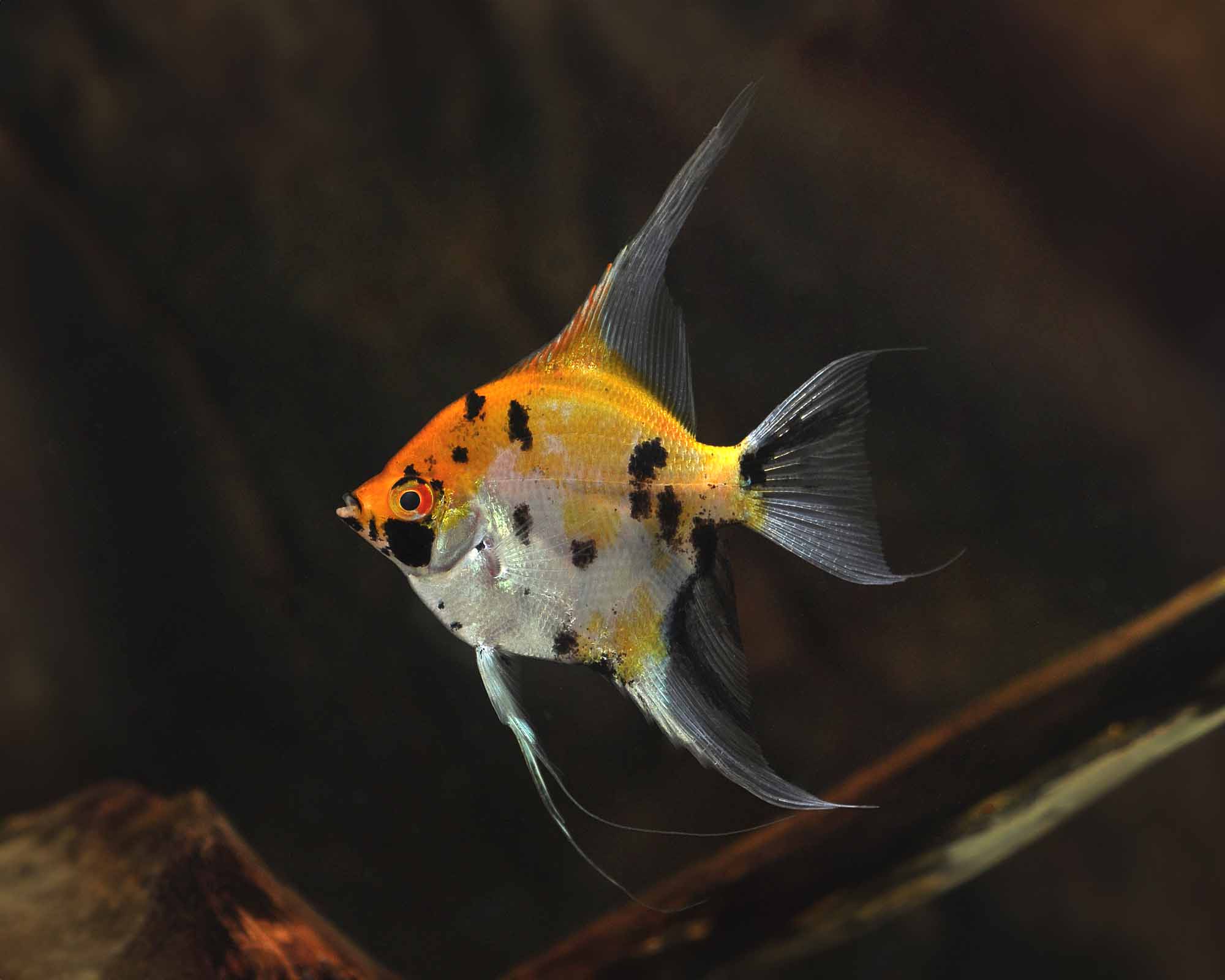
Angelfish
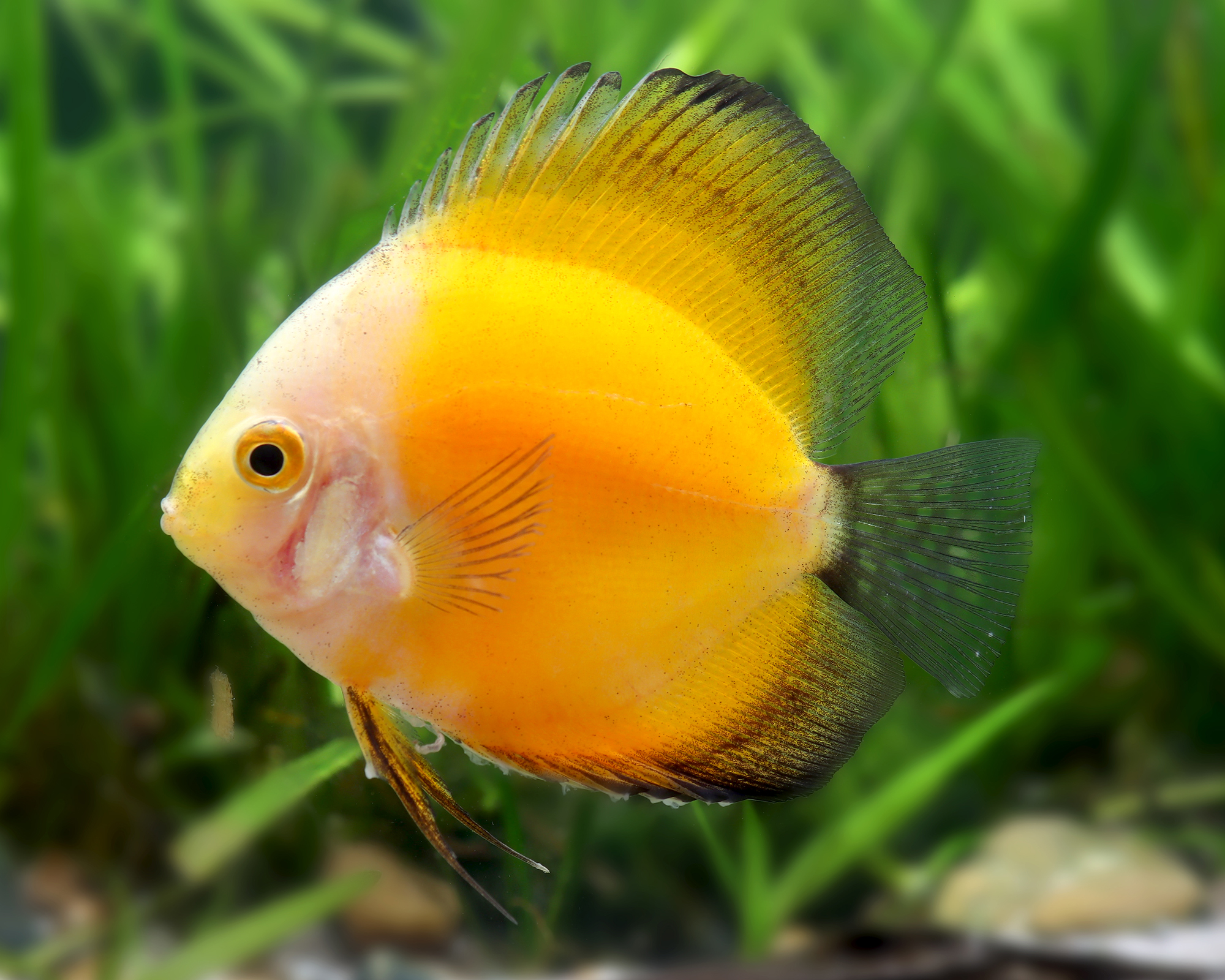
Discus
Arowanas
German Blue Ram
Tetras
Other Plecos
Conclusion
By now you know all the fundamentals of Blue Phantom Pleco care and can confidently look after your pet fish. They are very passive and peaceful fish that will mind their own business. Clean and warm water will keep your pleco healthy so you will need to maintain your tank very well.



Leave your comments